Kulttuuri

Kulttuurimme

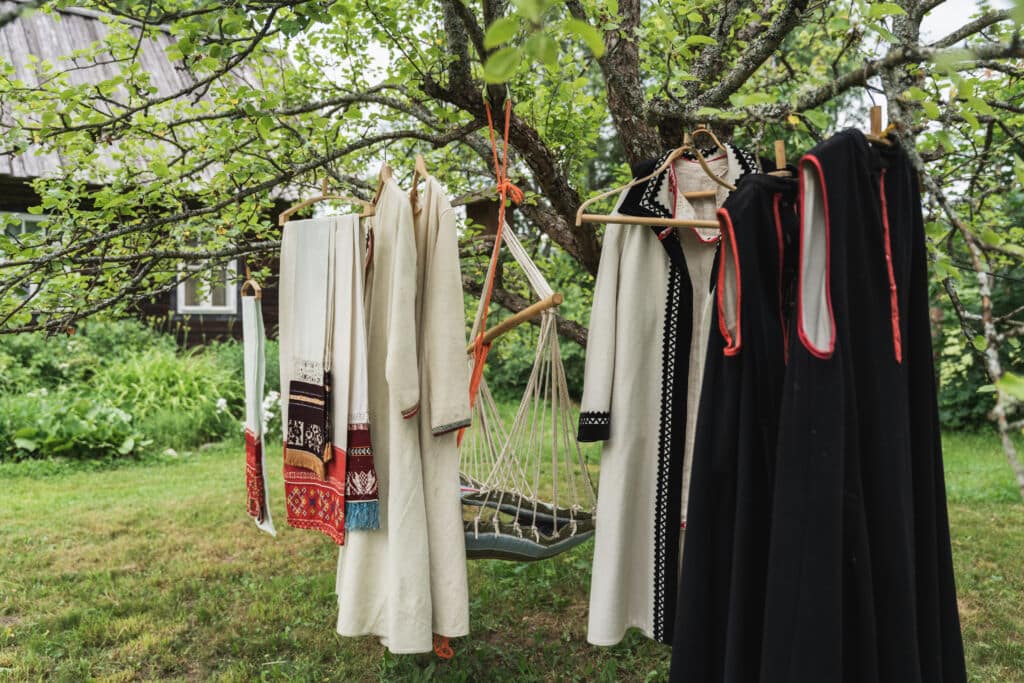
Etelä-Viro ei ole yksi kulttuuri. Niitä on neljä. Kerrostuneet vuosisatojen aikana päällekkäin, jokaisella oma kielensä tai murteensa ja omat perinteensä.

Võrot etelässä, setot Venäjän rajalla, vanhauskoiset Peipsijärven varrella ja yliopistokaupunki Tartto – kaikki kahden tunnin ajomatkan päässä toisistaan, kaikki täysin erilaisia. Suurin osa siitä on yhä elävää, ei lasin takana.

Etelä-Viroa muovanneet kulttuurit jättivät jälkeensä – kartanoita, ulkomuseoita, kirkkoja, kokoelmia, jotka olisivat kadonneet, ellei joku olisi ajatellut niiden säilyttämistä. Ja sitten on Tartto, Viron henkinen keskus, jonka kautta suuri osa maan kulttuurihistoriasta jossain vaiheessa kulkee.

Tästä löydät kaiken.

Kartanot ja linnat

Etelä-Virossa on enemmän kartanoita neliökilometriä kohden kuin lähes missään muualla Baltiassa. Useimmat rakennettiin 1600–1800-luvuilla balttisaksalaisen aateliston toimesta, ja ne jättivät jälkeensä arkkitehtuurin, joka yhä yllättää – upeat salit, maisemoidut puistot, järvenrantasijainnit. Melko monet on kunnostettu, ja ne ovat vierailun arvoisia.

  • Opastetut kierrokset
  • Työpajat
  • Linnat

Alatskivi Castle

Fairytale Alatskivi Castle awaits visitors in South Estonia, about 40 km from Tartu. In the castle, you travel back in time to the 19th century, get acquainted with the life of a noble family and the manor's daily routine, and meet the servants who worked here a hundred years ago, brought to life with wax figures in the basement. Castle guides share captivating stories, and visitors can create a personal souvenir in the ceramic workshop. Allocate at least 1.5 hours to explore the exhibition, which spans three floors. On the castle's third floor is the museum of composer Eduard Tubin, which presents the life and works of one of Estonia's most famous musicians. The former carriage-horse stable next to the castle offers insight into the manor's management and daily operations. Alatskivi Castle is part of the Onion Route, which can also be explored through the bright yellow National Geographic windows. Stroll in the castle park, enjoy nature on the Alatskivi hiking trail, stay in romantic castle suites, and taste local dishes at the castle restaurant.

  • Linnat

Kuremaa Castle and Park

Kuremaa Manor is a special place where classical columns, grand façades, and harmonious proportions blend beautifully in its architecture. It is an excellent venue for conferences, client and team events, as well as weddings and celebrations. The neoclassical manor house was designed by E.J. Strauss and built between 1837 and 1843 by the von Oettingen family.The manor’s museum room introduces the history of the estate.The diverse manor park slopes gently down to Lake Kuremaa, enchanting visitors with its beach and leisure opportunities.Within walking distance are the Kuremaa Mill, Kuremaa Beach, Kuremaa Swimming Pool and Mini-Spa, and the Kuremaa Health Trails.

  • Lapsiystävällinen
  • Linnat
  • Kartanot

Cantervilla Castle (Pikajärve manor)

Pikajärve manor, which is also known as the Cantervilla Castle, is probably one of the cosiest manors in Estonia. The main building (built in 1908) and the vivid quarry stone outbuildings are on a landscape filled with beautiful dome-shaped hillocks, high up on the shore of a lake. The walls of the halls of the eye-catching main building are decorated with landscape paintings and portraits, antique furniture and the light from the chandeliers add festivity and romance. The manor is private property at the moment and operates as an establishment for holding different events and offers accommodation.

  • Linnat
  • Kartanot

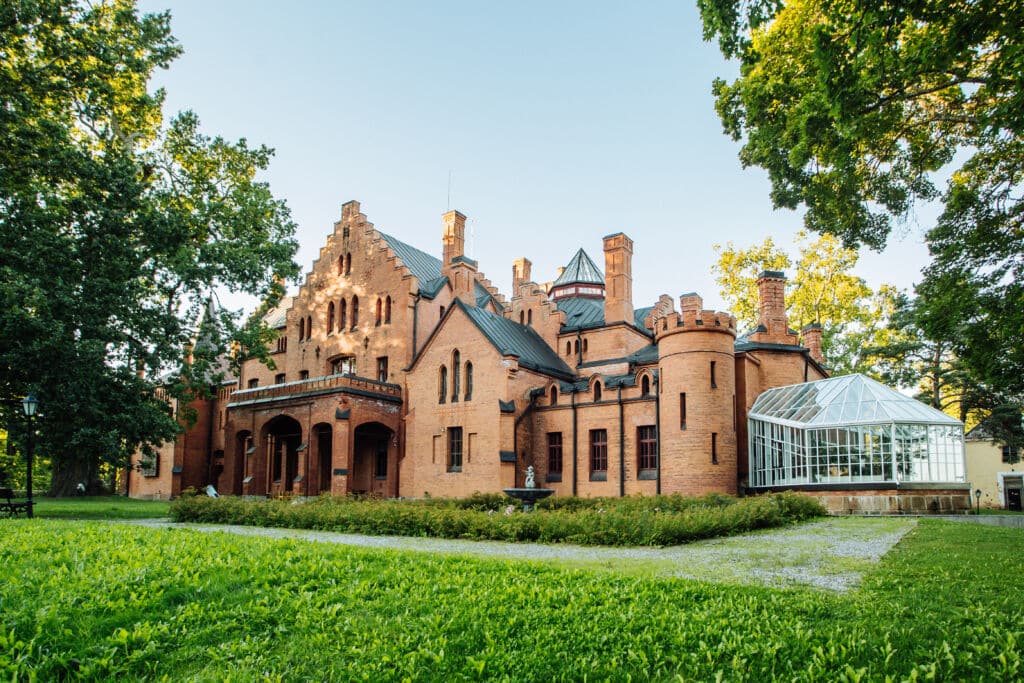
Sangaste Castle

Sangaste Castle is one of the Southern Estonian places worth discovering that are marked with a yellow window. If you are interested in culture and history, it is definitely worth a visit. Sangaste castle and park were fashioned after the famous Windsor castle in England. The magnificent halls, architecture and history of the castle make this a good place for a big wedding, get-togethers or spending the night in a genuine castle. The castle restaurant serves local food and real rye vodka made from Sangaste rye. In addition to the castle, the stables, dairy, barn, water tower and arboretum are also open for visitors.

  • Kartanot

Ahja Manor

Ahja Manor dates back to the Middle Ages (from 1553). The two-storey main building of the baroque Ahja Manor with a half-hipped roof, completed in the late 1740s, was one of the most luxurious in Southern Estonia at that time. In the years 1929–1997, a school operated in the manor house.In 2007, there was a fire in the building and only the walls remained. Several smaller buildings have been preserved from the manor, although most of them have been rebuilt. There is also a beautiful park with a pond which is under nature and heritage protection.The manor with the park is known to many thanks to the book Little Illimar based on the childhood memories of the folk writer Friedebert Tuglas from Ahja.

  • Kartanot

Järvere Manor

Järvere Manor was built on the shore of Lake Vagula in 1766 as a support manor of Sõmerpalu Manor. The manor was built by the owner of Sõmerpalu manor, Friedrich Alexander von Möller, Doctor of Philosophy. He had the Järvere Manor made for his mother and it was thus called the Old Lady's House.A park, established in 1830, separated Sõmerpalu and Järvere Manors and there were about 200 different tree and bush species already at that time.The Võru Forest Management Centre operated at the manor during Soviet time. Outbuildings were put in order and rebuilt in 1993.The manor is protected as a cultural monument and is private property today.

  • Leirintäalueet

Kadrina Manor Guesthouse

The old, dignified Kadrina Manor in South Estonia offers guests rooms for two to four people, a small suite, a luxurious sauna and relaxation center, the Short Men's Tavern, and a conference hall. A little away from the manor, near the river, four campsites await guests, one of which can accommodate four people, and a toilet and shower in a separate camping house. There is also a camp kitchen in a separate house where you can prepare a good breakfast and coffee. In warmer weather, you can camp, and there are places for camper vans. You can also order adventures on Lake Peipsi. We offer catering upon reservation. Welcome to Kadrina Manor!

Kursi summer manor

The Kursi summer manor was built by count Manteuffel in 1888 as a place to retreat from the buzz and daily activities of the manor centre.The same is offered by the manor today – a noble building in the midst of beautiful nature, secluded enough, but yet close to everything you might need in order to spend a refreshing holiday, focus on productive work, or meet for a long-awaited encounter.The layout and openness of the rooms and the interesting accommodation allow a holiday, seminar, a dignified party, or a brainstorming session with a larger or smaller group just as you like – together or separately as needed.

  • Opastetut kierrokset
  • Työpajat
  • Kartanot

Luke Manor

Luke Manor invites you to discover the historical architecture of its former knight's manor and the enchanting park, where you can find the stylish dollhouse-like Kärnerimaja, which has an information point, an exhibition introducing the manor, and a café in the summer. The restored Governor's House adds historical depth to the manor complex. The water fountain and the pavilion's view of the ponds invite you to immerse yourself in the romance of the manor era. The manor's terraces, an alley of uniquely shaped trees, and the concrete lion statues on the stairs (a favorite with the youngest visitors) create a unique and majestic atmosphere. At Luke Manor, you can organize a seminar, take a tour, attend a concert, or tinker in the craft workshop!

  • Opastetut kierrokset
  • Kartanot

Mooste Manor

Mooste Manor, established at the time when the Nolcken family ruled the area, lies on the shore of Lake Mooste. Beside the beautiful manor house you will find the pride of Mooste Manor, one of the most impressive auxiliary building ensembles built in the historicist style. Most of the buildings are constructed from stones and decorated with brick. An English-style park adds to the appearance of the manor. The manor house accommodates a school, and the former woodworking workshop has been renovated into the Mooste Manor Guest House. A restorer’s workshop operates in the old workhorse stable, and the Centre for Arts and Social Practice occupies the steward’s house, while the former barn has been transformed into a 500-seat concert hall.

  • Kartanot

Pajusi manor

Pajusi manor was constructed in the 17th century. Its long, stone main building in Classicist style is thought to have been erected in the early 19th century. It was one-storey; only the central section was adorned with a small upper floor, which bears a distinct decorative window. In addition to the main building, the manor as a whole includes a number of other buildings and a large park. Did you know...? *Remaining of the main building of the manor are its central part and right-hand wing, which is home to Pajusi Community Centre

  • Rauniot

Raadi Manor

Raadi Manor, which stands on the border of the city of Tartu, had its glory days in the first half of the 19th century with its magnificent art gallery and library and salon evenings. The manor then belonged to the von Liphart family.The main building of the manor was destroyed by the bombing in 1944. The manor park, together with the ruins of the main building and the gate, are included in the list of national cultural monuments.The area forms a distinctive complex: there is the magnificent manor complex, as well as a woodshed, a water tower, an ice cellar, and a restored wall. In the centre of the complex, there is the natural Raadi lake and the restored manor park.

  • Kartanot

Rogosi Castle Manor in Ruusmäe

Stanislaw Rogosinsky, a native of Poland, established the Rogosi Manor. From 1629 to 1776 the manor belonged to Herman von Liebsdorff and was later given to the von Glasenapp family as Herman's daughter's dowry. From 1934, after the Glasenapp family was dispossessed of the manor, a school operates in the manor. When place names were translated into Estonian in 1939, the village was named Ruusmäe, but the manor is still known as Rogosi. In summer 1990, Otto von Glasenapp, son of the owner of the manor visited his old home.Useful information: There is a museum of local lore in the barbican, which is open in summer. Watercolors of Joh. Chr. Brotze have been preserved as sources of the manor's history.

  • Lapsiystävällinen

Sangaste Manor Stable Visitor Centre

The stable is one of the buildings of the Sangaste Manor which has been renovated into a visitor centre and today houses the exhibition Rukkikrahv ja Ilmaimed (The Rye Count and Wonders of the World).The exhibits at the centre tell the story of the scientific wonders of the 19th century and Count Berg, the owner of Sangaste Castle. It will take the visitors back in time for a hundred years and more. Visitors can also try out exercise devices and other equipment from that time. Children can have fun in the hall of technical wonders as well as at the ‘grandmother’s place’. Come discover and marvel!

  • Kartanot

Sänna Culture Manor

Sänna Culture Manor bases its activities on the principle of openness, creation and preservation of an environment that is conducive to cultural and creative activity and the principles of temperance, the strict prohibition of alcoholic beverages. We offer tours, seminar room rental, woodworking workshops and Velokuur bicycle rental and repair. Advance booking is recommended for the workshops and guided tours. Curious people who are eager to learn are welcome. Our service centre features a library, shop, youth room, office space, shower and washroom.Good to know: The Manor also has the Sänna Sky Trail - a model of the solar system on a scale of 1:1 billion km.

  • Opastetut kierrokset
  • Kartanot

Tour of Luke Manor and Park

Luke Manor in Tartu County offers an engaging tour that introduces the manor and its beautiful park. During the walk, stories of Luke Manor's history unfold, and you have the chance to explore the Gardener's House, the Handicraft Workshop, and the historic Steward's House. The tour is well-suited for both smaller groups and larger gatherings and can be combined with other events, providing guests with a memorable cultural experience. Luke Manor Park is one of the best-preserved parks in Southern Estonia, with its original layout, offering a wonderful environment for walking, enjoying nature, and experiencing the unique historical manor atmosphere. In addition to the tour, catering can be ordered from the Luke Manor kitchen, enriching the visit with local flavors and a cozy atmosphere. During the tour, you can purchase Luke Manor's handicrafts. By prior arrangement, the visit can be combined with various additional activities, such as organizing a seminar or catering packages.

  • Kartanot

Väimela Manor and Park

Väimela Manor was first mentioned already in 1590, but the current main building is from 1952.The threshing building, distillery, farmhands' barn, farmhand's house, milking parlor, woodworking shop, granary and grain dryer, hay barn, barn and dairy have been preserved. Bernhard von Loewen was the last squire.Today, the manor is managed by the Võru County Vocational Training Centre. The manor park was established in the 18th century and there are mostly lindens, maples and oaks.Lakes Alajärv and Mäejärv in Väimela are connected with a stream. South of Lake Alajärv, in Matussaare, is the burial ground of squires of Väimela and the ruins of a chapel, that was built in 1885.You can only see the manor from outside.

  • Kartanot

Võisiku manor

Võisiku manor was first mentioned in 1558. It was one of the biggest manors in Livonia in the 18th and 19th centuries, stretching from Põltsamaa to Lake Võrtsjärv. There were 52 buildings on the manor originally, some of which we can still see today, and a further 67 in outlying parts of the manor and its mirror factory. Lord of the manor Timotheus Eberhard von Bock, who drew up Russia's first constitution for Emperor Alexander I and was sent to the Schlüsselburg fortress for 9 years for doing so, is the central character in Estonian author Jaan Kross' novel "The Emperor's Madman". Did you know...? *Today the main building houses Võisiku Nursing Home and can only be viewed from the exterior

  • Rauniot

12th Century Ruins of the Otepää Bishop’s Castle

Here You can see the ruins of the first known brick building in Estonia on top of the Otepää Hill Fort. Herman I, who became the Bishop of Tartu in autumn 1224, established the first stronghold of its diocese here. A settlement, which was mainly populated by craftsmen and merchants, appeared around the bishop’s castle in the 13th century.Interesting facts: * the oldest traces of a settlement on the Fort date back to approximately the change of the system of chronology; in the 11th century, Otepää was the most important stronghold of the ancient Ugandi County; * a metal map of the Estonian strongholds was installed on the Fort Hill in 1937.

  • Kartanot

Adavere manor

Adavere manor was first mentioned in records in the second half of the 17th century. In the 16th and 17th centuries, Adavere was under the rule of Põltsamaa castle, which governed all of the surrounding land and villages as the most important town in Central Estonia.Its massive slate main building was constructed between 1892 and 1893. The complex also includes outbuildings erected in the late 19th century – a workers' cottage and a barn with a drying shed. Manor park (dating from the 1740s) was one of the grandest in Estonia in its day, although little remains of its glory today. Good to know:* Today, the building is home to Adavere Basic School. During winter, you can go skating in the skating rink on the school stadium.* The manor can only be viewed from the outside.

  • Linnat

Taagepera Castle

Taagepera Castle is a special place – it is a mixture of elegant and rustic milieus, history, and the present. Baron Hugo von Stryk had the impressive art nouveau castle built as a home for himself more than a hundred years ago. The renewed castle complex is a unique conservation area with an art nouveau castle, an à la carte restaurant, a luxorious castle spa, a hotel in the style of the 1930s, and sports and leisure facilities. Come alone or bring your family and enjoy the milieu, peace, silence, massages, à la carte restaurant, a sauna, healing fresh air, and endless experiences that will guarantee that you will leave with a restored peace of mind.

Museosuosituksia

Etelä-Viron museot eivät ole pölyisiä. Viron kansallismuseo Tartossa on yksi Baltian suurimmista ja kunnianhimoisimmista. Võrumaan ja Setomaan ulkomuseot asettavat elävän kulttuurin kontekstiin. Peipsimaa-museo Peipsijärven rannalla kertoo tarinan, jota et löydä muualta Virosta.

  • Green Key
  • Opastetut kierrokset
  • Työpajat

Estonian National Museum

The largest museum in Estonia with nearly 6,000 m² of exhibition space invites you to discover the everyday life of Estonians throughout history at the permanent exhibition ‘Encounters’ and to learn about the life of the Finno-Ugric peoples in the permanent exhibition ‘Echo of the Urals’. The museum experience is complemented by temporary exhibitions. There is a restaurant and a museum shop. The outdoor areas of the museum are perfect to have a rest and a picnic. There is also a romantic rotunda and a glass-roofed distillery on the shores of Lake Raadi.The Estonian National Museum offers workshops, educational programmes, and guided tours in 11 languages. The museum has a modern conference centre and venue for international events.

  • Opastetut kierrokset

A. Le Coq Beer Museum

The A. Le Coq Beer Museum lets you see, hear, and taste the story of beer. You'll learn brewing history from ancient Egypt to the present day. The museum displays the ingredients needed to brew beer, describes the brewing process, and exhibits old production facilities. The heart of the museum is the historic malt tower, where the exciting 200-year history of A. Le Coq unfolds. At the end of the visit, you can enjoy a cold beer or lemonade at the museum's bar and peruse the gift shop. You can visit the museum on your own or with a guide.

  • Opastetut kierrokset

Communication and Laptop Museum

As the name suggests, it is a museum that introduces means of communication and laptops. The Communication and Laptop Museum opened its doors on June 10, 2023. In the communications museum section, there is a switchboard with cords, a telephone exchange from 1969; main distribution frame; telephone sets; payphones + payphone booths; overhead lines; mail baskets; communication instruments. Large Elion-Microlink-EMT-Telia signs and logos that used to be on the buildings. Also over several hundred mobile phones, among them old NMT mobile devices, antennas, and a 13 m cell phone mast. In terms of computers, there are a few desktop computers and twenty laptops.You can make calls inside the museum with a dial phone.

  • Lapsiystävällinen
  • Opastetut kierrokset
  • Työpajat

Estonian Agricultural Museum

The museum is located at the historical Ülenurme Manor and introduces the development of the Estonian agriculture and rural life.In addition to exhibitions, museum visitors can participate in museum classes meant for children and adults, participate in master classes or cooking workshops, enjoy the nice surroundings and meet farm animals. The museum ponies take children for a ride. There are several traditional, but also innovative family events at the museum.It is possible to rent the museum's rooms and territory for events.

  • Lapsiystävällinen
  • Opastetut kierrokset

Estonian Aviation Museum

The Estonian Aviation Museum near Tartu is an exciting destination for aviation enthusiasts and families! Here you can see rare planes and helicopters from various countries, including the USA, England, and France. The indoor and outdoor areas display anti-aircraft weapons and an aviation collection consisting of over 500 models, which provides a valuable overview of the history of aviation. It is also possible to peek inside the planes. In addition to the exhibition, the museum offers plenty of experiences, including a 20-meter catapult, various flight simulators, and trampolines. The Aviation Museum can host lectures and company and family events.

  • Lapsiystävällinen
  • Opastetut kierrokset

Estonian Road Museum

The Estonian Road Museum showcases the development of roads and traffic in Estonia, from the horse era to the present day. Exciting thematic events are organized here, educational guided tours are offered, and rooms are rented for seminars and celebrations. The heart of the museum is the historic Varbuse horse post station, which, together with the outdoor exhibition environment Teeaeg, forms a unique look at history. The Machine Hall is the museum's technical park and interactive traffic education center. It also houses a rotating car and the Estonian Road Museum's traffic safety simulator, which offers an immersive experience and a clear understanding of how seat belts save lives. The standout features of the outdoor areas are the historic road room, where you can seemingly travel back in time, and the recreation area with a traffic city, which offers activities for the whole family, especially during the summer season. Temporary exhibitions are held in the main building of the post station, and the second floor houses a children's museum created specifically for younger visitors.

  • Green Key
  • Lapsiystävällinen
  • Virtuaalitodellisuus (VR)

Estonian Sports and Olympic Museum

The Estonian Sports and Olympic Museum, located in the center of Tartu, is the largest and most modern interactive museum in the Baltics. Every sports fan will feel like a winner! The permanent exhibition "The Story of Estonian Sports" features the most interesting moments of Estonian sports, from heroic deeds to doping dramas. The museum offers visitors over 15 interactive attractions and is home to the Estonian Sports Hall of Fame. Several hands-on attractions are especially exciting, such as VR with legendary sports arenas and stars, an interactive basketball corner, a retro room, a commentator's corner, a historical gym, and more. Come and discover the exciting world of sports with friends and family!

  • Lapsiystävällinen
  • Virtuaalitodellisuus (VR)

Kalevipoeg Museum

The Kalevipoja Museum, located in Jõgeva County, Kääpa, is named after the Estonian national epic "Kalevipoeg". In the nearby river lies the sword of Kalevipoja, and around it lie the resting places, stones, springs and furrows of the ancient sangari. This is where you can start a real journey into the world of the Estonian national epic! The museum's permanent exhibition gives an overview of the epic, and you can learn about the most important events in a playful way. Anyone who wishes can listen to the epic as an audiobook or sit in the "Plane" and watch a short film about places in Estonia related to Kalevipoja. Do you dare to try what it feels like to be Kalevipoeg yourself? In a virtual reality adventure, you can pick up your sword and fight Sarviktaat! Families, groups of friends and groups are welcome! In addition, you can organize seminars and team events with us, which combine knowledge, creativity and adventure. Adrenaline and fun activities are offered in our adventure park with both high and low trails - the perfect way to spend active time with family, friends or colleagues.

  • Opastetut kierrokset
  • Työpajat

Karilatsi Open Air Museum

Karilatsi Open Air Museum is a unique open air museum in Southern Estonia which provides an overview of the life of Vana-Võromaa County about 100 years ago.On the 5-hectare territory of the museum, you can experience moments from the school life and farm work of that time and get to know everyday simple tools. Workshops and lessons on traditions and customs: smoke sauna customs, Võromaa wedding customs, celebrations, folk calendar year, and many other experience programmes (e.g. court session in Võru language, old school lesson). You can see a school, a court, and an almshouse with their smaller buildings, a granary, a barn-dwelling, a cottar farm, and a Dutch windmill. Agricultural machinery and vehicles are also on display. Ticket sales to the museum end one hour before closing.

  • Lapsiystävällinen
  • Opastetut kierrokset

MUHK – the Rural Curiosity Center at the Estonian Agricultural Museum

Located at the Estonian Agricultural Museum in Ülenurme, the MUHK, or the Rural Curiosity Center, is a lively place where visitors of all ages can discover, research, and play. This is where rural life comes to play through engaging education. Located on two floors, the center introduces modern agriculture through practical activities. The “Barn Symphony” exhibition explores topics related to animal welfare, feeding, and husbandry. You can also meet the museum's farm animals and relax in a soothing rabbit village. The exhibition “Manure and Milk” adds to the excitement, where you can also see a rare manure spreader. For the more adventurous, the slightly gut-wrenching veterinary room takes a look at the history of animal treatment. The museum’s treasury, or open storage, also awaits visitors, where fascinating objects from the museum’s collections are on display. The Estonian Rural Museum ticket gives you access to all museums in the complex, including the Rural Curiosity Center.

  • Opastetut kierrokset

Mustvee Old Believer’s Museum

Mustvee Old Believer’s Museum is one of the 21 places in Southern Estonia worth discovering that are marked by a yellow National Geographic window; all those interested in culture and history should definitely pay a visit.The exhibits give an overview of the culture of Old Believers both in the past and in the present. The collection includes samovars, irons, clothes worn by the Old Believers, commodities, furniture and fishing equipment. Also on display – J. Kolpakov’s paintings of the churches of Mustvee, P. Mihhailov’s and his son’s wood engravings and L. Korobova’s paintings and drawings of Lake Peipus.

  • Työpajat

Obinitsa Museum

At the Obinitsa museum, one can explore the unique culture and history of Setomaa, participate in various workshops and events. Most of the museum collection items are sourced from surrounding villages. Special value is placed on the fine handicrafts of Seto women. The museum is located in the heart of Setomaa and offers an overview of the area's life, traditions, and folk costumes. The permanent exhibition displays authentic farm tools, clothing sets, and photos that reveal different aspects of Seto culture. The museum's most popular program is called "Rõivile!". Dressing up means putting Seto clothes on a woman and doing her hair. During the dressing process, the historical context of the items is introduced. It is possible to order a handicraft workshop at the museum, where traditional Seto belts and ribbons are made. Seasonally, other activities are offered, such as embroidery and wool work introductions and guided village tours.

  • Opastetut kierrokset
  • Virtuaalitodellisuus (VR)

Old Believers Museum in Kolkja

Who are the Russian Old Believers? How and when did they arrive in Estonia? Why did they settle in the Peipsi region, and what are their customs? Why have they grown onions this way for centuries? The Old Believers Museum in Kolkja is located on the Onion Route and tells visitors the story of the Peipsi Region's Russian Old Believers. The exhibition is in Estonian, English, and Russian and includes virtual reality, where you can experience the Old Believer prayer. We also offer hour-long guided tours in Estonian and Russian. There is an observation tower overlooking Lake Peipsi at the museum! Come and discover the world of the Old Believers in Kolkja!

  • Opastetut kierrokset

Oskar Luts Home Museum

Discover the heart of Estonian literature: the Oskar Luts Home Museum in Tartu! The museum is a quiet, charming place that takes you back in time and offers a glimpse into the life of one of Estonia's most beloved writers, Oskar Luts (1887–1953). The museum is located in a functionalist house built in the 20th century, where the author's personal belongings, furniture, manuscripts, and work desk have been preserved. The permanent exhibition reveals Luts's influence on literature, theatre, and film. The authentic atmosphere and warm stories offer a meaningful experience even for those just discovering his name. This is not just a museum, but a home where literature and life meet!

  • Lapsiystävällinen

Palamuse O. Luts’s Parish School Museum

The historical Palamuse Parish Schoolhouse is now open to visitors as it was seen in 1895. There, you will find the classroom and the living rooms of the parish clerk, known from the movie Kevade. The heart of the museum is located in the freshly completed main building, where you will also find a classroom and a workshop. The main exhibition of the main building is meant for the whole family, reflecting the history of the Estonian parish schools through Kevade. The text introducing the entire building seems to have been written by the character Toots from the movie: you can learn to play the violin, catch Lati Pac, and see what Toots was hiding in his pockets! You can also learn how the movie Kevade was made and how it affected the Estonian culture.

  • Opastetut kierrokset

Valga War Museum

Would you like to learn more about the past and present of Estonia's national defense force or see the places where battles took place in Valga County? When visiting the War Museum, you can get acquainted with military and armored vehicles, tanks, a Forest Brothers bunker, see the largest weapon collection in Estonia, and more. You can test your shooting skills on a shooting simulator. For groups, we offer guided tours, fun rides in various military vehicles, role-playing games with laser weapons, or flight simulations in an MI-8 helicopter, upon reservation. Our seminar hall can host various events, and we offer various military-themed packages.

  • Opastetut kierrokset
  • Työpajat

Värska Farm Museum

Värska Farm Museum is a unique place in Setomaa, offering comprehensive insight into the life of a wealthy Seto fortified farm in the 1920s. It is a great place to experience Seto culture, architecture, and traditions. The building complex includes a smoke sauna, a residential building, a clothing, dining and granary barn, an animal barn, a hay barn, a men's workshop, a threshing floor, a blacksmith's shop, and a pottery factory — you can get an overview of the entire Seto architecture. The museum also houses genuine Estonian farm animals. Various workshops are offered upon reservation, such as making sõir, bread making, and crocheting Seto lace, among others. The largest handicraft shop in Setomaa is open under the threshing floor! Come visit us!

Tartto

Viron yliopistokaupunki ja kulttuuripääkaupunki. Tarpeeksi pieni kävellä läpi iltapäivässä, mutta tarpeeksi museoita, kahviloita ja historiaa täyttämään huomattavasti pidemmän ajan.

Guided tour in Tartu Old Town and Toomemägi Hill

Guided tour in Tartu Old Town!The tour introduces important places in the cultural history of Tartu and Estonia. The walk starts from Town Hall Square, passes the University of Tartu and St. John’s Quarter, the greenery of Toome, and crosses the bridges to the city centre.The tour is great for foreign guests of your company or conference, your cooperation partners, and friends!If you wish, we can also explore the romantic Tartu: Karlova and Supilinn districts. We offer flexible, customer-based solutions. We also organise tours to Peipsiveer, Setomaa, etc.Book early!

  • Puistot
  • Puutarhat

University of Tartu Botanical Garden

The University of Tartu Botanical Garden offers study programmes and excursions for visitors of all ages. There are more than 10,000 species and varieties of plants in the garden. In addition to natural plants, including rare protected plants, we introduce new decorative plants. In the greenhouses, rainforest and desert plants can be seen. We are the oldest botanical garden in the Baltic States, operating for more than 200 years in the same location. The garden is designed by world-renowned botanists, professors Ledebour and Bunge. Guests can visit the greenhouses with a ticket, but the garden is open for everyone for free. There is a playground for children.

  • Opastetut kierrokset

University of Tartu’s main building

The University of Tartu's main building is a truly remarkable and historically significant structure located in Tartu's Old Town. The building was designed by the university's architect, Johann Wilhelm Krause, and constructed between 1804 and 1809. It was inaugurated with a ceremonial event on July 3, 1809, and since then, it has been the central venue for the university, hosting all important celebrations, scientific and cultural events, and gatherings of the academic community. The main building's classical architecture, with its columned facade and dignified interior, has shaped Tartu as a university town. The main building houses the White Hall, where concerts, conferences, and ceremonial events take place. Another special attraction is the student prison in the attic, which offers an intriguing insight into the strict rules of 19th-century student life. Visitors can also explore the University of Tartu Art Museum in the main building. The main building can also be explored on a guided tour, organized through the University of Tartu Art Museum by prior appointment.

  • Lapsiystävällinen
  • Näköalapaikkat
  • Puistot

Toome Hill Park

Toomemäe Park, a natural hill with a rich history, is one of the favorite places for Tartu residents to enjoy greenery without leaving the city. In the cathedral located here, you can visit the University of Tartu Museum, which provides an overview of the university's history and scientific research, and enjoy the views from the towers' observation platforms. While walking in the romantic English-style park, don't miss the beautiful Angel Bridge with its twin Devil's Bridge, statues, outdoor exhibitions, and university buildings, such as the observatory and the old anatomical museum. The park is accessible with a stroller, there is a playground for toddlers and a sports park for more active visitors.

  • Opastetut kierrokset
  • Työpajat

Aparaaditehas Creative City

Aparaaditehas is a cultural space built in an old factory complex. Many creative entrepreneurs, artists, designers, and the house cat Johannes Gutenberg have made their homes here. The restaurants, cafes, and bakery in Aparaaditehas offer a variety of flavors to appeal to foodies of all types. Aparaaditehas also has small shops, galleries, and the TYPA Printing and Paper Arts Centre. Major events such as the Aparaaditehas Festival and Gallery Night take place inside the Creative City and factory yard. The factory also hosts smaller concerts, fairs, exhibitions, and workshops. Come and discover the world of the Aparaaditehas!

  • Promenaadit

Emajõe Riviera promenaad

Emajõeäärsed rajad loovad mõnusa võrgustiku looduses liikumiseks ja vaba aja veetmiseks. Riviera promenaad kutsub jalutama, raamatut lugema, seltskonda nautima ning laeva- ja paadiliiklust uudistama. Suvisel ajal on Emajõe promenaad külalistele üks meelispaiku, kus baarid ja restoranid pakuvad mõnusat melu, hõrku maitseelamusi ja live muusikat. Talvel lisandub jõeäärsele alale maagiline vaikus ja härmas ilu. Avatud on Toko restoran ja Tartu Turuhoone. Õhtused jõeäärsed linnatuled mõjuvad nii, et tahakski Tartu öisesse lummusesse jääda. Tule ja naudi Tartu võlu ise.

Usko Etelä-Virossa

Etelä-Viro ei myöskään ole yksi uskonto. Useimmat virolaiset ovat luterilaisia tai uskonnottomia, mutta alueen rajahistoria jätti syvempiä kerroksia. Setot noudattavat ortodoksista kristinuskoa sekoittuneena vanhempiin kansanuskomuksiin. Peipsijärven vanhauskoiset säilyttivät esireformaation aikaisen venäläisortodoksisen uskonsa kolmesataa viisikymmentä vuotta koskemattomana. Tuloksena on alue, jossa luterilainen kyläkirkko, ortodoksinen kappeli ja vanhauskoisten rukoushuone voivat kaikki sijaita muutaman kilometrin säteellä toisistaan – jokainen yhteisö tekee omaa juttuaan, niin kuin on tehnyt jo hyvin pitkään.

Kirkot

Etelä-Viron kirkot heijastavat alueen kerroksellista historiaa: luterilaisia kyläkirkkoja kautta alueen, ortodoksisia kirkkoja Peipsijärven varrella ja Setomaalla, sekä historiallisia keskiaikaisia raunioita Tartossa ja Otepäässä. Jokainen kertoo eri tarinan siitä, kuka täällä on asunut ja kuinka kauan.

  • Näköalapaikkat
  • Opastetut kierrokset
  • Kirkot

Tarton Paavalinkirkko

Tarton Pyhän Paavalin kirkko on ainutlaatuinen, sillä se on Viron ainoa jugendtyylinen kirkko. Kirkossa on kansanromanttinen ja geometrinen muotoilu. Lisäksi kirkko on kuuluisa kahdesta teräskellosta, jotka on valmistettu Saksassa vuonna 1922. Lasikupolista kellotornista avautuu lumoava näkymä Tarton kaupunkiin. Kellotorniin pääsee portaita pitkin, ja matkalla torniin voi vierailla pienessä galleriassa, jossa kerrotaan kirkon historiasta. Kirkon torniin tutustuminen on maksullista. Kirkossa on kolumbaario, krypta ja kirjakauppa. Lisäksi on mahdollista varata kirkkokierros, yksityinen urkukonsertti ja ateriapalvelu kirkon keittiöstä.

  • Kirkot

EEKBKL Tartu Salemi -baptistiseurakunnan kirkko

Tule tutustumaan nykyaikaiseen ja tilavaan Tartu Salemi -baptistiseurakunnan kirkkoon (arkkitehti Maarja Nummert). Kirkko avattiin 28. kesäkuuta 1988 konsertti-kiitosjumalanpalveluksella. Olette tervetulleita nauttimaan konserteista noin 400 ihmisille tarkoitetussa kirkkosalissa, jossa on hyvä akustiikka. Hyvä tietää: -Tartu Salemi -baptistiseurakunnan kirkossa sijaitsee Tarton ainoat barokkiurut. Kirkko tarjoaa ohikulkijoille levähdyspaikan.

  • Kirkot

Otepään luterilainen Marian kirkko

Otepää luterilainen Marian kirkko edustaa yhtä Etelä-Viron 21 löytämisen arvoisesta paikasta, jossa vierailua suositellaan kulttuurista ja historiasta kiinnostuneille. Otepään luterilainen Marian kirkko liittyy historiallisesti Viron valtiolippuun. Kirkon pappilassa vihittiin 4.6.1884 sini-musta-valkoinen Viron ylioppilasliiton lippu, josta myöhemmin tuli kansallislippu ja vuonna 1991 Viron valtiolippu. Kirkko on rakennettu uusgoottiseen tyyliin, alttarimaalaus "Kristus ristillä" on vuodesta 1880, Kesslerin urut vuodesta 1853. Kesäisin kirkon ovet ovat avoinna vierailijoille.

  • Kirkot

Moskovan patriarkaatin Viron ortodoksisen kirkon Tarton Pyhän suuren kärsijä Georgin (Jyrin) kirkko

Vuonna 1845 perustettiin Tartossa Viron ortodoksinen seurakunta ja pappi Joseph Shestakovskin (1856-1888) aloitteesta ryhdyttiin rakentamaan ortodoksista kirkkoa. Tarton Pyhän suuren kärsijä Georgin (Jyrin) kirkko valmistui seurakunnan jäsenten vapaaehtoisten lahjoitusten avulla, ja se vihittiin juhlallisesti käyttöön marttyyri Georgius Voittajan kunniaksi Riian ja Jelgavan piispa Benjaminin siunauksella vuonna 1870.

  • Kirkot

Ekaterinan kirkko Võrussa

Võrussa sijaitsevan Ekaterinan kirkon rakentaminen aloitettiin 1793 keisarinna Katariina II:n hallituskaudella. Kirkon suunnitteli todennäköisesti liivinmaalainen arkkitehti M. Schons ja rakennusmestarina toimi paikallinen Johann Karl Otto. Kirkon ympärille rakennettiin näyttävä aita. Kirkon pohjaratkaisu muistuttaa ristiä ja kirkolla on oma jykevätekoinen kellotapuli ja korkealle ulottuva kupolimainen kaksoistorni, jota koristavat katolliset kaari-ikkunat. Klassista tyyliä edustava kirkko valmistui vuonna 1804 pyhän suurkärsijän Ekaterinan kunniaksi. Kirkkopiha kunnostettiin 2008 ja siellä voi tutustua taiteilija Marje Ernitsan raamattuaiheisten piirustusten ulkoilmanäyttelyyn.

  • Kirkot

Rajakülan vanhauskoisten rukoushuone

Rajan vanhauskoisten seurakunnan toiminnan voidaan katsoa alkaneen 1700-luvun ensimmäisellä neljänneksellä. Rajan vanhauskoiset saivat luvan oman kirkon rakentamiseen vasta vuonna 1879. Kirkko tuhoutui toisessa maailmansodassa, jäljellä on vain kellotapuli. Nykyisessä rukoushuoneessa on 11 huonetta. Rukoushuoneessa asui vuosina 1854–1930 Gavriil Frolovile, joka opetti lapsille ikonien tekemistä ja vanhan kirkkoslaavin lukemista ja kirjoittamista sekä vanhanaikaisten nuottimerkkien mukaan laulamista.

  • Kirkot

Värskan ortodoksinen Pyhän Georgiuksen kirkko

Värskan ortodoksisen, korkearakenteisen maakivikirkon nimipyhimys on Pyhä Yrjänä (lat. Georgius eli vir. Jüri). Kirkon tärkein juhla on keväinen, Setomaalla 6.5. vietettävä Yrjänänpäivä, joka huipentuu iltapäivän kirmaskiin eli kyläjuhliin. Kirkko rakennettiin 1900-luvun alussa kansan keräämillä rahoilla. Sen tiloissa on säilynyt alkuperäinen ikonostaasi eli ikoniseinä, jonka helmi on 1600-luvulla maalattu puinen Pyhän Yrjänän ikoni. Kirkon sisustuksessa on käytetty paljon paikallisia käsityötekstiilejä. Kirkkoa ympäröivällä hautausmaalla lepää useita keskeisiä Setomaan kulttuurihenkilöitä.

  • Kirkot

Rõugen Marian kirkko

Ensimmäinen kivikirkko rakennettiin Rõugeen 1500-luvulla. Vuonna 1730 rakennettiin Pohjansodassa tuhoutuneen kirkon tilalle uusi, jolla oli voimakas neliskanttinen torni. Kirkko pyhitettiin Neitsyt Marialle. Alttaritaulu on R. von Mühlenin ”Kristus ristillä” vuodelta 1854. Vuonna 1860 korotettiin kirkon seiniä ja kirkko katettiin peiliholvilla. Vuonna 1930 Rõugen kirkko sai ensimmäiset Kriisan veljesten rakentamat 31-rekisteriset urut. Ensimmäinen virolainen pastori oli Rudolf Gottfried Kallas. Hyvä tietää! Jumalanpalvelukset sunnuntaisin klo 11.00. Kesäisin avoinna tiekirkkona. Torniin pääsy maksullinen (aikuiset 1.50, lapset 1, perhelippu 3 euroa)

  • Kirkot

Karula Maarja -kirkko

Vuonna 1997 valmistui Karula-kirkko, joka rakennettiin vanhasta kartanon vilja-aitasta. Vuonna 2001 valmistunut virolaisen taiteilijan Dolores Hoffmannin lasimaalaus Pyhä ehtoollinen, jossa on Karulan mäkisen maaston taustalla kuvattu opetuslapsina paikallisia asukkaita. Karula-kirkon ovet ovat avoinna vierailijoille sunnuntaisin jumalanpalveluksien aikana. Kirkossa vierailua koskien muina aikoina, pyydämme ottamaan yhteyttä seurakunnan edustajaan. Hyvä tietää: *Neuvostovallan aikan sama rakennus oli käytössä navettana. *Lasimaalauksen lahjoittivat Karula-kirkolle Saksan kartanonherra von Groten jälkeläiset.

  • Kirkot

EAÕK Tartu Püha Aleksandri -kirkko

Tule tutustumaan vanhasta venäläisestä kirkkoarkkitehtuurista mallinsa saaneeseen kaksikerroksiseen sipulikupoliseen Tartu Püha Aleksandri -kirkkoon (suunnittelija arkkitehti Vladimir Lunski). Kirkkoa alettiin rakentaa vuonna 1914 ja se vihittiin uudelleen käyttöön 2003. Hyvä tietää: - Tartu Aleksandri -kirkon peruskiveen on muurattu sinkkilaatikko, jossa on pyhän ihmisen jäännökset ja kuparilevy, jossa on viesti: Peruskivi on muurattu Keisari Nikolai II hallituksen aikana 27. toukokuuta 1914 Riikan ja Miitavin ylipapin Joannin toimesta. Kirkko otettiin yhteiseen käyttöön vuonna 1940 ja sitä käyttivät varastorakennuksena Tarton yliopisto ja Viron kansallismuseo.

  • Kirkot

Urvasten kirkko ja hautausmaa Uhtjärven rannalla

Viron evankelis-luterilaisen kirkon Urvasten Pyhän Urbanuksen kirkko Võrumaalla on yksi vanhimmista ja ainutlaatuisimmista maakirkoista. Ensimmäiset kirjalliset merkinnät siitä ovat vuodelta 1413, joten sen ensimaininnasta on kulunut 600 vuotta.Nykyinen kirkko on goottilaistyylinen kolmilaivainen basilika ja vihitty 5.9.1889. Tältä aikakaudelta on myös kirkon koko sisustus. Urut ovat Kriisan veljesten rakentamat vuonna 1938 ja kirkonkellot vuodelta 1832.Uhtjärven rannalle pystytetystä National Geographicin keltaisesta ikkunasta avautuu lumoava näkymä Urvasten kirkolle ja Uhtjärven laaksoon. Ikkuna merkitsee paikan yhdeksi Etelä-Viron 21 löytämisen arvoisesta paikasta, jossa vierailua suositellaan.

  • Kirkot

Viron evankelis-luterilaisen kirkon Puhjan Pyhä Dionysiuksen kirkko

Keskiaikainen goottilaistyylinen maalaiskirkko sijaitsee vanhan Pirita-Vastseliina-pyhiinvaellusreitin varrella. Kirkon valkoisia seiniä koristavat kapeat ja korkeat ympyräkaariset ikkunat ja kauniit kohokuvioidut kuvat länsijulkisivulla.Puhjan kirkossa käytössä olevat urut ovat harvinaisuus koko Euroopassa. Sellaisia on säilynyt tiettävästi vain 10. Halukkaat voivat mennä myös katsomaan kirkon tornia tarkemmin tai vierailla Puhjan pappilan kirkkomuseossa.Hyvä tietää:Kirkko osallistuu "Tiekirkko"- ja "Kirkkojen yö" -ohjelmiin.Jumalanpalvelus sunnuntaisin kello 11. Kirkko on avoinna myös ennakkosopimuksella.

  • Kirkot

EVKL Kasepään vanhauskoisten rukoushuone

Peipsin rannalla sijaitsevaan Kasepään kylään kannattaa tulla katsomaan vanhauskoisten rukoushuonetta, joka on toiminut jatkuvasti jo 1700-luvulta. Nykyinen rukoushuone on rakennettu 1900-luvun alussa, sen suunnitteli maakunnan arkkitehti Wilhelm Schilling vuonna 1902. Frolovin koulukunnan mestarit uudistivat rukoushuoneen ikonostaasia ennen toista maailmansotaa. Rukoushuoneessa on ikoneja jopa 1600-luvulta. Rukoushuoneessa järjestetään venäjänkielisiä jumalanpalvelukisa sunnuntaisin kello 10.

  • Kirkot

Vastseliinan kirkko

Vastseliinan linna valmistui vuonna 1342. Ruotsin hovista saatiin käsky rakentaa Vastseliinan linnakappelin lisäksi kirkko linnan ulkopuolelle. Uusi kirkko vihittiin Pyhän Katariinan kirkoksi. Kirkko ja Vastseliinan linna tuhoutuivat Venäjän tykistön tulituksessa. Rakennettiin toinen kirkko ja samalla alettiin rakentaa uutta, kivistä kirkkoa. Von Liphardt lahjoitti kirkkoon Kesslerin valmistamat urut ja alttaritaulun, jonka oli maalannut paroni Maydell. Vastseliinan kirkko uudistettiin arkkitehti Pohlmannin suunnitelmien mukaisesti. Vuonna 1911 kirkkoon saatiin uudet urut, jotka olivat Kriisan veljesten valmistamat. Jumalanpalvelus sunnuntaisin.

  • Kirkot

EELK Kanepi Jaani -kirkko

Kanepi Jaani -kirkko on erittäin kaunis kirkko, jonka on suunnitellut arkkitehti on Friedrich Siegel. Kirkossa on alttaritaulu "Kristus ristillä" (A.Bauer 1857) ja pseudogoottilaista tyyliä alttari, valtiollisesti on suojattu kaksi puista kynttiläjalkaa (1810) ja 1700-luvulta peräisin oleva koivuinen nojatuoli. Kirkon tornin huipulla on aamuntähti. Hyvä tietää: Kanepi Jaani -kirkko rakennettiin vuosina 1804-1810 vanhan puukirkon tilalle. Vuonna 1831 kirkon sytytti palamaan salamanisku. Nykyinen kirkko on Kanepi-kirkko vuodesta 1877.

  • Kirkot

EAÕK Tartu Jumalaema Uinumise (Uspenski) -tuomiokirkko

Tartu Jumalaema Uinumise eli Uspenskin tuomiokirkon rakentaminen alkoi Pohjansodan jälkeen Pietari I käskystä ja vihittiin käyttöön vuonna 1783. Kirkko perustettiin dominikaasen luostarikirkon perustuksiin aluksi ristin muotoisena, ja rakennettiin neliömäiseksi vuonna 1840. Hyvä tietää: - Laajennuksen aikana kirkkoon perustettiin marttyyrikuoleman kohdanneen Pyhä Isidorin kappeli - 80 vuotta sitten bolševikit tappoivat Krediidikassa kellarissa 19 syytöntä ihmistä. Uspenskin kirkkoon on haudattu uhrit - ylipapit Bleive ja Bežanitski.

  • Kirkot

Viron apostolisen ortodoksisen kirkon Saatsen Pyhän Paraskevan kirkko

Saatsen uusi kivikirkko valmistui vuonna 1801 ja sen suojeluspyhimykseksi tuli suurmarttyyri Paraskeva Ikoniumilainen, joka asui Lykaonian Ikonionissa eli Ikoniumissa (nyk. Konya Turkissa). Vanhan kirkon sijaa merkitsee uuden kirkon lähellä oleva kivipatsas.Kirkossa voi nähdä vanhasta puukirkosta peräisin olevien ikonostaasin osien mukaan restauroidut ”kuninkaalliset portit”, jotka eivät enää ole käytössä, mutta antavat käsityksen barokkisesta rakennustaiteesta.Kirkossa on myös 1400-luvun kiviristi, joka uskotaan tekevän ihmeitä.Suurmarttyyri Paraskevan muistoksi Saatsessa on kaksi kirkollista juhlaa: päätnitsapäev (heinäkuun viimeinen perjantai) ja rämmanipäev (10. marraskuuta).

  • Kirkot

Valga Jaani-kirkko

Kaupungin sydämessä sijaitseva Jaani-kirkko valmistui vuonna 1816 arkkitehti Chr. Haberlandin projektin mukaan ja on ainoa kirkko Virossa, jossa on ovaalinen pohjapiirros. Kirkon 1867 valmistuneet urut ovat säilyneet alkuperäisinä ja se on Viron ainoa säilynynyt Friedrich Ladegastin rakentama soitin. Tilaavassa ja valoisessa kirkonsalissa on myös erittäin hyvä akustiikka.Hyvä tietää: *Kirkon urut kuuluvat Euroopan 200 parhaimpien urkujen joukkoon; *keskipäivällä ja keskiyöllä kuuluu kirkon kellotornista musiikkia.

  • Kirkot

EELK Räpinan Mikaelin kirkko

Arkkienkeli Mikaelille omistettu kirkko valmistui vuonna 1785. Kirkko sijaitse Räpinan järven rannalla ja sen luota avautuu kaunis näköala Sillapään kartanolle ja puistoon. Myöhäisbarokkityyliin rakennetun kirkon muurit ovat maakiveä ja katettu rappauksella. Kirkon etusivua komistavat samalta ajalta peräisin olevat pylväät, jotka symboloivat toivoa ja rakkautta.Kirkon erään arvokkaimman esineen, kaksiosaisen alttarimaalauksen Kristuksen ilmestyminen Maria Magdaleenalle ja Jeesuksen hautaus, on maalannut Carl Antropoff vuonna 1871.

  • Kirkot

EEKBKL Tartu Kolgata -baptistiseurakunnan kirkko

Tartossa toimineet baptistiseurakunnat liittyivät toisen maailmansodan jälkeen ainoaan jäljelle jääneeseen baptistiseen rukoushuoneeseen: Kolgatan seurakuntaan, jonka rukoushuone oli avattu vuonna 1931. Vuonna 2013 seurakunta muutti tilanpuutteen vuoksi vanhasta Karlovan kaupunginosassa sijainneesta rukoushuoneesta keskustan rajalla sijaitsevaan moderniin vuonna 1995 valmistuneeseen kirkkoon. Avajaisjumalanpalvelus uudessa Veski-kadun rakennuksessa pidettiin 10.11.2013 yhdessä Kolgatan seurakunnan 112-vuotispäivän juhlinnan kanssa. Seurakunta kuuluu Viron evankeliskristittyjen ja baptistiseurakuntien liittoon. Vironkielisiä jumalanpalveluksia järjestään sunnuntaisin kello 11, venäjänkielisiä kello 13.

  • Kirkot

Rannun apostolinen ortodoksinen kirkko

Rannussa sijaitseva apostolinen ortodoksinen kirkko rakennettiin vuosina 1899–1901 ja vihittiin 5. toukokuuta 1905 Jeesuksen Jerusalemiin-menon kunniaksi. Sen takia kirkkoa kutsutaan myös Rannun Herran Jerusalemiin-menon kirkoksi.Ortodoksisen seurakunnan toiminta lopetettiin vuonna 1961 ja rakennus otettiin käyttöön Rannun sovhoosin eli valtiontilan varastona. 1980-luvulla Rannun sovhoosi päätti oikaista vääryyden ja korjasi kirkonrakennuksen. Hyvän akustiikan vuoksi kirkkoa on käytetty myös konserttipaikkana.Nykyään kirkossa jumalanpalveluksia ei pidetä.

  • Kirkot

Viron ev. lut. Rõngun Mikaelin kirkko

Keskiaikainen Rõngun Mikaelin kirkko on omistettu arkkienkeli Mikaelille. Kirkko tunnetaan myös Rõngu vanhimpana rakennuksena. Kirkko vahingoittui paljon useiden sotien aikana ja alkuperäinen arkkitehtuuri on kunnostustöissä aikojen saatossa osittain muuttunut. Kirkon nykyinen muoto on peräisin viimeisestä uudelleen rakentamisesta vuodelta 1901.Huomiota herättävät kirkon alttarimaalaus (1901, Dresdenin mestarin teos), urut (V. Müllverstedt 1874) ja lasimaalaukset (1900, Riian mestarien teos).Hyvä tietää:Kirkko osallistuu "Tiekirkko" ja "Kirkkojen yö" -ohjelmiin.Vierailla voi sunnuntaisin jumalanpalvelun aikaan tai ennakkosopimuksella.

  • Kirkot

Obinitsan kirkko

Obinitsan ortodoksisen koulu-kirkon rakentaminen aloitettiin 1897, vihittiin 1904. Baltian maissa ainutlaatuinen koulu-kirkko oli puinen, kaksikerroksinen rakennus, jossa oli kellotorni. Vuonna 1950 kirkko suljettiin ja rakennus annettiin koulun käyttöön. OBINITSAN UUSI KIRKKO sijaitsee Obinitsasta Piusalle vievän maantien varrella hautausmaan vieressä. Vuonna 1950 paikallinen pastori Vileomon Talomees aloitti uuden kirkon rakentamisen. Vuonna 1951 kirkon rakentamista yritettiin häiritä monilla tavoin. Obinitsan uuden kirkon rakentamista ei tukenut Võrun maakunnan rovastikunta, mutta sitä kannatti Viron hiippakunta. Kirkon vihki Herran kunniaksi vuonna 1952 Tallinnan piispa Roman.

  • Kirkot

Pindin kirkko Lasvassa

Pindin Johanneksen kirkko on rakennettu arkkitehti J. G. Mühlhausenin suunnitelman mukaan. Kirkko vihittiin vuonna 1881. Ristin muotoisen kirkkorakennuksen länsipuolella on massiivinen torni, koillisessa sakasti. Alttaritaulu on jäljennös Rõugen kirkon Rudolf von zur Mühlenin alttaritaulusta ”Jeesus ristillä”. Vuonna 1903 vihittiin Kriisojen rakentamat uudet urut.Kirkon hautausmaalla on vapaussodassa kaatuneen kapteeni Friedrich Vreemanin (1894–1919) hauta ja muistomerkki. Jumalanpalvelus sunnuntaisin klo 10.30. Mielenkiintoista tietää: Pindin kirkossa palveli vuoteen 2004 asti Laine Villenthal, ensimmäinen Virossa papiksi vihitty nainen.

  • Kirkot

Miiksen kirkko

Miiksen Johannes Kastajan kirkko on pieni puinen ortodoksinen kirkko Viron kaakkoisosassa Setomaalla. Tämän kirkon tekee erityiseksi ennen kaikkea sen tarina. Se rakennettiin vuonna 1953, neuvostoaikana, jolloin uskontoa ja kirkkojen rakentamista ei suosittu. Paikalliset ottivat kuitenkin rohkean askeleen ja rakensivat kirkon omilla voimillaan, usein iltaisin ja öisin välttääkseen viranomaisten huomion. Tänään Miiksen kirkko on jälleen Seto-yhteisön voiman ja sitkeyden symboli, jossa paikallinen yhteisö kunnosti rappeutuvan pyhäkön uudeksi ja silmiinpistäväksi seto-kirkoksi. Alttari ja ikonit säilyivät, mutta uusi on pitsikuvioinen julkisivu, jossa käytettiin sekä seto-värejä (punaista, sinistä ja lampaanvillan valkoista) että seto-vyön kuvioita. Kirkon ympärillä sijaitsevat myös vanha hautausmaa ja pyhät kivet, jotka antavat paikalle erityisen historiallisen ja hengellisen ilmapiirin. Kirkko on avoinna kerran kuukaudessa palveluksen aikana, muina aikoina kirkkoon pääsee sopimalla kirkonvanhimman kanssa (puhuu viroa ja venäjää). Vieraskielistä Setomaan kierrosta varten suosittelemme tilaamaan paikallisen oppaan.

  • Kirkot

Liphardtien hautakappeli

Vastseliinan vanhalla hautausmaalla eli saksalaisella hautausmaalla sijaitsee Vastseliinan kartanon kappeli, jota kansan suussa kutsutaan myös Liphartien hautakappeliksi. Se rakennettiin samana vuonna nykyisen Vastseliinan kirkon kanssa (1772). Liphartien, Liivinmaan yhden rikkaimman aatelissuvun hallussa oli koko Vastseliinan pitäjä Missosta Oravaan ja he hallitsivat Vastseliinassa seitsemässä polvessa. Vastseliinan lisäksi tämän perheen jäsenille kuului myös useita kartanoita, myös Raadin kartano. Vastseliinan kartanon kappeli on yksi merkittävimpiä varhaisklassistisia maakappeleita. Tarkasteltavissa vain ulkopuolelta.

  • Kirkot

Mõnisten Ritsikun kirkko

Mõnisten Ritsikun kirkko on toiseksi vanhin ortodoksikirkko Võrun maakunnassa (1855). Vanhin on Võrun Ekaterinan kirkko.Kirkko on omistettu profeetta Johannes Kastajalle ja seurakunta viettää kirkon nimipäivää vuosittain 24. kesäkuuta.Mõnisten Ristikun seurakunta on perustettu vuonna 1837. Rakennus on puinen ja sillä on peltikatto. Aluksi kirkon nimi oli Mõniste, koska se sijaitsi Mõnisten kartanon mailla. Mõnistessa kuitenkaan itse asiassa ei ollut kirkkoa, ja kirkko nimitettiin Mõnisten Ritsikun kirkoksi.Lukkarit ja pastorit tekivät paljon töitä paikallisväestön opetuksen hyväksi. Ritsikun seurakunnassa työskenteli vuoteen 1931 saakka yksi pitäjän koulu ja kolme apukoulua.

  • Kirkot

EVKL Kükitan vanhauskoisten rukoushuone

Ensimmäinen vanhauskoisten rukoushuone sijaitsee Kükitalla – 14. syyskuuta 1740 vihittiin käyttöön Kükitan rukoushuone. Sodan aikana vuonna 1812 vanhauskoiset lahjoittivat Kükitan rukoushuoneen kasakoille. Vuonna 1833 oli Kükitan seurakunnan kirjoilla yhteensä 397 vanhauskoista. Nykyinen rukoushuone rakennettiin vuonna 1948 toisessa maailmansodassa tuhoutuneen rukoushuoneen tilalle. Vanhauskoiset pitävät jumalanpalveluksia joka sunnuntai ja kaikkina pyhinä, kuten jouluna, pääsiäisenä ja loppiaisena.

Rukoushuoneet

Peipsijärven rannoilla vanhauskoisten rukoushuoneet ovat olleet siellä 1700-luvulta lähtien – värikkäitä, vaatimattomia rakennuksia, jotka ovat yhä aktiivisessa käytössä. Jumalanpalvelukset ovat ulkopuolisilta suljettuja, mutta Vanhauskoisten museo Kolkjassa tarjoaa virtuaalitodellisuuskokemuksen jumalanpalveluksesta Kolkjan suuressa rukoushuoneessa.

Kappelit

Setomaa on täynnä pieniä puukappeleita, jotka ovat seisoneet metsäaukioilla ja pellonreunoilla vuosisatoja. Setojen rakentamat ortodoksista uskoaan varten, ne ovat yksinkertaisia, usein lukitsemattomia ja helppo ohittaa, jollei niitä erikseen etsi. Niiden luona kannattaa pysähtyä.

Serga Village Chapel

There is a small village chapel near the Estonian-Russian border, which the locals call a tsässon. According to dendrologists, the building was built in 1784. During the Second World War, the chapel was hit with a missile, which shifted the building away from its foundation. The missile can now be seen in the chapel.In 2007, the chapel was repaired and with the permission of the owner, you can also go into the chapel. The chapel holds several icons, decorated with beautiful handmade white-and-red kerchiefs.The saint of the chapel is Saint Anastasia, which is why the village celebrates Nahtsipäev on 11 November.

Laossina’s Village Chapel

Laossina's village chapel, is located in a medieval village cemetery that is still in use. It was most likely built in 1865. Several medieval crosses stand behind the tsässon. The Virgin Mary is the patron saint of the chapel, and on 21 September, the Nativity of Mary (Seto: väiko-maar´apäiv) is celebrated as a village holiday. People come to the cemetery from near and far, there is a church service, the best food and drink is served in the local graveyard, and then a proper village party, or kirmas, tales place.

Treski Village Chapel

The tiny Treski tsässon, or Orthodox village chapel, can go unnoticed as you pass by it, though it is located right on the road. The villagers say that the building was built around the middle of the 18th century. Treski tsässon's patron saint is St. John the Baptist, and so St. John's Day is celebrated as a village holiday. Unlike in the rest of Estonia, St. John's Day is celebrated according to the Orthodox calendar here, so 13 days later. It's held on 7 July, meaning the party will be held on 6 July. Treski is renowned for its cheerful St. John's Day celebrations.

Obinitsa village chapel

Next to the Obinitsa Museum is a small log building with a barely noticeable wooden cross on the roof. This is the Obinitsa village chapel.The building was built in 2007 in the place where a village chapel was a hundred years ago. The chapel plays an important role in Seto culture.The holy day of the chapel is the day of the Lord's Transfiguration. On its eve, on 18 August, a procession from Obinitsa Church comes here.Ask the Obinitsa Museum for more information on the chapel.

Podmotsa Village Chapel

Podmotsa Village Chapel is located in a small lakeside village in the middle of a medieval cemetery. The chapel, surrounded by lilacs and rowan trees, was built in 1760 and dedicated on Ascension Day. Because of this, it was built with young birches. There is a large stone cross near the chapel, as well as two smaller ones. According to local legend, these are the larger cross's sons. Beside the cemetery is the village swing, and the National Geographic yellow window, which acknowledges a unique landscape. Walking down to the lake from the village, one can also view the Kolpino Orthodox Church, which is currently located in Russian territory.

Tobrova Village Chapel

The small wooden Tobrova tsässon on the right side of the Tobrova-Küllätüvä road looks like a small barn with a modest cross on the roof. This Orthodox chapel built in 1932 is dedicated to Easter – the most important holiday in Tobrova and nearby villages. Behind the Tobrova tsässon is the Luikjärve farm fort: a well-preserved Seto farm with a closed courtyard, which has been restored by the Obinitsa Museum.Contact the Obinitsa Museum for more information about the tsässon and the farm.

Mikitamäe Orthodox village chapels

The square in front of Mikitamäe Culture House is called the square of Orthodox village chapels because two Orthodox village chapels are located there next to each other – the old Orthodox village chapel is the oldest wooden building in continental Estonia: it was probably built in 1694. The building was originally located next to the Tartu–Petseri highway. During the Soviet era, it was moved from there. In 2009, the chapel was renovated and brought to the square in front of the former town hall. In 1998, a new chapel was built.Both Mikitamäe Orthodox village chapels are dedicated to Apostle Thomas. The village holiday is celebrated a week after Easter.

Festivaalit ja tapahtumat

Etelä-Viron kulttuurikalenteri on matkan arvoinen, jonka ympärille voi suunnitella koko reissun.

Seton kuningaspäivä on ainutlaatuinen juhla setokansalle, täynnä leelo-laulua, kansantansseja, perinteistä pukua ja setoruokaa. Joka vuosi symbolinen kuningas valitaan värikkäässä seremoniassa. Treski-musiikkifestivaali järjestetään syrjäisessä metsässä Setomaalla ulkoilmapuulavalla, yhdistäen kansanmusiikin taideasennuksiin, villiyrttityöpajoihin ja paikalliseen ruokaan.

Joka syyskuu Sipulitien varrella asuvat perheet avaavat ovensa viikonlopun ajaksi pop-up-buffeteille – sipulipiirakkaa, savukalaa, villisieniä ja säilykkeitä, kaikki sukupolvien yli periytyneiden reseptien mukaan.

Käsityö

Etelä-Viron käsityöperinteet ovat maan omaleimaisimpia. Setohopeakorut – koristeelliset filigraanikorut, joita käytetään osana perinteistä pukua – valmistavat yhä paikalliset käsityöläiset Setomaalla. Võromaalla on omat kudonta- ja tekstiiliperinteensä. Peipsijärven vanhauskoiset ovat pitäneet koruompelu- ja puutyötaitonsa elävinä kolme vuosisataa.

Paras tapa tutustua näihin perinteisiin on työpajojen kautta, ei kauppojen. Suurin osa täällä aidosta on ihmisten tekemää, jotka myös opettavat, miten se tehdään.

Paikallinen käsityö

Etelä-Viron käsityöläiset työskentelevät enimmäkseen kotoaan tai omissa työpajoissaan, eivät putiikeissa. Täältä heidät löydät, voit katsoa heidän työtään ja viedä mukaan jotain, mikä on syntynyt täällä.

3 päivän reitti neljään kulttuuriin

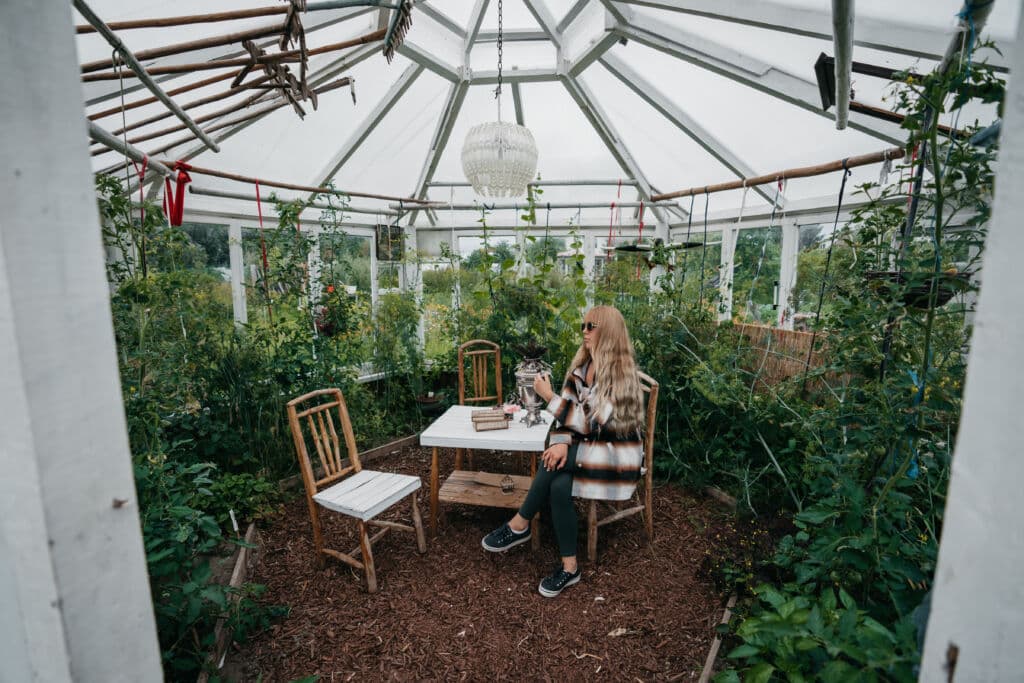
Osallistu muinaisiin perinteisiin, kuten samovaari-teeseremoniaan ja vanhaan savusaunariittiin – ja ammenna syvästä viisaudesta kulttuureilta, jotka ovat kestäneet ajan koettelemukset.

Tutustu keskeisiin kulttuuriryhmiin, jotka ovat muovanneet Etelä-Viron identiteetin: setoihin, võroihin ja vanhauskoisiin. Matka huipentuu vilkkaaseen, monimuotoiseen kulttuuripääkaupunki Tarttoon.

Joustava suunnittelu: aloita mistä haluat, järjestä päivät uudelleen ja varaa jokainen pysähdys erikseen. Voit pitää taukoja matkalla tai tehdä Tartosta tukikohtasi – kaikki on kahden tunnin ajomatkan päässä.

Lue lisää reitistä

Reitin yleiskatsaus

  • Kesto: 3 päivää
  • Autolla

Kun kaipaat lisää

Ühtegi objekti ei leitud.