Kultur

Unsere Kultur

Südestland ist keine einzige Kultur. Es sind vier. Über Jahrhunderte hinweg übereinandergeschichtet, jede mit eigener Sprache oder eigenem Dialekt und eigenen Traditionen.

Die Võro im Süden, die Setu an der russischen Grenze, die Altgläubigen entlang des Peipsi-Sees und die Universitätsstadt Tartu – alle innerhalb von zwei Autostunden voneinander entfernt, alle völlig unterschiedlich. Das meiste davon ist noch lebendig, nicht hinter Glas.
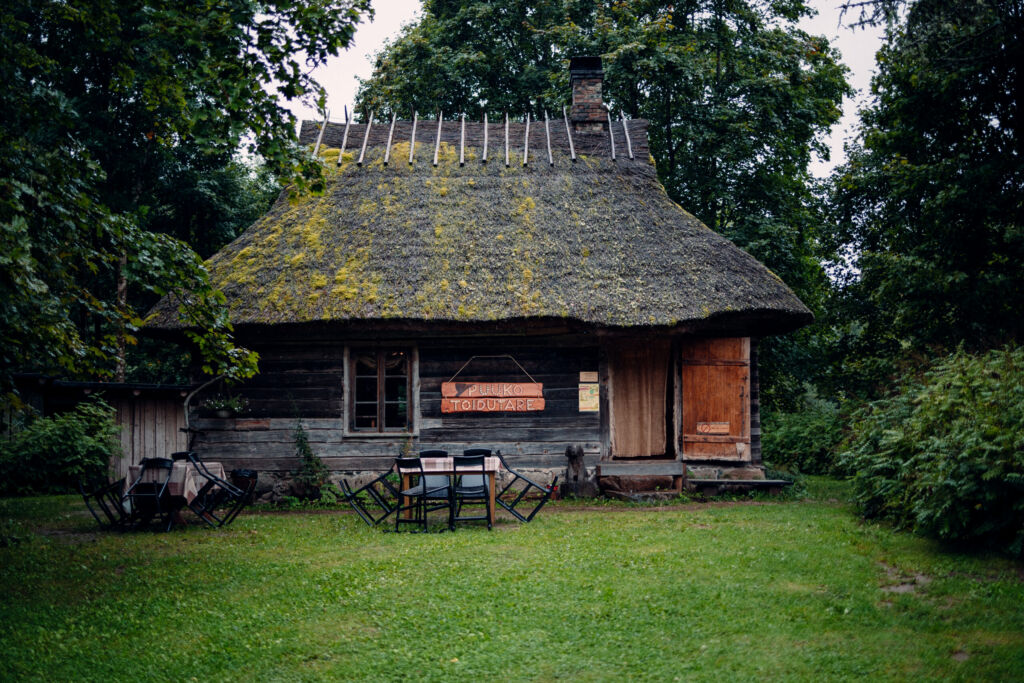
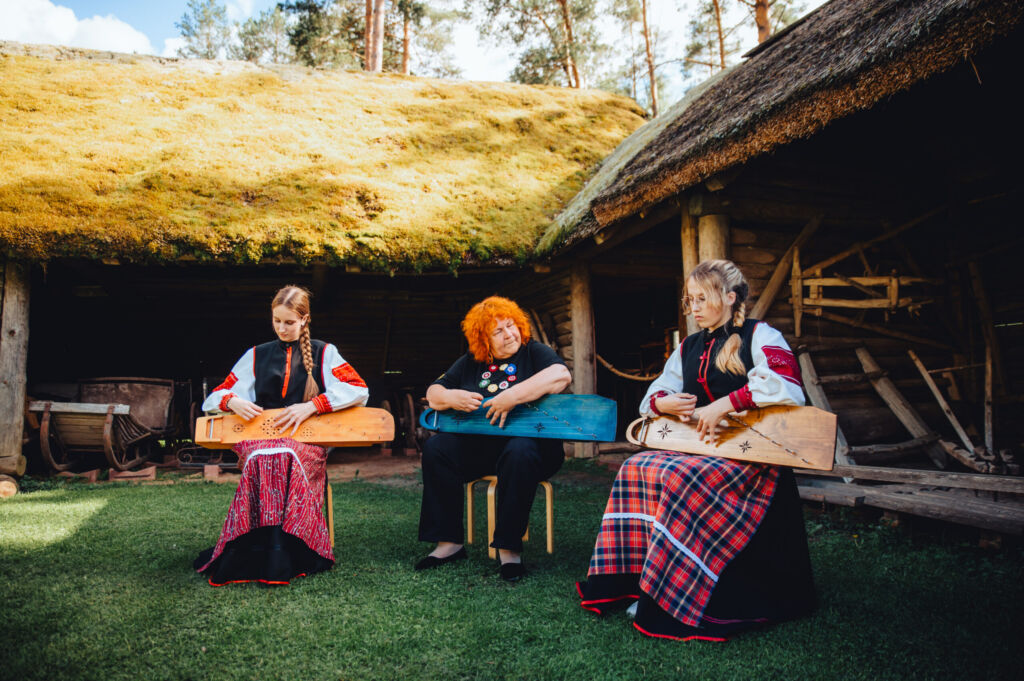
Die Kulturen, die Südestland geprägt haben, hinterließen Spuren – Gutshäuser, Freilichtmuseen, Kirchen, Sammlungen, die verloren gegangen wären, hätte niemand daran gedacht, sie zu bewahren. Und dann ist da noch Tartu, Estlands intellektuelles Zentrum, durch das ein Großteil der kulturellen Geschichte des Landes irgendwann einmal verläuft.

Hier findest du alles.

Gutshäuser und Schlösser

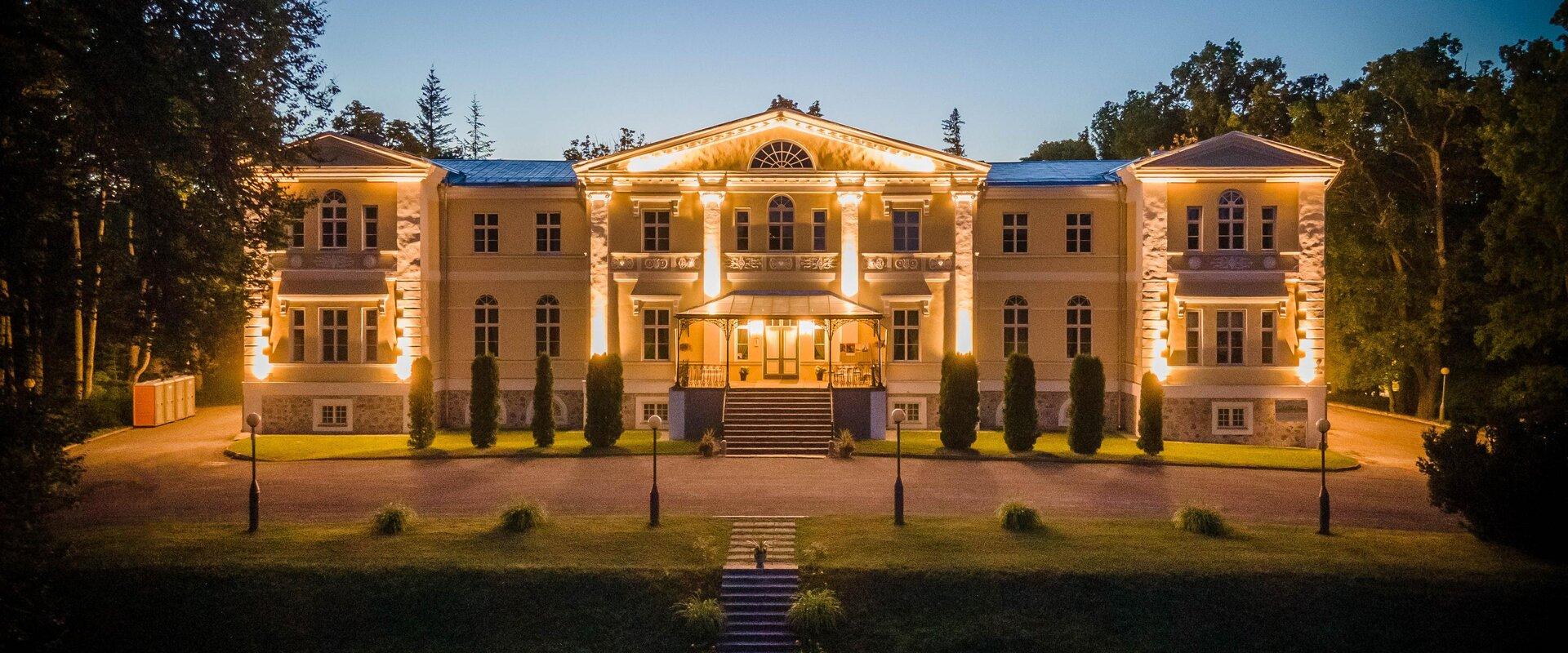
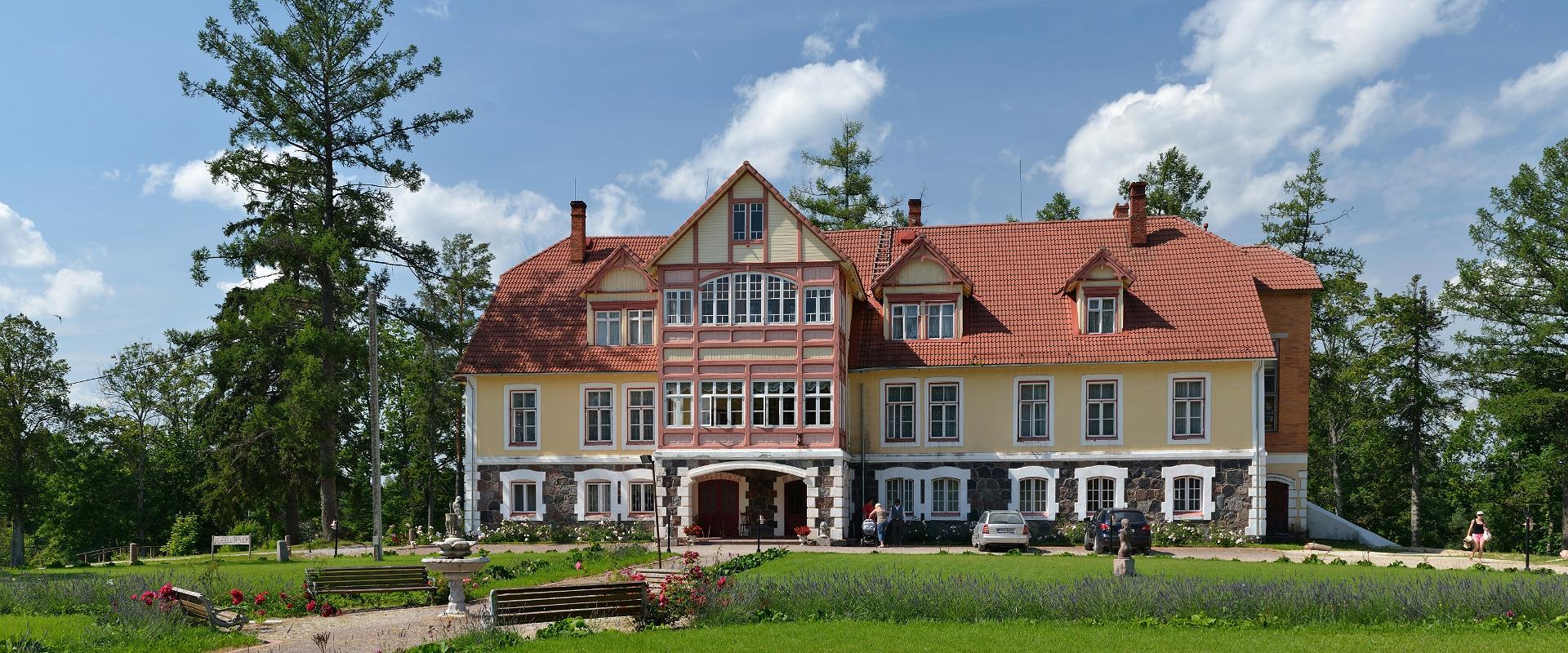
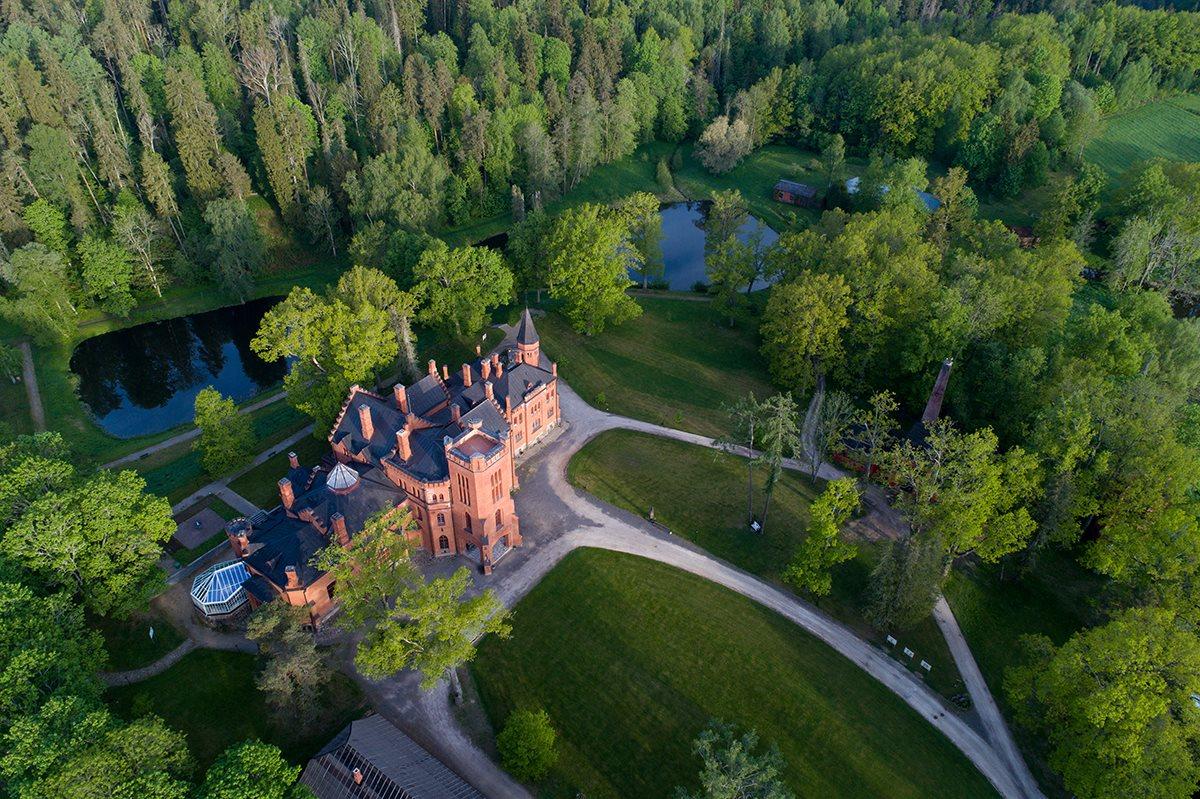
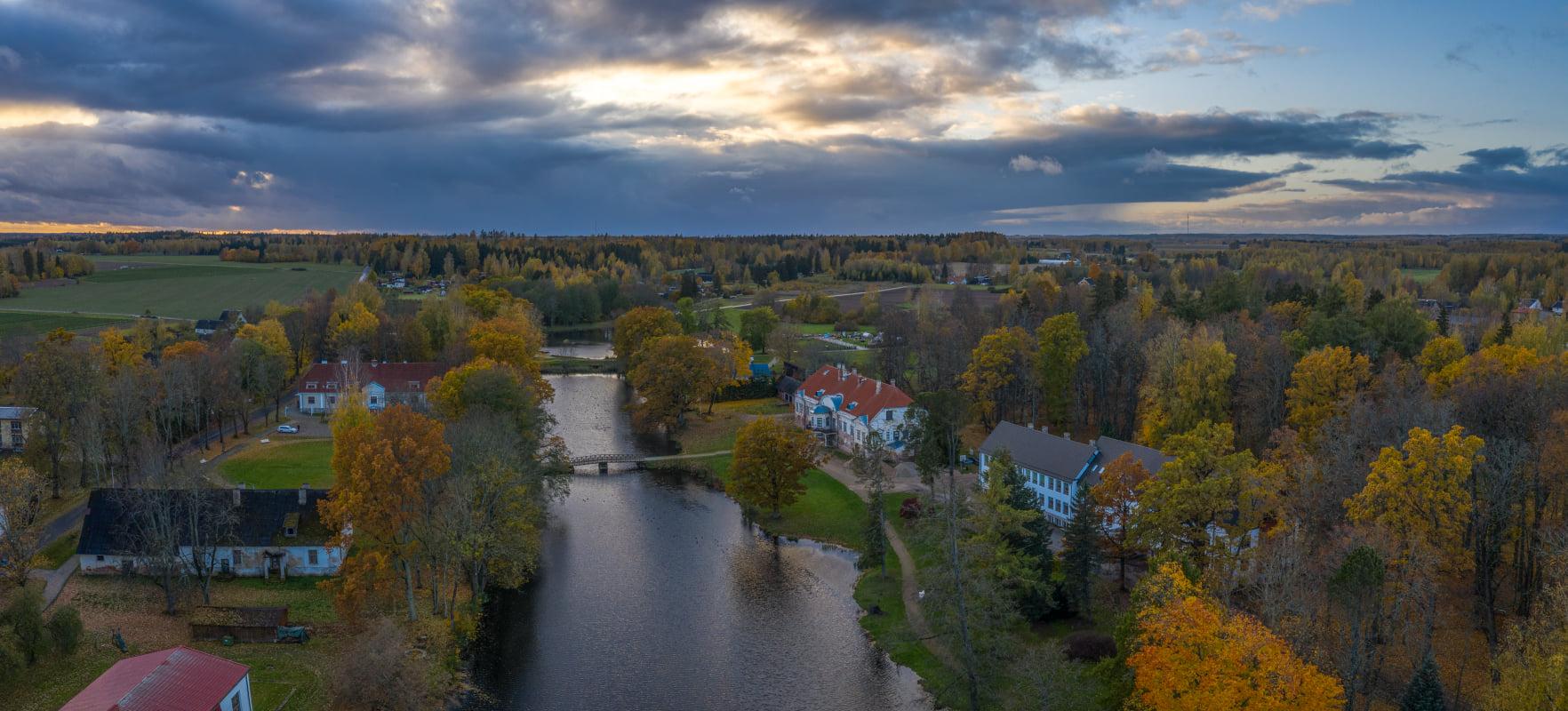
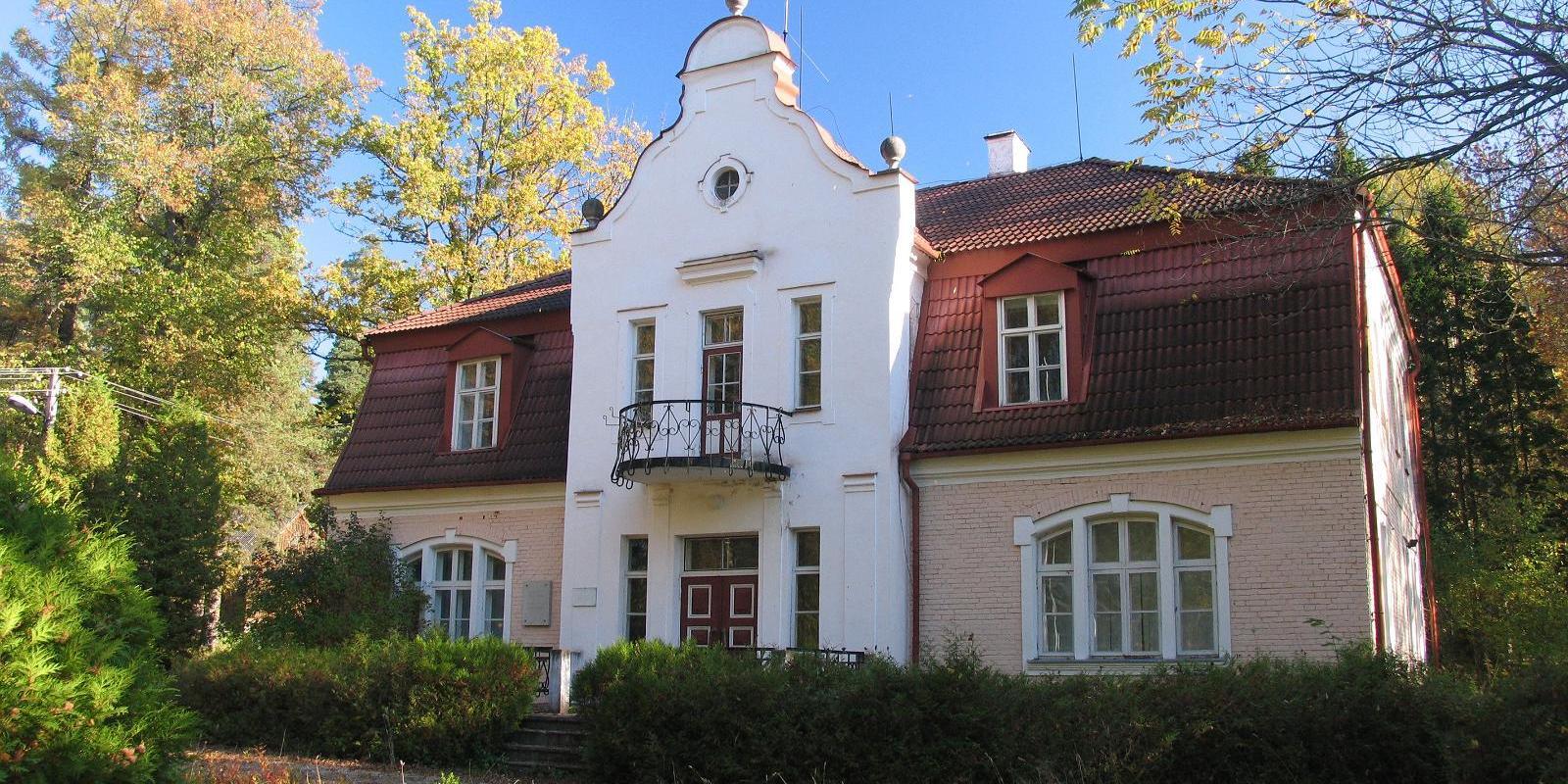
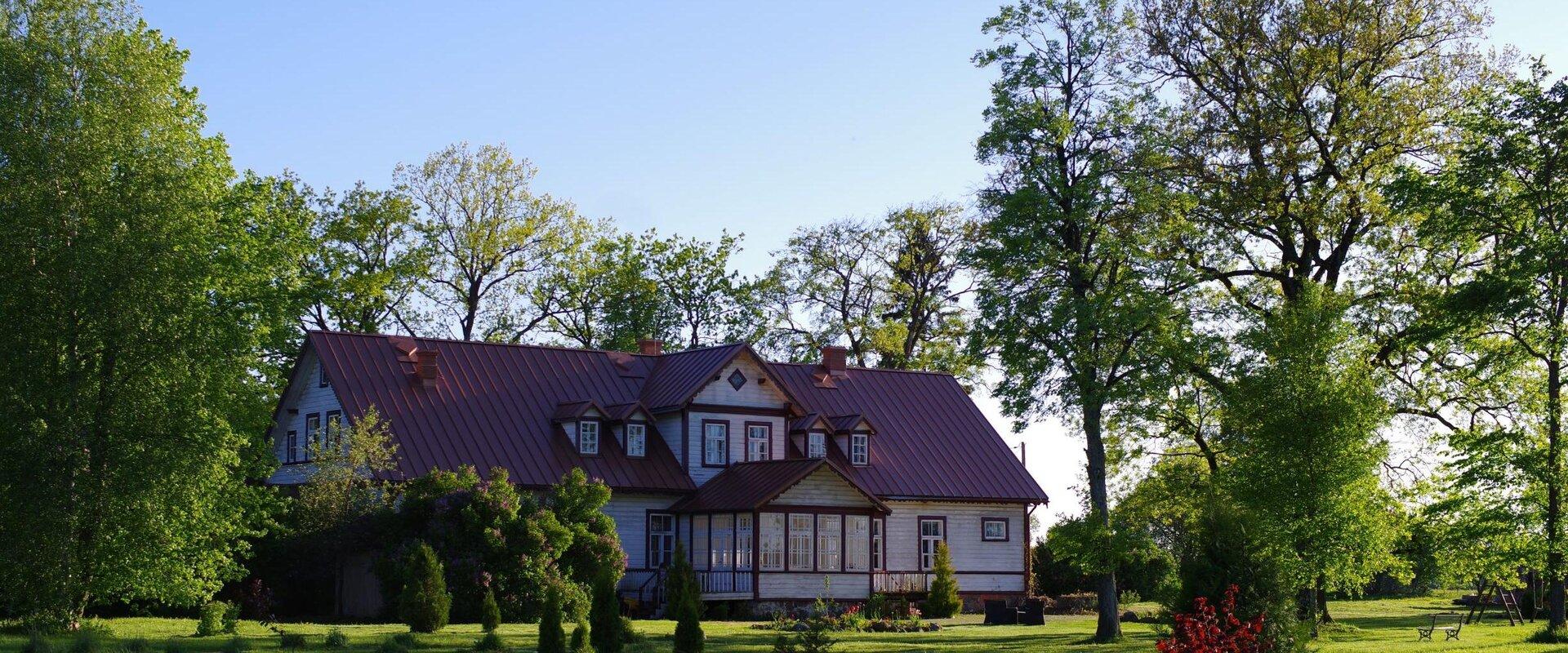
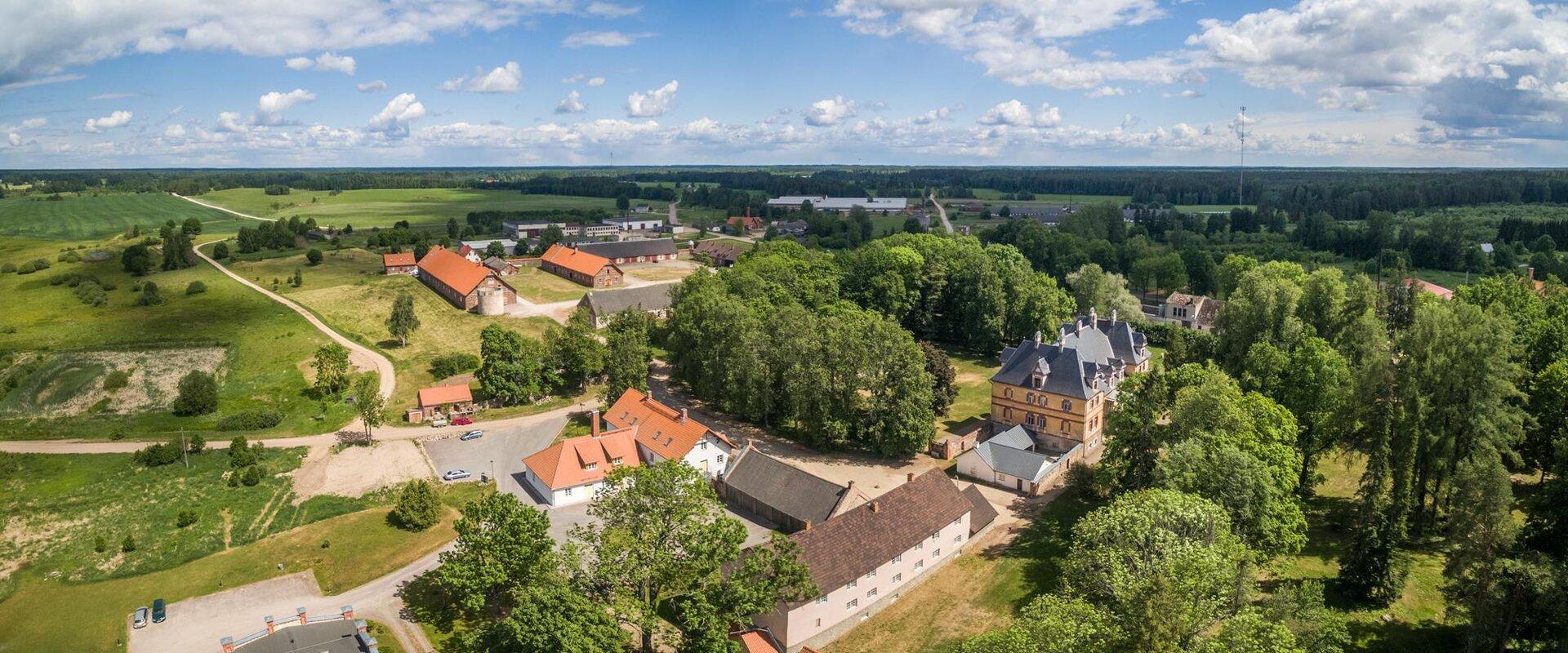
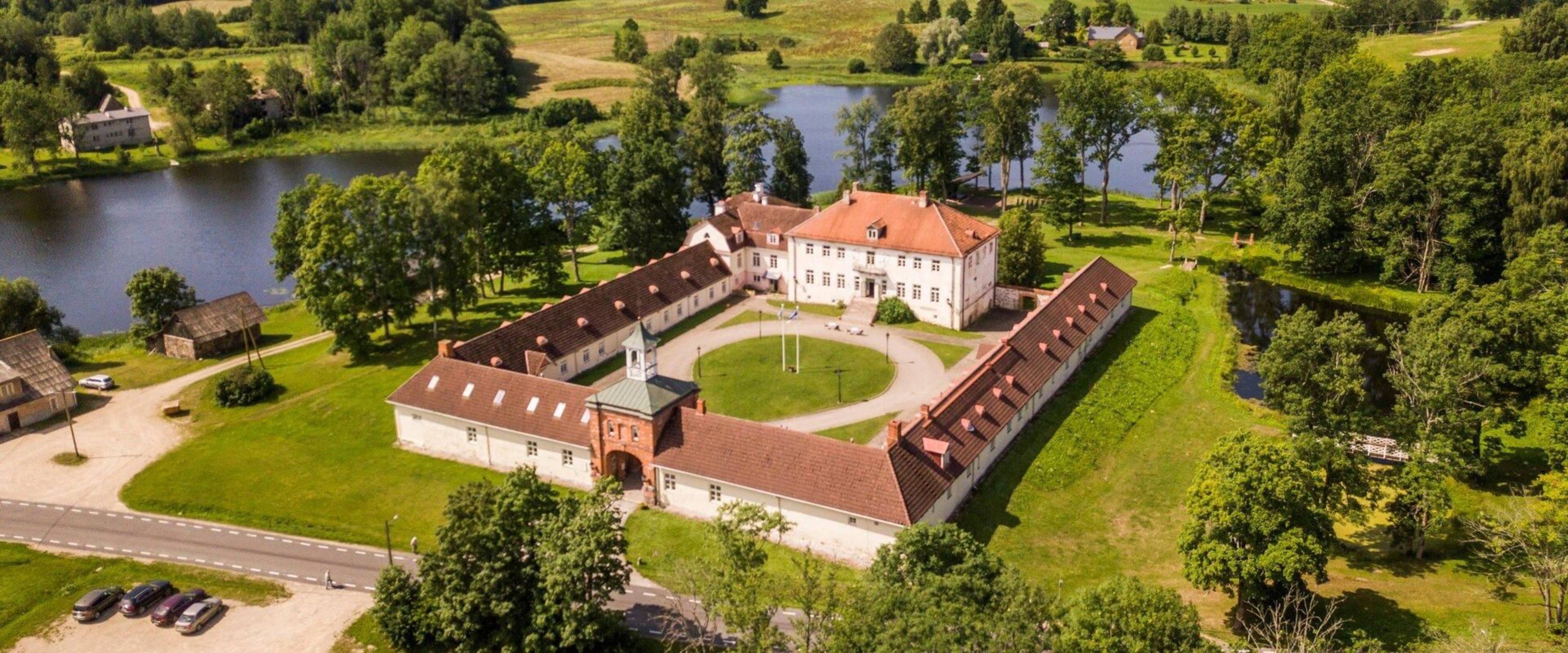
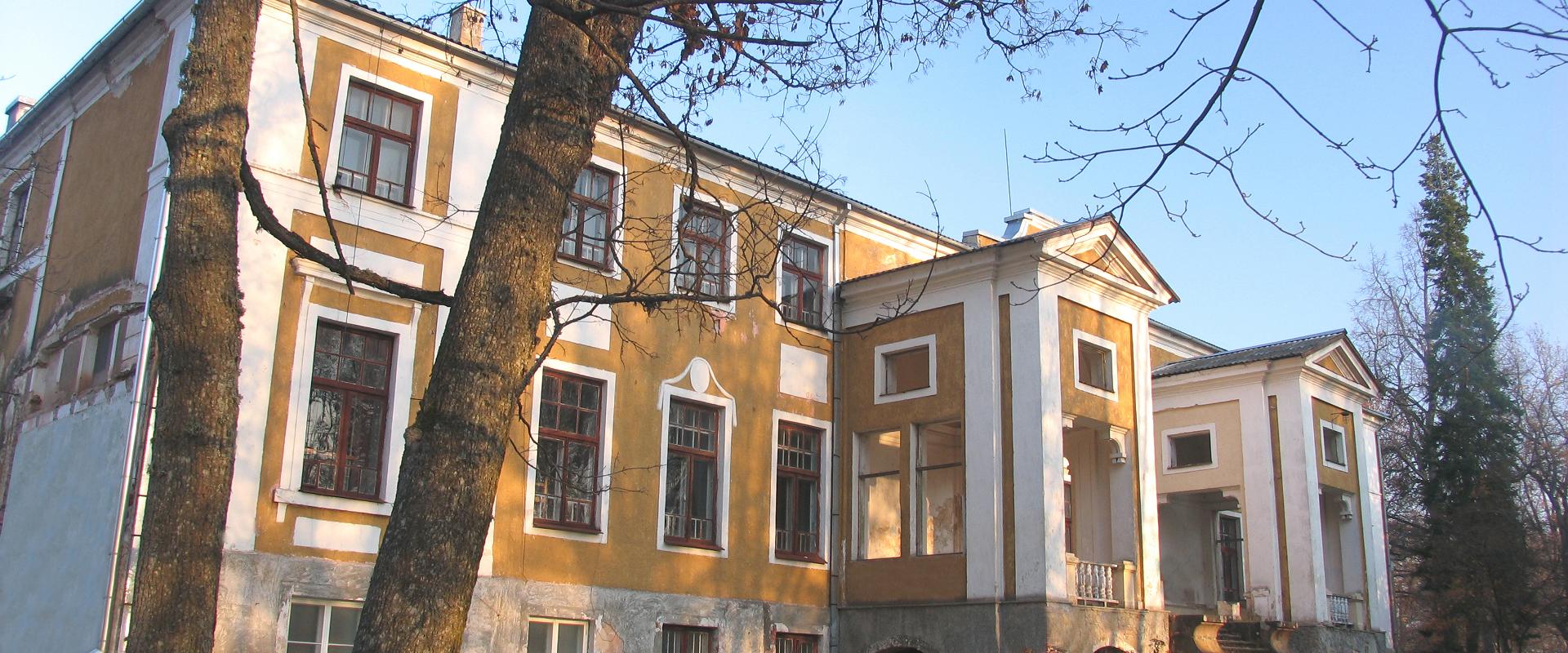
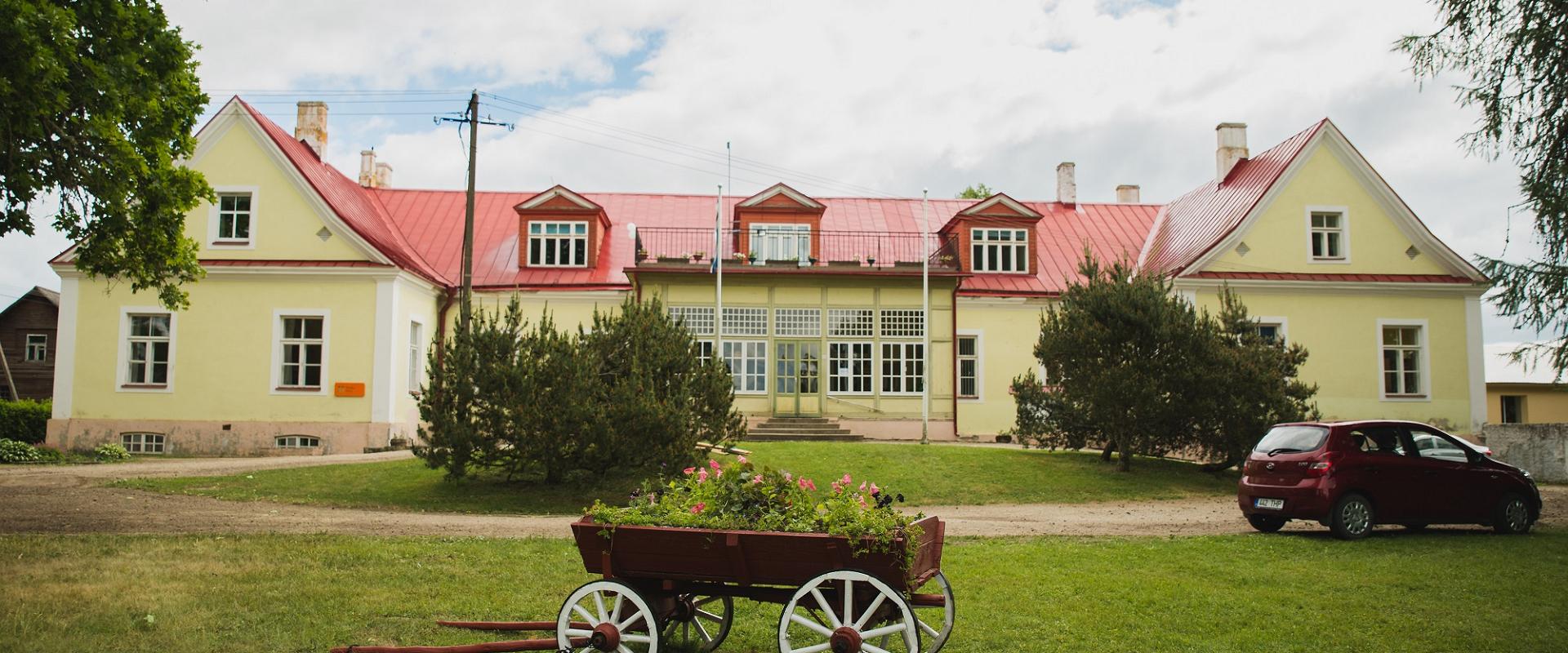
Südestland hat mehr Gutshäuser pro Quadratkilometer als fast jede andere Region im Baltikum. Die meisten wurden zwischen dem 17. und 19. Jahrhundert vom baltendeutschen Adel erbaut und hinterließen eine Architektur, die noch heute überrascht – prächtige Säle, weitläufige Parkanlagen, Lagen direkt am See. Eine ganze Reihe wurde restauriert und ist einen eigenen Besuch wert.

  • Giidiga tuurid
  • Workshops
  • Castles

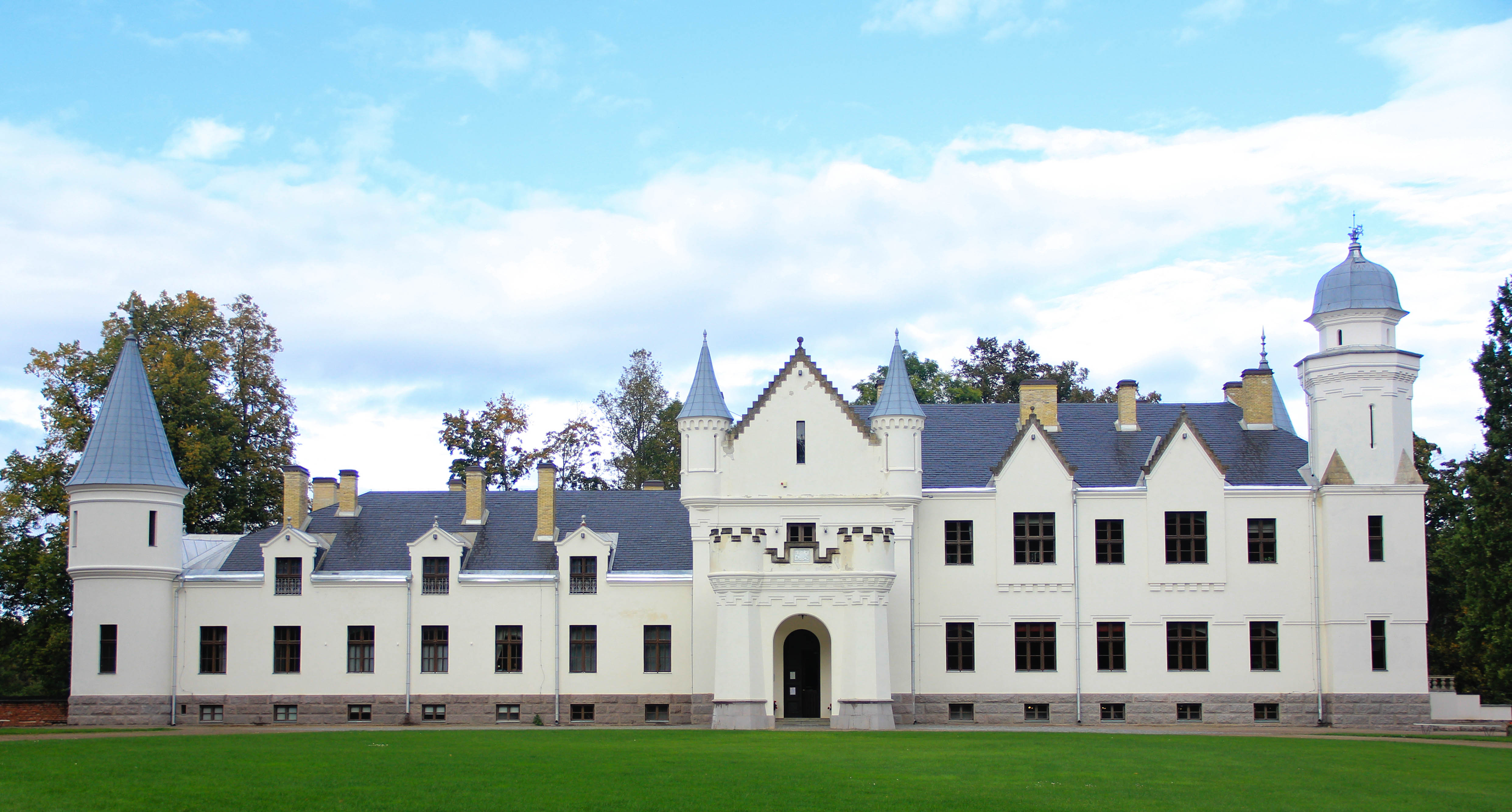
Alatskivi Castle

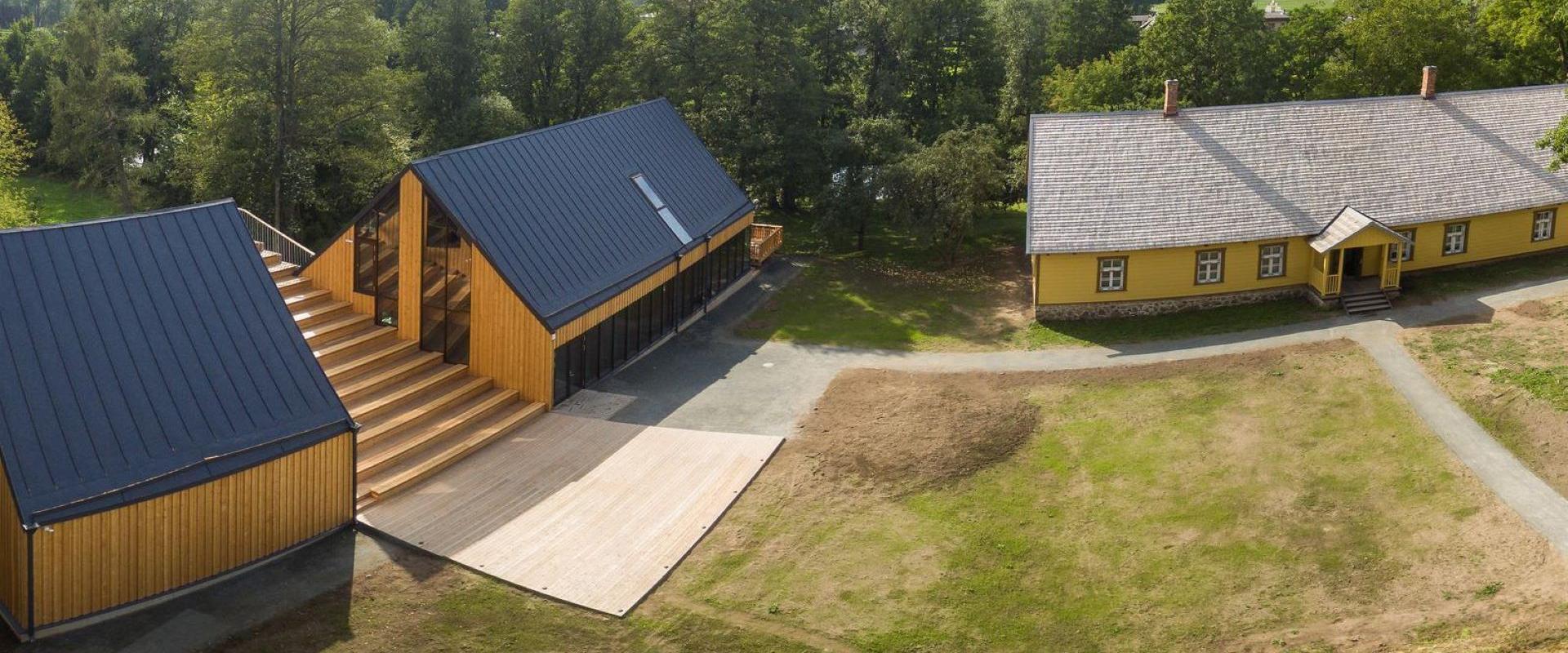
Fairytale Alatskivi Castle awaits visitors in South Estonia, about 40 km from Tartu. In the castle, you travel back in time to the 19th century, get acquainted with the life of a noble family and the manor's daily routine, and meet the servants who worked here a hundred years ago, brought to life with wax figures in the basement. Castle guides share captivating stories, and visitors can create a personal souvenir in the ceramic workshop. Allocate at least 1.5 hours to explore the exhibition, which spans three floors. On the castle's third floor is the museum of composer Eduard Tubin, which presents the life and works of one of Estonia's most famous musicians. The former carriage-horse stable next to the castle offers insight into the manor's management and daily operations. Alatskivi Castle is part of the Onion Route, which can also be explored through the bright yellow National Geographic windows. Stroll in the castle park, enjoy nature on the Alatskivi hiking trail, stay in romantic castle suites, and taste local dishes at the castle restaurant.

  • Castles

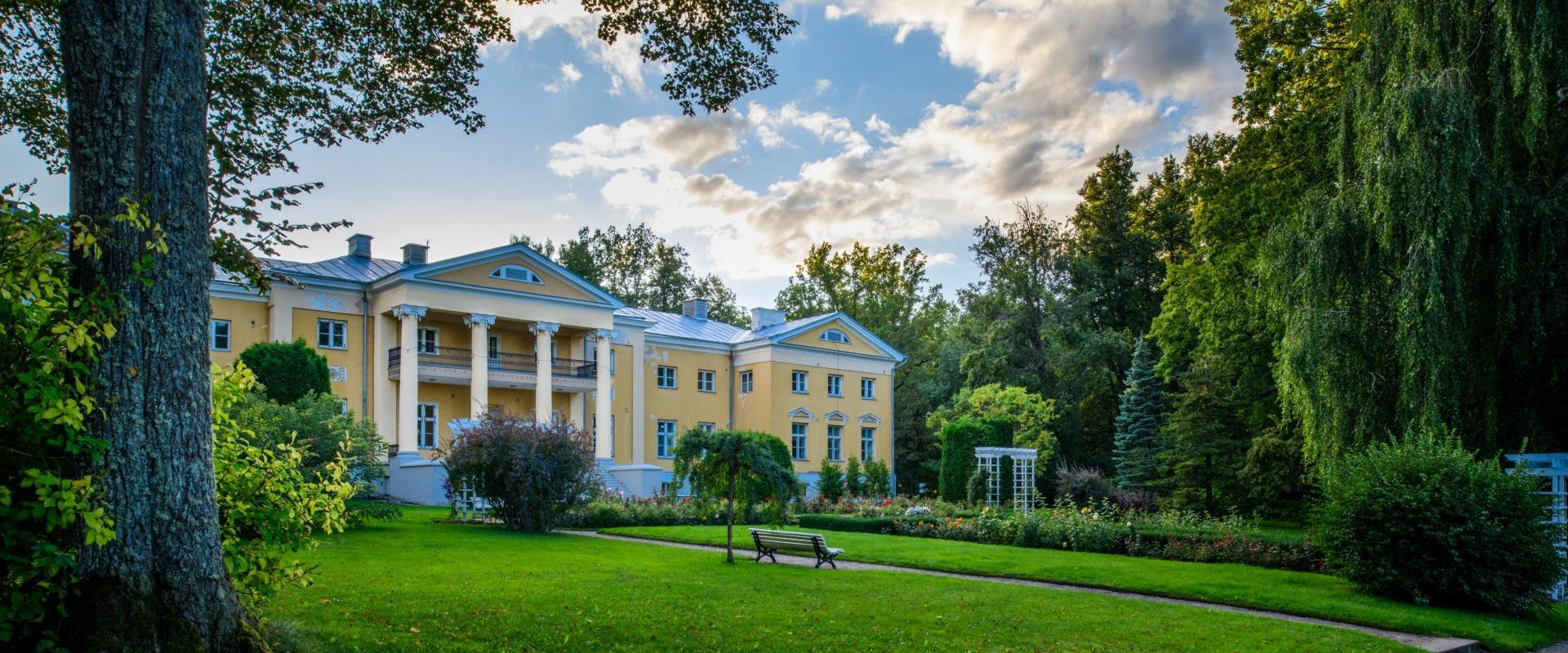
Kuremaa Castle and Park

Kuremaa Manor is a special place where classical columns, grand façades, and harmonious proportions blend beautifully in its architecture. It is an excellent venue for conferences, client and team events, as well as weddings and celebrations. The neoclassical manor house was designed by E.J. Strauss and built between 1837 and 1843 by the von Oettingen family.The manor’s museum room introduces the history of the estate.The diverse manor park slopes gently down to Lake Kuremaa, enchanting visitors with its beach and leisure opportunities.Within walking distance are the Kuremaa Mill, Kuremaa Beach, Kuremaa Swimming Pool and Mini-Spa, and the Kuremaa Health Trails.

  • Family friendly
  • Castles
  • Mõisad

Cantervilla Castle (Pikajärve manor)

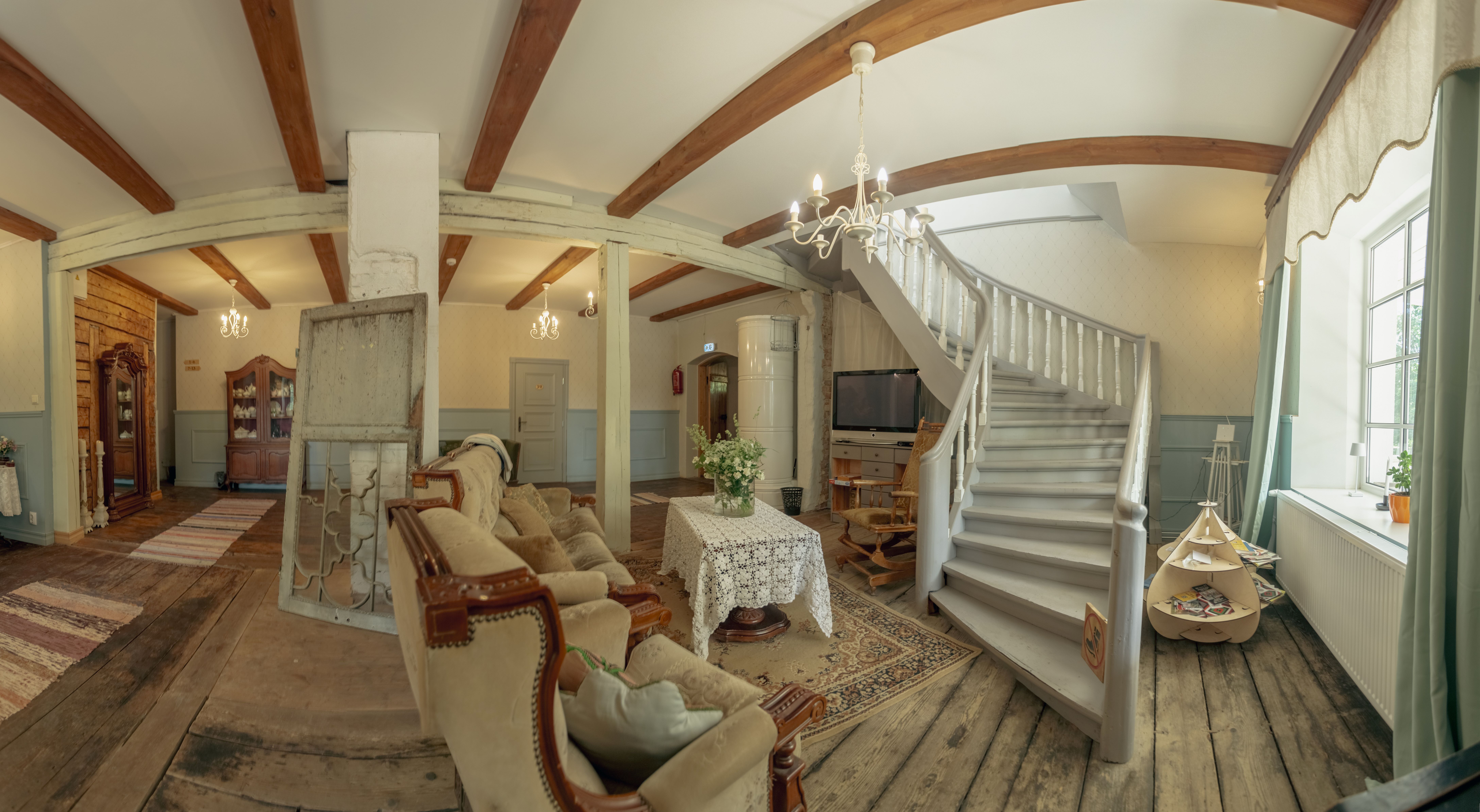
Pikajärve manor, which is also known as the Cantervilla Castle, is probably one of the cosiest manors in Estonia. The main building (built in 1908) and the vivid quarry stone outbuildings are on a landscape filled with beautiful dome-shaped hillocks, high up on the shore of a lake. The walls of the halls of the eye-catching main building are decorated with landscape paintings and portraits, antique furniture and the light from the chandeliers add festivity and romance. The manor is private property at the moment and operates as an establishment for holding different events and offers accommodation.

  • Castles
  • Mõisad

Sangaste Castle

Sangaste Castle is one of the Southern Estonian places worth discovering that are marked with a yellow window. If you are interested in culture and history, it is definitely worth a visit. Sangaste castle and park were fashioned after the famous Windsor castle in England. The magnificent halls, architecture and history of the castle make this a good place for a big wedding, get-togethers or spending the night in a genuine castle. The castle restaurant serves local food and real rye vodka made from Sangaste rye. In addition to the castle, the stables, dairy, barn, water tower and arboretum are also open for visitors.

  • Mõisad

Ahja Manor

Ahja Manor dates back to the Middle Ages (from 1553). The two-storey main building of the baroque Ahja Manor with a half-hipped roof, completed in the late 1740s, was one of the most luxurious in Southern Estonia at that time. In the years 1929–1997, a school operated in the manor house.In 2007, there was a fire in the building and only the walls remained. Several smaller buildings have been preserved from the manor, although most of them have been rebuilt. There is also a beautiful park with a pond which is under nature and heritage protection.The manor with the park is known to many thanks to the book Little Illimar based on the childhood memories of the folk writer Friedebert Tuglas from Ahja.

  • Mõisad

Järvere Manor

Järvere Manor was built on the shore of Lake Vagula in 1766 as a support manor of Sõmerpalu Manor. The manor was built by the owner of Sõmerpalu manor, Friedrich Alexander von Möller, Doctor of Philosophy. He had the Järvere Manor made for his mother and it was thus called the Old Lady's House.A park, established in 1830, separated Sõmerpalu and Järvere Manors and there were about 200 different tree and bush species already at that time.The Võru Forest Management Centre operated at the manor during Soviet time. Outbuildings were put in order and rebuilt in 1993.The manor is protected as a cultural monument and is private property today.

  • Camping sites

Kadrina Manor Guesthouse

The old, dignified Kadrina Manor in South Estonia offers guests rooms for two to four people, a small suite, a luxurious sauna and relaxation center, the Short Men's Tavern, and a conference hall. A little away from the manor, near the river, four campsites await guests, one of which can accommodate four people, and a toilet and shower in a separate camping house. There is also a camp kitchen in a separate house where you can prepare a good breakfast and coffee. In warmer weather, you can camp, and there are places for camper vans. You can also order adventures on Lake Peipsi. We offer catering upon reservation. Welcome to Kadrina Manor!

Kursi summer manor

The Kursi summer manor was built by count Manteuffel in 1888 as a place to retreat from the buzz and daily activities of the manor centre.The same is offered by the manor today – a noble building in the midst of beautiful nature, secluded enough, but yet close to everything you might need in order to spend a refreshing holiday, focus on productive work, or meet for a long-awaited encounter.The layout and openness of the rooms and the interesting accommodation allow a holiday, seminar, a dignified party, or a brainstorming session with a larger or smaller group just as you like – together or separately as needed.

  • Giidiga tuurid
  • Workshops
  • Mõisad

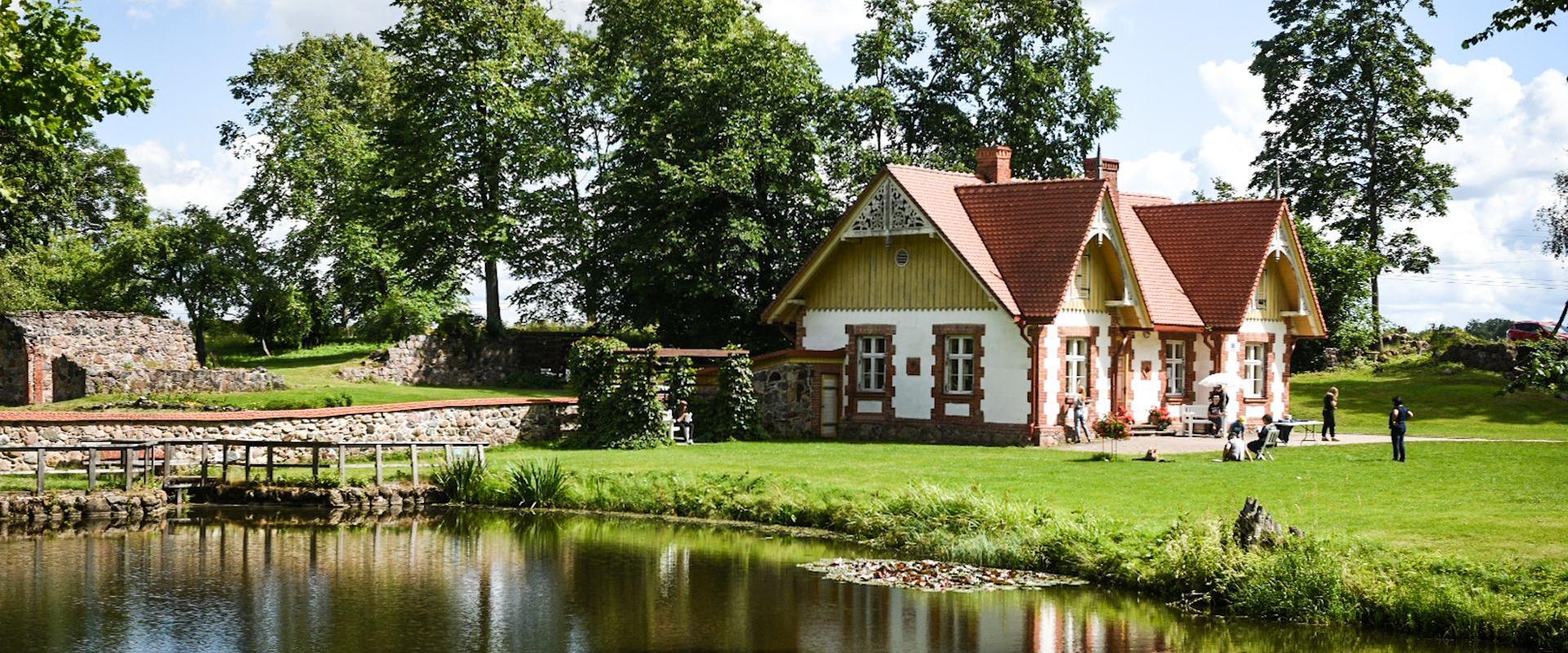
Luke Manor

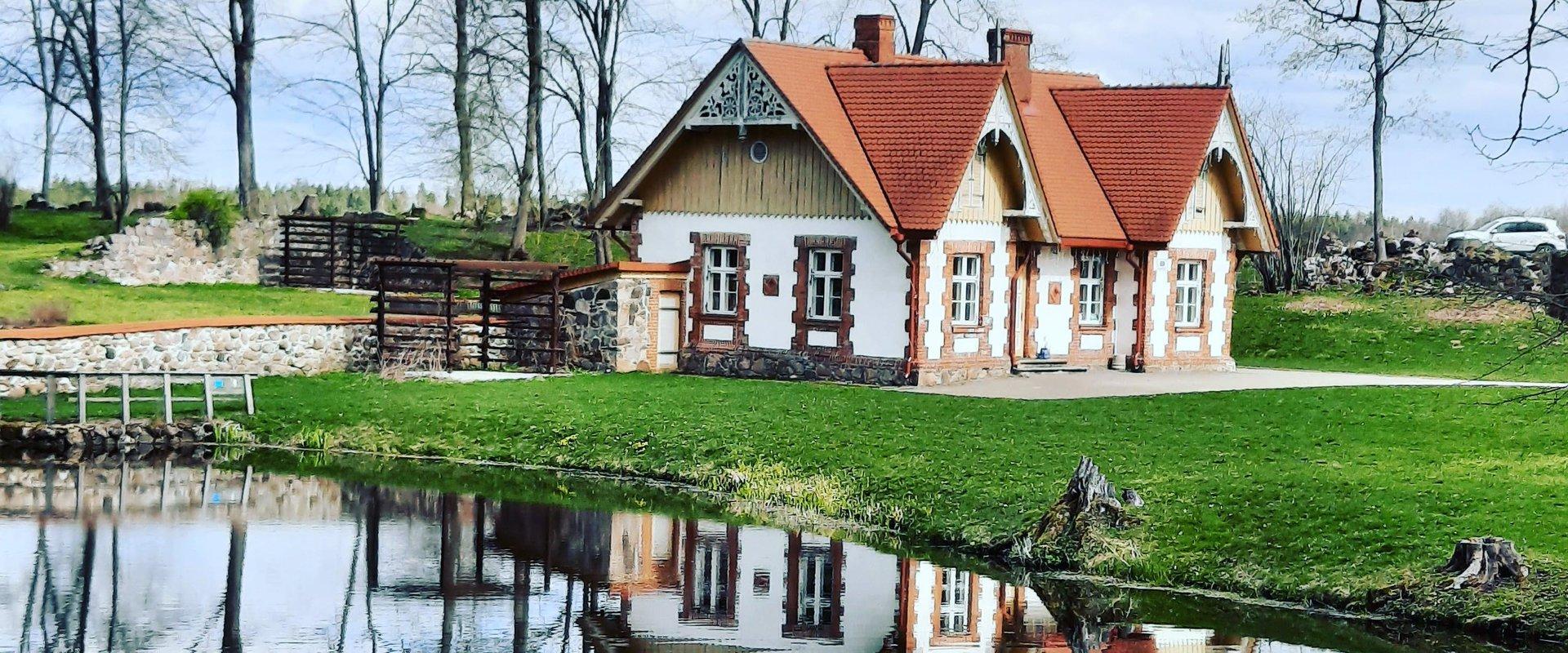
Luke Manor invites you to discover the historical architecture of its former knight's manor and the enchanting park, where you can find the stylish dollhouse-like Kärnerimaja, which has an information point, an exhibition introducing the manor, and a café in the summer. The restored Governor's House adds historical depth to the manor complex. The water fountain and the pavilion's view of the ponds invite you to immerse yourself in the romance of the manor era. The manor's terraces, an alley of uniquely shaped trees, and the concrete lion statues on the stairs (a favorite with the youngest visitors) create a unique and majestic atmosphere. At Luke Manor, you can organize a seminar, take a tour, attend a concert, or tinker in the craft workshop!

  • Giidiga tuurid
  • Mõisad

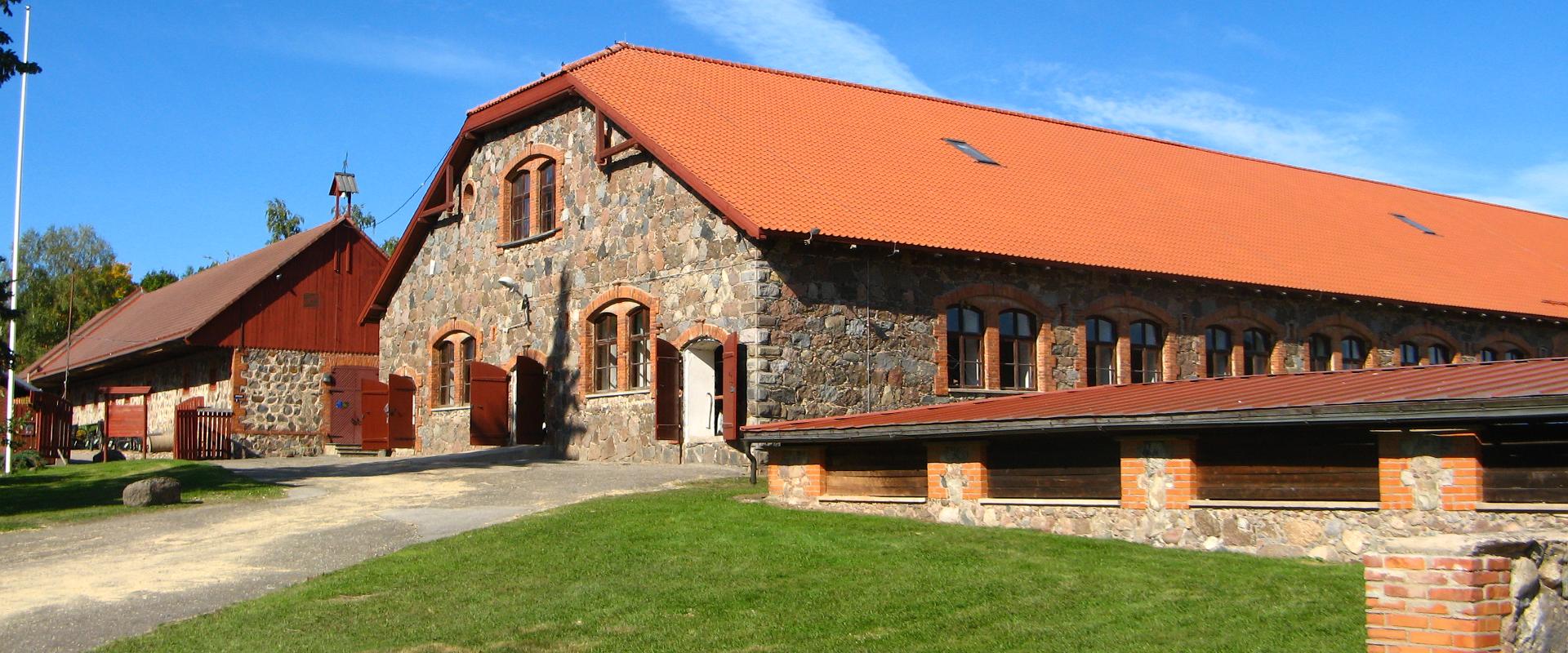
Mooste Manor

Mooste Manor, established at the time when the Nolcken family ruled the area, lies on the shore of Lake Mooste. Beside the beautiful manor house you will find the pride of Mooste Manor, one of the most impressive auxiliary building ensembles built in the historicist style. Most of the buildings are constructed from stones and decorated with brick. An English-style park adds to the appearance of the manor. The manor house accommodates a school, and the former woodworking workshop has been renovated into the Mooste Manor Guest House. A restorer’s workshop operates in the old workhorse stable, and the Centre for Arts and Social Practice occupies the steward’s house, while the former barn has been transformed into a 500-seat concert hall.

  • Mõisad

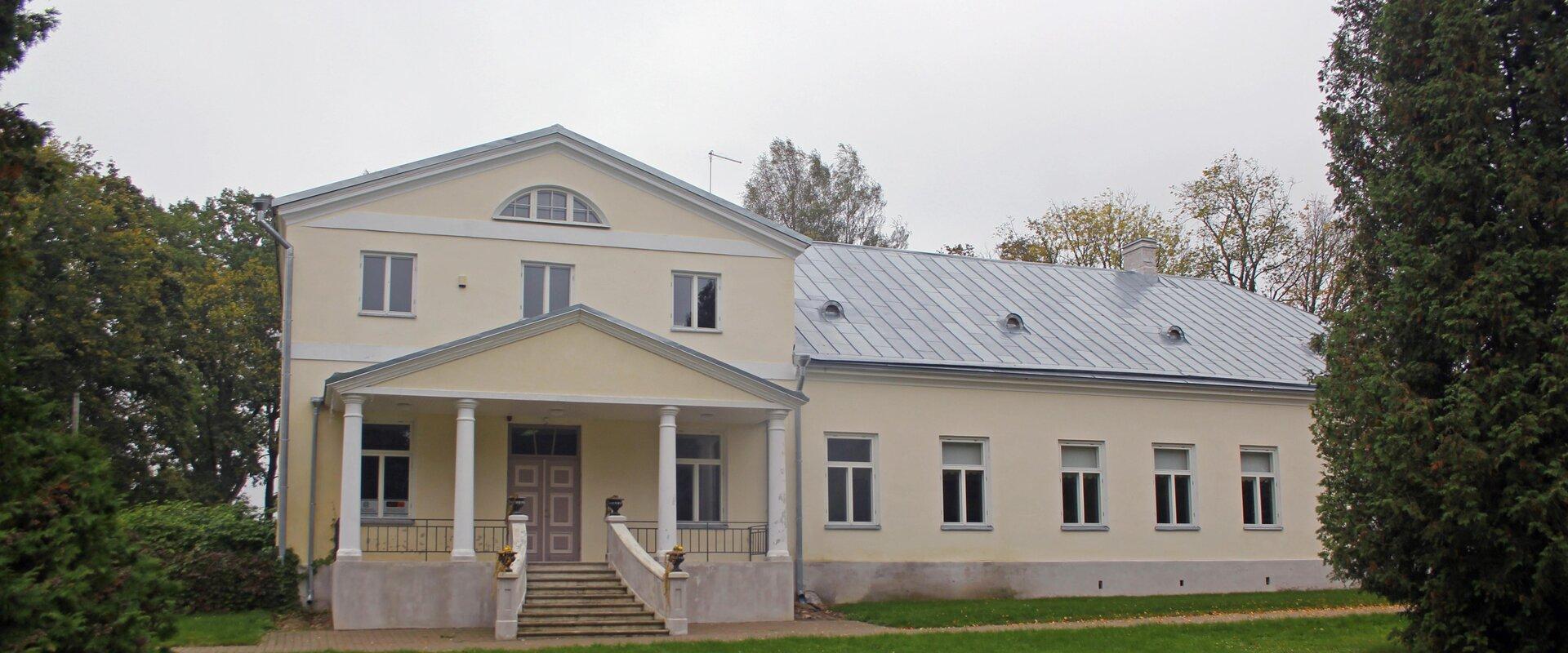
Pajusi manor

Pajusi manor was constructed in the 17th century. Its long, stone main building in Classicist style is thought to have been erected in the early 19th century. It was one-storey; only the central section was adorned with a small upper floor, which bears a distinct decorative window. In addition to the main building, the manor as a whole includes a number of other buildings and a large park. Did you know...? *Remaining of the main building of the manor are its central part and right-hand wing, which is home to Pajusi Community Centre

  • Mõisad

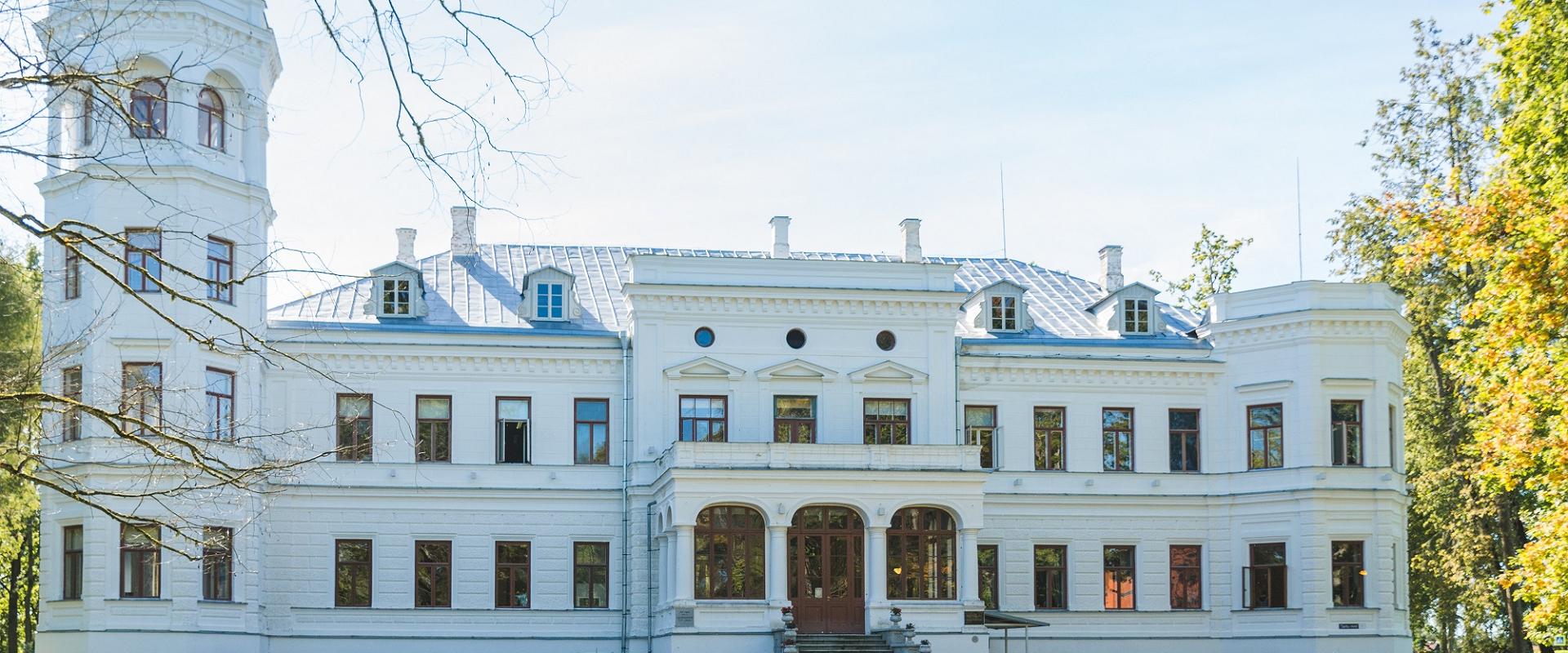
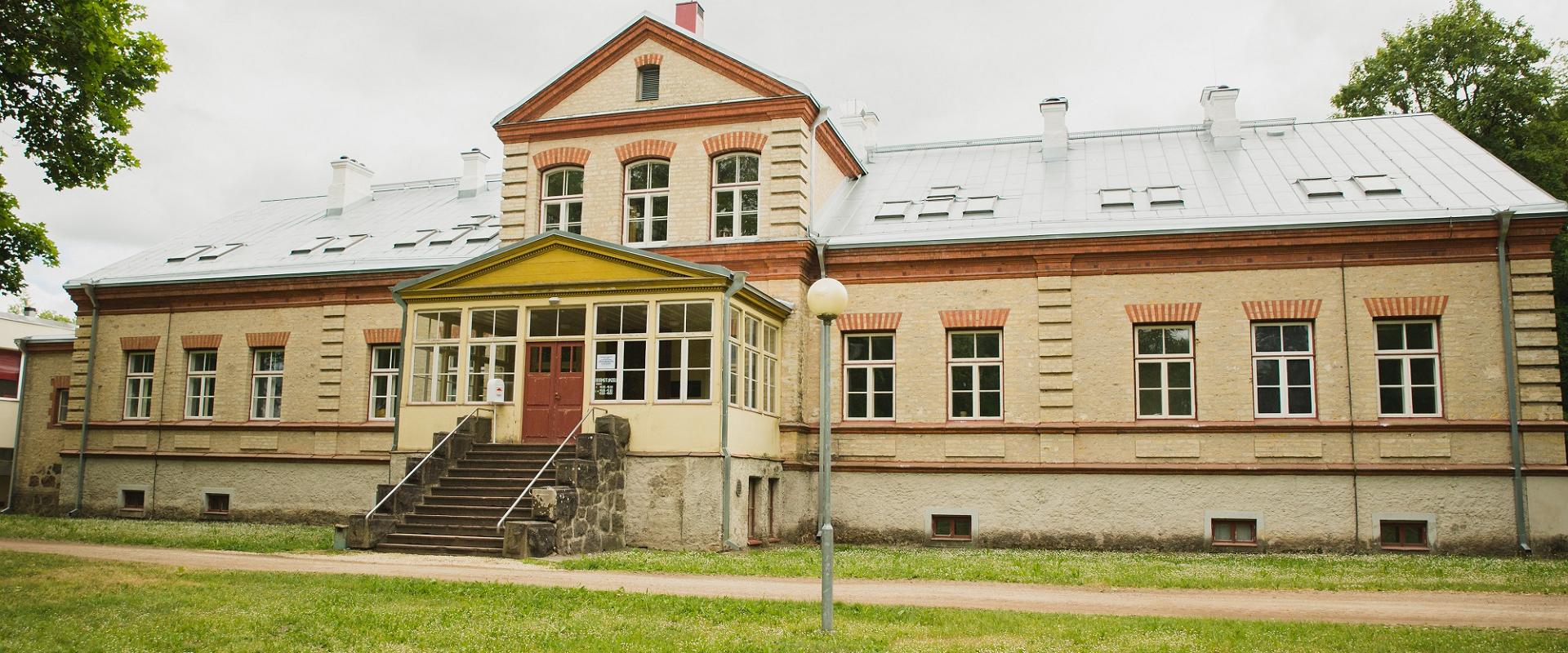
Puurmani Manor

The magnificent Neo-Renaissance style manor with a white main building was built during the time of G. J. Mannteuffel in 1860. In 1918, Julius Kuperjanov established a partisan battalion in Puurmani castle.At present, the castle houses the Puurmani Upper Secondary School.You can visit Puurmani castle and learn about its history in the course of the Forgotten Manors program during the visiting days in the summer. You can also order a tour of the manor house, manor park and the entire Jõgeva County. In the manor, we will look around different floors where you can see the countess's boudoir, a secret door leading to the tower, as well as the count's study and treasury. You can also order a night tour and catering.

  • Ruins

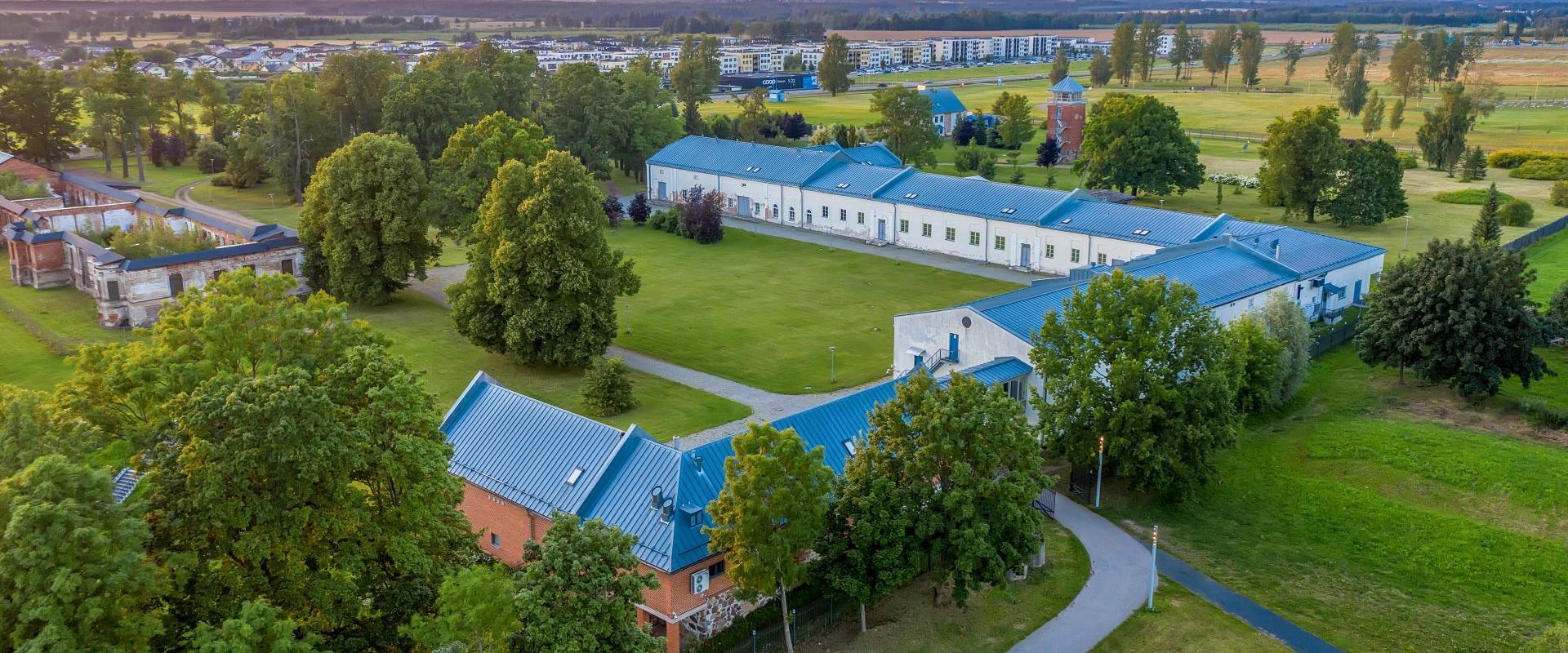
Raadi Manor

Raadi Manor, which stands on the border of the city of Tartu, had its glory days in the first half of the 19th century with its magnificent art gallery and library and salon evenings. The manor then belonged to the von Liphart family.The main building of the manor was destroyed by the bombing in 1944. The manor park, together with the ruins of the main building and the gate, are included in the list of national cultural monuments.The area forms a distinctive complex: there is the magnificent manor complex, as well as a woodshed, a water tower, an ice cellar, and a restored wall. In the centre of the complex, there is the natural Raadi lake and the restored manor park.

  • Mõisad

Rogosi Castle Manor in Ruusmäe

Stanislaw Rogosinsky, a native of Poland, established the Rogosi Manor. From 1629 to 1776 the manor belonged to Herman von Liebsdorff and was later given to the von Glasenapp family as Herman's daughter's dowry. From 1934, after the Glasenapp family was dispossessed of the manor, a school operates in the manor. When place names were translated into Estonian in 1939, the village was named Ruusmäe, but the manor is still known as Rogosi. In summer 1990, Otto von Glasenapp, son of the owner of the manor visited his old home.Useful information: There is a museum of local lore in the barbican, which is open in summer. Watercolors of Joh. Chr. Brotze have been preserved as sources of the manor's history.

  • Mõisad

Ropka Manor

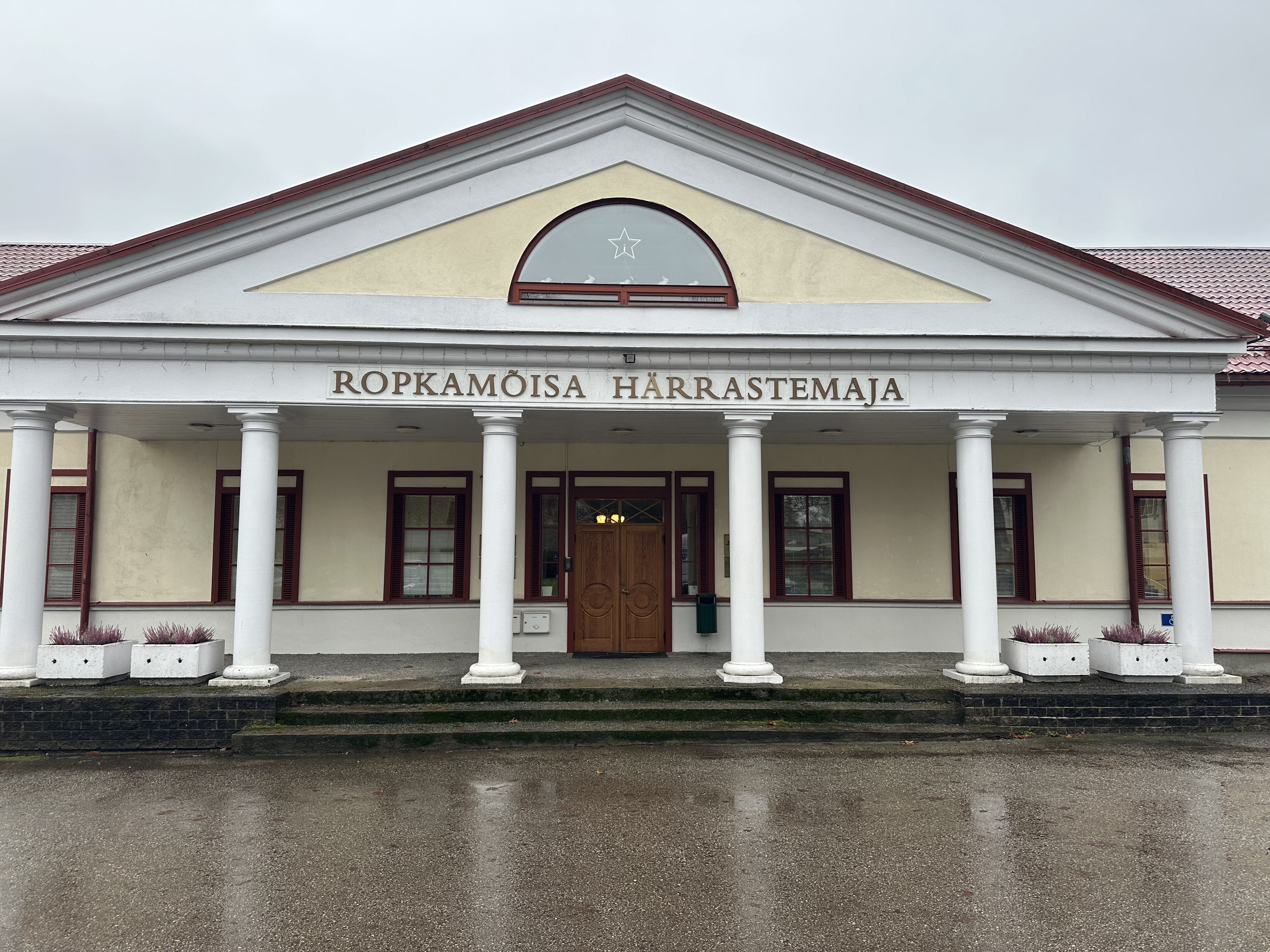
The one-storey stone manor was built in the first half of the 19th century. The buildings of Ropka Manor are located on both sides of the street of Ropka tee. Preserved manor buildings include the farm hand's house, cattle barn, converted stables and a barn, a cellar and a park. There were three ponds in the park and it is planned to restore one of them. There was an orchard with a regular plan on the western side of the servants' house, which is now a built-up area.The building is in private ownership and can only be viewed from the outside.

  • Family friendly

Sangaste Manor Stable Visitor Centre

The stable is one of the buildings of the Sangaste Manor which has been renovated into a visitor centre and today houses the exhibition Rukkikrahv ja Ilmaimed (The Rye Count and Wonders of the World).The exhibits at the centre tell the story of the scientific wonders of the 19th century and Count Berg, the owner of Sangaste Castle. It will take the visitors back in time for a hundred years and more. Visitors can also try out exercise devices and other equipment from that time. Children can have fun in the hall of technical wonders as well as at the ‘grandmother’s place’. Come discover and marvel!

  • Mõisad

Sänna Culture Manor

Sänna Culture Manor bases its activities on the principle of openness, creation and preservation of an environment that is conducive to cultural and creative activity and the principles of temperance, the strict prohibition of alcoholic beverages. We offer tours, seminar room rental, woodworking workshops and Velokuur bicycle rental and repair. Advance booking is recommended for the workshops and guided tours. Curious people who are eager to learn are welcome. Our service centre features a library, shop, youth room, office space, shower and washroom.Good to know: The Manor also has the Sänna Sky Trail - a model of the solar system on a scale of 1:1 billion km.

  • Giidiga tuurid
  • Mõisad

Tour of Luke Manor and Park

Luke Manor in Tartu County offers an engaging tour that introduces the manor and its beautiful park. During the walk, stories of Luke Manor's history unfold, and you have the chance to explore the Gardener's House, the Handicraft Workshop, and the historic Steward's House. The tour is well-suited for both smaller groups and larger gatherings and can be combined with other events, providing guests with a memorable cultural experience. Luke Manor Park is one of the best-preserved parks in Southern Estonia, with its original layout, offering a wonderful environment for walking, enjoying nature, and experiencing the unique historical manor atmosphere. In addition to the tour, catering can be ordered from the Luke Manor kitchen, enriching the visit with local flavors and a cozy atmosphere. During the tour, you can purchase Luke Manor's handicrafts. By prior arrangement, the visit can be combined with various additional activities, such as organizing a seminar or catering packages.

  • Mõisad

Väimela Manor and Park

Väimela Manor was first mentioned already in 1590, but the current main building is from 1952.The threshing building, distillery, farmhands' barn, farmhand's house, milking parlor, woodworking shop, granary and grain dryer, hay barn, barn and dairy have been preserved. Bernhard von Loewen was the last squire.Today, the manor is managed by the Võru County Vocational Training Centre. The manor park was established in the 18th century and there are mostly lindens, maples and oaks.Lakes Alajärv and Mäejärv in Väimela are connected with a stream. South of Lake Alajärv, in Matussaare, is the burial ground of squires of Väimela and the ruins of a chapel, that was built in 1885.You can only see the manor from outside.

  • Mõisad

Võisiku manor

Võisiku manor was first mentioned in 1558. It was one of the biggest manors in Livonia in the 18th and 19th centuries, stretching from Põltsamaa to Lake Võrtsjärv. There were 52 buildings on the manor originally, some of which we can still see today, and a further 67 in outlying parts of the manor and its mirror factory. Lord of the manor Timotheus Eberhard von Bock, who drew up Russia's first constitution for Emperor Alexander I and was sent to the Schlüsselburg fortress for 9 years for doing so, is the central character in Estonian author Jaan Kross' novel "The Emperor's Madman". Did you know...? *Today the main building houses Võisiku Nursing Home and can only be viewed from the exterior

  • Mõisad

Ülenurme Manor

The well-preserved Ülenurme Knight's Manor (Üllenorm) in Ülenurme is first mentioned in writing in 1646, when a military man called Bernhard Bousselberg received the manor from the Kingdom of Sweden in exchange for a stone building in Tartu.The park and the main building were probably created by Count Cancrin who was the owner of Ülenurme manor between 1856 and 1883.The manor has been passed from owner to owner, and the main source of its income was grain farming.At the beginning of 1970, the complex of numerous stone buildings of the former Ülenurme Manor's centre was allocated to the Estonian Agricultural Museum that opened its doors to visitors in 1981.You have to buy a ticket in order to visit the museum. The complex has a gazebo, a village swing, and stables.

  • Ruins

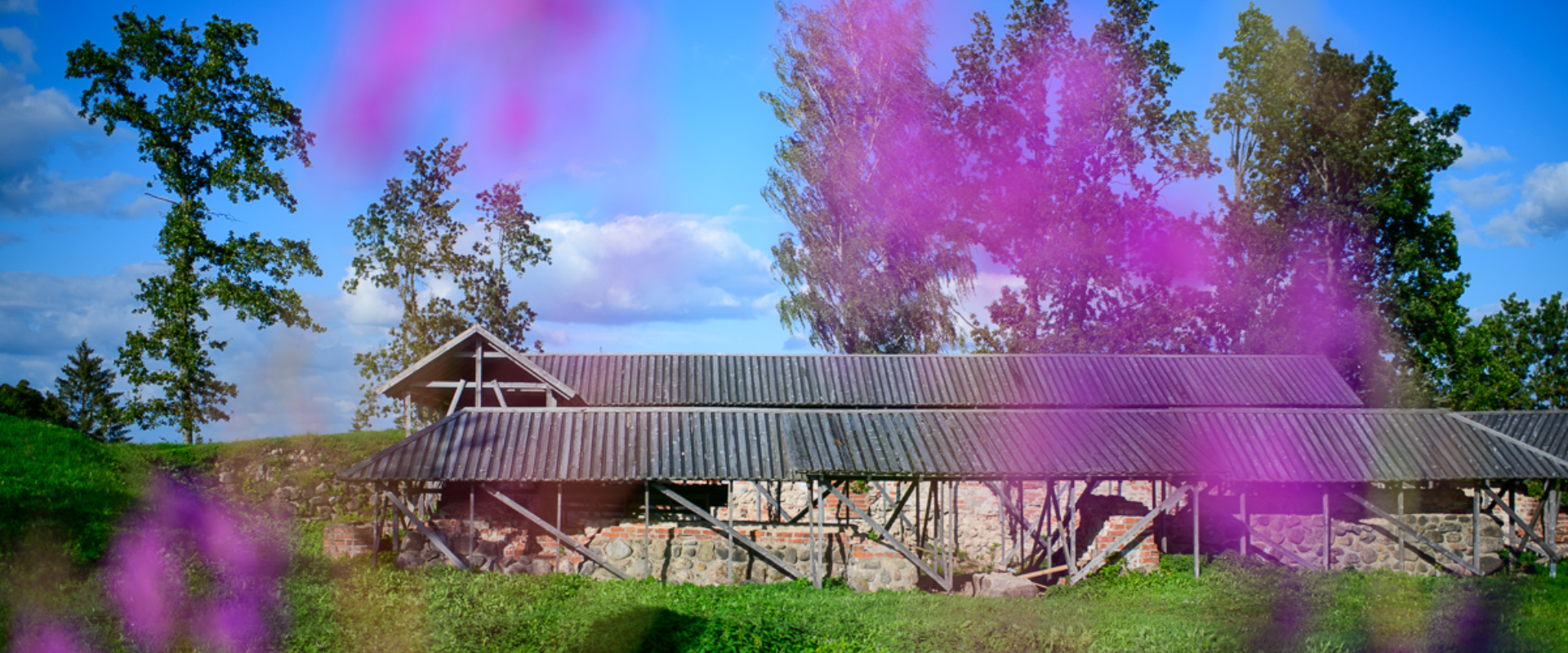
12th Century Ruins of the Otepää Bishop’s Castle

Here You can see the ruins of the first known brick building in Estonia on top of the Otepää Hill Fort. Herman I, who became the Bishop of Tartu in autumn 1224, established the first stronghold of its diocese here. A settlement, which was mainly populated by craftsmen and merchants, appeared around the bishop’s castle in the 13th century.Interesting facts: * the oldest traces of a settlement on the Fort date back to approximately the change of the system of chronology; in the 11th century, Otepää was the most important stronghold of the ancient Ugandi County; * a metal map of the Estonian strongholds was installed on the Fort Hill in 1937.

  • Castles

Sillapää Castle

Räpina Mäemõisa Manor House, also known as Sillapää Castle representing the Late Classical style was built in the middle of the 19th century. The centre and annexes of the original building had two storeys which were connected with one-storey galleries. The rear of the building is decorated by four Ionic columns with triangular pediment portico. In 1924 the predecessor of the gardening school started its activities in the building. During 1937-1938 the castle was reconstructed as a fully two-storey building. Today the Manor House accommodates the Räpina Local Lore and Gardening Museum, the Räpina Music School and the Räpina Folk School.

  • Mõisad

Adavere manor

Adavere manor was first mentioned in records in the second half of the 17th century. In the 16th and 17th centuries, Adavere was under the rule of Põltsamaa castle, which governed all of the surrounding land and villages as the most important town in Central Estonia.Its massive slate main building was constructed between 1892 and 1893. The complex also includes outbuildings erected in the late 19th century – a workers' cottage and a barn with a drying shed. Manor park (dating from the 1740s) was one of the grandest in Estonia in its day, although little remains of its glory today. Good to know:* Today, the building is home to Adavere Basic School. During winter, you can go skating in the skating rink on the school stadium.* The manor can only be viewed from the outside.

  • Castles

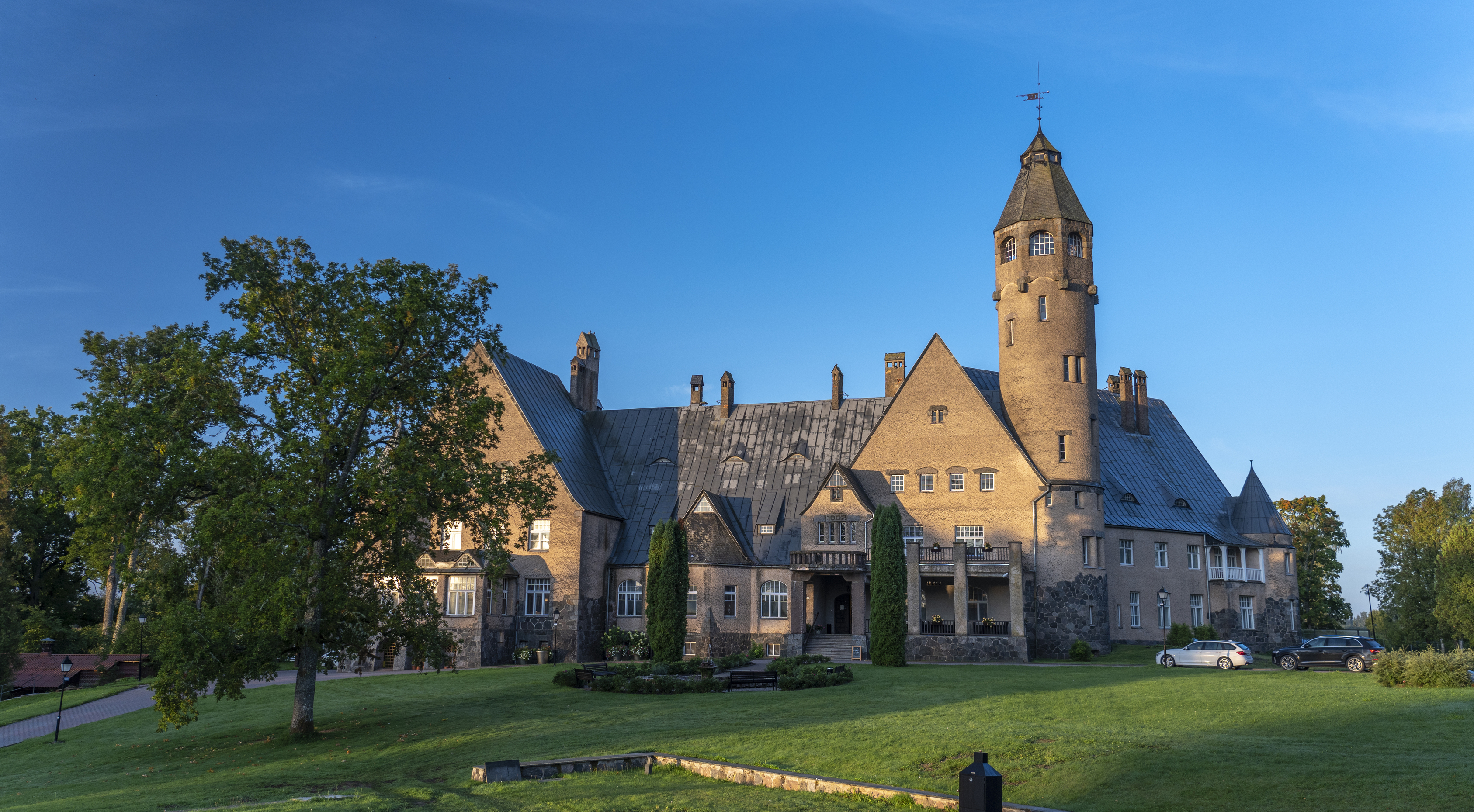
Taagepera Castle

Taagepera Castle is a special place – it is a mixture of elegant and rustic milieus, history, and the present. Baron Hugo von Stryk had the impressive art nouveau castle built as a home for himself more than a hundred years ago. The renewed castle complex is a unique conservation area with an art nouveau castle, an à la carte restaurant, a luxorious castle spa, a hotel in the style of the 1930s, and sports and leisure facilities. Come alone or bring your family and enjoy the milieu, peace, silence, massages, à la carte restaurant, a sauna, healing fresh air, and endless experiences that will guarantee that you will leave with a restored peace of mind.

Museumsempfehlungen

Die Museen Südestlands sind keine verstaubten. Das Estnische Nationalmuseum in Tartu ist eines der größten und ambitioniertesten im Baltikum. Die Freilichtmuseen in Võrumaa und Setomaa setzen lebendige Kultur in einen greifbaren Kontext. Das Peipsimaa-Museum am Ufer des Peipsi-Sees erzählt eine Geschichte, die man sonst nirgendwo in Estland findet.

  • Green Key
  • Giidiga tuurid
  • Workshops

Estonian National Museum

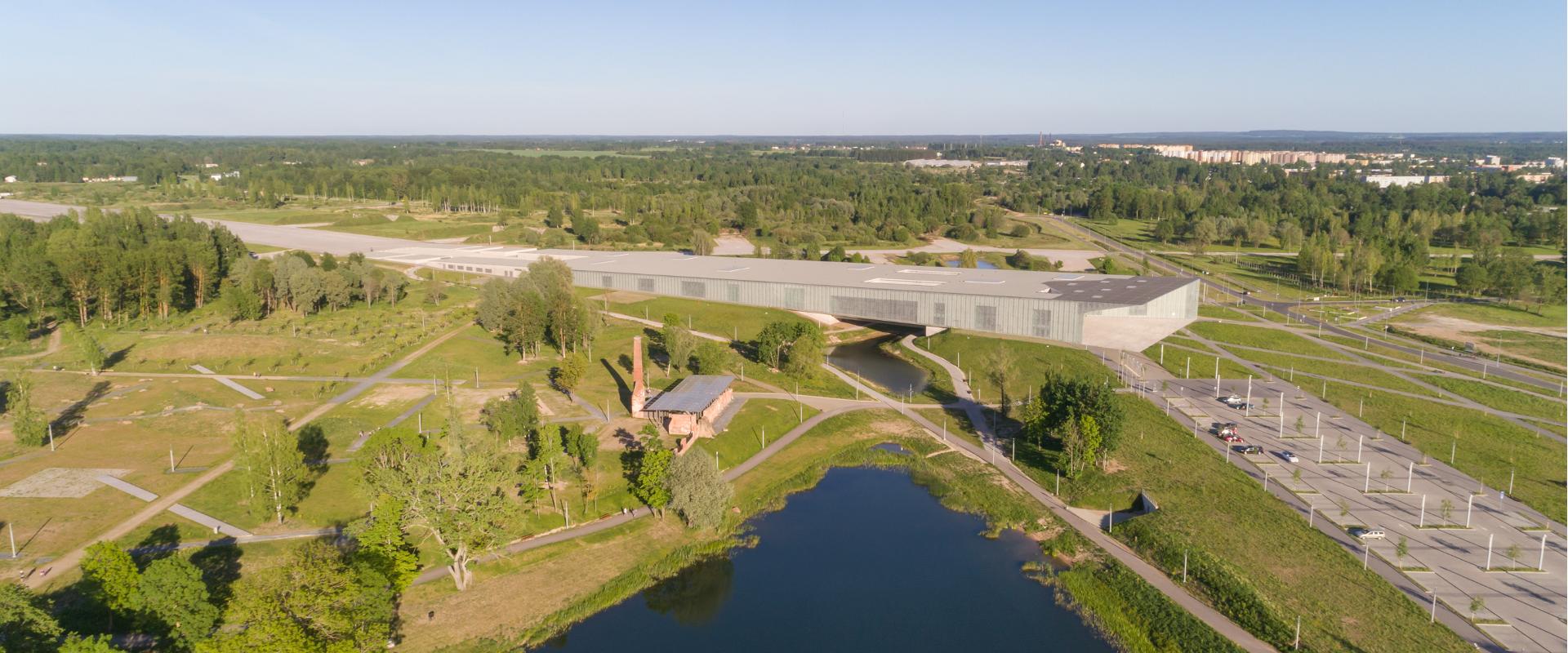
The largest museum in Estonia with nearly 6,000 m² of exhibition space invites you to discover the everyday life of Estonians throughout history at the permanent exhibition ‘Encounters’ and to learn about the life of the Finno-Ugric peoples in the permanent exhibition ‘Echo of the Urals’. The museum experience is complemented by temporary exhibitions. There is a restaurant and a museum shop. The outdoor areas of the museum are perfect to have a rest and a picnic. There is also a romantic rotunda and a glass-roofed distillery on the shores of Lake Raadi.The Estonian National Museum offers workshops, educational programmes, and guided tours in 11 languages. The museum has a modern conference centre and venue for international events.

  • Giidiga tuurid

A. Le Coq Beer Museum

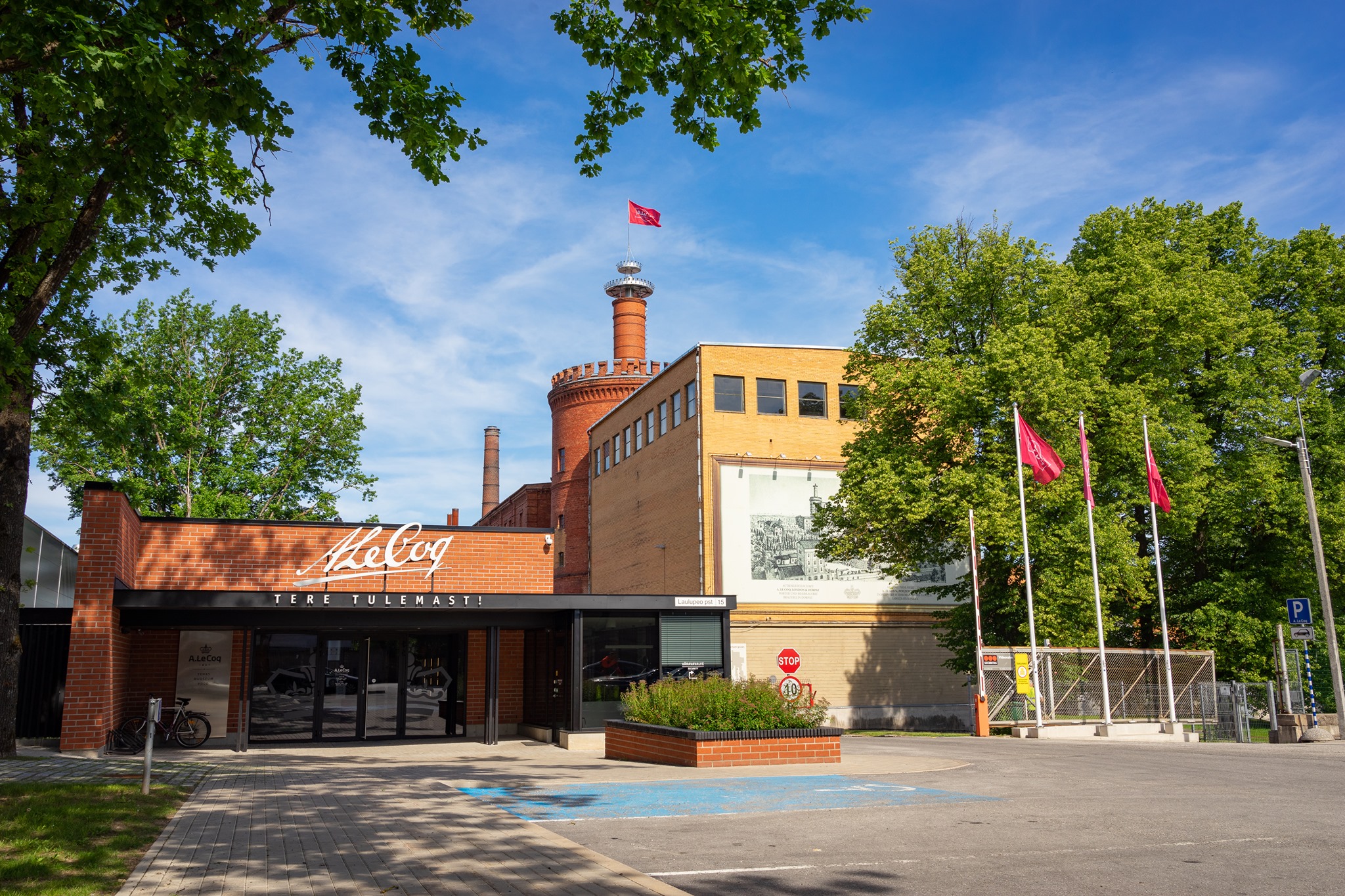
The A. Le Coq Beer Museum lets you see, hear, and taste the story of beer. You'll learn brewing history from ancient Egypt to the present day. The museum displays the ingredients needed to brew beer, describes the brewing process, and exhibits old production facilities. The heart of the museum is the historic malt tower, where the exciting 200-year history of A. Le Coq unfolds. At the end of the visit, you can enjoy a cold beer or lemonade at the museum's bar and peruse the gift shop. You can visit the museum on your own or with a guide.

  • Giidiga tuurid

Communication and Laptop Museum

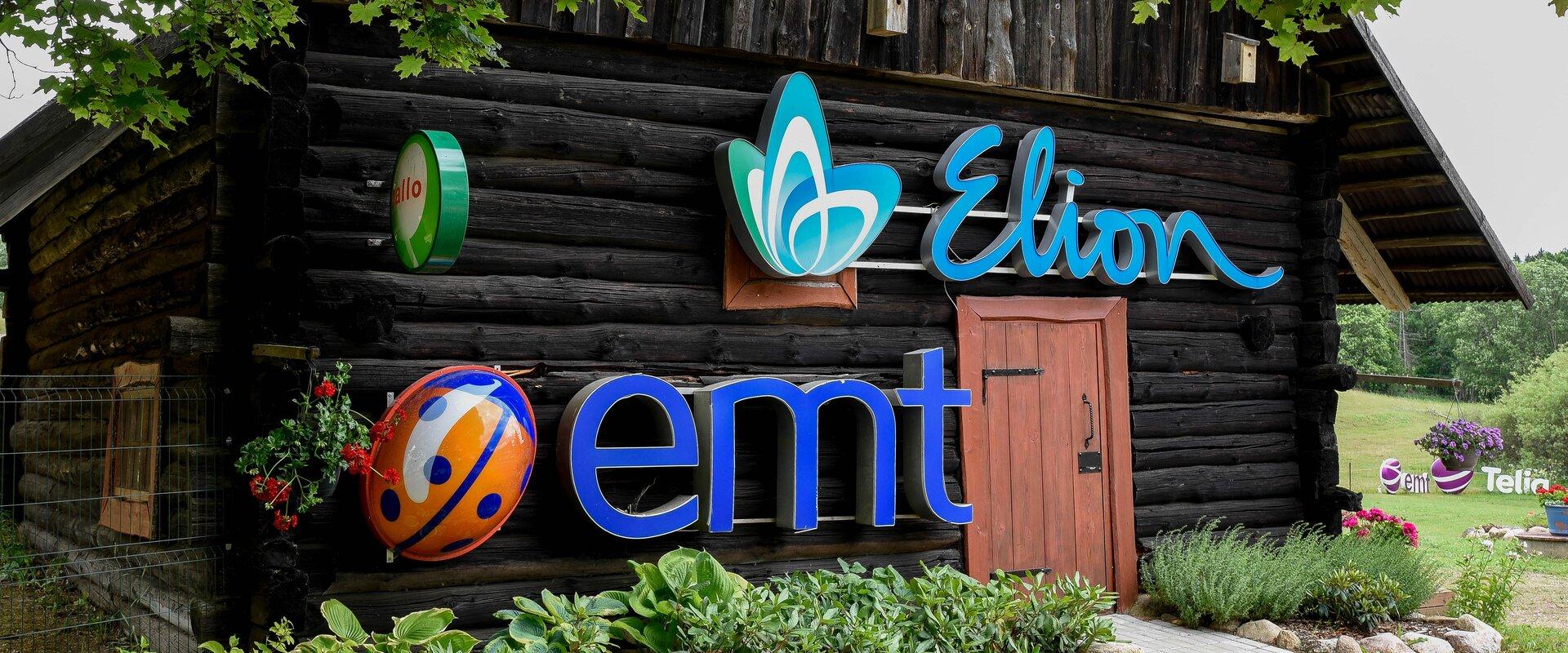
As the name suggests, it is a museum that introduces means of communication and laptops. The Communication and Laptop Museum opened its doors on June 10, 2023. In the communications museum section, there is a switchboard with cords, a telephone exchange from 1969; main distribution frame; telephone sets; payphones + payphone booths; overhead lines; mail baskets; communication instruments. Large Elion-Microlink-EMT-Telia signs and logos that used to be on the buildings. Also over several hundred mobile phones, among them old NMT mobile devices, antennas, and a 13 m cell phone mast. In terms of computers, there are a few desktop computers and twenty laptops.You can make calls inside the museum with a dial phone.

  • Family friendly
  • Giidiga tuurid
  • Workshops

Estonian Agricultural Museum

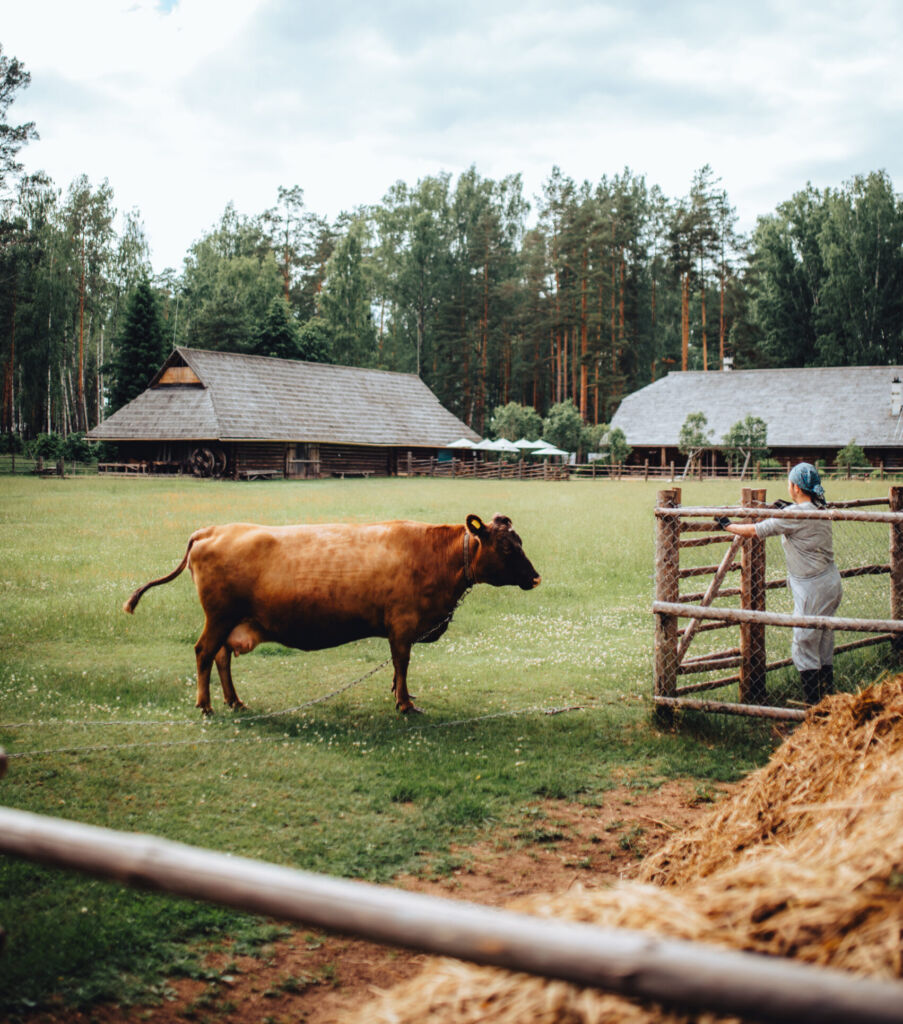
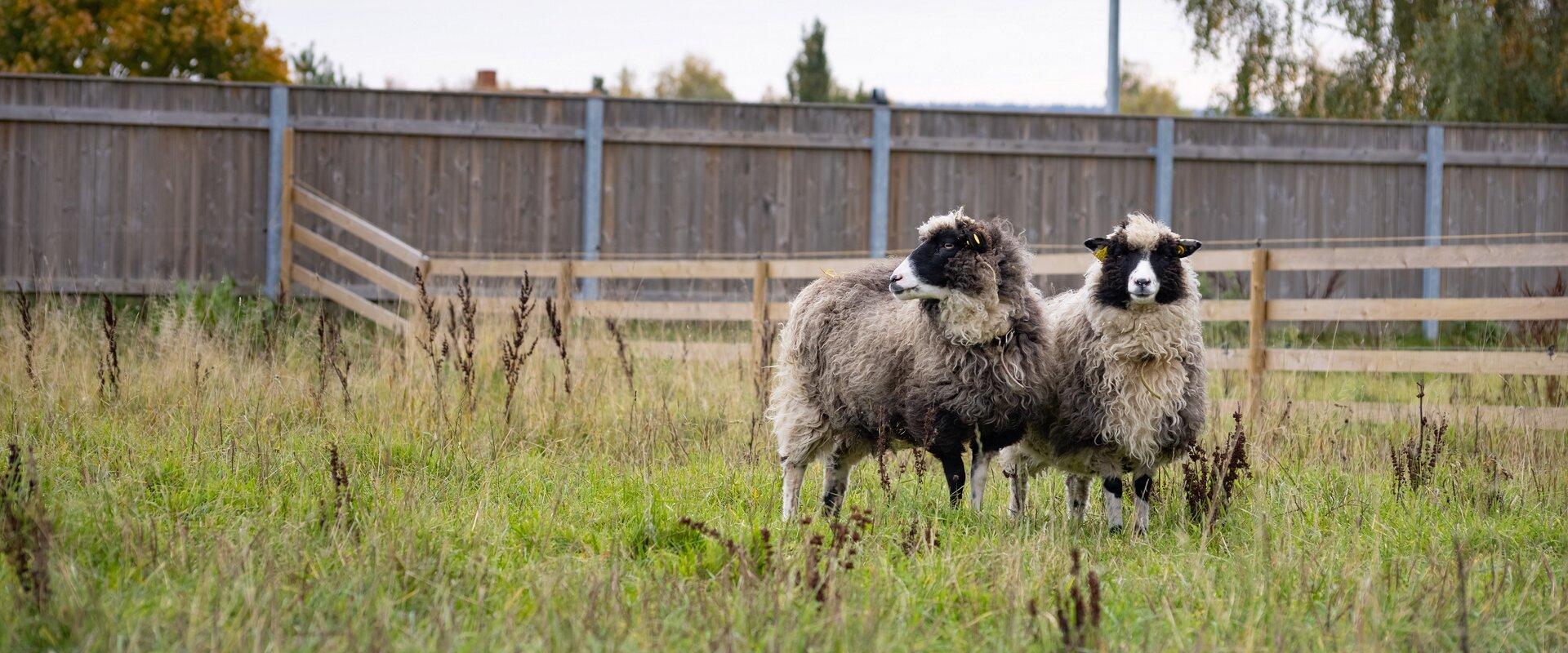
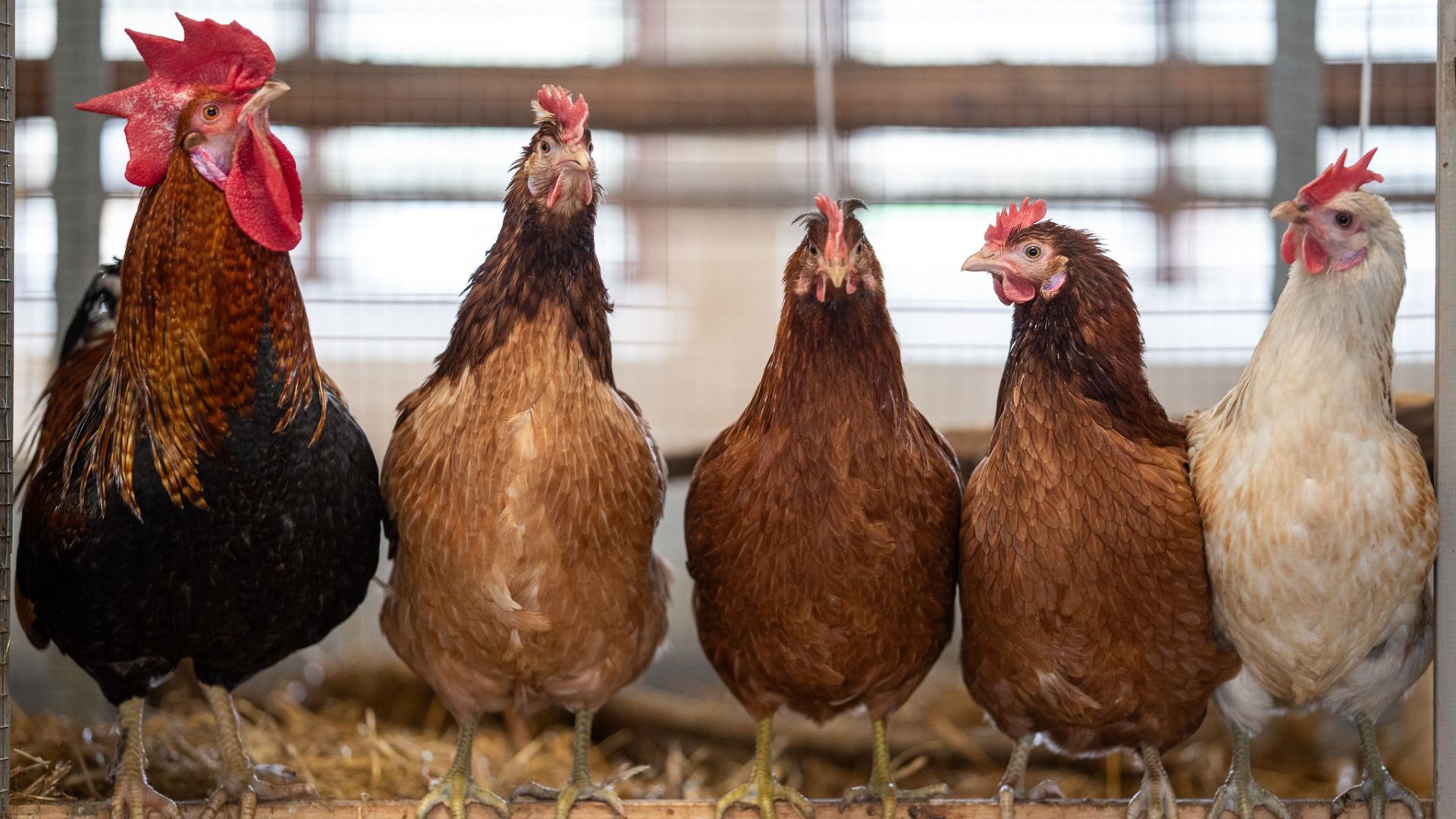
The museum is located at the historical Ülenurme Manor and introduces the development of the Estonian agriculture and rural life.In addition to exhibitions, museum visitors can participate in museum classes meant for children and adults, participate in master classes or cooking workshops, enjoy the nice surroundings and meet farm animals. The museum ponies take children for a ride. There are several traditional, but also innovative family events at the museum.It is possible to rent the museum's rooms and territory for events.

  • Family friendly
  • Giidiga tuurid

Estonian Aviation Museum

The Estonian Aviation Museum near Tartu is an exciting destination for aviation enthusiasts and families! Here you can see rare planes and helicopters from various countries, including the USA, England, and France. The indoor and outdoor areas display anti-aircraft weapons and an aviation collection consisting of over 500 models, which provides a valuable overview of the history of aviation. It is also possible to peek inside the planes. In addition to the exhibition, the museum offers plenty of experiences, including a 20-meter catapult, various flight simulators, and trampolines. The Aviation Museum can host lectures and company and family events.

  • Family friendly
  • Giidiga tuurid

Estonian Road Museum

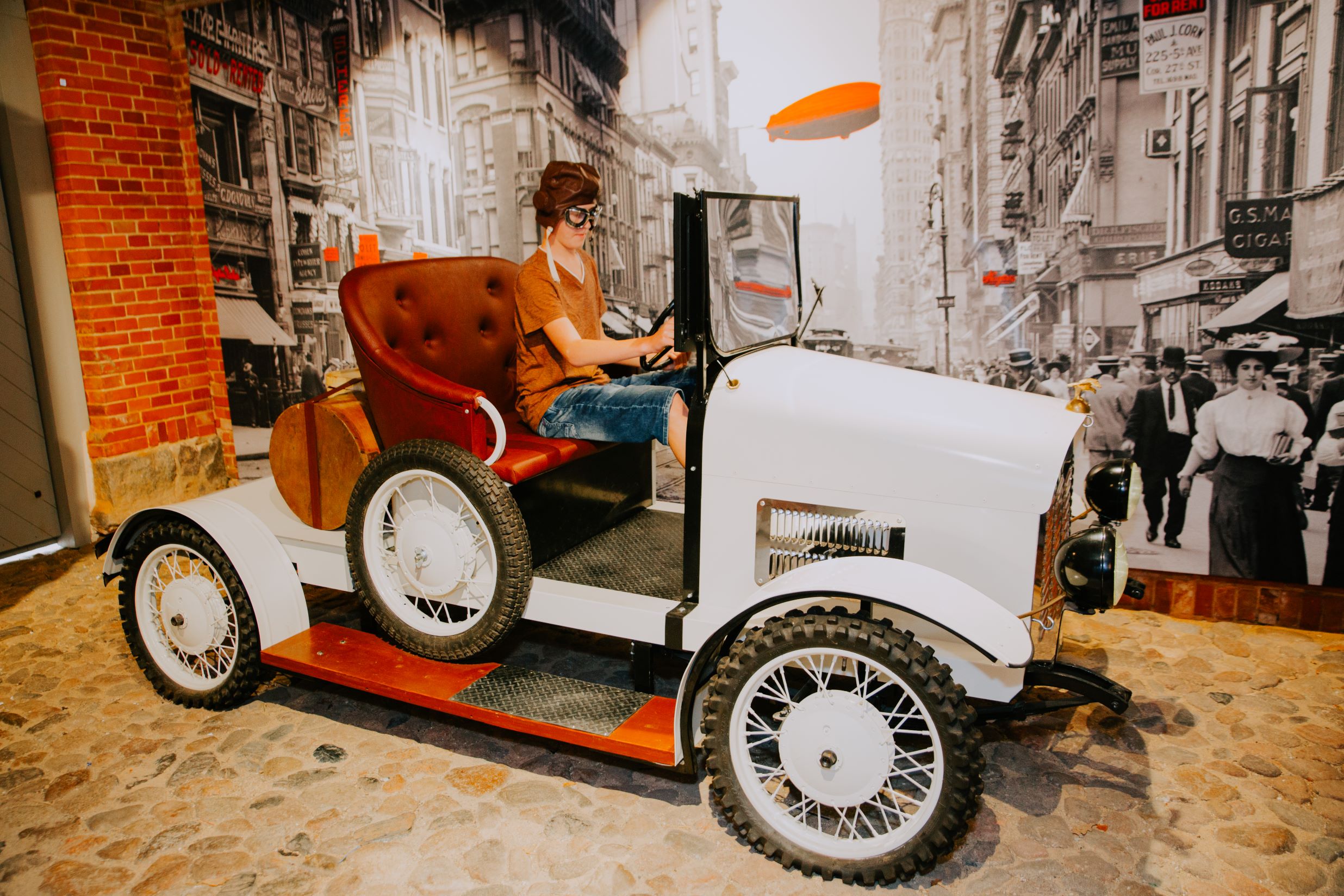
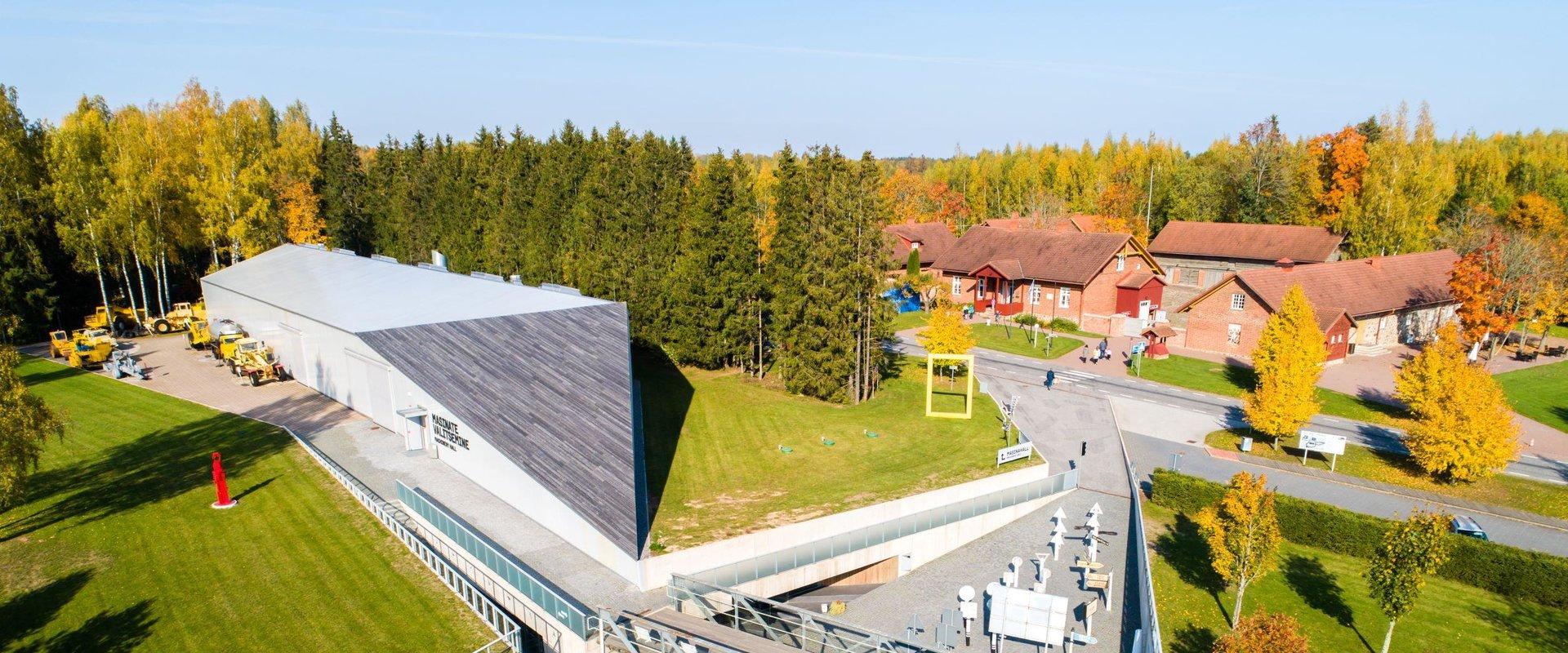
The Estonian Road Museum showcases the development of roads and traffic in Estonia, from the horse era to the present day. Exciting thematic events are organized here, educational guided tours are offered, and rooms are rented for seminars and celebrations. The heart of the museum is the historic Varbuse horse post station, which, together with the outdoor exhibition environment Teeaeg, forms a unique look at history. The Machine Hall is the museum's technical park and interactive traffic education center. It also houses a rotating car and the Estonian Road Museum's traffic safety simulator, which offers an immersive experience and a clear understanding of how seat belts save lives. The standout features of the outdoor areas are the historic road room, where you can seemingly travel back in time, and the recreation area with a traffic city, which offers activities for the whole family, especially during the summer season. Temporary exhibitions are held in the main building of the post station, and the second floor houses a children's museum created specifically for younger visitors.

  • Green Key
  • Family friendly
  • Virtual reality (VR)

Estonian Sports and Olympic Museum

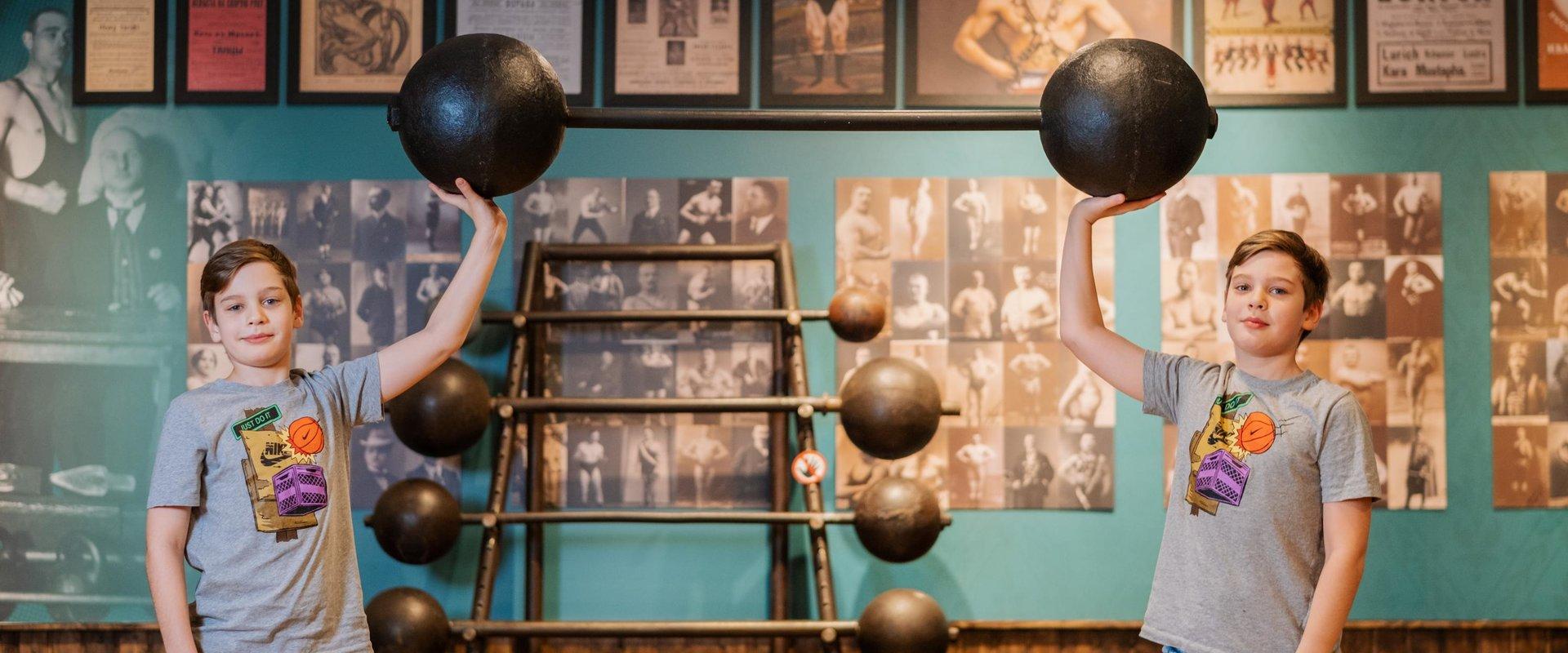
The Estonian Sports and Olympic Museum, located in the center of Tartu, is the largest and most modern interactive museum in the Baltics. Every sports fan will feel like a winner! The permanent exhibition "The Story of Estonian Sports" features the most interesting moments of Estonian sports, from heroic deeds to doping dramas. The museum offers visitors over 15 interactive attractions and is home to the Estonian Sports Hall of Fame. Several hands-on attractions are especially exciting, such as VR with legendary sports arenas and stars, an interactive basketball corner, a retro room, a commentator's corner, a historical gym, and more. Come and discover the exciting world of sports with friends and family!
  • Family friendly
  • Virtual reality (VR)

Kalevipoeg Museum

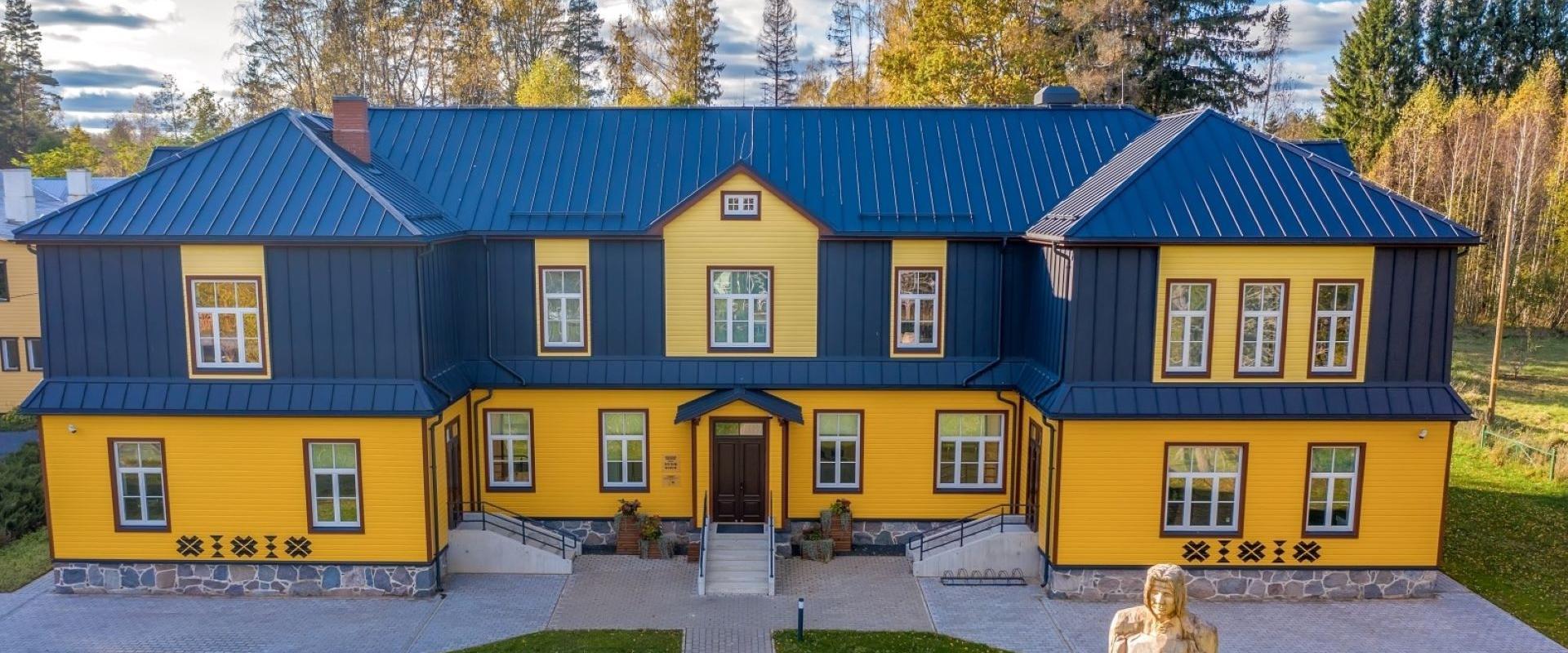
The Kalevipoja Museum, located in Jõgeva County, Kääpa, is named after the Estonian national epic "Kalevipoeg". In the nearby river lies the sword of Kalevipoja, and around it lie the resting places, stones, springs and furrows of the ancient sangari. This is where you can start a real journey into the world of the Estonian national epic! The museum's permanent exhibition gives an overview of the epic, and you can learn about the most important events in a playful way. Anyone who wishes can listen to the epic as an audiobook or sit in the "Plane" and watch a short film about places in Estonia related to Kalevipoja. Do you dare to try what it feels like to be Kalevipoeg yourself? In a virtual reality adventure, you can pick up your sword and fight Sarviktaat! Families, groups of friends and groups are welcome! In addition, you can organize seminars and team events with us, which combine knowledge, creativity and adventure. Adrenaline and fun activities are offered in our adventure park with both high and low trails - the perfect way to spend active time with family, friends or colleagues.
  • Giidiga tuurid
  • Workshops

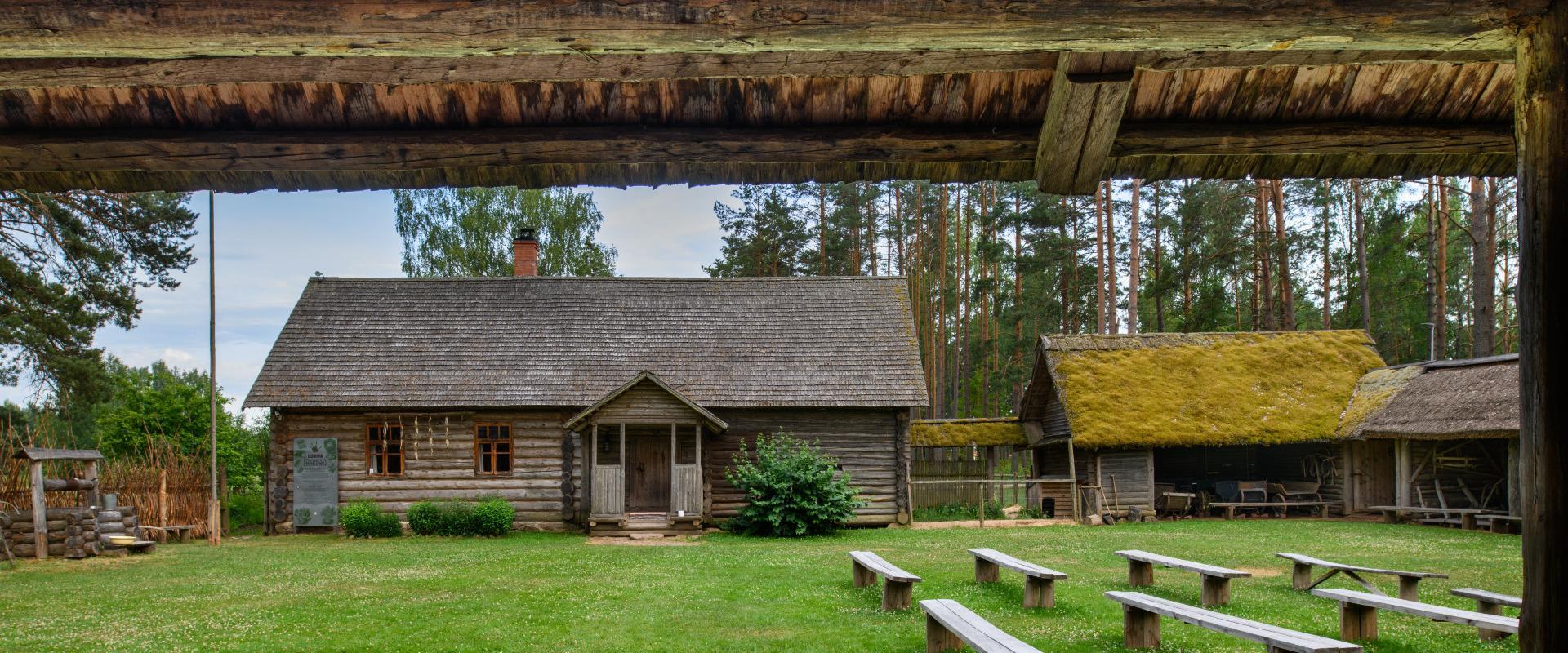
Karilatsi Open Air Museum

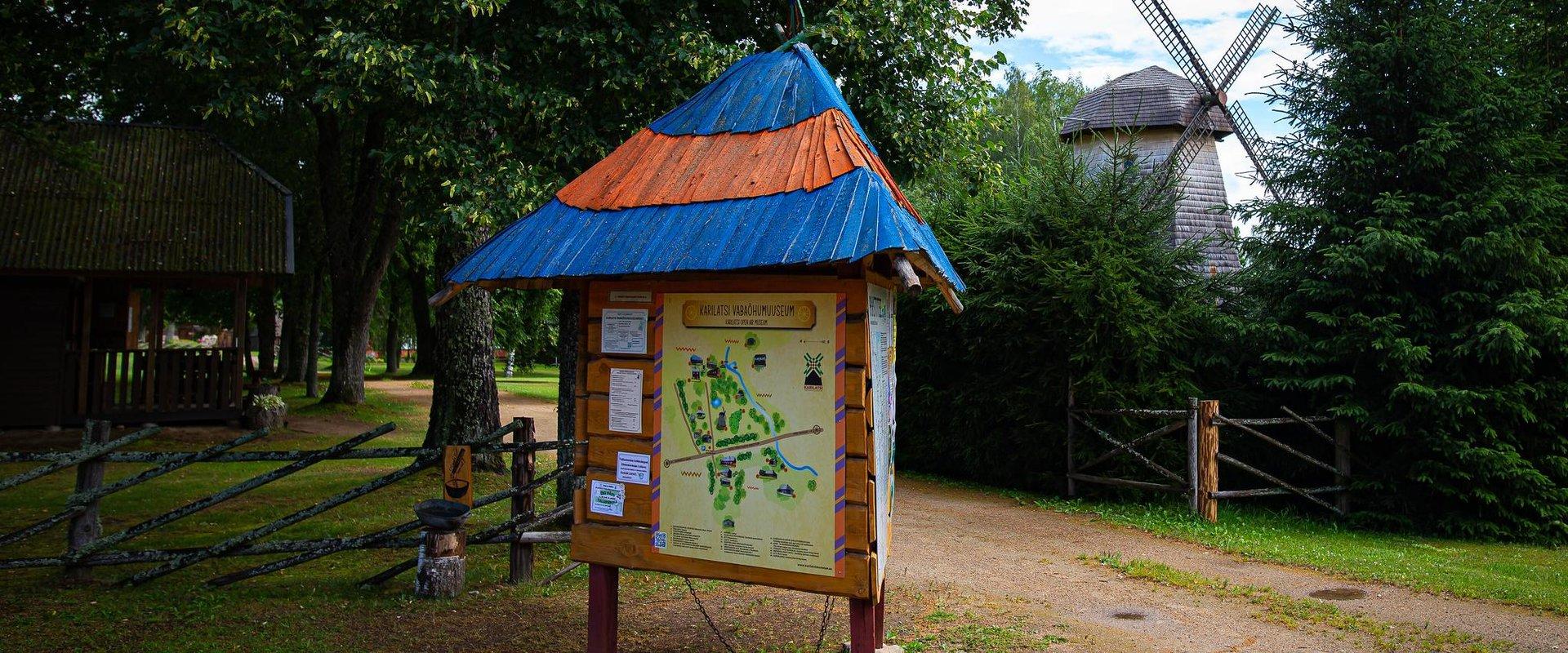
Karilatsi Open Air Museum is a unique open air museum in Southern Estonia which provides an overview of the life of Vana-Võromaa County about 100 years ago.On the 5-hectare territory of the museum, you can experience moments from the school life and farm work of that time and get to know everyday simple tools. Workshops and lessons on traditions and customs: smoke sauna customs, Võromaa wedding customs, celebrations, folk calendar year, and many other experience programmes (e.g. court session in Võru language, old school lesson). You can see a school, a court, and an almshouse with their smaller buildings, a granary, a barn-dwelling, a cottar farm, and a Dutch windmill. Agricultural machinery and vehicles are also on display. Ticket sales to the museum end one hour before closing.
  • Family friendly
  • Giidiga tuurid

MUHK – the Rural Curiosity Center at the Estonian Agricultural Museum

Located at the Estonian Agricultural Museum in Ülenurme, the MUHK, or the Rural Curiosity Center, is a lively place where visitors of all ages can discover, research, and play. This is where rural life comes to play through engaging education. Located on two floors, the center introduces modern agriculture through practical activities. The “Barn Symphony” exhibition explores topics related to animal welfare, feeding, and husbandry. You can also meet the museum's farm animals and relax in a soothing rabbit village. The exhibition “Manure and Milk” adds to the excitement, where you can also see a rare manure spreader. For the more adventurous, the slightly gut-wrenching veterinary room takes a look at the history of animal treatment. The museum’s treasury, or open storage, also awaits visitors, where fascinating objects from the museum’s collections are on display. The Estonian Rural Museum ticket gives you access to all museums in the complex, including the Rural Curiosity Center.

  • Giidiga tuurid

Mustvee Old Believer’s Museum

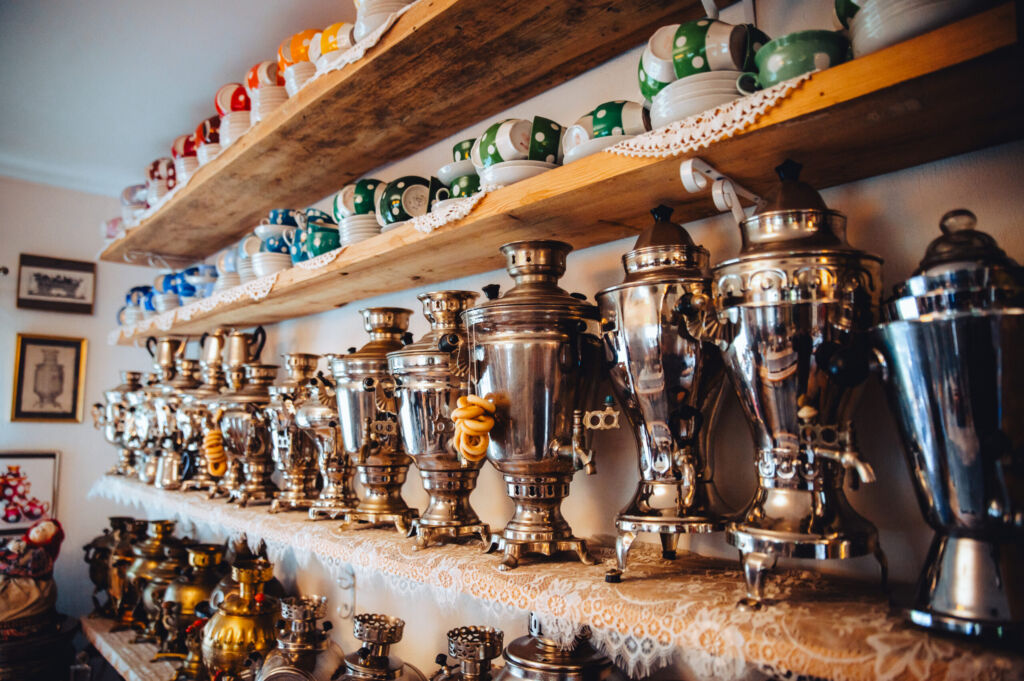
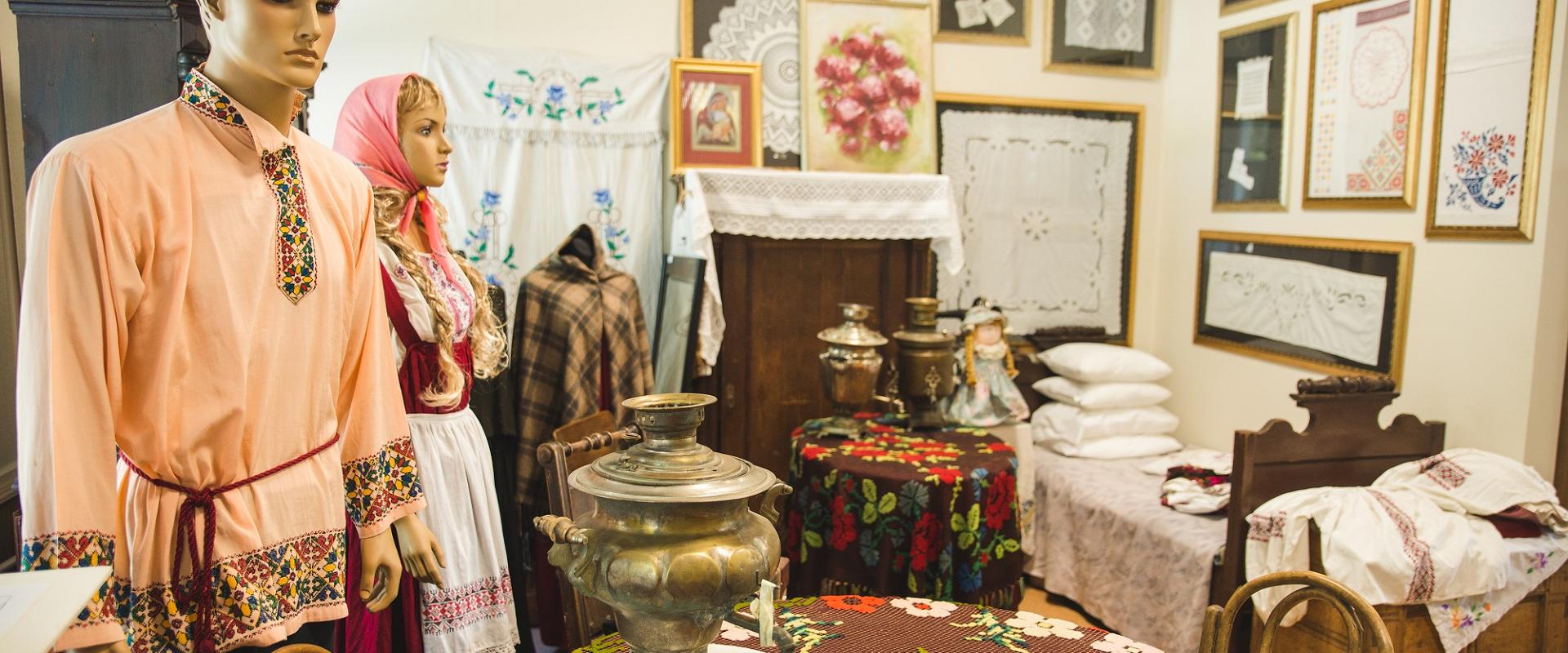
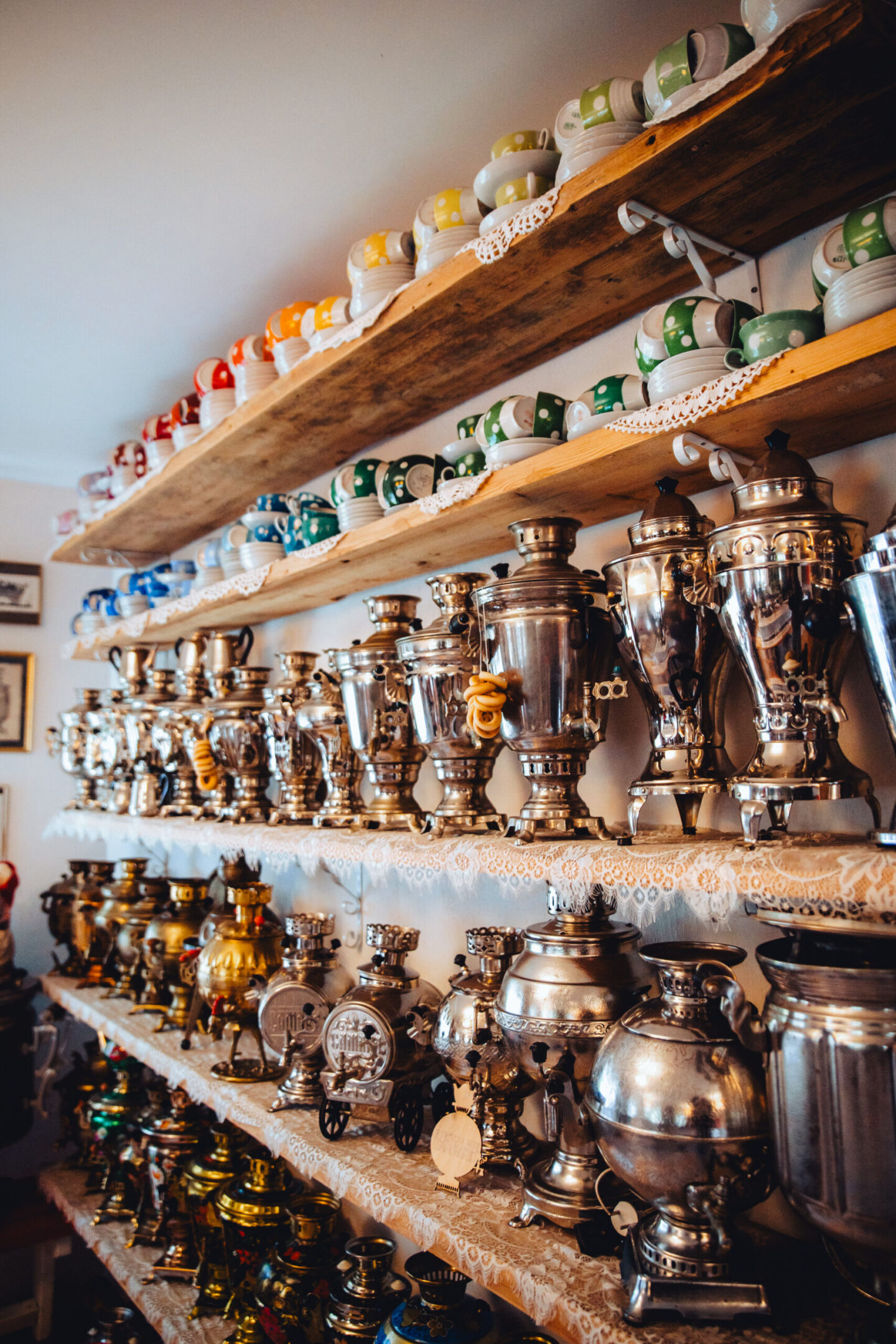
Mustvee Old Believer’s Museum is one of the 21 places in Southern Estonia worth discovering that are marked by a yellow National Geographic window; all those interested in culture and history should definitely pay a visit.The exhibits give an overview of the culture of Old Believers both in the past and in the present. The collection includes samovars, irons, clothes worn by the Old Believers, commodities, furniture and fishing equipment. Also on display – J. Kolpakov’s paintings of the churches of Mustvee, P. Mihhailov’s and his son’s wood engravings and L. Korobova’s paintings and drawings of Lake Peipus.

  • Workshops

Obinitsa Museum

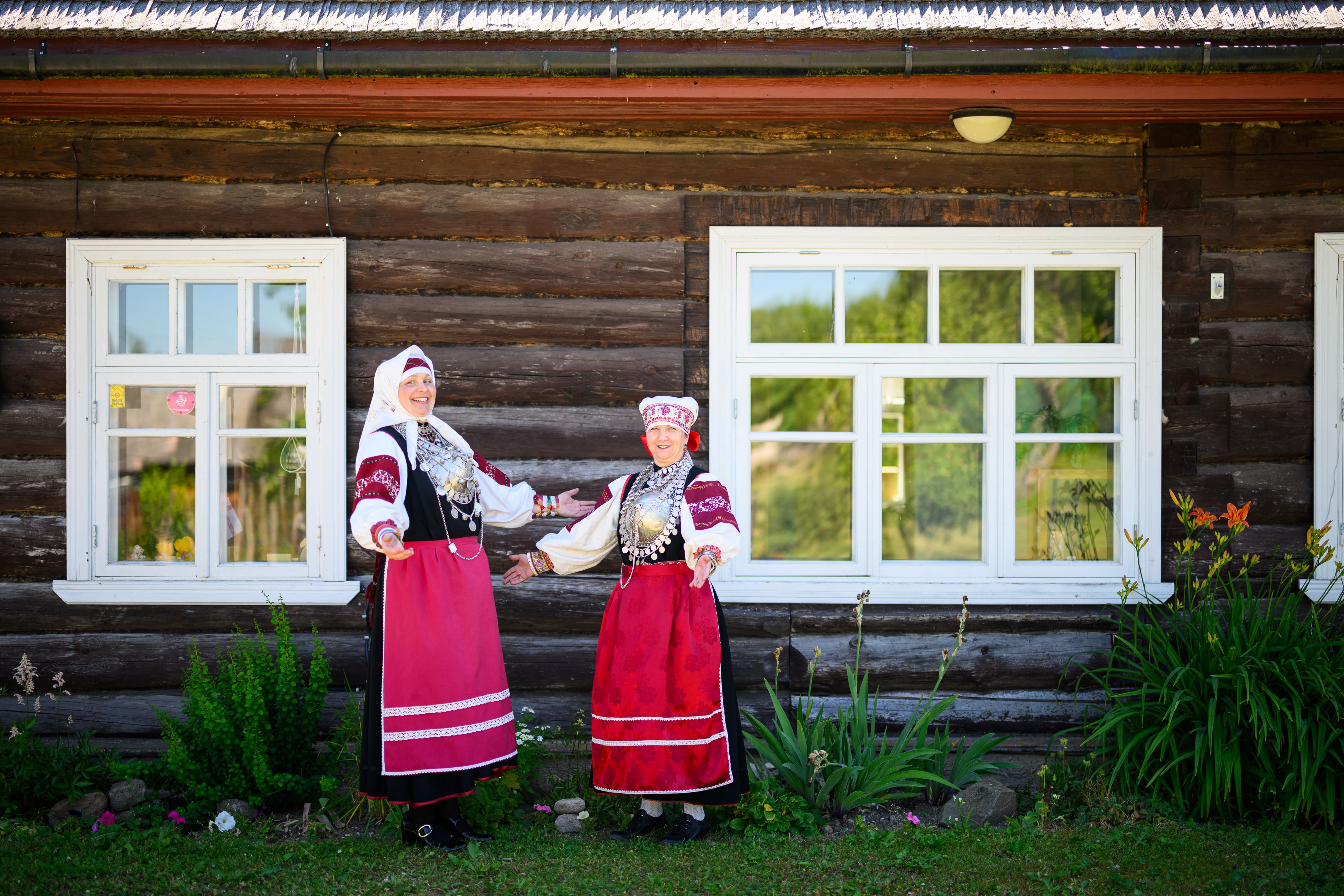
At the Obinitsa museum, one can explore the unique culture and history of Setomaa, participate in various workshops and events. Most of the museum collection items are sourced from surrounding villages. Special value is placed on the fine handicrafts of Seto women. The museum is located in the heart of Setomaa and offers an overview of the area's life, traditions, and folk costumes. The permanent exhibition displays authentic farm tools, clothing sets, and photos that reveal different aspects of Seto culture. The museum's most popular program is called "Rõivile!". Dressing up means putting Seto clothes on a woman and doing her hair. During the dressing process, the historical context of the items is introduced. It is possible to order a handicraft workshop at the museum, where traditional Seto belts and ribbons are made. Seasonally, other activities are offered, such as embroidery and wool work introductions and guided village tours.

  • Giidiga tuurid
  • Virtual reality (VR)

Old Believers Museum in Kolkja

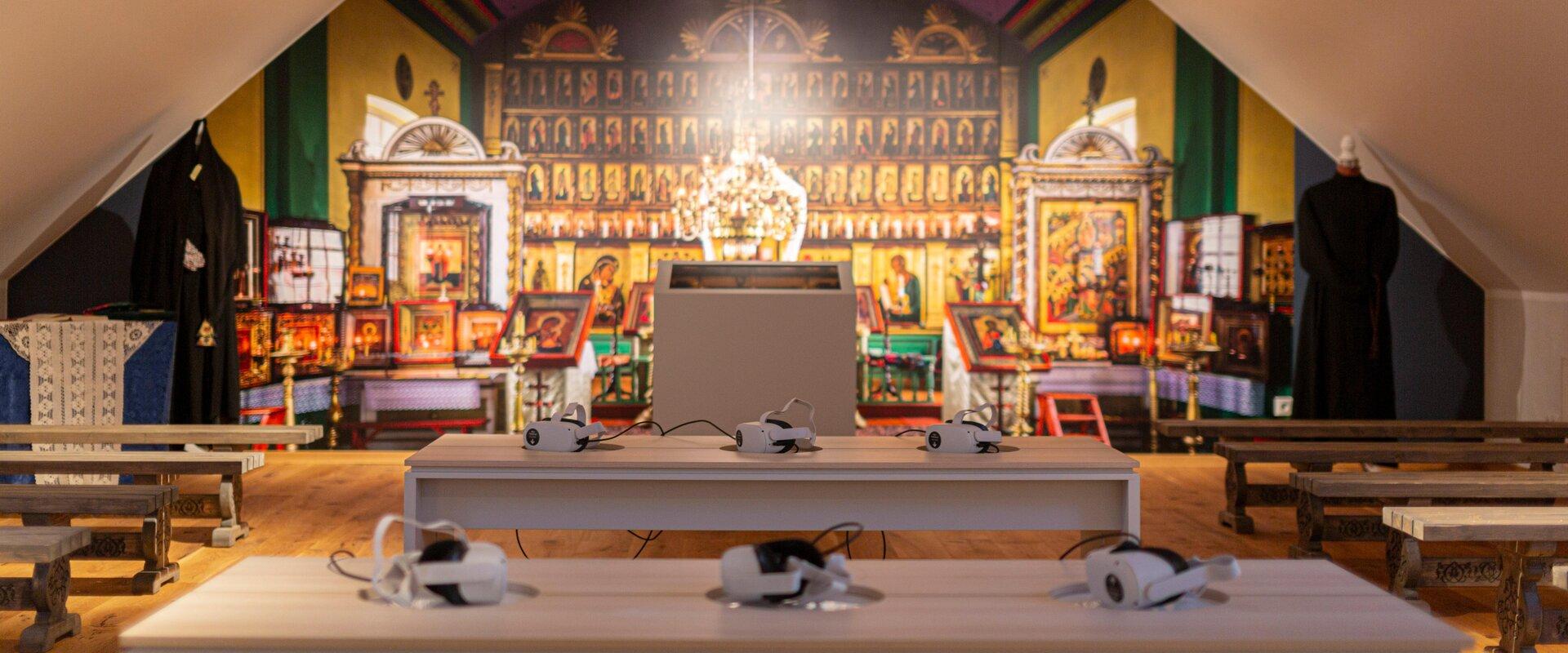
Who are the Russian Old Believers? How and when did they arrive in Estonia? Why did they settle in the Peipsi region, and what are their customs? Why have they grown onions this way for centuries? The Old Believers Museum in Kolkja is located on the Onion Route and tells visitors the story of the Peipsi Region's Russian Old Believers. The exhibition is in Estonian, English, and Russian and includes virtual reality, where you can experience the Old Believer prayer. We also offer hour-long guided tours in Estonian and Russian. There is an observation tower overlooking Lake Peipsi at the museum! Come and discover the world of the Old Believers in Kolkja!

  • Giidiga tuurid

Oskar Luts Home Museum

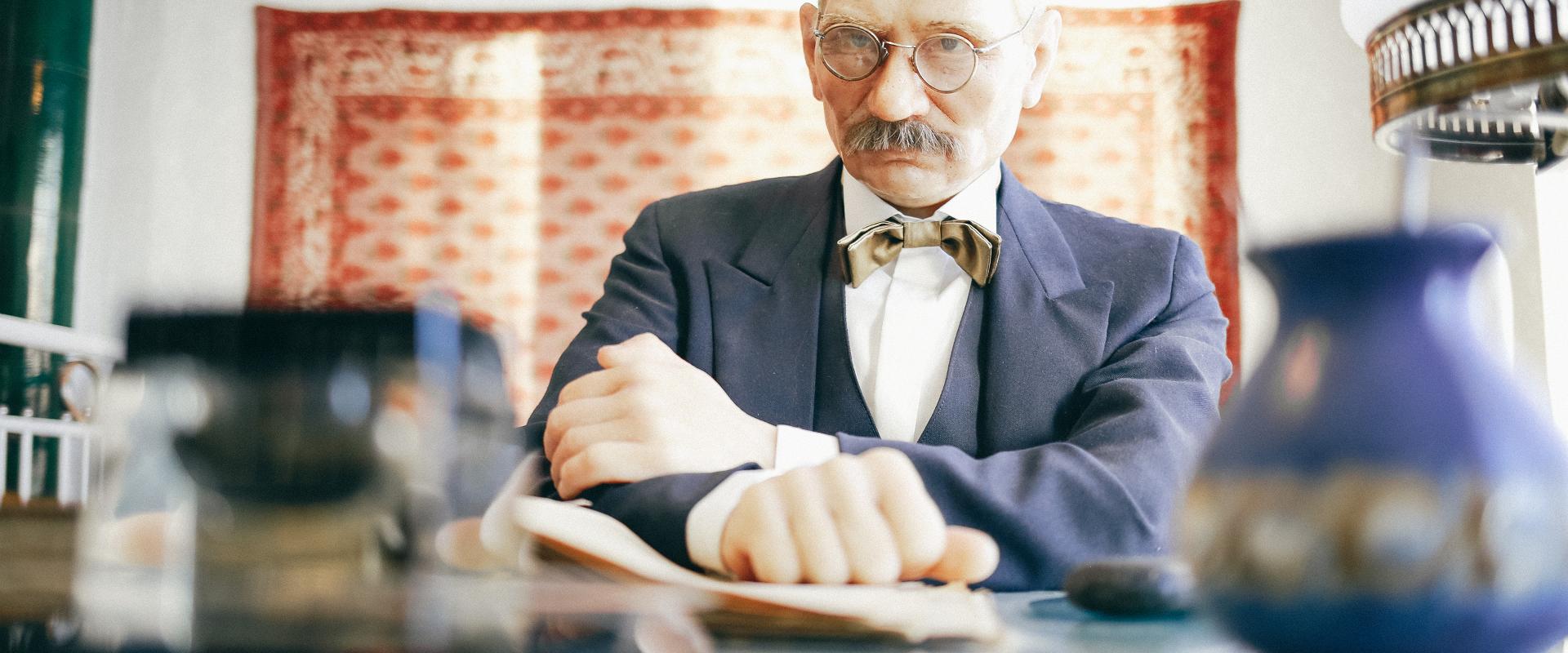
Discover the heart of Estonian literature: the Oskar Luts Home Museum in Tartu! The museum is a quiet, charming place that takes you back in time and offers a glimpse into the life of one of Estonia's most beloved writers, Oskar Luts (1887–1953). The museum is located in a functionalist house built in the 20th century, where the author's personal belongings, furniture, manuscripts, and work desk have been preserved. The permanent exhibition reveals Luts's influence on literature, theatre, and film. The authentic atmosphere and warm stories offer a meaningful experience even for those just discovering his name. This is not just a museum, but a home where literature and life meet!

  • Family friendly

Palamuse O. Luts’s Parish School Museum

The historical Palamuse Parish Schoolhouse is now open to visitors as it was seen in 1895. There, you will find the classroom and the living rooms of the parish clerk, known from the movie Kevade. The heart of the museum is located in the freshly completed main building, where you will also find a classroom and a workshop. The main exhibition of the main building is meant for the whole family, reflecting the history of the Estonian parish schools through Kevade. The text introducing the entire building seems to have been written by the character Toots from the movie: you can learn to play the violin, catch Lati Pac, and see what Toots was hiding in his pockets! You can also learn how the movie Kevade was made and how it affected the Estonian culture.

  • Giidiga tuurid

Valga War Museum

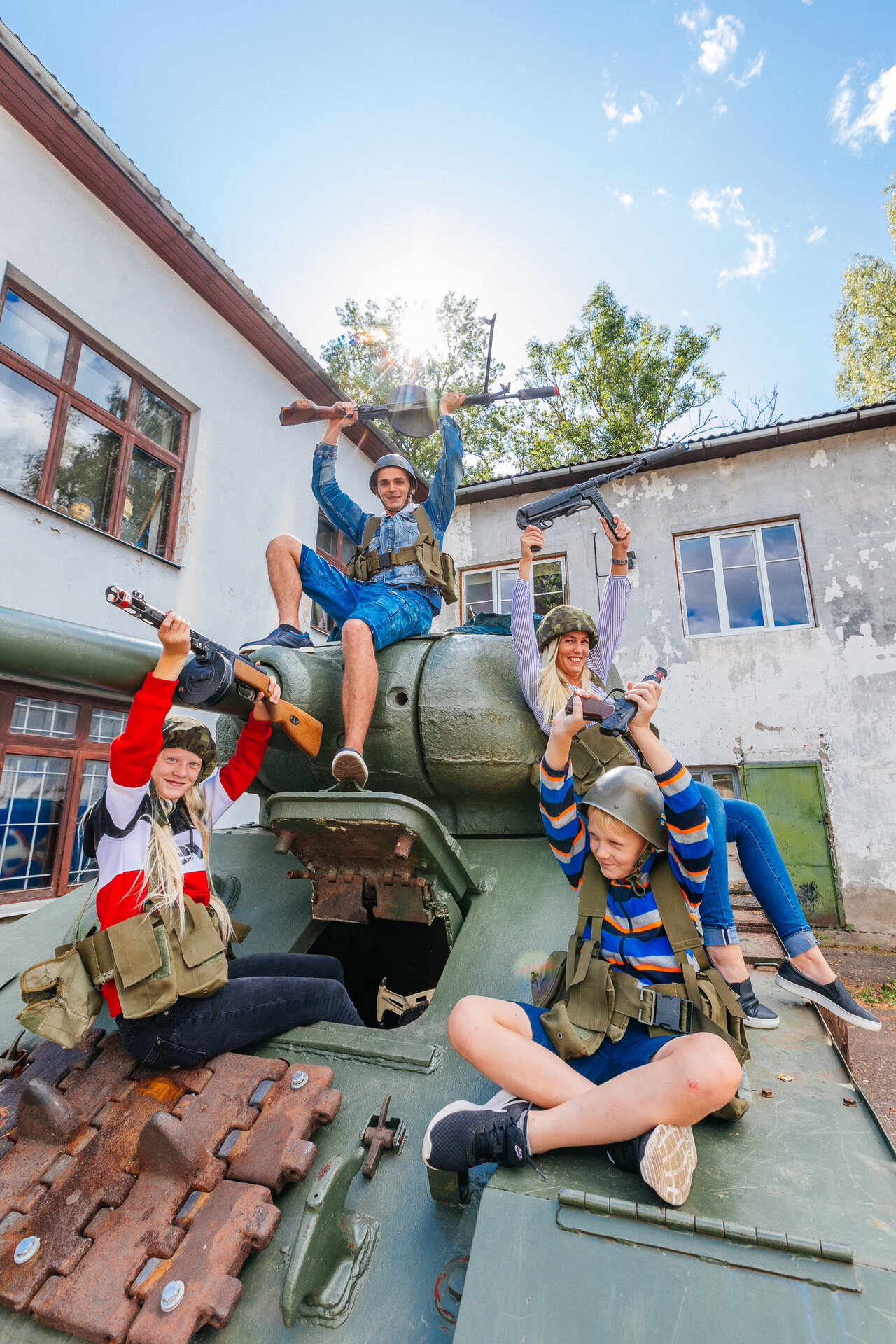
Would you like to learn more about the past and present of Estonia's national defense force or see the places where battles took place in Valga County? When visiting the War Museum, you can get acquainted with military and armored vehicles, tanks, a Forest Brothers bunker, see the largest weapon collection in Estonia, and more. You can test your shooting skills on a shooting simulator. For groups, we offer guided tours, fun rides in various military vehicles, role-playing games with laser weapons, or flight simulations in an MI-8 helicopter, upon reservation. Our seminar hall can host various events, and we offer various military-themed packages.

  • Giidiga tuurid
  • Workshops

Värska Farm Museum

Värska Farm Museum is a unique place in Setomaa, offering comprehensive insight into the life of a wealthy Seto fortified farm in the 1920s. It is a great place to experience Seto culture, architecture, and traditions. The building complex includes a smoke sauna, a residential building, a clothing, dining and granary barn, an animal barn, a hay barn, a men's workshop, a threshing floor, a blacksmith's shop, and a pottery factory — you can get an overview of the entire Seto architecture. The museum also houses genuine Estonian farm animals. Various workshops are offered upon reservation, such as making sõir, bread making, and crocheting Seto lace, among others. The largest handicraft shop in Setomaa is open under the threshing floor! Come visit us!

Tartu

Estlands Universitätsstadt und Kulturhauptstadt. Klein genug, um sie an einem Nachmittag zu durchqueren, mit genug Museen, Cafés und Geschichte, um deutlich länger zu füllen.

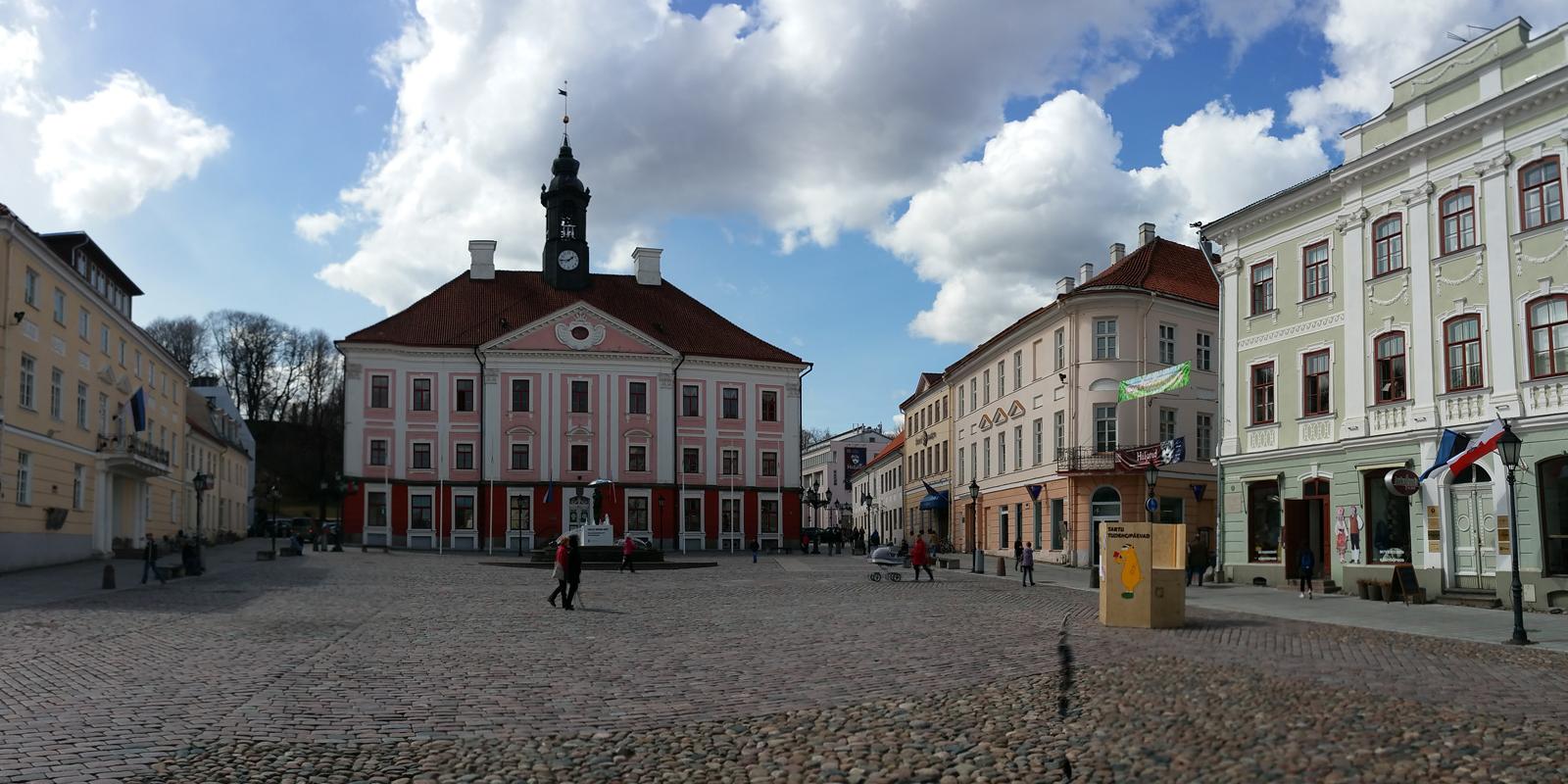
Guided tour in Tartu Old Town and Toomemägi Hill

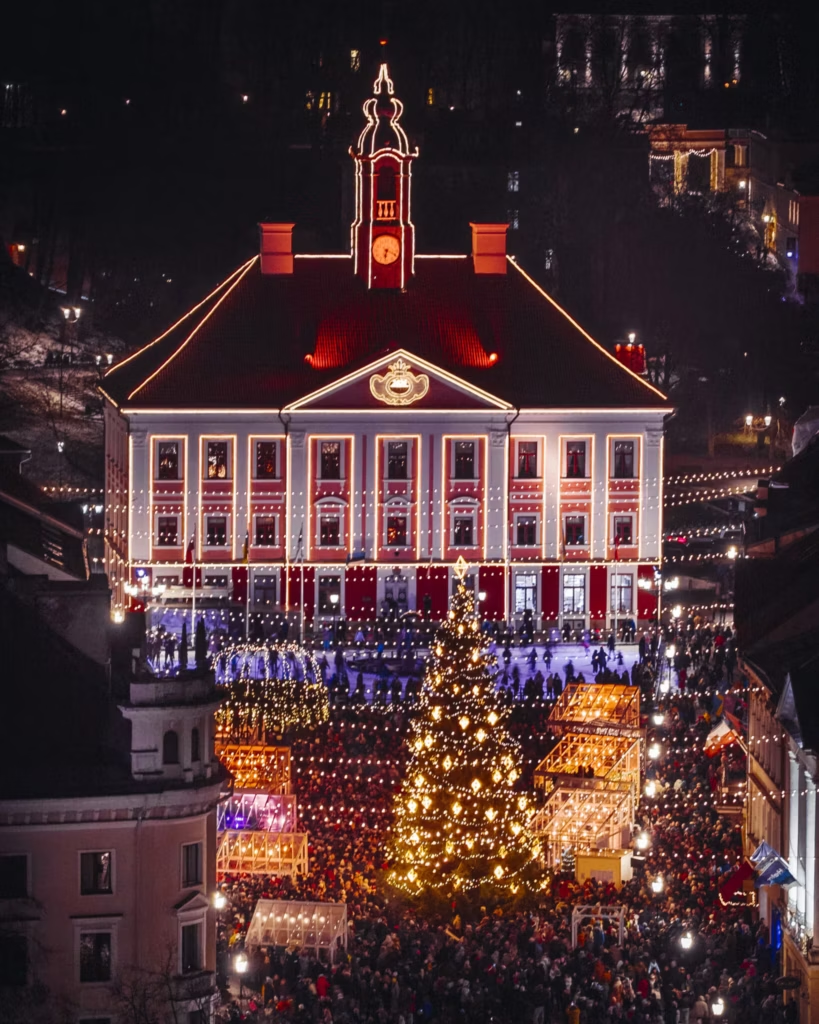
Guided tour in Tartu Old Town!The tour introduces important places in the cultural history of Tartu and Estonia. The walk starts from Town Hall Square, passes the University of Tartu and St. John’s Quarter, the greenery of Toome, and crosses the bridges to the city centre.The tour is great for foreign guests of your company or conference, your cooperation partners, and friends!If you wish, we can also explore the romantic Tartu: Karlova and Supilinn districts. We offer flexible, customer-based solutions. We also organise tours to Peipsiveer, Setomaa, etc.Book early!

  • Parks
  • Gardens

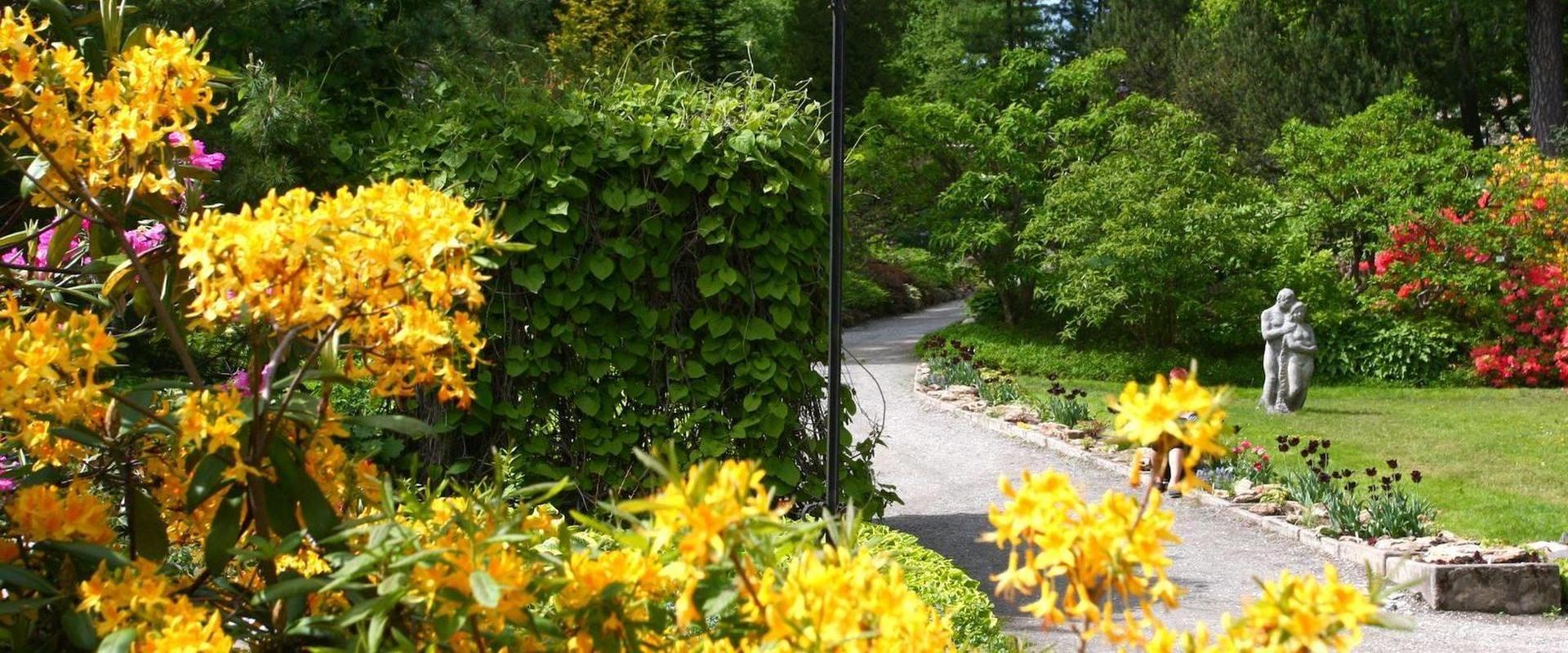
University of Tartu Botanical Garden

The University of Tartu Botanical Garden offers study programmes and excursions for visitors of all ages. There are more than 10,000 species and varieties of plants in the garden. In addition to natural plants, including rare protected plants, we introduce new decorative plants. In the greenhouses, rainforest and desert plants can be seen. We are the oldest botanical garden in the Baltic States, operating for more than 200 years in the same location. The garden is designed by world-renowned botanists, professors Ledebour and Bunge. Guests can visit the greenhouses with a ticket, but the garden is open for everyone for free. There is a playground for children.

  • Giidiga tuurid

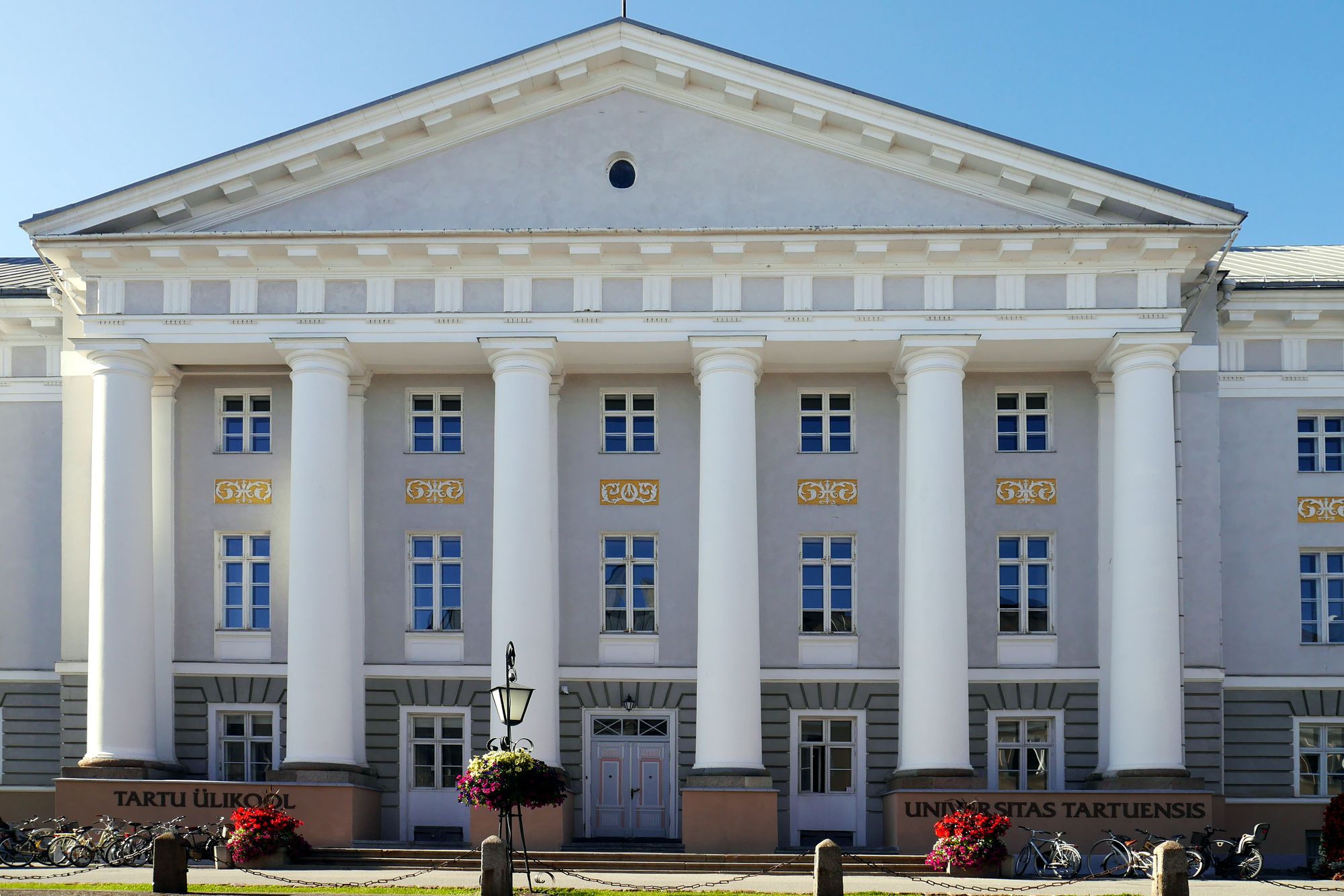
University of Tartu’s main building

The University of Tartu's main building is a truly remarkable and historically significant structure located in Tartu's Old Town. The building was designed by the university's architect, Johann Wilhelm Krause, and constructed between 1804 and 1809. It was inaugurated with a ceremonial event on July 3, 1809, and since then, it has been the central venue for the university, hosting all important celebrations, scientific and cultural events, and gatherings of the academic community. The main building's classical architecture, with its columned facade and dignified interior, has shaped Tartu as a university town. The main building houses the White Hall, where concerts, conferences, and ceremonial events take place. Another special attraction is the student prison in the attic, which offers an intriguing insight into the strict rules of 19th-century student life. Visitors can also explore the University of Tartu Art Museum in the main building. The main building can also be explored on a guided tour, organized through the University of Tartu Art Museum by prior appointment.

  • Family friendly
  • Lookout towers
  • Parks

Toome Hill Park

Toomemäe Park, a natural hill with a rich history, is one of the favorite places for Tartu residents to enjoy greenery without leaving the city. In the cathedral located here, you can visit the University of Tartu Museum, which provides an overview of the university's history and scientific research, and enjoy the views from the towers' observation platforms. While walking in the romantic English-style park, don't miss the beautiful Angel Bridge with its twin Devil's Bridge, statues, outdoor exhibitions, and university buildings, such as the observatory and the old anatomical museum. The park is accessible with a stroller, there is a playground for toddlers and a sports park for more active visitors.

  • Giidiga tuurid
  • Workshops

Aparaaditehas Creative City

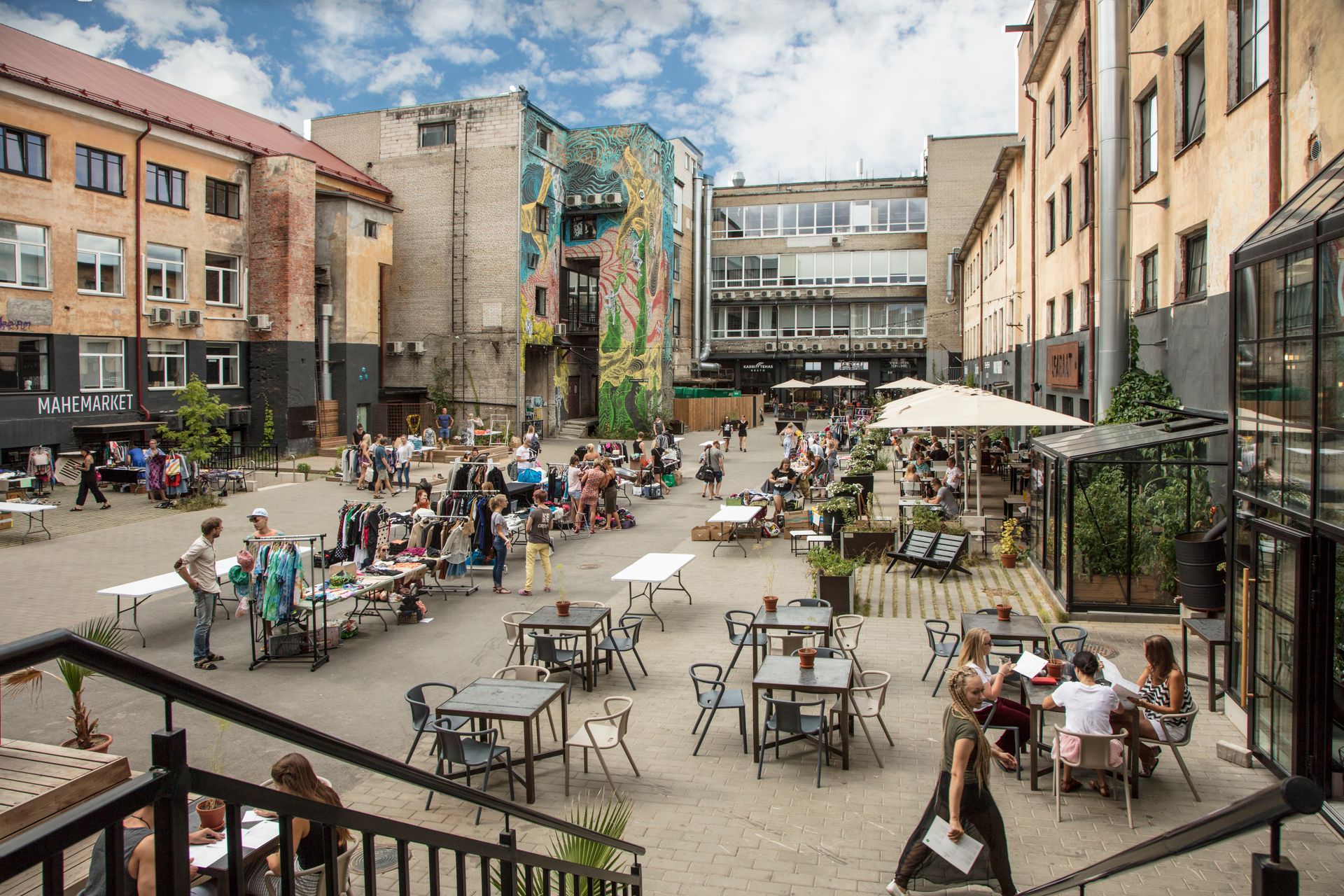
Aparaaditehas is a cultural space built in an old factory complex. Many creative entrepreneurs, artists, designers, and the house cat Johannes Gutenberg have made their homes here. The restaurants, cafes, and bakery in Aparaaditehas offer a variety of flavors to appeal to foodies of all types. Aparaaditehas also has small shops, galleries, and the TYPA Printing and Paper Arts Centre. Major events such as the Aparaaditehas Festival and Gallery Night take place inside the Creative City and factory yard. The factory also hosts smaller concerts, fairs, exhibitions, and workshops. Come and discover the world of the Aparaaditehas!

  • Promenaadid

Emajõe Riviera promenaad

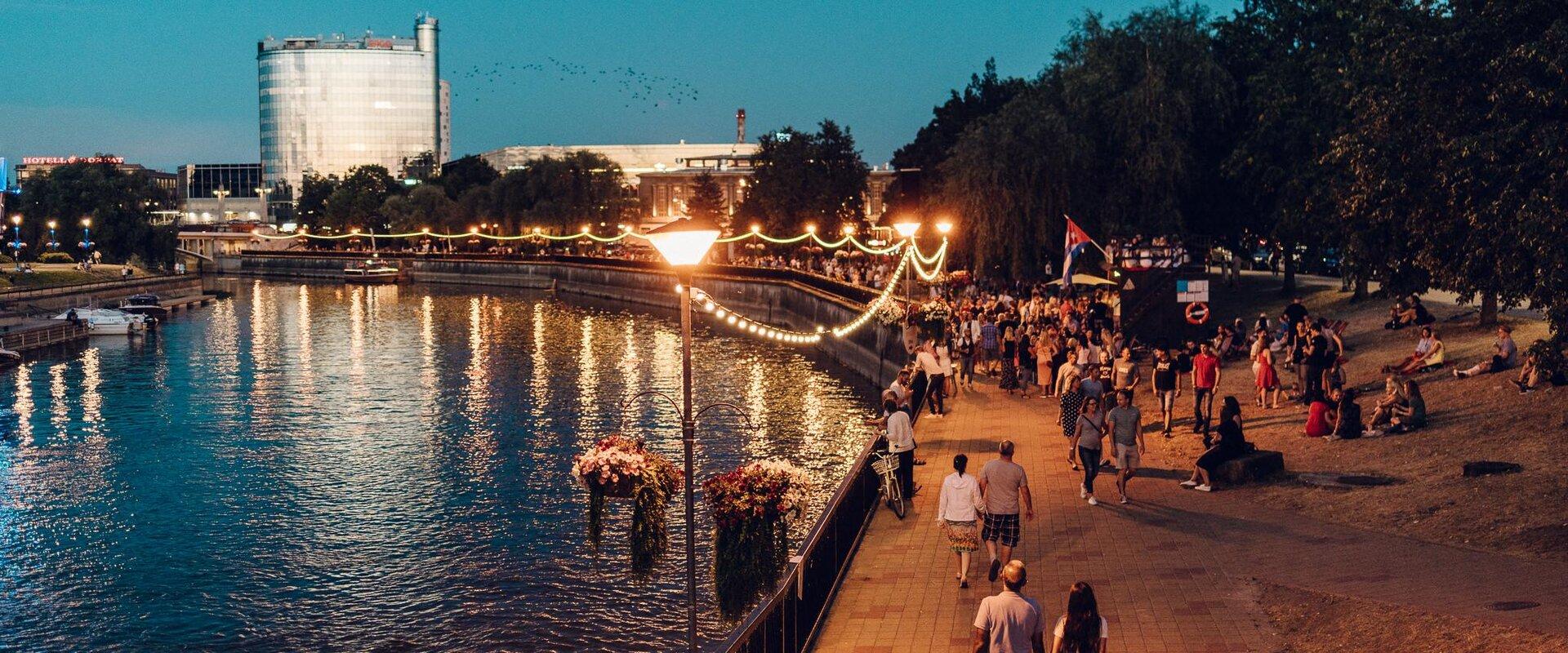
Emajõeäärsed rajad loovad mõnusa võrgustiku looduses liikumiseks ja vaba aja veetmiseks. Riviera promenaad kutsub jalutama, raamatut lugema, seltskonda nautima ning laeva- ja paadiliiklust uudistama. Suvisel ajal on Emajõe promenaad külalistele üks meelispaiku, kus baarid ja restoranid pakuvad mõnusat melu, hõrku maitseelamusi ja live muusikat. Talvel lisandub jõeäärsele alale maagiline vaikus ja härmas ilu. Avatud on Toko restoran ja Tartu Turuhoone. Õhtused jõeäärsed linnatuled mõjuvad nii, et tahakski Tartu öisesse lummusesse jääda. Tule ja naudi Tartu võlu ise.

Glaube in Südestland

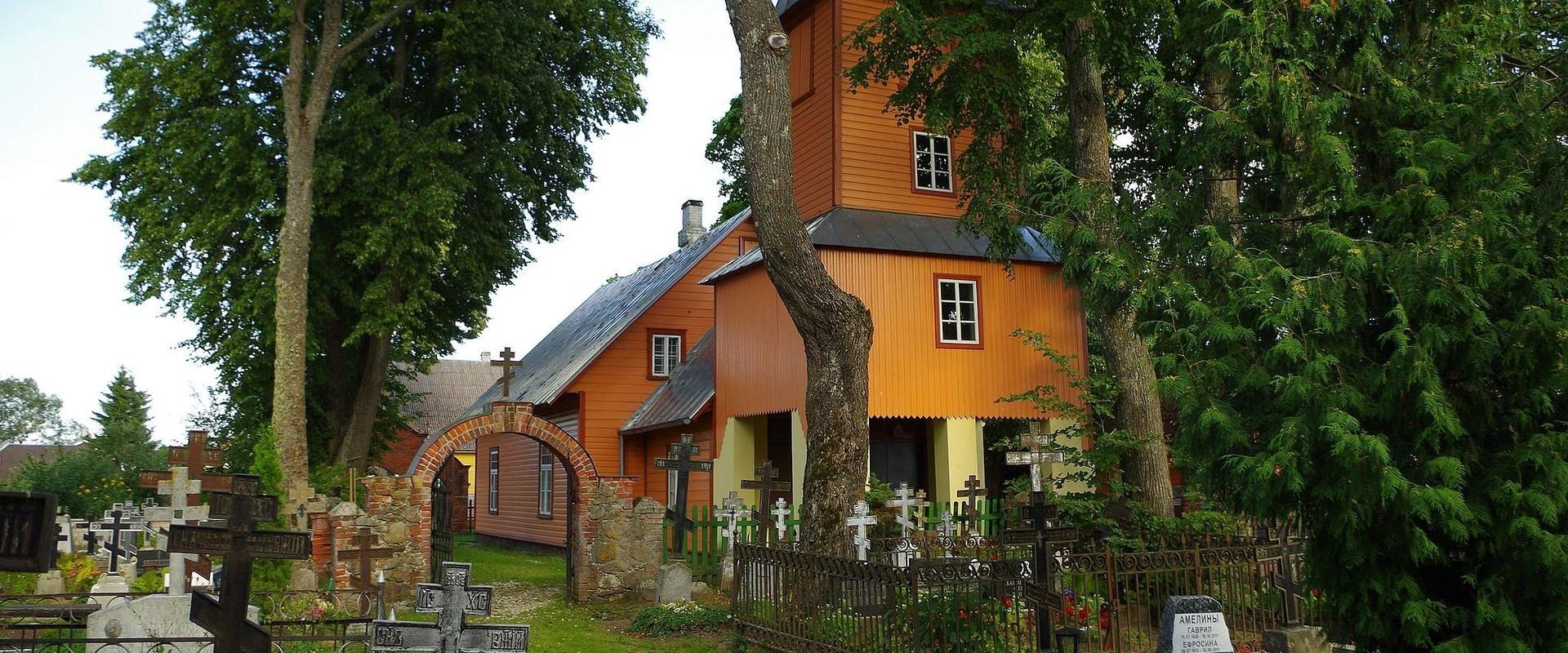
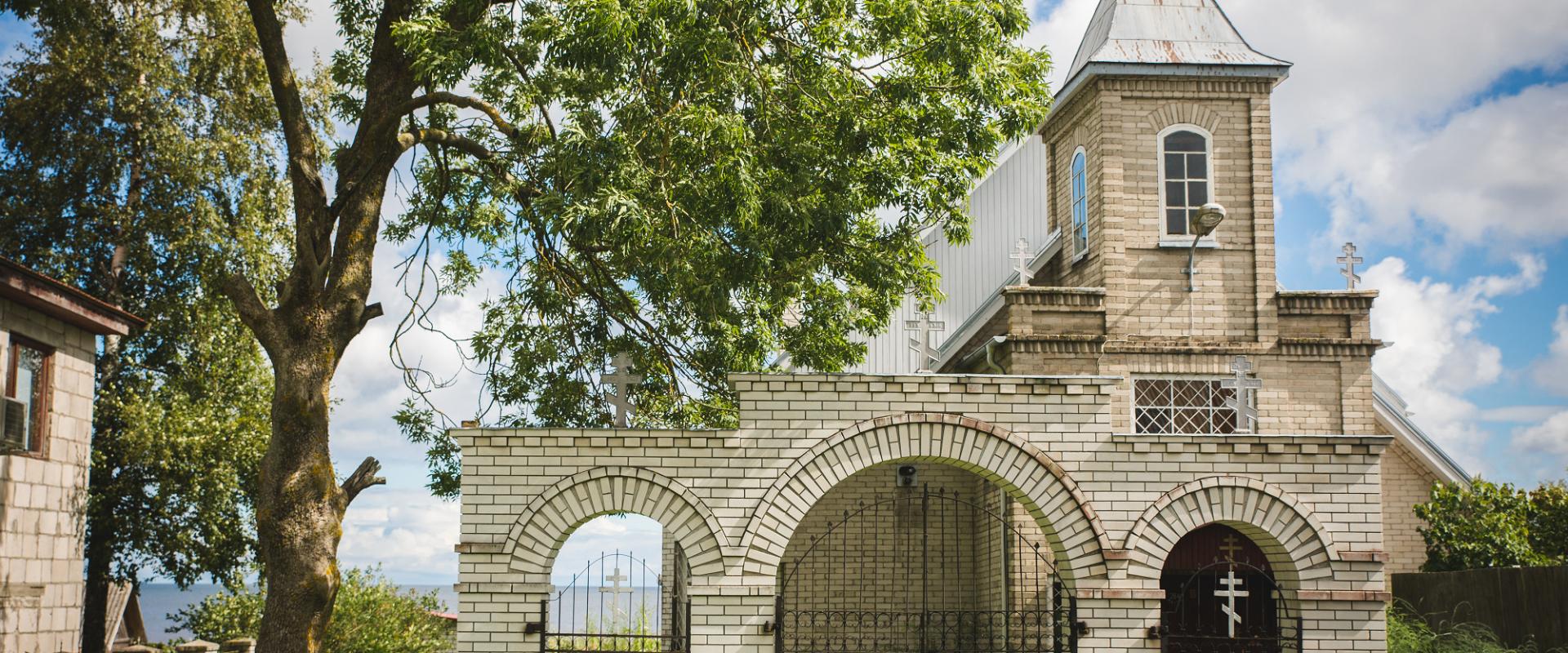
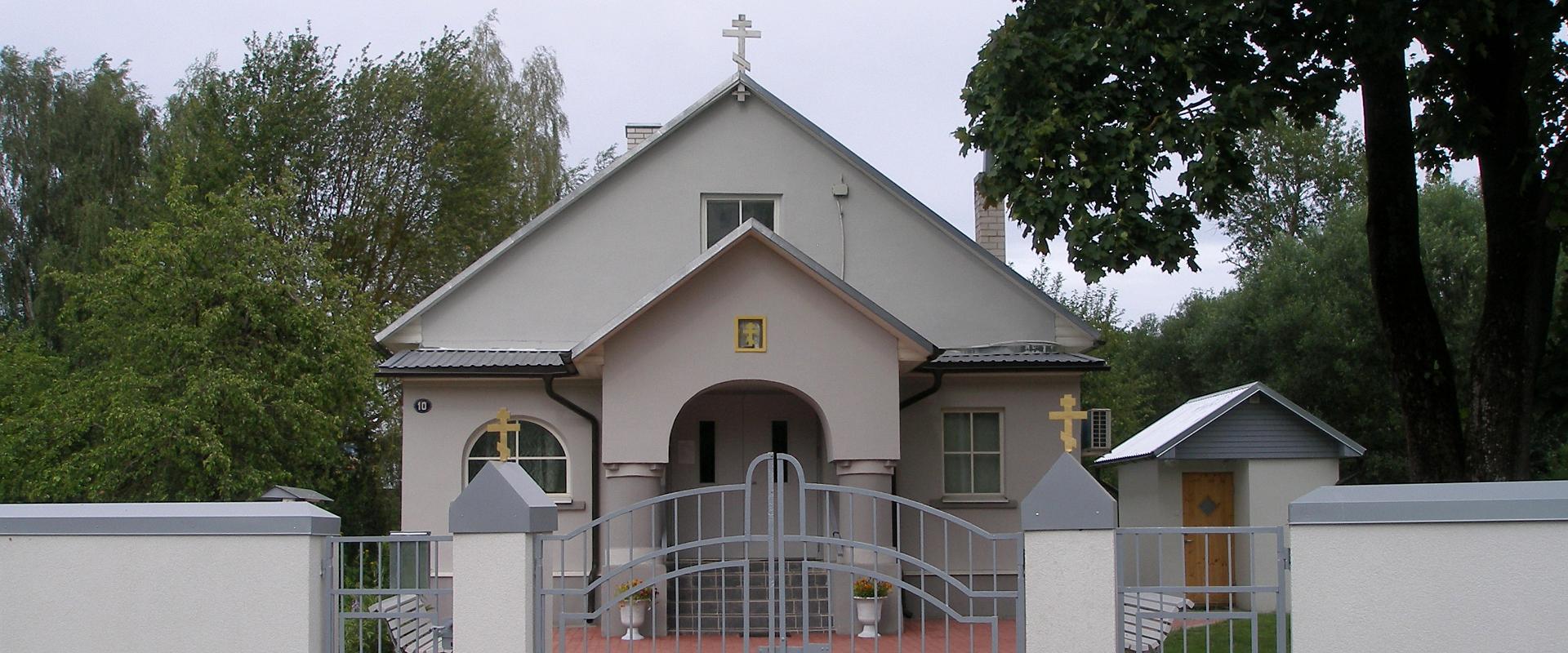
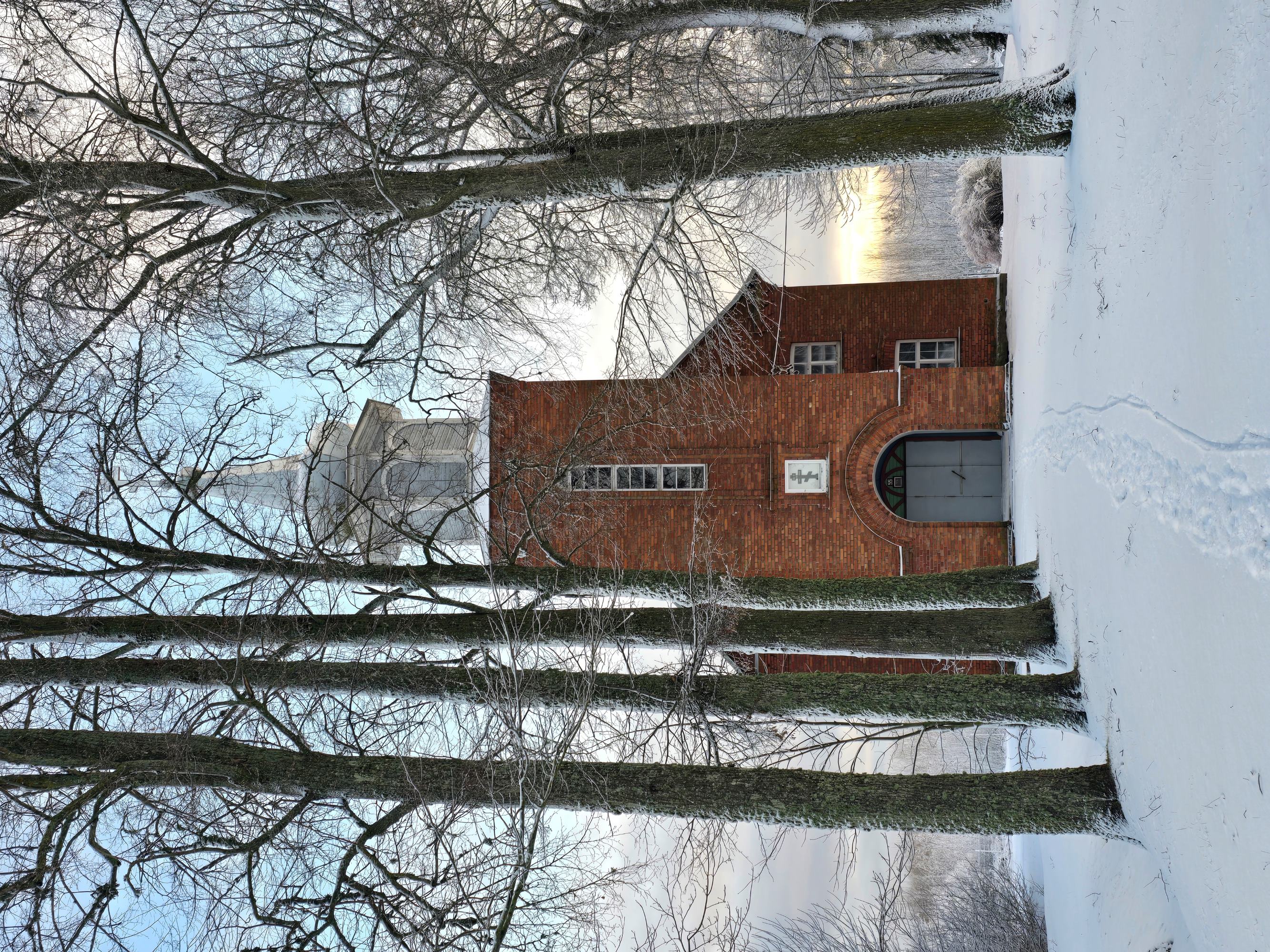
Südestland ist auch keine einzige Religion. Die meisten Esten sind lutherisch oder konfessionslos, doch die Grenzgeschichte der Region hinterließ tiefere Schichten. Die Setu folgen der orthodoxen Christenheit, vermischt mit älteren Volksglauben. Die Altgläubigen entlang des Peipsi-Sees bewahrten ihren vorreformatorischen russisch-orthodoxen Glauben über dreieinhalb Jahrhunderte hinweg unversehrt. Das Ergebnis ist eine Region, in der eine lutherische Dorfkirche, eine orthodoxe Kapelle und ein Gebetshaus der Altgläubigen alle innerhalb weniger Kilometer nebeneinander stehen können – jede Gemeinschaft macht ihr eigenes Ding, wie sie es schon sehr lange tut.

Gebetshäuser

Entlang der Ufer des Peipsi-Sees stehen die Gebetshäuser der Altgläubigen bereits seit dem 18. Jahrhundert – farbenfrohe, bescheidene Gebäude, die noch immer aktiv genutzt werden. Die Gottesdienste sind für Außenstehende nicht zugänglich, doch das Museum der Altgläubigen in Kolkja bietet eine Virtual-Reality-Erfahrung eines Gottesdienstes im Großen Gebetshaus von Kolkja.

  • Kirikud

Kasepää Old Believers‘ Prayer House of the Estonian Association of Old Believers Congregations

When in Kasepää Village near Lake Peipus, go and visit the prayer house of Russian Old Believers, which has been operating without interruption since the 18th century.The current prayer house was built at the beginning of the 20th century. It was designed by the governorate architect Wilhelm Schilling in 1902. The Florov school masters renewed the icons of the iconostasis in the prayer house before the Second World War. Some of the icons in the chapel date back as far as to the 17th century.Prayers are held in the chapel in Russian on Sundays at 10 a.m.

  • Kirikud

Kükita Old Believers Prayer House of the Estonian Association of Old Believers Congregations

The first prayer house of Old Believers in Estonia is located in Kükita. The Kükita Prayer House was consecrated on September 14, 1740. During the war of 1812, the Cossack Old Believers donated a chandelier to the Prayer House. There were a total of 397 Old Believers in the list of parishioners of the Kükita congregation by 1833. The current Prayer House was built in 1948 in place of the one destroyed in World War II.Old Believers have services every Sunday and on all holidays (Christmas, Pascha and Epiphany).

  • Kirikud

Tartu Old Believers Prayer House of the Estonian Association of Old Believers Congregations

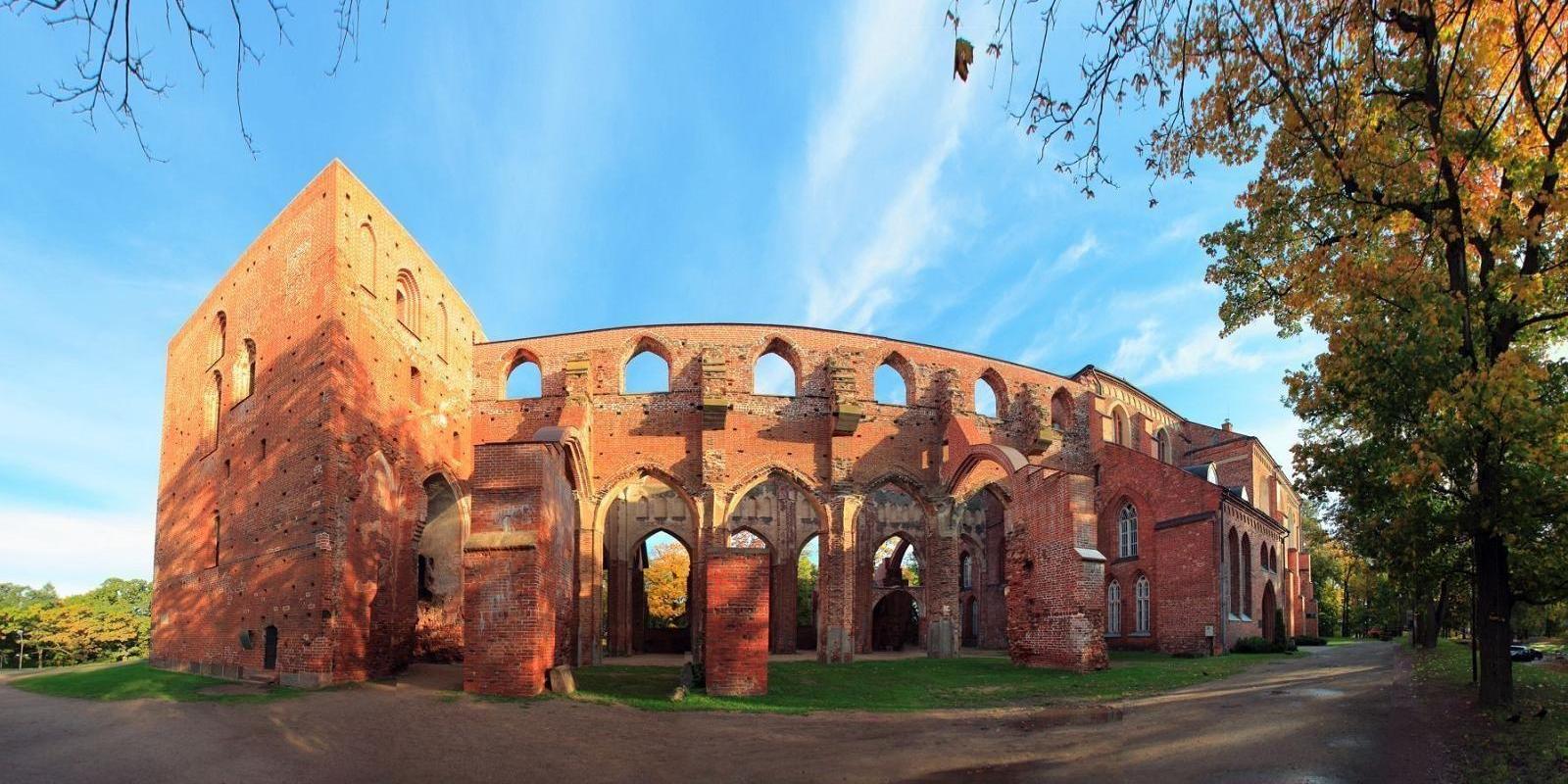
Tartu Old Believers Prayer House is a small and cosy house of God in the hall under the tower of a large and impressive prayer house destroyed by bombing during the war. This is the only part of the house the congregation has managed to restore by today. You can also see icons from the 19th century and the works of local 20th century icon painters in the Tartu Old Believers Prayer House.Service in Russian takes place at 10 a.m. on Sundays.

  • Giidiga tuurid
  • Kirikud

Varnja Old Believers Prayer House of the Estonian Association of Old Believers Congregations

The big beautiful prayer house in Varnja Village on the shores of Lake Peipus was funded and built by the congregation itself. Most of the many icons of the prayer house date back to the start of the 20th century.Visitors can only enter the church with a reservation.The cost of a single visit for a group starts from 50 euros. Visitors get an interesting overview of the life and history of the Old Believers from a local guide who is also an Old Believer. The excursion may last for about an hour - the visit and a warm experience are worth it!Reminder: Women are asked to enter the prayer house with a covered head.We ask you not to take photos or videos in the prayer house.

Kapellen

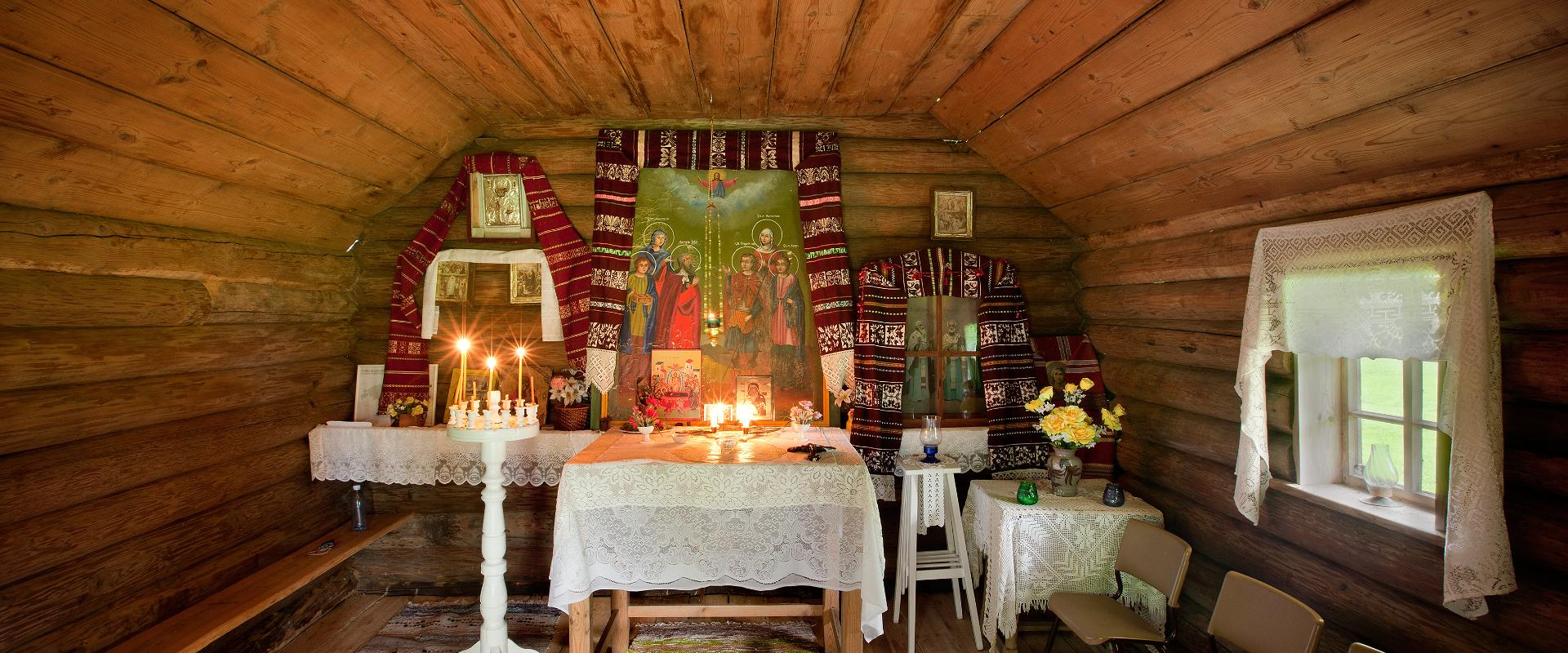
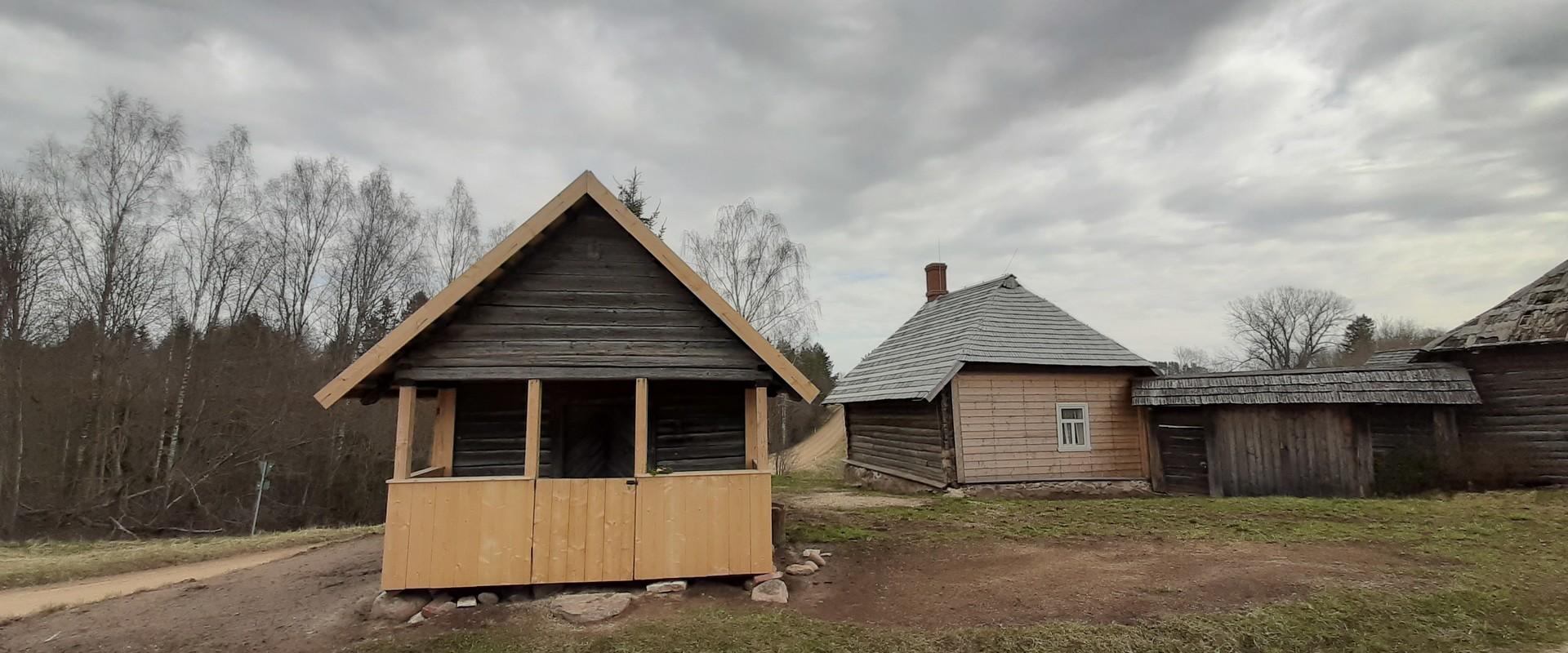
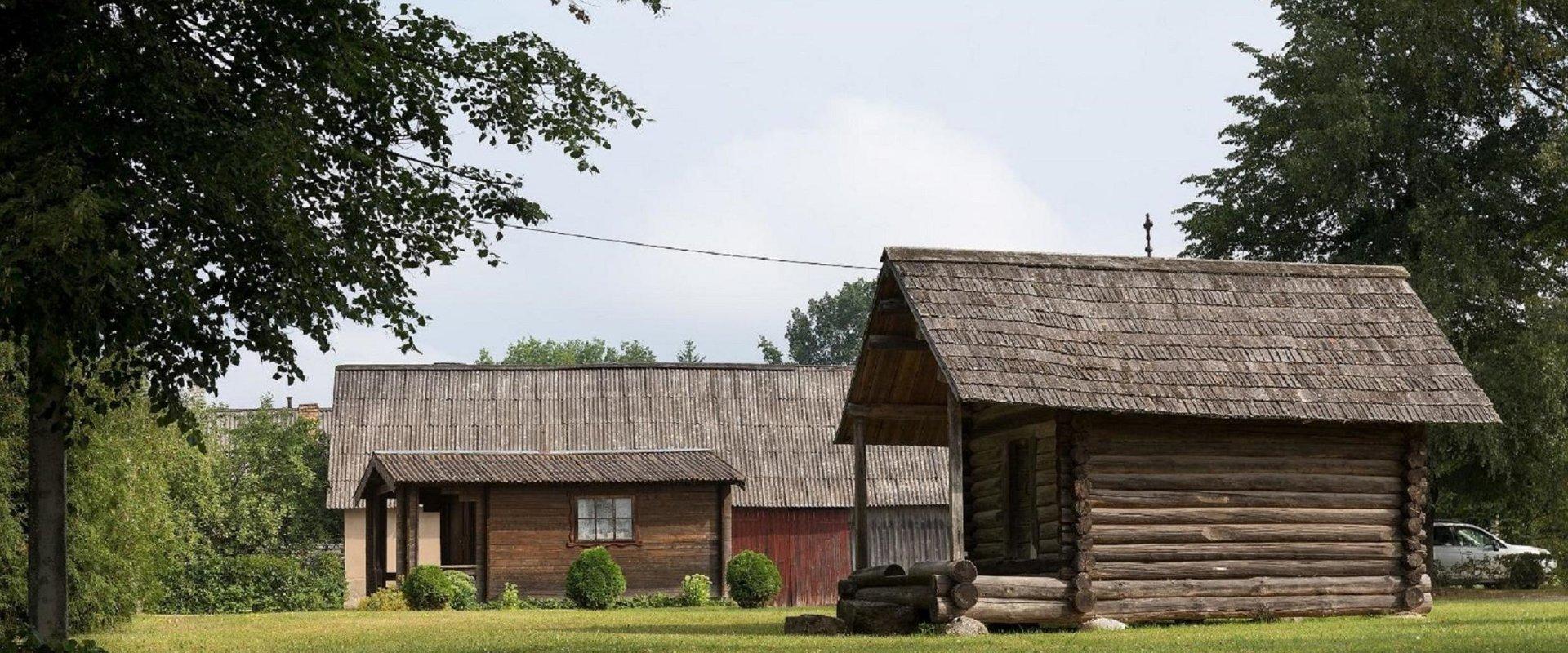
Setomaa ist übersät mit kleinen Holzkapellen, die seit Jahrhunderten in Waldlichtungen und an Feldrändern stehen. Von den Setu für ihren orthodoxen Glauben erbaut, sind sie schlicht, oft unverschlossen und leicht zu übersehen, wenn man nicht gezielt danach sucht. Es lohnt sich, hier innezuhalten.

Serga Village Chapel

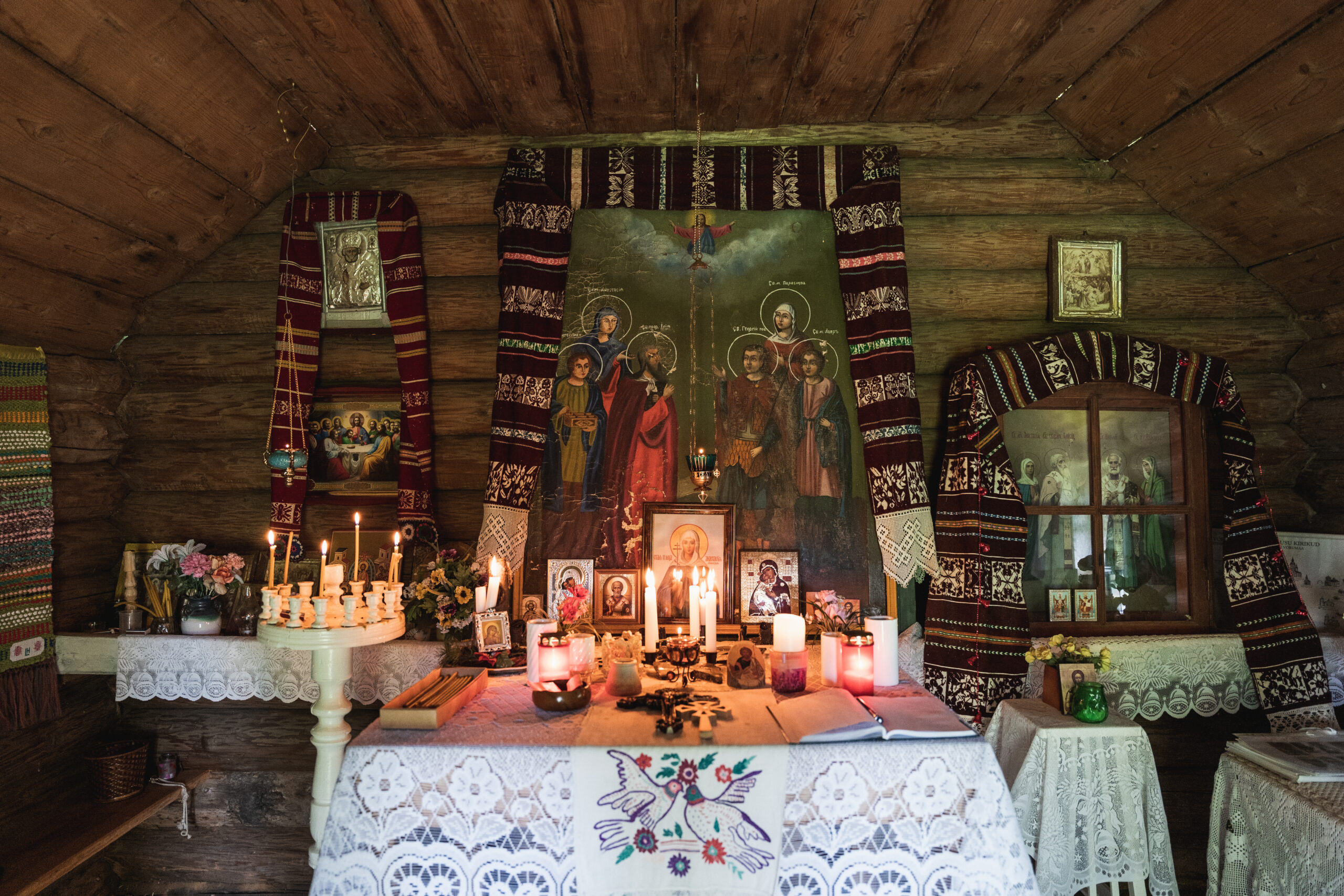
There is a small village chapel near the Estonian-Russian border, which the locals call a tsässon. According to dendrologists, the building was built in 1784. During the Second World War, the chapel was hit with a missile, which shifted the building away from its foundation. The missile can now be seen in the chapel.In 2007, the chapel was repaired and with the permission of the owner, you can also go into the chapel. The chapel holds several icons, decorated with beautiful handmade white-and-red kerchiefs.The saint of the chapel is Saint Anastasia, which is why the village celebrates Nahtsipäev on 11 November.

Laossina’s Village Chapel

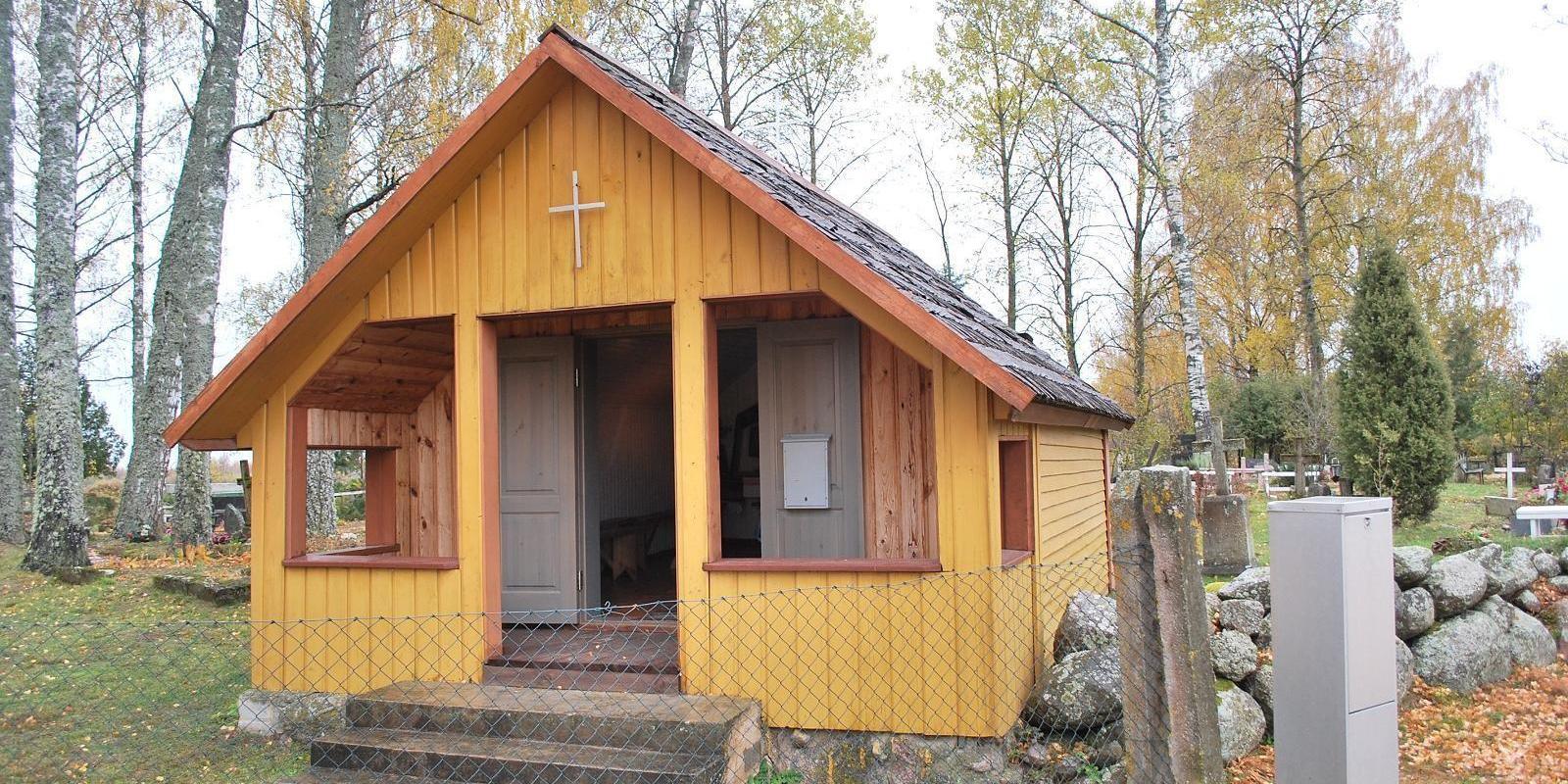
Laossina's village chapel, is located in a medieval village cemetery that is still in use. It was most likely built in 1865. Several medieval crosses stand behind the tsässon. The Virgin Mary is the patron saint of the chapel, and on 21 September, the Nativity of Mary (Seto: väiko-maar´apäiv) is celebrated as a village holiday. People come to the cemetery from near and far, there is a church service, the best food and drink is served in the local graveyard, and then a proper village party, or kirmas, tales place.

Treski Village Chapel

The tiny Treski tsässon, or Orthodox village chapel, can go unnoticed as you pass by it, though it is located right on the road. The villagers say that the building was built around the middle of the 18th century. Treski tsässon's patron saint is St. John the Baptist, and so St. John's Day is celebrated as a village holiday. Unlike in the rest of Estonia, St. John's Day is celebrated according to the Orthodox calendar here, so 13 days later. It's held on 7 July, meaning the party will be held on 6 July. Treski is renowned for its cheerful St. John's Day celebrations.

Obinitsa village chapel

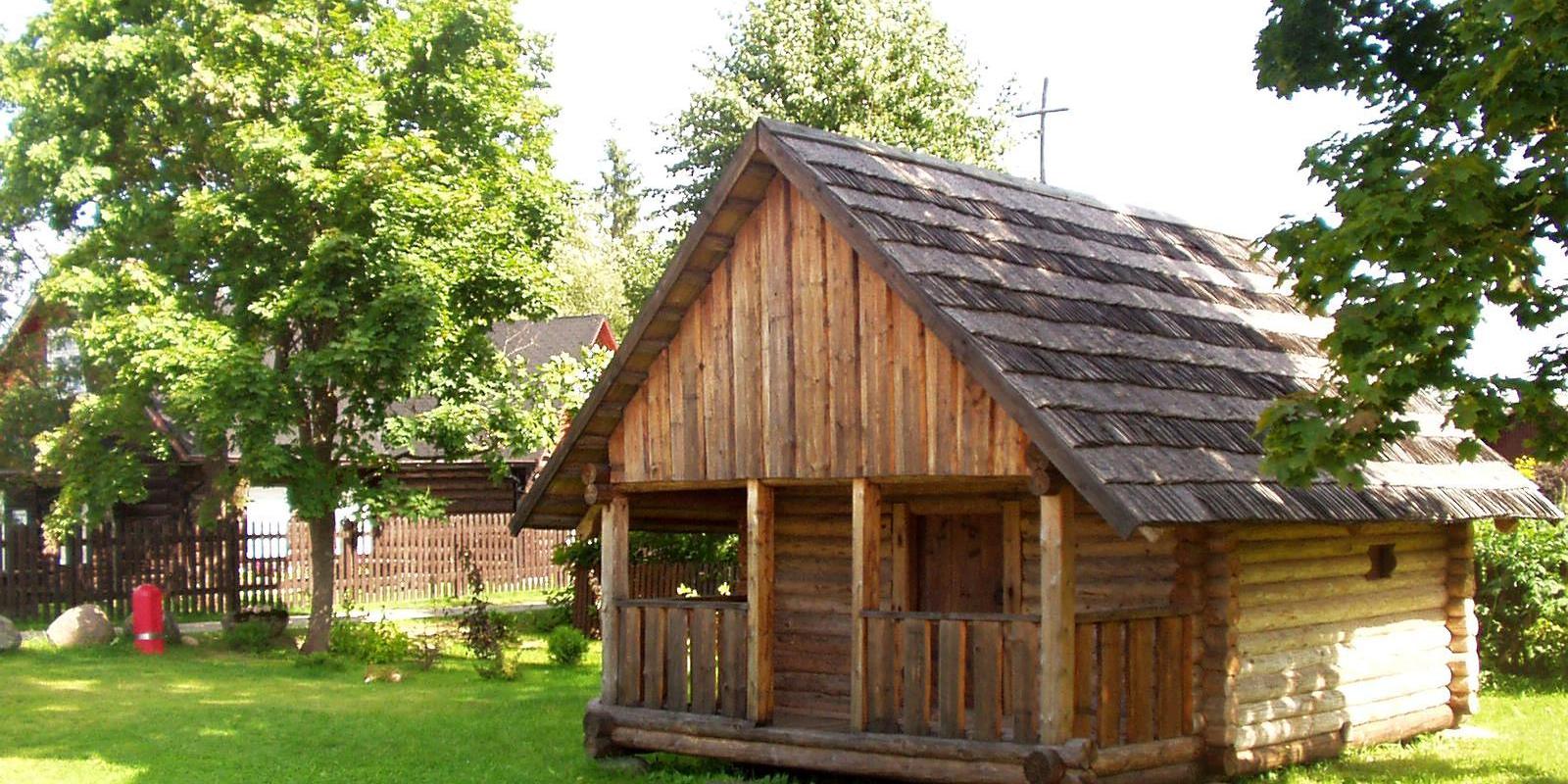
Next to the Obinitsa Museum is a small log building with a barely noticeable wooden cross on the roof. This is the Obinitsa village chapel.The building was built in 2007 in the place where a village chapel was a hundred years ago. The chapel plays an important role in Seto culture.The holy day of the chapel is the day of the Lord's Transfiguration. On its eve, on 18 August, a procession from Obinitsa Church comes here.Ask the Obinitsa Museum for more information on the chapel.

Podmotsa Village Chapel

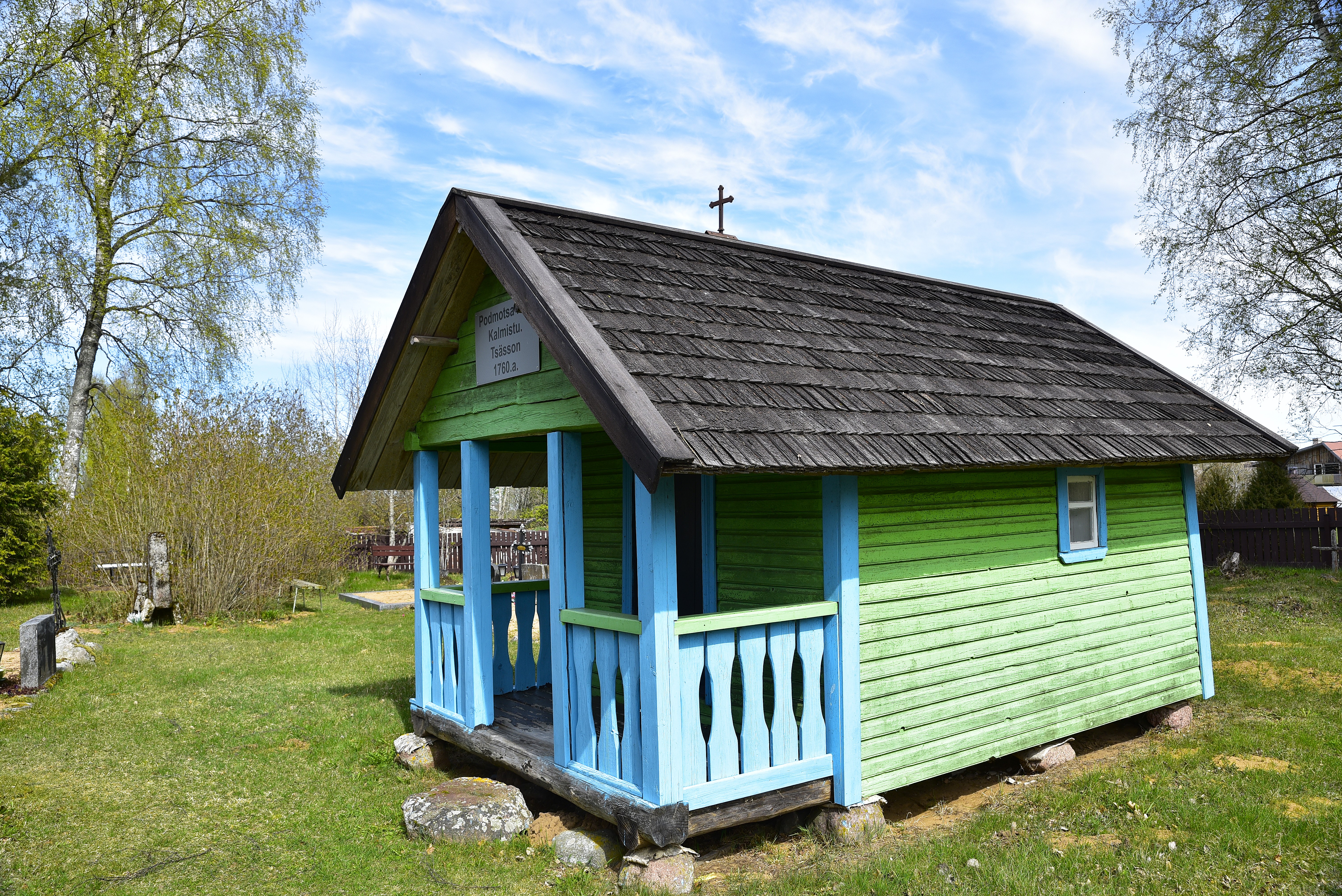
Podmotsa Village Chapel is located in a small lakeside village in the middle of a medieval cemetery. The chapel, surrounded by lilacs and rowan trees, was built in 1760 and dedicated on Ascension Day. Because of this, it was built with young birches. There is a large stone cross near the chapel, as well as two smaller ones. According to local legend, these are the larger cross's sons. Beside the cemetery is the village swing, and the National Geographic yellow window, which acknowledges a unique landscape. Walking down to the lake from the village, one can also view the Kolpino Orthodox Church, which is currently located in Russian territory.

Tobrova Village Chapel

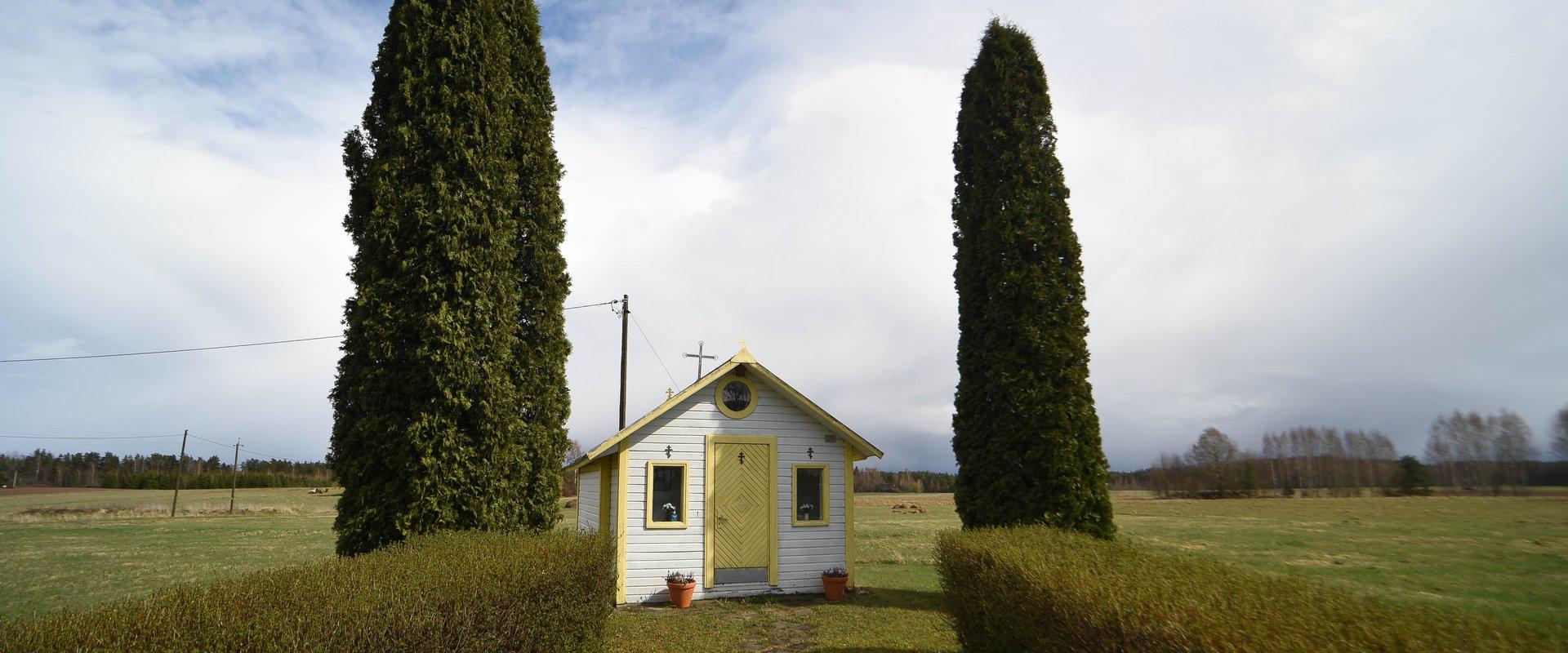
The small wooden Tobrova tsässon on the right side of the Tobrova-Küllätüvä road looks like a small barn with a modest cross on the roof. This Orthodox chapel built in 1932 is dedicated to Easter – the most important holiday in Tobrova and nearby villages. Behind the Tobrova tsässon is the Luikjärve farm fort: a well-preserved Seto farm with a closed courtyard, which has been restored by the Obinitsa Museum.Contact the Obinitsa Museum for more information about the tsässon and the farm.

Mikitamäe Orthodox village chapels

The square in front of Mikitamäe Culture House is called the square of Orthodox village chapels because two Orthodox village chapels are located there next to each other – the old Orthodox village chapel is the oldest wooden building in continental Estonia: it was probably built in 1694. The building was originally located next to the Tartu–Petseri highway. During the Soviet era, it was moved from there. In 2009, the chapel was renovated and brought to the square in front of the former town hall. In 1998, a new chapel was built.Both Mikitamäe Orthodox village chapels are dedicated to Apostle Thomas. The village holiday is celebrated a week after Easter.

Võõpsu Orthodox Village Chapel

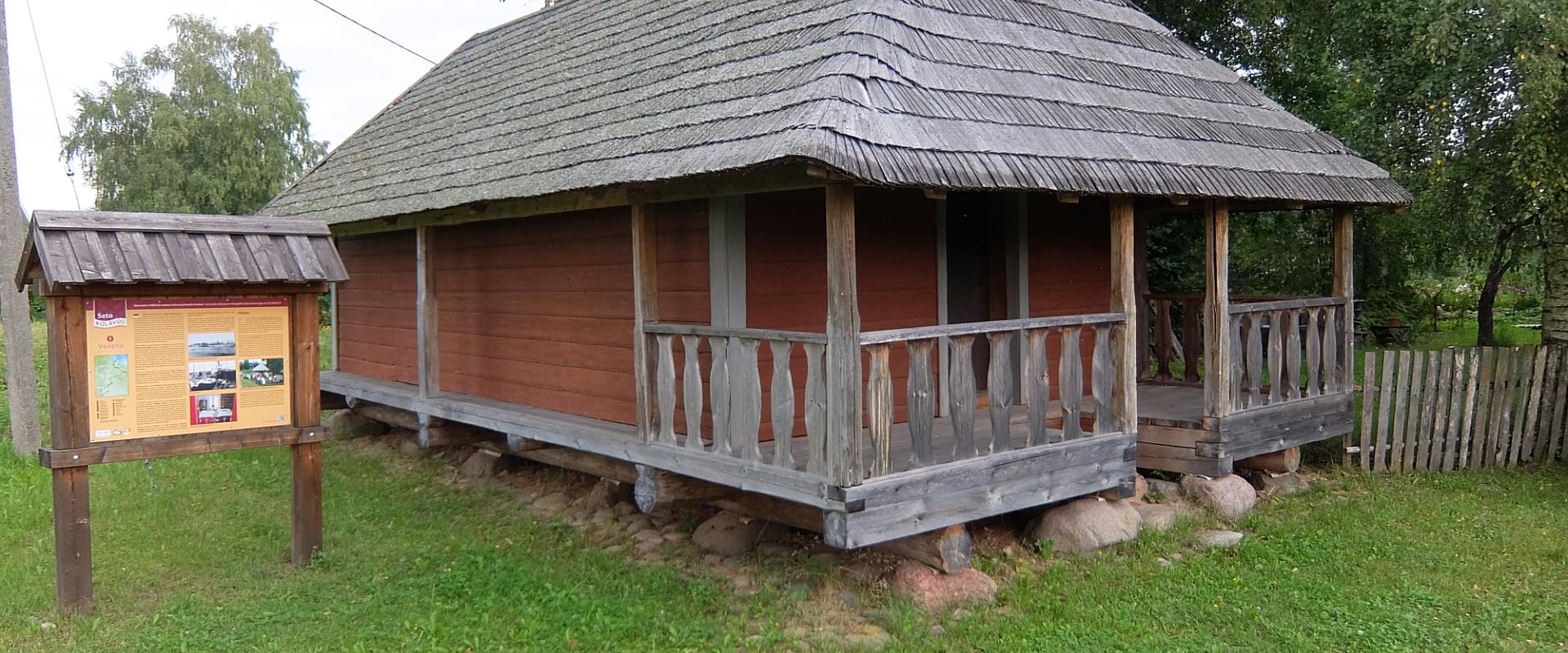
Võõpsu's village chapel, is located right next to Setomaa's northern gate -- the bridge over the Võhandu River -- in a medieval village cemetery. This is the Estonian part of Setomaa's largest wooden tsässon, which some believe originally served as a barn. It was remodeled into a tsässon a little before the middle of the 18th century and properly renovated in 2010. Of architectural interest is the large, open front hall, which partially covers the side walls.The patron saint of Võõpsu tsässon is St. Nicholas (Seto: Püha Migul) and its name days are the spring and winter St. Nicholas days (migulapäiv).

Festivals und Veranstaltungen

Der Kulturkalender Südestlands ist eine Reise wert, um die man eine ganze Reise herum planen kann.

Der Setu-Königstag ist eine einzigartige Feier des Setu-Volkes, voller Leelo-Gesang, Volkstanz, Trachten und Setu-Küche. Jedes Jahr wird in einer farbenfrohen Zeremonie ein symbolischer König gewählt. Das Treski-Musikfestival findet in einem abgelegenen Wald in Setomaa auf einer Freiluft-Holzbühne statt und verbindet Volksmusik mit Kunstinstallationen, Wildkräuter-Workshops und lokalem Essen.

Jeden September öffnen Familien entlang der Zwiebelstraße für ein Wochenende ihre Türen zu Pop-up-Buffets – Zwiebelkuchen, geräucherter Fisch, Wildpilze und Eingemachtes, alles nach Rezepten, die über Generationen weitergegeben wurden.

Handwerk

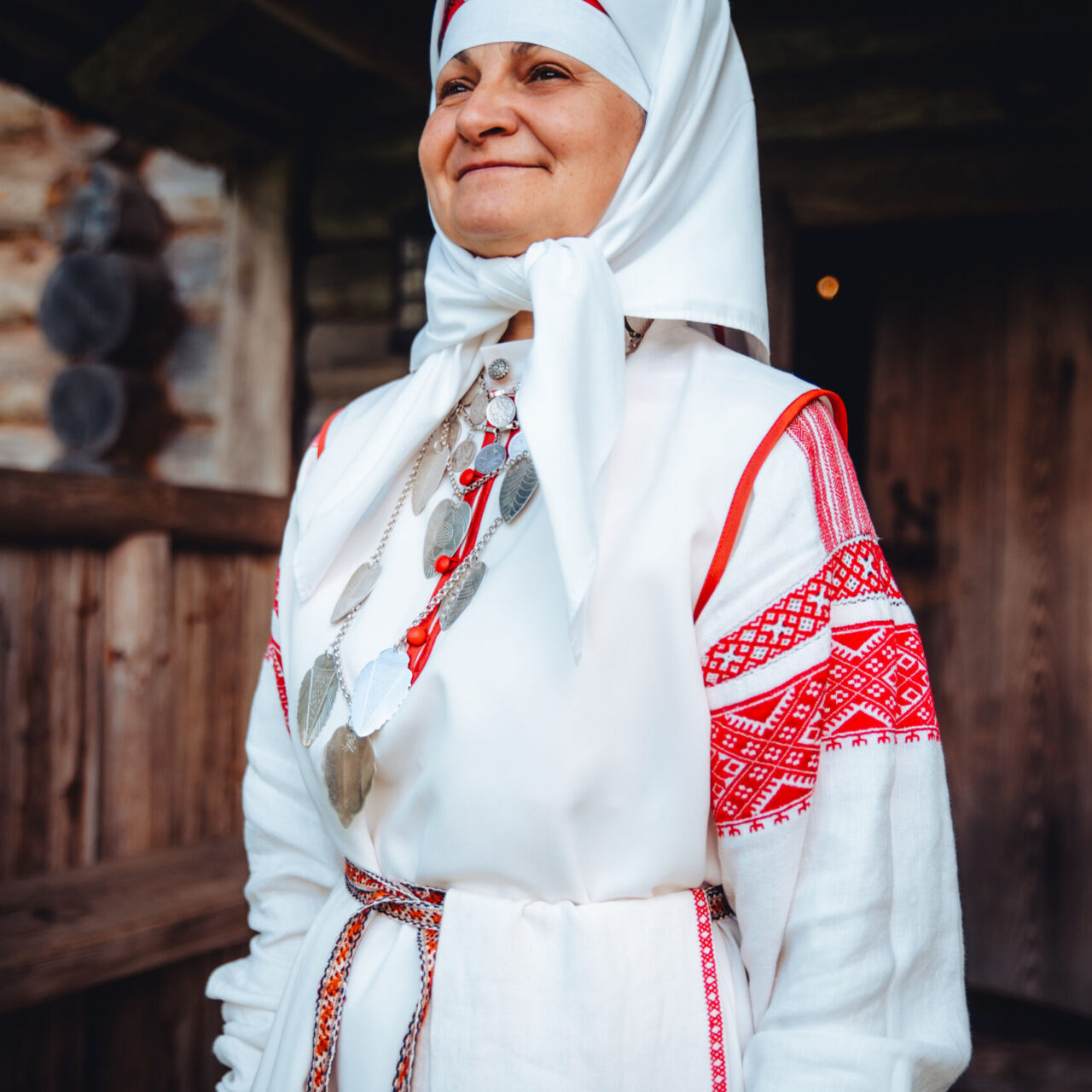
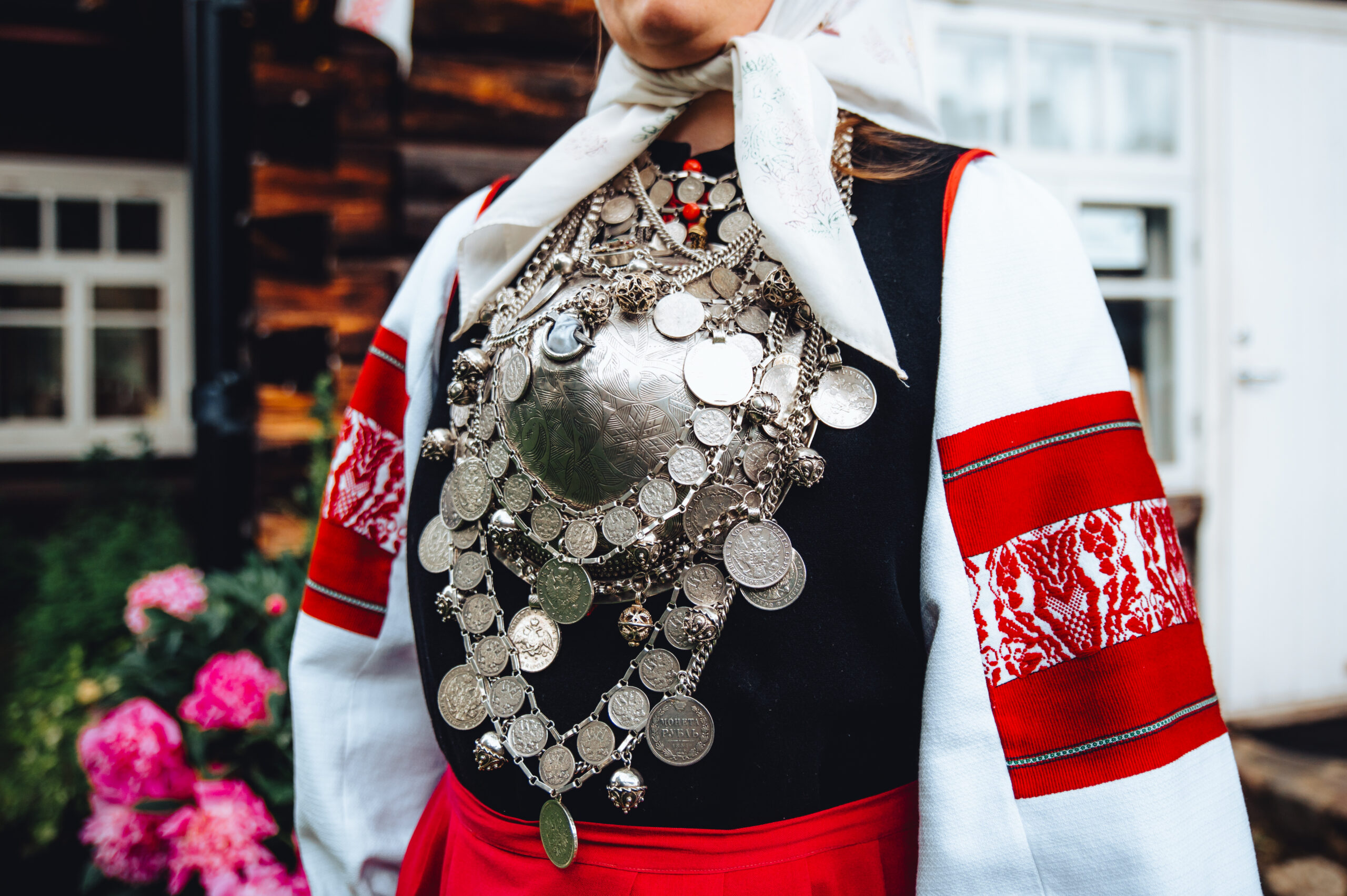
Die Handwerkstraditionen Südestlands gehören zu den unverwechselbarsten des Landes. Setu-Silberschmuck — kunstvolle Filigranbroschen, die als Teil der Tracht getragen werden — wird noch heute von lokalen Handwerkern in Setomaa gefertigt. Võromaa hat seine eigenen Web- und Textiltraditionen. Die Altgläubigen entlang des Peipsi-Sees haben ihre Stickerei- und Holzarbeitskunst über drei Jahrhunderte hinweg lebendig gehalten.

Der beste Weg, diese Traditionen kennenzulernen, sind Workshops statt Geschäfte. Das meiste Authentische hier wird von Menschen hergestellt, die dir auch zeigen, wie es gemacht wird.

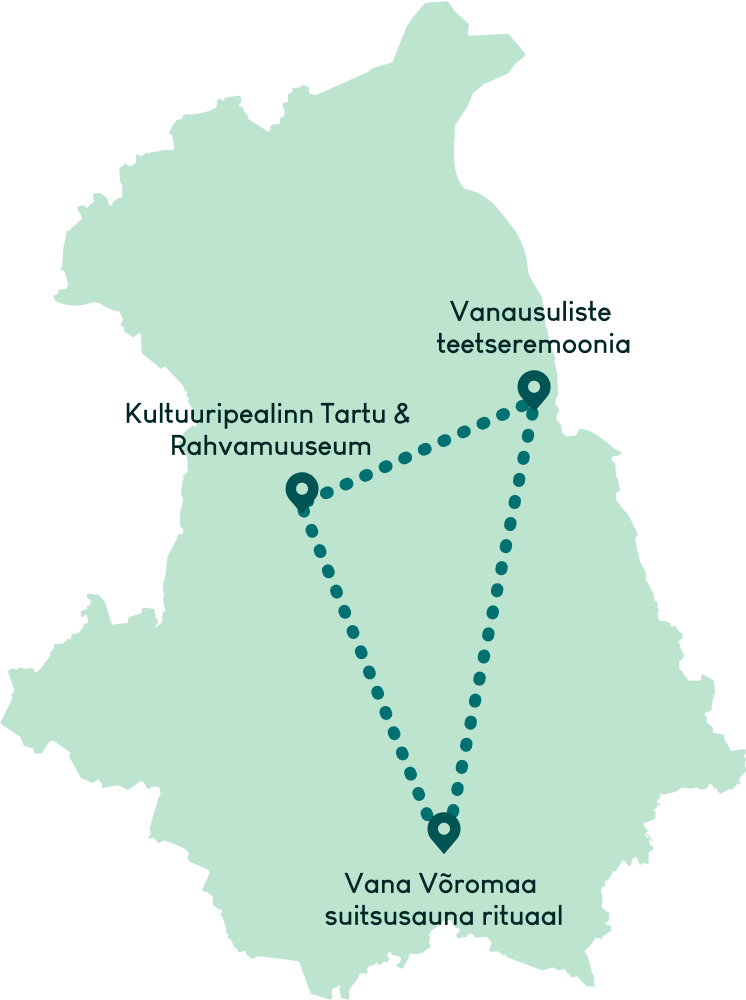
3-Tage-Route zu 4 Kulturen

Nimm teil an uralten Traditionen wie der Samowar-Teezeremonie und dem alten Rauchsauna-Ritual – und schöpfe aus der tiefen Weisheit von Kulturen, die dem Lauf der Zeit standgehalten haben.

Entdecke die wichtigsten Kulturgruppen, die die südestnische Identität geprägt haben: die Setu, die Võro und die Altgläubigen. Die Reise gipfelt in der lebendigen, vielfältigen Kulturhauptstadt Tartu.

Flexible Planung: Beginne, wo du möchtest, ordne die Tage neu an und buche jeden Stopp einzeln. Du kannst unterwegs pausieren oder Tartu zu deiner Basis machen – alles ist innerhalb von zwei Autostunden erreichbar.

Mehr über die Route erfahren

Routenübersicht

  • Dauer: 3 Tage
  • Mit dem Auto