
• Explore
    • Nature
    • Culture
    • Food
    • Family
    • Activity
    • Blog
    Smoke sauna
    Weather and seasons
  • Plan
    • Accommodation
    • How to get here
    • Weather and seasons
    • Sustainability
    • Tourist info
    Discover South Estonia’s Most Beautiful Manors and Castles
    Top 20 Sights in South Estonia
  • For professionals
    • For professionals
    • Collaboration
    • News
    • Projects
    • Training
    • Repository
    • Community (opens in new tab)
    • Contacts
ENG
  • EnglishENG
  • EestiEST
  • LatviešuLAT
  • РусскийRUS
  • SuomiFIN
ENG
  • EnglishENG
  • EestiEST
  • LatviešuLAT
  • РусскийRUS
  • SuomiFIN
Popular searches:
Show all
  • History & Culture
  • Architecture and history
  • Guided tours

University of Tartu’s main building

Ülikooli tn 18b, Tartu linn, Tartu maakond, 51005

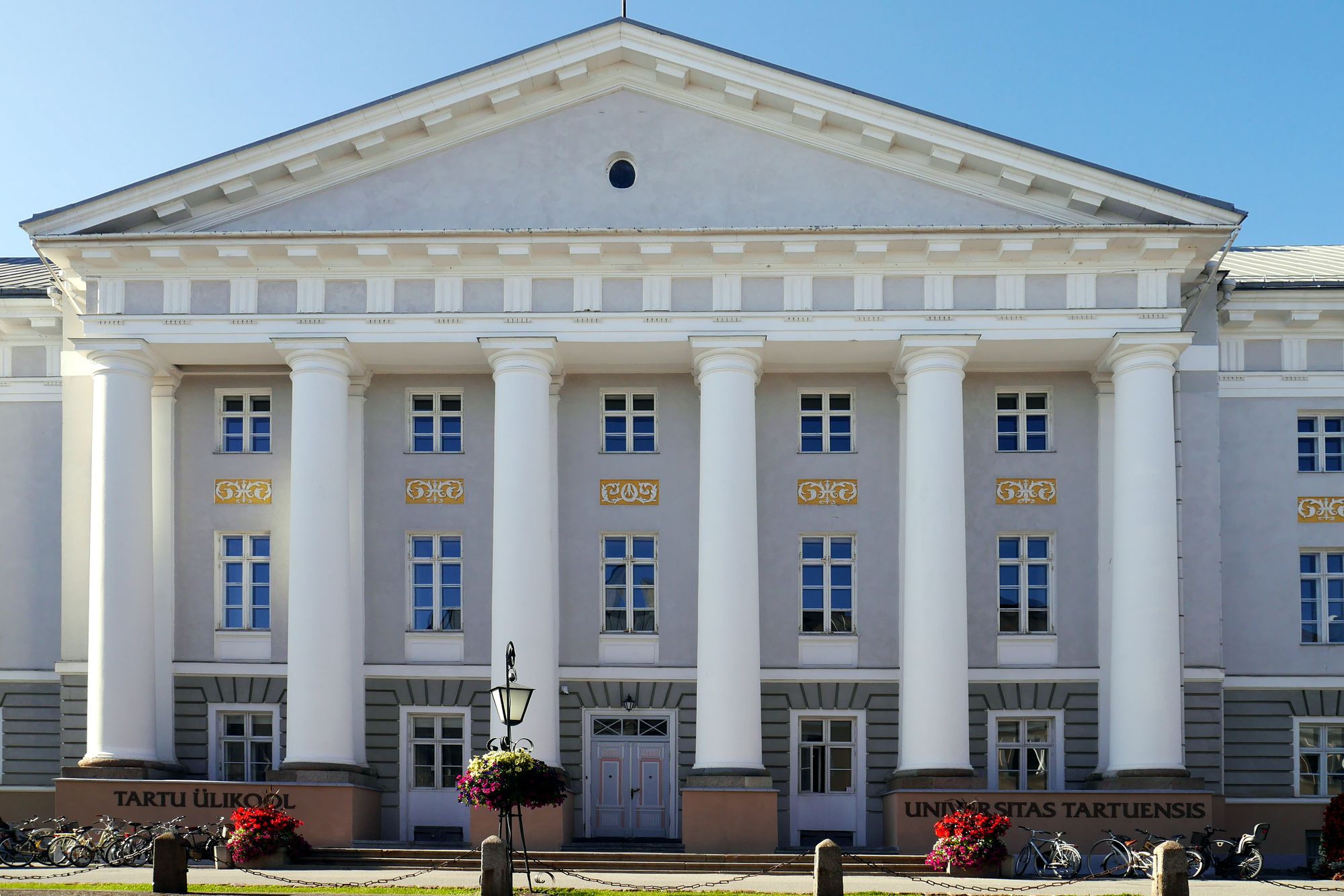
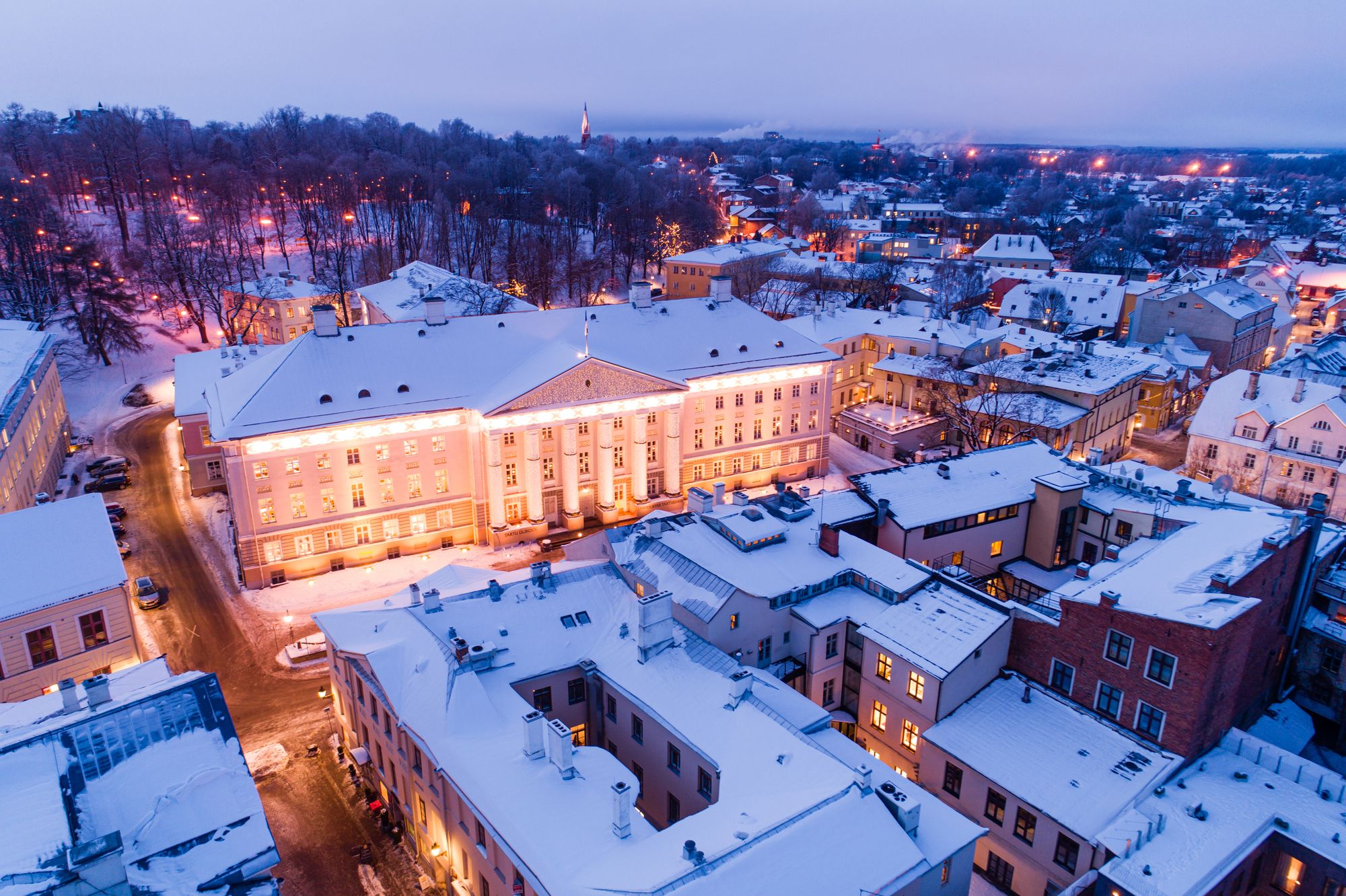
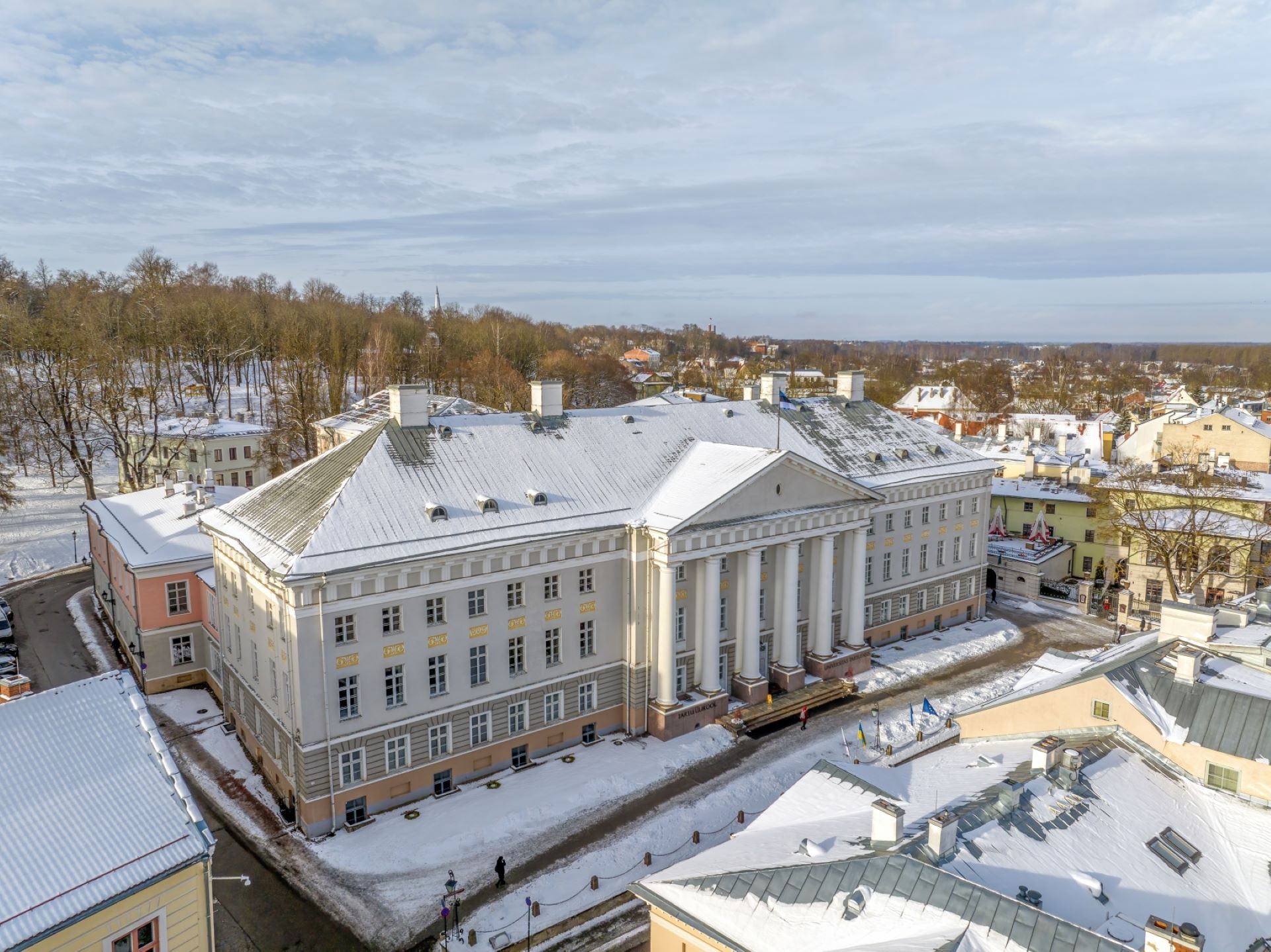
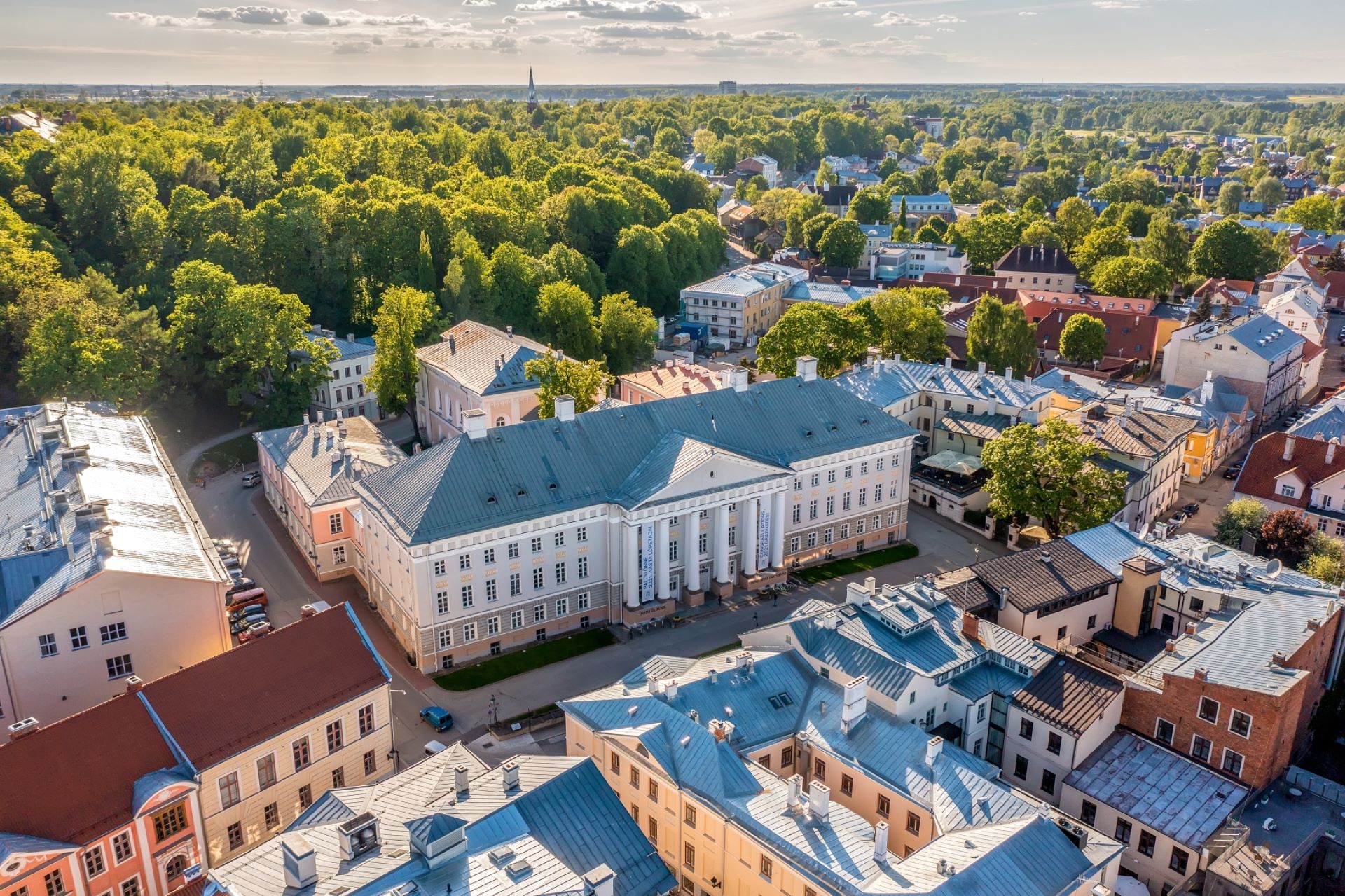
The University of Tartu’s main building is a truly remarkable and historically significant structure located in Tartu’s Old Town. The building was designed by the university’s architect, Johann Wilhelm Krause, and constructed between 1804 and 1809. It was inaugurated with a ceremonial event on July 3, 1809, and since then, it has been the central venue for the university, hosting all important celebrations, scientific and cultural events, and gatherings of the academic community.
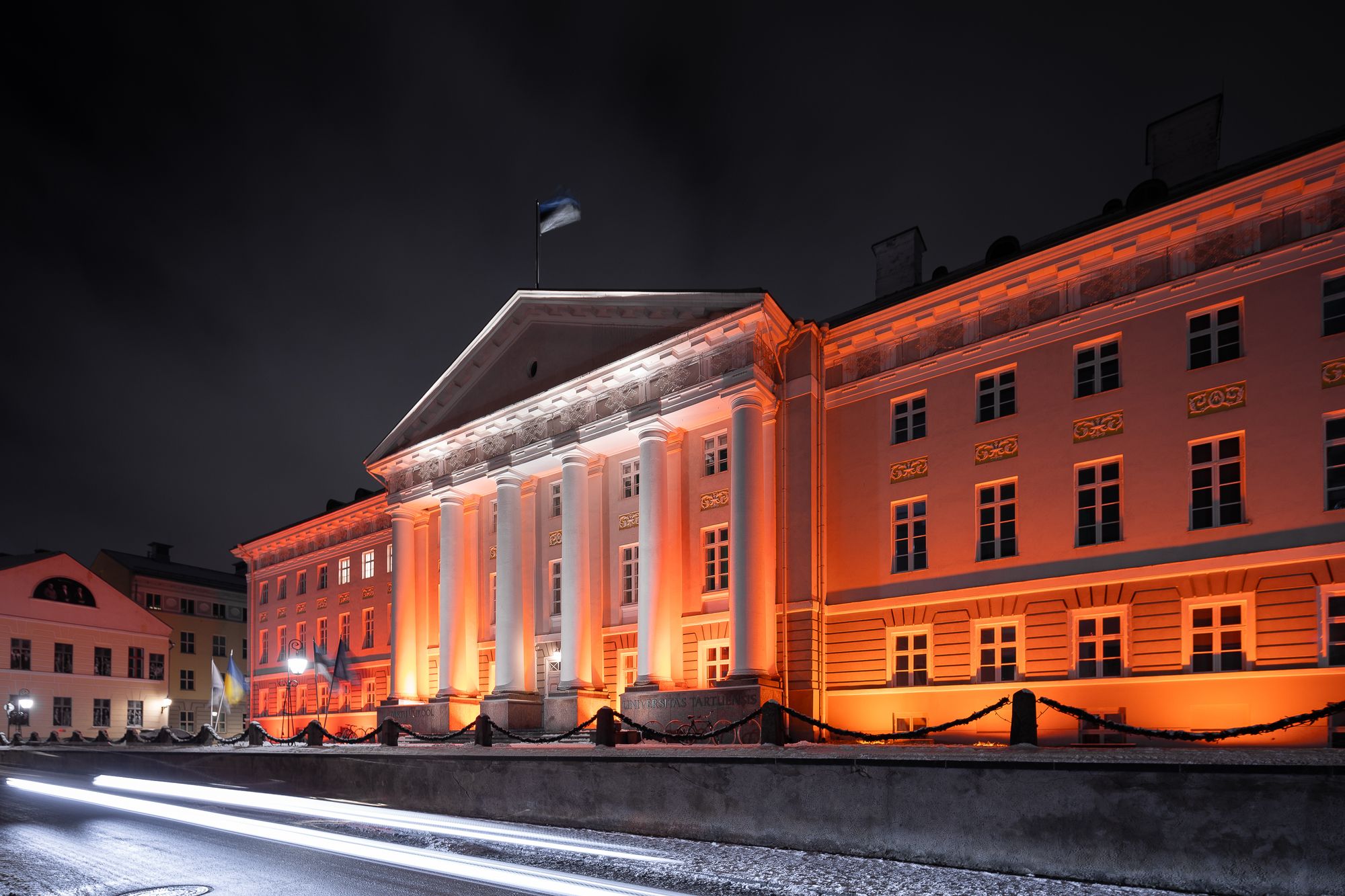
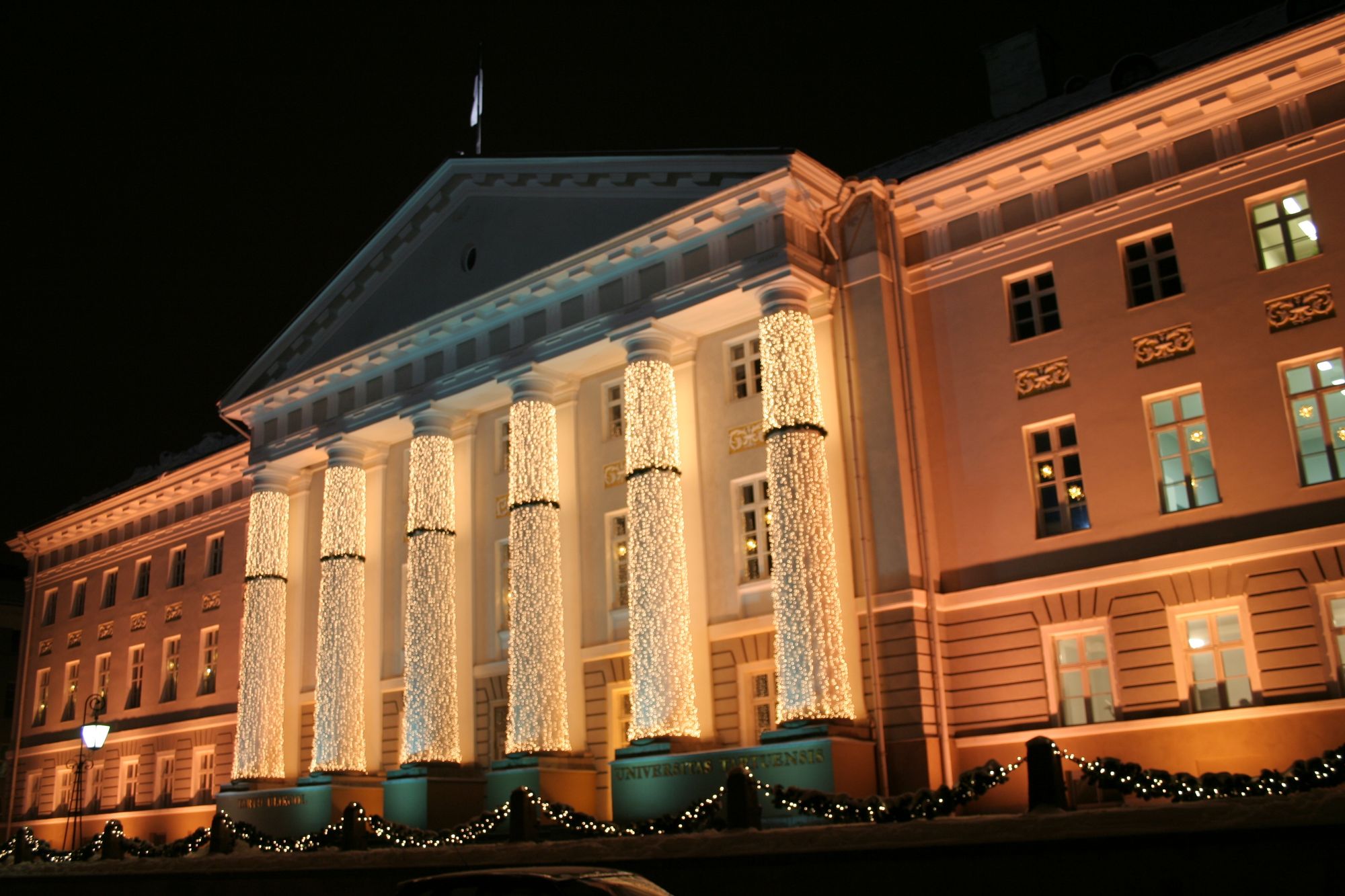
The main building’s classical architecture, with its columned facade and dignified interior, has shaped Tartu as a university town.
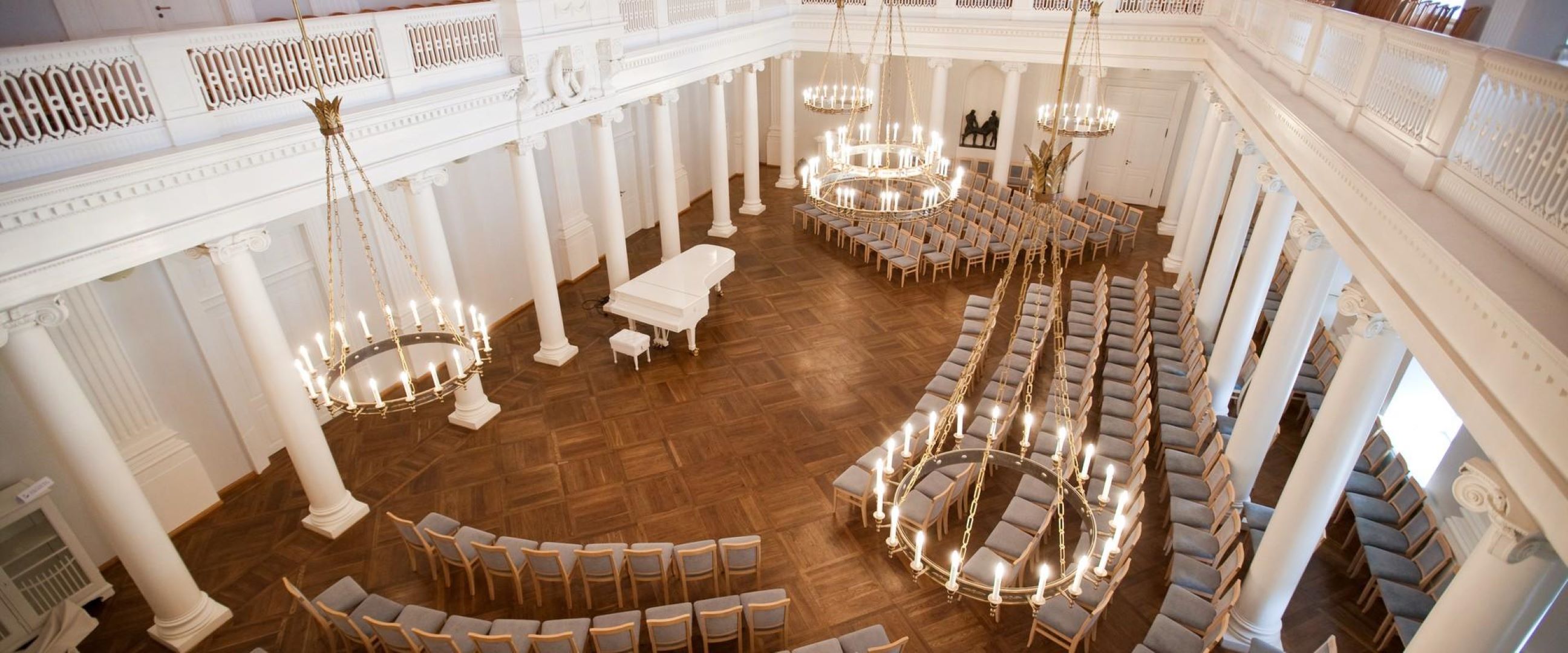
The main building houses the White Hall, where concerts, conferences, and ceremonial events take place.
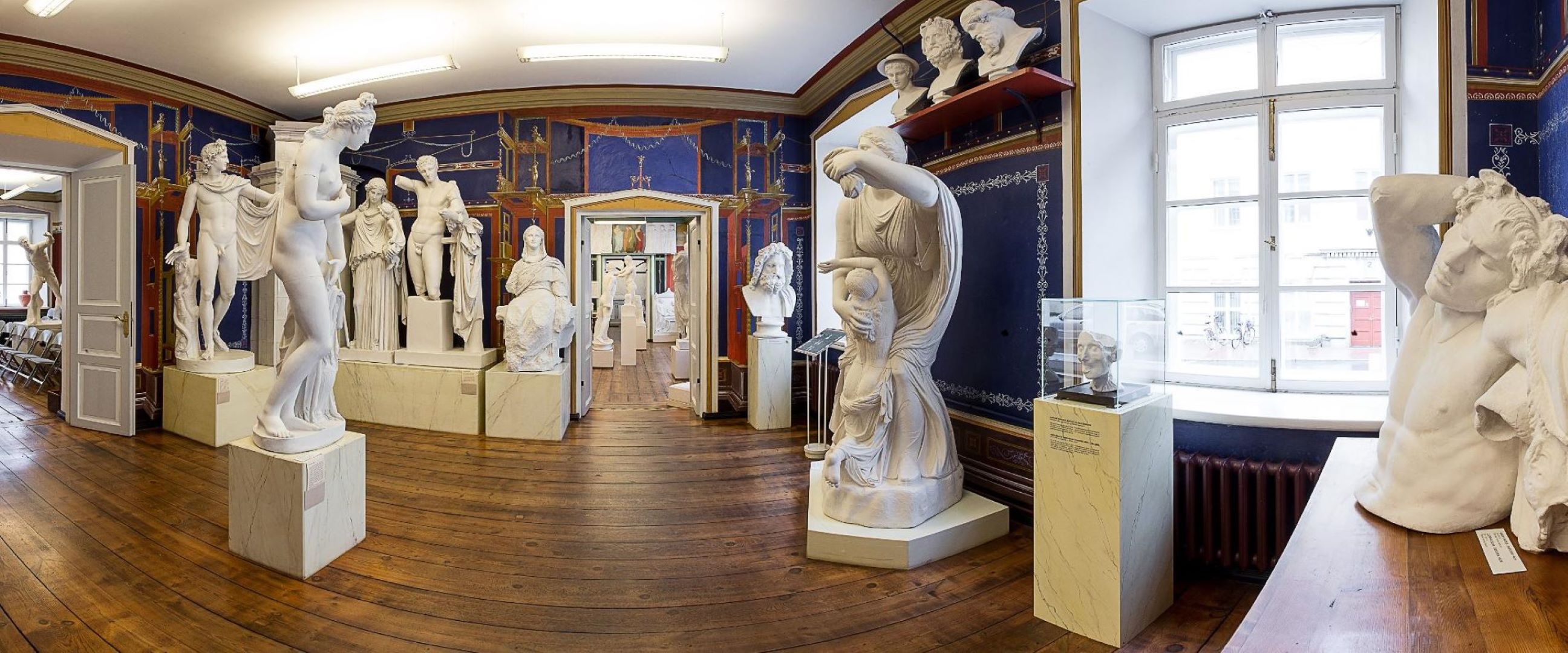
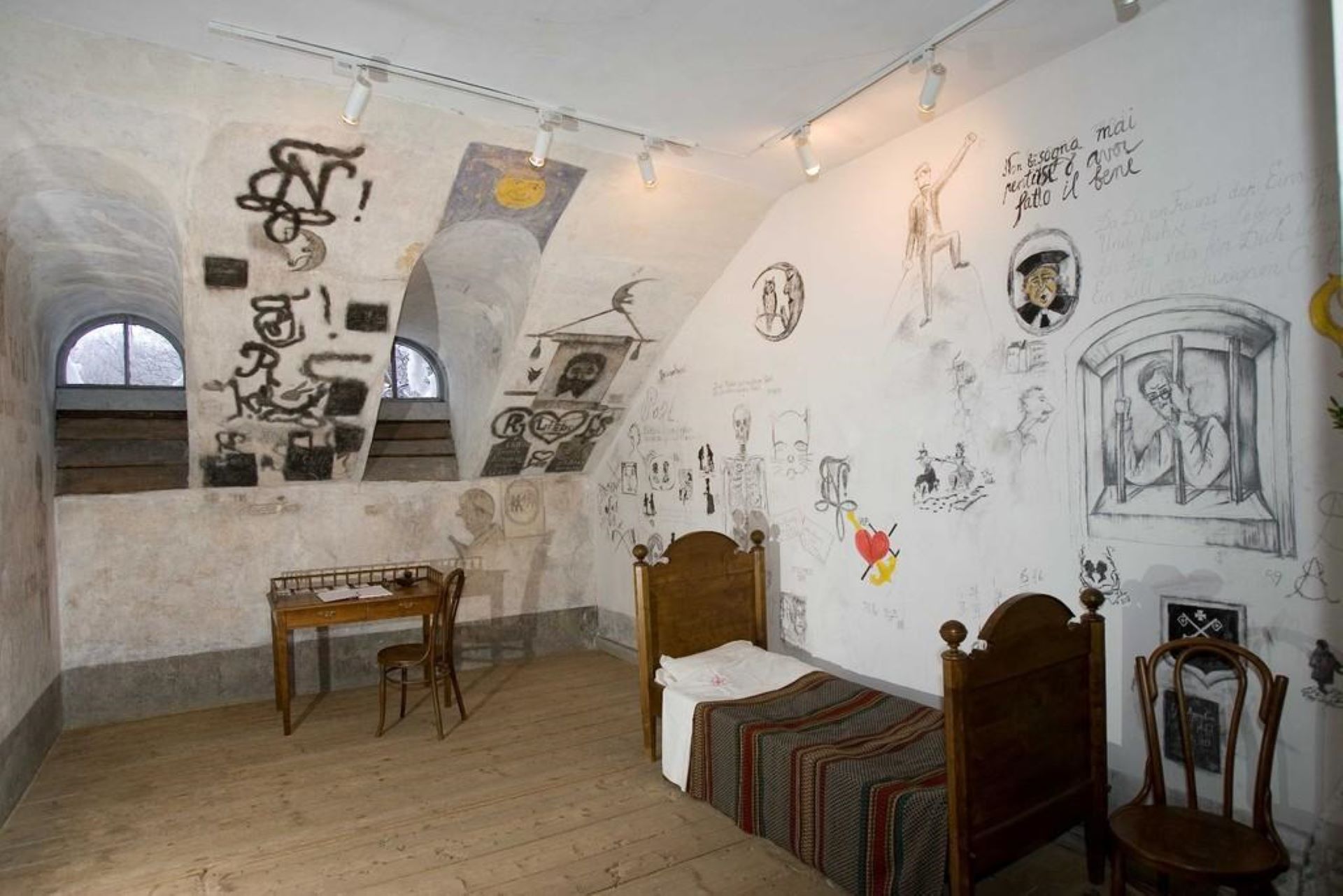
Another special attraction is the student prison in the attic, which offers an intriguing insight into the strict rules of 19th-century student life. Visitors can also explore the University of Tartu Art Museum in the main building.
The main building can also be explored on a guided tour, organized through the University of Tartu Art Museum by prior appointment.
Amenities

  • Information boards
  • WiFi
  • Paid parking

Open times

Throughout the Year

Eeltellimsel

Contact

  • +372 737 5385
  • info@ut.ee

Links

ut.ee

See more

  • Lookout towers
  • Guided tours
  • Churches

St. Paul’s Church in Tartu

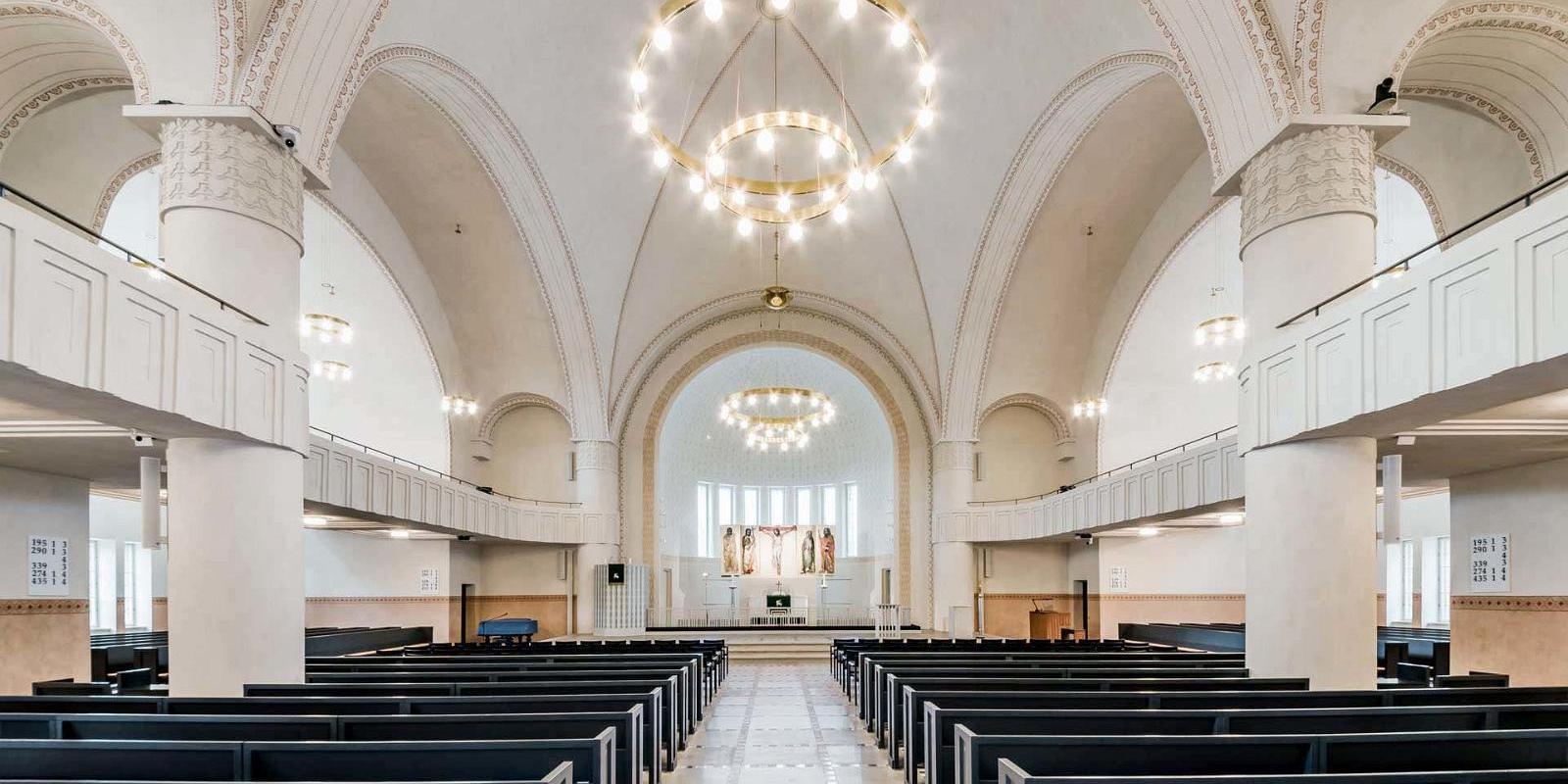
St. Paul's Church in Tartu is unique because it is the only Art Nouveau church in Estonia. The church features a national romantic and geometric design. The church is also famous for its two steel bells, which were made in 1922 in Germany. The glass-domed bell tower offers a stunning view of the city of Tartu. It can be reached by stairs, and on the way to the tower, you can see a small gallery that explains the church's history. A visit to the church tower is available for an additional fee. The church has a columbarium, a crypt, and a bookstore. You can also order a church tour, a private organ concert, or catering from the church kitchen.

  • Guided tours

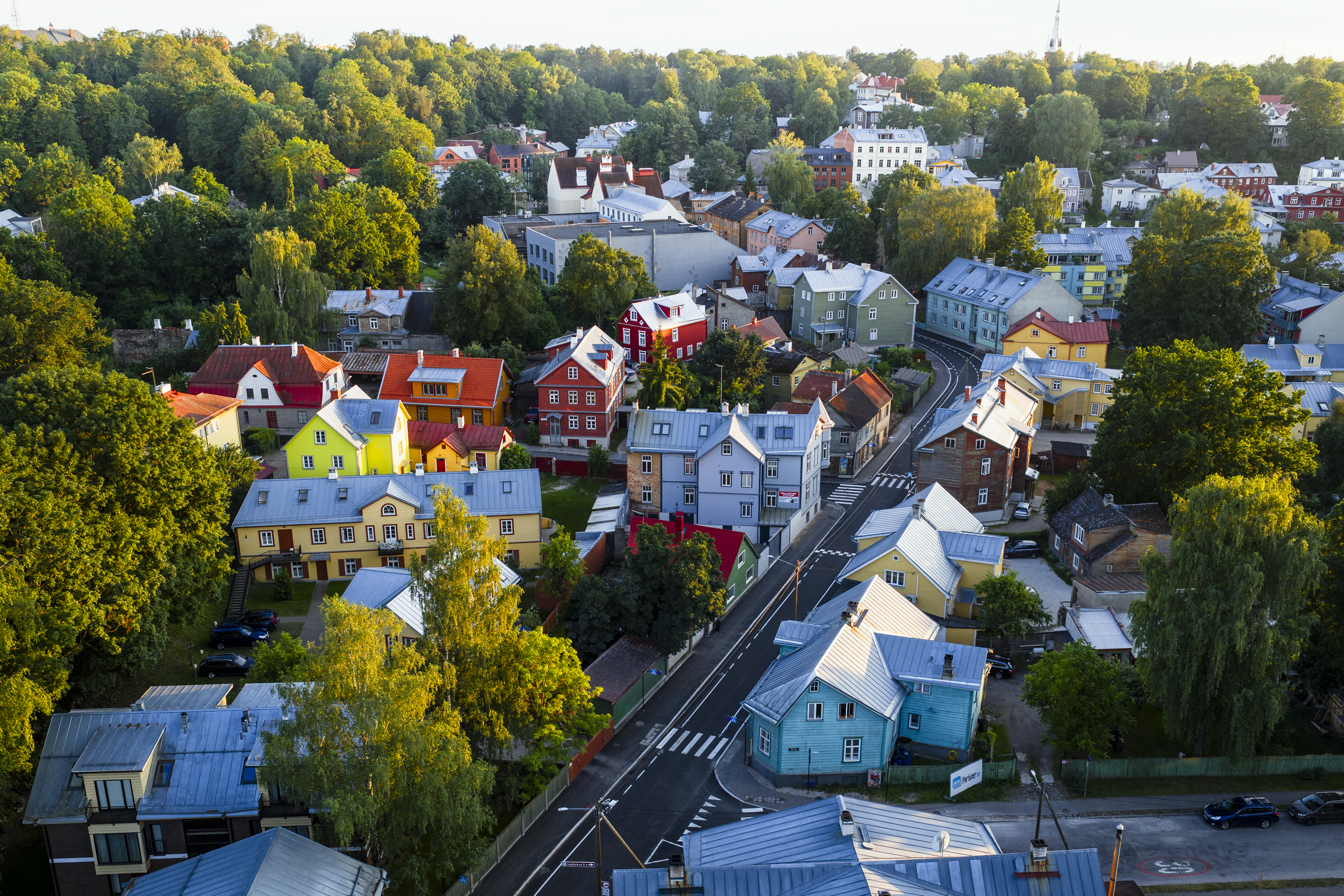
Supilinn — Tartu’s historic neighborhood of wooden homes

Supilinn is Tartu's most bohemian district, where 18th-century wooden houses, courtyards awash in urban greenery, and the banks of the Emajõgi River create an unparalleled atmosphere. It combines the best of city living with a natural environment, where you can feel the community spirit and local creativity. Go for a walk in Supilinn on the beautiful promenade along the Emajõgi River, where century-old trees and a tranquil frog pond give the city a breath of fresh air. Street art, colorful courtyards, and wooden houses tell Supilinn's story, which is best experienced during the spring Supilinn Days, when courtyards and gardens open to guests and the entire district turns into a large festival. The best way to explore Supilin is on foot or by bike, so you can notice hidden corners, shutter patterns, and backyard gardens. A walk with a local guide can reveal hidden layers of the district and highlight its bohemian spirit. More information about guided tours can be found on the Tartu Guides page.

  • Family friendly
  • Guided tours

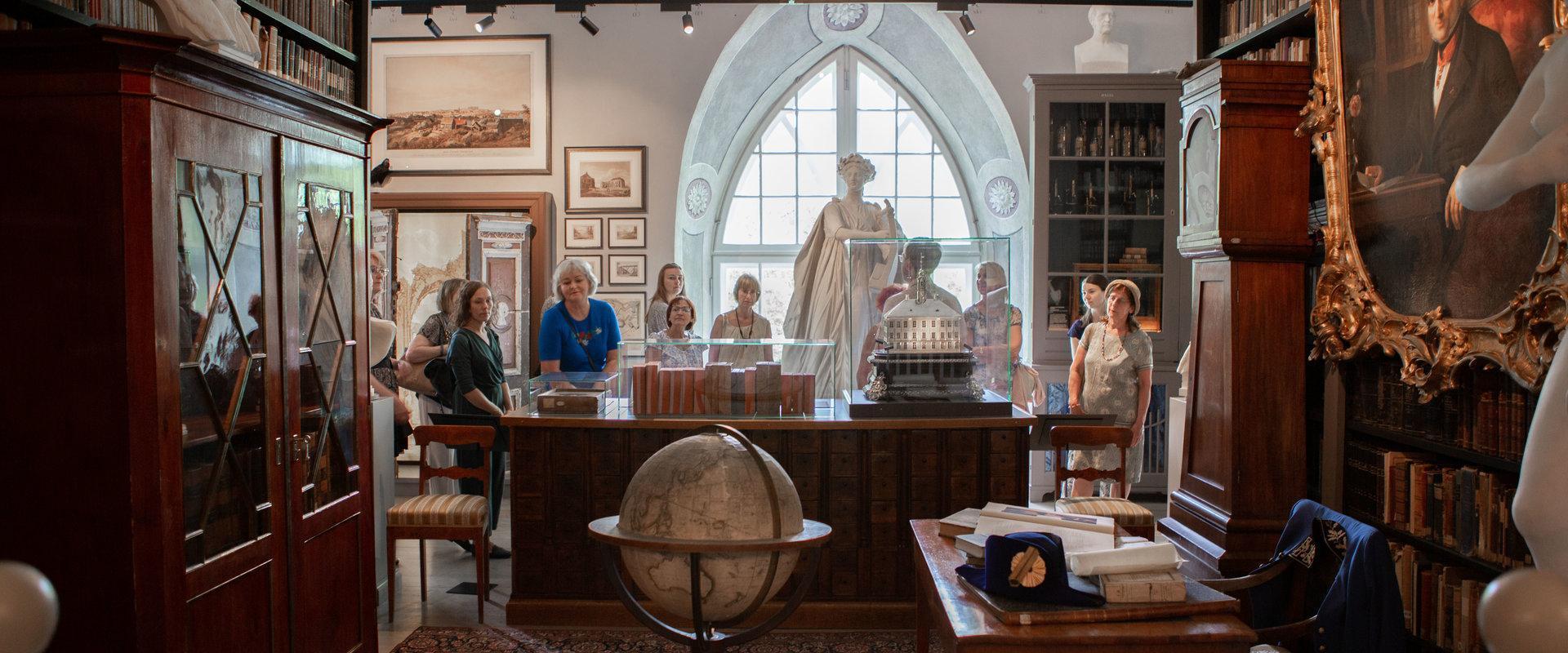
The University of Tartu Museum

What is special about the University of Tartu and where does the spirit of the university manifest itself?The University of Tartu Museum introduces the history of science and university education from the 17th century to the present day and tells the exciting story of Tartu Cathedral.The seven floors of the museum offer the following:- the most precious treasures of the University of Tartu in the Treasury- the spirit of Tartu and the university at the exhibition The University of Our Lives- an exhibition of the gifts made to the university in the White Hall- a good luck formula in the physics office of Georg Friedrich Parrot- Crazy Scientist's office for children interested in scienceIn addition, temporary exhibitions and viewing platforms are open in the summer!See you at Toome Hill!

  • Guided tours
  • Workshops
  • Galleries

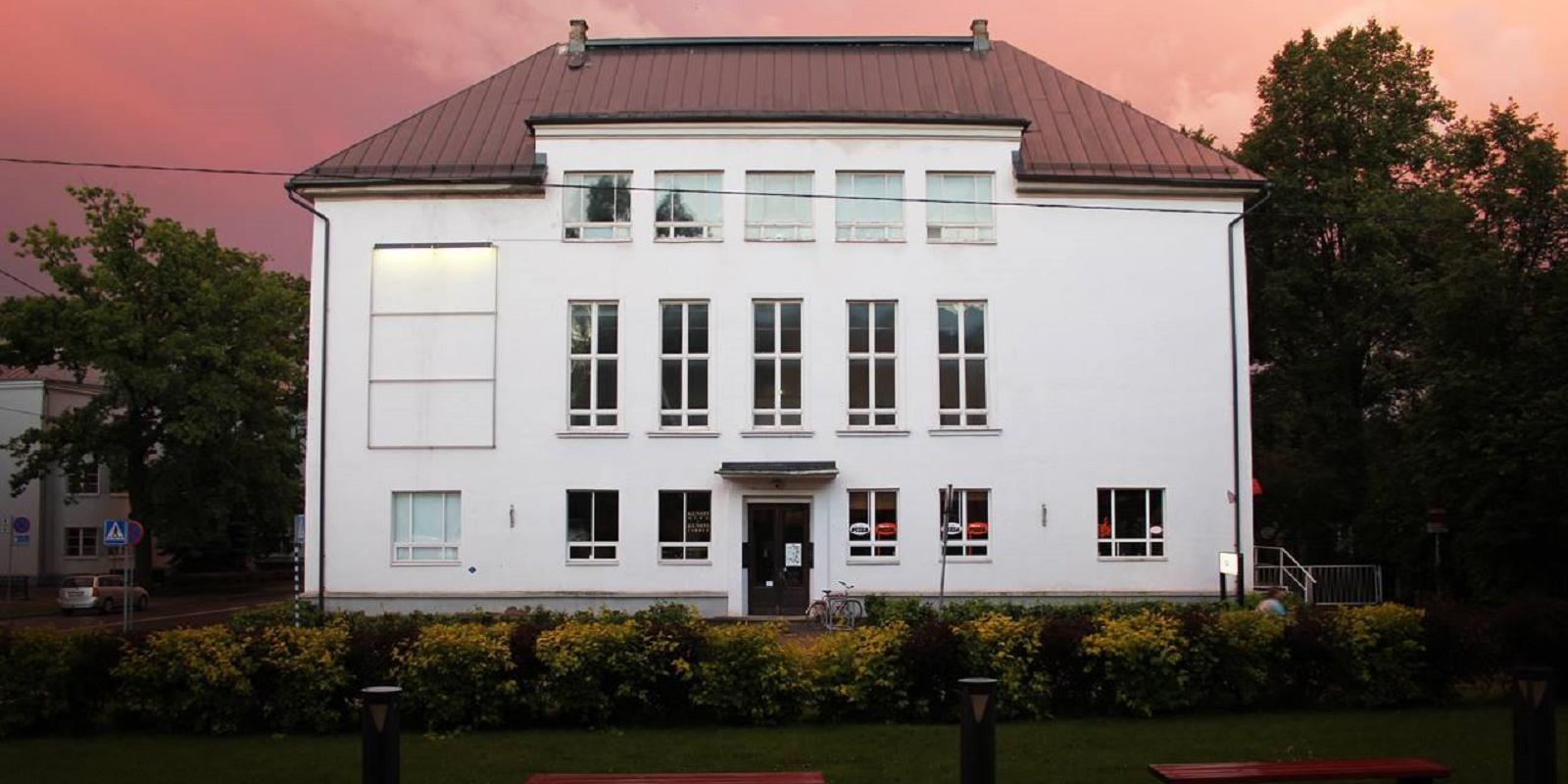
Tartu Art House Galleries

Tartu Art House is the home of the Tartu Artists’ Union and the heart of the city's art scene. It's not just a gallery room; it's a vibrant meeting place where creativity, diverse perspectives, and the spirit of an era meet. Art House is an important cultural node that brings together Estonian and international artists – known top performers, bold new talents, and, of course, all art lovers – on a regular basis. In three distinctive galleries, exhibitions alternate frequently, offering viewers something new and inspiring at every visit. Various forms of contemporary art are represented. Curators' offices, discussions, and meetings with artists help to gain a deeper understanding of the work on display and bring art closer to visitors for a more personal experience. All exhibitions and excursions are free for visitors. It is also possible to participate in practical workshops. Tartu Art House is waiting for you to discover Estonian art; a visit can show you a new perspective.

  • Guided tours

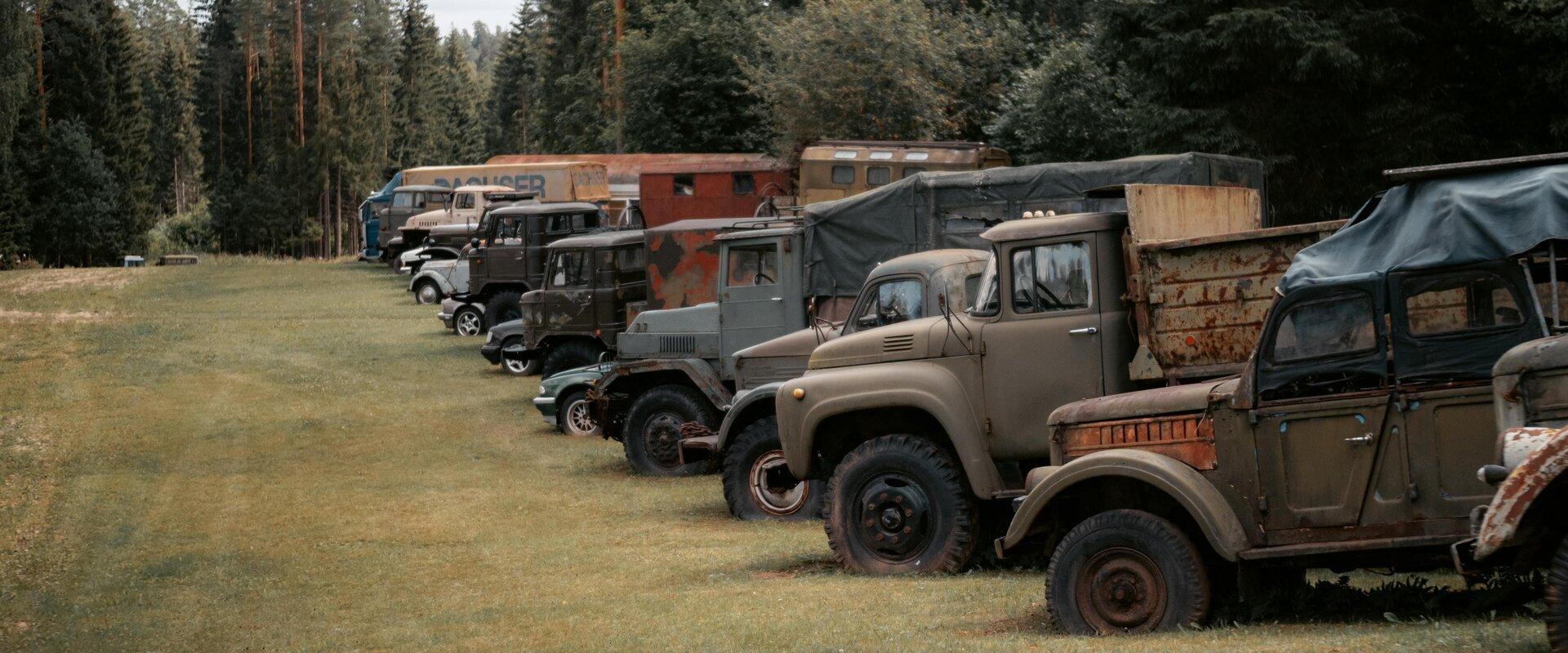
Käre Battlefields

With scenic beauty and rich history, the Käre Battlefields offer pastime and a delight to the eye.Historically, the Käre farm has been a war zone, and the forest hides numerous bunkers, trenches and military artefacts. The place, at its most authentic, takes us back to the battlefields of 1944.The aim of the club, which is based at the Käre Battlefields, is to preserve and exhibit old equipment and antiuqes. The historical heritage is combined with modern leisure activities such as guided walks near trenches and bunkers or safaris in the countryside.

  • Guided tours
  • Workshops
  • Manors

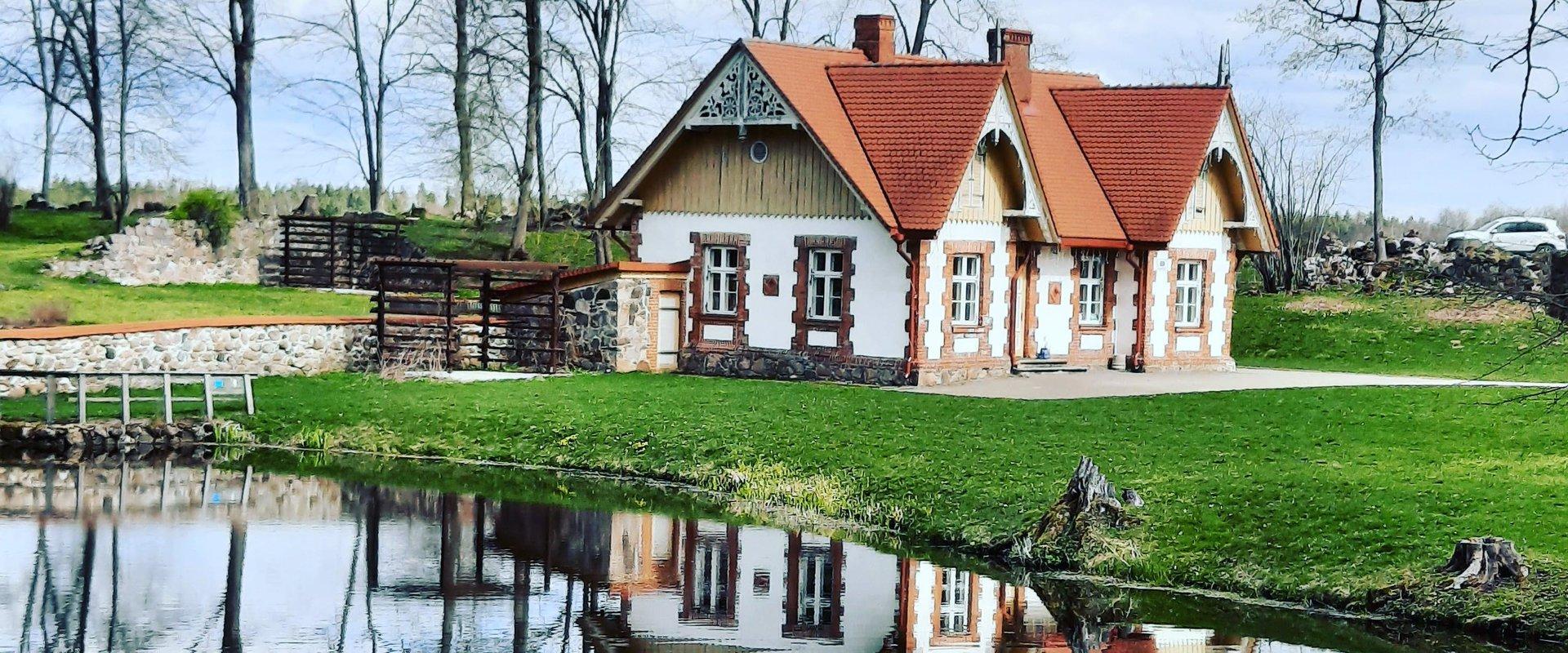
Luke Manor

Luke Manor invites you to discover the historical architecture of its former knight's manor and the enchanting park, where you can find the stylish dollhouse-like Kärnerimaja, which has an information point, an exhibition introducing the manor, and a café in the summer. The restored Governor's House adds historical depth to the manor complex. The water fountain and the pavilion's view of the ponds invite you to immerse yourself in the romance of the manor era. The manor's terraces, an alley of uniquely shaped trees, and the concrete lion statues on the stairs (a favorite with the youngest visitors) create a unique and majestic atmosphere. At Luke Manor, you can organize a seminar, take a tour, attend a concert, or tinker in the craft workshop!

  • Guided tours

Paduvere Farm Museum

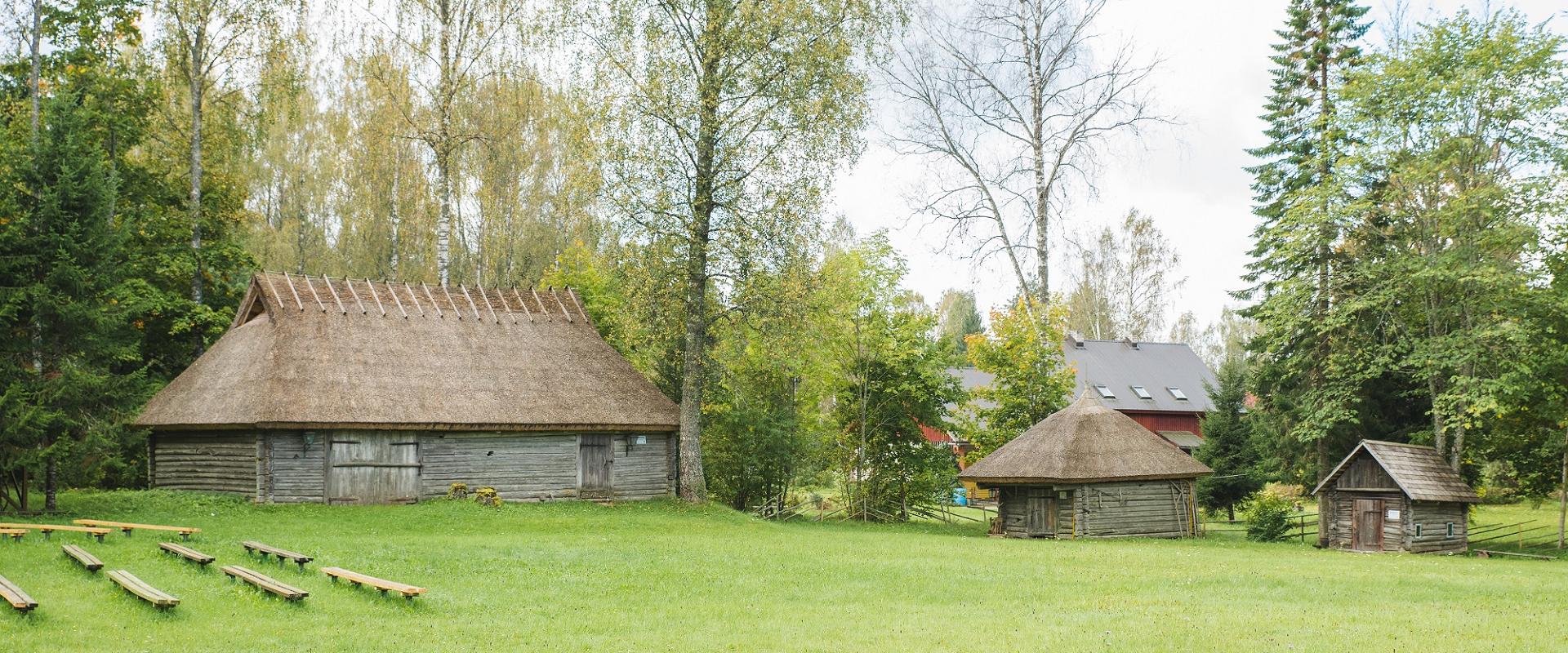
The museum introduces the life led by farmers in the 18th century and the everyday lives and work of our forefathers. There are five oak sculptures created by St Petersburg artist Grigori Azarenkov by the museum. The museum is surrounded by beautiful landscapes, which make it a popular venue for folk parties and theatre performances.

  • Guided tours

The 19th-century Tartu Citizen’s Home Museum

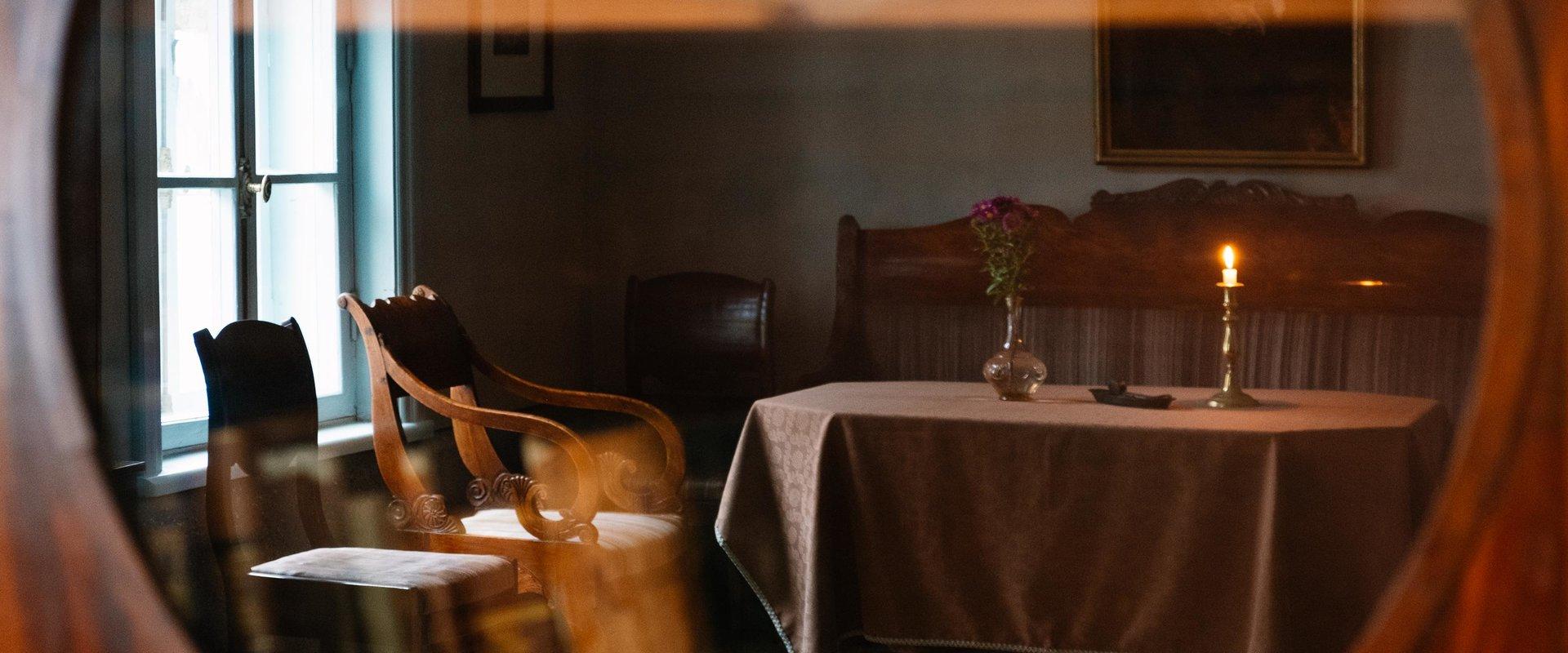
The 19th-century Tartu Citizen's Home Museum is located in one of the most unique areas of Tartu's Old Town, close to St. John's Church. The museum is housed in a wooden building completed in the 1740s, making it one of the oldest surviving residential houses in Tartu. With its historical ambiance and meticulously restored interior, the building takes visitors back to the early 19th century, when Tartu was a vibrant city of wealthy citizens and craftsmen. At the museum, you can learn more about the daily lives of urban citizens in the 1830s. Various rooms, furnished in the German Biedermeier style typical of the era, can be seen. The cozy, authentic atmosphere offers an opportunity to experience the sights, sounds, and smells of everyday life in a 19th-century Tartu home. During the summer season, a small garden is open, where plants and flowers of the period thrive, offering a glimpse of what urban greenery might have looked like almost two centuries ago. It is possible to participate in guided, thematic tours and educational programs.

  • Collaboration
  • News
  • Contacts
  • Privacy Policy
Join our mailing list!

"*" indicates required fields

This field is for validation purposes and should be left unchanged.
I authorise marketing

South Estonia Tourism Cluster

info@visitsouthestonia.com