Sustainability

What sustainability looks like here

South Estonia hasn’t been loved to death yet. The trails aren’t worn down, the lakes don’t have queues and the forests aren’t managed for tourism. That’s not an accident, it’s what happens when a place hasn’t been over-discovered. Travelling here is already a more sustainable choice than most.

Get here greener

The most sustainable way to arrive is by train or bus. Since January 2026, there is a direct daily train from Riga to Tartu, taking 3 hours and 41 minutes. From Tallinn, buses run every 30 minutes. If you’re coming from Finland, the ferry to Tallinn is a lower-carbon alternative to flying.

If you do drive, electric vehicle charging points are available across the region and in Tartu city centre.

Getting around greener

Tartu is one of the few medium-sized cities in Europe where the entire public transport system runs on renewable fuel — biomethane produced locally from waste. The city holds Green Destinations Platinum status and was shortlisted for European Green Pioneer of Smart Tourism 2026.

Within Tartu, walk, cycle or take the bus. The Smart Bike system has 750 bikes at 100 stations across the city. Beyond Tartu, distances are short and the most interesting places are close together – you rarely need to drive far.


Eat local

South Estonia’s food is genuinely local. The Michelin Green Star restaurant Kolm Sõsarat in Lüllemäe built its entire concept around sustainability. Ilmaveere restaurant in Obinitsa follows a zero-waste philosophy – seasonal local ingredients, nothing wasted, everything composted. Farm restaurants like Tammuri serve what’s in season, from their own land. Foraging is legal everywhere and part of how people here have always eaten.

Explore more

Stay local

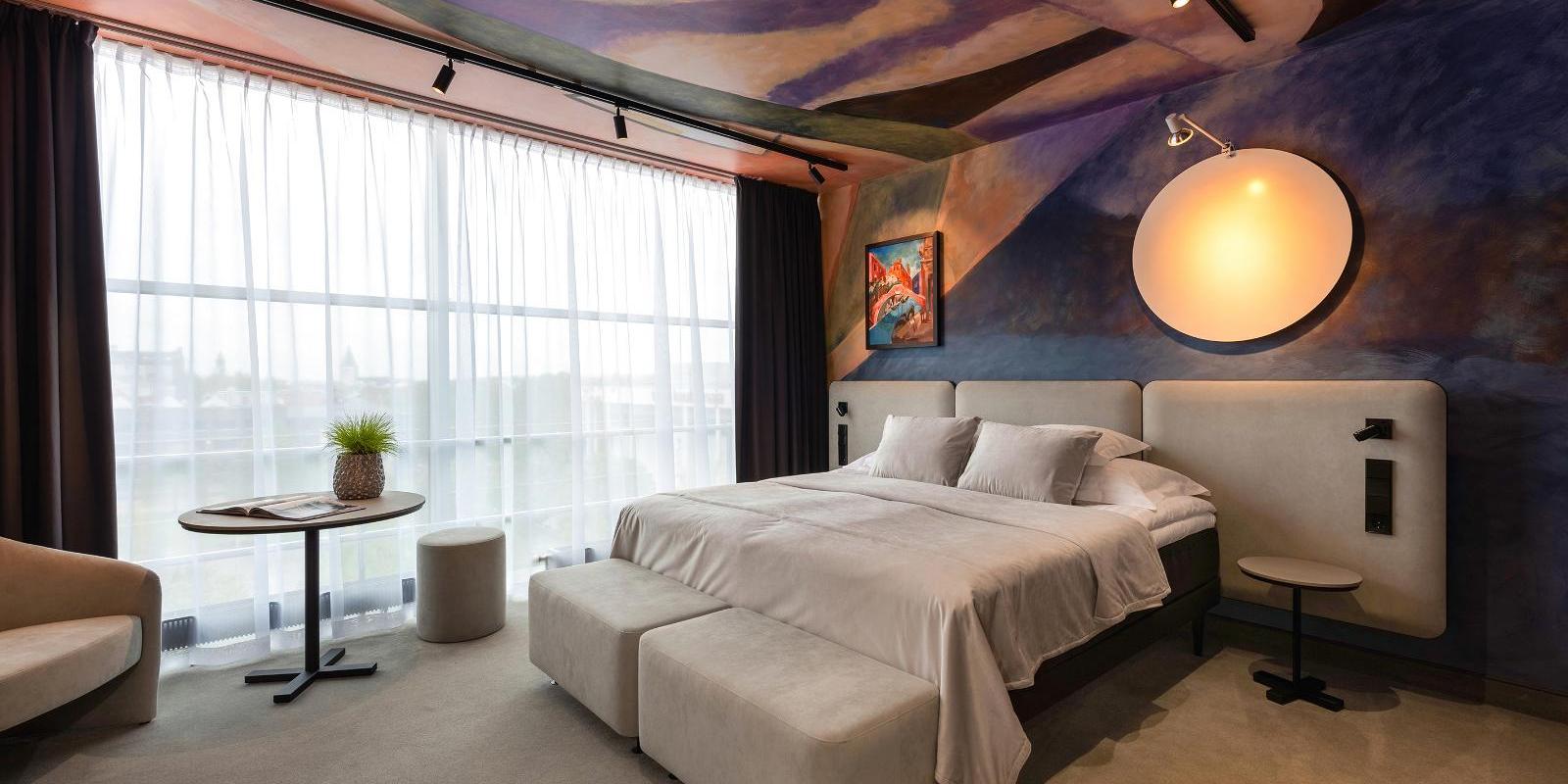
South Estonia doesn’t have chain hotels. Almost everything here is independently owned, farm stays run by the people who live there, manor houses restored by local families, small guesthouses where the owner answers the phone. Booking directly keeps money in the local economy and usually means a better stay. Several accommodation providers hold the Green Key eco-label.

Leave it as you found it

In Estonia, you have the legal right to walk, camp and pick berries on almost any land. That freedom comes with responsibility. Take your rubbish out. Use designated campfire sites. Don’t light fires during dry periods. Move on after two nights if wild camping. The place stays this good because people treat it accordingly.

Free to roam

South Estonia’s trail network is maintained by RMK, Estonia’s State Forest Management Centre, which keeps hundreds of kilometres of marked trails, campfire sites and wilderness huts free to use year round. No entry fees, no booking required. It’s one of the more quietly radical things about travelling here, the infrastructure for being in nature is treated as a public good.

Businesses that take it seriously

Nothing found.