Weather and seasons
Spring
Somewhere around late April, South Estonia flips. The forests go from bare to green in what feels like a single week. Wildflowers come up through the meadows. The bog cotton turns the open stretches white. The air changes.
The rivers are at their highest from snowmelt – the Võhandu and the Ahja running full and fast, the best conditions all year for canoeing. Above Lake Peipsi and the Emajõgi floodplains, the migratory birds arrive in numbers that are hard to prepare for. South Estonia sits on one of Europe’s main migratory flyways and spring brings numbers that serious birdwatchers plan trips around months in advance. Some mornings the sky above the water is simply full.
-5 to 15°C. Layers recommended.
Summer
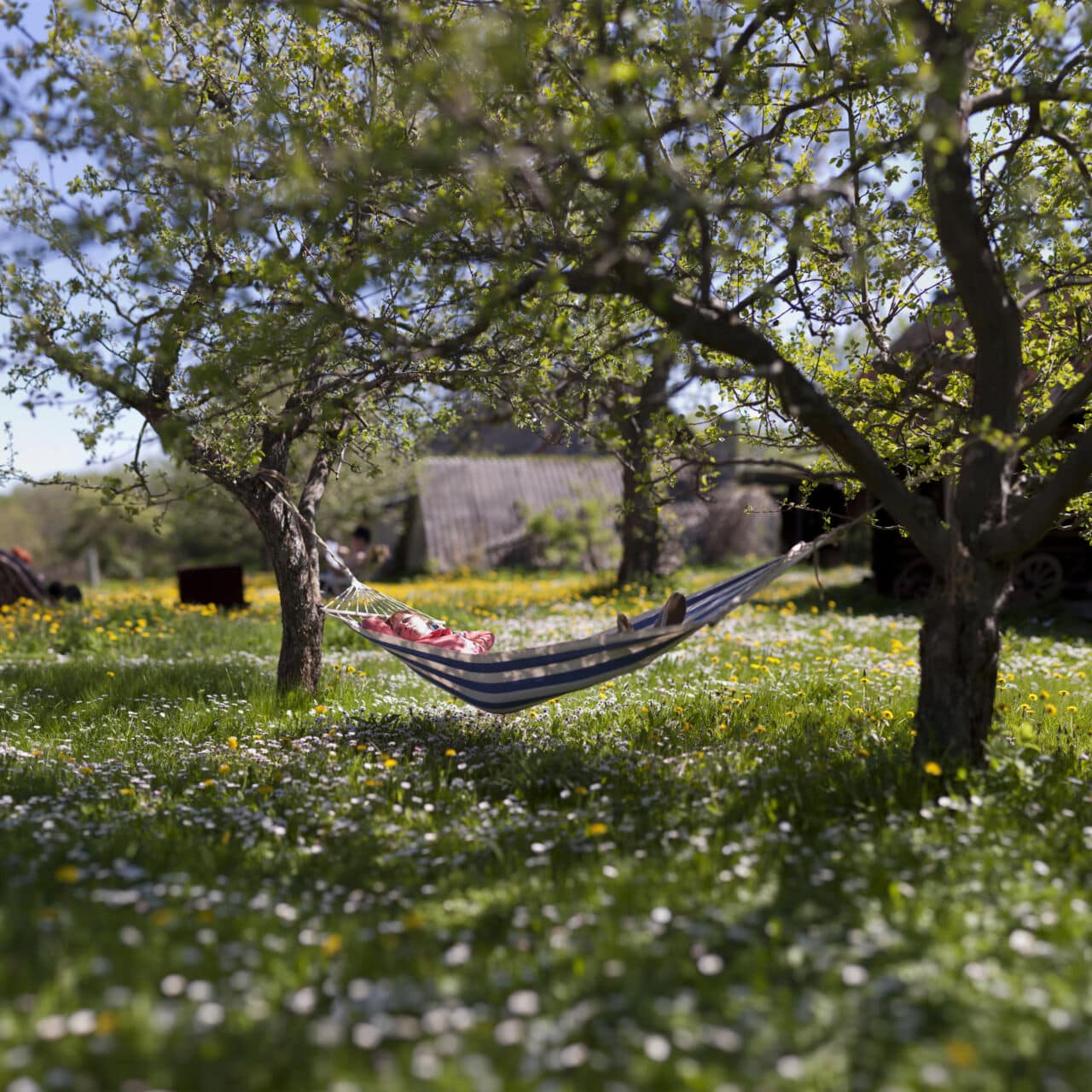
South Estonia’s summers are warm without being hot, long without being exhausting. The days stretch well past 10pm in June and the evenings have a quality that’s hard to manufacture anywhere else.
The forests offer shade and coolness on the hottest days. The meadows are in full bloom through June and July. Outdoor events, markets and festivals fill the calendar in a way that makes planning ahead a good idea.
The best thing about a South Estonian summer evening is that it simply doesn’t end. The sky stays light, the terrace stays full and the day just keeps going until someone decides it shouldn’t.
18 to 25°C. Sometimes warmer.
Autumn
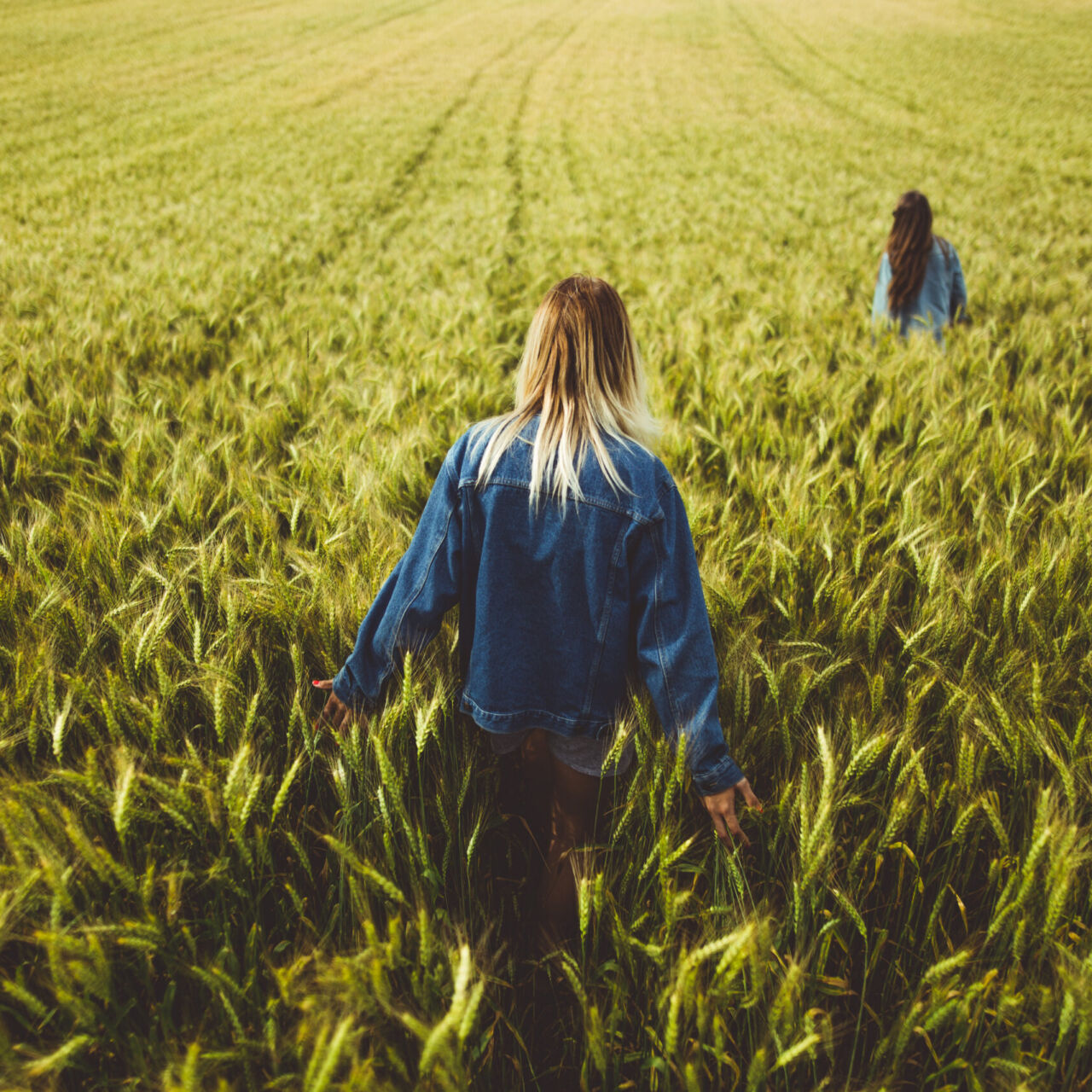
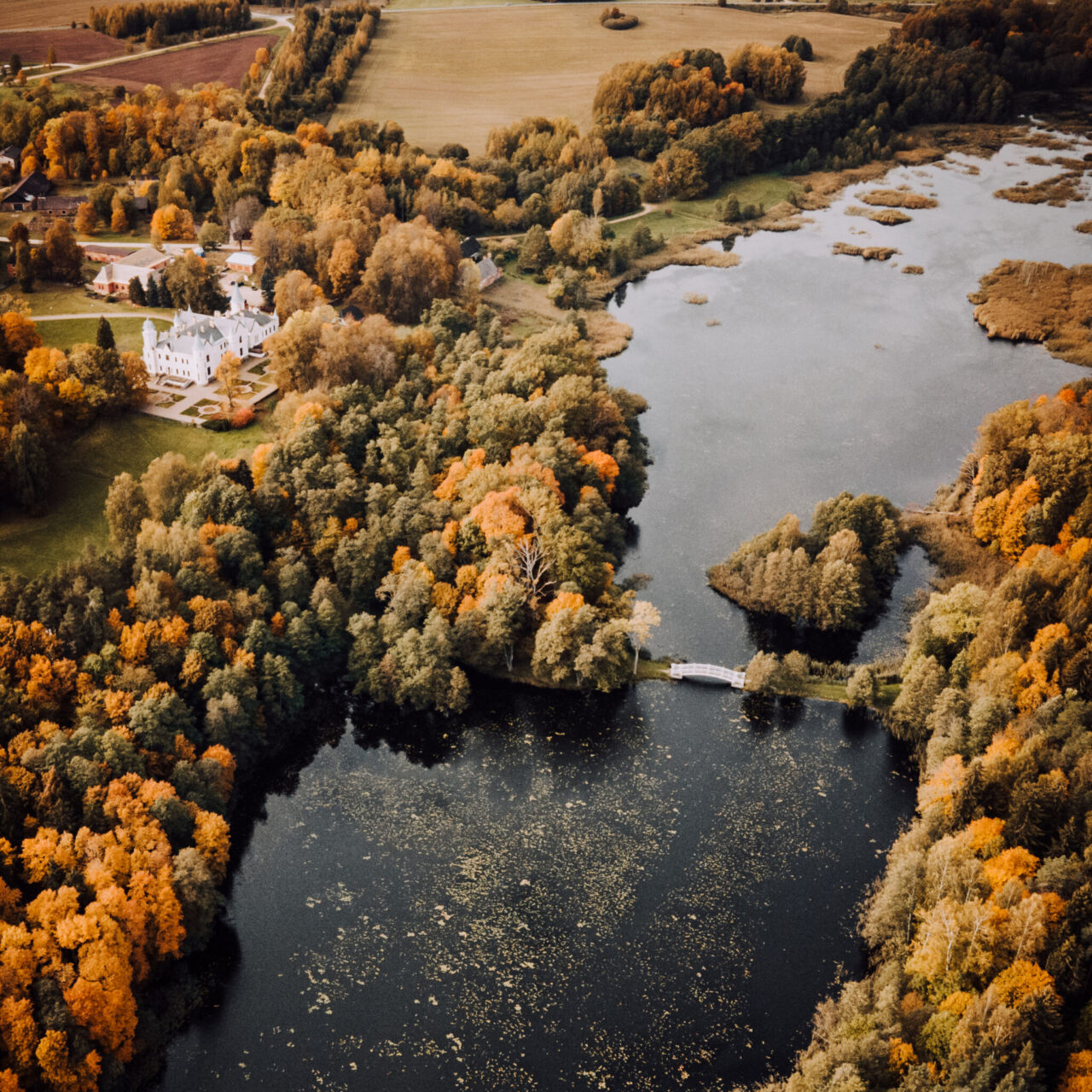
Fog sits in the valleys until mid-morning. When it lifts, the hills and forests are every shade of yellow, orange and red. This happens every October across South Estonia and it’s still worth driving here specifically to see it.
The forests in autumn are generous. Mushrooms and berries appear in quantities that feel almost unreasonable. Estonians take this seriously — foraging here is not a trend, it’s just something people do and have always done. If you don’t know what you’re picking, go with someone who does.
The trails are dry, the air is sharp and the whole region quiets down in a way that feels earned after summer. The bogs go copper and rust. The rivers slow. The mornings are cold and the afternoons not much warmer. Dress for it and you’ll be fine outside all day.
5 to 15°C. Bring a rain layer.
Winter
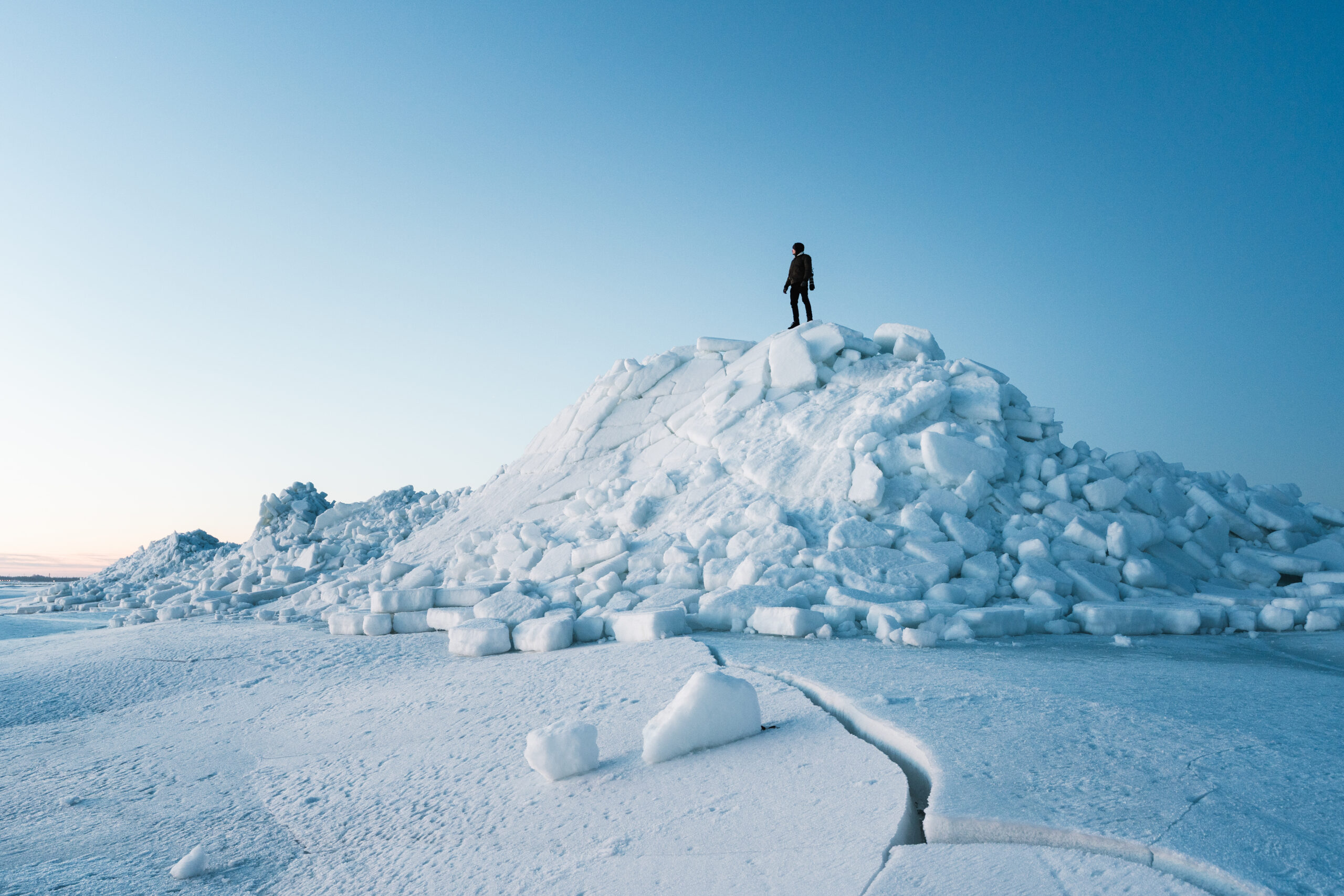
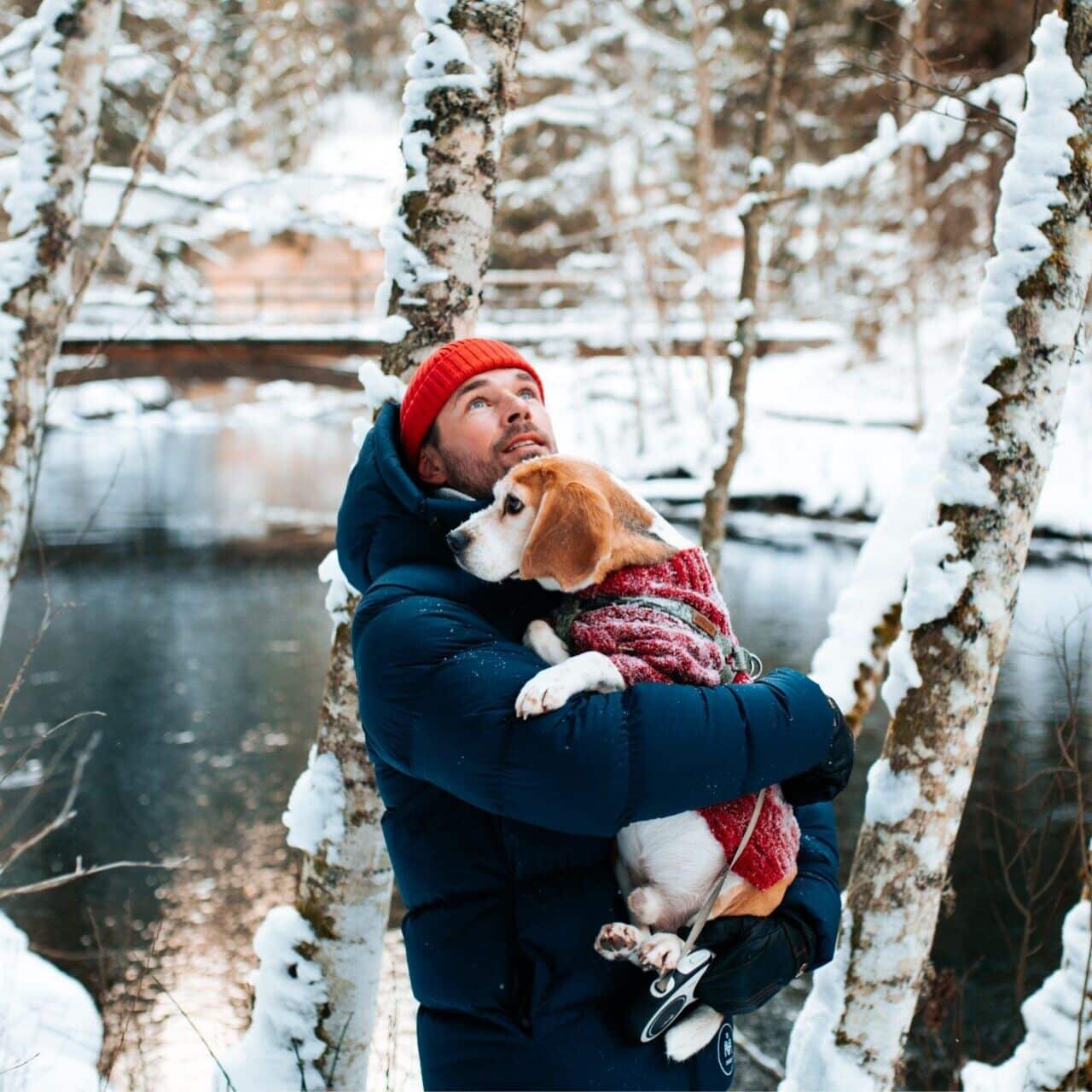
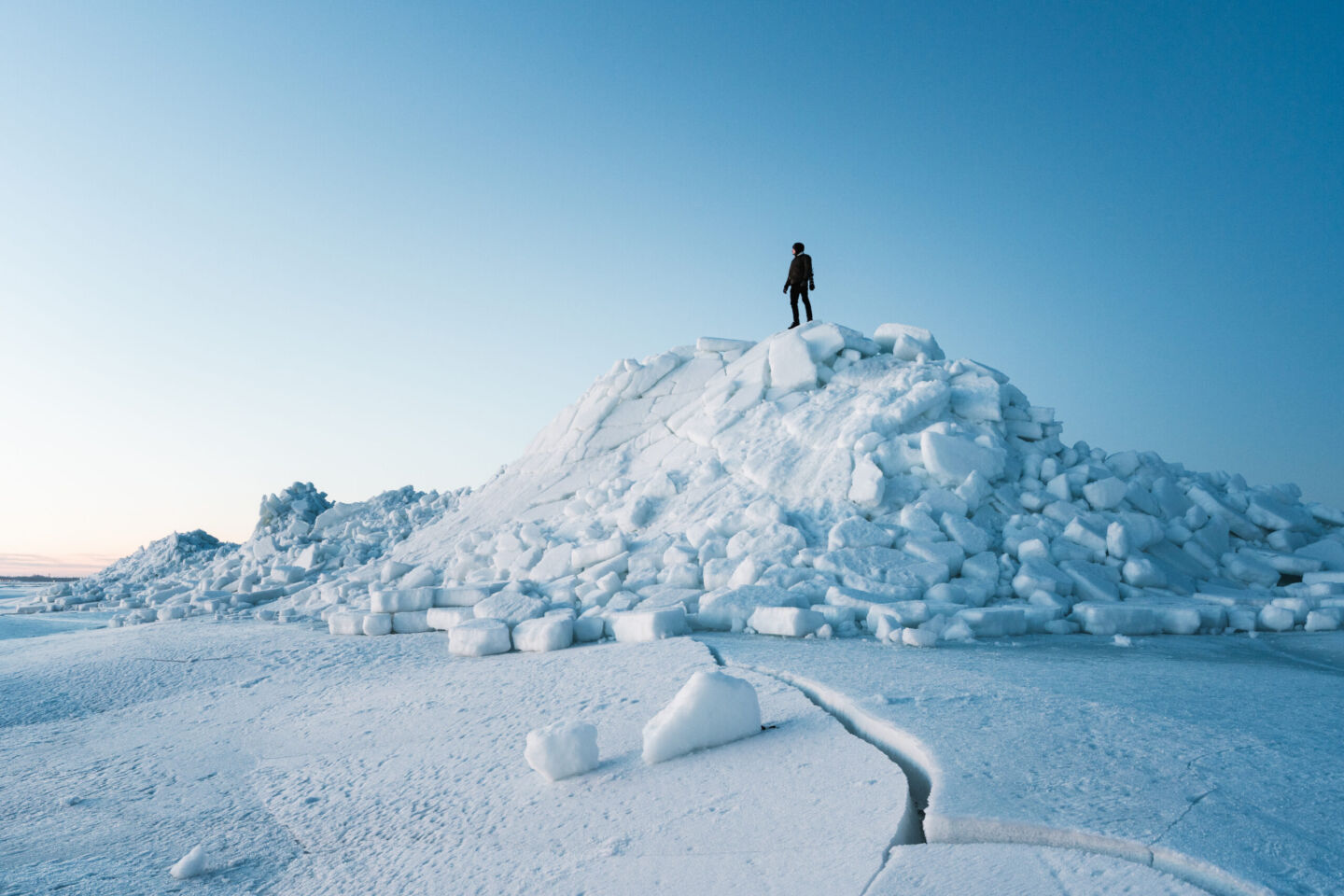
Snow arrives in December and in the Haanja and Otepää hills it tends to stay. The forests go white and quiet in a way that feels complete. Footprints in fresh snow, frozen lakes, ski tracks running through the trees – it’s a version of winter that much of Europe has stopped being able to count on.
Cross-country skiing is serious here. The Otepää region has some of the best trails in the Baltics and when the conditions are right, which they usually are from January through February, the tracks through the forests are as good as it gets in Northern Europe.
The cold also makes certain things make more sense. The smoke sauna was built for weather like this. So was sitting inside somewhere warm with something hot, watching snow fall through the window.
Minus 5 to minus 15°C on cold days. Dress for it.
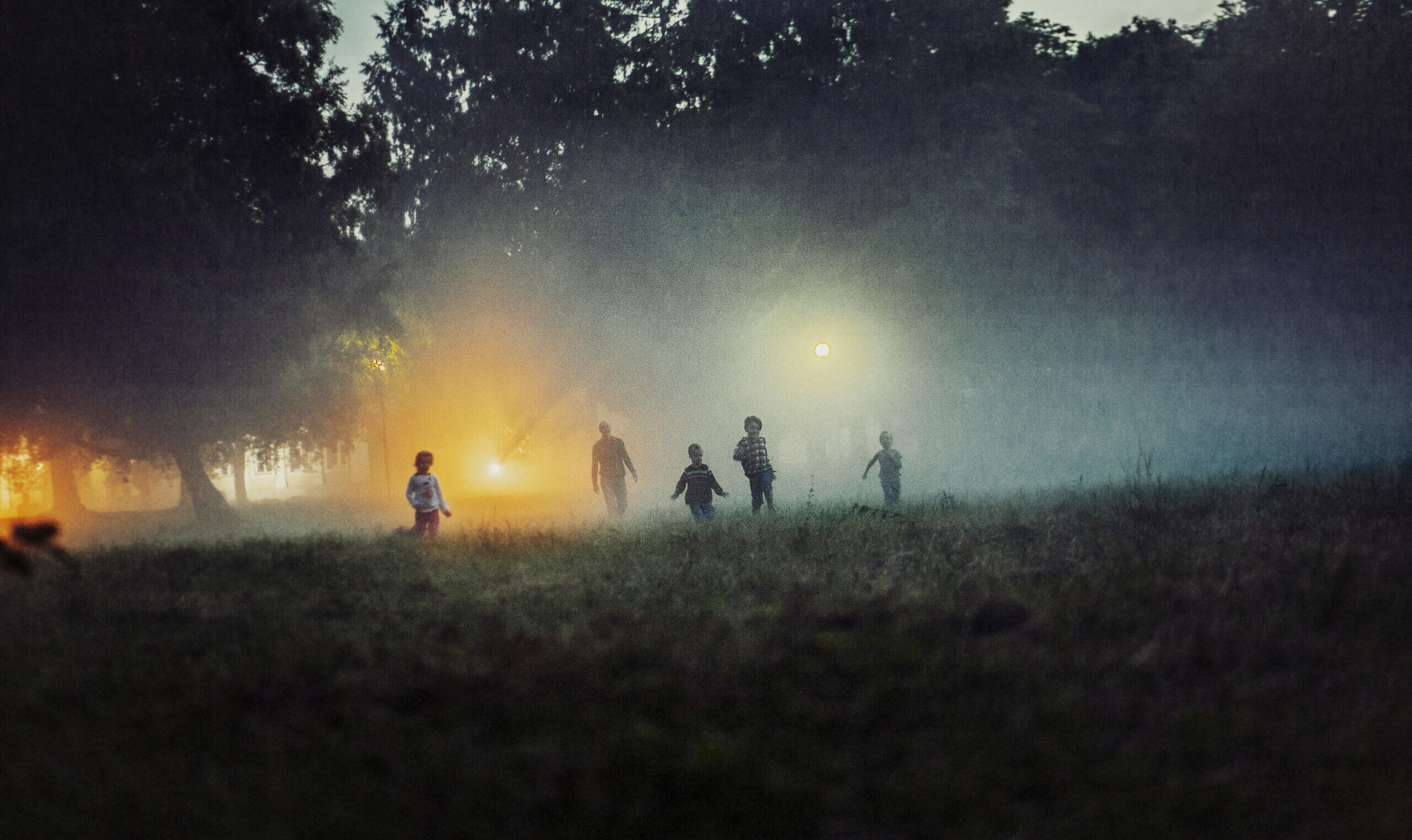
In June, South Estonia doesn’t really get dark. The sun sets late and rises early and in between the sky stays a deep blue that sits over the forests and lakes through midnight. If you’ve never experienced a Nordic summer night, it’s disorienting in the best possible way, your body expects darkness and it simply doesn’t come.
Midsummer, or Jaanipäev, is the peak of all this. Celebrated on the night of June 23rd, it is arguably Estonia’s most important holiday – more important than Christmas for most Estonians. Bonfires are lit across the countryside and people jump over them, a ritual with folkloric roots going back centuries, seen as a way to guarantee prosperity and avoid bad luck. The pale sky above makes the whole thing feel slightly unreal.
If you’re visiting in June, try to be somewhere in the countryside on the 23rd.