How to get here

How to get here

Arriving and getting around

South Estonia is easier to reach than most people expect. Tartu has its own airport with daily direct flights from Helsinki. Tallinn and Riga are both under three hours by car or bus. Once you arrive, a rental car gets you anywhere in the region within an hour or two.

By air

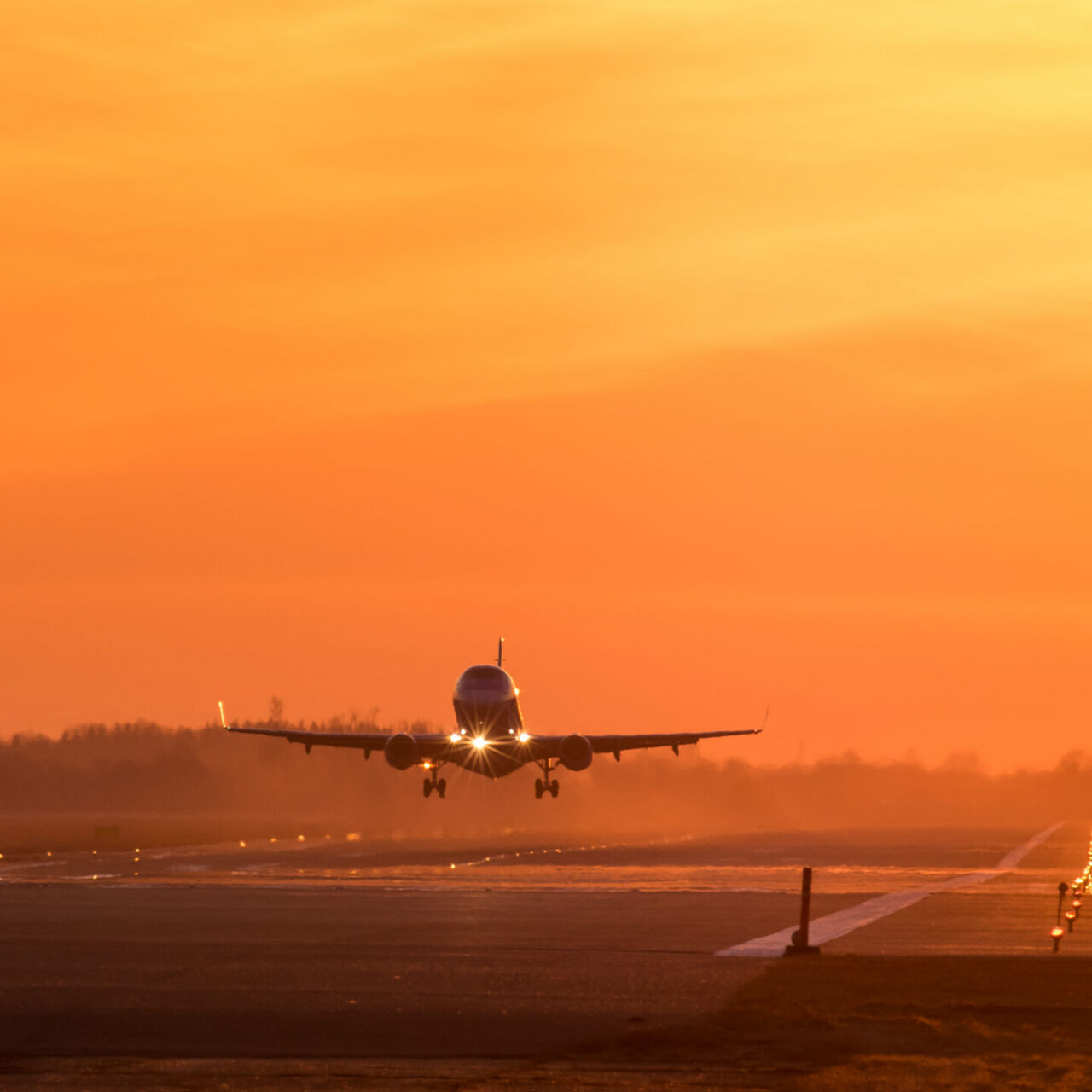
Tartu Airport has daily Finnair flights from Helsinki, taking around 45 minutes. This is the most direct route into South Estonia. You land in Tartu itself, not the capital, which means no extra driving or connecting. Flights depart from Helsinki twice daily and the city of Tartu is around 10 kilometres from the airport, connected by bus and taxi.
From most other European cities, Tallinn Airport is the main gateway, with connections to most major hubs across Europe. From Tallinn, Tartu is around 2 hours by car or bus. Riga Airport in Latvia offers one of the widest ranges of international routes in the region and is a convenient entry point – directly connected to Tartu by both train and bus.

By car

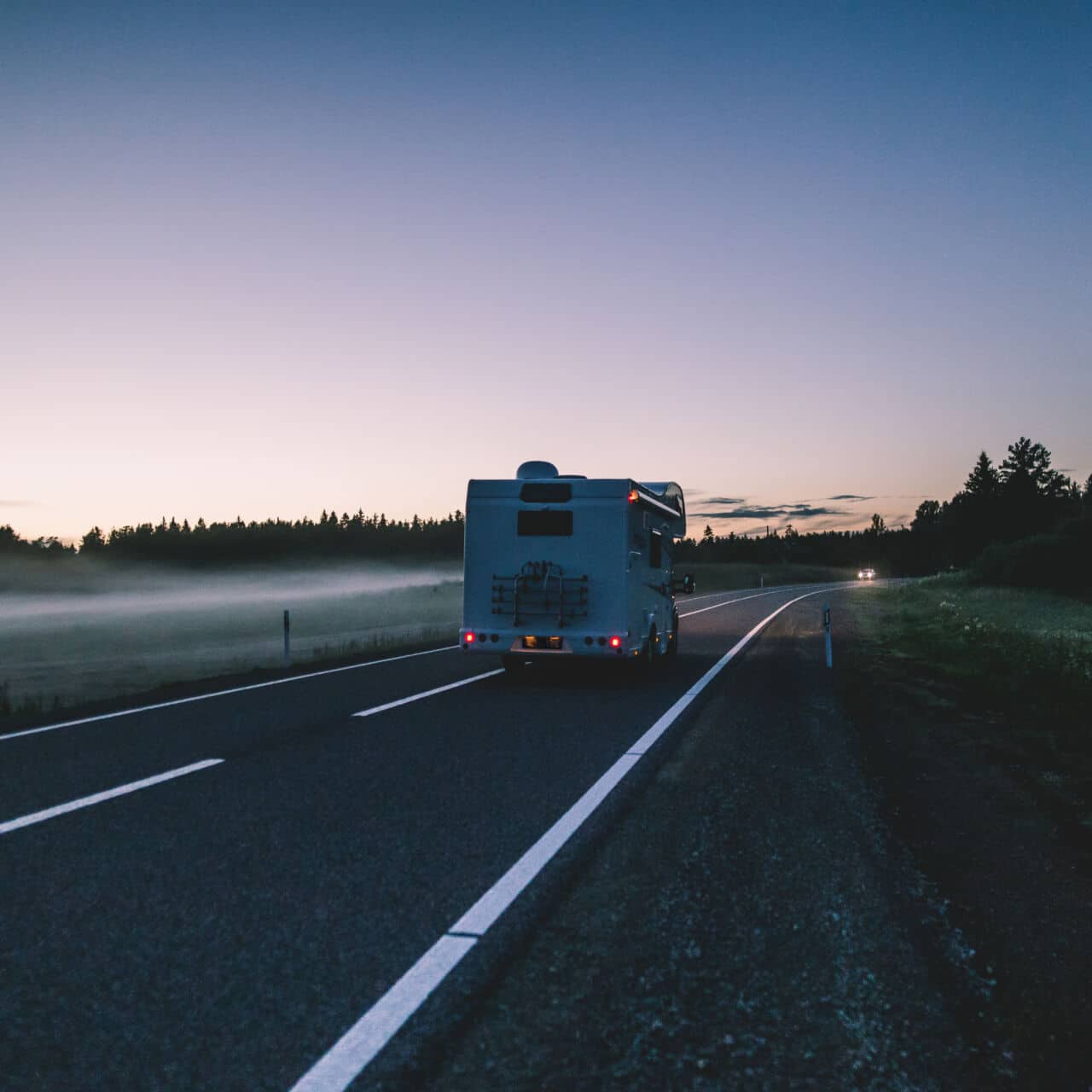
Driving gives you the most flexibility and is strongly recommended for exploring beyond Tartu. The roads are good, distances are short and most of South Estonia’s best places are not on any bus route.

From Tallinn: approximately 2 hours to Tartu, 2.5 hours to Võru. From Riga: approximately 2.5 hours to Tartu. From Helsinki: take the ferry to Tallinn, then 2 hours by car. Several daily ferry crossings operate between Helsinki and Tallinn, taking 2 to 3.5 hours depending on the operator. From Vilnius: approximately 4 hours to Tartu.

Rental cars are available at Tallinn and Tartu airports and in Tartu city centre. Booking in advance is recommended in summer.

Rental cars are available at both Tallinn and Tartu airports. At Tallinn Airport, Avis, Hertz, Sixt, Enterprise and Budget all have desks in the terminal. At Tartu Airport, Europcar, Sixt and Keddy by Europcar are available, though some operate off-site and will arrange pickup at the airport, worth checking when booking. Booking in advance is recommended in summer when availability drops. Most major international comparison sites work well for Estonia.

For shorter trips or if you’d rather not commit to a full rental, Bolt Drive offers car sharing in Tartu. Rent by the hour or day directly from the app, no paperwork at pickup.

By bus

Lux Express operates buses from Tallinn to Tartu approximately every 30 minutes throughout the day, with journey times around 2 hours and 15 minutes. It is one of the most frequent intercity bus connections in the Baltics and a reliable, comfortable option. From Riga, Lux Express and FlixBus run several buses daily to Tartu, with the fastest taking around 3 hours and 40 minutes. Buses have WiFi, power outlets and comfortable seating. Tickets can be booked online in advance.

For travel within South Estonia, regional bus connections link the larger towns, Võru, Põlva, Valga, Jõgeva and Elva, to Tartu several times daily. Timetables and tickets for all domestic routes at peatus.ee.

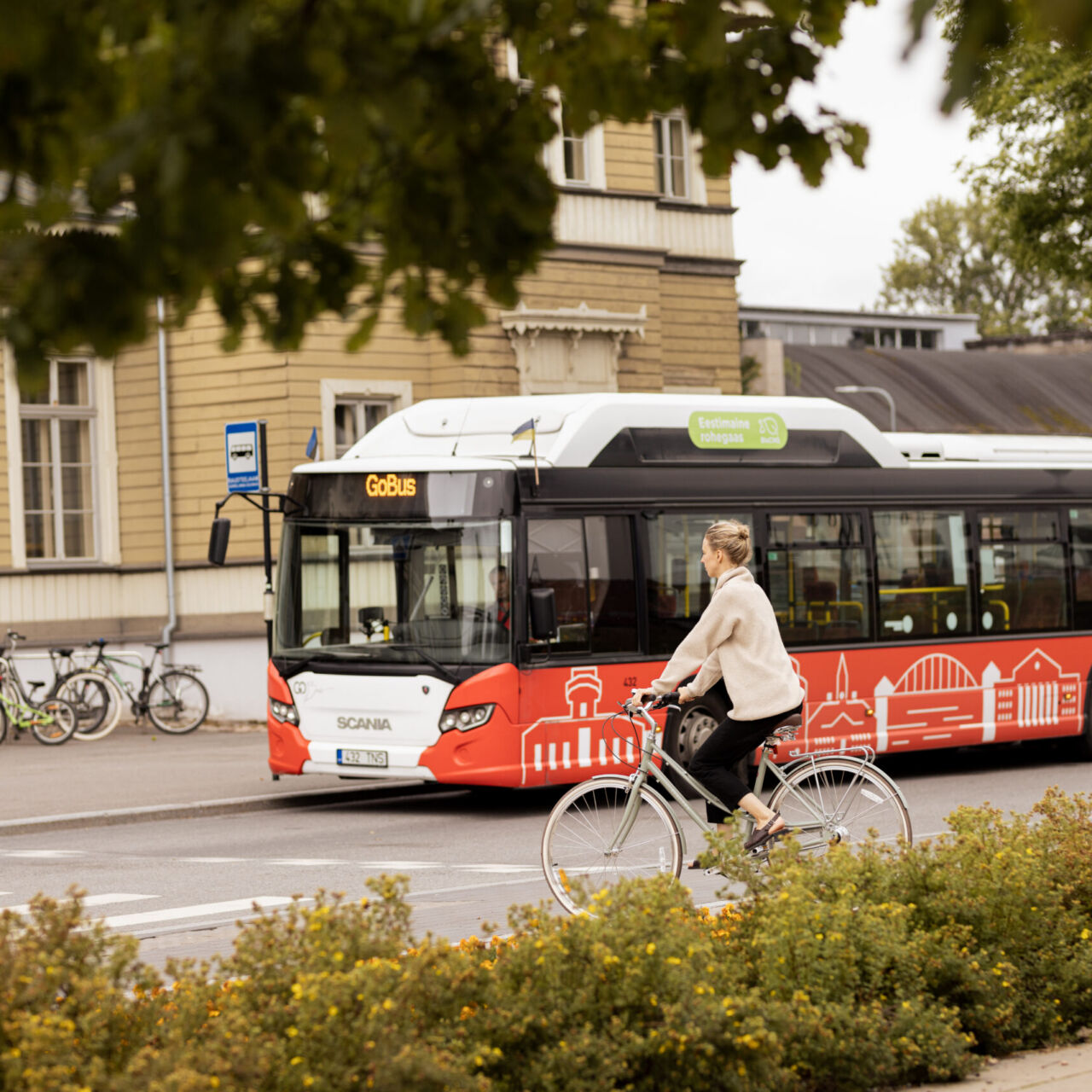
Within Tartu itself, the city bus network covers all main areas and runs frequently throughout the day. Tickets can be bought on board or via the Pilet.ee app. Timetables and more info here.

By train

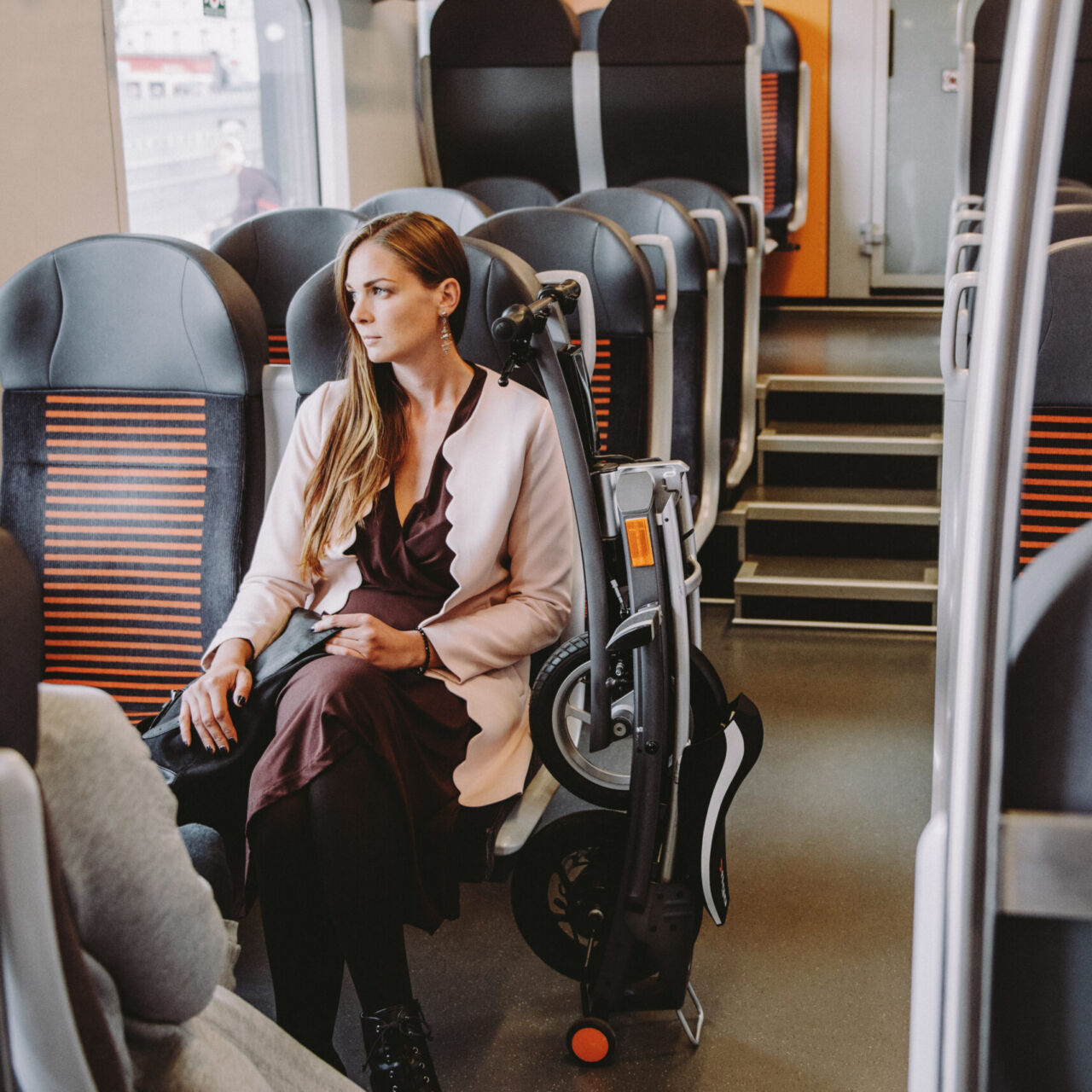
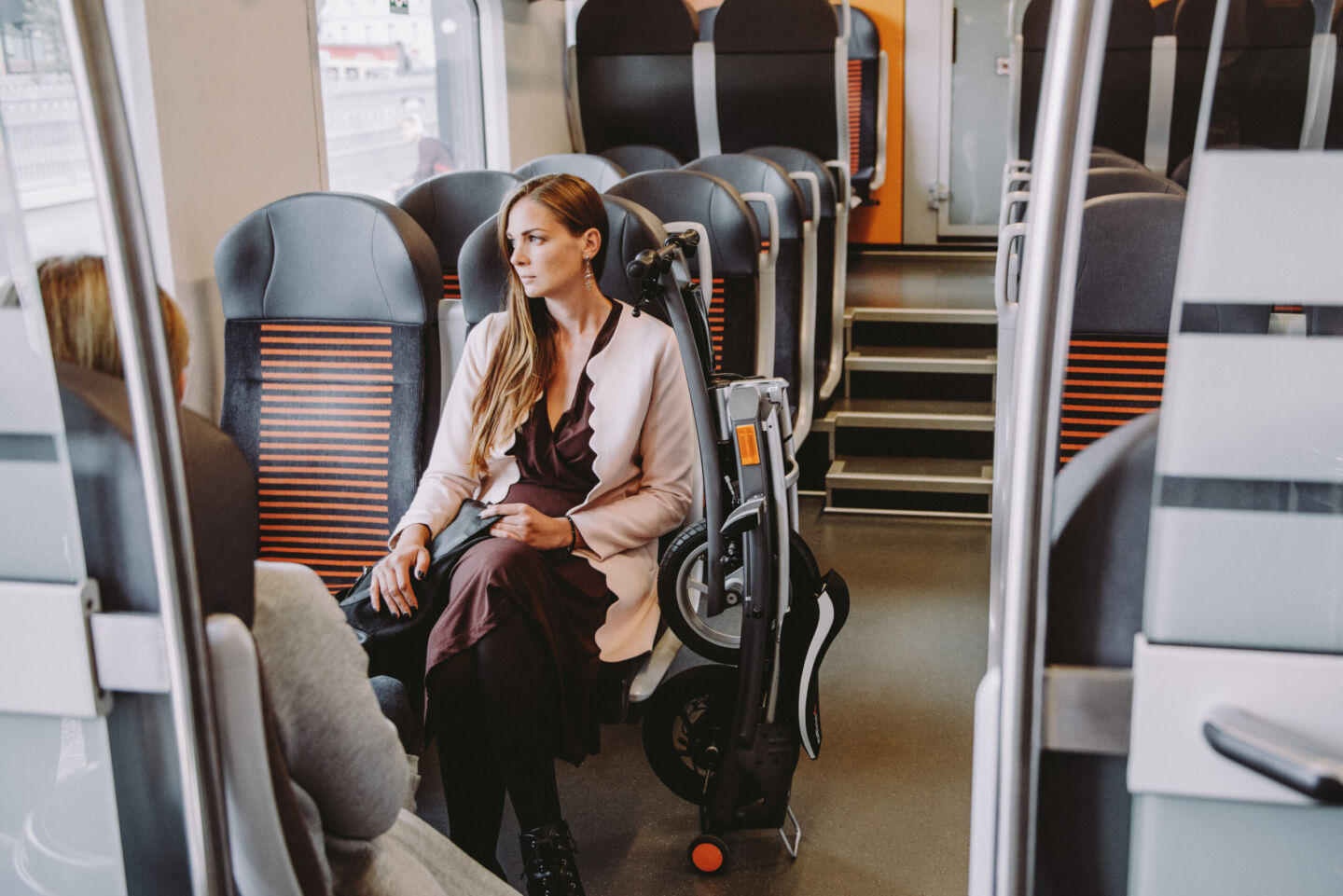
Direct trains run between Tallinn and Tartu several times daily, taking around 2 hours. The journey is comfortable and the scenery along the way is worth looking up from your phone for.

Since January 2026, there is also a direct daily train between Riga and Tartu, taking 3 hours and 41 minutes, operated by Elron. A ticket from Riga to Tartu costs 19 to 22 euros. This makes Riga Airport a genuinely convenient gateway for visitors flying in from further afield. Tickets and timetables for both routes are at elron.ee.

By motorcycle

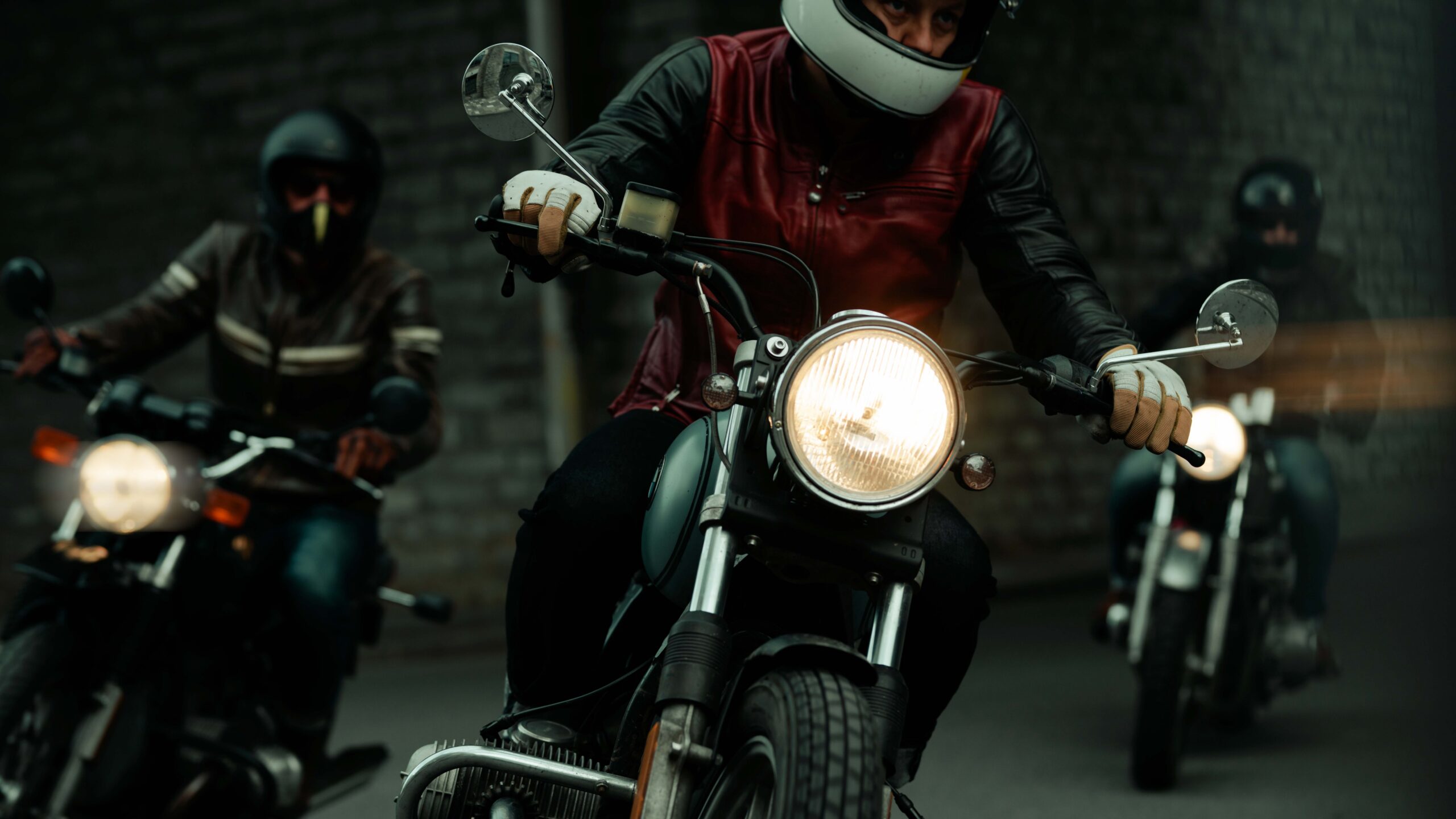
South Estonia rewards a steady pace and an eye for the landscape. Roads are well-maintained, traffic is light and the terrain rolls gently through forests, river valleys and past lakes. The best curves are in the Otepää area, where the hills give the roads some shape. The mecca for enthusiast riders is Postitee – the old stage coach route, around 40 kilometres of fast flowing corners over rolling hills between Põlva and Võru. The route was never straightened, so it kept its full shape. The Haanja uplands, the Piusa sandstone valleys and the shores of Lake Peipsi all make for good half-day rides.

Estonia has a zero alcohol limit and helmets are mandatory. There are no toll roads. The season runs from May to September. South Estonia also sits naturally on the Baltic touring route connecting Tallinn, Tartu and Riga.

By bike

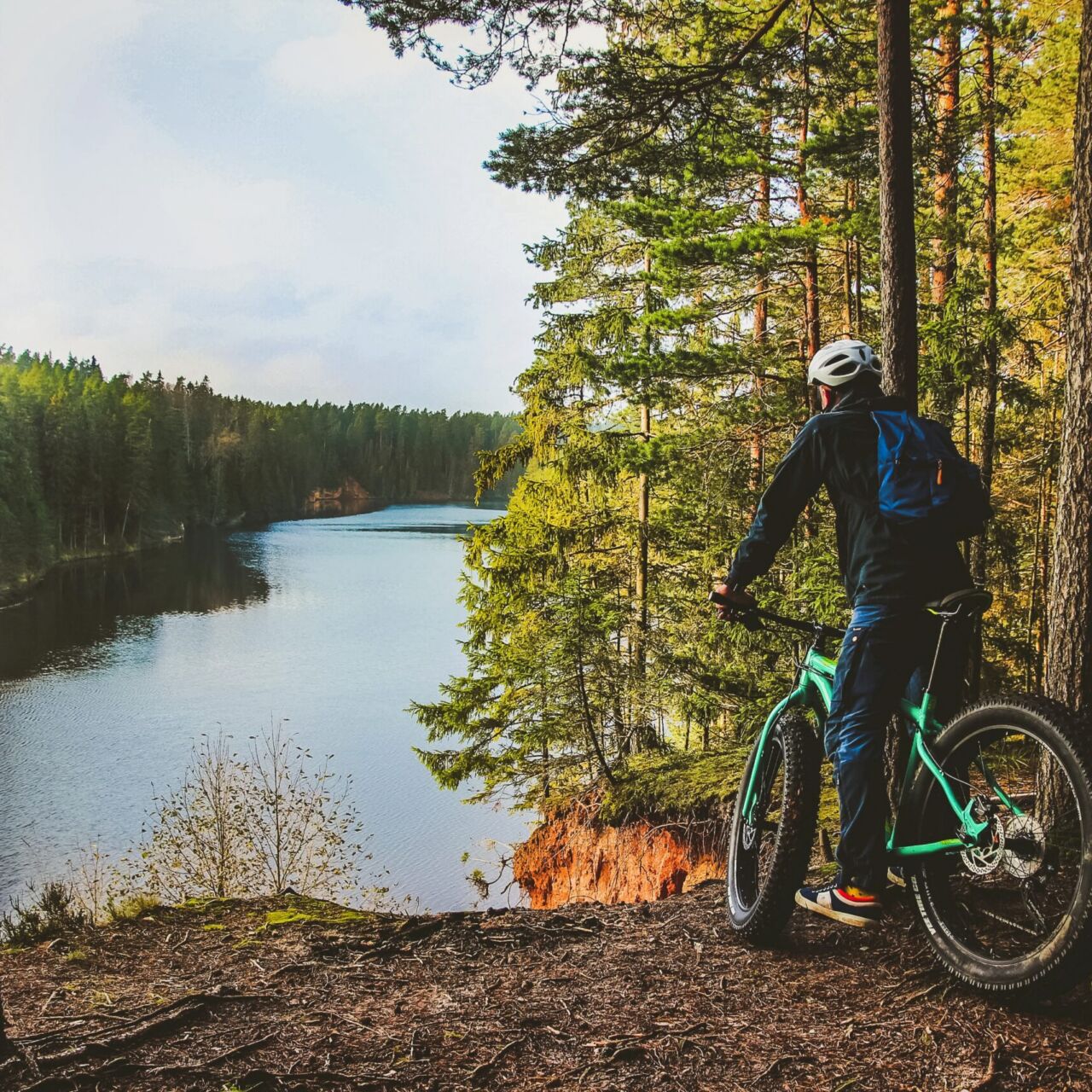
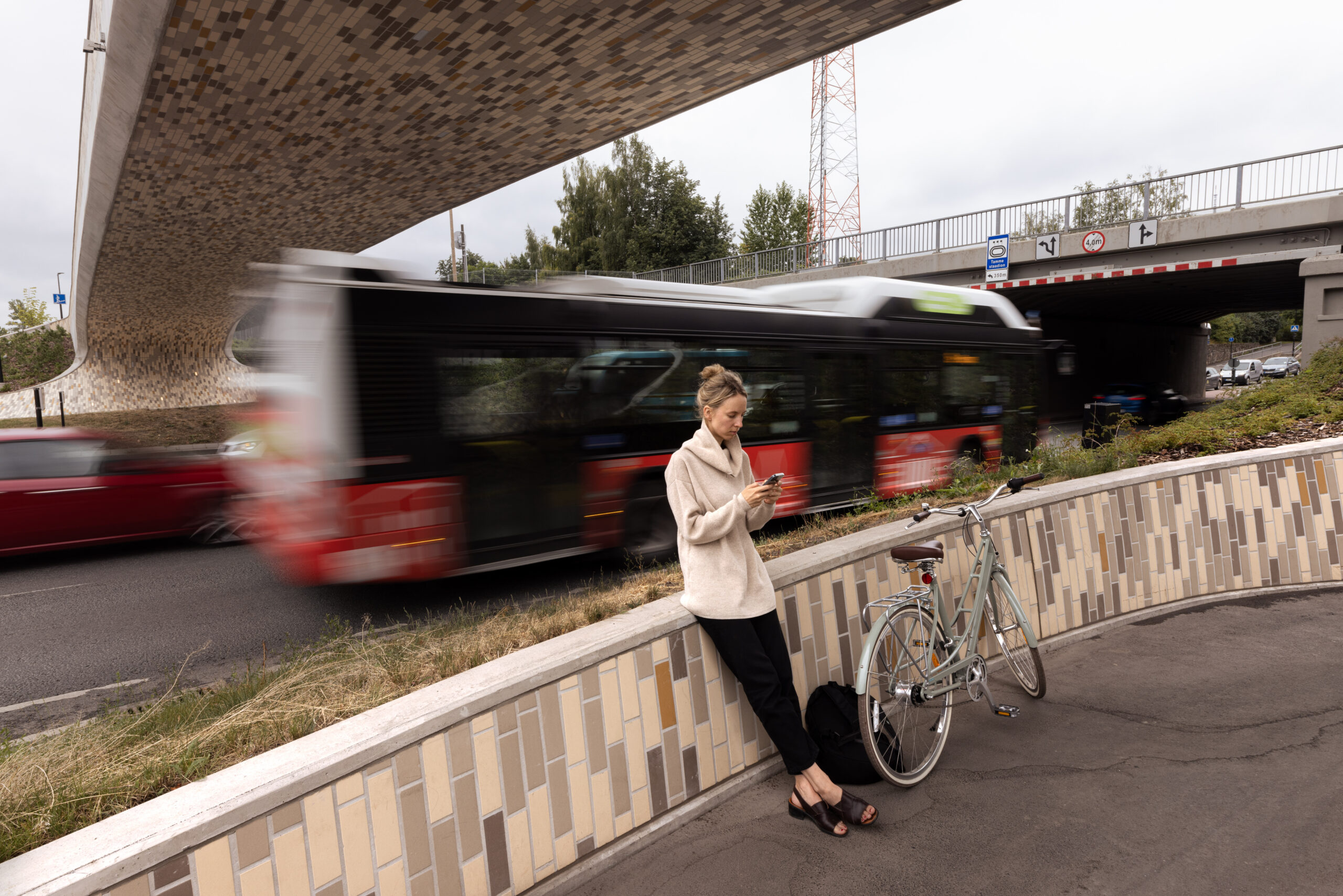
Tartu has an official Smart Bike system with around 750 bicycles available at 100 rental stations across the city, including electric bikes connected to the public transit system.

For longer rides into the region, several rental options are available:

  • Jalgratas shop in Tartu rents city bikes and hybrid bikes suitable for both asphalt and gravel roads, with helmets and backpacks also available. Balticnaturetourism
  • Tartu County Recreational Sports Centre near Elva, about 25 kilometres from Tartu, rents mountain bikes, fatbikes and scooters in a pine forest with well-maintained trails. Visit Estonia

Getting around

A rental car is strongly recommended for exploring South Estonia beyond Tartu. Public transport connects the larger towns reliably but misses most of the interesting places. If you are based in Tartu and making day trips, Bolt works well for shorter journeys within the city and to nearby areas. Tartu itself is compact enough to walk across in 20 minutes, with electric bike rentals available through the city’s Smart Bike Share app.

Travelling with pets

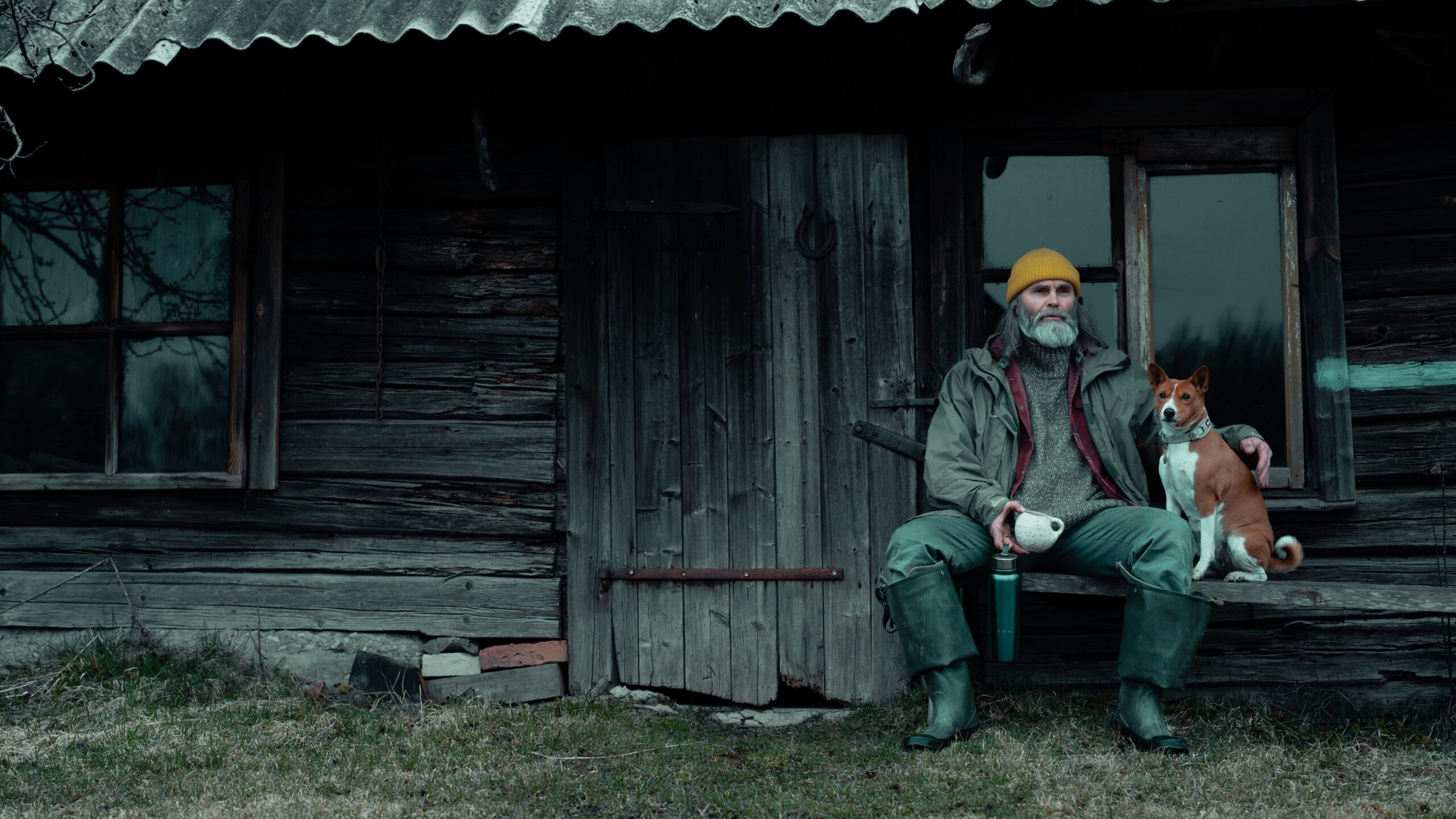
South Estonia is a good destination for travelling with a dog. The forests, trails and lakes suit it well, most rural accommodation accepts pets and Estonians are generally welcoming towards animals in public spaces.

On Elron trains, pets are allowed in the designated vestibule area in carriages marked with a pet sticker. Long-distance buses generally do not accept dogs, but small cats and dogs in carriers are usually permitted. A rental car is the most practical way to explore the region with a larger pet.

Good to know

• EU residents need a valid pet passport with microchip and up-to-date rabies vaccination
• Dogs must be kept on a leash on most hiking trails and in nature reserves
• Most farm stays and rural accommodation accept pets, confirm when booking
• Cleaning up after your pet in public spaces is mandatory and taken seriously
Arriving and travelling by boat

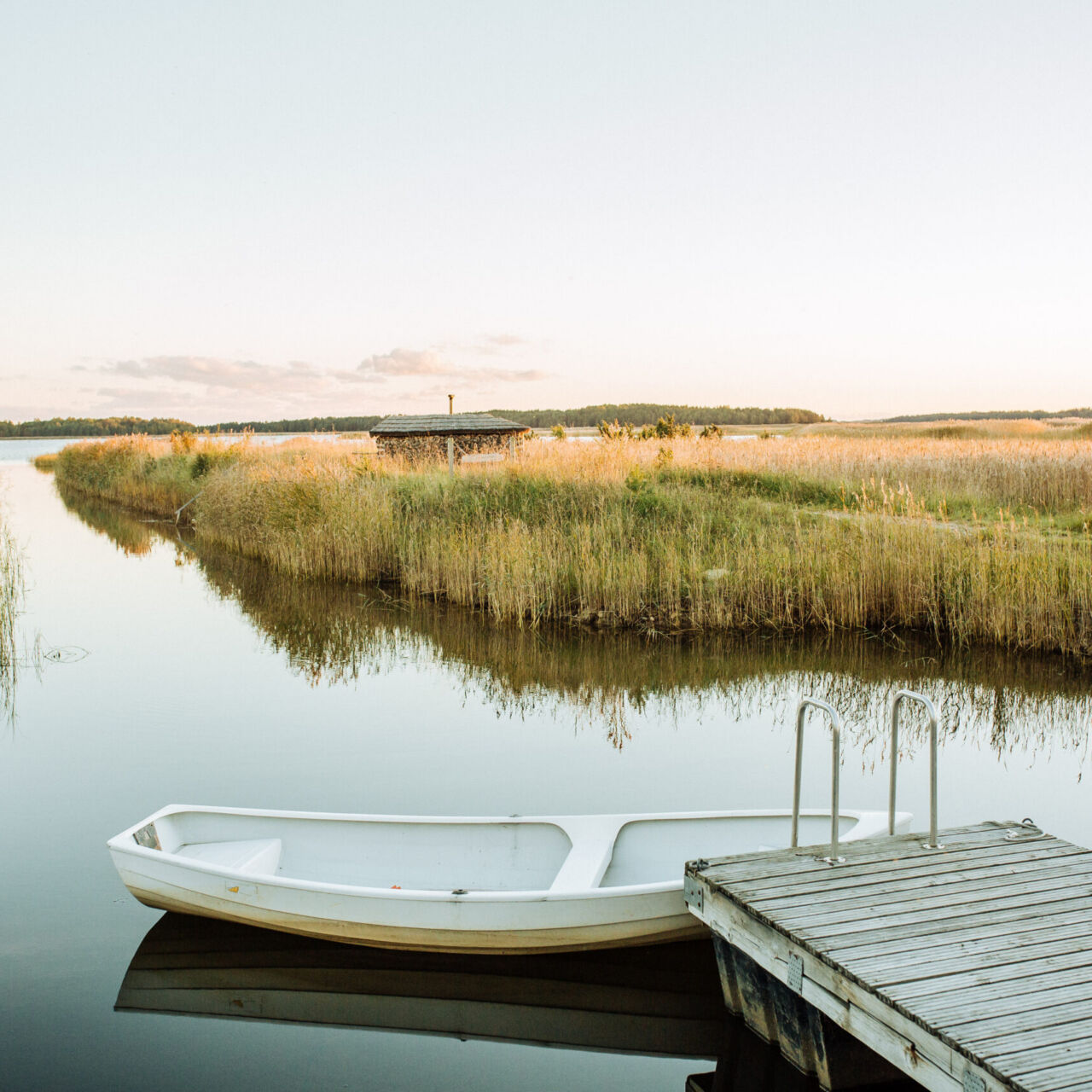
South Estonia has one of the most interesting inland waterway systems in the Baltics. The Emajõgi is Estonia’s only fully navigable river, running 100 kilometres from Lake Võrtsjärv through the centre of Tartu and out into Lake Peipsi. The main channel is marked with red and green buoys throughout.

With your own boat you can navigate the entire route from Lake Võrtsjärv through Tartu to Lake Peipsi, a journey that connects two of Estonia’s largest lakes via one of its most interesting cities. From Lake Peipsi you can explore the western shore, the Onion Road villages and the island of Piirissaar. Note that Lake Peipsi borders Russia – the EU boundary runs through the water, so staying on the Estonian side is important.

The Võhandu and Ahja rivers are better suited to canoes and kayaks than motorboats – shallow, winding and beautiful.

Good to know

  • Documented competence according to your flag state rules is required. If your boat has marine VHF radio, both a vessel licence and operator licence are needed
  •  Several small harbours along the Lake Peipsi shoreline are suitable for smaller vessels: Luunja, Mustvee, Räpina and Värska. Tartu is the main stop with better facilities on the Emajõgi itself
  • Fuel and services are available in Tartu
  • RMK maintains campfire sites and overnight spots along the Emajõgi banks
  • Lake Peipsi is large but shallow, average depth just 7 metres, and wind can make it rough quickly. Check conditions before heading out
  • Piirissaar is the only island on the Estonian side of Lake Peipsi, accessible by boat, a small Old Believer community lives there