• Explore
    • Nature
    • Culture
    • Food
    • Family
    • Activity
    • Blog
    Smoke sauna
    Weather and seasons
  • Plan
    • Accommodation
    • How to get here
    • Weather and seasons
    • Sustainability
    • Tourist info
    Discover South Estonia’s Most Beautiful Manors and Castles
    Top 20 Sights in South Estonia
  • For professionals
    • For professionals
    • Collaboration
    • News
    • Projects
    • Training
    • Repository
    • Community (opens in new tab)
    • Contacts
ENG
  • EnglishENG
  • EestiEST
  • LatviešuLAT
  • РусскийRUS
  • SuomiFIN
ENG
  • EnglishENG
  • EestiEST
  • LatviešuLAT
  • РусскийRUS
  • SuomiFIN
Popular searches:
Show all
  • History & Culture
  • Architecture and history

Serga Village Chapel

1, Setomaa vald, Võru maakond, 65334

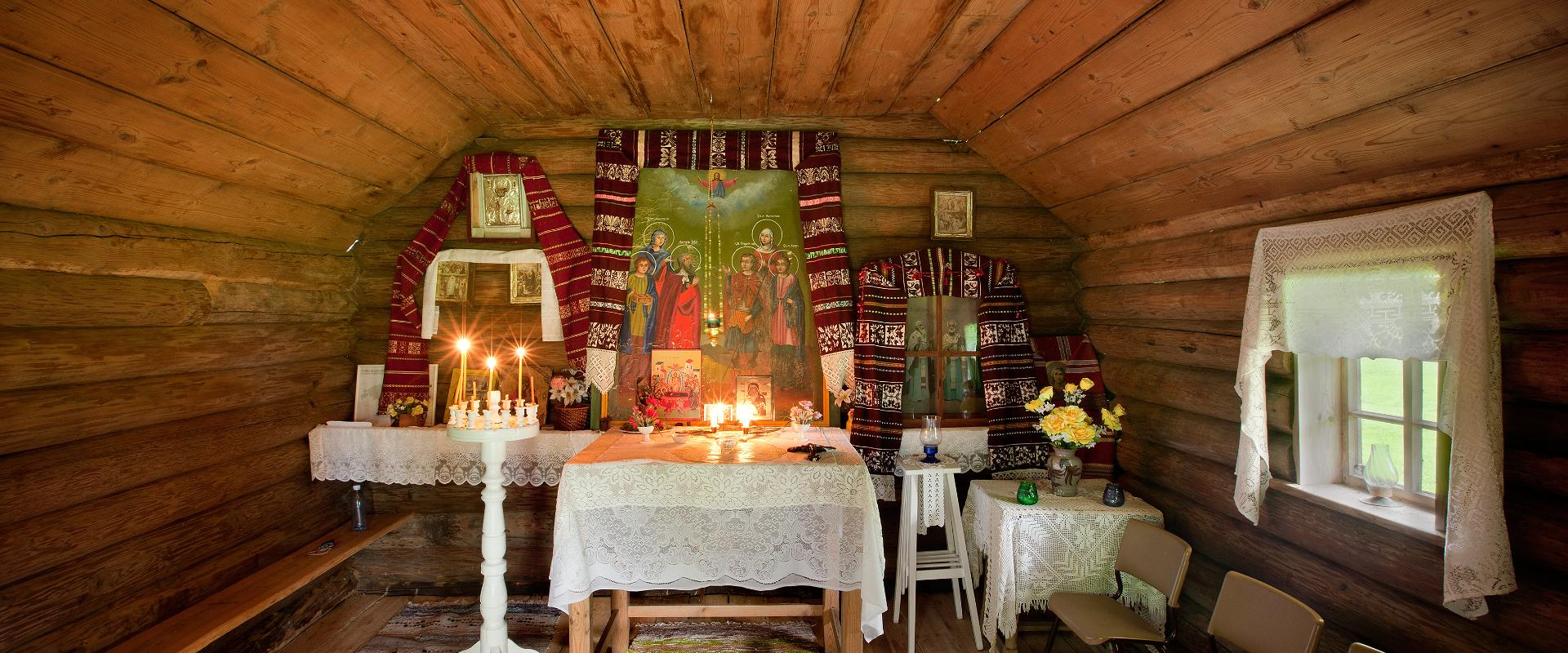
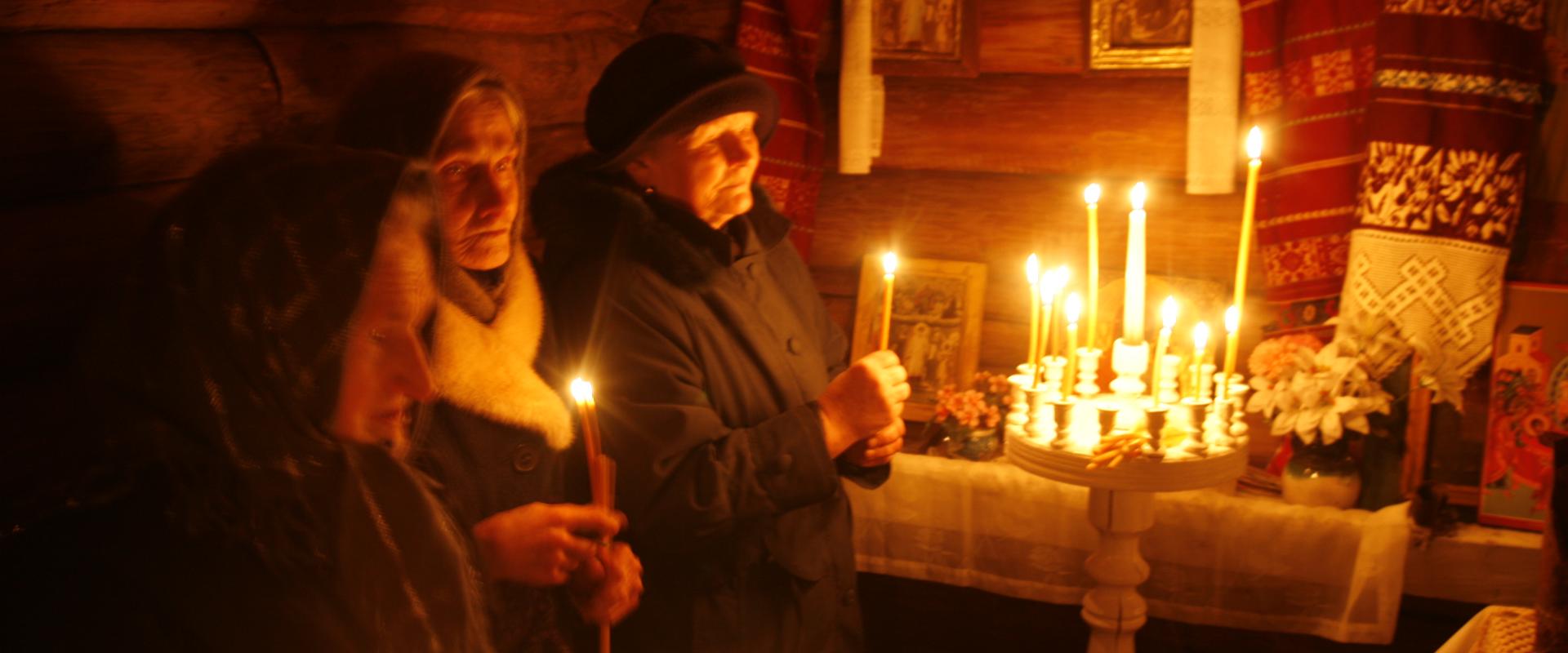
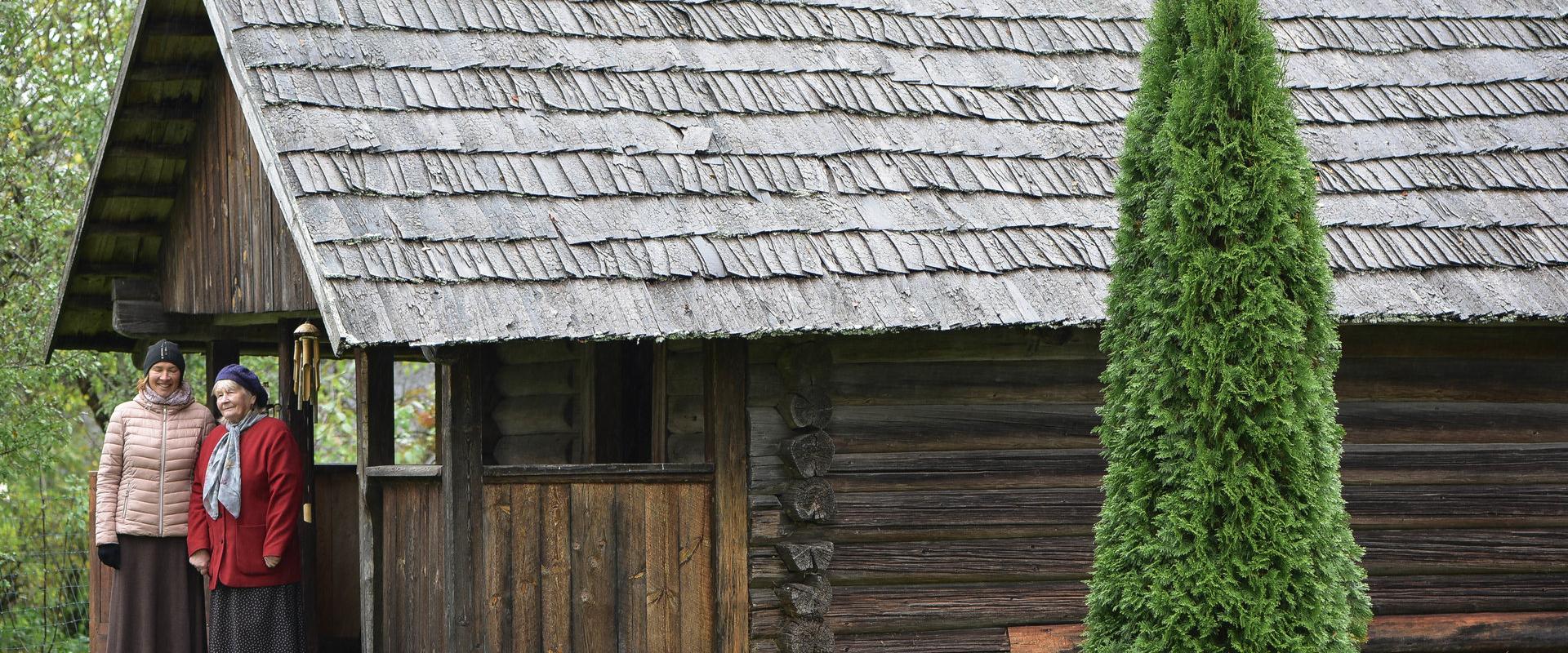
There is a small village chapel near the Estonian-Russian border, which the locals call a tsässon. According to dendrologists, the building was built in 1784. During the Second World War, the chapel was hit with a missile, which shifted the building away from its foundation. The missile can now be seen in the chapel.In 2007, the chapel was repaired and with the permission of the owner, you can also go into the chapel. The chapel holds several icons, decorated with beautiful handmade white-and-red kerchiefs.The saint of the chapel is Saint Anastasia, which is why the village celebrates Nahtsipäev on 11 November.
Amenities

  • Free parking

Open times

Throughout the Year

Eeltellimsel

Contact

  • +372 5682 1268
  • turism@setomaa.ee

Links

See more

  • Workshops

Craft paper workshop in TYPA

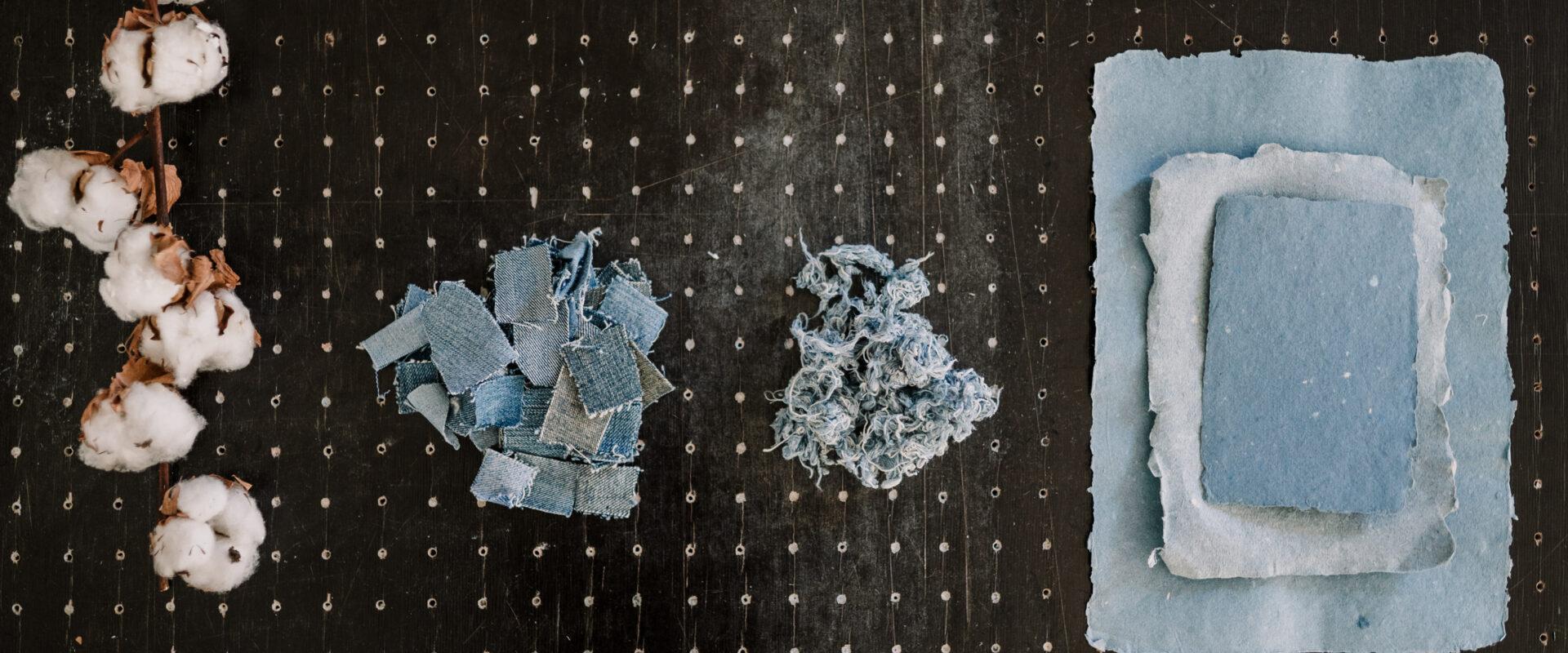
The art of papermaking began 2,000 years ago in China. In our craft paper workshop, you can learn how to make paper from recycled materials, as was done centuries ago. You can put flowers or other design elements inside the paper, and give the finished paper a lacy pattern under the press or make it mirror-smooth between the metal plates.In the workshop, we will give an overview of different techniques and possibilities. Each participant can make three sheets of craft paper (A5 format).

  • Sculptures

Sculpture of Oscar Wilde and Eduard Vilde

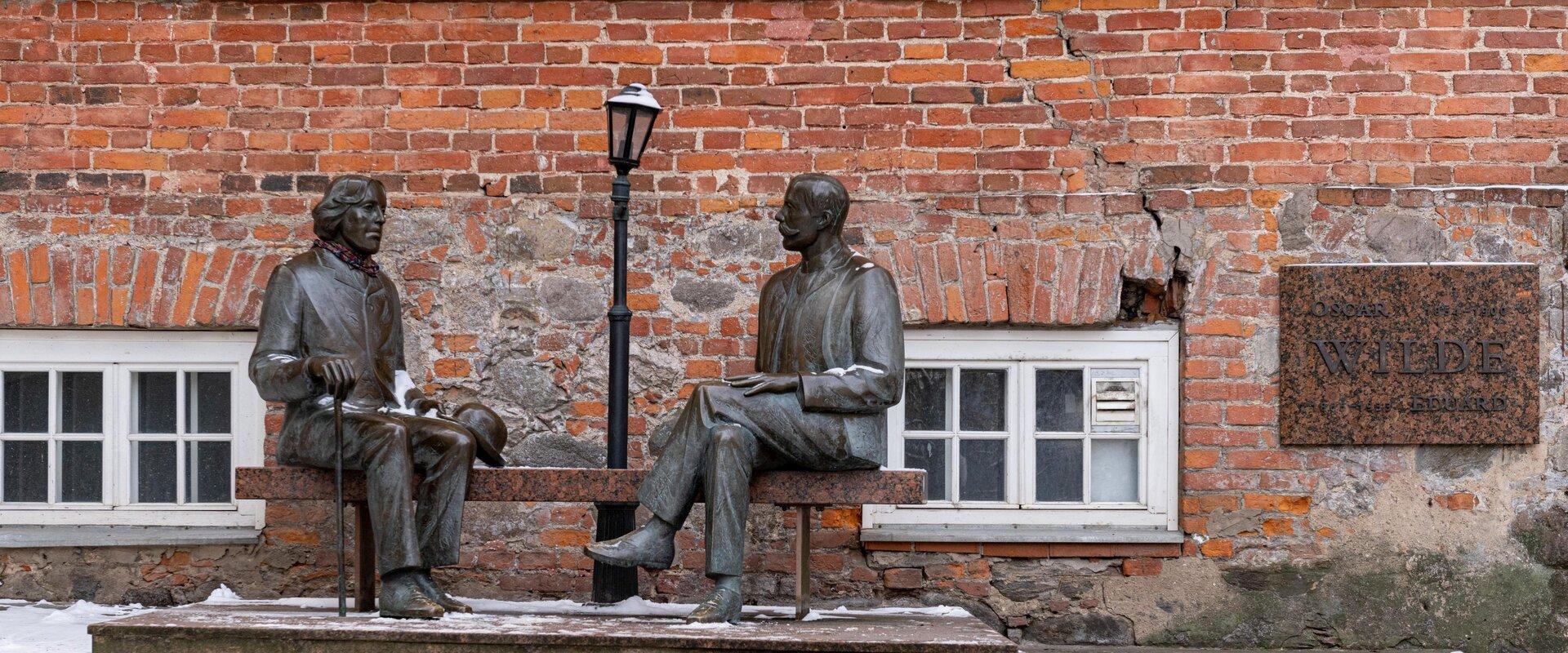
A sculpture created in Tartu's Old Town in 1999 depicts a fun speculation about the history of literature. Sitting on a bench are contemporaries and namesakes, or the two Wildes: Irish-born writer Oscar Wilde (1854-1900) and Estonian writer Eduard Vilde (1865-1933). Sculptor Tiiu Kirsipuu, who modeled the figures of the writers based on photographs, has noted that when creating the twin figures, she had in mind the year 1890, when the two Wildes could have really met each other and had a few witty words. The sculpture symbolizes friendship and intercultural dialogue. The sculpture of the two writers is located in front of the former Mattiesen printing house, one of Tartu's architectural monuments, which now houses the wine and art restaurant Vilde ja Vine. The statue is a beloved landmark among both locals and visitors. Sitting on the bench next to the writers allows you to take nice pictures as a souvenir of your visit to Tartu. In 2004, a copy of the sculpture was also donated to the city of Galway in Ireland, where the paternal family of literary classic Oscar Wilde came from.

  • Guided tours

The National Piano Museum

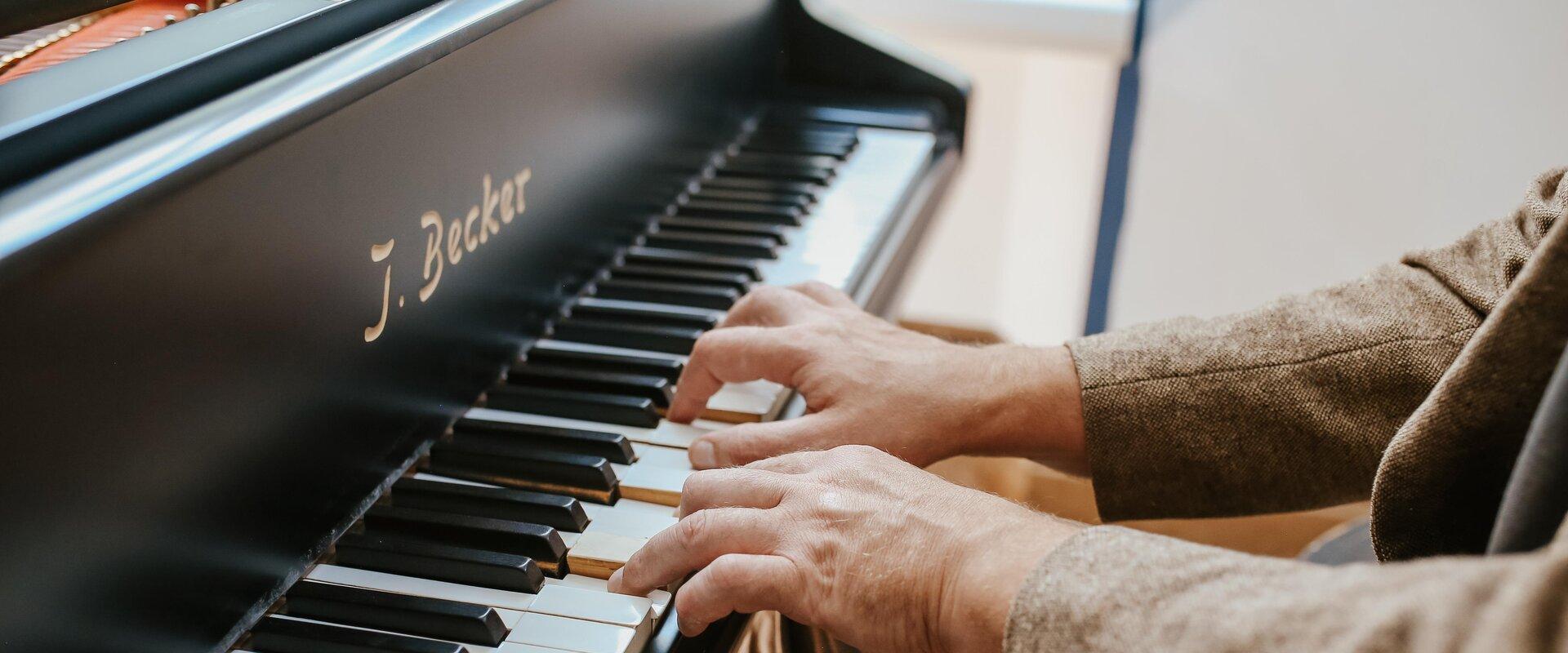
The National Piano Museum is located in a special building - the historic Holdre Manor.The Art Nouveau-style main building, with its Heimat-style influences, was erected around 1910 during the time of Woldemar von Ditmar. Previously, the manor centre had not been built in a representative style. The architect of the building was Otto Wildau, who also designed the nearby Taagepera and Karksi manor buildings. The aim of the National Piano Museum is to collect as complete a collection of Estonian pianos as possible.By prior arrangement, we offer a musical guided tour with Alo Põldmäe, a composer, singer and music educator who is in charge of the Piano Museum.

  • Estonian handicraft
  • Estonian design

University of Tartu Museum, Toompood shop

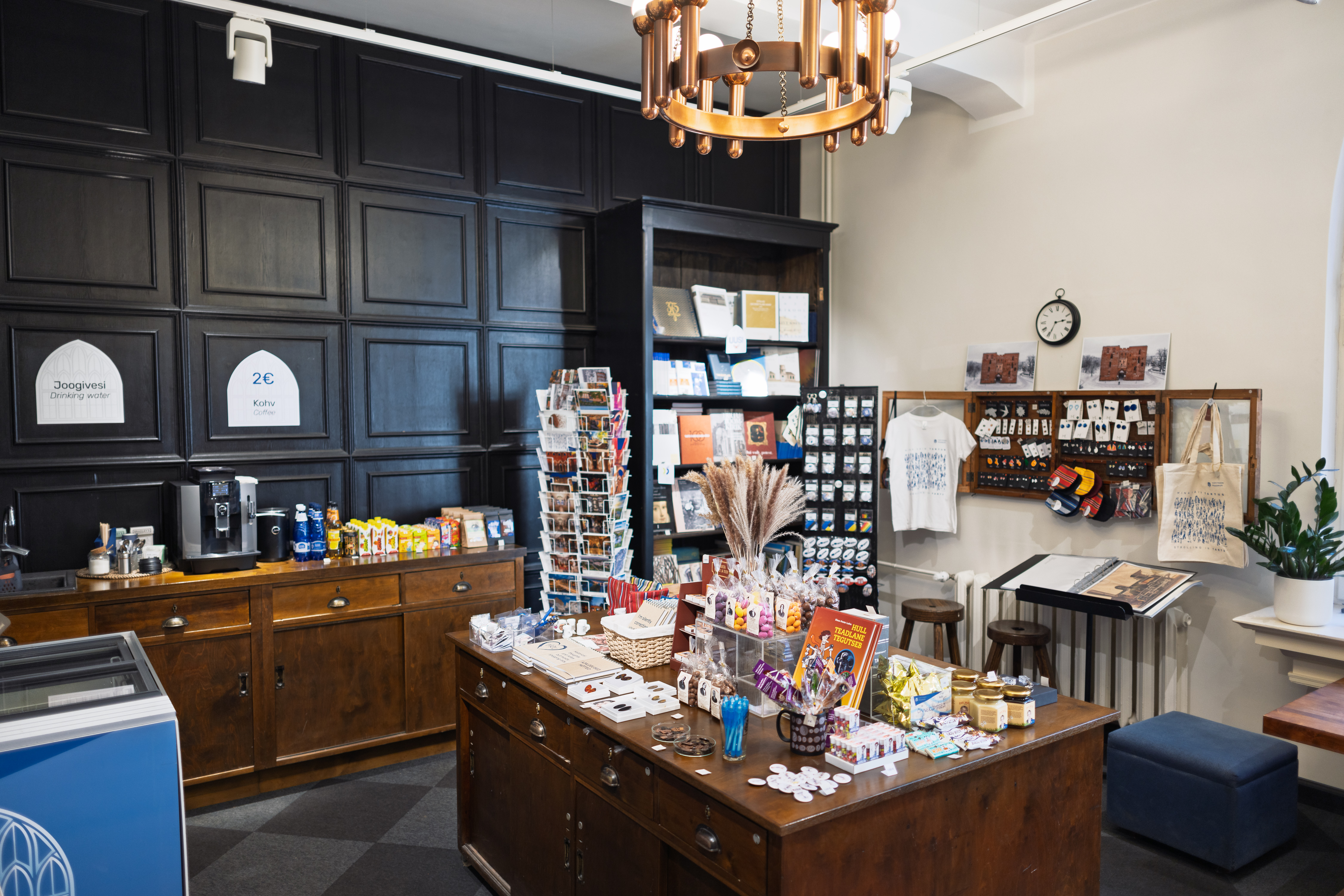
The Toompood is located on the first floor of the University of Tartu Museum. The museum shop sells books about Toomemäe and Tartu Cathedral, the University of Tartu today and in the past, and scientific achievements, in addition to souvenirs, jewelry, and much more. Design and science enthusiasts can find lovely souvenirs in the museum shop as keepsakes for themselves or gifts for loved ones. The selection includes jewelry created by local designers, toys, and souvenirs with a message suitable for culture enthusiasts. For those with a sweet tooth, we offer handmade chocolate and honey. There are souvenirs in every price range, and many of the products are Estonian.

Linocut workshop in TYPA

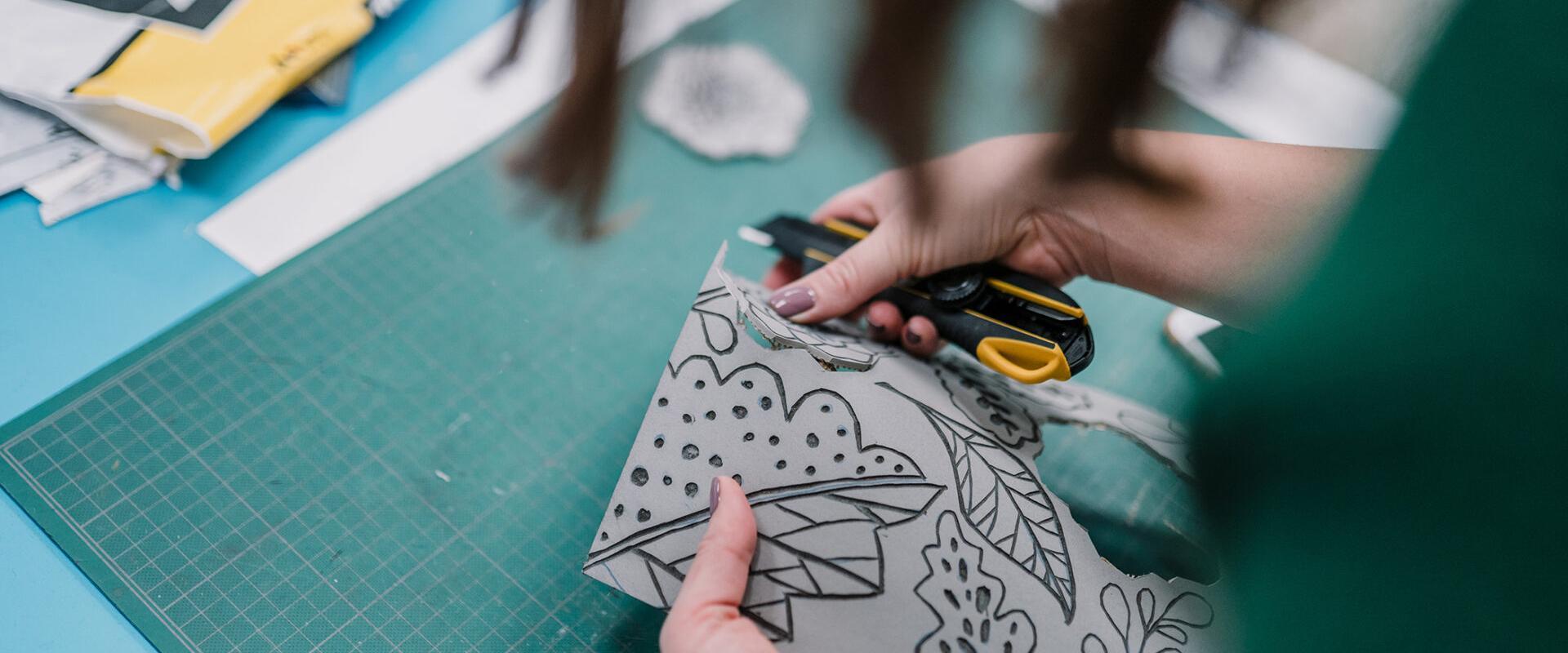
Linocut is one of the simplest classic graphic techniques where the printing form is cut out of linoleum by hand. In the workshop, each participant prepares a printing plate in linocut technique based on their own design. You can use the finished printing plate repeatedly and print greeting cards, notebook covers, and beautiful pictures. You can get all the materials from us, but we recommend thinking about your design or searching the Internet for inspiration beforehand. The image should have strong contrasts and clear lines, such as black and white, because linocutting cannot be used for smooth colour transitions.

Võru Institute – the home of Võro language

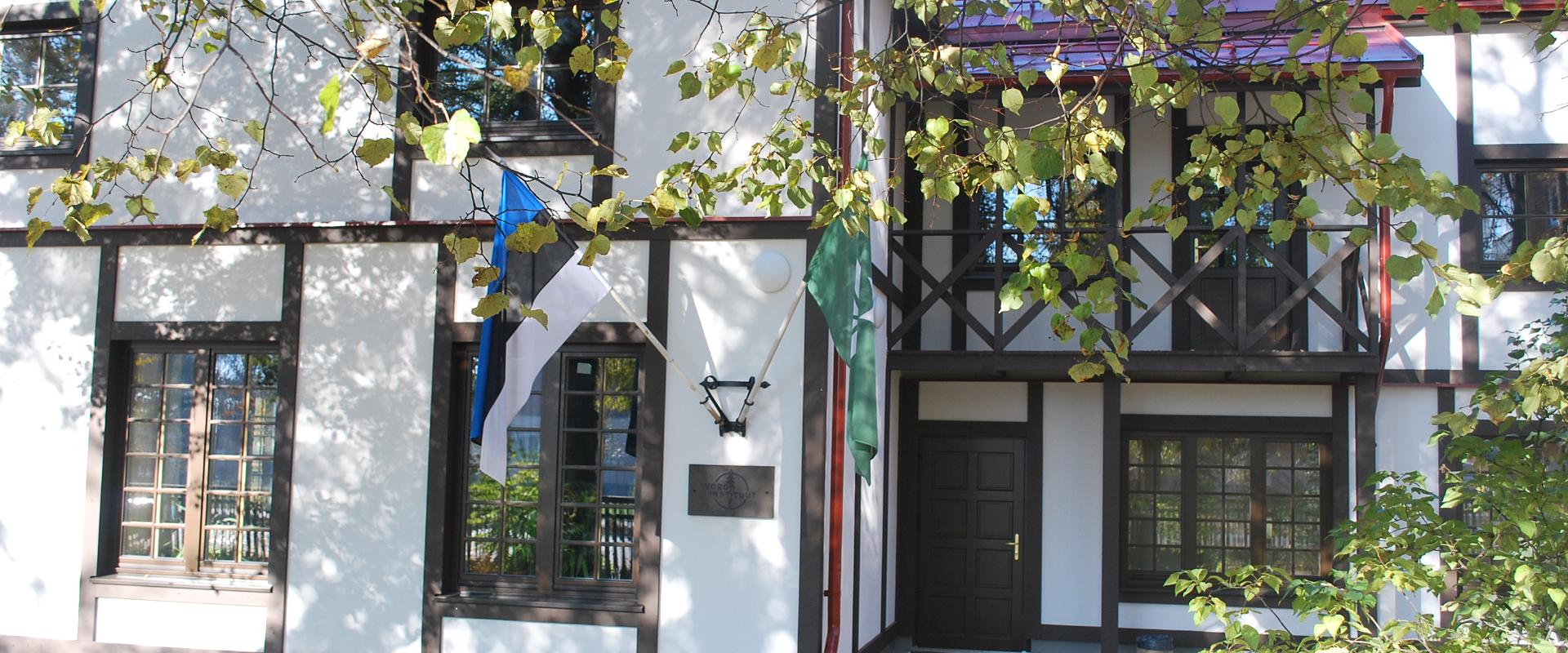
Võru Institute is the creative home of Võro language and culture: here, you can ask about the language and customs of Võro. There is an exhibition sale of books in the Võro language. The e-shop Umapuut of Old-Võromaa sells books in the Võro language, CDs with Võro songs, a wide selection of local crafts, and souvenirs with Võro symbols. If you wish, you can order a short course of the Võro language as well as lectures or presentations on the Võro language and cultural space at the institute.To learn about the cultural heritage of Old-Võromaa, first visit the local museums, which open the doors to the local culture. The museums have permanent exhibitions, theme days, and workshops.

Leevaku Hydroelectric Power Station and Museum

The power of the flowing waters of the river Võhandu has been harnessed in Leevaku since 1835, when the first mill was constructed here. In the early 20th century, there was a flour and timber mill here, as well as a wool factory. Clay pottery was also made. Leevaku hydroelectric power station was destroyed during World War II. In 1947, it was restored as a joint project of the young people of Võrumaa. It was closed two decades later and re-opened in 1993.During the summer, a museum is opened at the power station. You can find out about the history of the station, as well as that of Leevaku, and see how Soviet-era electricity meters worked.Tourist groups can book a visit outside schedule in advance by phone.

  • Manors

Pajusi manor

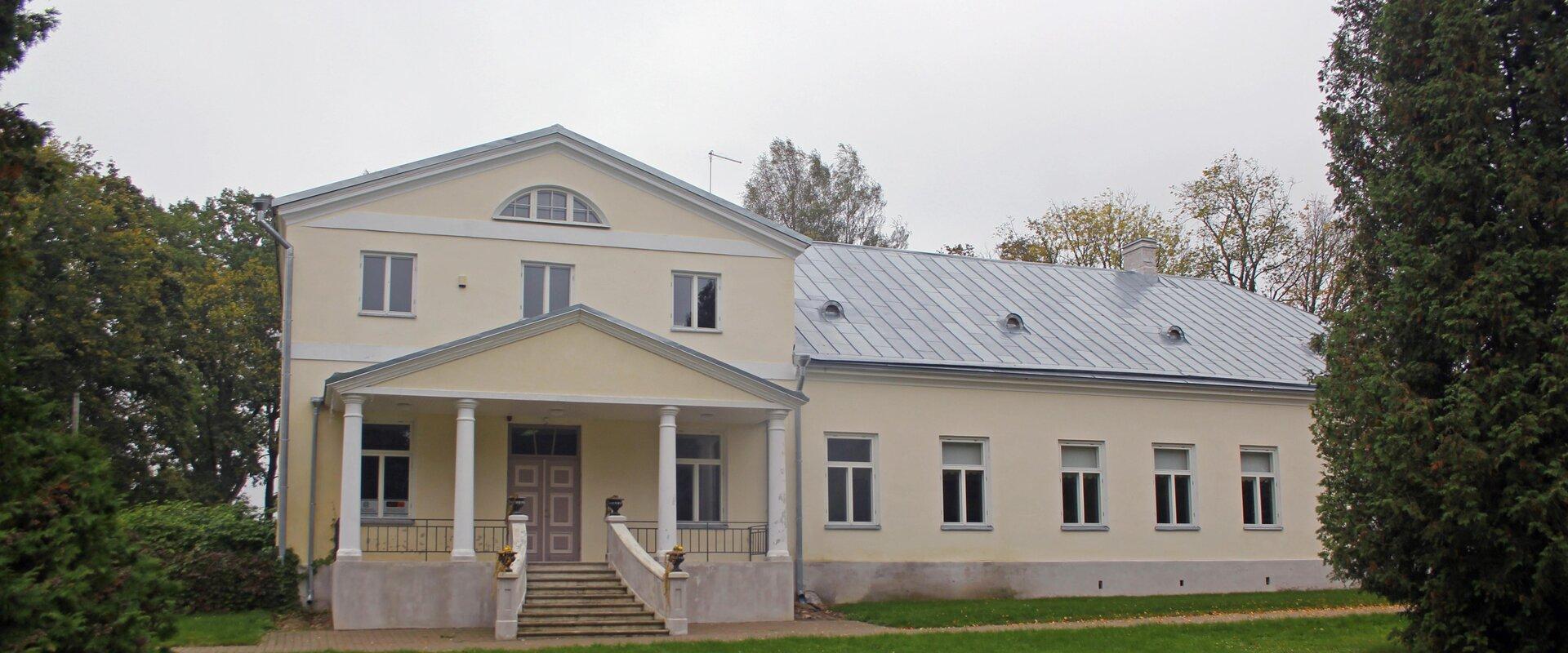
Pajusi manor was constructed in the 17th century. Its long, stone main building in Classicist style is thought to have been erected in the early 19th century. It was one-storey; only the central section was adorned with a small upper floor, which bears a distinct decorative window. In addition to the main building, the manor as a whole includes a number of other buildings and a large park. Did you know...? *Remaining of the main building of the manor are its central part and right-hand wing, which is home to Pajusi Community Centre

  • Collaboration
  • News
  • Contacts
  • Privacy Policy
Join our mailing list!

"*" indicates required fields

This field is for validation purposes and should be left unchanged.
I authorise marketing

South Estonia Tourism Cluster

info@visitsouthestonia.com