• Открой
    • Еда
    • Природа
    • Культура
    • Семья
    • Спорт
    • Сообщество
    • Блог
    У Вас появились свободные выходные, чтобы провести с детьми? Здесь собраны лучшие места в Южной Эстонии для семейного отдыха
  • Планируй
    • Размещение
    • Информация
    • Varamu
    Sustainability
RUS
  • РусскийRUS
  • EestiEST
  • EnglishENG
  • LatviešuLAT
  • SuomiFIN
RUS
  • РусскийRUS
  • EestiEST
  • EnglishENG
  • LatviešuLAT
  • SuomiFIN
Populaarsed otsingud:
Näita kõiki tulemusi
  • History & Culture
  • Architecture and history

Serga Village Chapel

1, Setomaa vald, Võru maakond, 65334

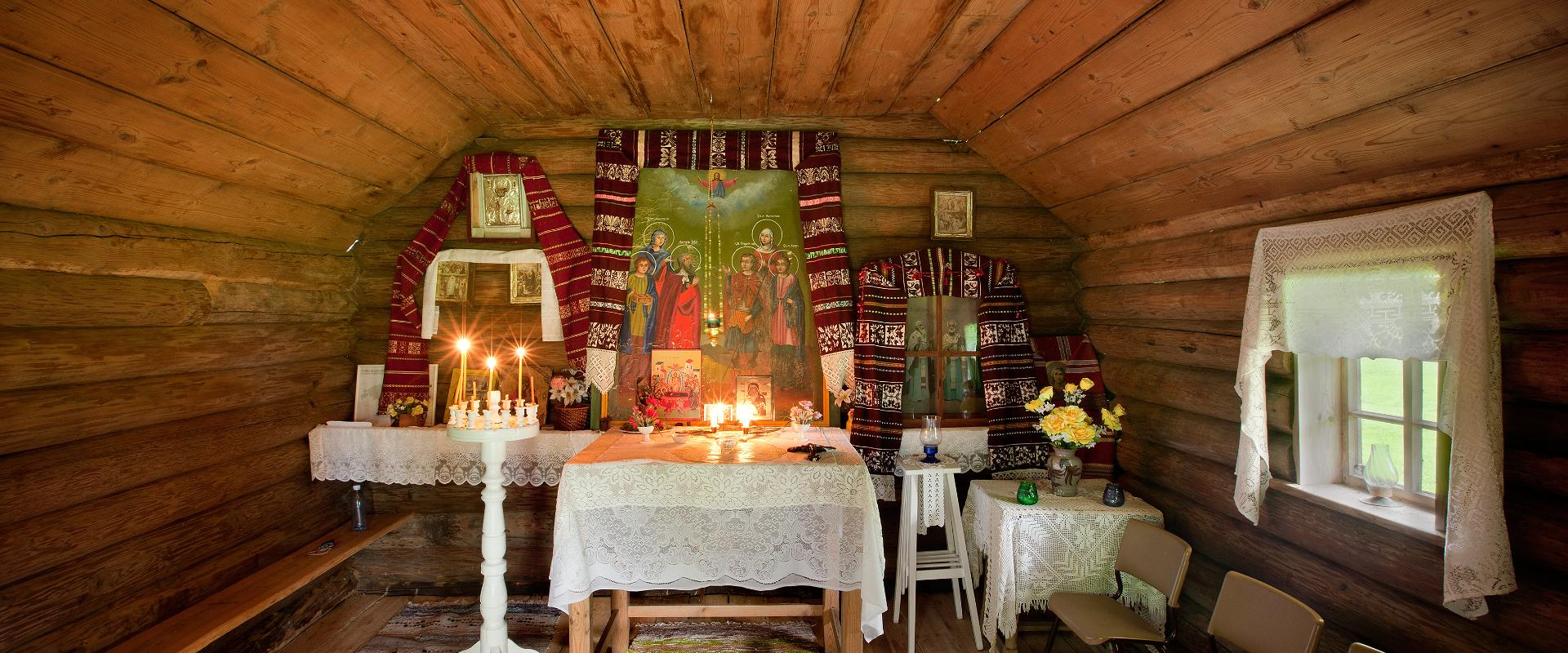
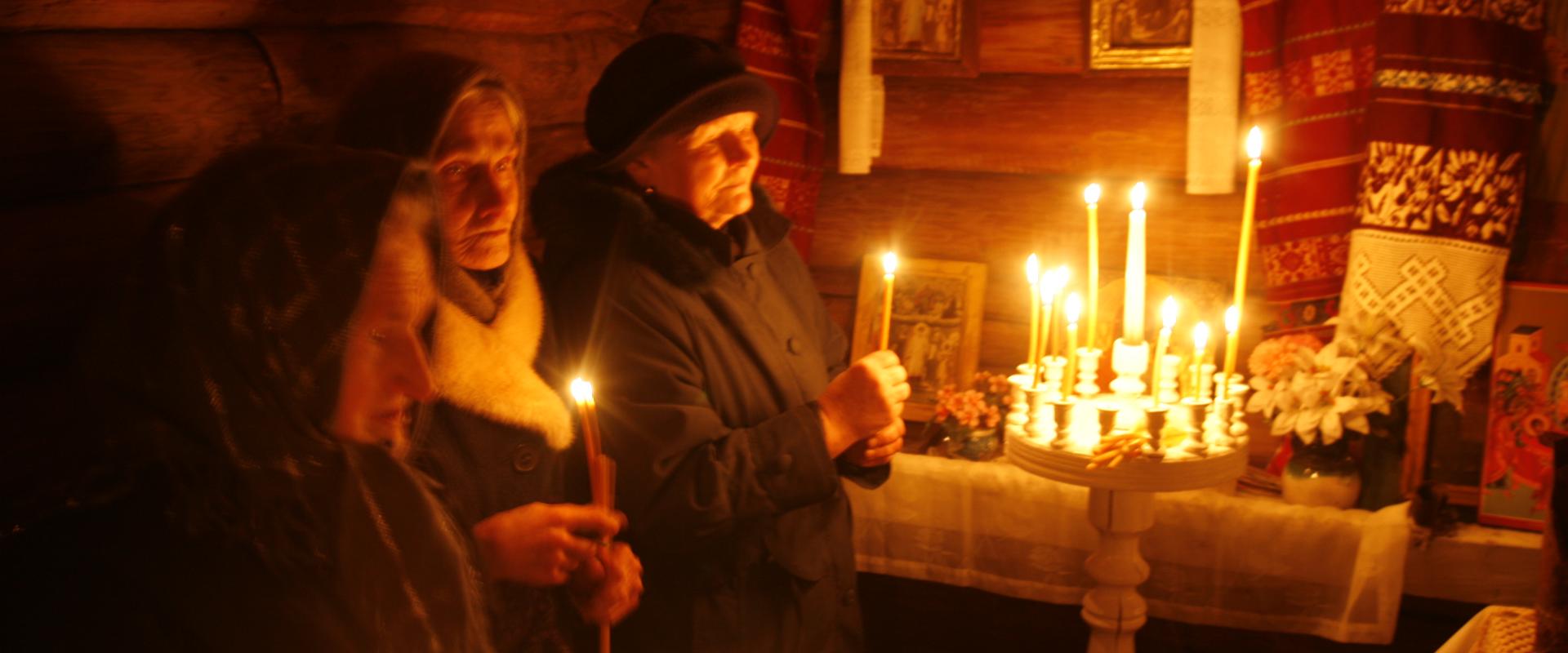
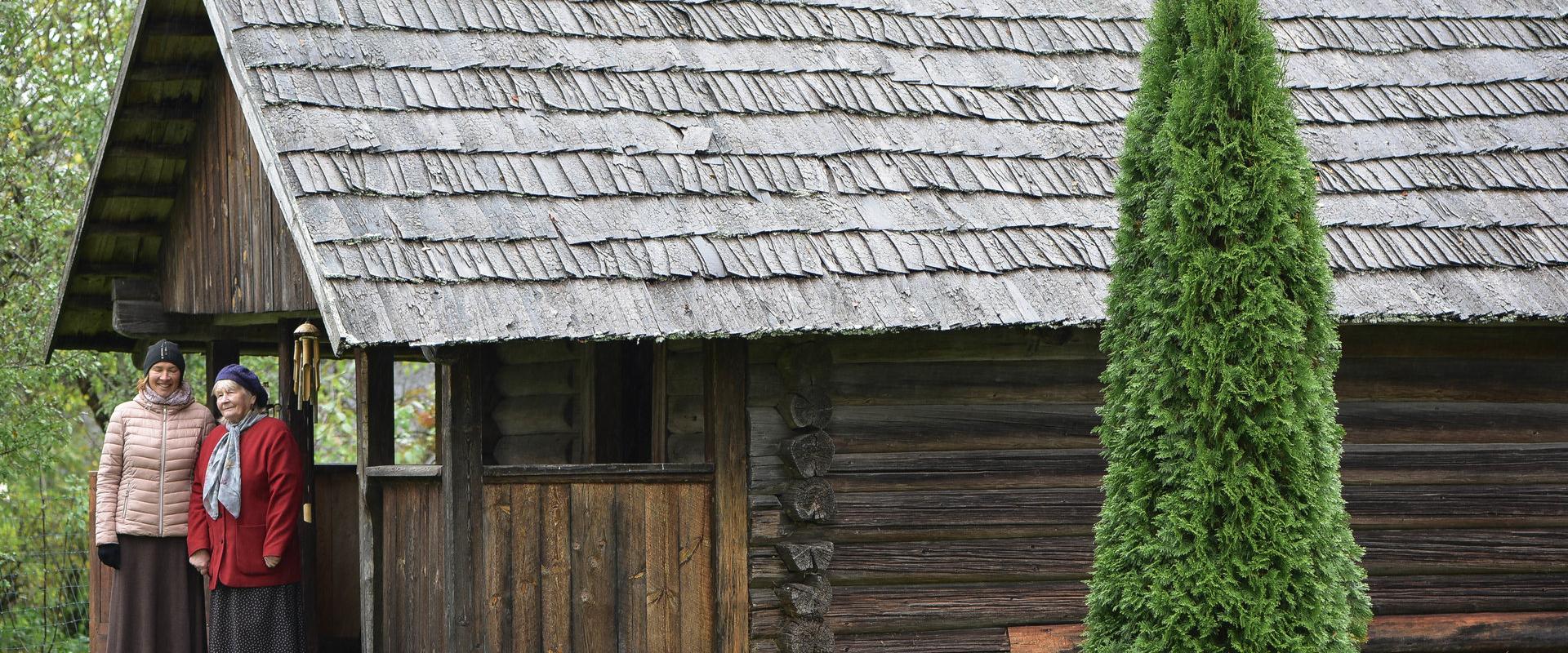
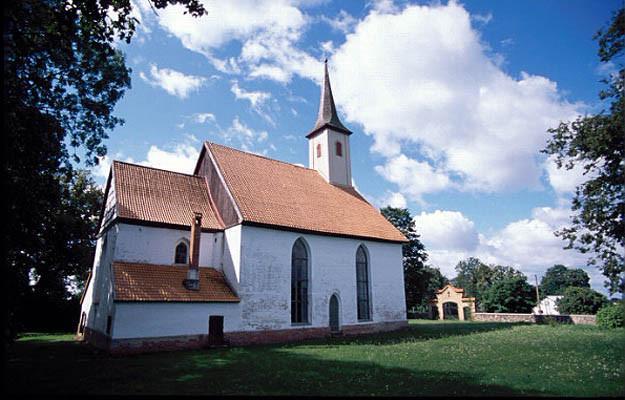
There is a small village chapel near the Estonian-Russian border, which the locals call a tsässon. According to dendrologists, the building was built in 1784. During the Second World War, the chapel was hit with a missile, which shifted the building away from its foundation. The missile can now be seen in the chapel.In 2007, the chapel was repaired and with the permission of the owner, you can also go into the chapel. The chapel holds several icons, decorated with beautiful handmade white-and-red kerchiefs.The saint of the chapel is Saint Anastasia, which is why the village celebrates Nahtsipäev on 11 November.
Mugavused

  • Free parking

Часы работы

Круглый год

По предварительному заказу

Контакты

  • +372 5682 1268
  • turism@setomaa.ee

Ссылки

Подробнее

Alo Mattiisen’s piano classroom

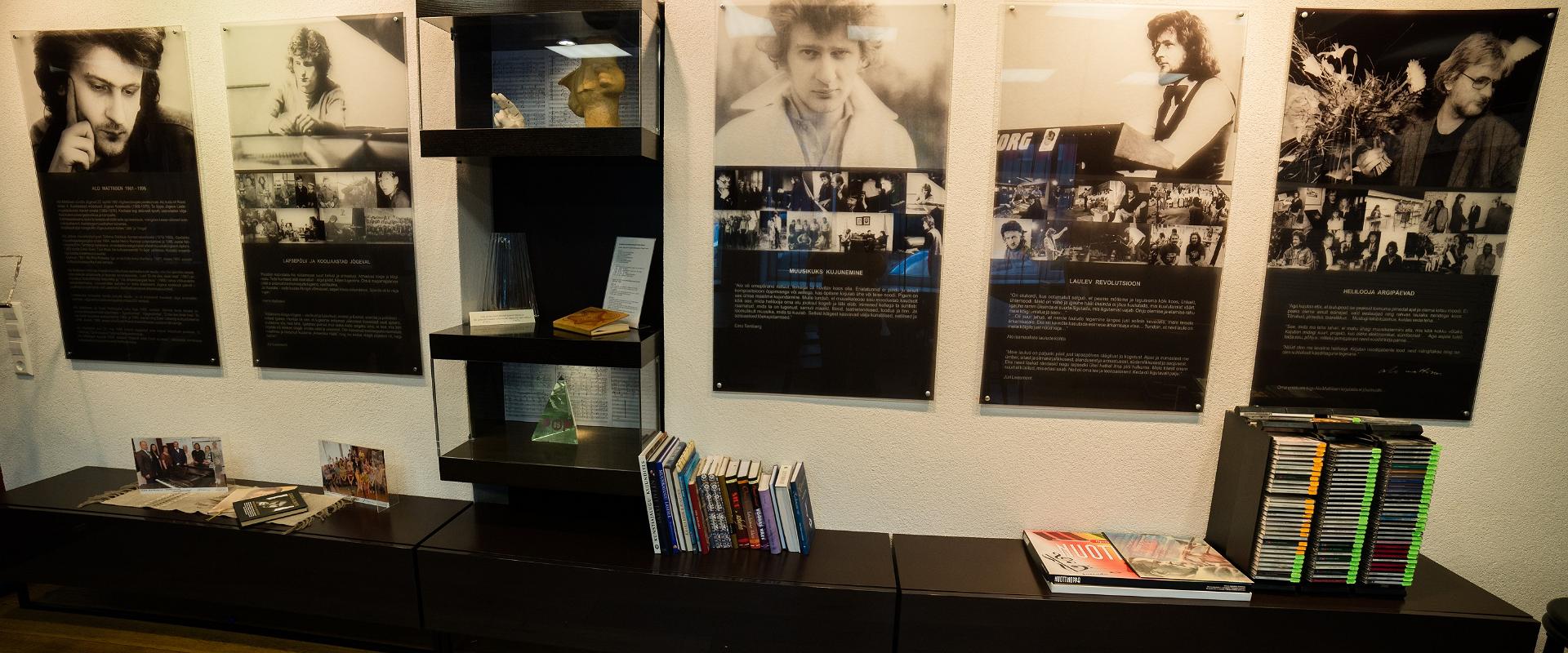
In the centre of the town, at Jõgeva Music School, where Alo Mattiisen studied, a memorial was unveiled to mark his 45th birthday. Five years later, in 2011, his piano classroom was also completed to celebrate his 50th birthday. It features his fully restored piano and a display of the composer's personal items. The classroom can be used to host small concerts, training sessions, conferences and music lessons.

  • Churches

Rannu St Martin’s Church of the Estonian Evangelical Lutheran Church

The church dedicated to St. Martin is located on the Estonian Pilgrim Route, which starts from Pirita Monastery and ends at the Vana-Vastseliina Episcopal Castle. There is also a prayer bench in the churchyard.Come and see one of the oldest parish churches in Estonia. You can also can go to the spire, which offers a unique view of the beautiful Lake Võrtsjärv and the surroundings.Good to know:• The Church participates in the Wayfarers Churches and the Night of Churches projects.• The night battle from the feature film Names on a Marble Slab (2002) was filmed in Rannu Church garden.You can visit the church on Sundays during the service or by prior arrangement.

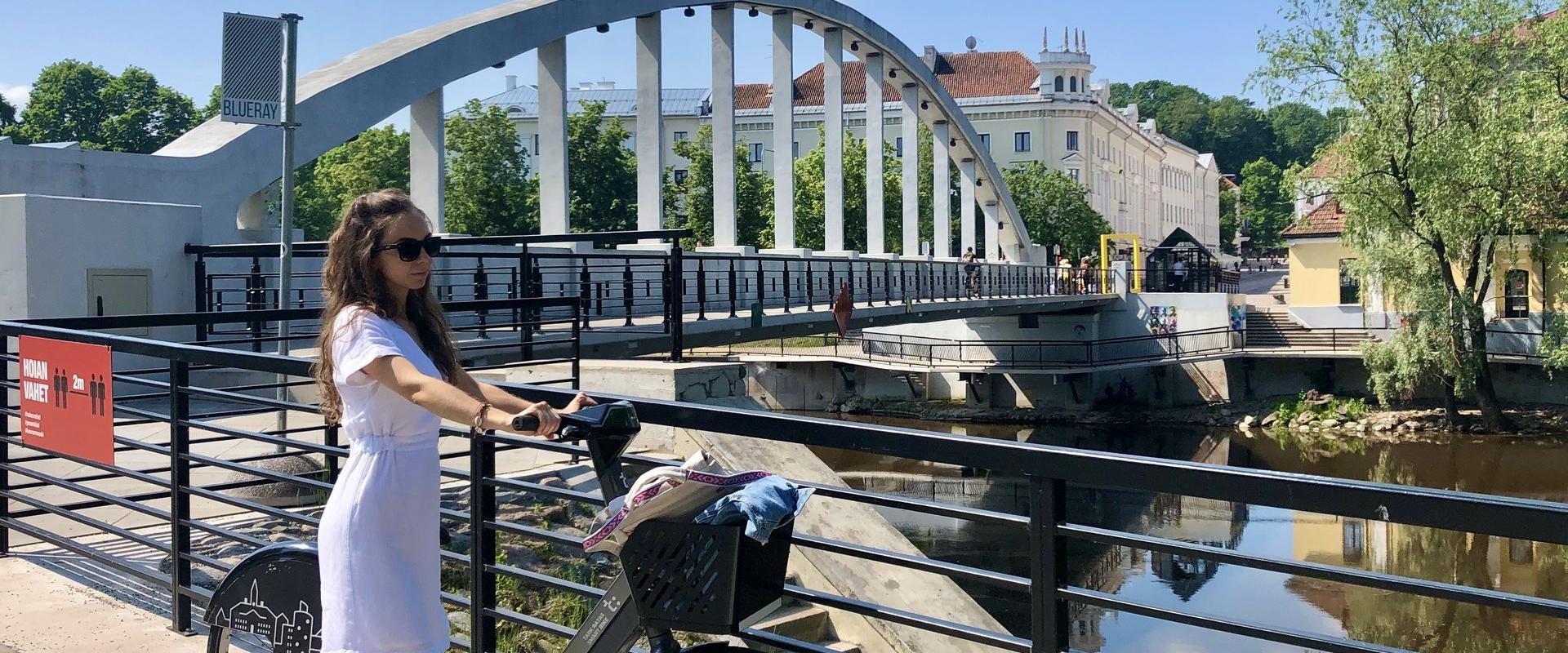
Arch Bridge (Kaarsild)

Arch Bridge (Kaarsild) is a pedestrian bridge between the city centre and the Ülejõe district. It was built in 1957–1959 to replace the former Kivisild bridge, on the foundations of its abutments. Before the bridge was completed, a long rowing boat was used to regularly transport people over the river in the 1950s.The bridge was renovated in 2017. In the dark, the bridge is illuminated and additionally, musical works, accompanied by a light show, can be seen that are synchronised with the bell ringing of the town hall. The sound and light design is a unique public space project of its kind in Estonia.Next to the bridge, there is also a model of the Kivisild bridge that was destroyed in World War II.

  • Estonian handicraft

Anni Boutique

You will find real Estonian handicrafts in Anni Boutique. We are sure that you will find something that you like in our little crafts store, as the selection is wide. We also offer local and Estonian souvenirs, various handicraft accessories, and the possibility to order folk costumes.Anni Boutique is easy to find – we are located in the centre of Otepää, right at the corner of the Lipuväljak square next to the Estonian flagpole, across the road in a red house. Our second point of sale is in the lobby of Pühajärve Spa & Holiday Resort!Come and take a look at the work of our craftsmen!

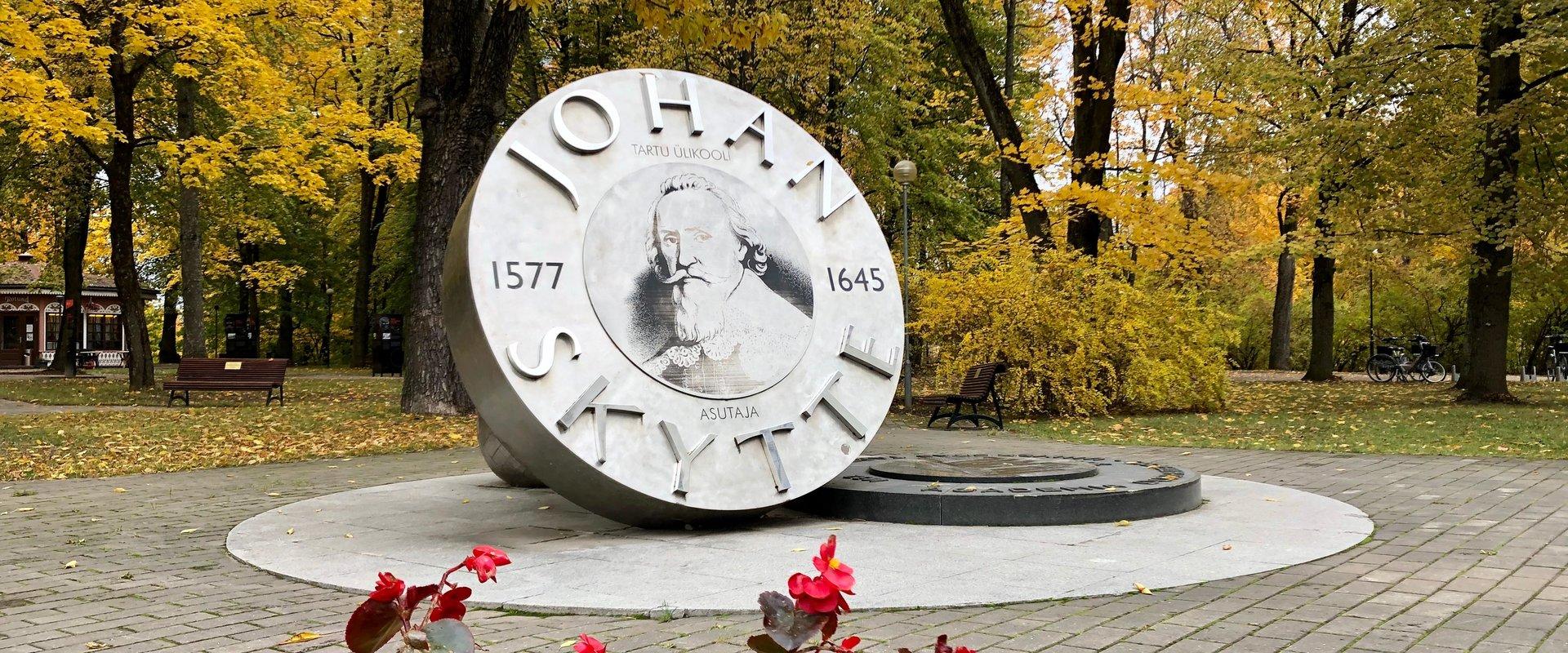
Monument to Johan Skytte

Johan Skytte was a Swedish state official and a teacher and advisor to King Gustav II Adolf of Sweden. Skytte was the initiator of the idea of establishing the University of Tartu, the creator of its privileges, and the first chancellor.The monument to Johan Skytte was opened on the 375th anniversary of the University of Tartu and is located in front of the Supreme Court building.The authors of the seal-shaped monument are Tiiu Kirsipuu and architect Ain Rööpson.

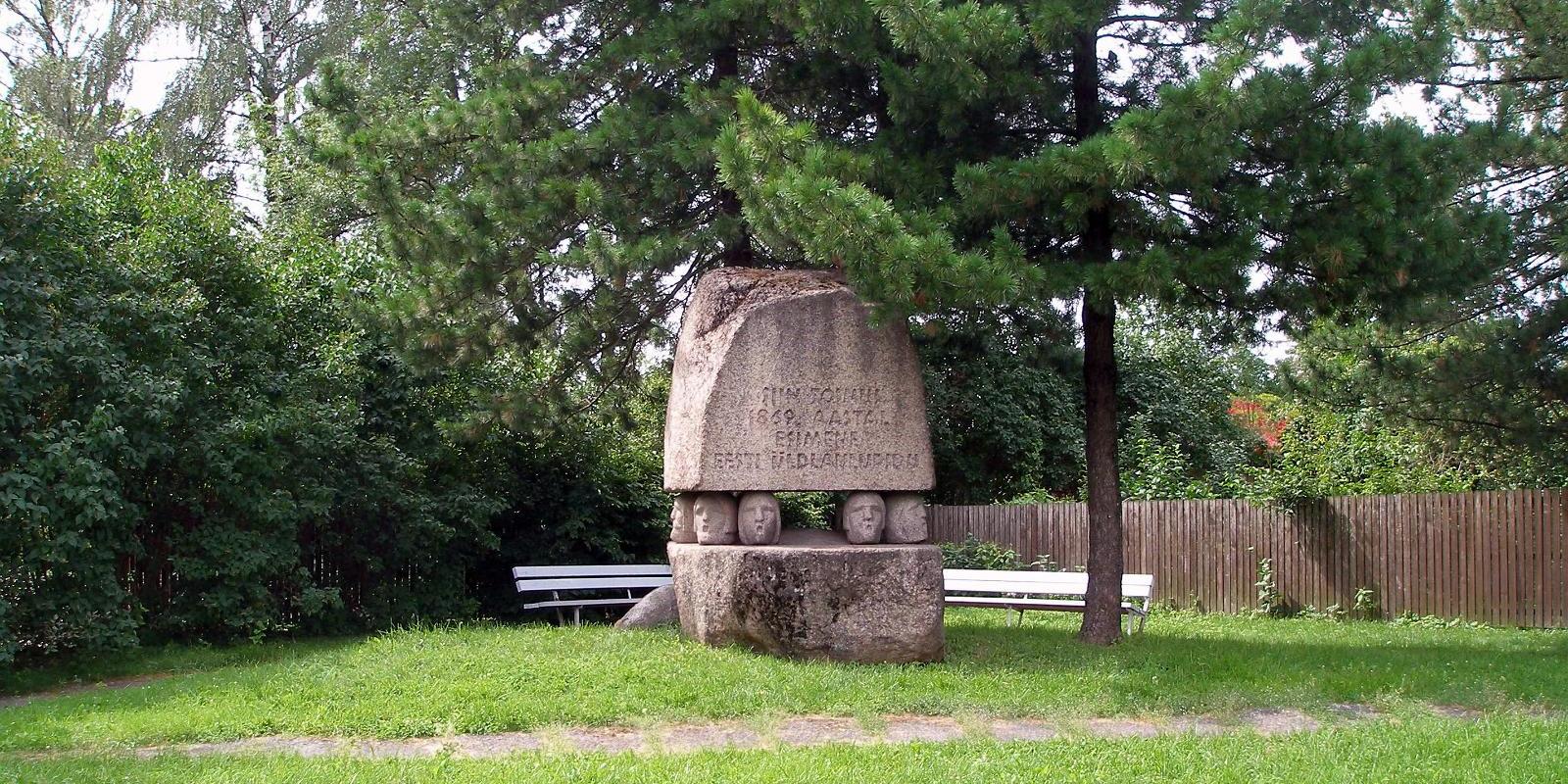
Memorial stone to the first Estonian Song Festival

The memorial stone to the first Estonian song festival was unveiled on the 125th anniversary of the festival in 1994. It was designed by Mati Karmin.Between the two millstones (czarist power and hard work and austerity), the heads are like grains that are being ground. They sing despite the pressure (Mati Karmin XL, 2019).The first song festival was held in Tartu from 18–20 June 1869. It was opened in Toomeoru but mainly took place in the gardens of the Ressourc society opposite St Peter’s Church, which enjoyed beautiful views over the town and the Emajõgi River. The festival was attended by 46 choirs, involving almost 800 male singers and four brass bands. Almost 15,000 people attended the festival.

  • Manors

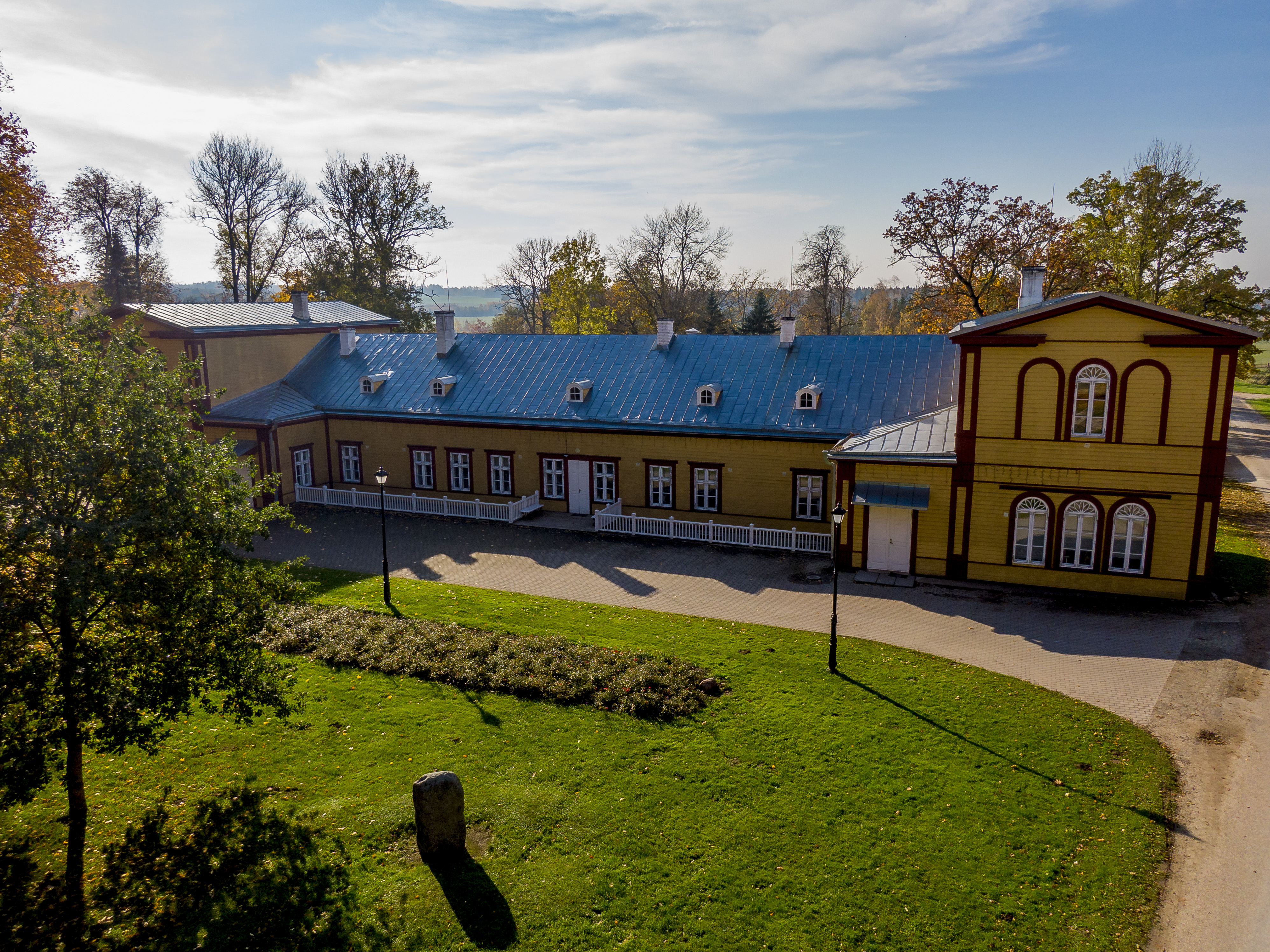
Palupera Manor Complex and the Yellow Window of National Geographic

The earliest records of the Palupera Knight Manor date back to 1582. In the sixteenth and seventeenth century, the manor belonged to the von Dückers, Bronskies, and von Fersens. The manor remained the property of the von Bruiningks for a longer time, so their family cemetery is located near the heart of the manor. Several buildings have been preserved from the complex, which have been preserved under heritage protection.On 28 September 2019, the first Yellow Window of National Geographic in Elva rural municipality was opened at the Palupera Manor. Palupera’s yellow window is innovative in that it is the first window to have a special visitor counter installed to it.

  • Lighthouses

Nina blockfield or Kalevipoeg’s Bridge

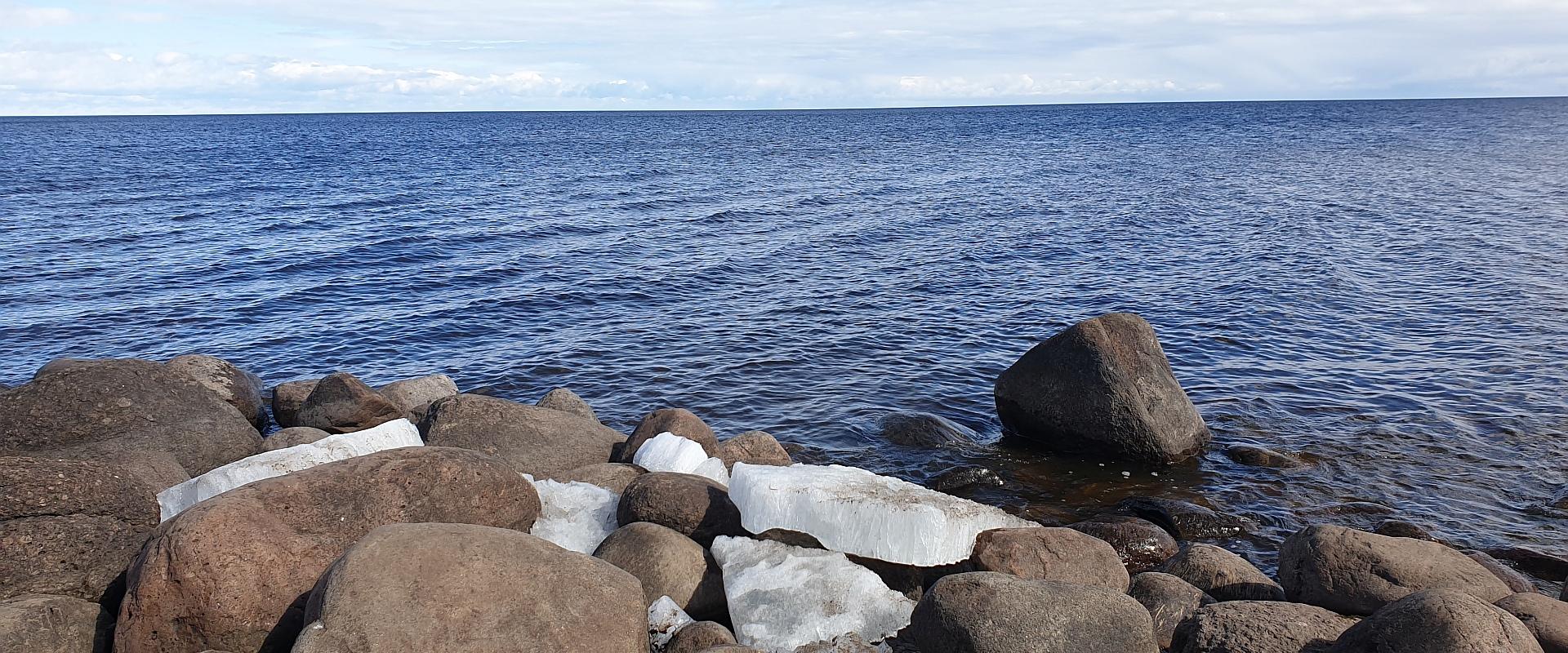
The village of Nina (‘nose’) gets its name from the nose-shaped shoreline reaching the lake. It is a stone ridge heading into the lake, which is popularly called the Kalevipoeg Bridge. According to legend, Kalevipoeg started to build a bridge to go to Russia, but the devil demolished the bridge. Kalevipoeg was very tired and decided to walk through the lake, where the water reached his upper body. The remains of the bridge or the stone blockfield can still be seen. The stone blockfield, which is located both on the beach and in lake water, covers an area of 0.7 ha.The village of Nina is known for its icebergs.

  • Privacy Policy

"*"обозначает обязательные поля

Это поле используется для проверочных целей, его следует оставить без изменений.
Я разрешаю маркетинг