• Explore
    • Nature
    • Culture
    • Food
    • Family
    • Activity
    • Blog
    Smoke sauna
    Weather and seasons
  • Plan
    • Accommodation
    • How to get here
    • Weather and seasons
    • Sustainability
    • Tourist info
    Discover South Estonia’s Most Beautiful Manors and Castles
    Top 20 Sights in South Estonia
  • For professionals
    • For professionals
    • Collaboration
    • News
    • Projects
    • Training
    • Repository
    • Community (opens in new tab)
    • Contacts
ENG
  • EnglishENG
  • EestiEST
  • LatviešuLAT
  • РусскийRUS
  • SuomiFIN
ENG
  • EnglishENG
  • EestiEST
  • LatviešuLAT
  • РусскийRUS
  • SuomiFIN
Popular searches:
Show all
  • History & Culture
  • Architecture and history
  • Manors

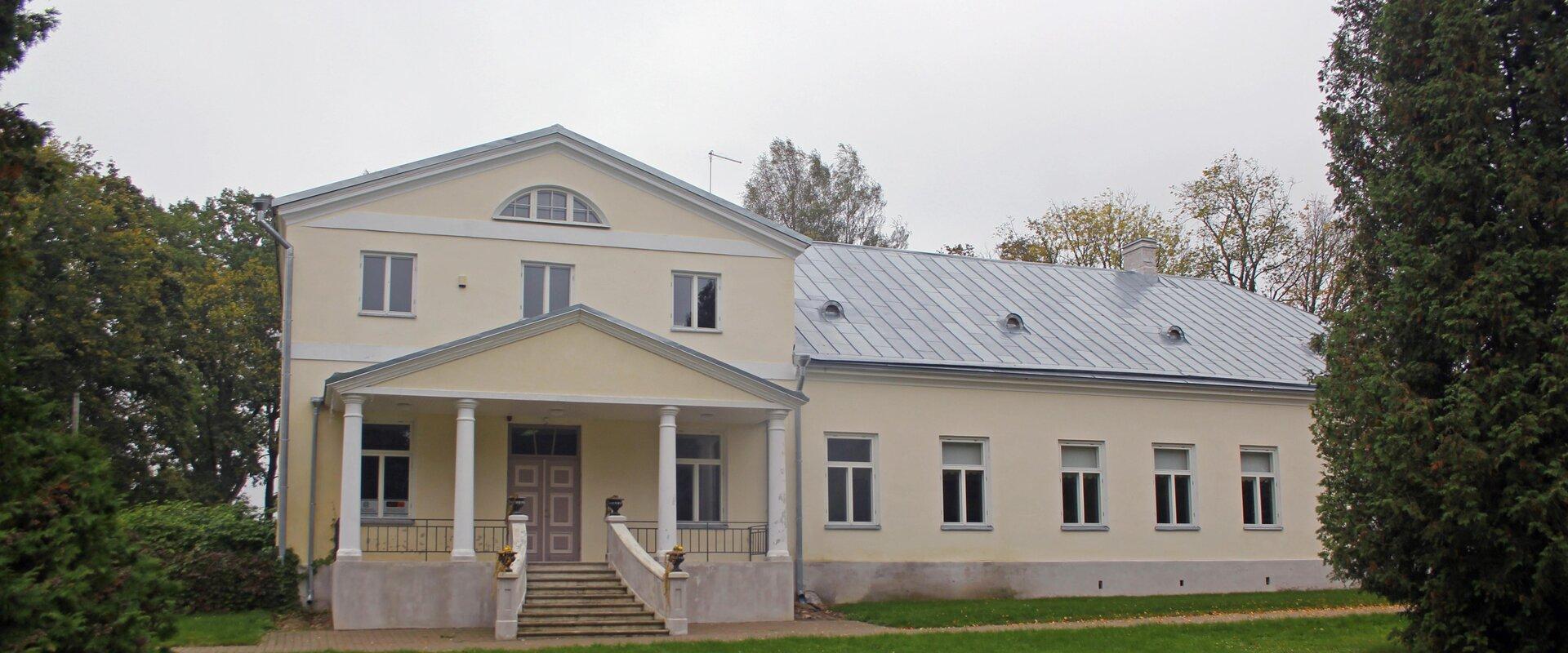
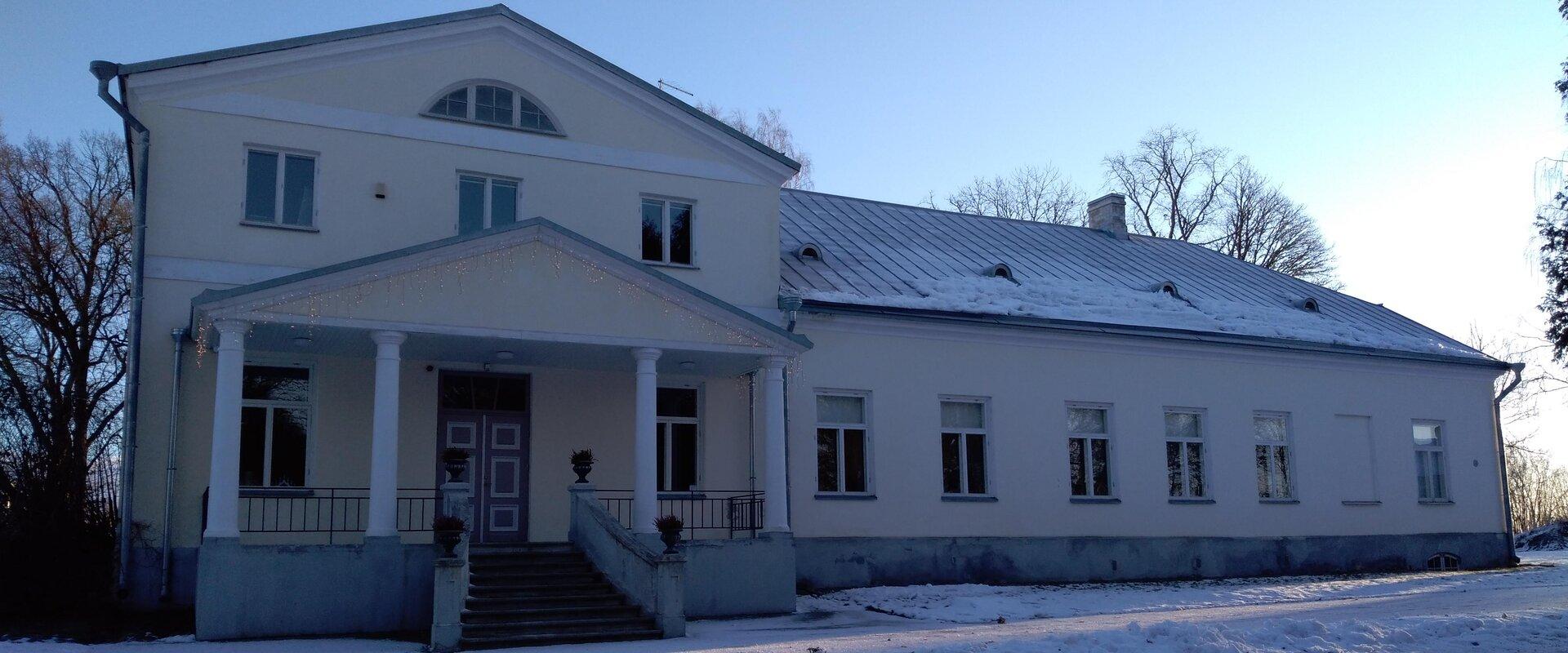
Pajusi manor

Põltsamaa vald, Jõgeva maakond, 48224

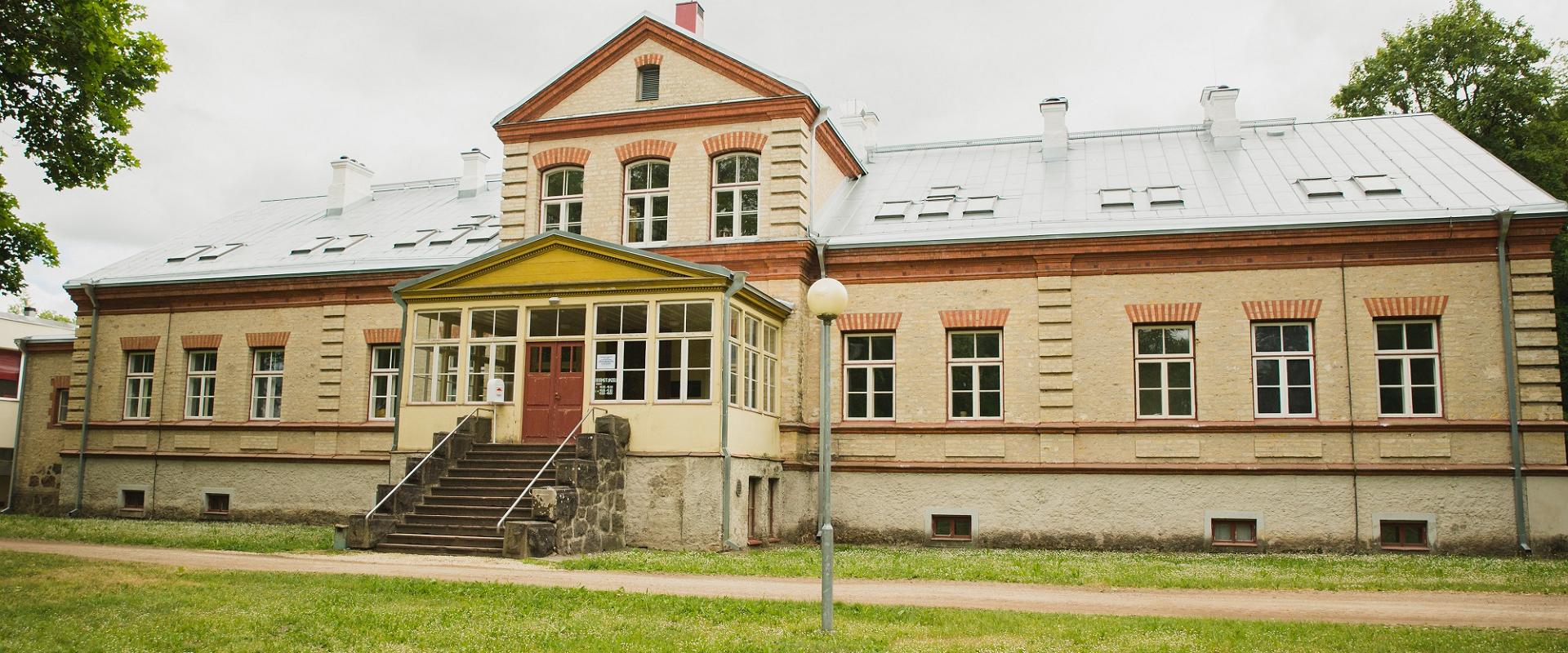
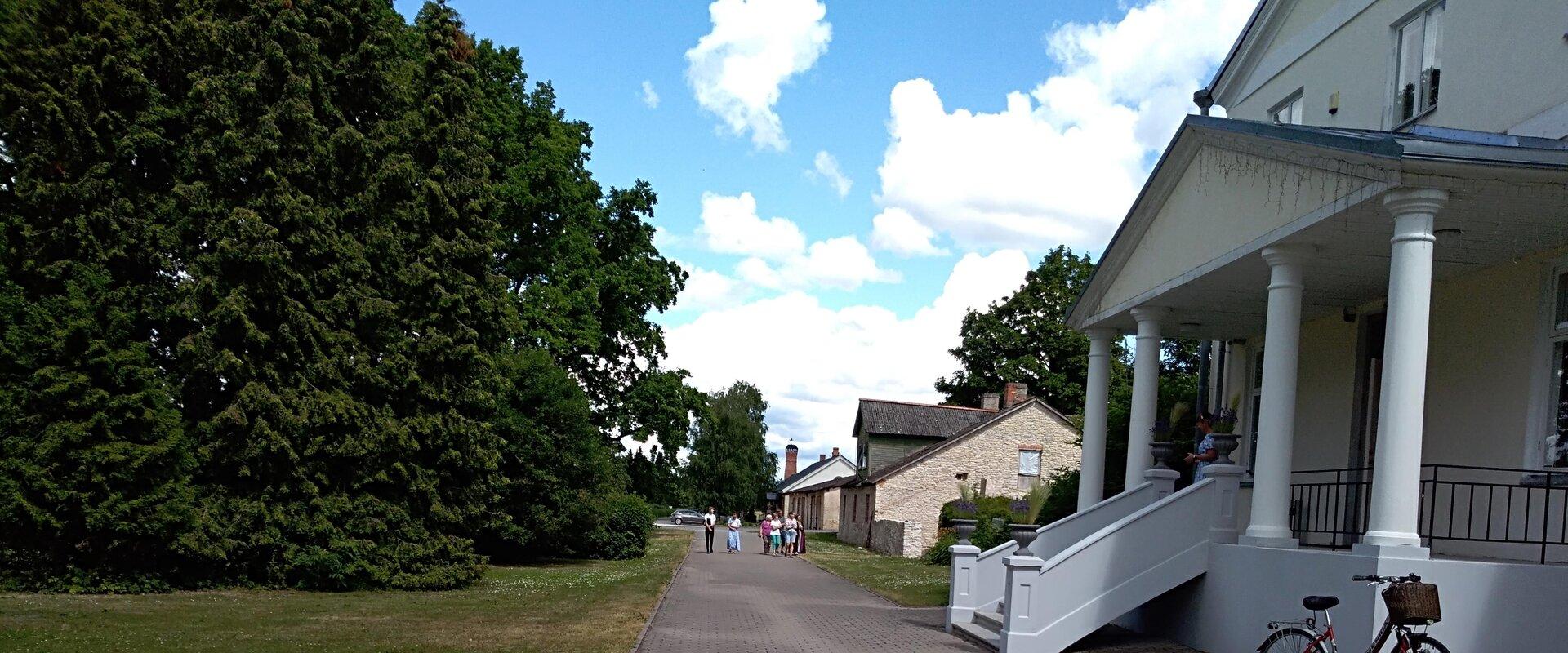
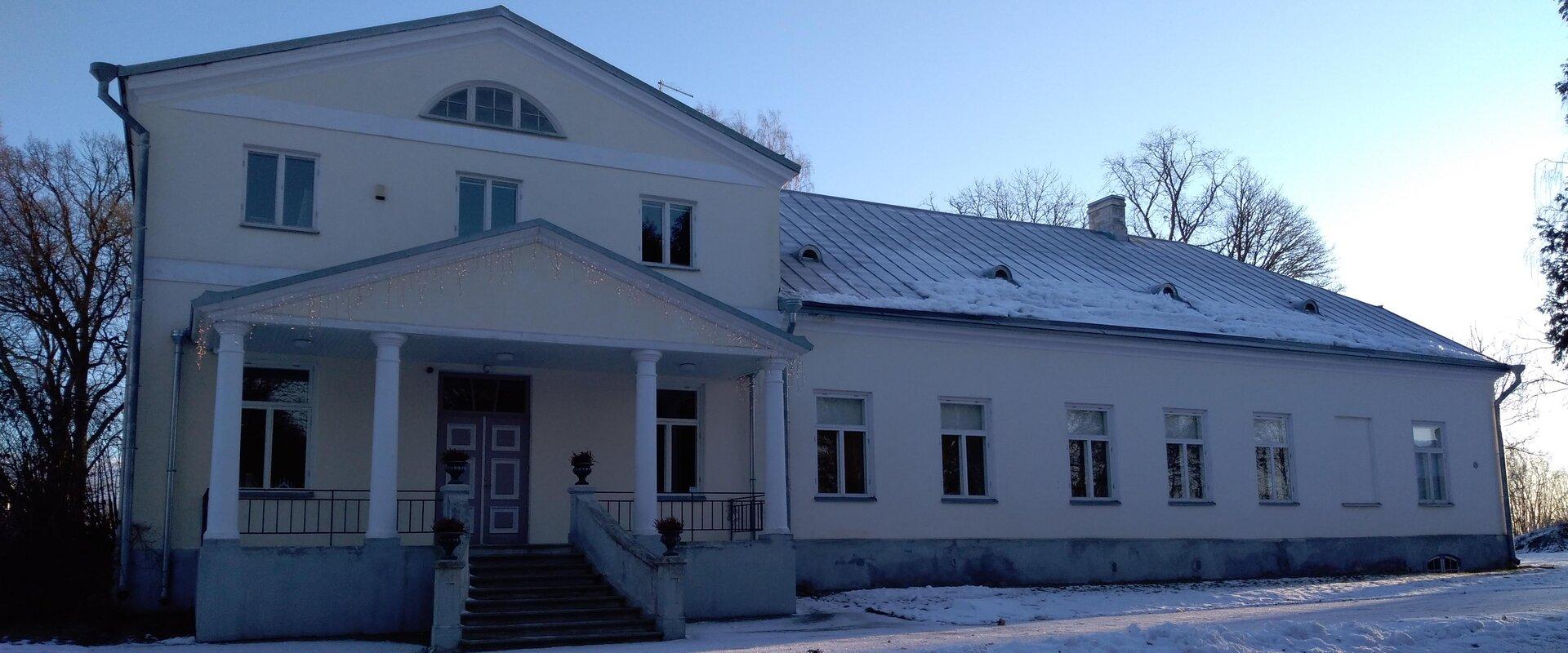
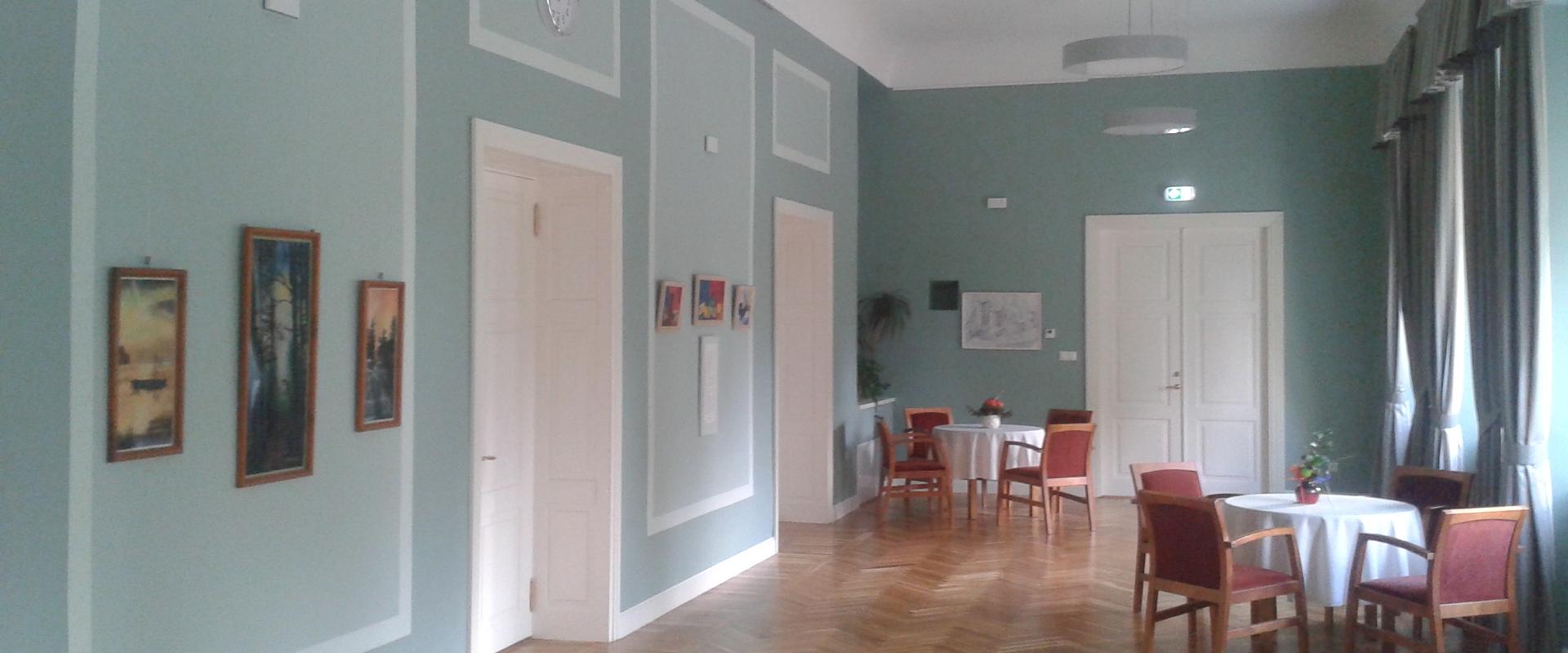
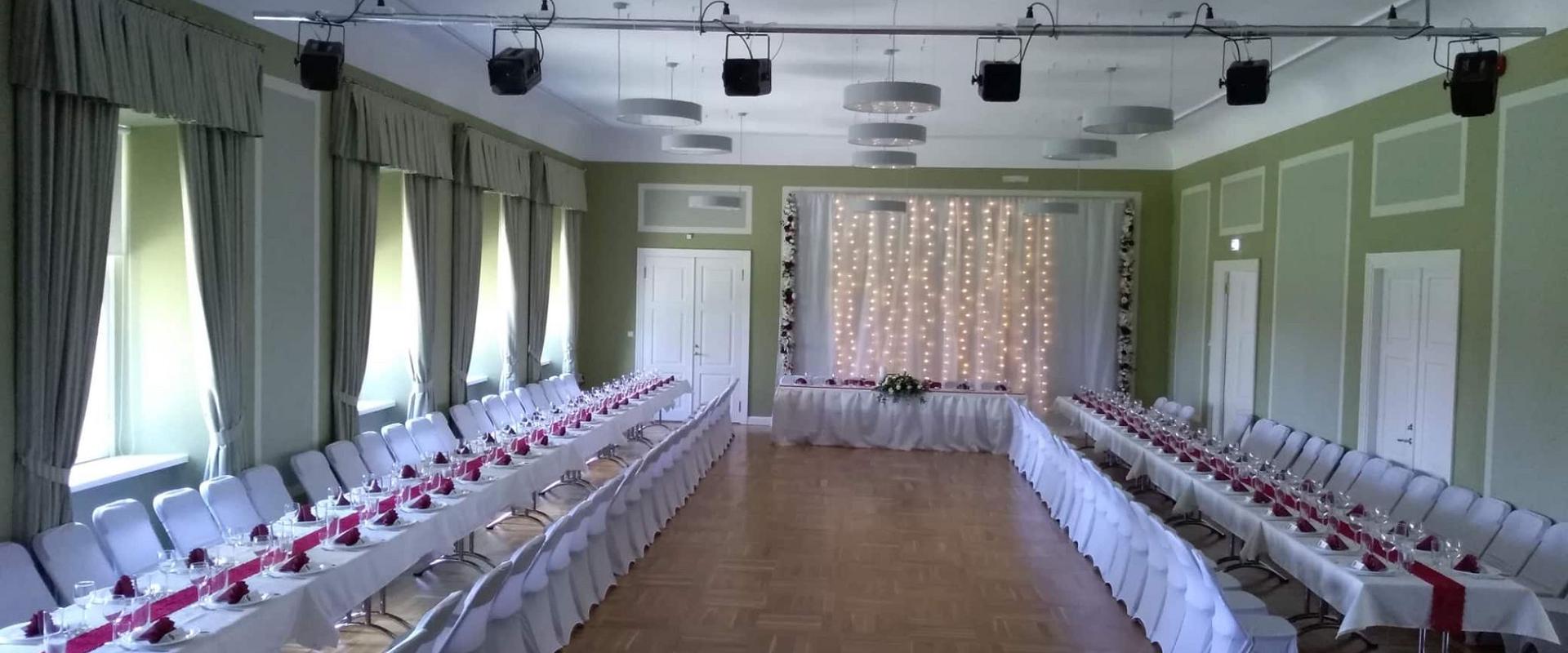
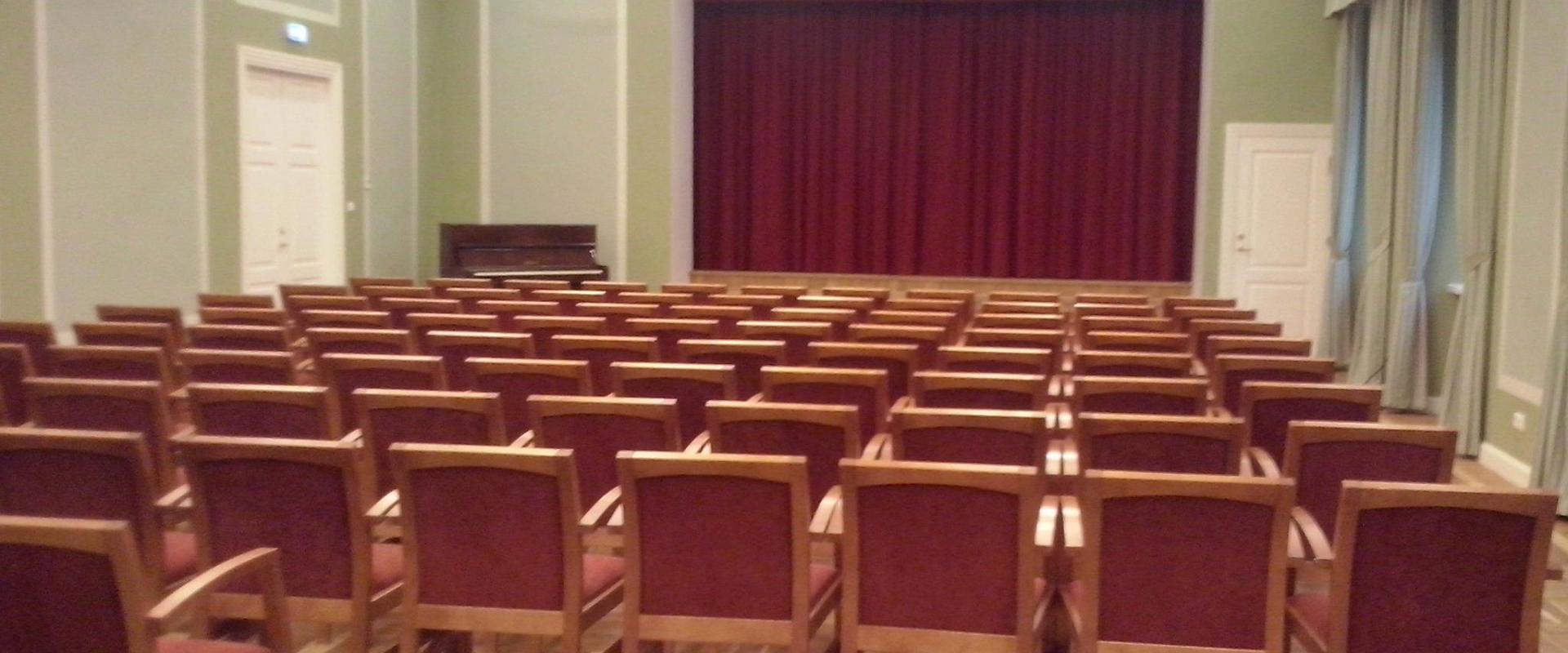
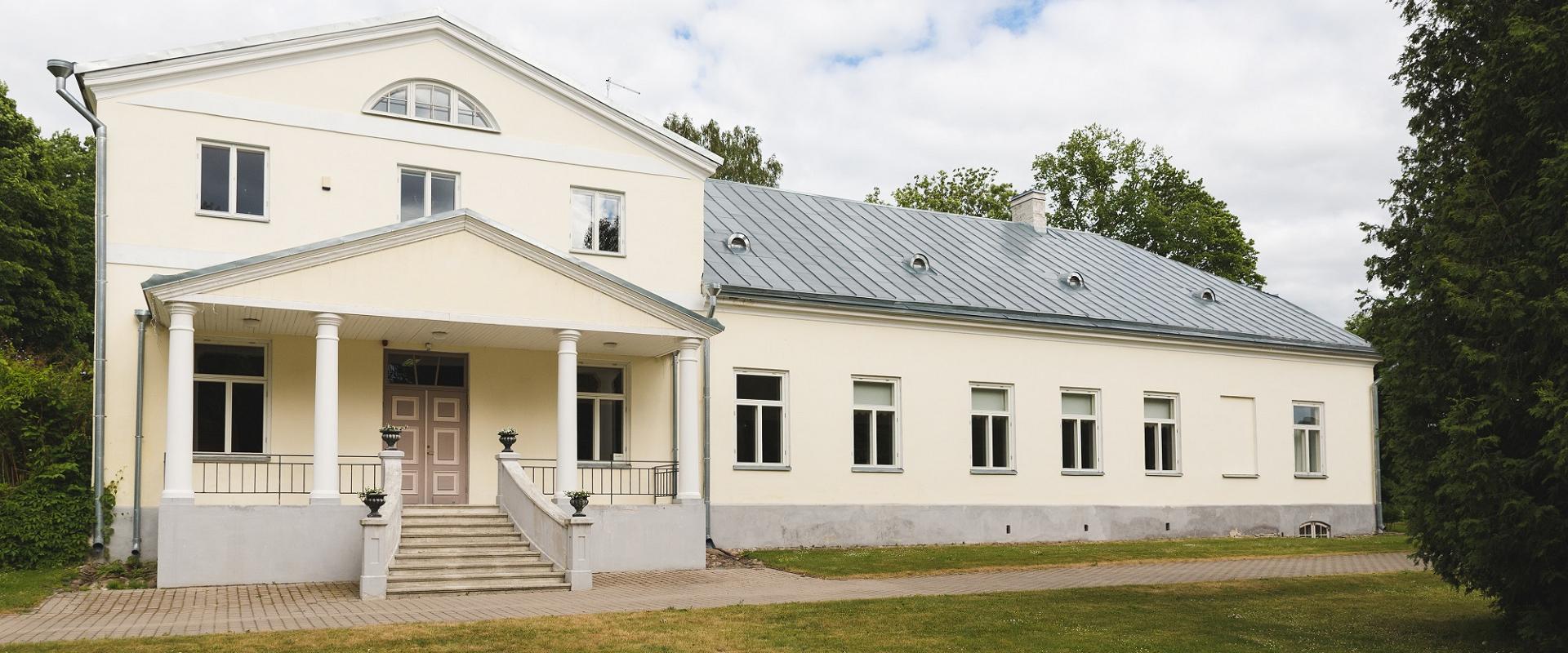
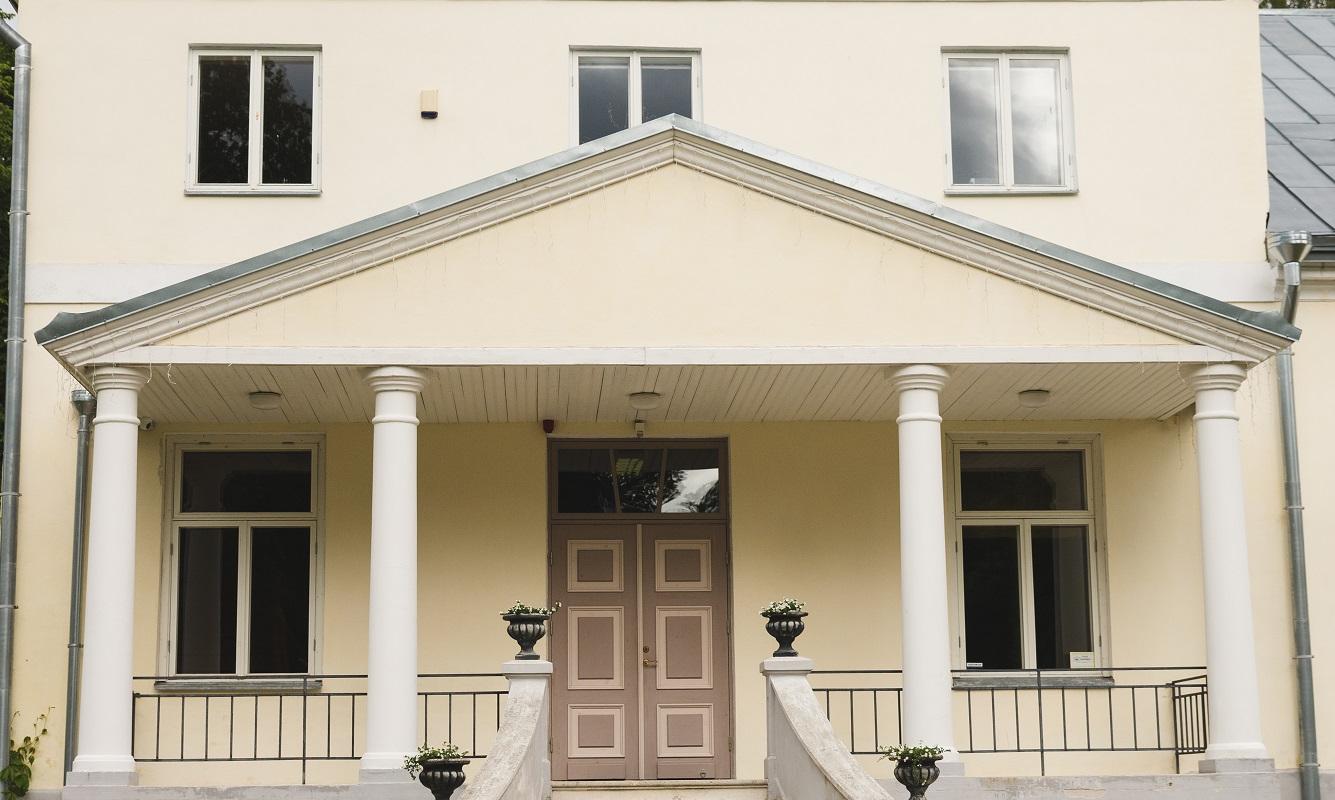
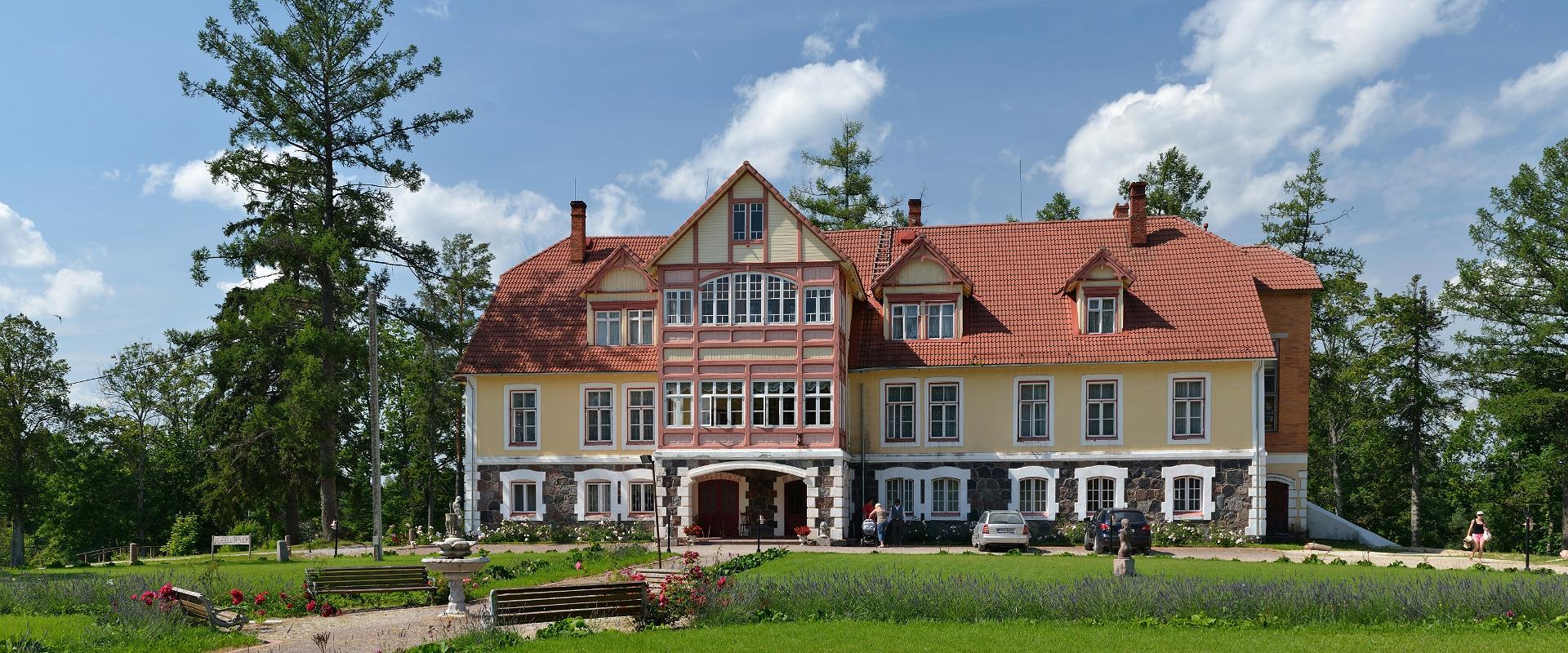
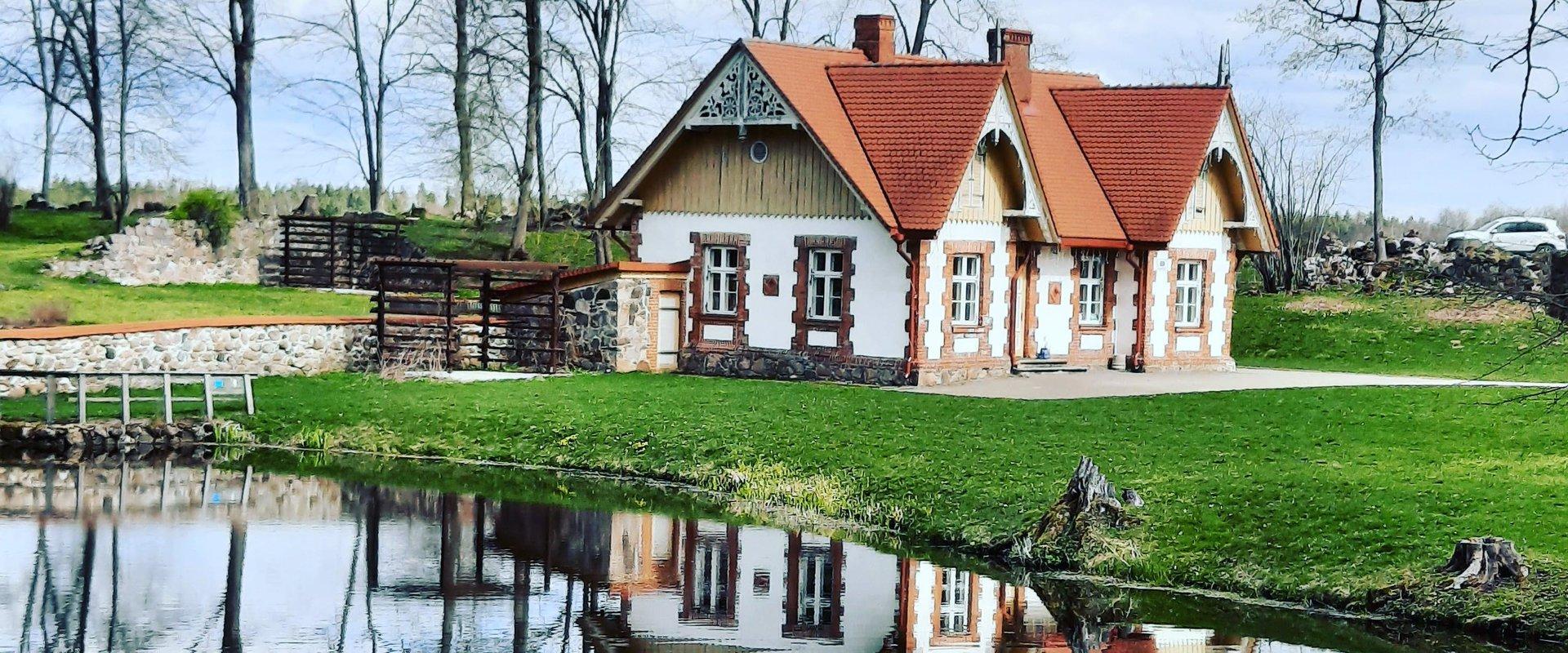
Pajusi manor was constructed in the 17th century. Its long, stone main building in Classicist style is thought to have been erected in the early 19th century. It was one-storey; only the central section was adorned with a small upper floor, which bears a distinct decorative window. In addition to the main building, the manor as a whole includes a number of other buildings and a large park. Did you know…? *Remaining of the main building of the manor are its central part and right-hand wing, which is home to Pajusi Community Centre
Amenities

  • Information boards
  • WiFi
  • Free parking
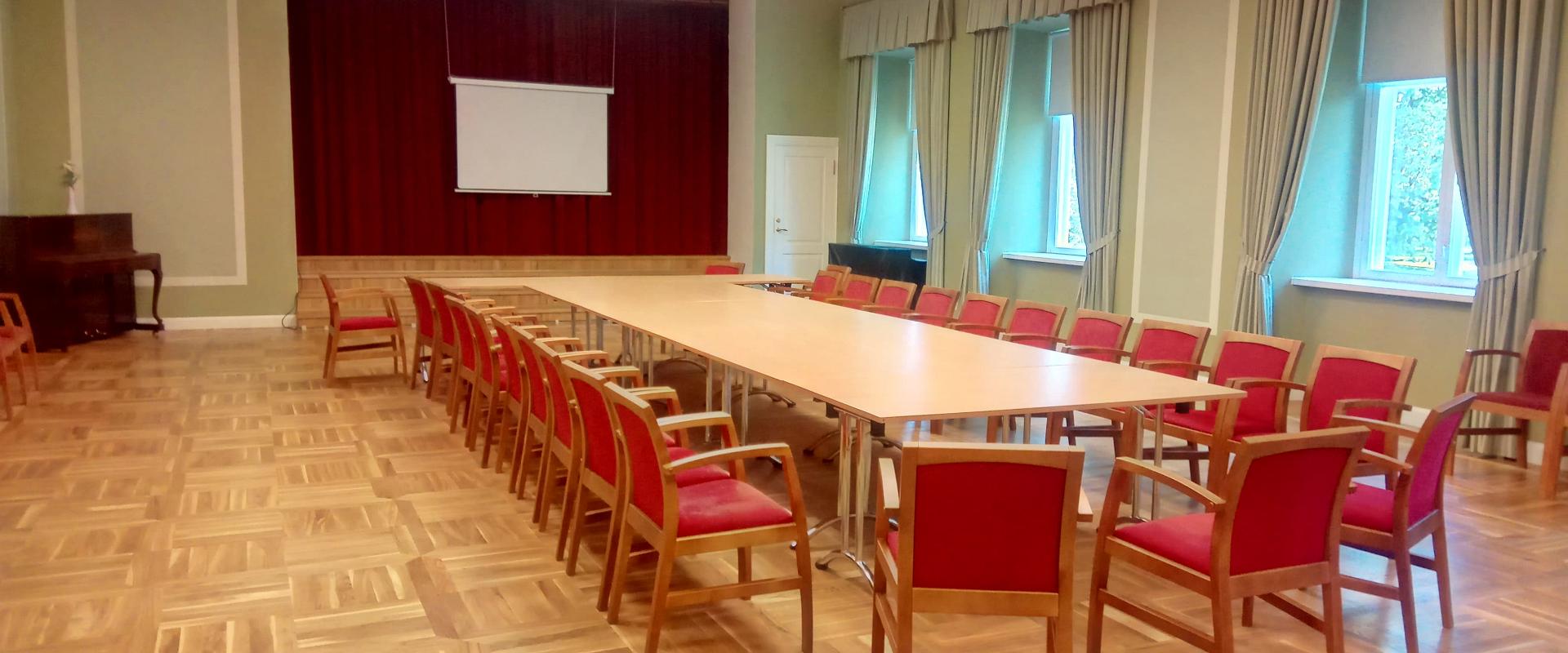
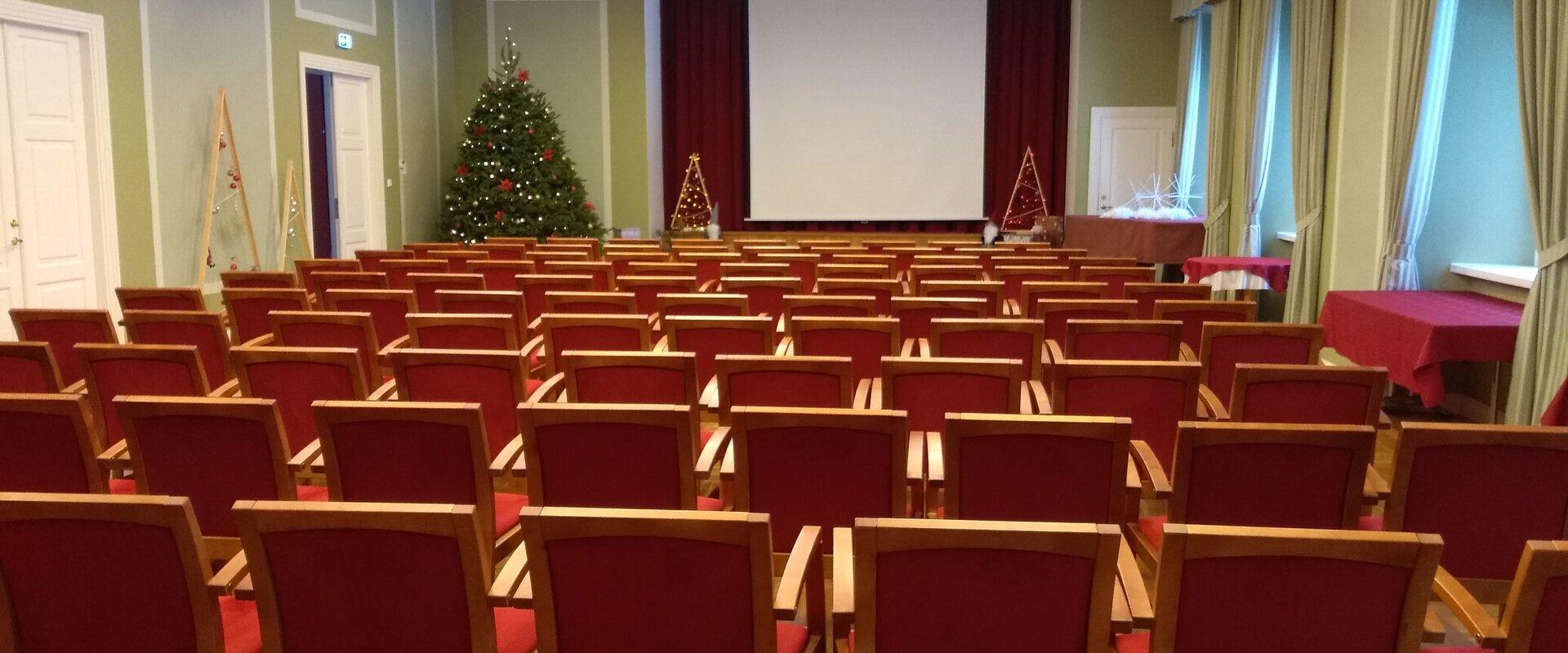
  • Seminar room
  • Recreation area/picnic ground

Open times

Throughout the Year

Eeltellimsel

Contact

  • +372 5333 7488
  • lea.krass@kultuurikeskus.eu

Links

See more

  • Castles
  • Manors

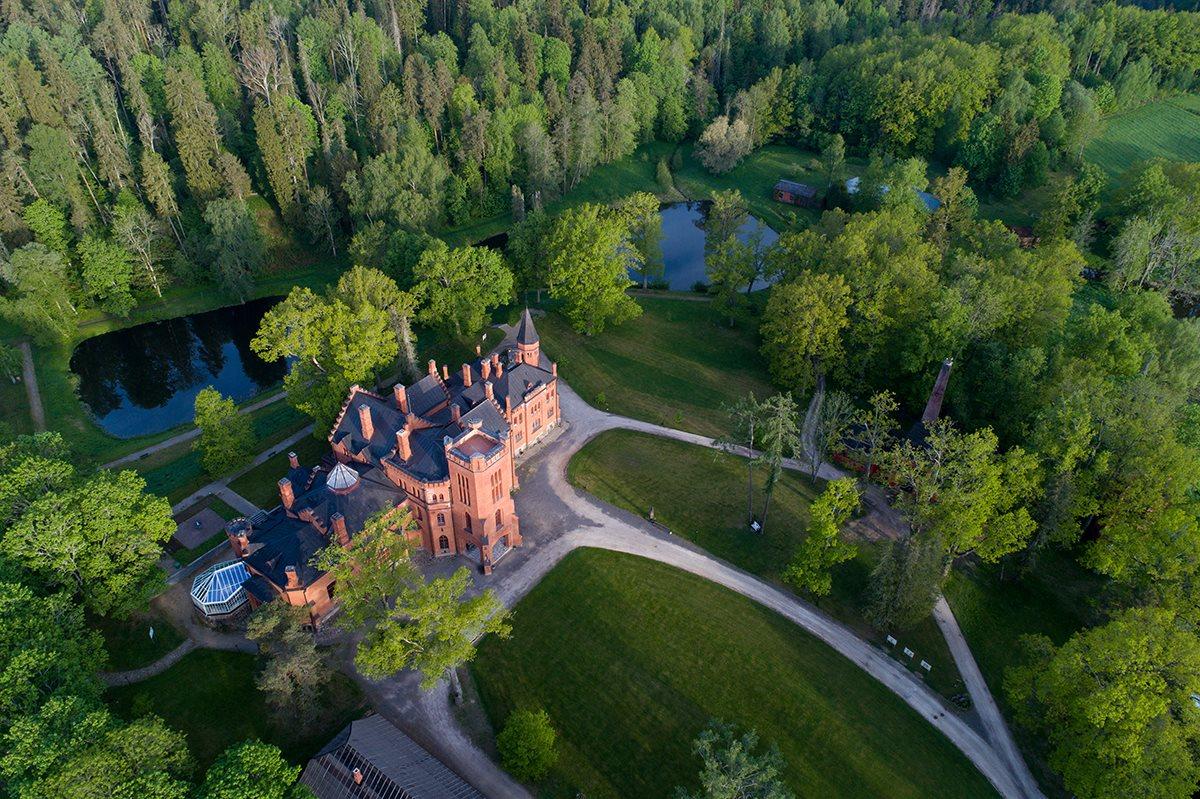
Sangaste Castle

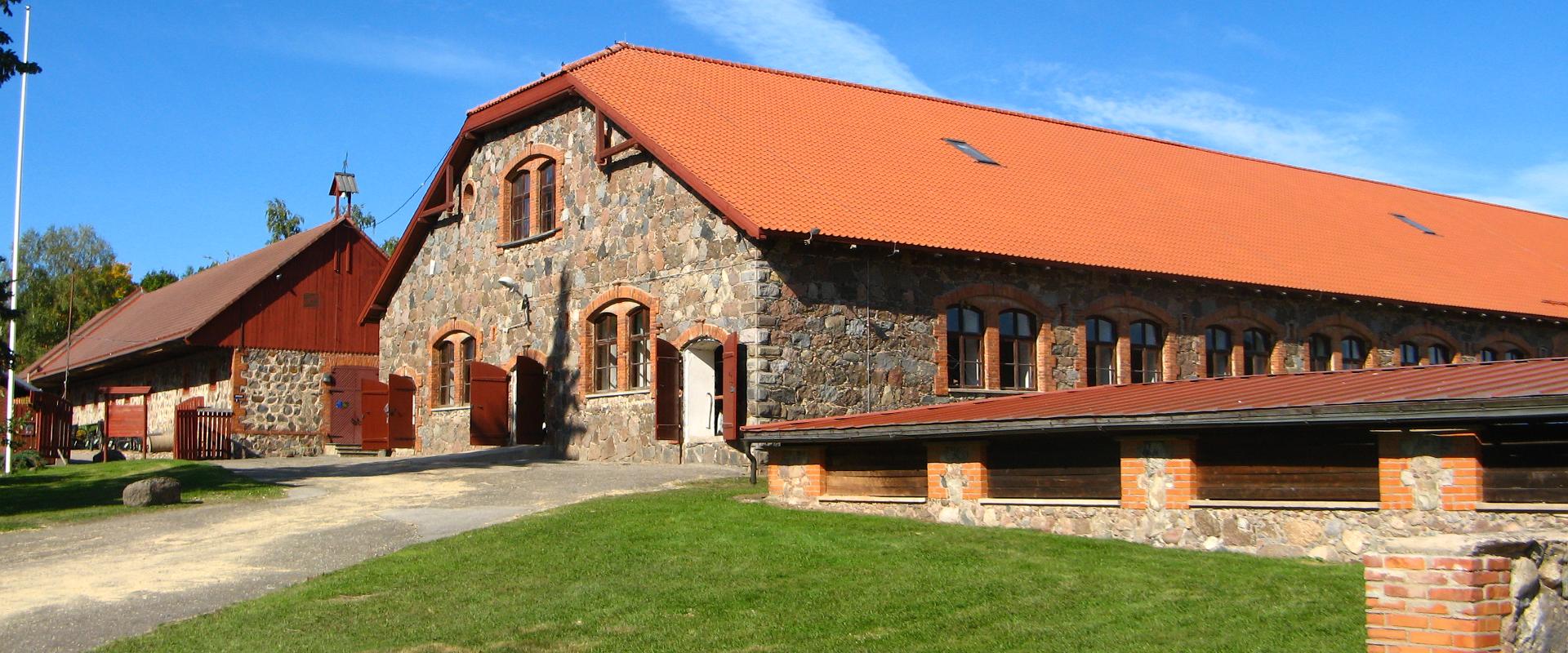
Sangaste Castle is one of the Southern Estonian places worth discovering that are marked with a yellow window. If you are interested in culture and history, it is definitely worth a visit. Sangaste castle and park were fashioned after the famous Windsor castle in England. The magnificent halls, architecture and history of the castle make this a good place for a big wedding, get-togethers or spending the night in a genuine castle. The castle restaurant serves local food and real rye vodka made from Sangaste rye. In addition to the castle, the stables, dairy, barn, water tower and arboretum are also open for visitors.

  • Guided tours
  • Manors

‘Tartu City Manors’ Guided cycling tour

Did you know that historically, there were nine manor houses in Tartu? The city of Tartu has expanded in all directions to the areas of former manors, and several districts have been named after these manors. Seven of them still exist and are waiting for you to visit.As part of the guided tour 'Tartu City Manors', we will visit five manors: Tähtvere, Maarjamõisa, Tamme, Ropka, and Karlova. We can take the tour by bike, car, or bus and you can order it in Estonian, English, German, French, Russian, Lithuanian, or Spanish.Contact us and let's explore the historic manors!

  • Manors

Ropka Manor

The one-storey stone manor was built in the first half of the 19th century. The buildings of Ropka Manor are located on both sides of the street of Ropka tee. Preserved manor buildings include the farm hand's house, cattle barn, converted stables and a barn, a cellar and a park. There were three ponds in the park and it is planned to restore one of them. There was an orchard with a regular plan on the western side of the servants' house, which is now a built-up area.The building is in private ownership and can only be viewed from the outside.

  • Manors

Rogosi Castle Manor in Ruusmäe

Stanislaw Rogosinsky, a native of Poland, established the Rogosi Manor. From 1629 to 1776 the manor belonged to Herman von Liebsdorff and was later given to the von Glasenapp family as Herman's daughter's dowry. From 1934, after the Glasenapp family was dispossessed of the manor, a school operates in the manor. When place names were translated into Estonian in 1939, the village was named Ruusmäe, but the manor is still known as Rogosi. In summer 1990, Otto von Glasenapp, son of the owner of the manor visited his old home.Useful information: There is a museum of local lore in the barbican, which is open in summer. Watercolors of Joh. Chr. Brotze have been preserved as sources of the manor's history.

  • Manors

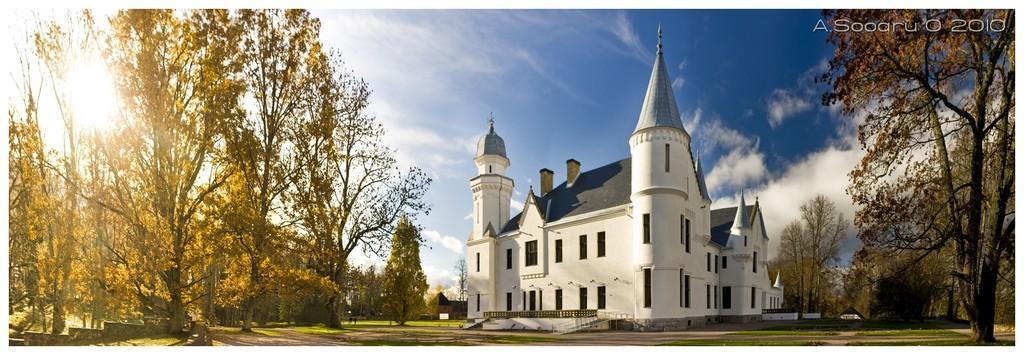
Adavere manor

Adavere manor was first mentioned in records in the second half of the 17th century. In the 16th and 17th centuries, Adavere was under the rule of Põltsamaa castle, which governed all of the surrounding land and villages as the most important town in Central Estonia.Its massive slate main building was constructed between 1892 and 1893. The complex also includes outbuildings erected in the late 19th century – a workers' cottage and a barn with a drying shed. Manor park (dating from the 1740s) was one of the grandest in Estonia in its day, although little remains of its glory today. Good to know:* Today, the building is home to Adavere Basic School. During winter, you can go skating in the skating rink on the school stadium.* The manor can only be viewed from the outside.

  • Guided tours
  • Manors

Tour of Luke Manor and Park

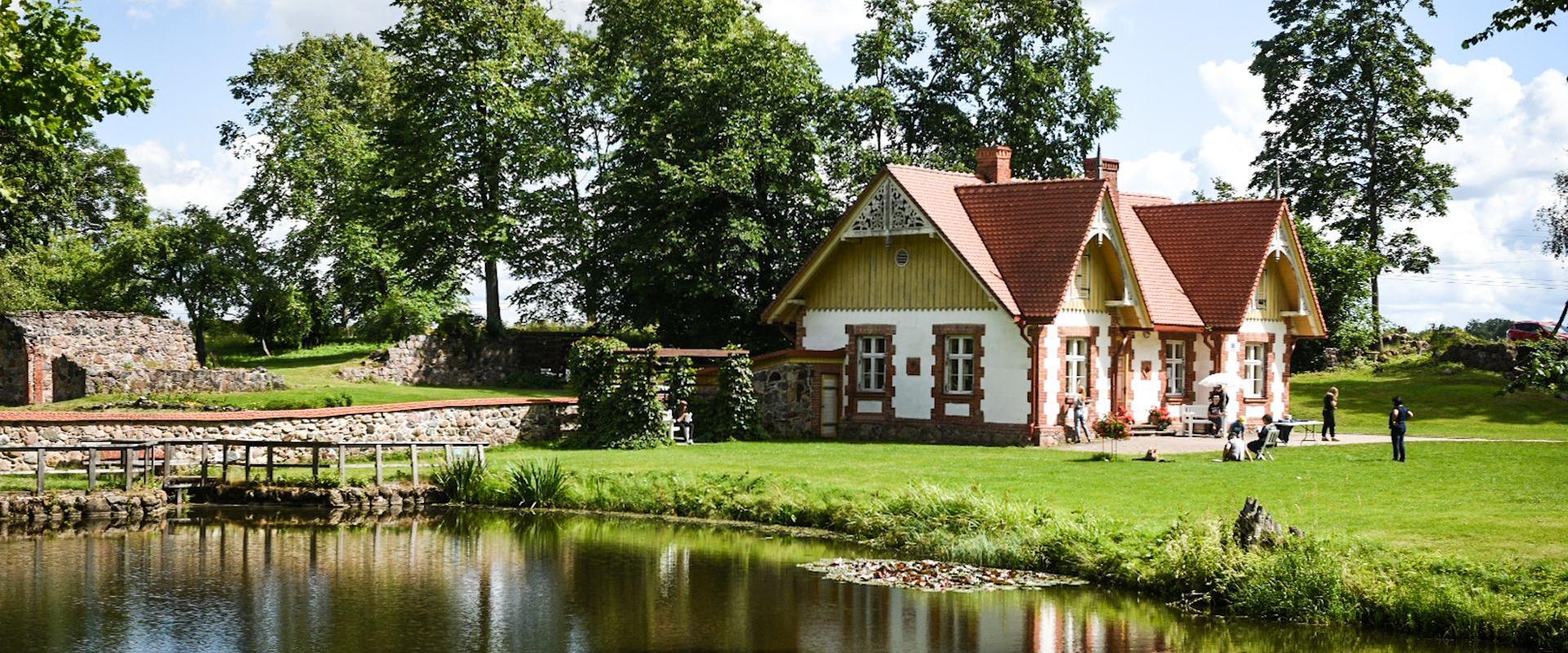
Luke Manor in Tartu County offers an engaging tour that introduces the manor and its beautiful park. During the walk, stories of Luke Manor's history unfold, and you have the chance to explore the Gardener's House, the Handicraft Workshop, and the historic Steward's House. The tour is well-suited for both smaller groups and larger gatherings and can be combined with other events, providing guests with a memorable cultural experience. Luke Manor Park is one of the best-preserved parks in Southern Estonia, with its original layout, offering a wonderful environment for walking, enjoying nature, and experiencing the unique historical manor atmosphere. In addition to the tour, catering can be ordered from the Luke Manor kitchen, enriching the visit with local flavors and a cozy atmosphere. During the tour, you can purchase Luke Manor's handicrafts. By prior arrangement, the visit can be combined with various additional activities, such as organizing a seminar or catering packages.

  • Manors

Järvere Manor

Järvere Manor was built on the shore of Lake Vagula in 1766 as a support manor of Sõmerpalu Manor. The manor was built by the owner of Sõmerpalu manor, Friedrich Alexander von Möller, Doctor of Philosophy. He had the Järvere Manor made for his mother and it was thus called the Old Lady's House.A park, established in 1830, separated Sõmerpalu and Järvere Manors and there were about 200 different tree and bush species already at that time.The Võru Forest Management Centre operated at the manor during Soviet time. Outbuildings were put in order and rebuilt in 1993.The manor is protected as a cultural monument and is private property today.

  • Manors

Tähtvere Mansion

Tähtvere Mansion was first mentioned in 1515 and belonged to the Bishop of Tartu in the Middle Ages. In 1919, part of the lands of Tähtvere Mansion were sold as the first building plots of Tähtvere District. The main building of the mansion (built in 1910 in the heimat style) has been preserved and is used as one of the study buildings of the Estonian University of Life Sciences (an extension has been added to it).The surviving outbuildings of the mansion are a small animal barn, a maid's house, a barn/grain dryer, a cattle barn, a farmhand's house, and a smithy.The Mansion can only be seen from the outside and it can also be seen for example in the guided bicycle tour "Tartu City Mansions".

  • Collaboration
  • News
  • Contacts
  • Privacy Policy
Join our mailing list!

"*" indicates required fields

This field is for validation purposes and should be left unchanged.
I authorise marketing

South Estonia Tourism Cluster

info@visitsouthestonia.com