• Explore
    • Nature
    • Culture
    • Food
    • Family
    • Activity
    • Blog
    Smoke sauna
    Weather and seasons
  • Plan
    • Accommodation
    • How to get here
    • Weather and seasons
    • Sustainability
    • Tourist info
    Discover South Estonia’s Most Beautiful Manors and Castles
    Top 20 Sights in South Estonia
  • For professionals
    • For professionals
    • Collaboration
    • News
    • Projects
    • Training
    • Repository
    • Community (opens in new tab)
    • Contacts
ENG
  • EnglishENG
  • EestiEST
  • LatviešuLAT
  • РусскийRUS
  • SuomiFIN
ENG
  • EnglishENG
  • EestiEST
  • LatviešuLAT
  • РусскийRUS
  • SuomiFIN
Popular searches:
Show all
  • History & Culture
  • Museums

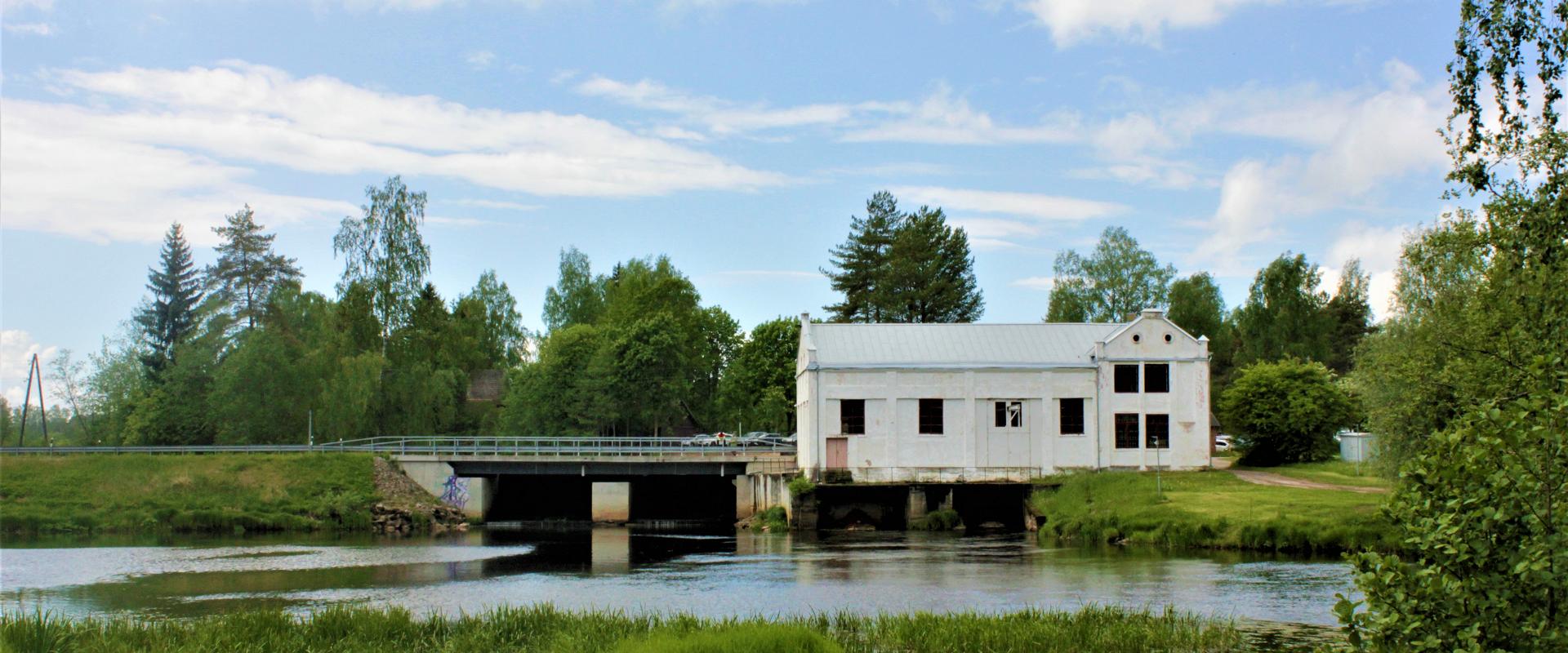
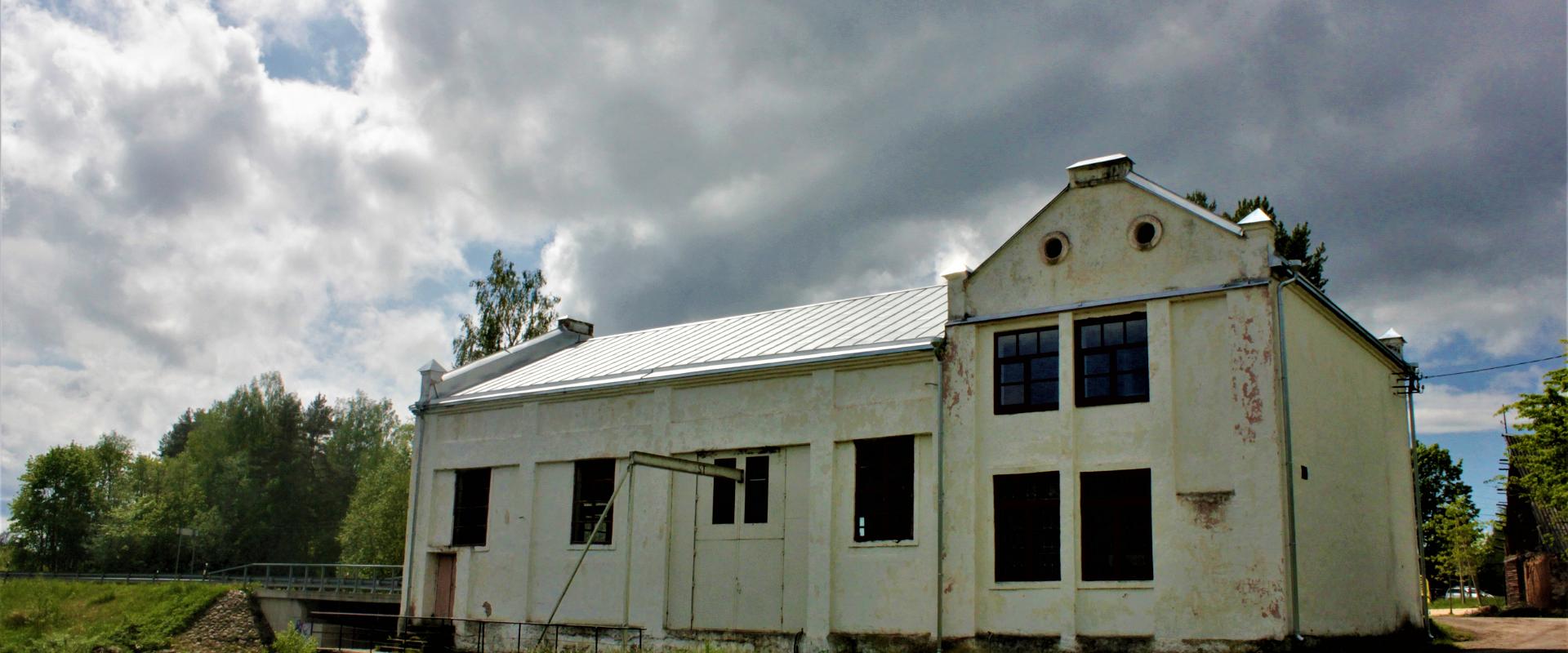
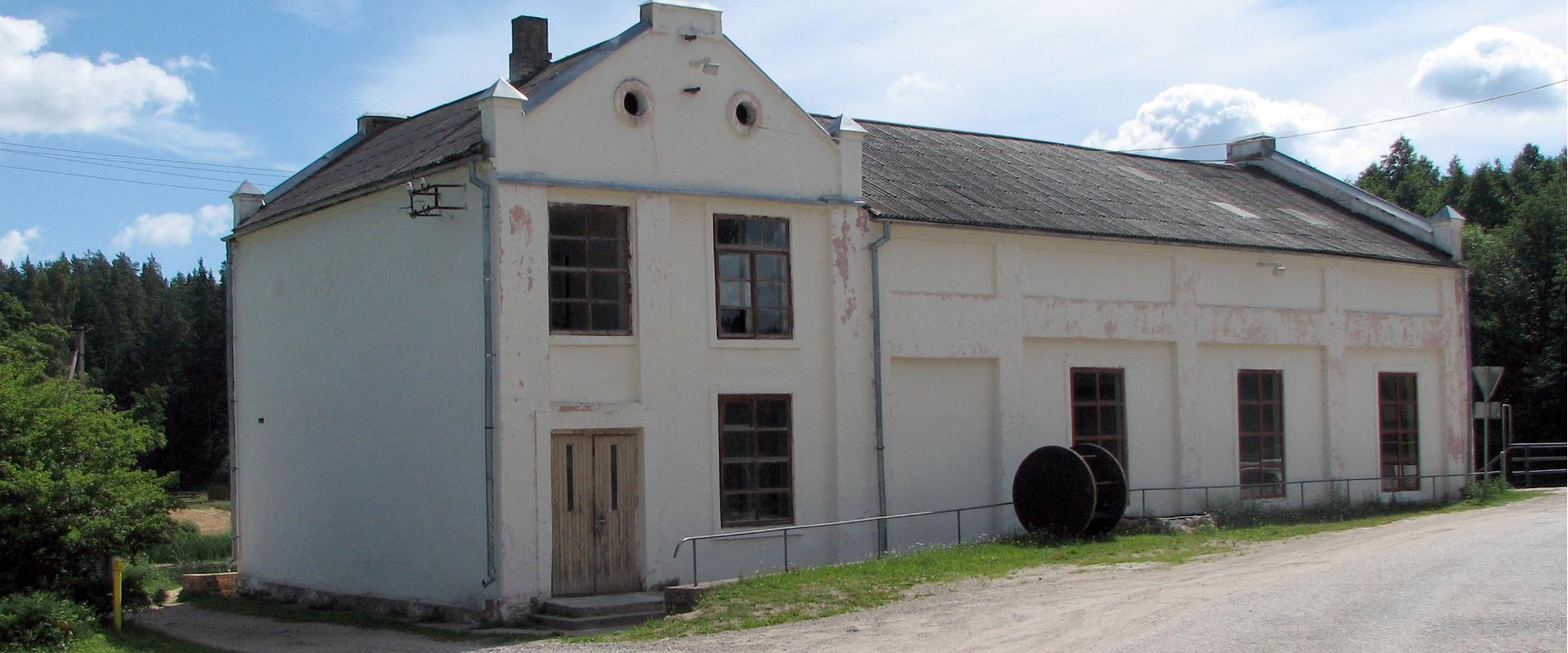
Leevaku Hydroelectric Power Station and Museum

Räpina vald, Põlva maakond, 64428

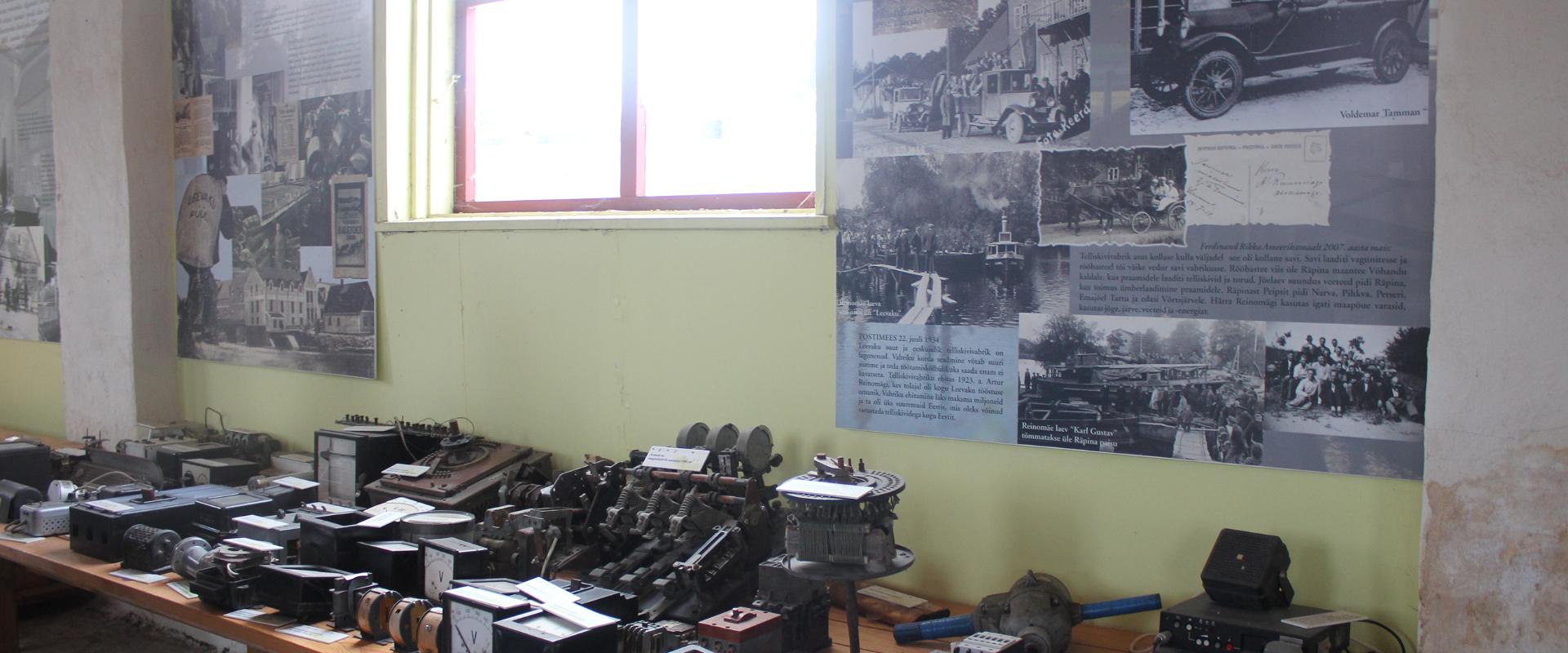
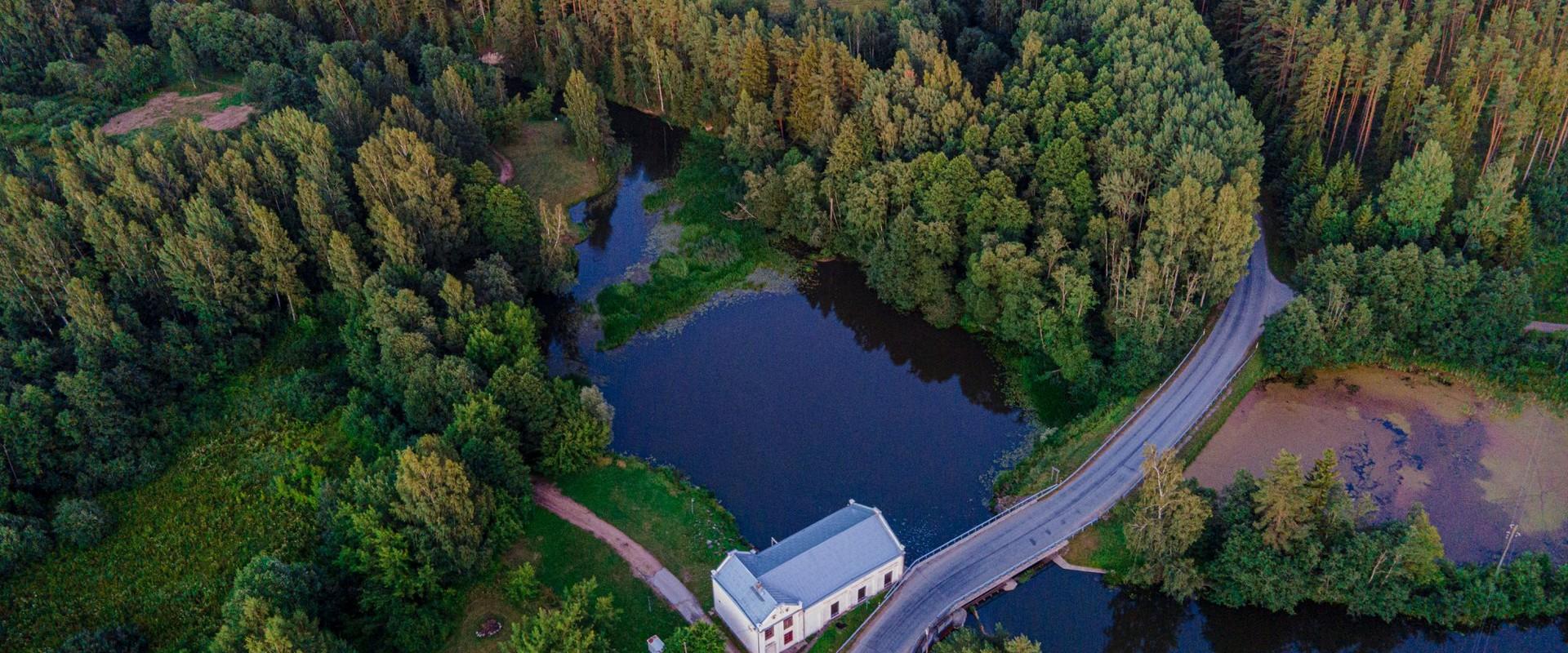
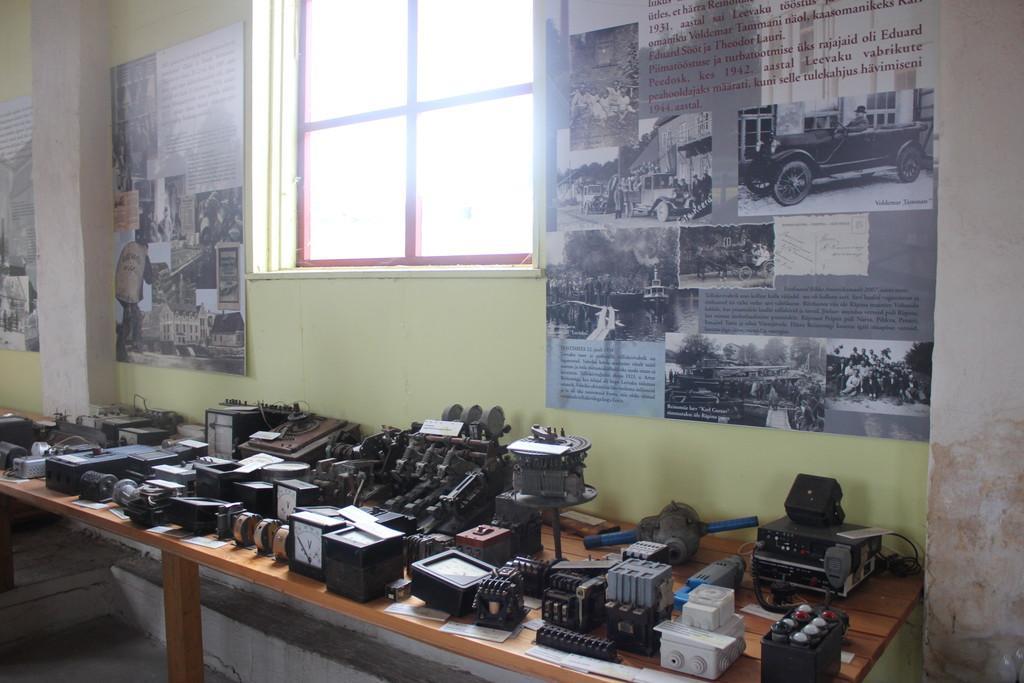
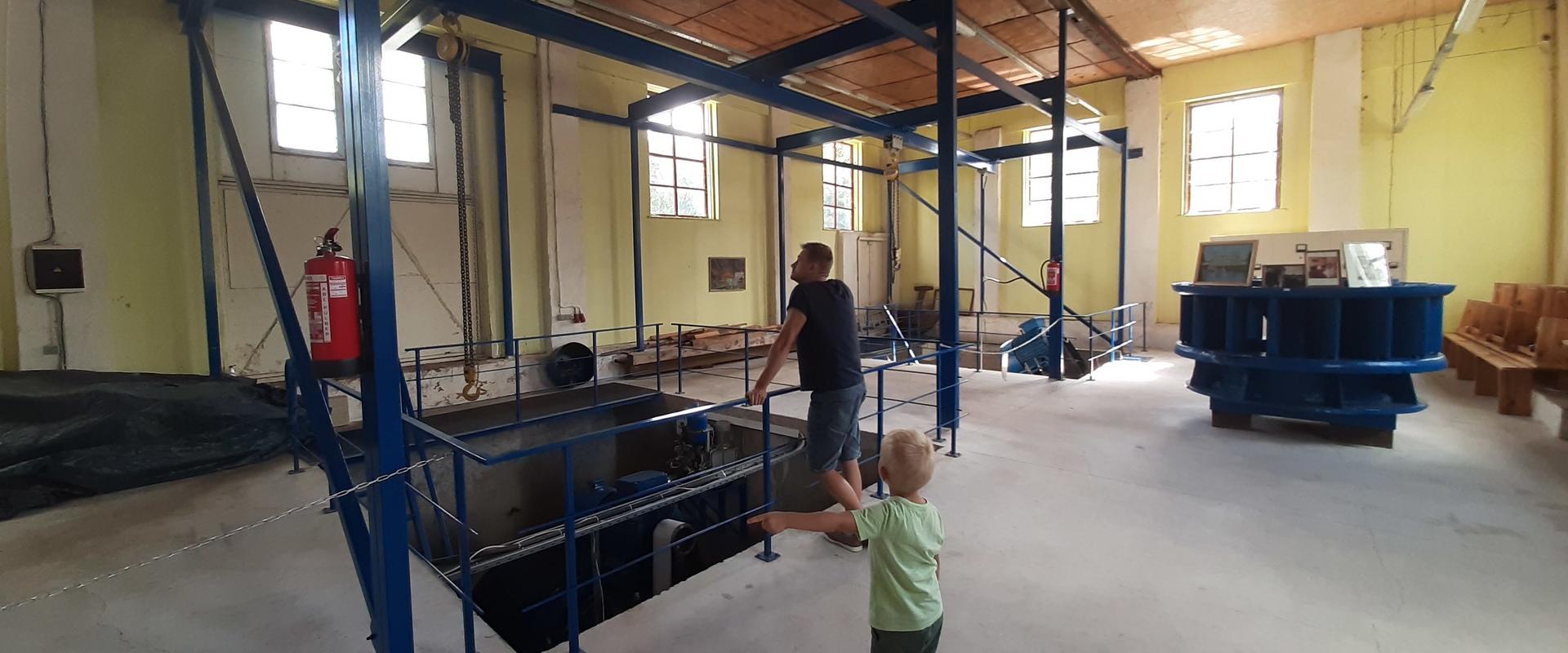
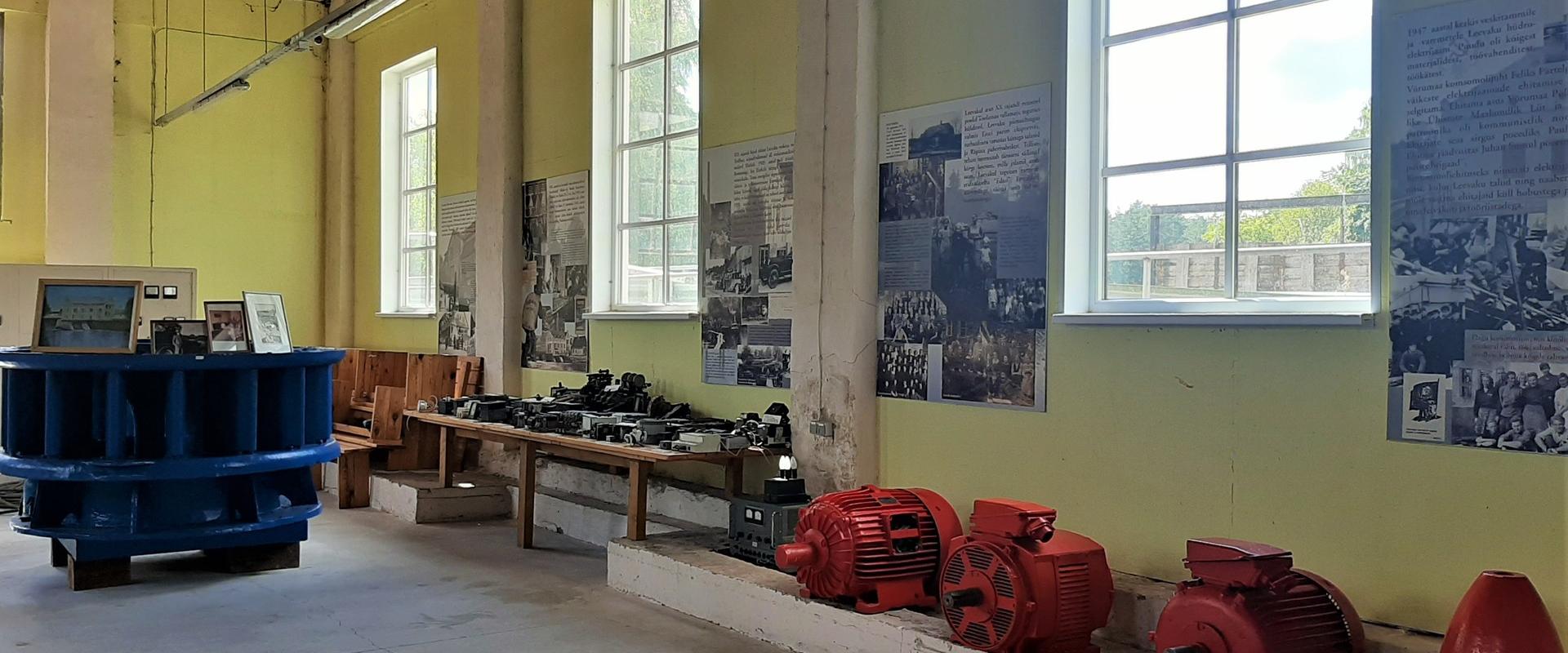
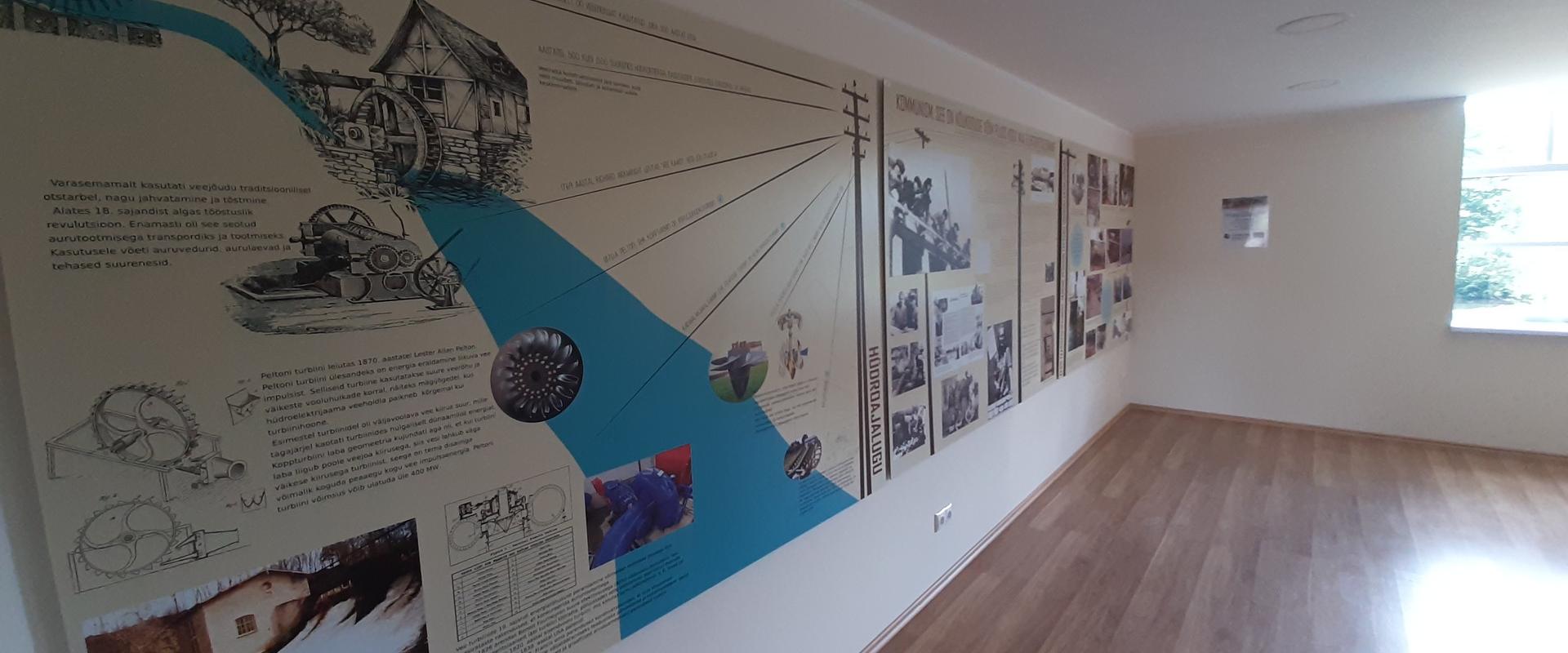
The power of the flowing waters of the river Võhandu has been harnessed in Leevaku since 1835, when the first mill was constructed here. In the early 20th century, there was a flour and timber mill here, as well as a wool factory. Clay pottery was also made. Leevaku hydroelectric power station was destroyed during World War II. In 1947, it was restored as a joint project of the young people of Võrumaa. It was closed two decades later and re-opened in 1993.During the summer, a museum is opened at the power station. You can find out about the history of the station, as well as that of Leevaku, and see how Soviet-era electricity meters worked.Tourist groups can book a visit outside schedule in advance by phone.
Amenities

  • Free parking
  • Recreation area/picnic ground

Open times

31. aug - 7. juuli

Eeltellimsel

1. juuli - 28. aug

T-P11:00 - 14:00

Contact

  • +372 502 2661

See more

Mikitamäe Orthodox village chapels

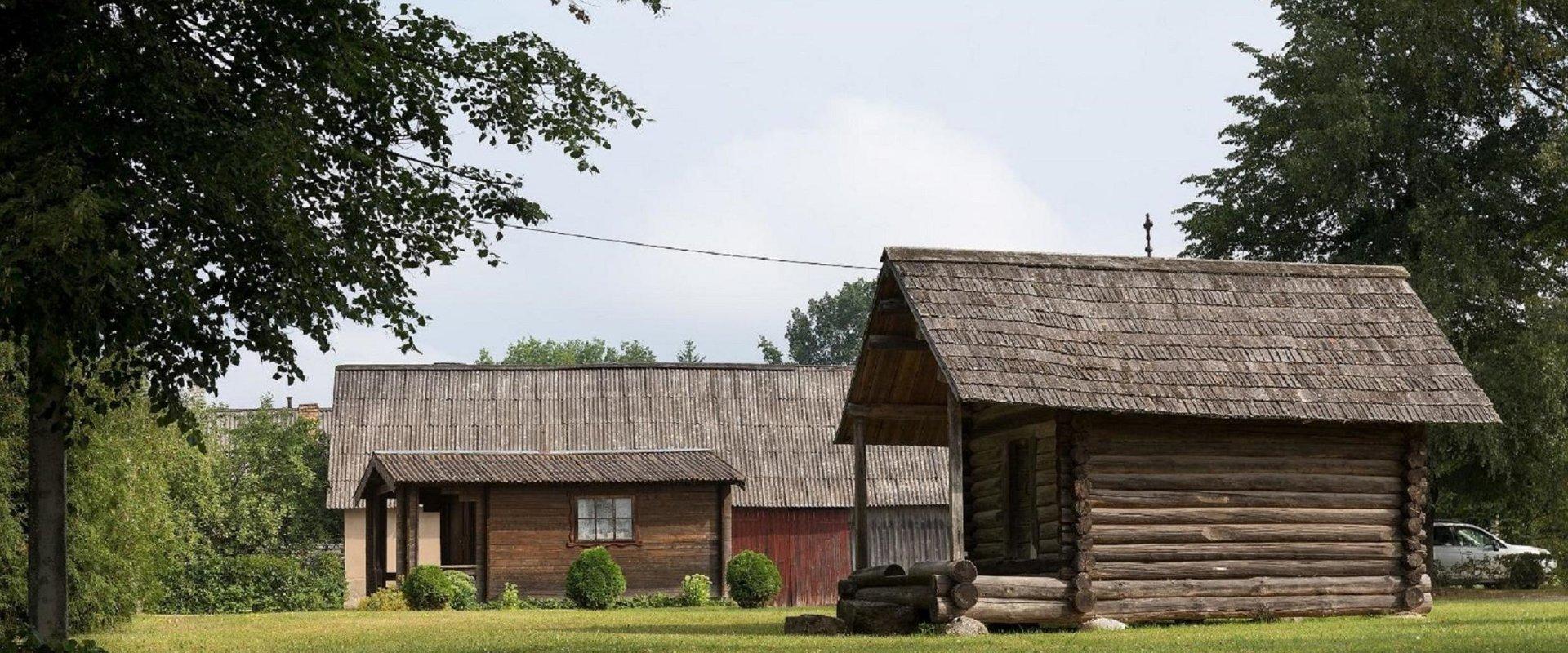
The square in front of Mikitamäe Culture House is called the square of Orthodox village chapels because two Orthodox village chapels are located there next to each other – the old Orthodox village chapel is the oldest wooden building in continental Estonia: it was probably built in 1694. The building was originally located next to the Tartu–Petseri highway. During the Soviet era, it was moved from there. In 2009, the chapel was renovated and brought to the square in front of the former town hall. In 1998, a new chapel was built.Both Mikitamäe Orthodox village chapels are dedicated to Apostle Thomas. The village holiday is celebrated a week after Easter.

  • Guided tours

Käre Battlefields

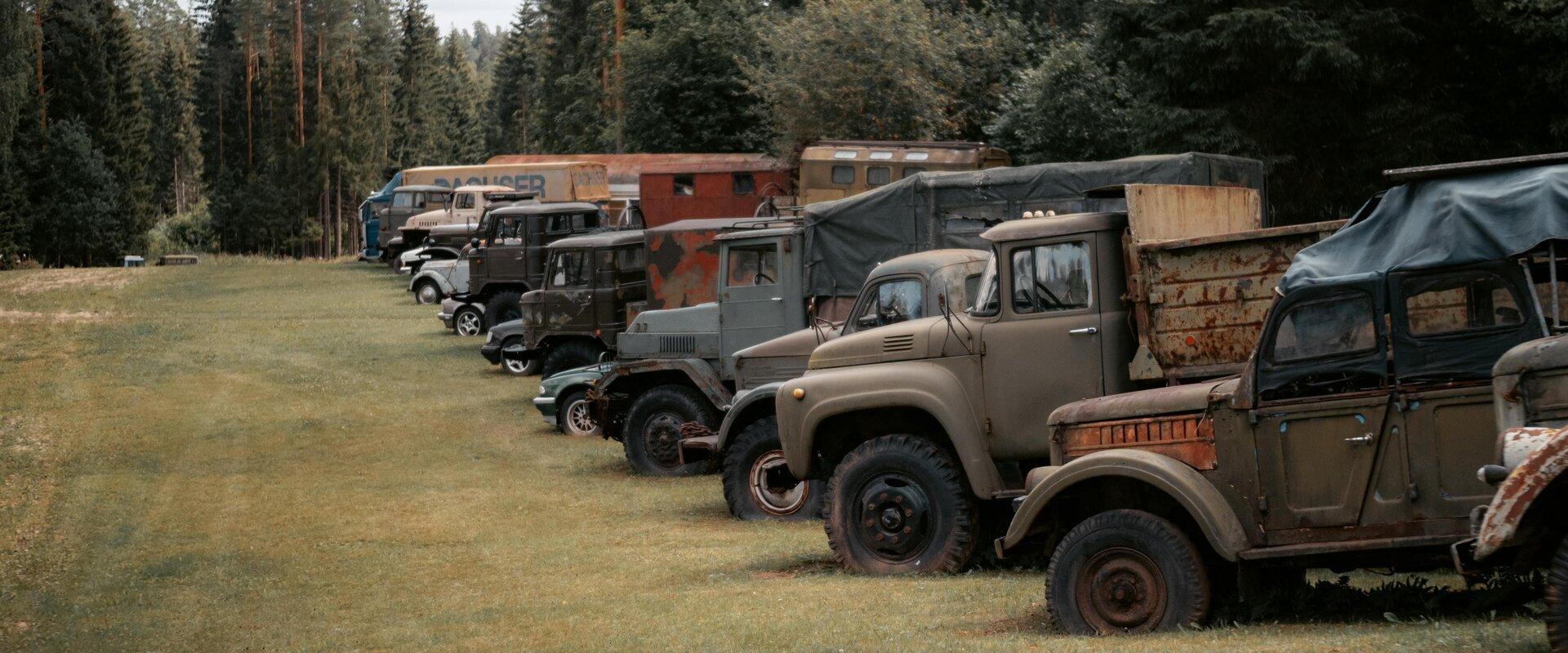
With scenic beauty and rich history, the Käre Battlefields offer pastime and a delight to the eye.Historically, the Käre farm has been a war zone, and the forest hides numerous bunkers, trenches and military artefacts. The place, at its most authentic, takes us back to the battlefields of 1944.The aim of the club, which is based at the Käre Battlefields, is to preserve and exhibit old equipment and antiuqes. The historical heritage is combined with modern leisure activities such as guided walks near trenches and bunkers or safaris in the countryside.

Karlova — a meeting place for architecture enthusiasts and bohemians

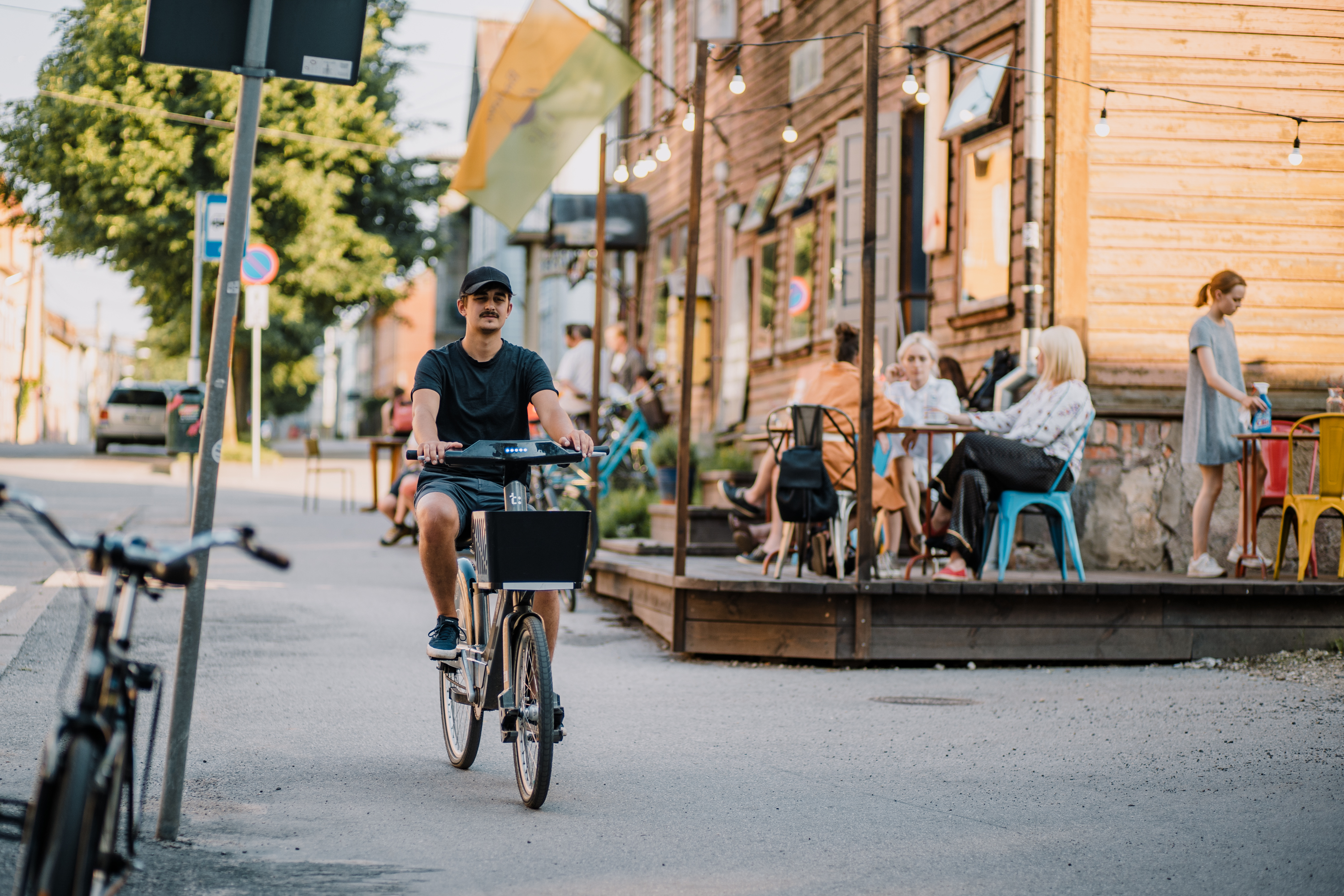
Karlova is a neighborhood in Tartu that captivates visitors with its bohemian atmosphere. In Tartu's Karlova district, there are historical wooden houses, secret courtyards worth discovering, unique cafés loved by locals, greenery, and plenty of street art. In the heart of Karlova are several important community places – the cozy Karlova Kohv, the popular meeting spot Barlova Bar, and the Karlova Harbor area by the Emajõgi River, suitable for more peaceful leisure. The neighborhood dates back to the houses built on the lands of Karlova Manor in the 19th–20th centuries, which have developed into today's unique living environment. The oldest settlement, at the beginning of Kalevi Street, dates back to the 18th century and architecturally differs from the rest of the area. In spring, Karlova Days take place, where you can get to know the neighborhood even better through various events and open courtyards. Exploring the neighborhood with a guide will show you Karlova's hidden side and the historical charm of its bohemian wooden houses. More information can be found on the Tartu Guides website.

  • Sculptures

‘The Kissing Students’ sculpture and fountain

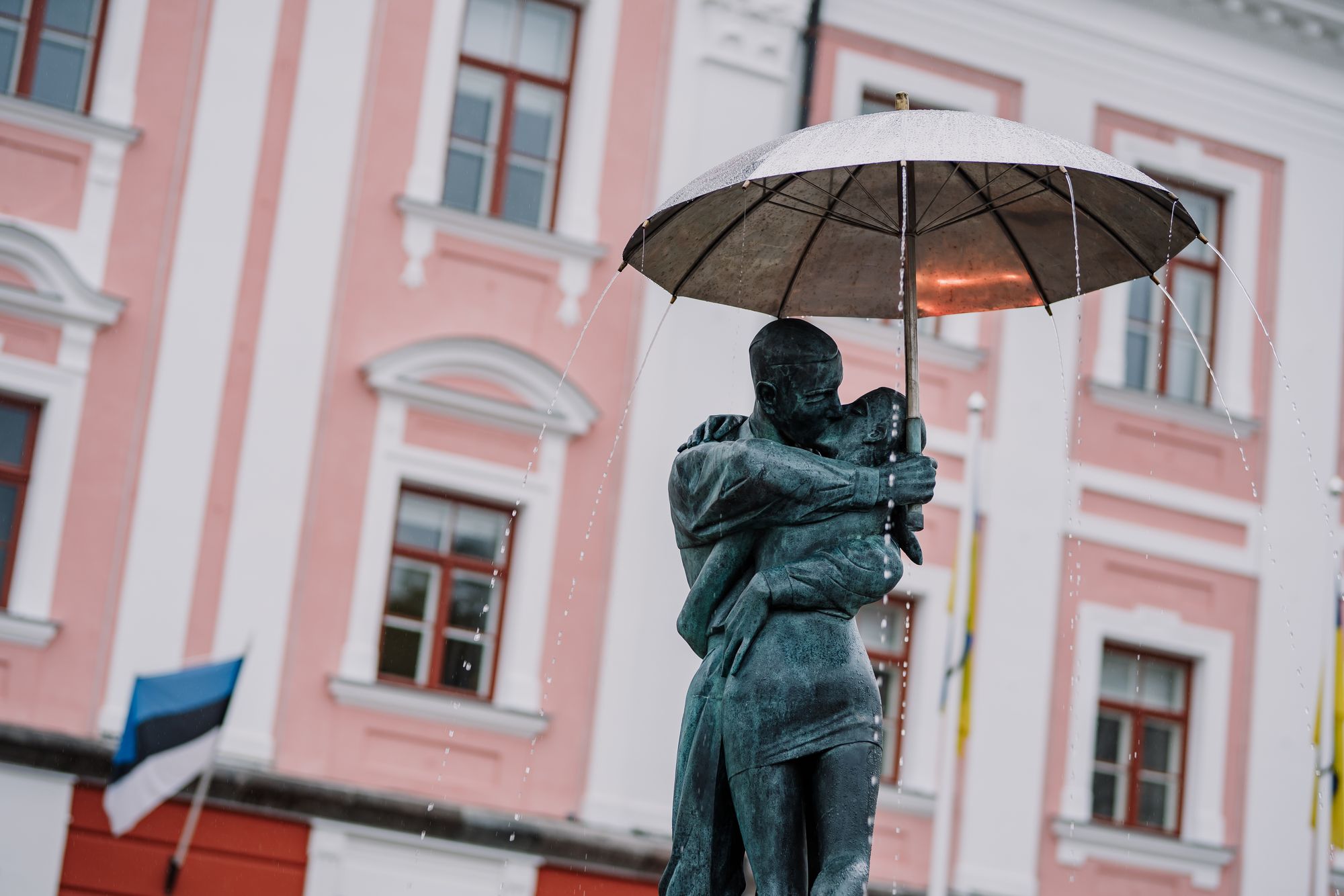
'The Kissing Students' sculpture and fountain is one of the most recognised symbols of Tartu. The fountain has stood in the same place since 1948, when newlyweds and their guests would visit it for luck, and people would also take a dip in it. The sculpture was created by Mati Karmin and completed in 1998. Since 2006 the fountain has been surrounded by tiles bearing the names of Tartu's sister cities – Bærum, Deventer, Ferrara, Fredriksberg, Hafnarfjörður, Hämeenlinna, Kaunas, Lüneburg, Pihkva, Riia, Salisbury, Tampere, Turu, Uppsala, Veszprem and Zutphen. Each of these is situated in the direction that the cities lie from Tartu, with the distances marked.

  • Churches

Tartu Salem Baptist Church of the Alliance of Estonian Evangelical Christian Baptist Congregations

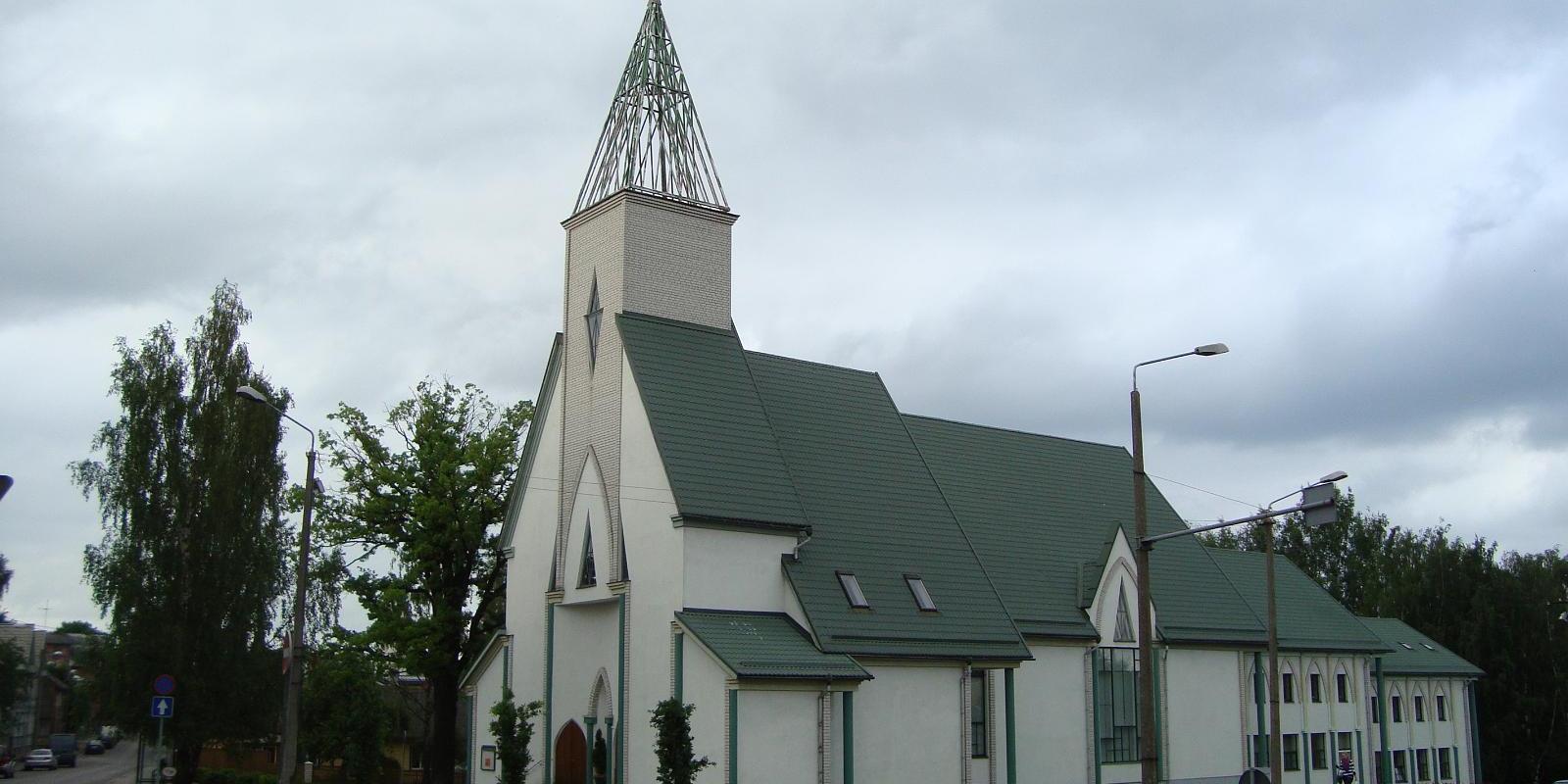
Come and take look at the modern and spacious church of the Tartu Salem Baptist Congregation (architect Maarja Nummert). The church was opened on 28 June 1988 with a concert and thanksgiving service. You are welcome to enjoy concerts in the church hall that has great acoustics and space for almost 400 people. Interesting facts: - the only baroque organ in Tartu is in the Tartu Salem Baptist Church; - the church offers accommodation to travellers.

  • Guided tours

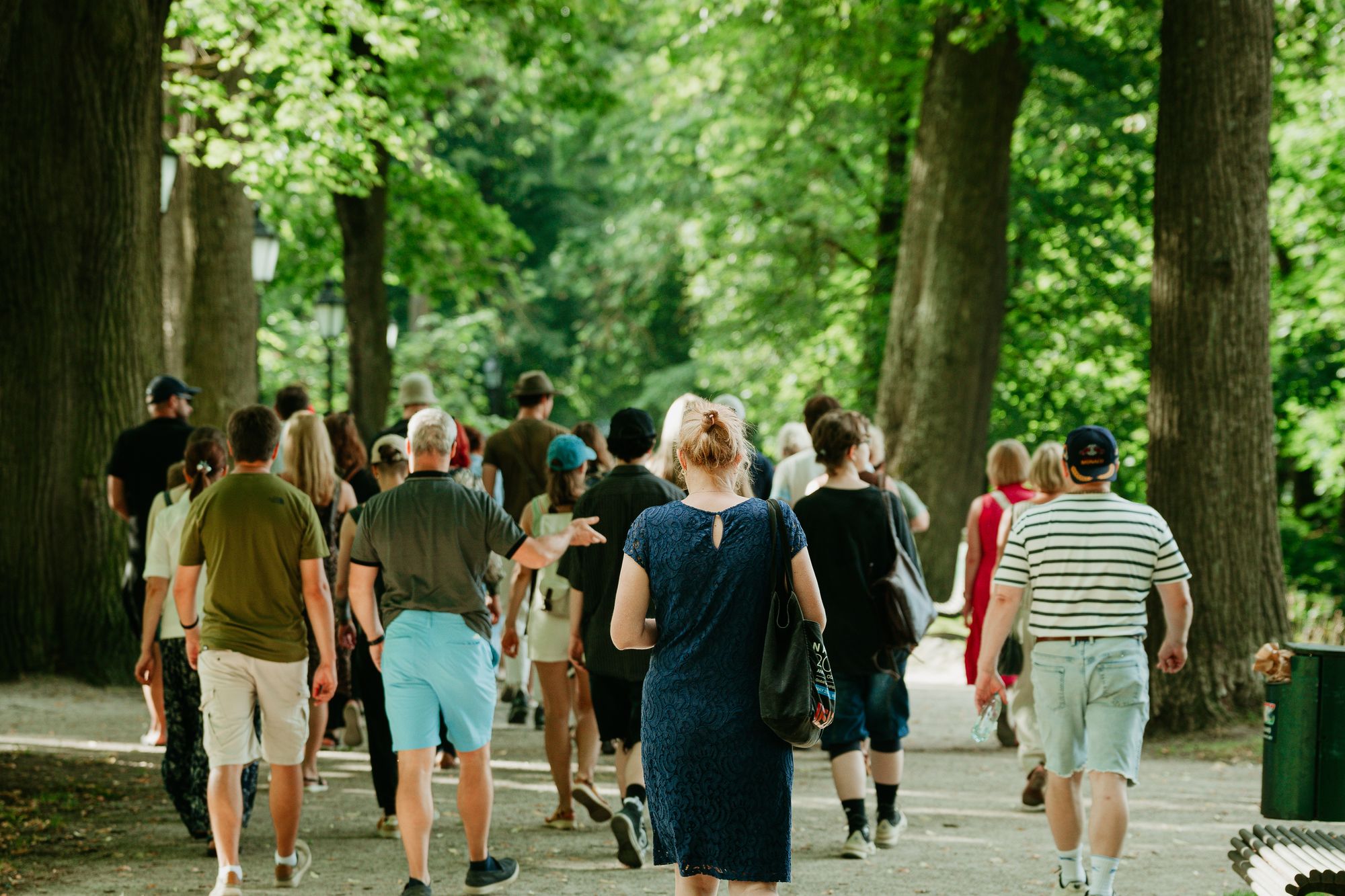
Babelhouse’s literary walk in Tartu

Tartu is one of Estonia's most important literary cities! Have you ever wondered which streets and places have inspired writers and where famous stories were born? On this literary walk, you will discover Tartu through literature and stories. You will visit places associated with various authors and their work, and learn more about the city's rich literary history. The walk takes you through Tartu's Old Town to Aparaaditehas, where you meet familiar characters and authors. The guide tells stories of writers who have lived, studied, or found inspiration here. Real places and literary stories intertwine, revealing the city from a completely new angle. This tour is suitable for everyone who wants to view Tartu through a literary lens. Babelhouse's guided tours are flexible and tailored according to the group's wishes and time constraints.

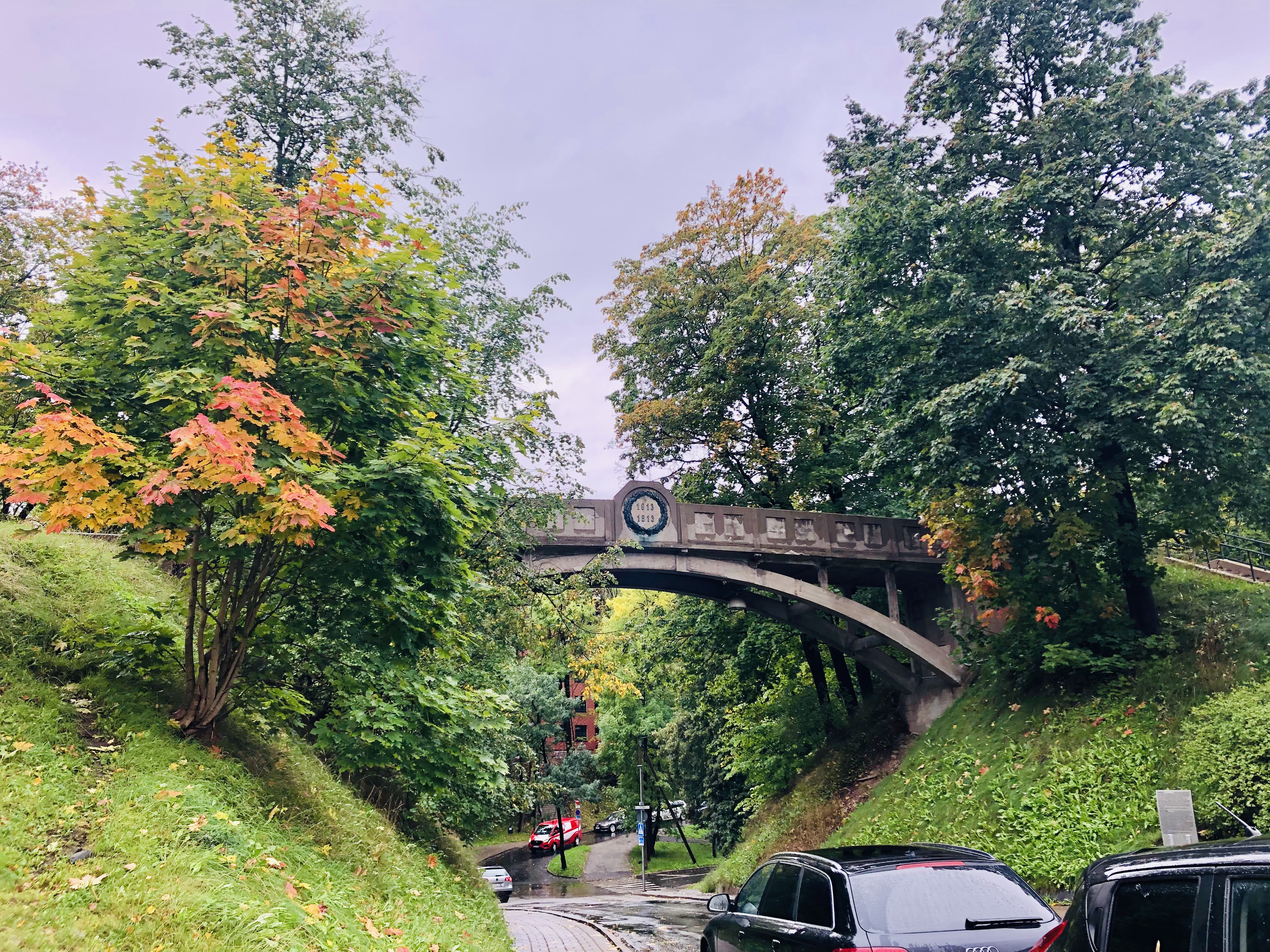
Tartu Devil’s Bridge

The Devil's Bridge in Tartu is one of the few remaining concrete bridges from the early 20th century. Together with the Angel's Bridge, it forms one of the symbols of Tartu. Everyone is welcome to walk on the bridge, especially visitors interested in history and architecture. The Devil's Bridge was built in 1913 to celebrate the 300th anniversary of the Romanov dynasty. It is decorated with a bronze relief of the Russian Emperor Alexander I, "Alexandro Primo." According to legend, the name "Devil's Bridge" comes from its dark appearance, which contrasts with the bright Angel's Bridge. The Devil's Bridge is ideal for walking or taking exciting photos!

  • Churches

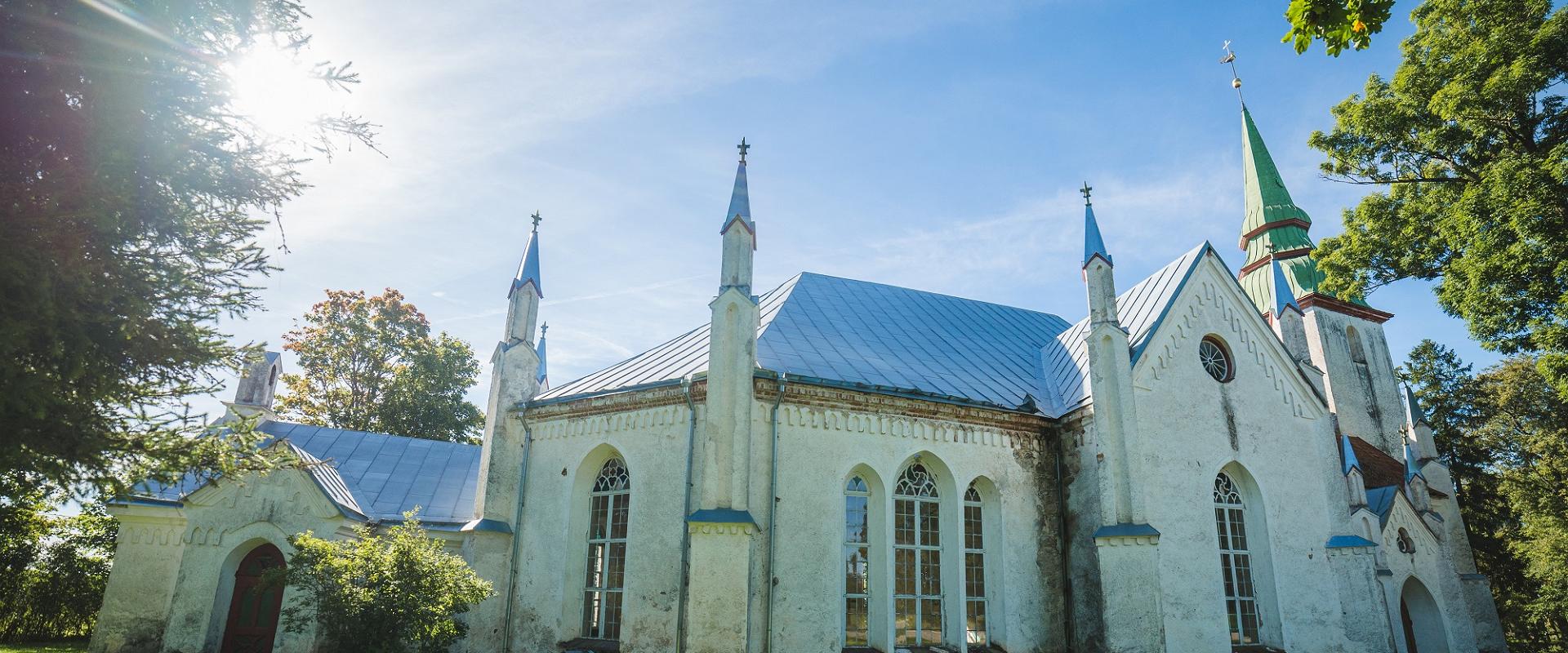
Kursi’s Sts. Mary and Elisabeth Church of the Estonian Evangelical Lutheran Church

Baroque architecture in concordance with pseudo Gothic architecture (alteration by Johann Gottfired Mühlhausen). Twelve small spiring pinnacles symbolise the twelve apostles of Jesus. The church manor is a historical parochial centre; there is a museum in the vicarage (built in 1817).

  • Collaboration
  • News
  • Contacts
  • Privacy Policy
Join our mailing list!

"*" indicates required fields

This field is for validation purposes and should be left unchanged.
I authorise marketing

South Estonia Tourism Cluster

info@visitsouthestonia.com