• Explore
    • Nature
    • Culture
    • Food
    • Family
    • Activity
    • Blog
    Smoke sauna
    Weather and seasons
  • Plan
    • Accommodation
    • How to get here
    • Weather and seasons
    • Sustainability
    • Tourist info
    Discover South Estonia’s Most Beautiful Manors and Castles
    Top 20 Sights in South Estonia
  • For professionals
    • For professionals
    • Collaboration
    • News
    • Projects
    • Training
    • Repository
    • Community (opens in new tab)
    • Contacts
ENG
  • EnglishENG
  • EestiEST
  • LatviešuLAT
  • РусскийRUS
  • SuomiFIN
ENG
  • EnglishENG
  • EestiEST
  • LatviešuLAT
  • РусскийRUS
  • SuomiFIN
Popular searches:
Show all
  • Art & design
  • History & Culture
  • Sculptures

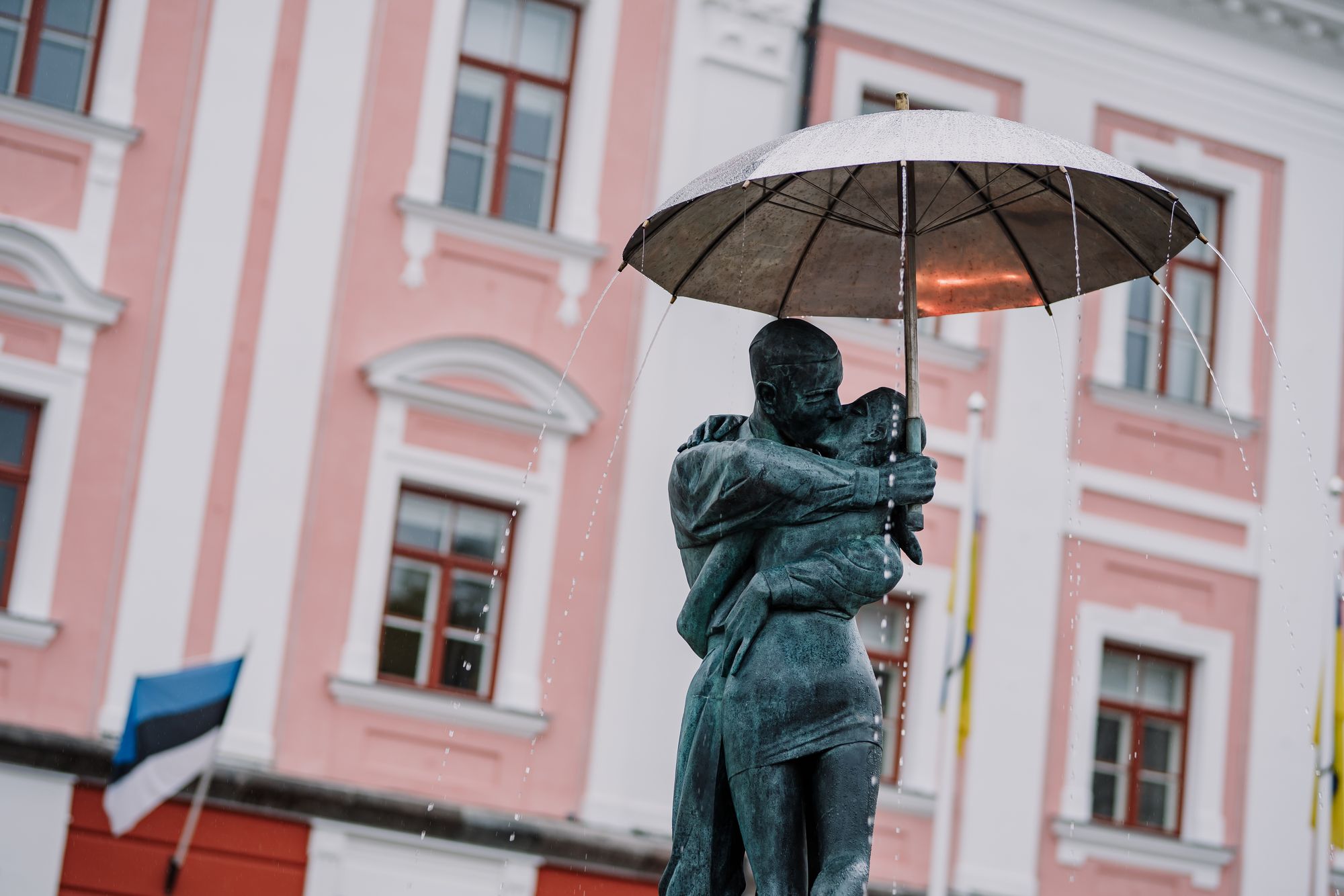
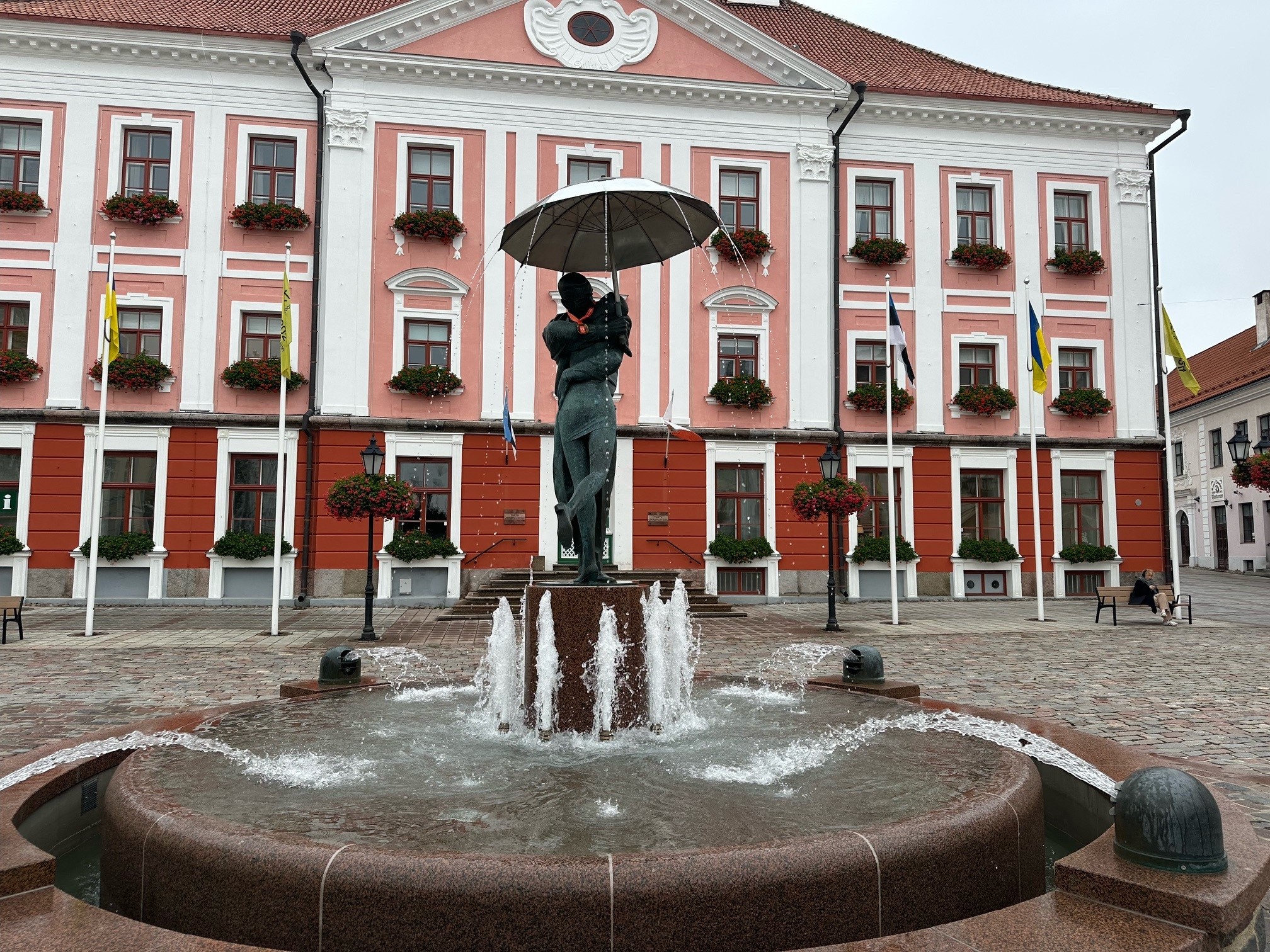
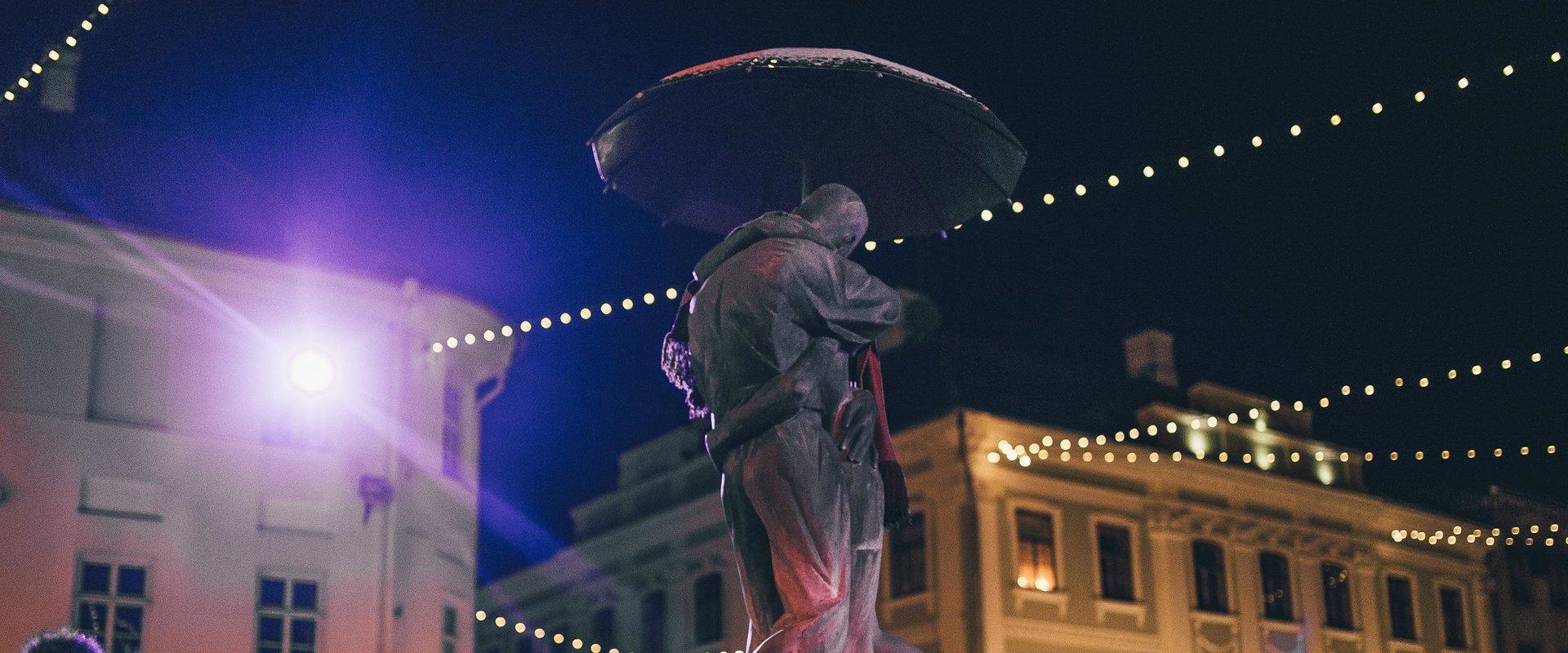
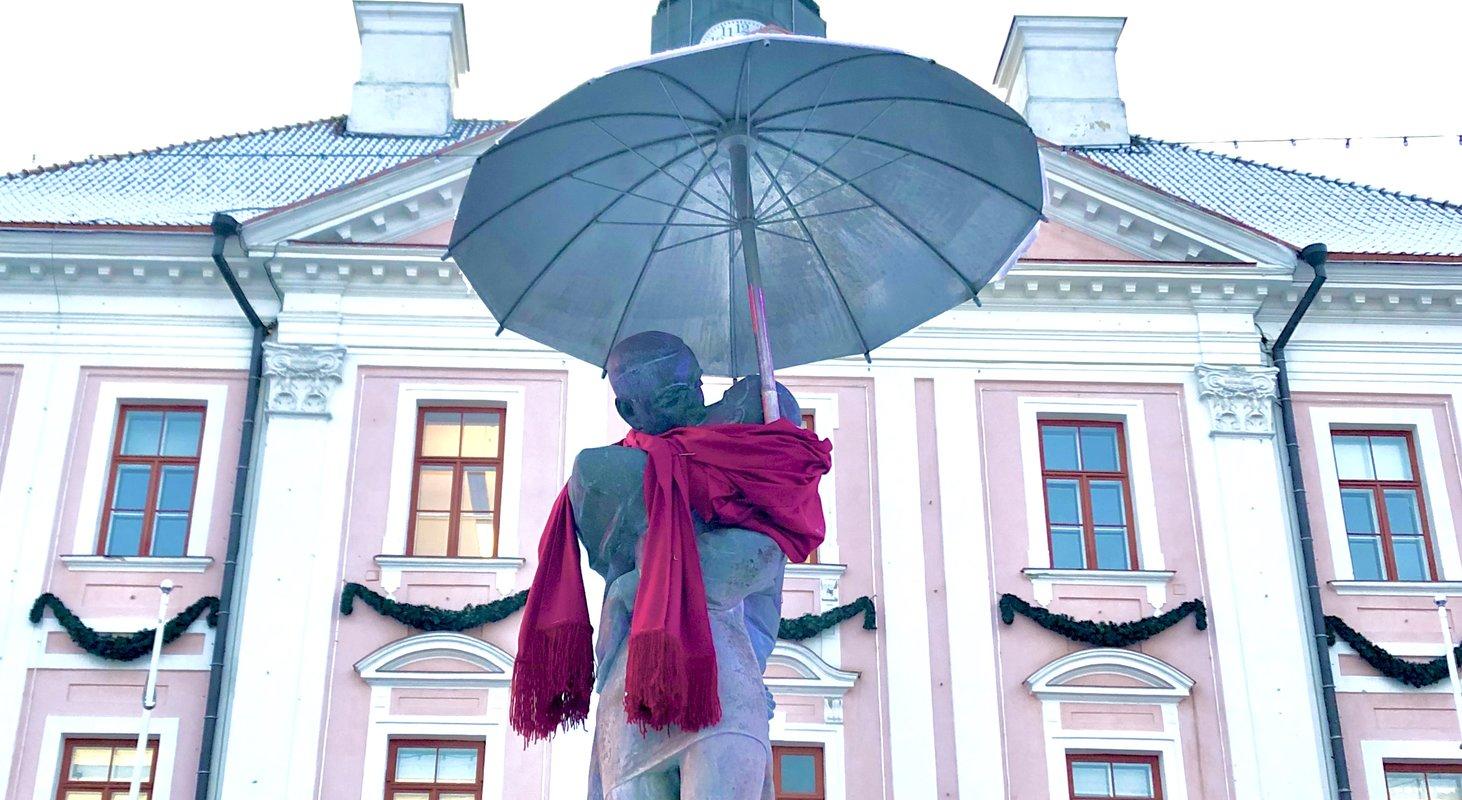
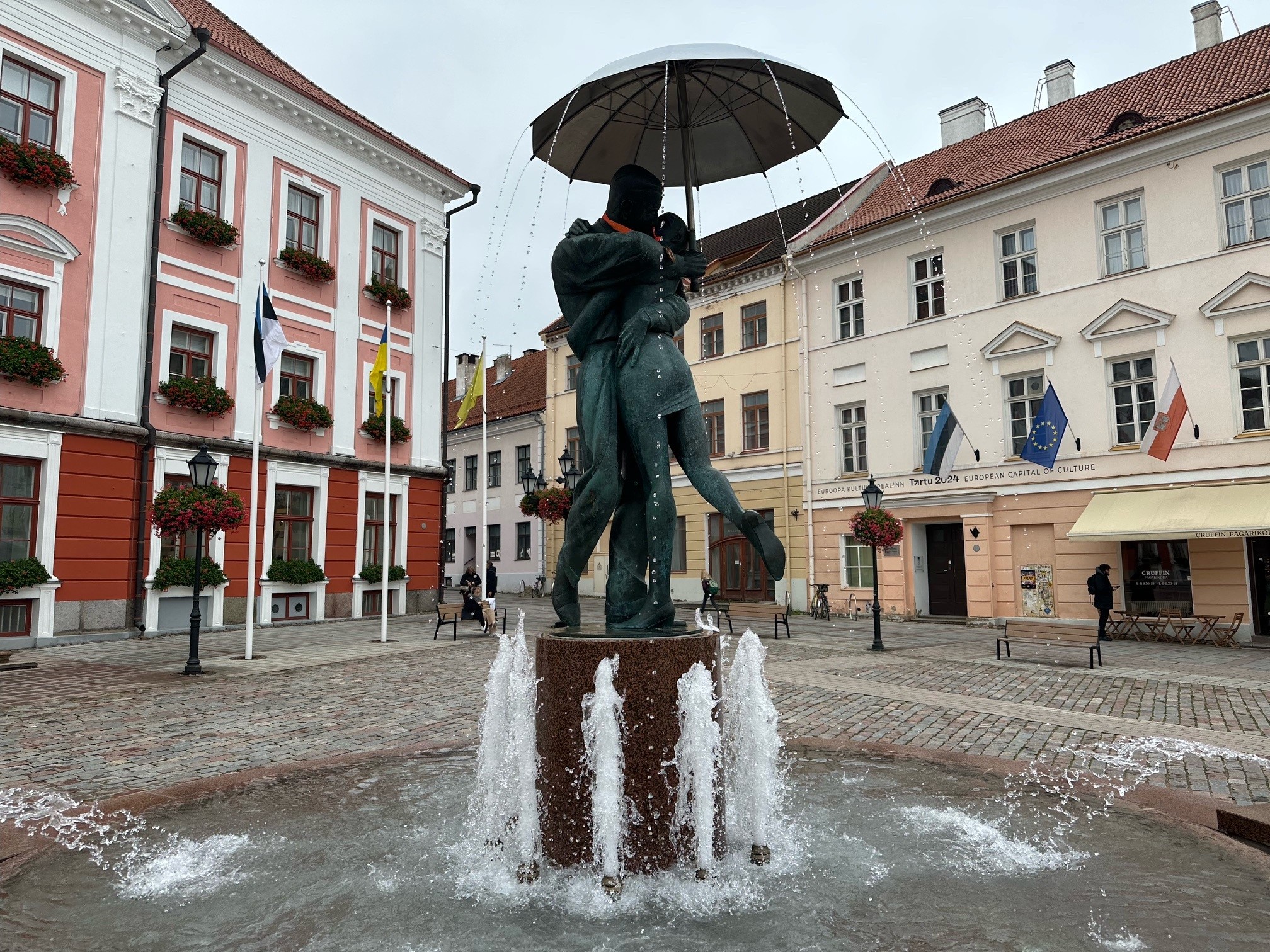
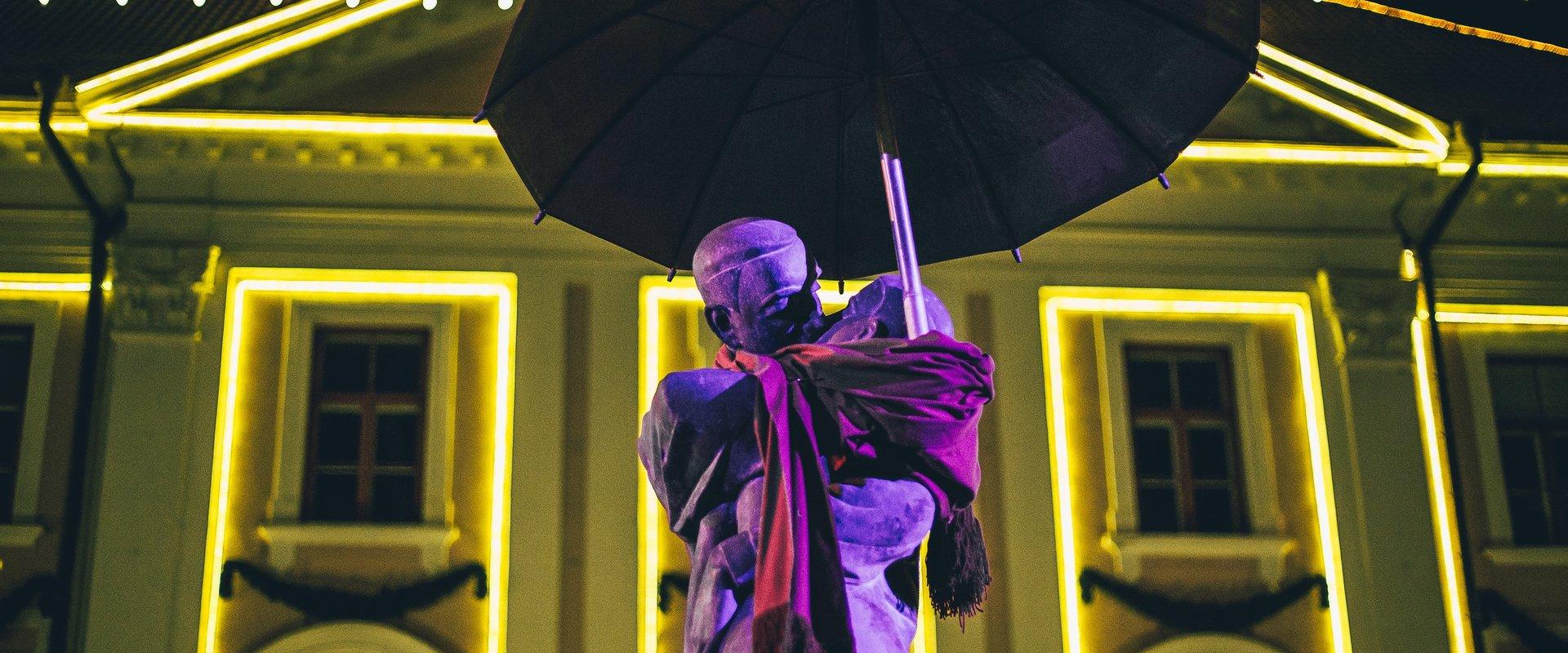
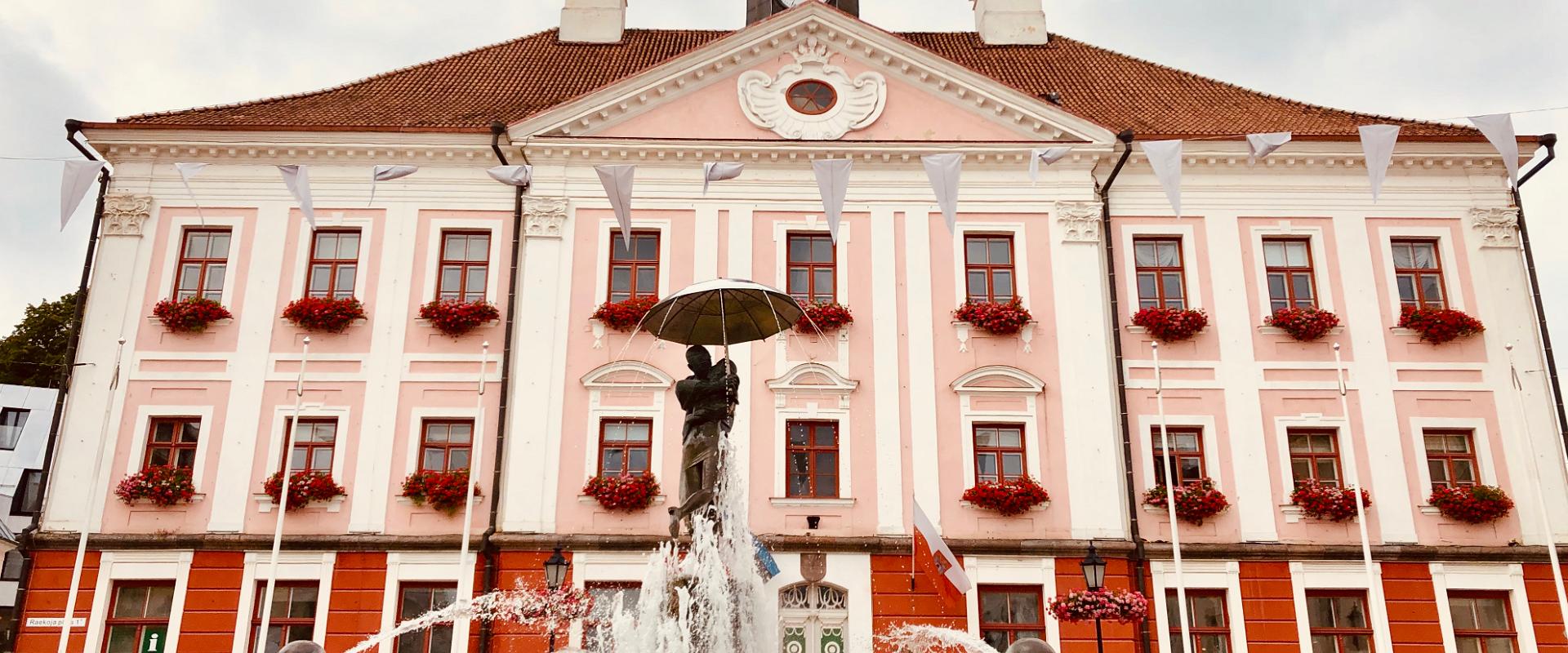
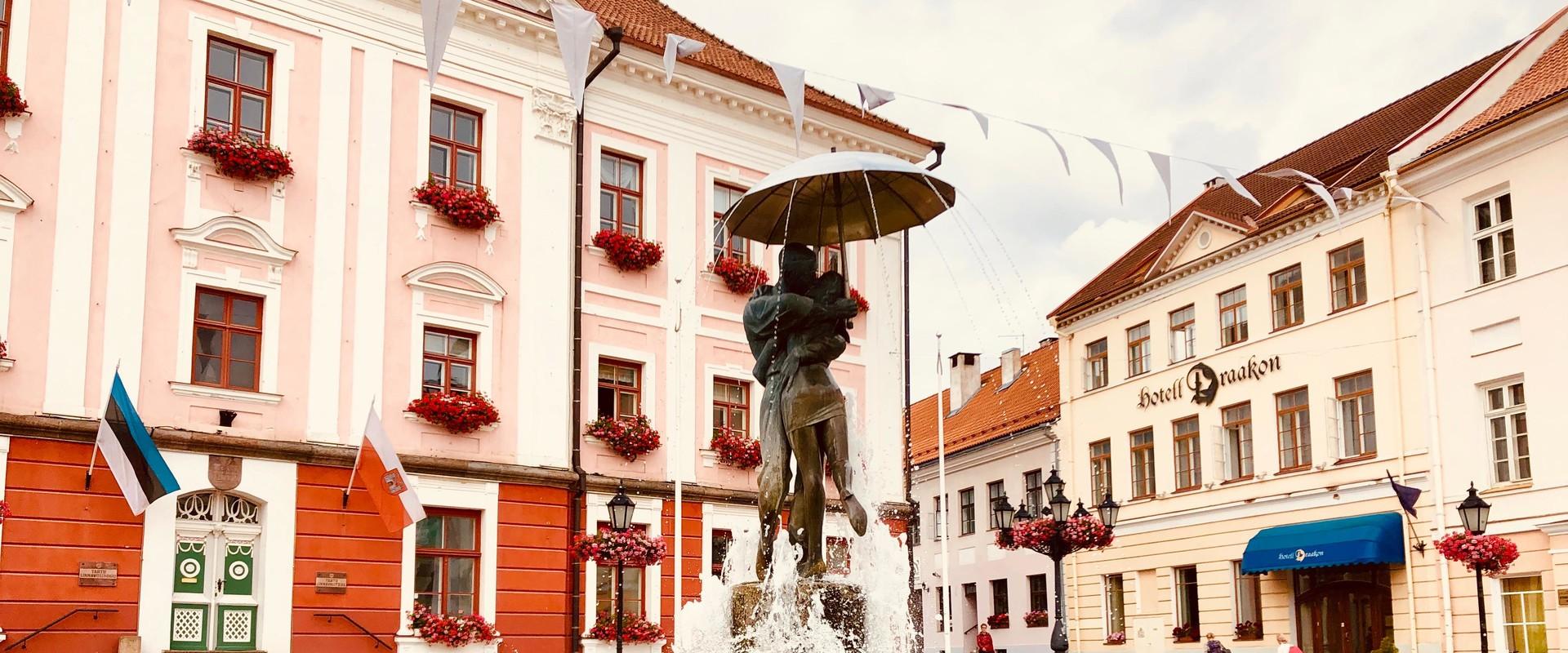
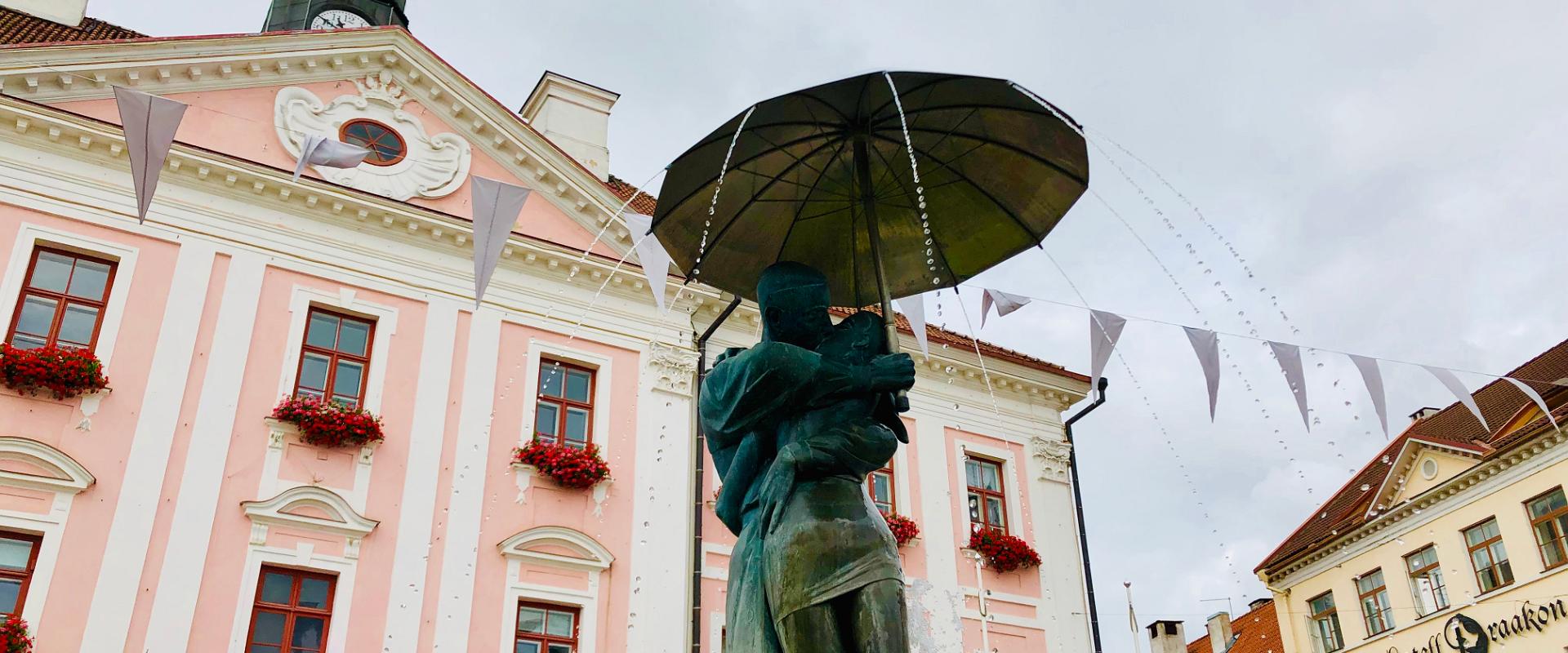
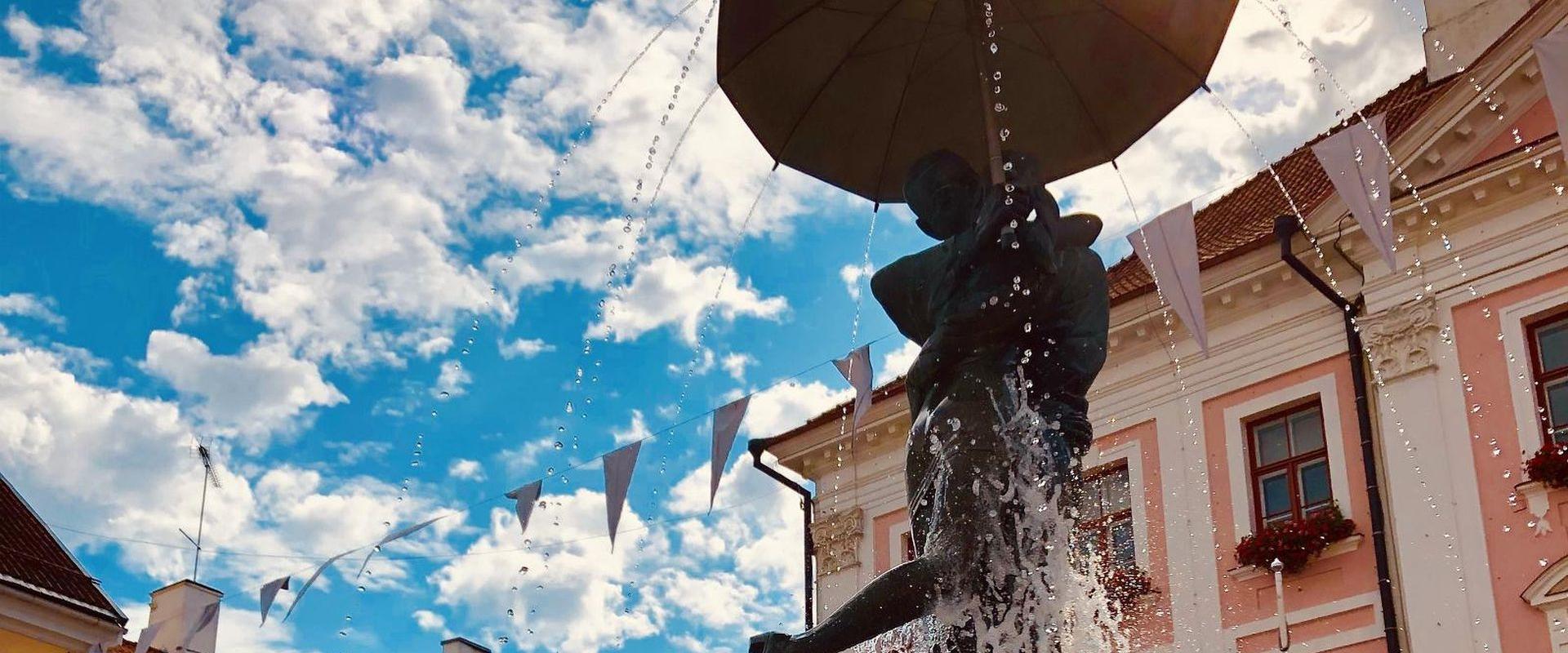
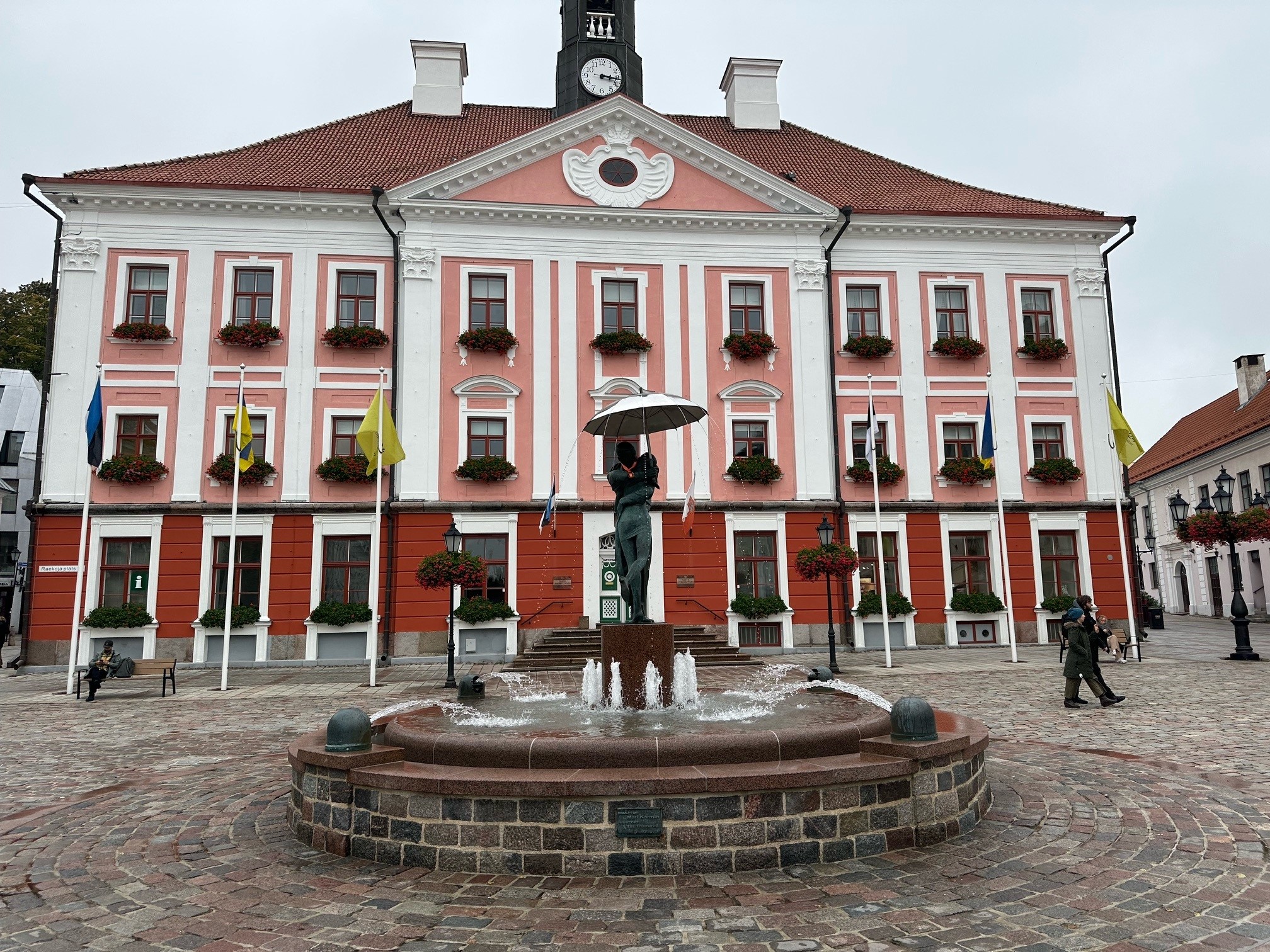
‘The Kissing Students’ sculpture and fountain

Raekoja plats 1a, Tartu linn, Tartu maakond, 51003

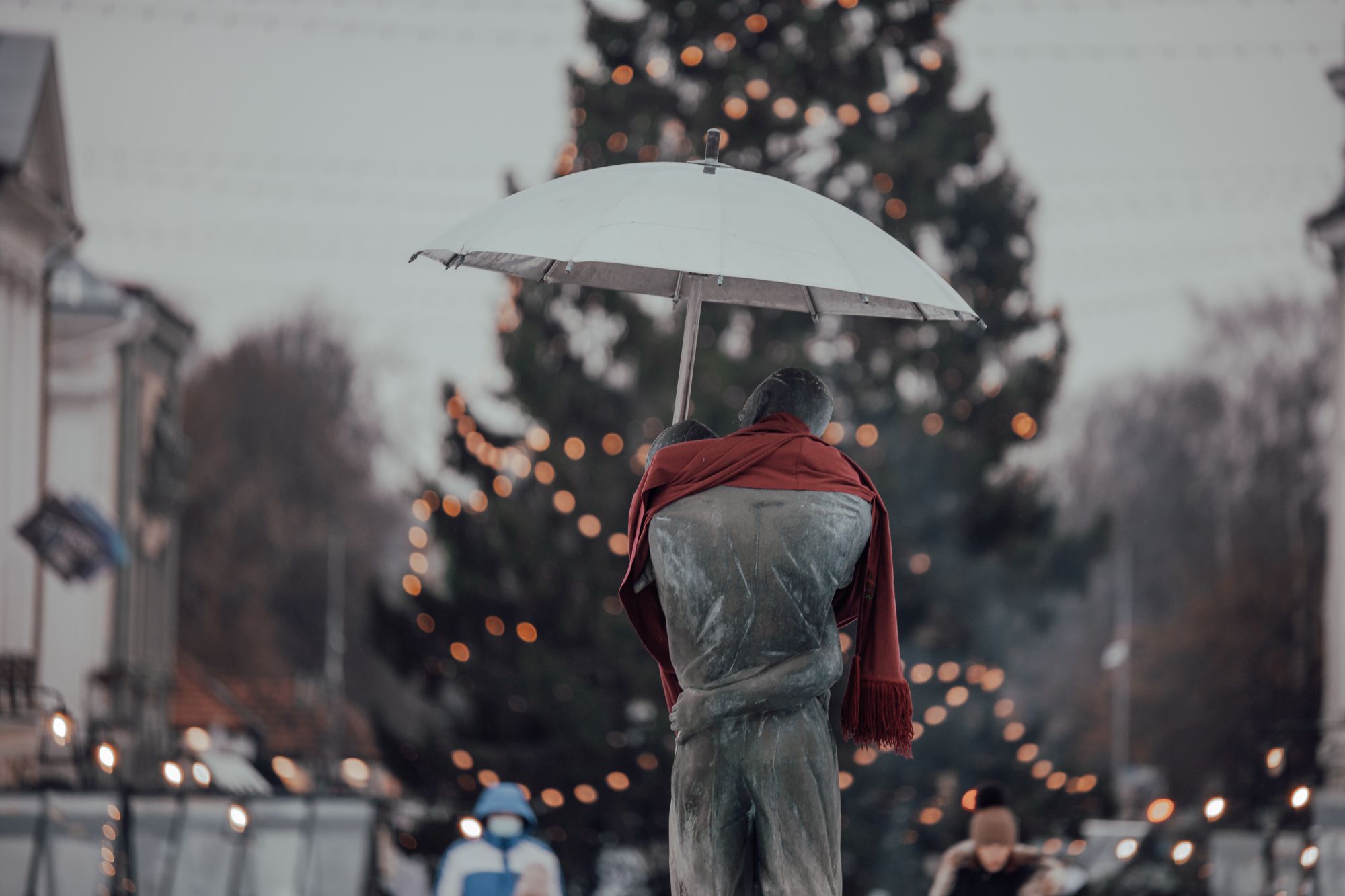
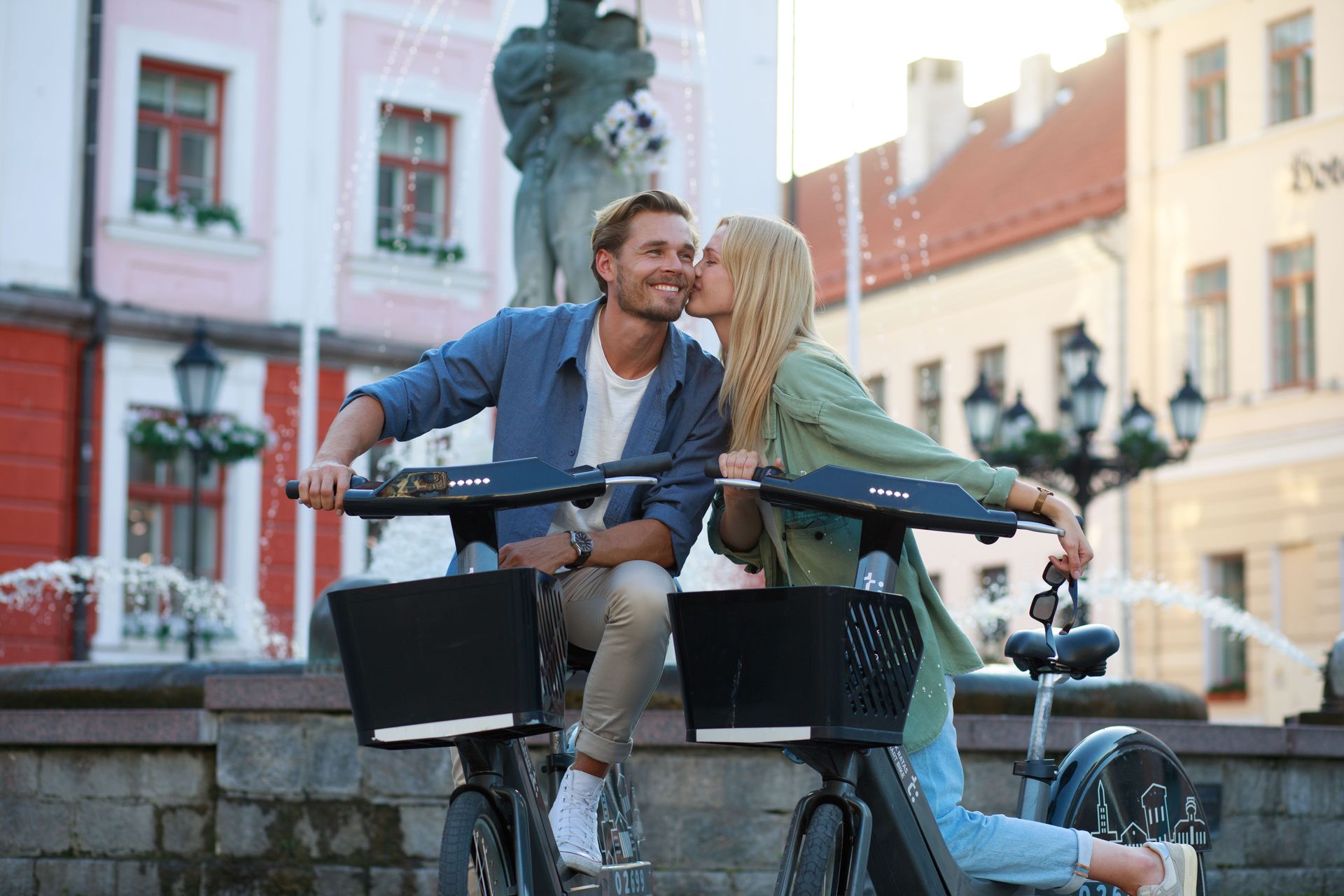
‘The Kissing Students’ sculpture and fountain is one of the most recognised symbols of Tartu. The fountain has stood in the same place since 1948, when newlyweds and their guests would visit it for luck, and people would also take a dip in it. The sculpture was created by Mati Karmin and completed in 1998. Since 2006 the fountain has been surrounded by tiles bearing the names of Tartu’s sister cities – Bærum, Deventer, Ferrara, Fredriksberg, Hafnarfjörður, Hämeenlinna, Kaunas, Lüneburg, Pihkva, Riia, Salisbury, Tampere, Turu, Uppsala, Veszprem and Zutphen. Each of these is situated in the direction that the cities lie from Tartu, with the distances marked.
Open times

Throughout the Year

Around the Clock

Links

See more

  • Sculptures

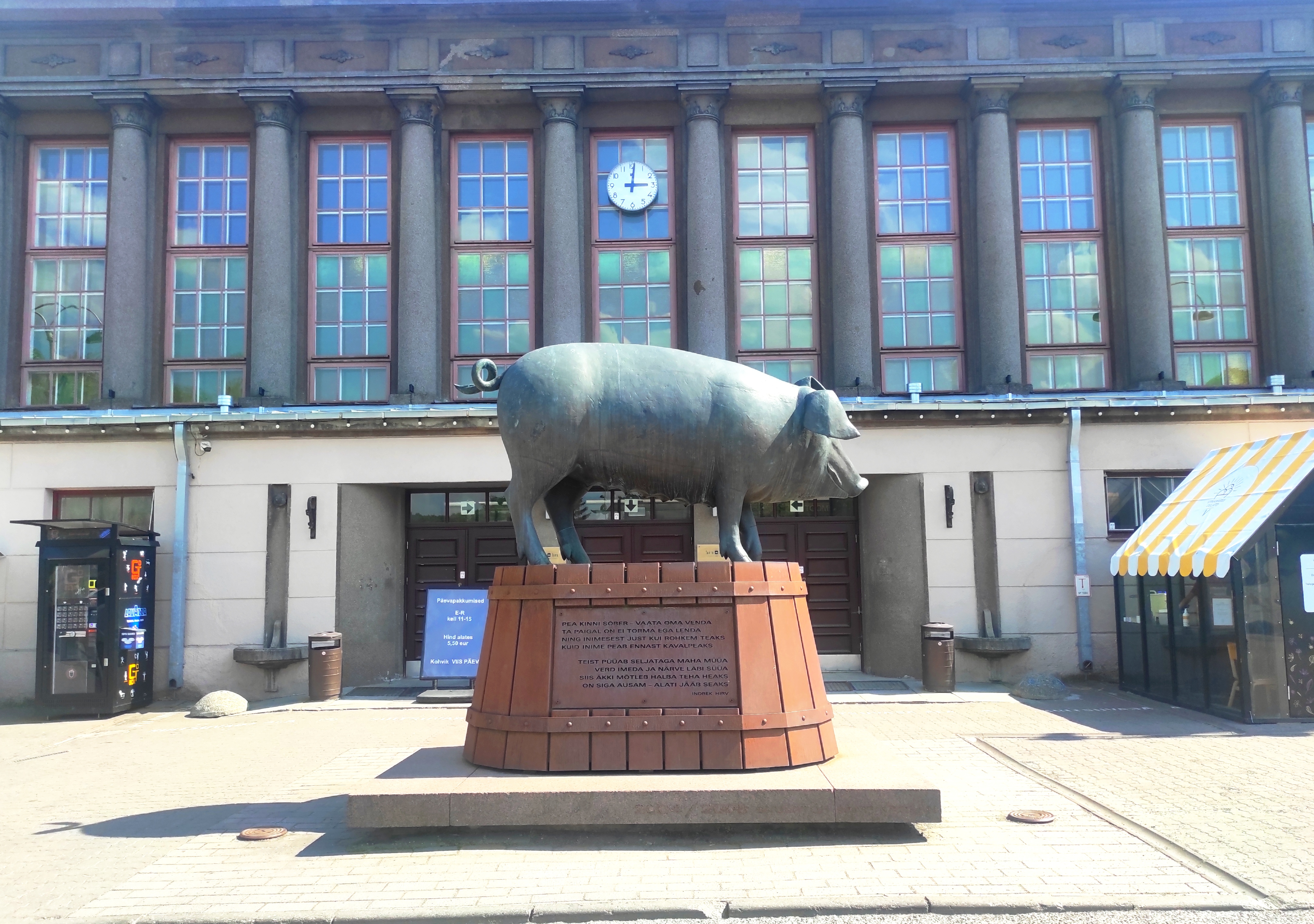
Sculpture Bronze Pig

The sculpture was created by Mati Karmin and unveiled in front of the Tartu Market on 17 January 2008.The steel barrel rests on a granite base and the numbers and letters cut into the base inform the viewer that the date when the sculpture was opened, 17 January, is St Anthony’s Day when old Estonians used to turn their attention to the pig.

  • Sculptures

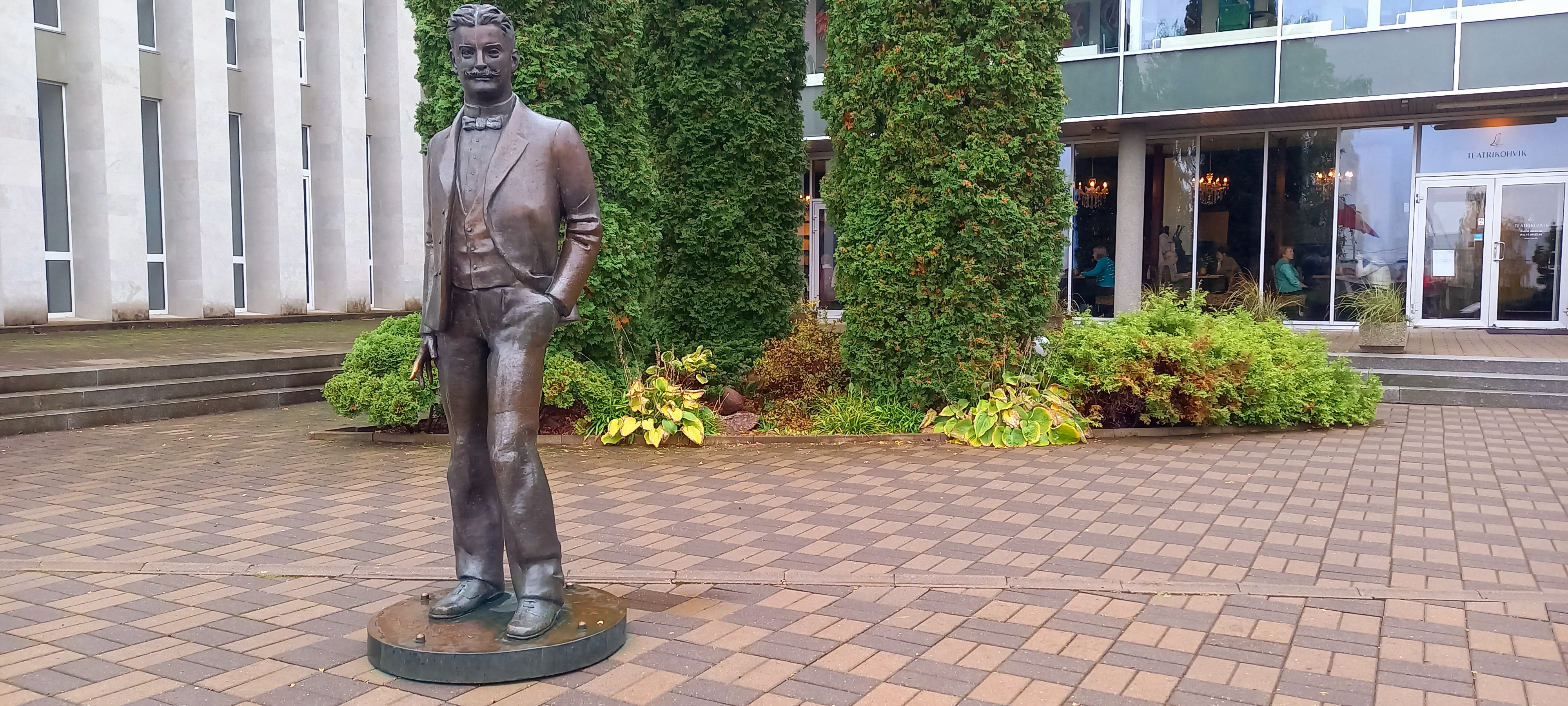
Sculpture of Karl Menning

Karl Menning was the founder of professional theatre in Estonia and the first professional theatre and stage director in the country. He was the director of the Vanemuine Theatre from 1906 to 1914. His sculpture was created by Mare Mikoff and is unique for the fact that it can be turned on the spot.

  • Sculptures

Memorial to deportees at the Võru railway station

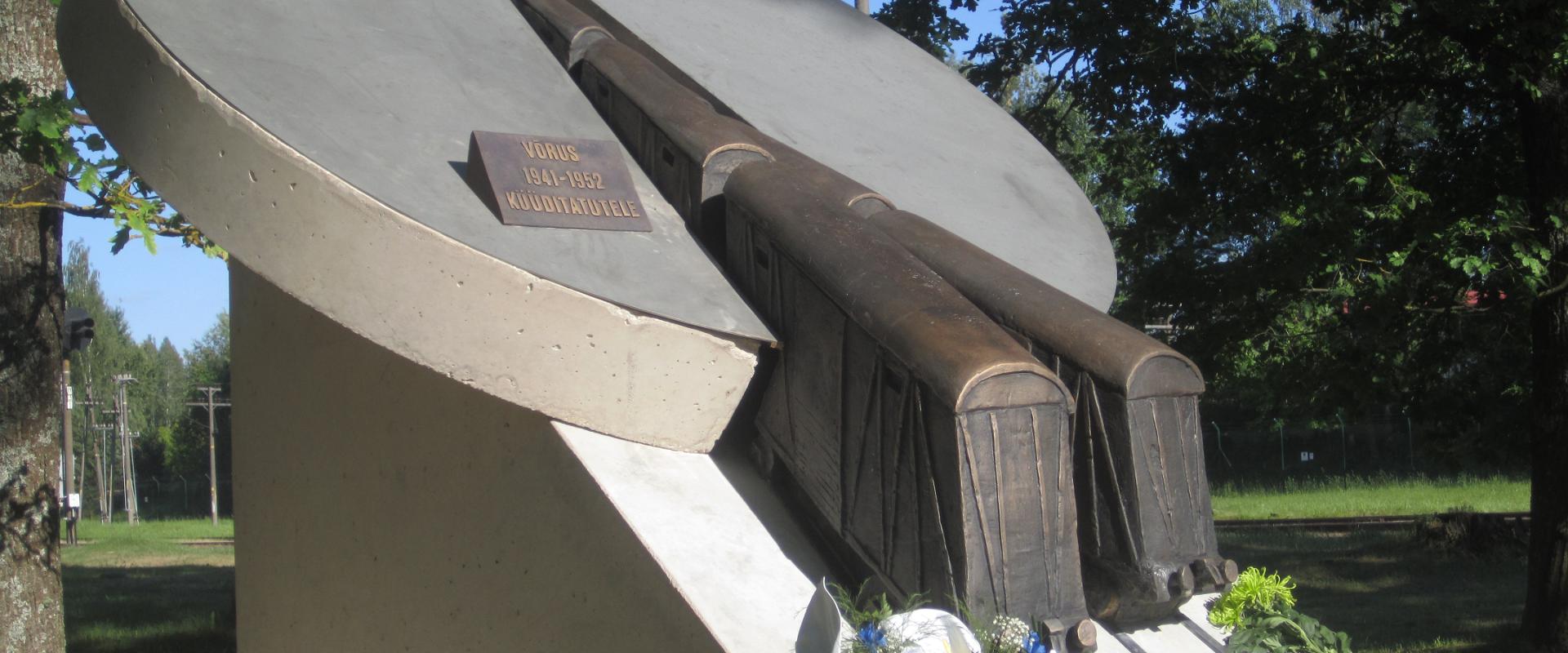
The emotional and powerful memorial (2016) was erected to honour the harsh fate of the people deported from Võru and Võru County from 1941 to 1952. The sculptor is Jaak Soans.The memorial depicts two rows of bronze animal wagons placed on a concrete block 1.6 metres high, with human figures visible between them. A ramp made of original railway sleepers and dolomite gravel, which is 4 metres wide and 16 metres long, takes to the memorial. The total length of the memorial complex is almost 24 meters.

  • Sculptures

Catherine II Sculpture and Catherine Alley (Katariina allee)

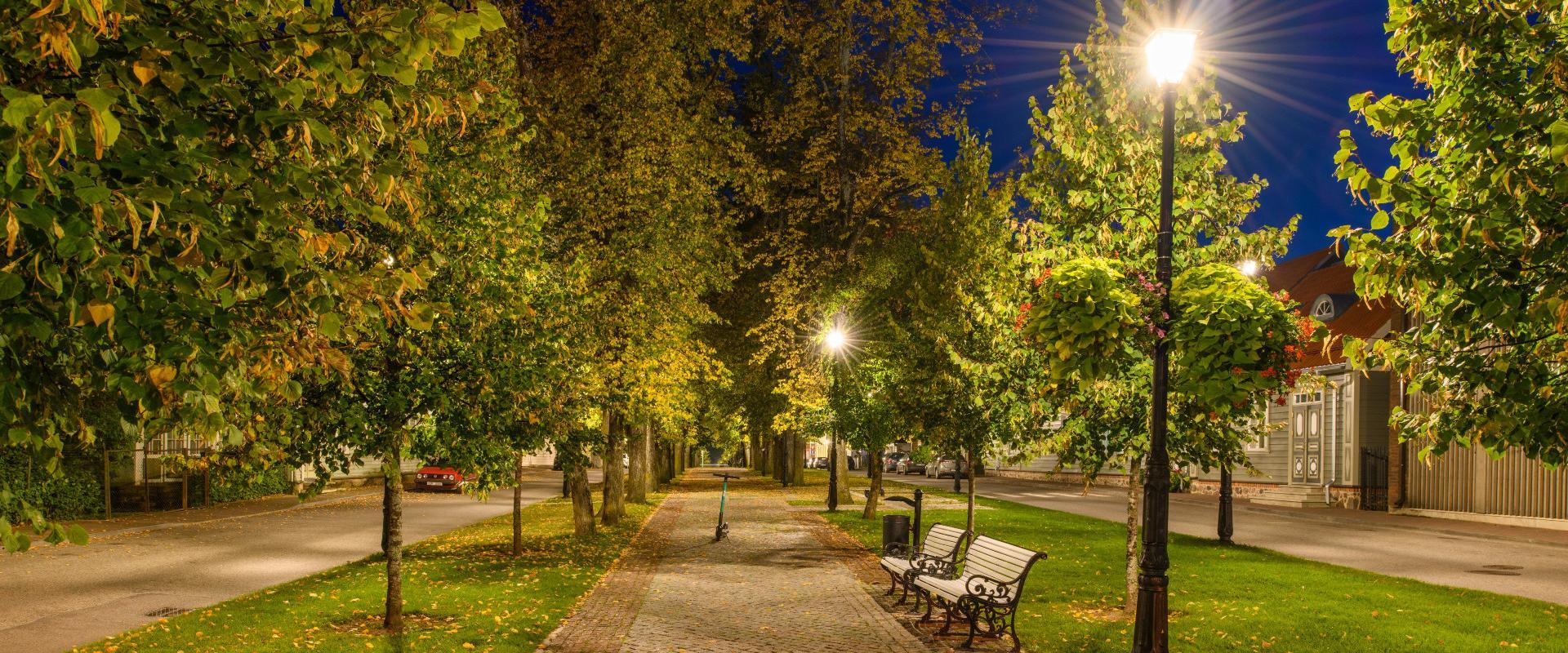
The sculpture of Russian Empress Catherine II (sculptor Jaak Soans) was installed on the renovated Catherine Alley in 2014.The city of Võru was established as the centre of the newly created county under the new Provincial Governance Law of 1784. Catherine II personally gave a number of orders for the founding of a new city and affirmed the coat of arms of the city. The avenue from the first house of Võru town, the main building of the manor belonging to von Mengdens (Võru upper secondary school) to Lake Tamula, is shown on very early maps of Võru city. Catherine Alley connects the city's central square with Kreutzwald Park and Tamula Lake's promenade.

  • Sculptures

War of Independence Memorial Column

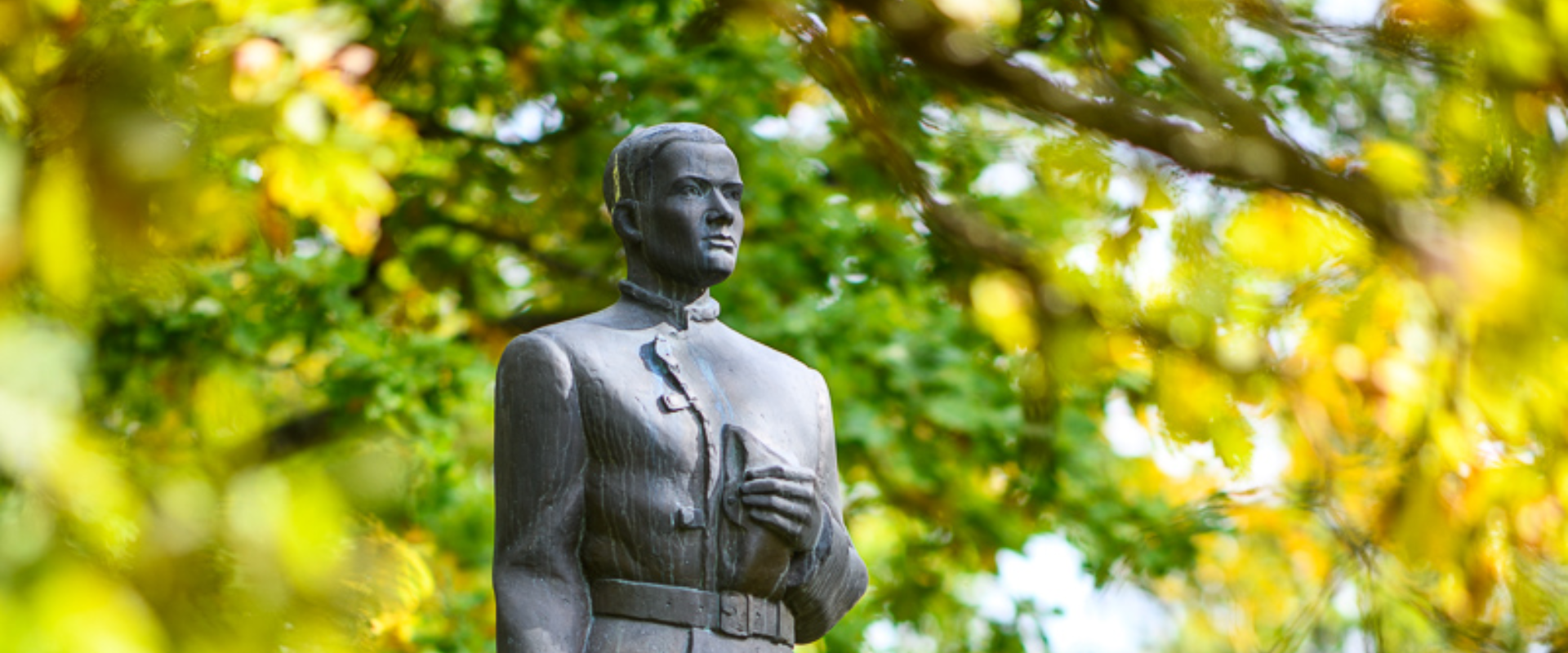
The memorial column erected in 1928 to commemorate those who fell in the War of Independence stands in the park next to Tõrva Upper Secondary School. The author of the monument is Aleksander Eller. The monument was taken down by local communist authorities during the Second World War in 1940 and it was reopened on Victory Day, 23 June 1990.Interesting facts: Schoolboys gave the monument the friendly name Juku.

  • Sculptures

‘Father and Son’ sculpture

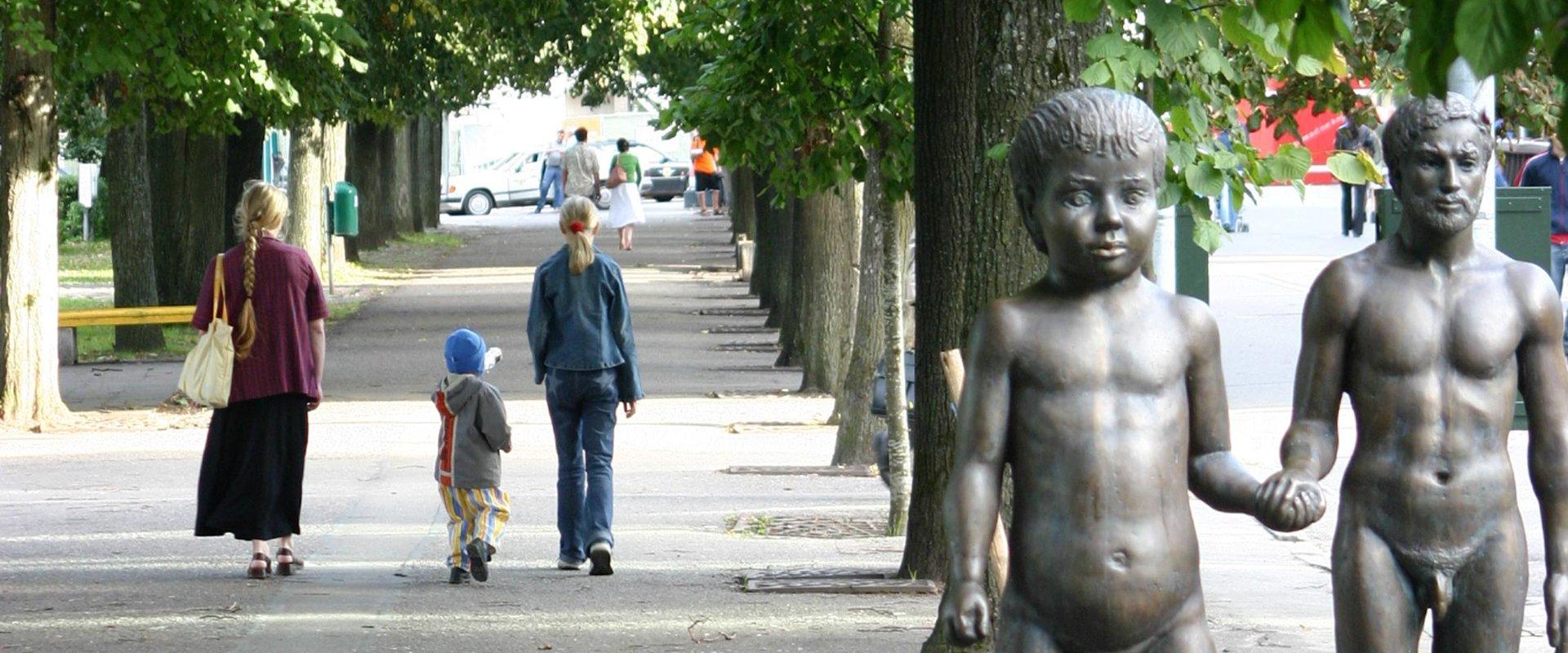
The sculpture "Father and Son" is a symbol of the relationship between different generations, where children are increasingly growing apart from their parents. The bronze work by sculptor Ülo Õun (1944-1988) was unveiled on Children's Day, June 1, 2004, on Küüni Street. The work represents the sculptor himself and his son Kristjan when the son was one and a half years old.

  • Sculptures

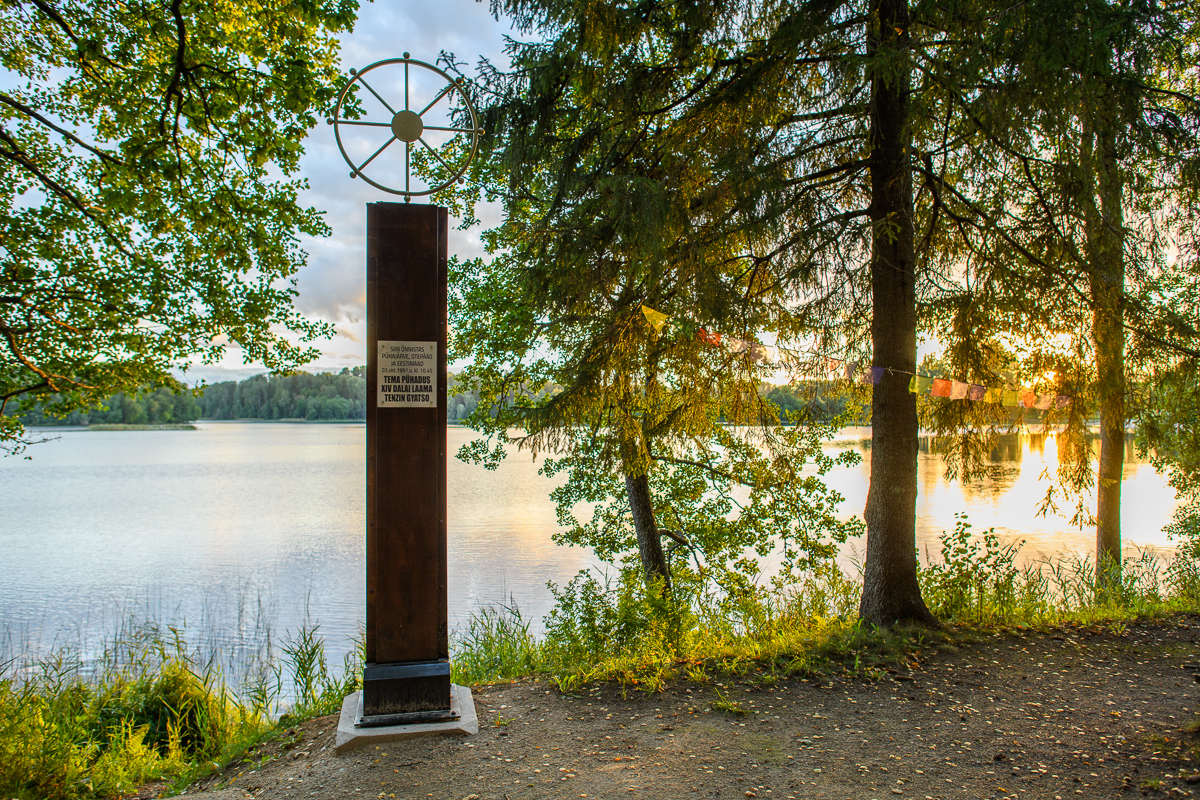
Monument to the Visit of Dalai Lama

You can feel touched by the divine when walking on the beach or swimming in Lake Pühajärv.Namely, His Holiness the 14th Dalai Lama Tenzin Gyatso (born 1935), the leader of the Tibetan people, visited Estonia and Otepää on 3 October, 1991. He blessed Lake Pühajärv on the same day. The historical visit is commemorated with a wooden sculpture near the beach in Pühajärv Park.

  • Sculptures

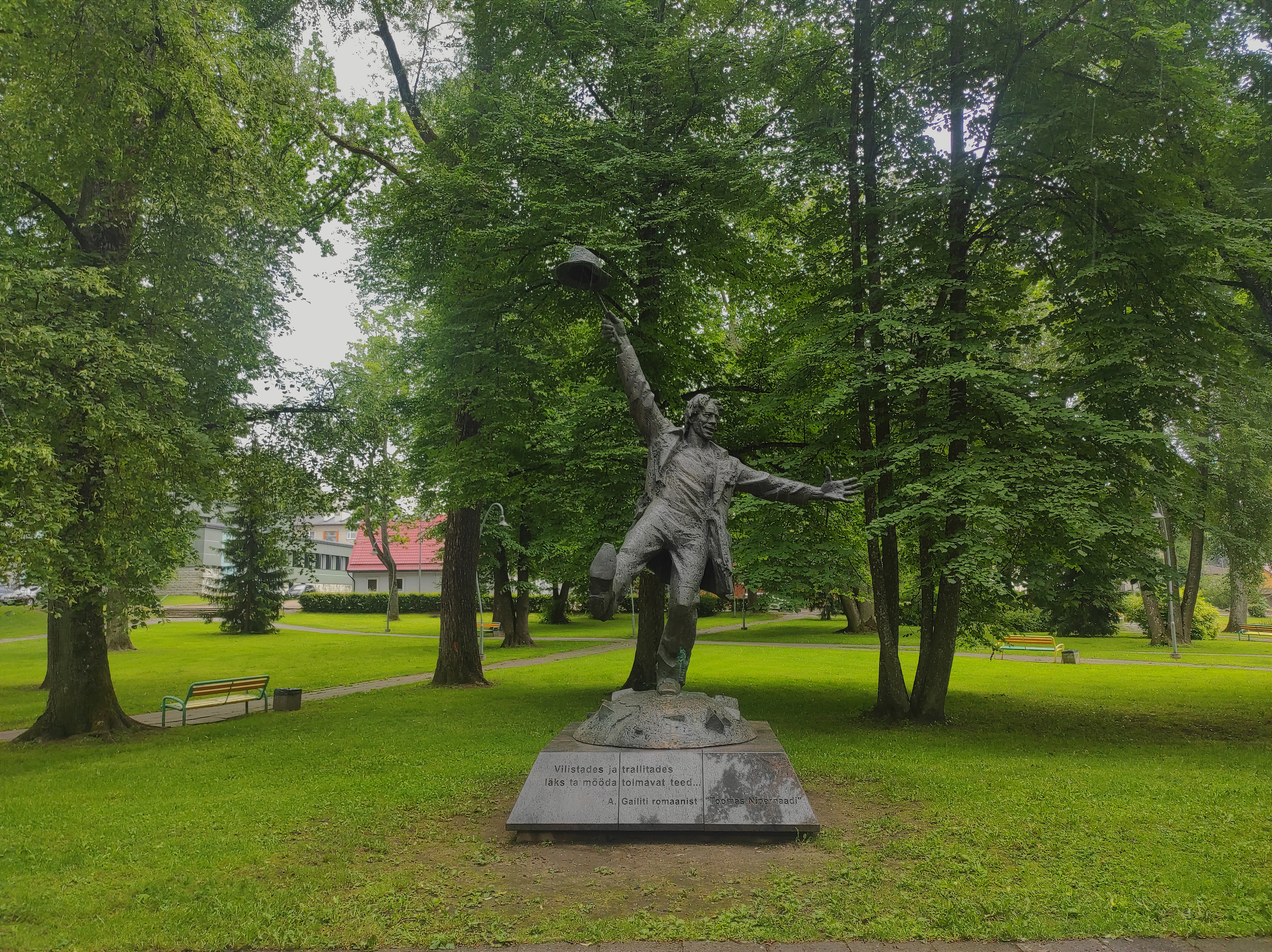
Nipernaadi sculpture in Valga

NIPERNAADI, the eternal wanderer and dreamer, greets visitors and boldly raises his hat in the Säde park. Look at the sole of his raised travelling boot and you'll see adventurous roads awaiting for you. If you manage to polish even the smallest part of it you will always have good luck accompanying your travels. Look into his eyes and you'll start dreaming, too. If you happen to meet his eyes for a bit longer your longing will be filled with something beautiful and unusual. Wave him as you leave and adventures will follow.NIPERNAADI, a vigorous bronze sculpture inspired by the protagonist of the novel "Toomas Nipernaadi" by August Gailit is anxious to meet you.

  • Collaboration
  • News
  • Contacts
  • Privacy Policy
Join our mailing list!

"*" indicates required fields

This field is for validation purposes and should be left unchanged.
I authorise marketing

South Estonia Tourism Cluster

info@visitsouthestonia.com