• Explore
    • Nature
    • Culture
    • Food
    • Family
    • Activity
    • Blog
    Smoke sauna
    Weather and seasons
  • Plan
    • Accommodation
    • How to get here
    • Weather and seasons
    • Sustainability
    • Tourist info
    Discover South Estonia’s Most Beautiful Manors and Castles
    Top 20 Sights in South Estonia
  • For professionals
    • For professionals
    • Collaboration
    • News
    • Projects
    • Training
    • Repository
    • Community (opens in new tab)
    • Contacts
ENG
  • EnglishENG
  • EestiEST
  • LatviešuLAT
  • РусскийRUS
  • SuomiFIN
ENG
  • EnglishENG
  • EestiEST
  • LatviešuLAT
  • РусскийRUS
  • SuomiFIN
Popular searches:
Show all
  • History & Culture
  • Architecture and history

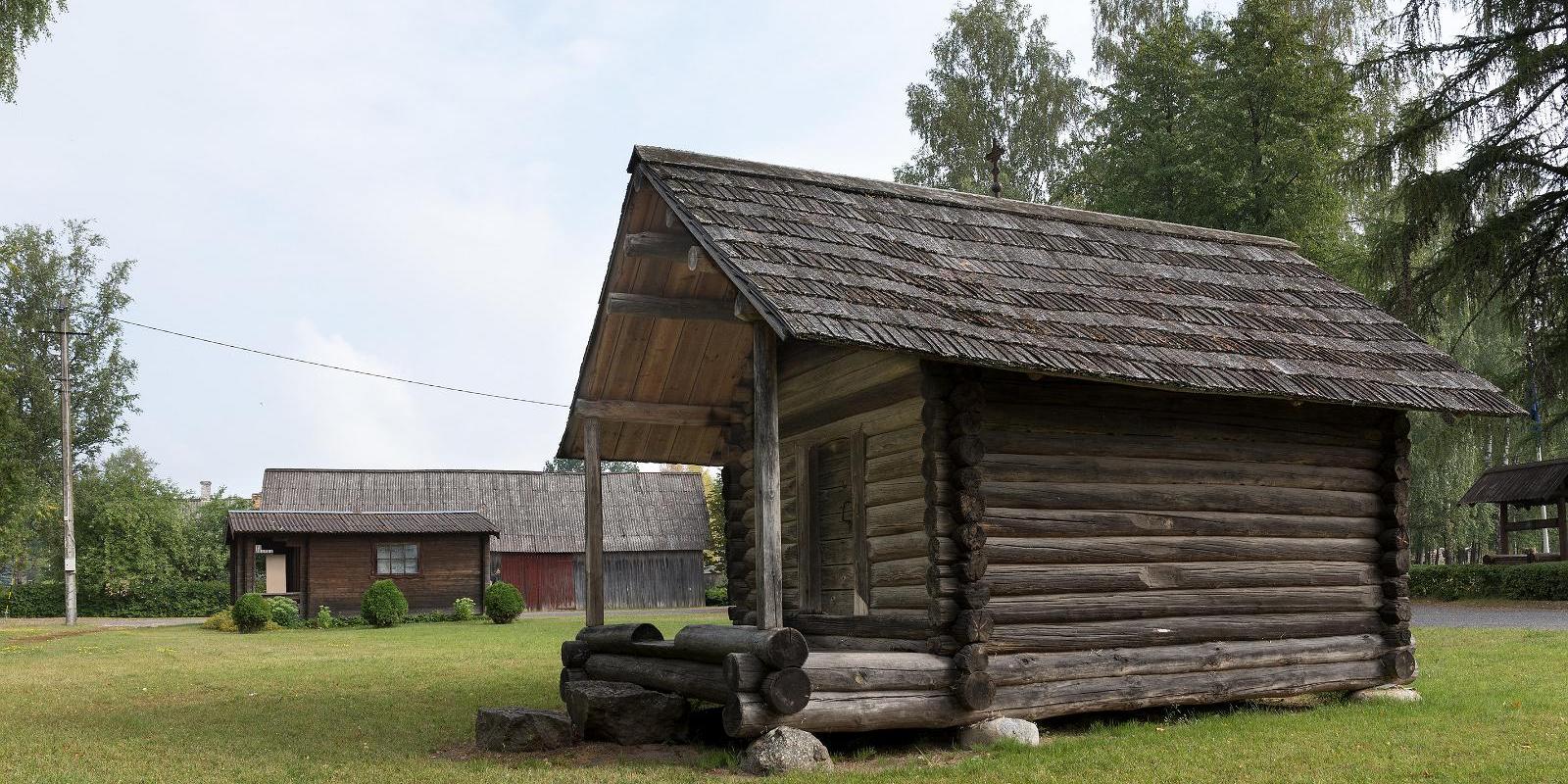
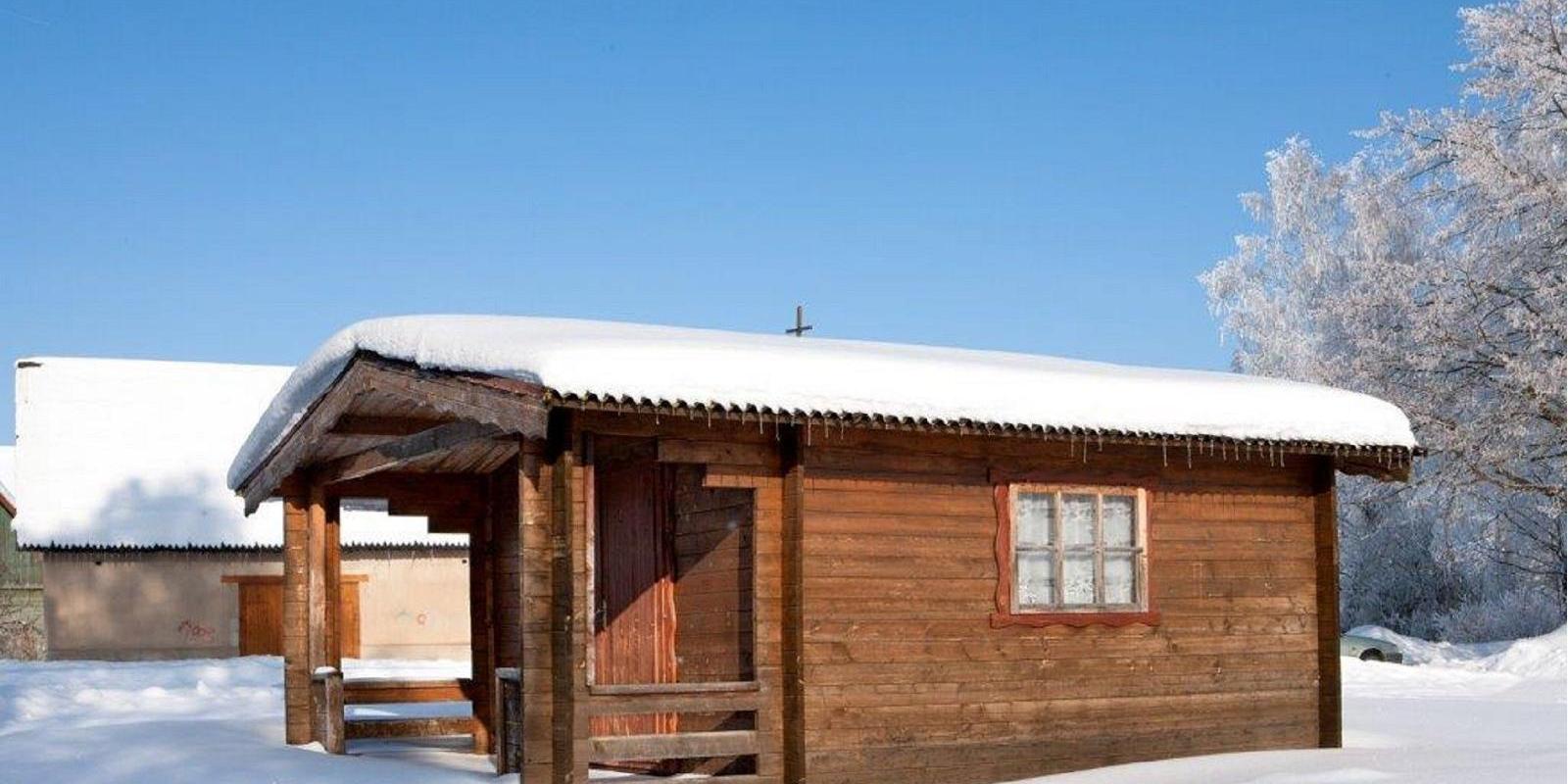
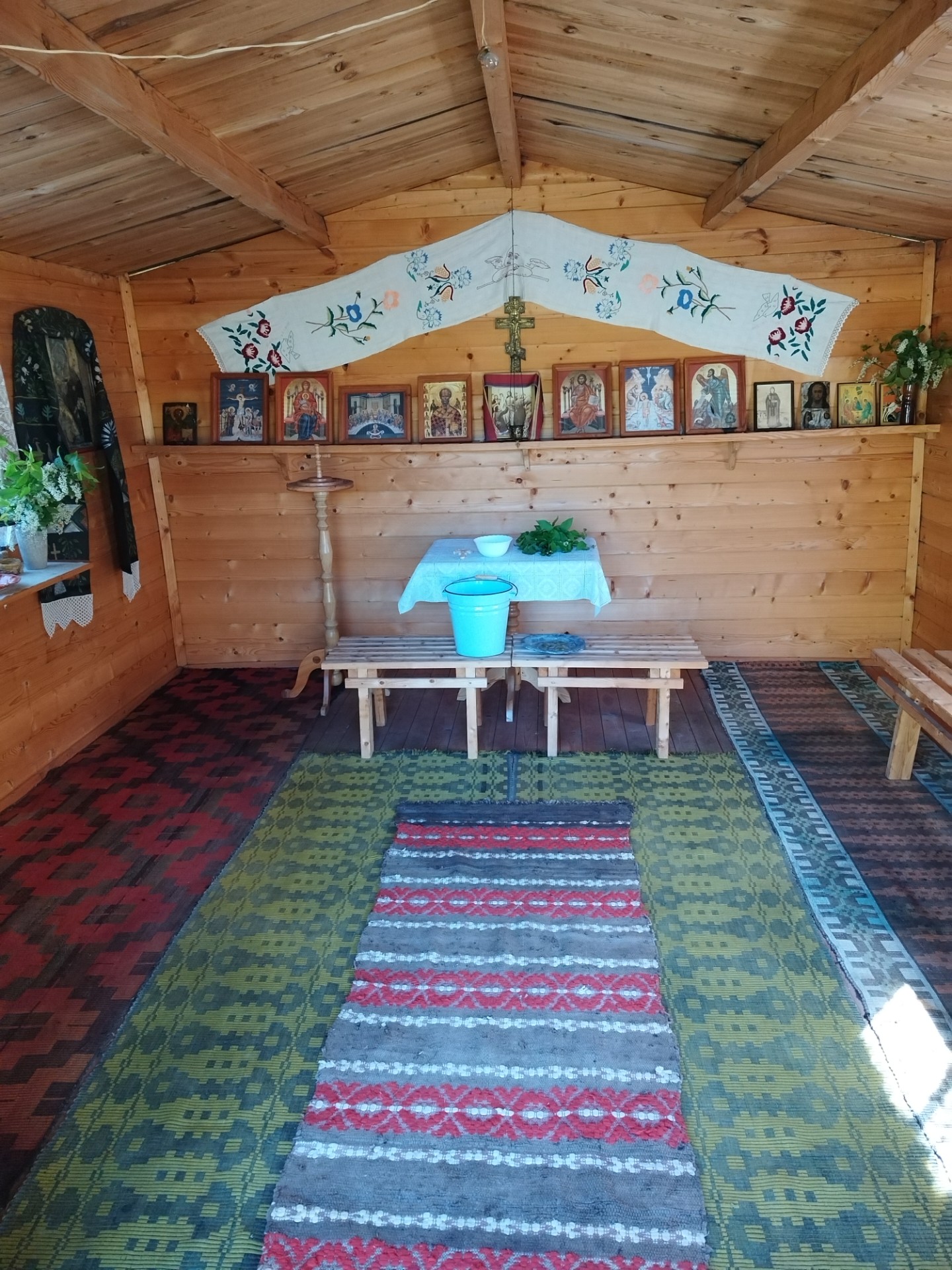
Mikitamäe Orthodox village chapels

Mäe tn 27/2, Setomaa vald, Võru maakond, 64301

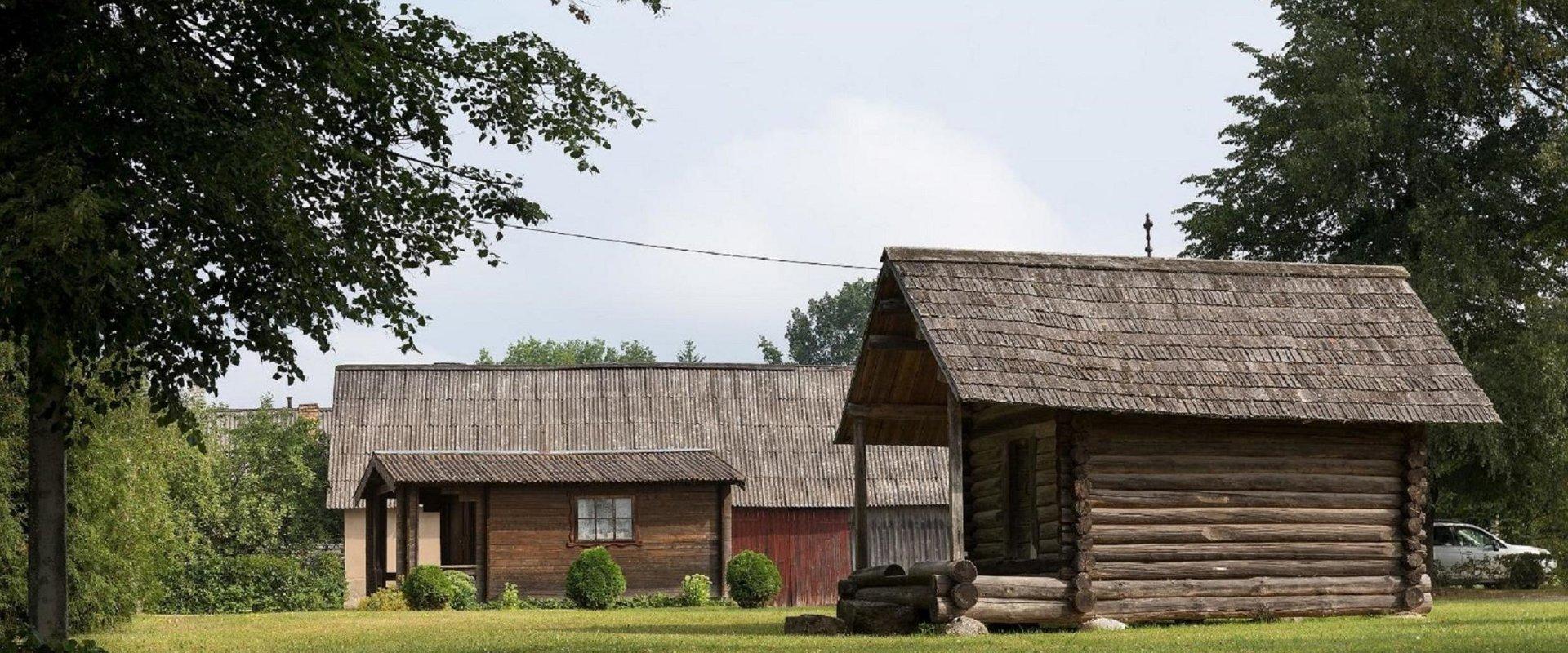
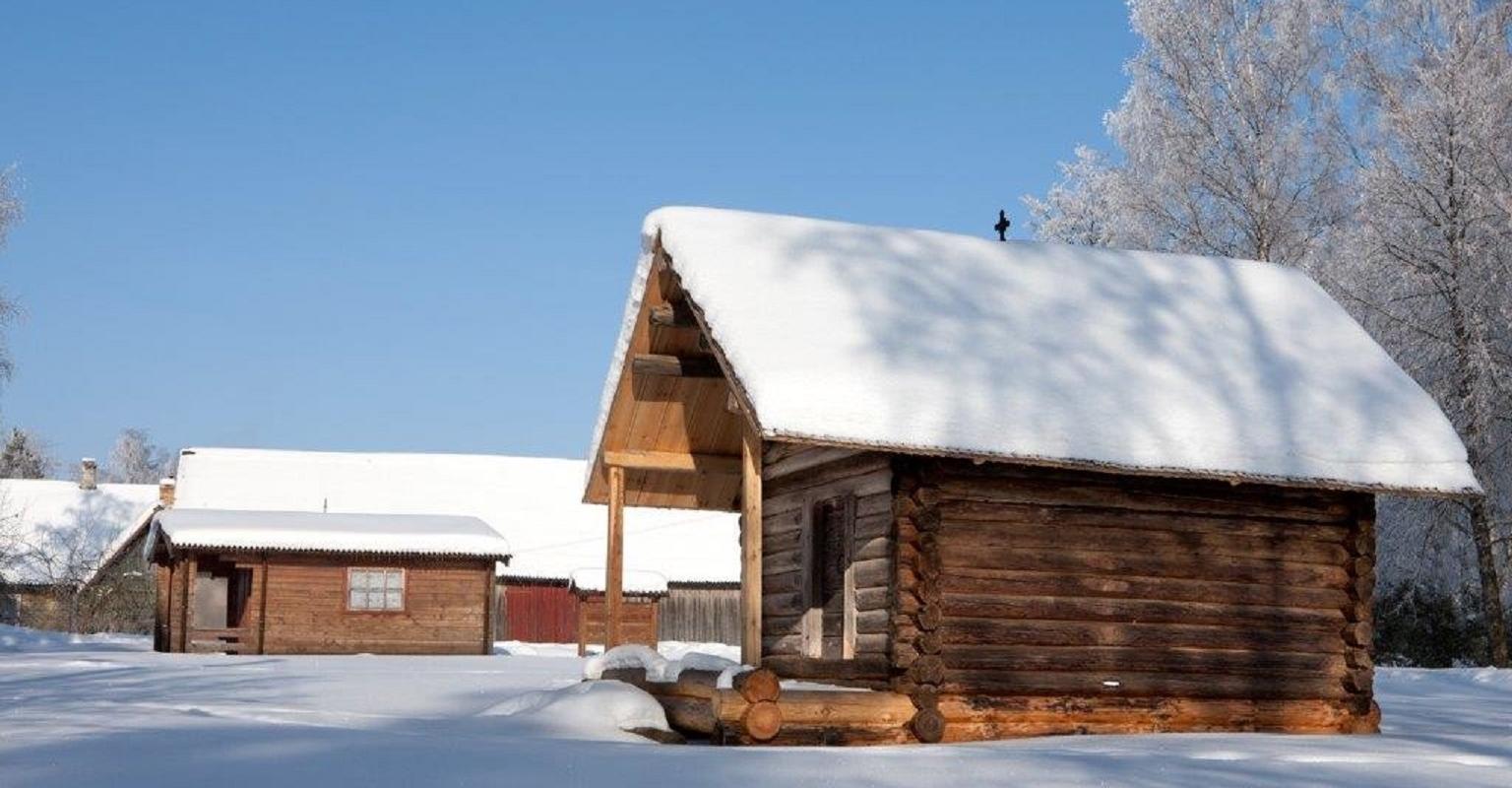
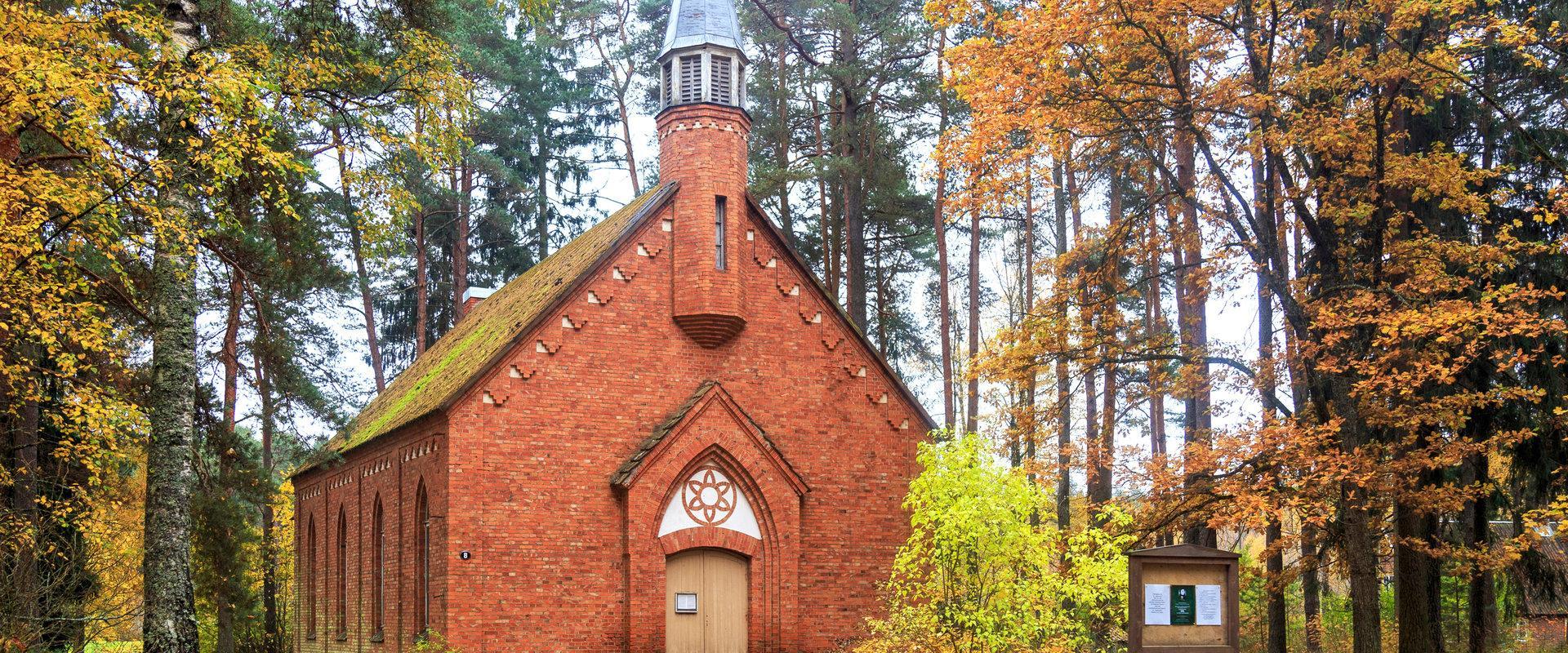
The square in front of Mikitamäe Culture House is called the square of Orthodox village chapels because two Orthodox village chapels are located there next to each other – the old Orthodox village chapel is the oldest wooden building in continental Estonia: it was probably built in 1694. The building was originally located next to the Tartu–Petseri highway. During the Soviet era, it was moved from there. In 2009, the chapel was renovated and brought to the square in front of the former town hall. In 1998, a new chapel was built.Both Mikitamäe Orthodox village chapels are dedicated to Apostle Thomas. The village holiday is celebrated a week after Easter.
Amenities

  • Free parking

Open times

Throughout the Year

Eeltellimsel

Contact

  • +372 5629 3445
  • raili.mottus@setomaa.ee

Links

See more

  • Workshops

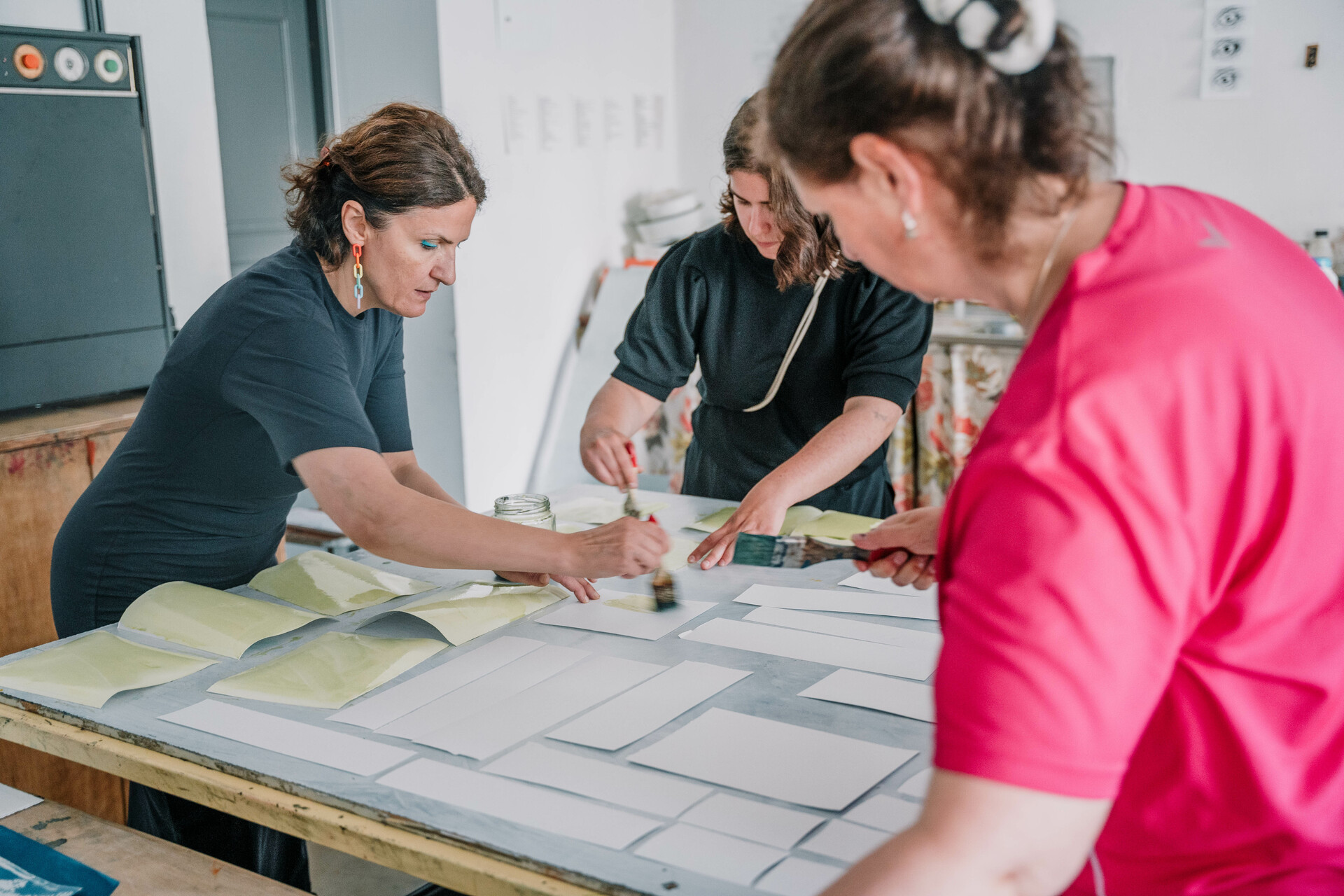
Cyanotype Workshop in TYPA

At the TYPA Center for Printing and Paper Arts, we offer a historic photo processing process of Cyanotype, or iron-blue print, in which the image is displayed on paper in combination with iron-containing chemicals and UV light. The result is an image with white lines on a blue background. This allows you to make a gift for a loved one and show photos, a skyline of your drawing, or a dried plant instead. If you wish to use your own photo in the workshop, please send it to us digitally at least one day before the workshop for preparation. On the ground, we're here to mentor you, so you can enjoy the creative process and create something truly special!

  • Churches

Elva Church of the Estonian Evangelical Lutheran Church

You will find this historicist red-brick church (architect Arved Eichorn), which is the first new church built in the Republic of Estonia, in the peaceful little town Elva. Tartu St John’s Congregation used to operate in Elva for some time. This is why some details of the Elva Church remind of Tartu St John’s Church – the rarely used plaster and brick imitation of a rose window on the western wall of the church refers to the medieval rose window that can be found in Tartu St John’s Church.

  • Guided tours

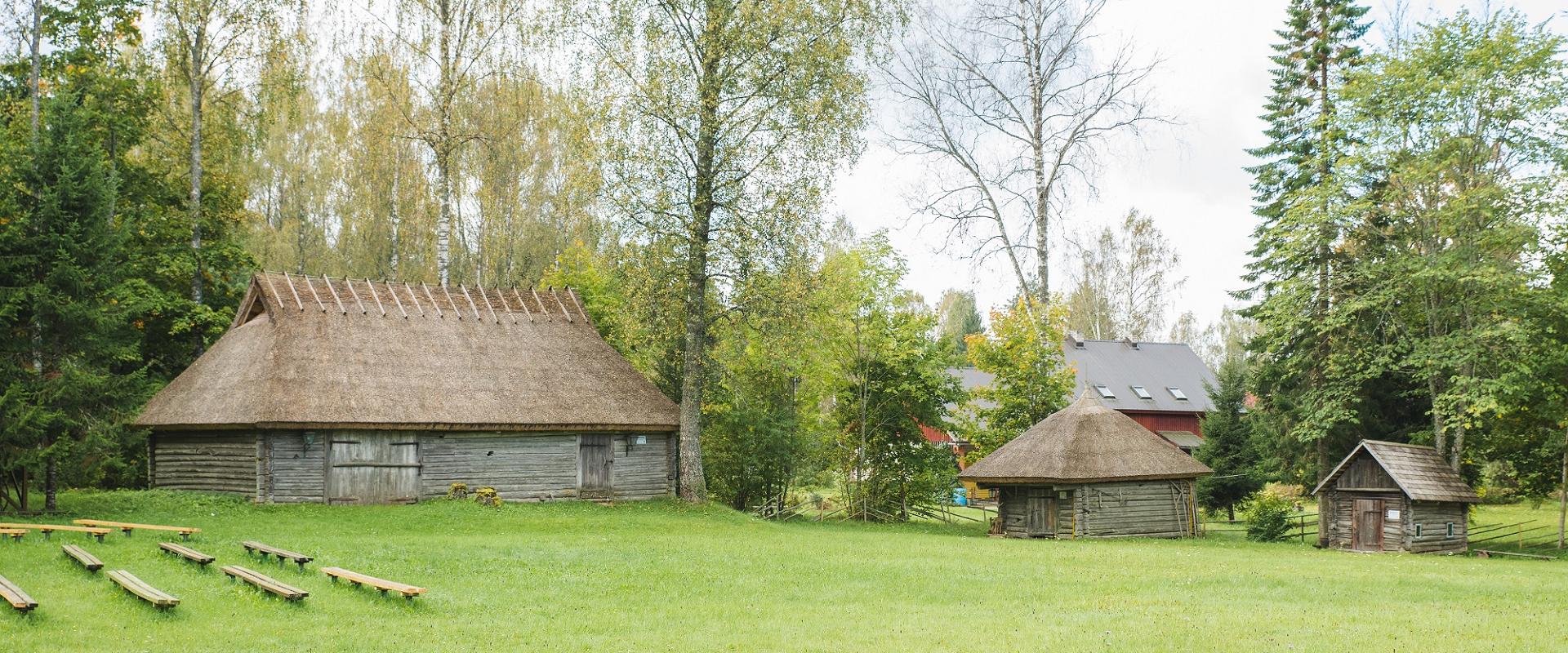
Paduvere Farm Museum

The museum introduces the life led by farmers in the 18th century and the everyday lives and work of our forefathers. There are five oak sculptures created by St Petersburg artist Grigori Azarenkov by the museum. The museum is surrounded by beautiful landscapes, which make it a popular venue for folk parties and theatre performances.

  • Churches

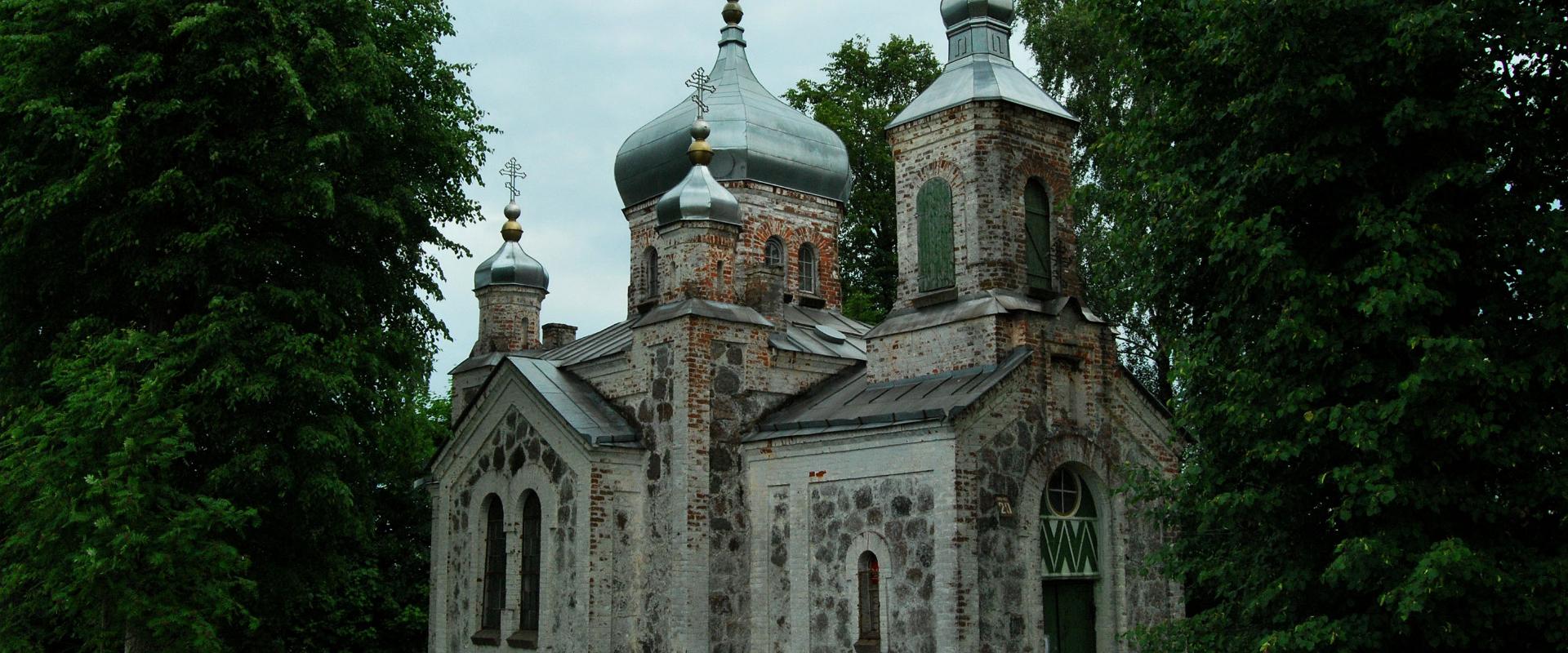
Nõo Holy Trinity Church of the Estonian Apostolic Orthodox Church

There is a remarkable historicist Orthodox church with quarrystone and brick walls and five onion-cupolas in Nõo small borough.The Nõo Congregation was founded in 1852 for Estonian Orthodox Christians who previously belonged to the Tartu Georgi congregation. The architecturally remarkable church is made of quarrystone and red bricks and has a bell-tower in the western side. It was completed in 1873. The interior architecture of the church is simple and the iconostasis dates back to the late 19th century.Services are held in the Holy Trinity Church in Nõo on the second Saturday of each month.

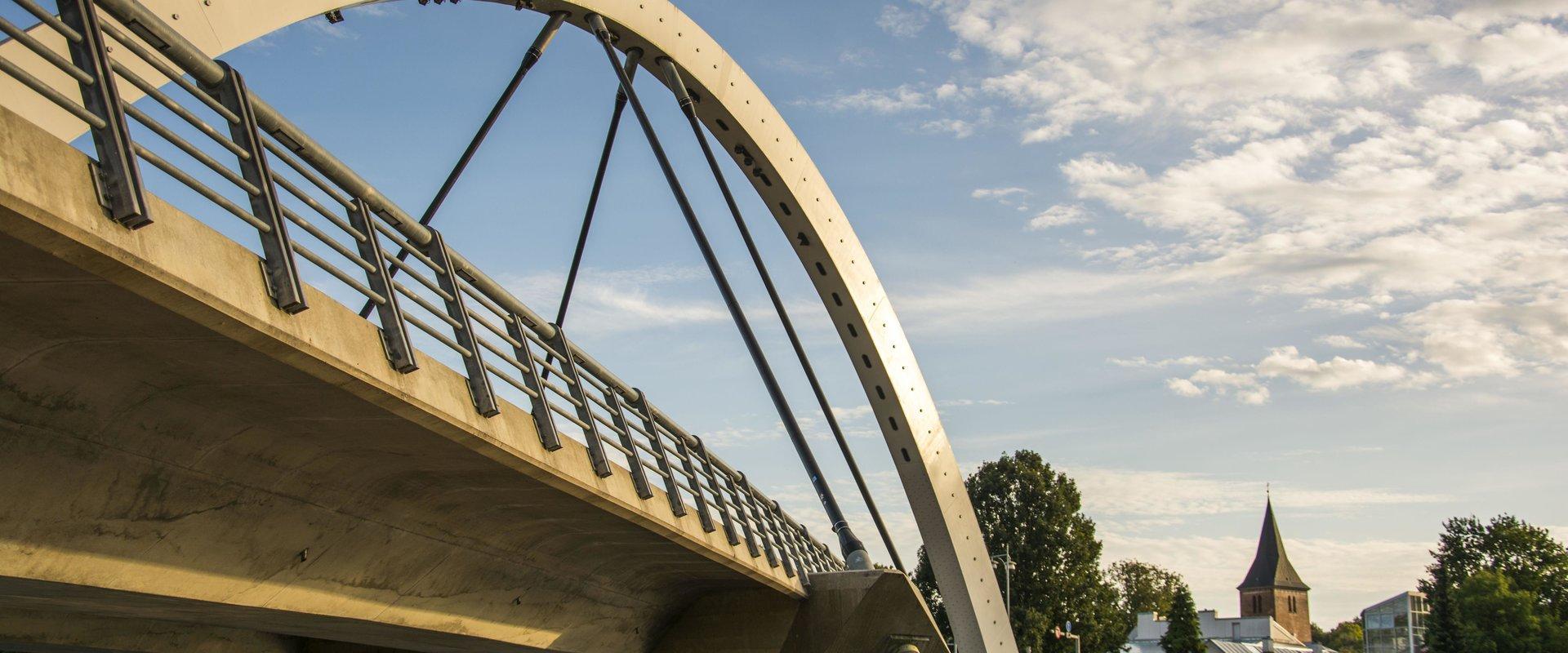
Freedom Bridge

The Freedom Bridge is a bridge over the Emajõgi River in the centre of Tartu. It connects Lai tänav with Vene tänav. The current bridge, with a slab of reinforced concrete and an arch of steel, was opened on 30 July 2009. The bridge is 90 m long and 13.35 m wide. In the dark, the bridge is illuminated. A lot of eye-catching street art can be found on the concrete surfaces of the lower part of the bridge.As the location of the bridge has high banks and a narrow riverbed, the site was used for river crossing as early as in ancient times. It is not known exactly how many bridges there have been before the current Freedom Bridge.

  • Monuments

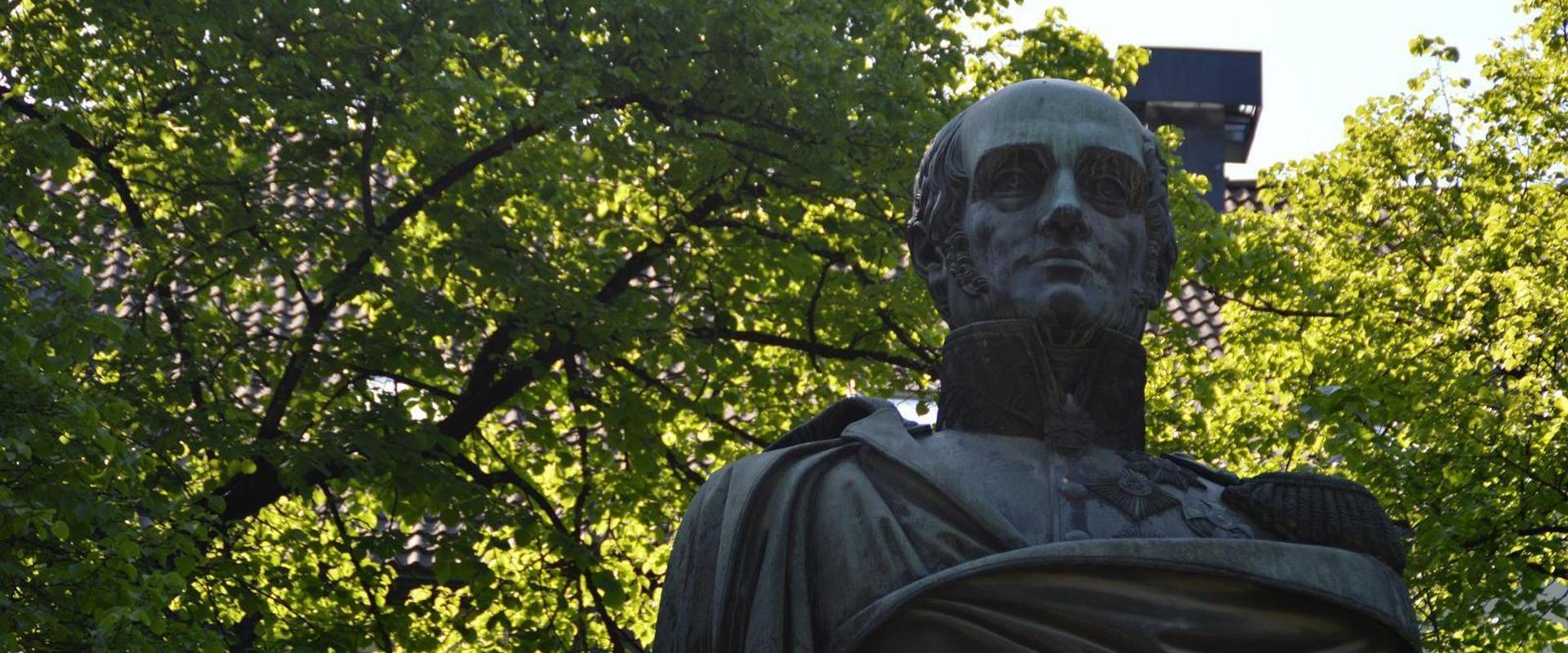
Monument to Barclay de Tolly

Prince Michael Andreas Barclay de Tolly (1761–1818) was a Russian military commander and a field marshal general. Barclay de Tolly (Russian: Mikhail Bogdanovich Barclay de Tolly) was descended from a family of Baltic nobility. As a Russian military commander, Barclay de Tolly displayed talent and courage in several battles for which he was awarded 14 decorations. Barclay de Tolly has been awarded the Order of St. George (1st class), the title of a Count, the rank of a Field Marshal General, and the title of a Prince.The monument was erected in 1849. The authors are V. Demut-Malinovski and A. Stsedrin. Barclay de Tolly is buried in his family tomb in Jõgeveste.

  • Ruins

12th Century Ruins of the Otepää Bishop’s Castle

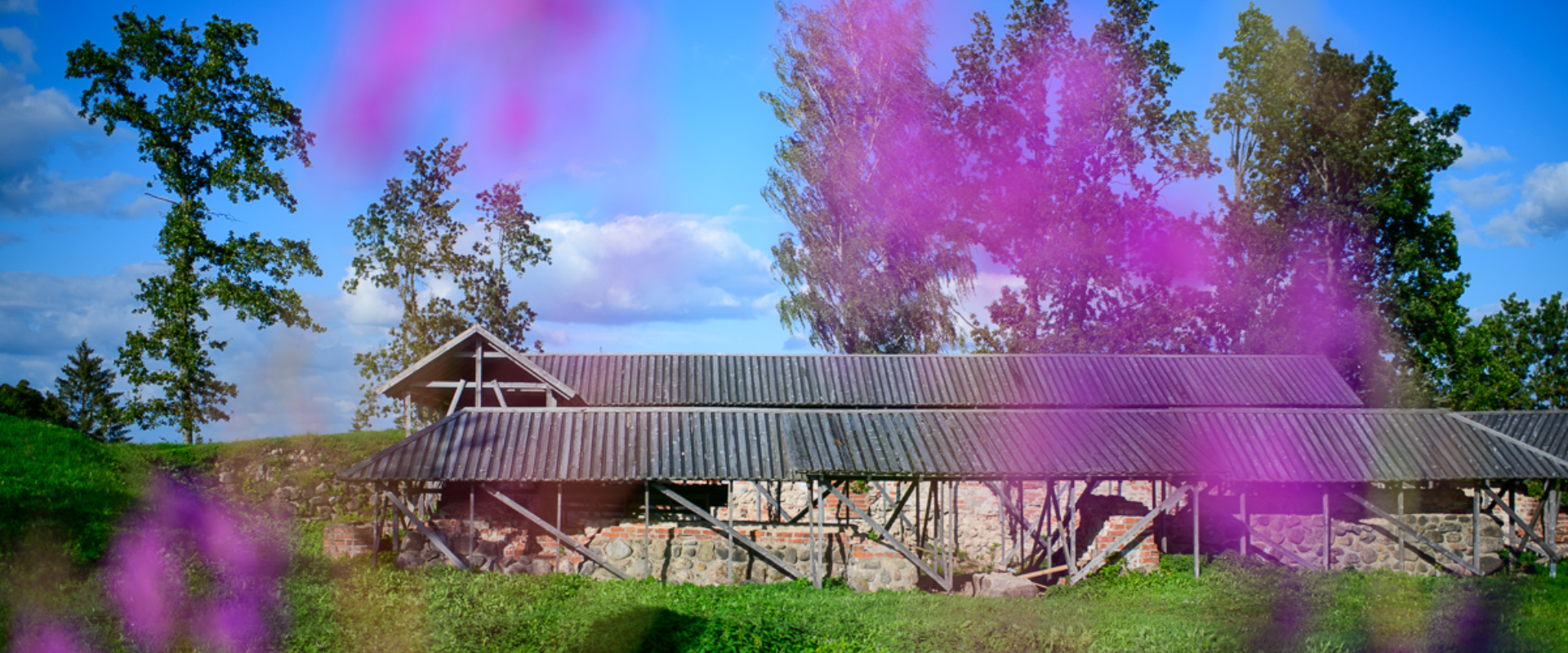
Here You can see the ruins of the first known brick building in Estonia on top of the Otepää Hill Fort. Herman I, who became the Bishop of Tartu in autumn 1224, established the first stronghold of its diocese here. A settlement, which was mainly populated by craftsmen and merchants, appeared around the bishop’s castle in the 13th century.Interesting facts: * the oldest traces of a settlement on the Fort date back to approximately the change of the system of chronology; in the 11th century, Otepää was the most important stronghold of the ancient Ugandi County; * a metal map of the Estonian strongholds was installed on the Fort Hill in 1937.

Värska Visitor Centre – Reek’s House

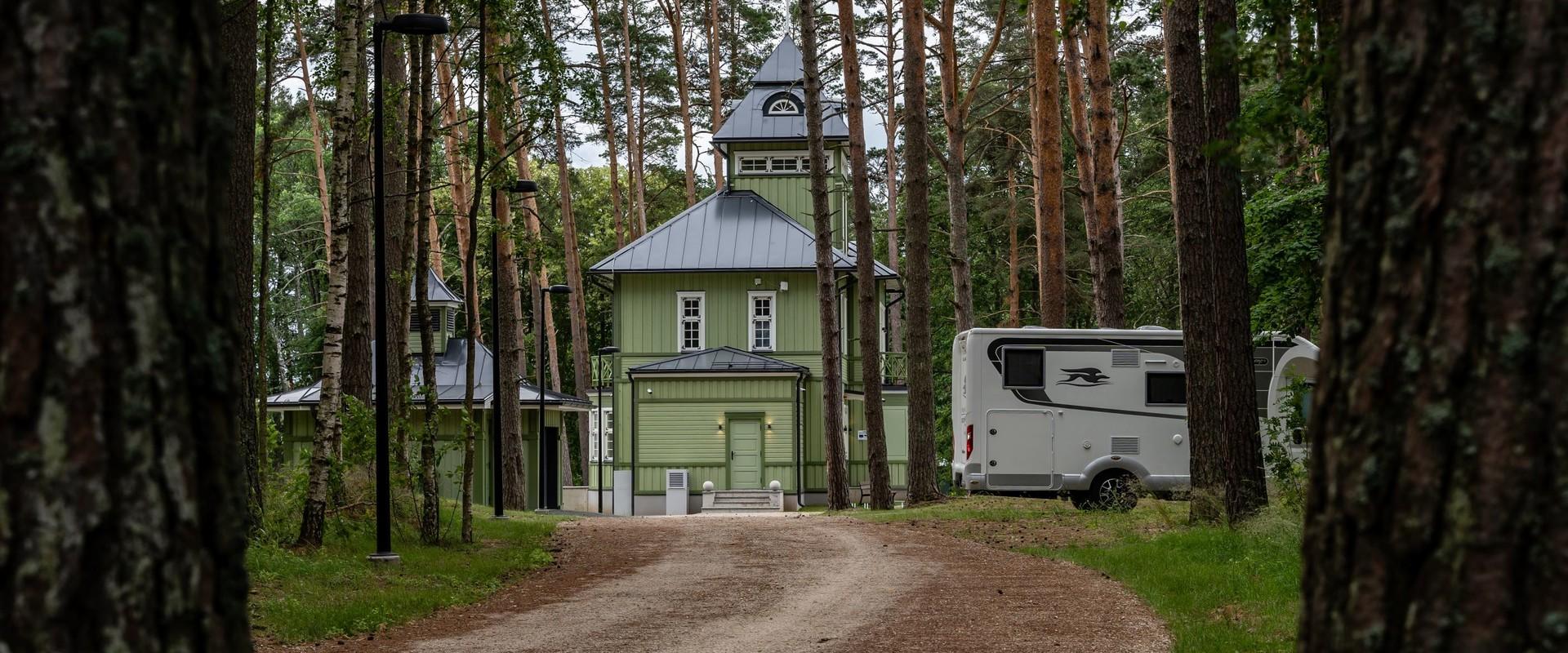
The Art Nouveau summer residence of General Nikolai Reek on the shores of Lake Õrsava is undoubtedly an architectural gem of the North Military Training Camp, which has been restored in a way as close to the original as possible.Since June 2020, the Värska Visitor Centre has been operating in the building. The exposition of the centre provides information about the Pechory Northern Military Training Camp, founded here in the 1920s, the events of the War of Independence, and the use of medicinal mud and mineral water in this resort area.The visitor centre has a small café and you can rent bicycles, boats, pedal boats, or skates here, depending on the season, and there is also a car park for caravans.

  • Collaboration
  • News
  • Contacts
  • Privacy Policy
Join our mailing list!

"*" indicates required fields

This field is for validation purposes and should be left unchanged.
I authorise marketing

South Estonia Tourism Cluster

info@visitsouthestonia.com