• Explore
    • Nature
    • Culture
    • Food
    • Family
    • Activity
    • Blog
    Smoke sauna
    Weather and seasons
  • Plan
    • Accommodation
    • How to get here
    • Weather and seasons
    • Sustainability
    • Tourist info
    Discover South Estonia’s Most Beautiful Manors and Castles
    Top 20 Sights in South Estonia
  • For professionals
    • For professionals
    • Collaboration
    • News
    • Projects
    • Training
    • Repository
    • Community (opens in new tab)
    • Contacts
ENG
  • EnglishENG
  • EestiEST
  • LatviešuLAT
  • РусскийRUS
  • SuomiFIN
ENG
  • EnglishENG
  • EestiEST
  • LatviešuLAT
  • РусскийRUS
  • SuomiFIN
Popular searches:
Show all
  • History & Culture
  • Architecture and history

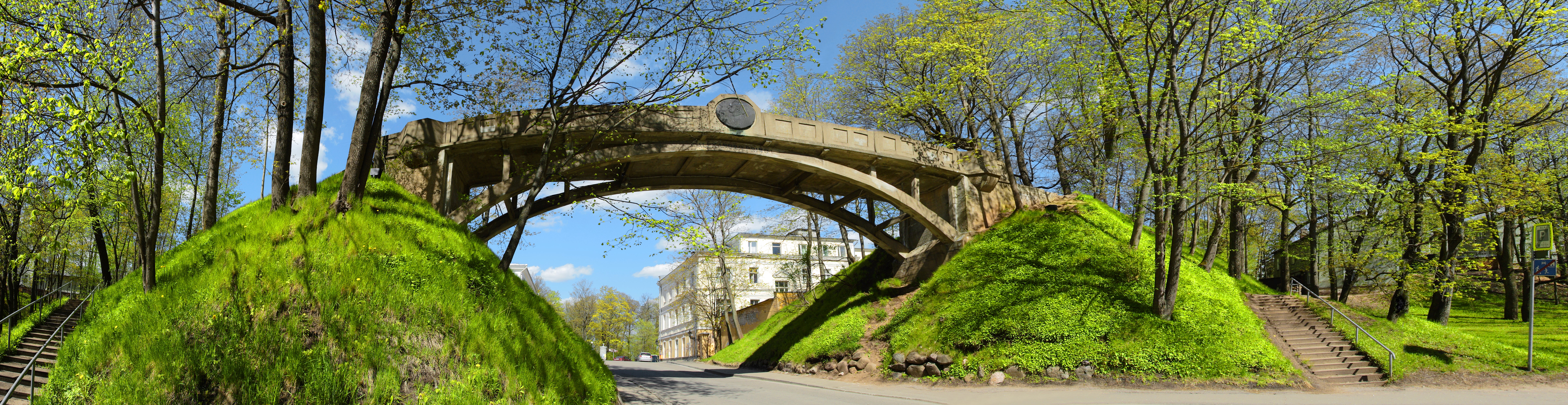
Tartu Devil’s Bridge

Tartu linn, Tartu maakond, 51005

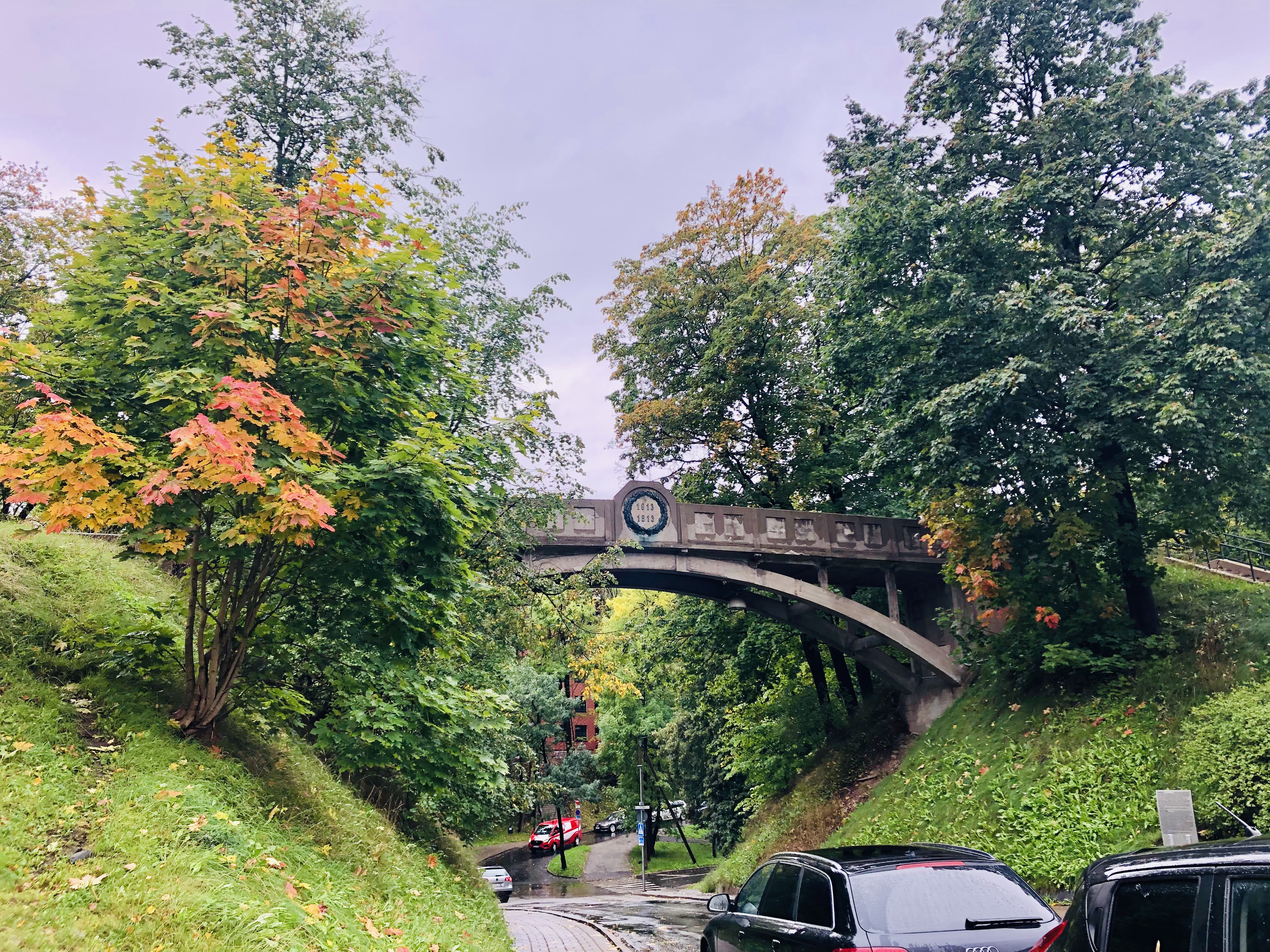
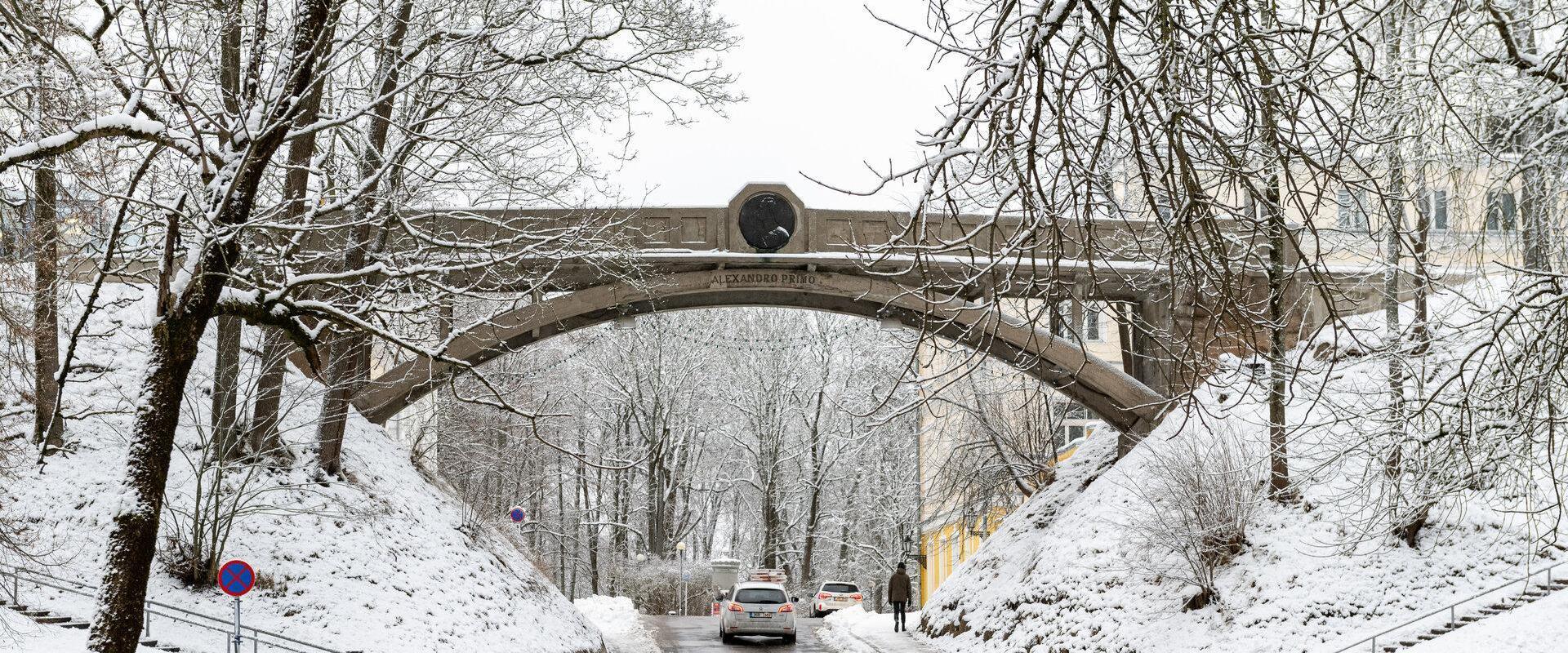
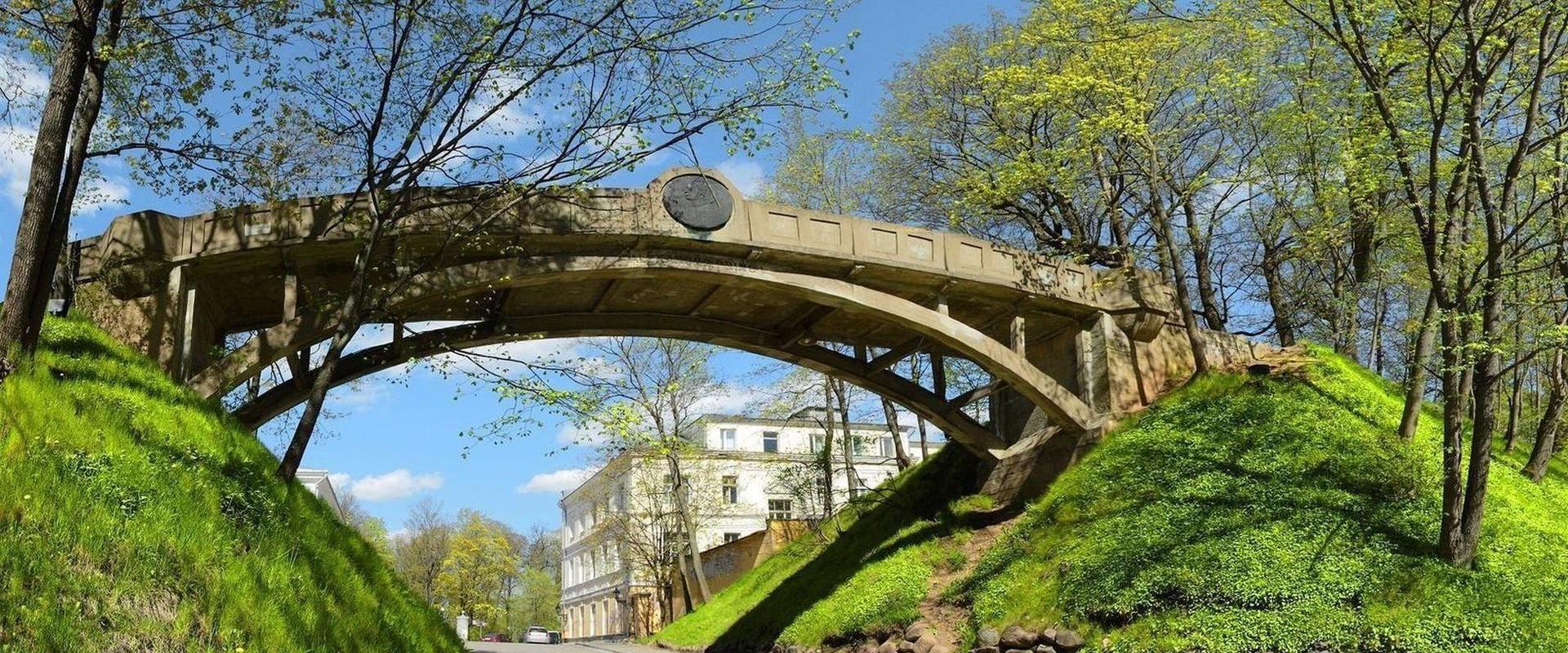
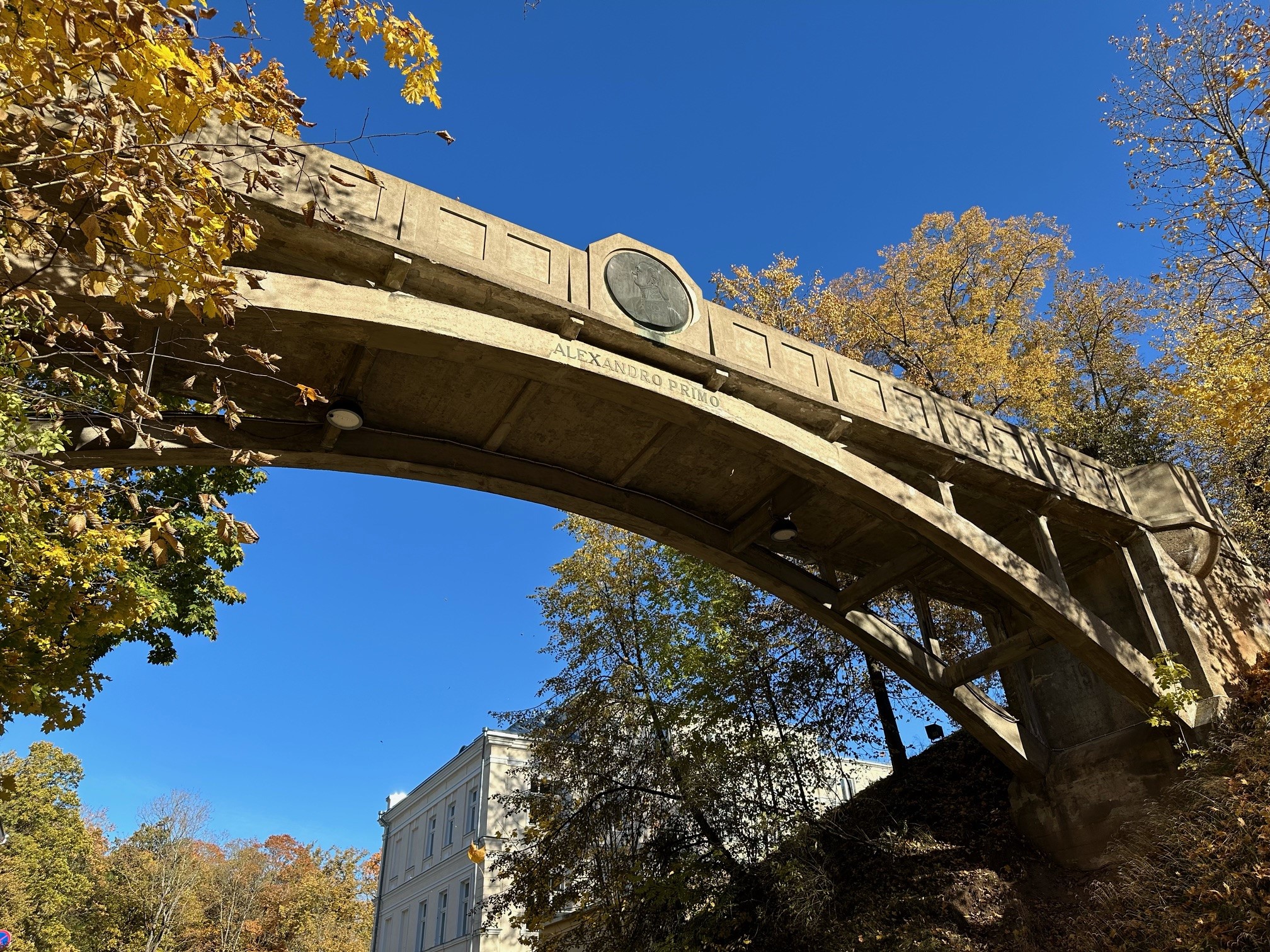
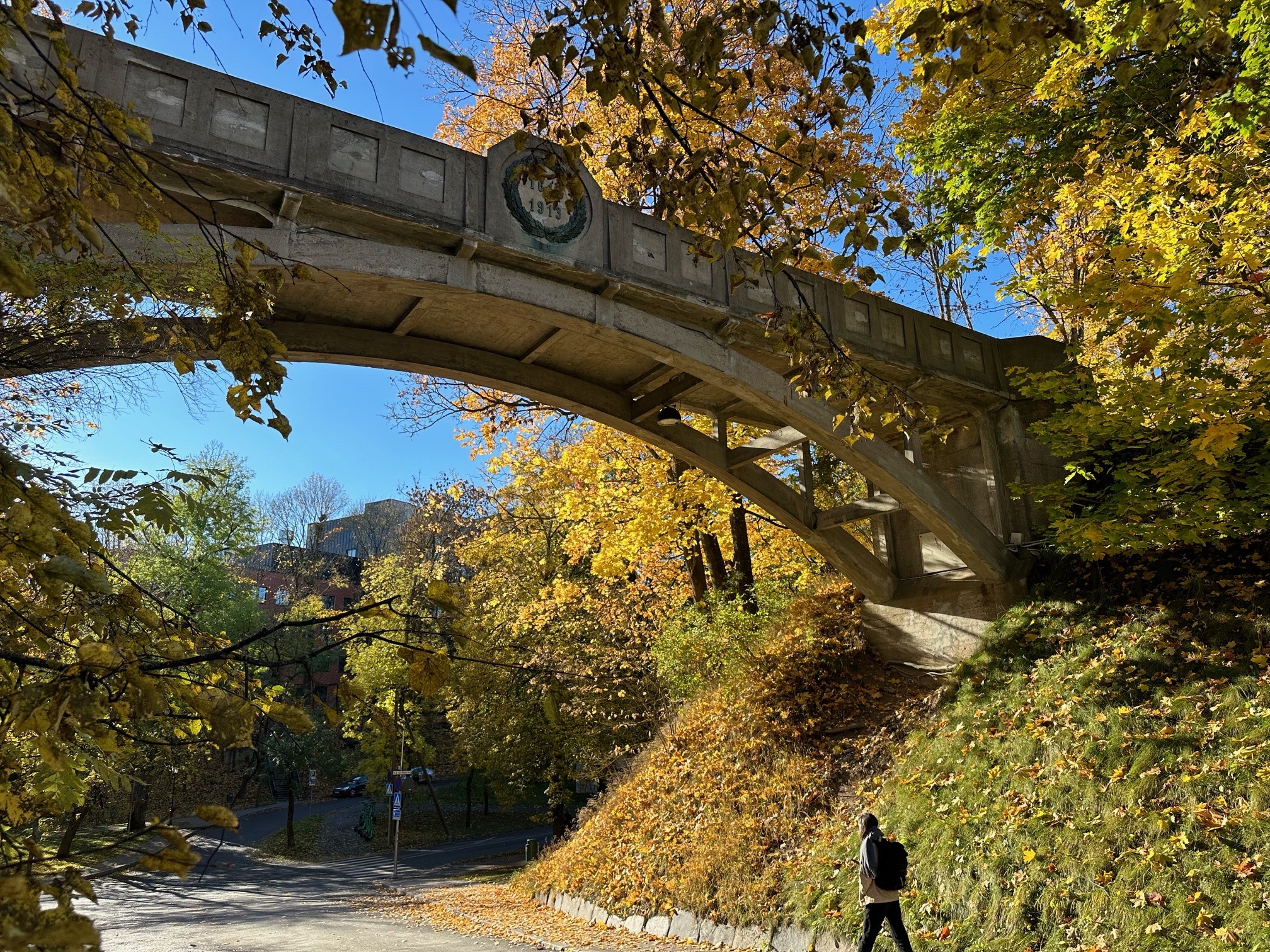
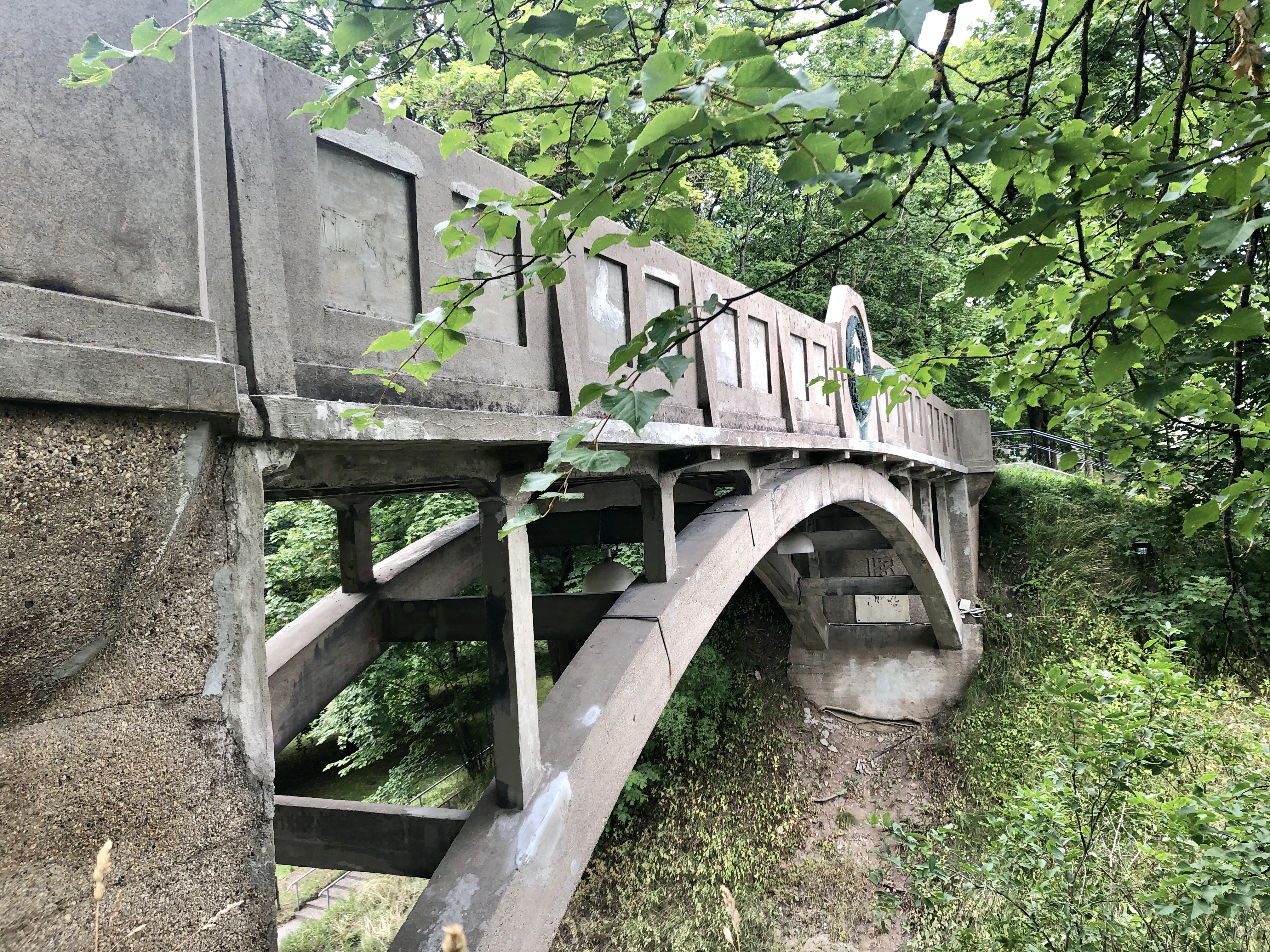
The Devil’s Bridge in Tartu is one of the few remaining concrete bridges from the early 20th century. Together with the Angel’s Bridge, it forms one of the symbols of Tartu. Everyone is welcome to walk on the bridge, especially visitors interested in history and architecture.
The Devil’s Bridge was built in 1913 to celebrate the 300th anniversary of the Romanov dynasty. It is decorated with a bronze relief of the Russian Emperor Alexander I, “Alexandro Primo.”
According to legend, the name “Devil’s Bridge” comes from its dark appearance, which contrasts with the bright Angel’s Bridge.
The Devil’s Bridge is ideal for walking or taking exciting photos!
Amenities

  • Information boards
  • Paid parking

Open times

Throughout the Year

Around the Clock

Links

See more

  • Guided tours
  • Workshops

Valga Museum

The permanent exhibition of the Valga Museum presents the natural, historical and cultural history of Valga county and the city from ancient times to the present day. This is a lively and modern museum where you will never get bored! The photos displayed here show you the history (nature, time, and culture) of the city and county of Valga from ancient times to the present. The museum is also livened up by models, music, and wax figures. Valga Museum also organises educational programmes, museum lessons and creative workshops. Interesting facts: there is a wax figure of the first Estonian Olympic champion, Alfred Neuland, in the museum.Going to the museum is not a waste of time!

  • Manors

Ülenurme Manor

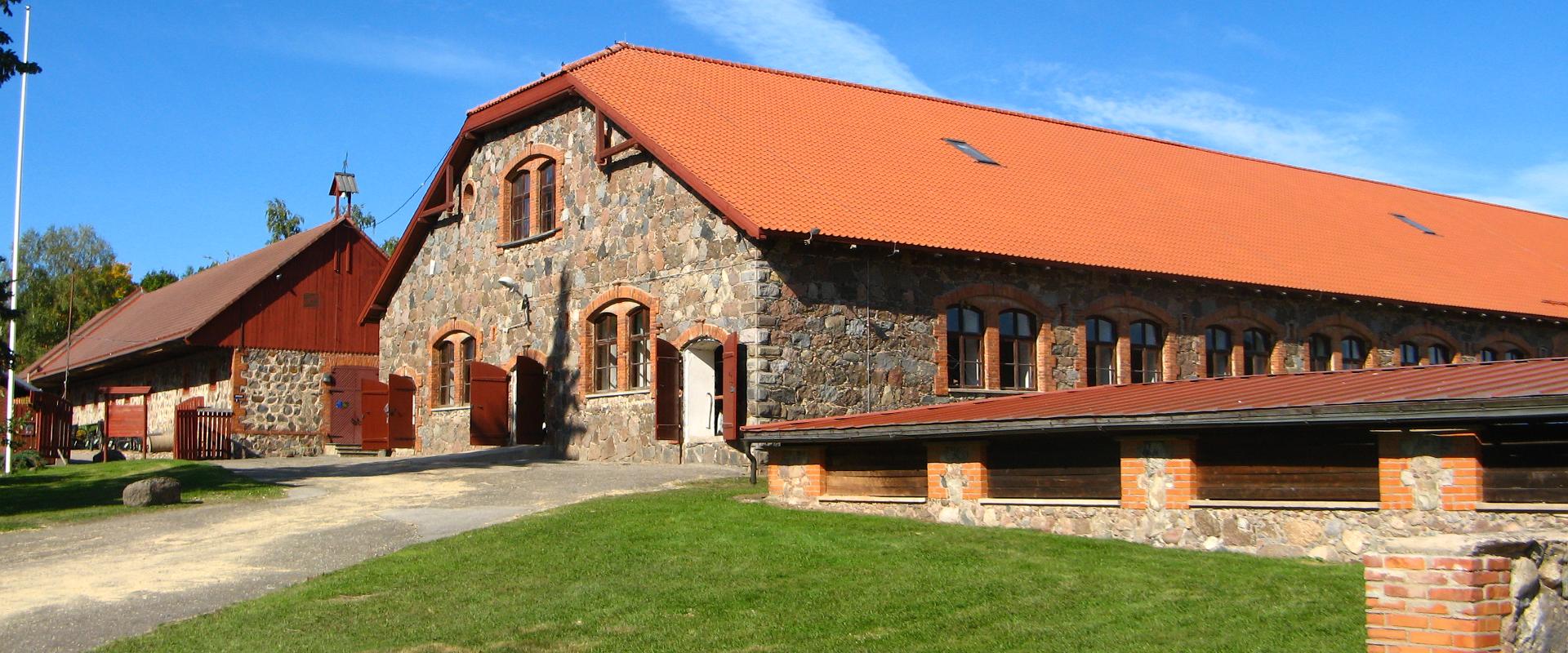
The well-preserved Ülenurme Knight's Manor (Üllenorm) in Ülenurme is first mentioned in writing in 1646, when a military man called Bernhard Bousselberg received the manor from the Kingdom of Sweden in exchange for a stone building in Tartu.The park and the main building were probably created by Count Cancrin who was the owner of Ülenurme manor between 1856 and 1883.The manor has been passed from owner to owner, and the main source of its income was grain farming.At the beginning of 1970, the complex of numerous stone buildings of the former Ülenurme Manor's centre was allocated to the Estonian Agricultural Museum that opened its doors to visitors in 1981.You have to buy a ticket in order to visit the museum. The complex has a gazebo, a village swing, and stables.

  • Estonian handicraft

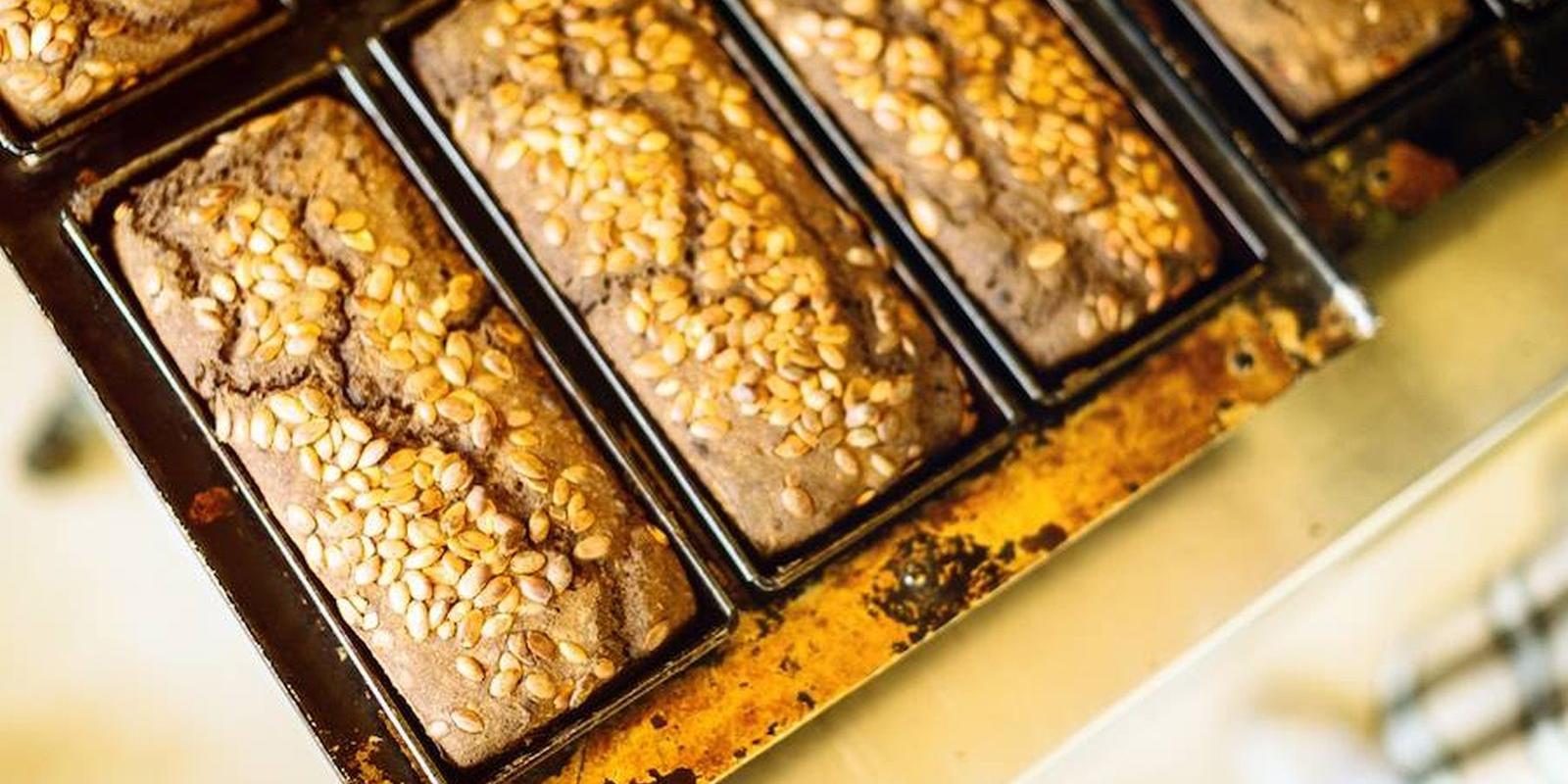
Muhu Pagar Bakery in Tartu Lõunakeskus

When speaking of genuine Estonian flavours, we must start with bread – rye bread, which is not just food for Estonians. When homesick, almost every Estonian will crave for bread and eating it will help them cope with their homesickness. Bread, bread-making, and the smell of warm bread are deeply related to being an Estonian.Muhu bread also grew out of the desire to bake delicious bread for one's family at home. Our bread is tasty and healthy – you will simply not get enough of it.At Muhu Pagar Bakery, you can buy different kinds of bread, other baked goods, and pastries.

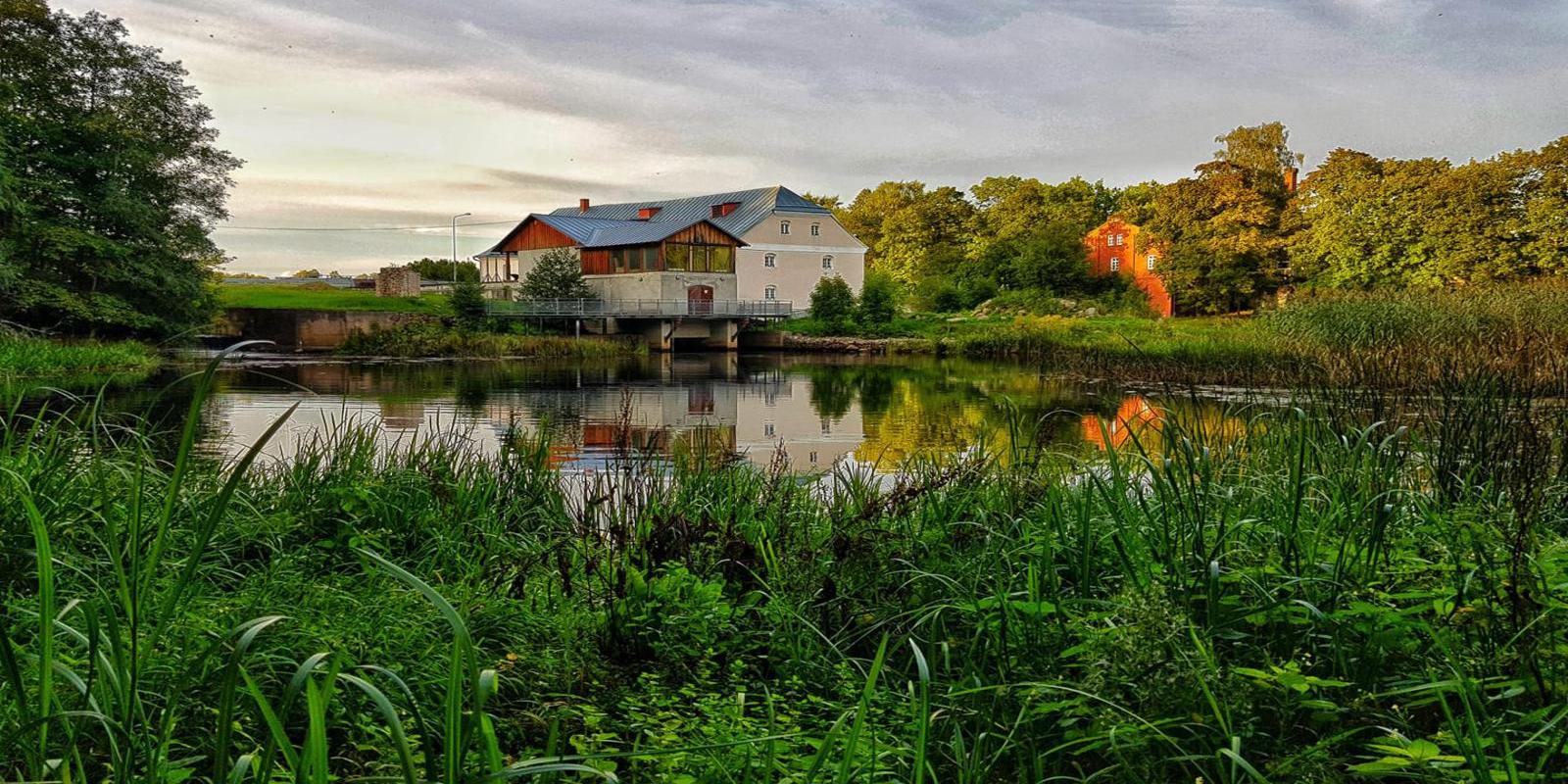
Räpina flour mill

The longest river in Estonia, the Võhandu River, is calm when it reaches Räpina, and therefore it was probably the most suitable place for building a unique mill complex comprising three mills.The flour mill is a massive stone building with a large winch on the top floor for lifting bags. The original doors and many other details integral to the overall design have been preserved. The flour mill was built at the end of the 18th century.

  • Estonian handicraft
  • Estonian design

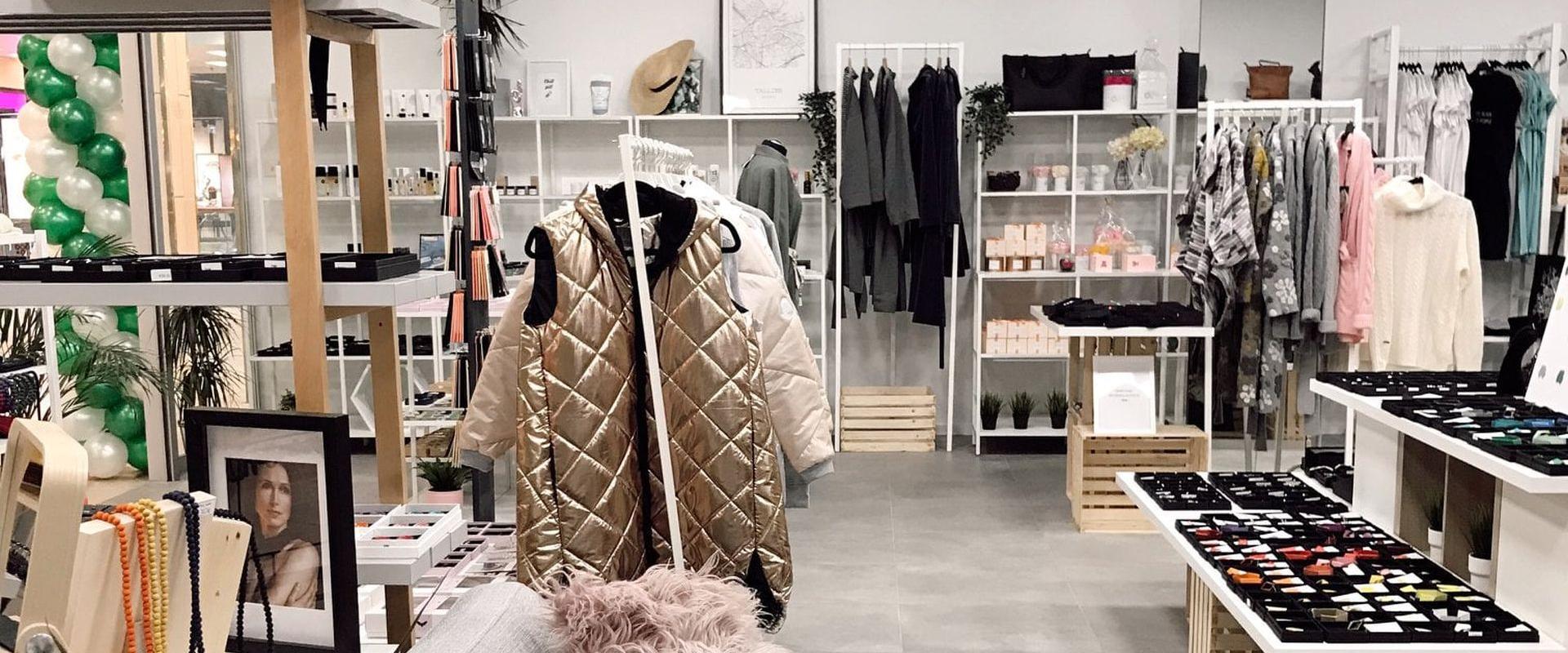
LEVI Tartu design shop

We are a design shop in Tartu Kaubamaja that wants to offer its visitors the latest and greatest designers and brands, and our goal is to inspire every visitor.We support Estonia's small businesses and talented artists and hope to offer alternatives to mass produced goods that have conquered the world.The following Estonian jewellery and clothing artists are represented: Tanel Veenre, New Vintage by Kriss, Agnes Veski, KIRSS, SECO, Kristi Liiva, MARAT, Woolish, Eve Hanson, MuHoov, Mithio, and many other designers.The best Estonian producers of natural cosmetics are also represented: Joik, Nurme, LoodusSPA, LUUV, etc.Come and support Estonian design!

  • Family friendly
  • Guided tours

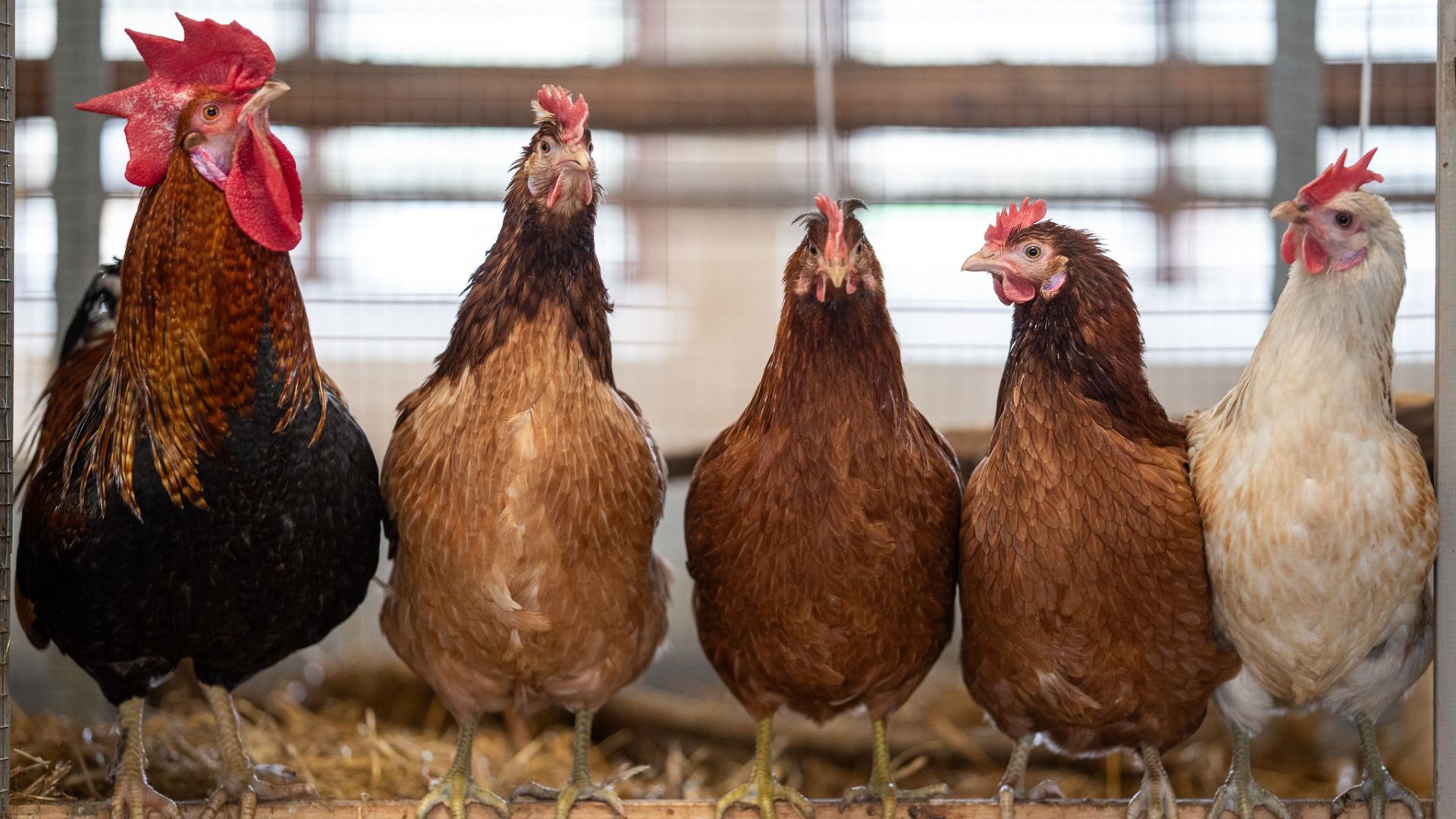
MUHK – the Rural Curiosity Center at the Estonian Agricultural Museum

Located at the Estonian Agricultural Museum in Ülenurme, the MUHK, or the Rural Curiosity Center, is a lively place where visitors of all ages can discover, research, and play. This is where rural life comes to play through engaging education. Located on two floors, the center introduces modern agriculture through practical activities. The “Barn Symphony” exhibition explores topics related to animal welfare, feeding, and husbandry. You can also meet the museum's farm animals and relax in a soothing rabbit village. The exhibition “Manure and Milk” adds to the excitement, where you can also see a rare manure spreader. For the more adventurous, the slightly gut-wrenching veterinary room takes a look at the history of animal treatment. The museum’s treasury, or open storage, also awaits visitors, where fascinating objects from the museum’s collections are on display. The Estonian Rural Museum ticket gives you access to all museums in the complex, including the Rural Curiosity Center.

  • Workshops

Obinitsa Museum

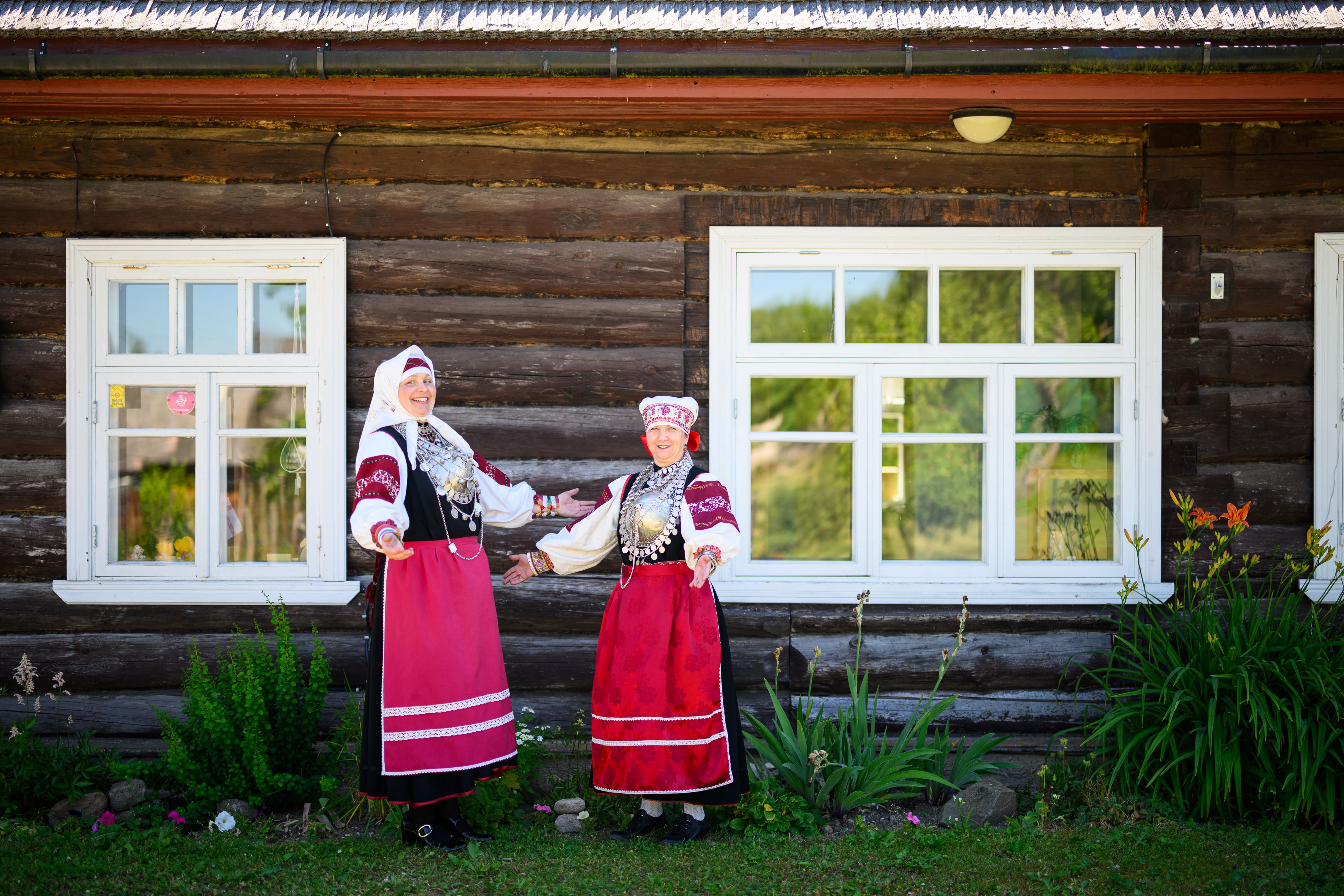
At the Obinitsa museum, one can explore the unique culture and history of Setomaa, participate in various workshops and events. Most of the museum collection items are sourced from surrounding villages. Special value is placed on the fine handicrafts of Seto women. The museum is located in the heart of Setomaa and offers an overview of the area's life, traditions, and folk costumes. The permanent exhibition displays authentic farm tools, clothing sets, and photos that reveal different aspects of Seto culture. The museum's most popular program is called "Rõivile!". Dressing up means putting Seto clothes on a woman and doing her hair. During the dressing process, the historical context of the items is introduced. It is possible to order a handicraft workshop at the museum, where traditional Seto belts and ribbons are made. Seasonally, other activities are offered, such as embroidery and wool work introductions and guided village tours.

  • Family friendly
  • Guided tours

Kodavere Heritage Center

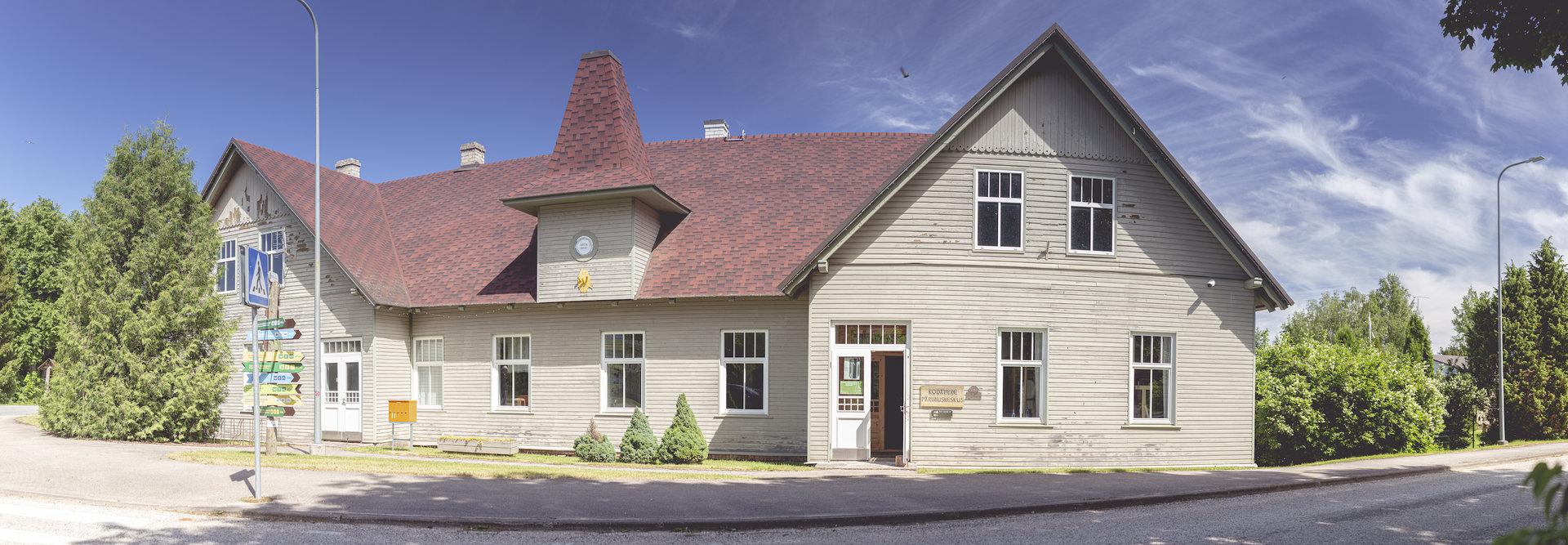
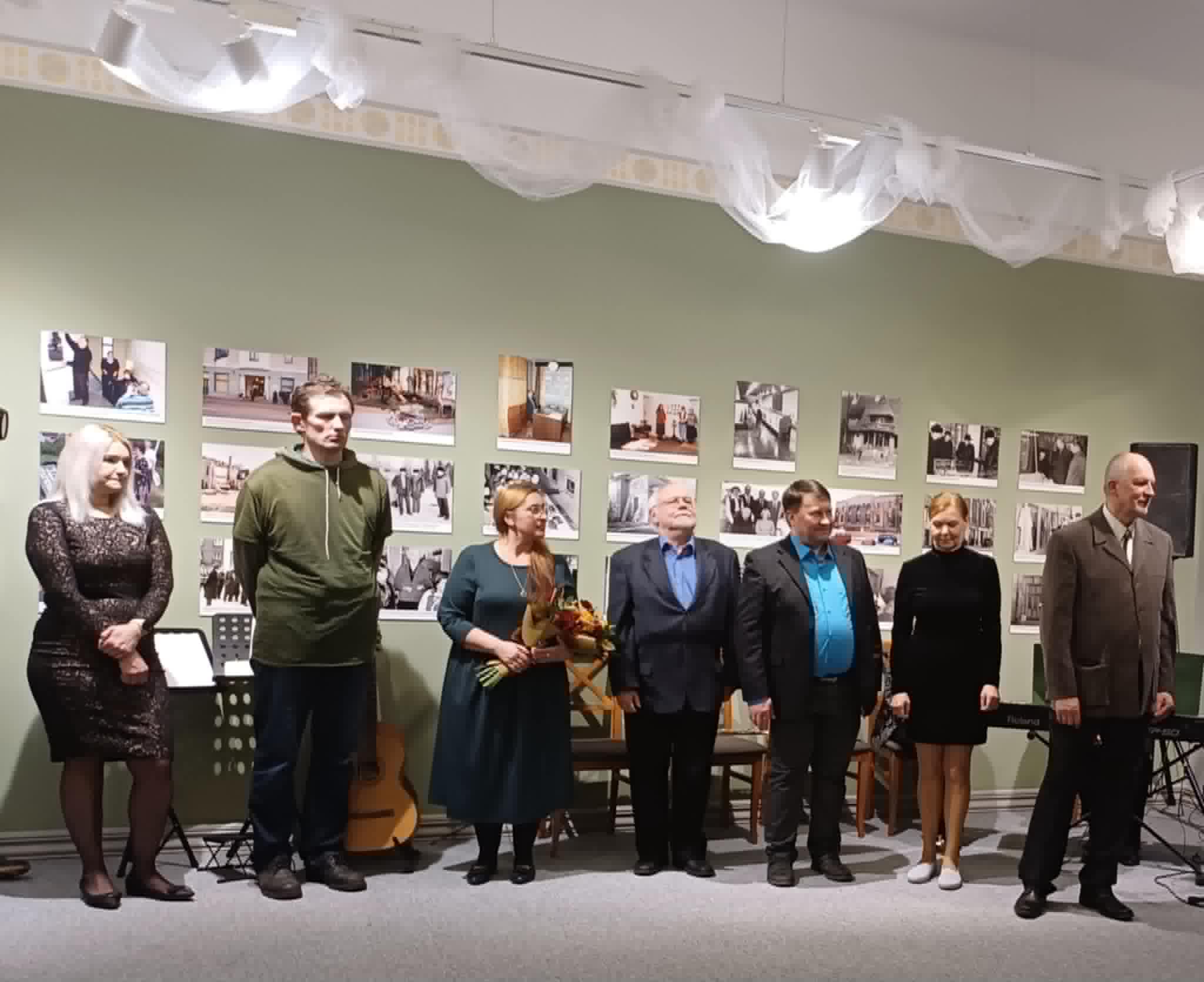
The Kodavere Heritage Center in Tartu County breathes new life into the historical Pala Town Hall, which has been the heart of the local community for years. The center showcases the rich cultural heritage of the Peipsi region and is a place where old stories, languages, and traditions are revitalized. Visitors can gain a comprehensive overview of the history of Kodavere parish municipalities and town halls, and view the intriguing photo exhibition "People of Kodavere Parish in Oskar Tõrva's Glass Negatives," which reveals the everyday and festive life of rural areas a century ago. Additionally, they can admire the handicraft exhibition "Kodavere Kupuliud," highlighting the skills of local craftsmen and folk aesthetics. A separate display is dedicated to the Kodavere dialect, an essential part of the region's identity. The center also features a memorial room for poet Anna Haava and an exhibit "Song Festivals in Pala 100 Years Ago." Guided tours and heritage culture workshops are offered by reservation, suitable for both school groups and adults.

  • Collaboration
  • News
  • Contacts
  • Privacy Policy
Join our mailing list!

"*" indicates required fields

This field is for validation purposes and should be left unchanged.
I authorise marketing

South Estonia Tourism Cluster

info@visitsouthestonia.com