• Открой
    • Еда
    • Природа
    • Культура
    • Семья
    • Спорт
    • Сообщество
    • Блог
    У Вас появились свободные выходные, чтобы провести с детьми? Здесь собраны лучшие места в Южной Эстонии для семейного отдыха
  • Планируй
    • Размещение
    • Информация
    • Varamu
    Sustainability
RUS
  • РусскийRUS
  • EestiEST
  • EnglishENG
  • LatviešuLAT
  • SuomiFIN
RUS
  • РусскийRUS
  • EestiEST
  • EnglishENG
  • LatviešuLAT
  • SuomiFIN
Populaarsed otsingud:
Näita kõiki tulemusi
  • History & Culture
  • Architecture and history

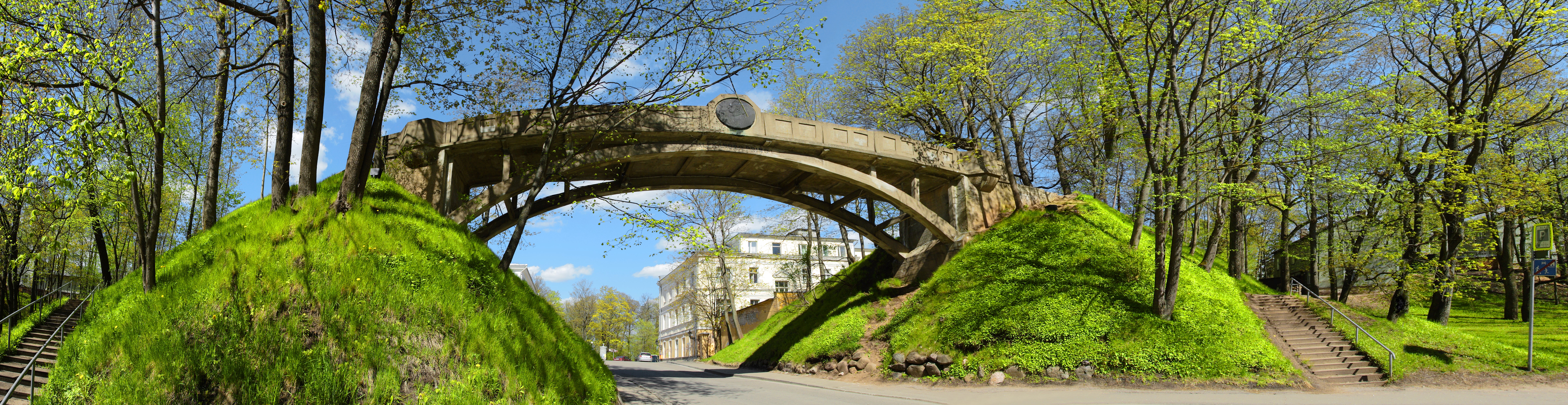
Tartu Devil’s Bridge

Tartu linn, Tartu maakond, 51005

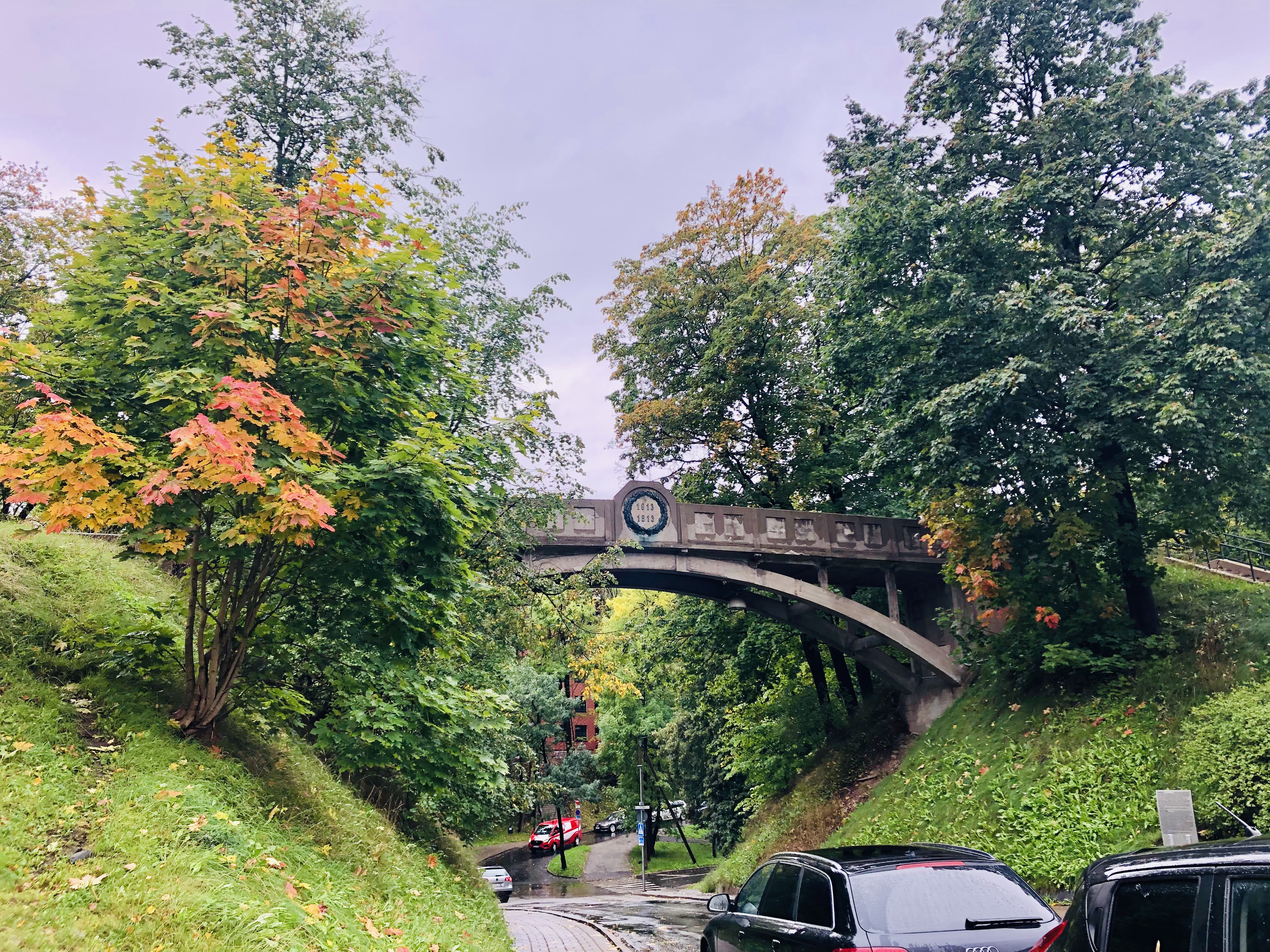
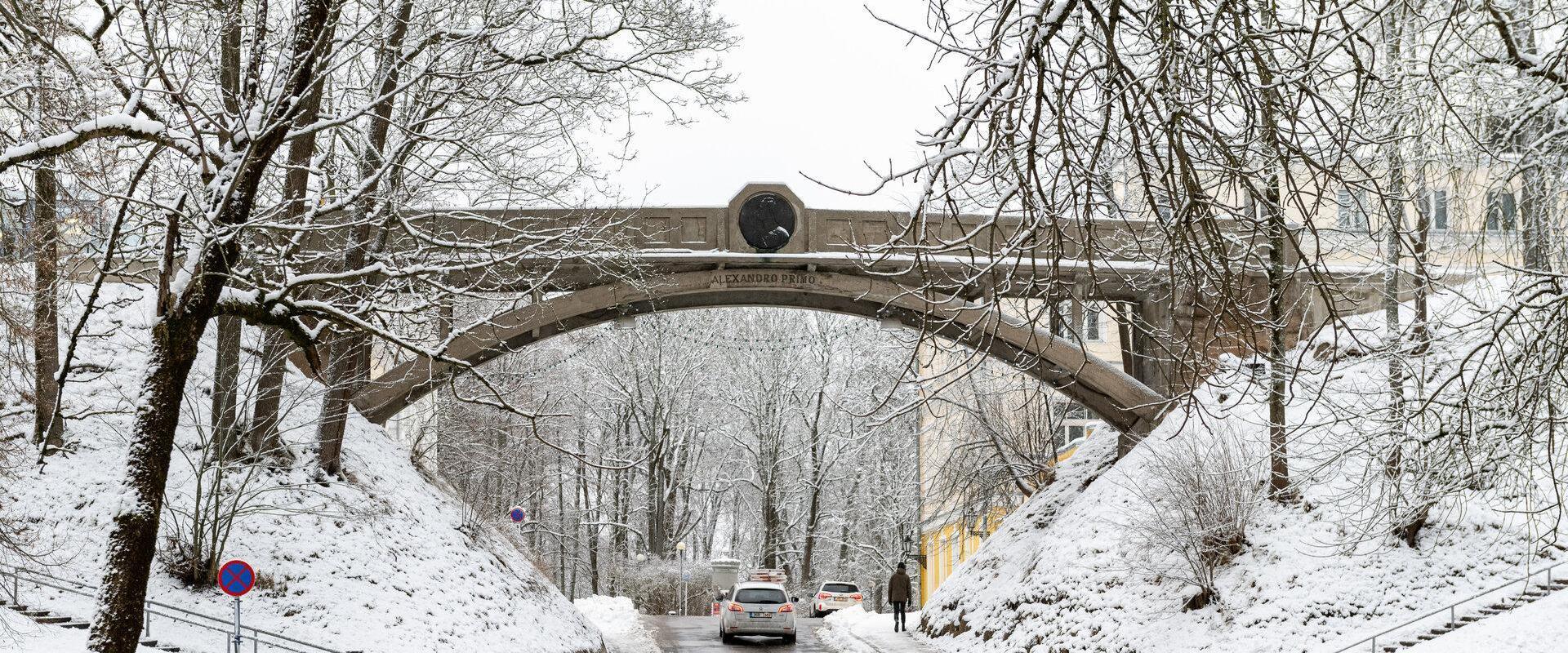
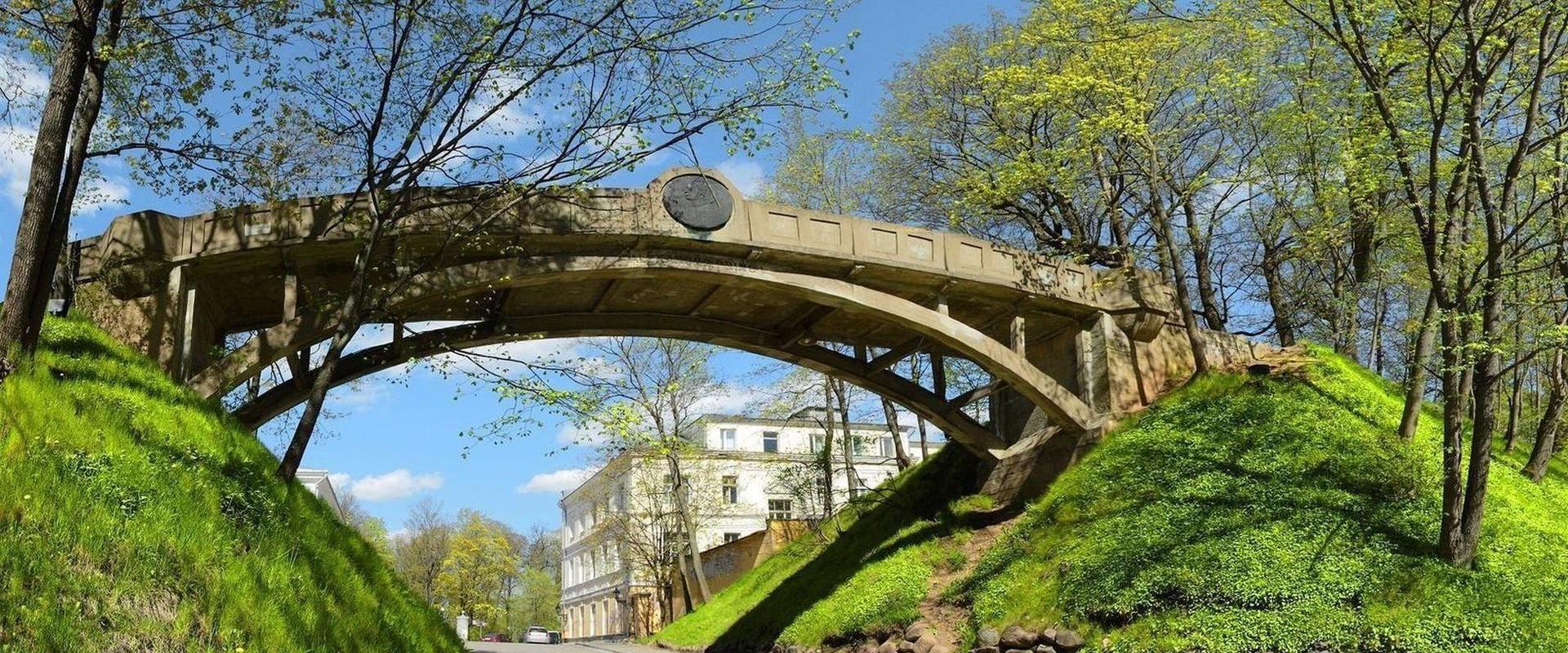
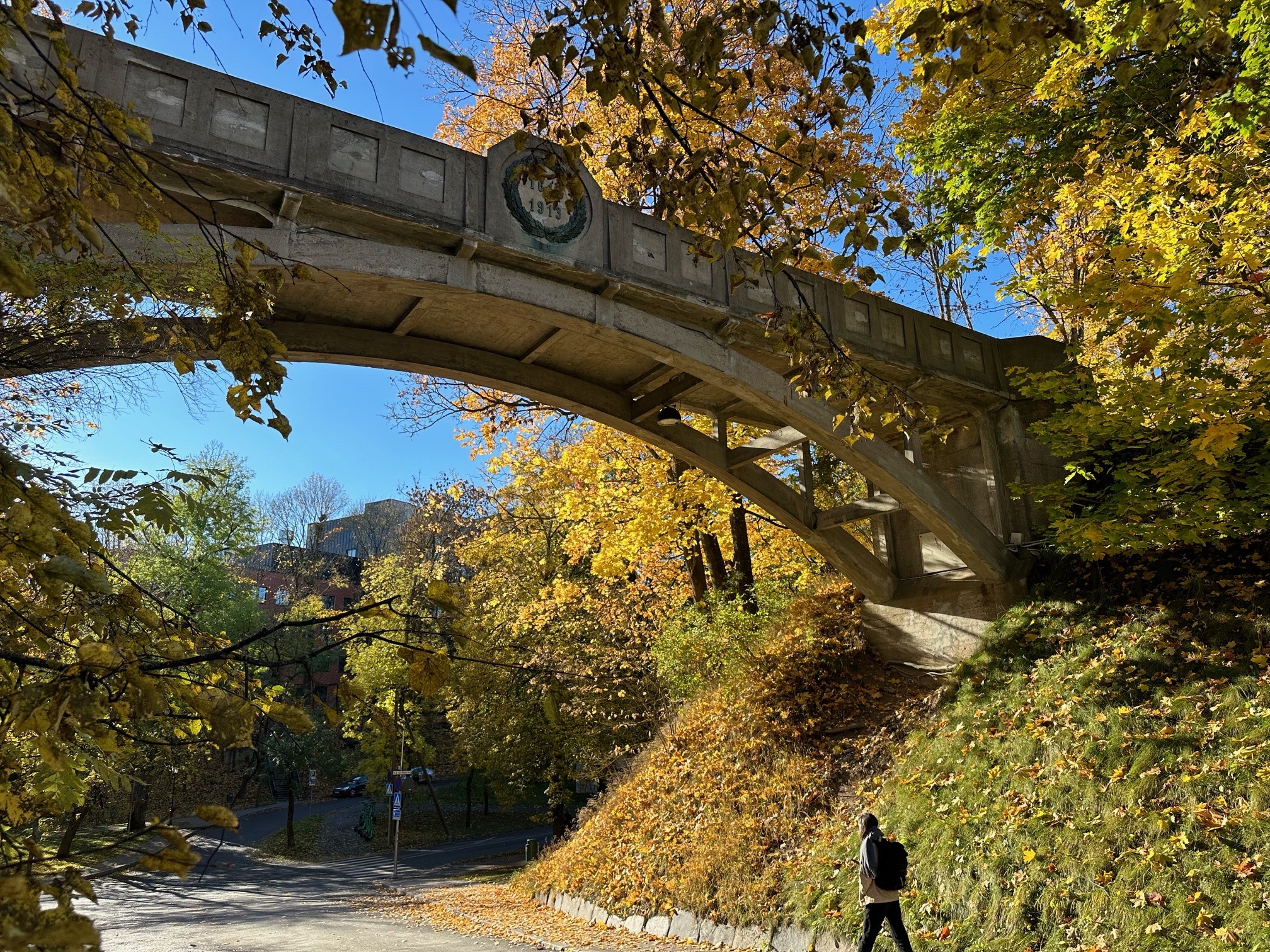
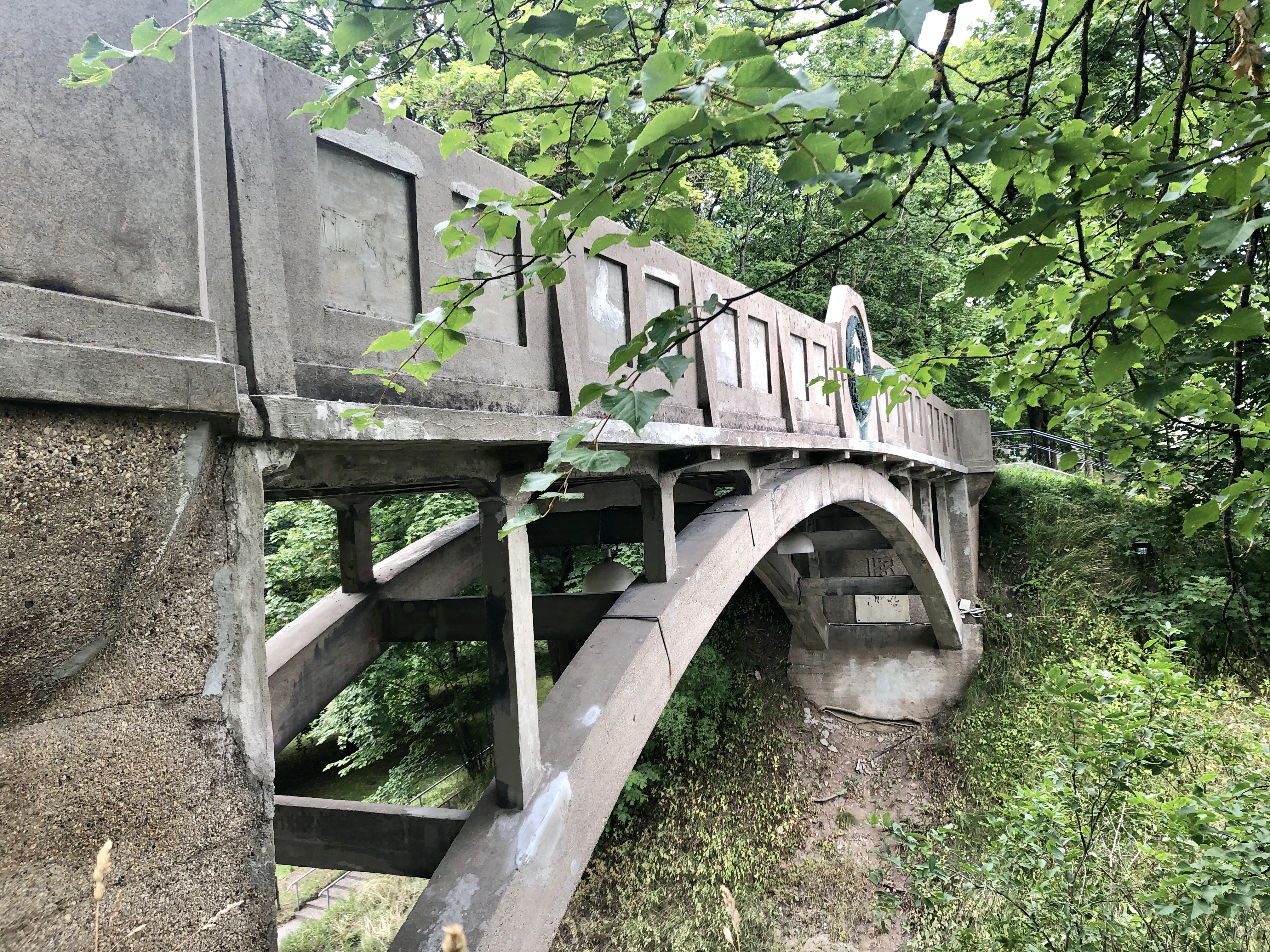
The Devil’s Bridge in Tartu is one of the few remaining concrete bridges from the early 20th century. Together with the Angel’s Bridge, it forms one of the symbols of Tartu. Everyone is welcome to walk on the bridge, especially visitors interested in history and architecture.
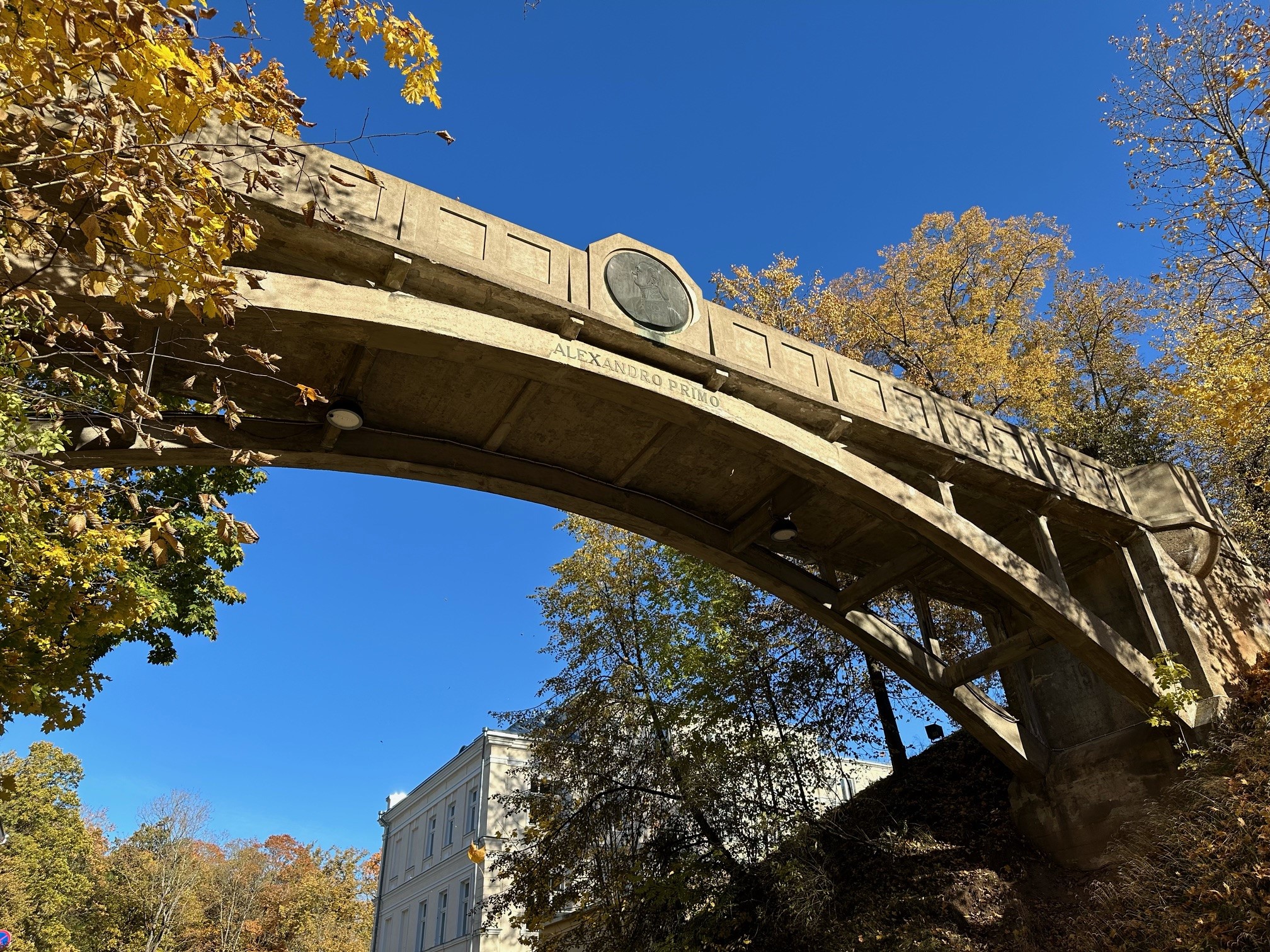
The Devil’s Bridge was built in 1913 to celebrate the 300th anniversary of the Romanov dynasty. It is decorated with a bronze relief of the Russian Emperor Alexander I, «Alexandro Primo.»
According to legend, the name «Devil’s Bridge» comes from its dark appearance, which contrasts with the bright Angel’s Bridge.
The Devil’s Bridge is ideal for walking or taking exciting photos!
Mugavused

  • Information boards
  • Paid parking

Часы работы

Круглый год

Ööpäevaringselt

Ссылки

Подробнее

  • Workshops

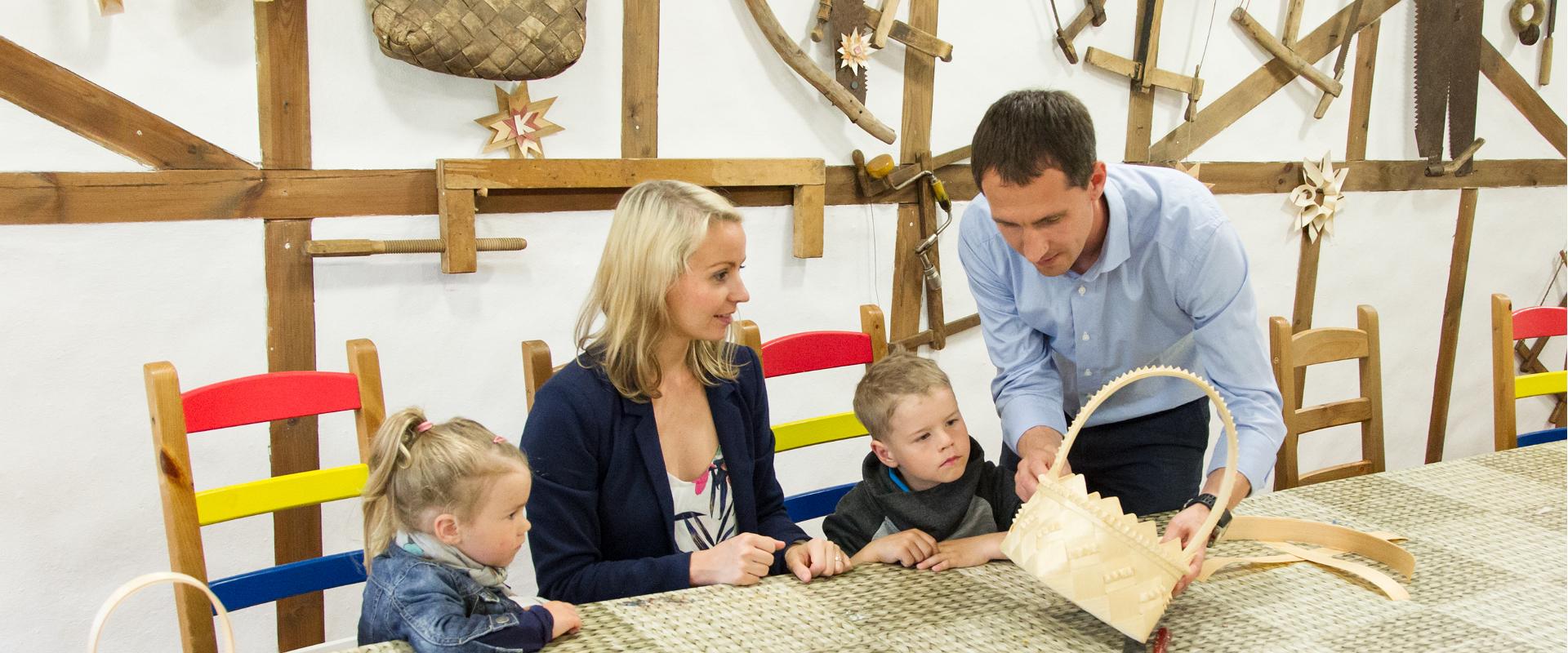
Wooden handicraft workshop «Talking trees» in Avinurme Wooden Handicrafts Centre

The cosy atmosphere is perfect for spending some lovely time with your friends or colleagues. We will prepare a tasty lunch, introduce the lore related to wood and the forest, and have fun in the workshop together.In addition to the wooden handicraft workshop:* we will talk about the Wooden Handicrafts Centre and wooden handicraft* we will present a wood-themed entertainment activity* lunch: baked potatoes, sauerkraut or salad, roast pork, and a traditional Estonian dessert (kama foam) with lingonberries

  • Manors

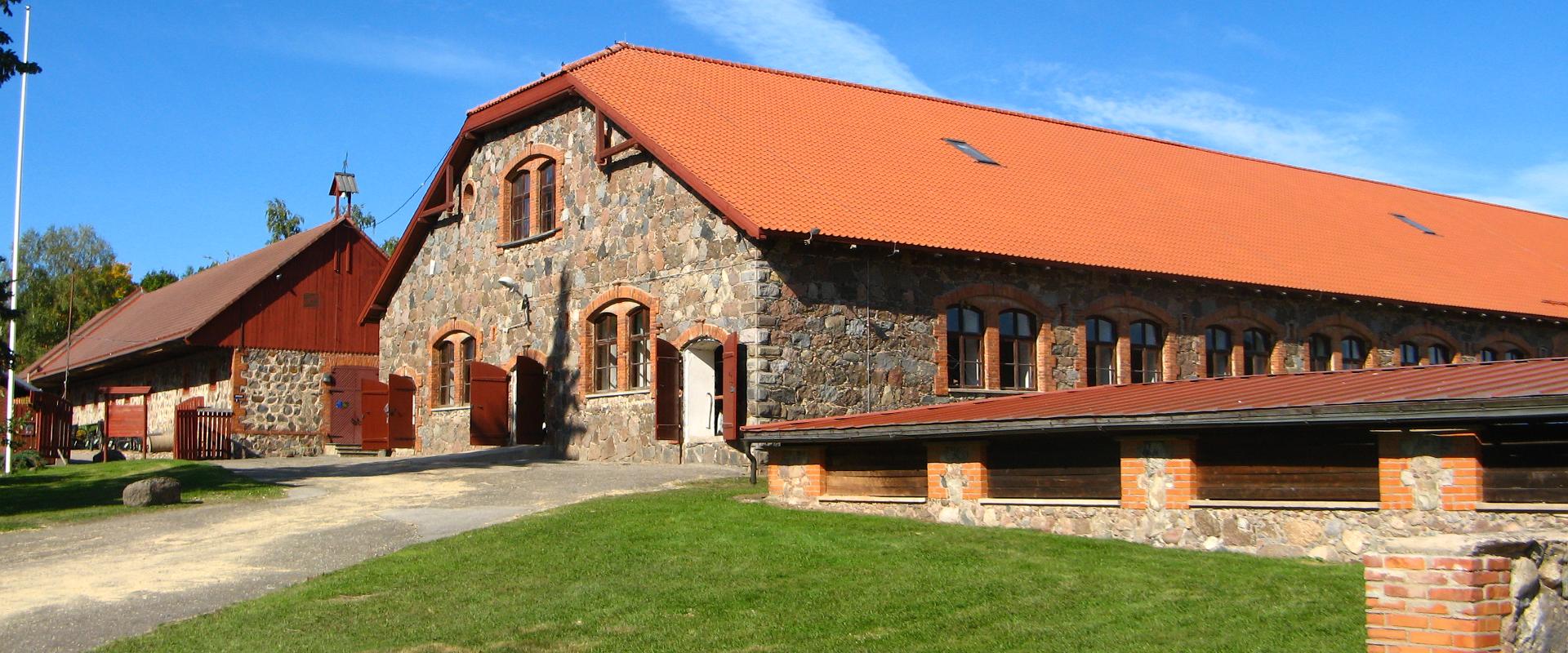
Ülenurme Manor

The well-preserved Ülenurme Knight's Manor (Üllenorm) in Ülenurme is first mentioned in writing in 1646, when a military man called Bernhard Bousselberg received the manor from the Kingdom of Sweden in exchange for a stone building in Tartu.The park and the main building were probably created by Count Cancrin who was the owner of Ülenurme manor between 1856 and 1883.The manor has been passed from owner to owner, and the main source of its income was grain farming.At the beginning of 1970, the complex of numerous stone buildings of the former Ülenurme Manor's centre was allocated to the Estonian Agricultural Museum that opened its doors to visitors in 1981.You have to buy a ticket in order to visit the museum. The complex has a gazebo, a village swing, and stables.

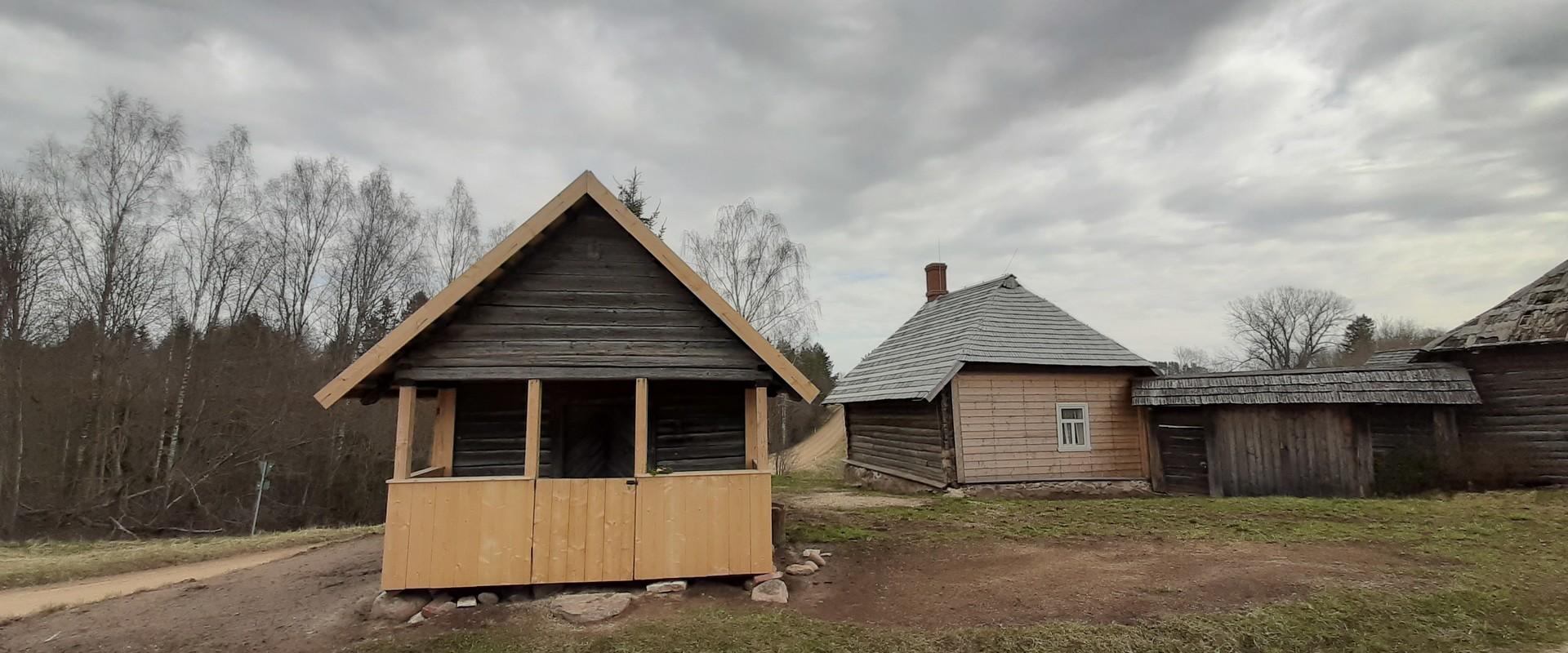
Tobrova Village Chapel

The small wooden Tobrova tsässon on the right side of the Tobrova-Küllätüvä road looks like a small barn with a modest cross on the roof. This Orthodox chapel built in 1932 is dedicated to Easter – the most important holiday in Tobrova and nearby villages. Behind the Tobrova tsässon is the Luikjärve farm fort: a well-preserved Seto farm with a closed courtyard, which has been restored by the Obinitsa Museum.Contact the Obinitsa Museum for more information about the tsässon and the farm.

  • Guided tours

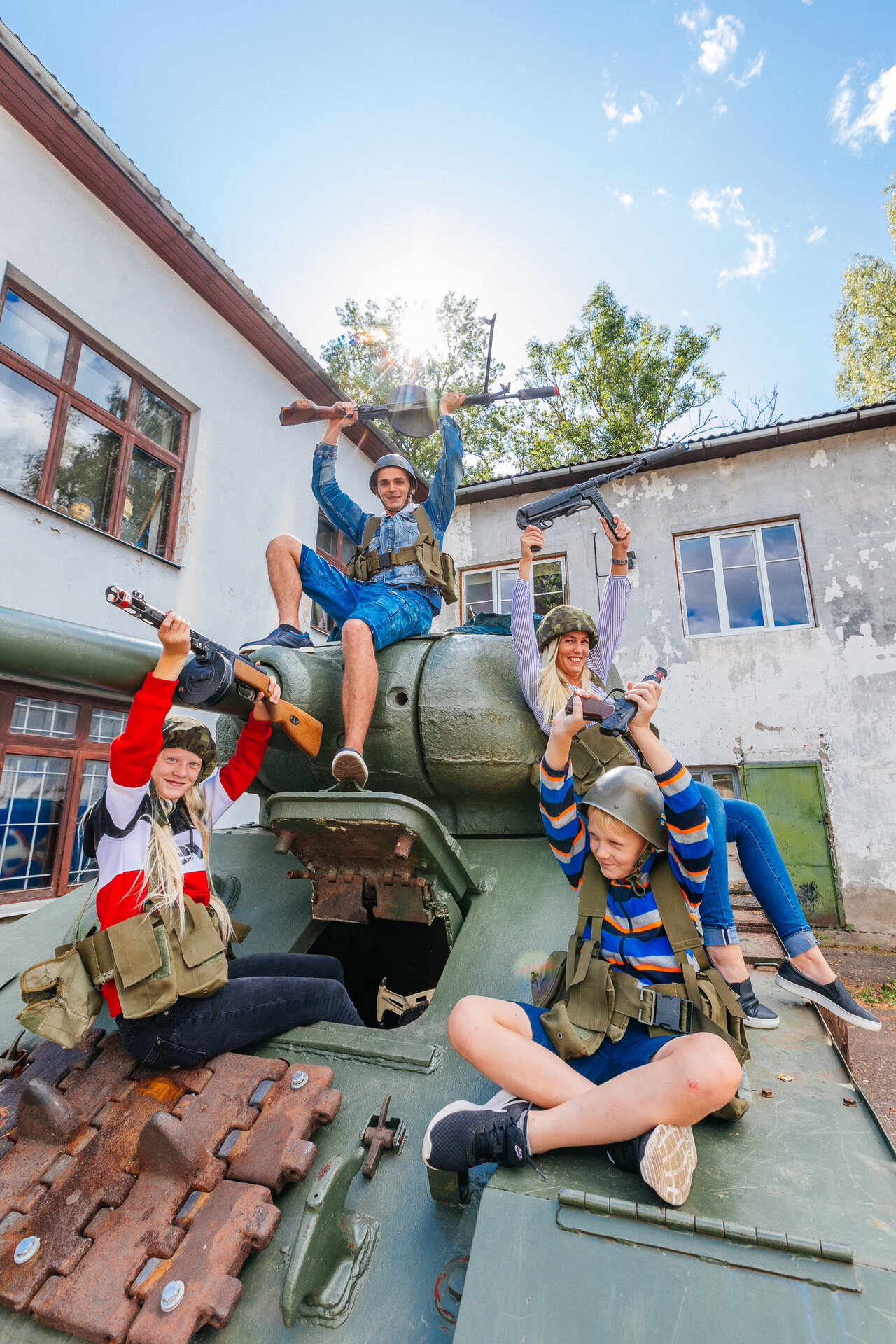
Valga War Museum

Would you like to learn more about the past and present of Estonia's national defense force or see the places where battles took place in Valga County? When visiting the War Museum, you can get acquainted with military and armored vehicles, tanks, a Forest Brothers bunker, see the largest weapon collection in Estonia, and more. You can test your shooting skills on a shooting simulator. For groups, we offer guided tours, fun rides in various military vehicles, role-playing games with laser weapons, or flight simulations in an MI-8 helicopter, upon reservation. Our seminar hall can host various events, and we offer various military-themed packages.

  • Estonian design

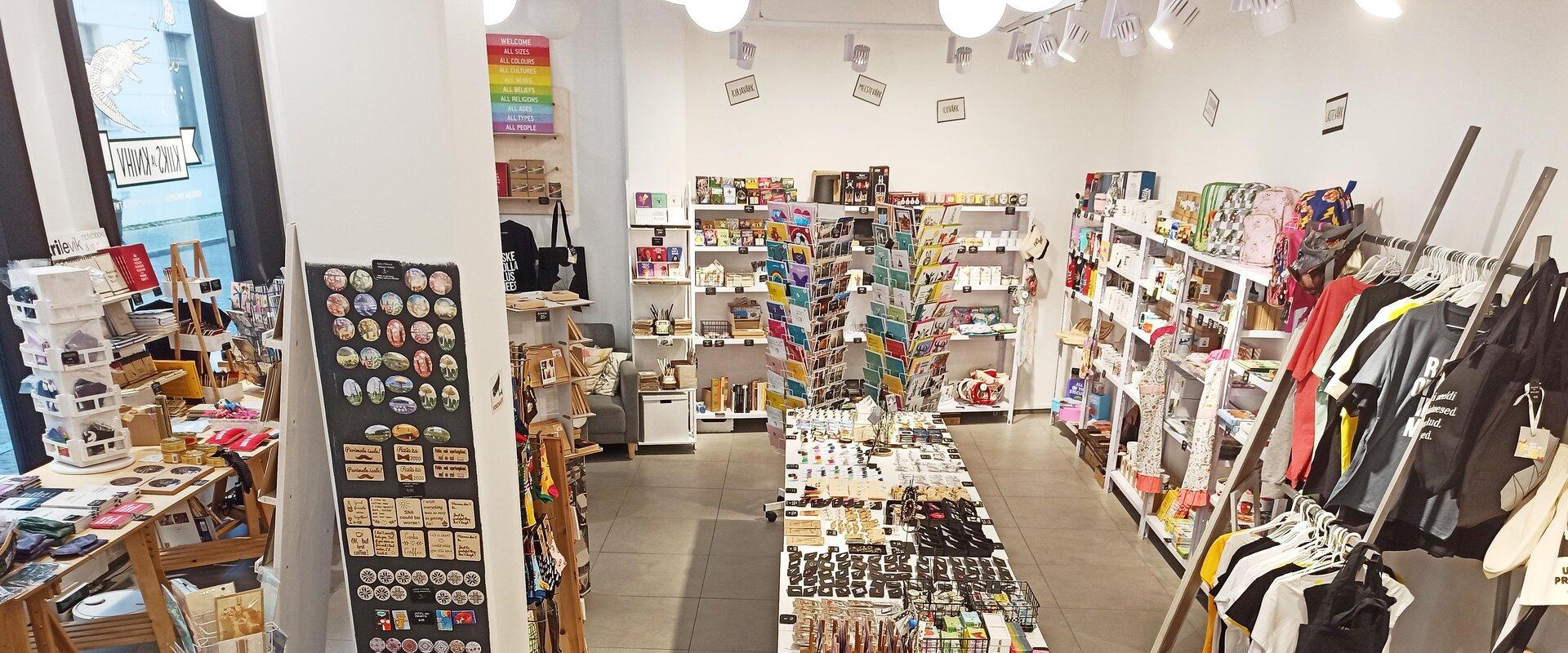
Gift shop Kiiks ja Knihv

Kiiks ja Knihv offers you a selection of unique gifts. In our store, you will find a special selection of Estonian designs and souvenirs created by small European manufacturers. The gift shop has the largest selection of Moomin products in Tartu County, including sweatshirts, bags, wallets, socks, and hats. Everyone will find something for themselves and their loved ones. Kiiks ja Knihv is a quirky gift shop, but we also have classic gifts, such as mugs, thermoses, and water bottles. Come to "the gift shop with a twist", where you can laugh and discover exciting gifts for yourself and others.

  • Churches

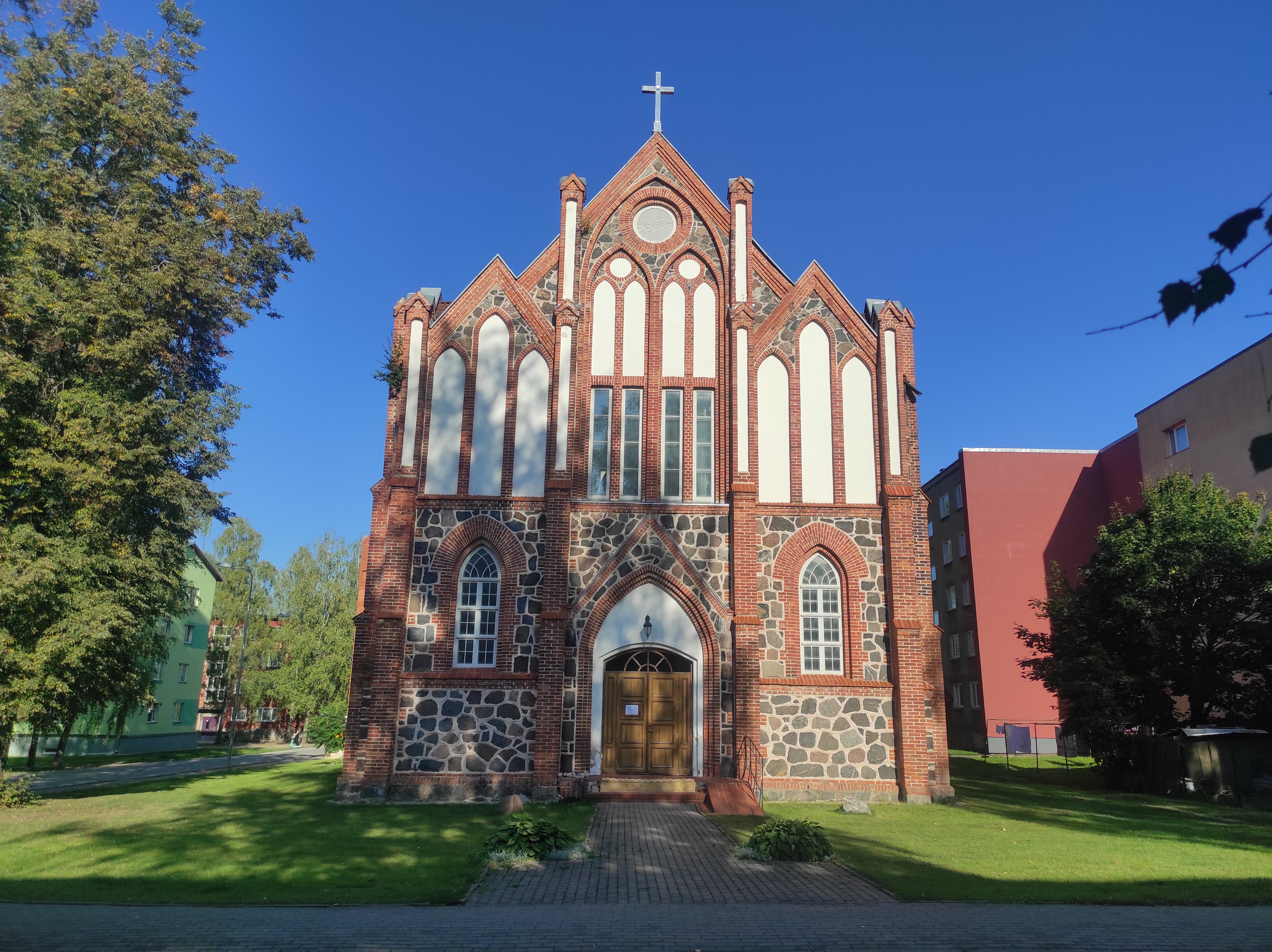
Valga Roman Catholic Church of the Holy Spirit

The church was built of natural stone and bricks in 1907. Lithuanian and Polish railway workers were actively involved in building the church. The church operated until 1940 and from 1945, the building was used as a warehouse and later as a gym.The extension of the church was built in 1995 and the church was renovated. Interesting facts: * the church does not have a tower as the imperial government of Russia refused to give permission to build one.

  • Churches

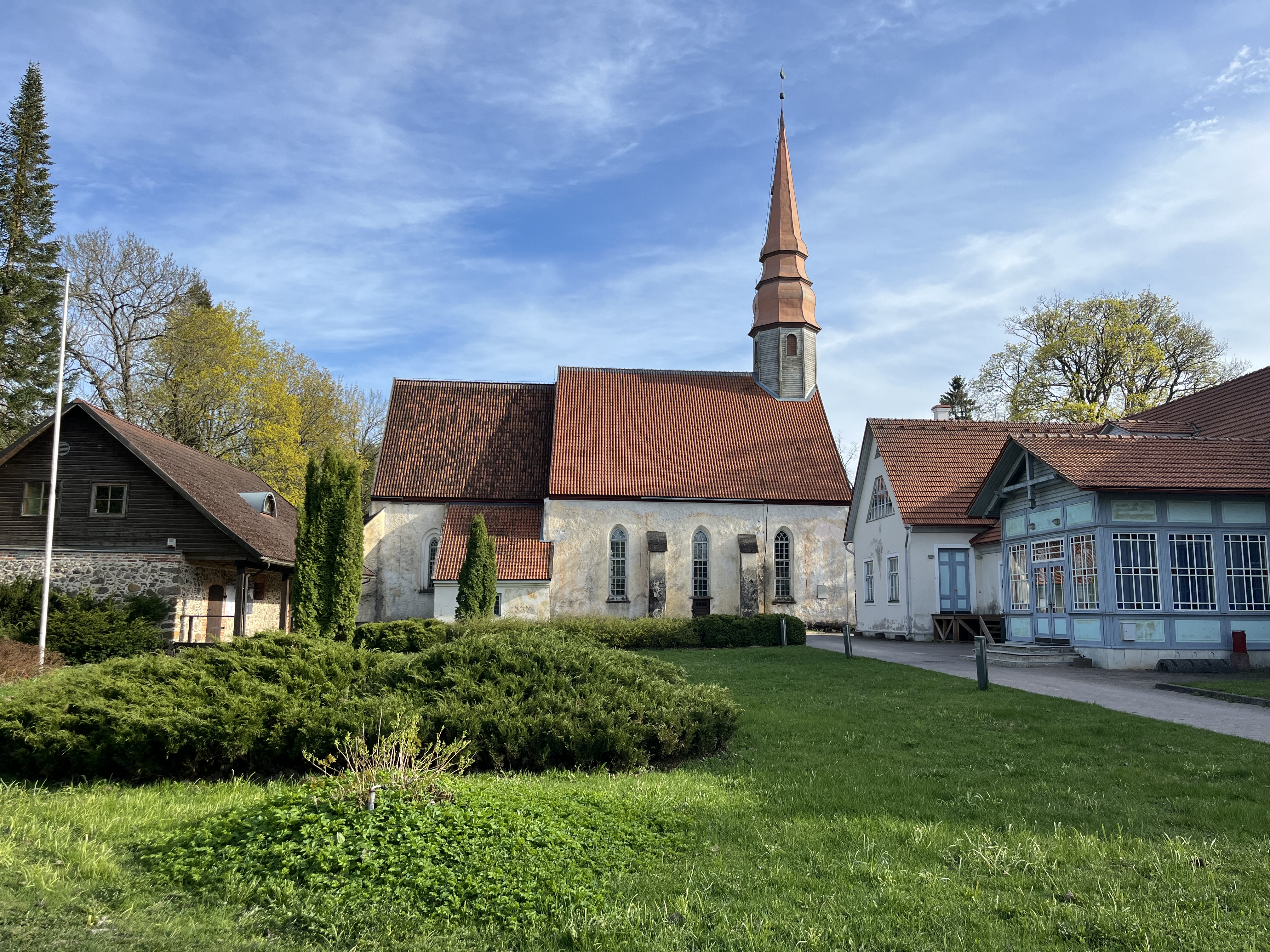
St Bartholomew’s Church in Palamuse

Palamuse Church is one of the oldest medieval churches in northern Tartu County. The church was first mentioned in documents in 1234. As a fortress church, it provided protection from invaders during wars. There is a burial ground around the church, which has two preserved headstones. The unique wooden sculptures on the altar and pulpit date back to 1696. There is a dry-stone painting on the eastern outer wall. Services are held in the church every Sunday at 11 a.m. The church also organises concerts and plays.

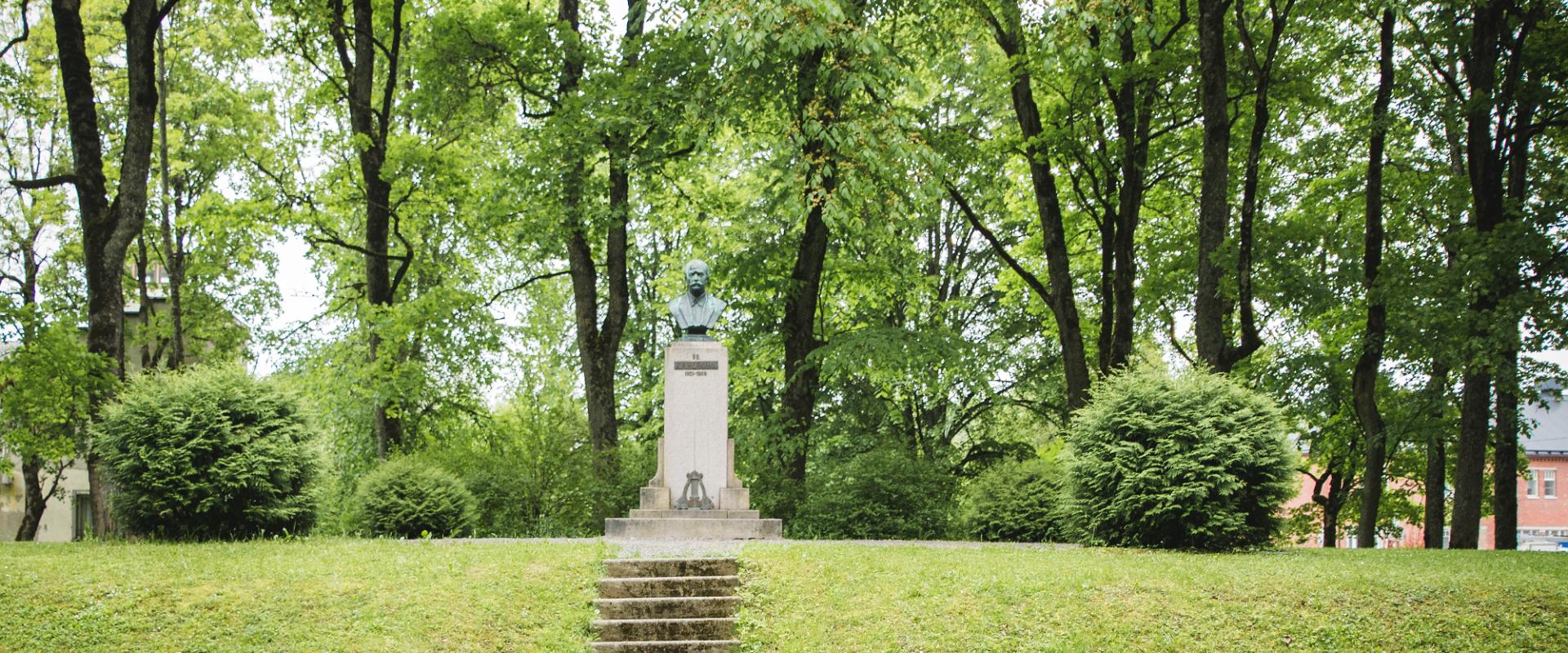
Karl August Hermann Monument

Karl August Hermann (23 September 1851, Võhma village, Põltsamaa parish – 11 January 1909, Tartu) was an Estonian composer, linguist, and encyclopaedist. He was an important figure in the national movement. He published the first encyclopaedia in Estonian, was one of the organisers of several song festivals, and composed several hundred pieces of music, the best known of which are, for example, 'Kungla rahvas' and 'Oh laula ja hõiska'. He bought Perno Postimees, brought the publication to Tartu, and turned it into the first Estonian-language daily newspaper.The monument to Karl August Hermann in the park of Vana-Põltsamaa Manor was opened on 10 June 1935. The author of the statue is Alfred Zolk-Leius.

  • Privacy Policy

"*"обозначает обязательные поля

Это поле используется для проверочных целей, его следует оставить без изменений.
Я разрешаю маркетинг