• Открой
    • Еда
    • Природа
    • Культура
    • Семья
    • Спорт
    • Сообщество
    • Блог
    У Вас появились свободные выходные, чтобы провести с детьми? Здесь собраны лучшие места в Южной Эстонии для семейного отдыха
  • Планируй
    • Размещение
    • Информация
    • Varamu
    Sustainability
RUS
  • РусскийRUS
  • EestiEST
  • EnglishENG
  • LatviešuLAT
  • SuomiFIN
RUS
  • РусскийRUS
  • EestiEST
  • EnglishENG
  • LatviešuLAT
  • SuomiFIN
Populaarsed otsingud:
Näita kõiki tulemusi
  • History & Culture
  • Architecture and history

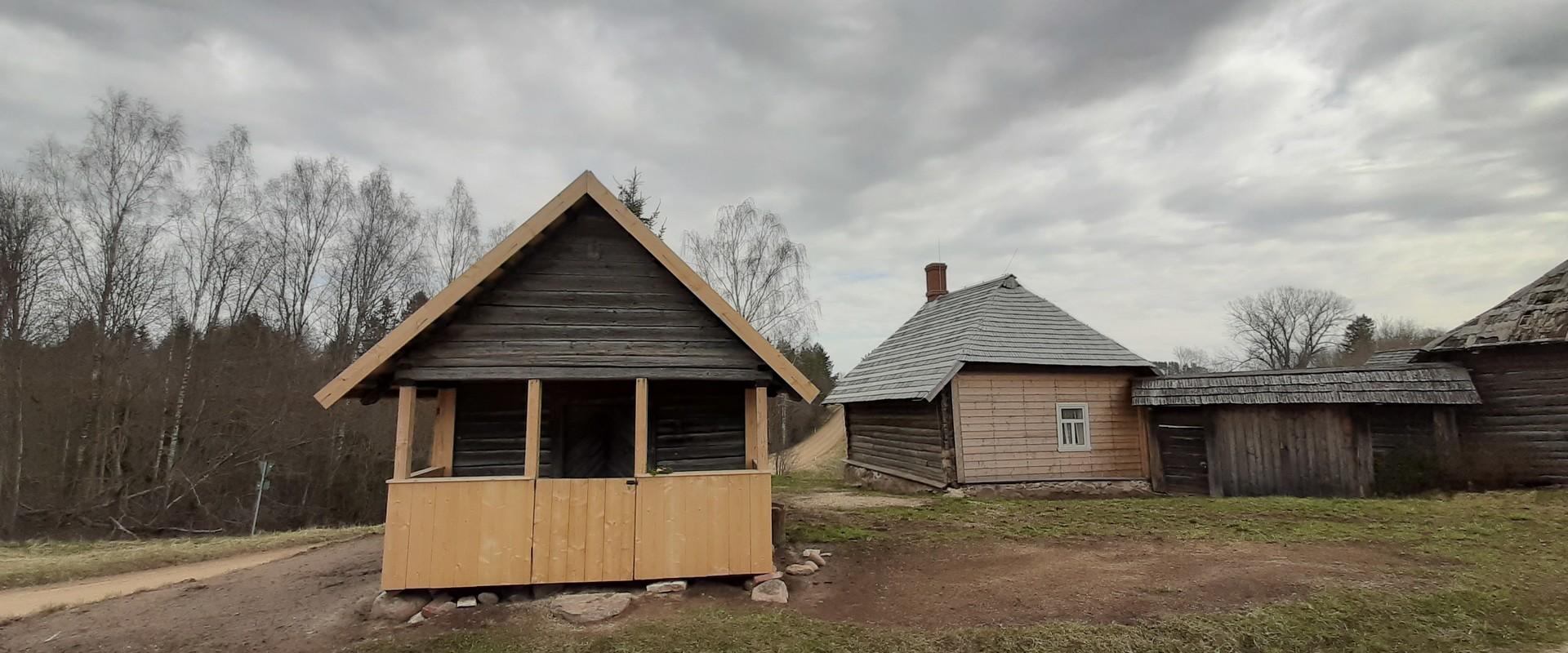
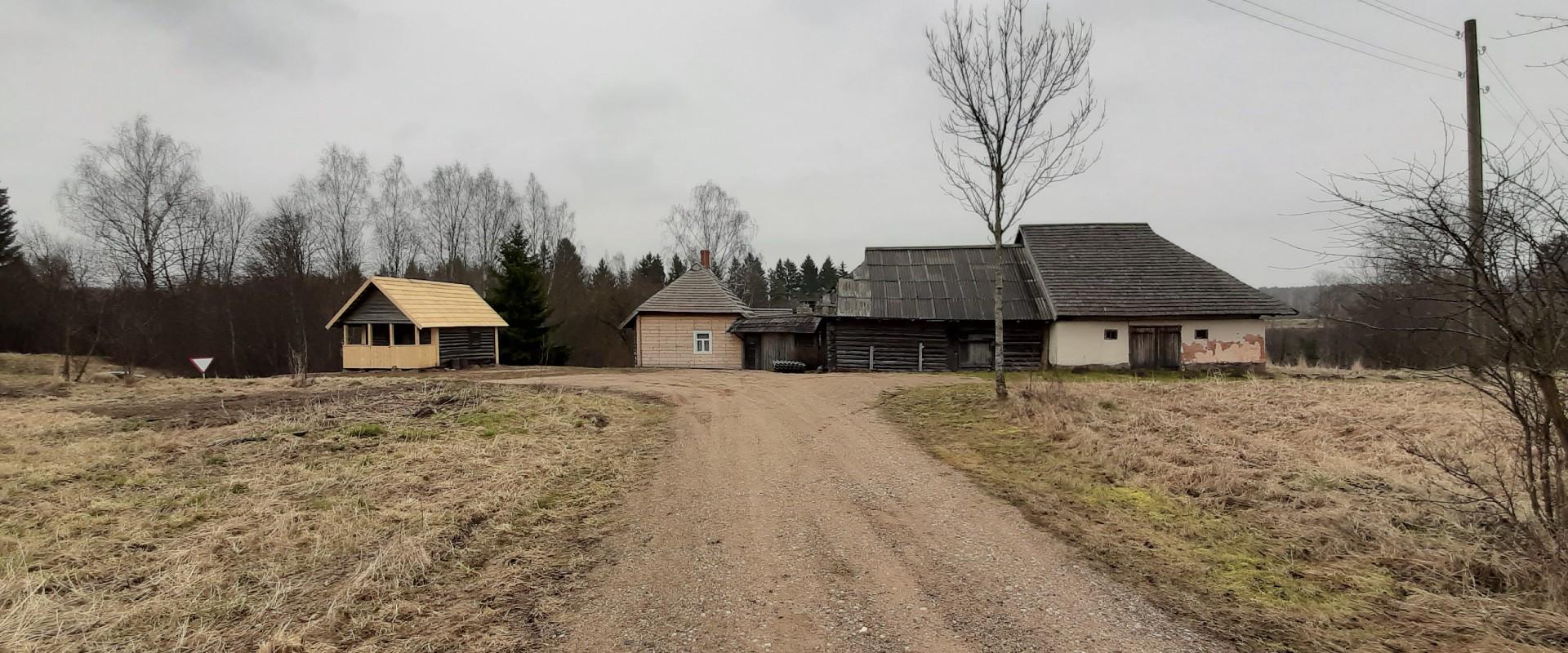
Tobrova Village Chapel

Setomaa vald, Võru maakond, 65342

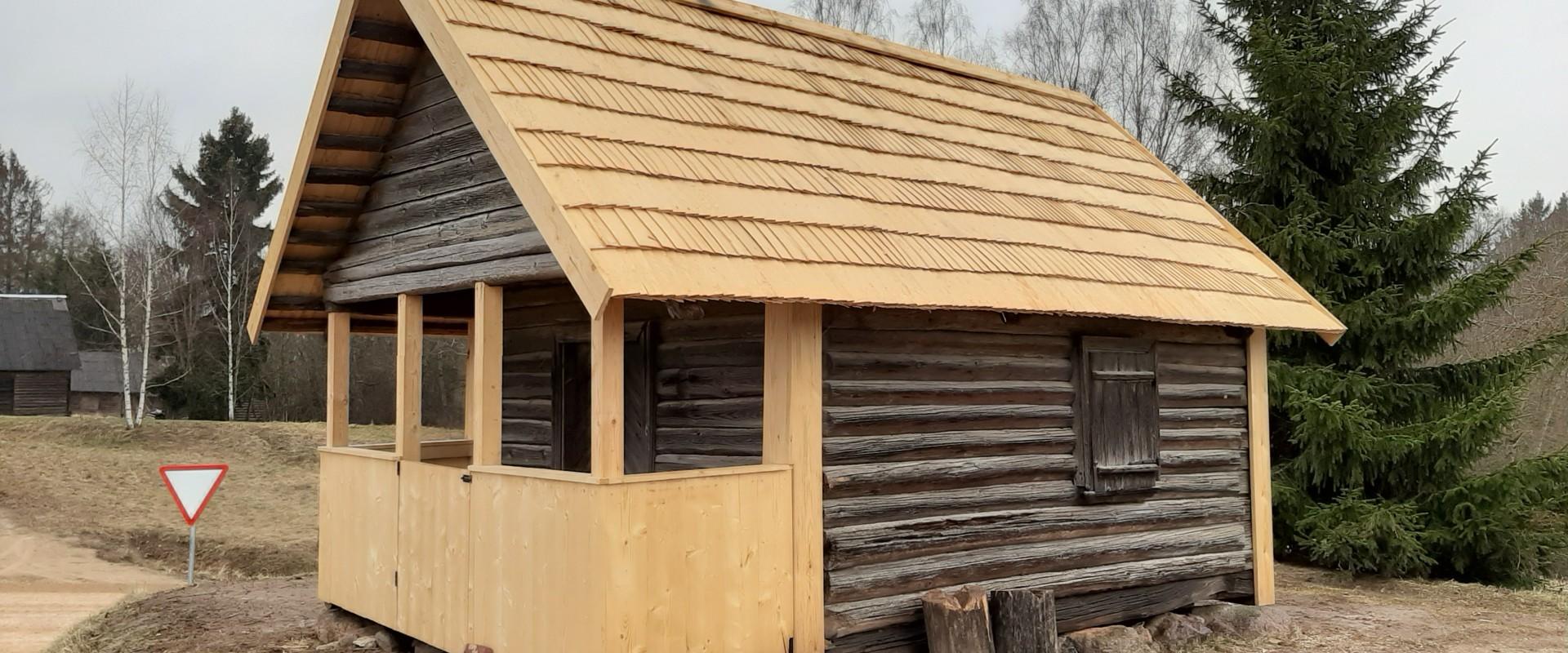
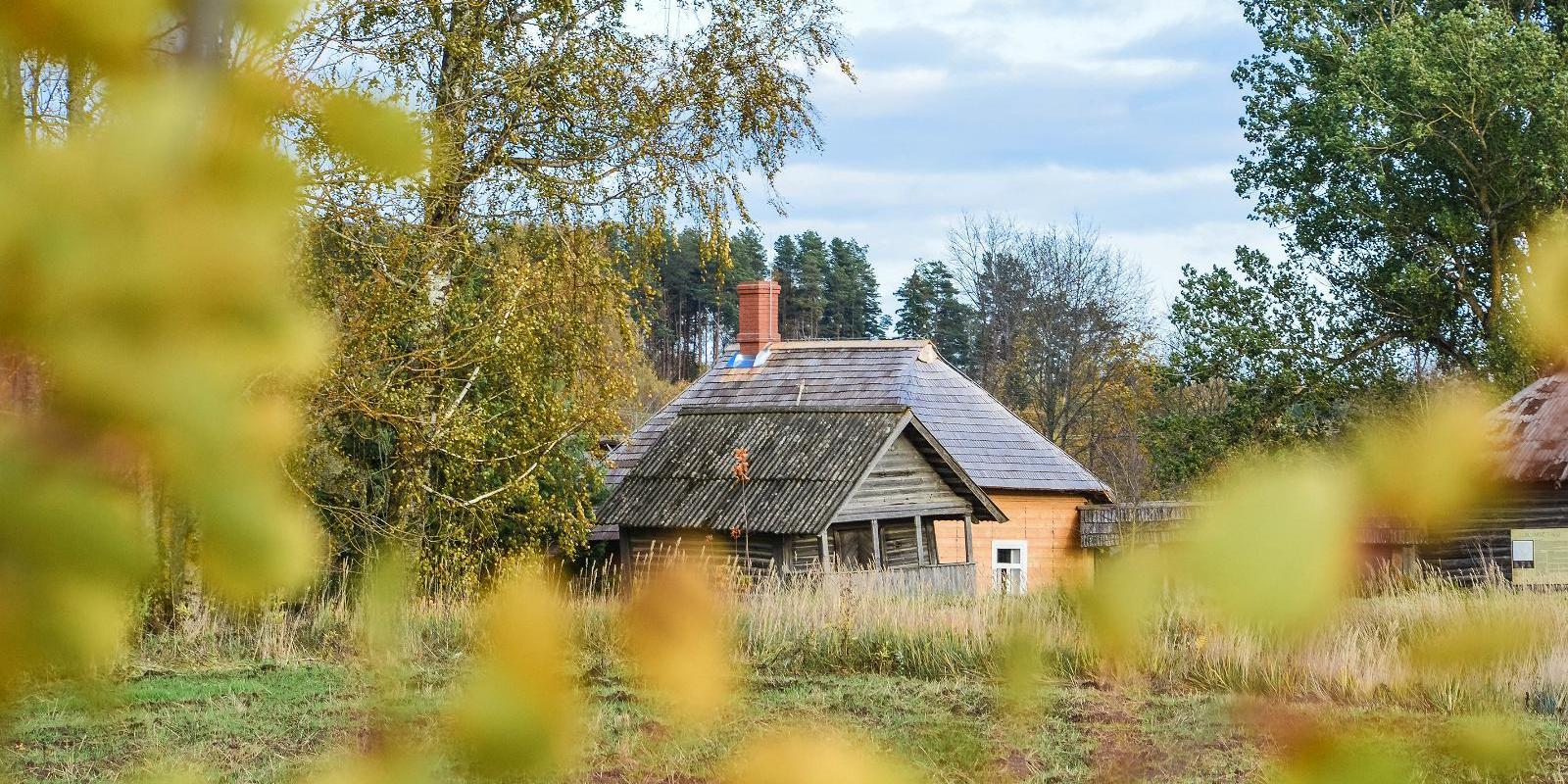
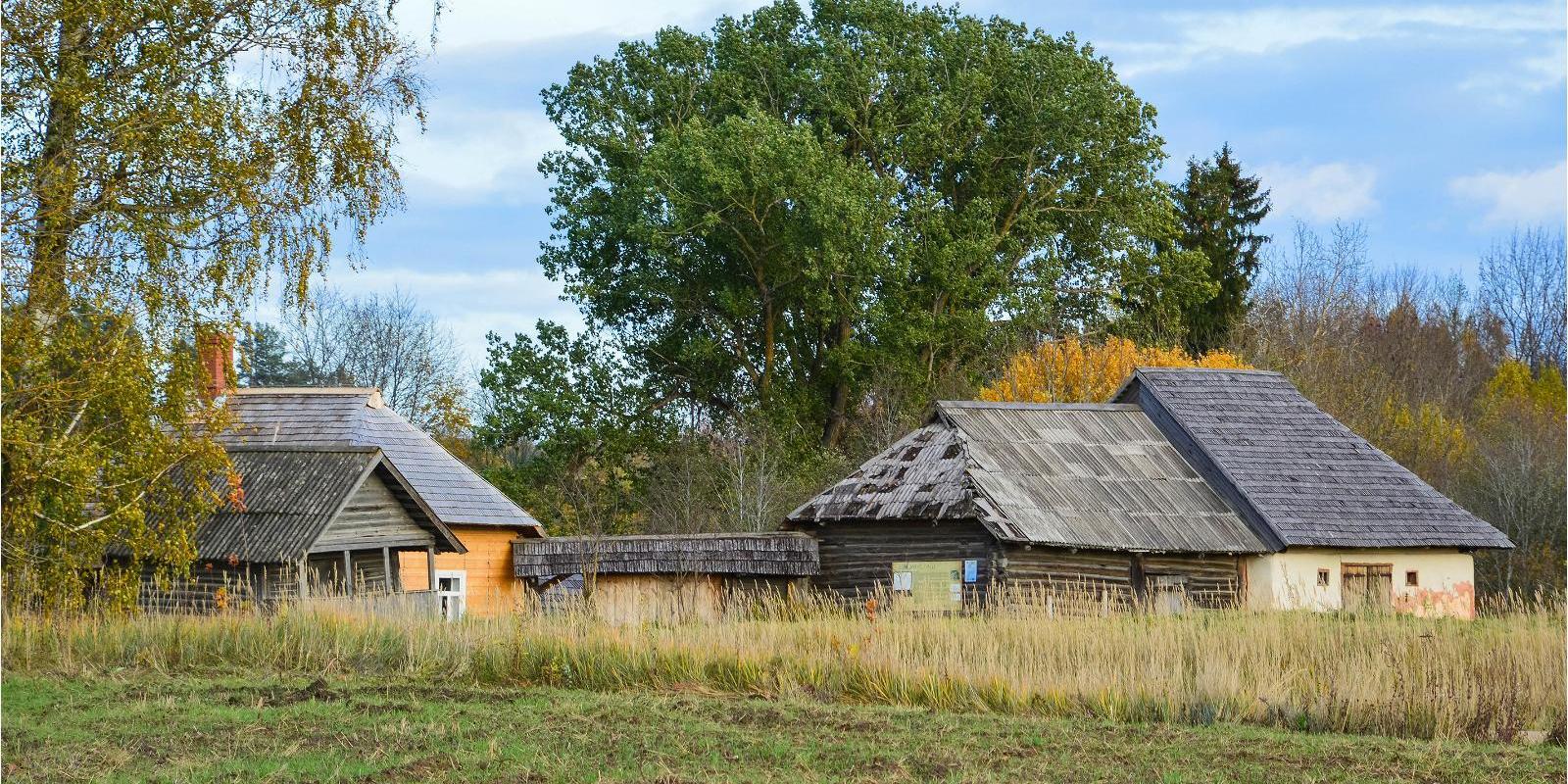
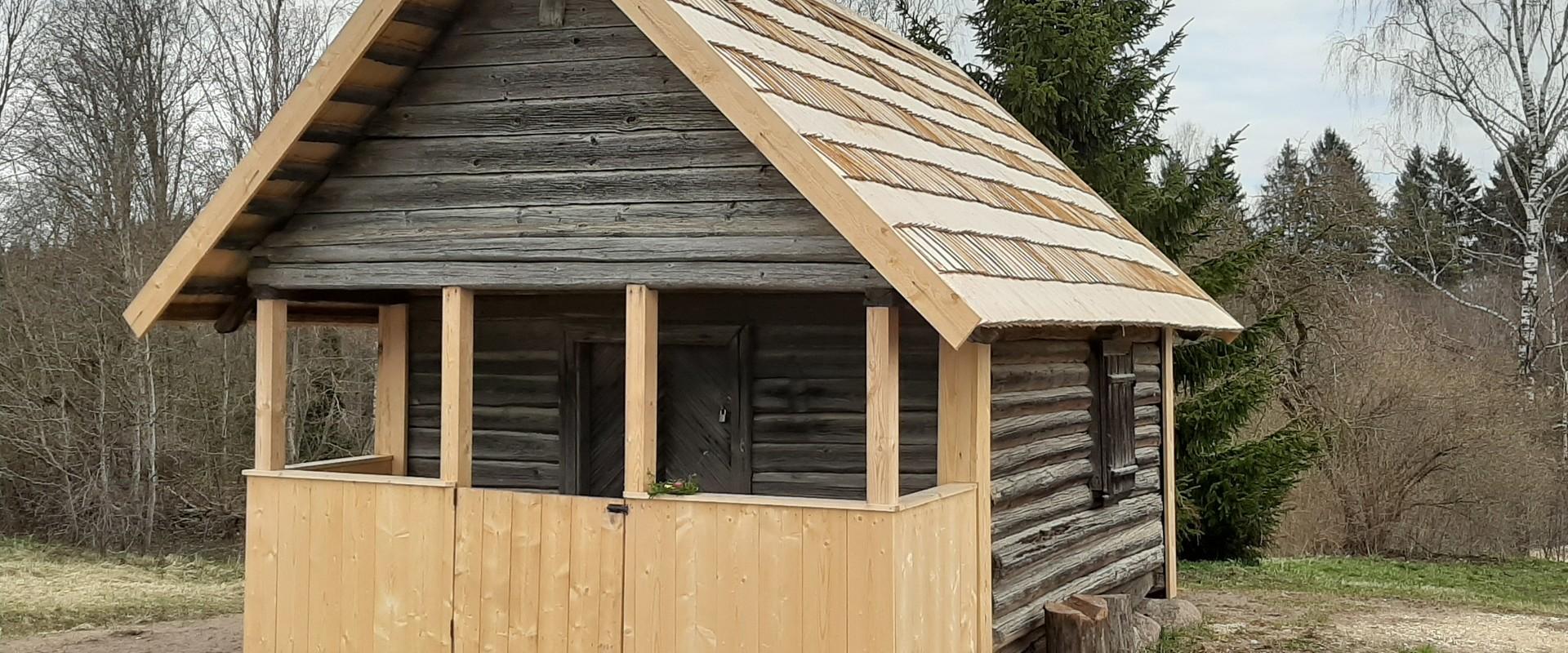
The small wooden Tobrova tsässon on the right side of the Tobrova-Küllätüvä road looks like a small barn with a modest cross on the roof. This Orthodox chapel built in 1932 is dedicated to Easter  – the most important holiday in Tobrova and nearby villages. Behind the Tobrova tsässon is the Luikjärve farm fort: a well-preserved Seto farm with a closed courtyard, which has been restored by the Obinitsa Museum.Contact the Obinitsa Museum for more information about the tsässon and the farm.

Mugavused

  • Free parking

Часы работы

Круглый год

По предварительному заказу

Контакты

  • +372 505 4673
  • myyk@setomuuseum.ee

Ссылки

Подробнее

Tartu Railway Station

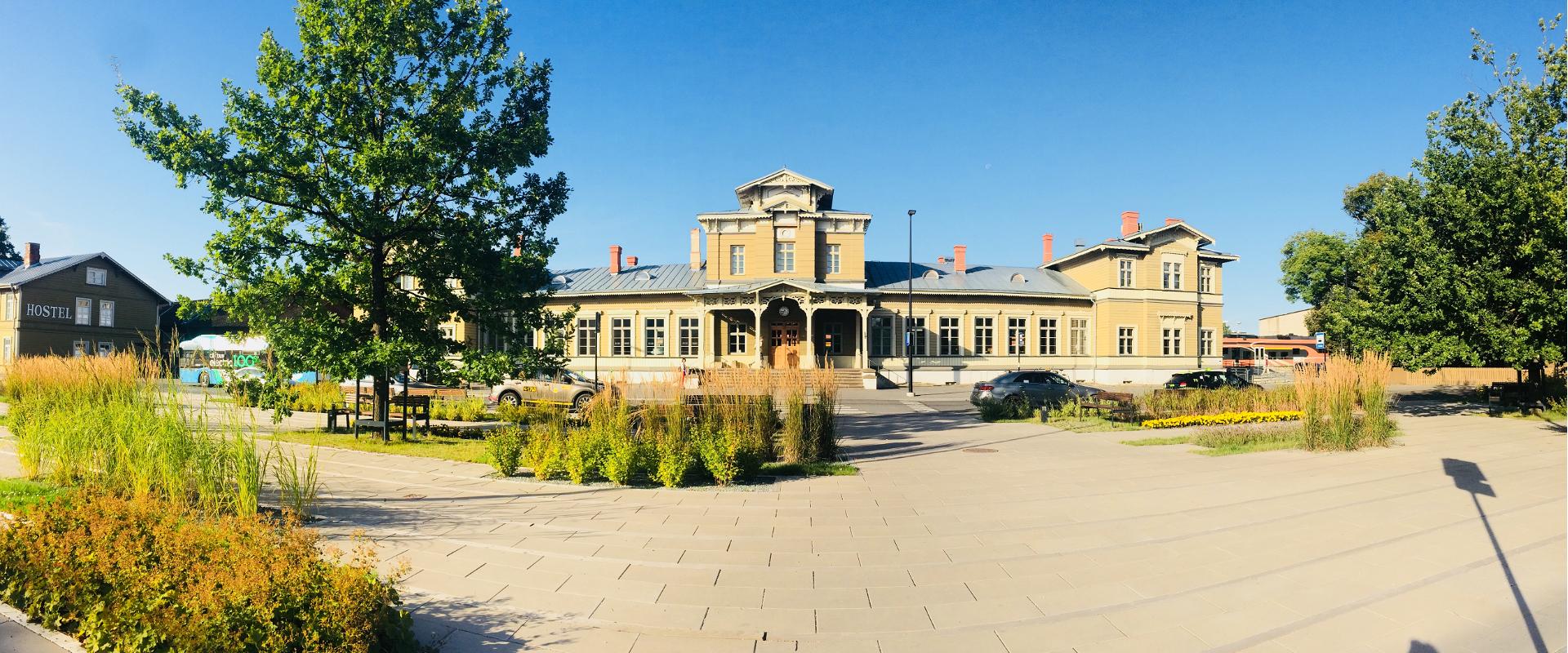
Tartu Railway Station was built in 1876 outside of the city’s borders. It could be reached by Maarjamõisa tänav, which was lined with trees. The main building of the station consists of three parts and has a standard façade and a transverse gabled roof. Warehouses, platforms, a depot, a water tower, and two houses for railway workers were located next to the main building. In the 2000s, the building was restored under the architect Aivar Roosaar. In 2012, the building was reopened for passengers. Café Wedur is now operating in the station building. In front of the station are bike parking, and Tartu Smart Bike rental docks.

  • Galleries

Pallas Gallery

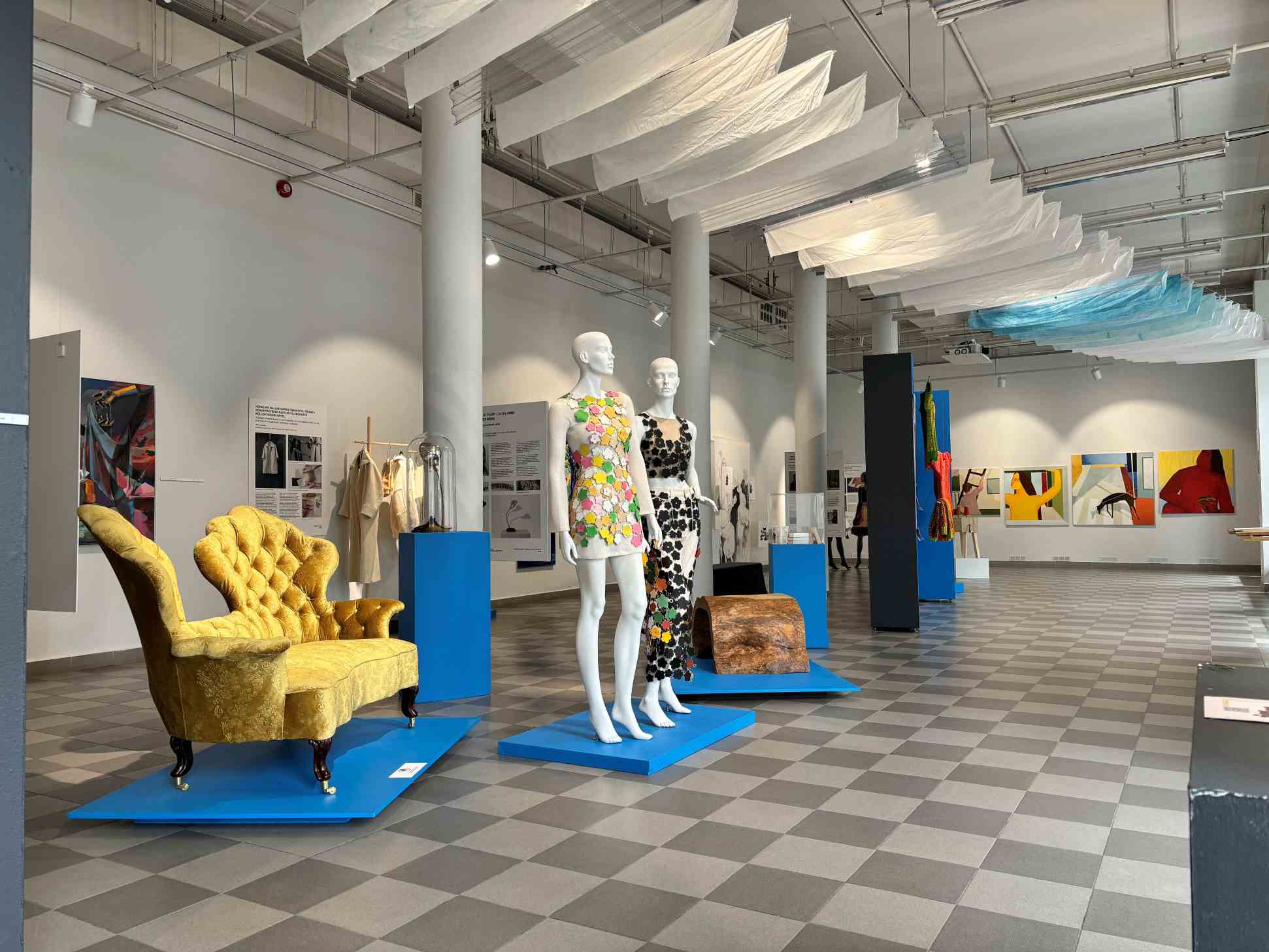
The Pallas Gallery is a contemporary, ever-evolving art space where you can experience fresh Estonian art and ideas from young creators. Exhibitions change approximately every five weeks, offering new experiences each time. The exhibitions feature works by students, lecturers, and alumni of the Pallas University of Applied Sciences, providing a good overview of contemporary Estonian art. The gallery's aim is to introduce and popularize contemporary art in Tartu, bringing the creations of both young authors and collaborative partners to visitors. The spacious main hall is located in the center of Tartu, offering an inspiring setting for enjoying art. In addition, various cultural and educational events are held in the gallery, making the visit more diverse. The gallery is free for everyone to visit, making it an especially good opportunity to get acquainted with contemporary art in Tartu. Come and be inspired at the Pallas Gallery!

  • Workshops

Obinitsa Museum

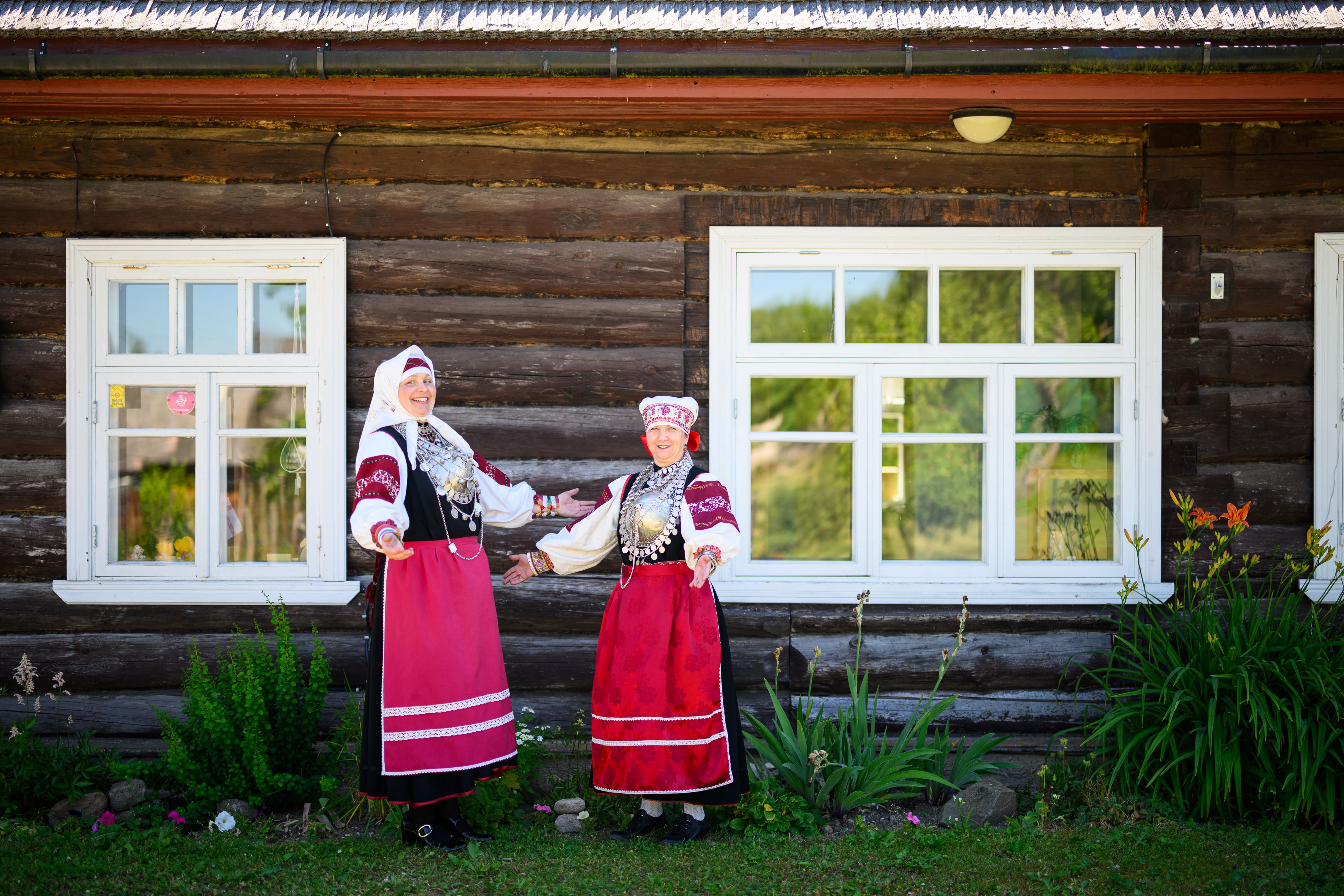
At the Obinitsa museum, one can explore the unique culture and history of Setomaa, participate in various workshops and events. Most of the museum collection items are sourced from surrounding villages. Special value is placed on the fine handicrafts of Seto women. The museum is located in the heart of Setomaa and offers an overview of the area's life, traditions, and folk costumes. The permanent exhibition displays authentic farm tools, clothing sets, and photos that reveal different aspects of Seto culture. The museum's most popular program is called "Rõivile!". Dressing up means putting Seto clothes on a woman and doing her hair. During the dressing process, the historical context of the items is introduced. It is possible to order a handicraft workshop at the museum, where traditional Seto belts and ribbons are made. Seasonally, other activities are offered, such as embroidery and wool work introductions and guided village tours.

  • Churches

St Zachariah’s and St Elizabeth’s Orthodox Church in Räpina

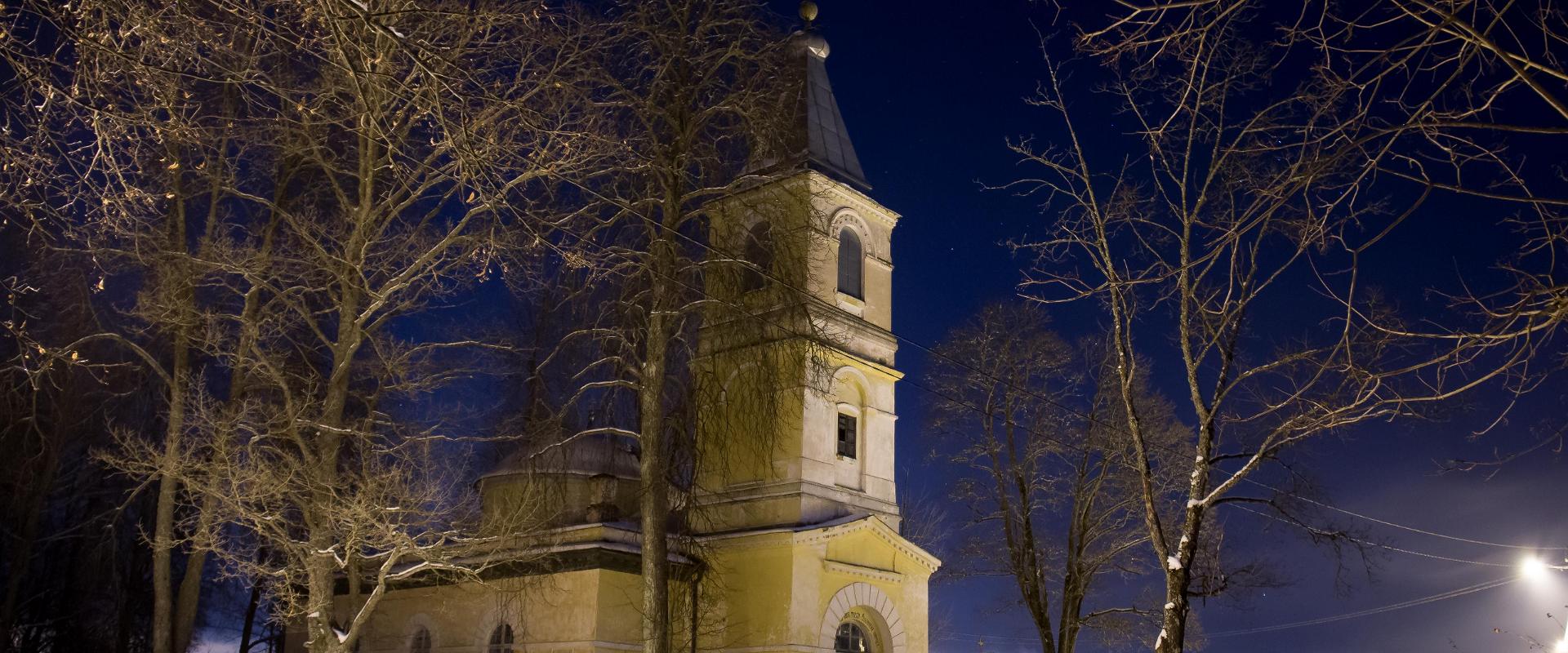
St Zachariah’s and St Elizabeth’s Orthodox Church in Räpina is a neo-Classical oblong building consisting of three parts. In the Western part there is a bell tower and in the Eastern part a crescent-shaped apsis. A cupola with a tambour is in the middle of the building. The exterior of the building is in classical style, incorporating cornices and rustic work. Simple iconostasis of the 19th century catches the eye in the interior.

  • Ruins

Ruins of Kirumpää Castle

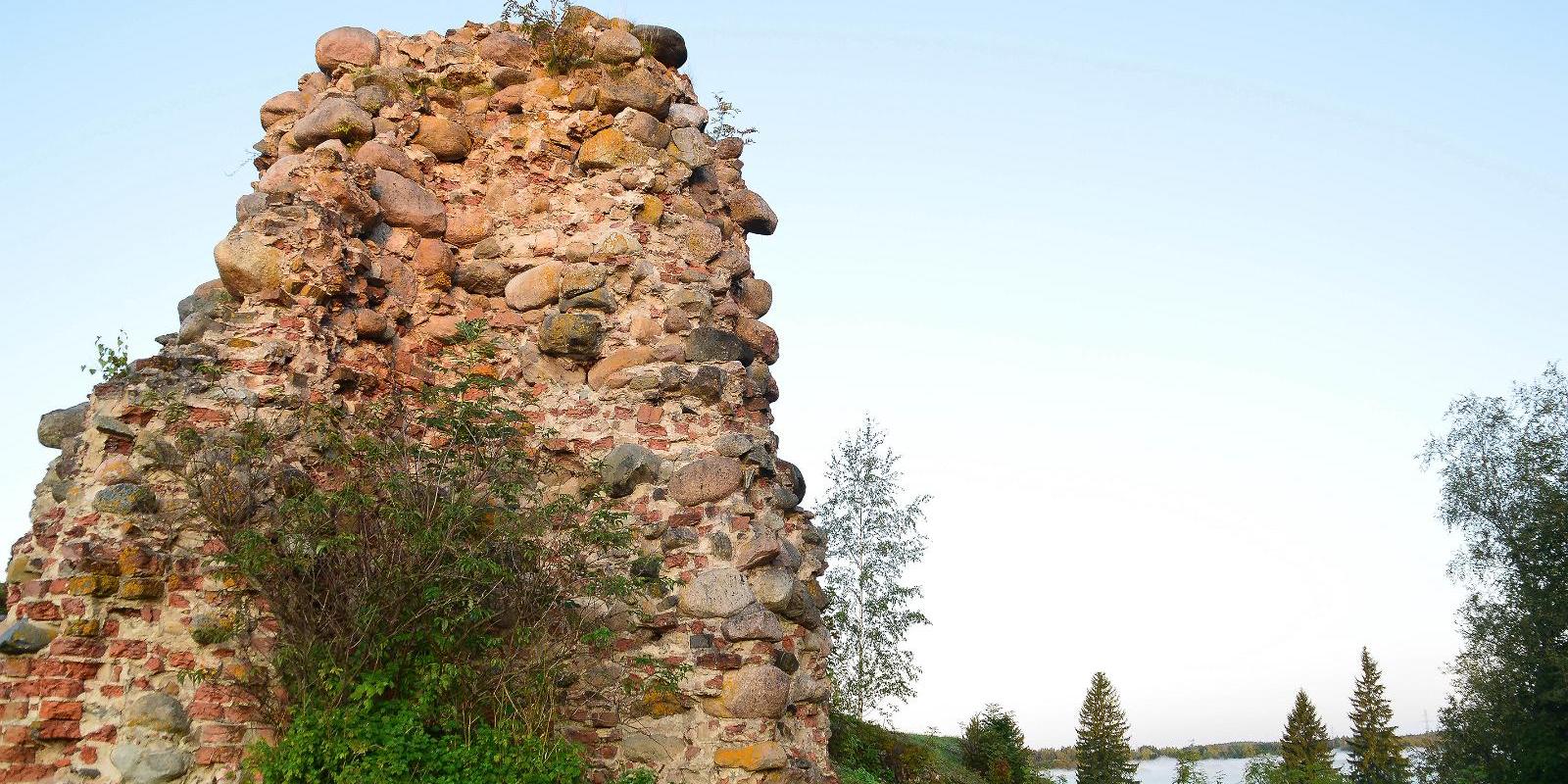
The first written record about Kirumpää Castle is from 1322, when Gediminas, Grand Duke of Lithuania, destroyed it. The castle was built by the once important Tartu-Pihkva trade and war route, to protect the eastern border of the Tartu Bishopric. The castle has been attacked, destroyed and rebuilt many times and it was finally destroyed in the Russo-Swedish war in 1656.Useful information: Kirumpää Castle was surrounded by a large settlement of merchants and craftsmen. The layouts of the castle and the surrounding area are preserved in the Swedish National Archives. Stones from the castle's ruins were used to build Võru, which was established in 1784. Small-leaved lindens that grow around the ruins are from 1940.

Tartu Gunpowder Cellar

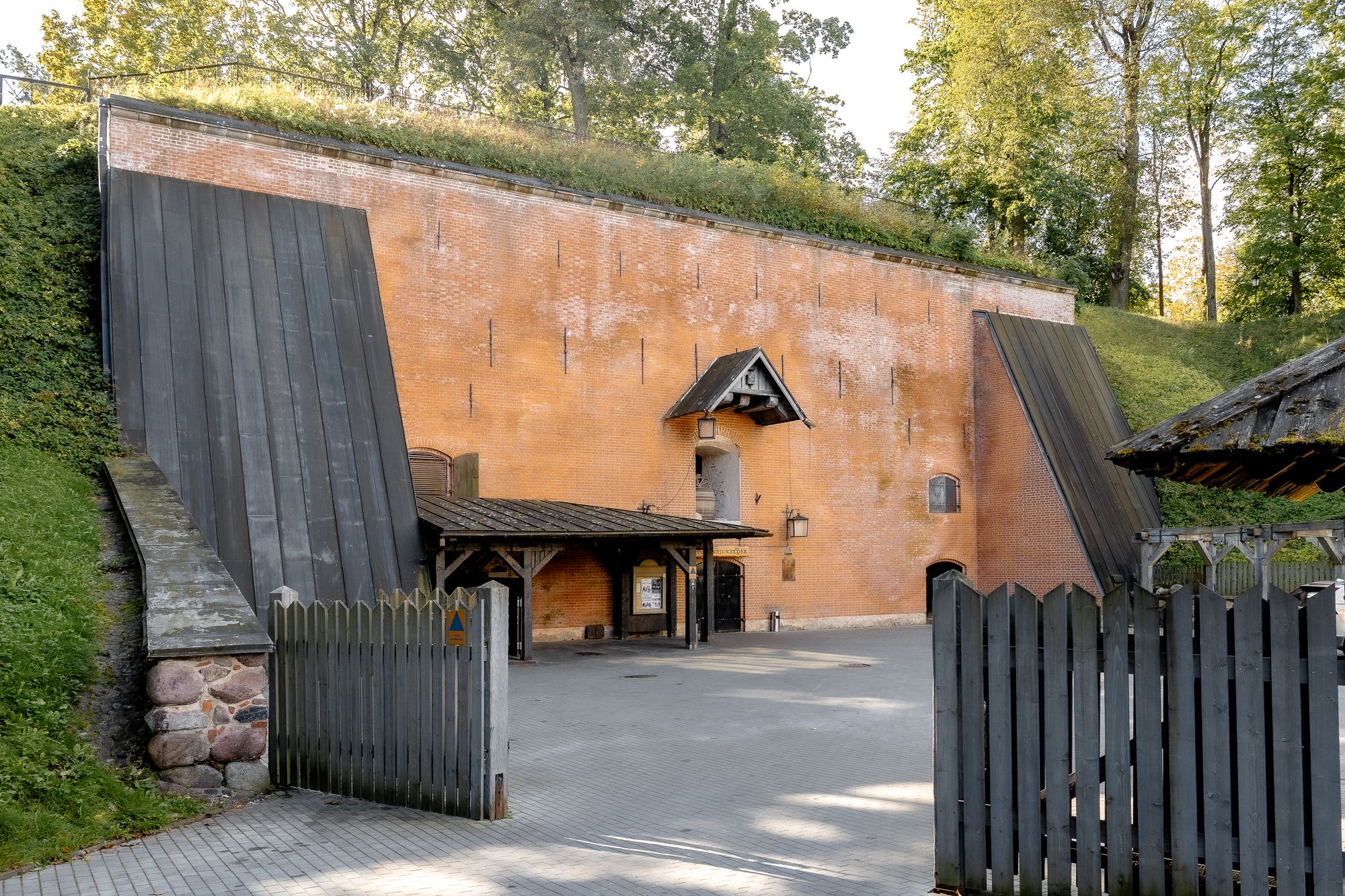
Located on the slope of Tartu's Toome Hill Park, the Gunpowder Cellar is a unique historical building that today operates as a restaurant. The building was established in 1767 in a moat separating the bishop's castle from the surrounding area, and it was used as a gunpowder cellar until 1809. Bricks from the ruins of the medieval St. Mary's Church and the bishop's castle walls were used for its construction. Thanks to its thick stone walls and underground location, the building was well-suited for storing gunpowder. Later, the building was used as a beer cellar, and at the end of the 19th century, it was also used by the University of Tartu for scientific research, including studies on earthquakes and magnetic phenomena. From 1982 to 1999, the Gunpowder Cellar operated as a well-known café-restaurant, and in 2000, it reopened as a pub. The Gunpowder Cellar is unique for its 11-meter-high ceiling and is listed in the Guinness World Records as the pub with the highest ceiling. Today, it is a popular meeting place offering good beer, hearty food, and live music in a historical setting.
  • Galleries

Lasva Water Tower Gallery

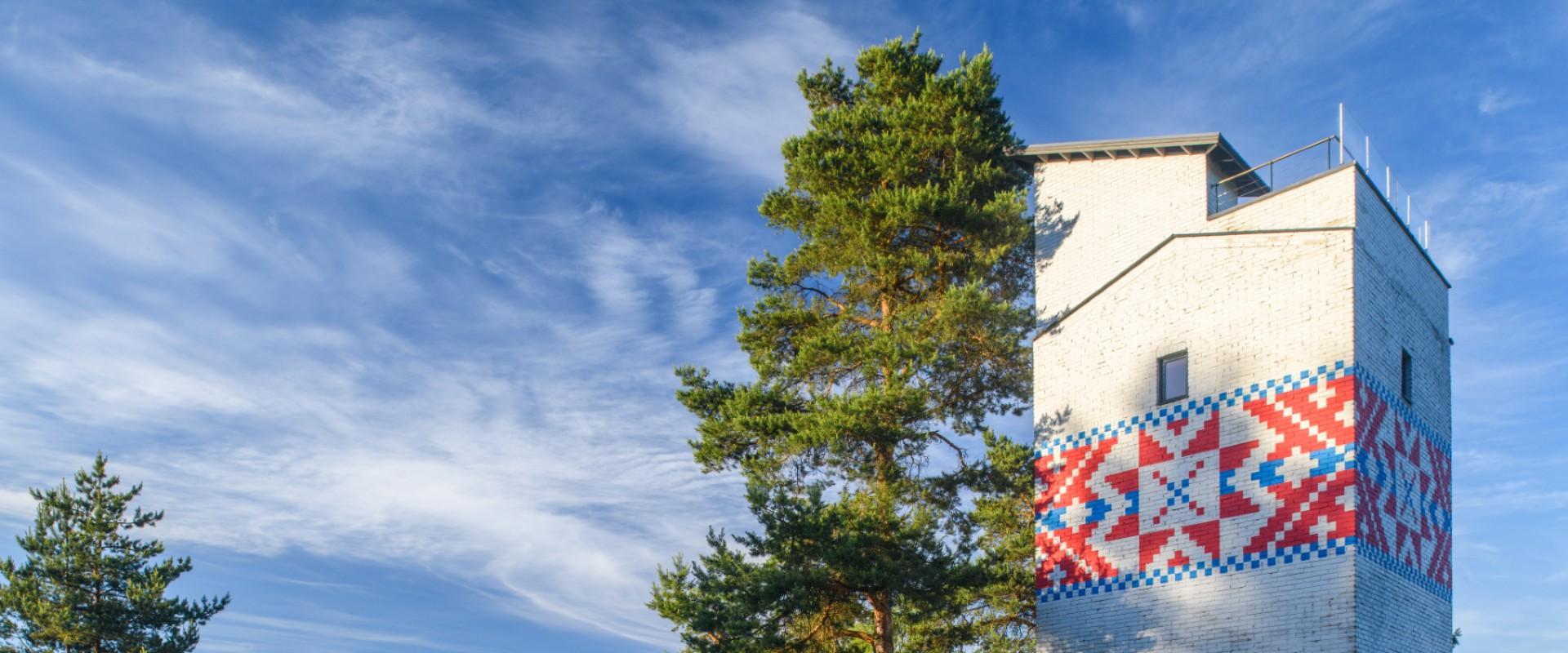
The old Lasva Water Tower is home to a gallery where you can get to know the history of the Lasva area and enjoy photo and art exhibitions. A unique attraction in the water tower is its musical piano staircase, which plays different sounds as you step on the stairs going up to the tower. The old water tank in the tower features different seasonal exhibitions. On its grass roof there is a telescope that you can use to take a look at the neighbourhood or for late-night stargazing. Within a stone’s throw is Lasva Village Wood Park, where you will encounter animal figures.

Handicraft Store of the Wool house of Sireli Farm

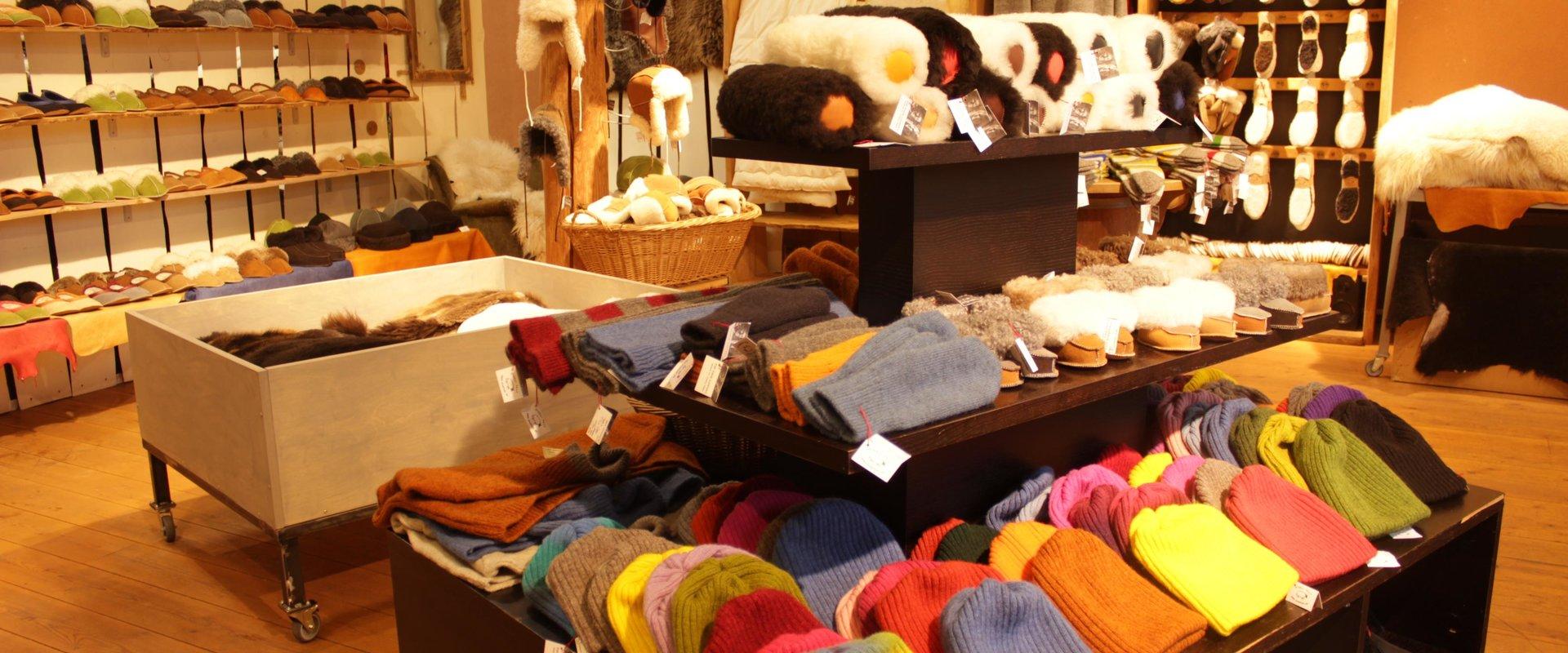
You are welcome in the handicraft store of the Wool House of Sireli Farm, located in Mooste Manor in Põlva County. A very wide selection of sheepskin and wool products - from slippers to carpets - await you.The sheepskin and wool products made by the very experienced local artisans are not only beautiful but also very practical and durable. The material used in the making of the high-quality and comfortable products comes from the Sireli Farm's Suffolk and the German blackheaded mutton sheep.In addition to the largest selection of sheepskin products in the Nordic countries, a warm welcome and a cup of hot coffee await you here.

  • Privacy Policy

"*"обозначает обязательные поля

Это поле используется для проверочных целей, его следует оставить без изменений.
Я разрешаю маркетинг