• Открой
    • Еда
    • Природа
    • Культура
    • Семья
    • Спорт
    • Сообщество
    • Блог
    У Вас появились свободные выходные, чтобы провести с детьми? Здесь собраны лучшие места в Южной Эстонии для семейного отдыха
  • Планируй
    • Размещение
    • Информация
    • Varamu
    Sustainability
RUS
  • РусскийRUS
  • EestiEST
  • EnglishENG
  • LatviešuLAT
  • SuomiFIN
RUS
  • РусскийRUS
  • EestiEST
  • EnglishENG
  • LatviešuLAT
  • SuomiFIN
Populaarsed otsingud:
Näita kõiki tulemusi
  • History & Culture
  • Architecture and history

Tartu Railway Station

Vaksali tn 6, Tartu linn, Tartu maakond, 50409

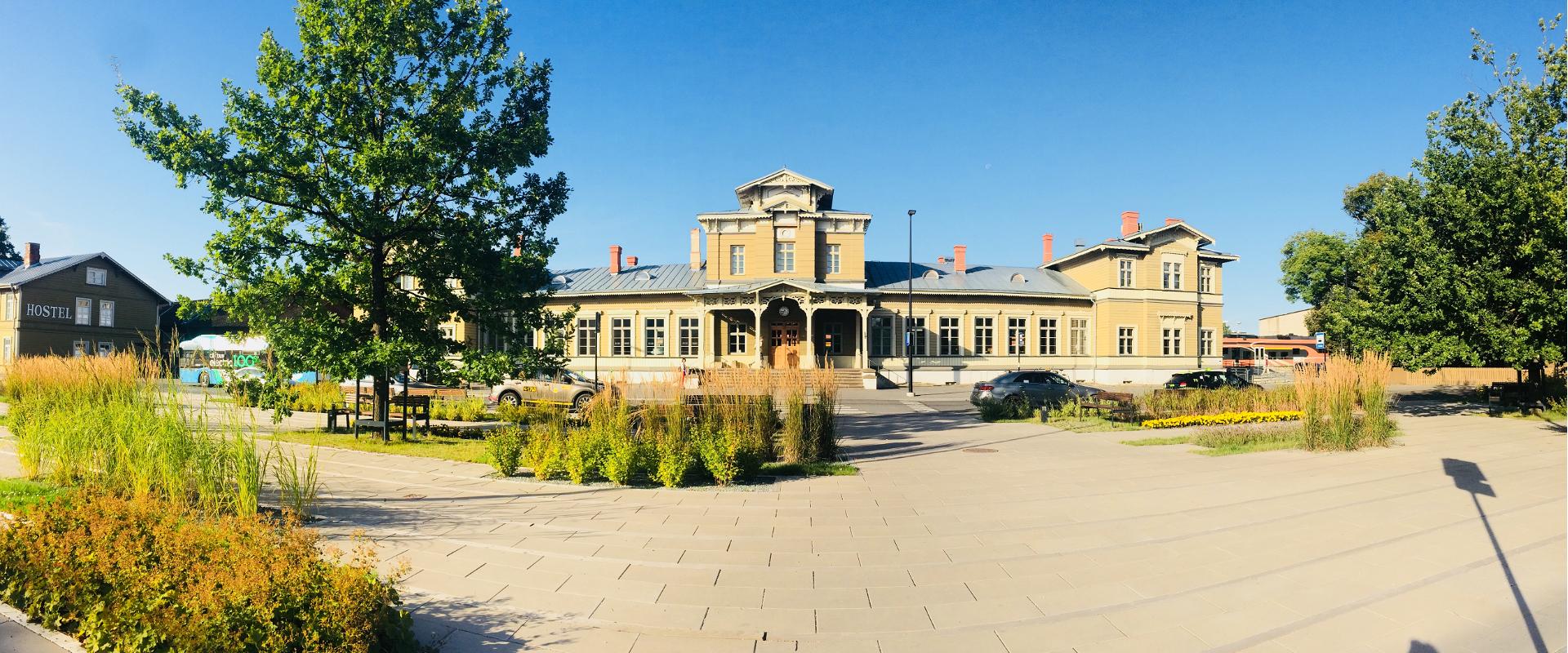
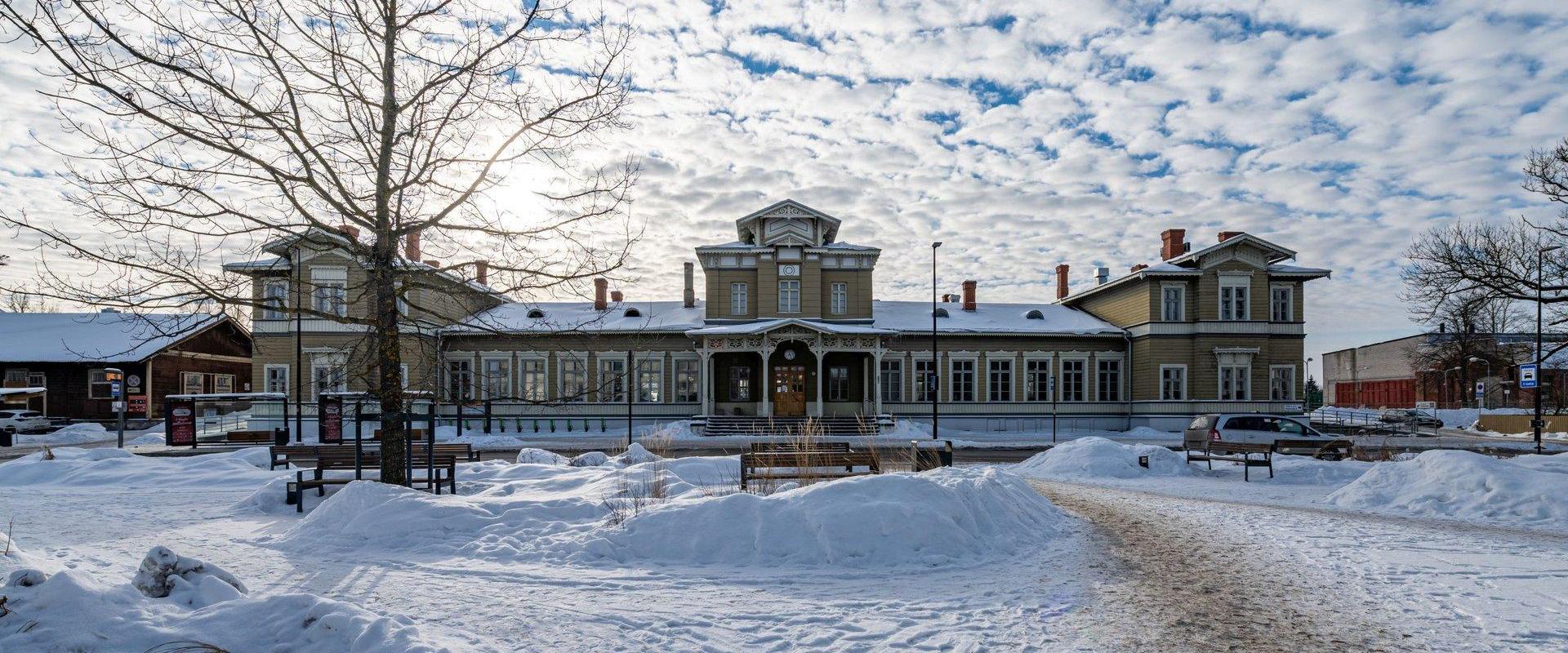
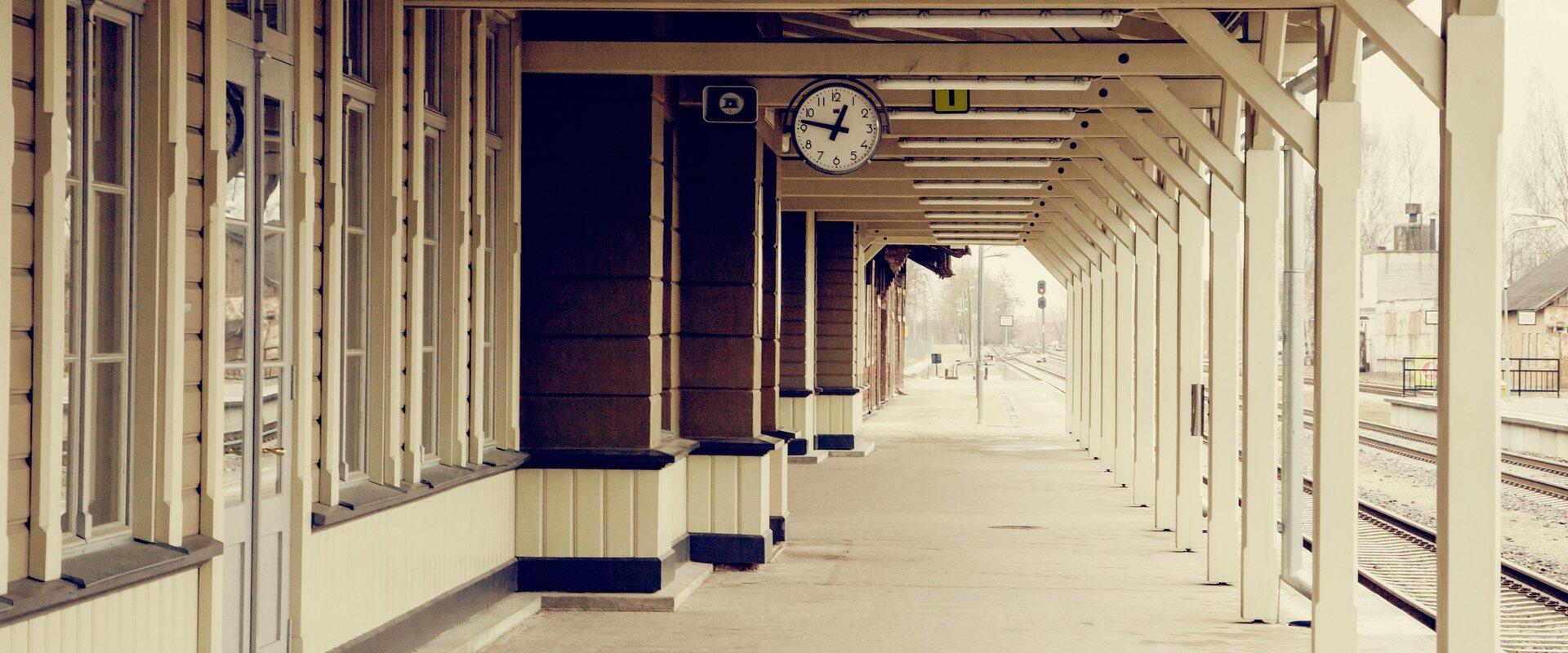
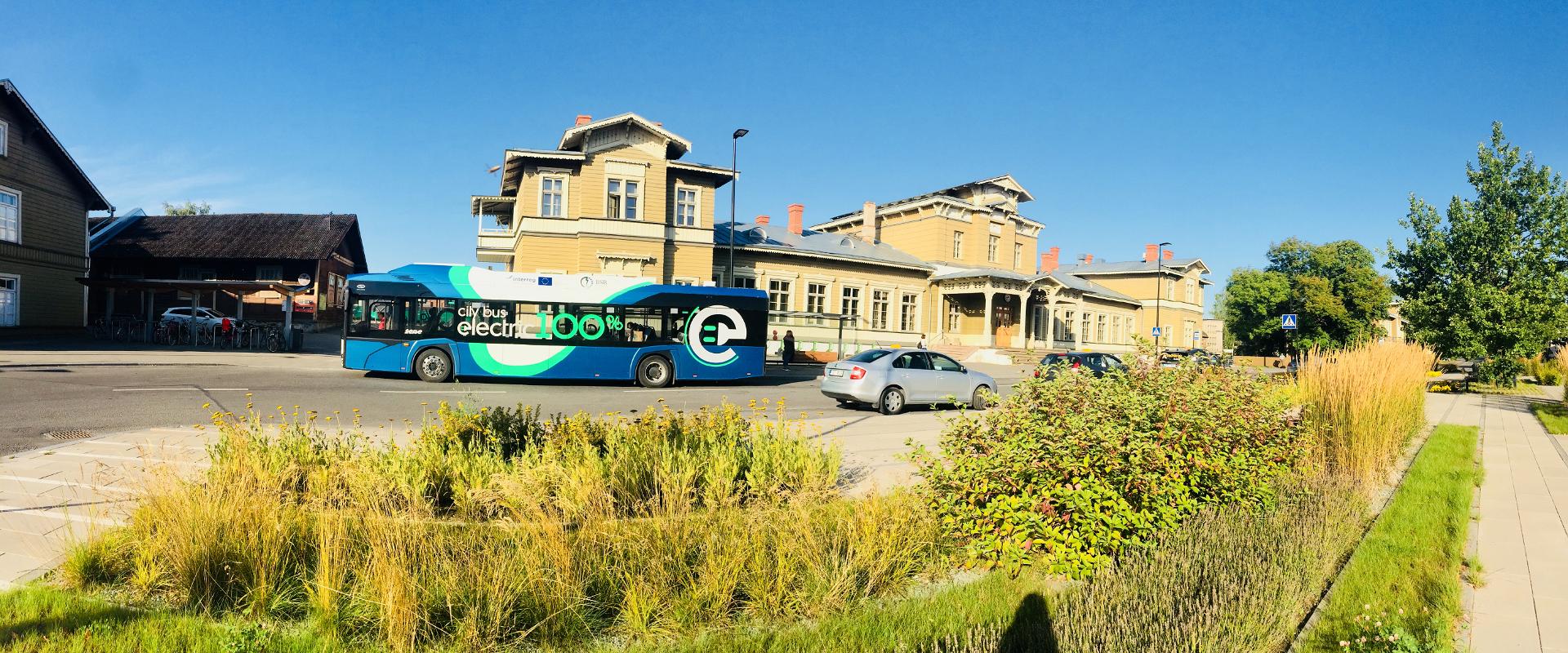
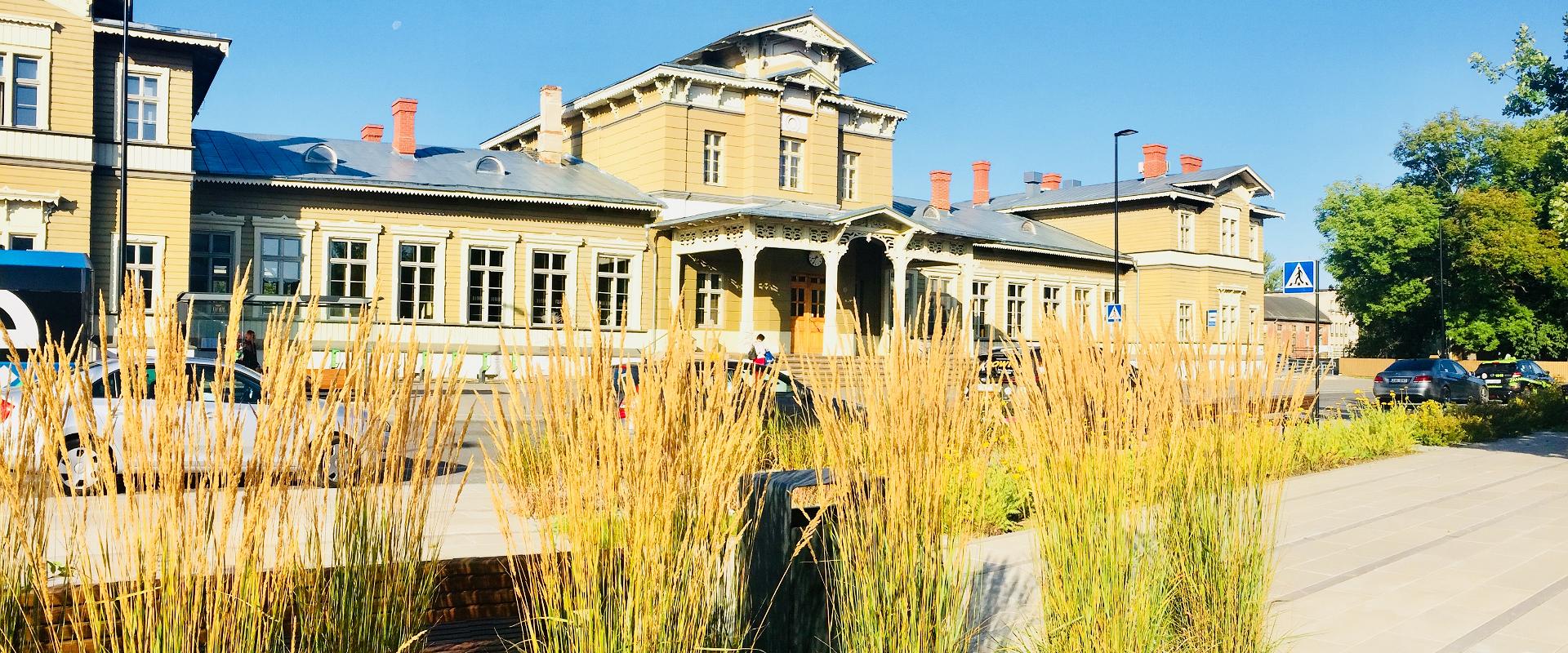
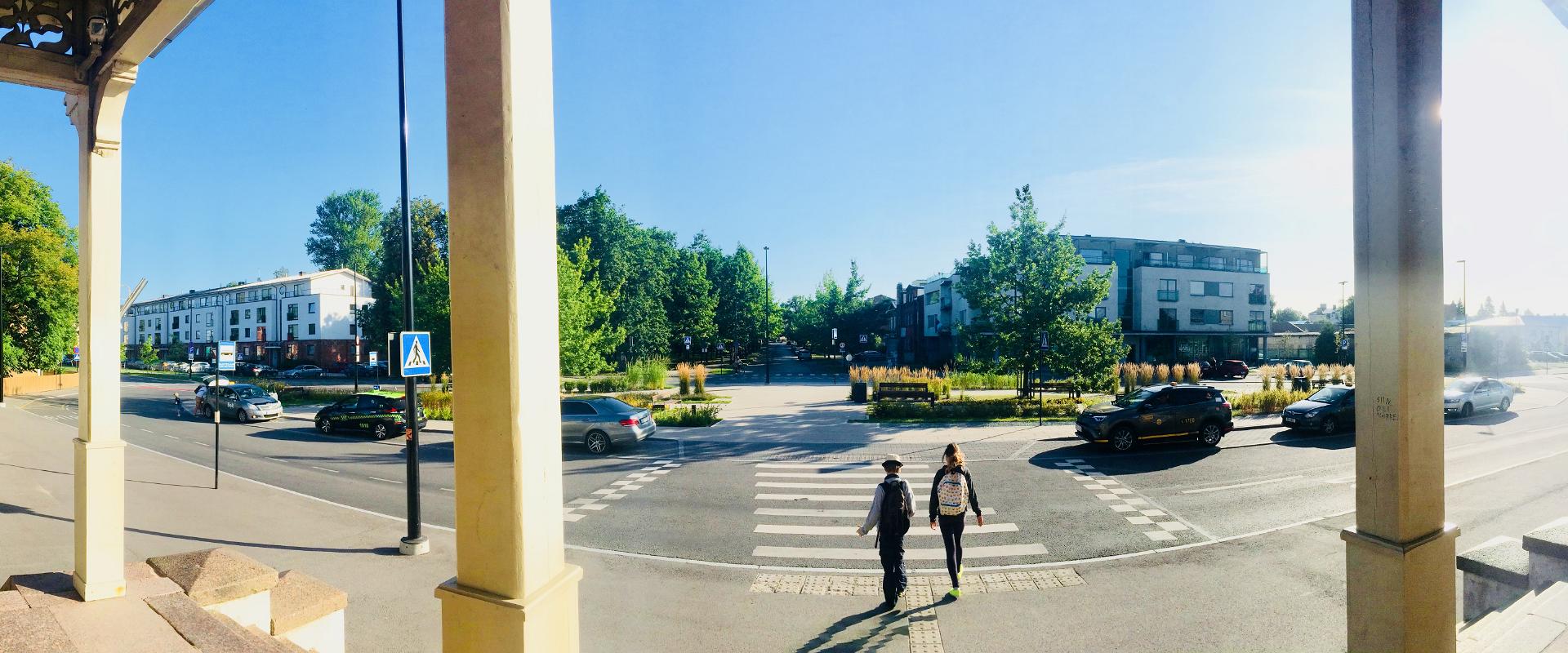
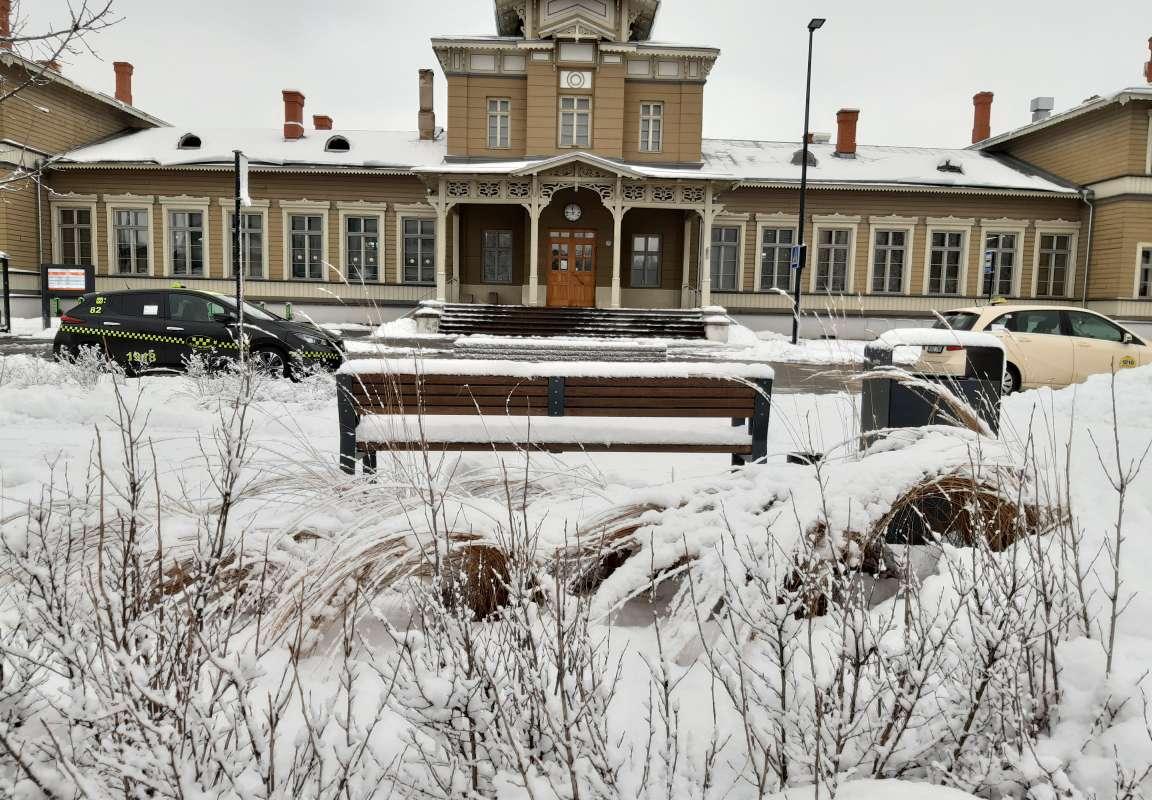
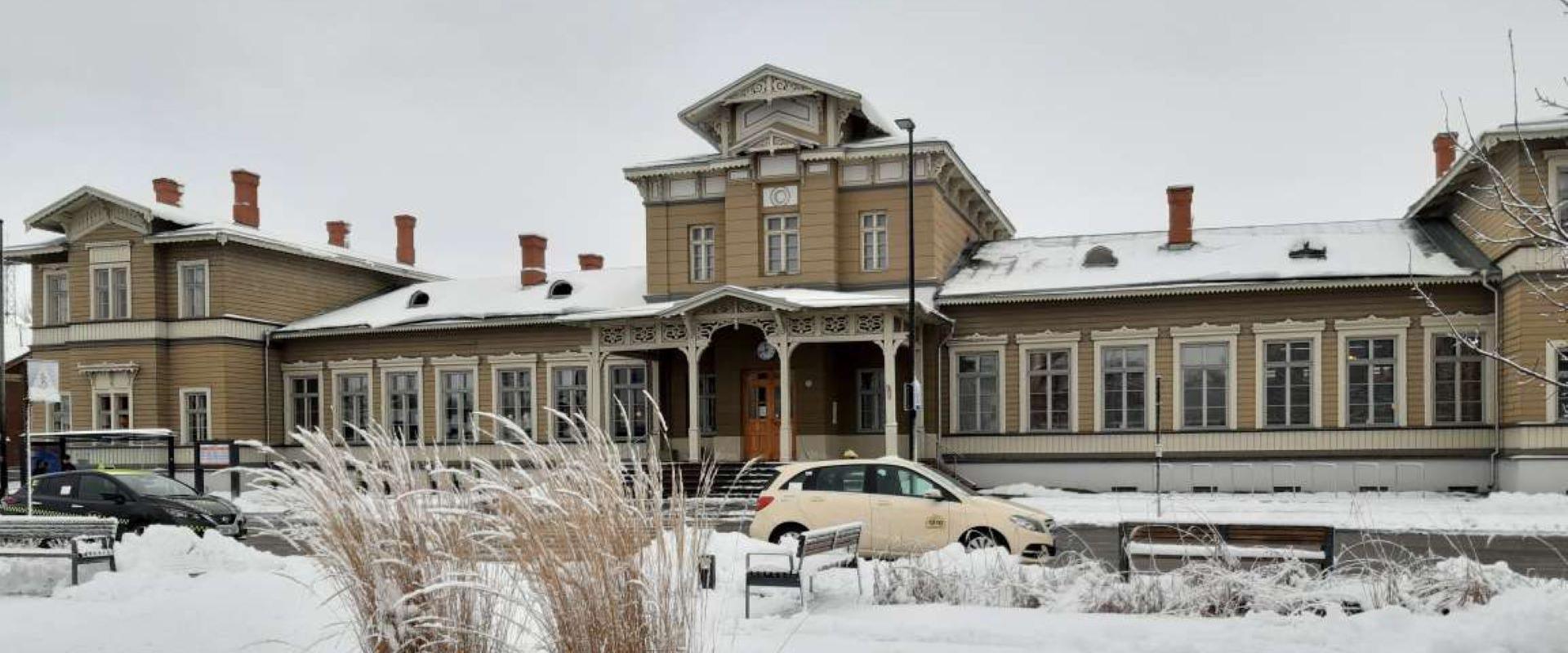
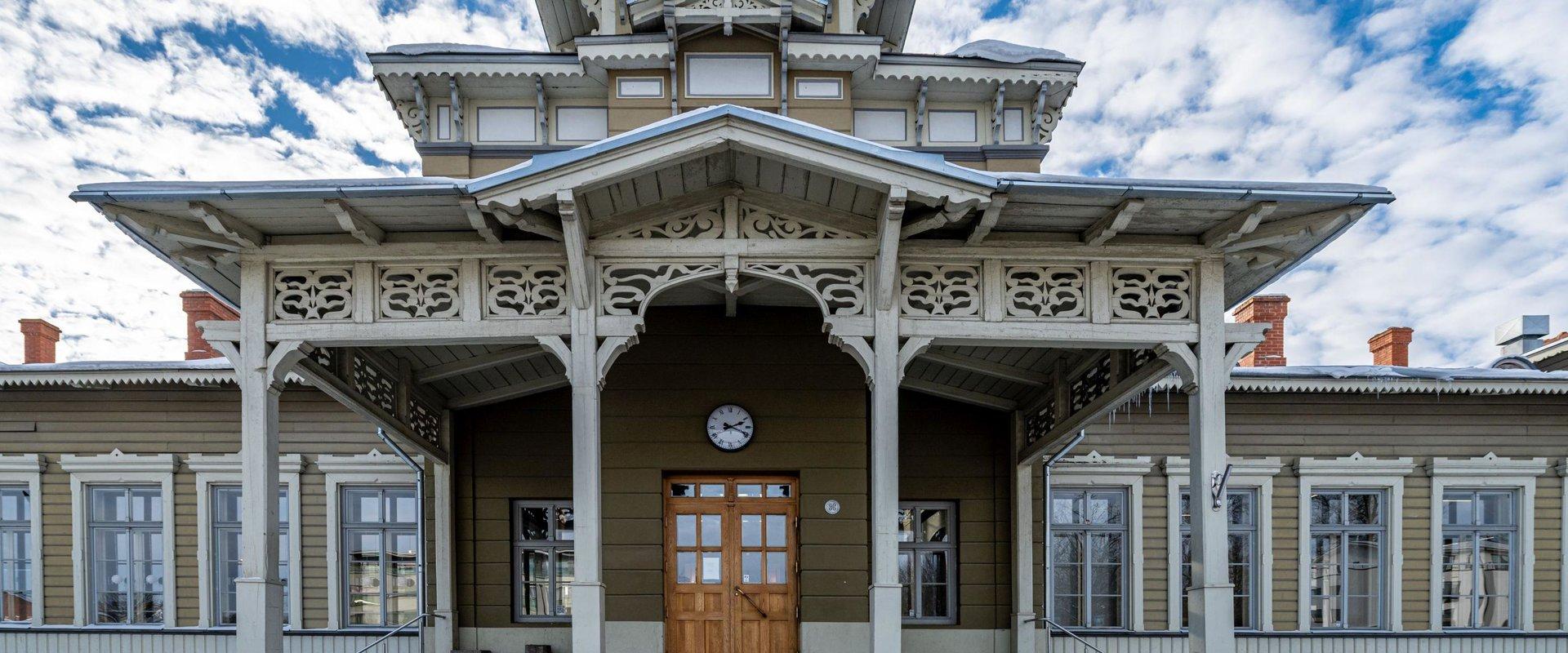
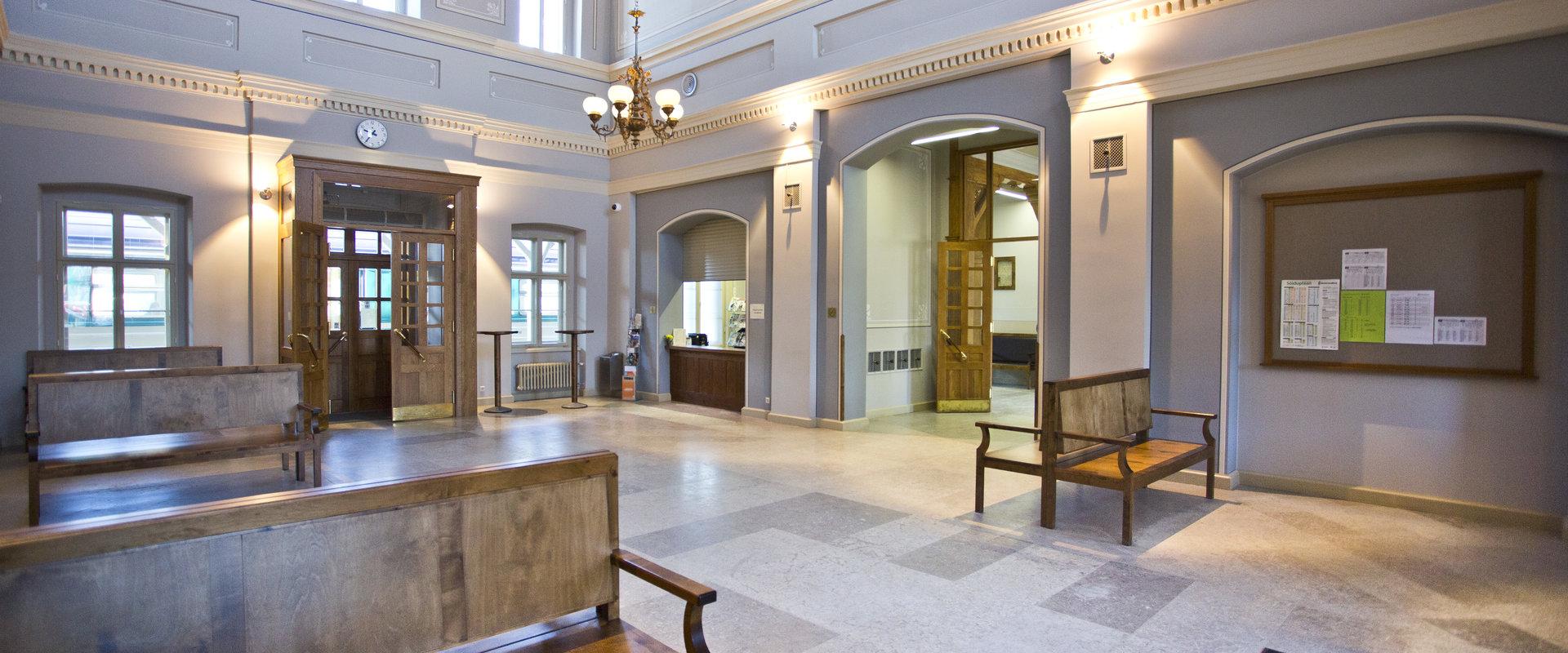
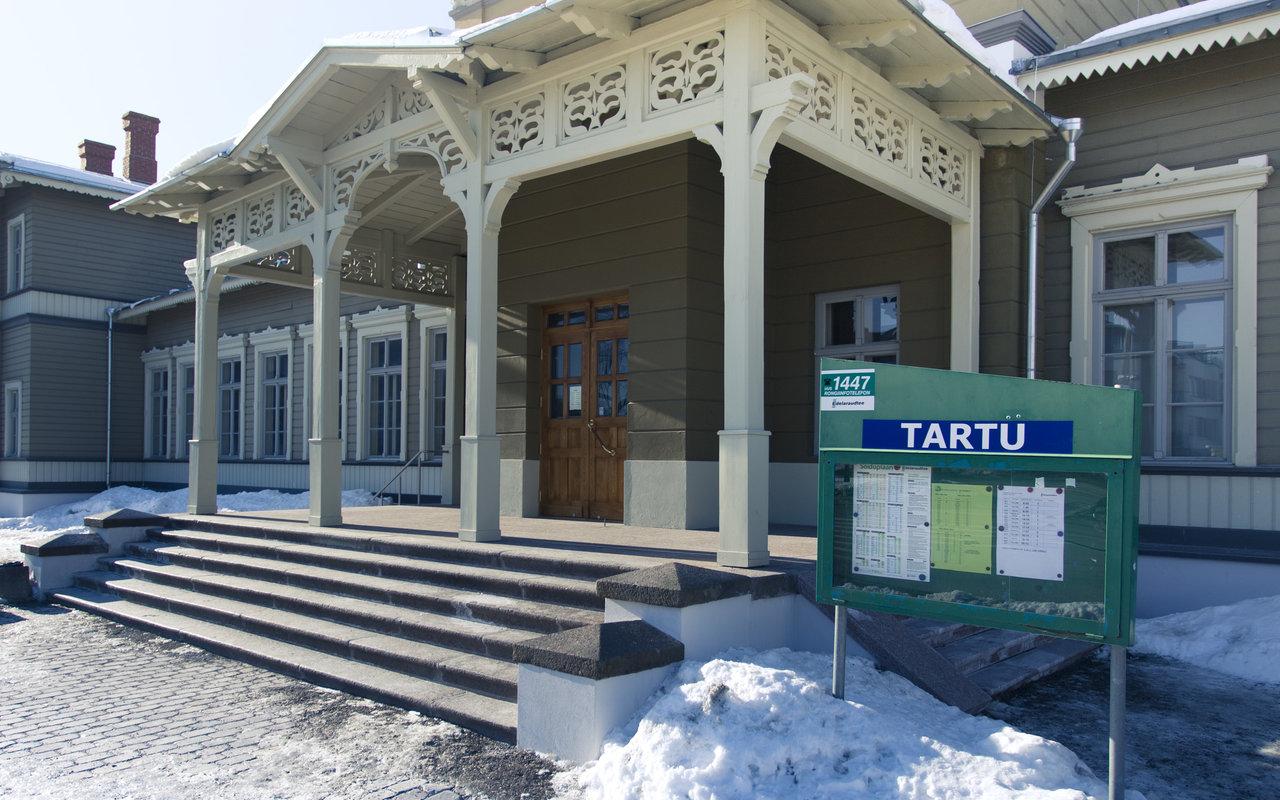
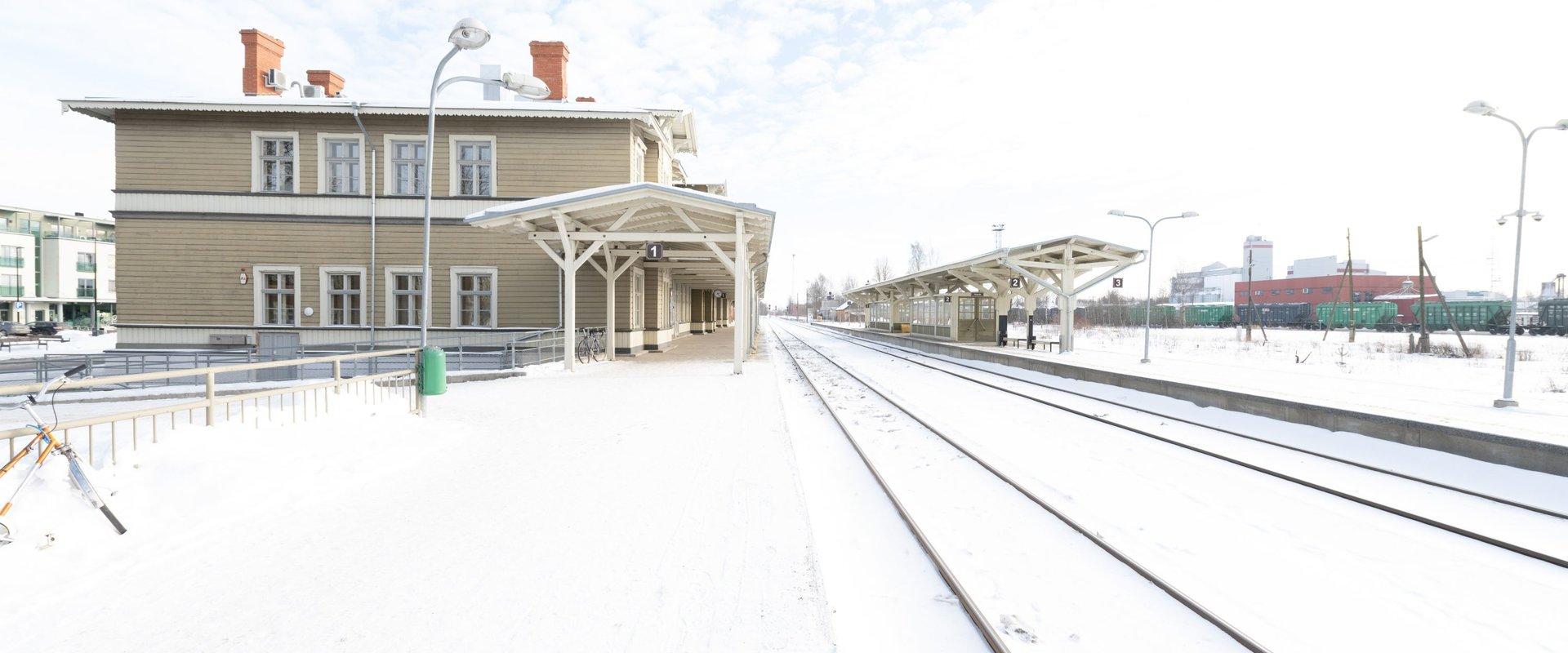
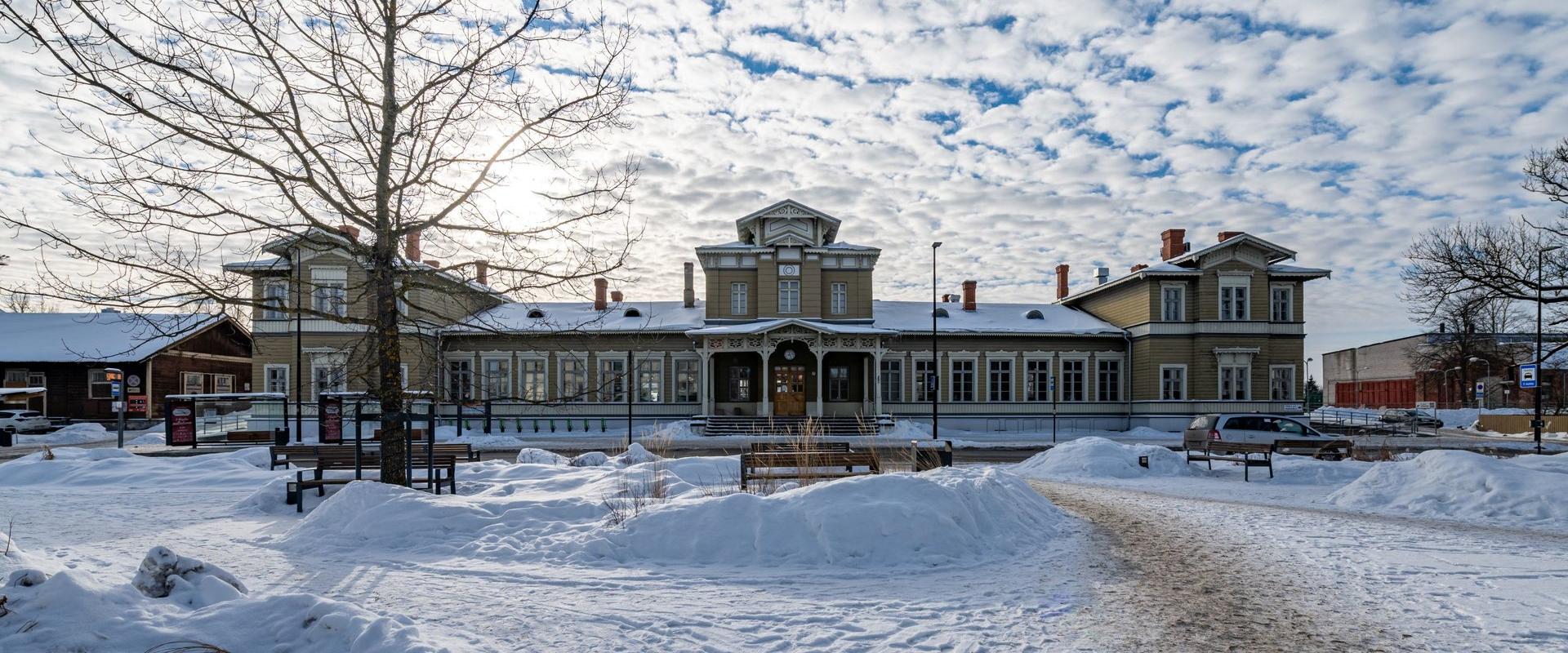
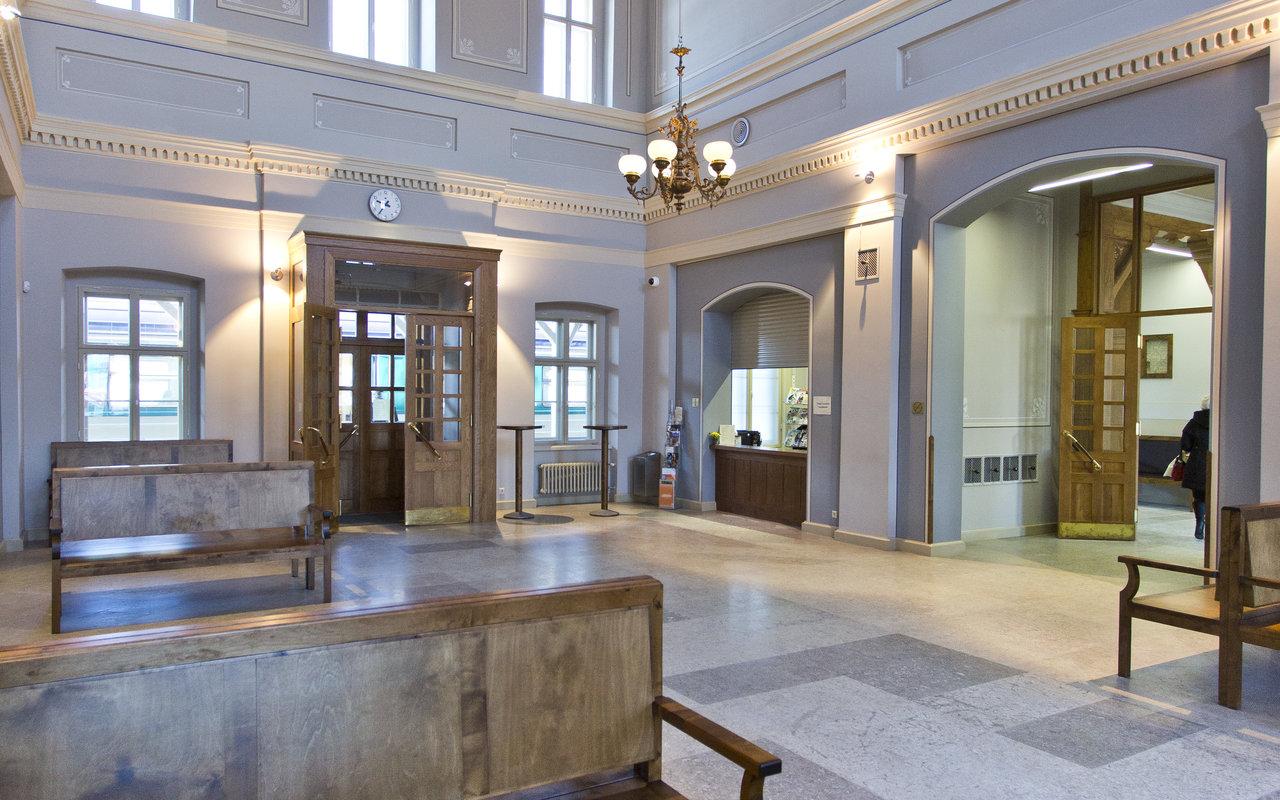
Tartu Railway Station was built in 1876 outside of the city’s borders. It could be reached by Maarjamõisa tänav, which was lined with trees. The main building of the station consists of three parts and has a standard façade and a transverse gabled roof.
Warehouses, platforms, a depot, a water tower, and two houses for railway workers were located next to the main building.
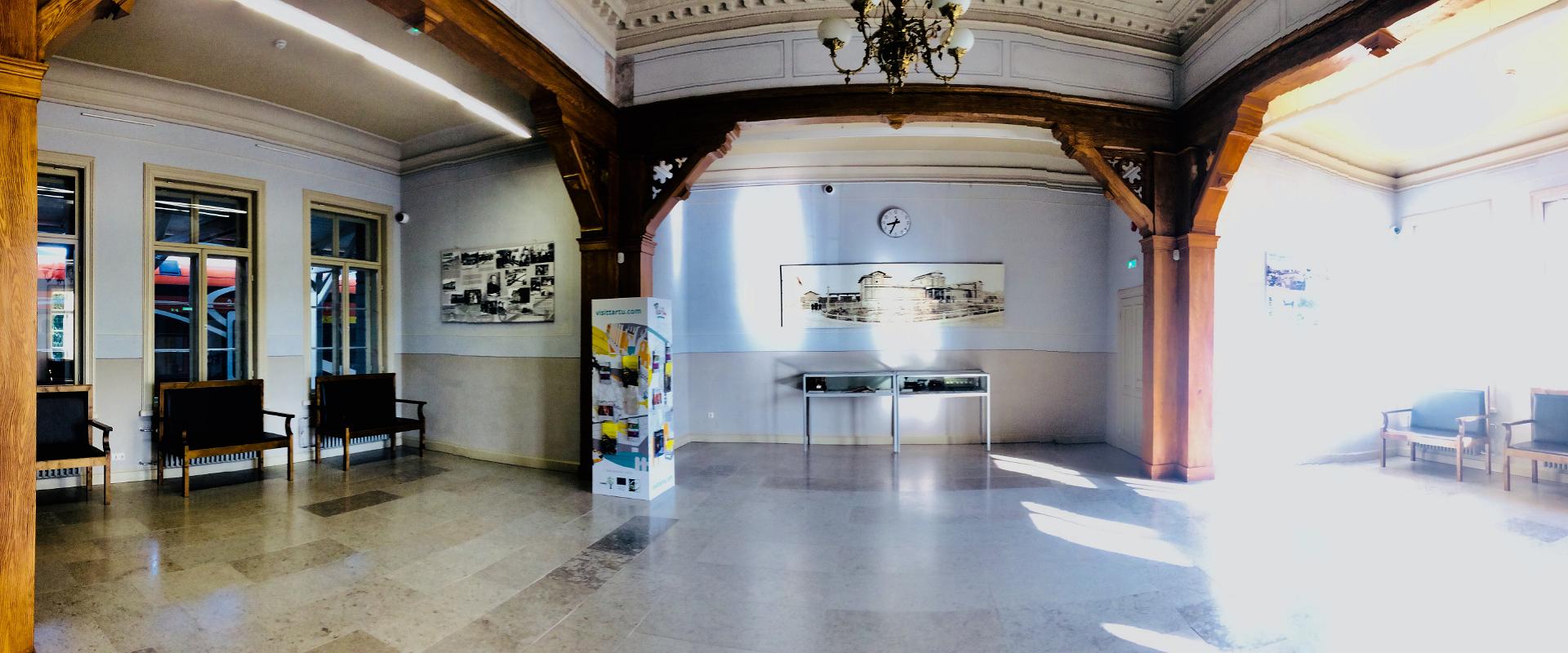
In the 2000s, the building was restored under the architect Aivar Roosaar. In 2012, the building was reopened for passengers. Café Wedur is now operating in the station building.
In front of the station are bike parking, and Tartu Smart Bike rental docks.
Mugavused

  • Information boards
  • Seminar room

Часы работы

Круглый год

06:00 - 20:15

Контакты

  • +372 58543844

Ссылки

Подробнее

  • Monuments

Paju Battle Memorial

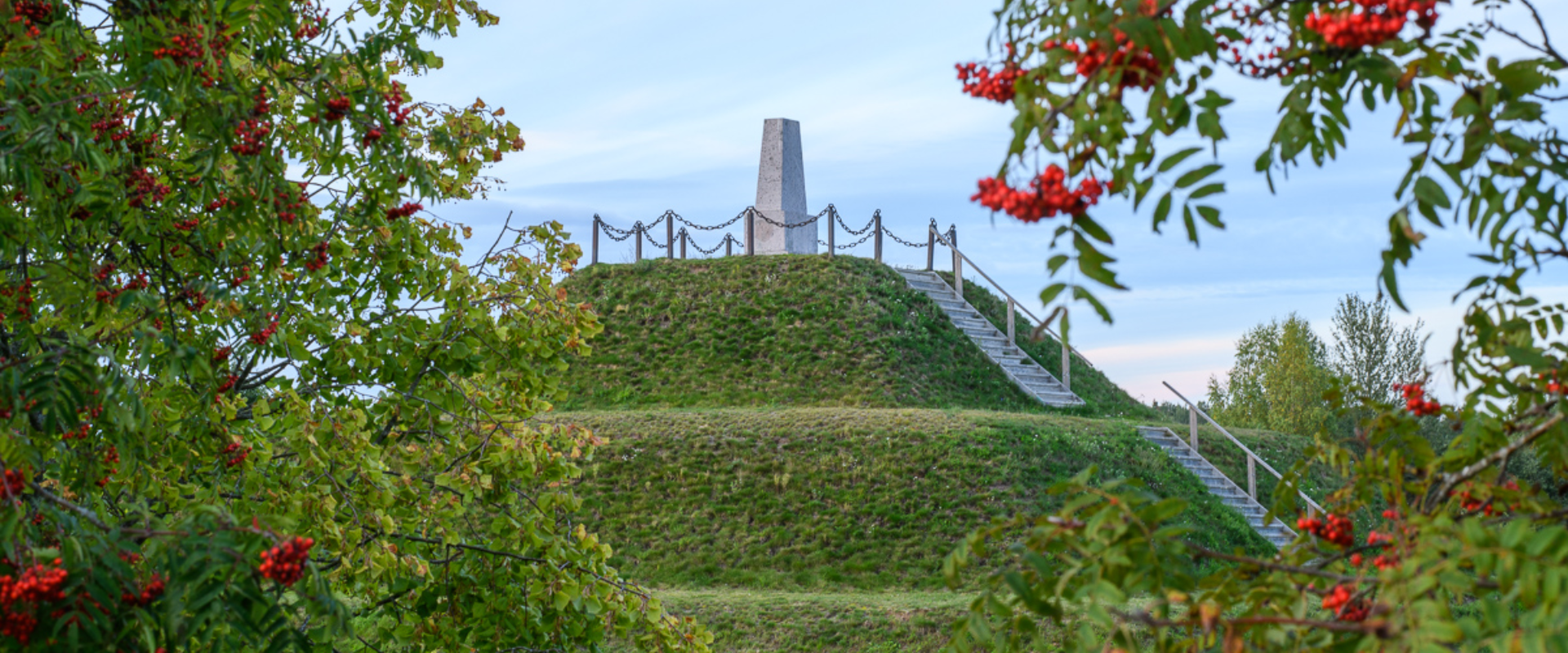
One of the most important battles of the War of Independence took place near the Paju Manor on 31 January 1919. The Northern Sons Regiment that consisted of Finnish volunteers also fought for the independence of Estonia over here. The most legendary commander in the War of Independence, Lieutenant Julius Kuperjanov, was fatally injured in the battle. The battle memorial is a granite pillar on a three-level pyramid, which was reopened on the 75th anniversary of the battle on 30 January 1994.Interesting facts: * the memorial was opened by President of the Republic of Estonia Lennart Meri; * a memorial tablet to the Northern Sons who fell in the battle can be found on the wall of the Valga Jaani (St John’s) Church.

‘Traveller’ statue

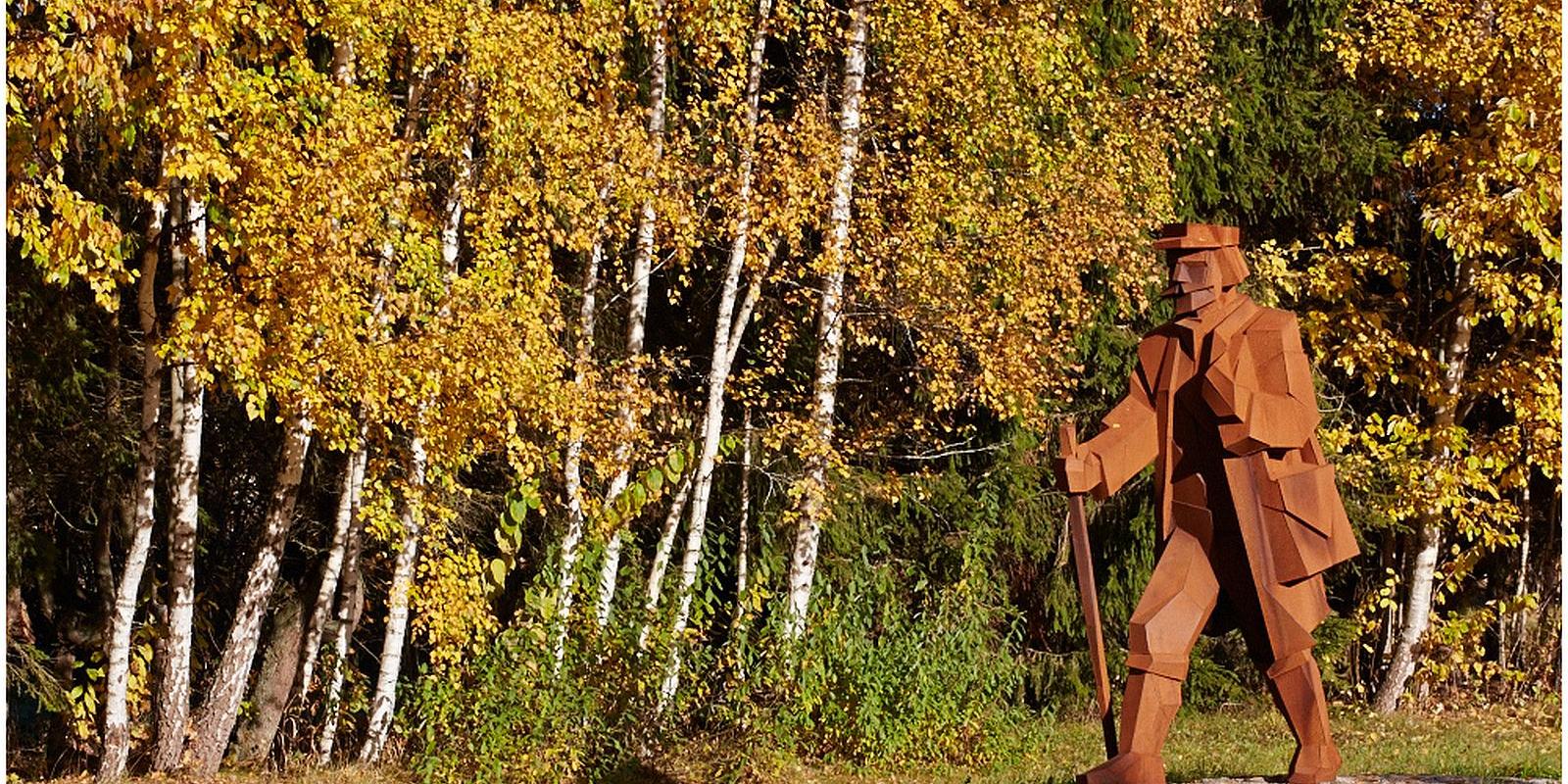
The Postal Road is a trading and military route with a fascinating history which has connected Tartu to Vastseliina and Russia for centuries. From the mid-19th century it became a postal route, which led to the development of a network of post stations. That's where the road gets its name from today.The 'Traveller' statue on the Postal Road is the first sculpture in Estonia to be dedicated to roads and travelling. It depicts a man with a postal bag over his shoulder and a walking stick in his hand. The three-metre-tall statue is made of metal plates measuring 3-5 mm thick which are welded onto the form. It was designed by Mati Karmin.

  • Family friendly

Valga Central Square

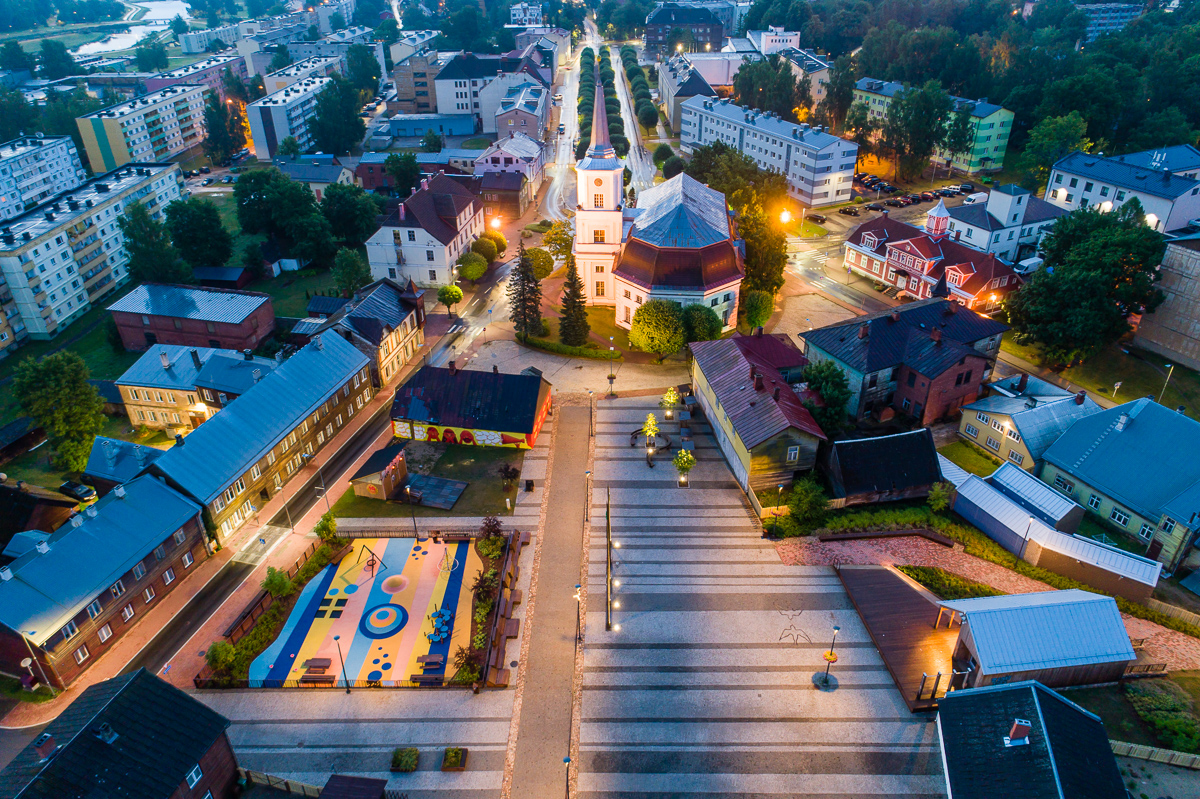
The central square of Valga is located in the heart of the city and connects the two sides of the city, Valga and Valka, into one whole. The central square offers the residents many opportunities for leisure, such as street basketball and table tennis. The unique benches and a colourful playground for children have become especially popular.Next to the central square are the Lutheran St. John's Church (1816) and the oldest building in Valga, a former administrative building of the county authorities.The central square was opened in 2018 with the help of the architects Gianfranco Franchi, Chiara Tesi, and Rea Sepping. At the end of 2019, the square won the annual award of the Union of Estonian Architects.

Tartu Town Hall Square

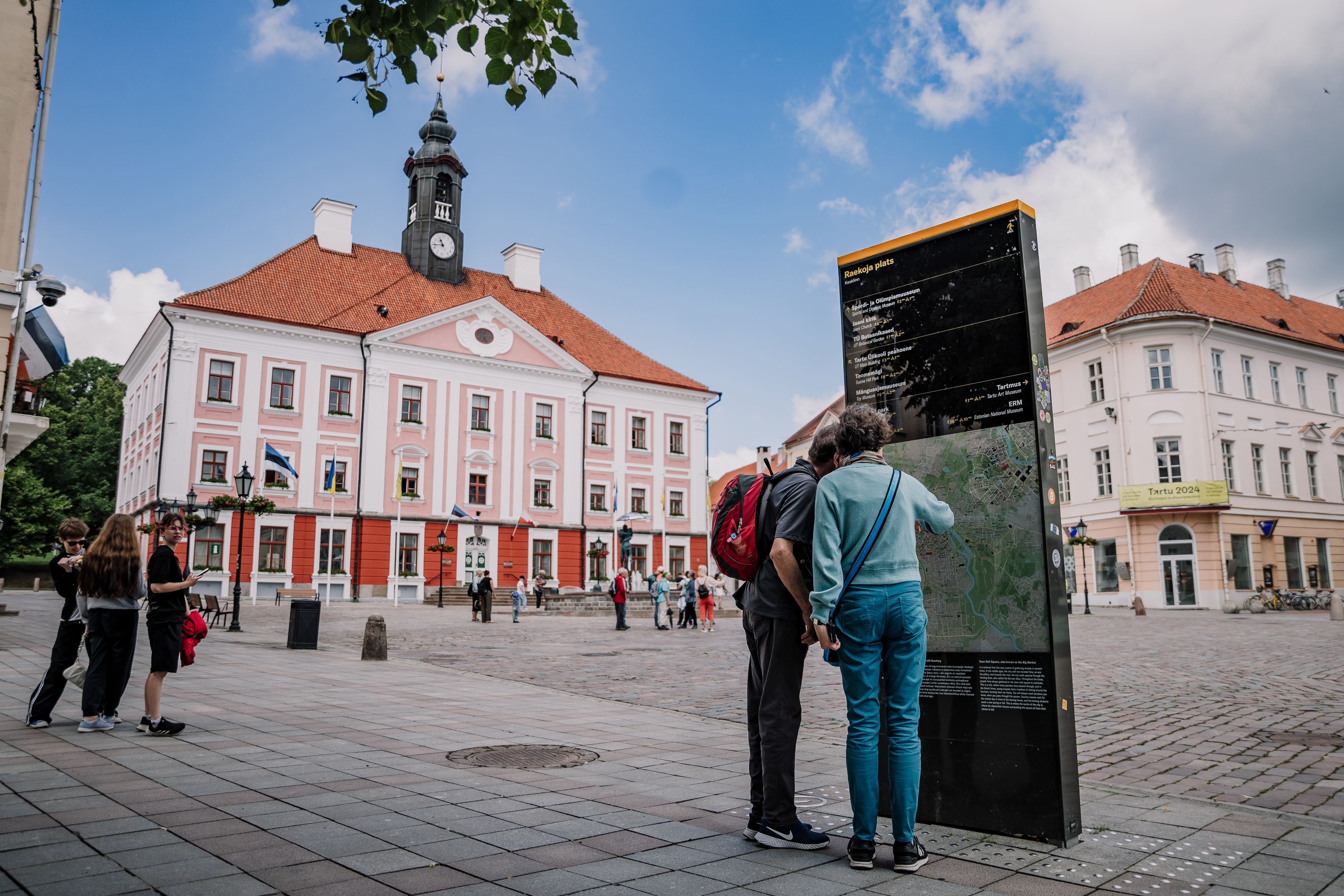
Tartu's Town Hall Square is the heart of the city. It's one of Estonia's most beautiful old town squares and home to history, culture, and modern city life. The square is surrounded by pastel-colored historical buildings, with the 18th-century Town Hall at its center. The focal point of the square's classicist architecture is the Kissing Students Fountain, which has become a symbol of the city and a popular meeting place for locals and visitors. During the summer season, Town Hall Square is filled with café terraces, events, and street music, while in winter it transforms into a magical Christmas City and ice rink. The carillon bells in the Town Hall tower are the oldest and largest in Estonia, delighting listeners with a variety of melodies throughout the year. The famous Leaning House, home to the Tartu Art Museum, is located in Town Hall Square. Just a few steps away, you'll find Toome Hill Park, the ruins of Tartu Cathedral, and several other Old Town attractions. Several guided tours also start from Town Hall Square.

  • Churches

Roman Catholic Church of Immaculate Conception of the Blessed Virgin Mary

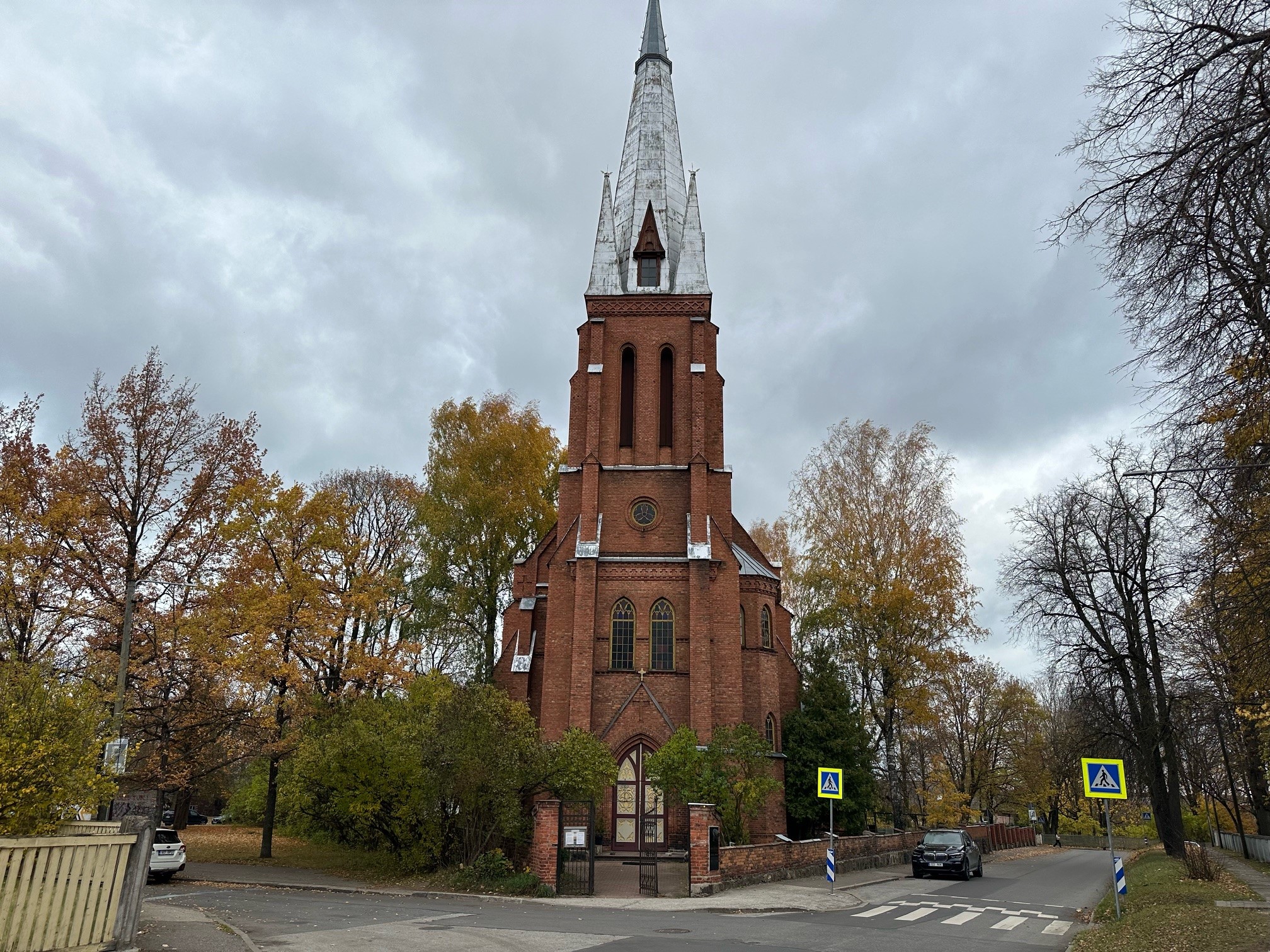
You are welcome to admire the Gothic red brick house of God (architect Wilhelm Schilling). The Church of Immaculate Conception of the Blessed Virgin Mary is the only Roman Catholic church in Tartu. The cornerstone was placed in 1862 and the church was consecrated in 1899. You will find the painting "Virgin Mary with Jesus" (1905) by Ernst Friedrich von Liphardt and a large crucifix carved of lime tree (1935) in the high-vaulted church.Interesting facts: - even Tsar Nicholas II donated 3000 roubles for the construction of the church in 1894 when Priest Friedrich Zhyskar started raising funds for building the church.

  • Churches

Church of St Catherine in Võru

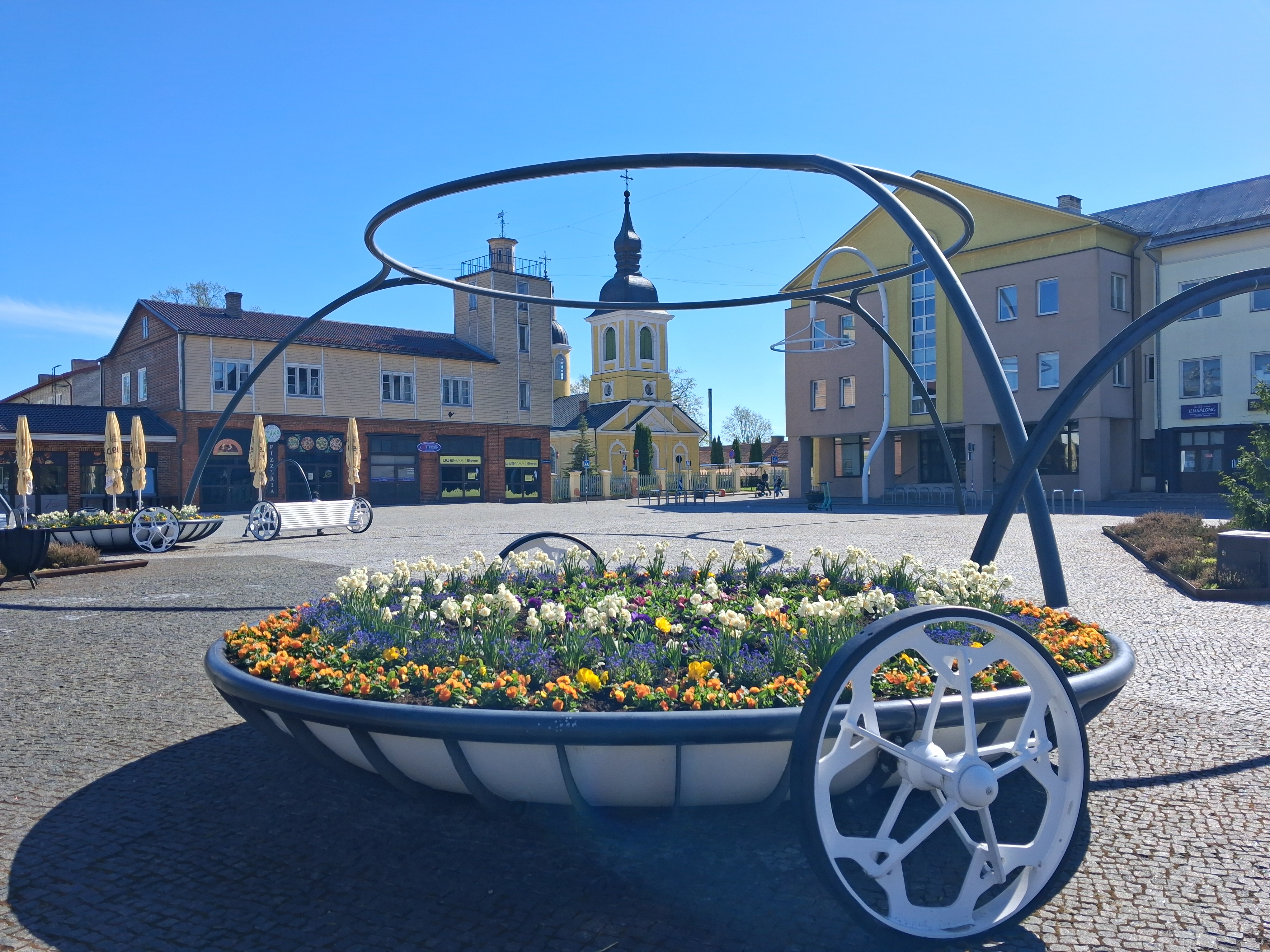
Construction of the Church of St Catherine in Võru commenced in 1793 during the reign of Empress Catherine II. It is thought to have been designed by the Livonian architect Schons, while the man responsible for the building of the church was Võru's own Johann Karl Otto. The church was surrounded with a formidable fence. It is famous for its cross-shaped floor plan, substantial bell tower, high dome-like secondary tower and arched windows. Designed in classicist style, it was completed in 1804 in honour of St Catherine. The grounds around the church were restored in 2008 and are now home to an open air exhibition of religious text-themed illustrations by artist Marje Ernits.

  • Monuments

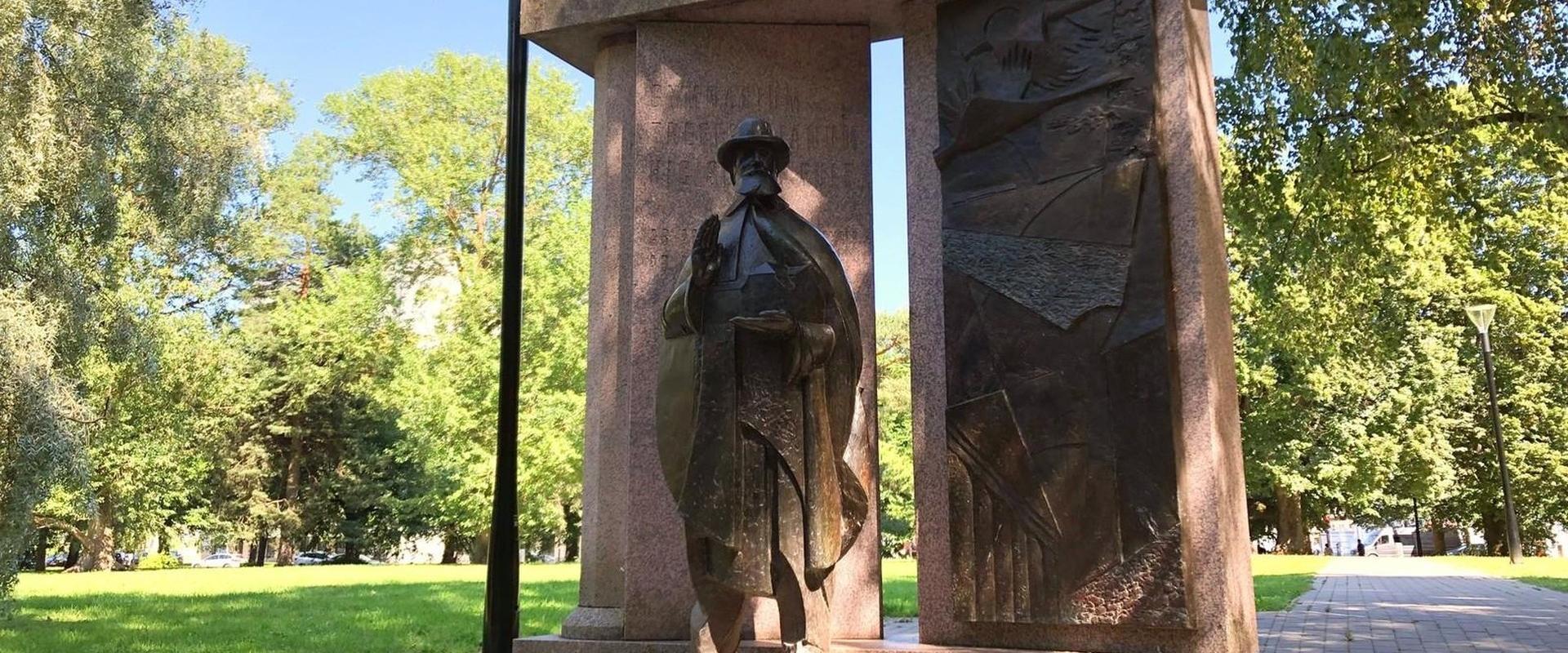
Monument to Hugo Treffner

Hugo Treffner (1845–1912) was an Estonian cultural figure and the founder of Hugo Treffner Gymnasium. The school still operates in Tartu (it was called the Tartu 1st Upper Secondary School during the Soviet era), on the wall of which is also the bas-relief of the first school principal Treffner on Rüütli tänav. It is considered one of the elite schools in Estonia.The monument erected in honour of Hugo Treffner is located on the bank of the Emajõgi River in the western part of Ülejõgi Park, on the site of the former Hugo Treffner private school. The authors of the monument are sculptor Mati Karmin and architect Tiit Trummal. The monument was opened on 25 May 1997.Hugo Treffner's grave is in Tartu, in the Uus-Jaani cemetery.

  • Guided tours

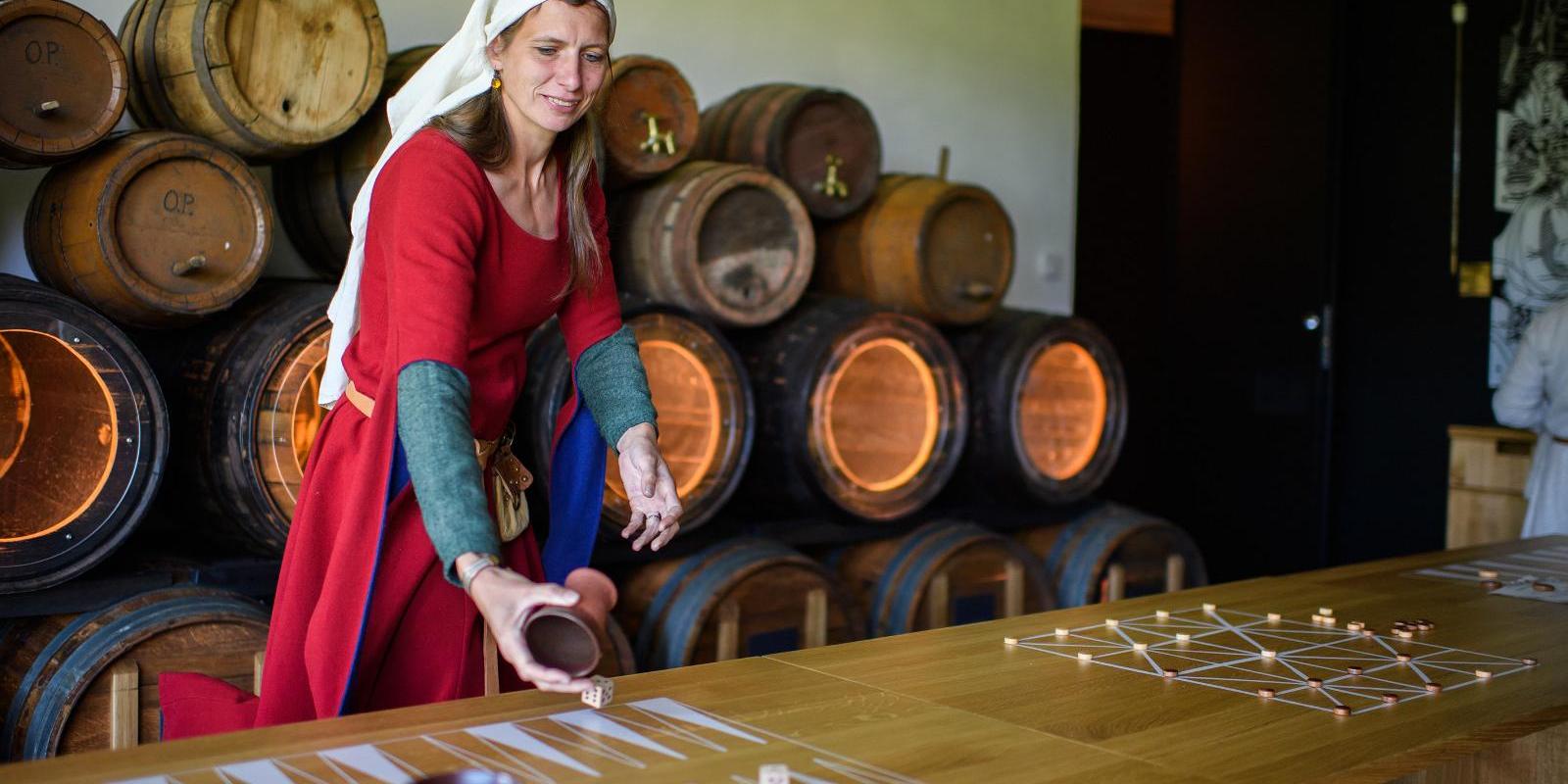
Vastseliina Episcopal Castle Pilgrim House

The Pilgrim House introduces visitors to everything related to medieval pilgrims and pilgrimages. Here you can get acquainted with various medieval holy places and pilgrimage destinations. One of them, the most famous in Northern Europe, was located right here in the Holy Cross Chapel of the Vastseliina Bishopric! Thanks to the interactive exhibit, visitors can experience firsthand what a medieval pilgrim felt, what he feared, and what he loved. You can play medieval board games, and with prior arrangements, we offer various experience packages, including period and themed meals prepared in the Pilgrim House oven to fill your stomach!

  • Privacy Policy

"*"обозначает обязательные поля

Это поле используется для проверочных целей, его следует оставить без изменений.
Я разрешаю маркетинг