• Avasta
    • Еда
    • Природа
    • Культура
    • Семья
    • Спорт
    • Сообщество
    • Блог
  • Planeeri
    • Размещение
    • Информация
    • Varamu
RUS
  • РусскийRUS
  • EestiEST
  • EnglishENG
  • LatviešuLAT
  • SuomiFIN
RUS
  • РусскийRUS
  • EestiEST
  • EnglishENG
  • LatviešuLAT
  • SuomiFIN
Populaarsed otsingud:
Näita kõiki tulemusi
  • History & Culture
  • Art & design
  • Monuments

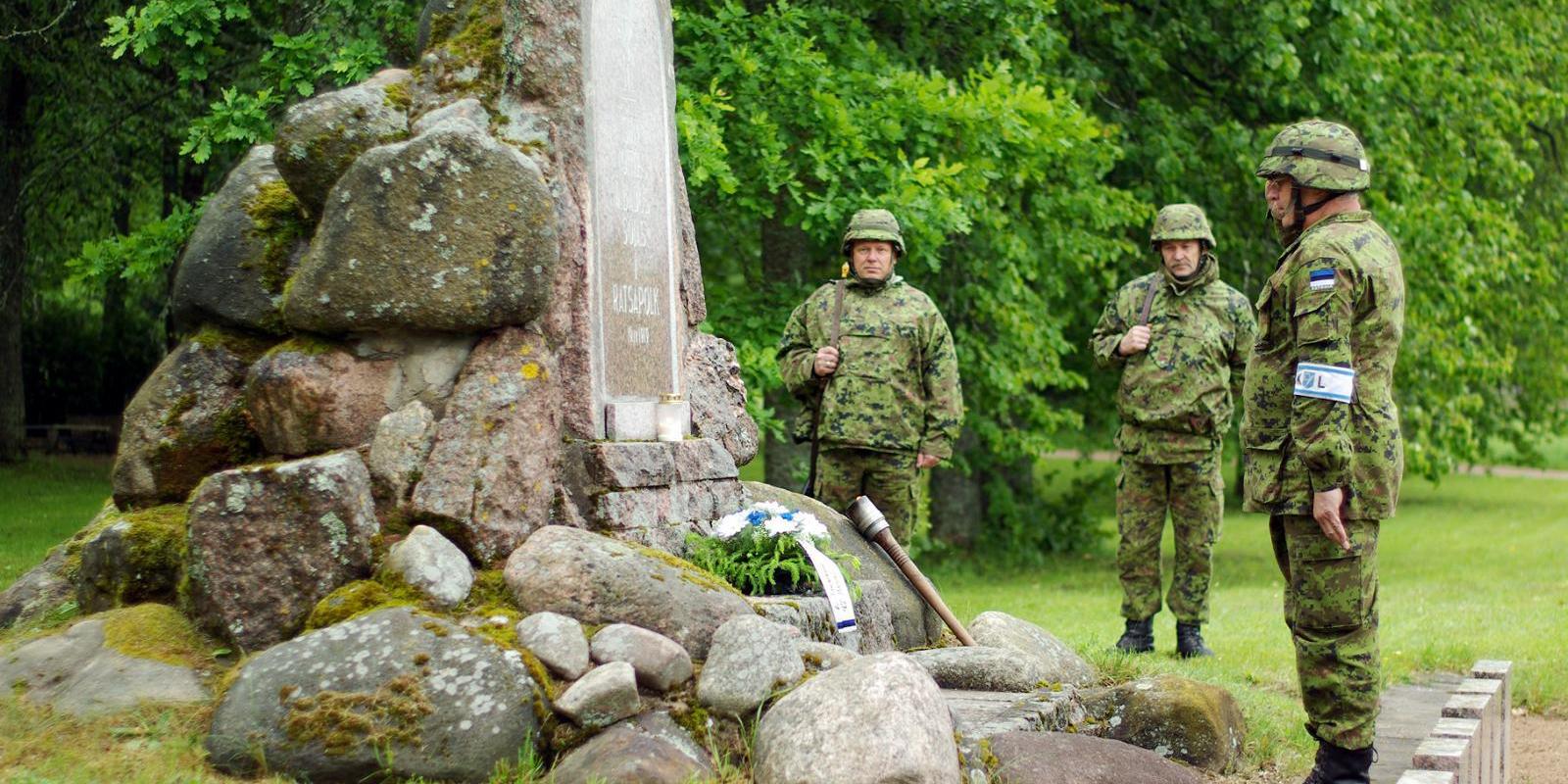
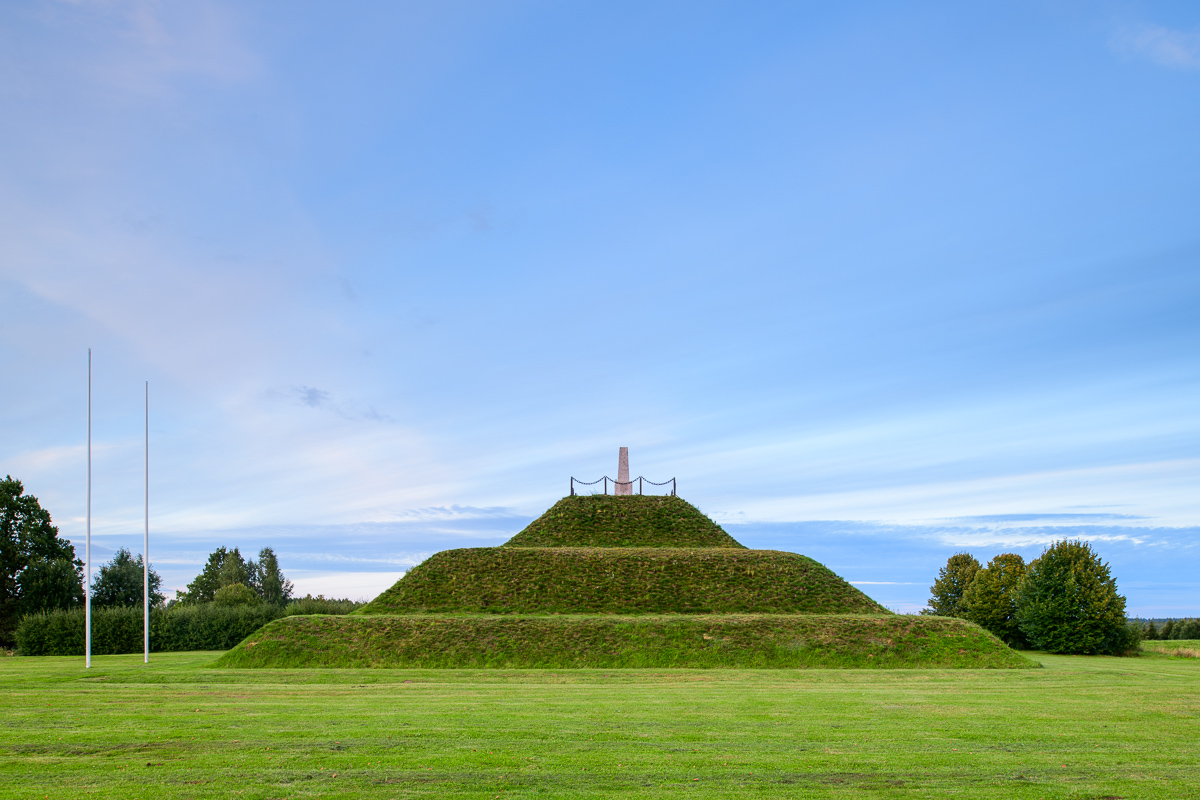
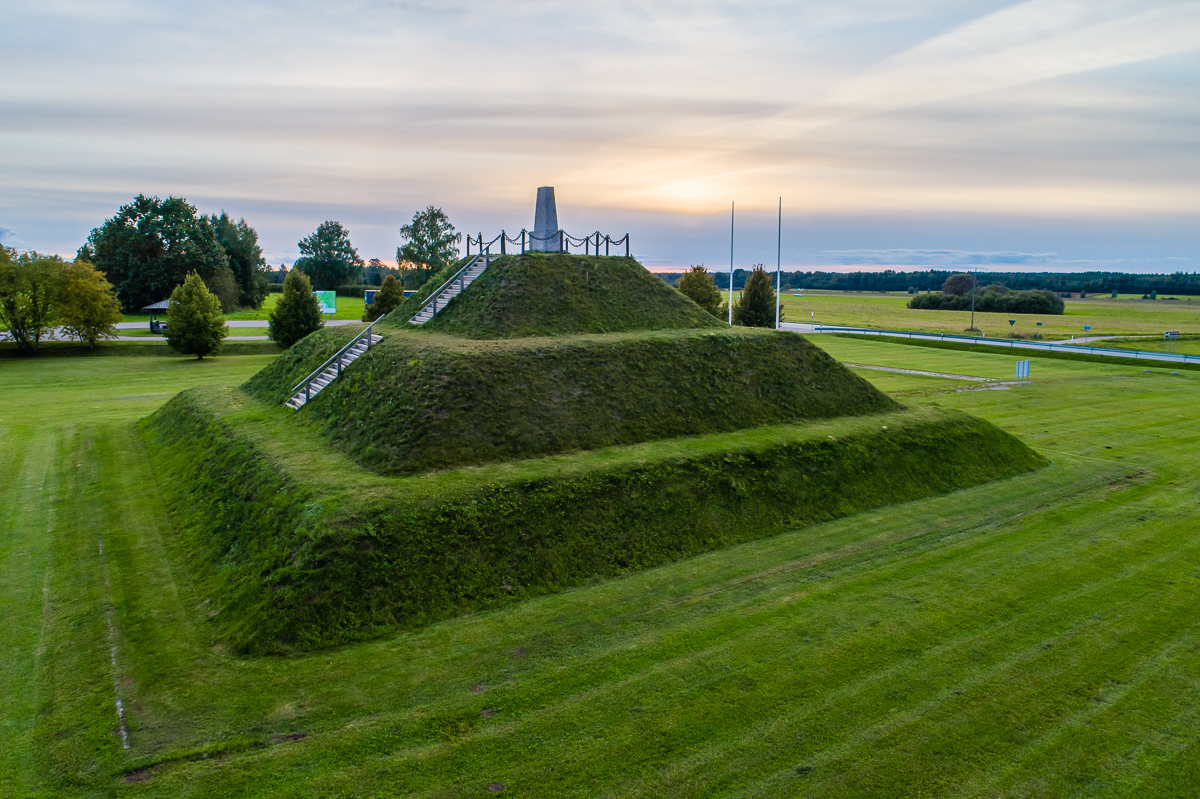
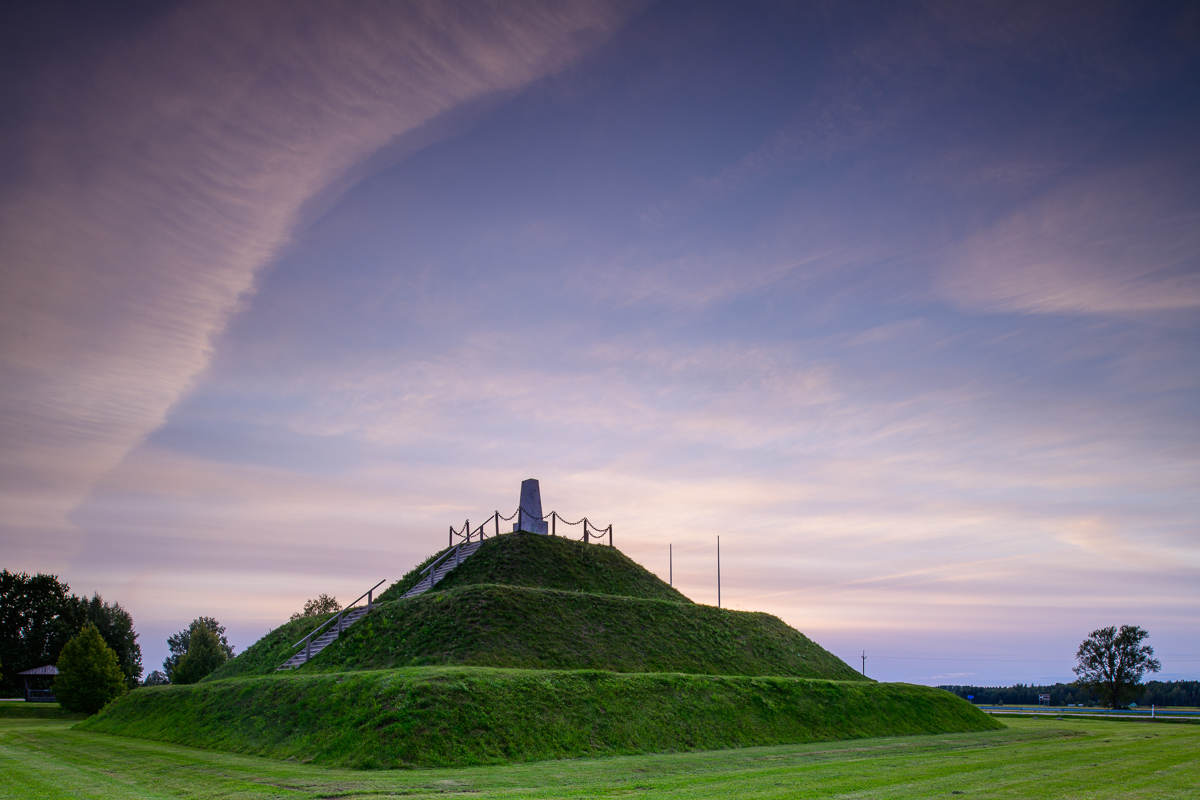
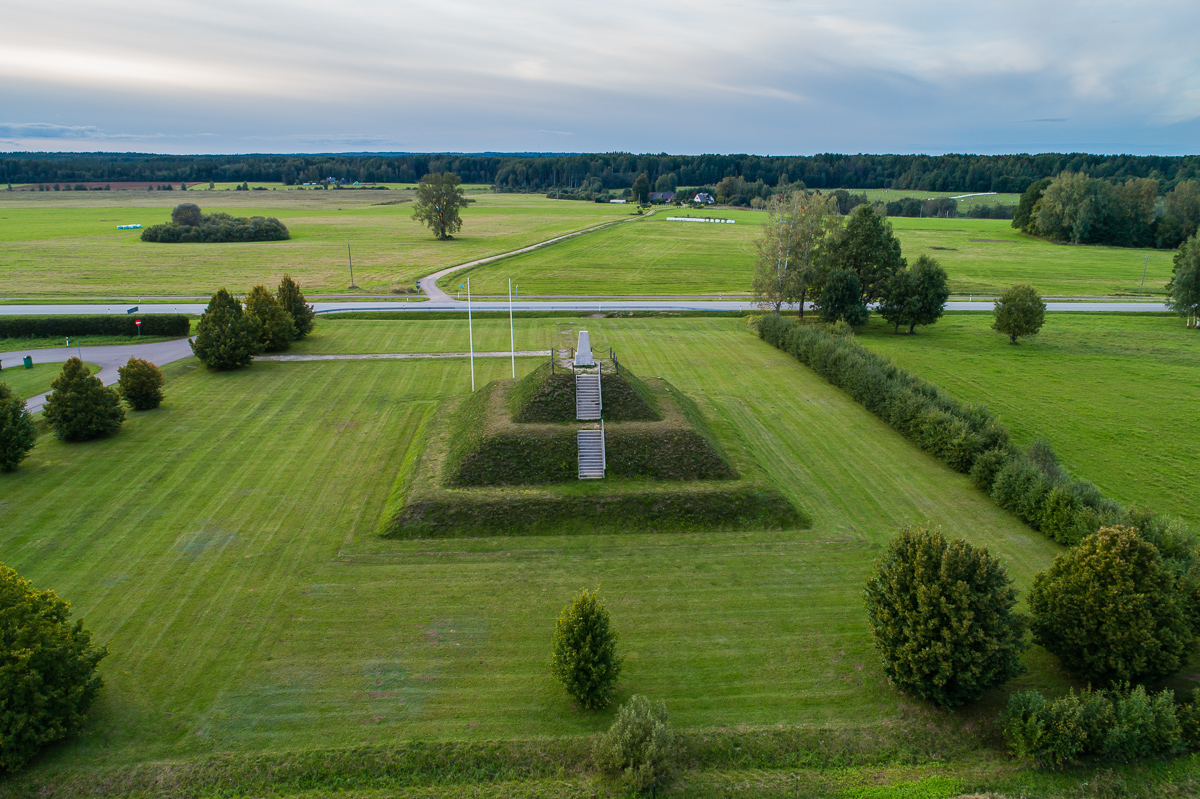
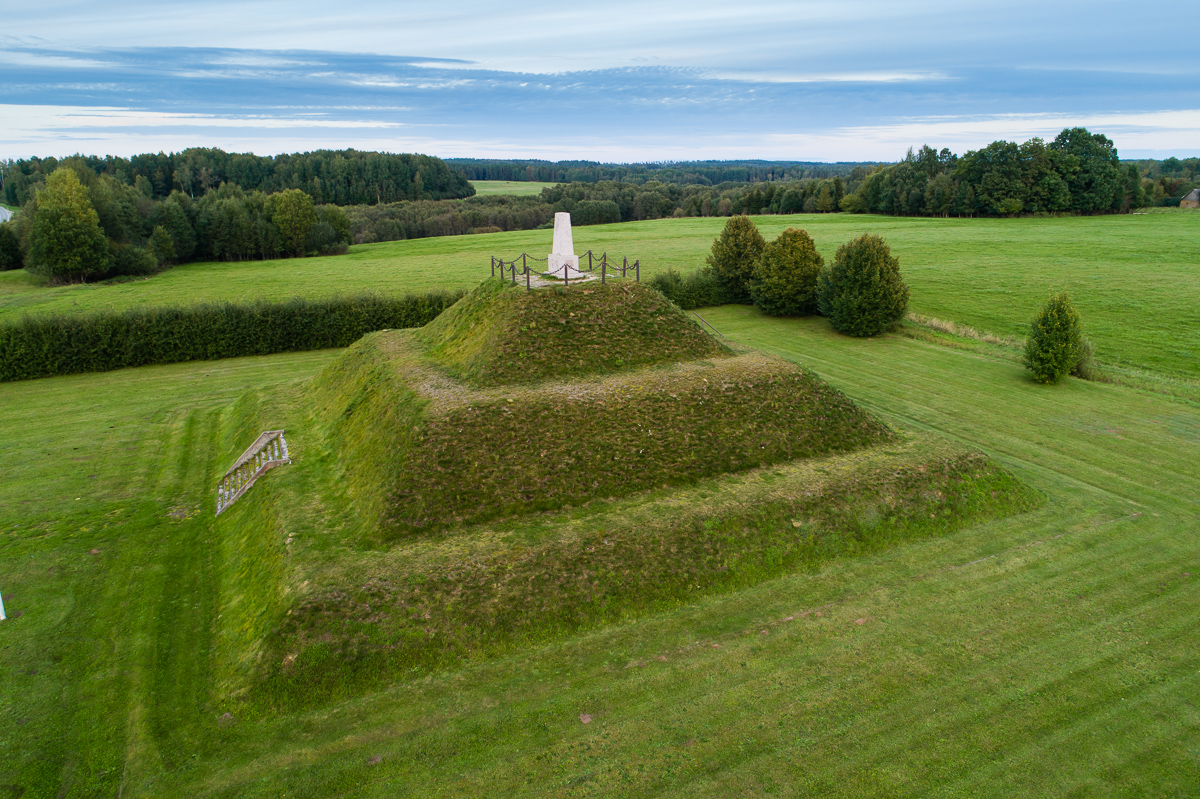
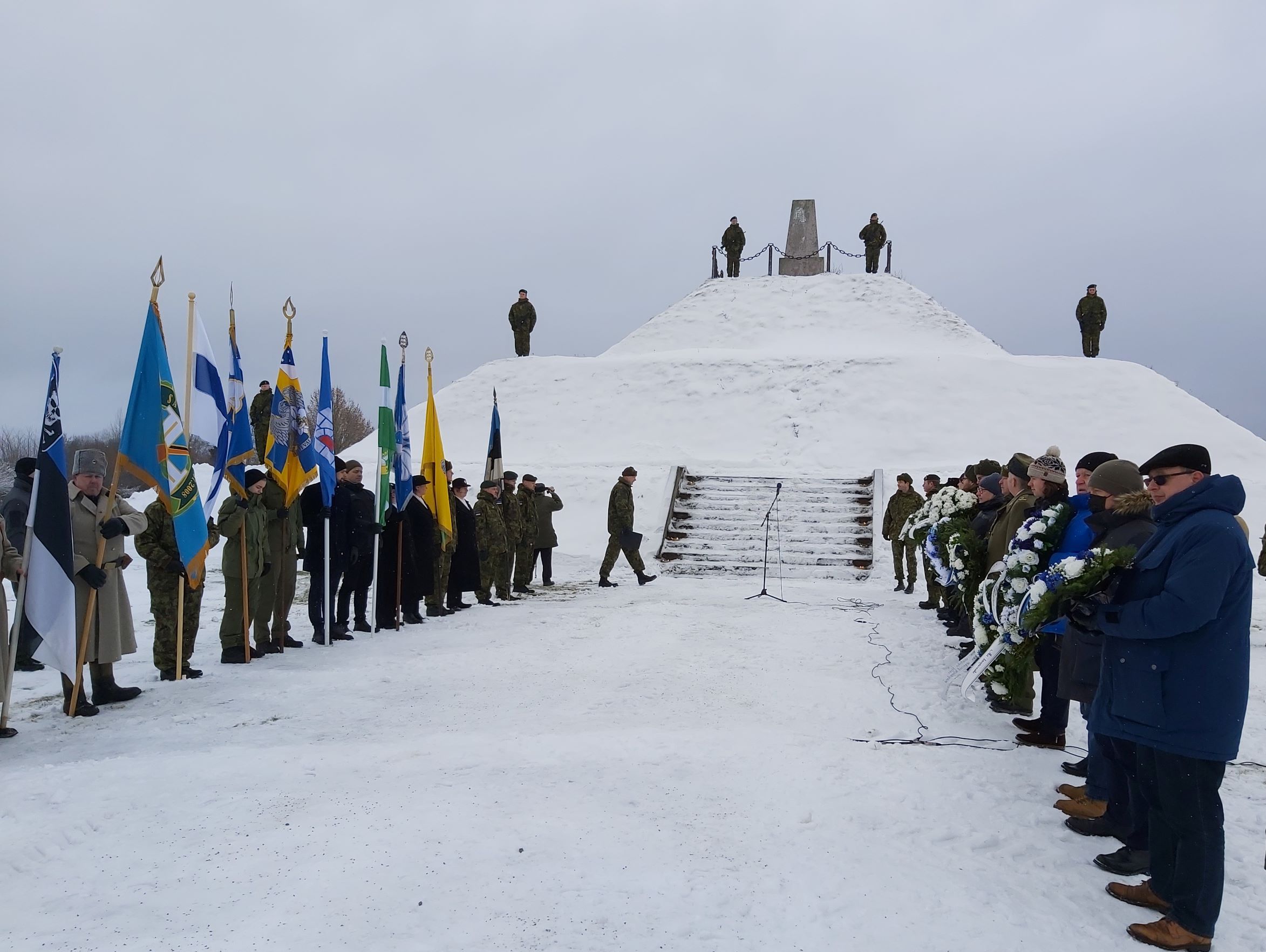
Paju Battle Memorial

Paju mälestusmärk, Valga vald, Valga maakond, 68217

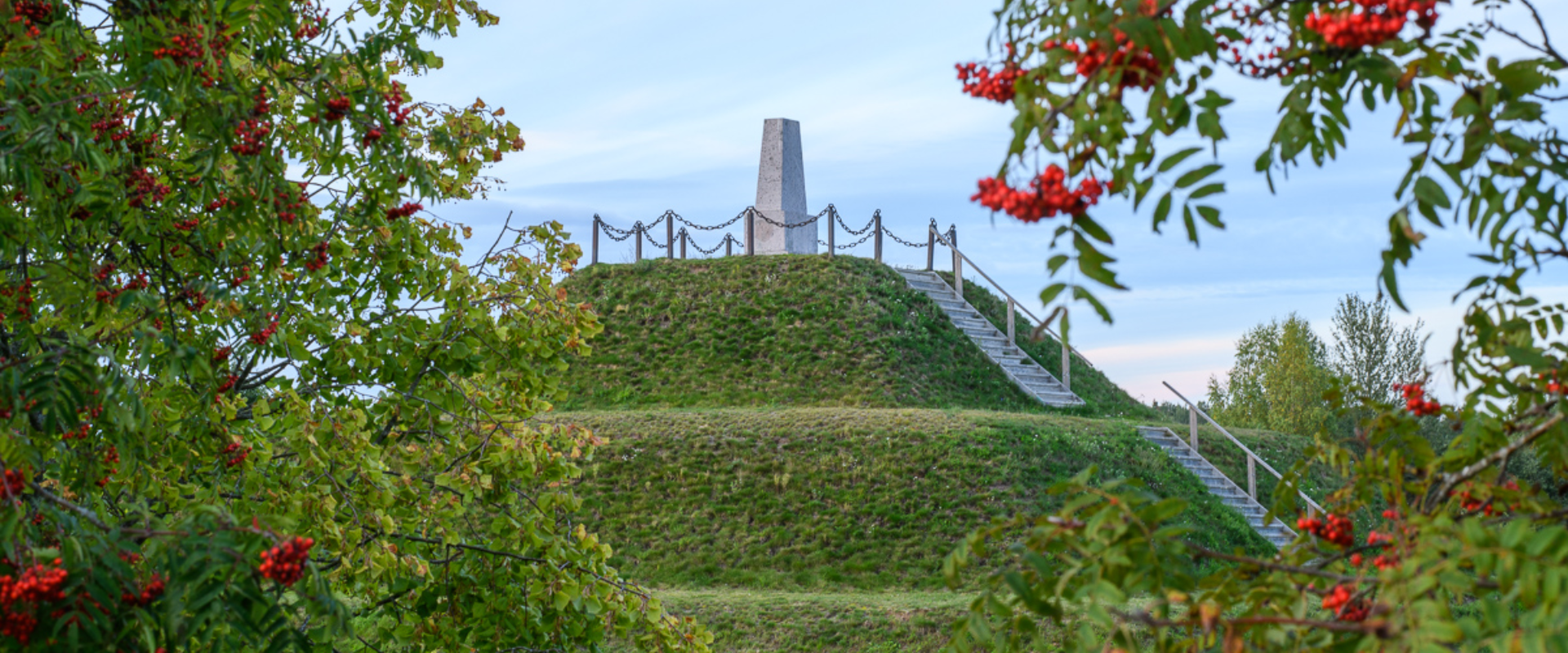
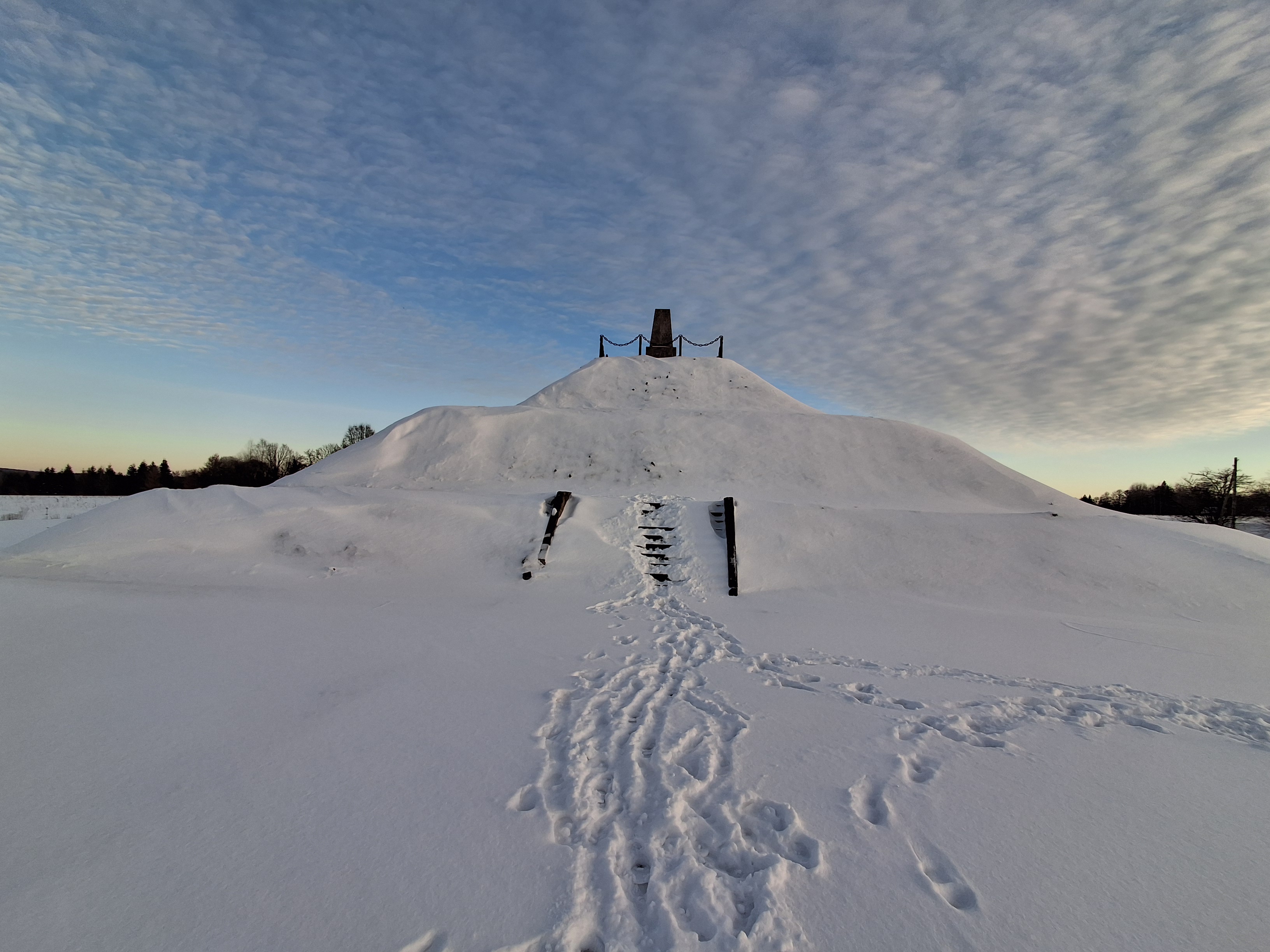
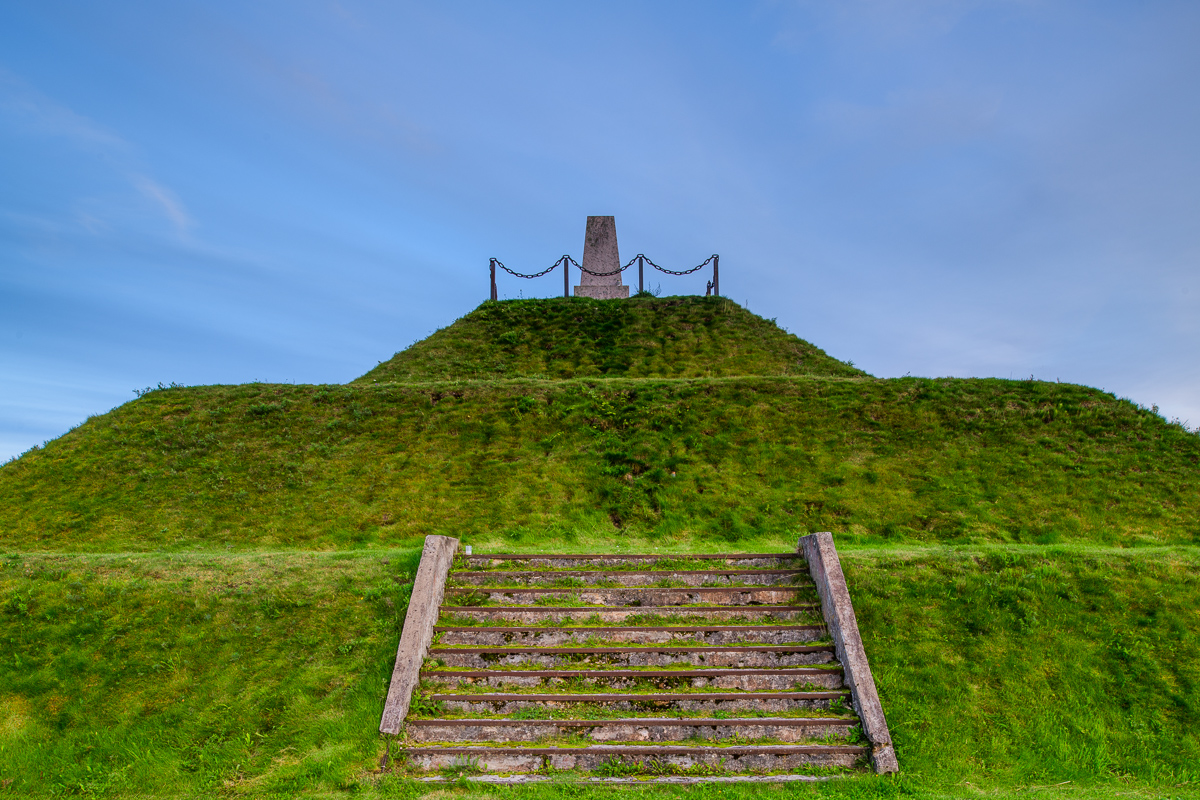
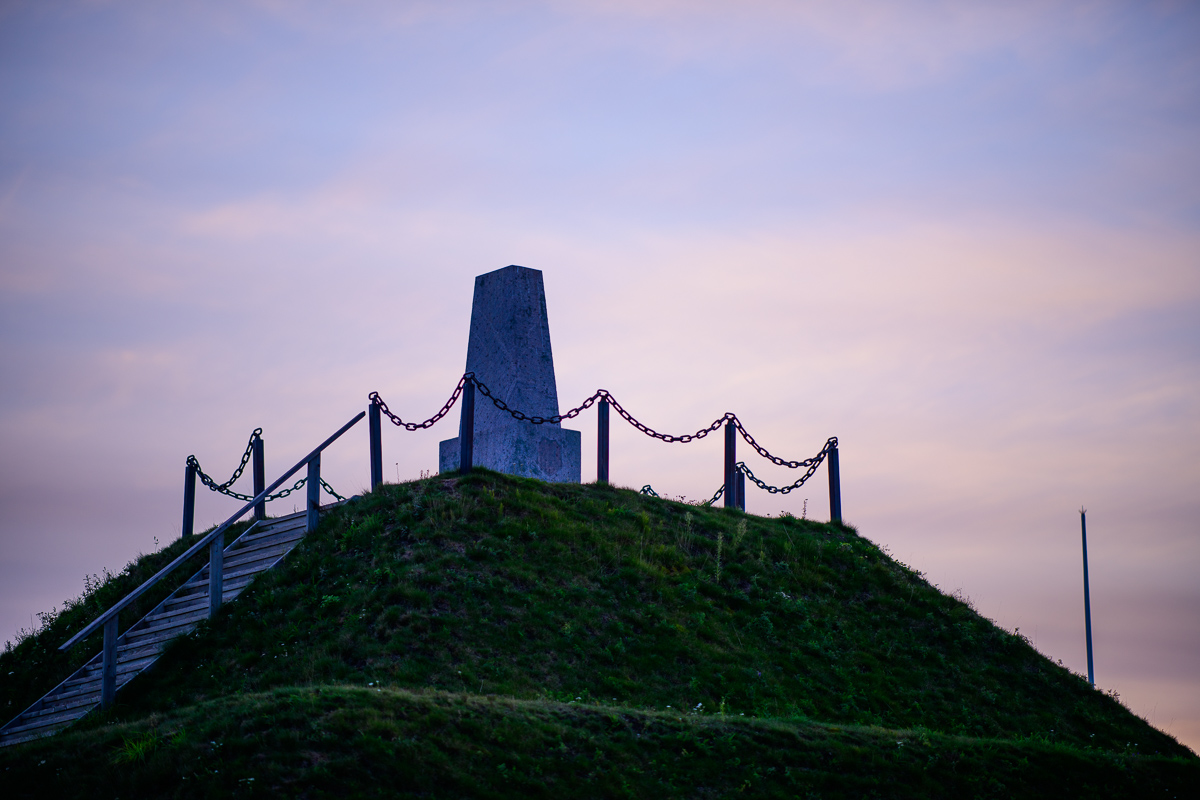
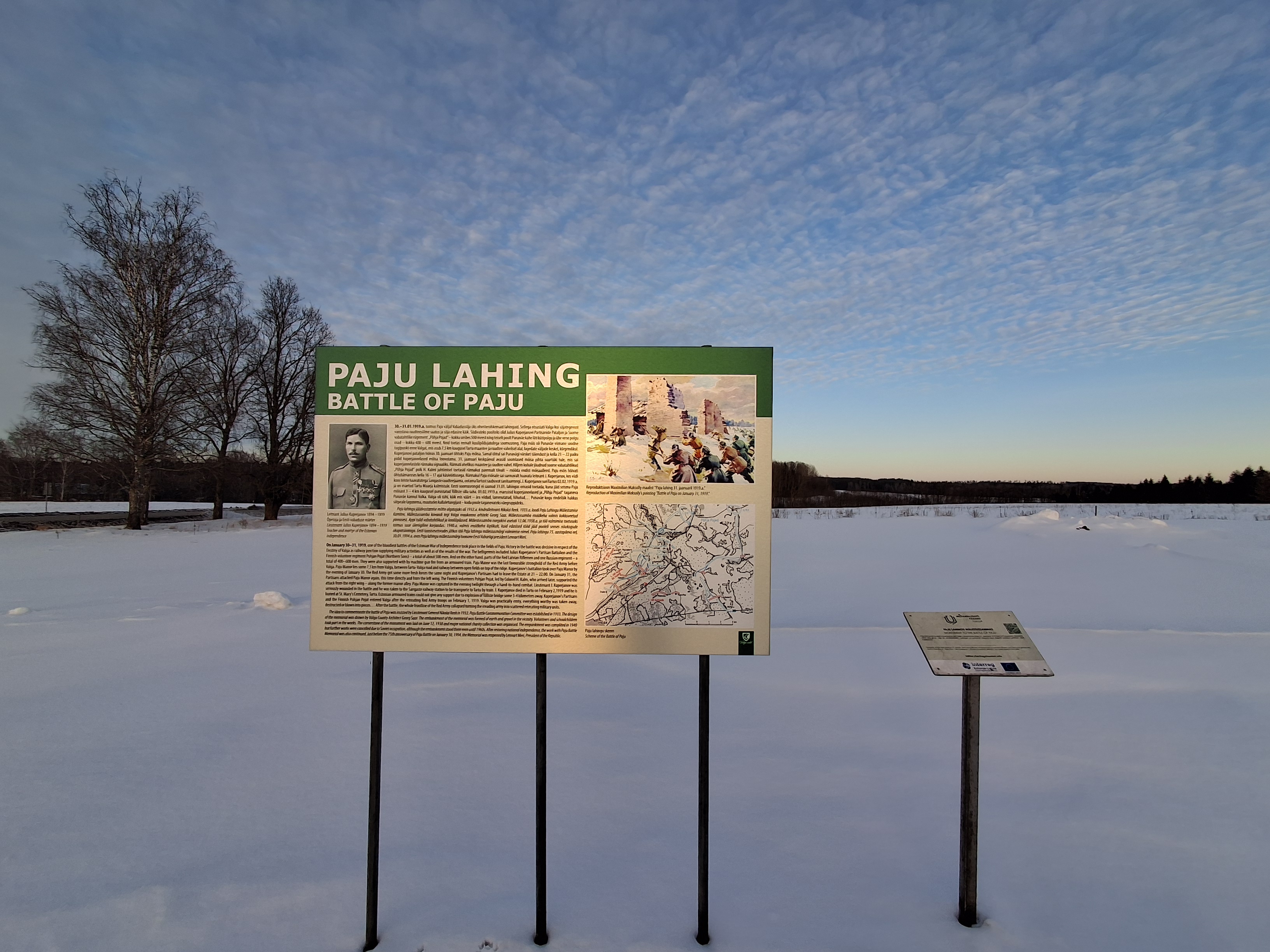
One of the most important battles of the War of Independence took place near the Paju Manor on 31 January 1919. The Northern Sons Regiment that consisted of Finnish volunteers also fought for the independence of Estonia over here. The most legendary commander in the War of Independence, Lieutenant Julius Kuperjanov, was fatally injured in the battle. The battle memorial is a granite pillar on a three-level pyramid, which was reopened on the 75th anniversary of the battle on 30 January 1994.Interesting facts: * the memorial was opened by President of the Republic of Estonia Lennart Meri; * a memorial tablet to the Northern Sons who fell in the battle can be found on the wall of the Valga Jaani (St John’s) Church.
Mugavused

  • Free parking
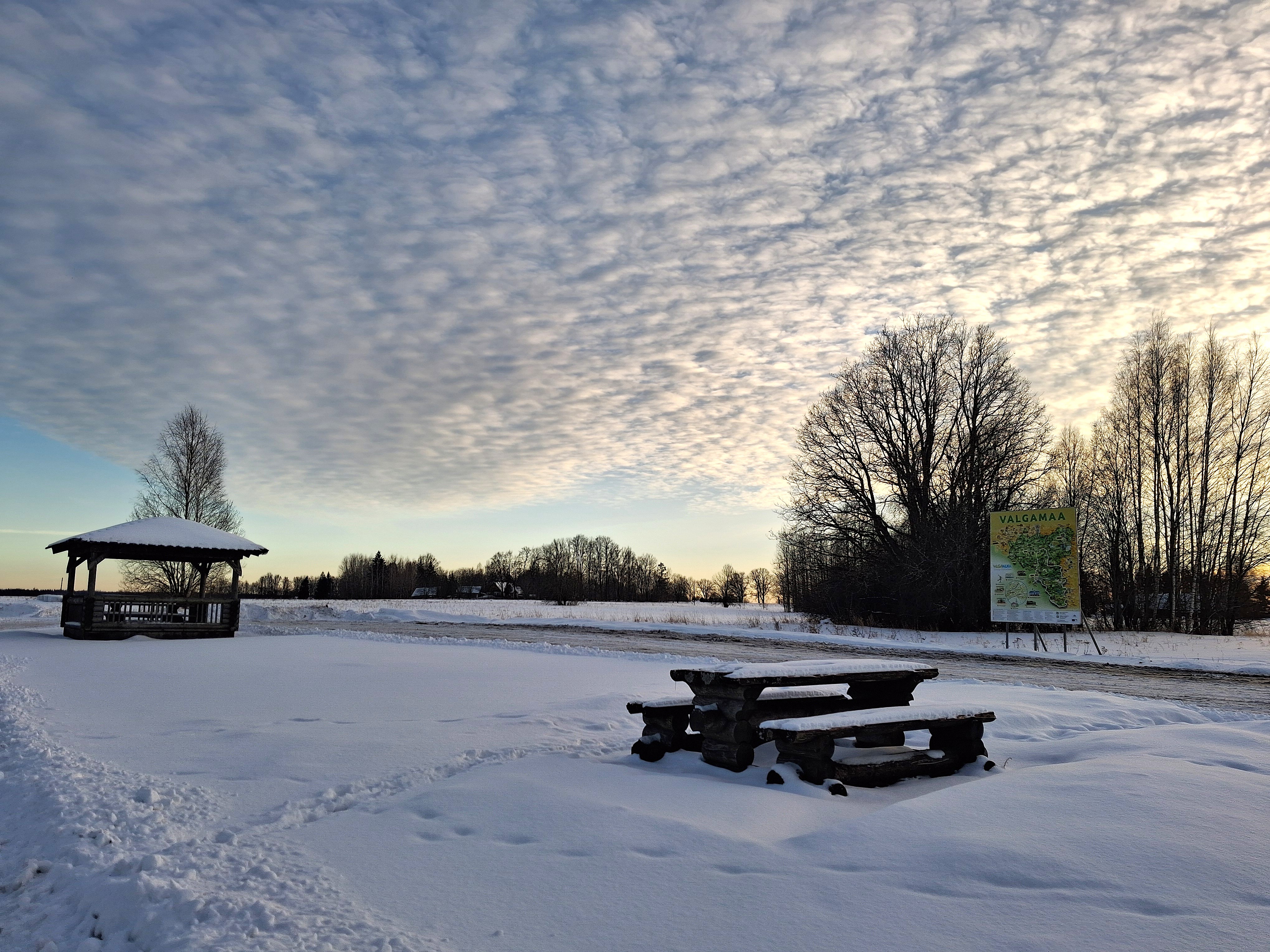
  • Recreation area/picnic ground

Lahtiolekuajad

Aastaringselt

Ööpäevaringselt

Lingid

militaryheritagetourism.info

Vaata lisaks

  • Monuments

Monument to the Estonian Mother

The Monument to the Estonian Mother was inaugurated in Rõuge on 26 June 2010. The monument is meant to demonstrate appreciation for the Estonian woman as a mother, to express gratitute, and to value the survival of our people. Hans Sissas (1933 - 2012), who has recounted the stories of Estonian deportees and authored many memoirs, initiated the idea of a monument to the Estonian mother, and lead the efforts to have the monument completed.The monument is made from stone brought from Udmurtia, and is 3.6 high, weighing nearly 6 tonnes.The monument was designed by the artists/sculptors Ilme and Riho Kuld, and was made by the sculptors/stone masons Margus Kurvits and Kristjan Kittus.

  • Monuments

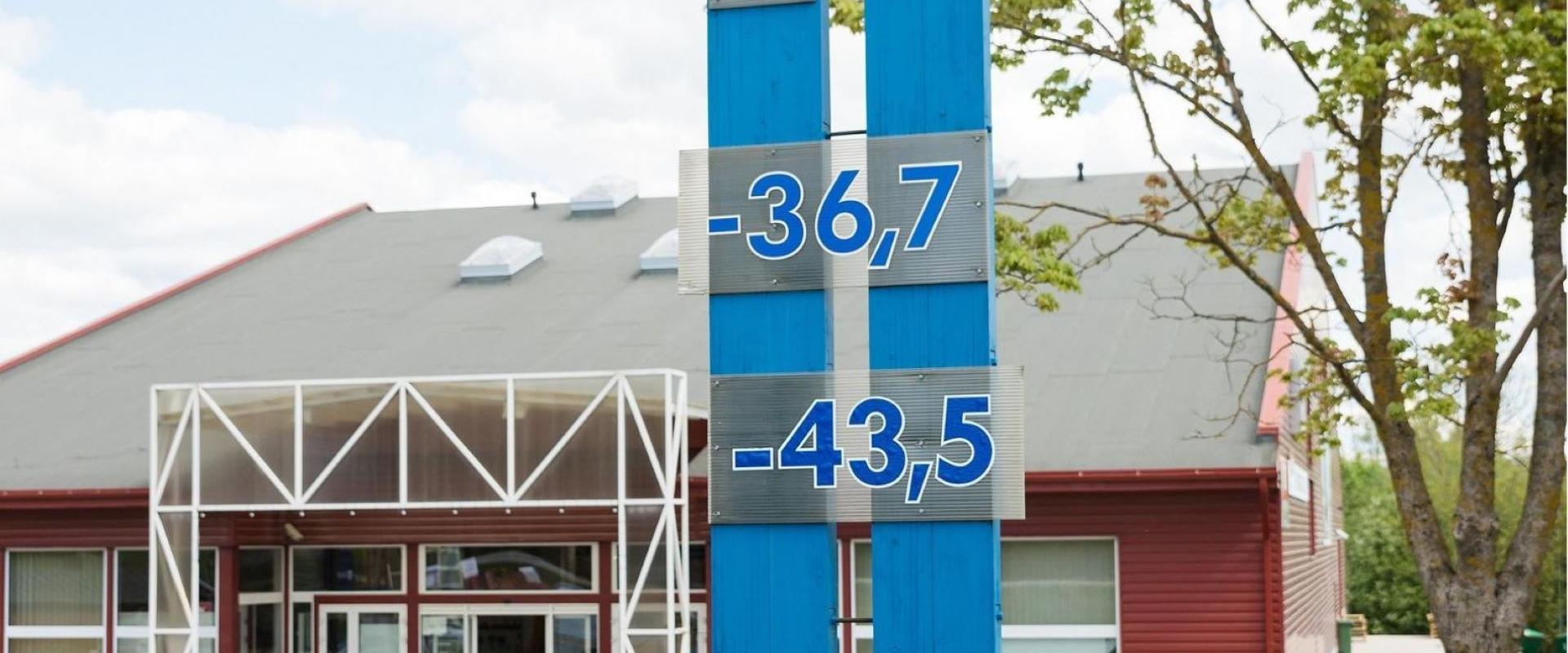
Monument to cold weather in Jõgeva

A monument to cold weather has been erected on the Piibe road on the outskirts of Jõgeva, where the lowest ever temperature in Estonia (-43.5*C) was recorded in 1940. The monument also highlights the most recent record of -37.6*C from 2003, also recorded in Jõgeva.

  • Monuments

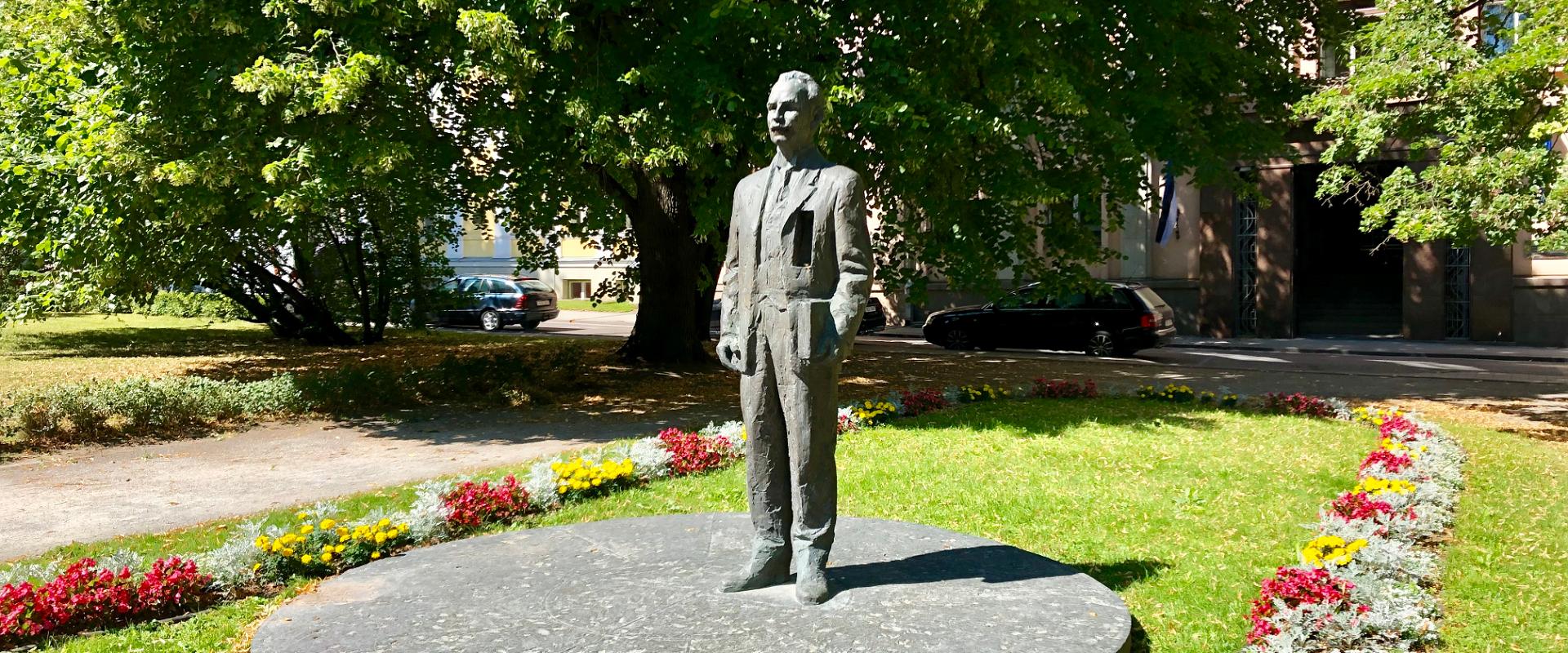
Monument to Kristjan Jaak Peterson

Kristjan Jaak Peterson (14 March 1801 – 4 August 1822) was an Estonian writer who is considered to be the founder of Estonian national literature.He studied in the Faculty of Theology and Philosophy of the University of Tartu from 1819 to 1820. He called himself a singer of the country people, appreciated the national features of literature, and thought that the creation of original Estonian literature was possible.There is a bronze monument to him on Toomemägi, which was completed in 1983 by J. Soans and A. Murdmaa, and a high school named after him in Tartu.On the writer's birthday, 14 March, we celebrate Mother Tongue Day.Fun fact: Peterson walked from Tartu to Riga more than 200 years ago due to lack of money.

  • Monuments

Monument to Stefan Batory

In 1562, Walk (the old name of present-day Valga) along with the rest of Livonia was handed over to Poland as part of the ceasefire agreement of the Livonian War. The city rights of Valga were signed by Polish King Stefan Batory on June 11, 1584, based on his colonization policy. The king believed that land should be granted as hereditary property to new Catholic settlers (peasants, craftsmen, merchants) in Livonia and thereby strengthen Catholicism in Livonia.Therefore, there is a monument dedicated to Stefan Batory on Kesk Avenue in Valga, which was completed in 2002 as a joint effort of the city of Valga, and the Hungarian and Polish embassies.

  • Monuments

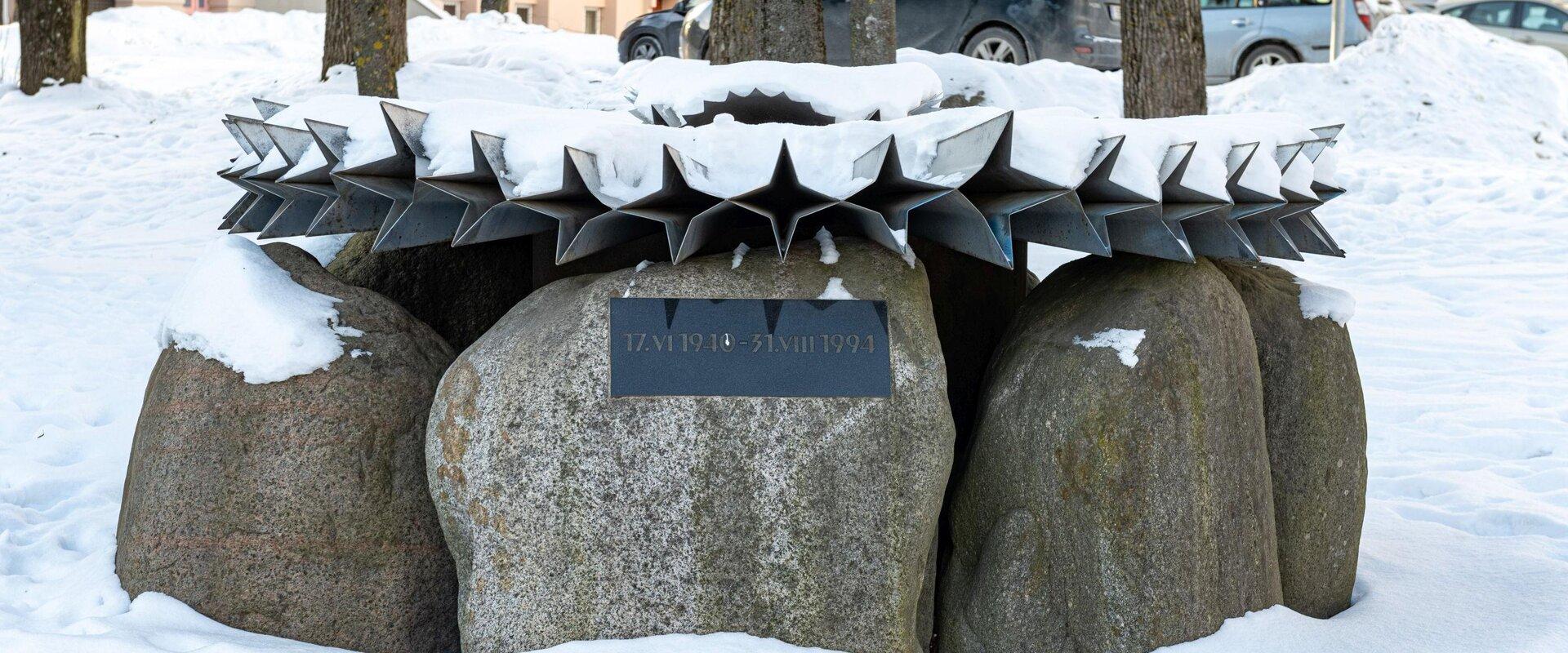
Monument to Soldiers Killed in the War of Independence

The monument to soldiers who fell in the War of Independence stands on a hill in front of Otepää Maarja Church and it is remarkable because it was hidden underground for 30 years. The monument was reopened in 1989 after renovation. The top part of the monument bears the words HONOUR THE FALLEN and a list of 22 names. The granite piece with the full list has been lost. The metal decorations were created at the initiative of sculptor Jüri Ojaver.Interesting facts: The initial monument was designed by Voldemar Melnik and made by stonemason Peeter Veeber. The monument was opened for the first time on 10 June 1928.

  • Monuments

Monument to Karl Ernst von Baer

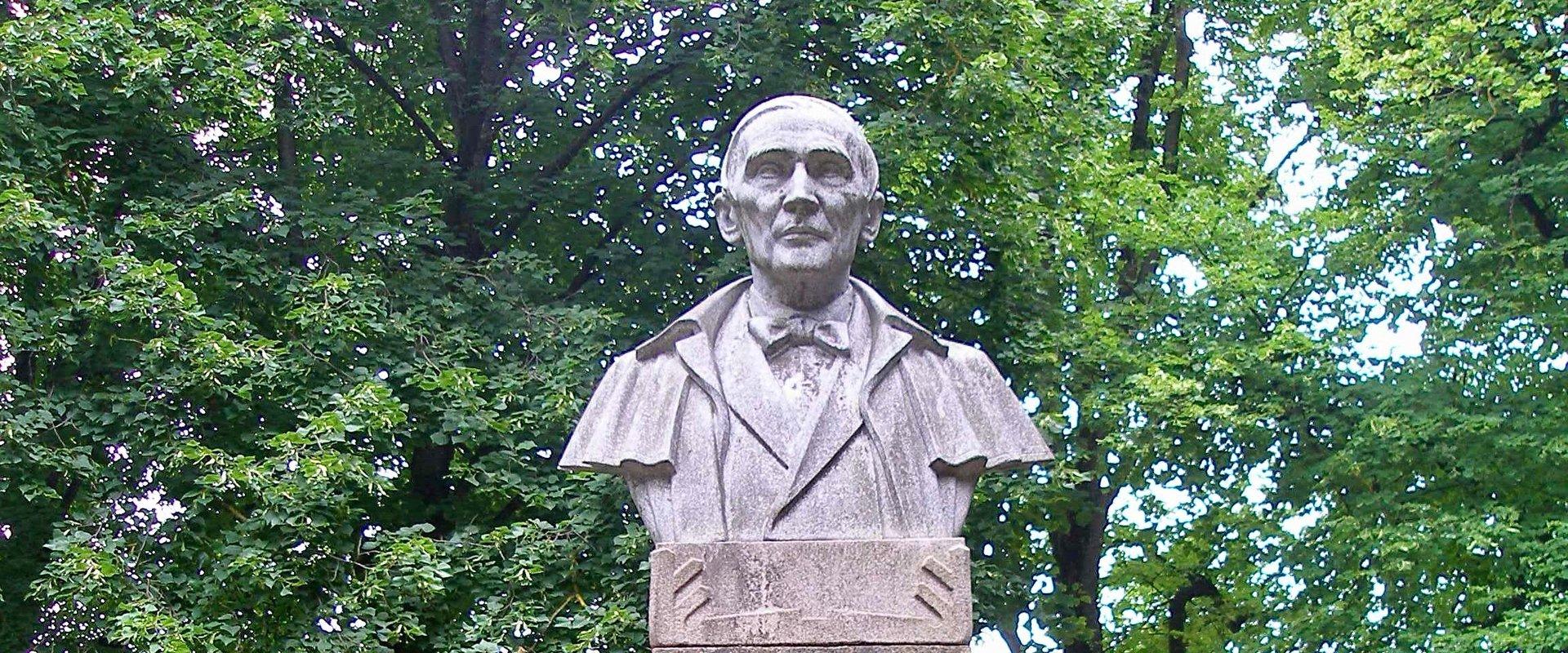
Karl Ernst von Baer was a biologist, the founder of descriptive and comparative embryology and an academician of the St Petersburg Academy of Sciences. He studied medicine in Tartu from 1810 to 1811 and obtained the degree of doctor of medicine here. He was a professor of zoology and anatomy in Königsberg from 1817. He studied anthropology, geography and ichthyology during his time in St Petersburg. He spent the last years of his life (1867-1876) in Tartu where he wrote his 3-volume collection of articles and speeches and participated in the activities of the Estonian Naturalists Society and was elected its president in 1869.The statue of Karl Ernst von Baer was completed in 1886, its author is M. Opeku.

  • Monuments

Estonian War of Independence cemetery and monument at Võru cemetery

Those who fought and were killed in the Estonian War of Independence are buried here. The War of Independence started in November 1918 when Soviet Russia invaded the Republic of Estonia and ended on 2 February 1920 with the signing of the Tartu Peace Treaty. The monument was destroyed during the Soviet occupation. In 1987 the society Vaba Sõltumatu Noorte Kolonn Nr 1 (Free Independent Youth Fleet No. 1) started to clean up the graves of those who were killed in the War of Independence and the monument was reopened on 23 June 1988. In 2002 the city government of Võru started to renovate the burial ground. The monument erected by the Youth Fleet was torn down, but the slab and cross made by the fleet were used on the new monument.

  • Monuments

The Fr. R. Kreutzwaldi Monument and Park on the Shore of Lake Tamula

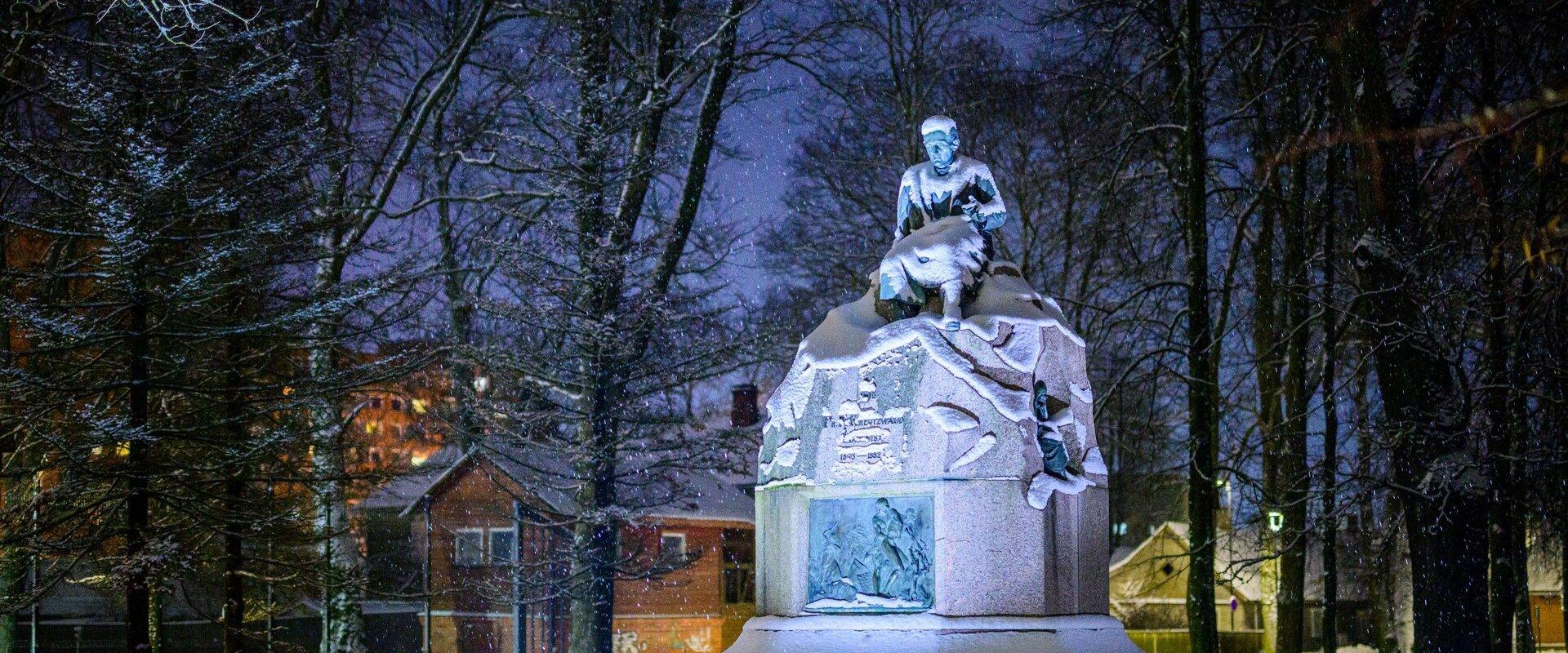
The Monument to Dr. Fr. R. Kreutzwald is located in a park on the shore of Lake Tamula. The author of the monument is A. Adamson and it was cast in bronze in Italy. The monument was opened in 1926. It is not known when the park was founded, however the age of most of the species of trees, birches and lindens is estimated at more than one hundred years. The coniferous trees in the park include spruces and firs. Lake Tamula has an oval shape in an east-west direction with an average depth of 4.2 m. The lake is deepest to the northeast of its centre (7.5 m) and has a surface area of 231 ha. There is a swimming area, beach and a beautiful promenade on the shore on the city side. In Kreutzwald Park, there is an accessible trail.

  • Privacy Policy

"*"обозначает обязательные поля

Это поле используется для проверочных целей, его следует оставить без изменений.
Я разрешаю маркетинг