• Avasta
    • Еда
    • Природа
    • Культура
    • Семья
    • Спорт
    • Сообщество
    • Блог
  • Planeeri
    • Размещение
    • Информация
    • Varamu
RUS
  • РусскийRUS
  • EestiEST
  • EnglishENG
  • LatviešuLAT
  • SuomiFIN
RUS
  • РусскийRUS
  • EestiEST
  • EnglishENG
  • LatviešuLAT
  • SuomiFIN
Populaarsed otsingud:
Näita kõiki tulemusi
  • History & Culture
  • Art & design
  • Monuments

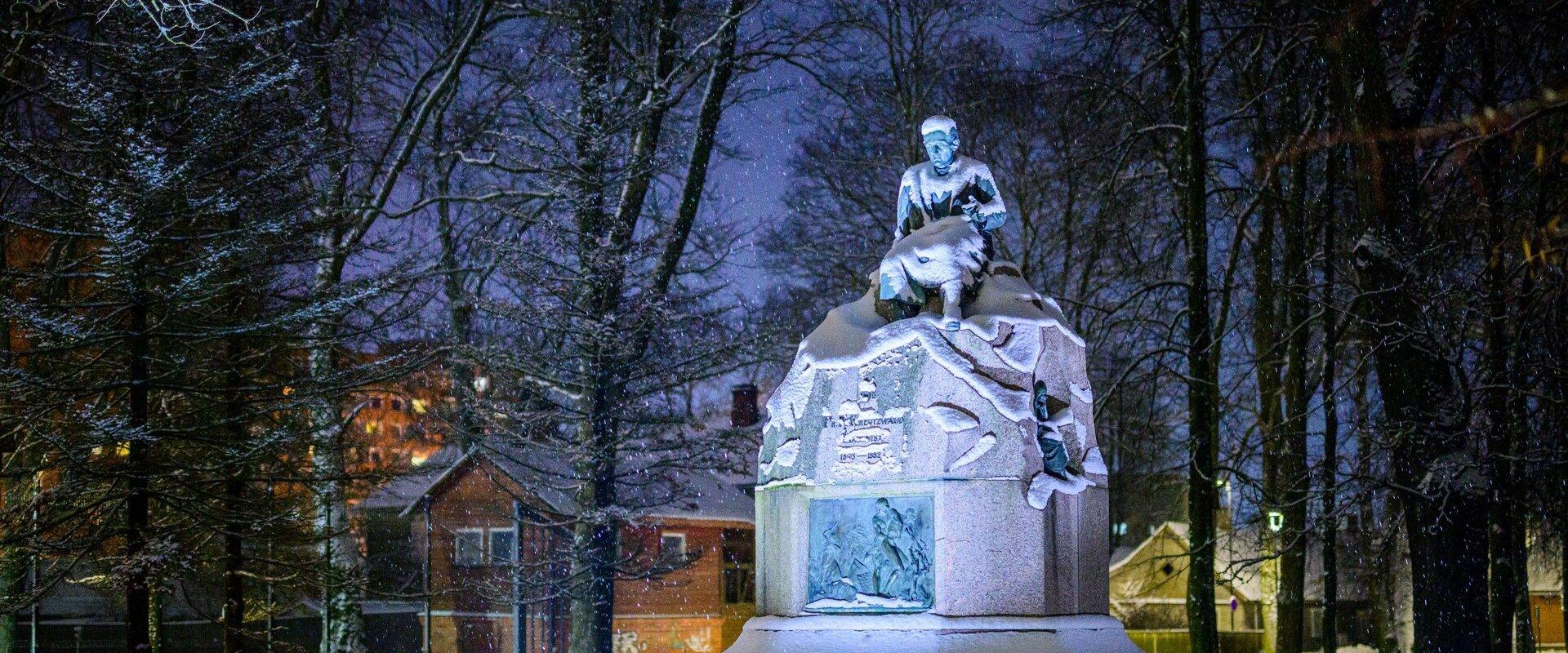
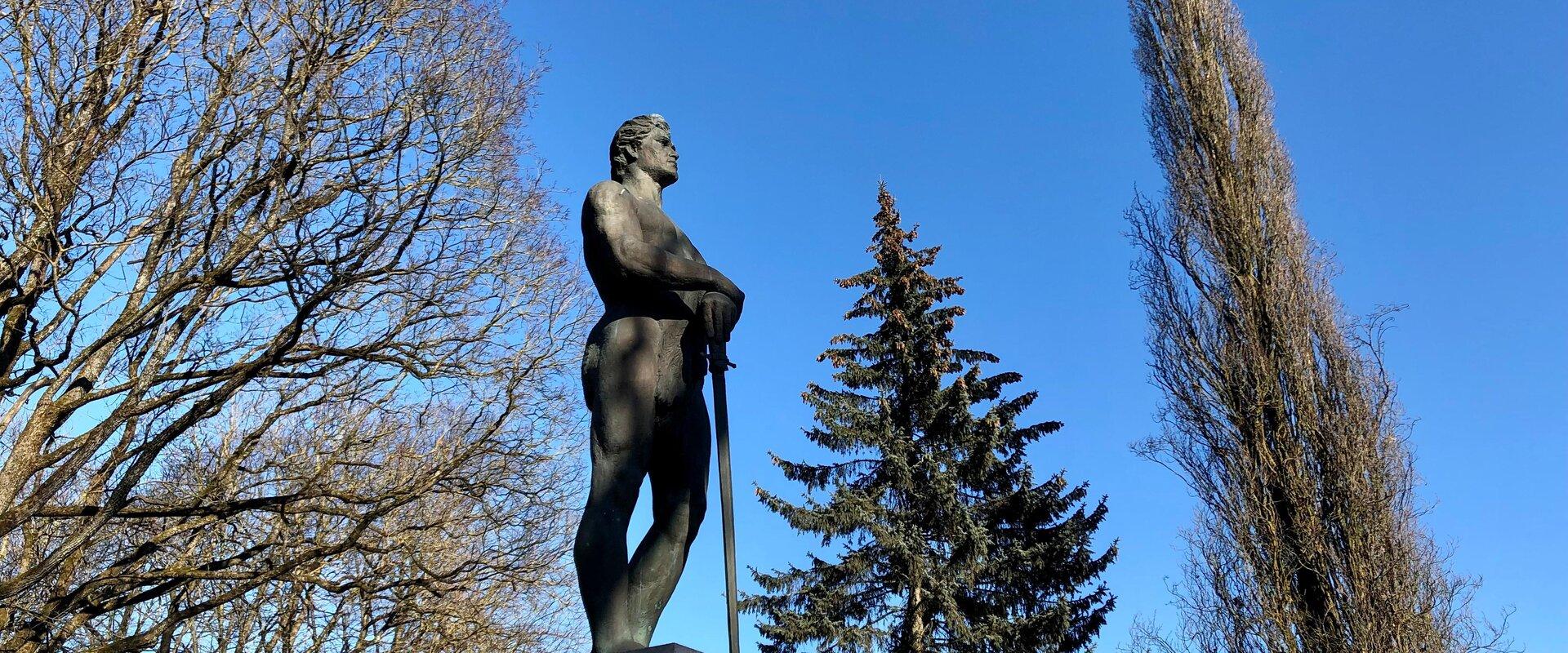
The Fr. R. Kreutzwaldi Monument and Park on the Shore of Lake Tamula

Võru linn, Võru maakond, 65609

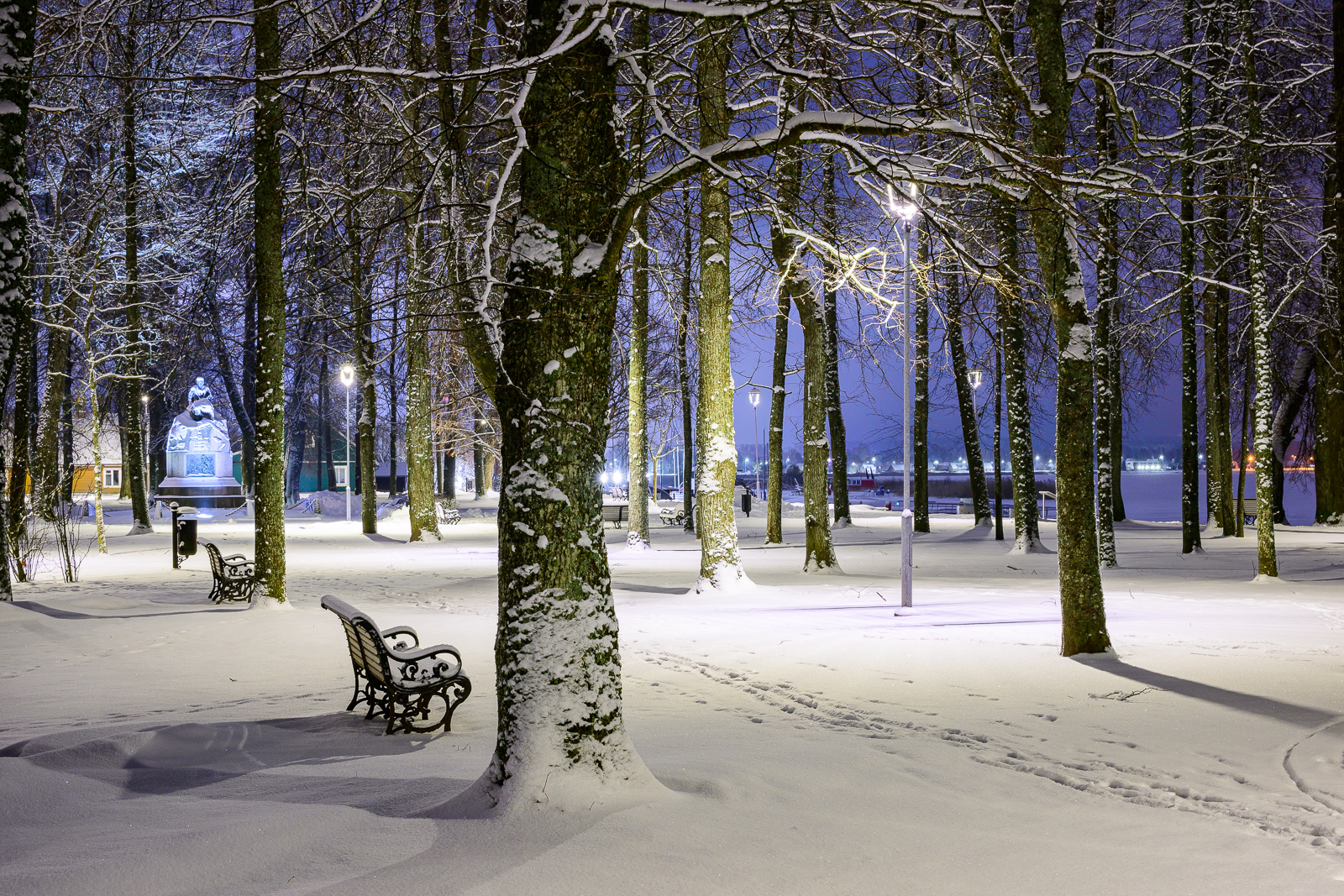
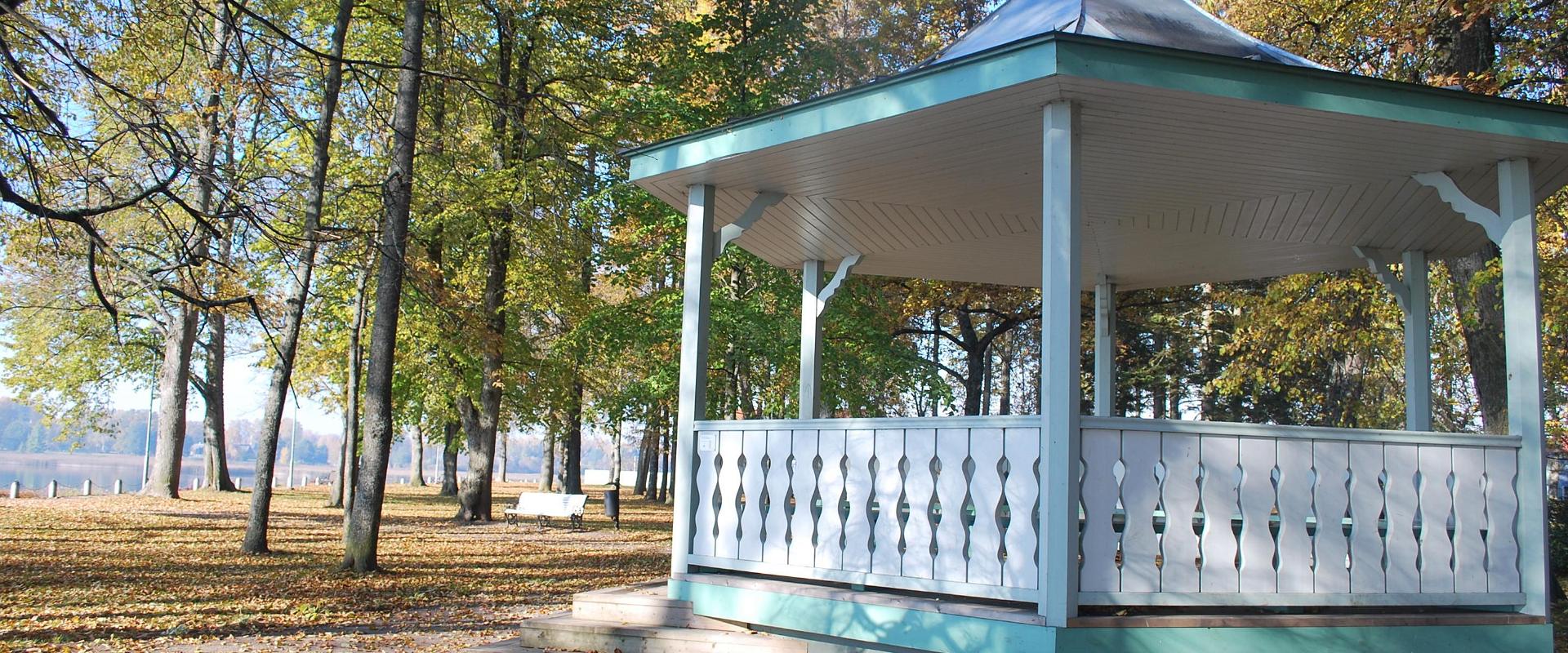
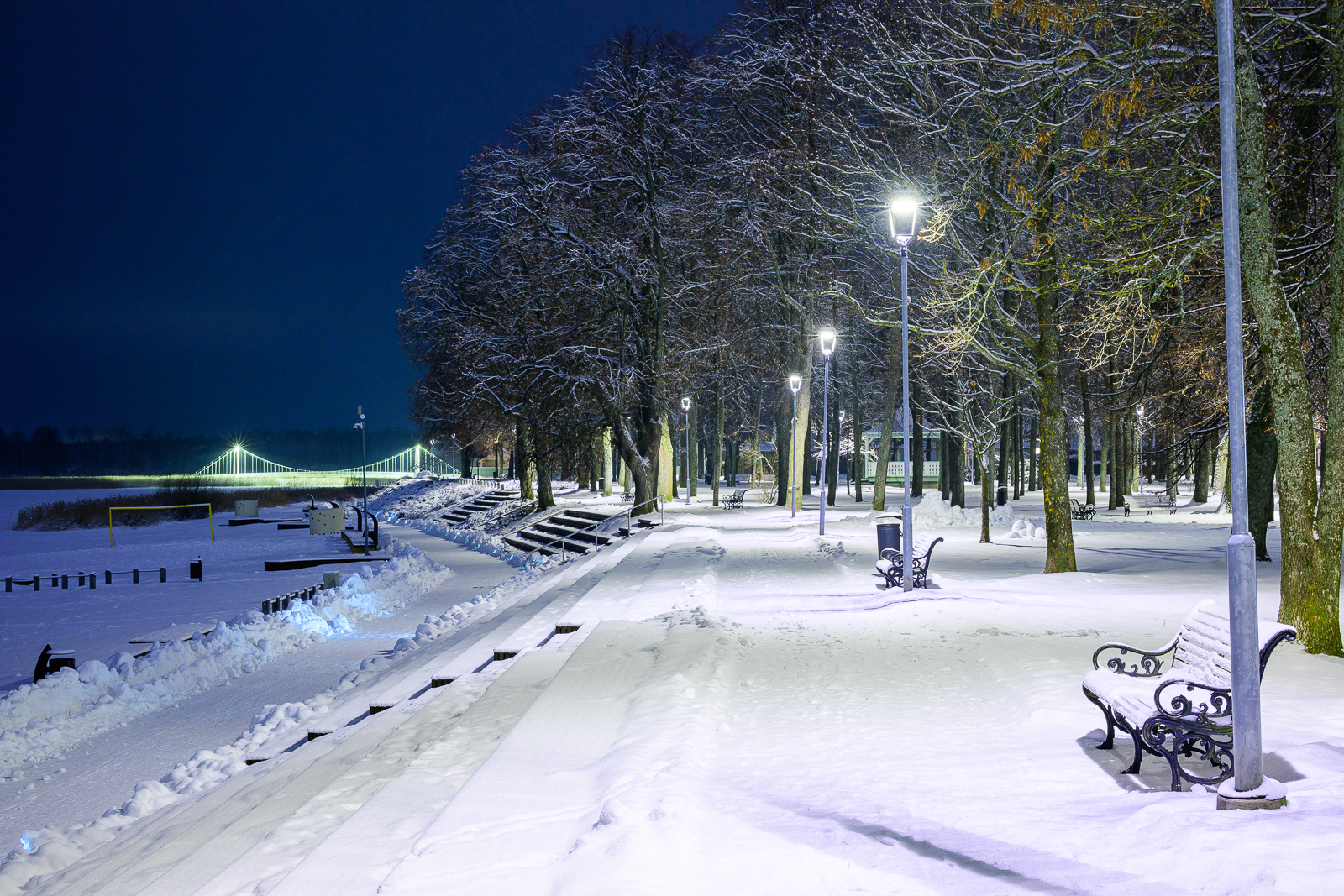
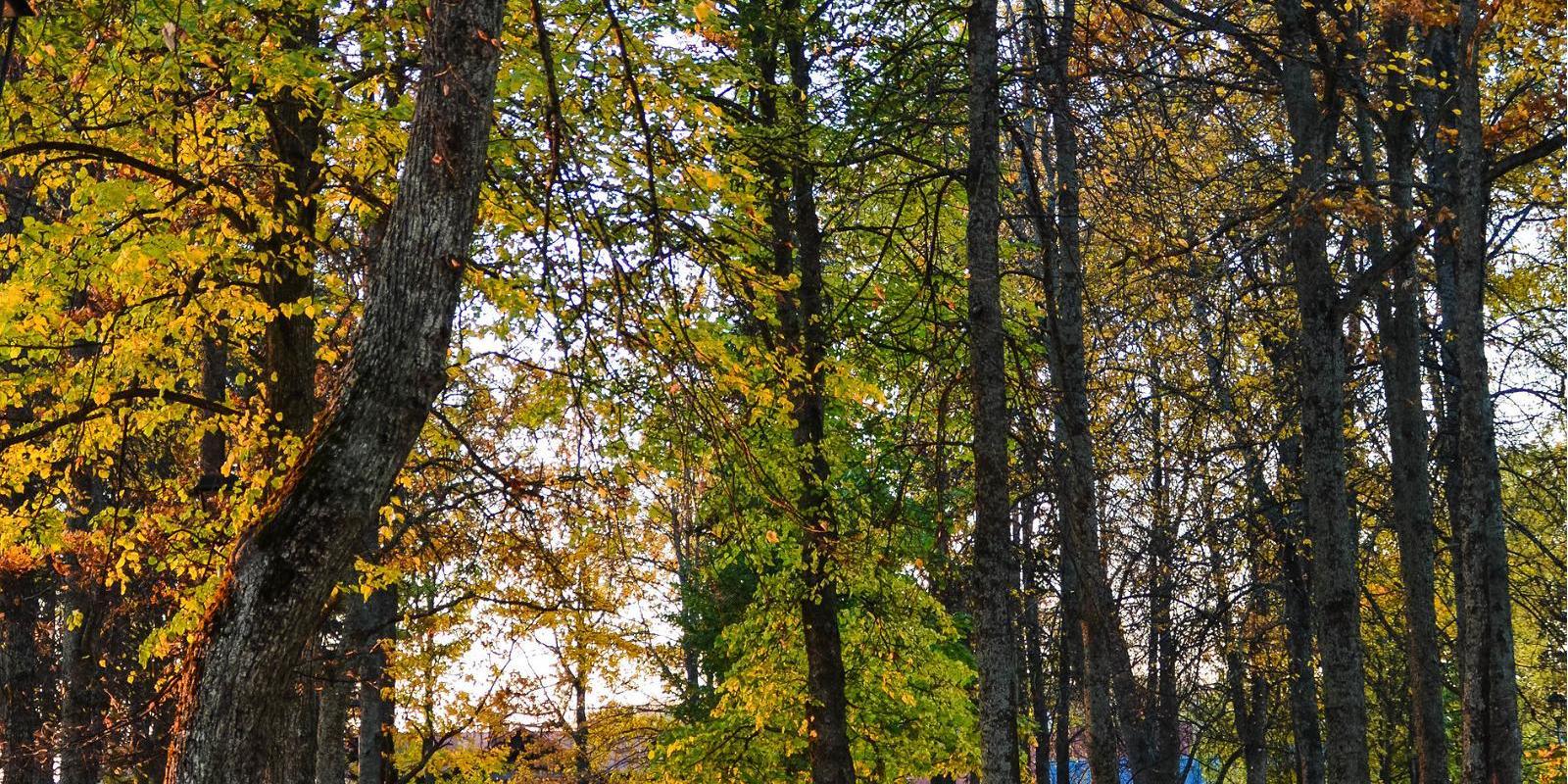
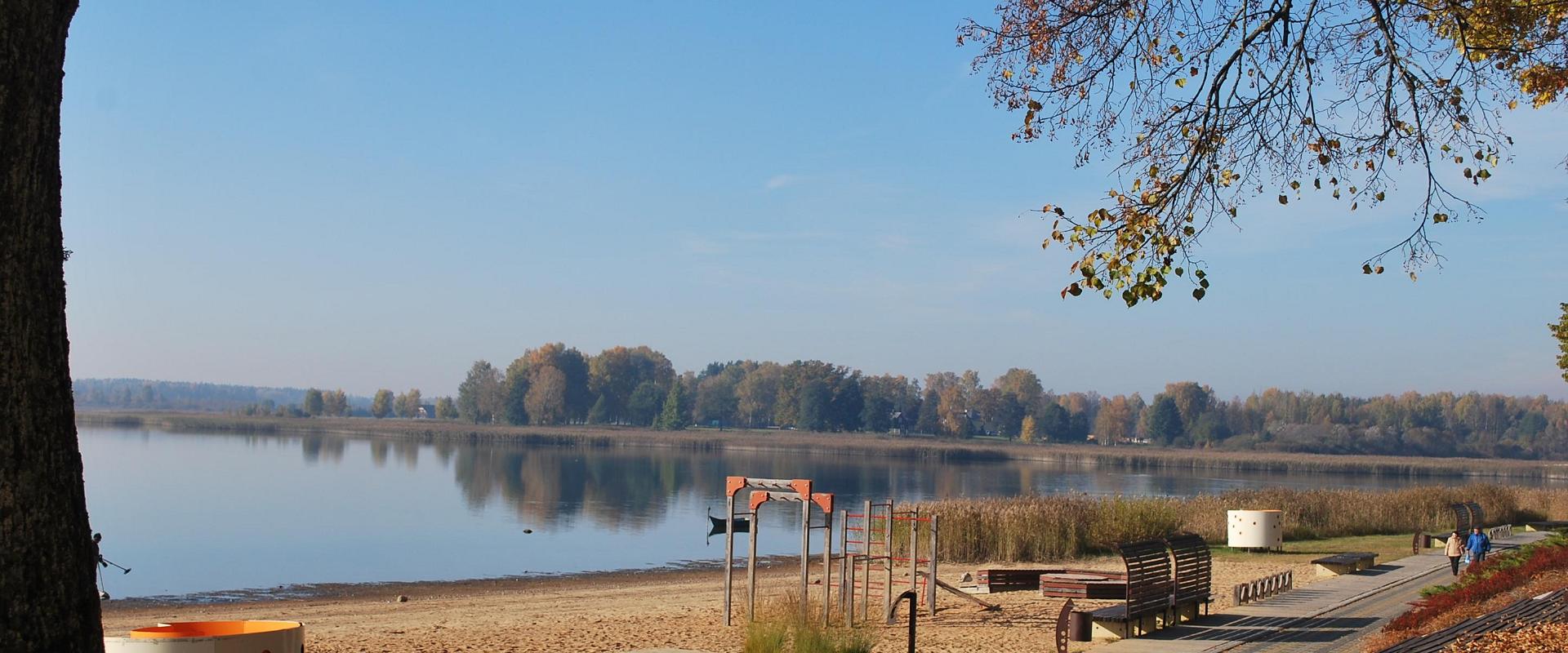
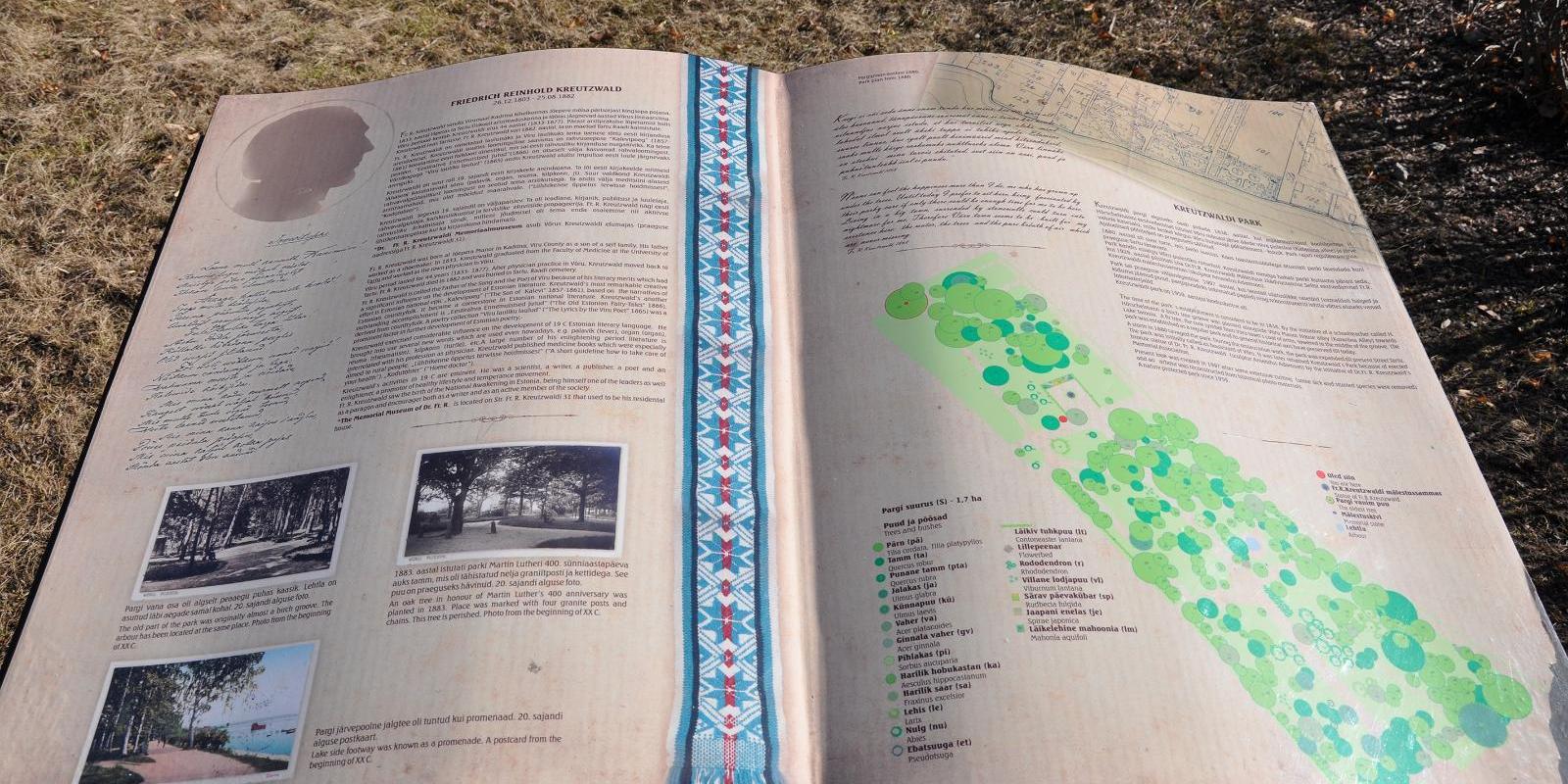
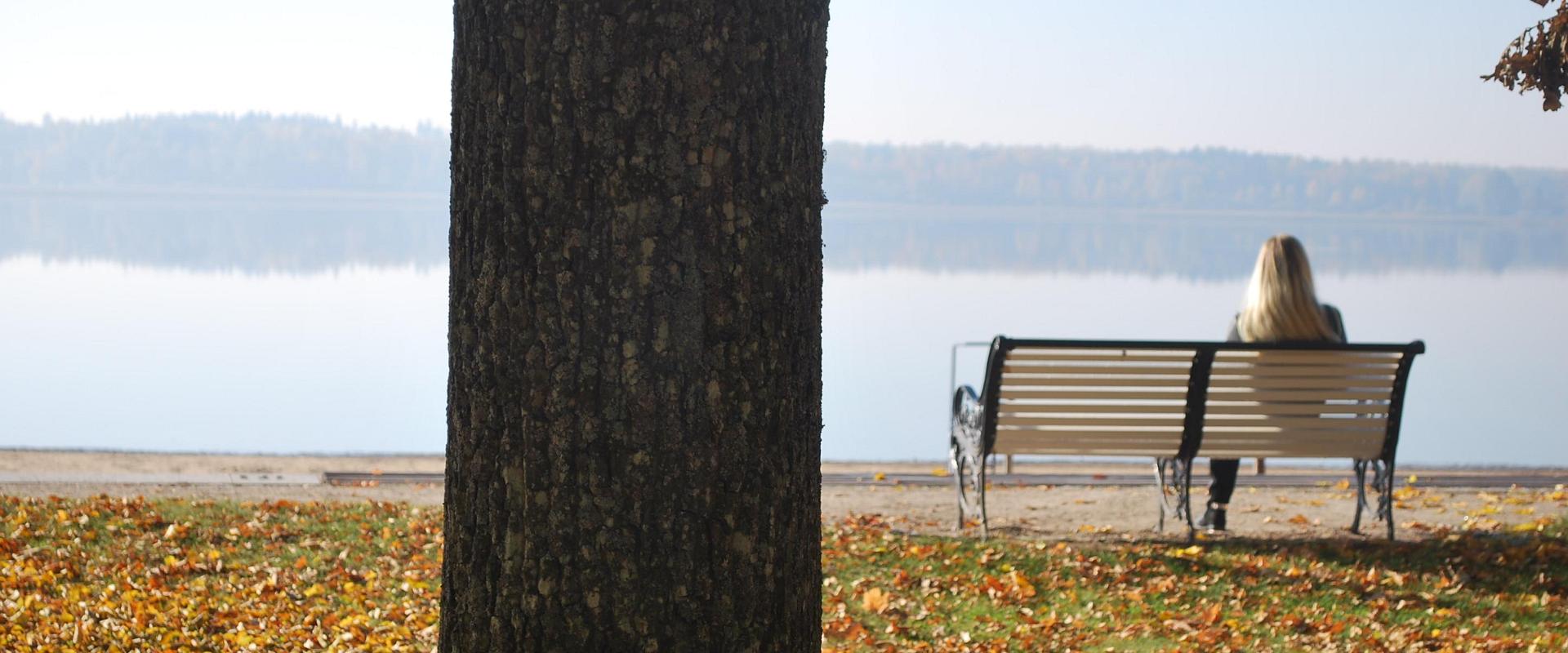
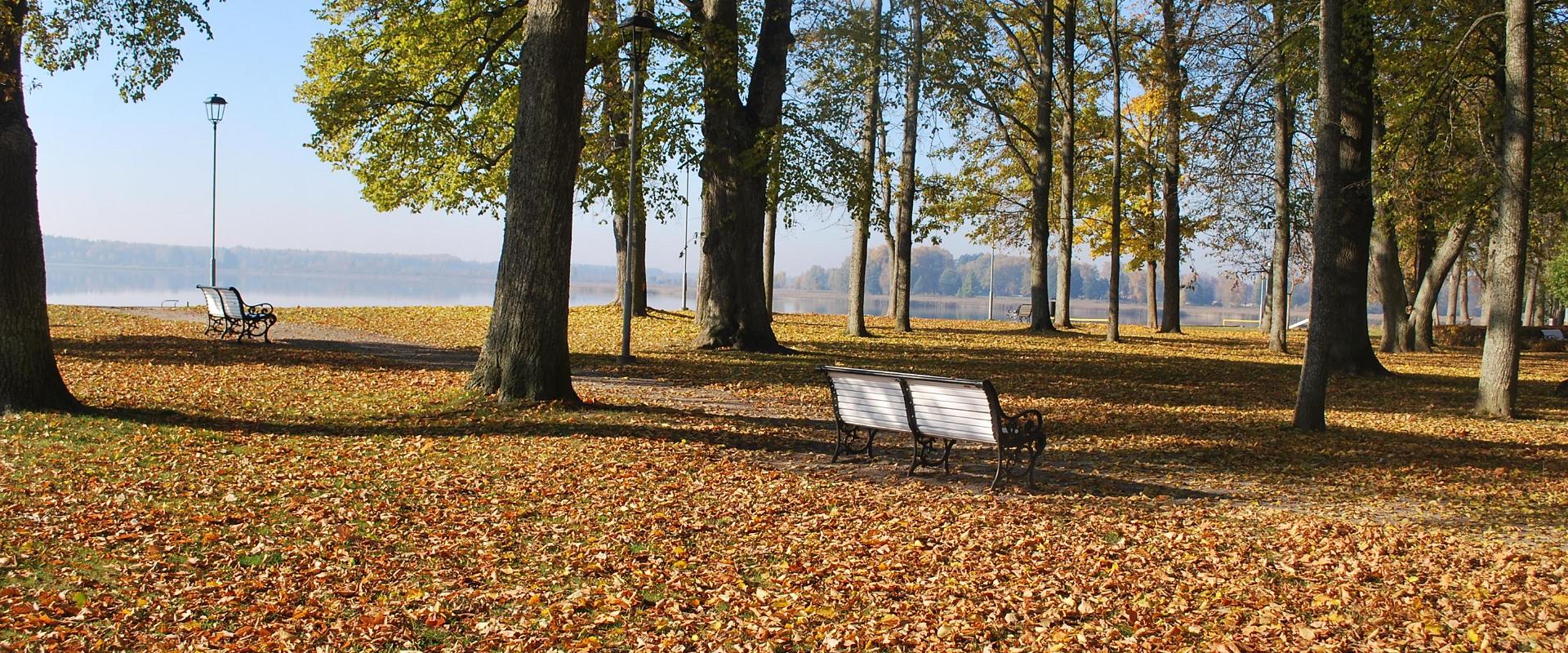
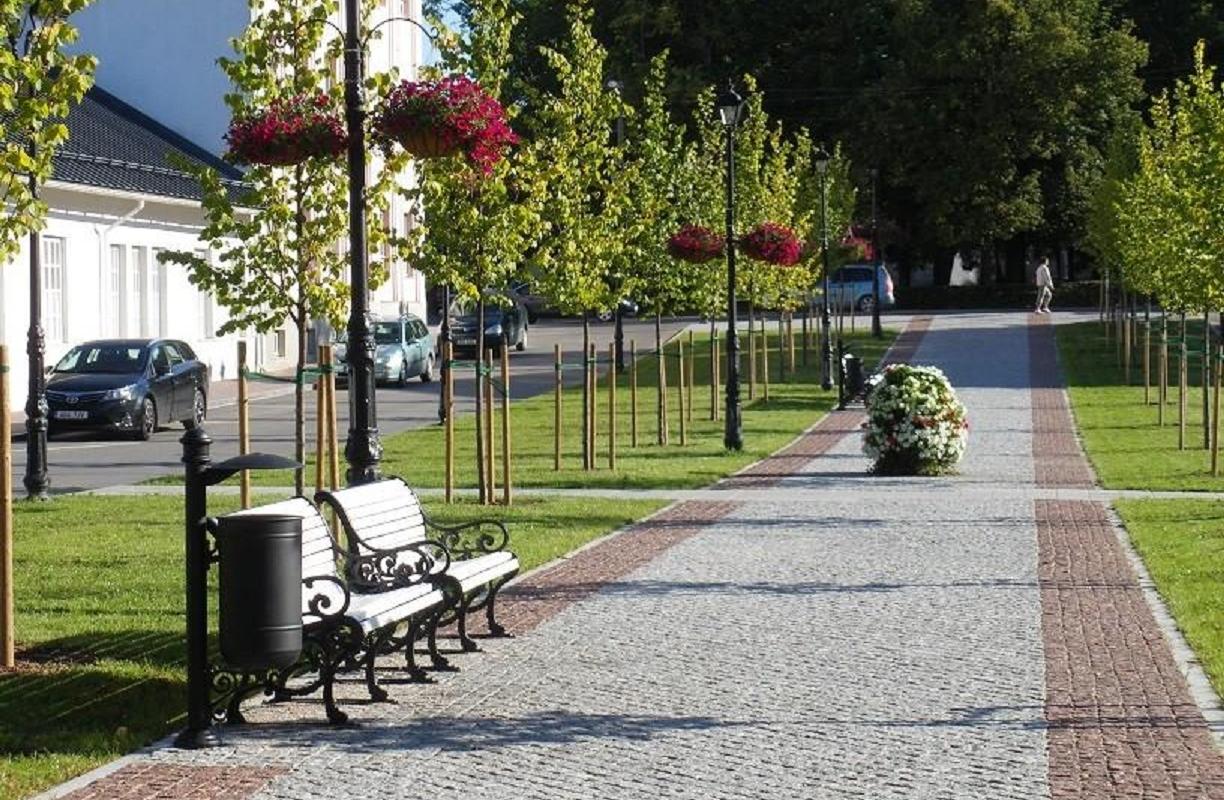
The Monument to Dr. Fr. R. Kreutzwald is located in a park on the shore of Lake Tamula. The author of the monument is A. Adamson and it was cast in bronze in Italy. The monument was opened in 1926. It is not known when the park was founded, however the age of most of the species of trees, birches and lindens is estimated at more than one hundred years. The coniferous trees in the park include spruces and firs. Lake Tamula has an oval shape in an east-west direction with an average depth of 4.2 m. The lake is deepest to the northeast of its centre (7.5 m) and has a surface area of 231 ha. There is a swimming area, beach and a beautiful promenade on the shore on the city side. 
In Kreutzwald Park, there is an accessible trail.
Mugavused

  • Free parking
  • Recreation area/picnic ground

Lahtiolekuajad

Aastaringselt

Ööpäevaringselt

Lingid

Vaata lisaks

  • Monuments

Kalevipoeg – War of Independence Monument

Kalevipoeg is the Estonian national epic about the adventures of the hero called Kalevipoeg.In 1950, the memorial Kalevipoeg, which was dedicated to the soldiers who lost their lives in the War of Independence, was taken down by the occupying power. The monument was built by Amandus Adamson. In 1952, the monument to Kreutzwald, the Father of Song, was erected at the same location. Discussions over restoring the memorial Kalevipoeg were held since 1988, but in 2002, when the exhibition ‘Kalevipoeg in Sculpture’ took place, the restoration proptly started. Sculptor Ekke Väli modelled the momorial on the basis of photos, and he was consulted by Endel Taniloo, a senior sculptor, during the restoration of Kalevipoeg.

  • Monuments

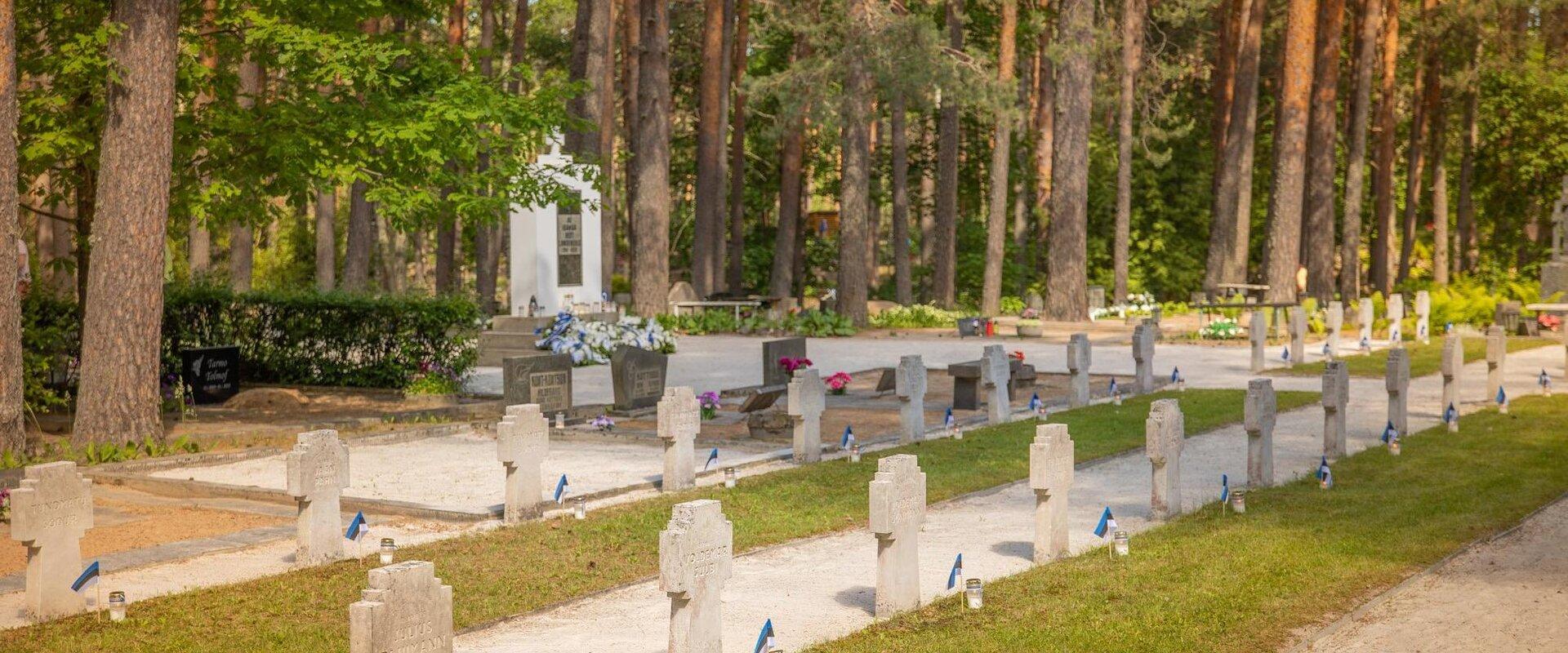
Estonian War of Independence cemetery and monument at Võru cemetery

Those who fought and were killed in the Estonian War of Independence are buried here. The War of Independence started in November 1918 when Soviet Russia invaded the Republic of Estonia and ended on 2 February 1920 with the signing of the Tartu Peace Treaty. The monument was destroyed during the Soviet occupation. In 1987 the society Vaba Sõltumatu Noorte Kolonn Nr 1 (Free Independent Youth Fleet No. 1) started to clean up the graves of those who were killed in the War of Independence and the monument was reopened on 23 June 1988. In 2002 the city government of Võru started to renovate the burial ground. The monument erected by the Youth Fleet was torn down, but the slab and cross made by the fleet were used on the new monument.

  • Monuments

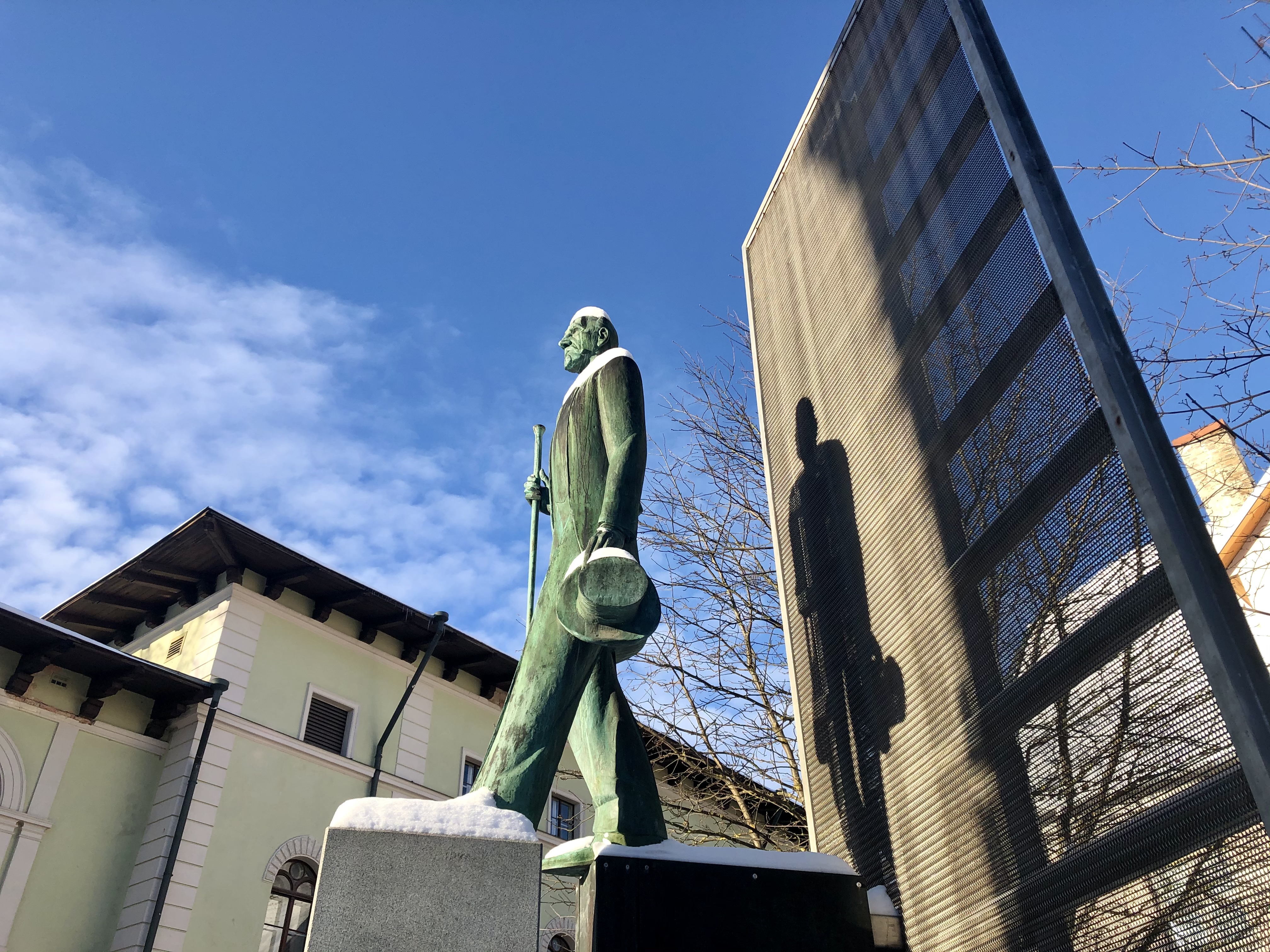
Monument to Jaan Tõnisson

The monument to the legendary Estonian statesman and journalist Jaan Tõnisson was established in 1999. Its authors are Mati Karmin and Tiit Trummal. Jaan Tõnisson was a legendary statesman and journalist who was prime minister from 1919 to 1920, the head of state from 1927 to 1928 and in 1933, the owner of the Postimees newspaper from 1896 to 1930 and the editor-in-chief of the Postimees from 1896 to 1935. Tõnisson was made an honorary citizen of Tartu in 1939.

  • Monuments

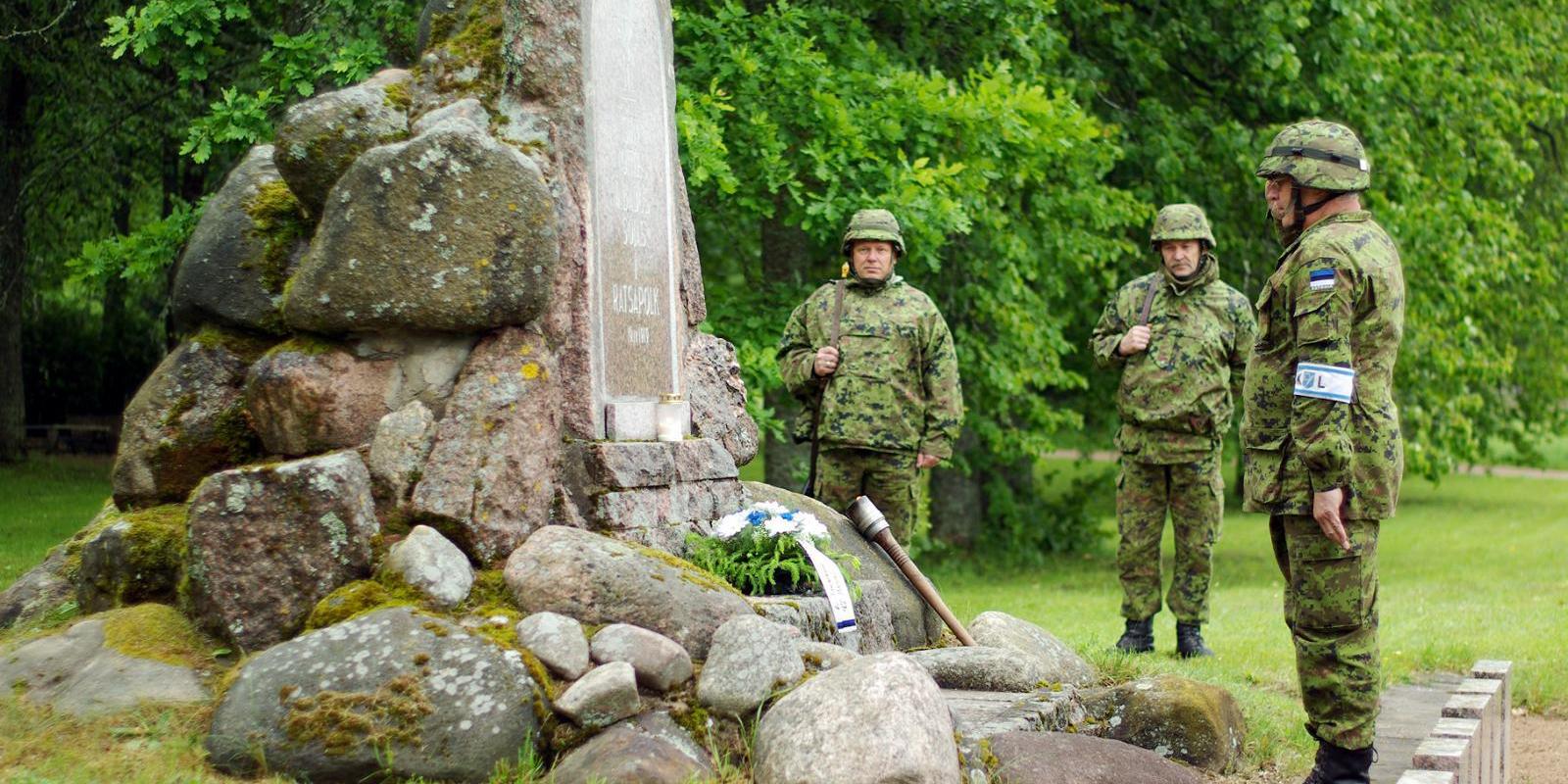
Monument to the War of Independence in Misso

A monument to those, who fell in the War of Independence, was opened in Misso on 26 May 1935, and the activities of the 1st cavalry regiment in the battles of the War of Independence were immortalised. The monument was demolished in 1945.The reconstructed monument was reopened on 27 August 1989. The granite pillar placed on a base of quarry-stones is 2.5 m tall. Its main side has the symbol of the cavalry unit along with the text “Here, the 1st cavalry regiment fought in the War of Independence on 19 April 1919”. In front of the monument, there are six granite plates with the names of those that fell.A monument to World War II is erected only a few steps from the Monument to the War of Independence.

  • Monuments

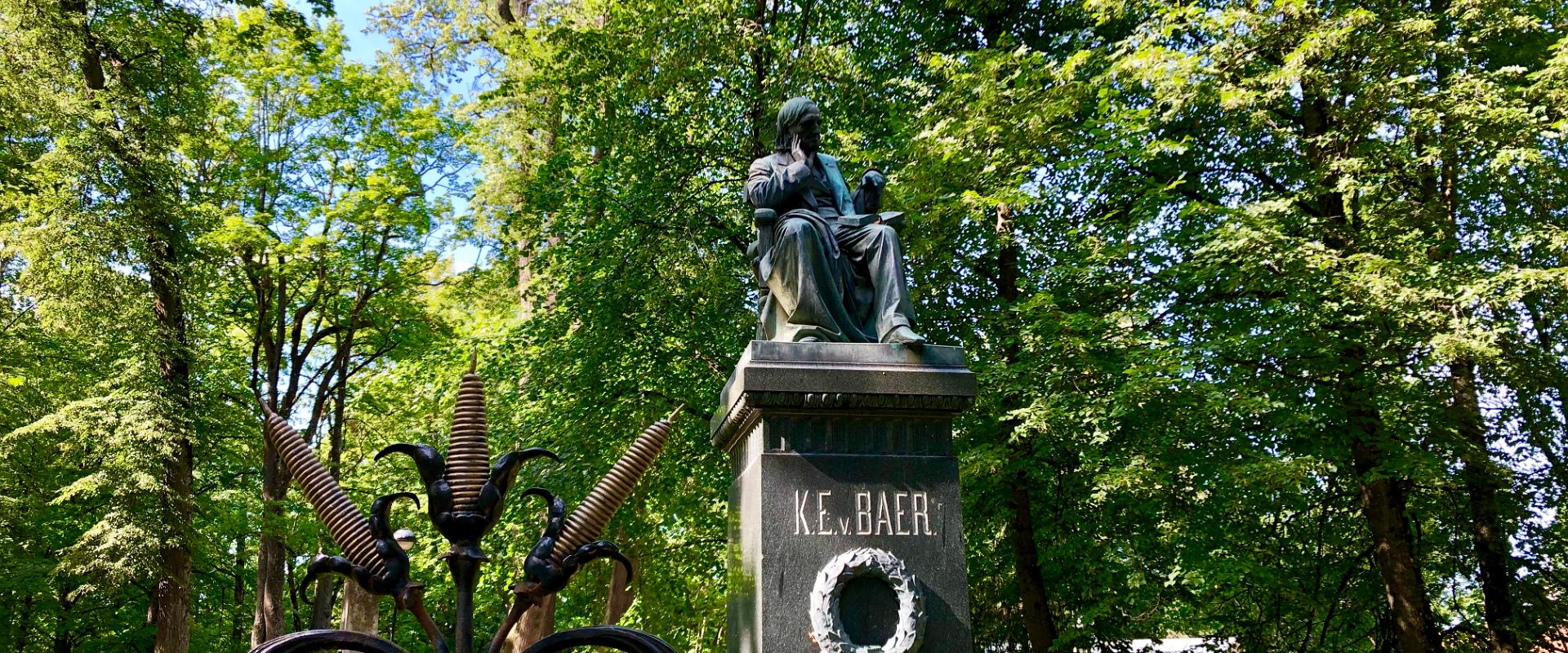
Monument to Karl Ernst von Baer

Karl Ernst von Baer was a biologist, the founder of descriptive and comparative embryology and an academician of the St Petersburg Academy of Sciences. He studied medicine in Tartu from 1810 to 1811 and obtained the degree of doctor of medicine here. He was a professor of zoology and anatomy in Königsberg from 1817. He studied anthropology, geography and ichthyology during his time in St Petersburg. He spent the last years of his life (1867-1876) in Tartu where he wrote his 3-volume collection of articles and speeches and participated in the activities of the Estonian Naturalists Society and was elected its president in 1869.The statue of Karl Ernst von Baer was completed in 1886, its author is M. Opeku.

  • Monuments

Monument to Barclay de Tolly

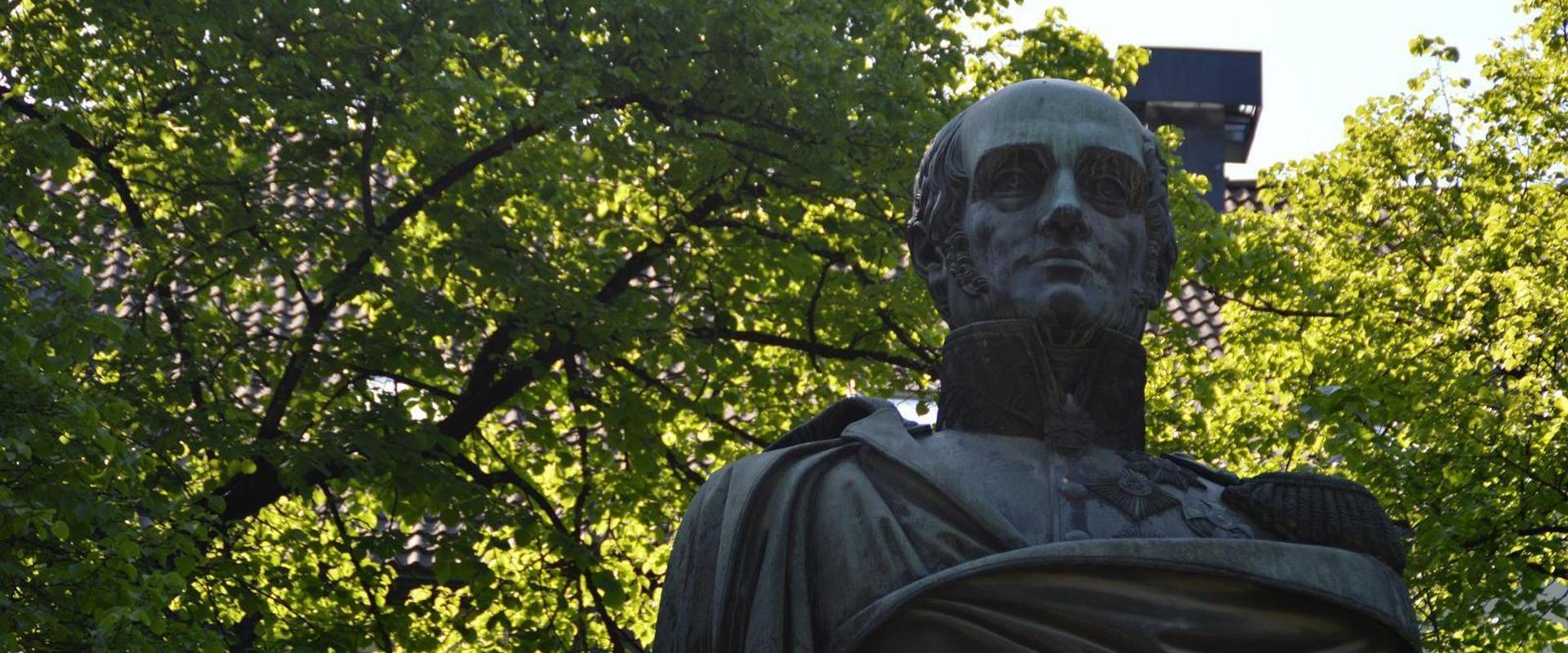
Prince Michael Andreas Barclay de Tolly (1761–1818) was a Russian military commander and a field marshal general. Barclay de Tolly (Russian: Mikhail Bogdanovich Barclay de Tolly) was descended from a family of Baltic nobility. As a Russian military commander, Barclay de Tolly displayed talent and courage in several battles for which he was awarded 14 decorations. Barclay de Tolly has been awarded the Order of St. George (1st class), the title of a Count, the rank of a Field Marshal General, and the title of a Prince.The monument was erected in 1849. The authors are V. Demut-Malinovski and A. Stsedrin. Barclay de Tolly is buried in his family tomb in Jõgeveste.

  • Monuments

Monument to Hugo Treffner

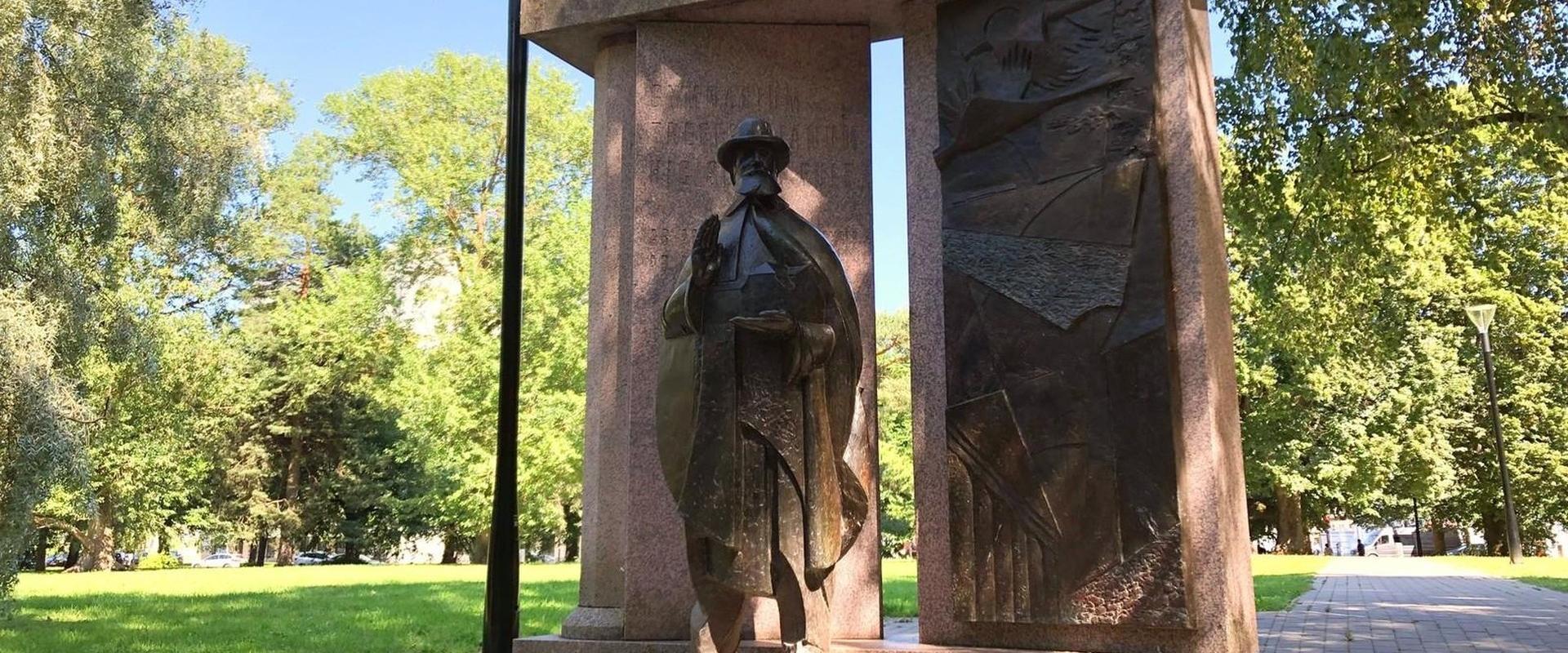
Hugo Treffner (1845–1912) was an Estonian cultural figure and the founder of Hugo Treffner Gymnasium. The school still operates in Tartu (it was called the Tartu 1st Upper Secondary School during the Soviet era), on the wall of which is also the bas-relief of the first school principal Treffner on Rüütli tänav. It is considered one of the elite schools in Estonia.The monument erected in honour of Hugo Treffner is located on the bank of the Emajõgi River in the western part of Ülejõgi Park, on the site of the former Hugo Treffner private school. The authors of the monument are sculptor Mati Karmin and architect Tiit Trummal. The monument was opened on 25 May 1997.Hugo Treffner's grave is in Tartu, in the Uus-Jaani cemetery.

  • Monuments

Monument to Peeter Põld

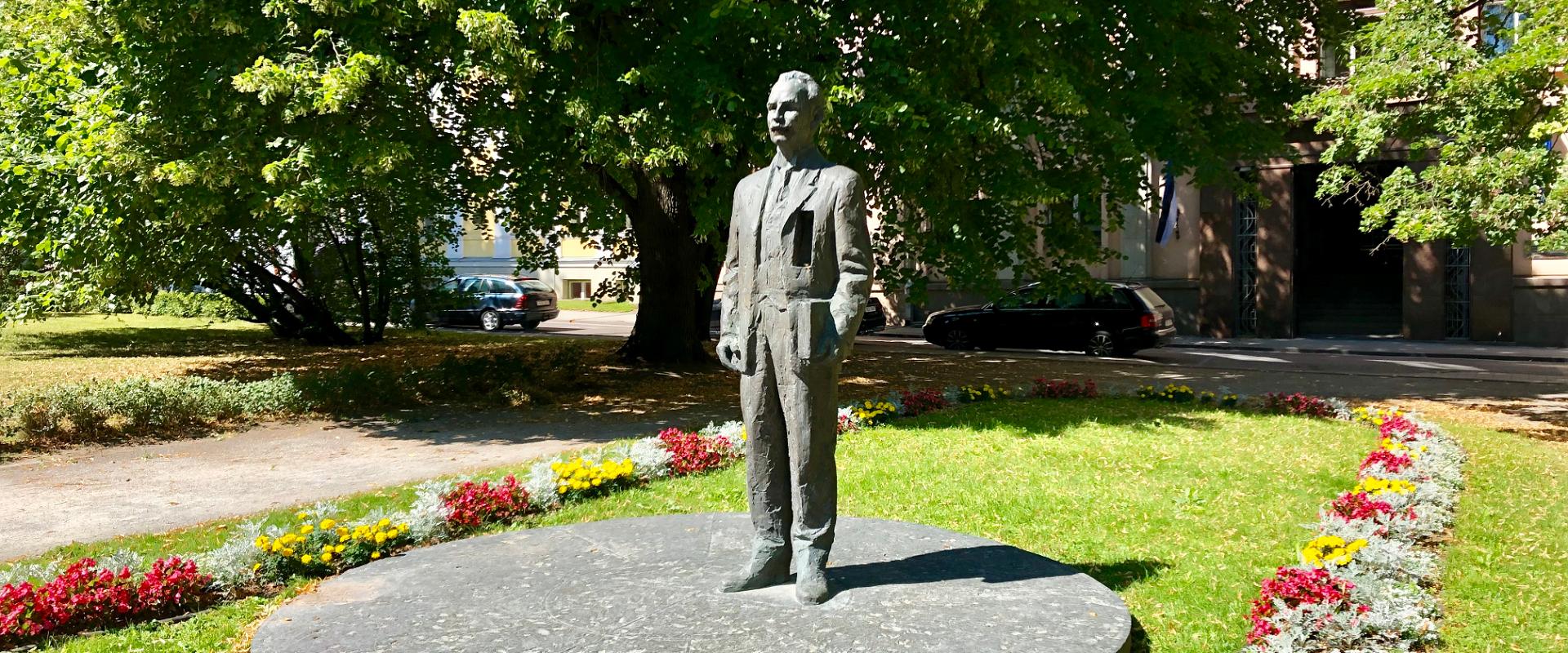
The monument to Peeter Siegfried Nikolaus Põld (1878–1930), the first Minister of Education and founder of the national university of Estonia, the first professor of pedagogy, was unveiled in front of the Ministry of Education and Research on 1 December 2008.The authors of the monument are sculptor Ekke Väli and architect Ain Rööpson.Under the name of Peeter Põld Day, student scientific conferences have been organised at the University of Tartu since 2008, and on the same day, the university issues a scholarship named after him.

  • Privacy Policy

"*"обозначает обязательные поля

Это поле используется для проверочных целей, его следует оставить без изменений.
Я разрешаю маркетинг