• Avasta
    • Еда
    • Природа
    • Культура
    • Семья
    • Спорт
    • Сообщество
    • Блог
  • Planeeri
    • Размещение
    • Информация
    • Varamu
RUS
  • РусскийRUS
  • EestiEST
  • EnglishENG
  • LatviešuLAT
  • SuomiFIN
RUS
  • РусскийRUS
  • EestiEST
  • EnglishENG
  • LatviešuLAT
  • SuomiFIN
Populaarsed otsingud:
Näita kõiki tulemusi
  • History & Culture
  • Art & design
  • Monuments

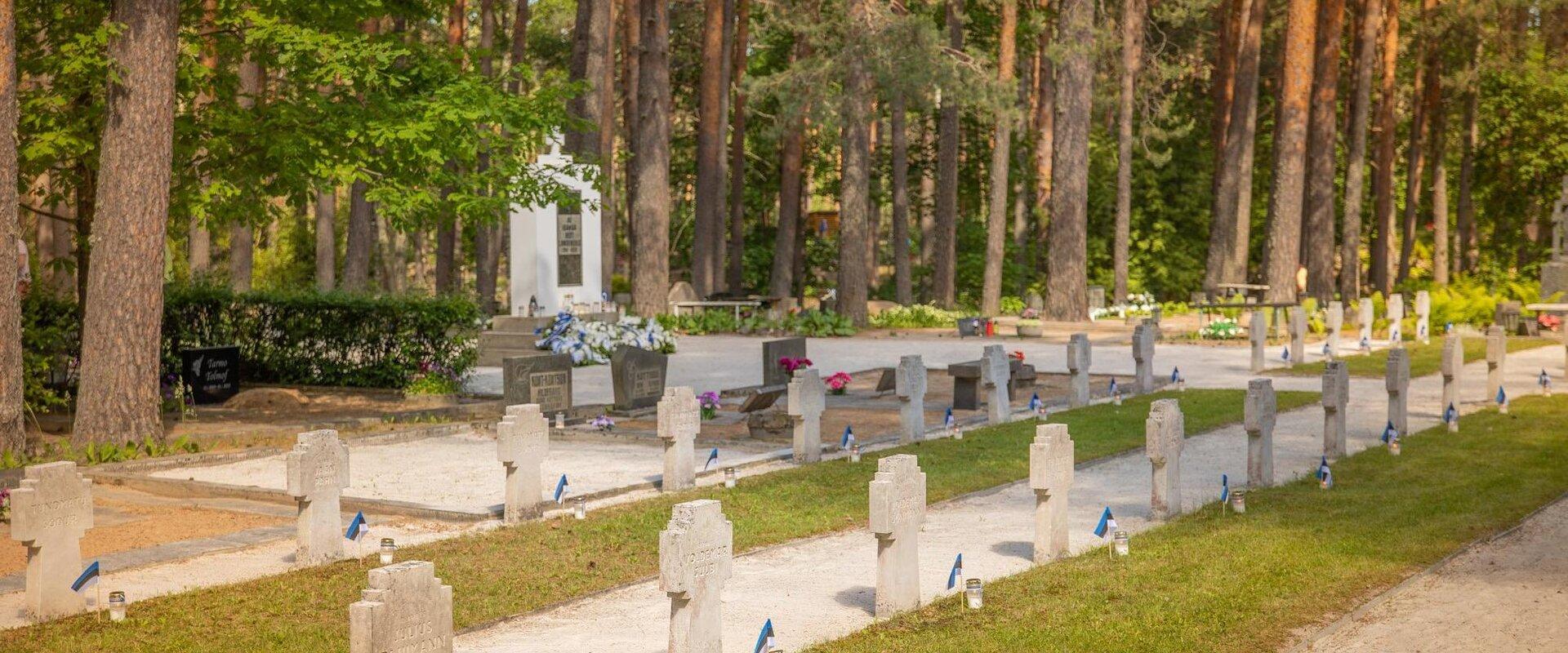
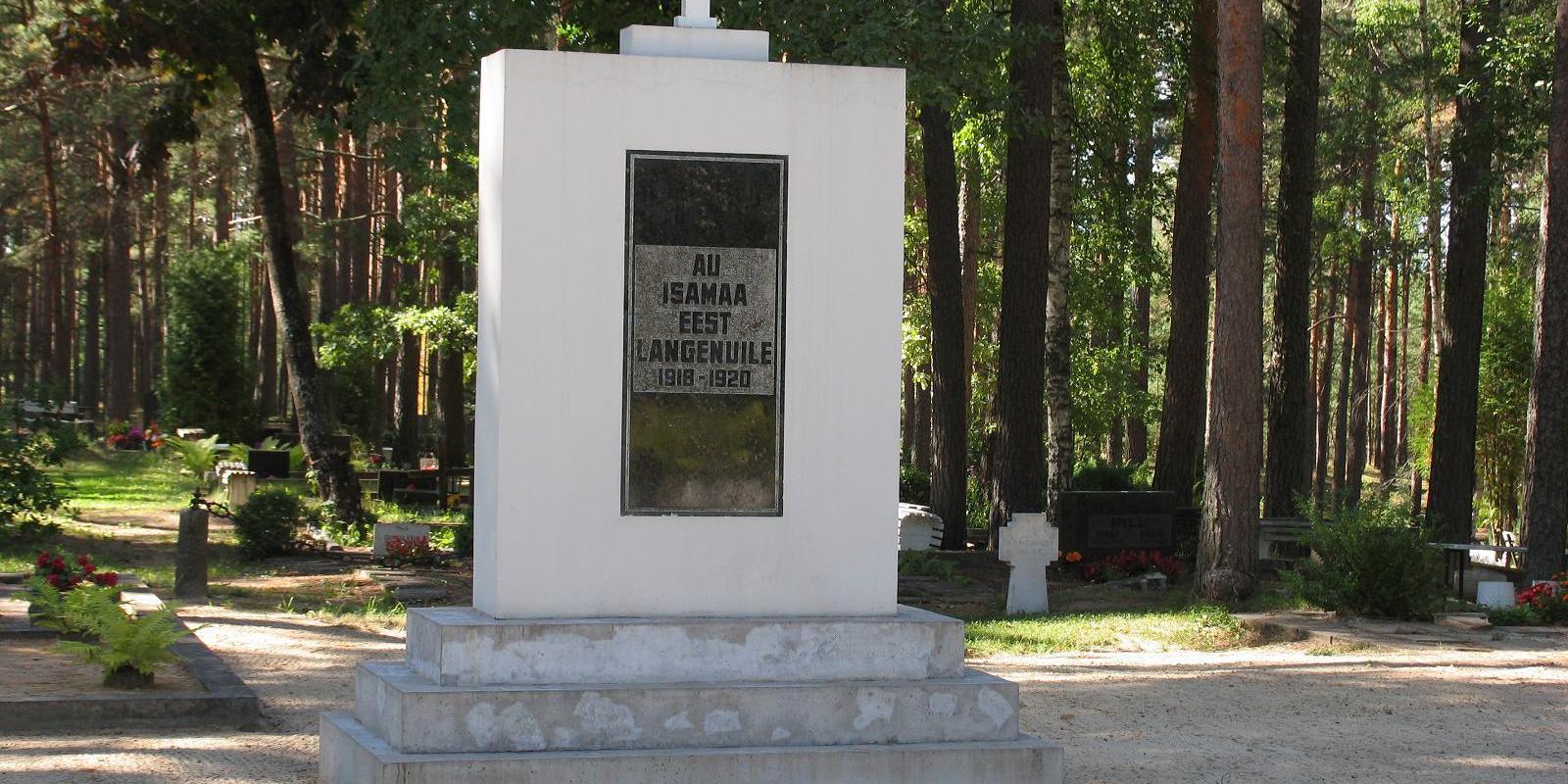
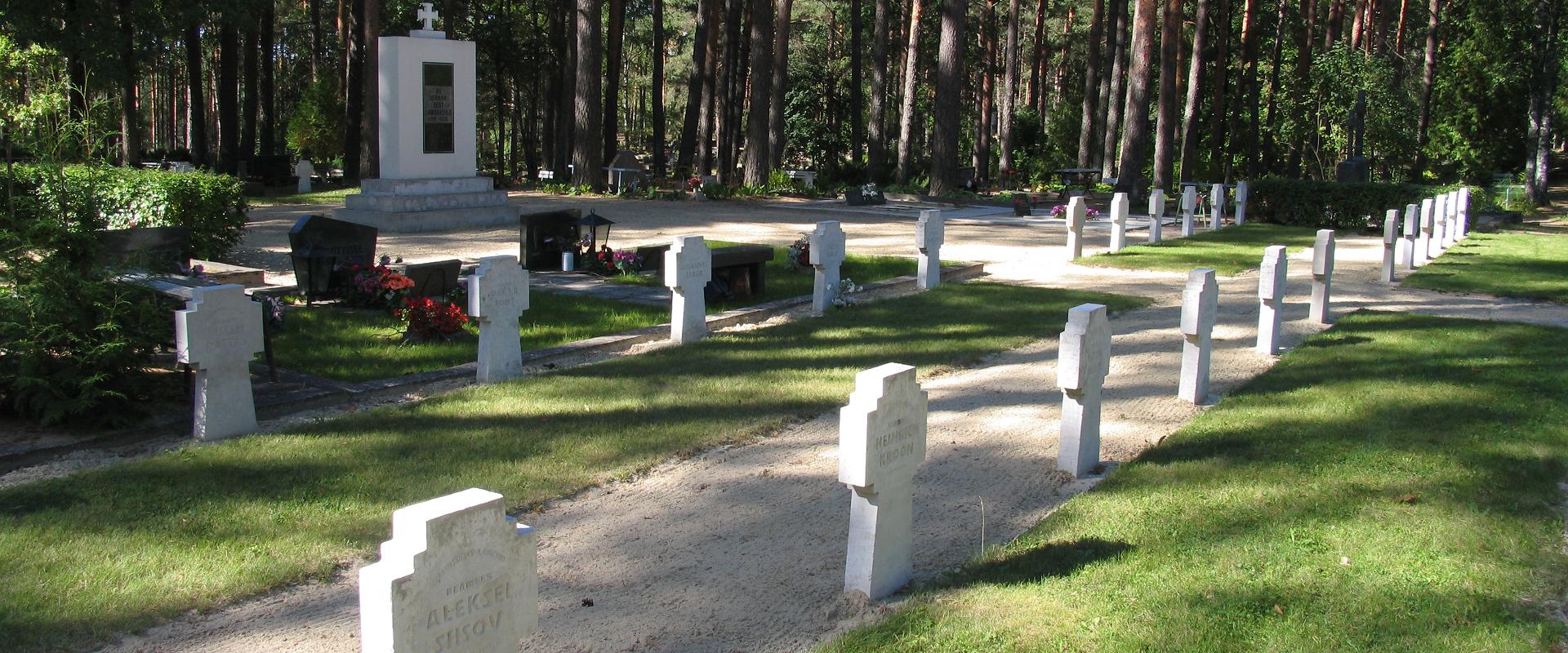
Estonian War of Independence cemetery and monument at Võru cemetery

Kose tee 2, Võru linn, Võru maakond, 65603

Those who fought and were killed in the Estonian War of Independence are buried here. The War of Independence started in November 1918 when Soviet Russia invaded the Republic of Estonia and ended on 2 February 1920 with the signing of the Tartu Peace Treaty. The monument was destroyed during the Soviet occupation. In 1987 the society Vaba Sõltumatu Noorte Kolonn Nr 1 (Free Independent Youth Fleet No. 1) started to clean up the graves of those who were killed in the War of Independence and the monument was reopened on 23 June 1988. In 2002 the city government of Võru started to renovate the burial ground. The monument erected by the Youth Fleet was torn down, but the slab and cross made by the fleet were used on the new monument.
Mugavused

  • Free parking

Lahtiolekuajad

Aastaringselt

Ööpäevaringselt

Vaata lisaks

  • Monuments

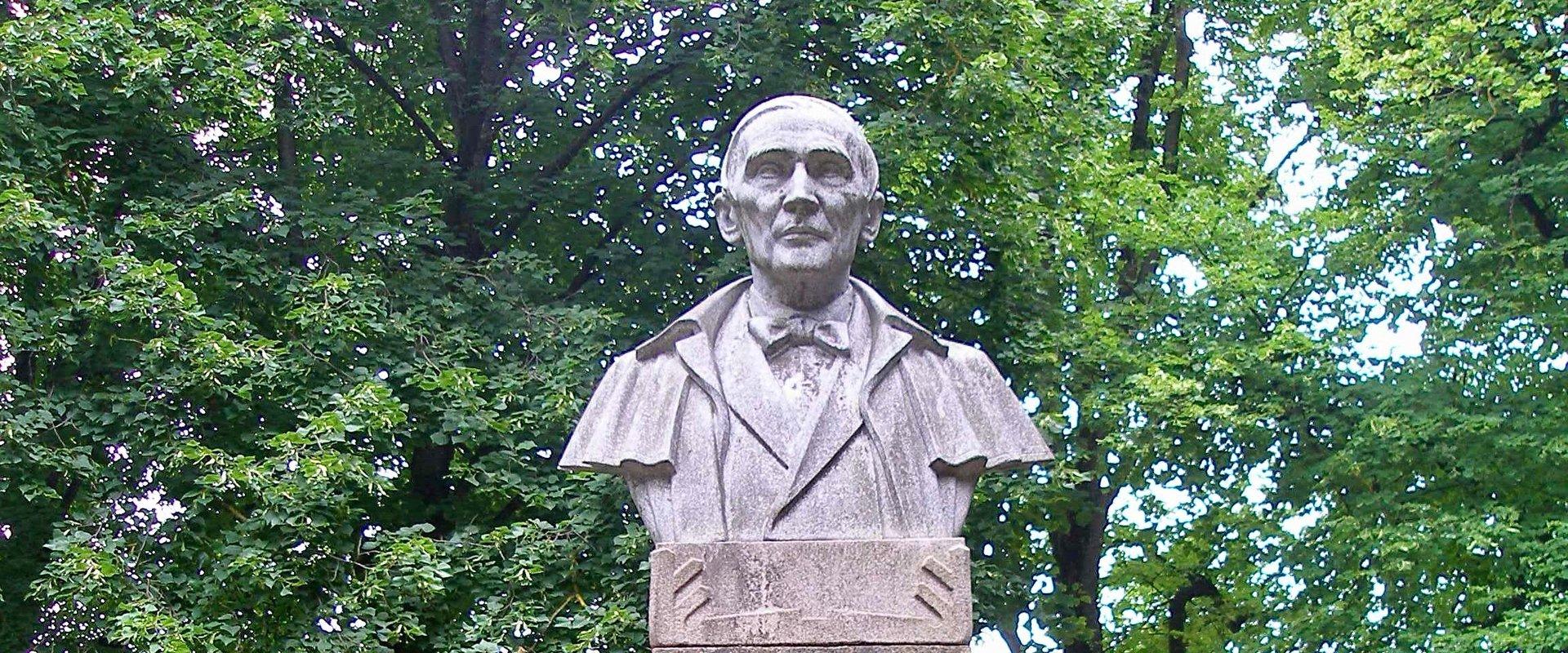
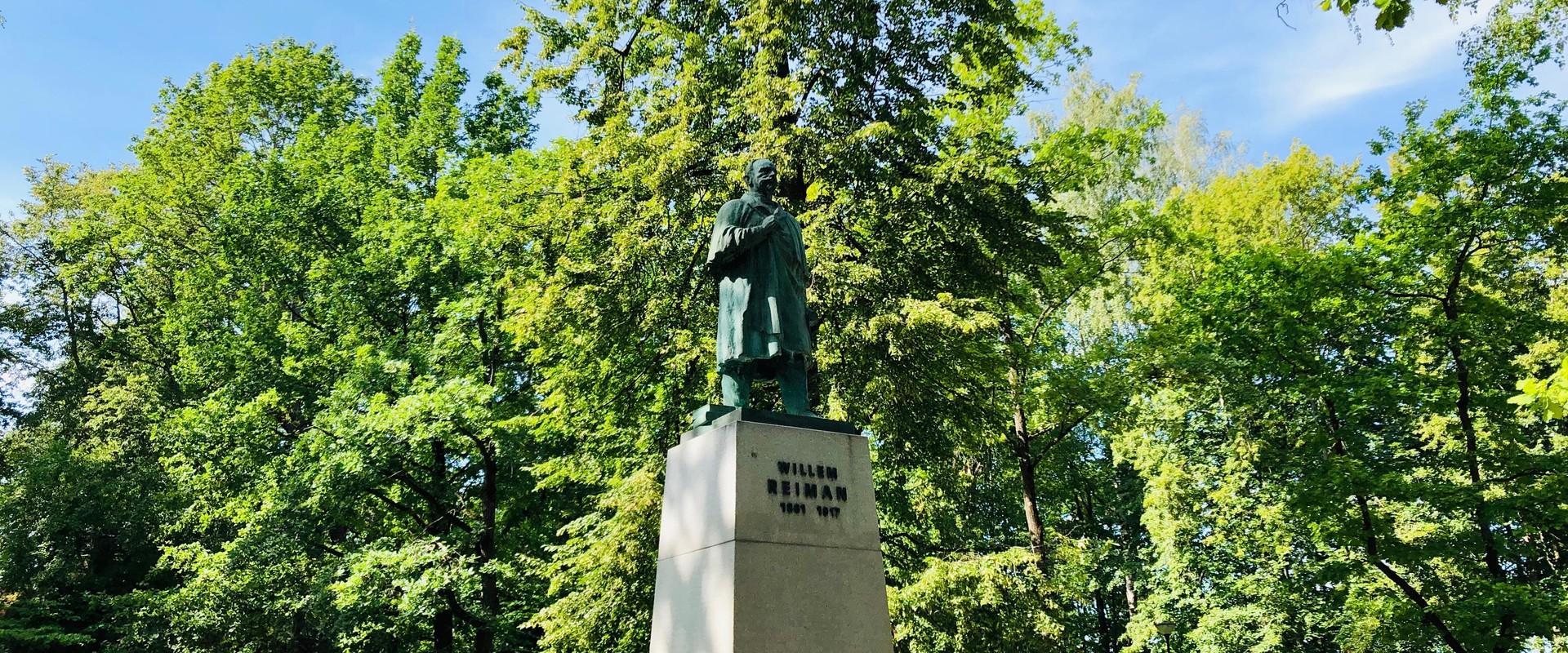
Monument to Villem Reiman

The new monument to Villem Reiman (1861-1917) was opened in 2004 and its author is Mati Varik.Villem Reiman was a pastor and a cultural persona who fought for the independence of the Estonian people as a figurehead of the Estonian national movement.

  • Monuments

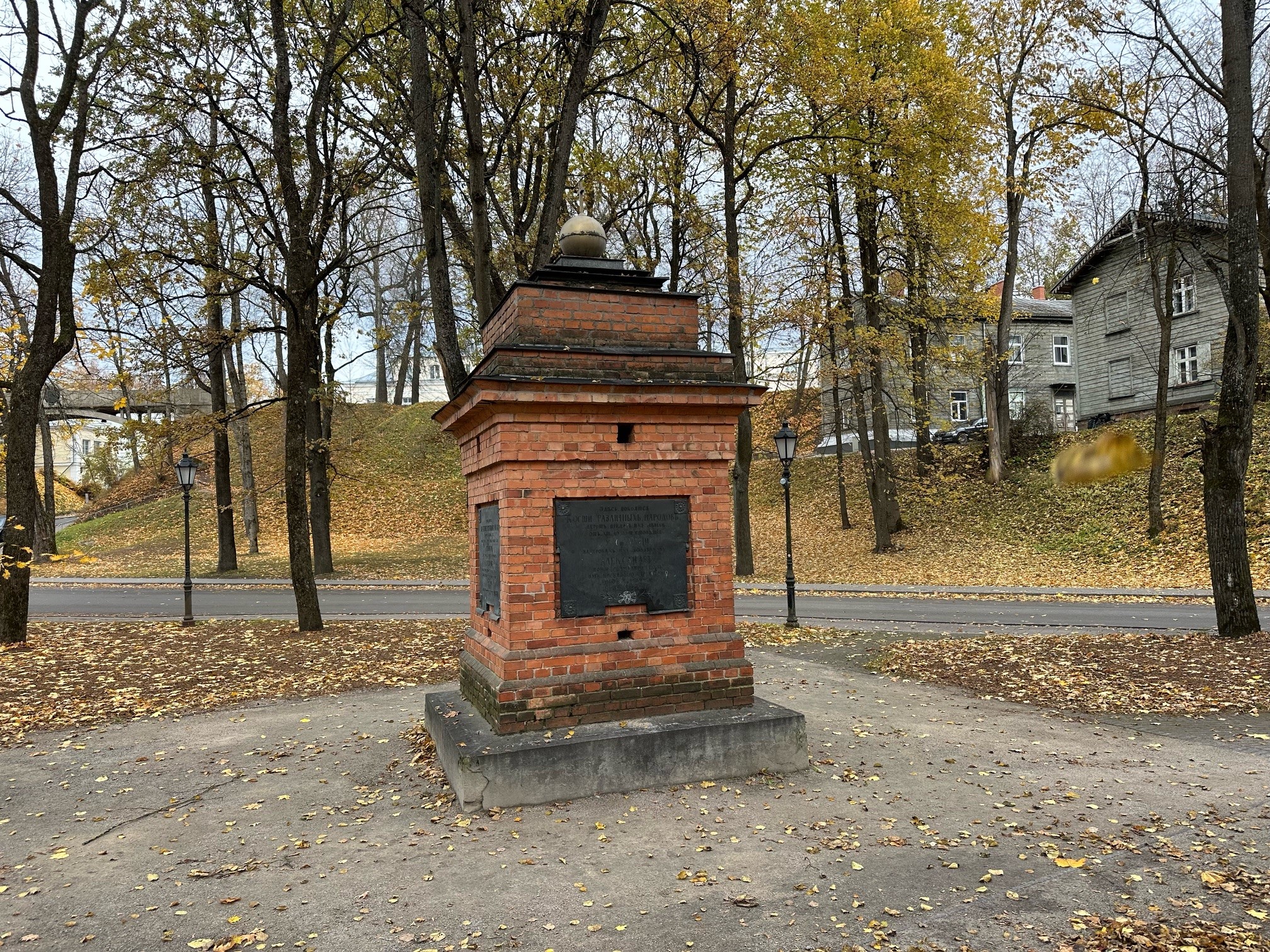
Monument of Nations

The Monument of Nation is the oldest monument in Tartu. The bones buried under the floor and in the cemetery of St Mary’s Church were found when the main building of the University of Tartu was built on the former site of the church. In 1806 they were reburied in Toomeorg near Vallikraavi Street and the small square Monument to People, which was created according to the drawings of J W Krause and resembles the tomb monuments of Asia Minor (Lykia), was erected there in 1811. The human bones found in the course of archaeological work in the cellars of the main building of the University of Tartu were buried by the monument’s side that faces street on 20 September 1985. A case with information was also buried in the grave.

  • Monuments

Monument to cold weather in Jõgeva

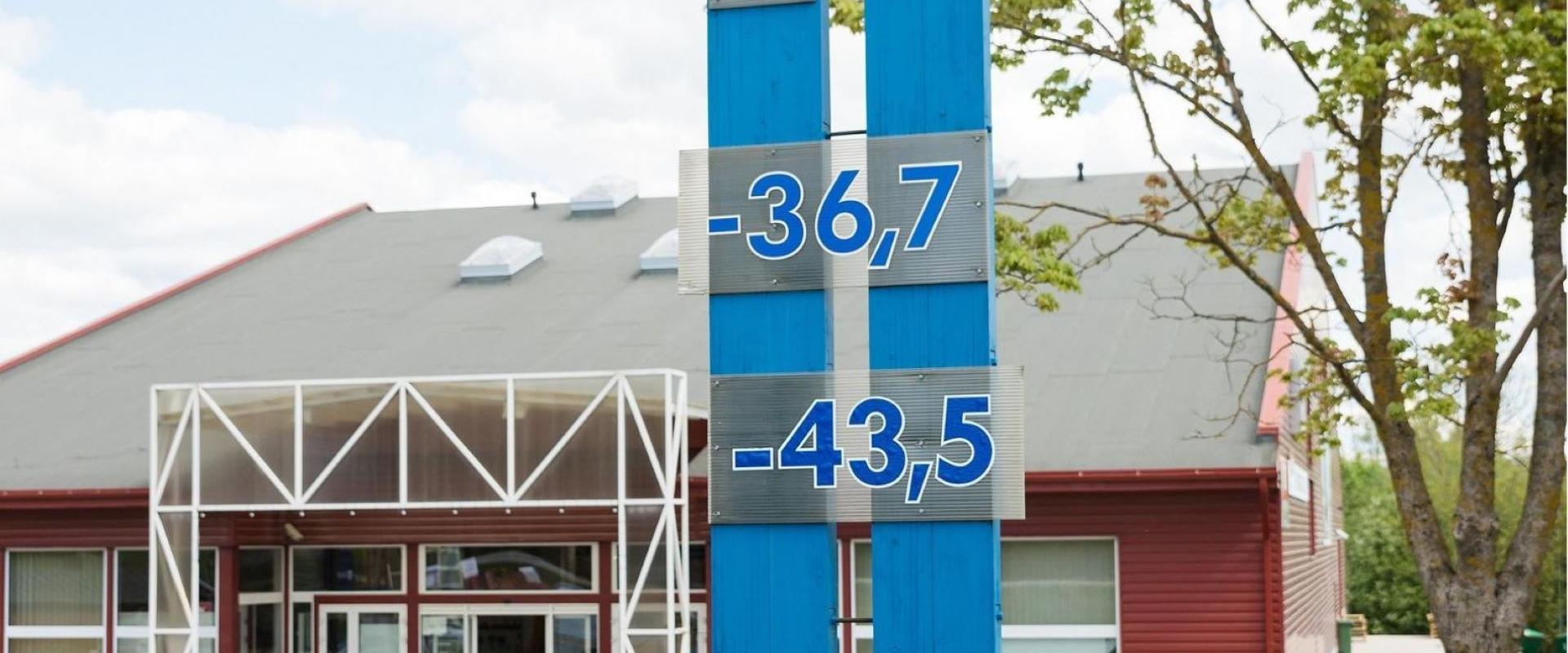
A monument to cold weather has been erected on the Piibe road on the outskirts of Jõgeva, where the lowest ever temperature in Estonia (-43.5*C) was recorded in 1940. The monument also highlights the most recent record of -37.6*C from 2003, also recorded in Jõgeva.

  • Monuments

Monument to Jakob Hurt

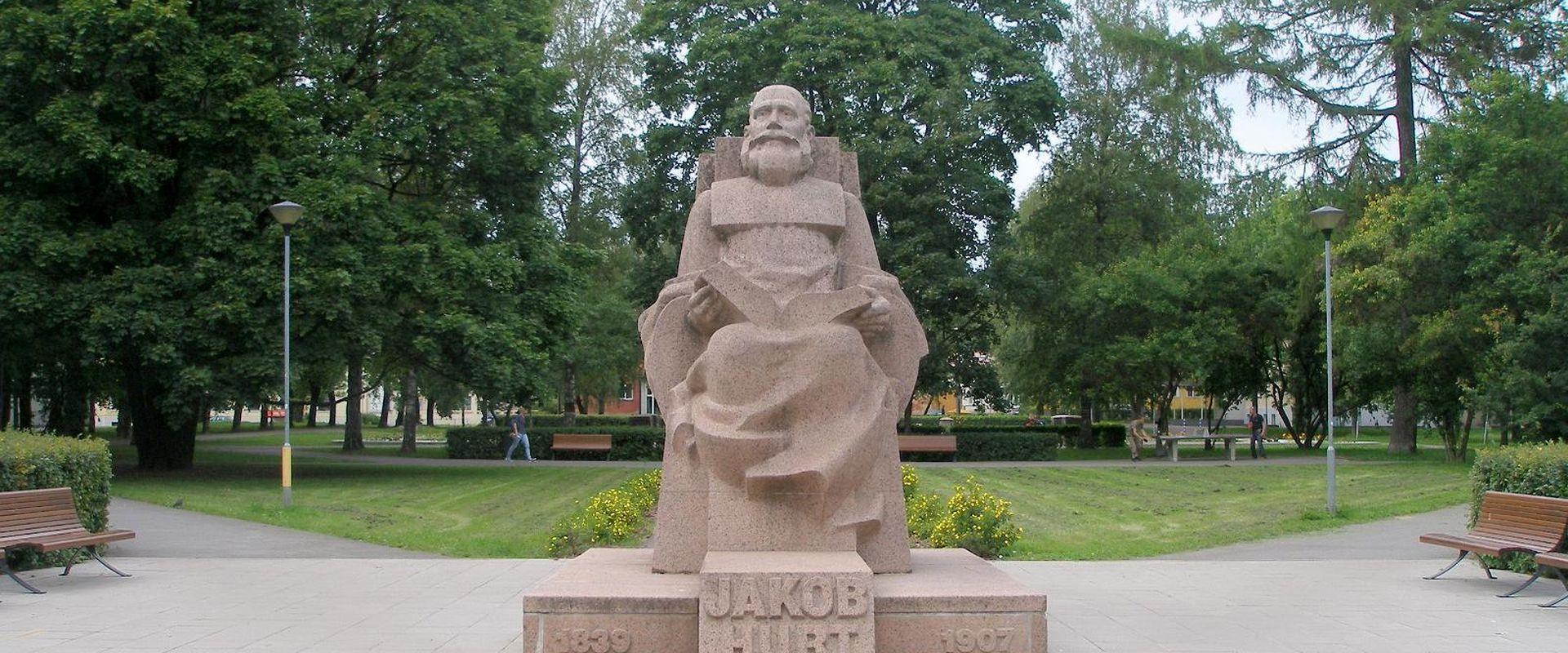
Jakob Hurt (22.07.1839-13.01.1907) was an Estonian folklorist and linguist. He studied theology in the University of Tartu and gained his Doctor of Philosophy degree from the University of Helsinki in 1886. He played the leading role in many major events of the Estonian national movements.The monument to Jakob Hurt (1839-1907) was completed in 1994. Its authors are J Soans and R Tomingas.

  • Monuments

Monument to Peeter Põld

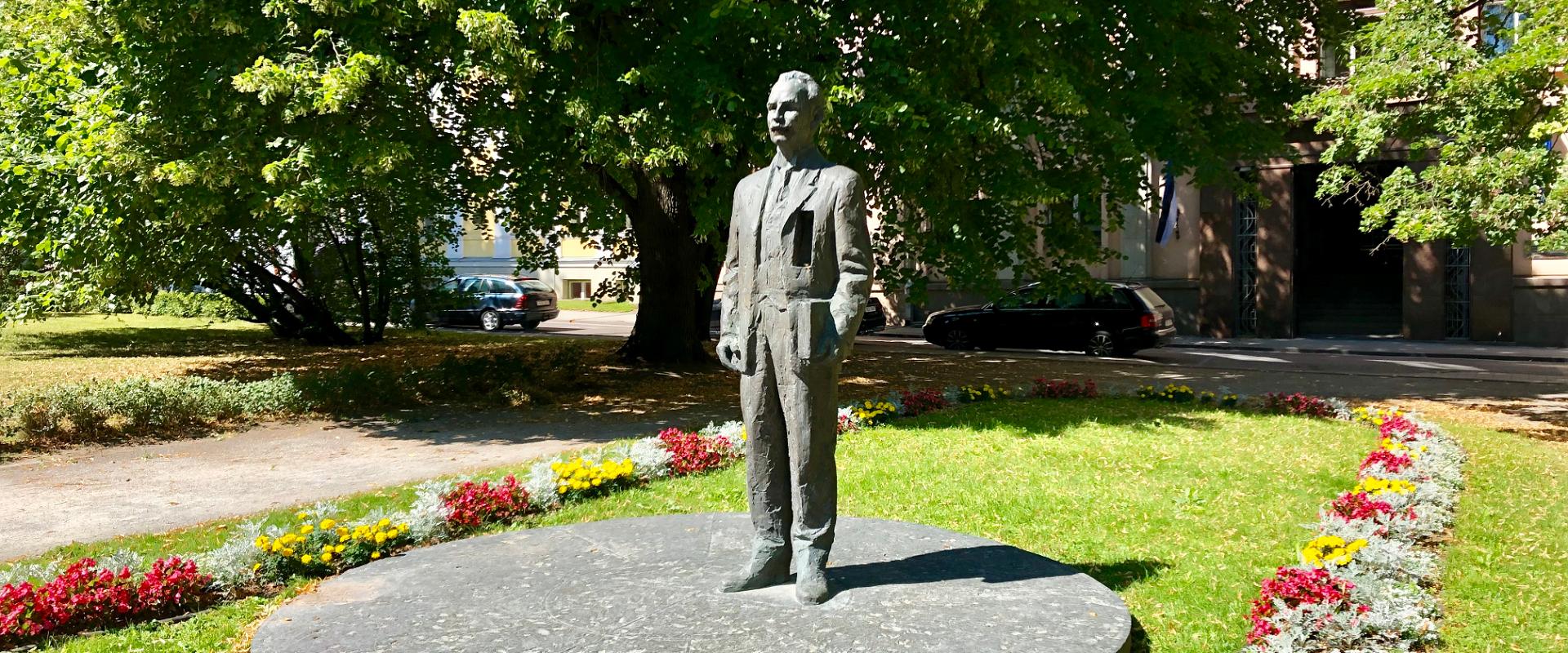
The monument to Peeter Siegfried Nikolaus Põld (1878–1930), the first Minister of Education and founder of the national university of Estonia, the first professor of pedagogy, was unveiled in front of the Ministry of Education and Research on 1 December 2008.The authors of the monument are sculptor Ekke Väli and architect Ain Rööpson.Under the name of Peeter Põld Day, student scientific conferences have been organised at the University of Tartu since 2008, and on the same day, the university issues a scholarship named after him.

  • Monuments

Paju Battle Memorial

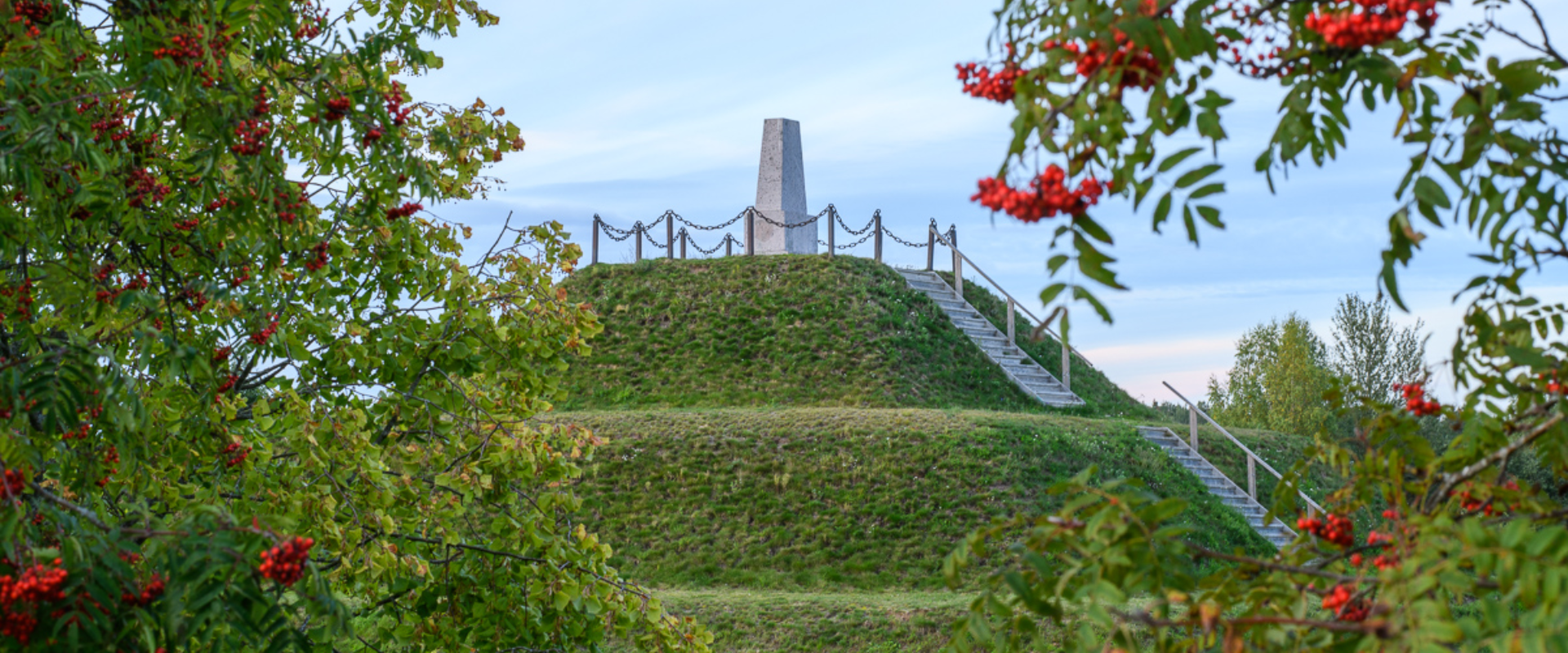
One of the most important battles of the War of Independence took place near the Paju Manor on 31 January 1919. The Northern Sons Regiment that consisted of Finnish volunteers also fought for the independence of Estonia over here. The most legendary commander in the War of Independence, Lieutenant Julius Kuperjanov, was fatally injured in the battle. The battle memorial is a granite pillar on a three-level pyramid, which was reopened on the 75th anniversary of the battle on 30 January 1994.Interesting facts: * the memorial was opened by President of the Republic of Estonia Lennart Meri; * a memorial tablet to the Northern Sons who fell in the battle can be found on the wall of the Valga Jaani (St John’s) Church.

  • Monuments

Monument to Friedrich Reinhold Kreutzwald

The monument to Friedrich Reinhold Kreutzwald (1803-1882), founder of the Estonian national literature, was built in 1952. The authors of the monument were sculptors Johannes Hirv and Martin Saks, and architects Heiki Karro, Ants Mellik, and Mart Port.

  • Monuments

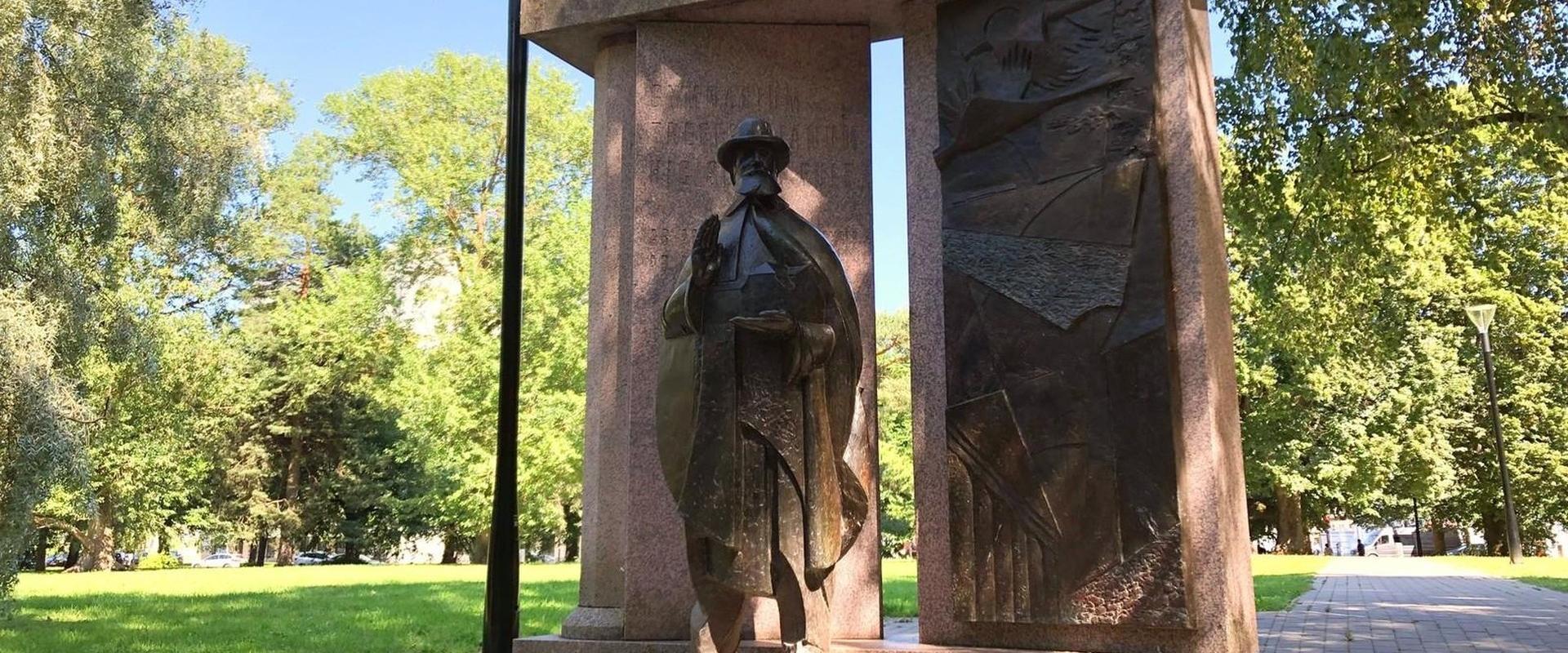
Monument to Hugo Treffner

Hugo Treffner (1845–1912) was an Estonian cultural figure and the founder of Hugo Treffner Gymnasium. The school still operates in Tartu (it was called the Tartu 1st Upper Secondary School during the Soviet era), on the wall of which is also the bas-relief of the first school principal Treffner on Rüütli tänav. It is considered one of the elite schools in Estonia.The monument erected in honour of Hugo Treffner is located on the bank of the Emajõgi River in the western part of Ülejõgi Park, on the site of the former Hugo Treffner private school. The authors of the monument are sculptor Mati Karmin and architect Tiit Trummal. The monument was opened on 25 May 1997.Hugo Treffner's grave is in Tartu, in the Uus-Jaani cemetery.

  • Privacy Policy

"*"обозначает обязательные поля

Это поле используется для проверочных целей, его следует оставить без изменений.
Я разрешаю маркетинг