• Explore
    • Nature
    • Culture
    • Food
    • Family
    • Activity
    • Blog
    Smoke sauna
    Weather and seasons
  • Plan
    • Accommodation
    • How to get here
    • Weather and seasons
    • Sustainability
    • Tourist info
    Discover South Estonia’s Most Beautiful Manors and Castles
    Top 20 Sights in South Estonia
  • For professionals
    • For professionals
    • Collaboration
    • News
    • Projects
    • Training
    • Repository
    • Community (opens in new tab)
    • Contacts
ENG
  • EnglishENG
  • EestiEST
  • LatviešuLAT
  • РусскийRUS
  • SuomiFIN
ENG
  • EnglishENG
  • EestiEST
  • LatviešuLAT
  • РусскийRUS
  • SuomiFIN
Popular searches:
Show all
  • History & Culture
  • Art & design
  • Monuments

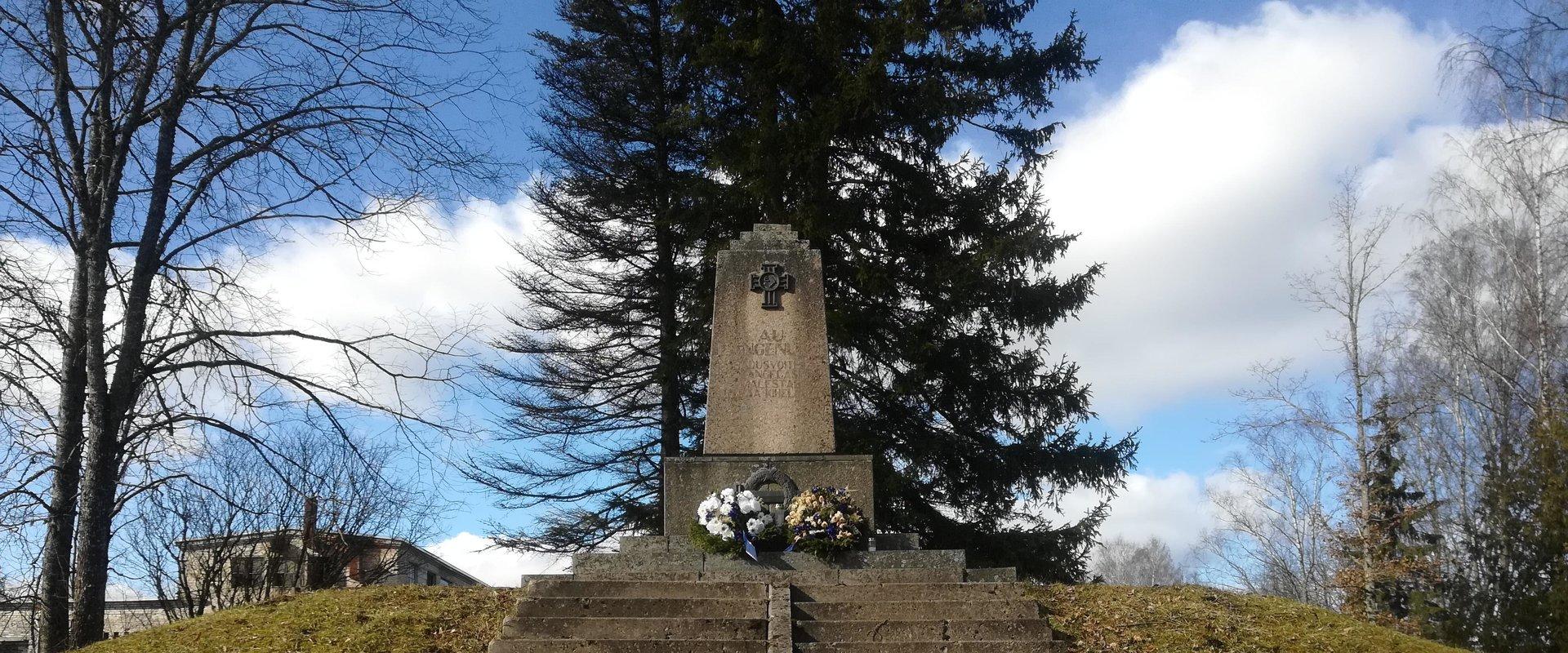
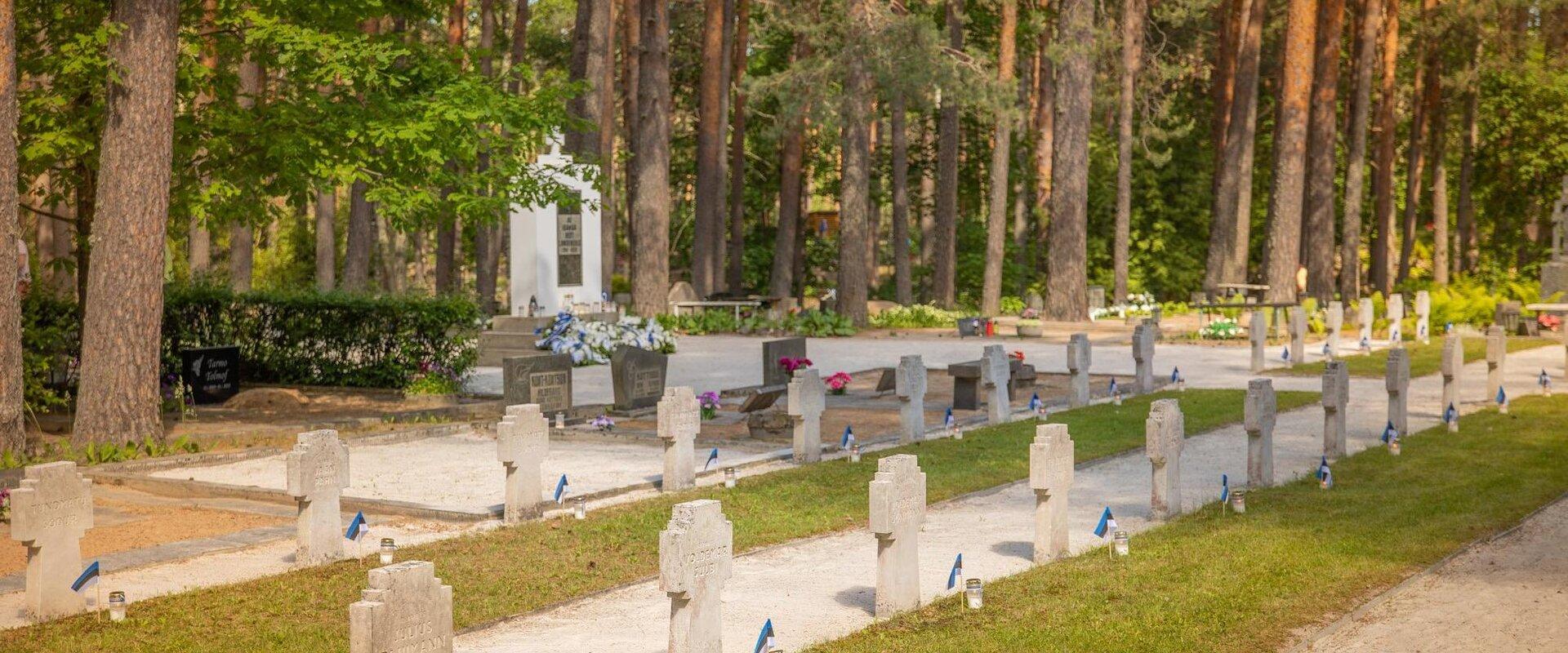
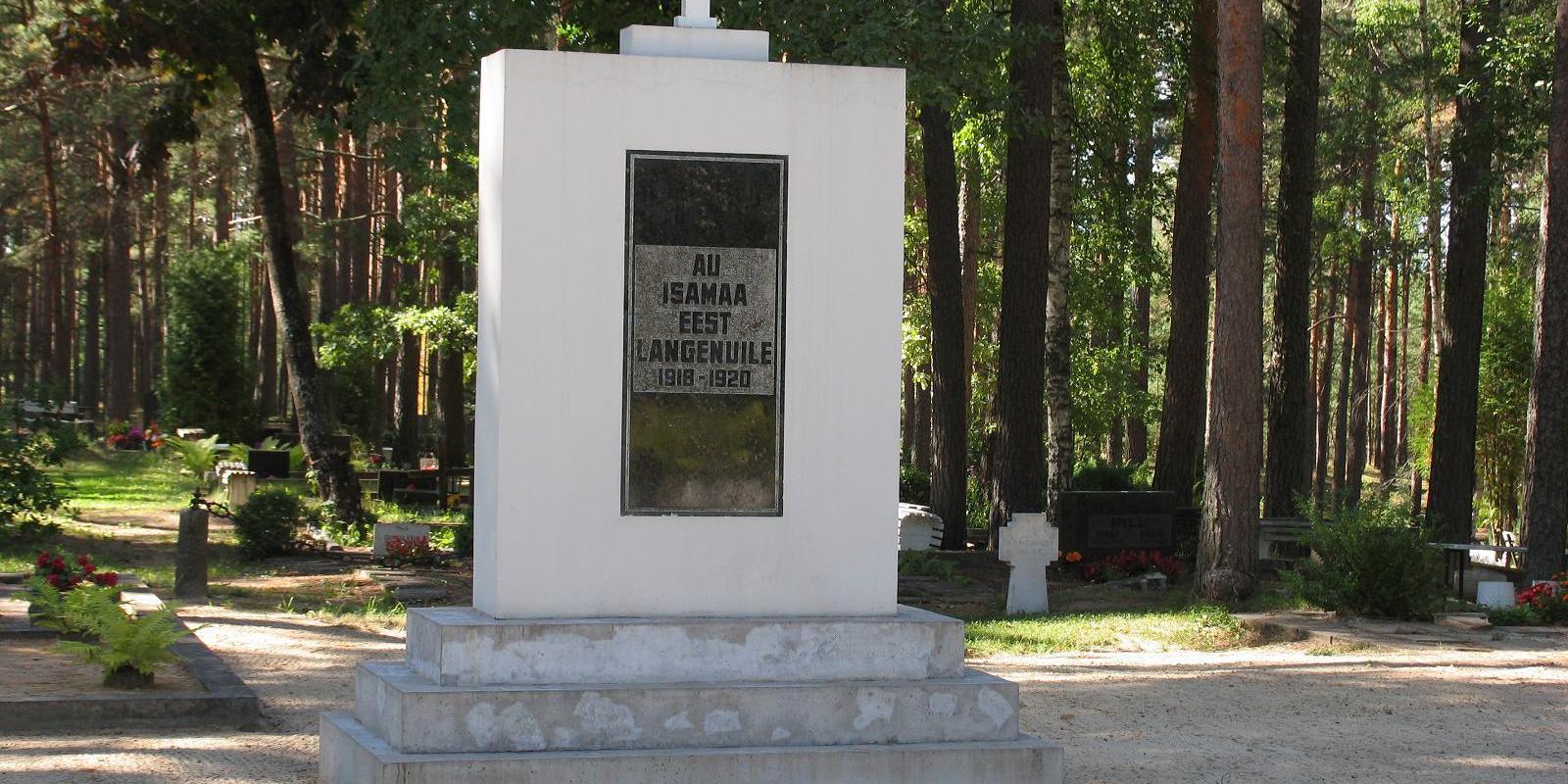
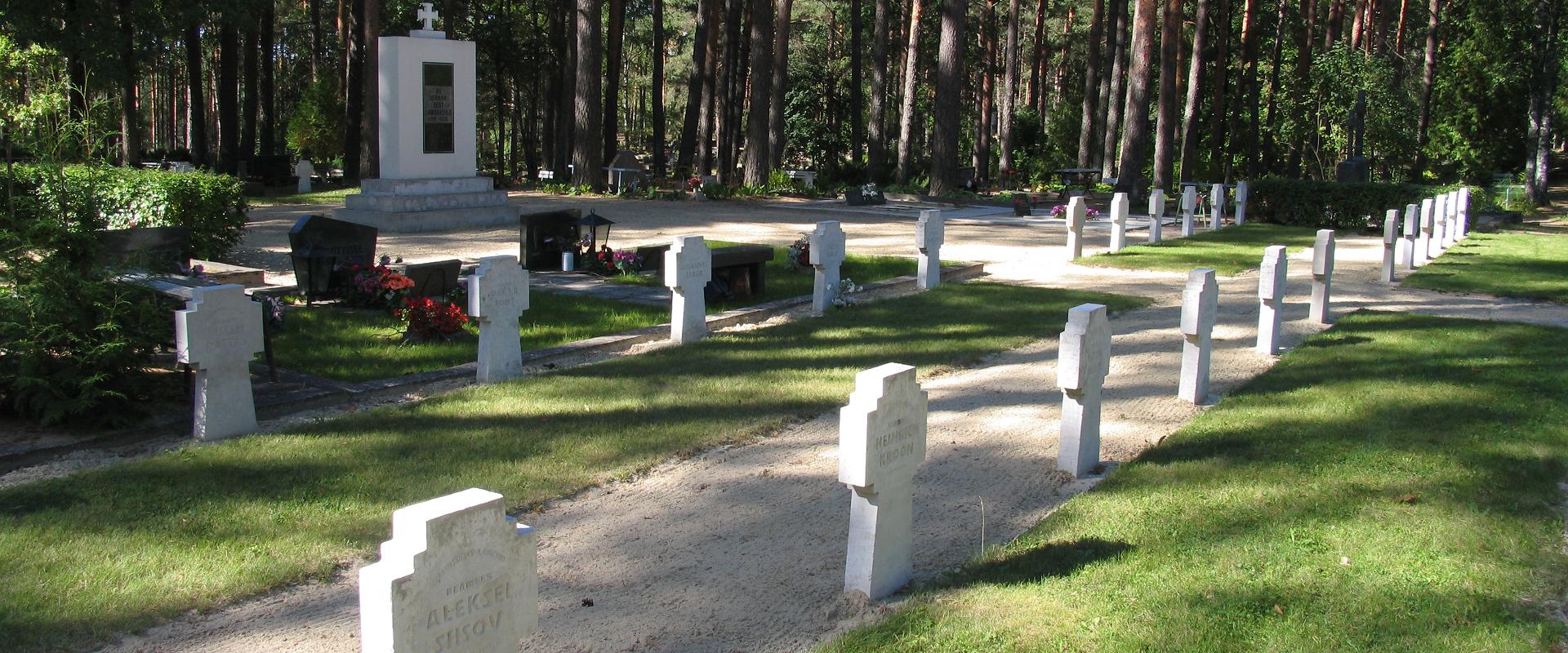
Estonian War of Independence cemetery and monument at Võru cemetery

Kose tee 2, Võru linn, Võru maakond, 65603

Those who fought and were killed in the Estonian War of Independence are buried here. The War of Independence started in November 1918 when Soviet Russia invaded the Republic of Estonia and ended on 2 February 1920 with the signing of the Tartu Peace Treaty. The monument was destroyed during the Soviet occupation. In 1987 the society Vaba Sõltumatu Noorte Kolonn Nr 1 (Free Independent Youth Fleet No. 1) started to clean up the graves of those who were killed in the War of Independence and the monument was reopened on 23 June 1988. In 2002 the city government of Võru started to renovate the burial ground. The monument erected by the Youth Fleet was torn down, but the slab and cross made by the fleet were used on the new monument.
Amenities

  • Free parking

Open times

Throughout the Year

Around the Clock

See more

  • Monuments

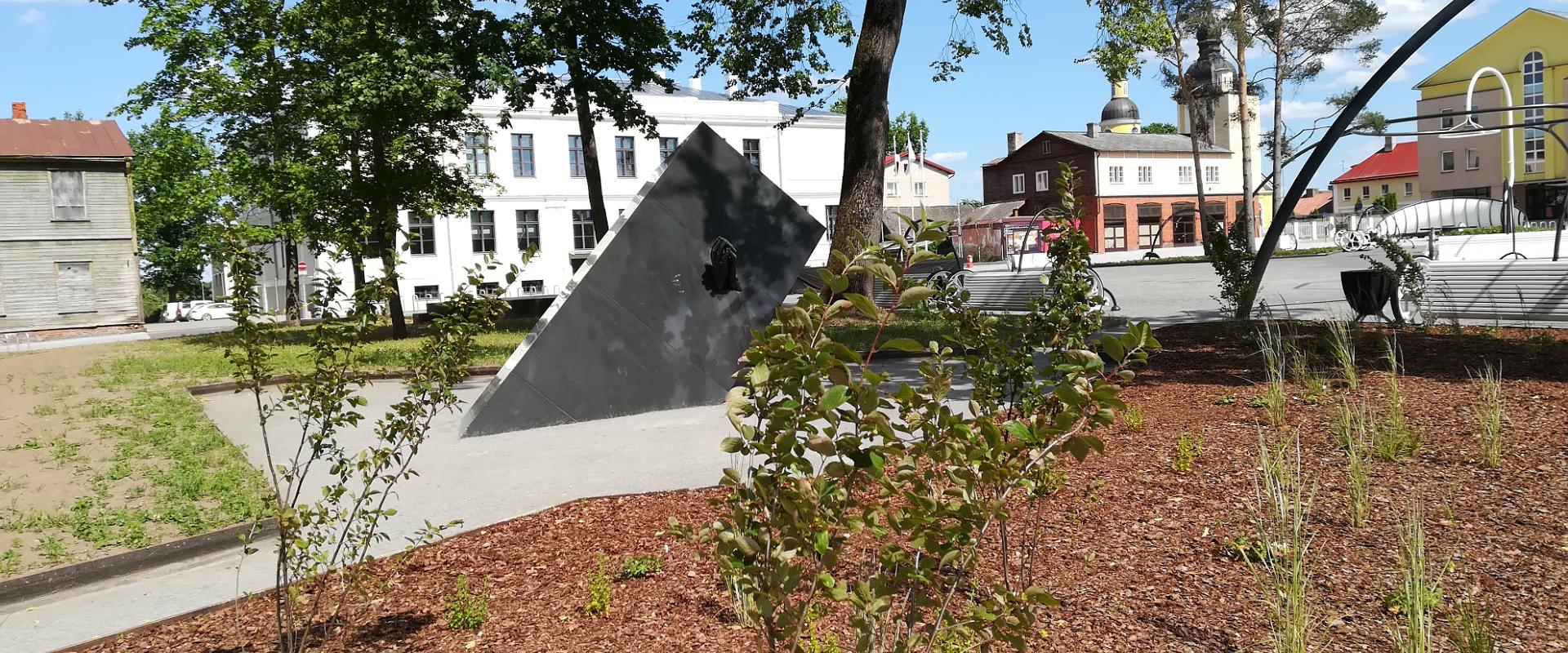
Memorial to the Victims of the Estonia Ferry Disaster

The memorial is located in Võru central square and is dedicated to the residents of Võru who died in the Estonia ferry disaster during the stormy night of September 28, 1994. The memorial was built in 1996 (sculptor M. Karmin).

  • Monuments

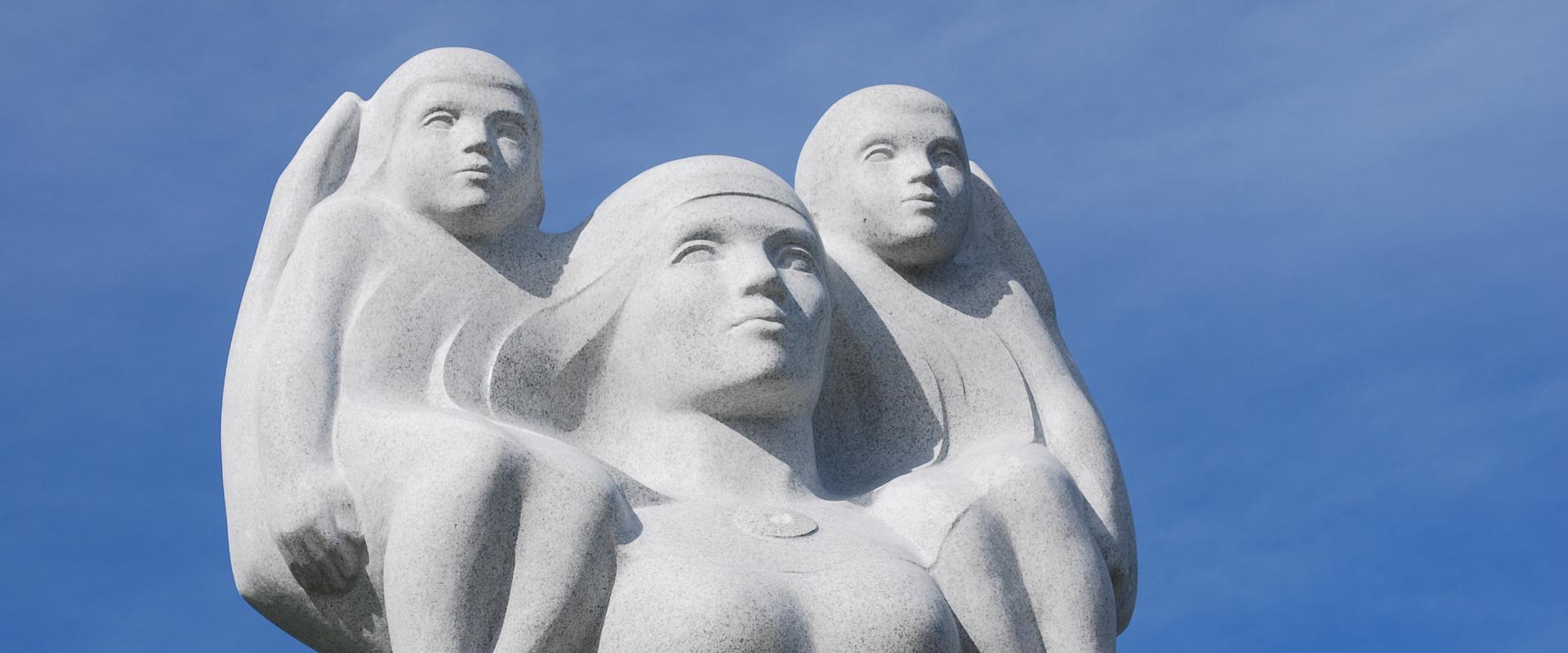
Monument to the Estonian Mother

The Monument to the Estonian Mother was inaugurated in Rõuge on 26 June 2010. The monument is meant to demonstrate appreciation for the Estonian woman as a mother, to express gratitute, and to value the survival of our people. Hans Sissas (1933 - 2012), who has recounted the stories of Estonian deportees and authored many memoirs, initiated the idea of a monument to the Estonian mother, and lead the efforts to have the monument completed.The monument is made from stone brought from Udmurtia, and is 3.6 high, weighing nearly 6 tonnes.The monument was designed by the artists/sculptors Ilme and Riho Kuld, and was made by the sculptors/stone masons Margus Kurvits and Kristjan Kittus.

  • Monuments

Monument to Eduard Tubin

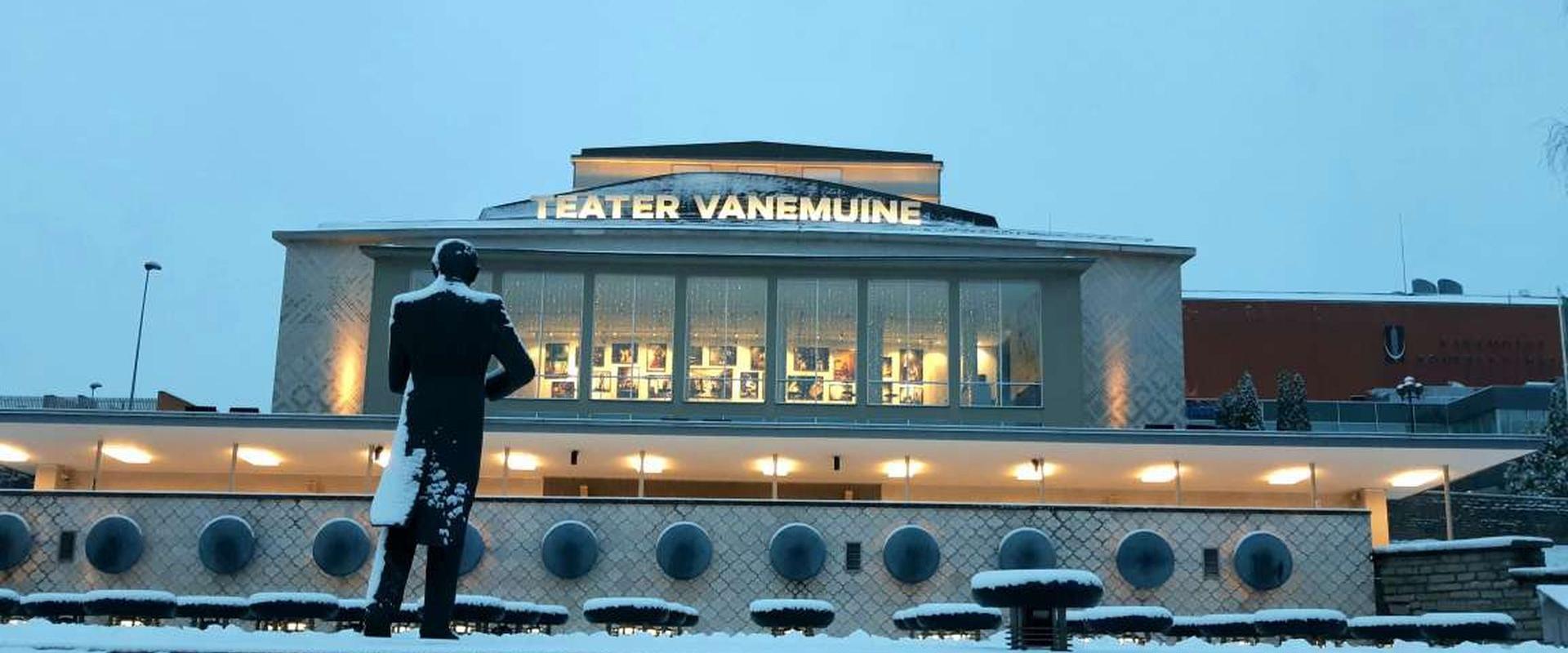
The monument to the most renowned Estonian symphonist of all times Eduard Tubin stands on the slope by the Vanemuine Theatre (authors A Vahtrapuu, V Valk, sound installations created by Louis Dandrel). Come and see how the well-known Estonian conductor and composer conducts an imaginary orchestra and listen to sound installations of the works of Eduard Tubin.

  • Monuments

Monument to Soldiers Killed in the War of Independence

The monument to soldiers who fell in the War of Independence stands on a hill in front of Otepää Maarja Church and it is remarkable because it was hidden underground for 30 years. The monument was reopened in 1989 after renovation. The top part of the monument bears the words HONOUR THE FALLEN and a list of 22 names. The granite piece with the full list has been lost. The metal decorations were created at the initiative of sculptor Jüri Ojaver.Interesting facts: The initial monument was designed by Voldemar Melnik and made by stonemason Peeter Veeber. The monument was opened for the first time on 10 June 1928.

  • Monuments

War of Independence Memorial in Rõuge

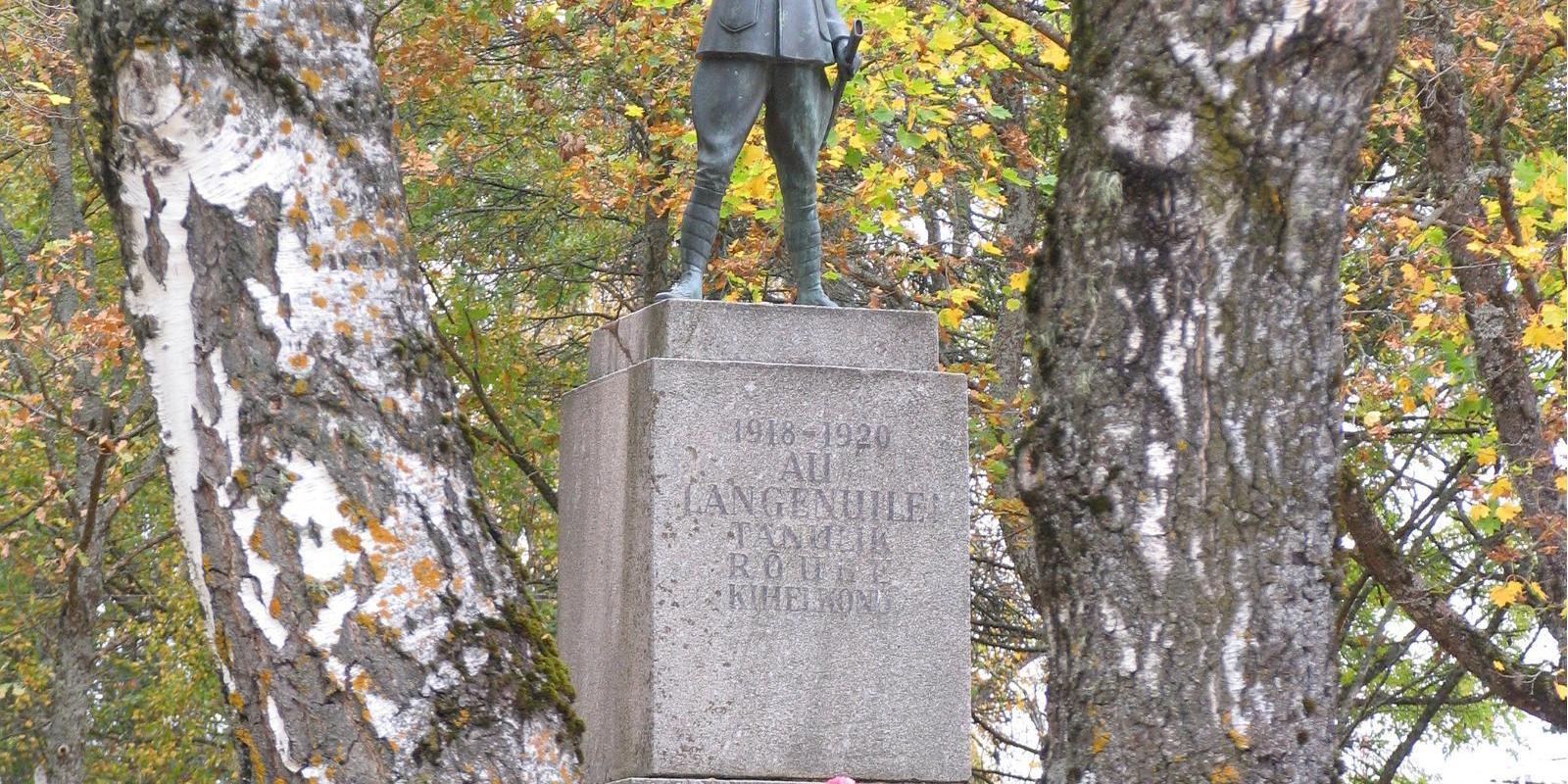
In 1926, on the initiative of pastor Valter Viks, a memorial to the 200 citizens of Rõuge who were killed in the War of Independence, designed by artist Voldermar Mellik, was erected near the Rõuge Church. The Estonian text engraved in the stone on the front of the memorial reads "1918-1920. Honour the Fallen! Your thankful Rõuge parish". In 1945, the Bolsheviks blew up the memorial, and the bronze soldier and its foundation stones were buried in the ground near the monument. A local artist Aksel Ollmann dug the bronze statue out under the cover of night and hid it on his farm. In 1988, the statue was dug up from its hiding place. The memorial was re-inaugurated on 30 October 1988. The statue was restored by Ars Monumentaal.

  • Monuments

Paju Battle Memorial

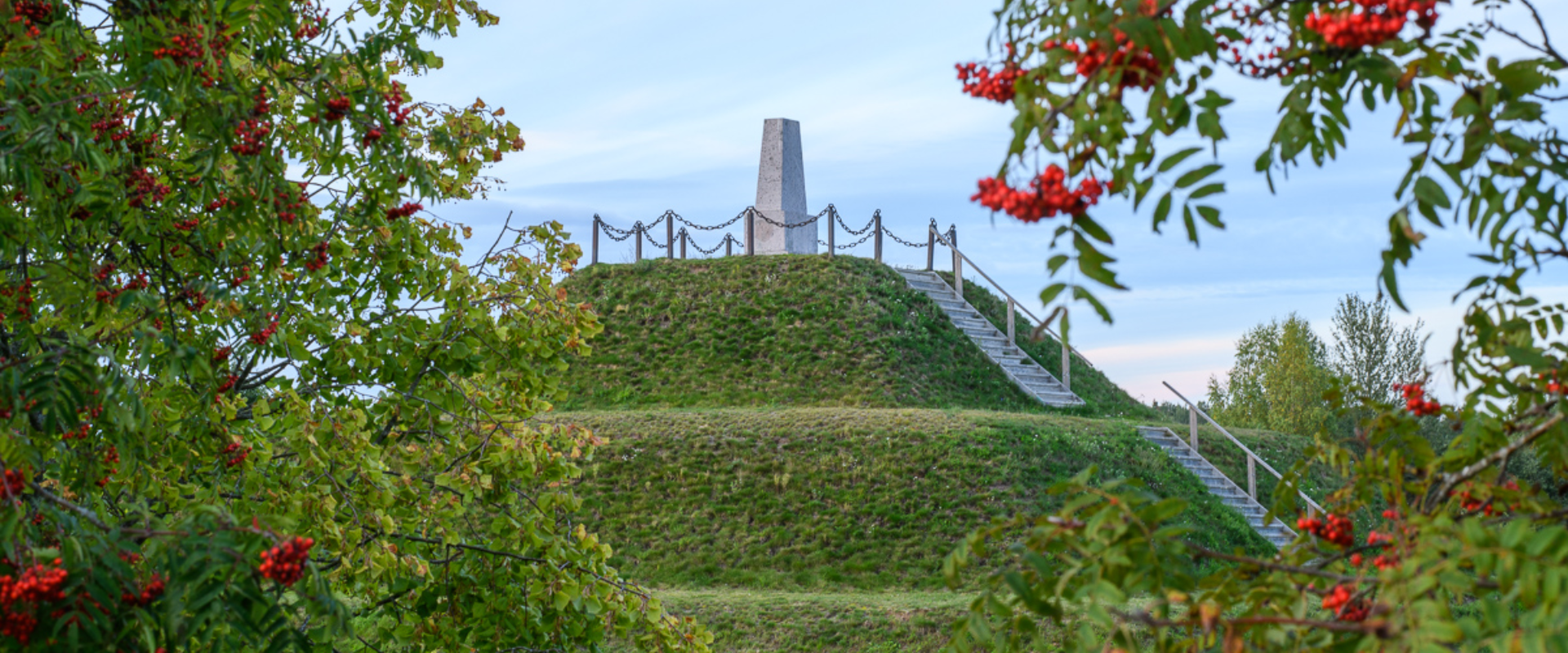
One of the most important battles of the War of Independence took place near the Paju Manor on 31 January 1919. The Northern Sons Regiment that consisted of Finnish volunteers also fought for the independence of Estonia over here. The most legendary commander in the War of Independence, Lieutenant Julius Kuperjanov, was fatally injured in the battle. The battle memorial is a granite pillar on a three-level pyramid, which was reopened on the 75th anniversary of the battle on 30 January 1994.Interesting facts: * the memorial was opened by President of the Republic of Estonia Lennart Meri; * a memorial tablet to the Northern Sons who fell in the battle can be found on the wall of the Valga Jaani (St John’s) Church.

  • Monuments

Friedrich Georg Wilhelm Struve Monument

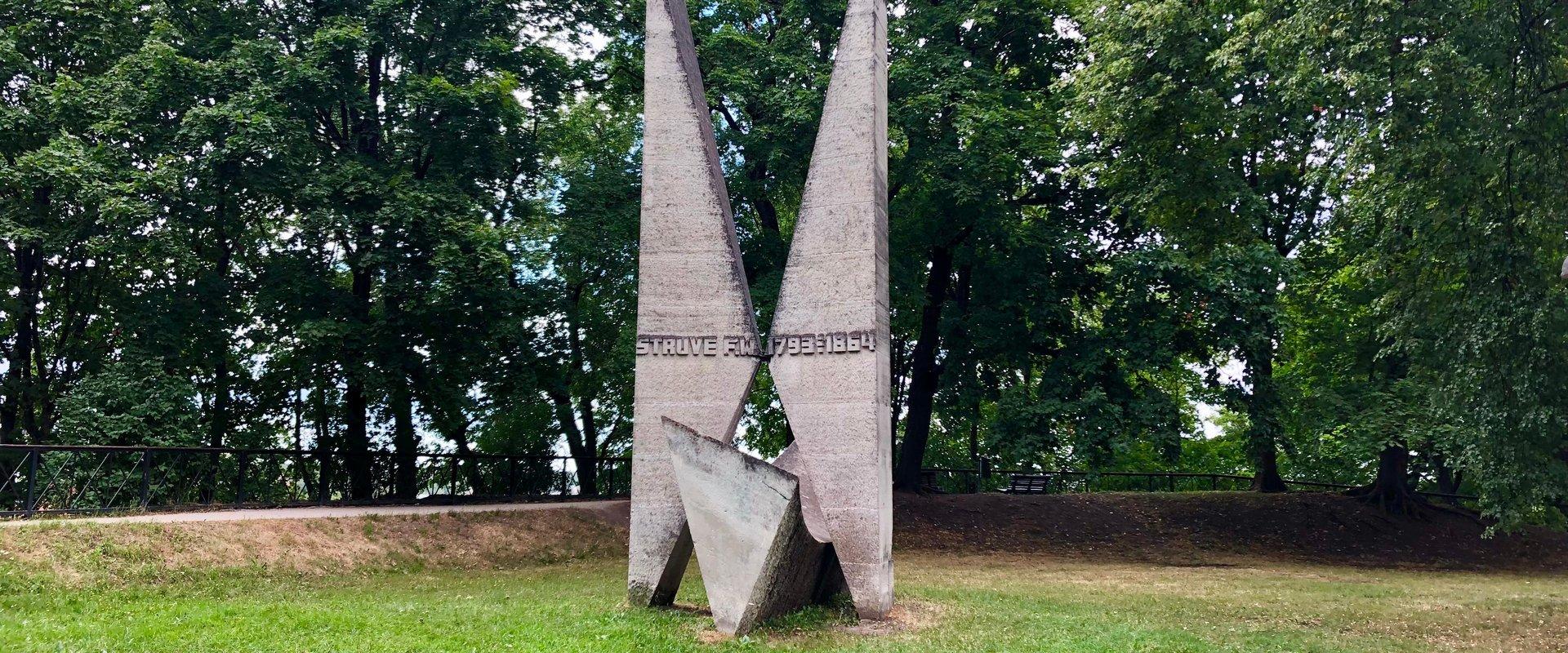
Opened in 1969, the Struve Monument is dedicated to the former director of the Tartu Observatory, Fr. G. W. Struve (15 April 1793 – 23 November 1864), a Russian astronomer and geodesist of German origin. Under his leadership, the meridian arc was measured between 1816 and 1855 to determine the shape and size of the globe.The monument is an abstract work, inspired by the spirit of its era, reflecting the pursuit of the human race into space. The lower part of the sculpture is a sundial and the upper part is an hourglass. The authors of the monument are Olav Männi and Udo Ivask.The Struve street and the geodetic arc are also dedicated to him in Tartu.

  • Monuments

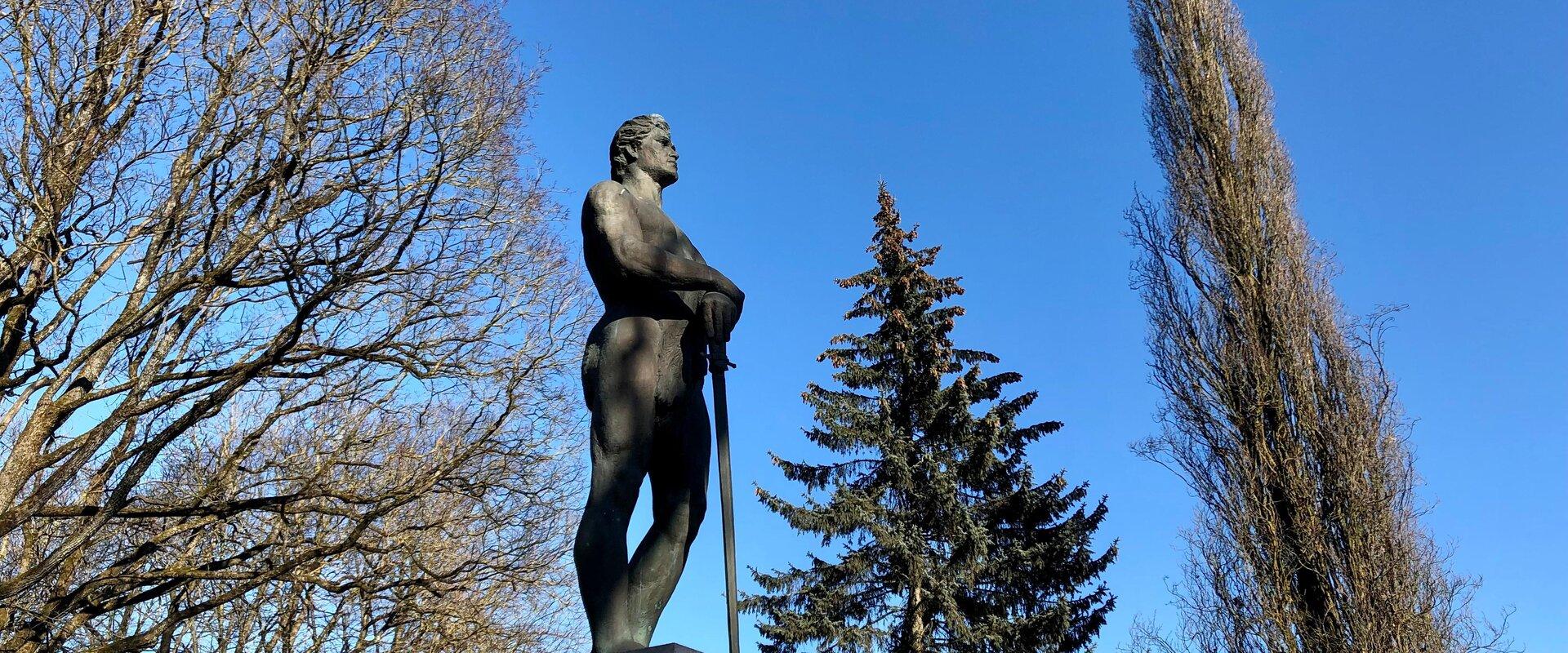
Kalevipoeg – War of Independence Monument

Kalevipoeg is the Estonian national epic about the adventures of the hero called Kalevipoeg.In 1950, the memorial Kalevipoeg, which was dedicated to the soldiers who lost their lives in the War of Independence, was taken down by the occupying power. The monument was built by Amandus Adamson. In 1952, the monument to Kreutzwald, the Father of Song, was erected at the same location. Discussions over restoring the memorial Kalevipoeg were held since 1988, but in 2002, when the exhibition ‘Kalevipoeg in Sculpture’ took place, the restoration proptly started. Sculptor Ekke Väli modelled the momorial on the basis of photos, and he was consulted by Endel Taniloo, a senior sculptor, during the restoration of Kalevipoeg.

  • Collaboration
  • News
  • Contacts
  • Privacy Policy
Join our mailing list!

"*" indicates required fields

This field is for validation purposes and should be left unchanged.
I authorise marketing

South Estonia Tourism Cluster

info@visitsouthestonia.com