• Avasta
    • Еда
    • Природа
    • Культура
    • Семья
    • Спорт
    • Сообщество
    • Блог
  • Planeeri
    • Размещение
    • Информация
    • Varamu
RUS
  • РусскийRUS
  • EestiEST
  • EnglishENG
  • LatviešuLAT
  • SuomiFIN
RUS
  • РусскийRUS
  • EestiEST
  • EnglishENG
  • LatviešuLAT
  • SuomiFIN
Populaarsed otsingud:
Näita kõiki tulemusi
  • History & Culture
  • Art & design
  • Monuments

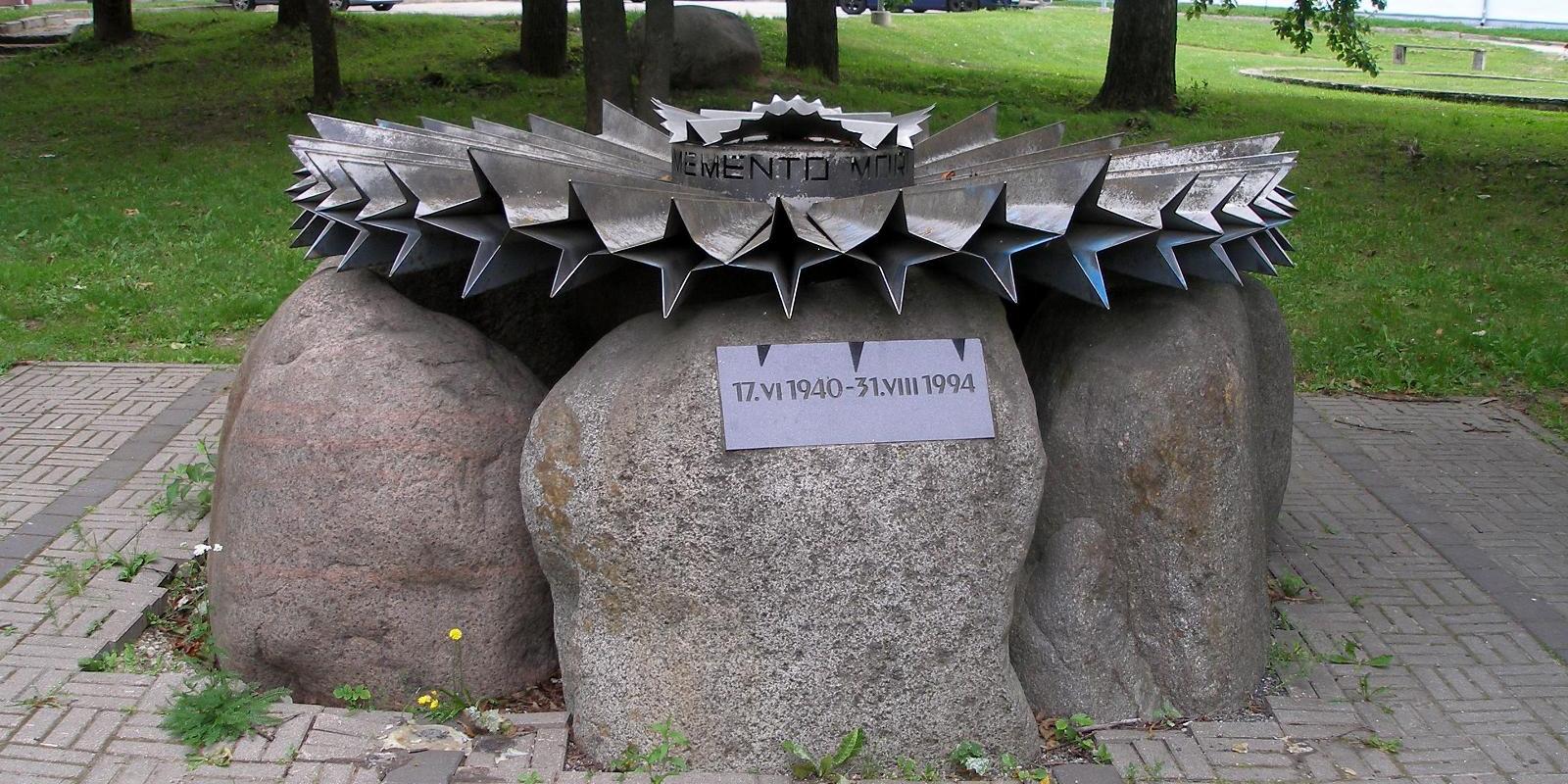
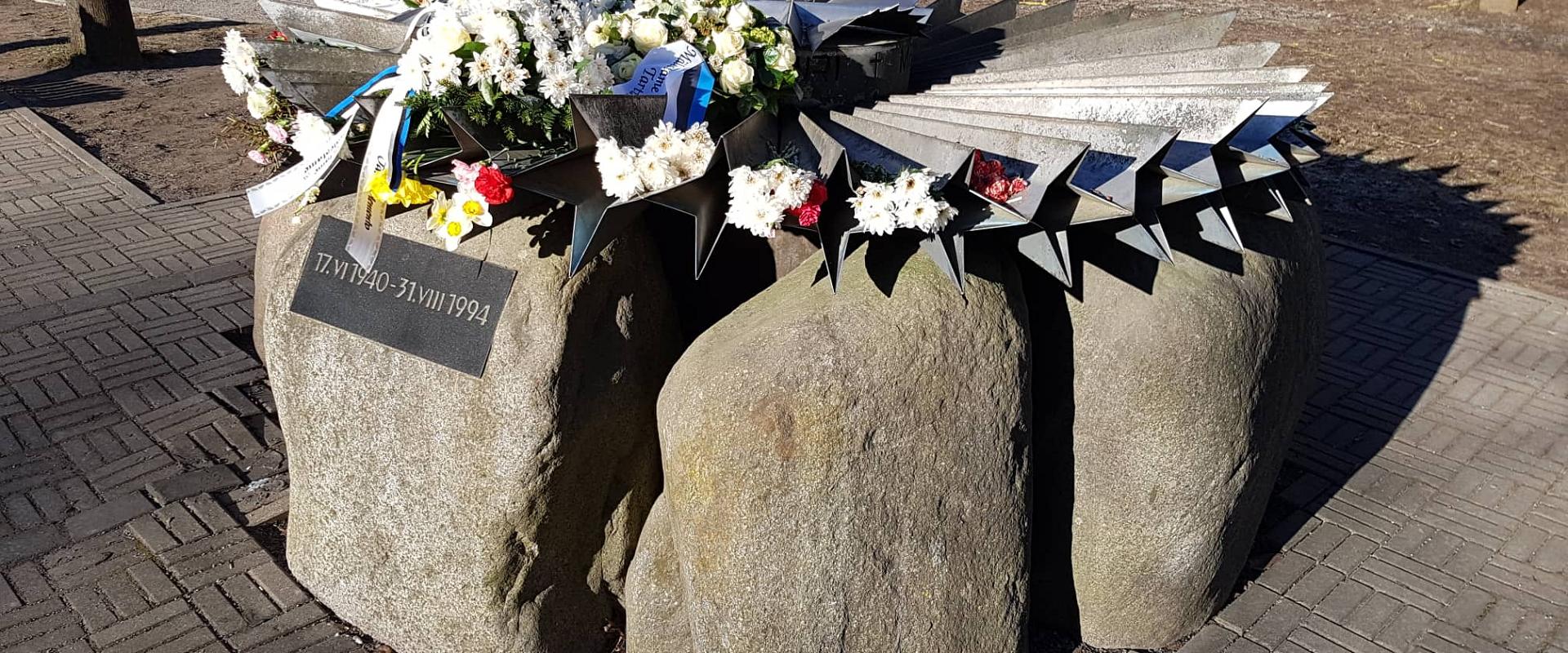
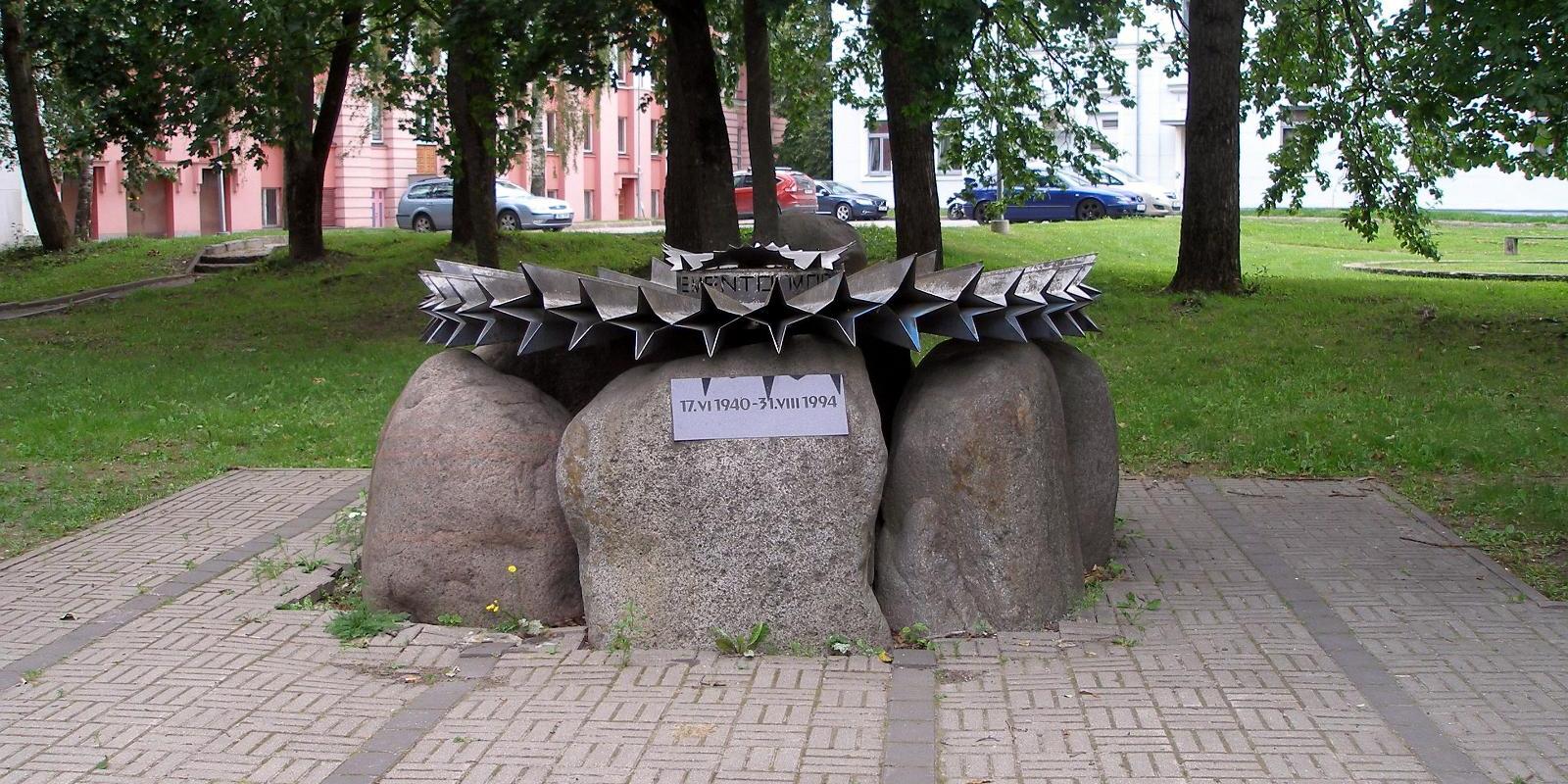
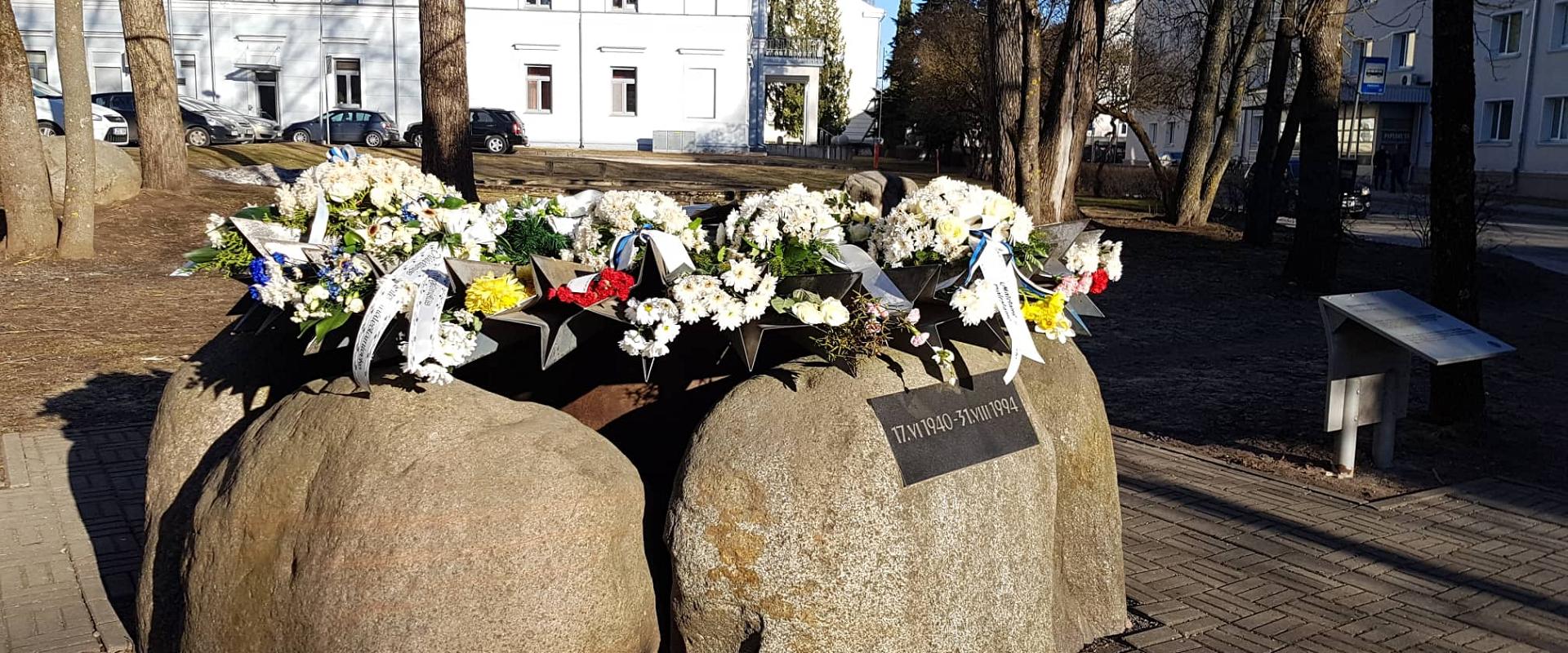
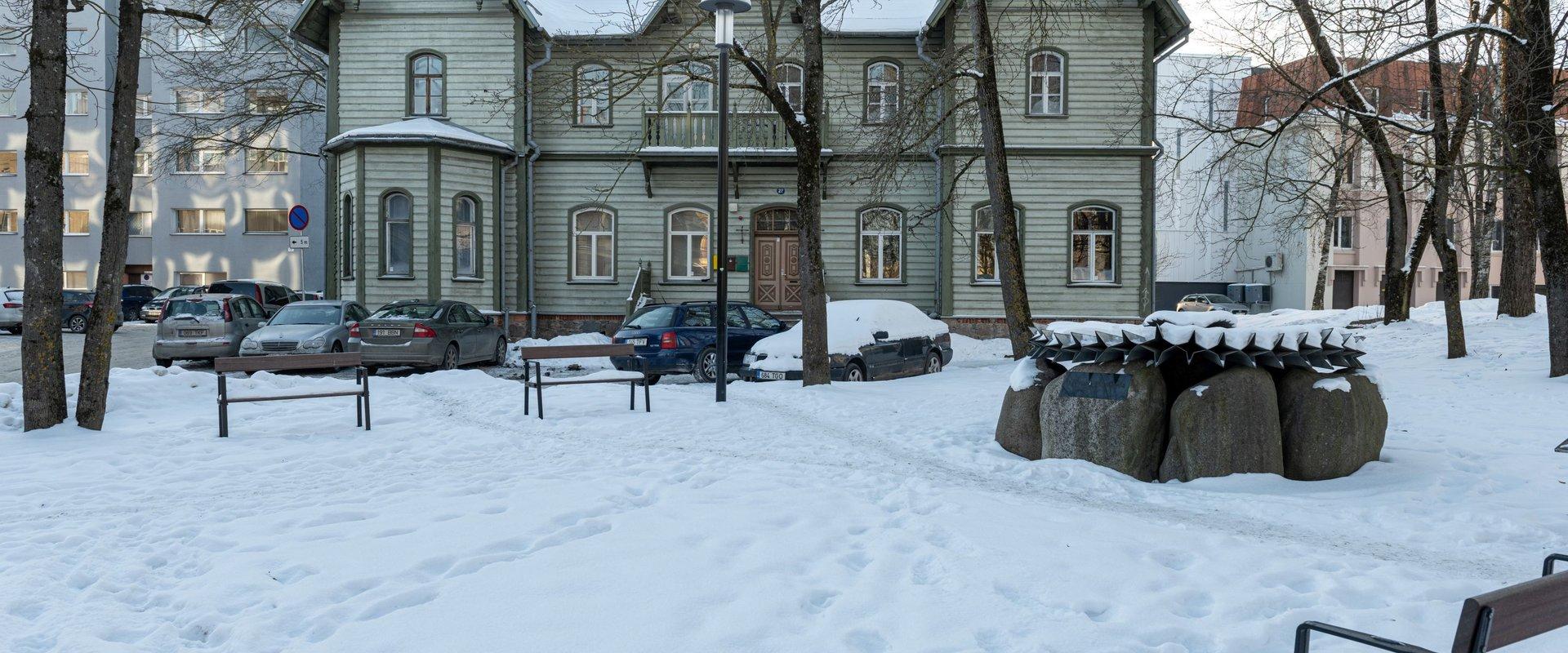
Cornflower – Monument to the Victims of Stalinism

Pepleri tn 27, Tartu linn, Tartu maakond, 51010

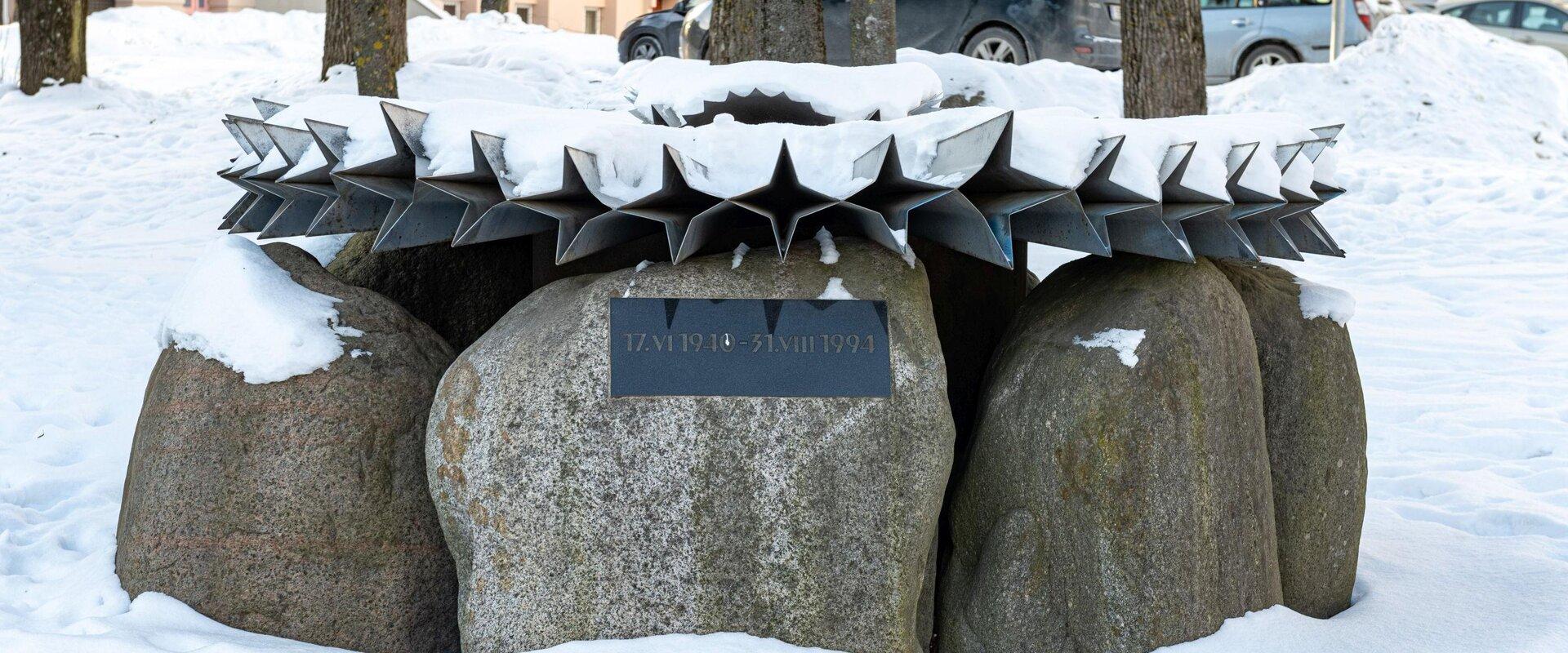
The Cornflower (or Broken Cornflower) memorial to the victims of Stalinism was established in 1990 and its author is P. Saar.On top of the granite boulders is a broken cornflower (Estonian national flower). Black stripes run through the grey stone parquet of the square. They depict the railway tracks that symbolise deportation to Siberia. The waterworks of the monument make it possible for water to drip off the petals of the cornflower, like tears.The monument, which was initially erected on the corner of Riia and Pepleri streets in Tartu by the association of freedom fighters Memento, was reopened in its new spot at Pepleri 27. The monument is located next to the grey building. During the Soviet era, a KGB remand prison was located there, where the deportation of many Estonians to Siberia began. 
Lahtiolekuajad

Aastaringselt

Ööpäevaringselt

Lingid

Vaata lisaks

  • Monuments

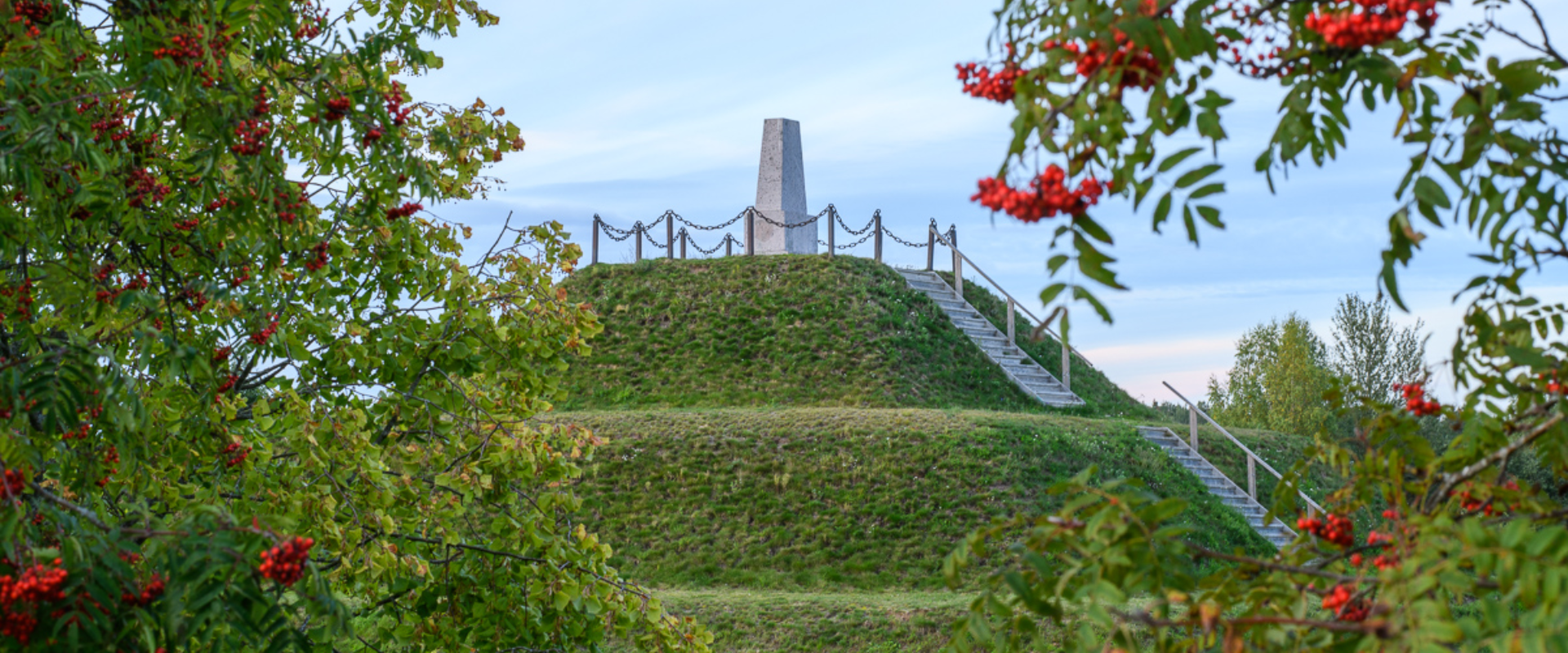
Paju Battle Memorial

One of the most important battles of the War of Independence took place near the Paju Manor on 31 January 1919. The Northern Sons Regiment that consisted of Finnish volunteers also fought for the independence of Estonia over here. The most legendary commander in the War of Independence, Lieutenant Julius Kuperjanov, was fatally injured in the battle. The battle memorial is a granite pillar on a three-level pyramid, which was reopened on the 75th anniversary of the battle on 30 January 1994.Interesting facts: * the memorial was opened by President of the Republic of Estonia Lennart Meri; * a memorial tablet to the Northern Sons who fell in the battle can be found on the wall of the Valga Jaani (St John’s) Church.

  • Monuments

Monument to Karl Ernst von Baer

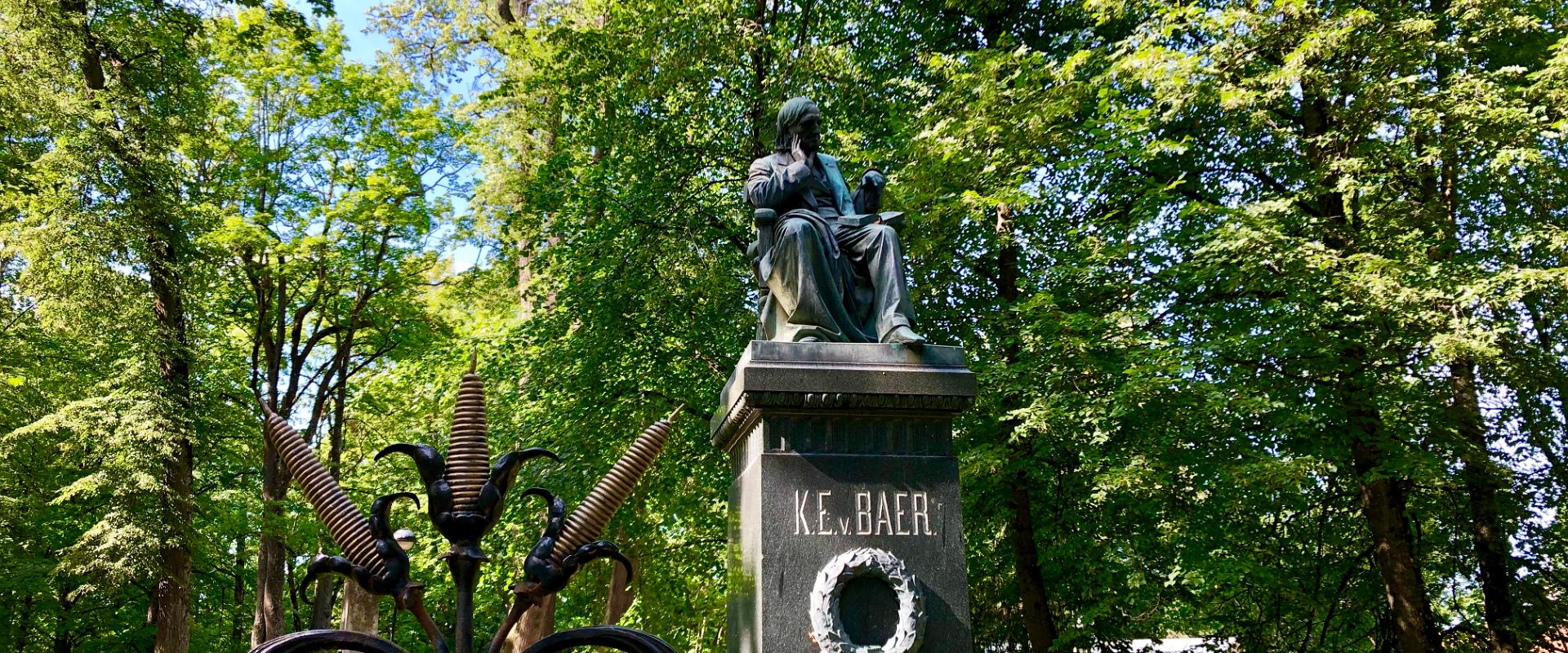
Karl Ernst von Baer was a biologist, the founder of descriptive and comparative embryology and an academician of the St Petersburg Academy of Sciences. He studied medicine in Tartu from 1810 to 1811 and obtained the degree of doctor of medicine here. He was a professor of zoology and anatomy in Königsberg from 1817. He studied anthropology, geography and ichthyology during his time in St Petersburg. He spent the last years of his life (1867-1876) in Tartu where he wrote his 3-volume collection of articles and speeches and participated in the activities of the Estonian Naturalists Society and was elected its president in 1869.The statue of Karl Ernst von Baer was completed in 1886, its author is M. Opeku.

  • Monuments

The Fr. R. Kreutzwaldi Monument and Park on the Shore of Lake Tamula

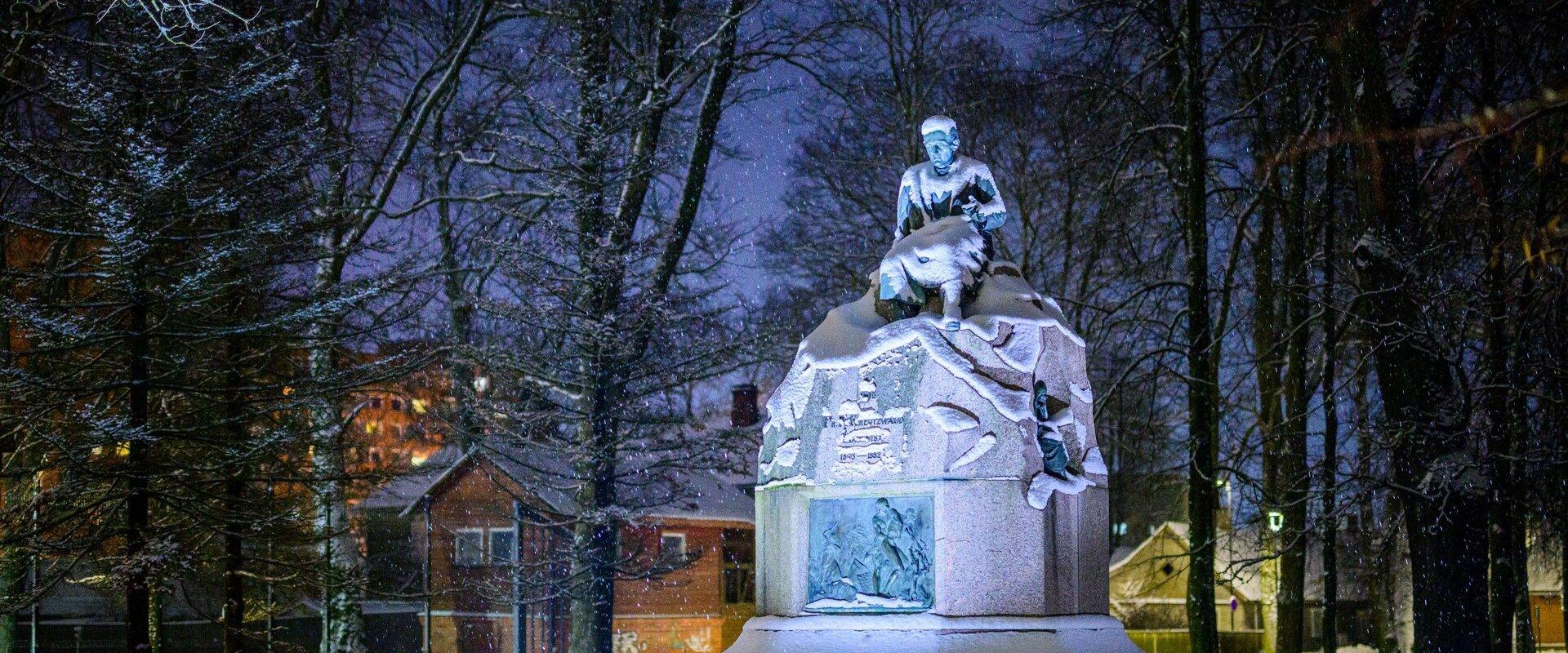
The Monument to Dr. Fr. R. Kreutzwald is located in a park on the shore of Lake Tamula. The author of the monument is A. Adamson and it was cast in bronze in Italy. The monument was opened in 1926. It is not known when the park was founded, however the age of most of the species of trees, birches and lindens is estimated at more than one hundred years. The coniferous trees in the park include spruces and firs. Lake Tamula has an oval shape in an east-west direction with an average depth of 4.2 m. The lake is deepest to the northeast of its centre (7.5 m) and has a surface area of 231 ha. There is a swimming area, beach and a beautiful promenade on the shore on the city side. In Kreutzwald Park, there is an accessible trail.

  • Monuments

Monument to Jakob Hurt

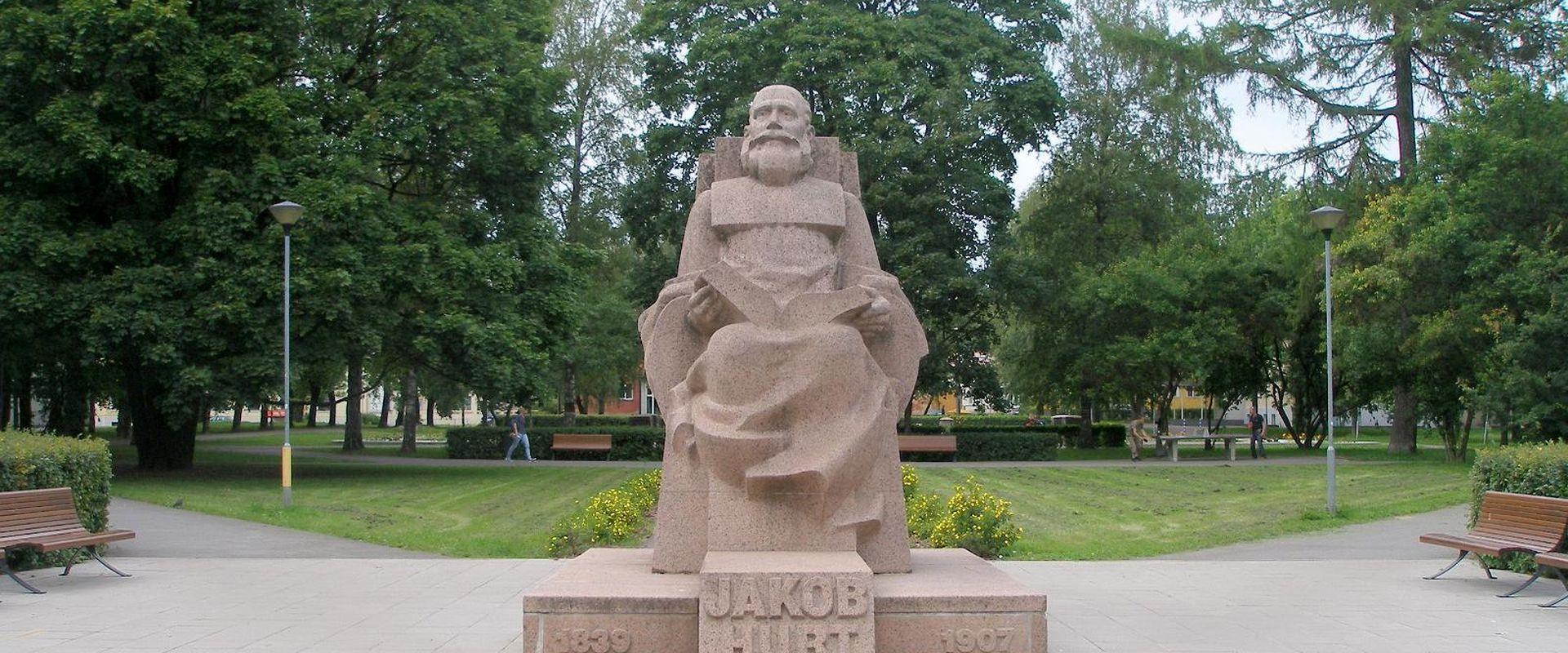
Jakob Hurt (22.07.1839-13.01.1907) was an Estonian folklorist and linguist. He studied theology in the University of Tartu and gained his Doctor of Philosophy degree from the University of Helsinki in 1886. He played the leading role in many major events of the Estonian national movements.The monument to Jakob Hurt (1839-1907) was completed in 1994. Its authors are J Soans and R Tomingas.

  • Monuments

Monument to cold weather in Jõgeva

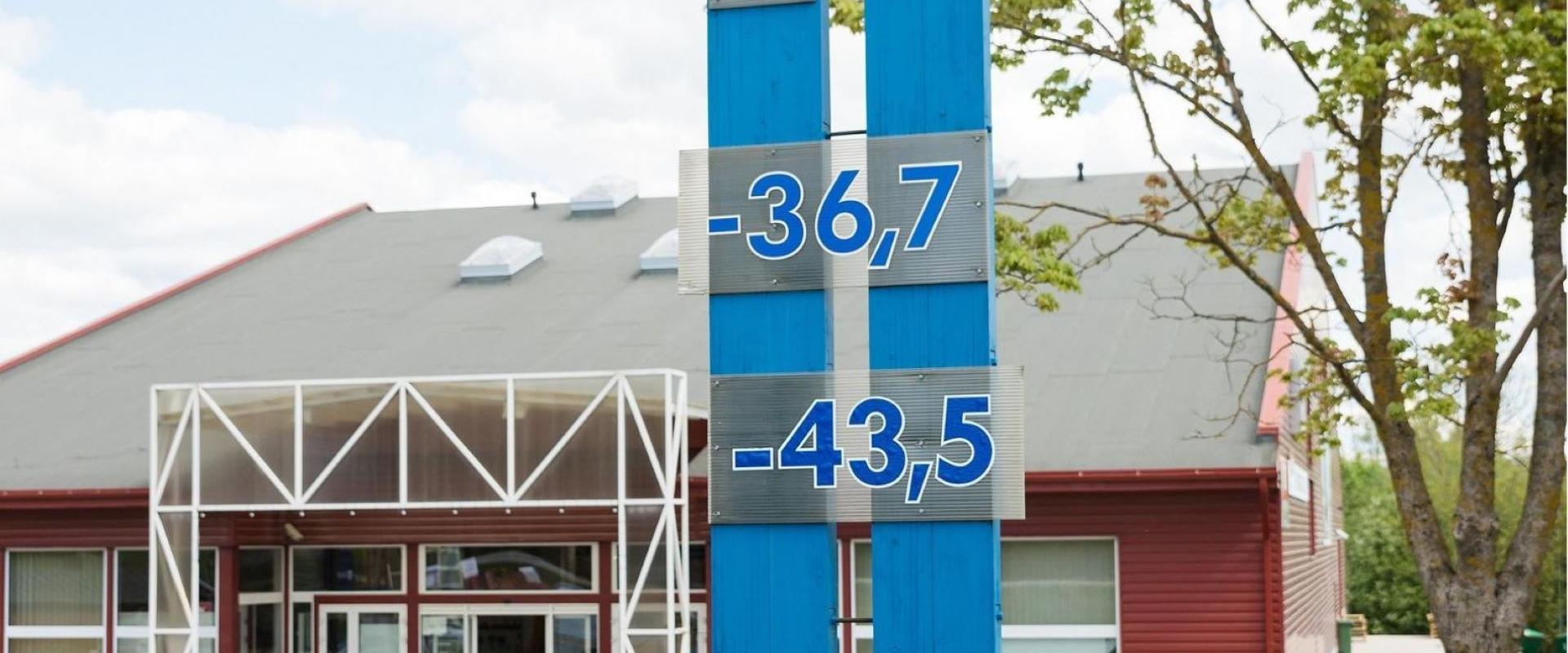
A monument to cold weather has been erected on the Piibe road on the outskirts of Jõgeva, where the lowest ever temperature in Estonia (-43.5*C) was recorded in 1940. The monument also highlights the most recent record of -37.6*C from 2003, also recorded in Jõgeva.

  • Monuments

Petseri Statue of Liberty

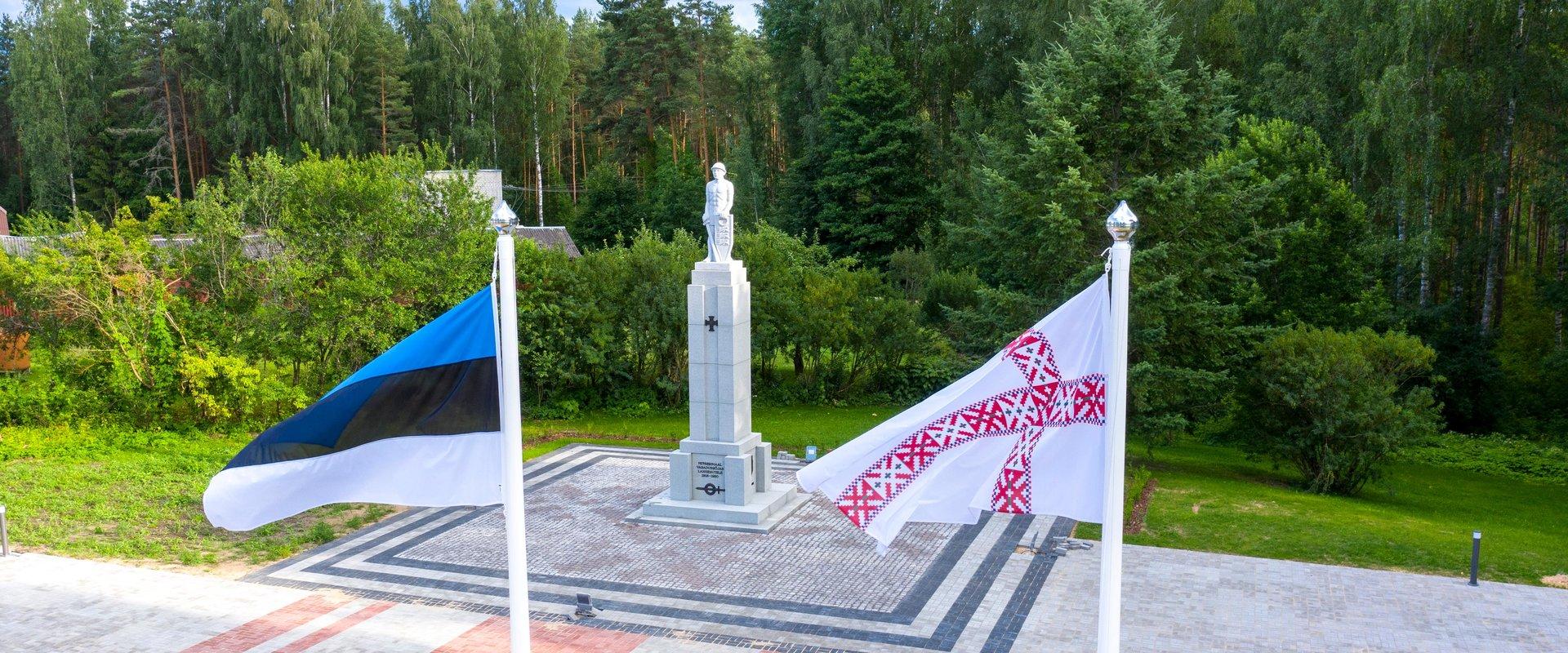
The statue for those who perished in the War of Independence in Petseri county stands on the Statue of Liberty Square in Värska. The monument designed by sculptor Roman Haavamägi was supposed to be erected in the heart of the town of Petseri in the summer of 1940, but due to the Soviet occupation that started, the plan was abandoned. Only 80 years later, in 20 July 2020, the restored statue was opened here in Setomaa. The soldier figure was modelled and shaped in granite on the basis of photos by sculptor Tiiu Kirsipuu.The Statue of Liberty of Petseri was erected in remembrance of those nearly 350 Estonian soldiers who fell in the War of Independence in Petseri County, as well as the importance of the Tartu Peace Agreement for the Setos.

  • Monuments

Horse monument in Luunja

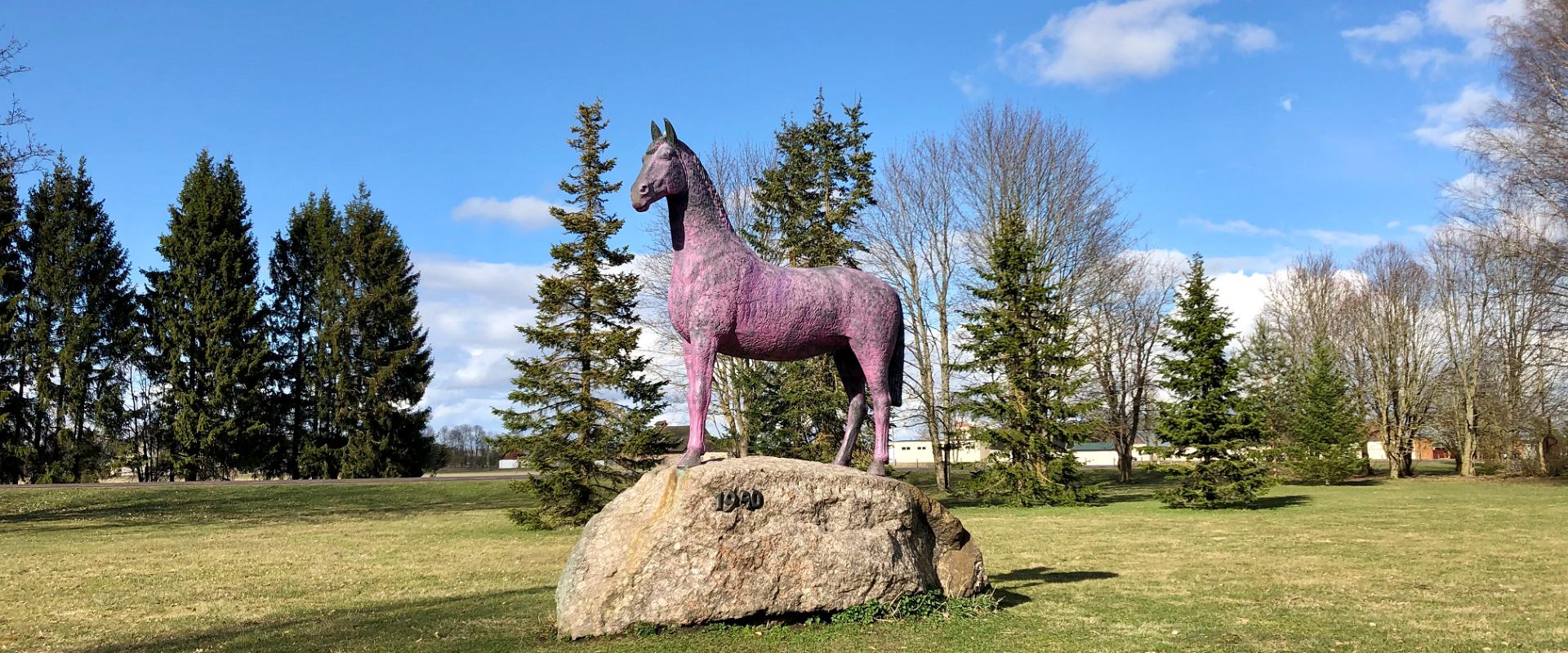
On 1 May 1990, the 70th anniversary of the state farm was celebrated in Luunja. As horse breeding and horseback riding are traditional in the Luunja rural municipality and horses are still bred in the manor, a monument was erected there to celebrate man’s best friend in agriculture – the horse. The author of the bronze horse monument is Endel Taniloo.On the night of 19 June 2017, the sculpture was painted purple. It is not known who did it. According to folk tradition, the horse became so angry it turned purple because in the course of the administrative reform, Luunja rural municipality almost had to join the city of Tartu. Fortunately, the rural municipality was able to maintain its independence.

  • Monuments

Memorial to the Victims of the Estonia Ferry Disaster

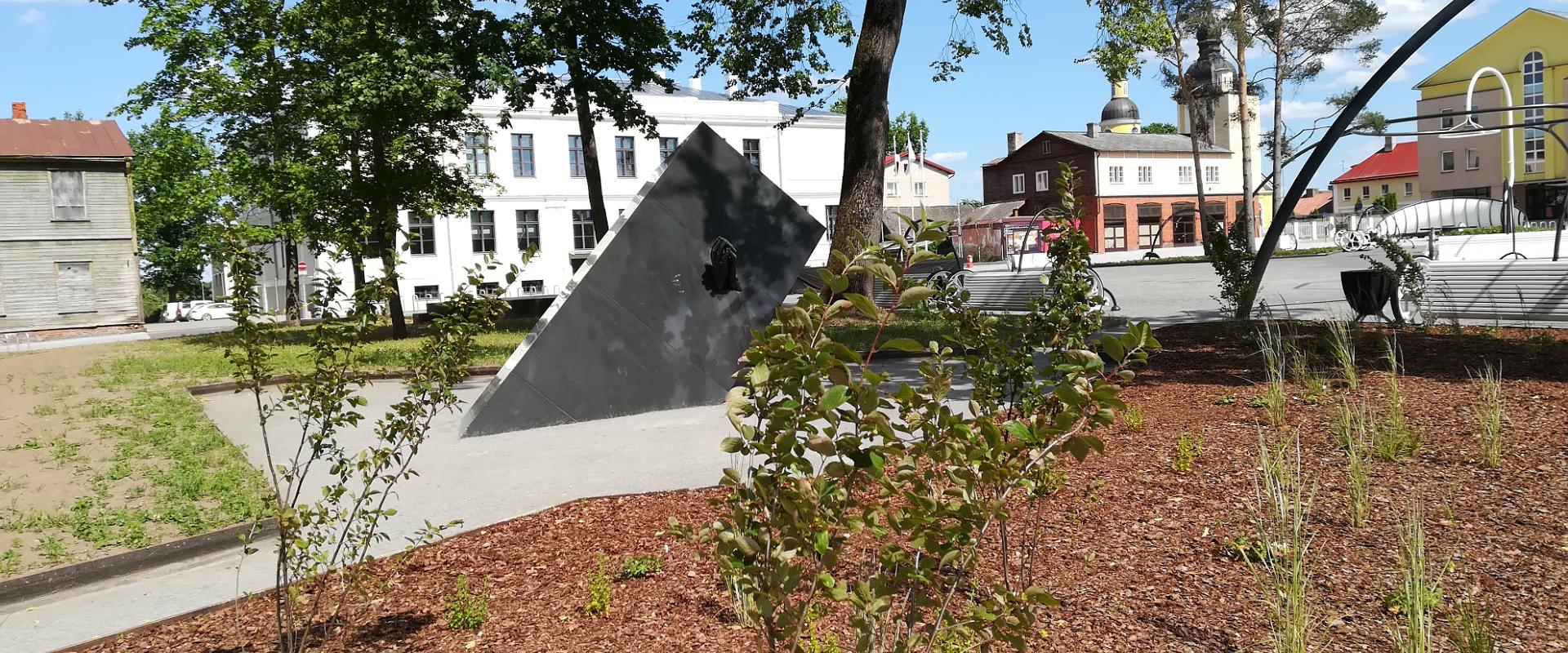
The memorial is located in Võru central square and is dedicated to the residents of Võru who died in the Estonia ferry disaster during the stormy night of September 28, 1994. The memorial was built in 1996 (sculptor M. Karmin).

  • Privacy Policy

"*"обозначает обязательные поля

Это поле используется для проверочных целей, его следует оставить без изменений.
Я разрешаю маркетинг