• Открой
    • Еда
    • Природа
    • Культура
    • Семья
    • Спорт
    • Сообщество
    • Блог
    У Вас появились свободные выходные, чтобы провести с детьми? Здесь собраны лучшие места в Южной Эстонии для семейного отдыха
  • Планируй
    • Размещение
    • Информация
    Устойчивый туризм
RUS
  • РусскийRUS
  • EestiEST
  • EnglishENG
  • LatviešuLAT
  • SuomiFIN
RUS
  • РусскийRUS
  • EestiEST
  • EnglishENG
  • LatviešuLAT
  • SuomiFIN
Популярные запросы:
Показать все результаты
  • History & Culture
  • Art & design

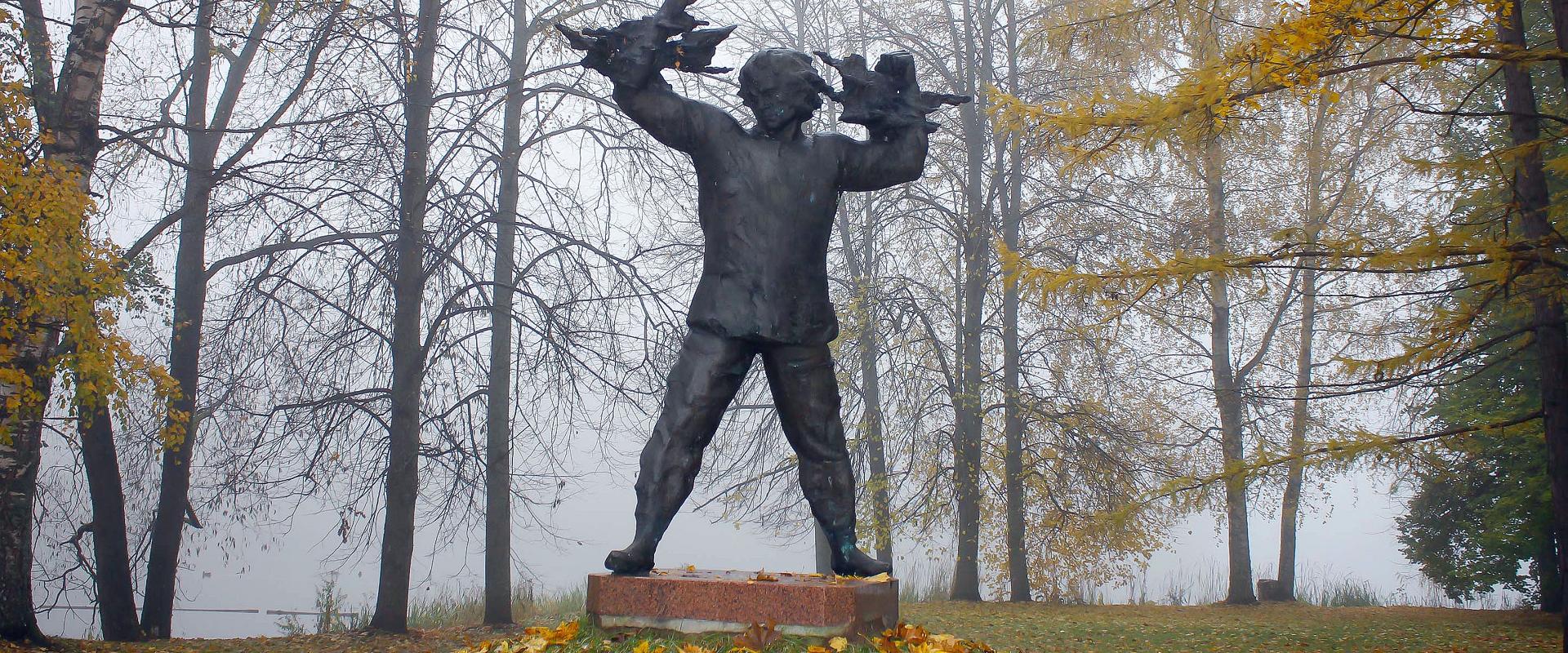
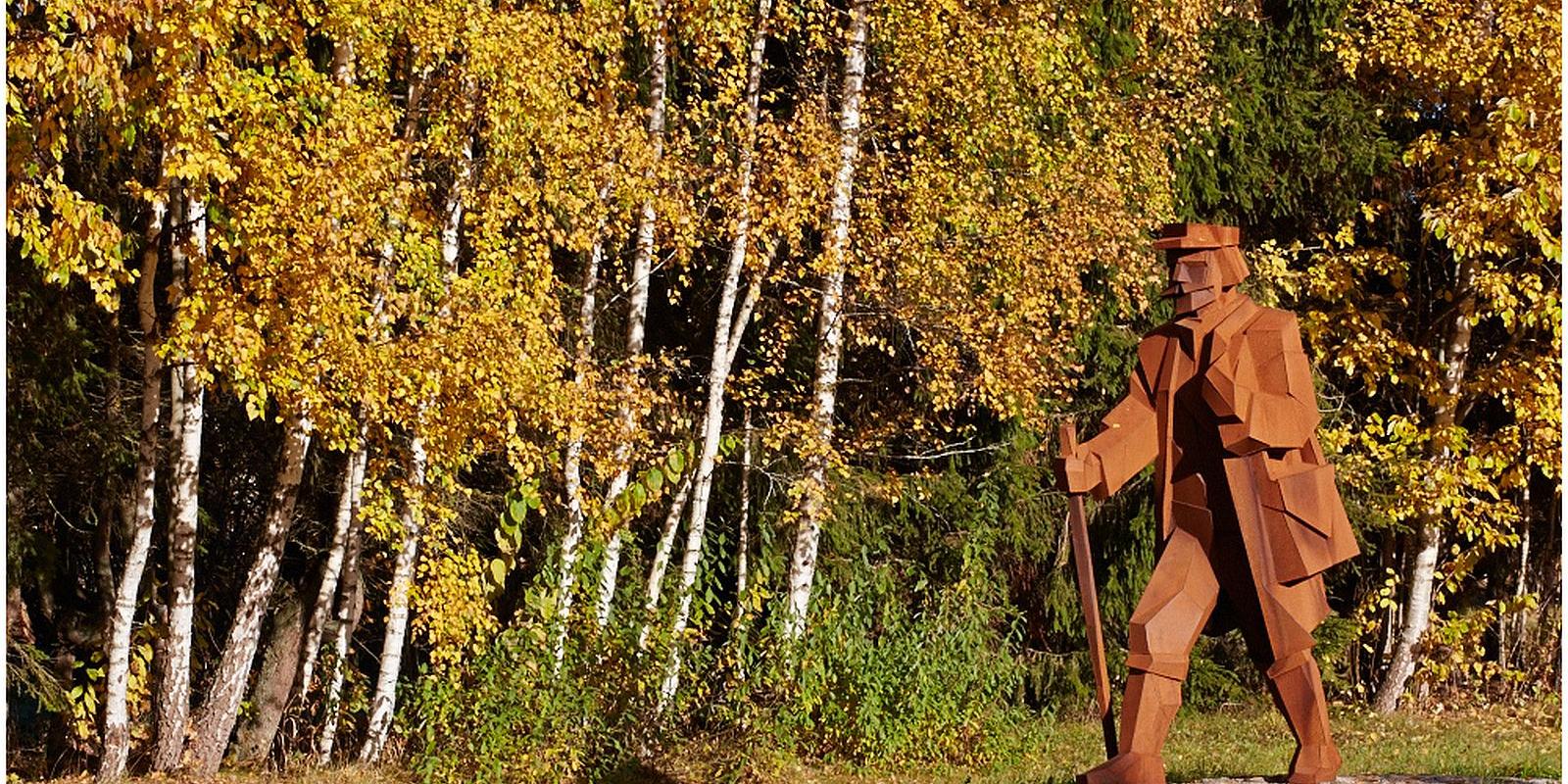
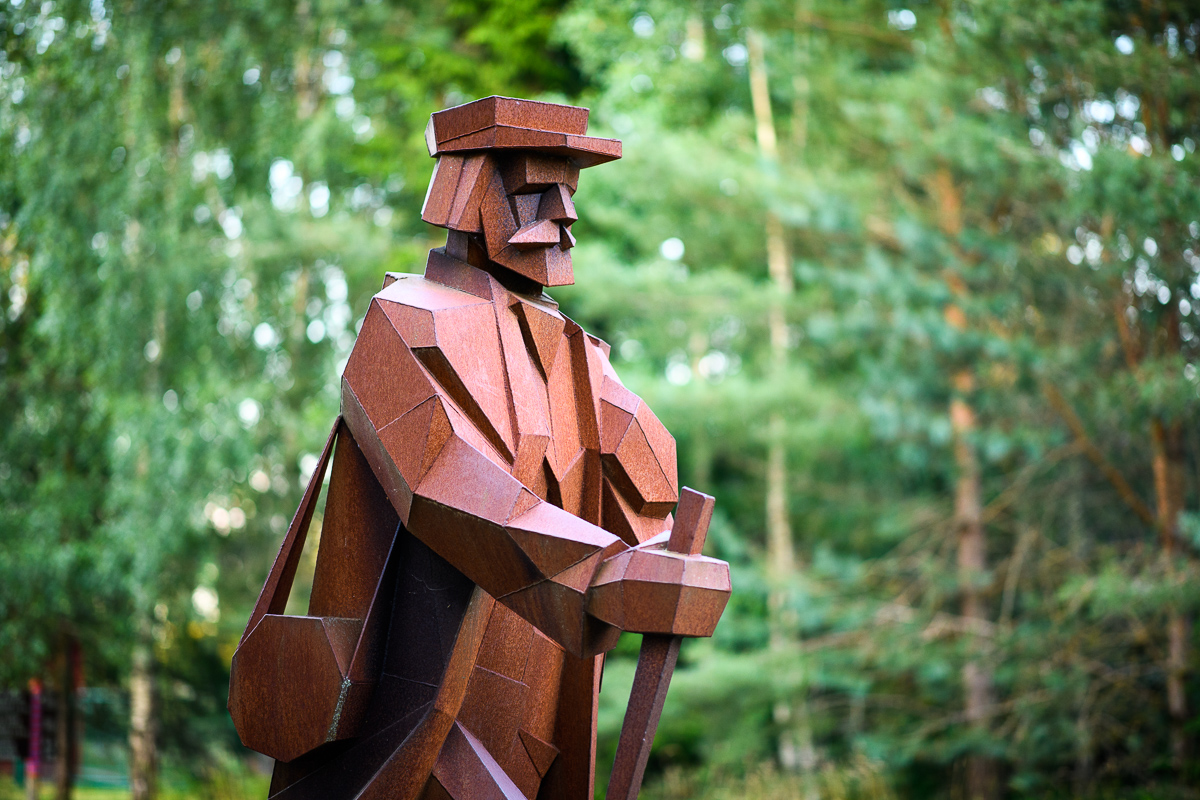
‘Traveller’ statue

Kanepi vald, Põlva maakond, 63503

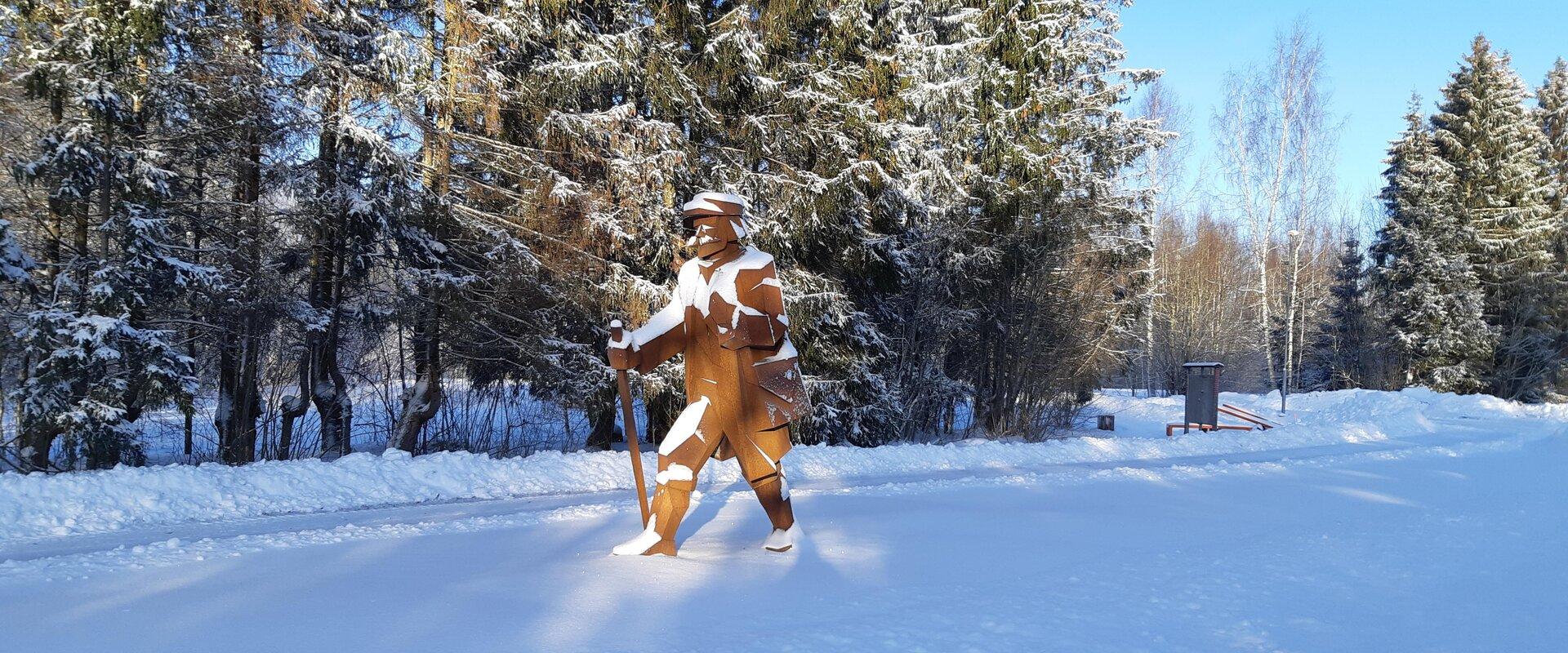
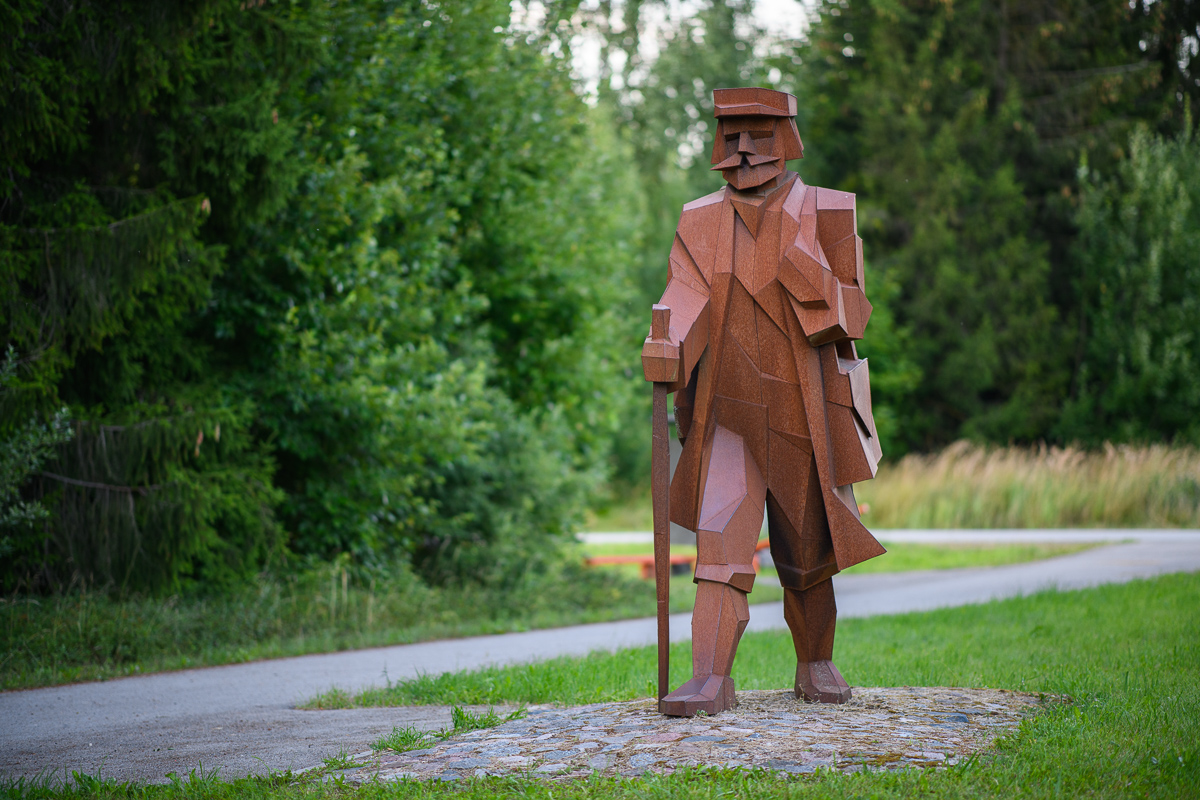
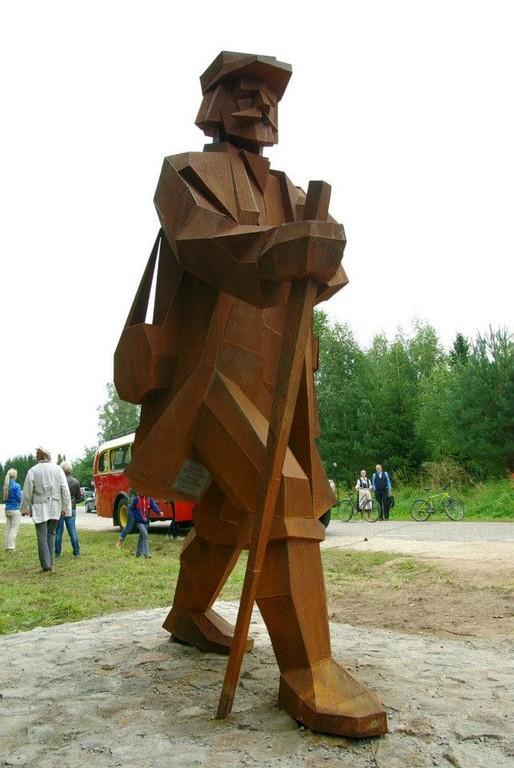
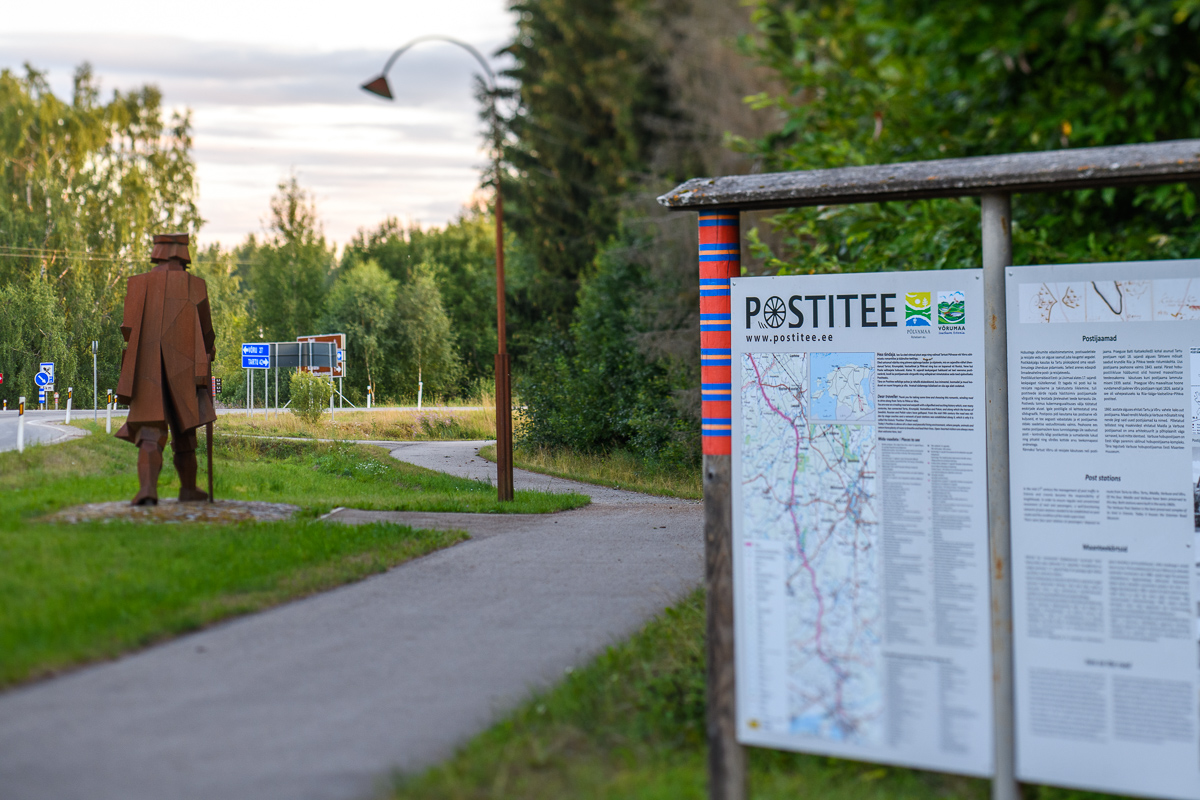
The Postal Road is a trading and military route with a fascinating history which has connected Tartu to Vastseliina and Russia for centuries. From the mid-19th century it became a postal route, which led to the development of a network of post stations. That’s where the road gets its name from today.The ‘Traveller’ statue on the Postal Road is the first sculpture in Estonia to be dedicated to roads and travelling. It depicts a man with a postal bag over his shoulder and a walking stick in his hand. The three-metre-tall statue is made of metal plates measuring 3-5 mm thick which are welded onto the form. It was designed by Mati Karmin.
Часы работы

1. jaan - 31. dets

Ööpäevaringselt

Контакты

  • +372 5136470
  • info@postitee.ee

Ссылки

www.postitee.ee

Подробнее

  • Monuments

Monument to Villem Reiman

The new monument to Villem Reiman (1861-1917) was opened in 2004 and its author is Mati Varik.Villem Reiman was a pastor and a cultural persona who fought for the independence of the Estonian people as a figurehead of the Estonian national movement.

Monument and memorial park to Betti Alver

The park and monument dedicated to Betti Alver were opened with a ceremony on the writer's 90th birthday in 1996. This is not a traditional bust of a writer, but a symbol focussed on creation. The poet's autograph, signature in stone, is in the base of the monument. The monument as a whole depicts the airy lightness, classic strictness and energetic striving of the poet's works, but also shows contrasts, suppressing and destructive forces. The general image of the monument represents Betti Alver's fate and story.

Water tower of Raadi Manor

The water tower of Raadi Manor dates back to the 19th century. In ancient times, the tower housed the manor clock, which let the manor workers know it was time for lunch. After World War II, the building was used by the Soviet army and was restored in 2002.Inside the water tower is an exhibition of the Estonian National Museum. Visiting the photo exhibition Raadi Through the Ages, which runs along the floors of the water tower, offers not only historical knowledge but also enchanting views of the cosy Raadi Manor Park.The exhibition is open by reservation and a visit to the water tower can be ordered together with the guided tour of the Estonian National Museum 'Raadi Manor Park Tour'.

  • Monuments

Monument to Eduard Tubin

The monument to the most renowned Estonian symphonist of all times Eduard Tubin stands on the slope by the Vanemuine Theatre (authors A Vahtrapuu, V Valk, sound installations created by Louis Dandrel). Come and see how the well-known Estonian conductor and composer conducts an imaginary orchestra and listen to sound installations of the works of Eduard Tubin.

  • Monuments

Friedrich Georg Wilhelm Struve Monument

Opened in 1969, the Struve Monument is dedicated to the former director of the Tartu Observatory, Fr. G. W. Struve (15 April 1793 – 23 November 1864), a Russian astronomer and geodesist of German origin. Under his leadership, the meridian arc was measured between 1816 and 1855 to determine the shape and size of the globe.The monument is an abstract work, inspired by the spirit of its era, reflecting the pursuit of the human race into space. The lower part of the sculpture is a sundial and the upper part is an hourglass. The authors of the monument are Olav Männi and Udo Ivask.The Struve street and the geodetic arc are also dedicated to him in Tartu.

  • Sculptures

Sculpture of Karl Menning

Karl Menning was the founder of professional theatre in Estonia and the first professional theatre and stage director in the country. He was the director of the Vanemuine Theatre from 1906 to 1914. His sculpture was created by Mare Mikoff and is unique for the fact that it can be turned on the spot.

  • Sculptures

Singing Mother Monument

On the vista overlooking Obinitsa Lake stands the stone Singing Mother Monument. It's a memorial to all the "singing mothers" (Estonian: lauluemad) of Setomaa. The statue was erected in 1986. Around its base are many stones for local singers. The area around the monument offers a good view of Obinitsa Lake and the older part of the village. This is also a good place for a group picture. To the left of the Singing Mother Monument is Obinitsa's old school-church (1904).

Intsikurmu Song Ground

Many people in Estonia and beyond know the Intsikurmu Manor Park due to its tradition of fold song festivals. After all, the first song festivals in Estonia were held in Põlva in 1855 and 1857.The Intsikurmu Soung Ground is still a well-known location for concerts and celebrations. The stage can hold close to 3500 singers, the grounds can hold everyone who is interested in celebrating and dancing.

  • Privacy Policy

"*"обозначает обязательные поля

Это поле используется для проверочных целей, его следует оставить без изменений.
Я разрешаю маркетинг