• Avasta
    • Еда
    • Природа
    • Культура
    • Семья
    • Спорт
    • Сообщество
    • Блог
  • Planeeri
    • Размещение
    • Информация
    • Varamu
RUS
  • РусскийRUS
  • EestiEST
  • EnglishENG
  • LatviešuLAT
  • SuomiFIN
RUS
  • РусскийRUS
  • EestiEST
  • EnglishENG
  • LatviešuLAT
  • SuomiFIN
Populaarsed otsingud:
Näita kõiki tulemusi
  • History & Culture
  • Art & design
  • Sculptures

Singing Mother Monument

Setomaa vald, Võru maakond, 65301

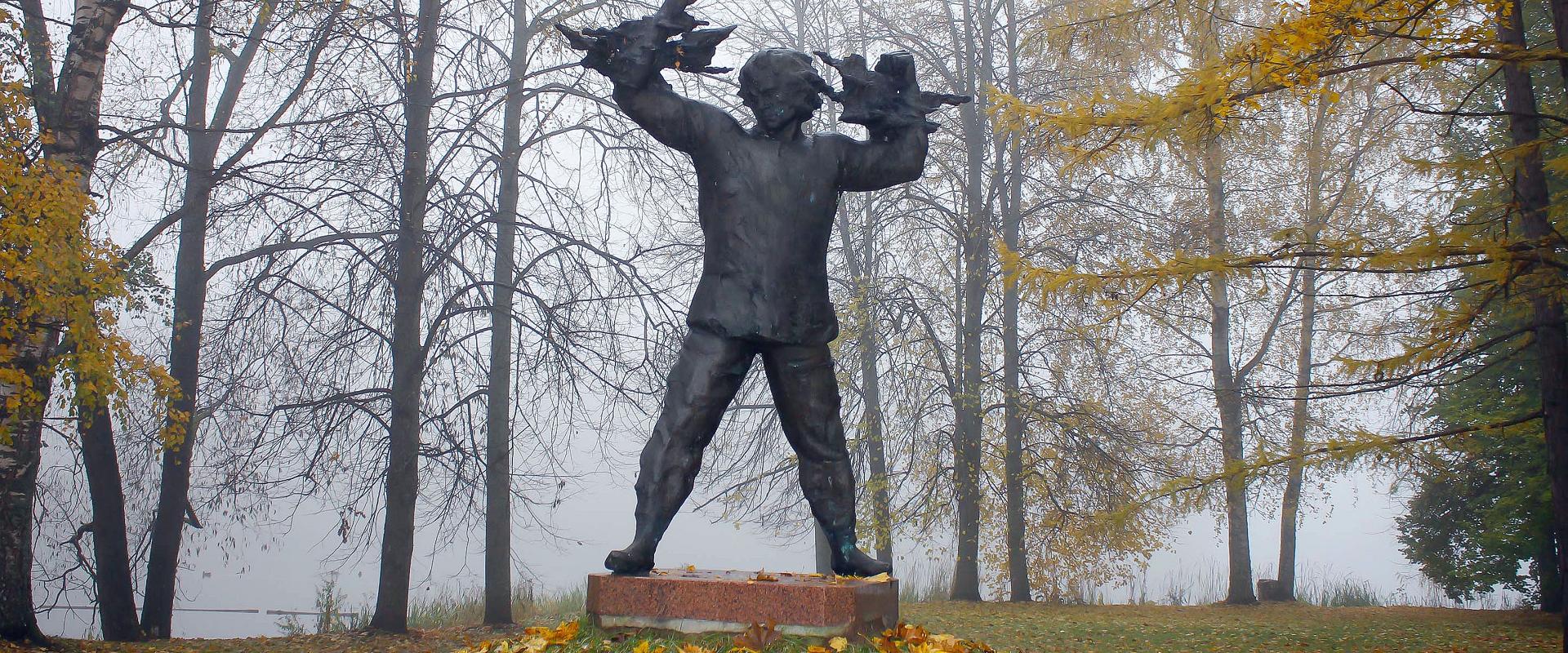
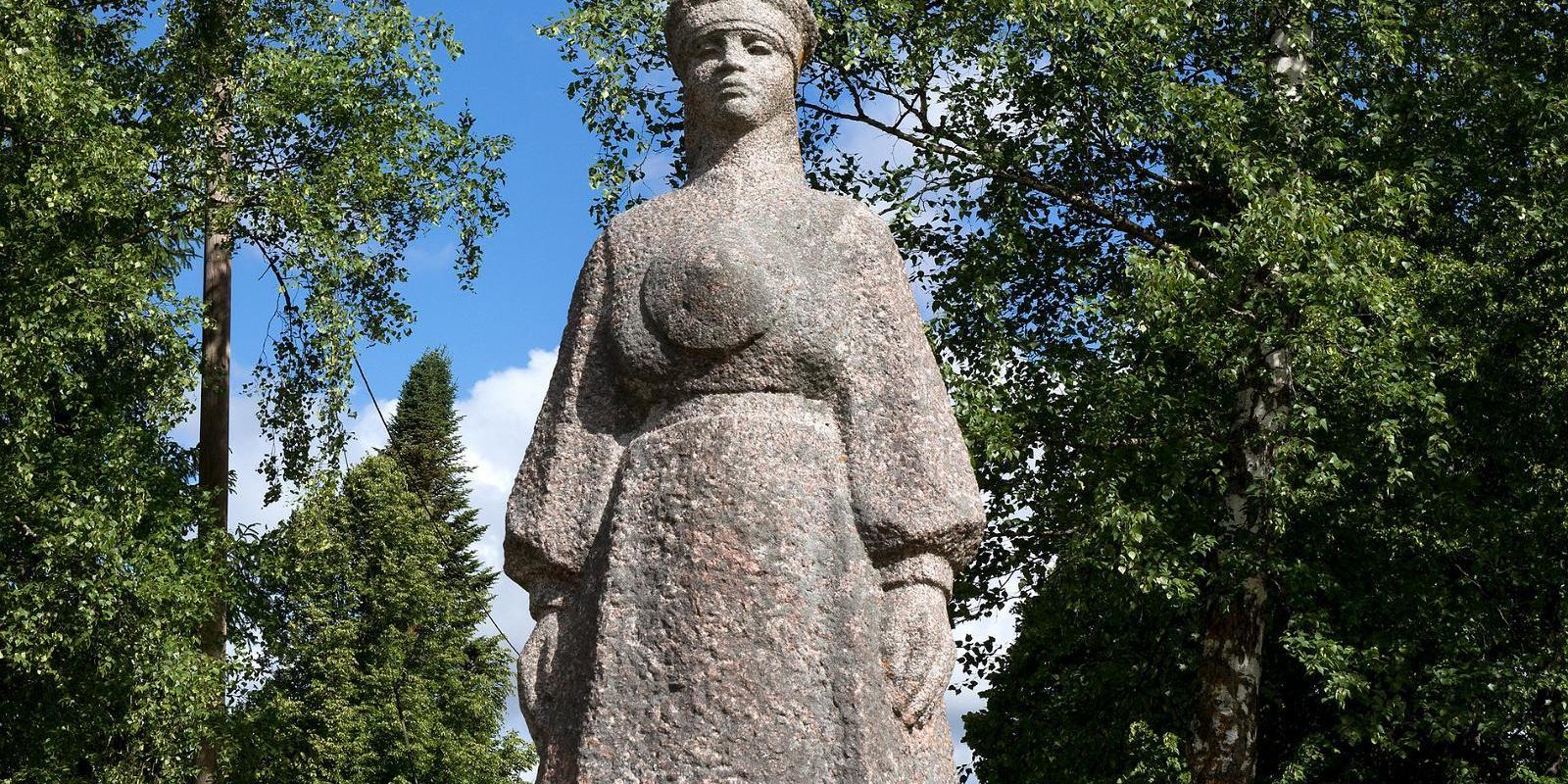
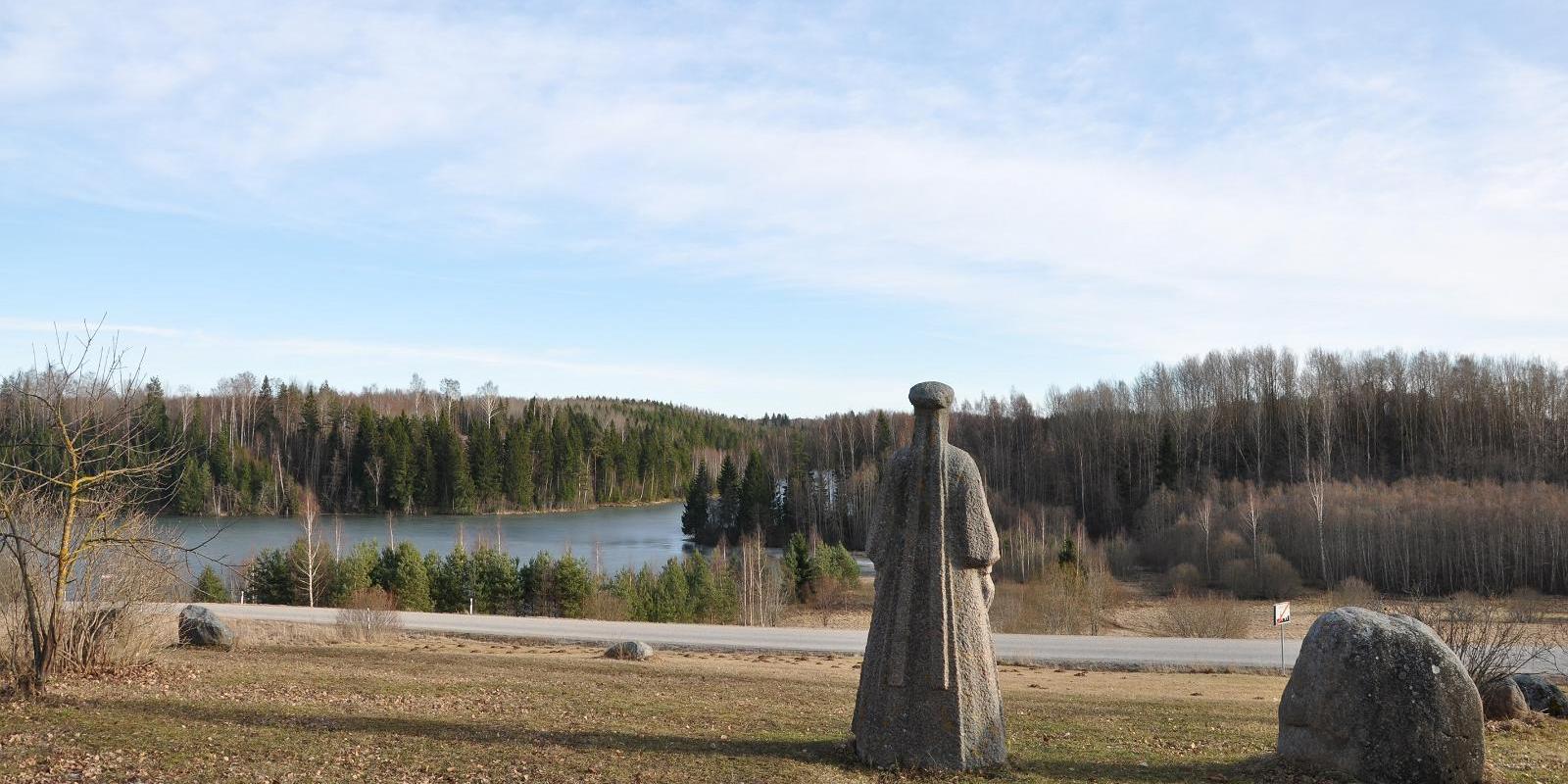
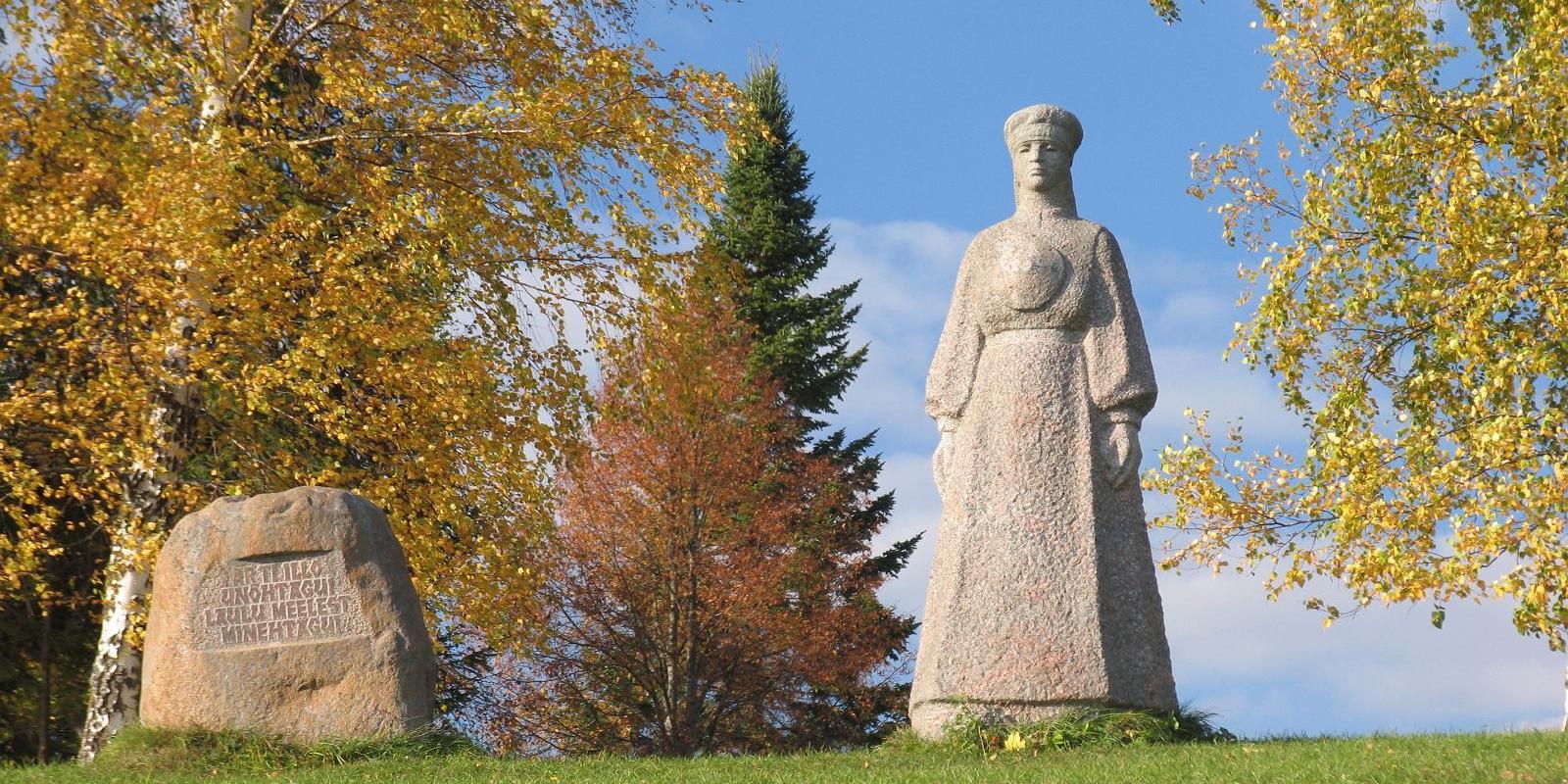
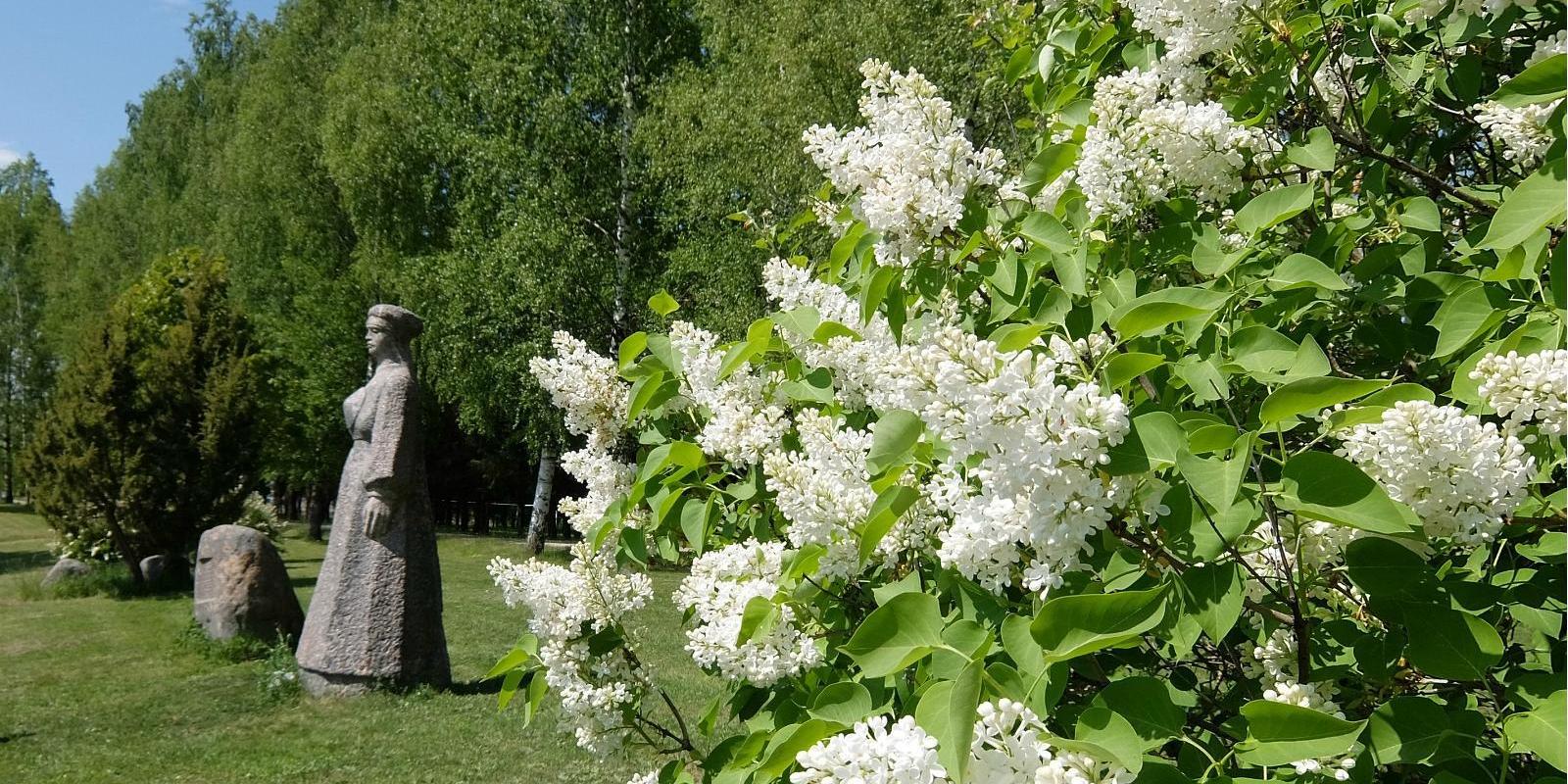
On the vista overlooking Obinitsa Lake stands the stone Singing Mother Monument. It’s a memorial to all the «singing mothers» (Estonian: lauluemad) of Setomaa. The statue was erected in 1986. Around its base are many stones for local singers. The area around the monument offers a good view of Obinitsa Lake and the older part of the village. This is also a good place for a group picture. To the left of the Singing Mother Monument is Obinitsa’s old school-church (1904).
Mugavused

  • Free parking

Lahtiolekuajad

Aastaringselt

Ööpäevaringselt

Kontakt

  • +372 5682 1268
  • turism@setomaa.ee

Lingid

Vaata lisaks

  • Sculptures

Statue of Oskar Luts

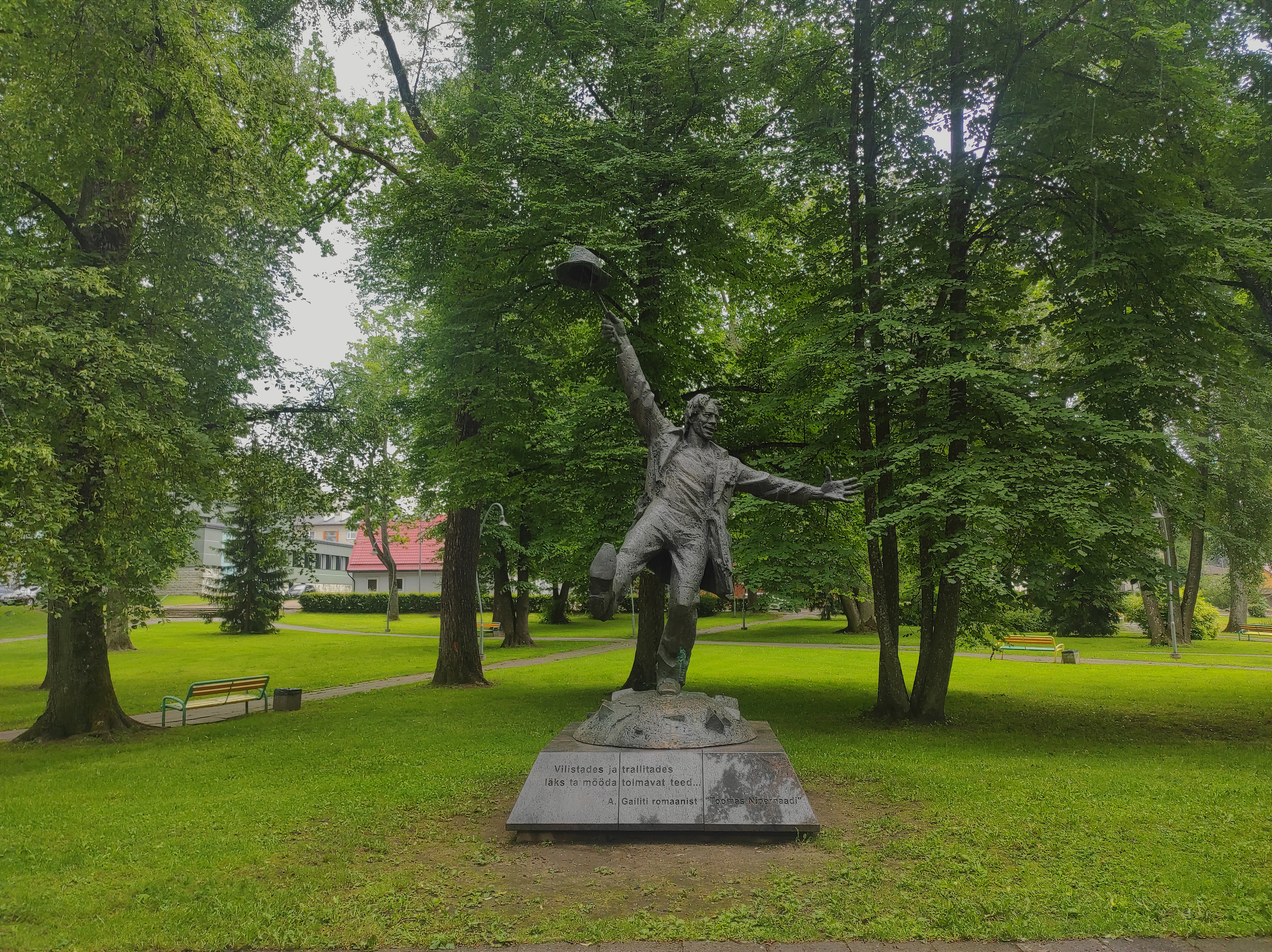
The monument to Oskar Luts was erected in 1987. The authors of the monument were A. Rimm and A. Murdmaa.Oskar Luts (1887–1953) was an Estonian writer. His best known and loved novel is Kevade (Spring), a lyrical and humorous tale based on school memories. He has also written plays, children’s stories, memoirs, and feuilletons. The writer's house museum is located at 38 Riia Street in Tartu. There, he lived for the last 17 years of his life. Oskar Luts was buried in the St Paul’s Cemetery in Tartu.

  • Sculptures

Sculpture of Oscar Wilde and Eduard Vilde

A sculpture created in Tartu's Old Town in 1999 depicts a fun speculation about the history of literature. Sitting on a bench are contemporaries and namesakes, or the two Wildes: Irish-born writer Oscar Wilde (1854-1900) and Estonian writer Eduard Vilde (1865-1933). Sculptor Tiiu Kirsipuu, who modeled the figures of the writers based on photographs, has noted that when creating the twin figures, she had in mind the year 1890, when the two Wildes could have really met each other and had a few witty words. The sculpture symbolizes friendship and intercultural dialogue. The sculpture of the two writers is located in front of the former Mattiesen printing house, one of Tartu's architectural monuments, which now houses the wine and art restaurant Vilde ja Vine. The statue is a beloved landmark among both locals and visitors. Sitting on the bench next to the writers allows you to take nice pictures as a souvenir of your visit to Tartu. In 2004, a copy of the sculpture was also donated to the city of Galway in Ireland, where the paternal family of literary classic Oscar Wilde came from.

  • Sculptures

Memorial to the War of Independence in Valga

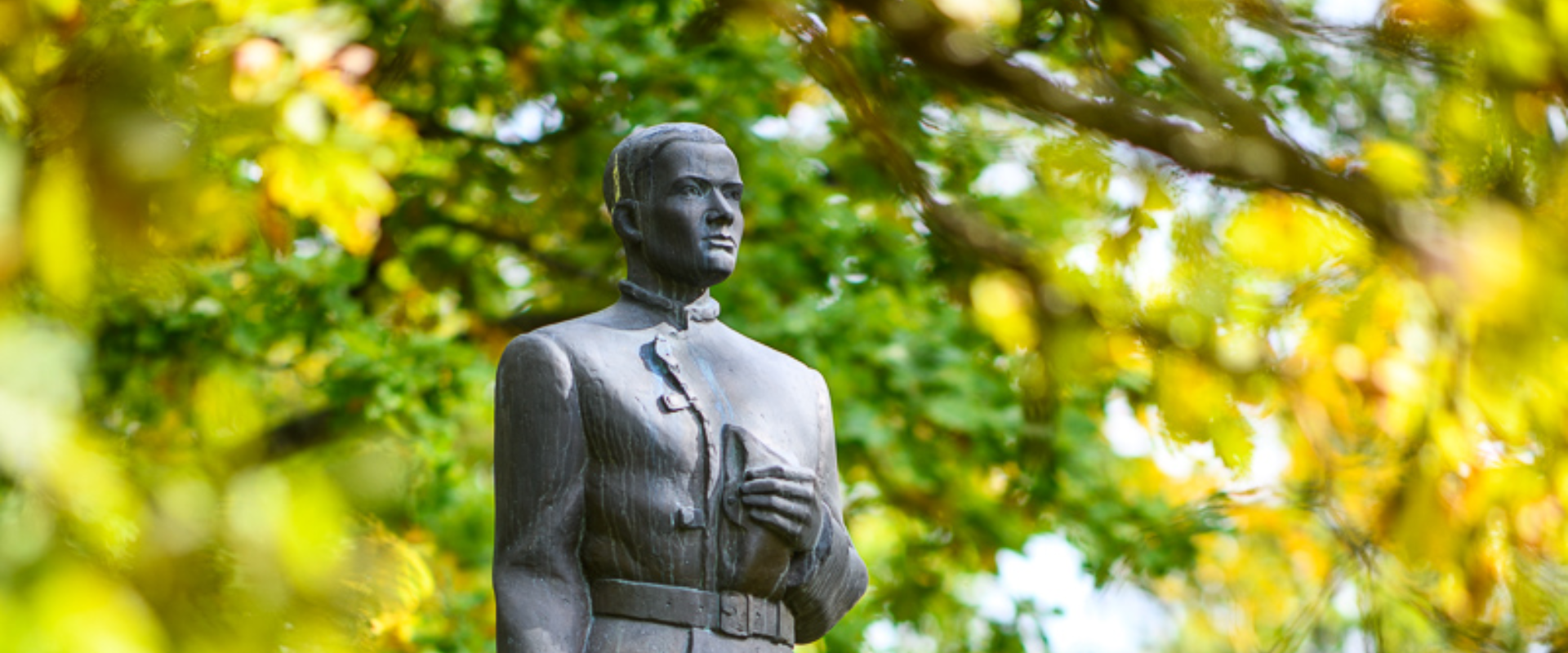
This memorial, which is dedicated to the freedom fighters of southern Estonia, represents the figure of an unknown soldier, his sword sheathed, with a flag held aloft in one hand and the other outstretched. The first memorial was unveiled here on 11 October 1925, dedicated to Lieutenant Julius Kuperjanov, but it was destroyed by Soviet forces on the night of 21 September 1940. The new memorial was inaugurated on 16 August 2013 in the original location on Kuperjanov Street. The design and mould of the memorial were made in 1925 by Amandus Adamson, who was also involved in the production of the bronze figure in Italy. This figure was restored to its original size by sculptor Jaak Soans. Restoration of the memorial was led by Major Meelis Kivi.

  • Sculptures

Monument to the Visit of Dalai Lama

You can feel touched by the divine when walking on the beach or swimming in Lake Pühajärv.Namely, His Holiness the 14th Dalai Lama Tenzin Gyatso (born 1935), the leader of the Tibetan people, visited Estonia and Otepää on 3 October, 1991. He blessed Lake Pühajärv on the same day. The historical visit is commemorated with a wooden sculpture near the beach in Pühajärv Park.

  • Sculptures

Group of sculptures to celebrate the birth of the 100,000th resident of Tartu

The monument consists of the number 100,000 carved of granite with the bronze sculpture of a child sitting on number 1. The monument celebrating the birth of the 100,000th Tartu resident was initially located in the green area between the former Restaurant Kaunas and the Võidu Bridge. The monument was moved onto the banks of the Emajõgi River between Atlantis and Kaarsild.

  • Sculptures

Memorial to deportees at the Võru railway station

The emotional and powerful memorial (2016) was erected to honour the harsh fate of the people deported from Võru and Võru County from 1941 to 1952. The sculptor is Jaak Soans.The memorial depicts two rows of bronze animal wagons placed on a concrete block 1.6 metres high, with human figures visible between them. A ramp made of original railway sleepers and dolomite gravel, which is 4 metres wide and 16 metres long, takes to the memorial. The total length of the memorial complex is almost 24 meters.

  • Sculptures

Sculpture Bronze Pig

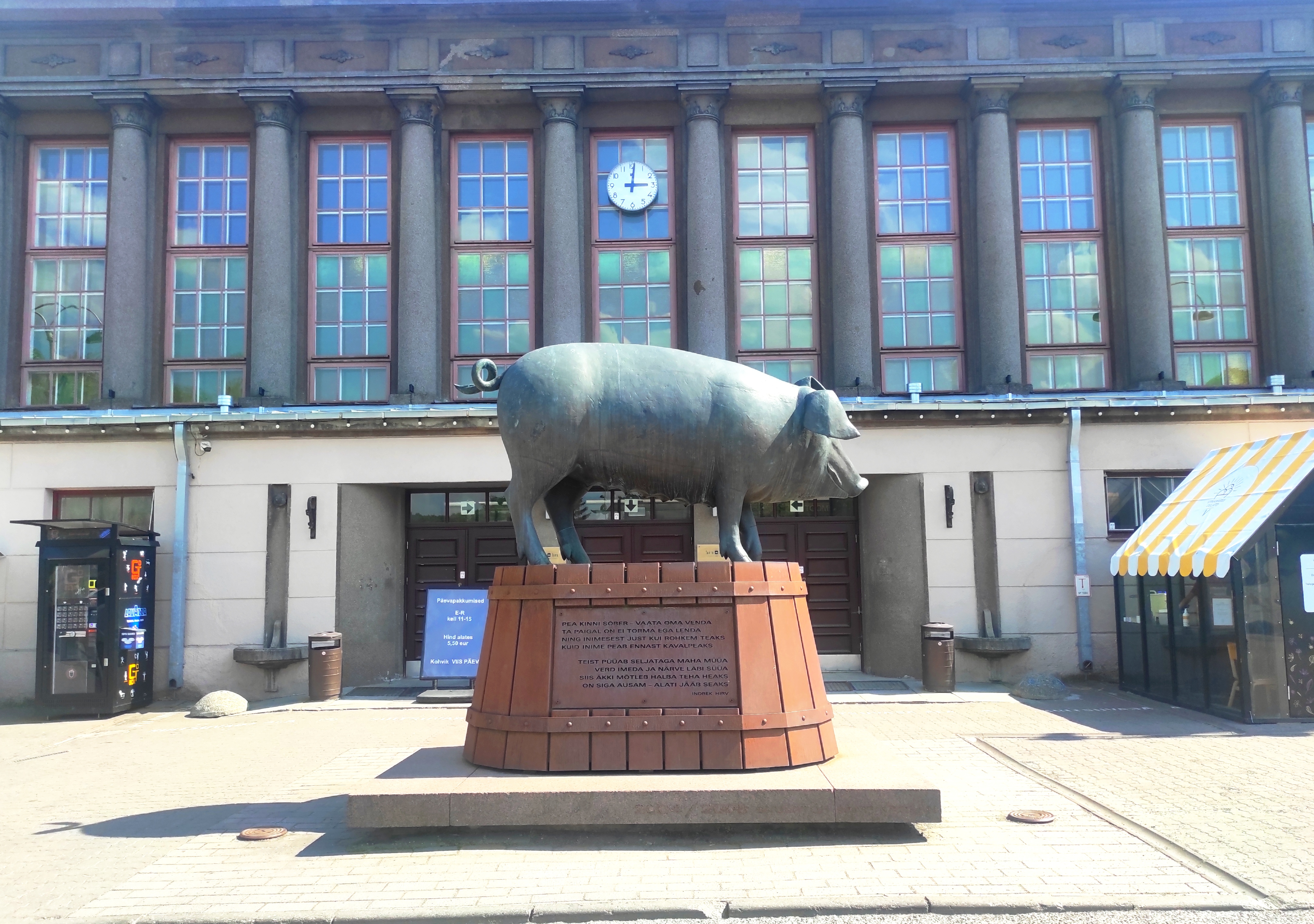
The sculpture was created by Mati Karmin and unveiled in front of the Tartu Market on 17 January 2008.The steel barrel rests on a granite base and the numbers and letters cut into the base inform the viewer that the date when the sculpture was opened, 17 January, is St Anthony’s Day when old Estonians used to turn their attention to the pig.

  • Sculptures

War of Independence Memorial Column

The memorial column erected in 1928 to commemorate those who fell in the War of Independence stands in the park next to Tõrva Upper Secondary School. The author of the monument is Aleksander Eller. The monument was taken down by local communist authorities during the Second World War in 1940 and it was reopened on Victory Day, 23 June 1990.Interesting facts: Schoolboys gave the monument the friendly name Juku.

  • Privacy Policy

"*"обозначает обязательные поля

Это поле используется для проверочных целей, его следует оставить без изменений.
Я разрешаю маркетинг