• Открой
    • Еда
    • Природа
    • Культура
    • Семья
    • Спорт
    • Сообщество
    • Блог
    У Вас появились свободные выходные, чтобы провести с детьми? Здесь собраны лучшие места в Южной Эстонии для семейного отдыха
  • Планируй
    • Размещение
    • Информация
    • Varamu
    Sustainability
RUS
  • РусскийRUS
  • EestiEST
  • EnglishENG
  • LatviešuLAT
  • SuomiFIN
RUS
  • РусскийRUS
  • EestiEST
  • EnglishENG
  • LatviešuLAT
  • SuomiFIN
Populaarsed otsingud:
Näita kõiki tulemusi
  • History & Culture
  • Art & design
  • Sculptures

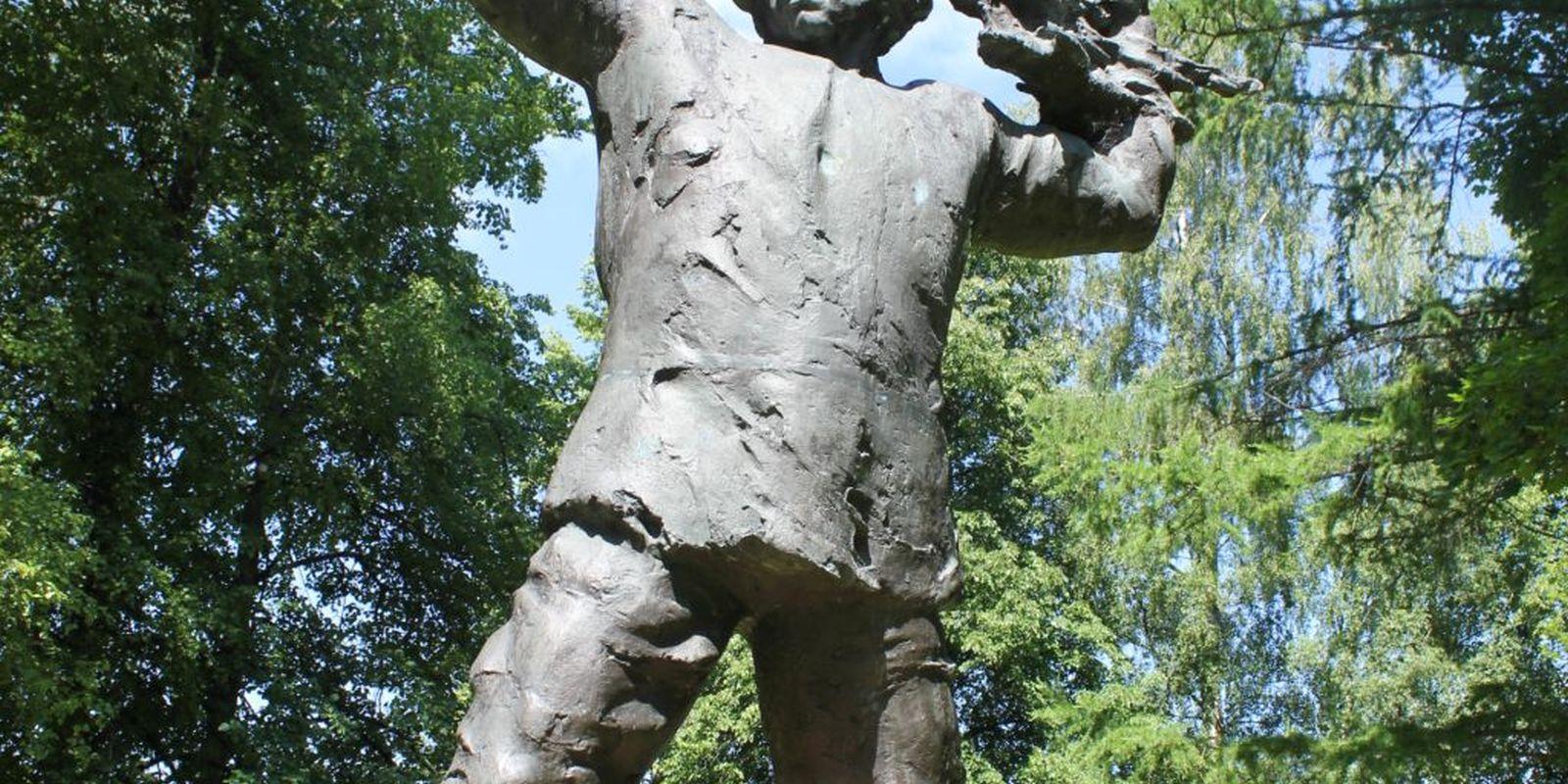
The Tree Garden Warrior

Räpina vald, Põlva maakond, 64504

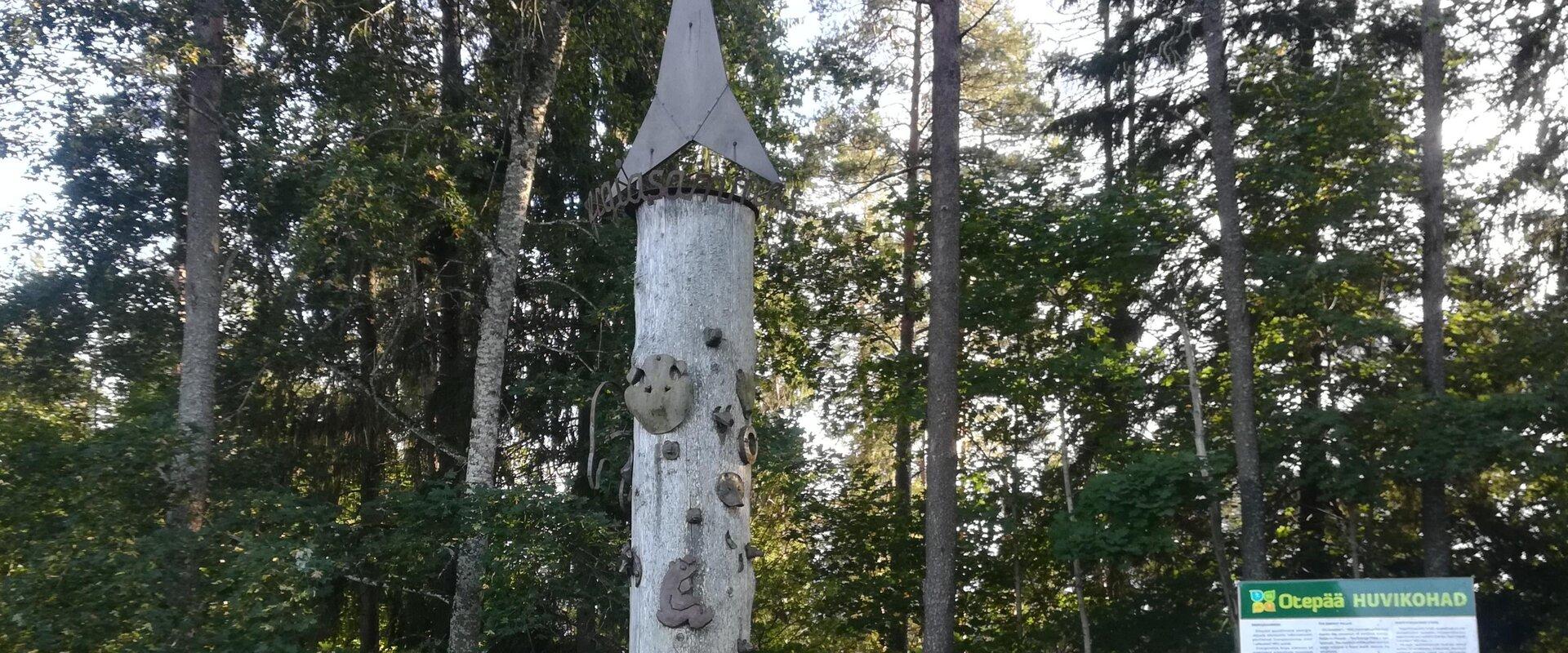
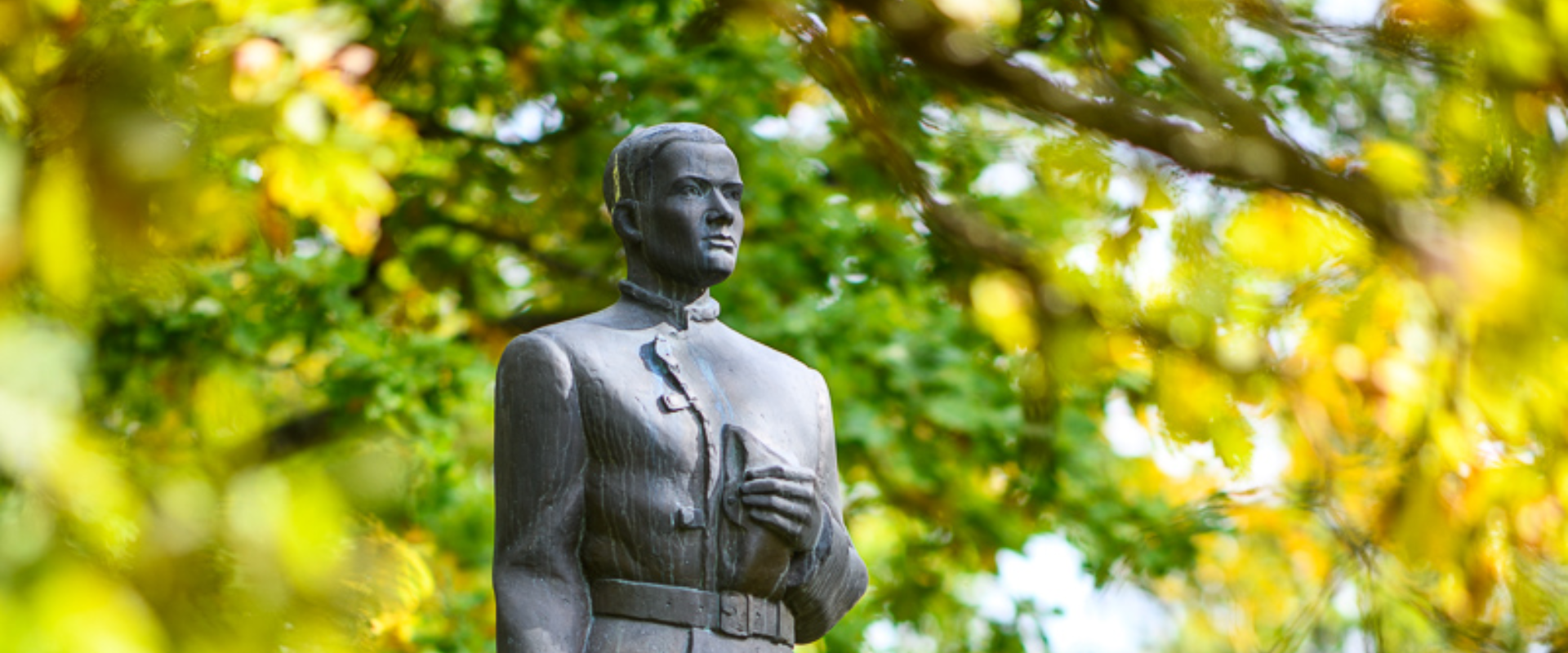
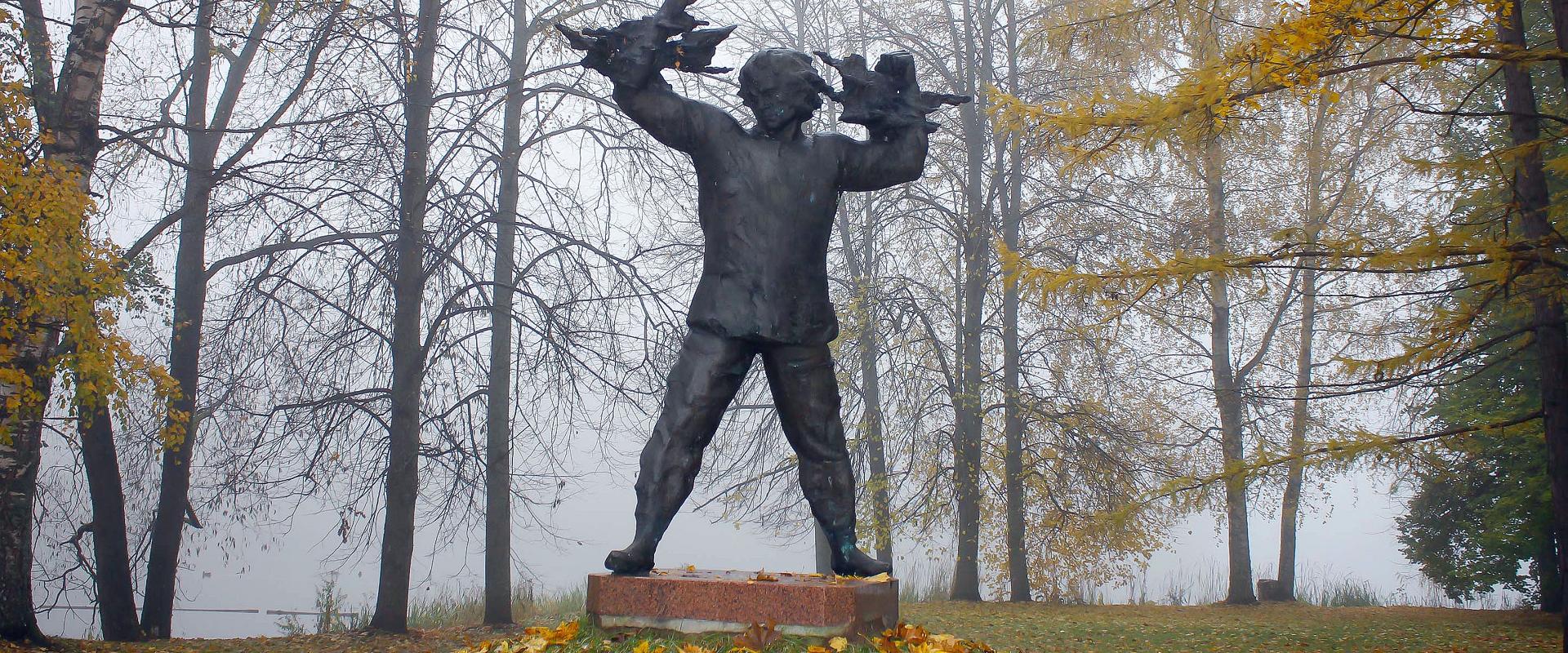
Standing in the landcaped area opposite the former main entrance of the Räpina Paper Factory is the Tree Garden Warrior, a monument to the historical Tree Garden War designed by Riho Kuld in 1984. The locals refer to the warrior as the Iron Man.In 1784 a peasant uprising took place in Räpina following the levying of a bounty tax. In the tree garden of the local manor a battle erupted between the soldiers and the local farmhands, who were armed with poles — ending in the deaths of five local men.
Mugavused

  • Free parking

Часы работы

Круглый год

Ööpäevaringselt

Контакты

  • +372 7995001
  • polvamaa@visitestonia.com

Ссылки

Подробнее

  • Sculptures

Kaarnakivi Stone in Rõuge Park

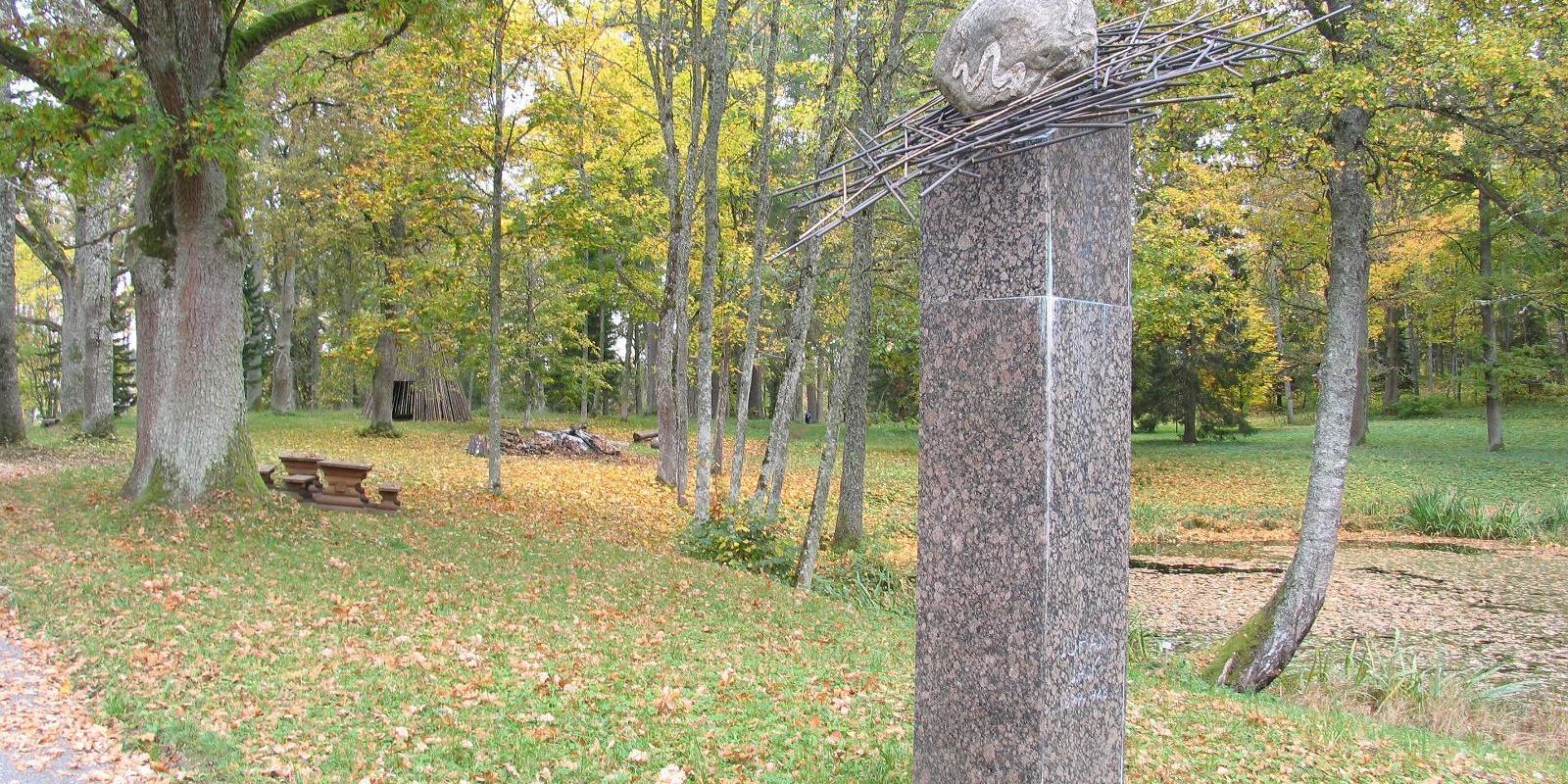
The Kaarnakivi Stone by the sculptor Tiiu Kirsipuu is a memorial to the writer Juhan Jaik erected on the occasion of the 100th anniversary of his birth. Fantasy author Juhan Jaik (1899-1948), born in Sänna in Võru County, wrote captivating and enchanting stories and poems for both adults and children. "Kaarnakivi", a collection of ghost and animal stories, is an Estonian children's literature classic that continues to excite readers today.The "kaarnakivi", as many Estonians already know, is a stone that gives its finder whatever he or she wants, if a person knows how to use it prudently.

  • Sculptures

Otepää Energy Column

Otepää irradiates good energy! The monument that celebrates the existence of positive energy fields was opened in Mäe Street on 1 October 1992.The entire field is surrounded by benches and the location of these as well as the column itself was selected by psychics. The energy column is the symbol which reminds us that in this rapidly changing world, humans are a part of nature and everything is based on the rules of nature that rely on balance and co-dependency.

  • Sculptures

Monument to the Visit of Dalai Lama

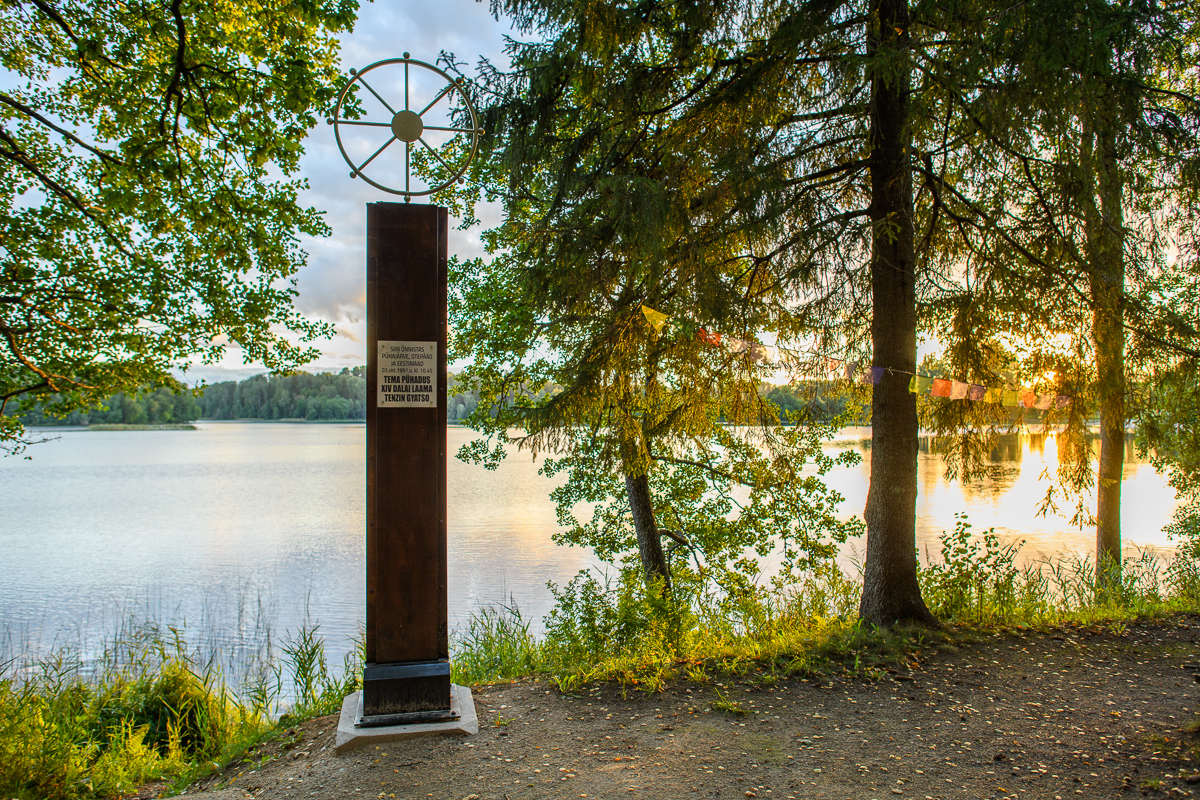
You can feel touched by the divine when walking on the beach or swimming in Lake Pühajärv.Namely, His Holiness the 14th Dalai Lama Tenzin Gyatso (born 1935), the leader of the Tibetan people, visited Estonia and Otepää on 3 October, 1991. He blessed Lake Pühajärv on the same day. The historical visit is commemorated with a wooden sculpture near the beach in Pühajärv Park.

  • Sculptures

Catherine II Sculpture and Catherine Alley (Katariina allee)

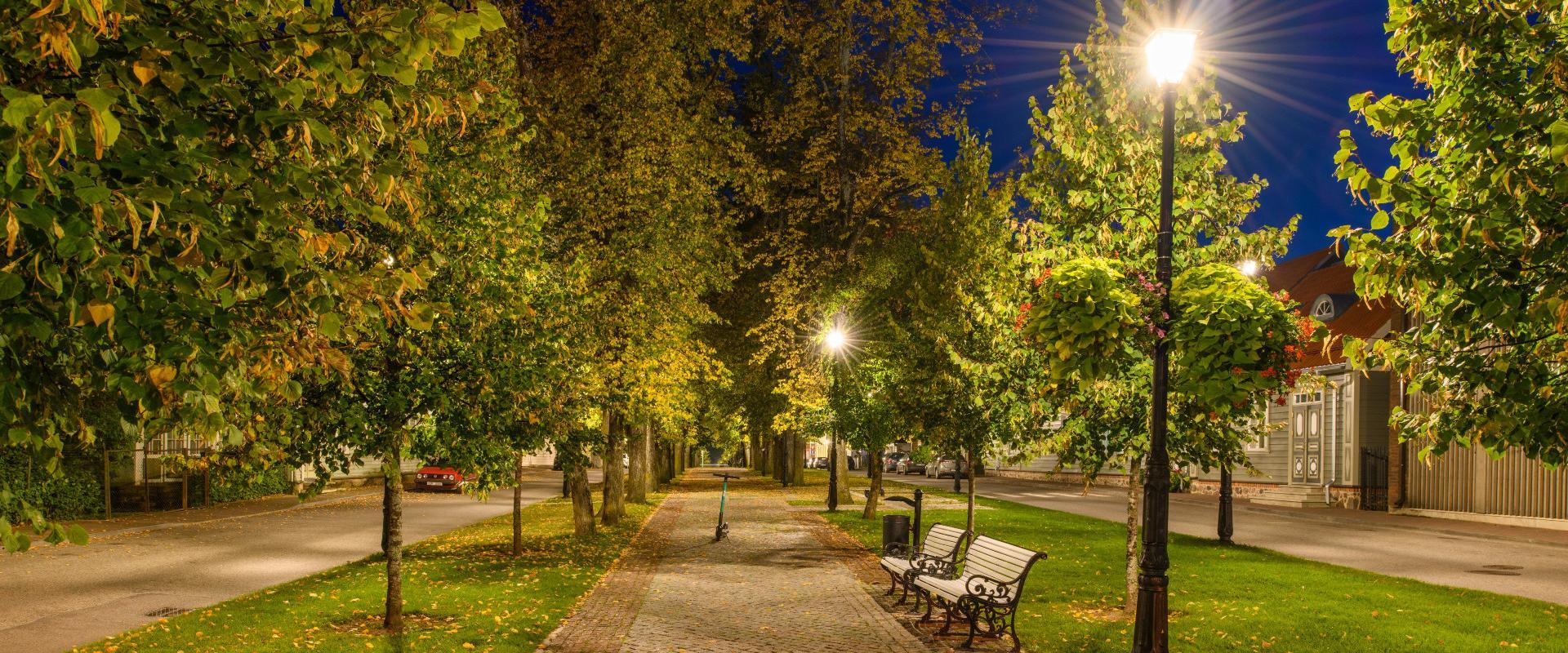
The sculpture of Russian Empress Catherine II (sculptor Jaak Soans) was installed on the renovated Catherine Alley in 2014.The city of Võru was established as the centre of the newly created county under the new Provincial Governance Law of 1784. Catherine II personally gave a number of orders for the founding of a new city and affirmed the coat of arms of the city. The avenue from the first house of Võru town, the main building of the manor belonging to von Mengdens (Võru upper secondary school) to Lake Tamula, is shown on very early maps of Võru city. Catherine Alley connects the city's central square with Kreutzwald Park and Tamula Lake's promenade.

  • Sculptures

Statue of Oskar Luts

The monument to Oskar Luts was erected in 1987. The authors of the monument were A. Rimm and A. Murdmaa.Oskar Luts (1887–1953) was an Estonian writer. His best known and loved novel is Kevade (Spring), a lyrical and humorous tale based on school memories. He has also written plays, children’s stories, memoirs, and feuilletons. The writer's house museum is located at 38 Riia Street in Tartu. There, he lived for the last 17 years of his life. Oskar Luts was buried in the St Paul’s Cemetery in Tartu.

  • Sculptures

War of Independence Memorial Column

The memorial column erected in 1928 to commemorate those who fell in the War of Independence stands in the park next to Tõrva Upper Secondary School. The author of the monument is Aleksander Eller. The monument was taken down by local communist authorities during the Second World War in 1940 and it was reopened on Victory Day, 23 June 1990.Interesting facts: Schoolboys gave the monument the friendly name Juku.

  • Sculptures

‘The Kissing Students’ sculpture and fountain

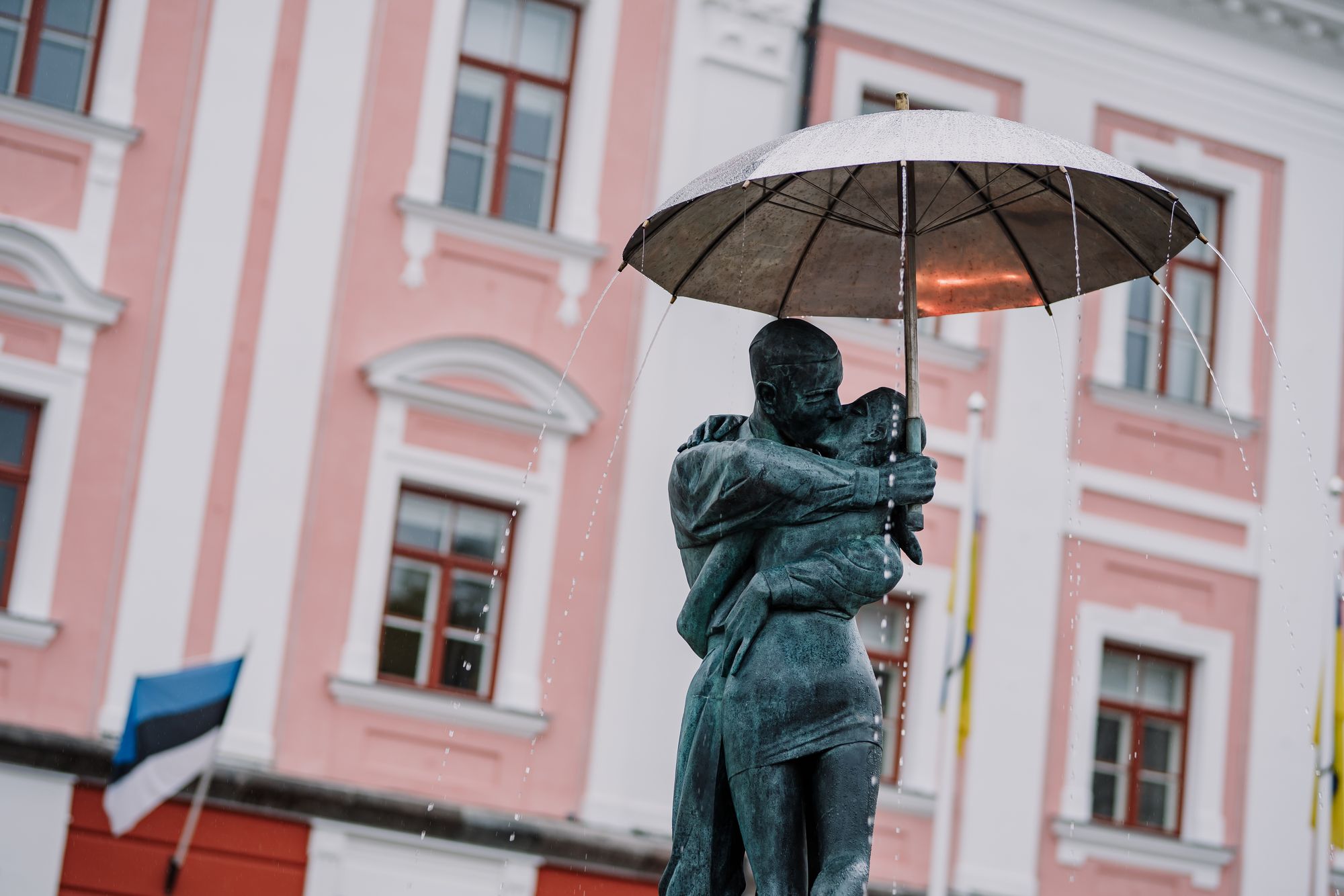
'The Kissing Students' sculpture and fountain is one of the most recognised symbols of Tartu. The fountain has stood in the same place since 1948, when newlyweds and their guests would visit it for luck, and people would also take a dip in it. The sculpture was created by Mati Karmin and completed in 1998. Since 2006 the fountain has been surrounded by tiles bearing the names of Tartu's sister cities – Bærum, Deventer, Ferrara, Fredriksberg, Hafnarfjörður, Hämeenlinna, Kaunas, Lüneburg, Pihkva, Riia, Salisbury, Tampere, Turu, Uppsala, Veszprem and Zutphen. Each of these is situated in the direction that the cities lie from Tartu, with the distances marked.

  • Sculptures

Monument to Alfred Neuland

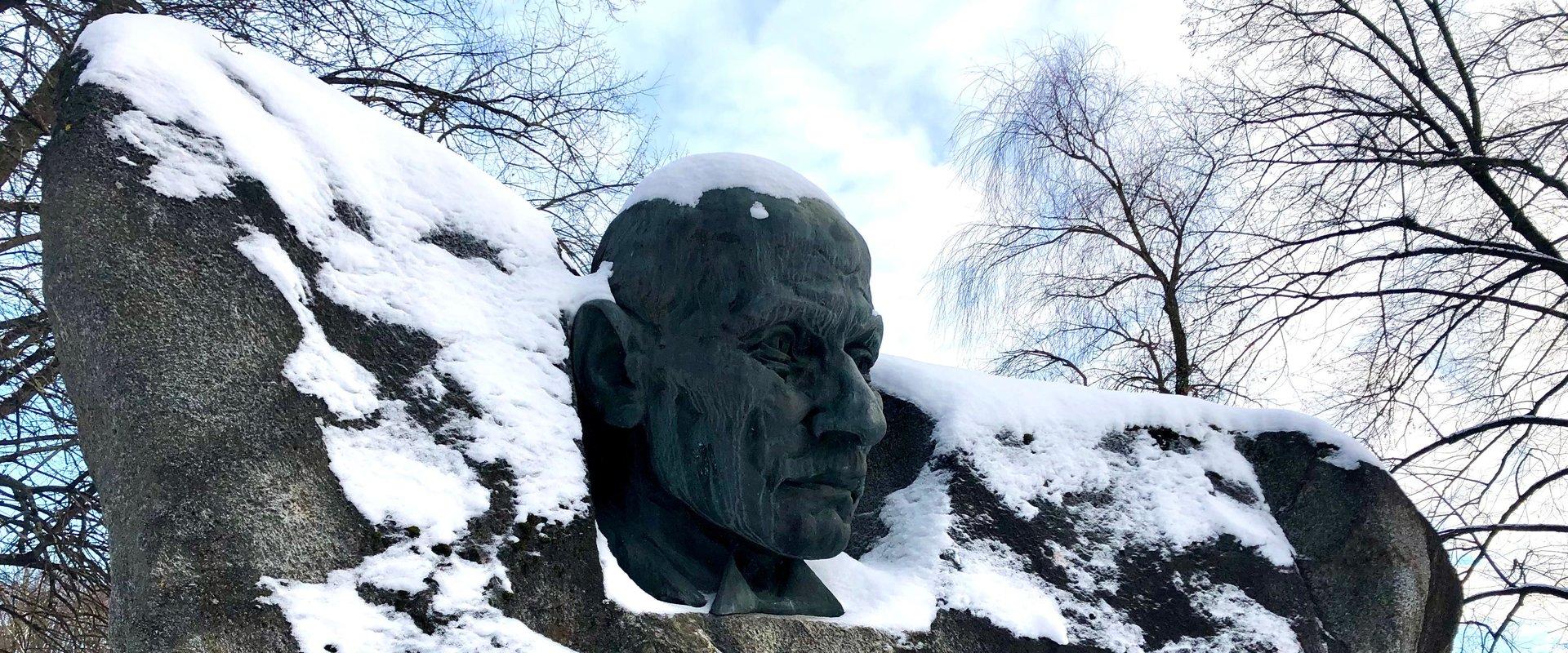
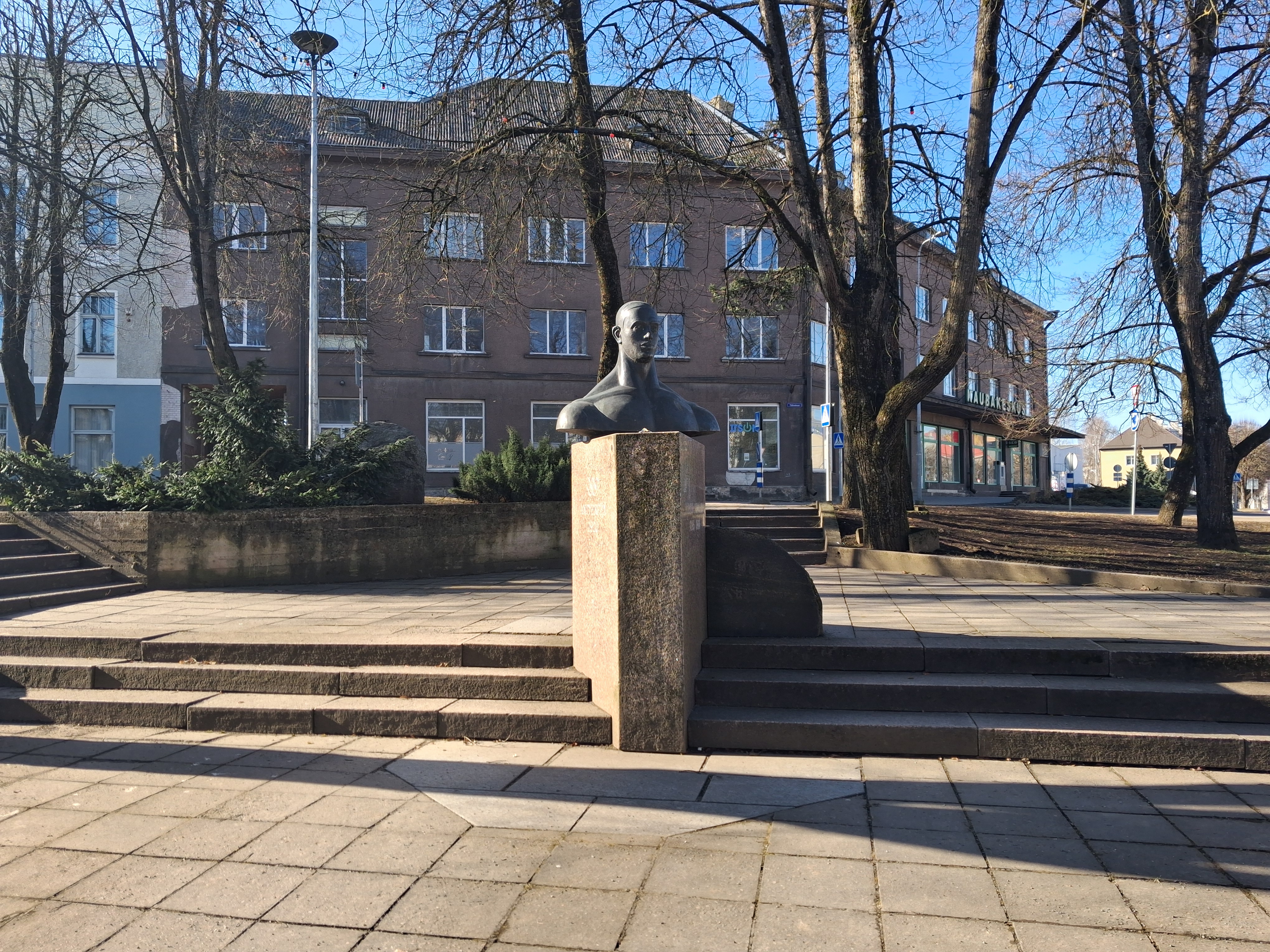
Weightlifter Alfred Neuland (1895-1966) who was born in Valga is the first Estonian Olympic Champion. He returned with a gold medal from the Antwerp Olympic Games in 1920. He was also successful at the Paris Olympic Games where he won the silver medal.Interesting facts: * sculptor Mati Karmin is the author of the bronze bust; * Hermann Lerchenbaum, the first Estonian known to have taken part in Olympic Games as a member of the US Navy's rowing team at the 1896 Olympic Games in Athens, was also born in Valga.

  • Privacy Policy

"*"обозначает обязательные поля

Это поле используется для проверочных целей, его следует оставить без изменений.
Я разрешаю маркетинг