• Открой
    • Еда
    • Природа
    • Культура
    • Семья
    • Спорт
    • Сообщество
    • Блог
    У Вас появились свободные выходные, чтобы провести с детьми? Здесь собраны лучшие места в Южной Эстонии для семейного отдыха
  • Планируй
    • Размещение
    • Информация
    • Varamu
    Sustainability
RUS
  • РусскийRUS
  • EestiEST
  • EnglishENG
  • LatviešuLAT
  • SuomiFIN
RUS
  • РусскийRUS
  • EestiEST
  • EnglishENG
  • LatviešuLAT
  • SuomiFIN
Populaarsed otsingud:
Näita kõiki tulemusi
  • History & Culture
  • Architecture and history

Water tower of Raadi Manor

Narva mnt 177, Tartu linn, Tartu maakond, 51009

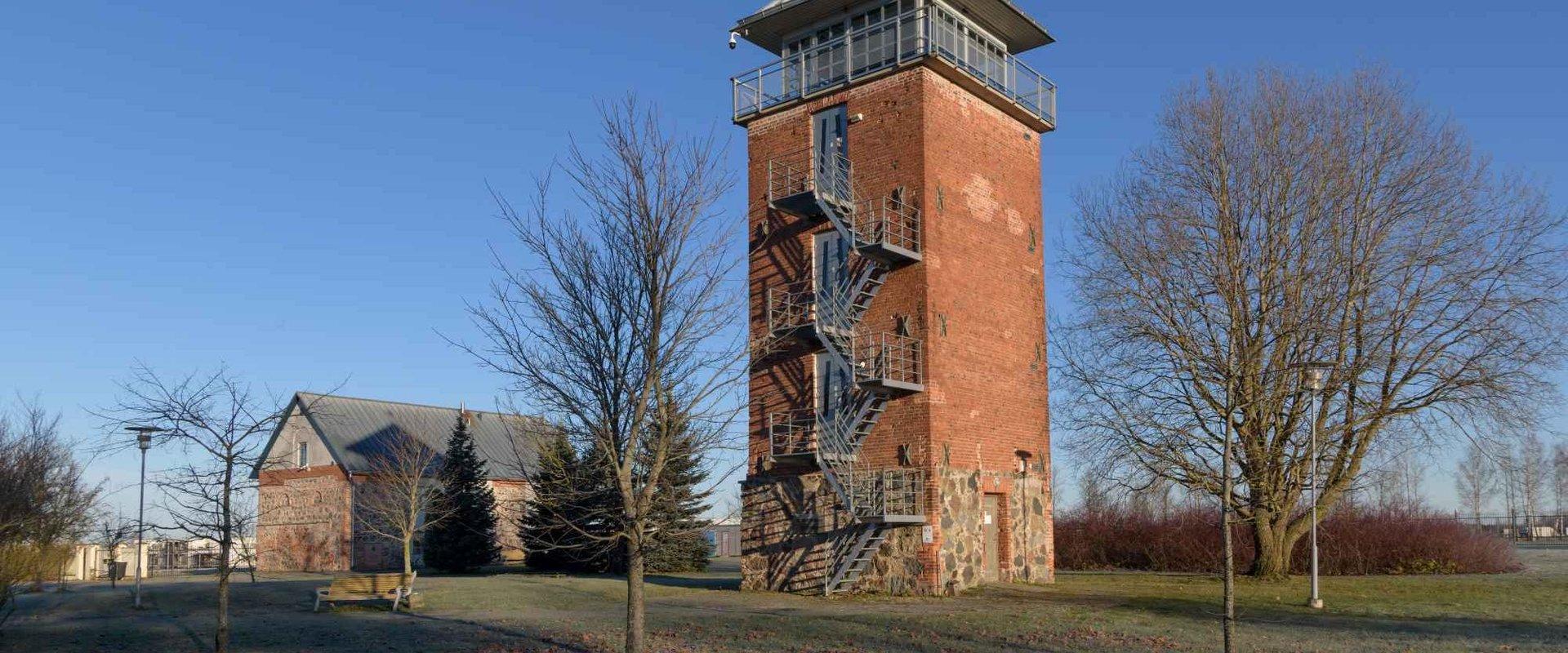
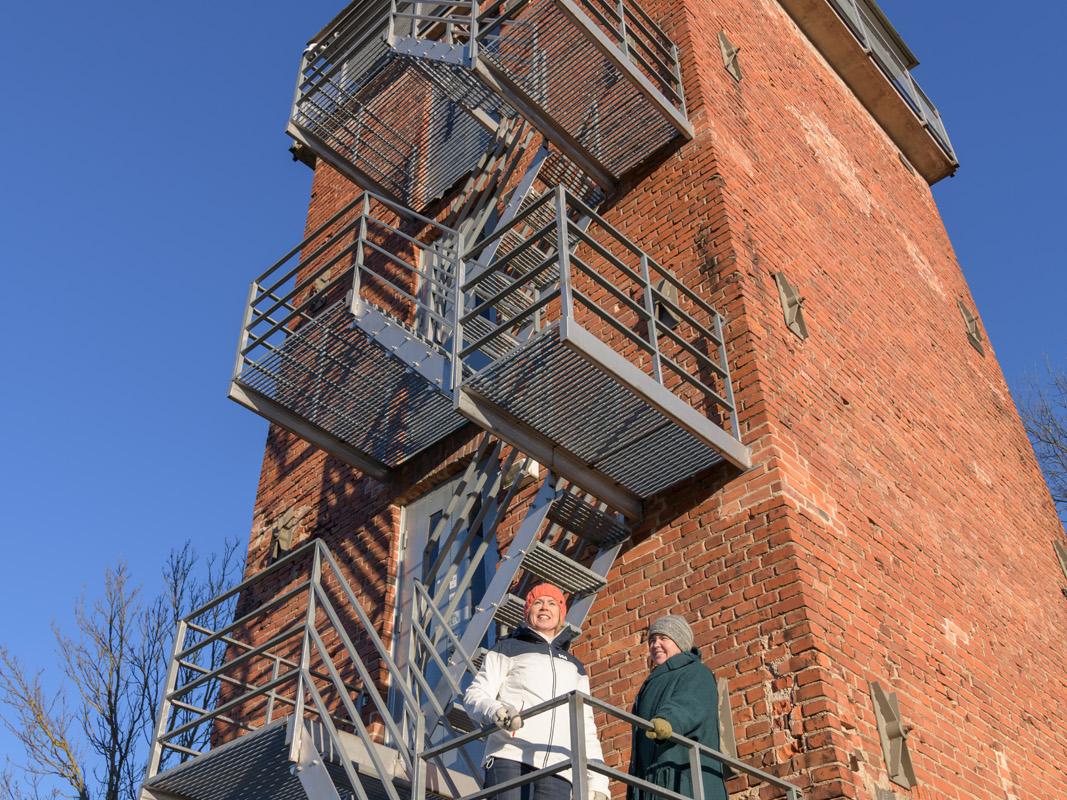
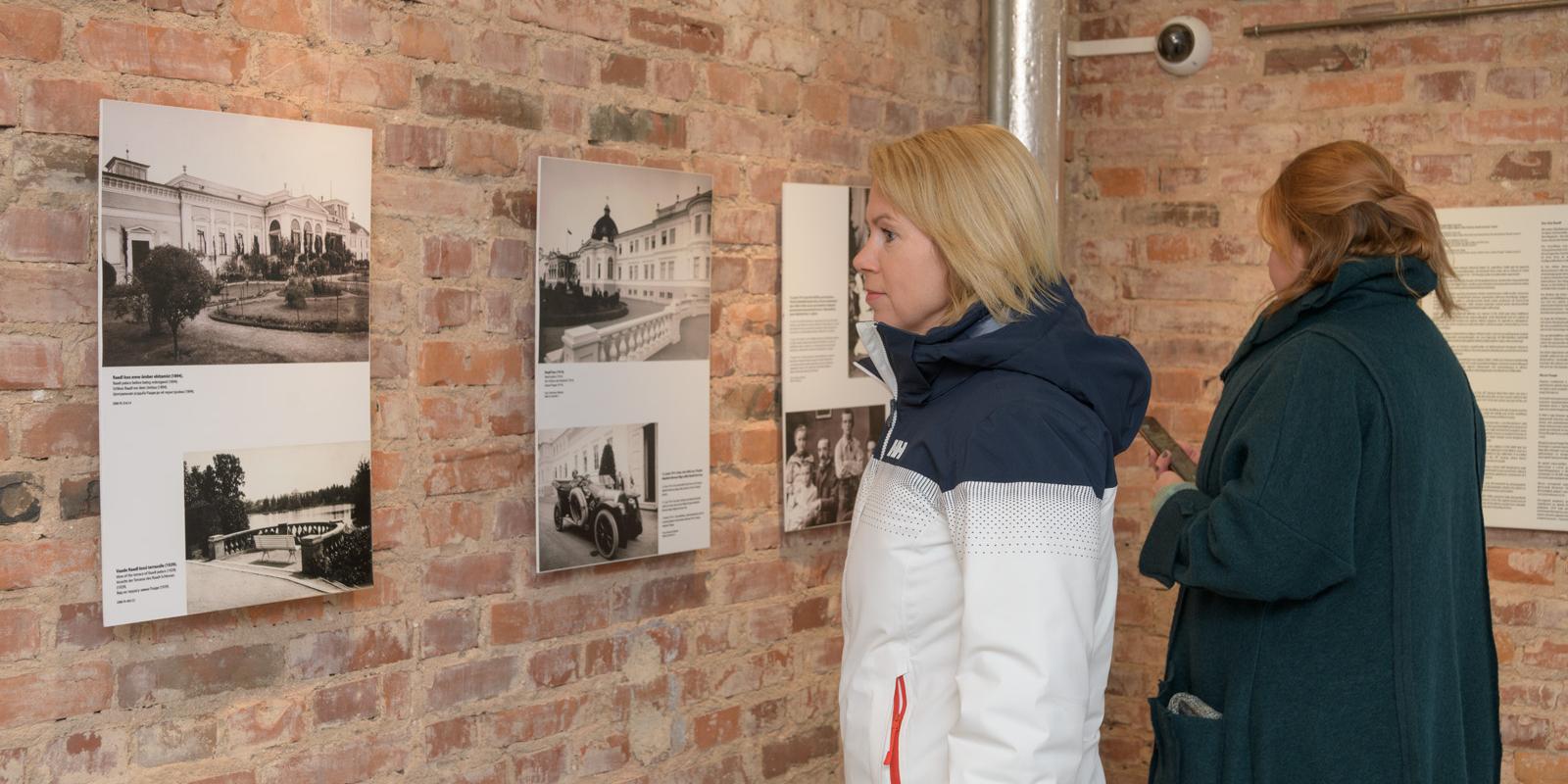
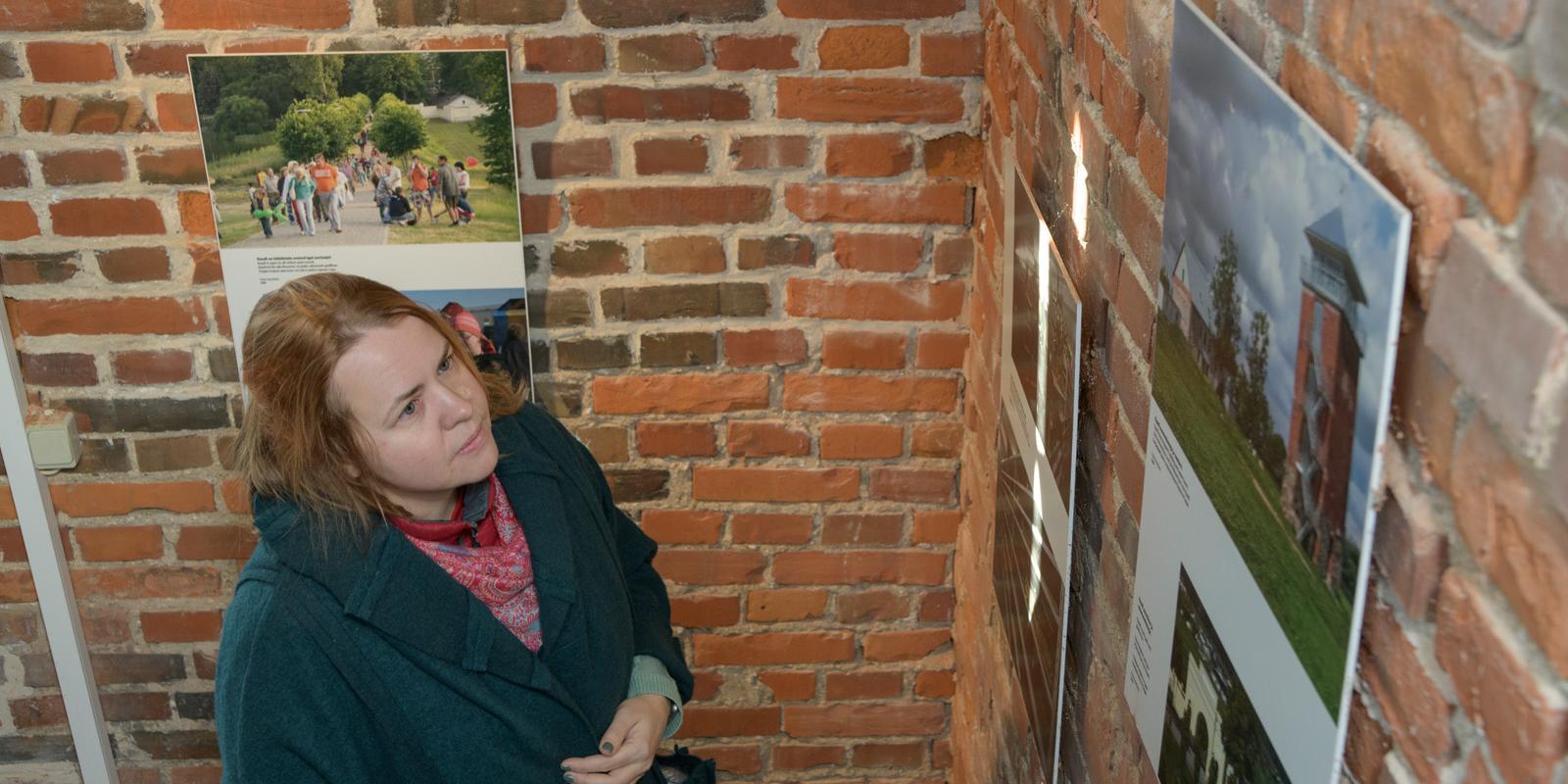
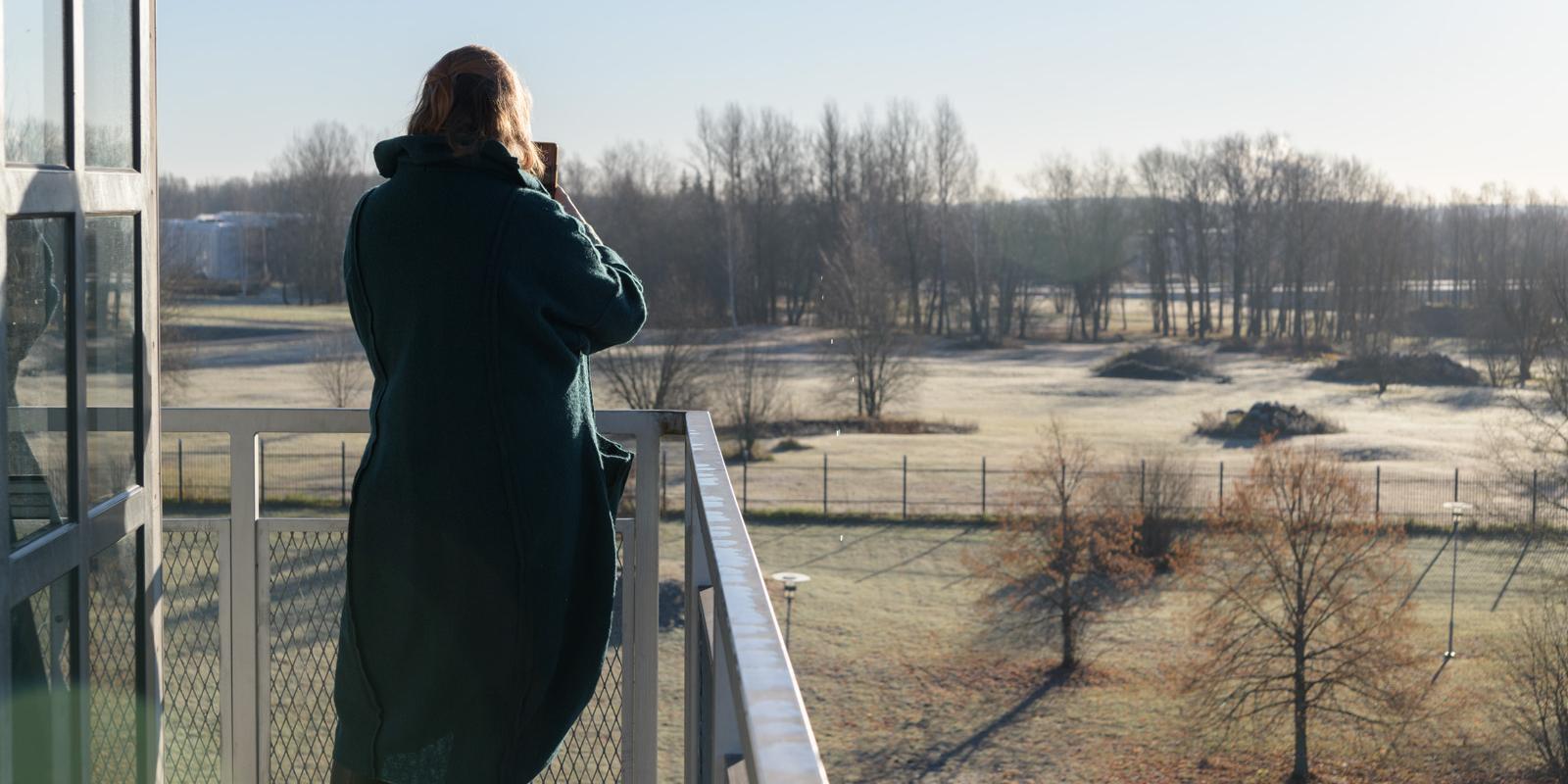
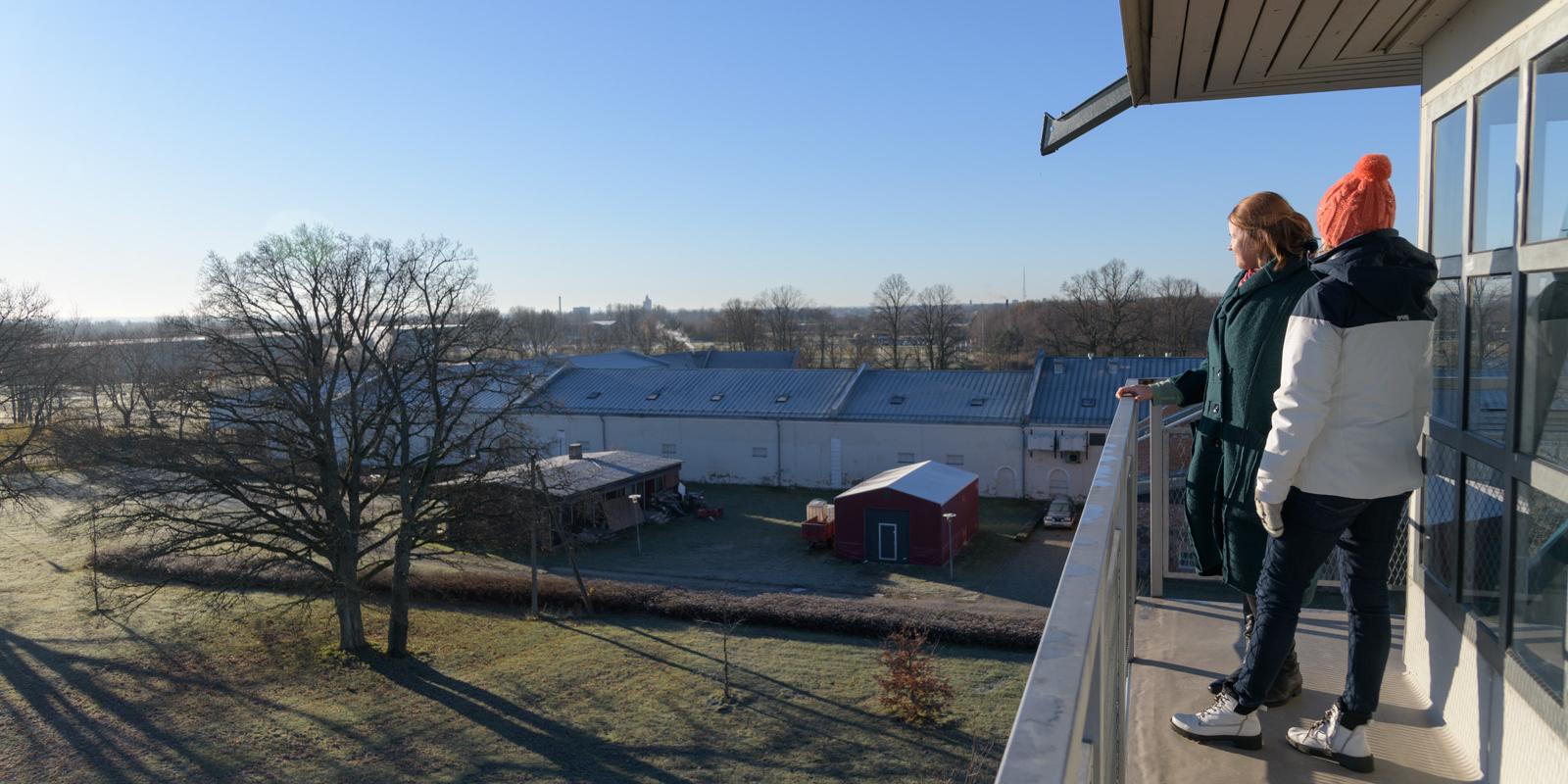
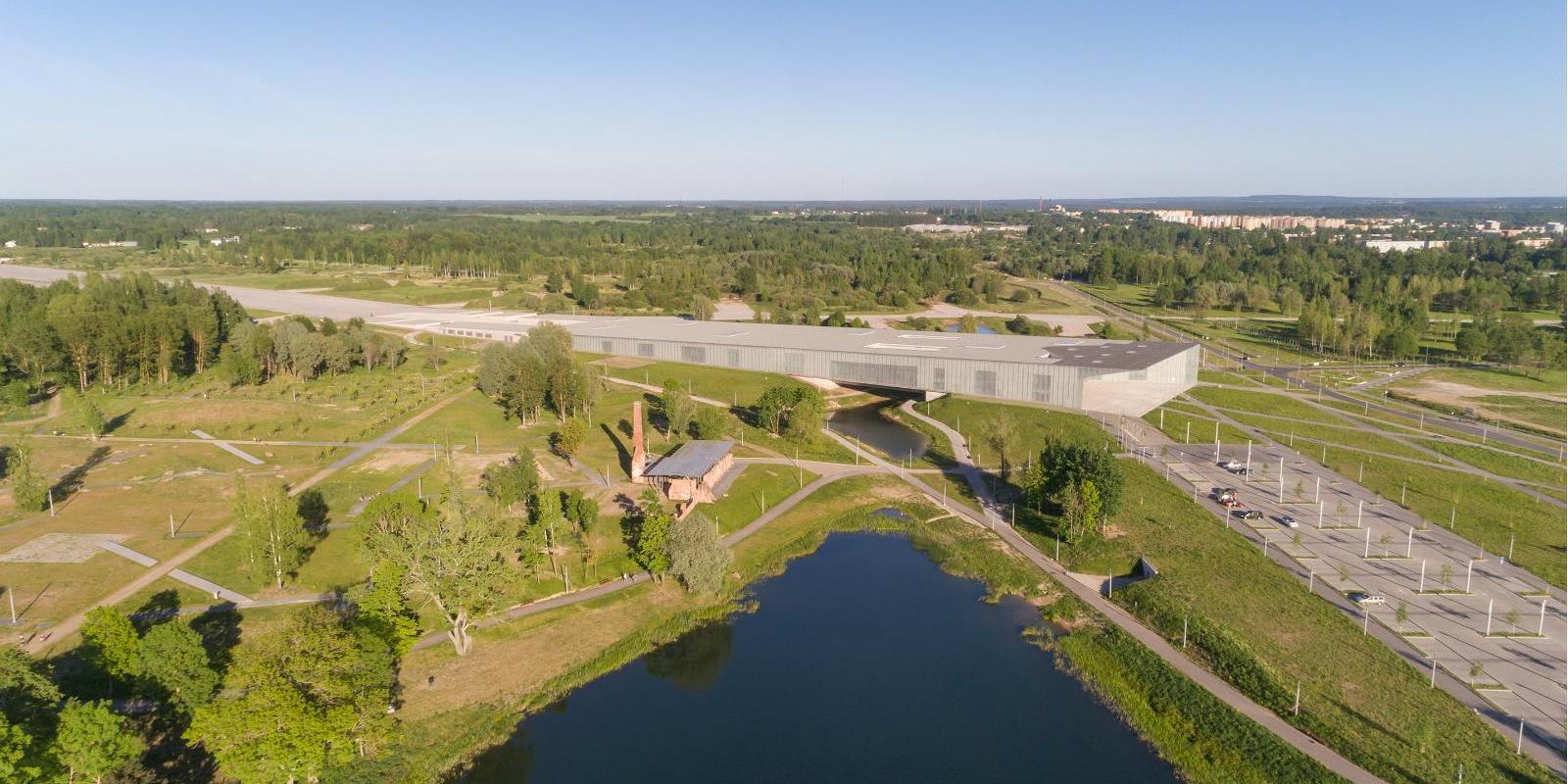
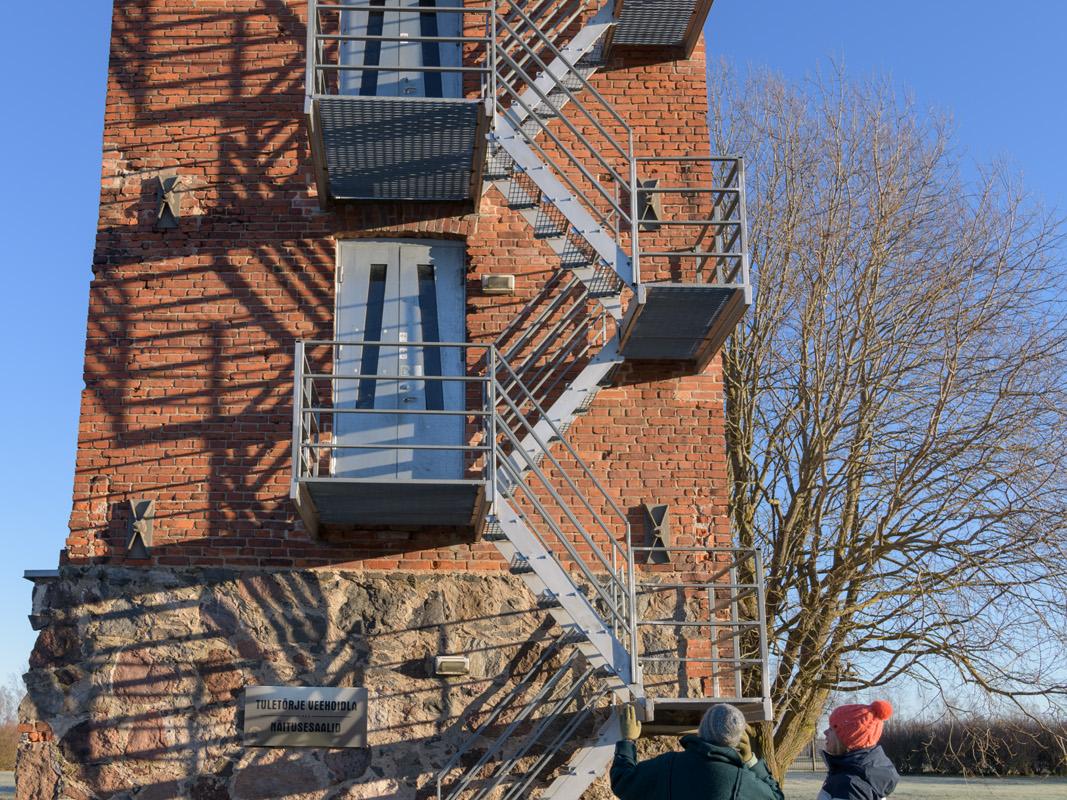
The water tower of Raadi Manor dates back to the 19th century. In ancient times, the tower housed the manor clock, which let the manor workers know it was time for lunch. After World War II, the building was used by the Soviet army and was restored in 2002.Inside the water tower is an exhibition of the Estonian National Museum. Visiting the photo exhibition Raadi Through the Ages, which runs along the floors of the water tower, offers not only historical knowledge but also enchanting views of the cosy Raadi Manor Park.The exhibition is open by reservation and a visit to the water tower can be ordered together with the guided tour of the Estonian National Museum ‘Raadi Manor Park Tour’.
Mugavused

  • Free parking
  • Recreation area/picnic ground

Часы работы

1. mai - 31. aug

По предварительному заказу

Контакты

  • +372 736 3051
  • erm@erm.ee

Ссылки

Подробнее

  • Guided tours

Siimusti Clay Industry

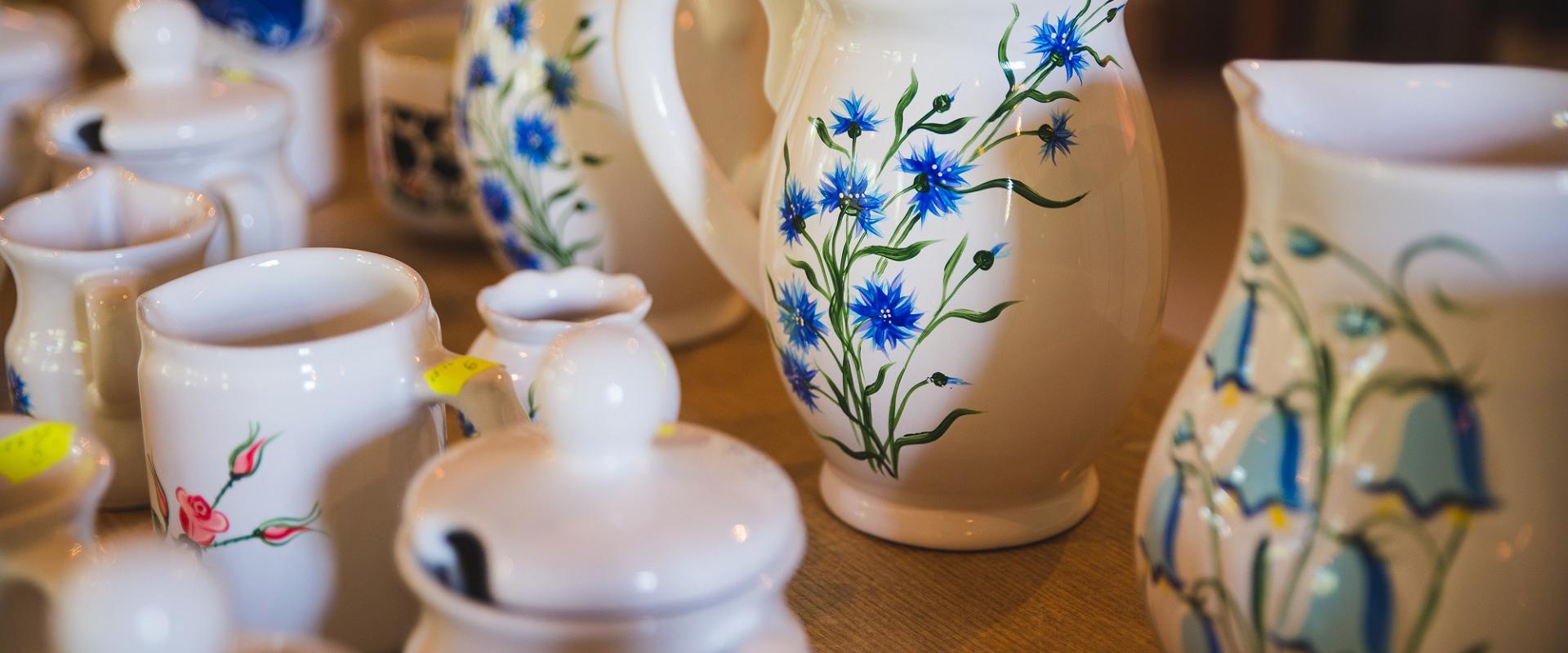
Siimusti Ceramics operates from the clay factory, which was founded in 1886 by Joosep Tiimann, a man born from a family of farmers. The location was suitable due to the clay deposits present here. At first the brick manufactury was created; afterwards they started producing oven pots and dishware.Nowadays you can get acquainted with the manufacturing process of ceramics: The pouring of clay into the mold and the firing and glazing processes. The end product can be bought onsite.

  • Churches

Saint Isidore’s Main Church in Valga

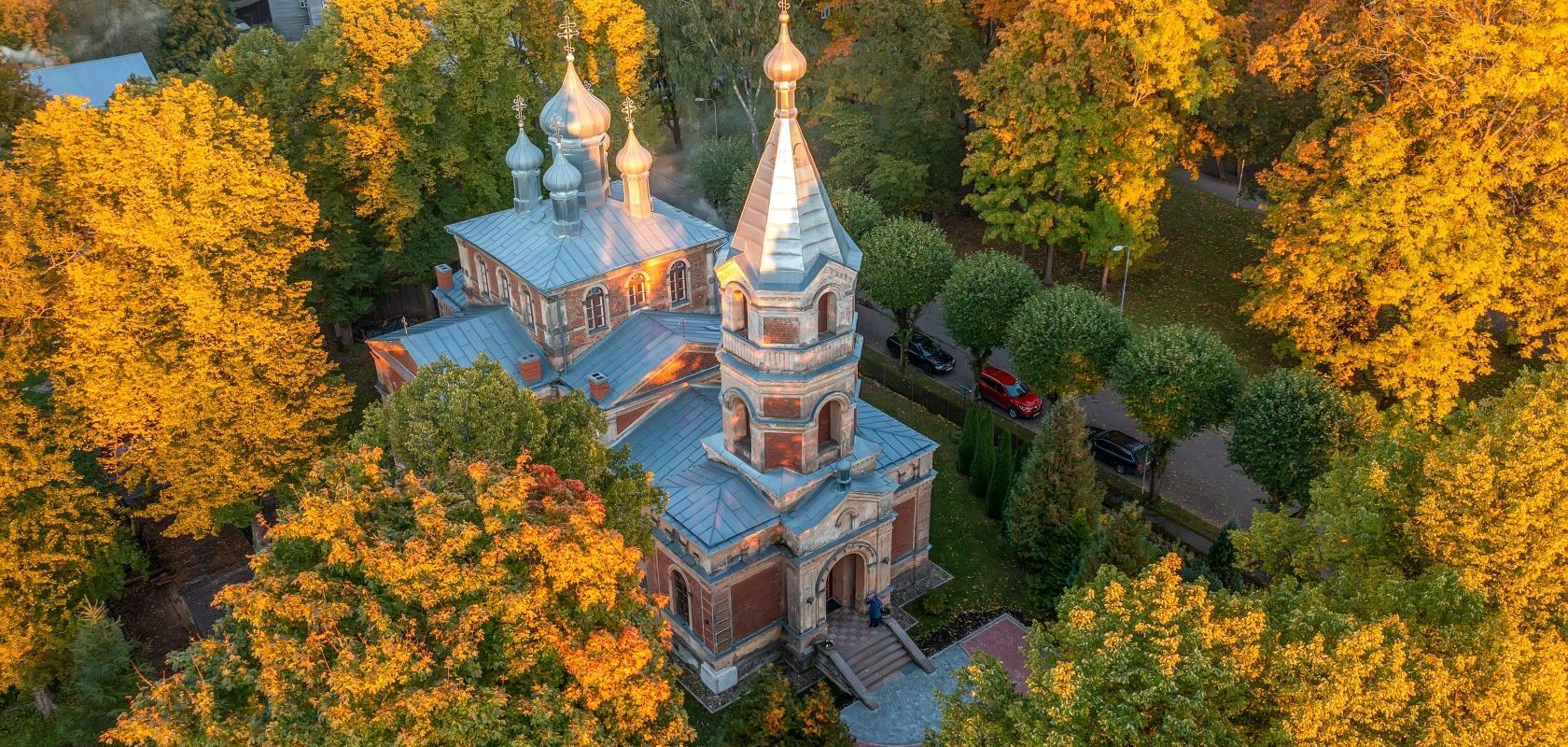
This historicist-style church is built from red and yellow bricks and has five domes and a bell tower. It is one of the four representative churches of the Apostolic Orthodox Church in Estonia. The church is named after the priest martyr Isidore of Tartu. The church was built in 1897–1898 and was consecrated in 1898. The architect of the building is Vladimir Lunski.The church was built in 1896 for the congregation of Orthodox Russians and Latvians.

  • Monuments

Monument to Peeter Põld

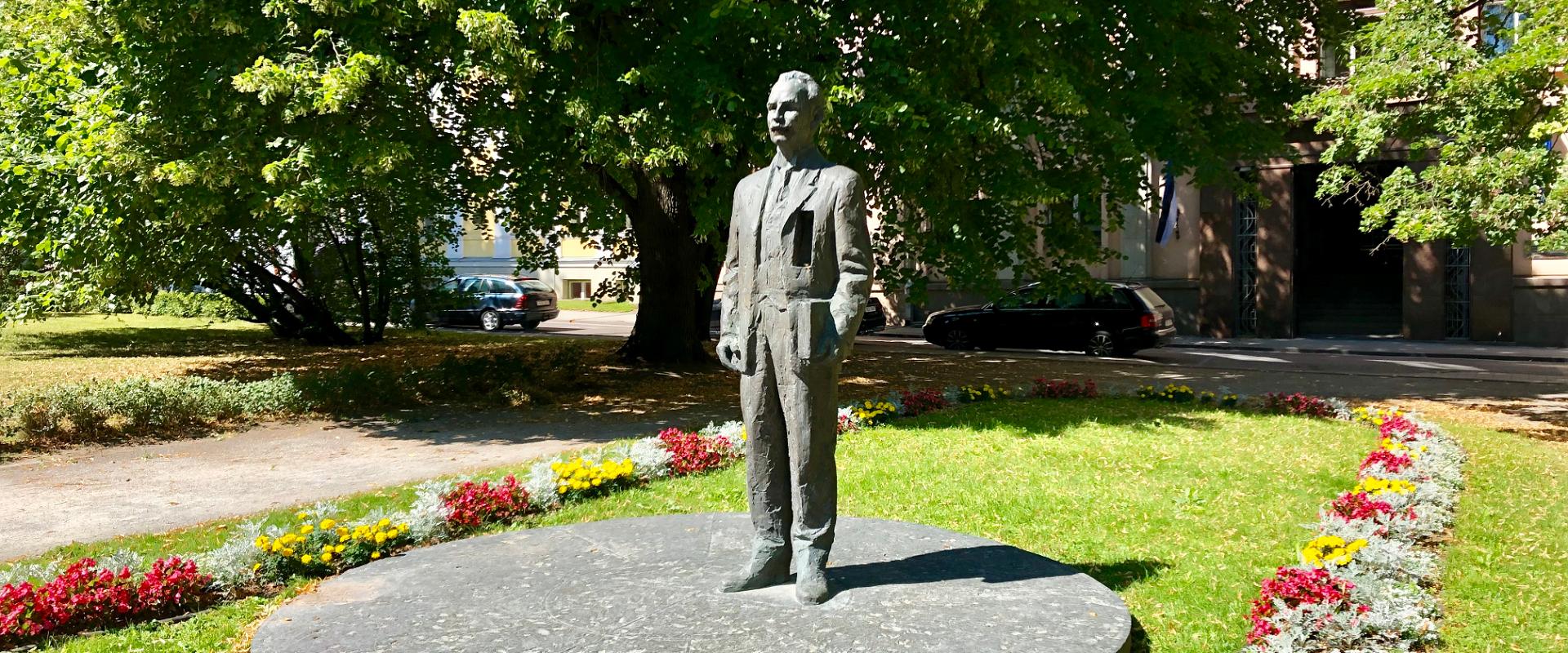
The monument to Peeter Siegfried Nikolaus Põld (1878–1930), the first Minister of Education and founder of the national university of Estonia, the first professor of pedagogy, was unveiled in front of the Ministry of Education and Research on 1 December 2008.The authors of the monument are sculptor Ekke Väli and architect Ain Rööpson.Under the name of Peeter Põld Day, student scientific conferences have been organised at the University of Tartu since 2008, and on the same day, the university issues a scholarship named after him.

Gallery of Tampere House

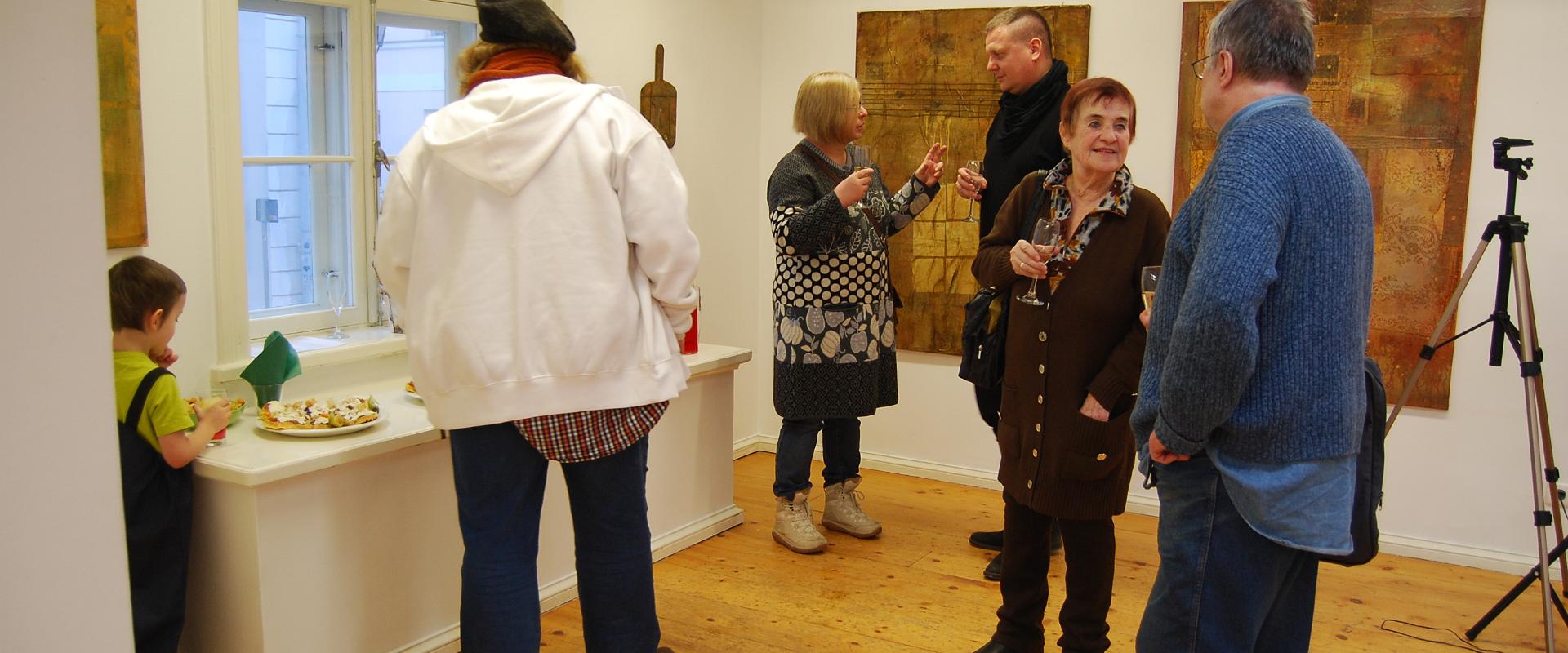
Tampere House is a culture and cooperation centre for the twin cities Tampere and Tartu, where exhibitions, literature evenings, and concerts often take place. Tampere House is located in the historical centre of Tartu, one of the oldest preserved wooden houses in Tartu (built in 1739).The Gallery of Tampere House presents Estonian and Finnish art. Exhibitions alternate every three weeks! Visiting the exhibition is free!

  • Sculptures

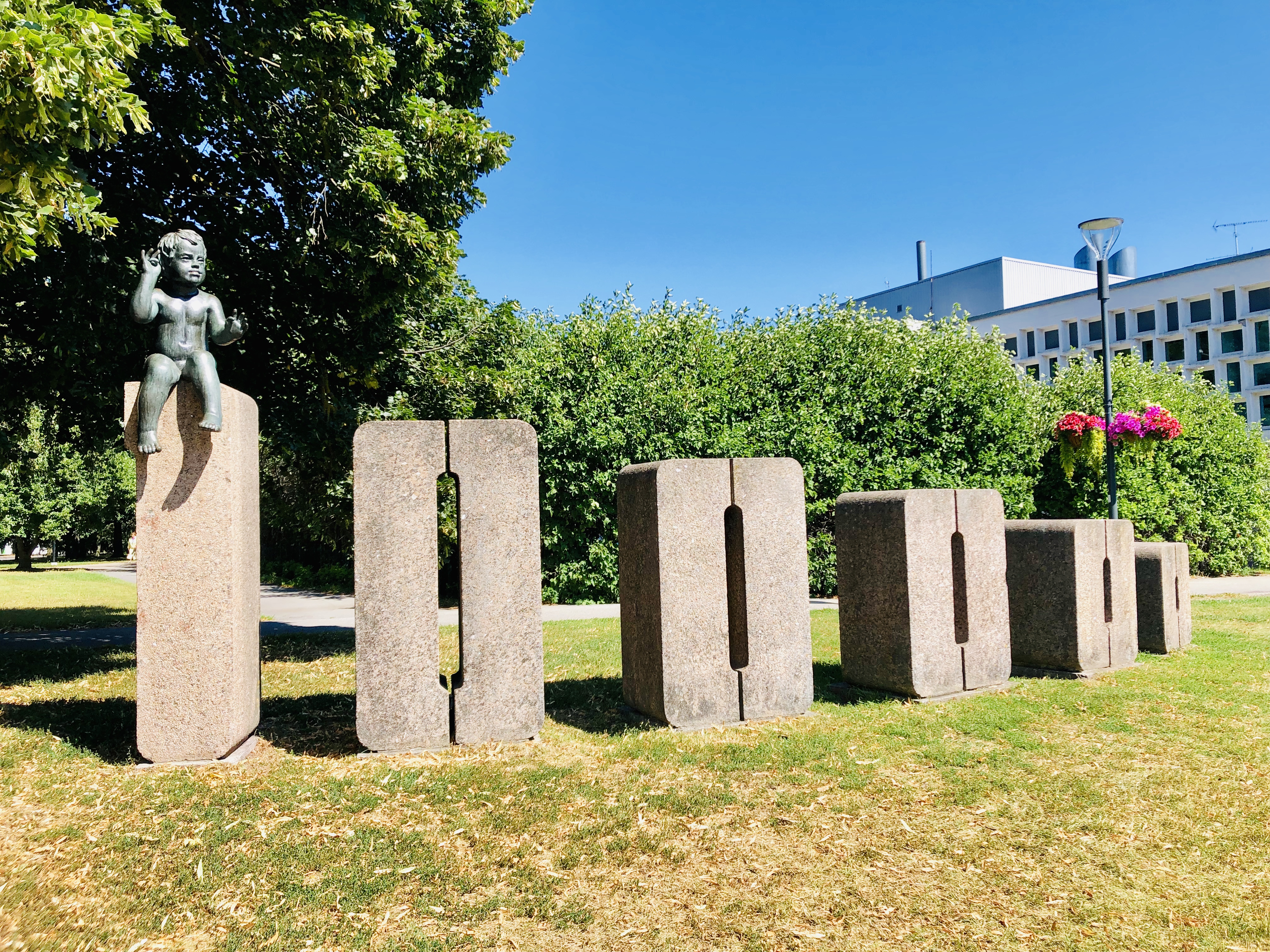
Group of sculptures to celebrate the birth of the 100,000th resident of Tartu

The monument consists of the number 100,000 carved of granite with the bronze sculpture of a child sitting on number 1. The monument celebrating the birth of the 100,000th Tartu resident was initially located in the green area between the former Restaurant Kaunas and the Võidu Bridge. The monument was moved onto the banks of the Emajõgi River between Atlantis and Kaarsild.

  • Churches

Rajaküla Old Believers’ Worship House

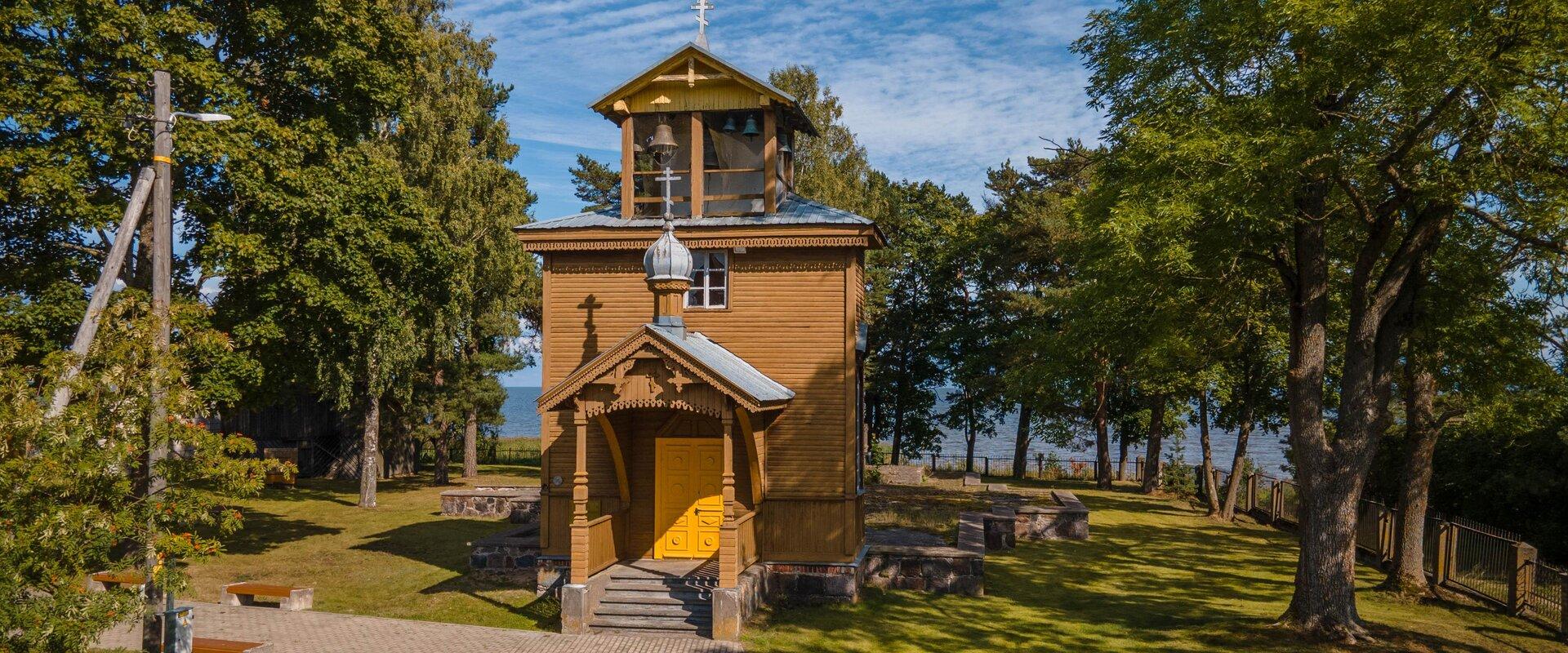
It is believed that the Raja congregation of Old Believers was established in the first quarter of the 18th century. The congregation was given permission to build its own church only in 1879. The church was destroyed during the Second World War – the only thing left is the belfry. The present worship house has 11 rooms. In 1854–1930 Gavriil Frolov lived in the worship house. He taught children icon-writing, reading and writing in Old-Slavic, also singing based on old musical notation.

  • Churches

St Michael’s Lutheran Church in Räpina

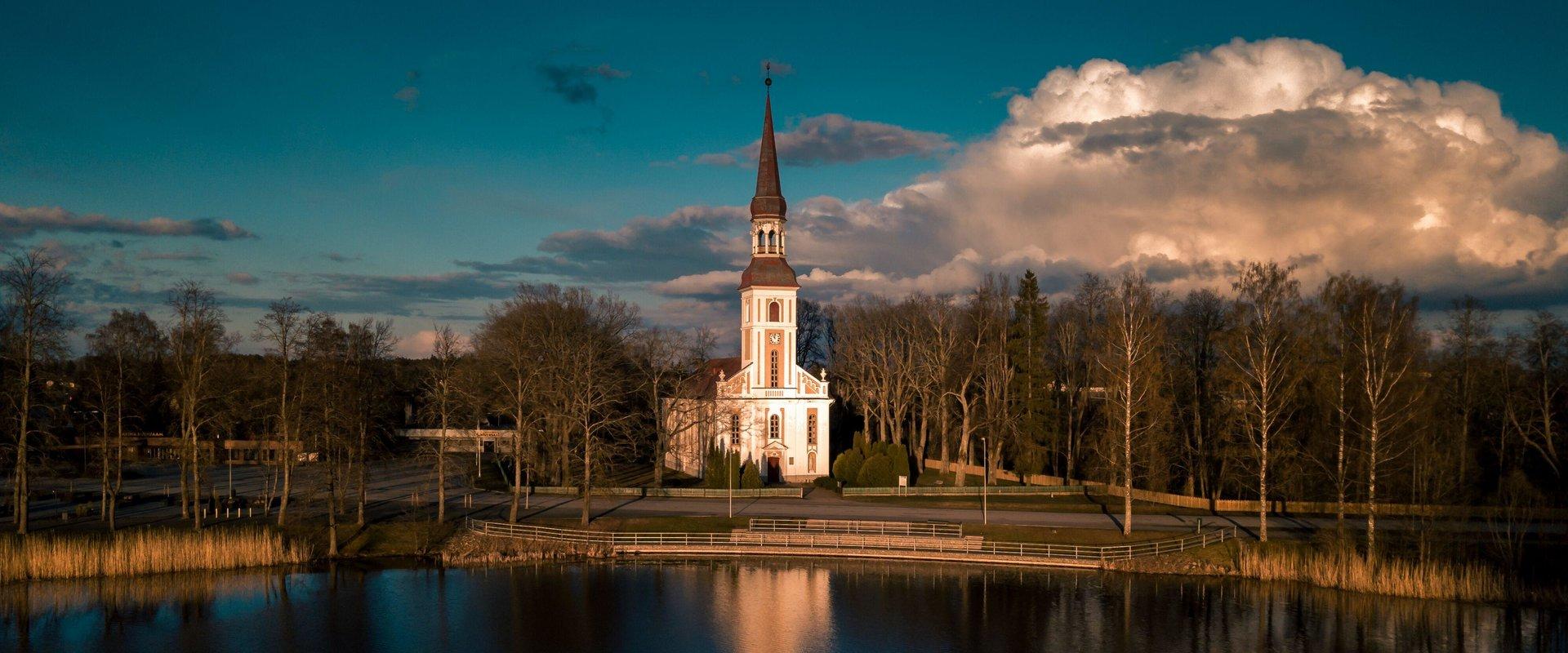
This church, dedicated to the archangel Michael, was completed in 1785. It stands on the shores of a man-made lake in Räpina and enjoys beautiful views over Sillapää castle and park. The walls of the church, which was constructed in Late Baroque style, are made from rendered natural stone. The front of the church is adorned with sculptures dating from the time of its construction, which symbolise Hope and Love.One of the church's most valuable assets, the two-part altar painting entitled 'The Appearance of the Risen Jesus to Mary Magdalene' and 'The Burial of Jesus', was painted by Carl Antropoff in 1871.

  • Monuments

Memorial to the Victims of the Estonia Ferry Disaster

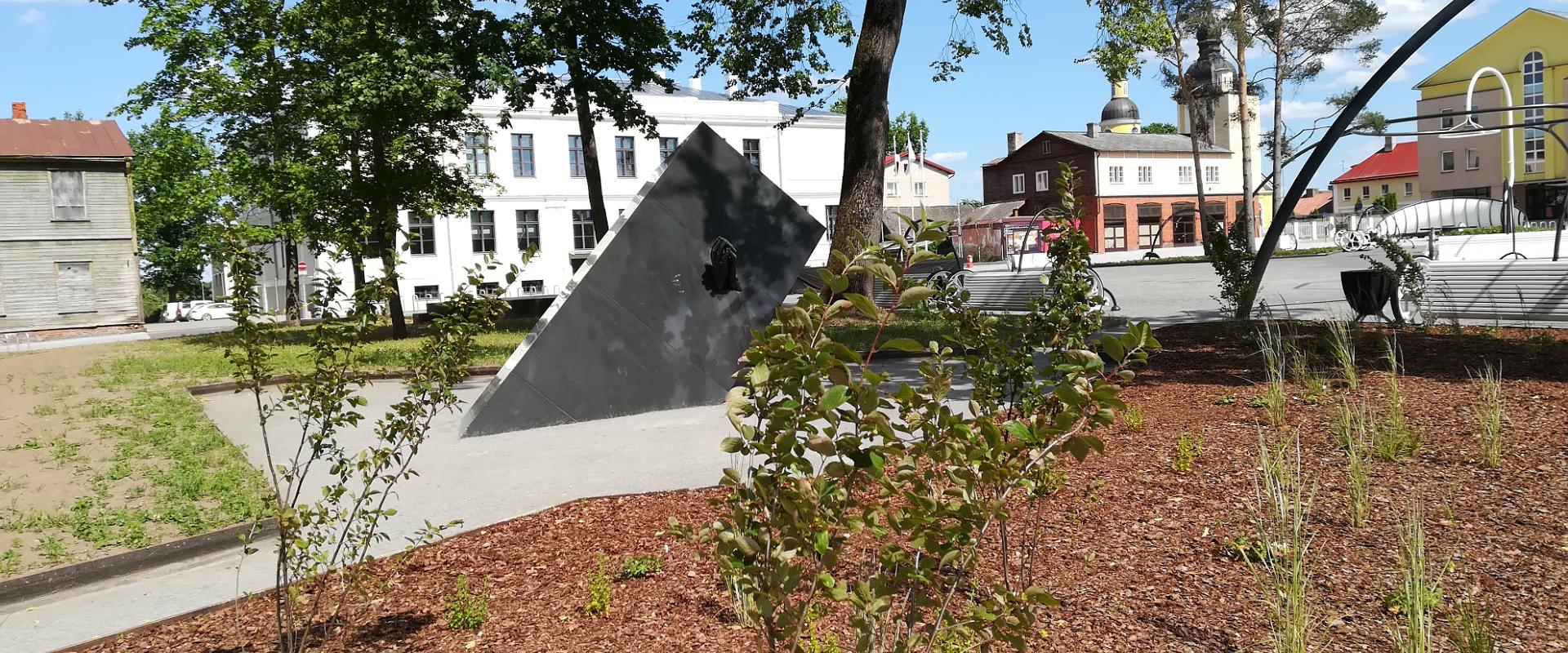
The memorial is located in Võru central square and is dedicated to the residents of Võru who died in the Estonia ferry disaster during the stormy night of September 28, 1994. The memorial was built in 1996 (sculptor M. Karmin).

  • Privacy Policy

"*"обозначает обязательные поля

Это поле используется для проверочных целей, его следует оставить без изменений.
Я разрешаю маркетинг