
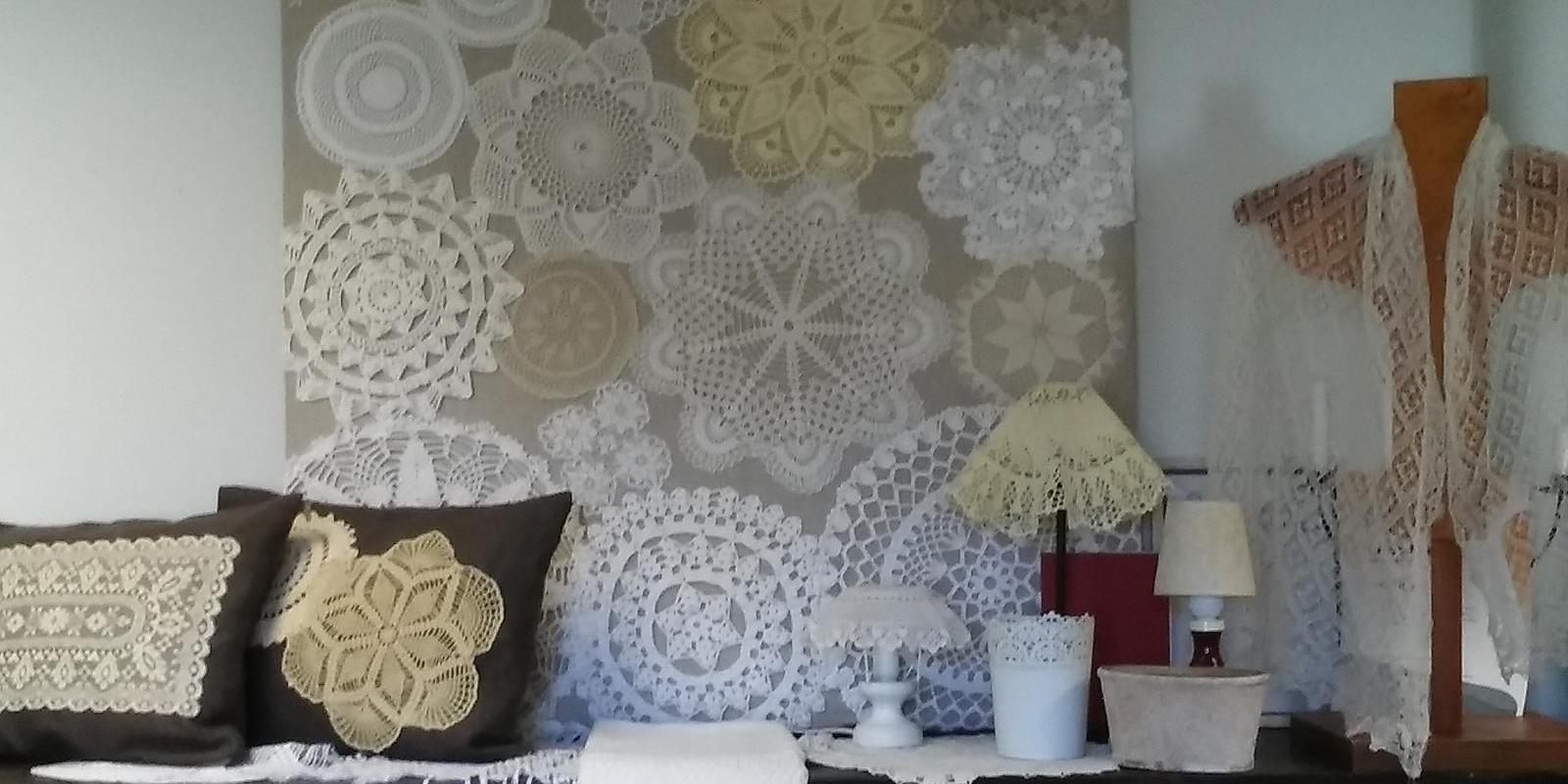
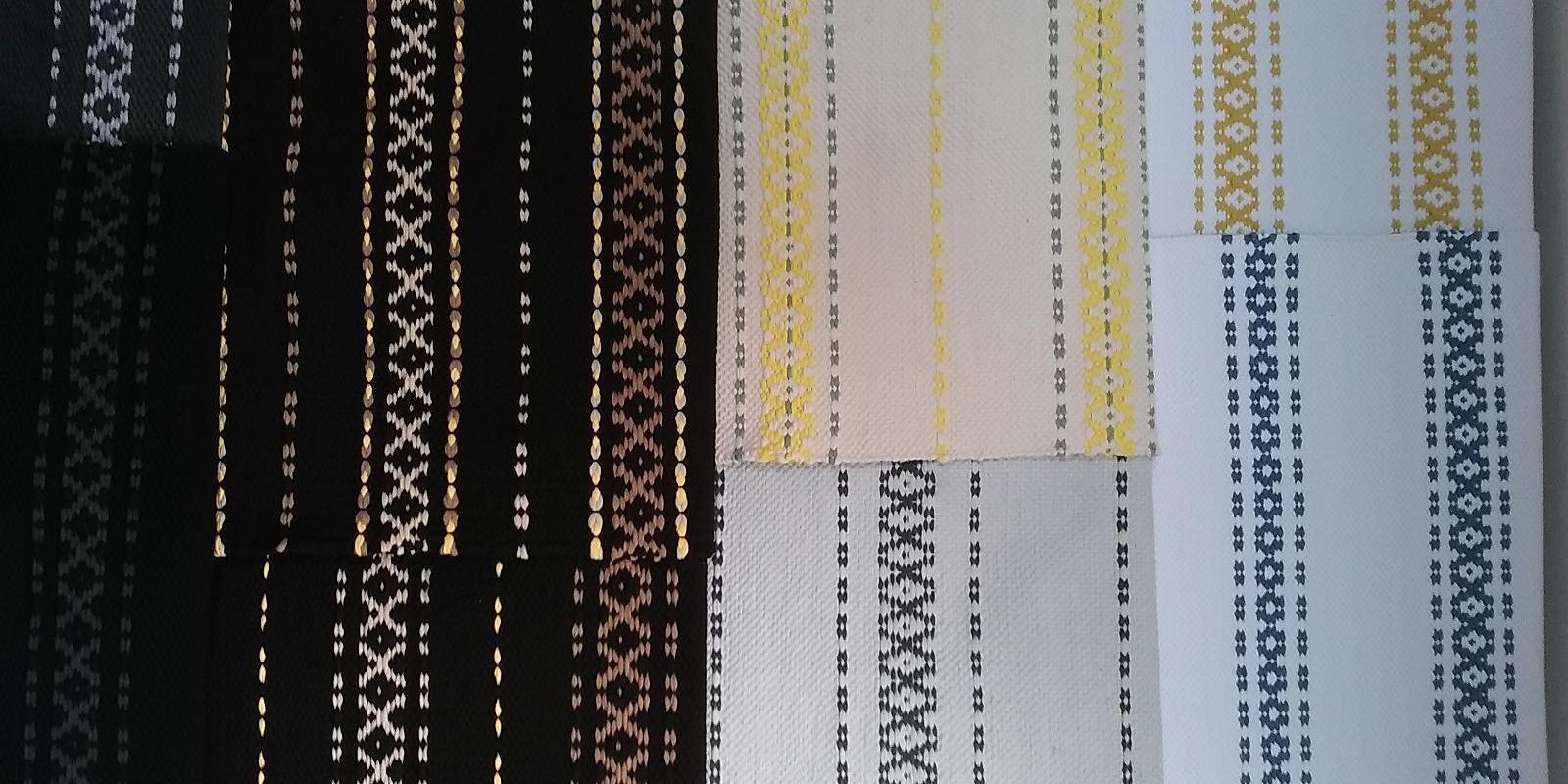
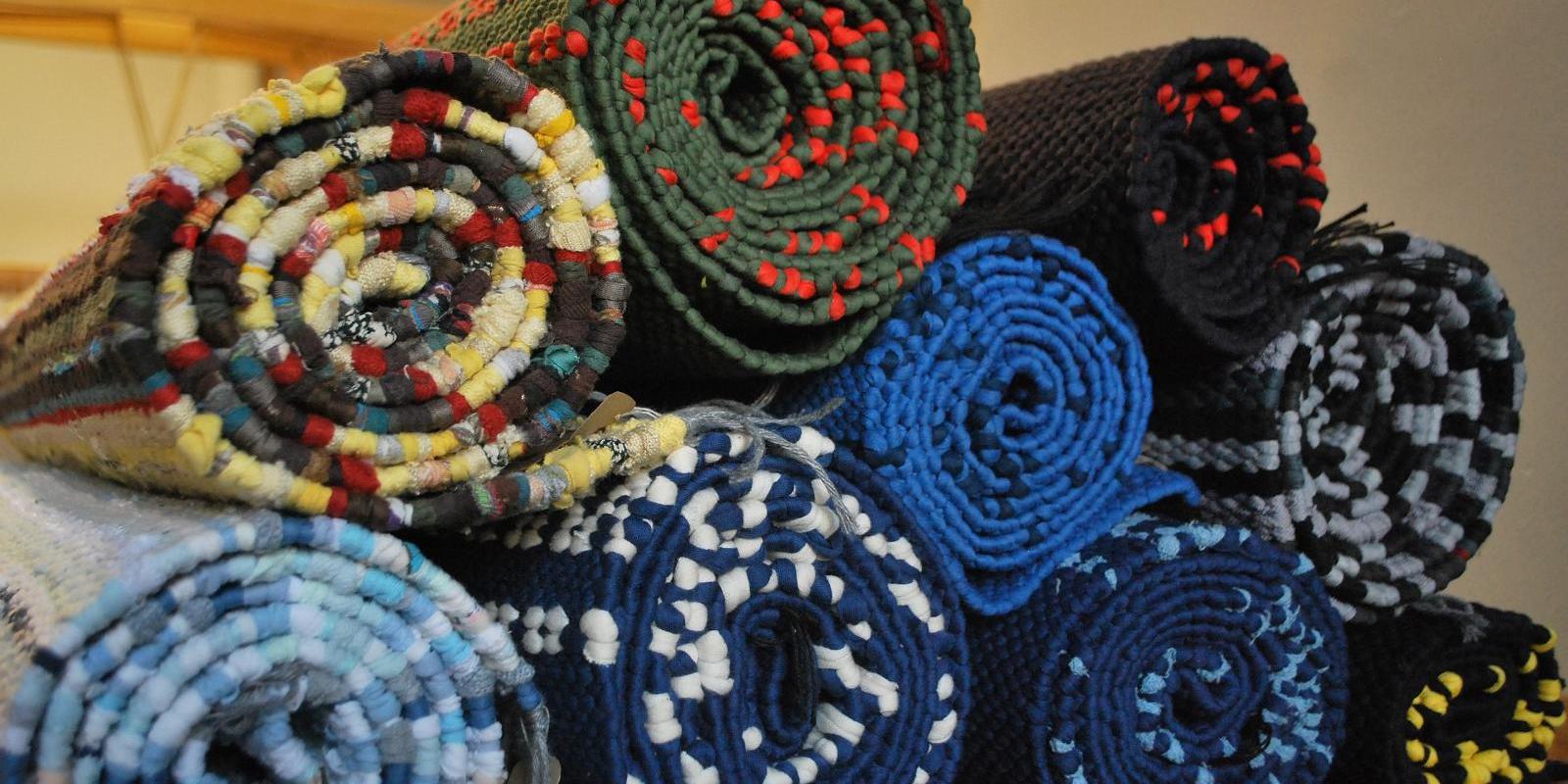
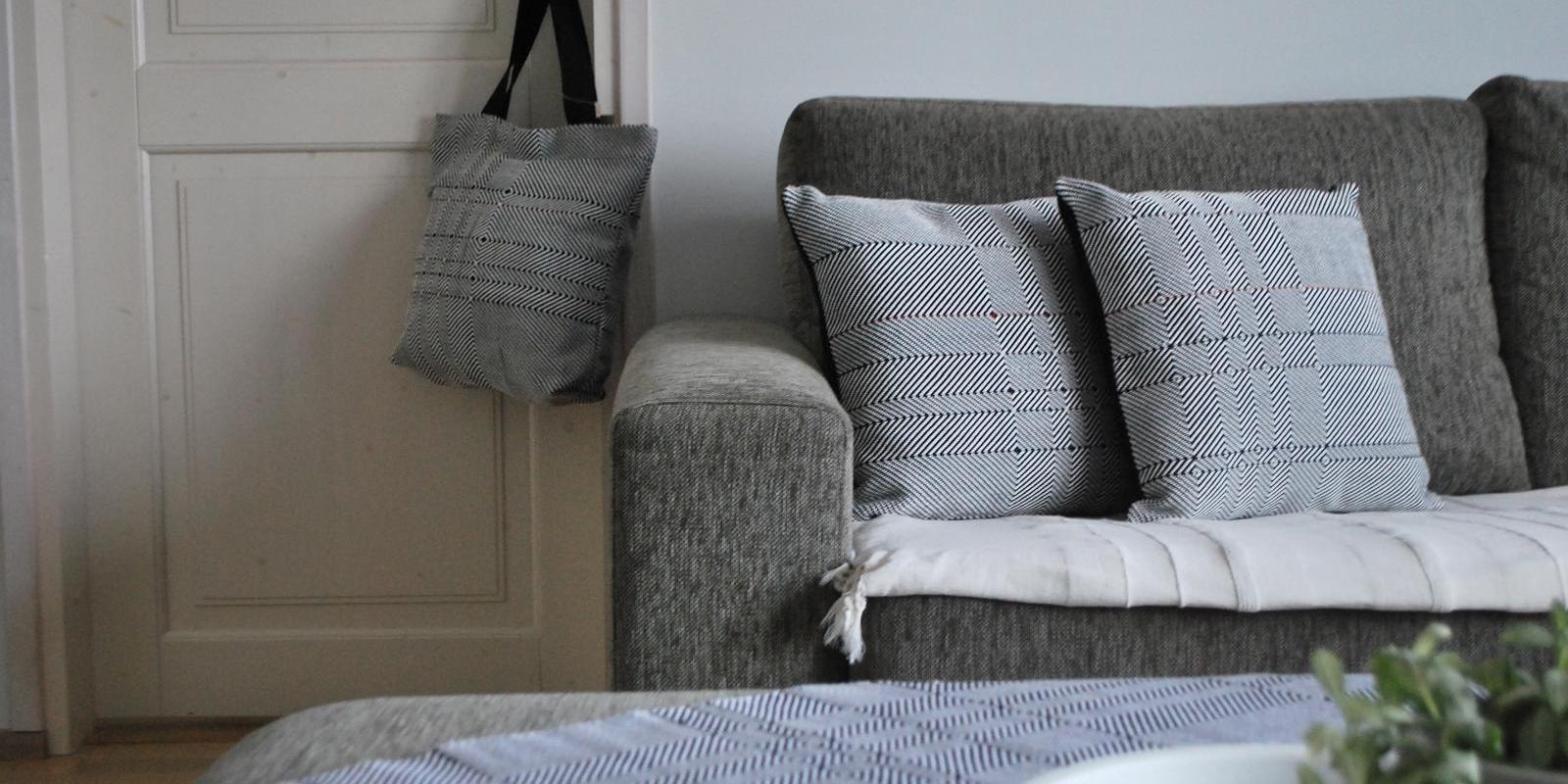
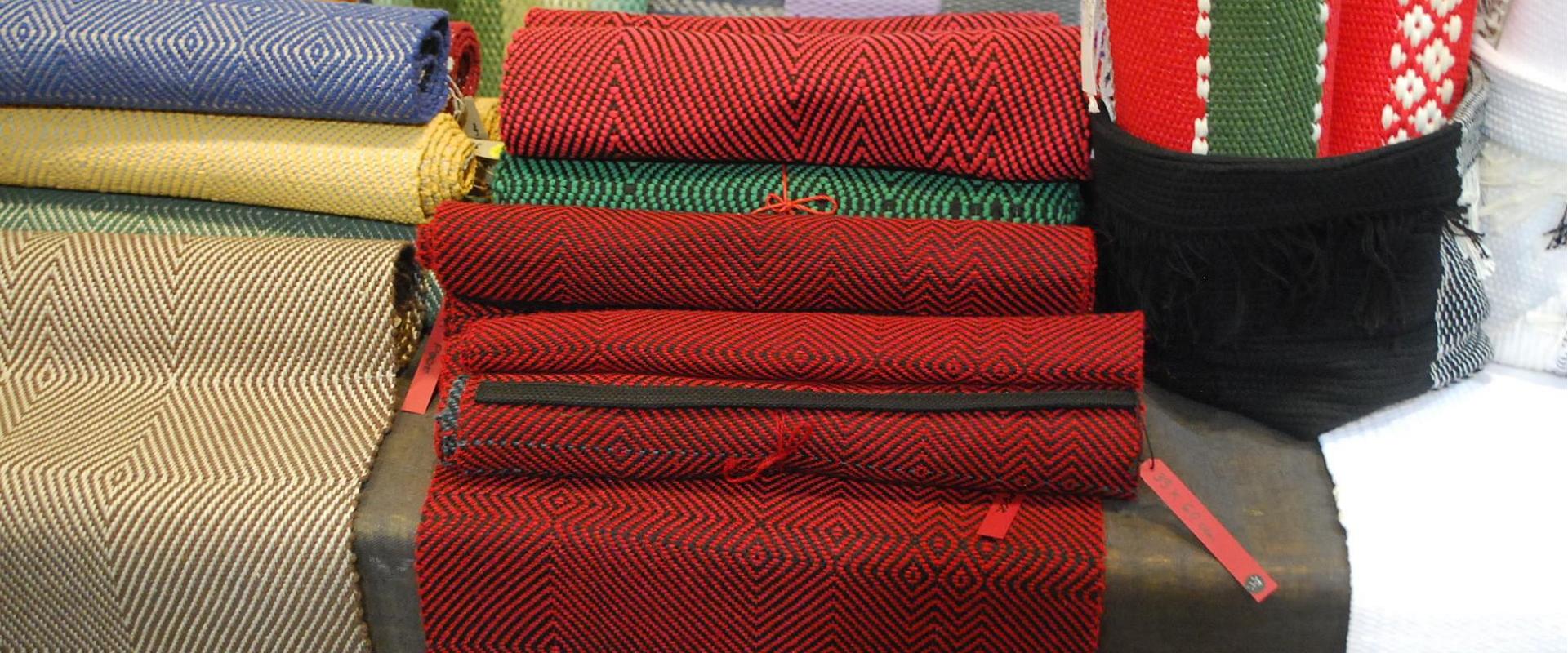
We offer handicraft admirers items that we have made ourselves as well as those made by other craftsmen. We also sell a wide range of handicraft supplies, materials and tools. We love what we do and pass that love on to you!
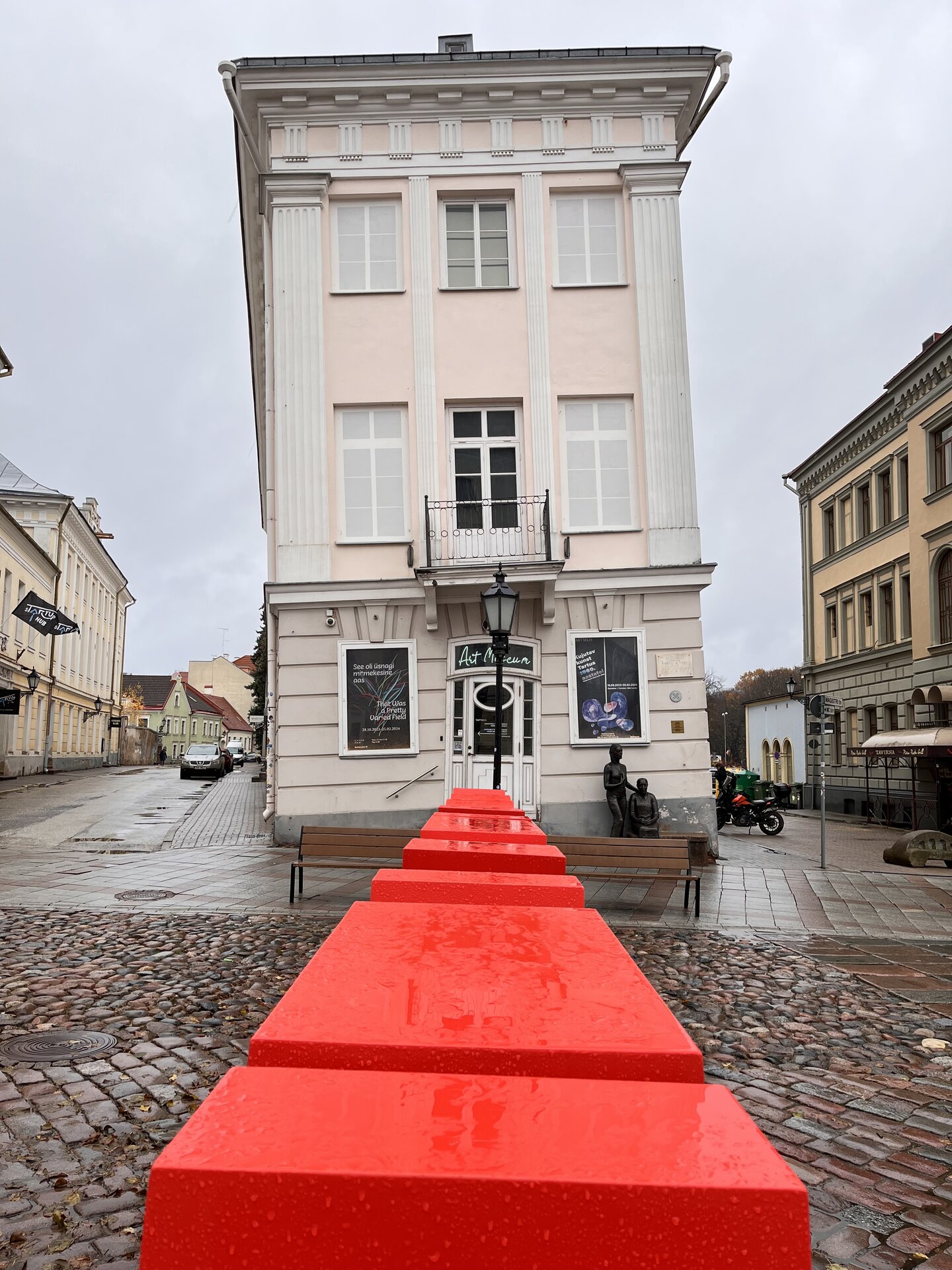
In the heart of Tartu’s Old Town, right next to Town Hall Square, stands the Leaning House, often affectionately called “The Leaning Tower of Tartu” by locals. The house was built in 1793 along the edge of the medieval city wall. The side facing the river rests on the old wall’s stone foundation, while the other side sits on softer ground. This unique construction has caused the building to slowly but noticeably lean, making it one of Tartu’s most visually distinctive landmarks today. From 1879, the building housed a pharmacy for many years, where, in the early 20th century, a young Oskar Luts worked. He went on to become a famous Estonian writer. Today, the Leaning House is home to the Tartu Art Museum, where visitors can explore works by both Estonian and international artists, participate in educational programs, and enjoy inspiring art experiences. Tartu's Leaning House is listed in the national register of cultural monuments, making it both a historical and cultural gem that combines the rich history of Tartu’s Old Town with vibrant contemporary art.
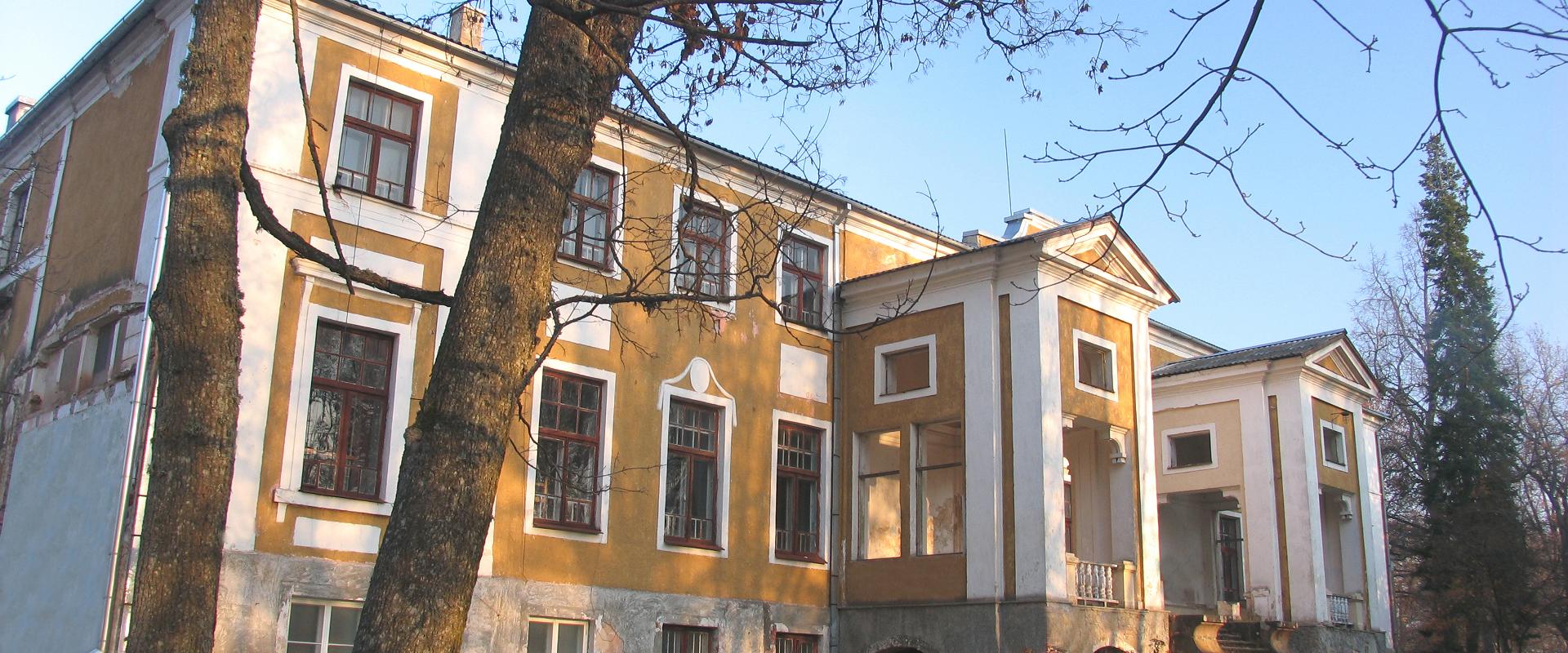
Väimela Manor was first mentioned already in 1590, but the current main building is from 1952.The threshing building, distillery, farmhands' barn, farmhand's house, milking parlor, woodworking shop, granary and grain dryer, hay barn, barn and dairy have been preserved. Bernhard von Loewen was the last squire.Today, the manor is managed by the Võru County Vocational Training Centre. The manor park was established in the 18th century and there are mostly lindens, maples and oaks.Lakes Alajärv and Mäejärv in Väimela are connected with a stream. South of Lake Alajärv, in Matussaare, is the burial ground of squires of Väimela and the ruins of a chapel, that was built in 1885.You can only see the manor from outside.
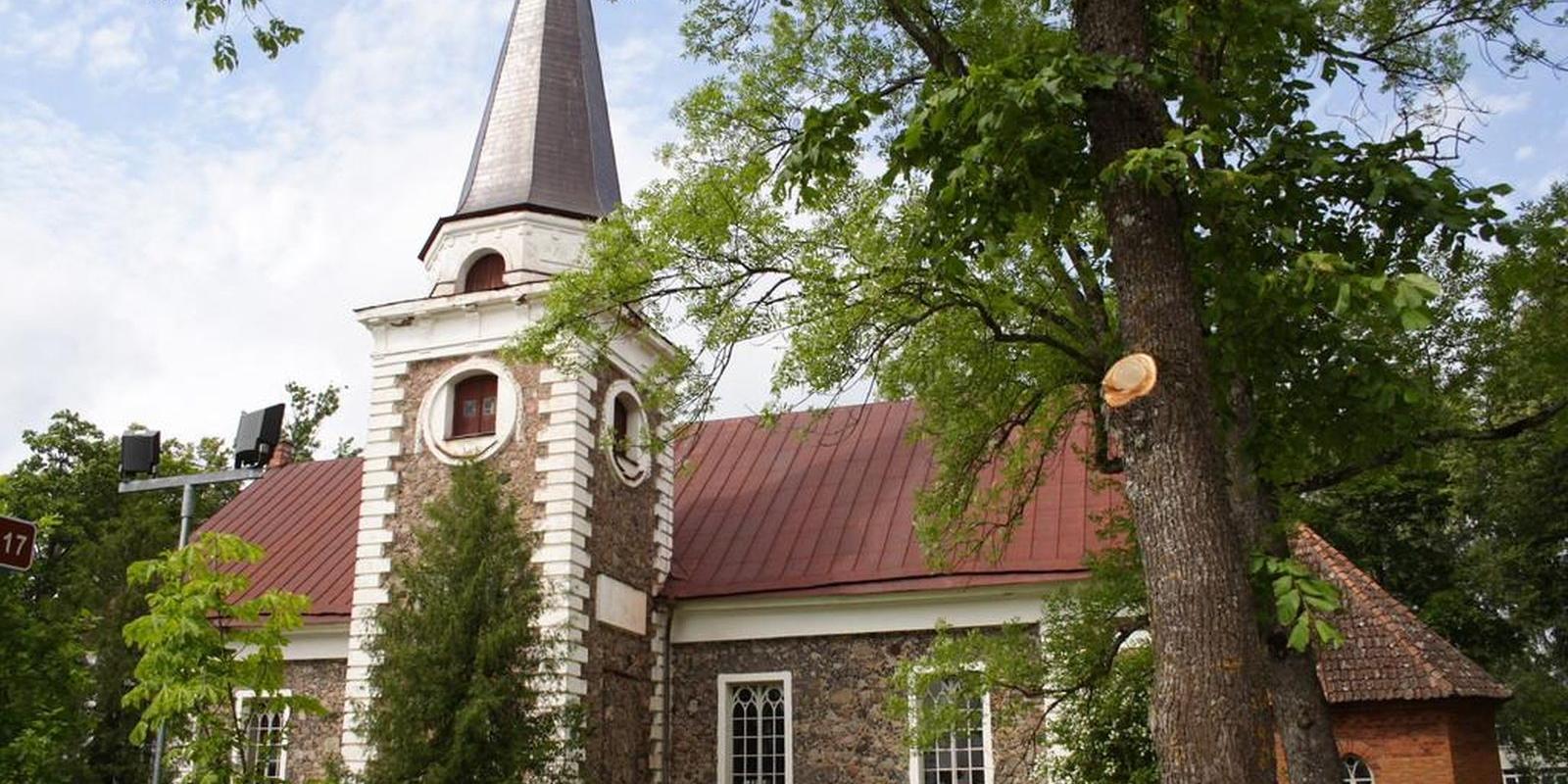
St John’s Church is an eye-catching building; its architect was Friedrich Siegel. There is an altar painting Christ on the Cross (A. Bauer, 1857) and a pseudo-Gothic altar, and two nationally protected wooden candlesticks (1810) and an armchair from the birch wood dating from the 18th century. On top of the spire there is a morning star. Interesting to know: St John’s Church in Kanepi was built in 1804-1810 to replace the old wooden church. In 1831 the church was set on fire by lightning. The church in Kanepi has been in its current state since the year 1877.
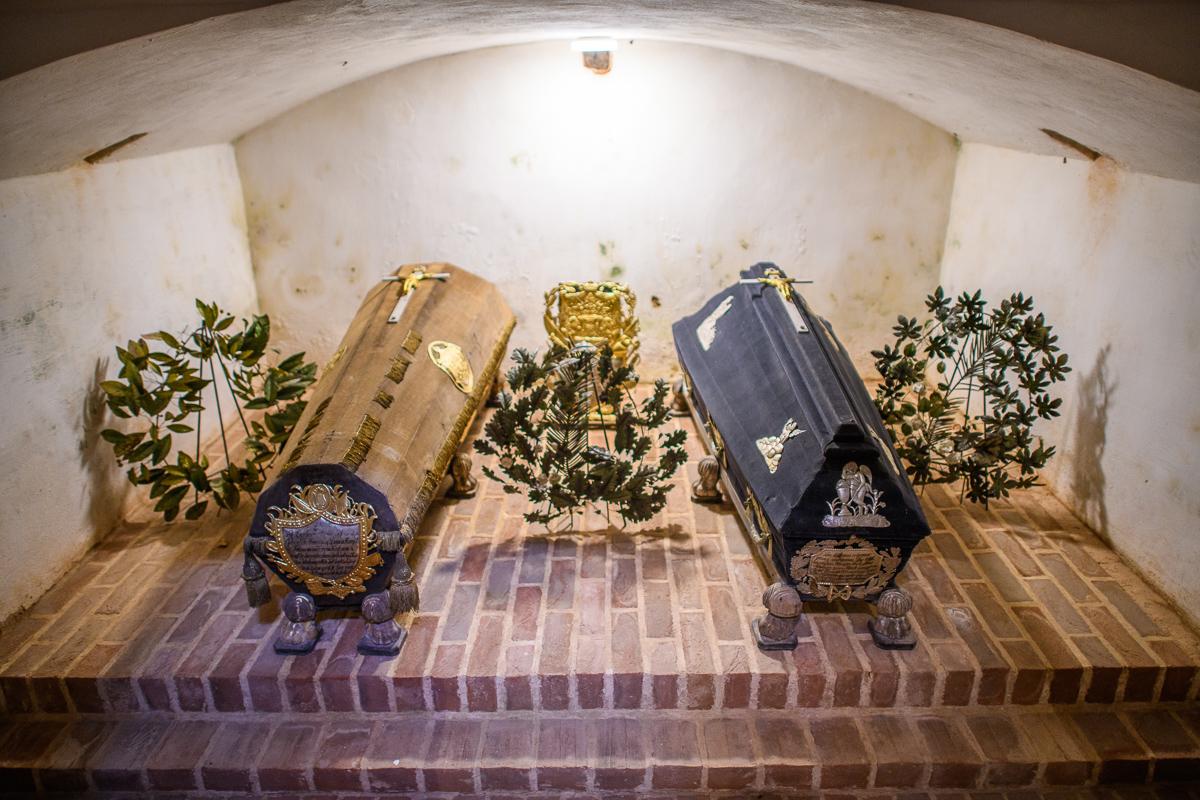
Barclay de Tolly mausoleum is one of the 21 places in Southern Estonia worth discovering which are marked by a yellow National Geographic window; if you love culture and nature, a visit is highly recommended.Field Marshal de Tolly, whose final resting place is in Estonia, is one of the most famous people related to Estonia and probably the greatest Russian military leader. The Russian commander who came from a Baltic aristocratic family with Scottish roots played an important part in the Napoleonic wars between 1812 and 1814.Barclay de Tolly's name has been related to Jõgeveste since 1791 when he married Helene Auguste Eleanore von Smitten and became the owner of the Jõgeveste manor.
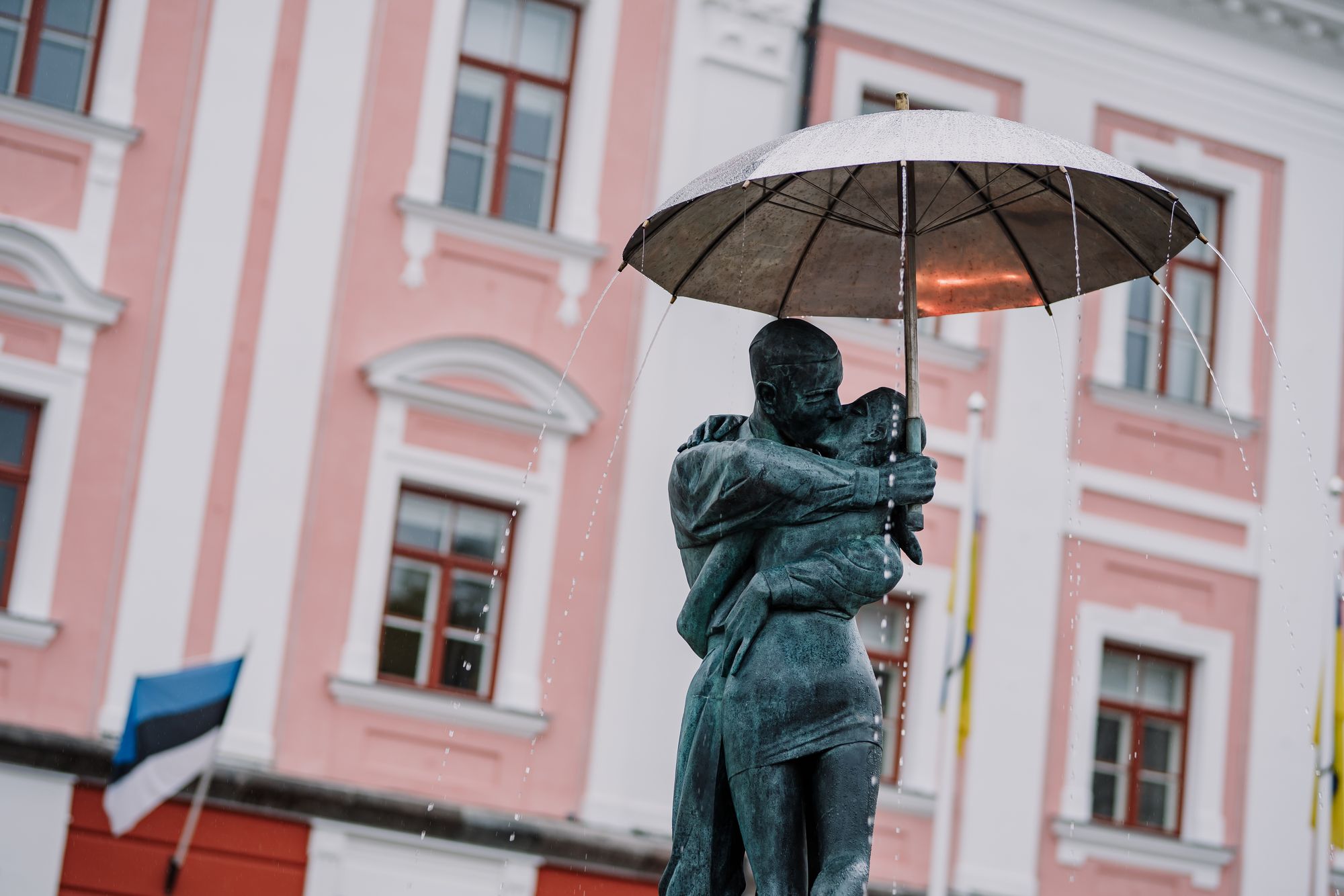
'The Kissing Students' sculpture and fountain is one of the most recognised symbols of Tartu. The fountain has stood in the same place since 1948, when newlyweds and their guests would visit it for luck, and people would also take a dip in it. The sculpture was created by Mati Karmin and completed in 1998. Since 2006 the fountain has been surrounded by tiles bearing the names of Tartu's sister cities – Bærum, Deventer, Ferrara, Fredriksberg, Hafnarfjörður, Hämeenlinna, Kaunas, Lüneburg, Pihkva, Riia, Salisbury, Tampere, Turu, Uppsala, Veszprem and Zutphen. Each of these is situated in the direction that the cities lie from Tartu, with the distances marked.
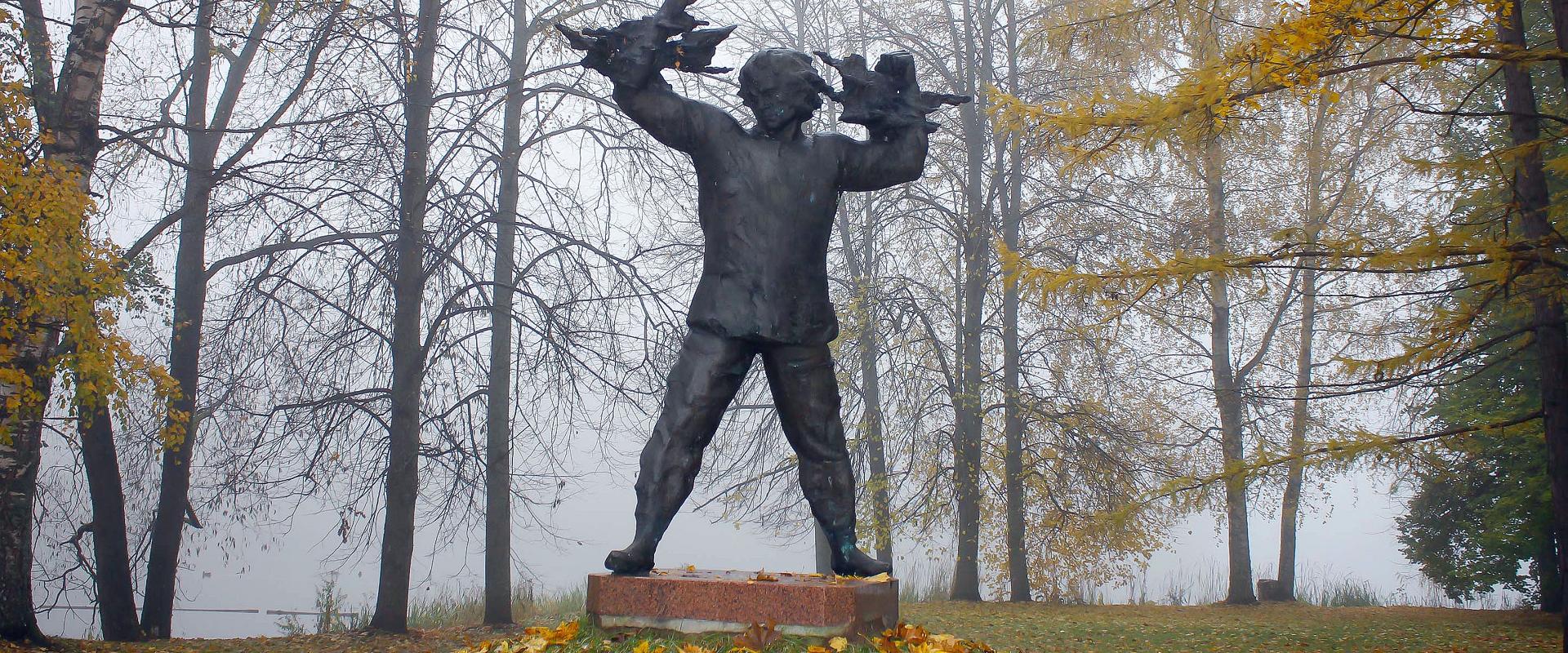
Standing in the landcaped area opposite the former main entrance of the Räpina Paper Factory is the Tree Garden Warrior, a monument to the historical Tree Garden War designed by Riho Kuld in 1984. The locals refer to the warrior as the Iron Man.In 1784 a peasant uprising took place in Räpina following the levying of a bounty tax. In the tree garden of the local manor a battle erupted between the soldiers and the local farmhands, who were armed with poles - ending in the deaths of five local men.
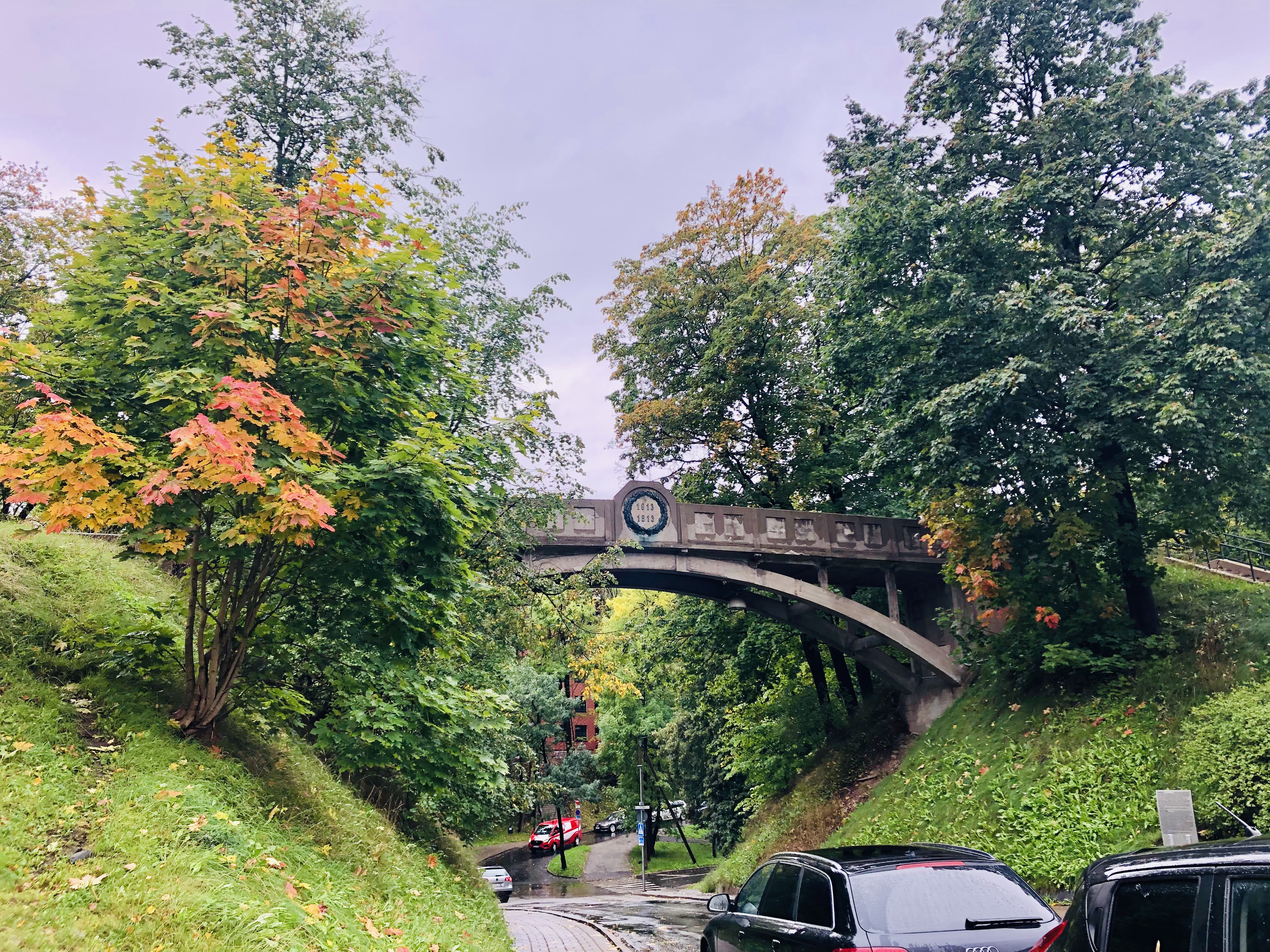
The Devil's Bridge in Tartu is one of the few remaining concrete bridges from the early 20th century. Together with the Angel's Bridge, it forms one of the symbols of Tartu. Everyone is welcome to walk on the bridge, especially visitors interested in history and architecture. The Devil's Bridge was built in 1913 to celebrate the 300th anniversary of the Romanov dynasty. It is decorated with a bronze relief of the Russian Emperor Alexander I, "Alexandro Primo." According to legend, the name "Devil's Bridge" comes from its dark appearance, which contrasts with the bright Angel's Bridge. The Devil's Bridge is ideal for walking or taking exciting photos!
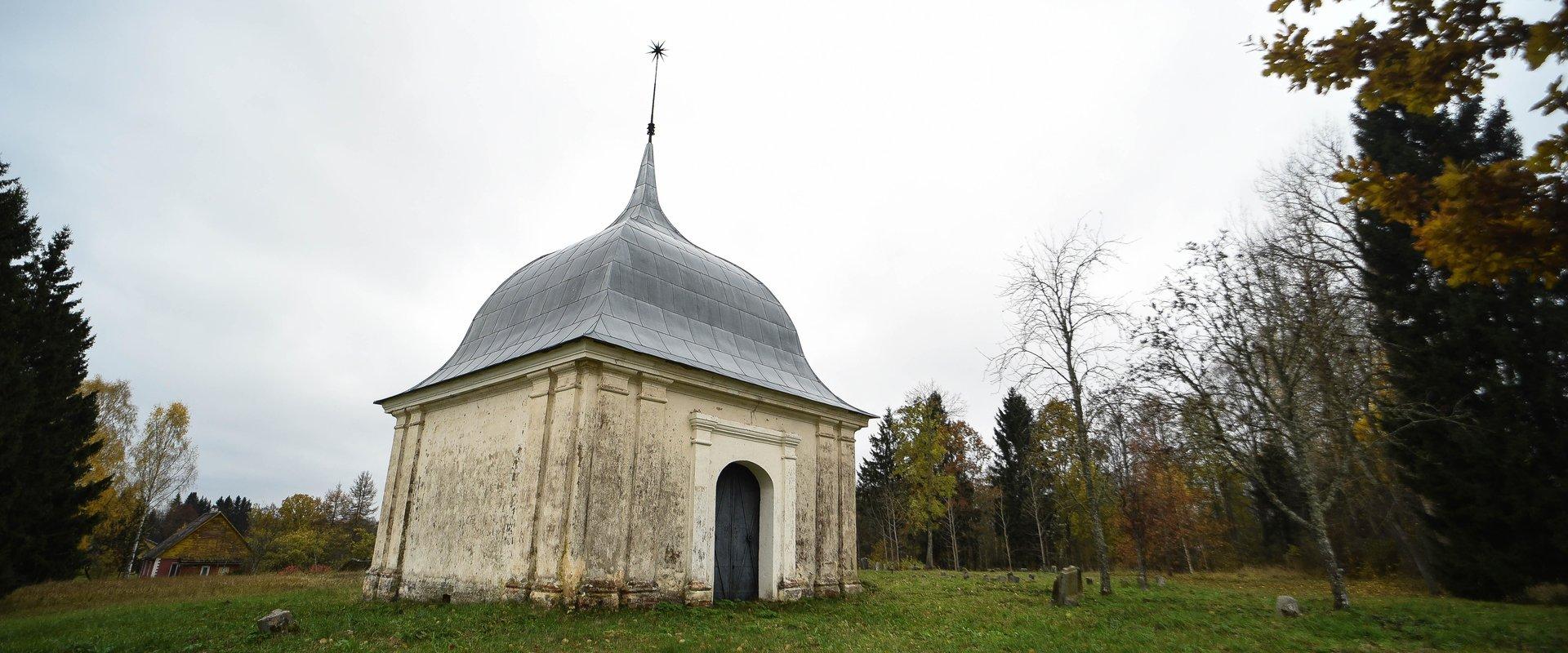
The Vastseliina manor chapel, popularly called the Liphardt tomb chapel, is situated in the old cemetery of Vastseliina (also known as the German cemetery). The chapel was completed in the same year as the current Vastseliina church, in 1772.The Liphardts, one of the wealthiest noble families of Livonia, governed the entire Vastseliina parish from Misso to Orava and ruled Vastseliina for seven generations. In addition to Vastseliina, the family also owned several other manors, including the Raadi manor.The Vastseliina manor chapel is one of the most remarkable examples of early classicist rural chapels.Visitors are welcome to see the exterior of the chapel only.