• Открой
    • Еда
    • Природа
    • Культура
    • Семья
    • Спорт
    • Сообщество
    • Блог
    У Вас появились свободные выходные, чтобы провести с детьми? Здесь собраны лучшие места в Южной Эстонии для семейного отдыха
  • Планируй
    • Размещение
    • Информация
    Устойчивый туризм
RUS
  • РусскийRUS
  • EestiEST
  • EnglishENG
  • LatviešuLAT
  • SuomiFIN
RUS
  • РусскийRUS
  • EestiEST
  • EnglishENG
  • LatviešuLAT
  • SuomiFIN
Популярные запросы:
Показать все результаты
  • History & Culture
  • Architecture and history

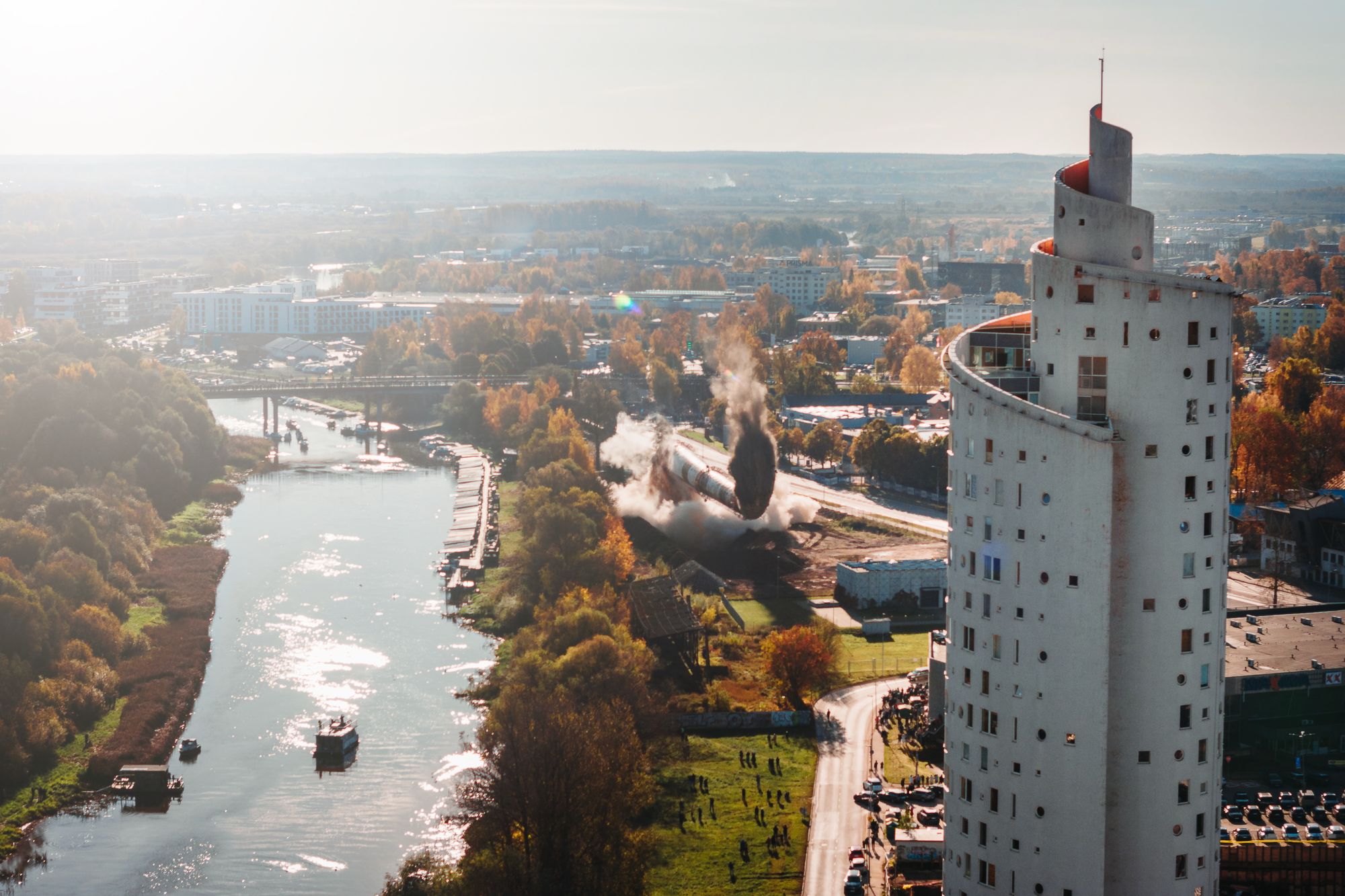
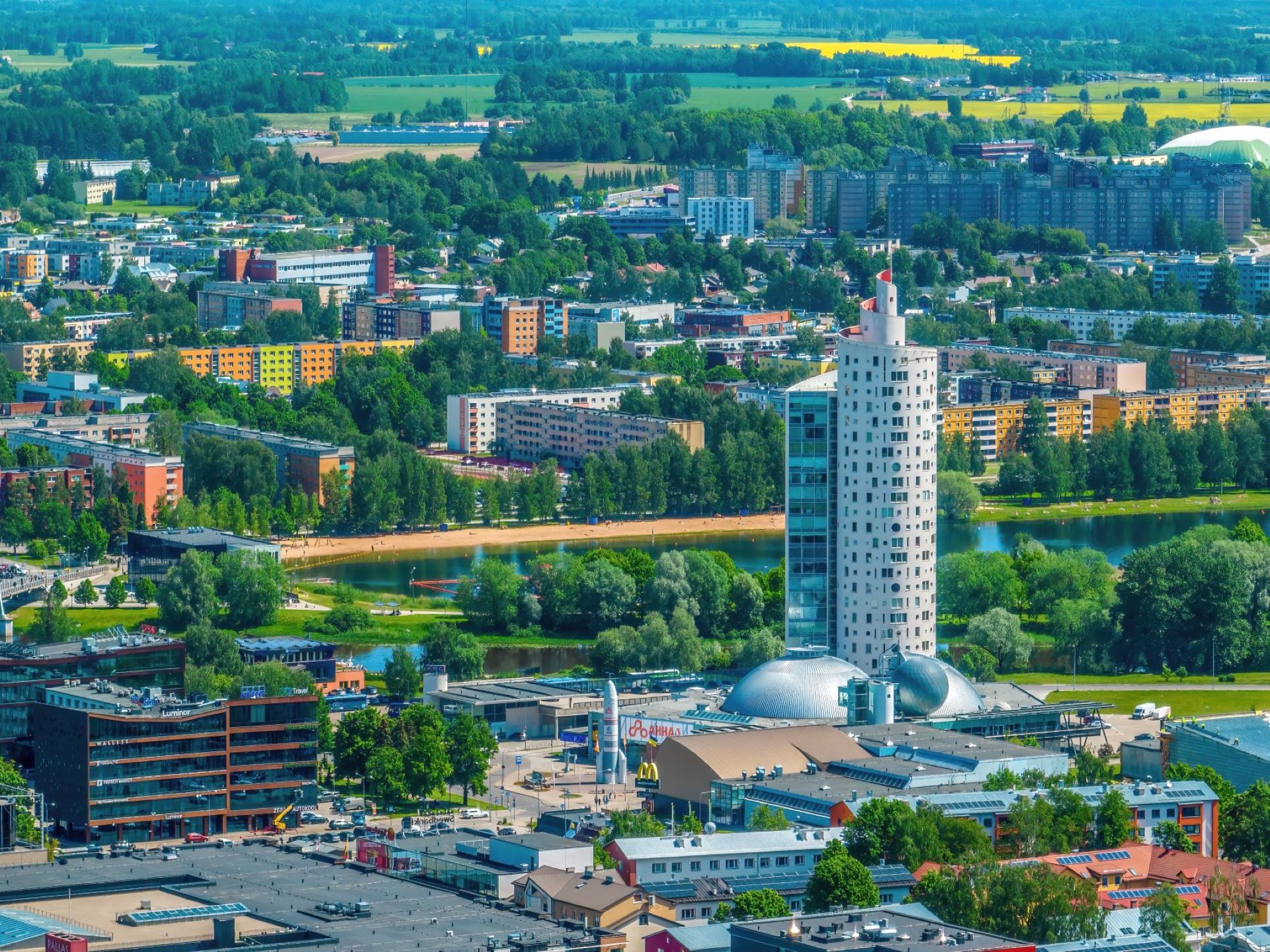
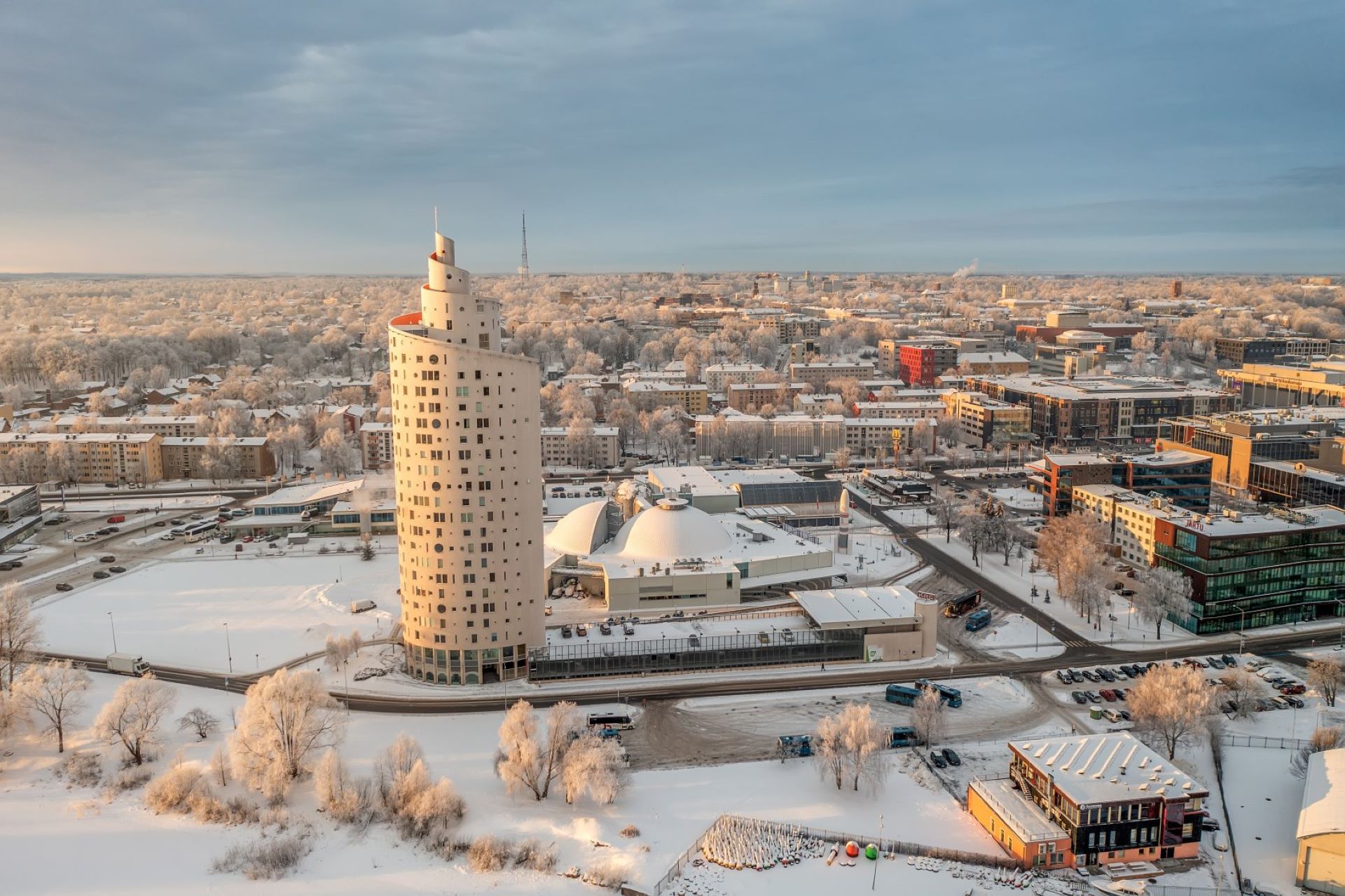
Snail Tower (Tigutorn)

Väike-Turu tn 5, Tartu linn, Tartu maakond, 51004

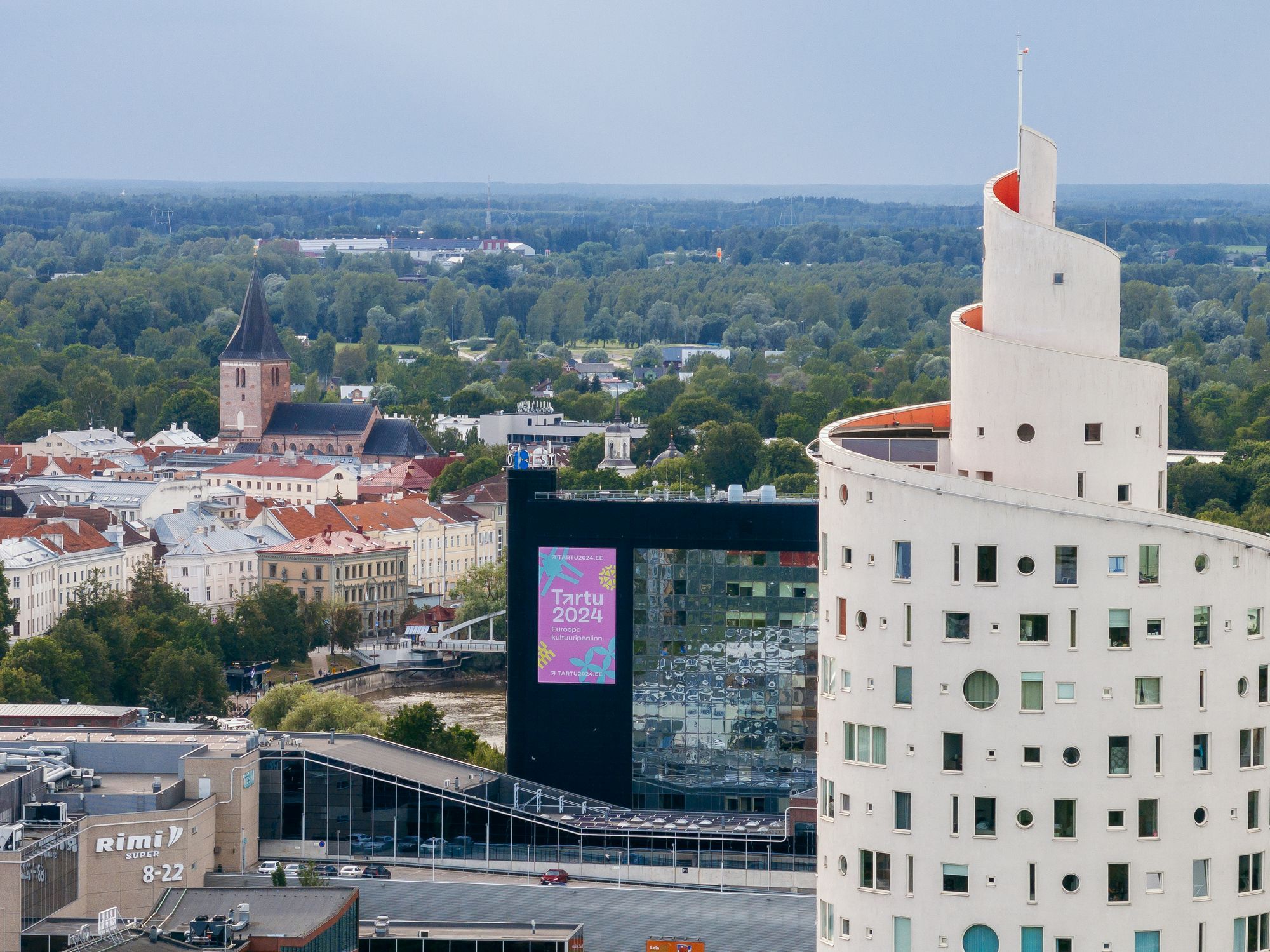
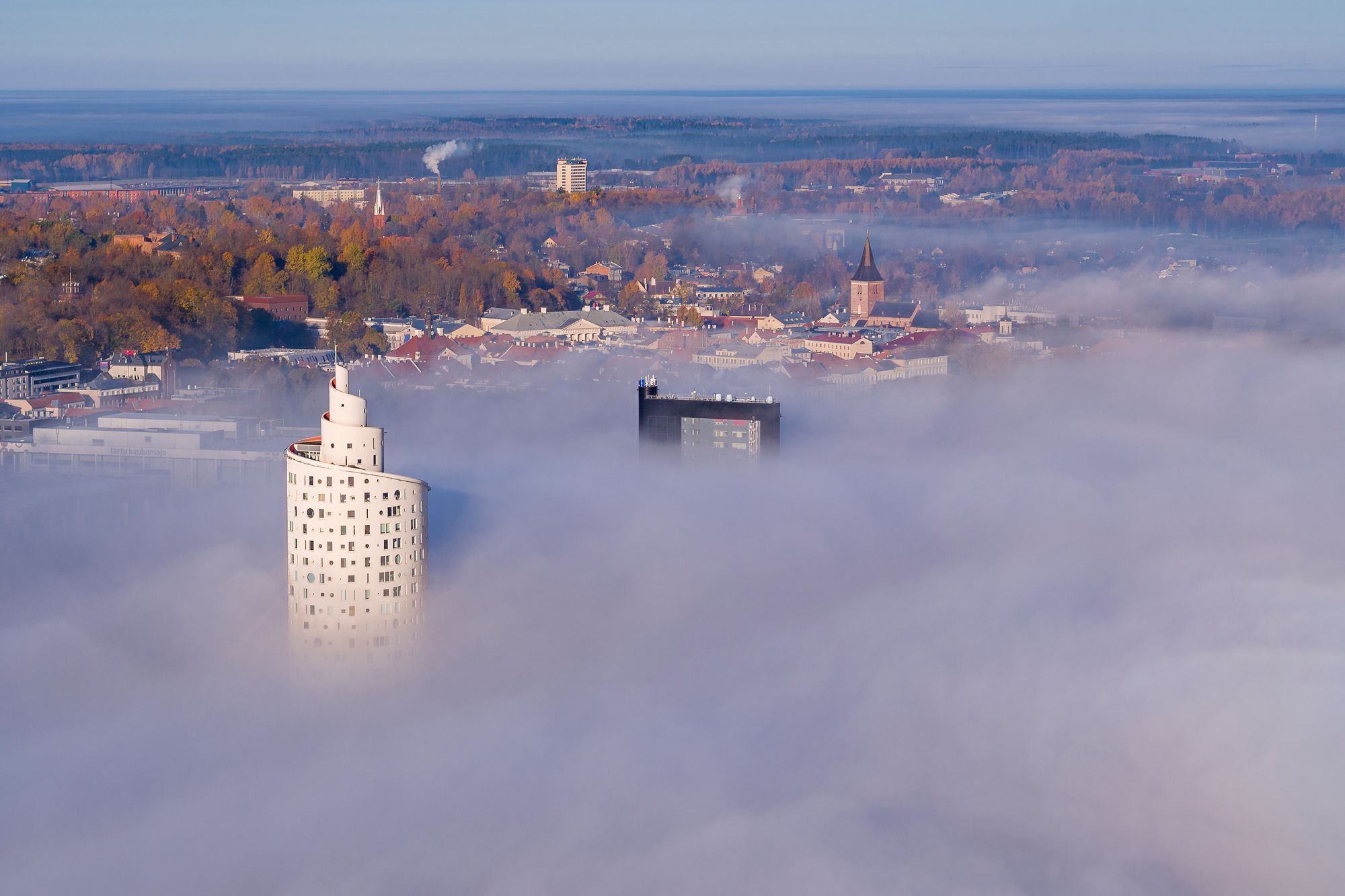
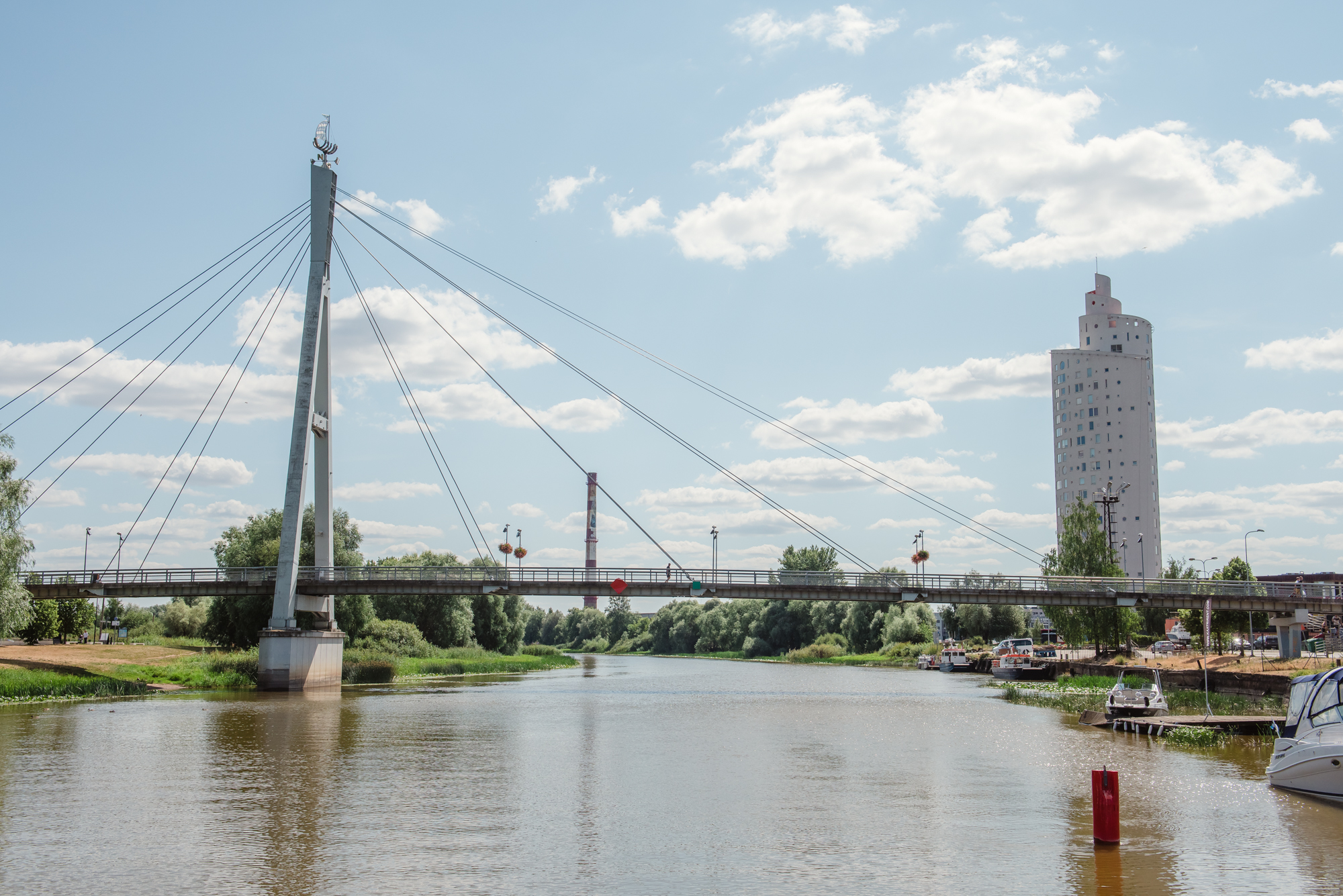
The 23-storey high-rise building finished in 2008 on the right bank of the River Emajõgi in Tartu is called the Snail Tower. This is a unique apartment building in the centre of the city, designed by Vilen Künnapu and Ain Padrik. The Snail Tower is a symbolic building of Tartu – from the top, the rest of Tartu looks as small as the downtown looked to the clergyman of the church in the Middle Ages.
Удобства

  • Paid parking

Часы работы

Круглый год

Можно наблюдать издалека

Ссылки

Подробнее

  • Monuments

Monument to Kristjan Jaak Peterson

Kristjan Jaak Peterson (14 March 1801 – 4 August 1822) was an Estonian writer who is considered to be the founder of Estonian national literature.He studied in the Faculty of Theology and Philosophy of the University of Tartu from 1819 to 1820. He called himself a singer of the country people, appreciated the national features of literature, and thought that the creation of original Estonian literature was possible.There is a bronze monument to him on Toomemägi, which was completed in 1983 by J. Soans and A. Murdmaa, and a high school named after him in Tartu.On the writer's birthday, 14 March, we celebrate Mother Tongue Day.Fun fact: Peterson walked from Tartu to Riga more than 200 years ago due to lack of money.

  • Ruins

12th Century Ruins of the Otepää Bishop’s Castle

Here You can see the ruins of the first known brick building in Estonia on top of the Otepää Hill Fort. Herman I, who became the Bishop of Tartu in autumn 1224, established the first stronghold of its diocese here. A settlement, which was mainly populated by craftsmen and merchants, appeared around the bishop’s castle in the 13th century.Interesting facts: * the oldest traces of a settlement on the Fort date back to approximately the change of the system of chronology; in the 11th century, Otepää was the most important stronghold of the ancient Ugandi County; * a metal map of the Estonian strongholds was installed on the Fort Hill in 1937.

Mikitamäe Orthodox village chapels

The square in front of Mikitamäe Culture House is called the square of Orthodox village chapels because two Orthodox village chapels are located there next to each other – the old Orthodox village chapel is the oldest wooden building in continental Estonia: it was probably built in 1694. The building was originally located next to the Tartu–Petseri highway. During the Soviet era, it was moved from there. In 2009, the chapel was renovated and brought to the square in front of the former town hall. In 1998, a new chapel was built.Both Mikitamäe Orthodox village chapels are dedicated to Apostle Thomas. The village holiday is celebrated a week after Easter.

  • Sculptures

Otepää Energy Column

Otepää irradiates good energy! The monument that celebrates the existence of positive energy fields was opened in Mäe Street on 1 October 1992.The entire field is surrounded by benches and the location of these as well as the column itself was selected by psychics. The energy column is the symbol which reminds us that in this rapidly changing world, humans are a part of nature and everything is based on the rules of nature that rely on balance and co-dependency.

  • Guided tours
  • Manors

Tour of Luke Manor and Park

Luke Manor in Tartu County offers an engaging tour that introduces the manor and its beautiful park. During the walk, stories of Luke Manor's history unfold, and you have the chance to explore the Gardener's House, the Handicraft Workshop, and the historic Steward's House. The tour is well-suited for both smaller groups and larger gatherings and can be combined with other events, providing guests with a memorable cultural experience. Luke Manor Park is one of the best-preserved parks in Southern Estonia, with its original layout, offering a wonderful environment for walking, enjoying nature, and experiencing the unique historical manor atmosphere. In addition to the tour, catering can be ordered from the Luke Manor kitchen, enriching the visit with local flavors and a cozy atmosphere. During the tour, you can purchase Luke Manor's handicrafts. By prior arrangement, the visit can be combined with various additional activities, such as organizing a seminar or catering packages.

  • Estonian handicraft

Peipsimaa Arts and Crafts Shop

The hand-made printed clothes and home textiles made in Peipsimaa Visitor Centre have been awarded with the ‘Certified Estonian Arisinal Craft’ mark, which is the highest recognition in Estonia.Our shop sells items inspired by the handicraft of Peipsimaa and Old Believers, such as hand-printed skirts and shirts, pottery, gold embroidery bags, rugs, Kodavere belts and gloves, and gold-plated magnet onions. We also sell books, music, and postcards related to Peipsimaa.Additionally, you can find the best onions, chicory, teas, and cooked sugar here!

Treski Village Chapel

The tiny Treski tsässon, or Orthodox village chapel, can go unnoticed as you pass by it, though it is located right on the road. The villagers say that the building was built around the middle of the 18th century. Treski tsässon's patron saint is St. John the Baptist, and so St. John's Day is celebrated as a village holiday. Unlike in the rest of Estonia, St. John's Day is celebrated according to the Orthodox calendar here, so 13 days later. It's held on 7 July, meaning the party will be held on 6 July. Treski is renowned for its cheerful St. John's Day celebrations.

  • Family friendly

Valga Central Square

The central square of Valga is located in the heart of the city and connects the two sides of the city, Valga and Valka, into one whole. The central square offers the residents many opportunities for leisure, such as street basketball and table tennis. The unique benches and a colourful playground for children have become especially popular.Next to the central square are the Lutheran St. John's Church (1816) and the oldest building in Valga, a former administrative building of the county authorities.The central square was opened in 2018 with the help of the architects Gianfranco Franchi, Chiara Tesi, and Rea Sepping. At the end of 2019, the square won the annual award of the Union of Estonian Architects.

  • Privacy Policy

"*"обозначает обязательные поля

Это поле используется для проверочных целей, его следует оставить без изменений.
Я разрешаю маркетинг