• Explore
    • Nature
    • Culture
    • Food
    • Family
    • Activity
    • Blog
    Smoke sauna
    Weather and seasons
  • Plan
    • Accommodation
    • How to get here
    • Weather and seasons
    • Sustainability
    • Tourist info
    Discover South Estonia’s Most Beautiful Manors and Castles
    Top 20 Sights in South Estonia
  • For professionals
    • For professionals
    • Collaboration
    • News
    • Projects
    • Training
    • Repository
    • Community (opens in new tab)
    • Contacts
ENG
  • EnglishENG
  • EestiEST
  • LatviešuLAT
  • РусскийRUS
  • SuomiFIN
ENG
  • EnglishENG
  • EestiEST
  • LatviešuLAT
  • РусскийRUS
  • SuomiFIN
Popular searches:
Show all
  • History & Culture
  • Architecture and history

Snail Tower (Tigutorn)

Väike-Turu tn 5, Tartu linn, Tartu maakond, 51004

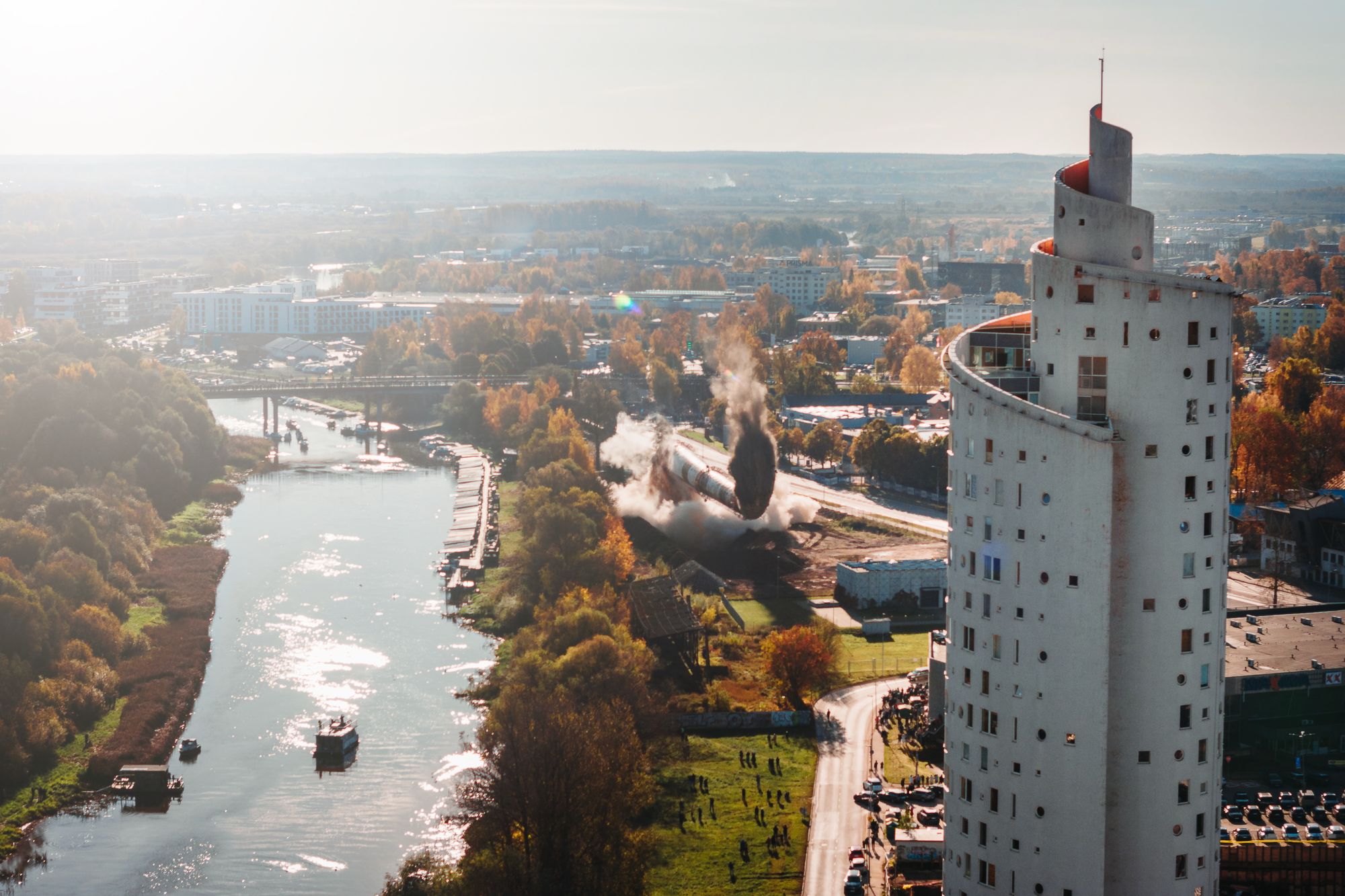
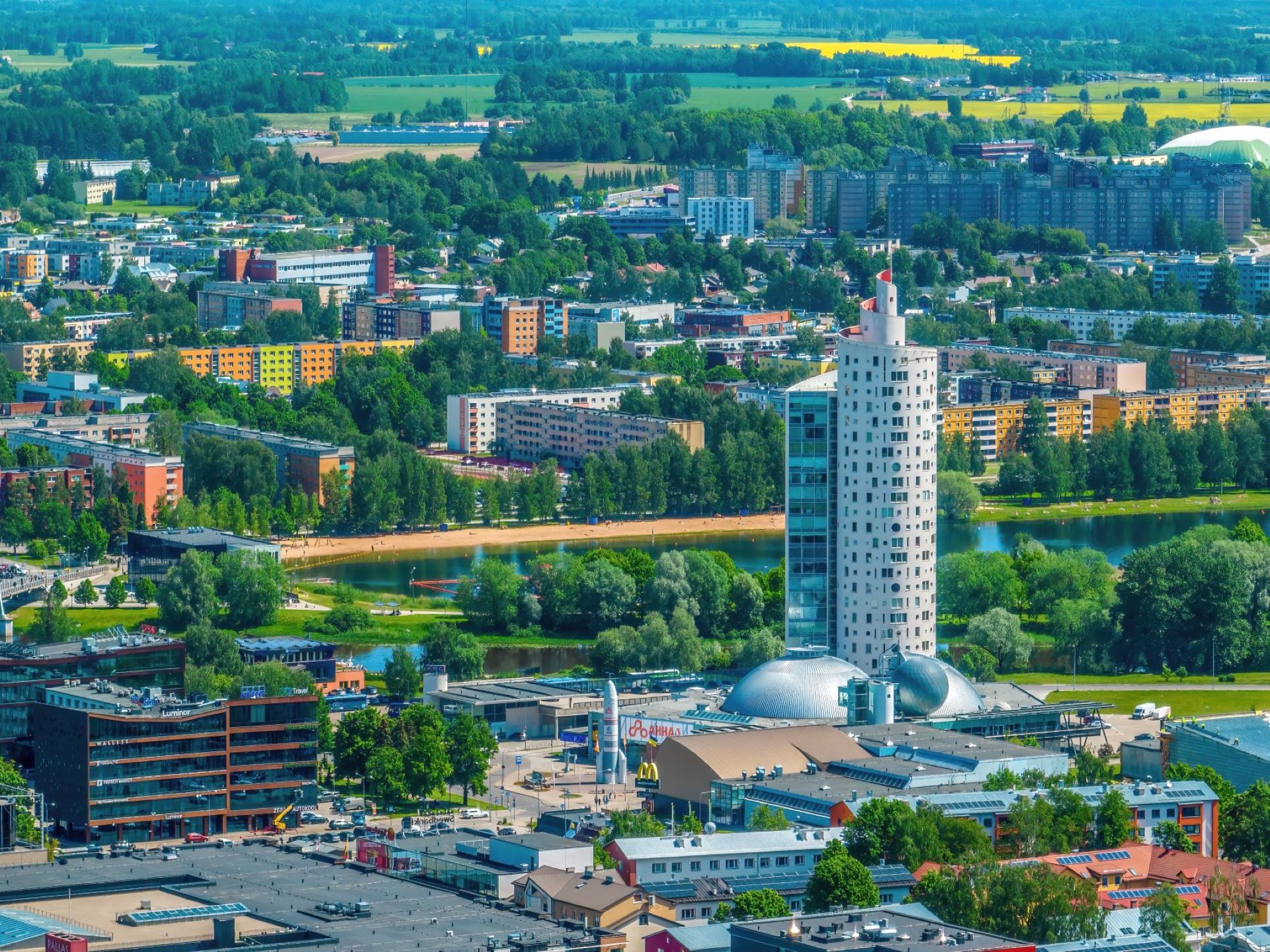
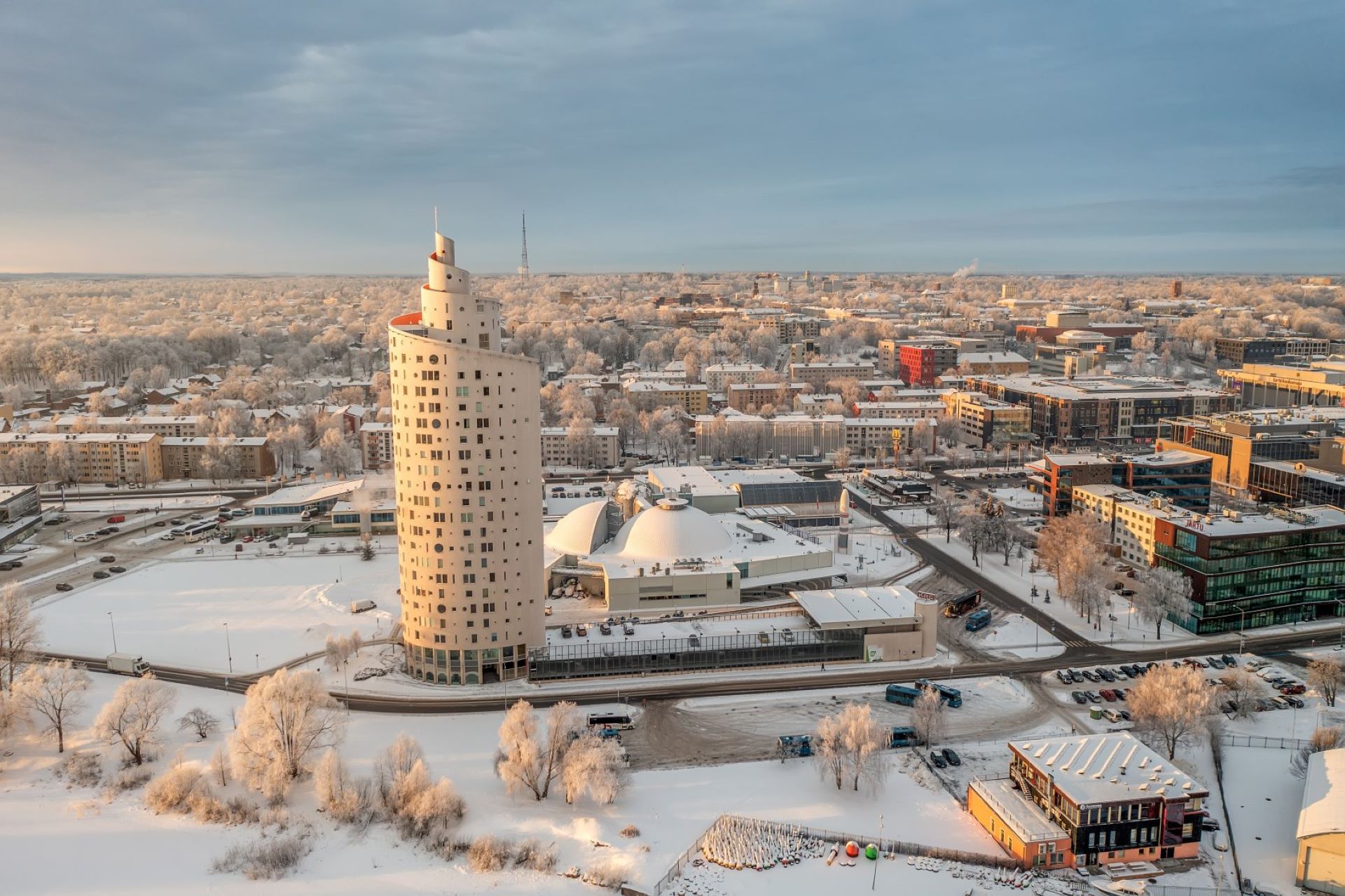
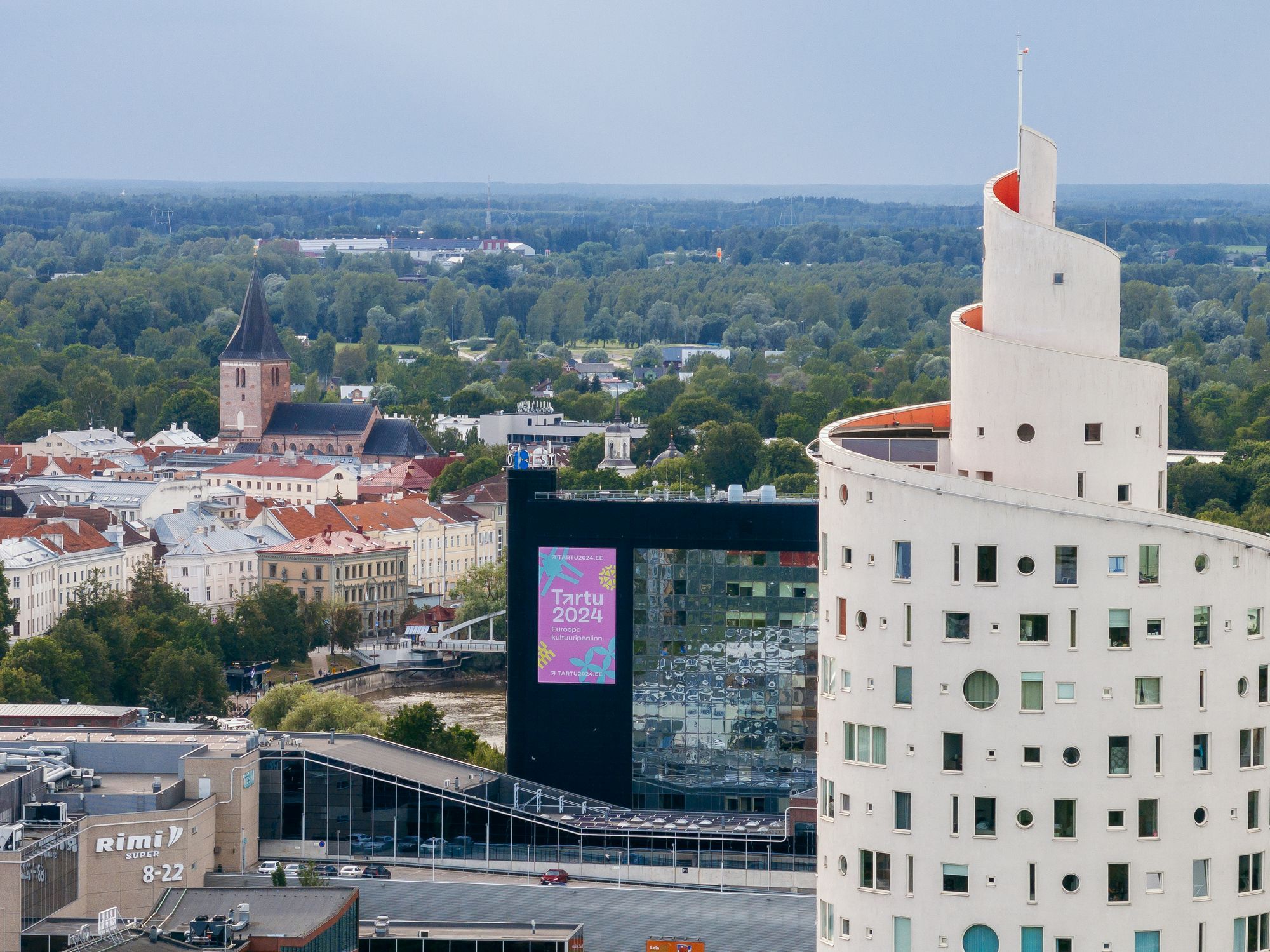
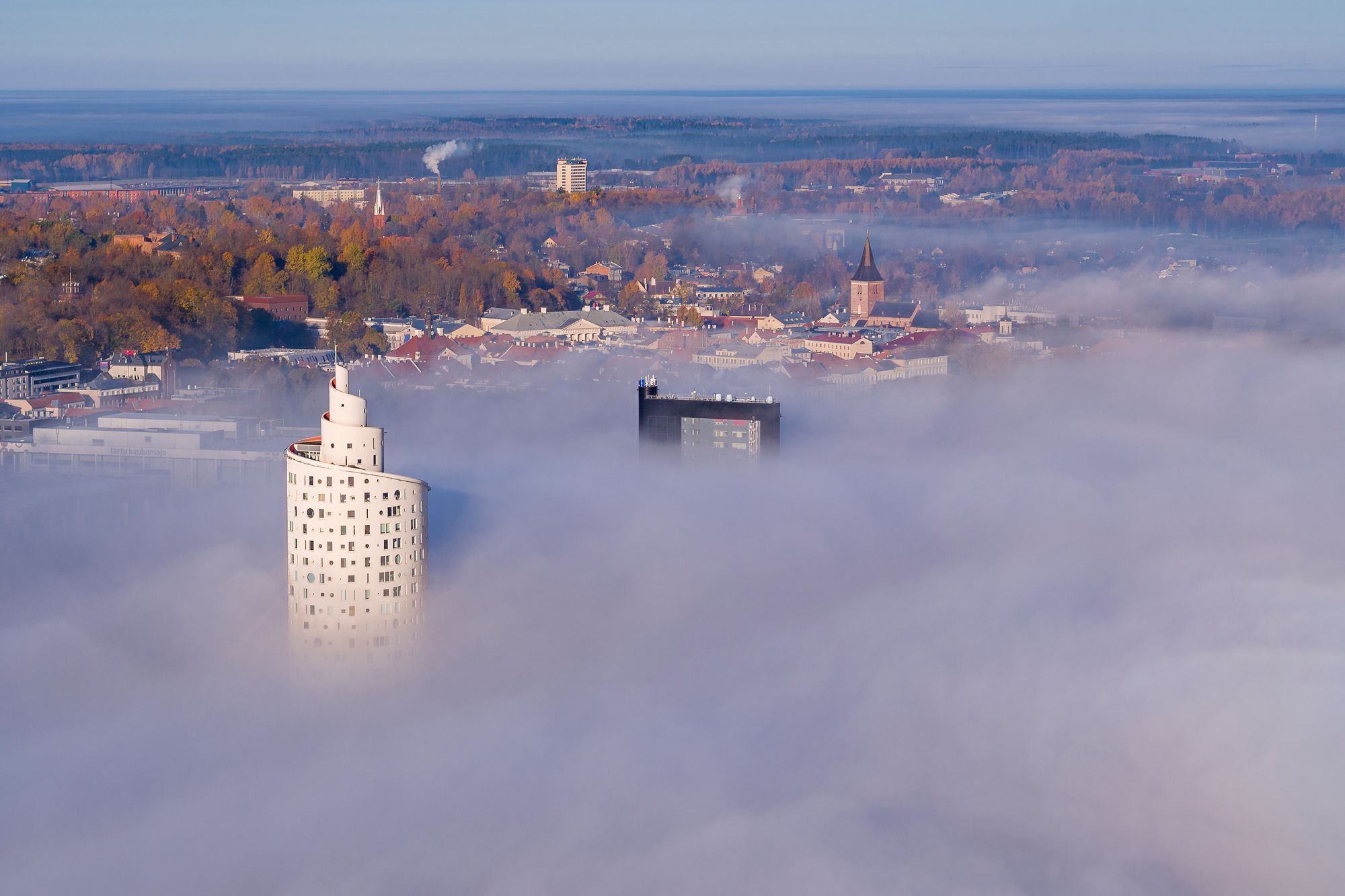
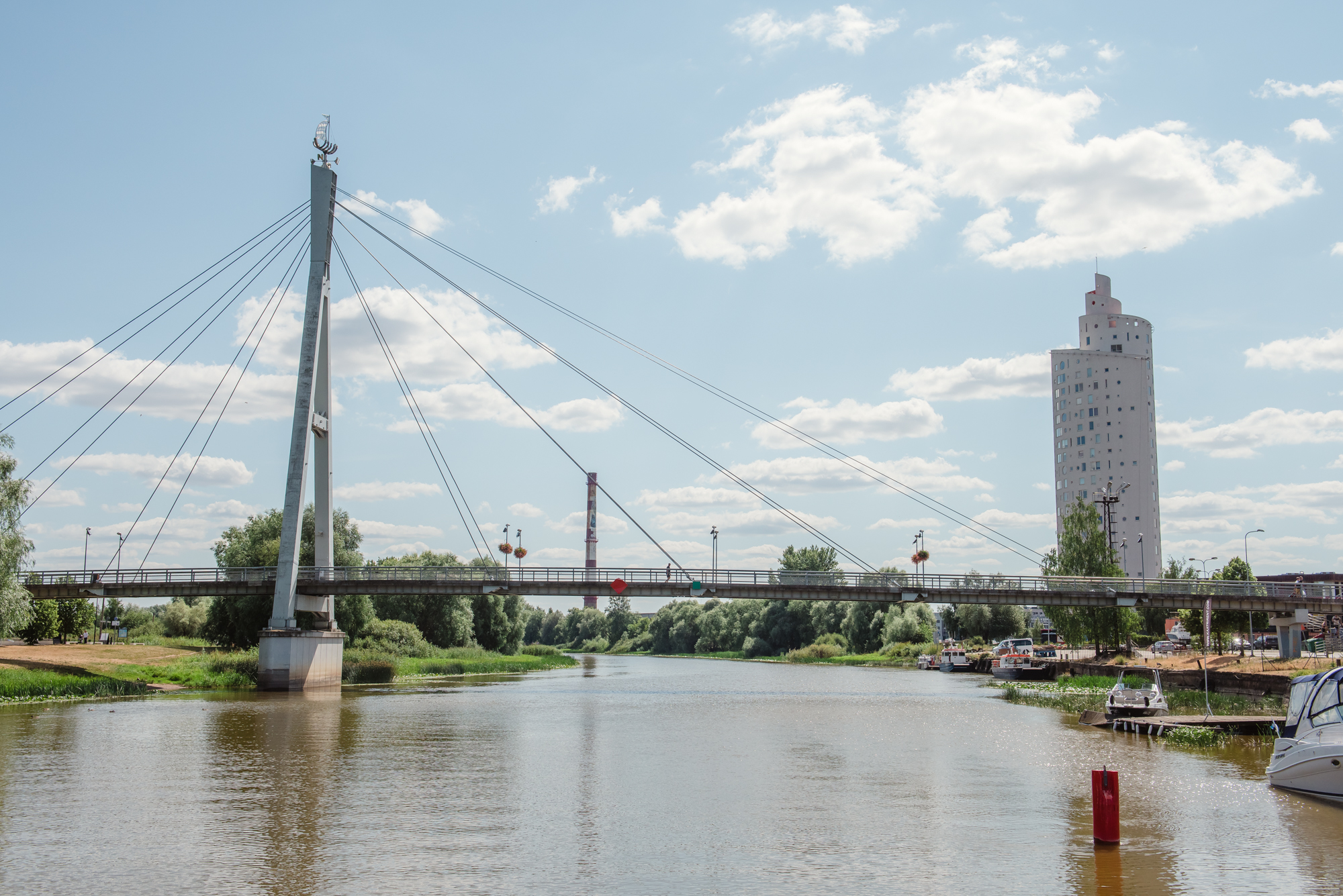
The 23-storey high-rise building finished in 2008 on the right bank of the River Emajõgi in Tartu is called the Snail Tower. This is a unique apartment building in the centre of the city, designed by Vilen Künnapu and Ain Padrik. The Snail Tower is a symbolic building of Tartu – from the top, the rest of Tartu looks as small as the downtown looked to the clergyman of the church in the Middle Ages.
Amenities

  • Paid parking

Open times

Throughout the Year

Eemalt vaadeldav

Links

See more

  • Manors

Puurmani Manor

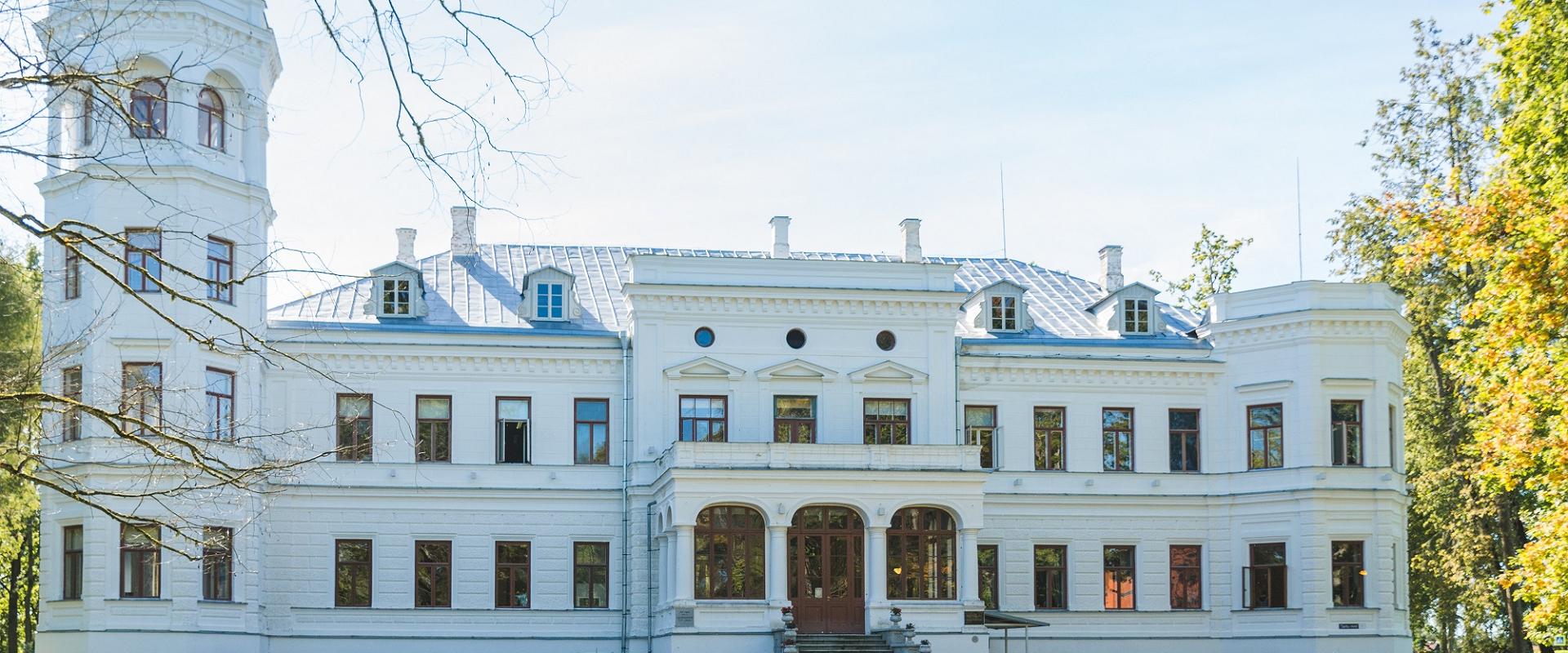
The magnificent Neo-Renaissance style manor with a white main building was built during the time of G. J. Mannteuffel in 1860. In 1918, Julius Kuperjanov established a partisan battalion in Puurmani castle.At present, the castle houses the Puurmani Upper Secondary School.You can visit Puurmani castle and learn about its history in the course of the Forgotten Manors program during the visiting days in the summer. You can also order a tour of the manor house, manor park and the entire Jõgeva County. In the manor, we will look around different floors where you can see the countess's boudoir, a secret door leading to the tower, as well as the count's study and treasury. You can also order a night tour and catering.

  • Guided tours
  • Workshops

KGB Cells Museum

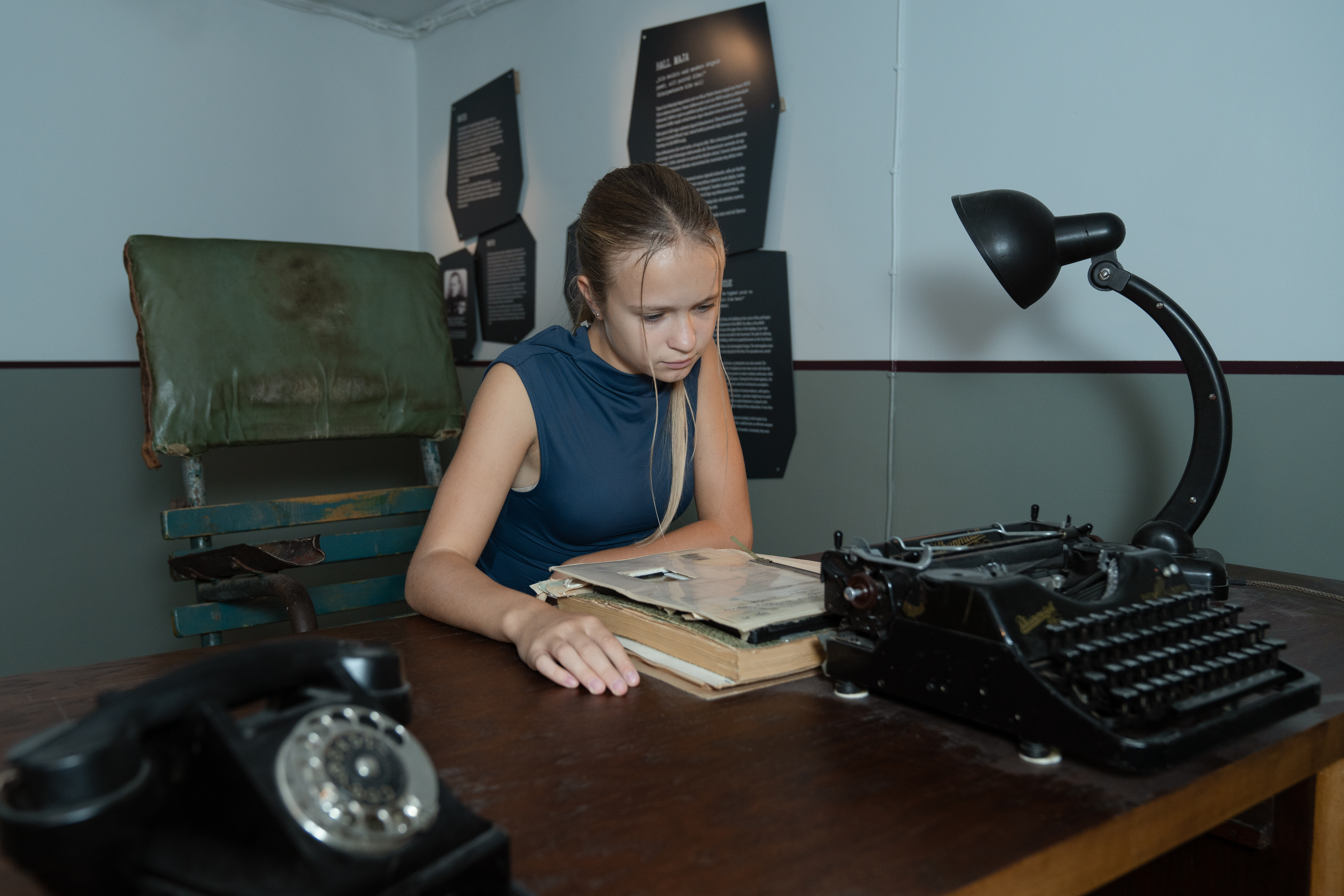
The KGB Cells Museum, known as the "Grey House", is a historical museum in Tartu, where the NKVD/KGB was located in the 1940s and 1950s. The basement of the building, where the cells were located, is open to visitors. Several cells, the punishment cells, and the basement corridor have been restored to their historical form. The prison cells are filled with an exhibition that provides an overview of Estonia's post-war struggle for freedom and the crimes of the communist regime. Here you can see photographs and objects from Siberian prison camps, as well as materials on the history of the Forest Brotherhood and secret resistance organizations. Step into history and experience the meaning of freedom!

  • Guided tours
  • Workshops

Värska Farm Museum

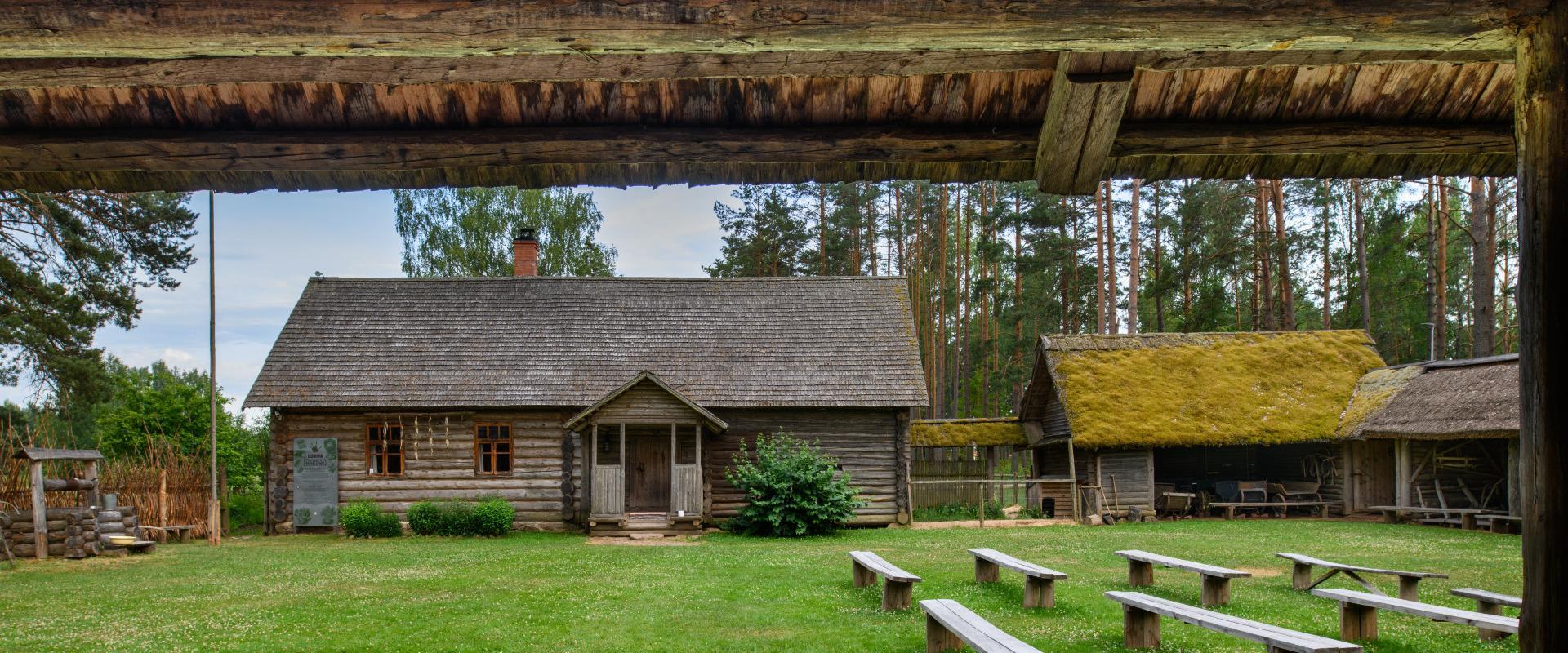
Värska Farm Museum is a unique place in Setomaa, offering comprehensive insight into the life of a wealthy Seto fortified farm in the 1920s. It is a great place to experience Seto culture, architecture, and traditions. The building complex includes a smoke sauna, a residential building, a clothing, dining and granary barn, an animal barn, a hay barn, a men's workshop, a threshing floor, a blacksmith's shop, and a pottery factory — you can get an overview of the entire Seto architecture. The museum also houses genuine Estonian farm animals. Various workshops are offered upon reservation, such as making sõir, bread making, and crocheting Seto lace, among others. The largest handicraft shop in Setomaa is open under the threshing floor! Come visit us!

Tõrva Central Square

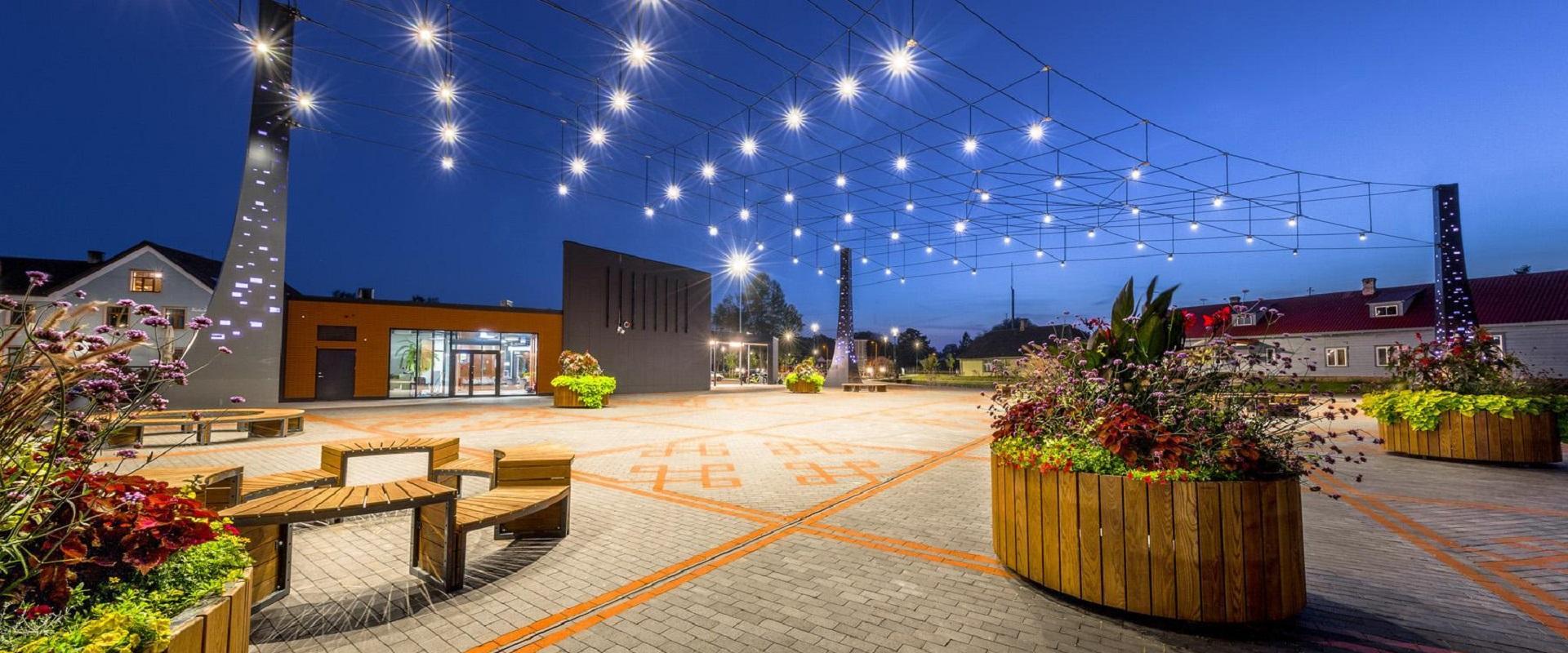
At Tõrva Central Square, the priority is given to pedestrian comfort and leisure facilities. Spread over almost 13,000 square meters, Tõrva Central Square has most of the space on the footpaths and activity grounds.Landscaping was carried out on 5,000 square metres and almost 2,000 trees and shrubs were planted. The central square of Tõrva runs from the historic tavern building to the Tõrva Town Hall building and from there on to Lake Veskijärv.Architects Mari Rass, Ott Alver, Alvin Järving, and Illimar Klammer.

  • Guided tours

University of Tartu’s main building

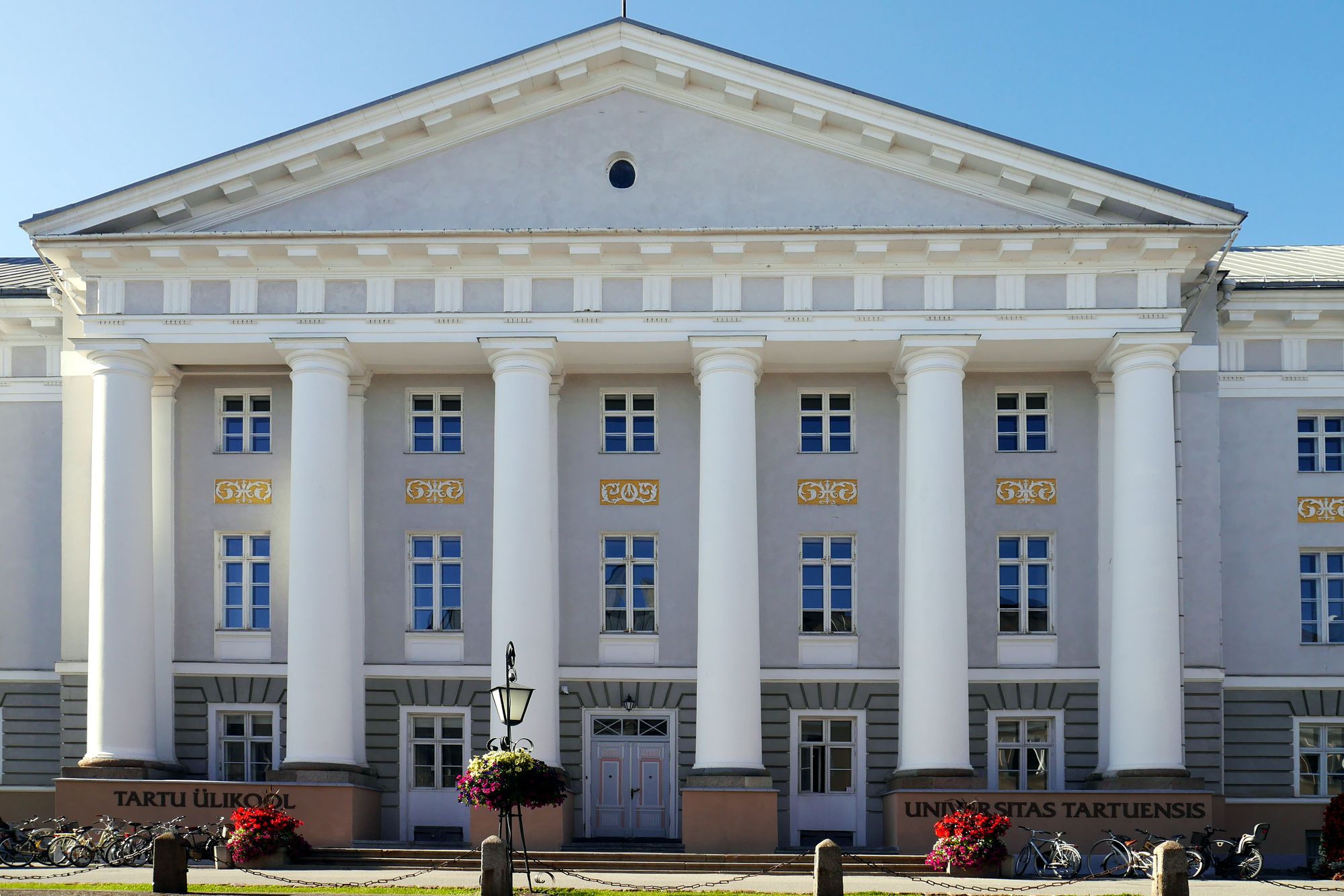
The University of Tartu's main building is a truly remarkable and historically significant structure located in Tartu's Old Town. The building was designed by the university's architect, Johann Wilhelm Krause, and constructed between 1804 and 1809. It was inaugurated with a ceremonial event on July 3, 1809, and since then, it has been the central venue for the university, hosting all important celebrations, scientific and cultural events, and gatherings of the academic community. The main building's classical architecture, with its columned facade and dignified interior, has shaped Tartu as a university town. The main building houses the White Hall, where concerts, conferences, and ceremonial events take place. Another special attraction is the student prison in the attic, which offers an intriguing insight into the strict rules of 19th-century student life. Visitors can also explore the University of Tartu Art Museum in the main building. The main building can also be explored on a guided tour, organized through the University of Tartu Art Museum by prior appointment.

  • Churches

Rannu St Martin’s Church of the Estonian Evangelical Lutheran Church

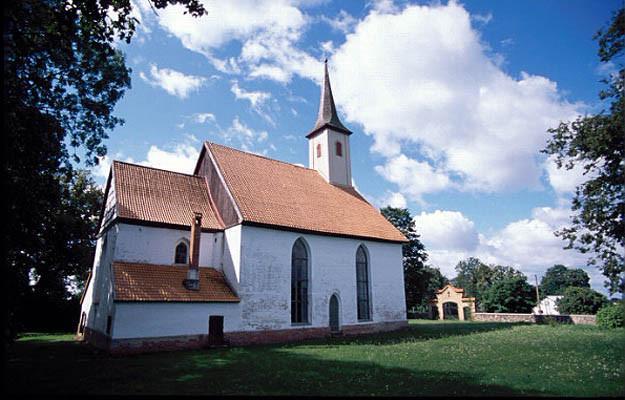
The church dedicated to St. Martin is located on the Estonian Pilgrim Route, which starts from Pirita Monastery and ends at the Vana-Vastseliina Episcopal Castle. There is also a prayer bench in the churchyard.Come and see one of the oldest parish churches in Estonia. You can also can go to the spire, which offers a unique view of the beautiful Lake Võrtsjärv and the surroundings.Good to know:• The Church participates in the Wayfarers Churches and the Night of Churches projects.• The night battle from the feature film Names on a Marble Slab (2002) was filmed in Rannu Church garden.You can visit the church on Sundays during the service or by prior arrangement.

  • Guided tours

Süvahavva Wool Factory and Museum

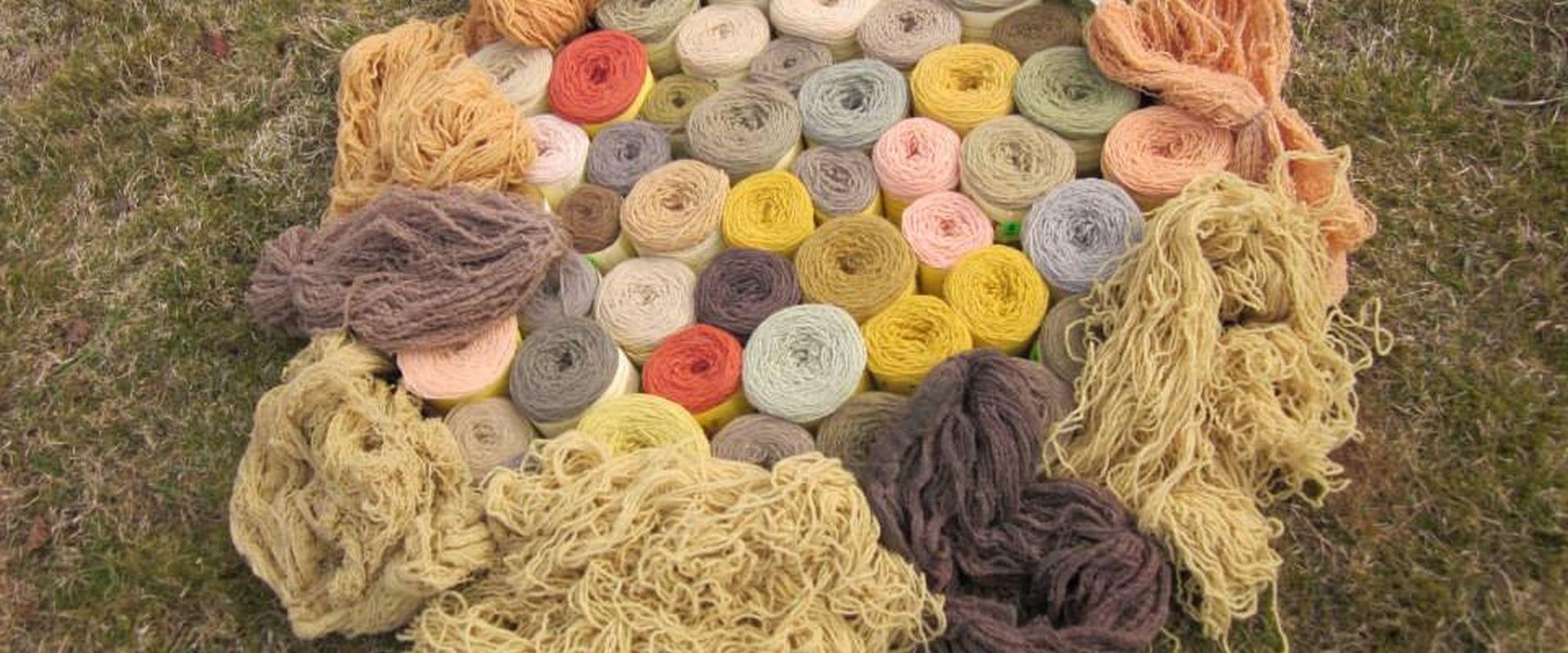
At Süvahavva Wool Factory and Museum you can see how wool is spun into yarn. Villakalli Puut sells wool products and other local handicrafts on the spot.Also, don't miss the opportunity to visit Süvahavva Nature Farm which is located close to the factory. The farm grows more than 40 species and cultures of tea plants and herbs. The most beautiful sandstone outcrops and caves on the Võhandu River are only a few hundred metres from here.Süvahavva village is one of the 21 places in Southern Estonia worth discovering that are marked by a yellow National Geographic window; if you love culture and nature, a visit is highly recommended.

  • Guided tours
  • Workshops

Hellenurme Mill Museum

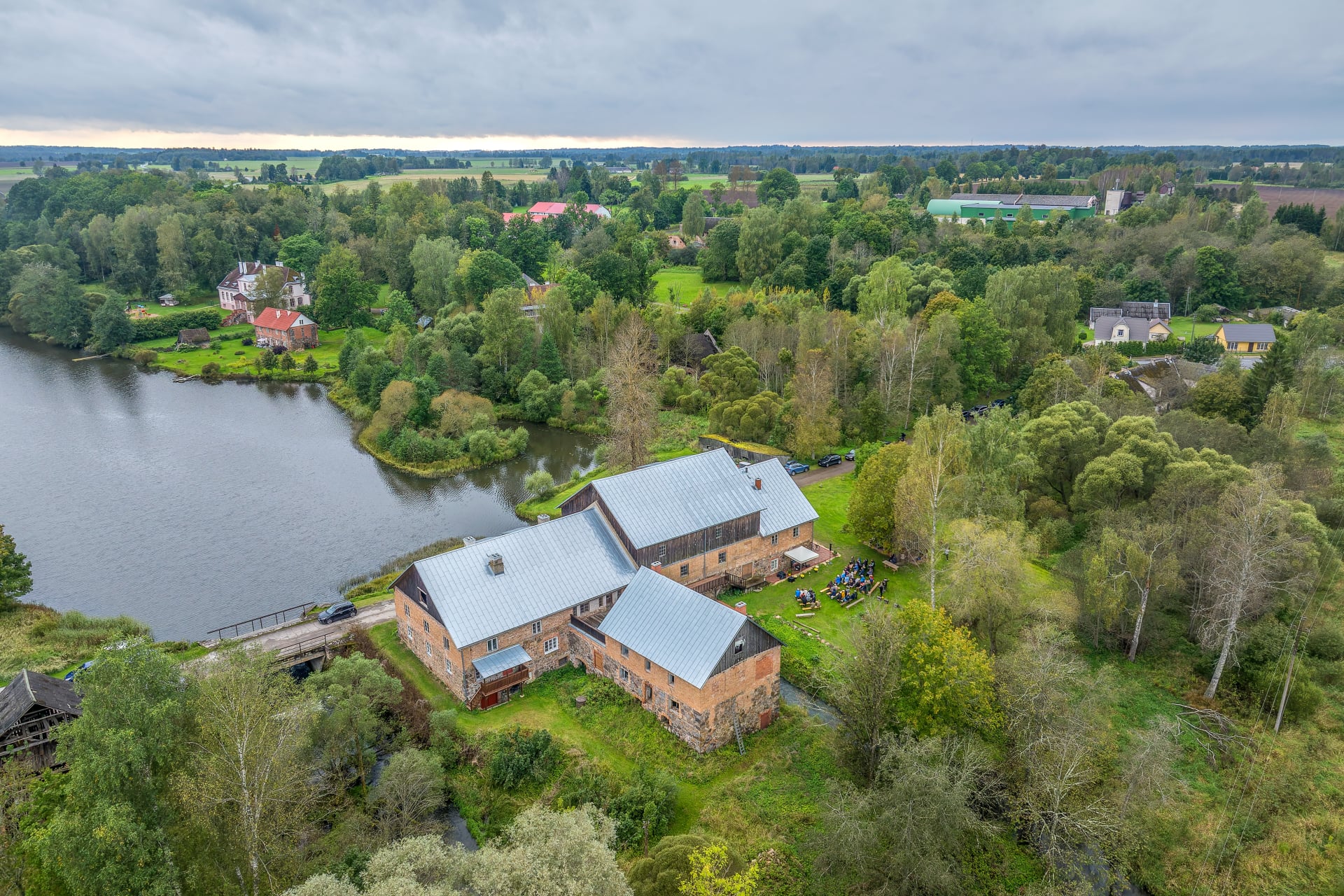
Hellenurme Mill Museum in Southern Estonia is the last operational historical watermill in Estonia and one of the few examples of a water-powered mill as industrial heritage in the Nordic countries. Visiting the mill feels like a trip back in time. Visitors can see century-old equipment across four floors of the mill, from the turbine to the milling machines and millstones, which still grind rye into bread flour. In the bread house, the mill hostess offers guests traditional Estonian rye bread made on-site and shares stories that bring the everyday life of centuries past to life. The large mill building of Hellenurme Manor, built in 1880 in Tartu County, hides surprises at every step. In addition to the working mill, guests can enjoy workshops and meals in the bread house. It is possible to stay overnight in the freshly renovated mill chambers, which offer views of the river and lake. Visitors can admire the lake's beauty and the surrounding nature.Here, you can also enjoy cultural events and celebrate festive moments with friends, family, or colleagues.

  • Collaboration
  • News
  • Contacts
  • Privacy Policy
Join our mailing list!

"*" indicates required fields

This field is for validation purposes and should be left unchanged.
I authorise marketing

South Estonia Tourism Cluster

info@visitsouthestonia.com