• Explore
    • Nature
    • Culture
    • Food
    • Family
    • Activity
    • Blog
    Smoke sauna
    Weather and seasons
  • Plan
    • Accommodation
    • How to get here
    • Weather and seasons
    • Sustainability
    • Tourist info
    Discover South Estonia’s Most Beautiful Manors and Castles
    Top 20 Sights in South Estonia
  • For professionals
    • For professionals
    • Collaboration
    • News
    • Projects
    • Training
    • Repository
    • Community (opens in new tab)
    • Contacts
ENG
  • EnglishENG
  • EestiEST
  • LatviešuLAT
  • РусскийRUS
  • SuomiFIN
ENG
  • EnglishENG
  • EestiEST
  • LatviešuLAT
  • РусскийRUS
  • SuomiFIN
Popular searches:
Show all
  • History & Culture
  • Architecture and history

Site of the Tamula Ancient Settlement on Roosisaare

Võru vald, Võru maakond, 65534

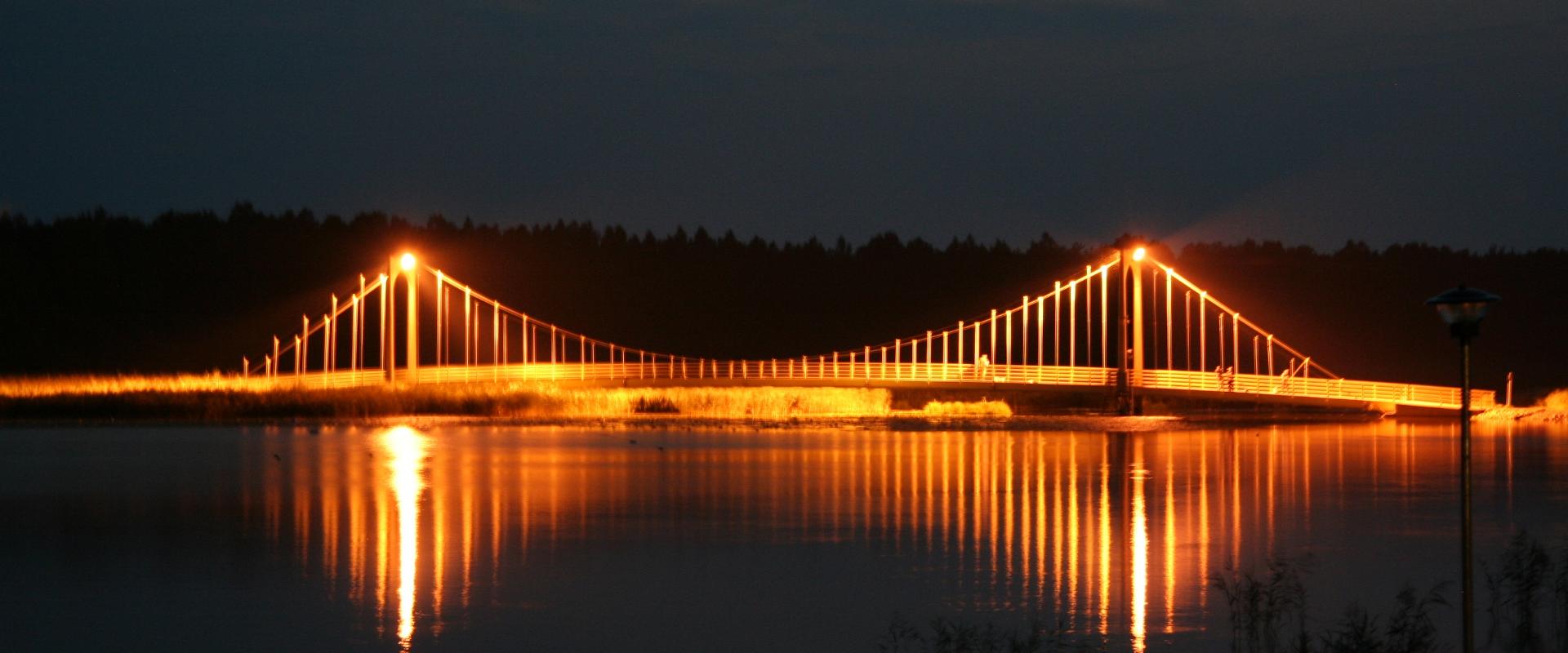
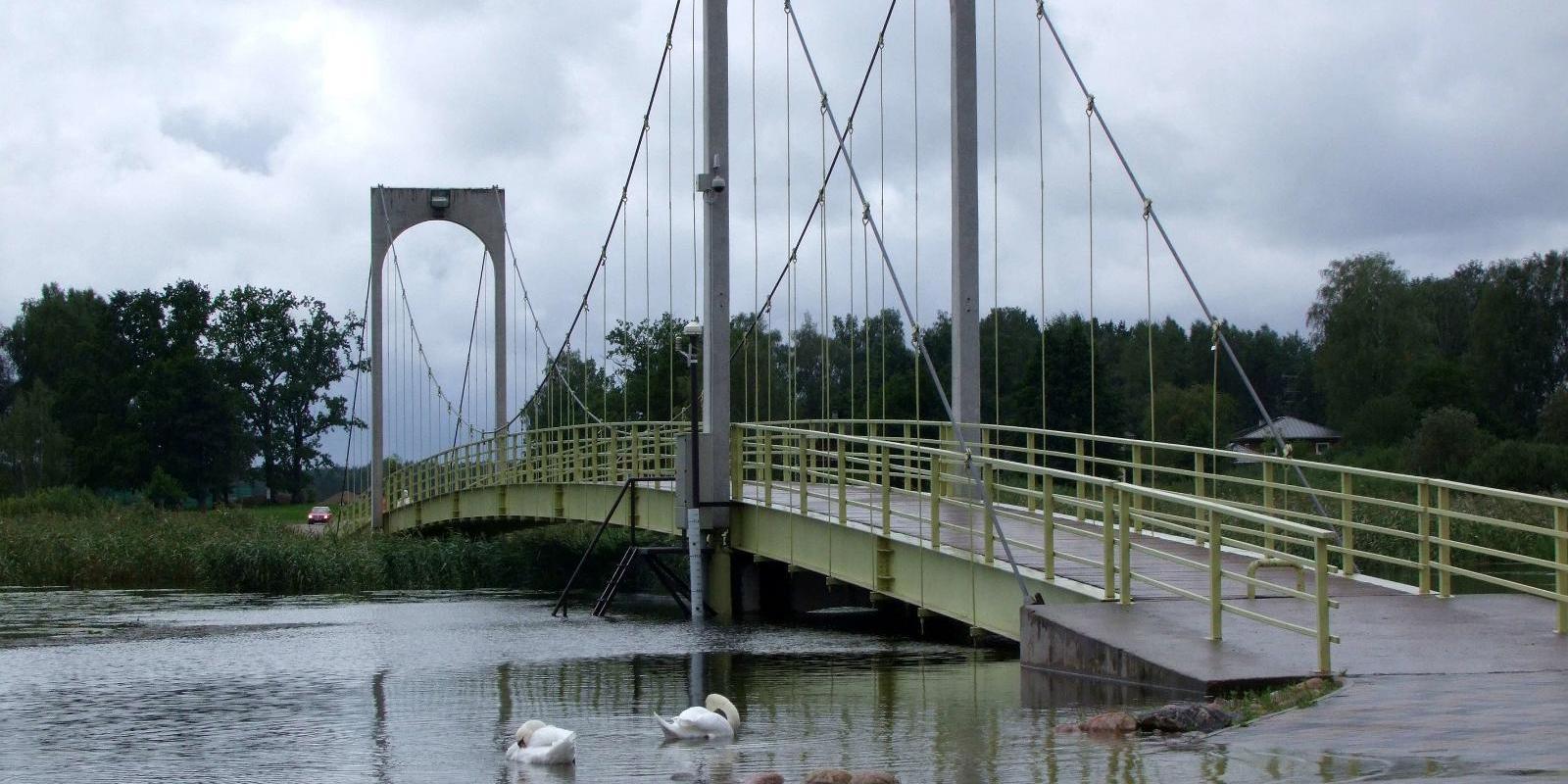
The horns of ancient cattle, animal bones and other objects found in the lake by Ida Kepnik and Richard Indreko indicated that a stone age settlement was once located here. In 1958, horns together with parts of the skull, ceramics and numerous other objects were found in the course of deepening the Võhandu River and bridge construction. In the summer of 1959, a joint expedition by the Institute of History and the Valga Interregional Local History Museum identified the exact location of the settlement. Using the radiometric dating method, it is estimated that the Tamula settlement is 4500 years old. The connection to Roosisaare peninsula was improved in 1998 when a new suspension bridge was opened for pedestrians. There is a great view of Lake Tamula and the town of Võru from the bridge. 
Amenities

  • Information boards
  • Free parking
  • Recreation area/picnic ground

Open times

Throughout the Year

Around the Clock

Contact

  • voru@visitestonia.com

Links

See more

Mikitamäe Orthodox village chapels

The square in front of Mikitamäe Culture House is called the square of Orthodox village chapels because two Orthodox village chapels are located there next to each other – the old Orthodox village chapel is the oldest wooden building in continental Estonia: it was probably built in 1694. The building was originally located next to the Tartu–Petseri highway. During the Soviet era, it was moved from there. In 2009, the chapel was renovated and brought to the square in front of the former town hall. In 1998, a new chapel was built.Both Mikitamäe Orthodox village chapels are dedicated to Apostle Thomas. The village holiday is celebrated a week after Easter.

Obinitsa village chapel

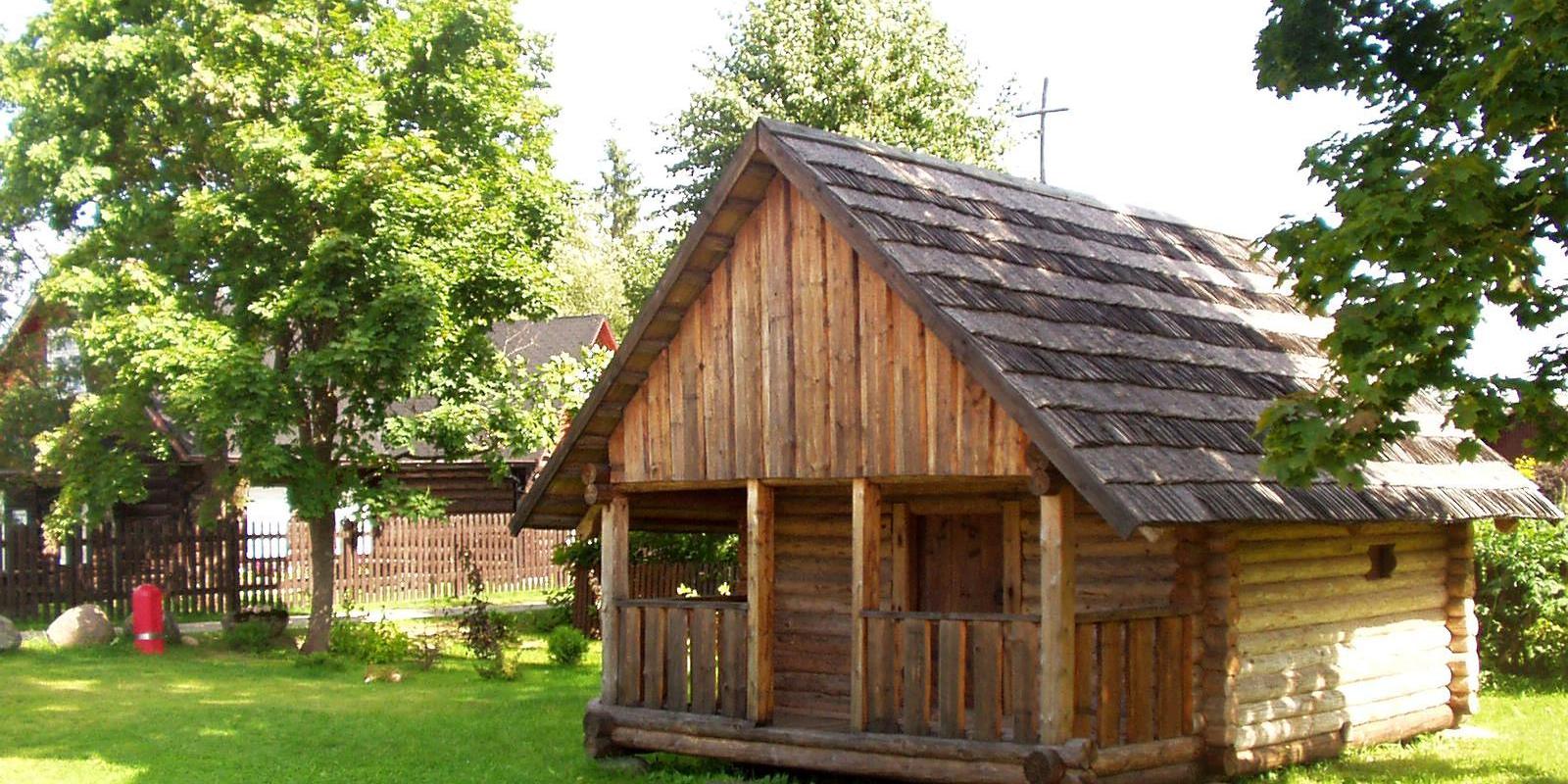
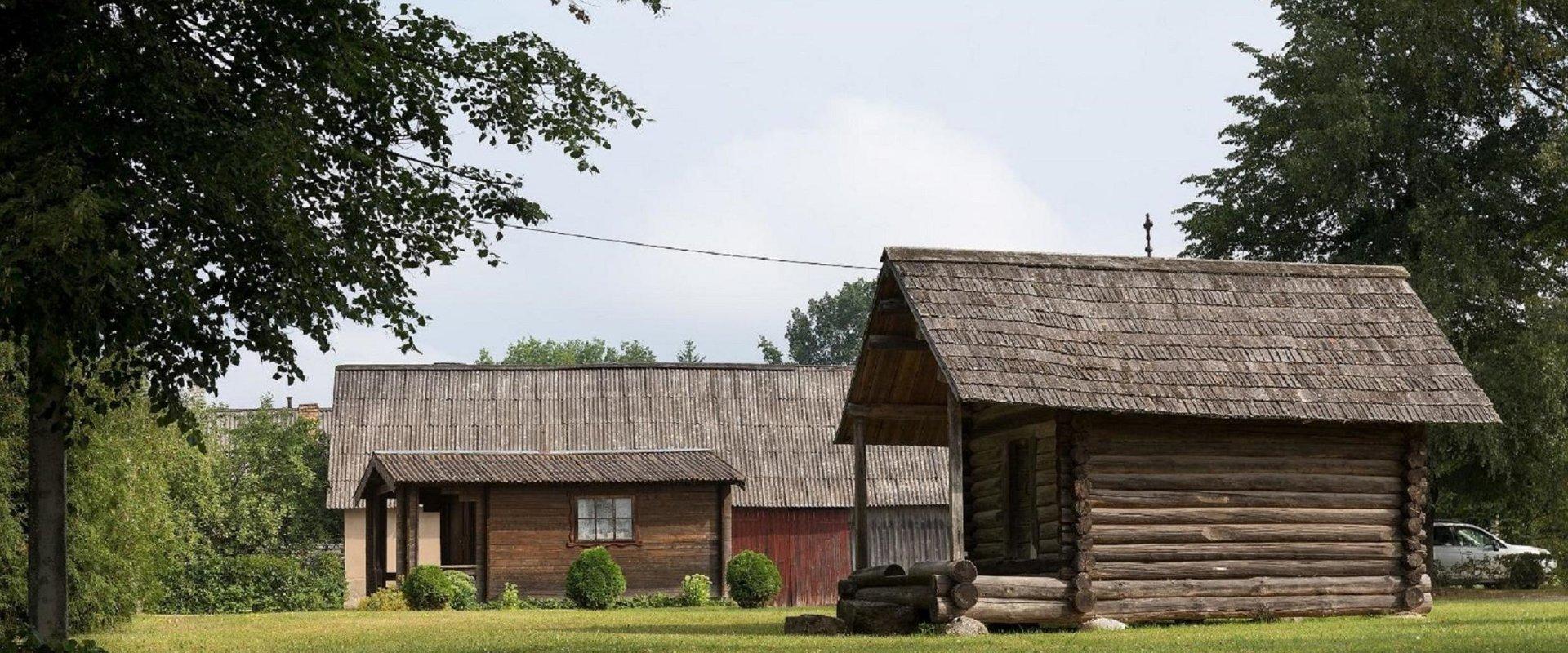
Next to the Obinitsa Museum is a small log building with a barely noticeable wooden cross on the roof. This is the Obinitsa village chapel.The building was built in 2007 in the place where a village chapel was a hundred years ago. The chapel plays an important role in Seto culture.The holy day of the chapel is the day of the Lord's Transfiguration. On its eve, on 18 August, a procession from Obinitsa Church comes here.Ask the Obinitsa Museum for more information on the chapel.

Handicraft Store of the Wool house of Sireli Farm

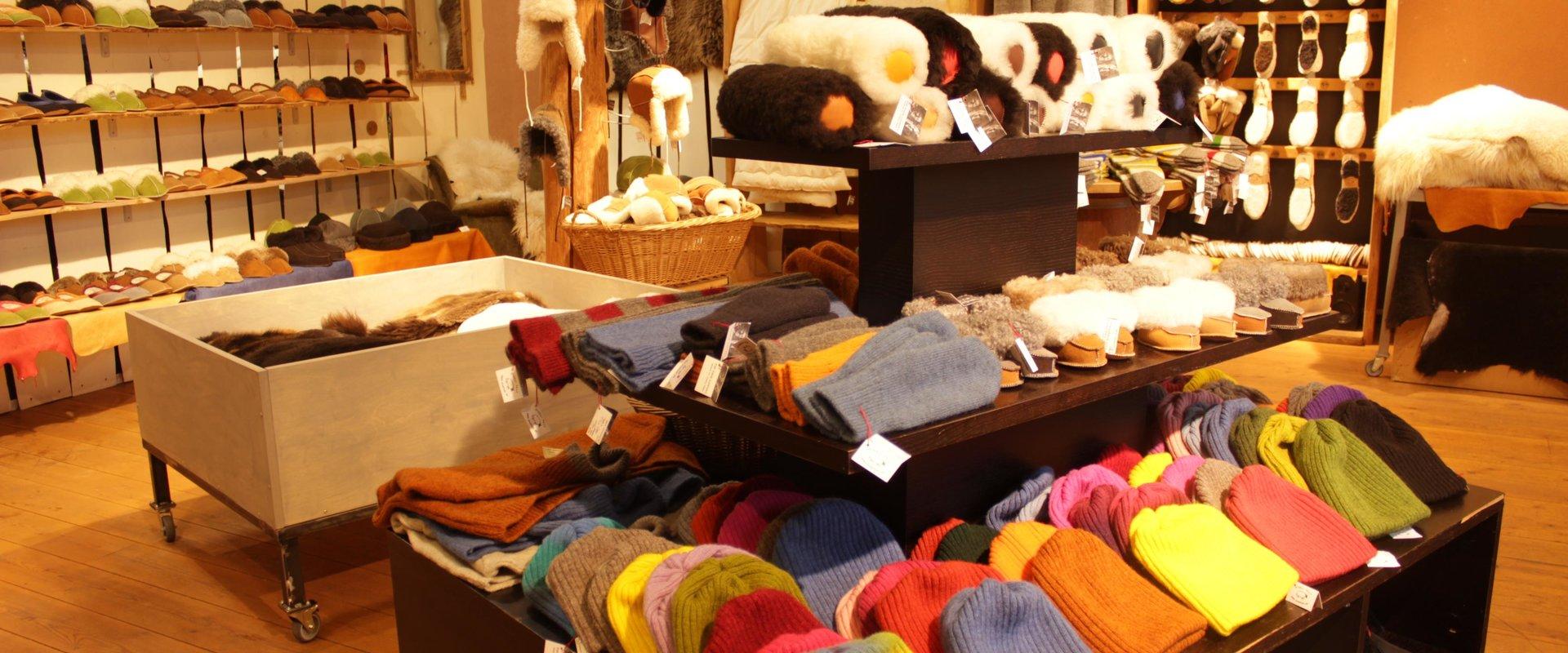
You are welcome in the handicraft store of the Wool House of Sireli Farm, located in Mooste Manor in Põlva County. A very wide selection of sheepskin and wool products - from slippers to carpets - await you.The sheepskin and wool products made by the very experienced local artisans are not only beautiful but also very practical and durable. The material used in the making of the high-quality and comfortable products comes from the Sireli Farm's Suffolk and the German blackheaded mutton sheep.In addition to the largest selection of sheepskin products in the Nordic countries, a warm welcome and a cup of hot coffee await you here.

Aidu Altar of Victory

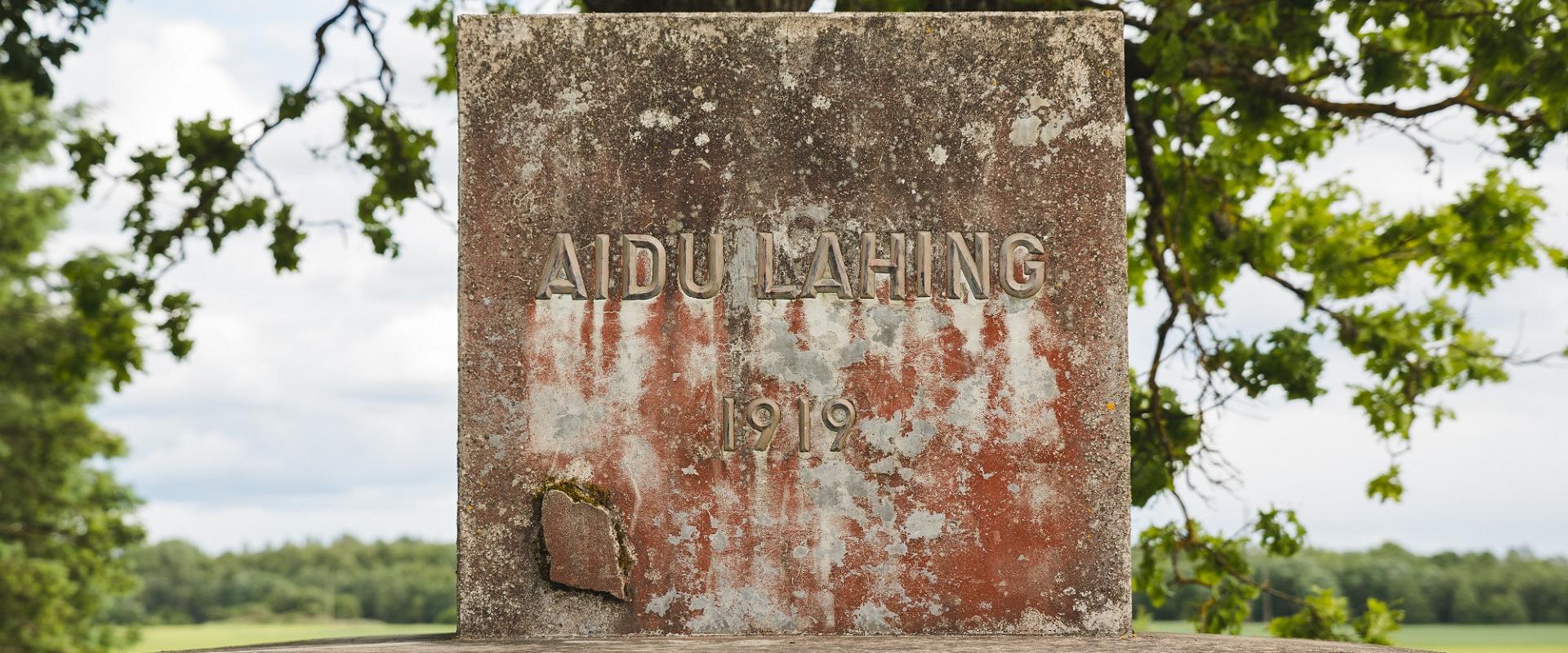
The Aidu Altar of Victory is a memorial to the War of Independence.One of the most important battles of the War of Independence was held near the Aidu village in 1919. A memorial was opened on June 23, 1929, which was reopened 60 years later. This also marks the spot how far a soldier of the Red Army managed to invade.

  • Churches

Otepää St Mary’s Lutheran Church

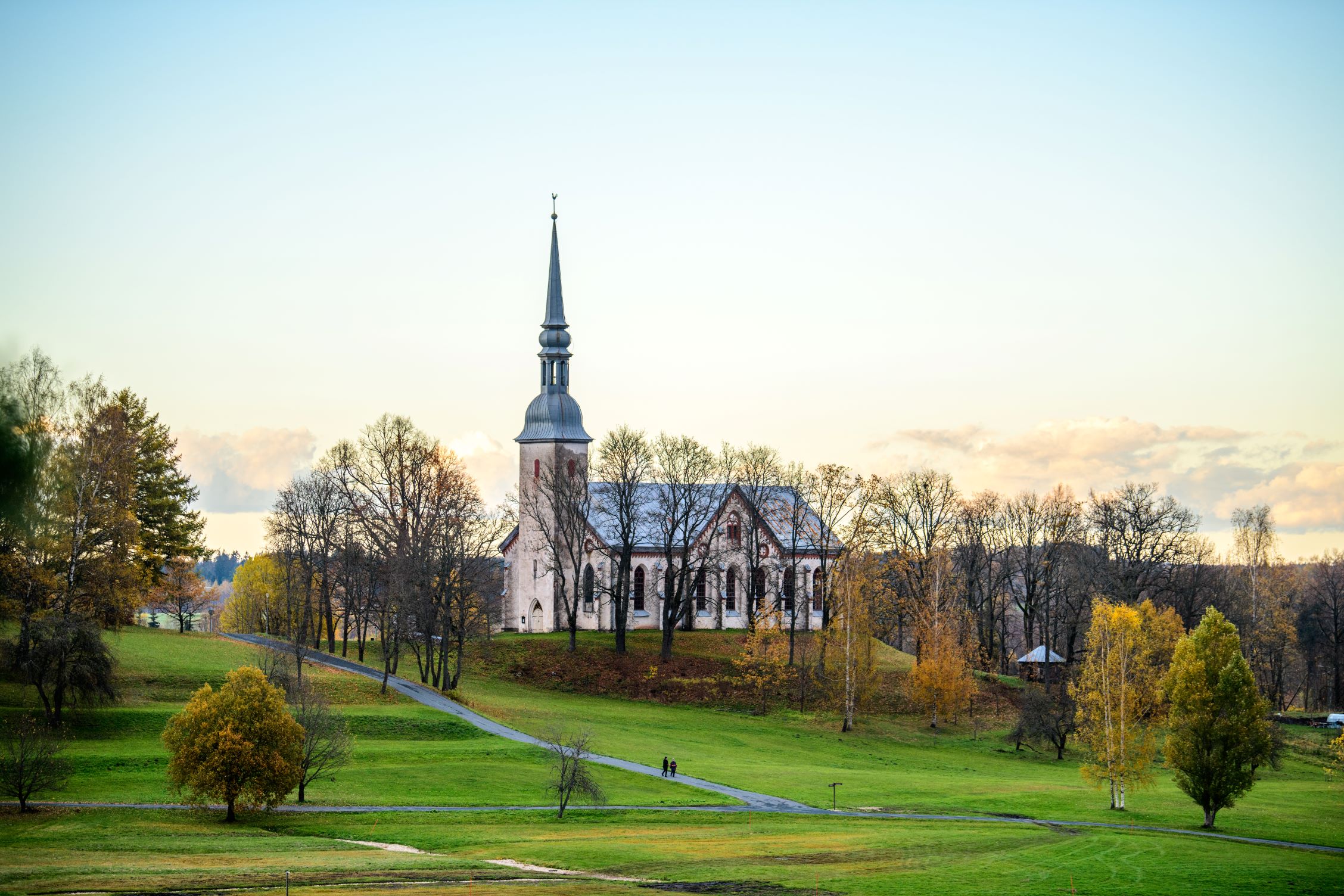
Otepää St Mary's Lutheran Church is one of the 21 places in Southern Estonia worth discovering, all those interested in culture and history should definitely pay a visit. Otepää St Mary's Lutheran Church is historically connected to the national flag of Estonia. The blue, black and white flag of the Estonian Student Union, which later became the national flag and in 1991 the official flag of the state of Estonia, was consecrated in the rectory of the church on 4 June, 1884. The church has a neo-gothic altarpiece "Christ on the Cross" which dates from 1880, and a Kessler organ from 1853. In summer, the doors of the church are open to everyone.

  • Churches

Värska Church

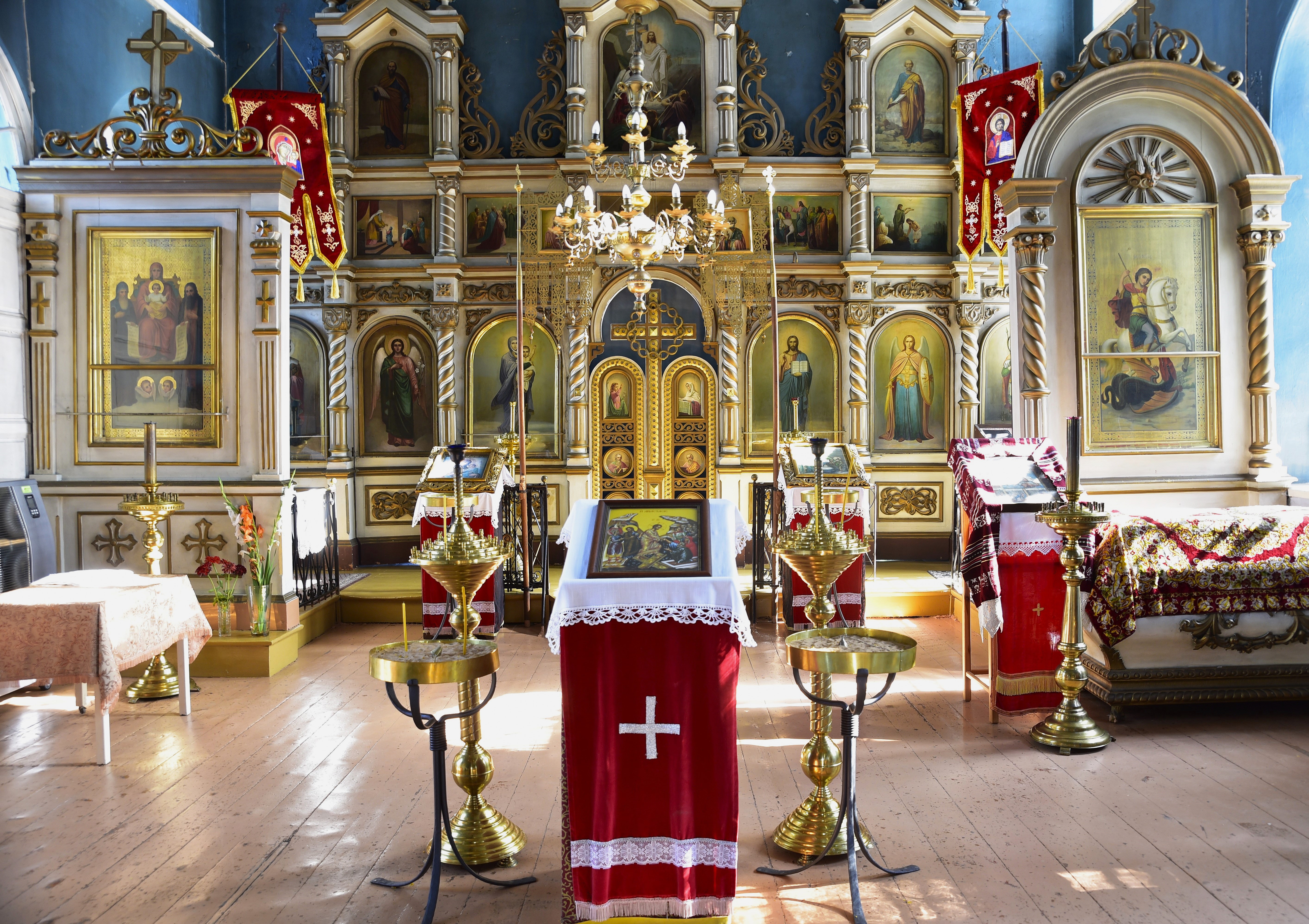
The patron saint of the Värska Orthodox Church is St. George. The most important church holiday is St. George's Day, which is celebrated in Setomaa on May 6 and culminates with the afternoon kirmaski, or village party. The church was built with money from the community, and the original iconostasis from the beginning of the 20th century has been preserved, part of which is an icon of St. George painted on a tree in the 17th century. The church also has several handmade holy shawls. Värska cemetery is next to the church, and several important Seto cultural figures are buried there.

  • Churches

Tartu St. Peter’s Church

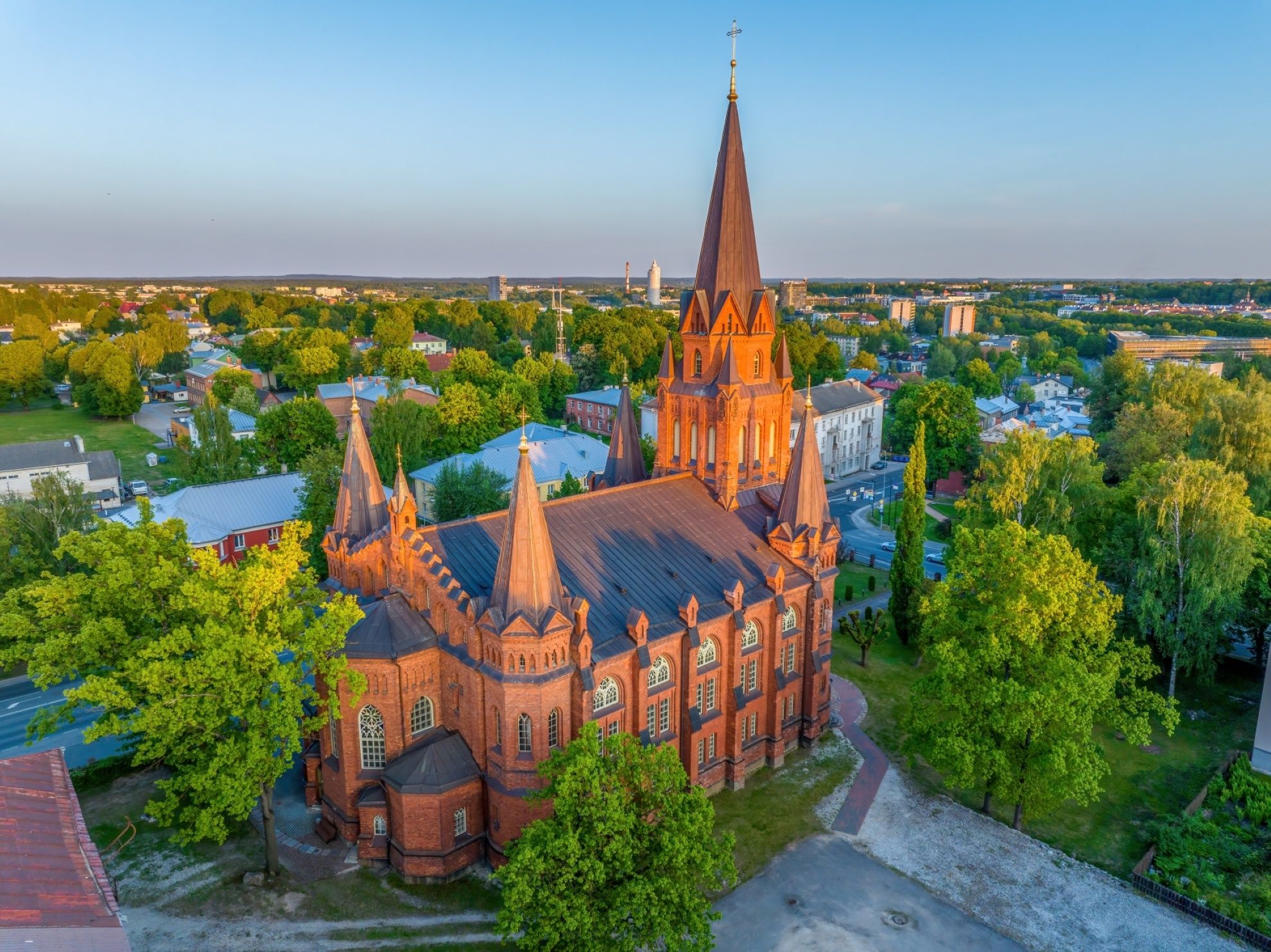
Tartu St. Peter's Church is one of the most beautiful neo-Gothic Lutheran sanctuaries in Southern Estonia, established in the late 19th century as a spiritual home for the growing Estonian-speaking community. Designed by architect Viktor Schröter, the church is distinguished by its 56.5-meter-high tower and impressive brick facade, which reshaped the entire Ülejõe district's appearance. The church hall is bright and spacious, featuring a remarkable three-story interior. Wooden balconies and neo-Gothic arches add warmth and a dignified rhythm to the space, creating the impression of a true city cathedral. Visitors can admire Johann Köler's altarpiece "Inviting Christ" (1897) and listen to the late-19th-century 22-register organ, making Peetri Church one of Tartu's most esteemed concert venues due to its excellent acoustics. The church was established near the site of Estonia's first national song festival and has been an important part of Estonian cultural and congregational history since its cornerstone was laid in 1882.

  • Guided tours
  • Workshops

Aparaaditehas Creative City

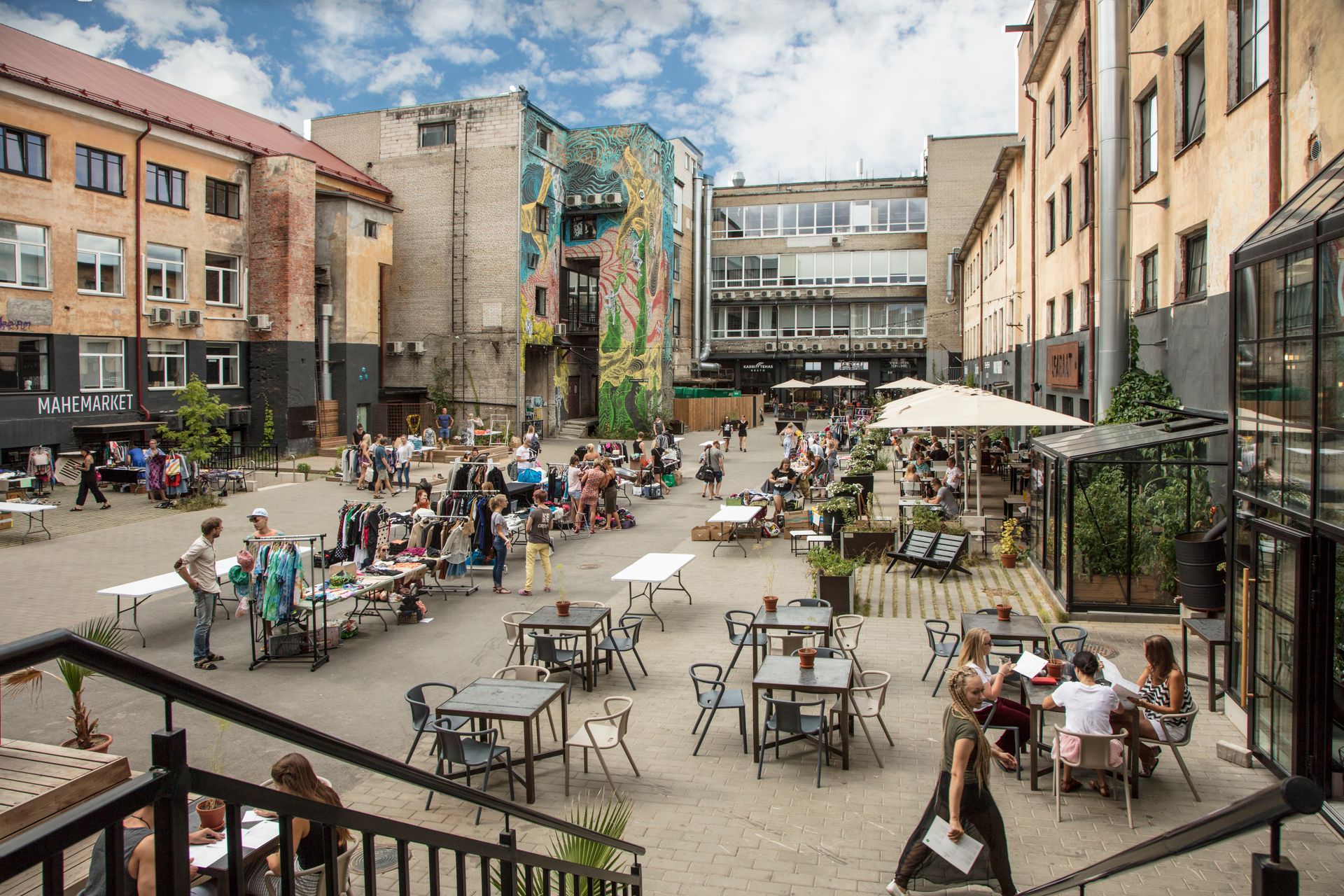
Aparaaditehas is a cultural space built in an old factory complex. Many creative entrepreneurs, artists, designers, and the house cat Johannes Gutenberg have made their homes here. The restaurants, cafes, and bakery in Aparaaditehas offer a variety of flavors to appeal to foodies of all types. Aparaaditehas also has small shops, galleries, and the TYPA Printing and Paper Arts Centre. Major events such as the Aparaaditehas Festival and Gallery Night take place inside the Creative City and factory yard. The factory also hosts smaller concerts, fairs, exhibitions, and workshops. Come and discover the world of the Aparaaditehas!

  • Collaboration
  • News
  • Contacts
  • Privacy Policy
Join our mailing list!

"*" indicates required fields

This field is for validation purposes and should be left unchanged.
I authorise marketing

South Estonia Tourism Cluster

info@visitsouthestonia.com