• Explore
    • Nature
    • Culture
    • Food
    • Family
    • Activity
    • Blog
    Smoke sauna
    Weather and seasons
  • Plan
    • Accommodation
    • How to get here
    • Weather and seasons
    • Sustainability
    • Tourist info
    Discover South Estonia’s Most Beautiful Manors and Castles
    Top 20 Sights in South Estonia
  • For professionals
    • For professionals
    • Collaboration
    • News
    • Projects
    • Training
    • Repository
    • Community (opens in new tab)
    • Contacts
ENG
  • EnglishENG
  • EestiEST
  • LatviešuLAT
  • РусскийRUS
  • SuomiFIN
ENG
  • EnglishENG
  • EestiEST
  • LatviešuLAT
  • РусскийRUS
  • SuomiFIN
Popular searches:
Show all
  • History & Culture
  • Architecture and history

Antonius Courtyard

Lutsu tn 3, Tartu linn, Tartu maakond, 51006

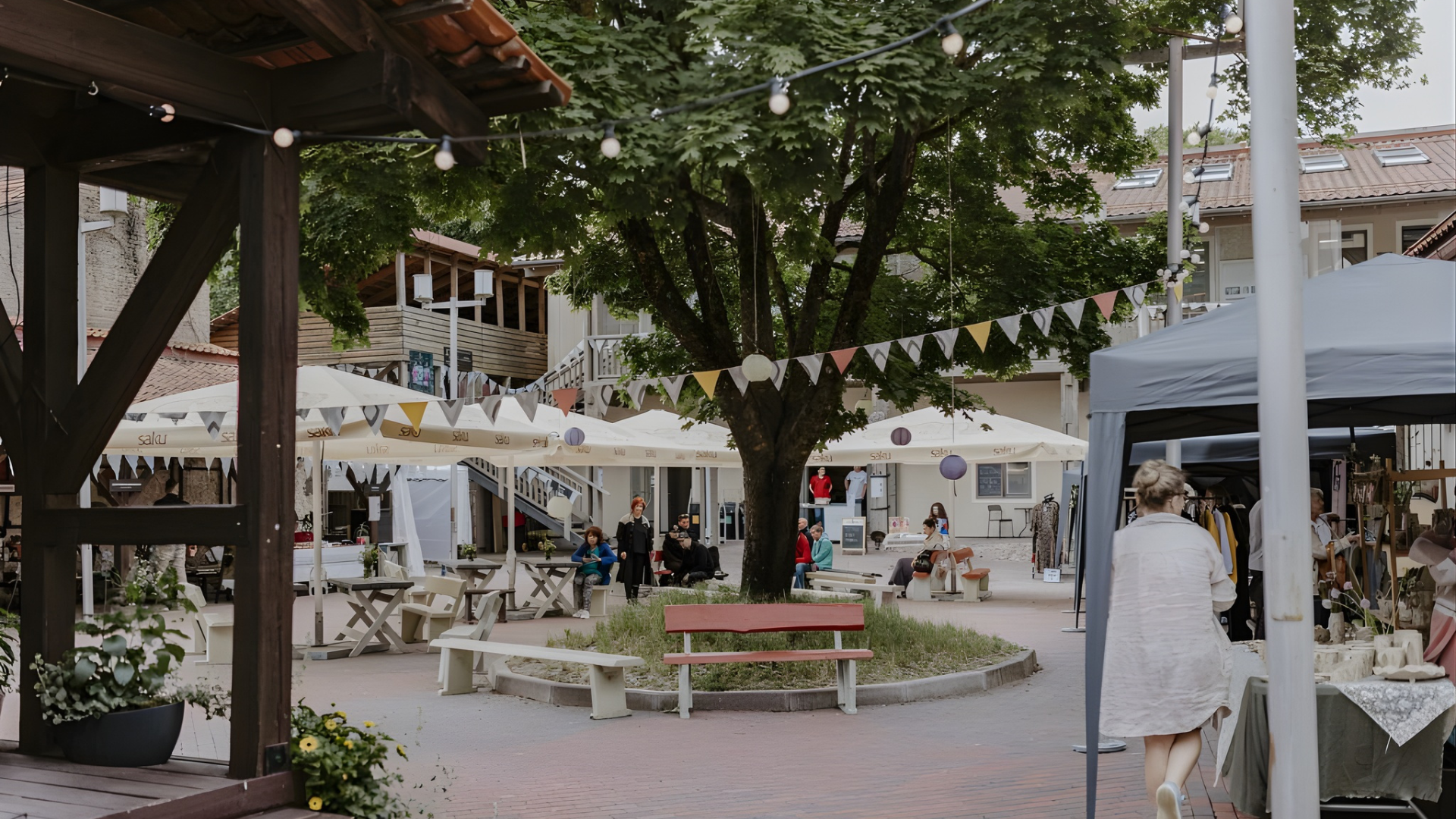
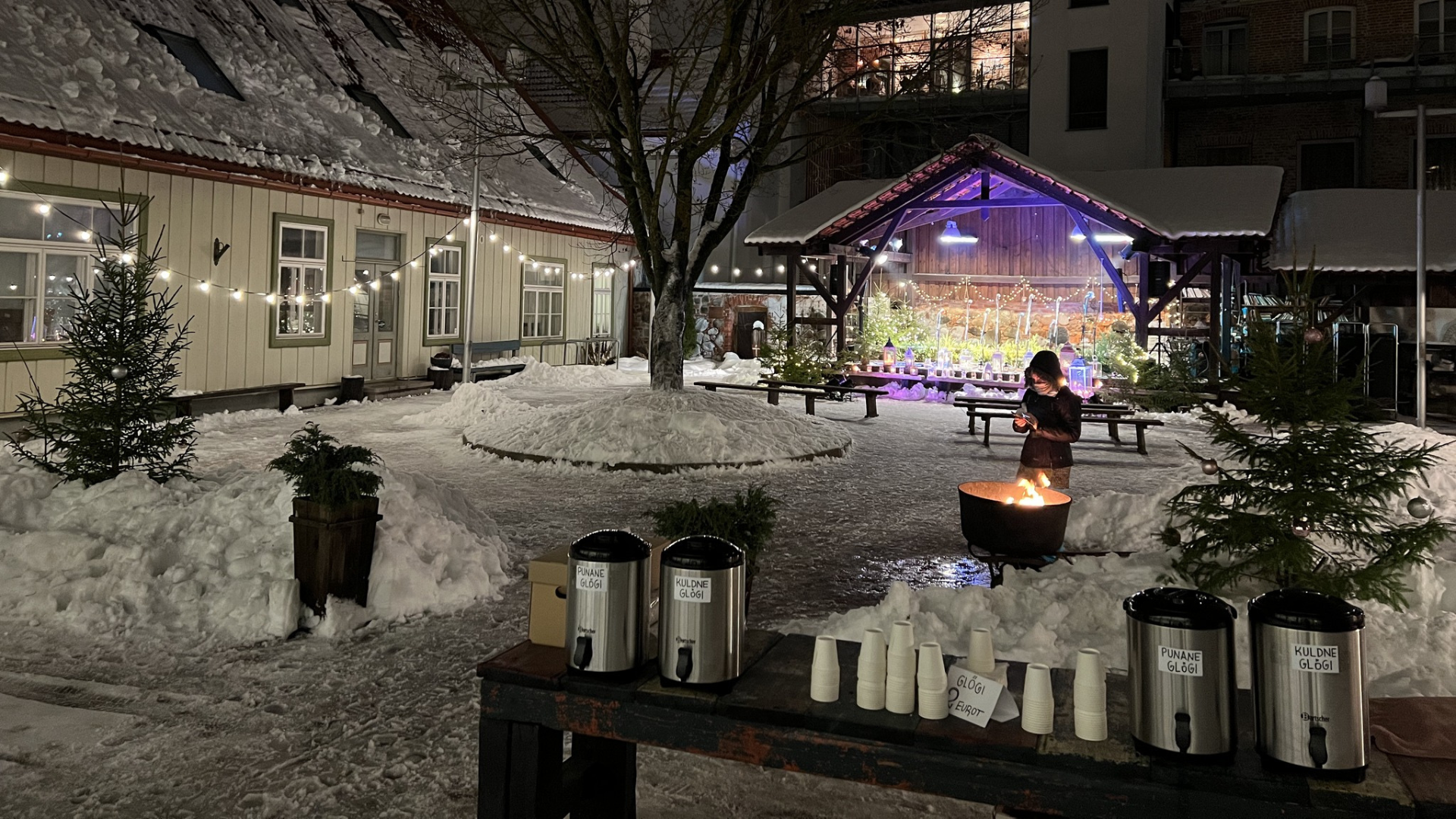
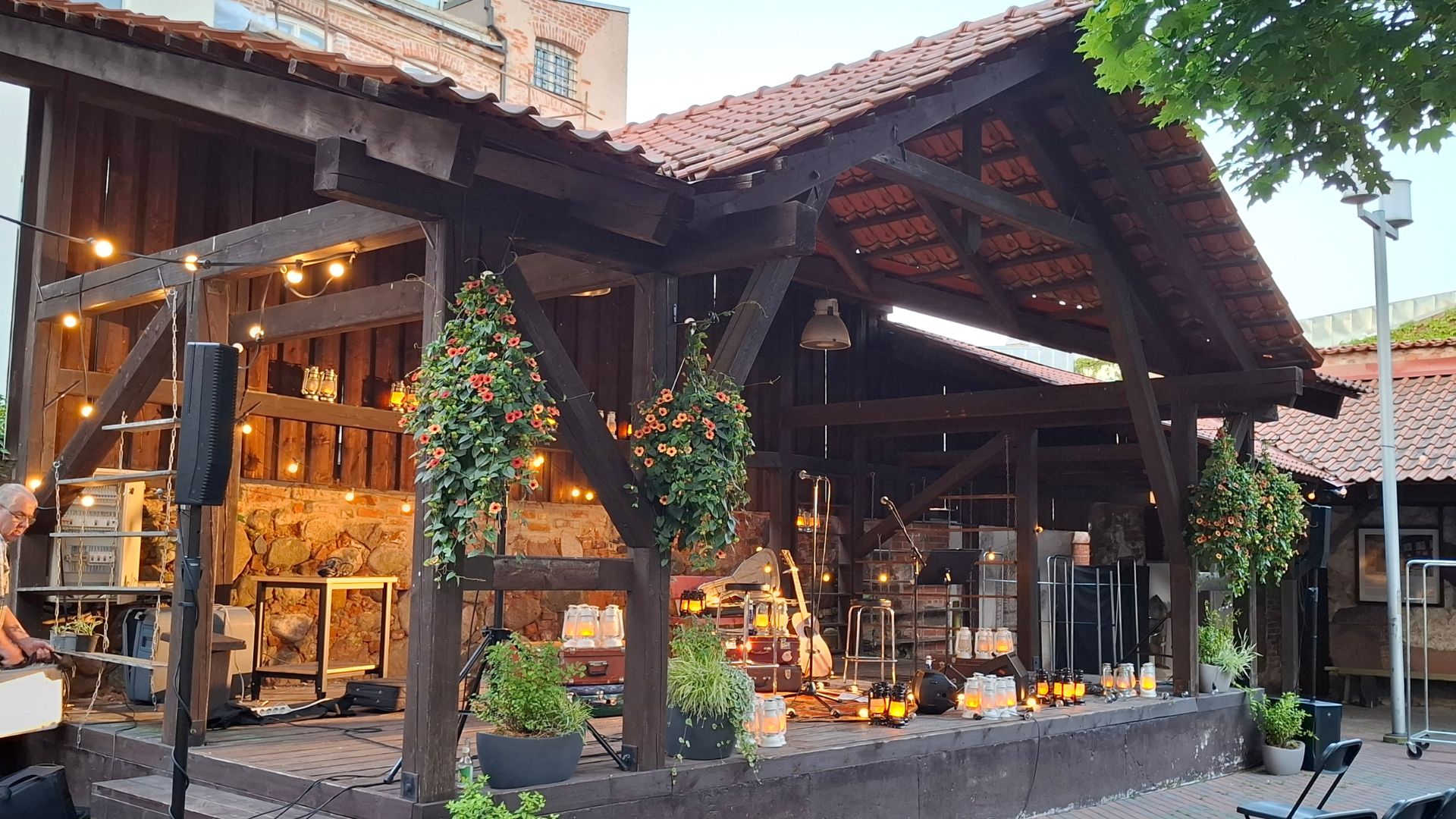
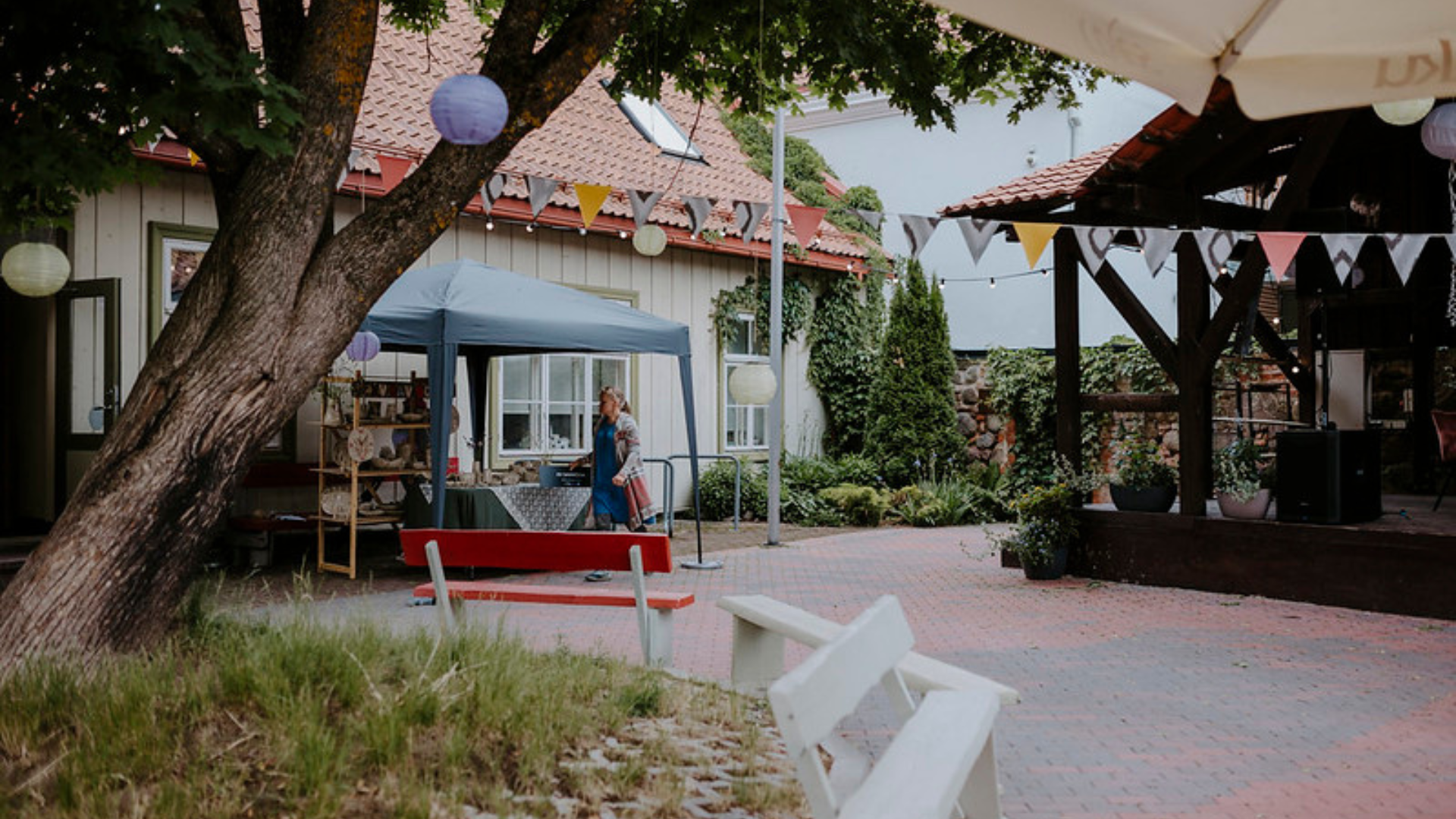
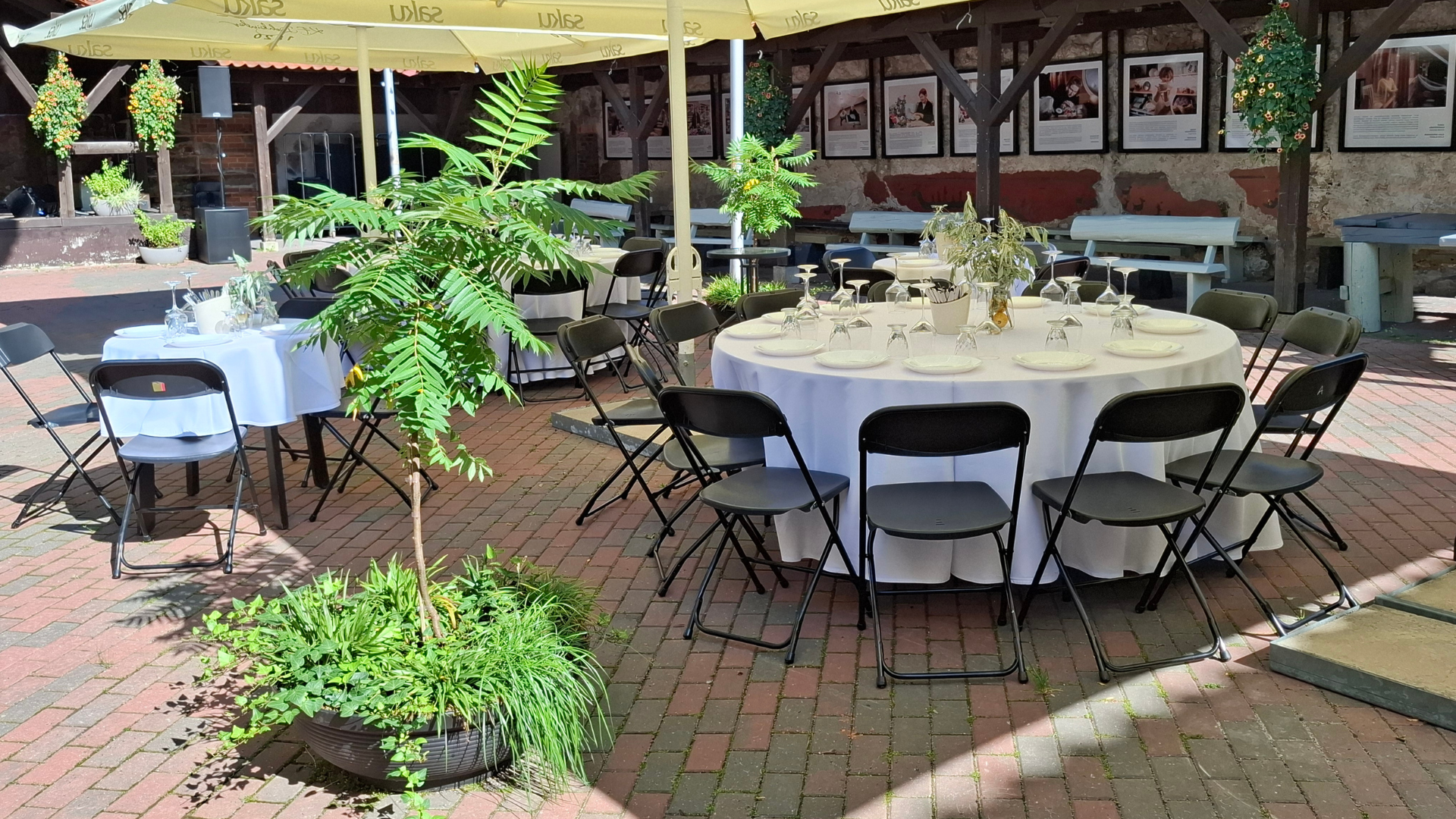
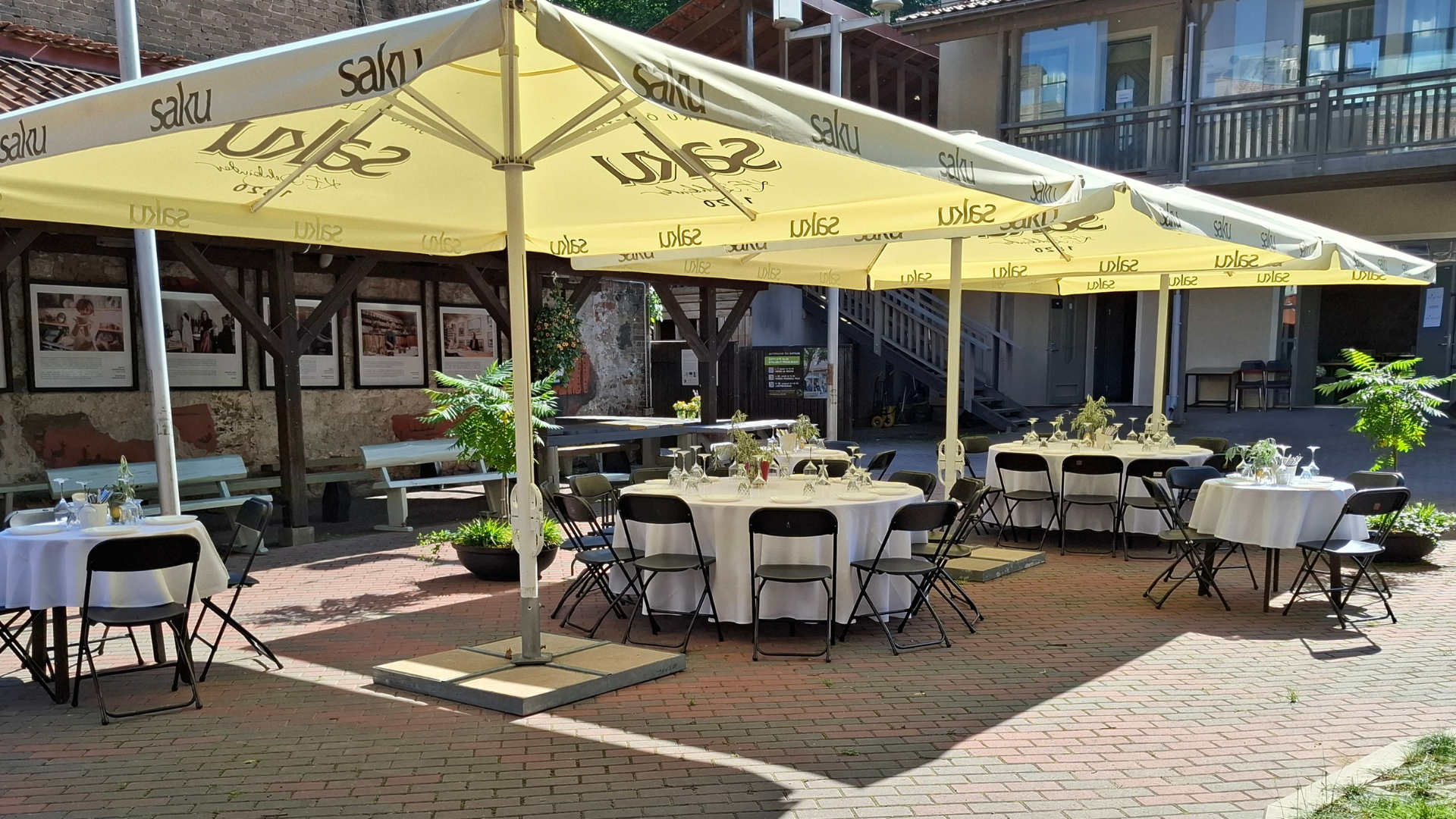
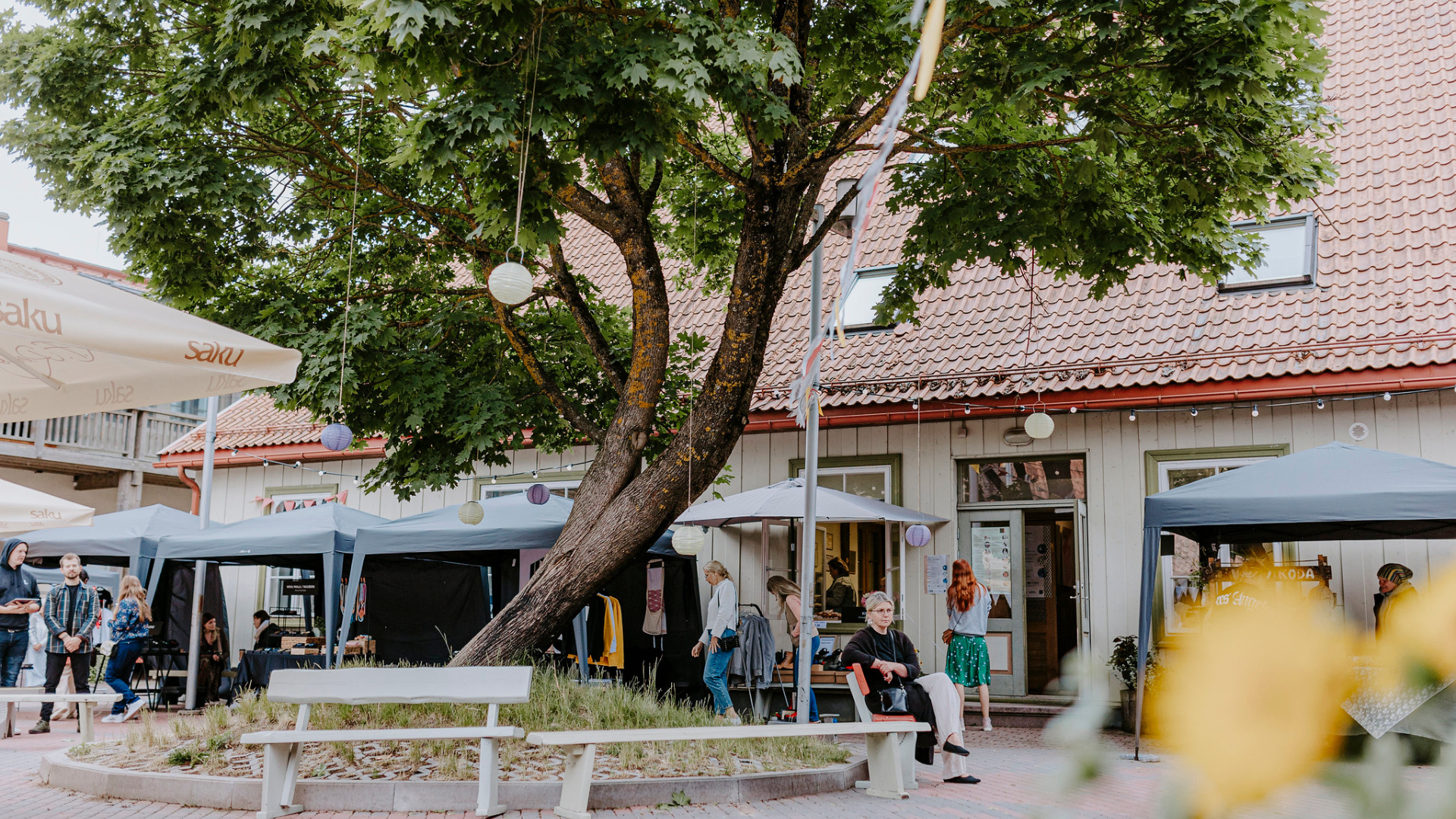
Antonius Courtyard is a historical site in the heart of Tartu’s Old Town, where history meets contemporary creativity. This special courtyard, with centuries-old craftsmanship and artistic heritage, offers the opportunity to experience a vibrant cultural space in an authentic environment.
Historically, this place is associated with the craft guild known as the St. Anthony’s Guild, whose roots go back to the Middle Ages. Guilds played an important role in the economic and social life of cities, bringing together masters and regulating crafts and trade. The area was located near St. John’s Church and was part of the medieval city structure where craftsmen lived and worked.
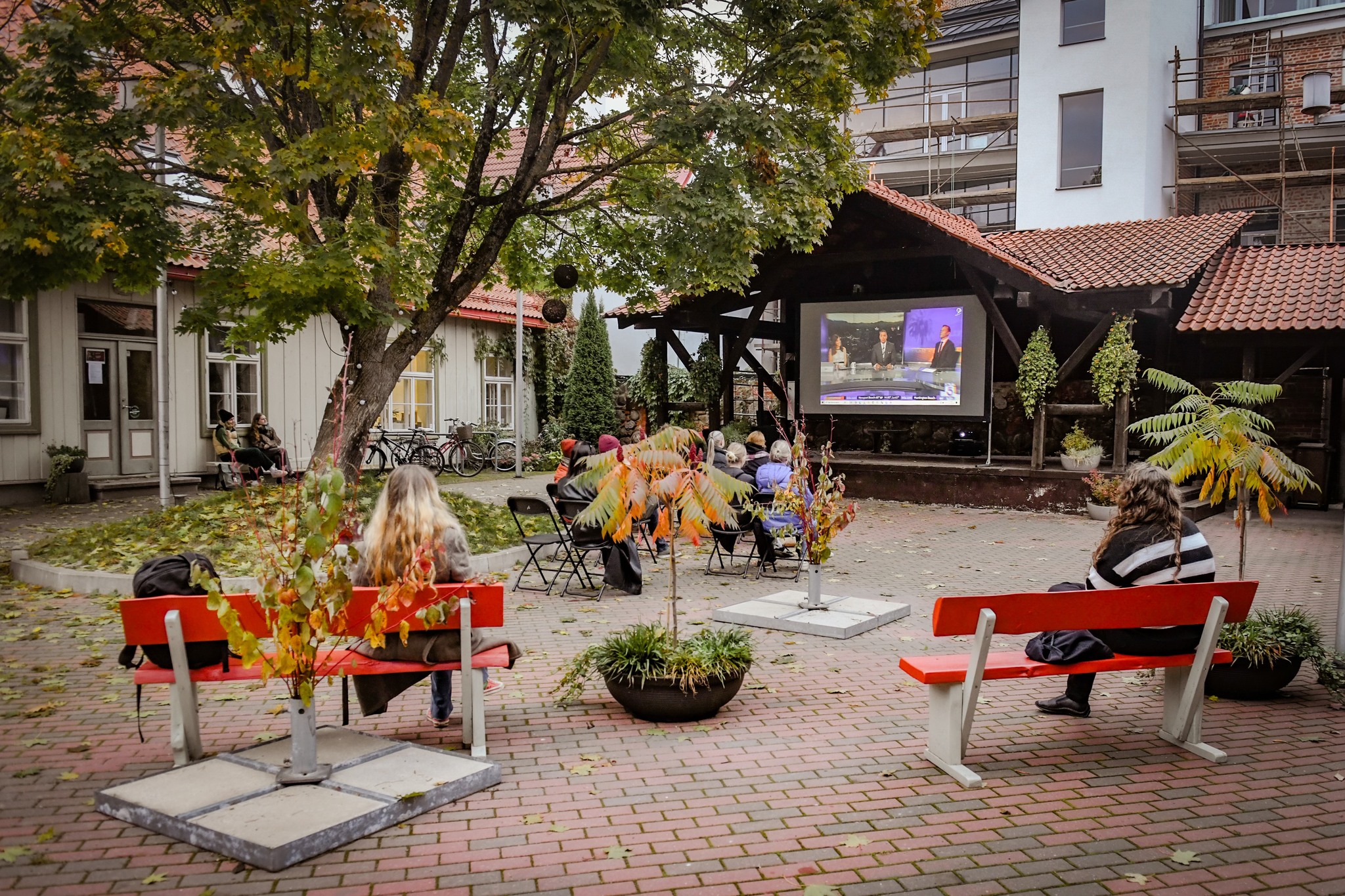
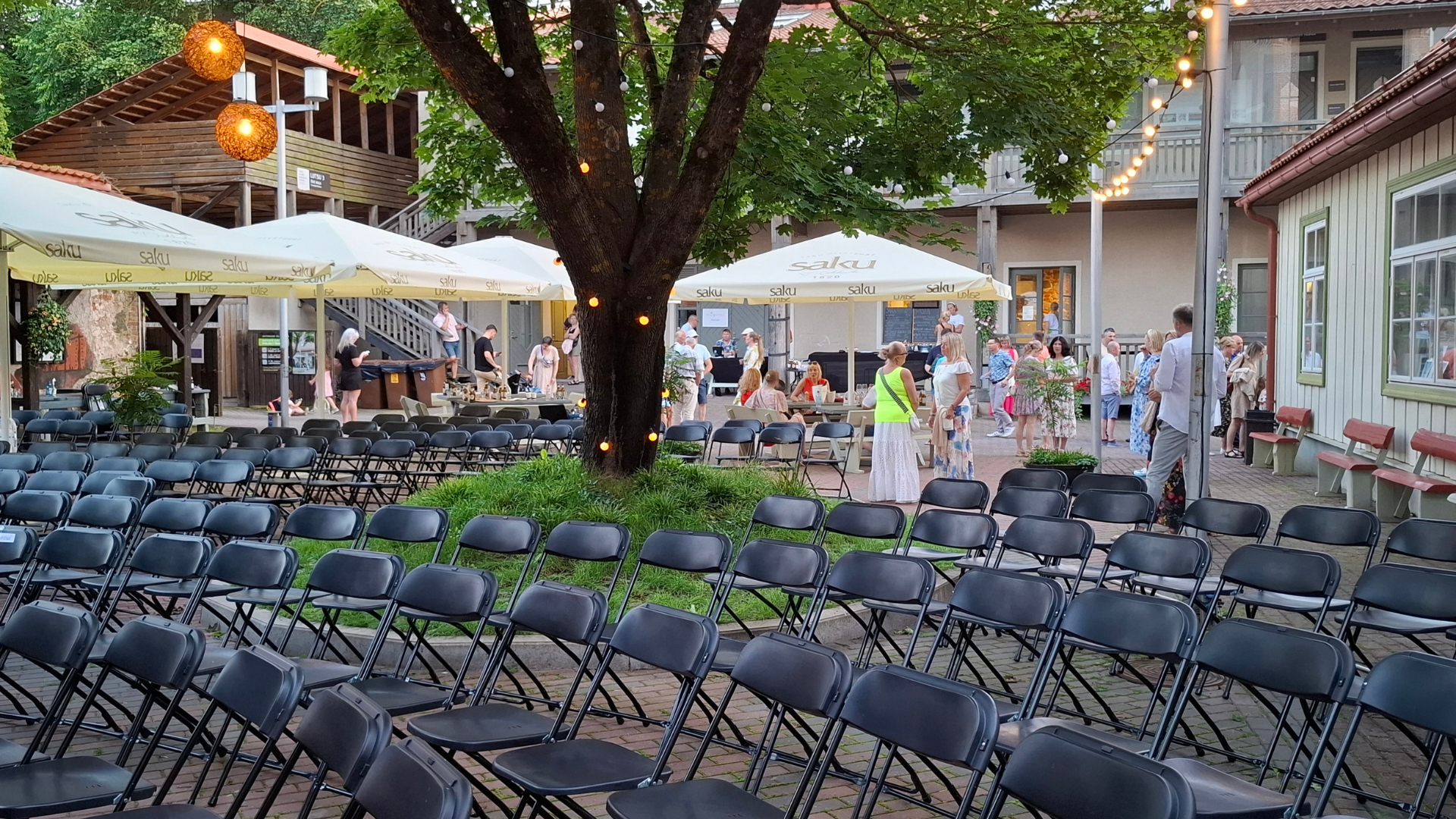
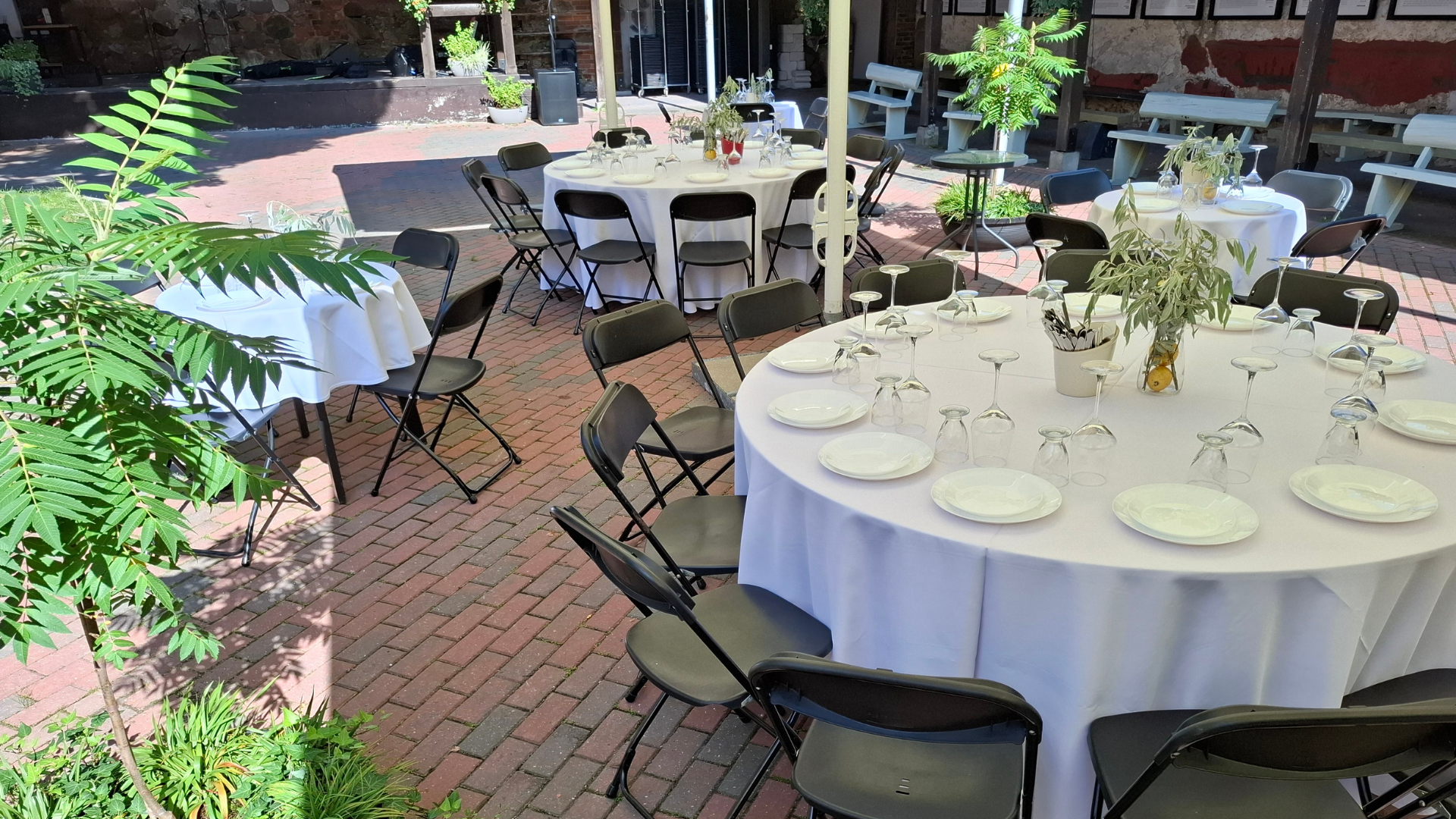
Today, Antonius Courtyard is an inspiring creative center where designers, artists, and craftsmen work. It is a popular venue for events — concerts, performances, and other cultural events are held here year-round, bringing together designers, creative entrepreneurs, and visitors.
During opening hours, you can explore the history exhibition about the Tartu County Creative Path and Tartu Small Guild.
Open times

Throughout the Year

E-R10:00 - 18:00

Contact

  • +372 529 5744

Links

lmk.ee

See more

The Leaning House of Tartu

In the heart of Tartu’s Old Town, right next to Town Hall Square, stands the Leaning House, often affectionately called “The Leaning Tower of Tartu” by locals. The house was built in 1793 along the edge of the medieval city wall. The side facing the river rests on the old wall’s stone foundation, while the other side sits on softer ground. This unique construction has caused the building to slowly but noticeably lean, making it one of Tartu’s most visually distinctive landmarks today. From 1879, the building housed a pharmacy for many years, where, in the early 20th century, a young Oskar Luts worked. He went on to become a famous Estonian writer. Today, the Leaning House is home to the Tartu Art Museum, where visitors can explore works by both Estonian and international artists, participate in educational programs, and enjoy inspiring art experiences. Tartu's Leaning House is listed in the national register of cultural monuments, making it both a historical and cultural gem that combines the rich history of Tartu’s Old Town with vibrant contemporary art.

  • Ruins

Ruins of Rõngu Vassal Castle

The ruins of Rõngu Vassal Castle are located in Rõngu, Elva Parish, Tartu County, and are among the most fascinating medieval monuments in South Estonia. The castle was likely established in the 14th century as a vassal castle of the Bishop of Tartu and was part of the bishopric's defense system, guarding important roads and the surrounding area. During medieval times, it was a complex of fortified buildings with an inner courtyard enclosed by walls. The castle also housed a chapel, which is mentioned in sources from the early 15th century. The castle lost its significance in the 16th century during the Livonian War when it was destroyed and fell into ruins. Today, the remnants of Rõngu Vassal Castle consist of wall remains located in the picturesque Lossimäe Park. The area is freely accessible and is suitable for walks, exploring history, and photography. The ruins offer an interesting time-travel experience for history enthusiasts and families looking to combine nature outings with cultural heritage exploration.

Serga Village Chapel

There is a small village chapel near the Estonian-Russian border, which the locals call a tsässon. According to dendrologists, the building was built in 1784. During the Second World War, the chapel was hit with a missile, which shifted the building away from its foundation. The missile can now be seen in the chapel.In 2007, the chapel was repaired and with the permission of the owner, you can also go into the chapel. The chapel holds several icons, decorated with beautiful handmade white-and-red kerchiefs.The saint of the chapel is Saint Anastasia, which is why the village celebrates Nahtsipäev on 11 November.

Acrylic pouring or stencil art portrait workshops

Acrylic pouring or stencil art portrait workshop – the best way to combine art and entertainment!At the Paintbar studio in the Aparaaditehas Creative City, visitors will receive an introduction to art, the opportunity to enjoy each other’s company, and explore the world of UV, spray, and acrylic paints. The visitors will, either alone or with help from us, prepare original paintings that they can take home with them.The Paintbarshop workshops are suitable for everyone (from school age).More information on Paintbarshop’s workshops can be found here.

  • Monuments

Memorial to the Victims of the Estonia Ferry Disaster

The memorial is located in Võru central square and is dedicated to the residents of Võru who died in the Estonia ferry disaster during the stormy night of September 28, 1994. The memorial was built in 1996 (sculptor M. Karmin).

  • Workshops

Weaving Chipwood Baskets in the Avinurme Wooden Handicrafts Center

Weaving a chipwood basket is the most popular attraction in the wooden handicraft centre and if there's a place in Estonia where this craft is known, it's Avinurme. Everyone can learn the basics of weaving a basket in the workshop with the help of an instructor: you pick out chipwood, weave a berry basket from the chips and finally apply a finish. All the participants will be given the necessary tools for weaving a basket and at the end of the workshop you have your own basket.We have seen the most genuine joy over something made with your own hands in the basket weaving workshop.

‘Traveller’ statue

The Postal Road is a trading and military route with a fascinating history which has connected Tartu to Vastseliina and Russia for centuries. From the mid-19th century it became a postal route, which led to the development of a network of post stations. That's where the road gets its name from today.The 'Traveller' statue on the Postal Road is the first sculpture in Estonia to be dedicated to roads and travelling. It depicts a man with a postal bag over his shoulder and a walking stick in his hand. The three-metre-tall statue is made of metal plates measuring 3-5 mm thick which are welded onto the form. It was designed by Mati Karmin.

  • Guided tours
  • Workshops

KGB Cells Museum

The KGB Cells Museum, known as the "Grey House", is a historical museum in Tartu, where the NKVD/KGB was located in the 1940s and 1950s. The basement of the building, where the cells were located, is open to visitors. Several cells, the punishment cells, and the basement corridor have been restored to their historical form. The prison cells are filled with an exhibition that provides an overview of Estonia's post-war struggle for freedom and the crimes of the communist regime. Here you can see photographs and objects from Siberian prison camps, as well as materials on the history of the Forest Brotherhood and secret resistance organizations. Step into history and experience the meaning of freedom!

  • Collaboration
  • News
  • Contacts
  • Privacy Policy
Join our mailing list!

"*" indicates required fields

This field is for validation purposes and should be left unchanged.
I authorise marketing

South Estonia Tourism Cluster

info@visitsouthestonia.com