• Explore
    • Nature
    • Culture
    • Food
    • Family
    • Activity
    • Blog
    Smoke sauna
    Weather and seasons
  • Plan
    • Accommodation
    • How to get here
    • Weather and seasons
    • Sustainability
    • Tourist info
    Discover South Estonia’s Most Beautiful Manors and Castles
    Top 20 Sights in South Estonia
  • For professionals
    • For professionals
    • Collaboration
    • News
    • Projects
    • Training
    • Repository
    • Community (opens in new tab)
    • Contacts
ENG
  • EnglishENG
  • EestiEST
  • LatviešuLAT
  • РусскийRUS
  • SuomiFIN
ENG
  • EnglishENG
  • EestiEST
  • LatviešuLAT
  • РусскийRUS
  • SuomiFIN
Popular searches:
Show all
  • History & Culture
  • Architecture and history

The Leaning House of Tartu

Raekoja plats 18, Tartu linn, Tartu maakond, 51004

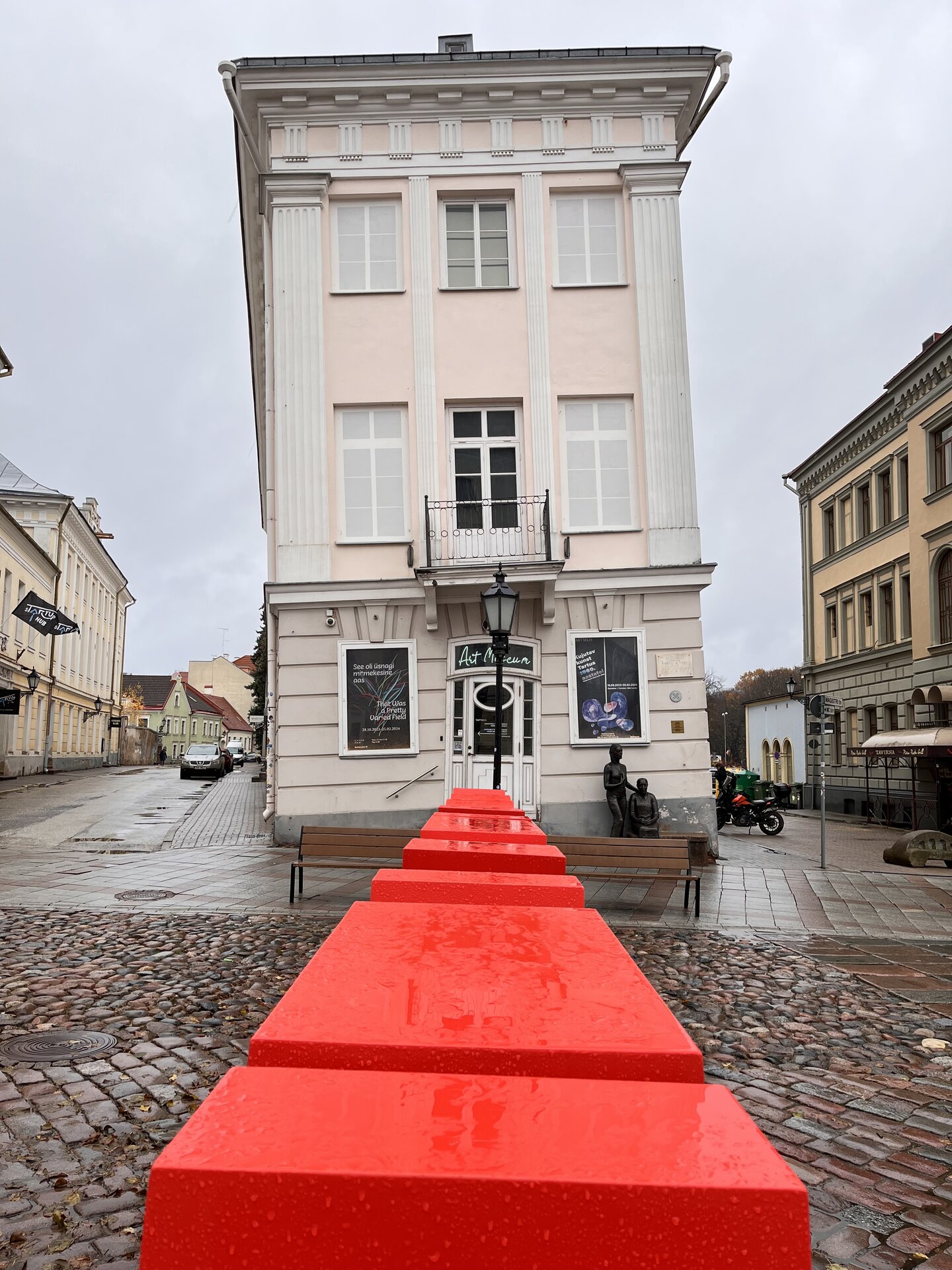
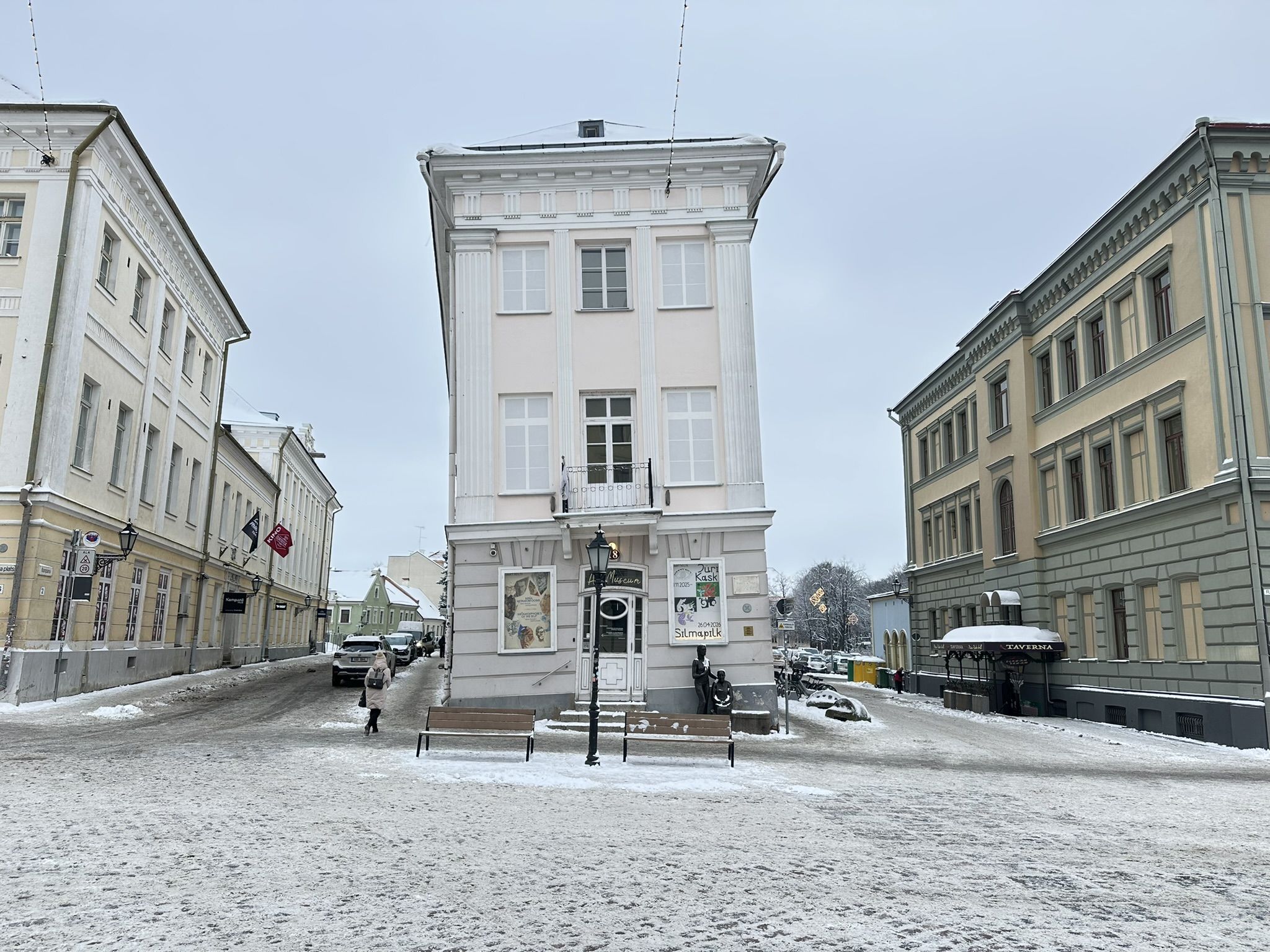
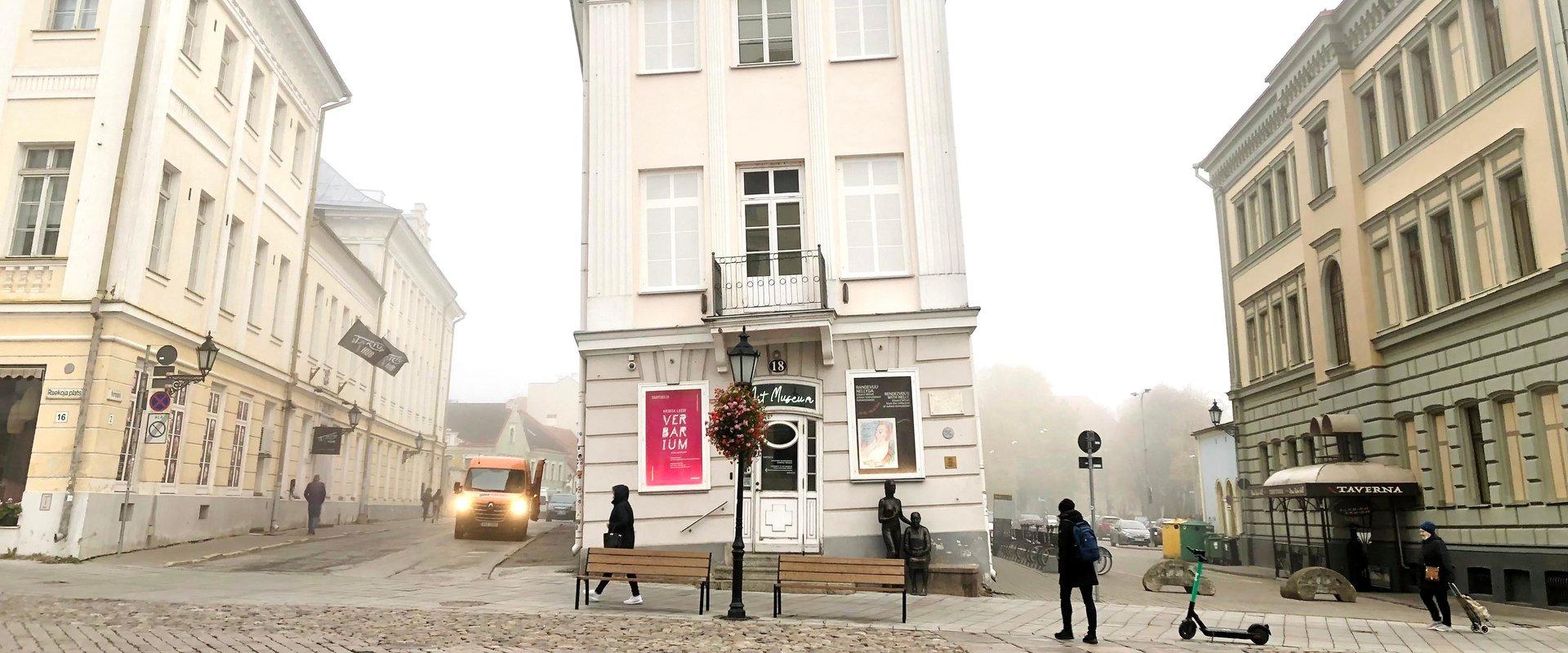
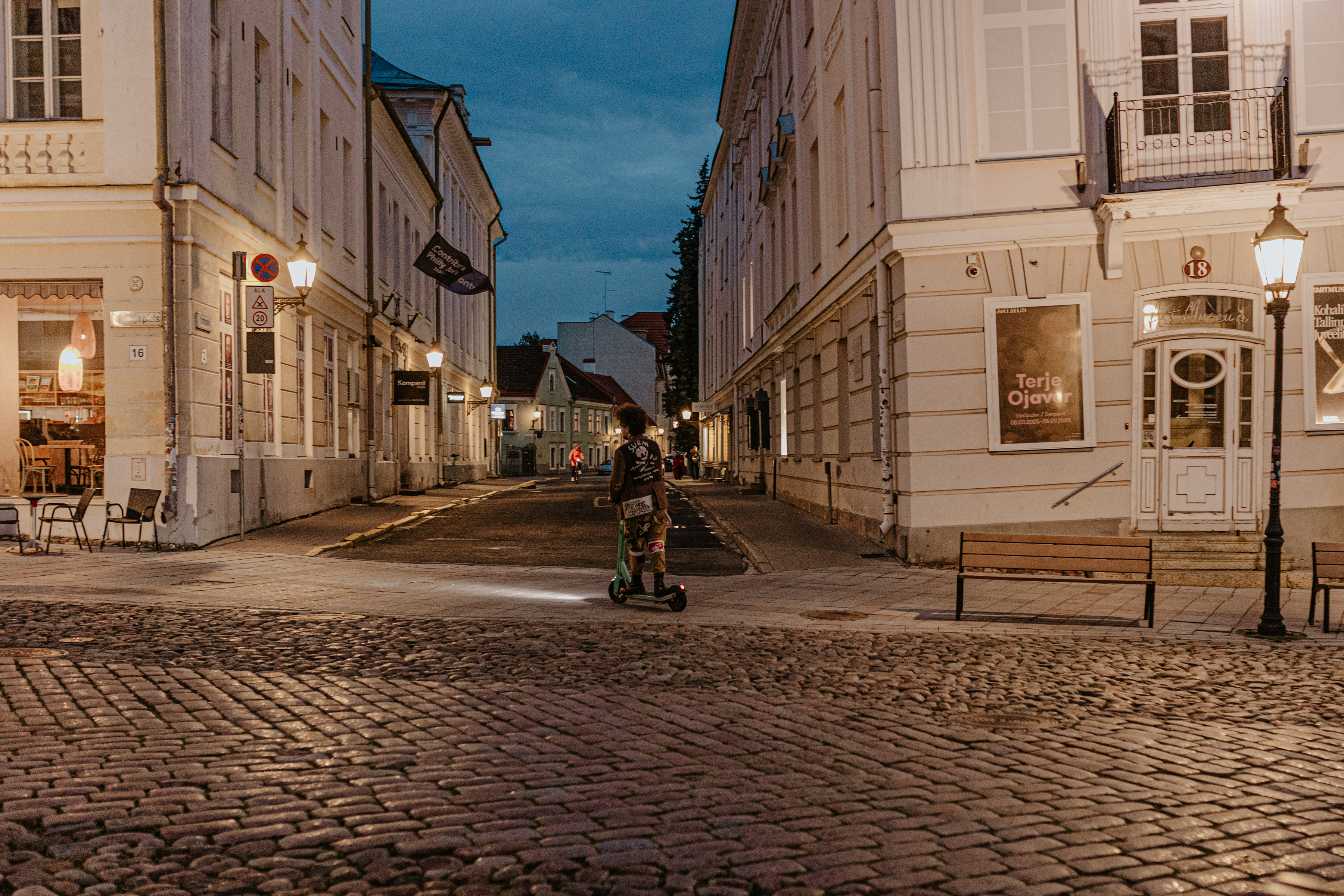
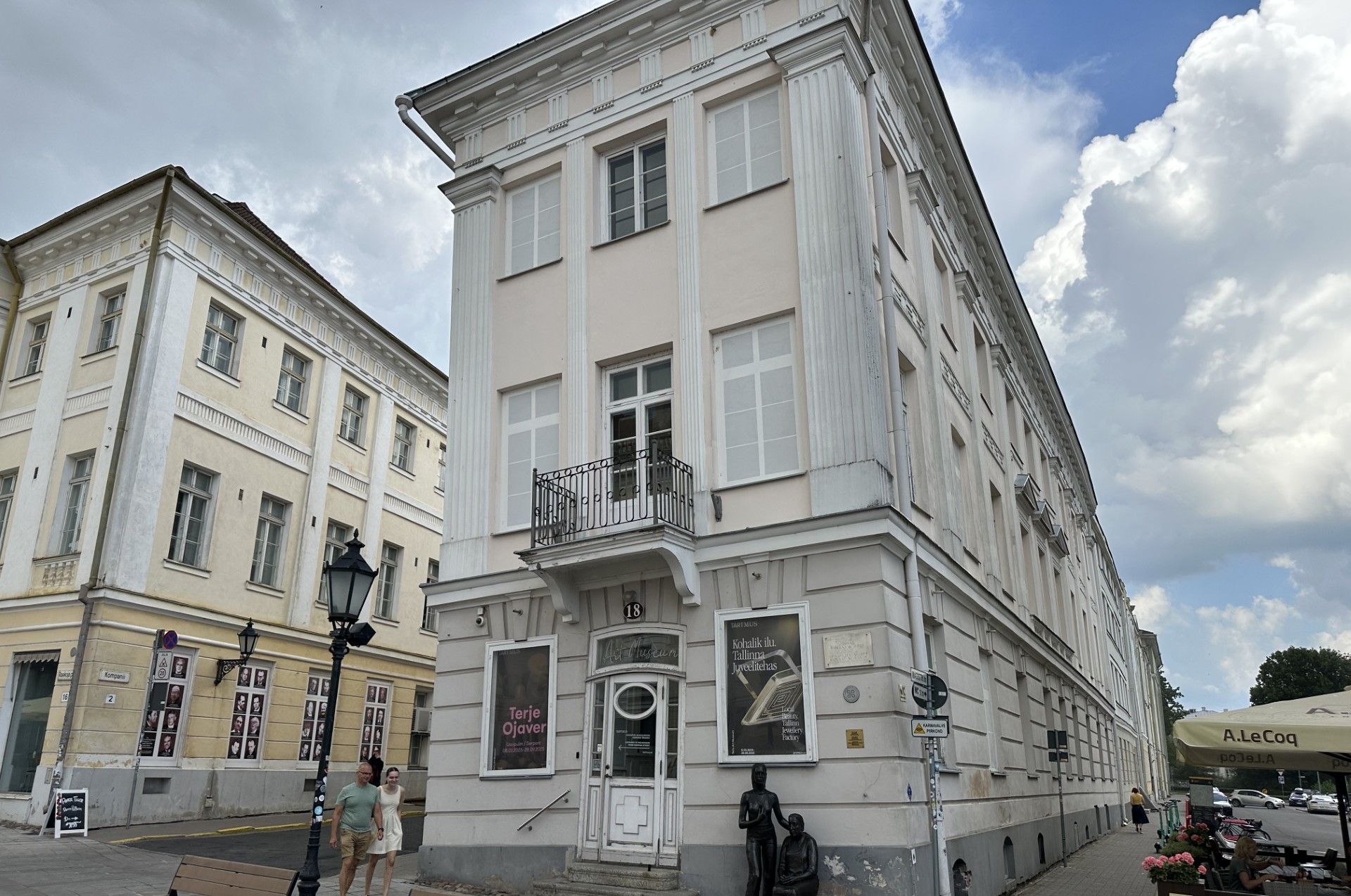
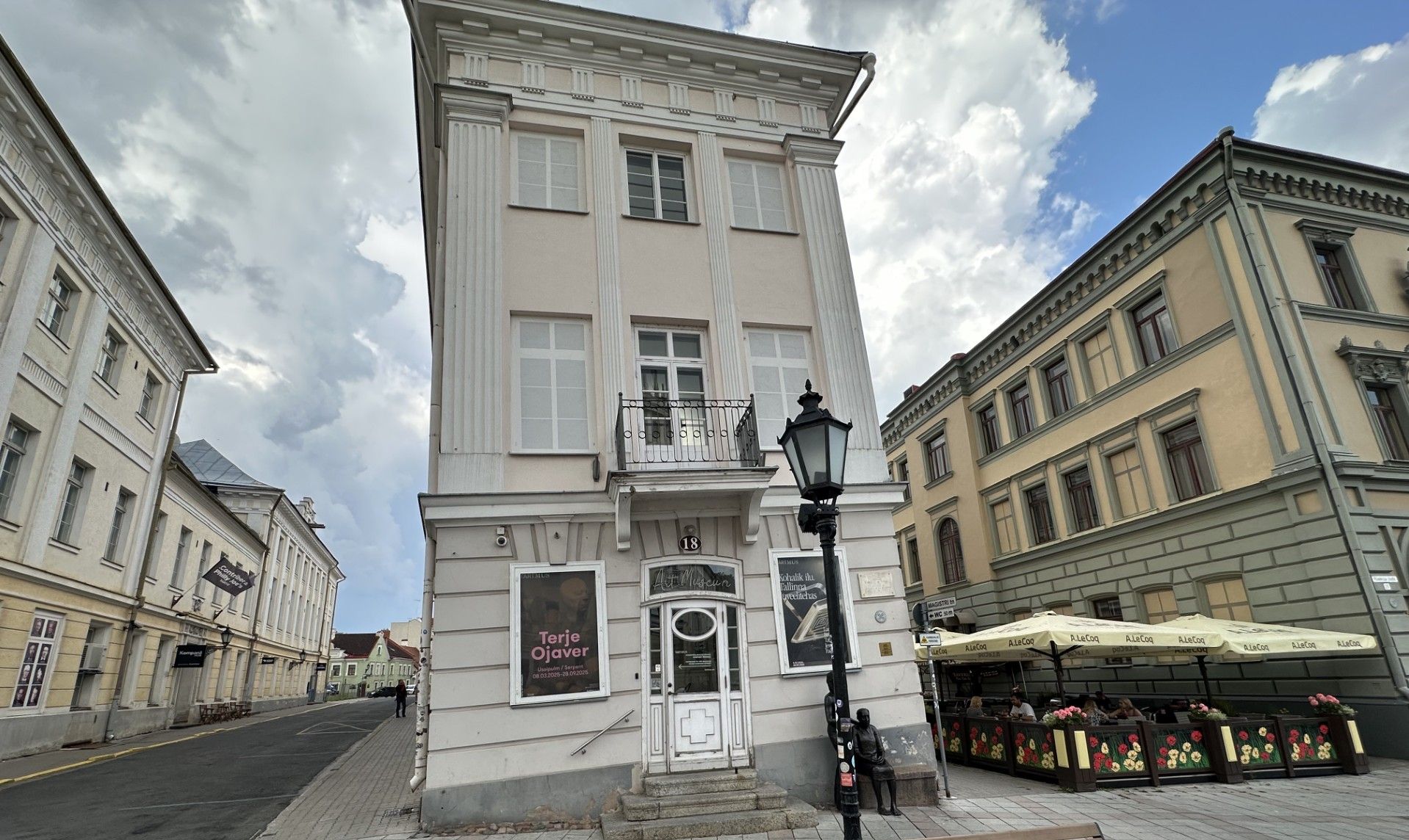
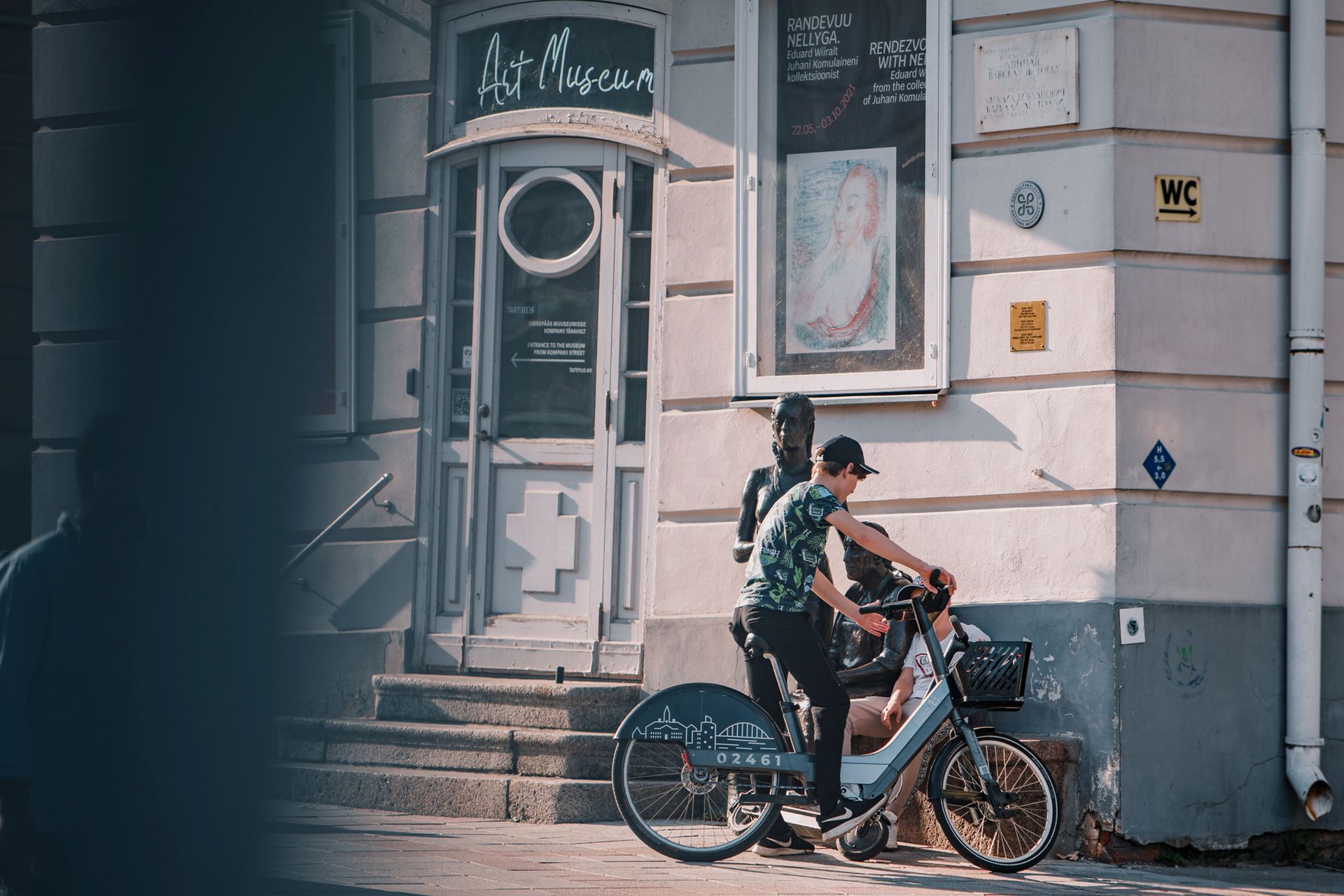
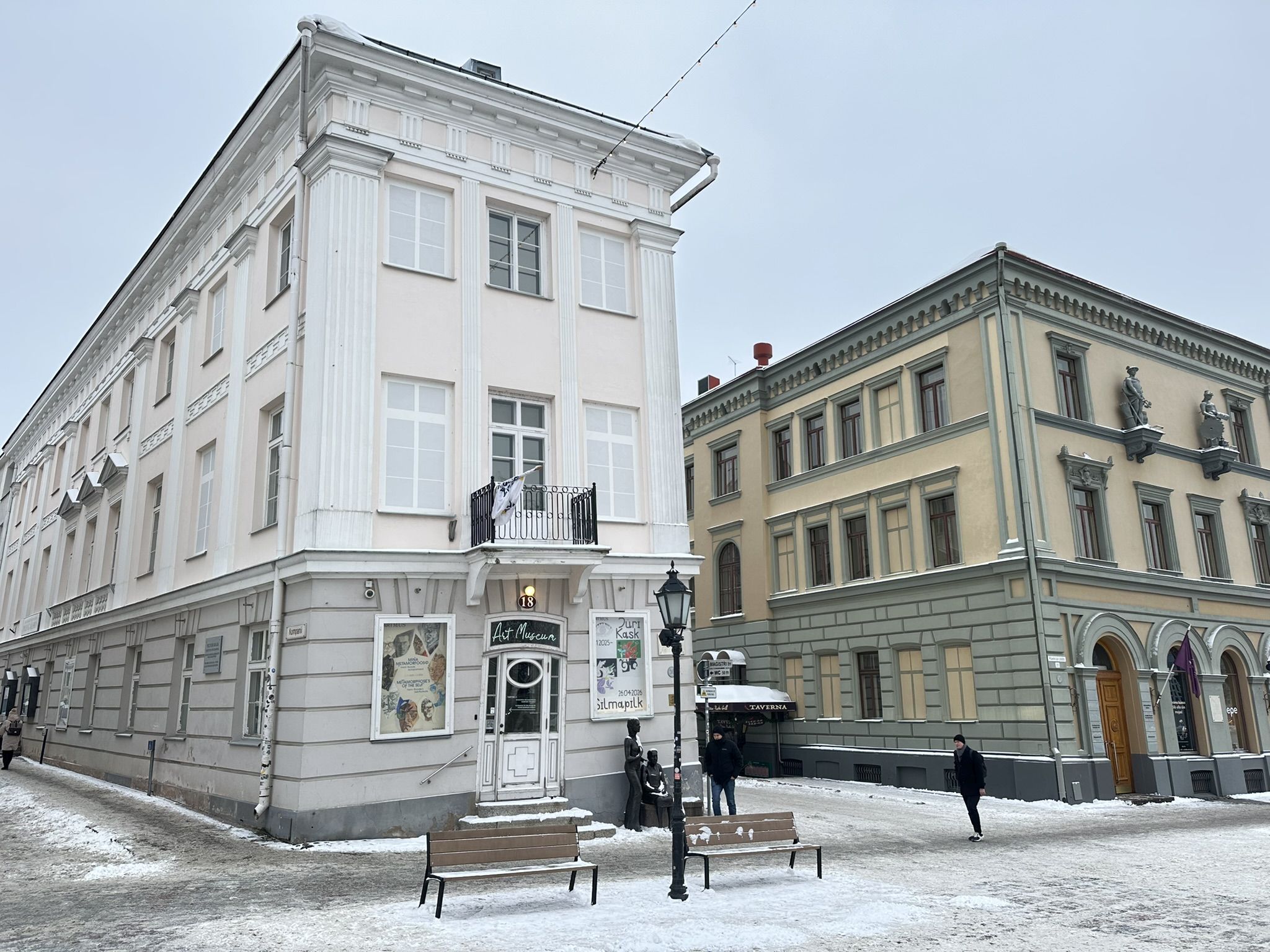
In the heart of Tartu’s Old Town, right next to Town Hall Square, stands the Leaning House, often affectionately called “The Leaning Tower of Tartu” by locals.
The house was built in 1793 along the edge of the medieval city wall. The side facing the river rests on the old wall’s stone foundation, while the other side sits on softer ground. This unique construction has caused the building to slowly but noticeably lean, making it one of Tartu’s most visually distinctive landmarks today.
From 1879, the building housed a pharmacy for many years, where, in the early 20th century, a young Oskar Luts worked. He went on to become a famous Estonian writer.
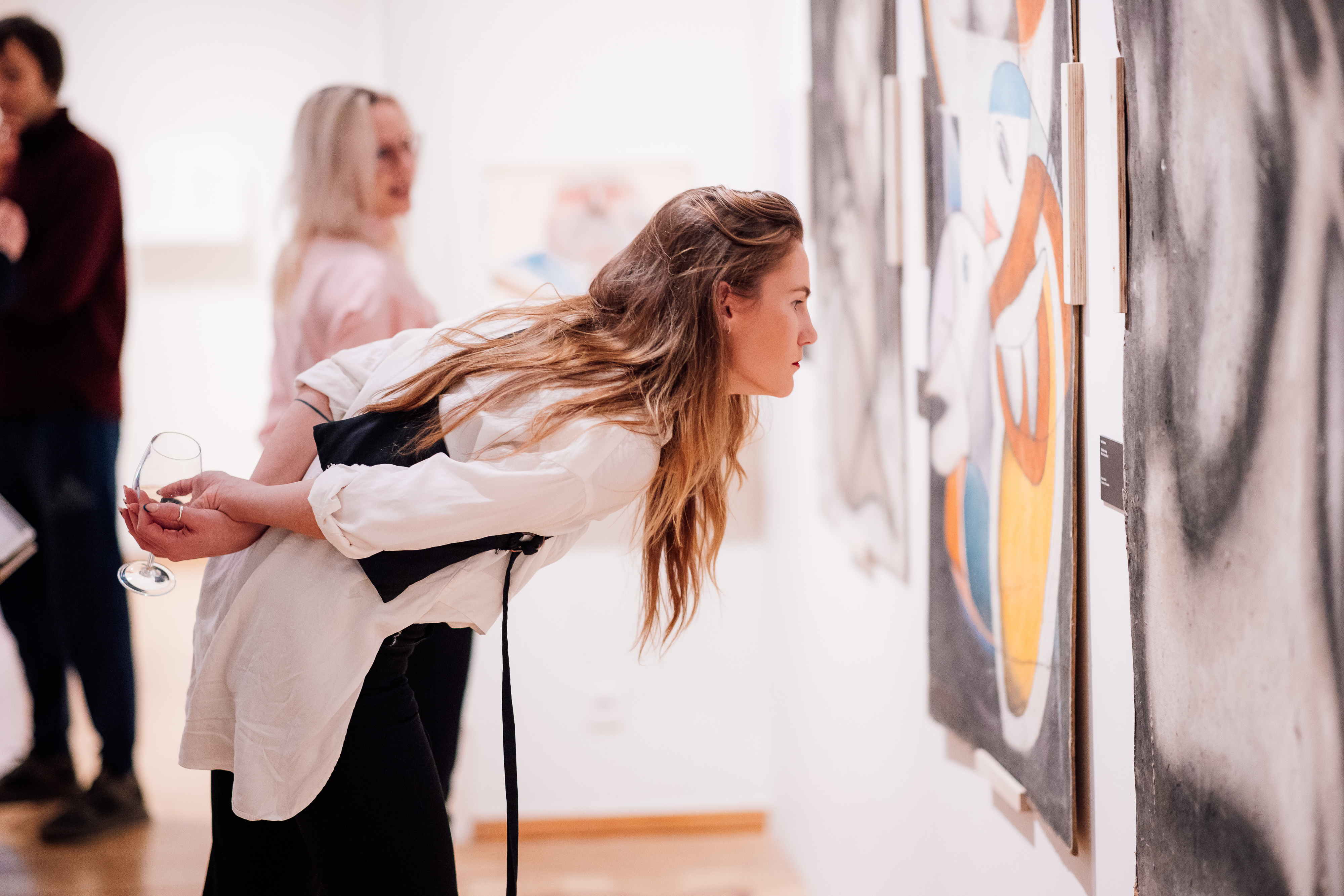
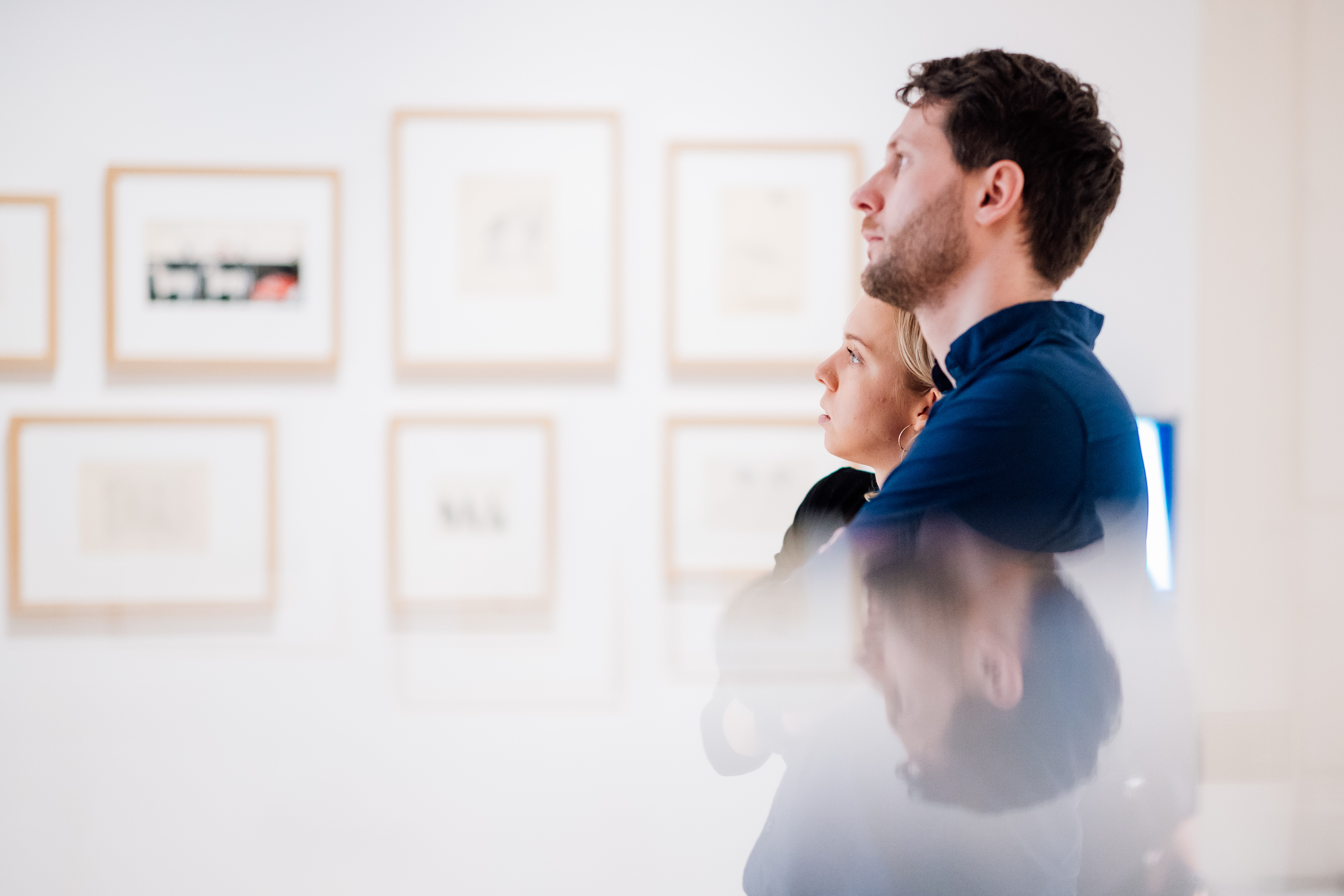
Today, the Leaning House is home to the Tartu Art Museum, where visitors can explore works by both Estonian and international artists, participate in educational programs, and enjoy inspiring art experiences.
Tartu’s Leaning House is listed in the national register of cultural monuments, making it both a historical and cultural gem that combines the rich history of Tartu’s Old Town with vibrant contemporary art.
Amenities

  • Information boards
  • WiFi
  • Paid parking

Open times

Throughout the Year

K, R, L, P11:00 - 18:00
N11:00 - 20:00

Contact

  • +372 5881 7811
  • tartmus@tartmus.ee

Links

tartmus.ee

See more

  • Monuments

Monument to Barclay de Tolly

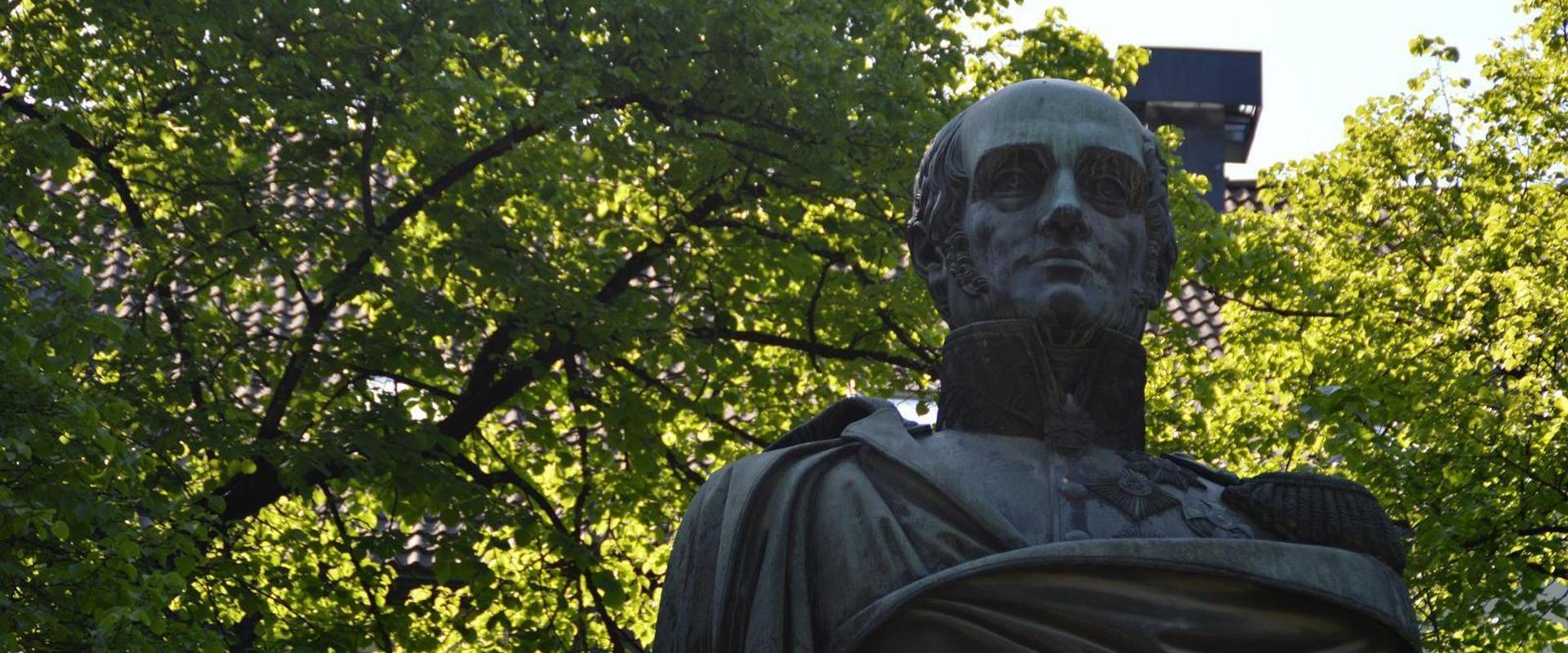
Prince Michael Andreas Barclay de Tolly (1761–1818) was a Russian military commander and a field marshal general. Barclay de Tolly (Russian: Mikhail Bogdanovich Barclay de Tolly) was descended from a family of Baltic nobility. As a Russian military commander, Barclay de Tolly displayed talent and courage in several battles for which he was awarded 14 decorations. Barclay de Tolly has been awarded the Order of St. George (1st class), the title of a Count, the rank of a Field Marshal General, and the title of a Prince.The monument was erected in 1849. The authors are V. Demut-Malinovski and A. Stsedrin. Barclay de Tolly is buried in his family tomb in Jõgeveste.

  • Guided tours

Babelhouse day trip to Setomaa

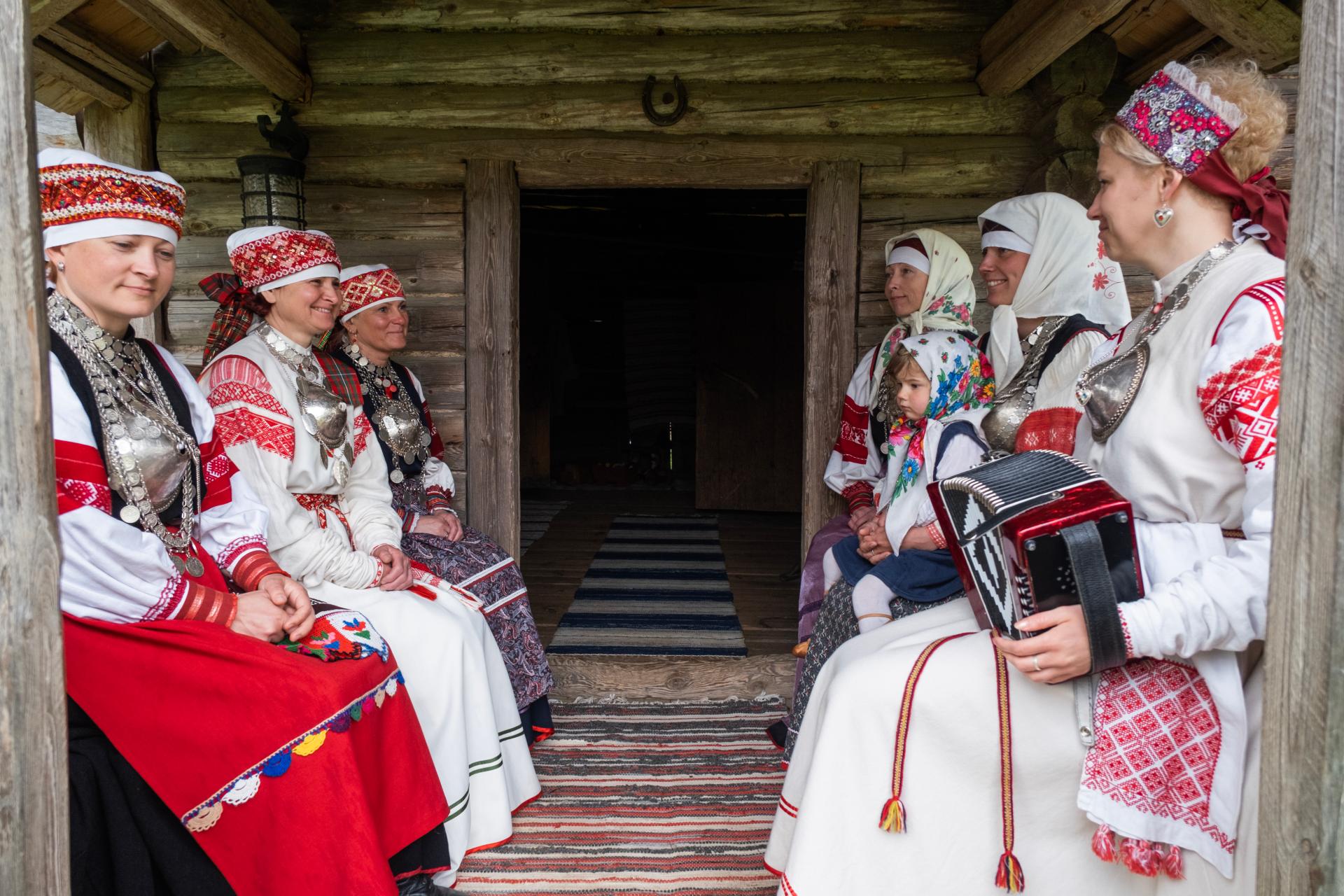
Discover Setomaa's unique culture, traditions, and authentic local foods. On this Babelhouse day trip from Tartu to Setomaa, you will explore different places and learn about life in the region. During the tour, we visit the Värska Farm Museum, where you can get a glimpse of traditional Seto farm culture and experience how life was lived in the past. We try authentic Seto cuisine, where local flavors have deep meaning. If desired, the program can be supplemented with a Seto leelo workshop, dressing in Seto clothes, a cheese-making workshop, or a raft ride on Lake Värska. Babelhouse guided tours are flexible and tailored according to the group's wishes and time limits. During the tour, it is also possible to purchase souvenirs and local handicrafts. The Setomaa tour is perfect for business partners, conference guests, and foreign friends to get to know Estonia in a different yet authentic way. Book the trip and enjoy an unforgettable experience in Setomaa!

  • Family friendly

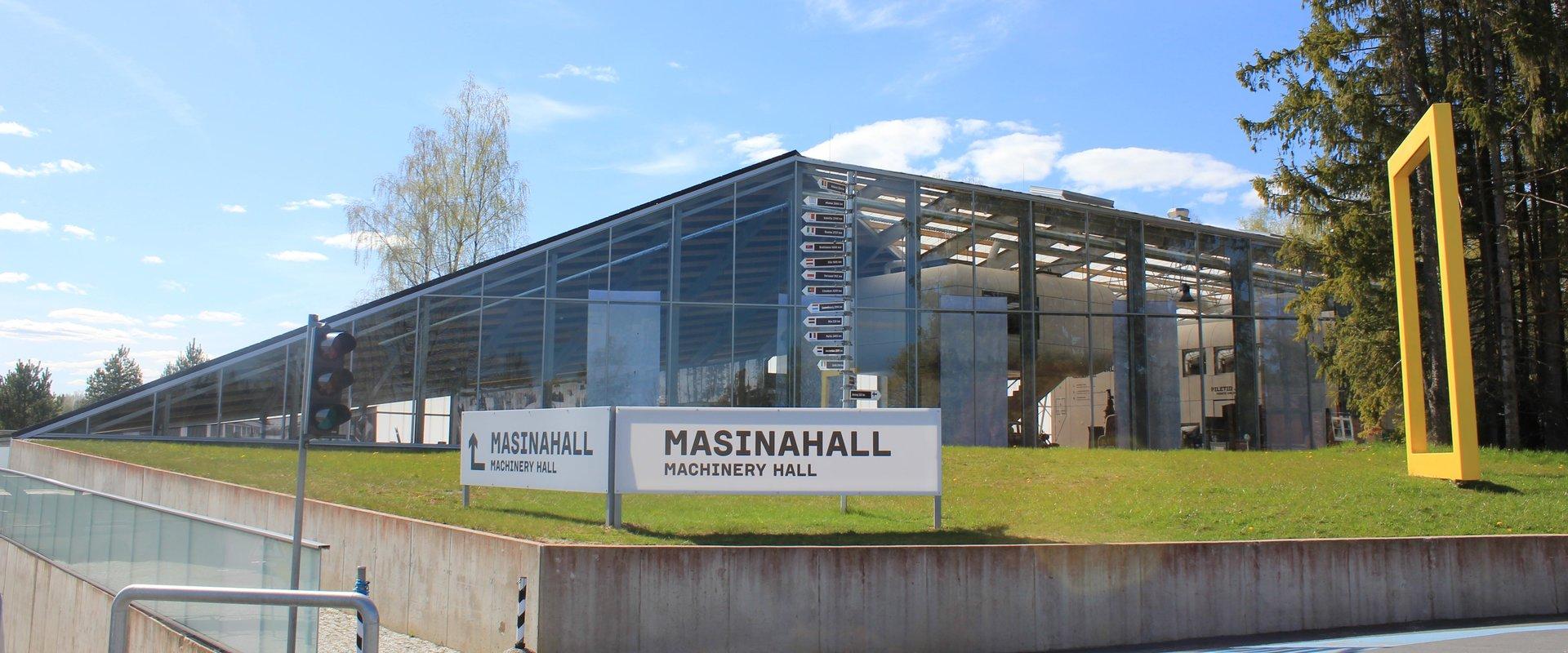
Road Museum Machinery Hall ‘Controlling machines’ (Masinate valitsemine)

In July 2019, the exciting permanent exhibition called 'Controlling machines' (Masinate valitsemine) was opened in the new Machinery Hall of the Road Museum. The idea behind the exhibition is the contradictory power relationship between cars and their drivers. The exposition consists of three sub-expositions: car culture, traffic education, and road machine display. Each part conveys the importance and potential of controlling cars in a different way.The Machinery Hall:1,500 m2 of exhibition space120 tons of machinesNew educational programmesExciting eventsThe middle part of the hall, the Traffic Education Centre, can be converted into a conference and event hall with a capacity of up to 150 people.

  • Sculptures

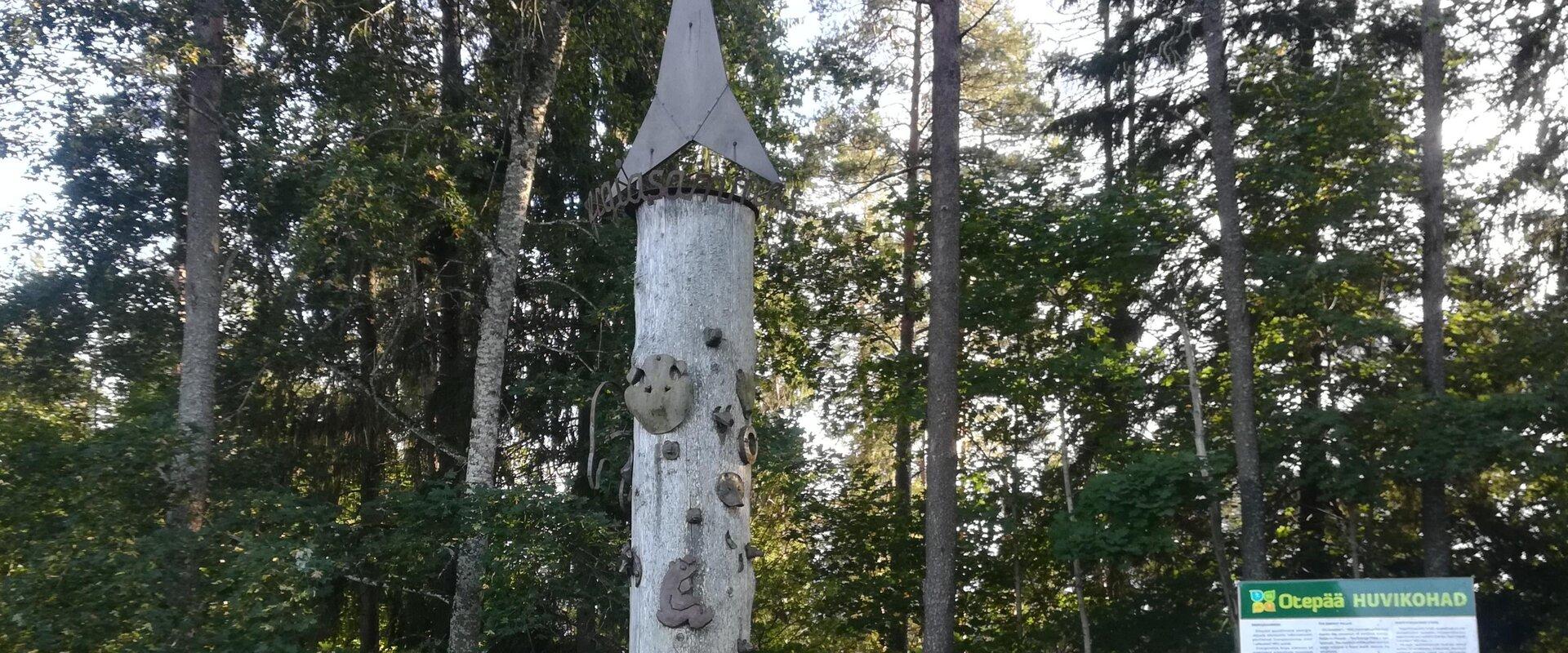
Otepää Energy Column

Otepää irradiates good energy! The monument that celebrates the existence of positive energy fields was opened in Mäe Street on 1 October 1992.The entire field is surrounded by benches and the location of these as well as the column itself was selected by psychics. The energy column is the symbol which reminds us that in this rapidly changing world, humans are a part of nature and everything is based on the rules of nature that rely on balance and co-dependency.

  • Manors

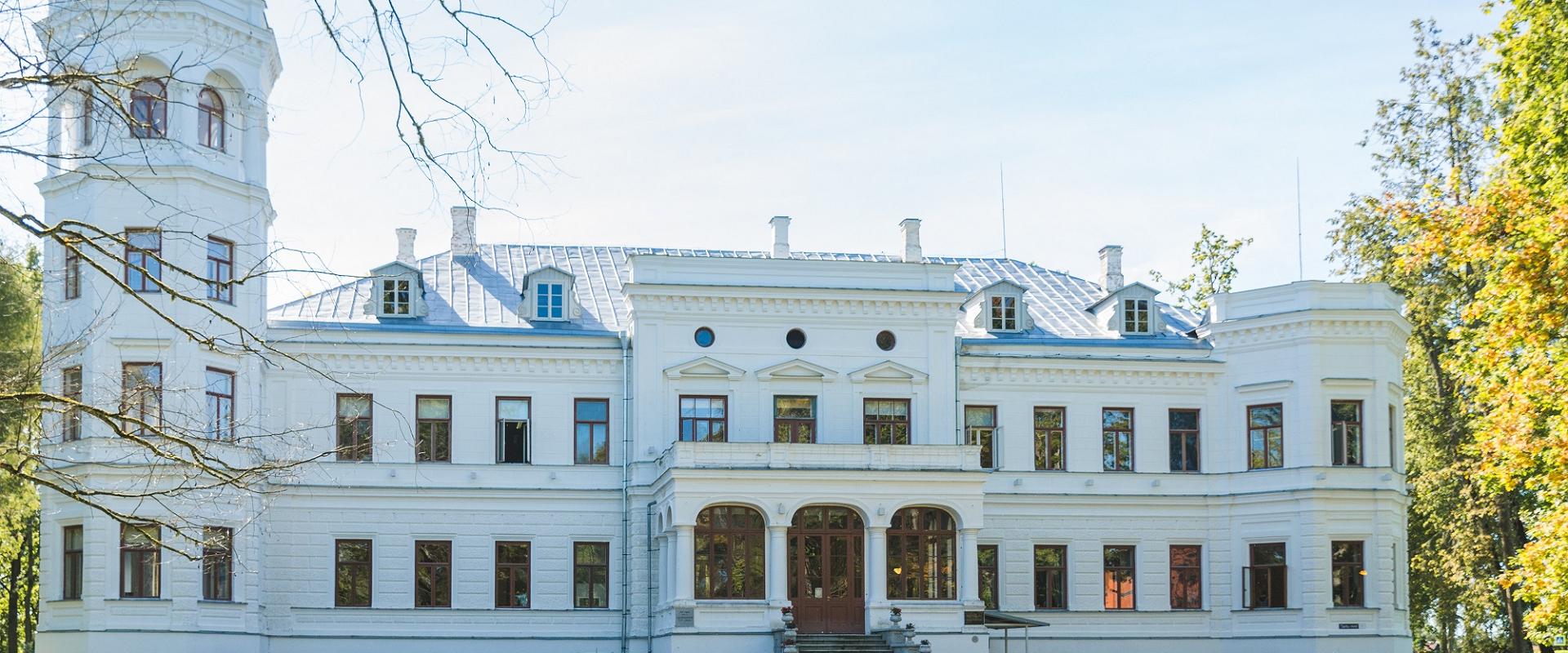
Puurmani Manor

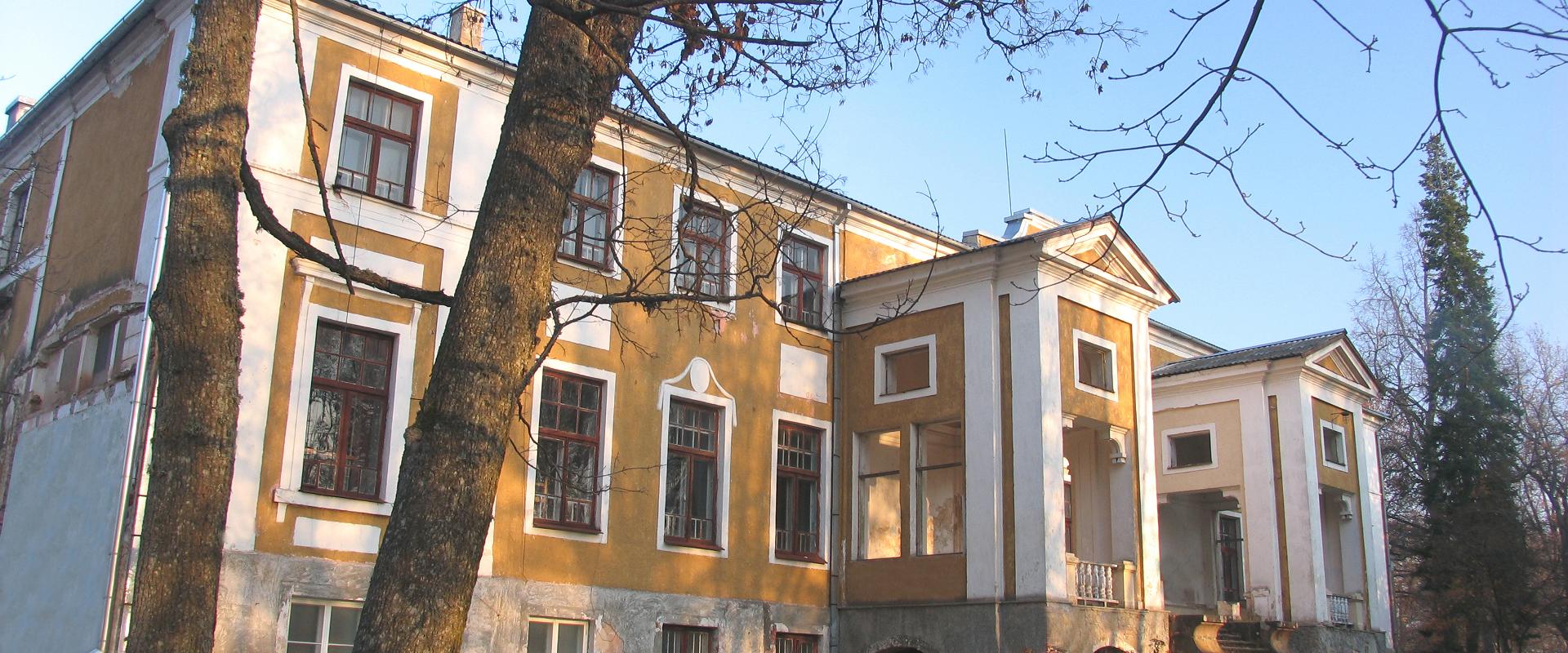
The magnificent Neo-Renaissance style manor with a white main building was built during the time of G. J. Mannteuffel in 1860. In 1918, Julius Kuperjanov established a partisan battalion in Puurmani castle.At present, the castle houses the Puurmani Upper Secondary School.You can visit Puurmani castle and learn about its history in the course of the Forgotten Manors program during the visiting days in the summer. You can also order a tour of the manor house, manor park and the entire Jõgeva County. In the manor, we will look around different floors where you can see the countess's boudoir, a secret door leading to the tower, as well as the count's study and treasury. You can also order a night tour and catering.

  • Guided tours
  • Churches

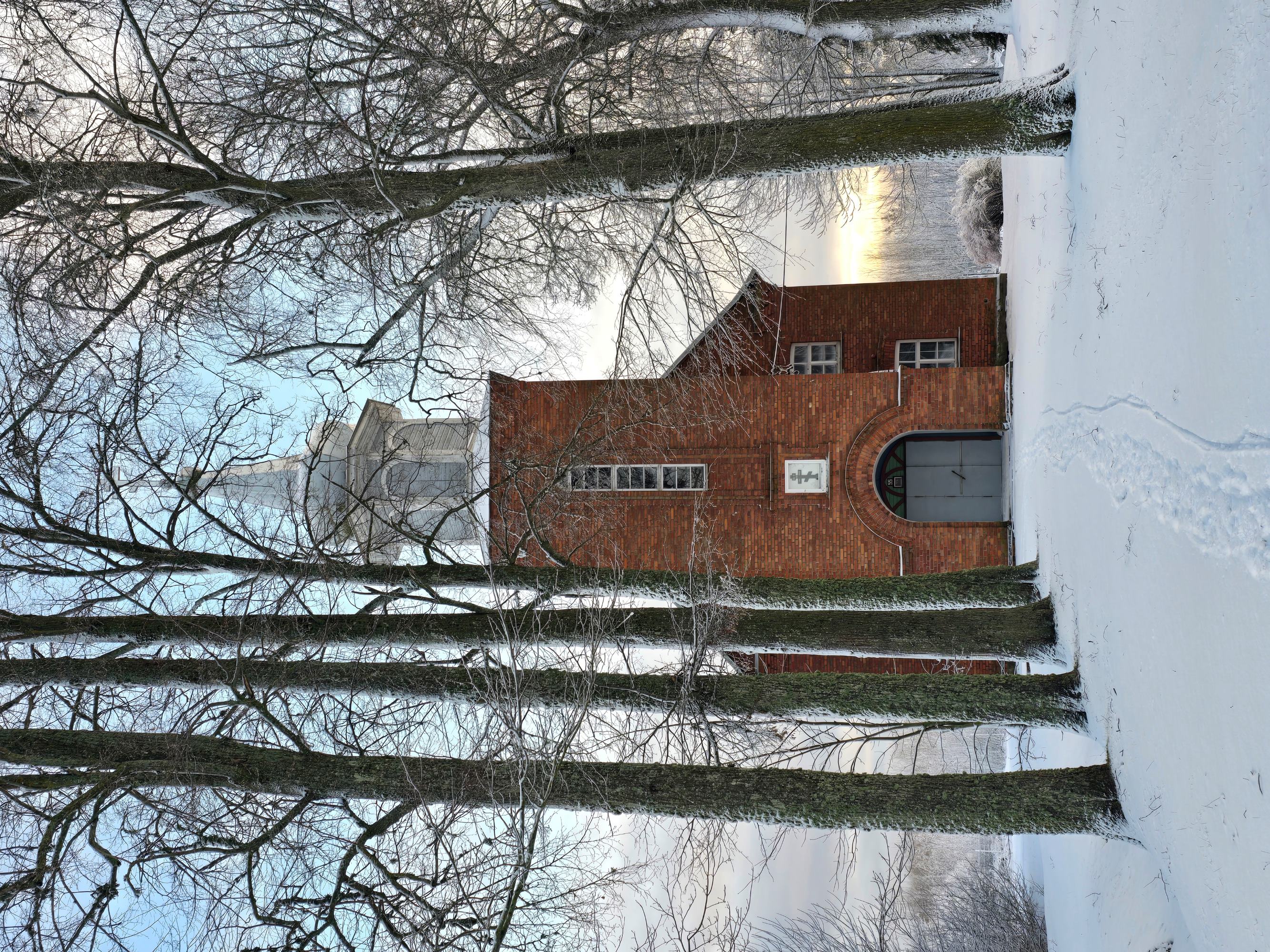
Varnja Old Believers Prayer House of the Estonian Association of Old Believers Congregations

The big beautiful prayer house in Varnja Village on the shores of Lake Peipus was funded and built by the congregation itself. Most of the many icons of the prayer house date back to the start of the 20th century.Visitors can only enter the church with a reservation.The cost of a single visit for a group starts from 50 euros. Visitors get an interesting overview of the life and history of the Old Believers from a local guide who is also an Old Believer. The excursion may last for about an hour - the visit and a warm experience are worth it!Reminder: Women are asked to enter the prayer house with a covered head.We ask you not to take photos or videos in the prayer house.

  • Churches

St. Mary’s Church in Rõuge

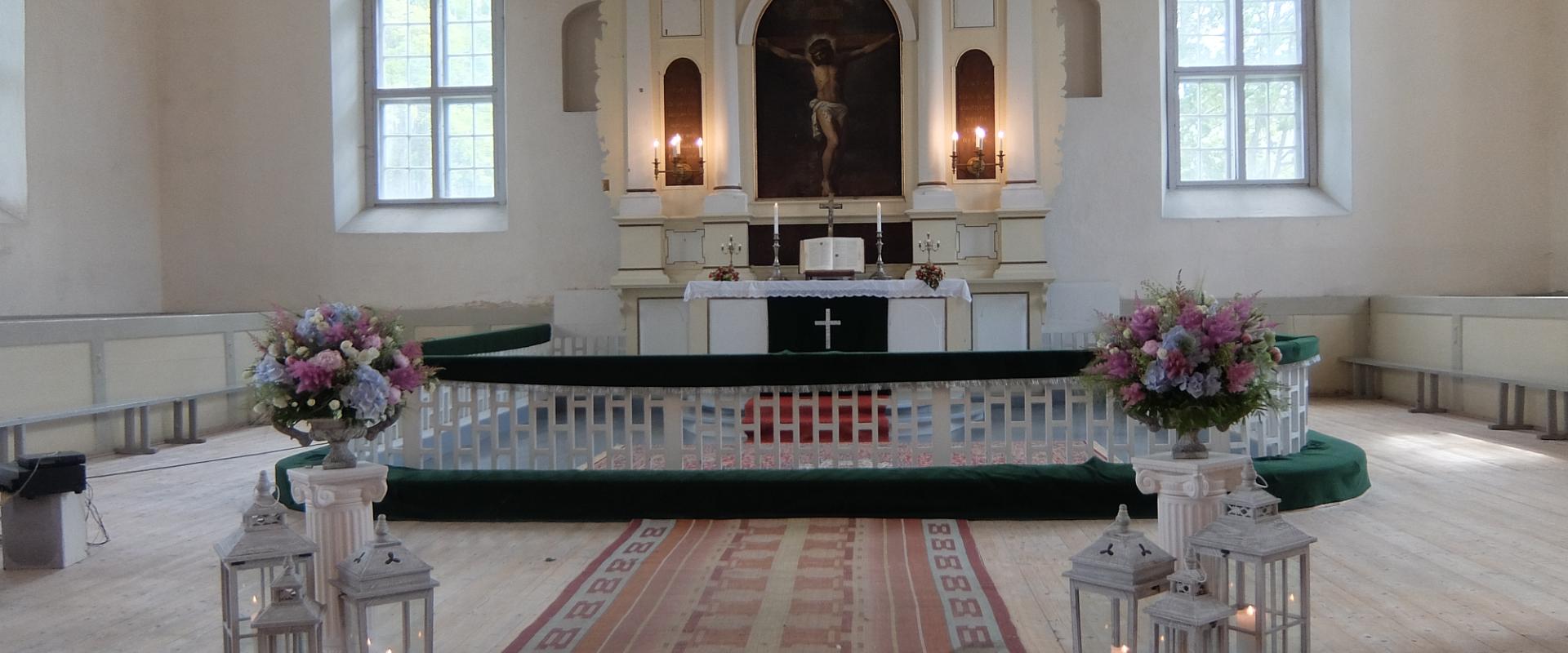
The first stone church was constructed in Rõuge in the 16th century. In 1730, the original church, which was destroyed in the Great Northern War, was replaced with one which had an imposing square tower. The church was blessed in the name of St. Mary. The altar-piece "Christ on the cross" by R. von Mühlen is from 1854. In 1860 the walls were made higher and a mirrored arch was installed. In 1930 the church got a 31-register organ built by the Kriisa brothers. The first Estonian pastor in Rõuge was Rudolf Gottfried Kallas.Useful information! You can attend mass at the church every Sunday at 11:00 and in summer, the church is used as a wayfarers' church. Entrance to the tower is for a fee (grown ups 1.50, children 1 and family ticket 3 euros).

  • Manors

Väimela Manor and Park

Väimela Manor was first mentioned already in 1590, but the current main building is from 1952.The threshing building, distillery, farmhands' barn, farmhand's house, milking parlor, woodworking shop, granary and grain dryer, hay barn, barn and dairy have been preserved. Bernhard von Loewen was the last squire.Today, the manor is managed by the Võru County Vocational Training Centre. The manor park was established in the 18th century and there are mostly lindens, maples and oaks.Lakes Alajärv and Mäejärv in Väimela are connected with a stream. South of Lake Alajärv, in Matussaare, is the burial ground of squires of Väimela and the ruins of a chapel, that was built in 1885.You can only see the manor from outside.

  • Collaboration
  • News
  • Contacts
  • Privacy Policy
Join our mailing list!

"*" indicates required fields

This field is for validation purposes and should be left unchanged.
I authorise marketing

South Estonia Tourism Cluster

info@visitsouthestonia.com