• Explore
    • Nature
    • Culture
    • Food
    • Family
    • Activity
    • Blog
    Smoke sauna
    Weather and seasons
  • Plan
    • Accommodation
    • How to get here
    • Weather and seasons
    • Sustainability
    • Tourist info
    Discover South Estonia’s Most Beautiful Manors and Castles
    Top 20 Sights in South Estonia
  • For professionals
    • For professionals
    • Collaboration
    • News
    • Projects
    • Training
    • Repository
    • Community (opens in new tab)
    • Contacts
ENG
  • EnglishENG
  • EestiEST
  • LatviešuLAT
  • РусскийRUS
  • SuomiFIN
ENG
  • EnglishENG
  • EestiEST
  • LatviešuLAT
  • РусскийRUS
  • SuomiFIN
Popular searches:
Show all
  • History & Culture
  • Architecture and history
  • Manors

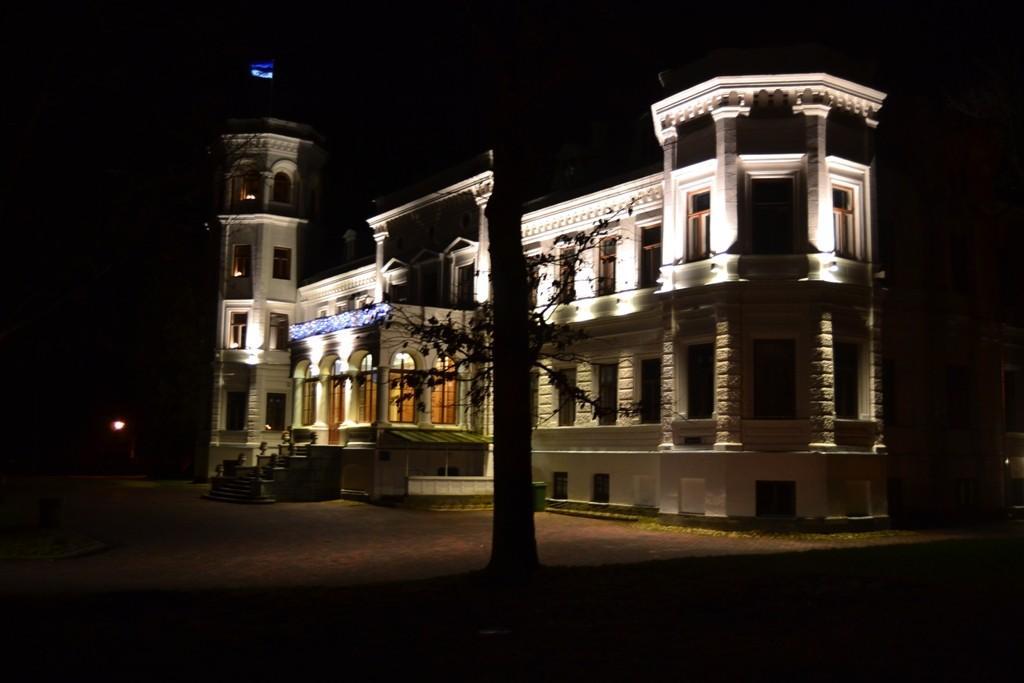
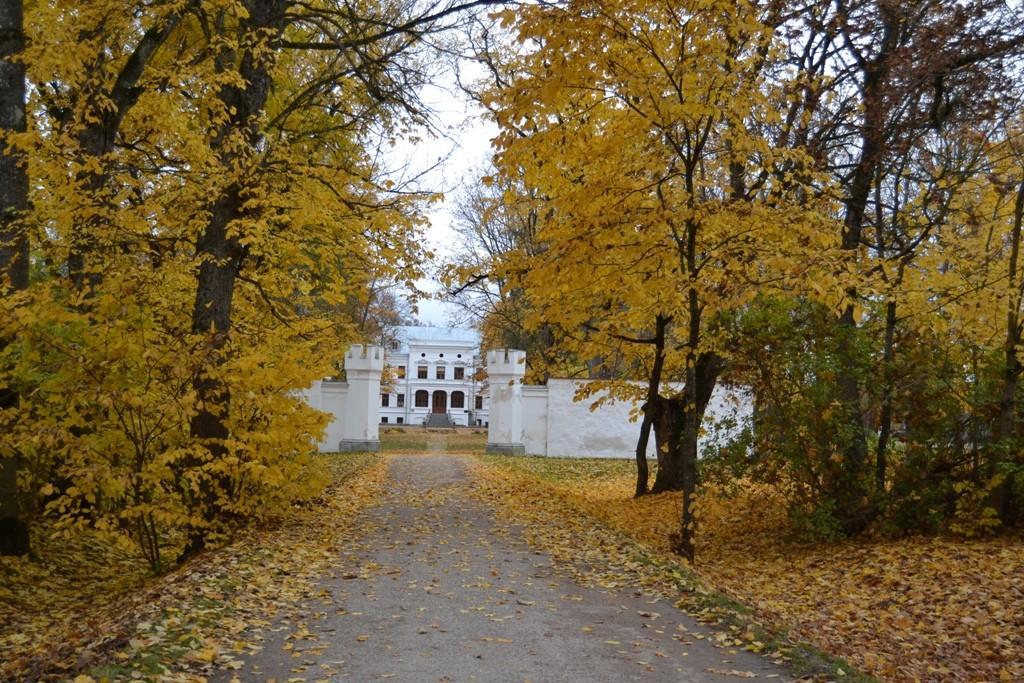
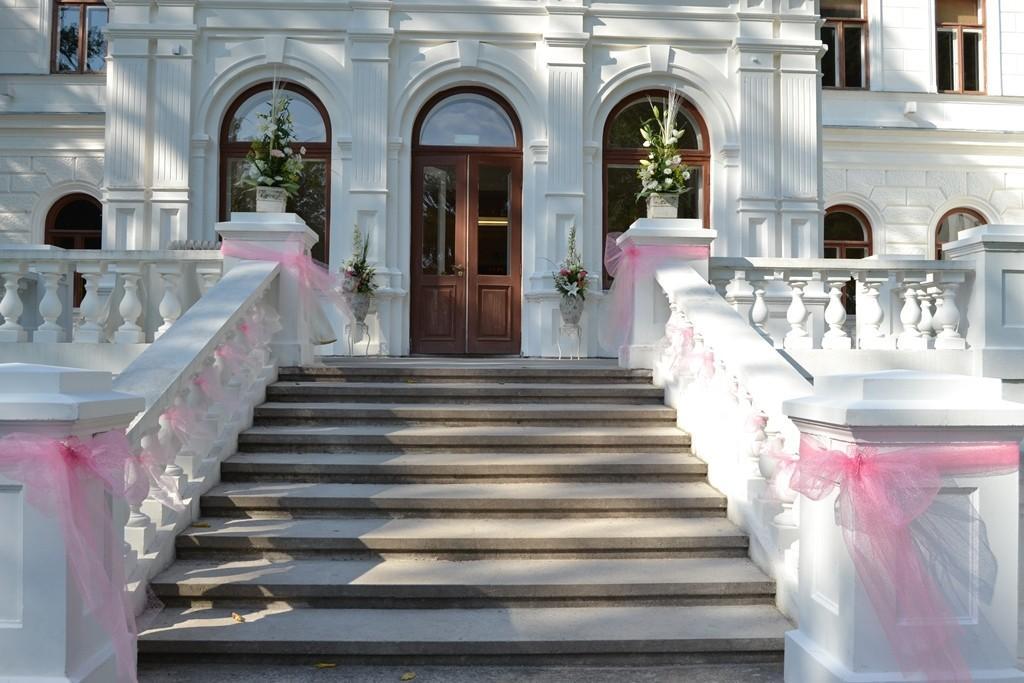
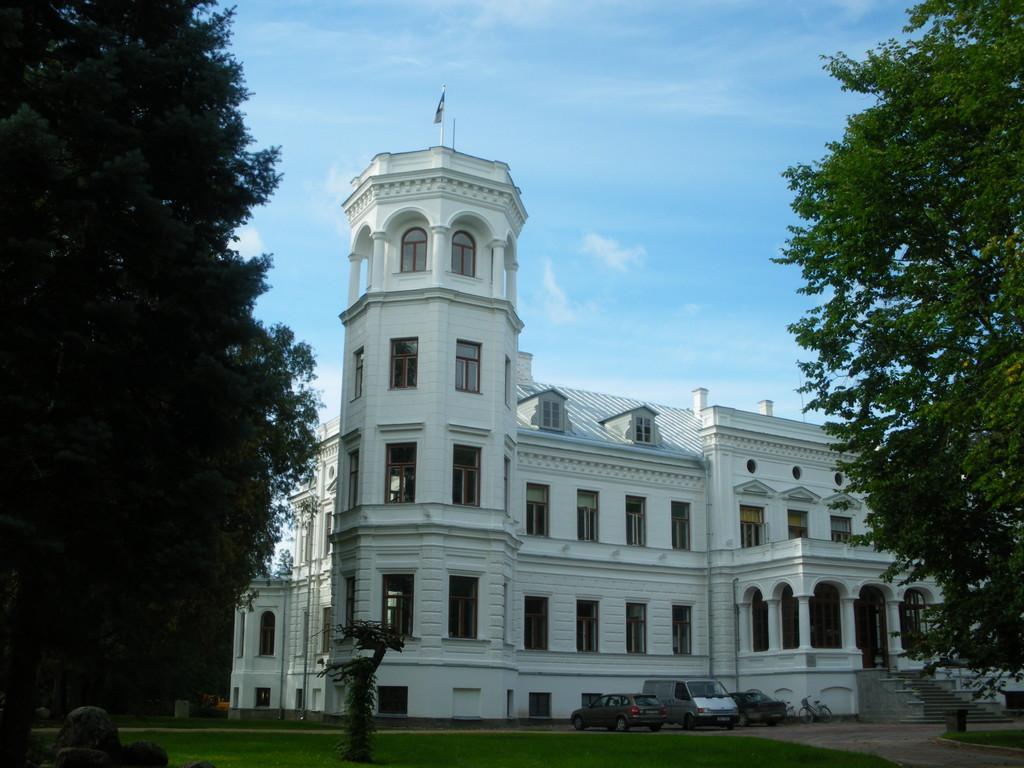
Puurmani Manor

Tartu mnt 1, Puurmani mõisa park, Põltsamaa vald, Jõgeva maakond, 49014

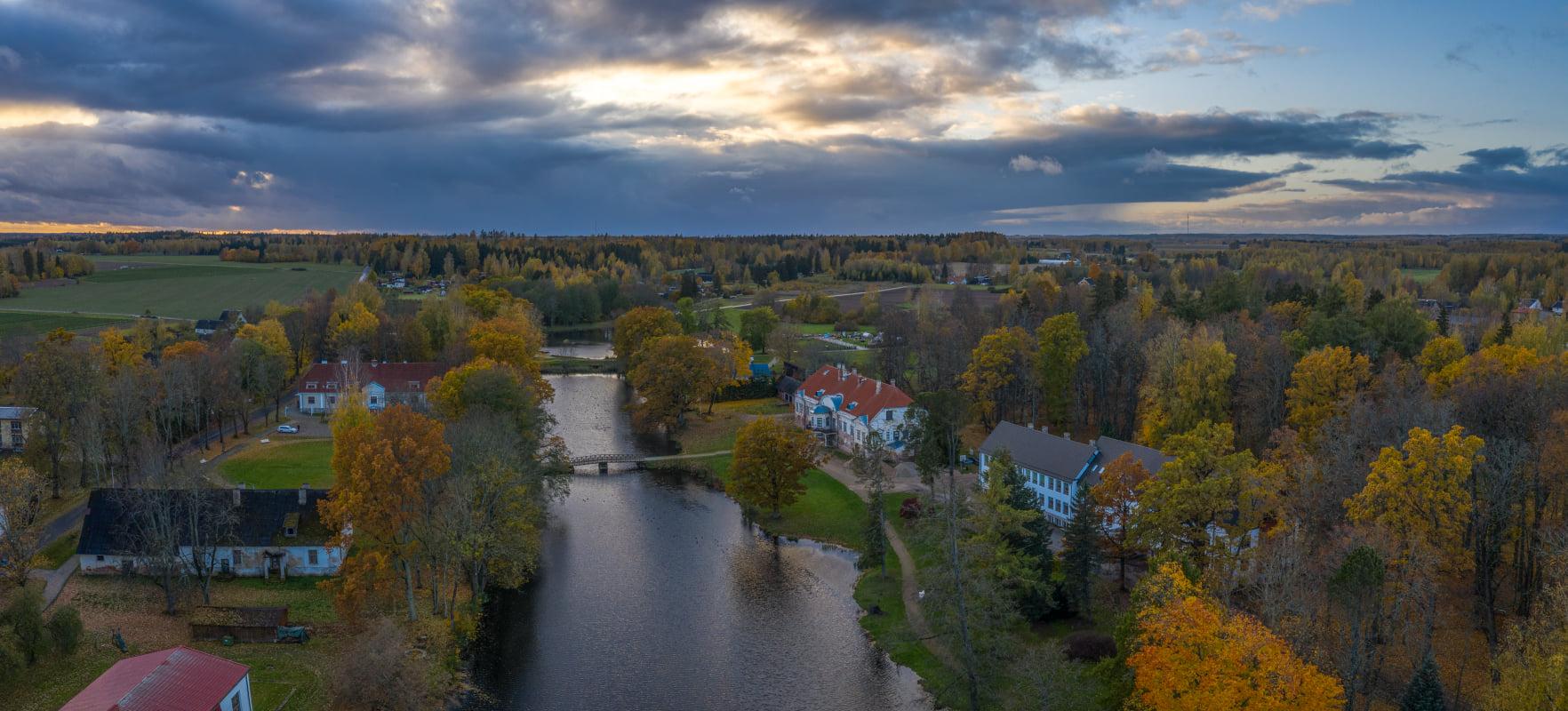
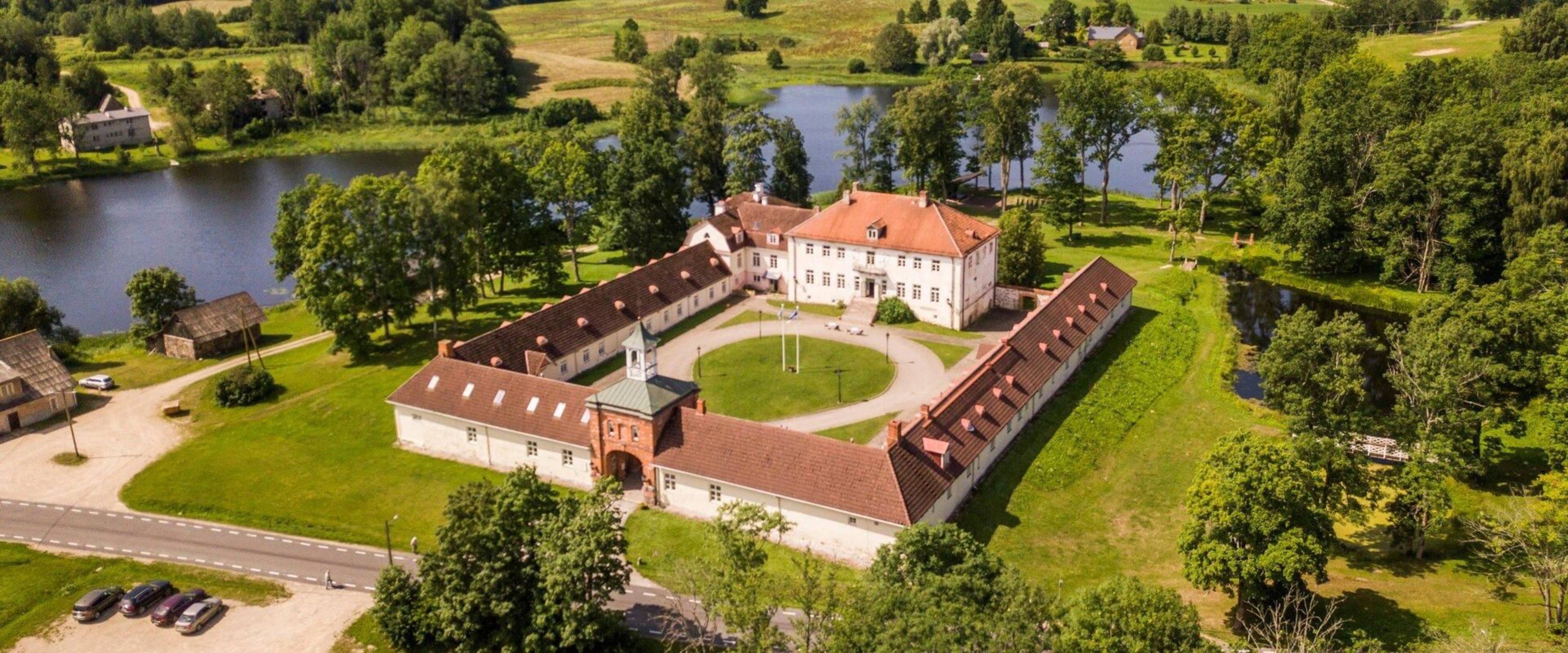
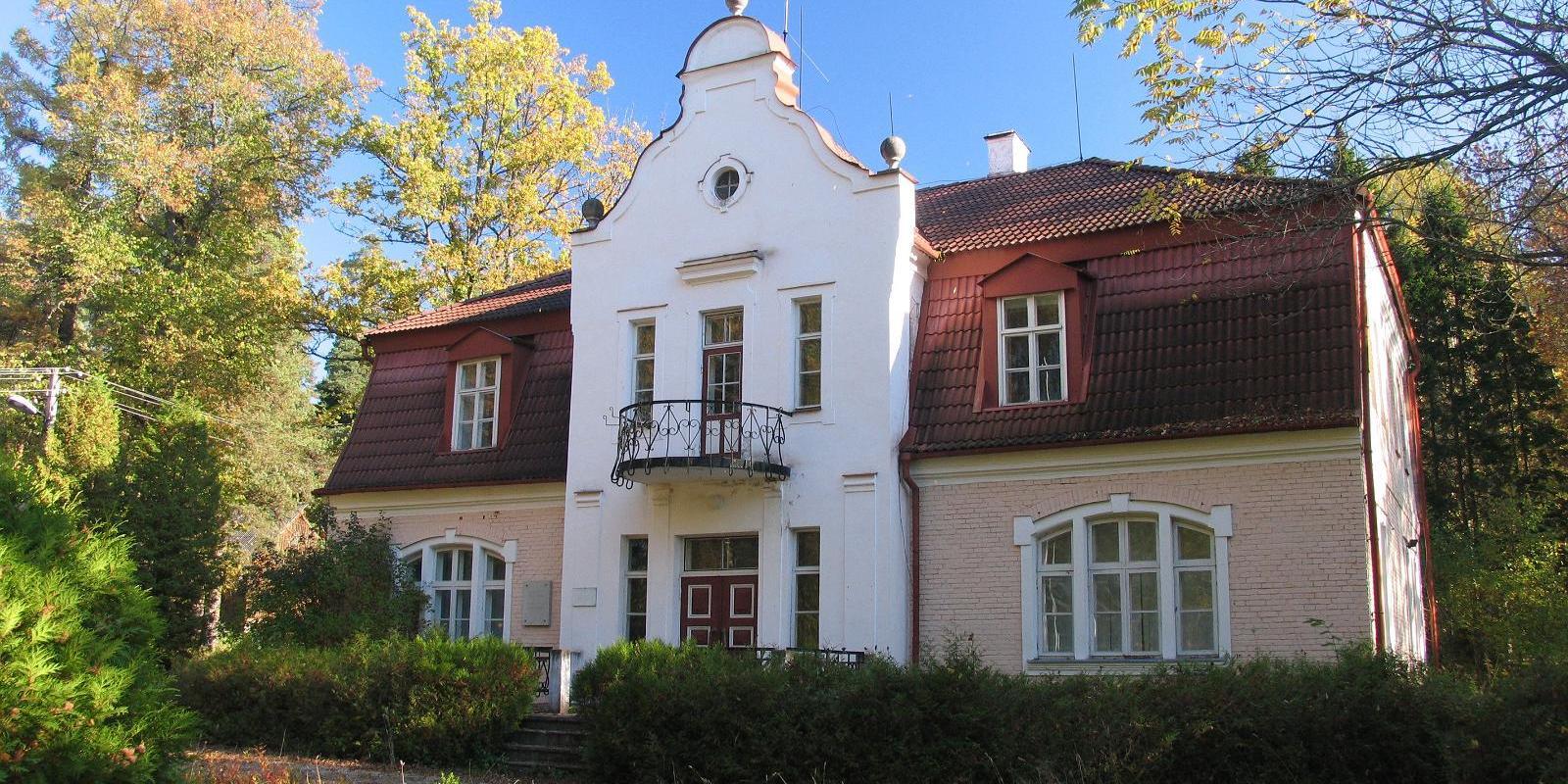
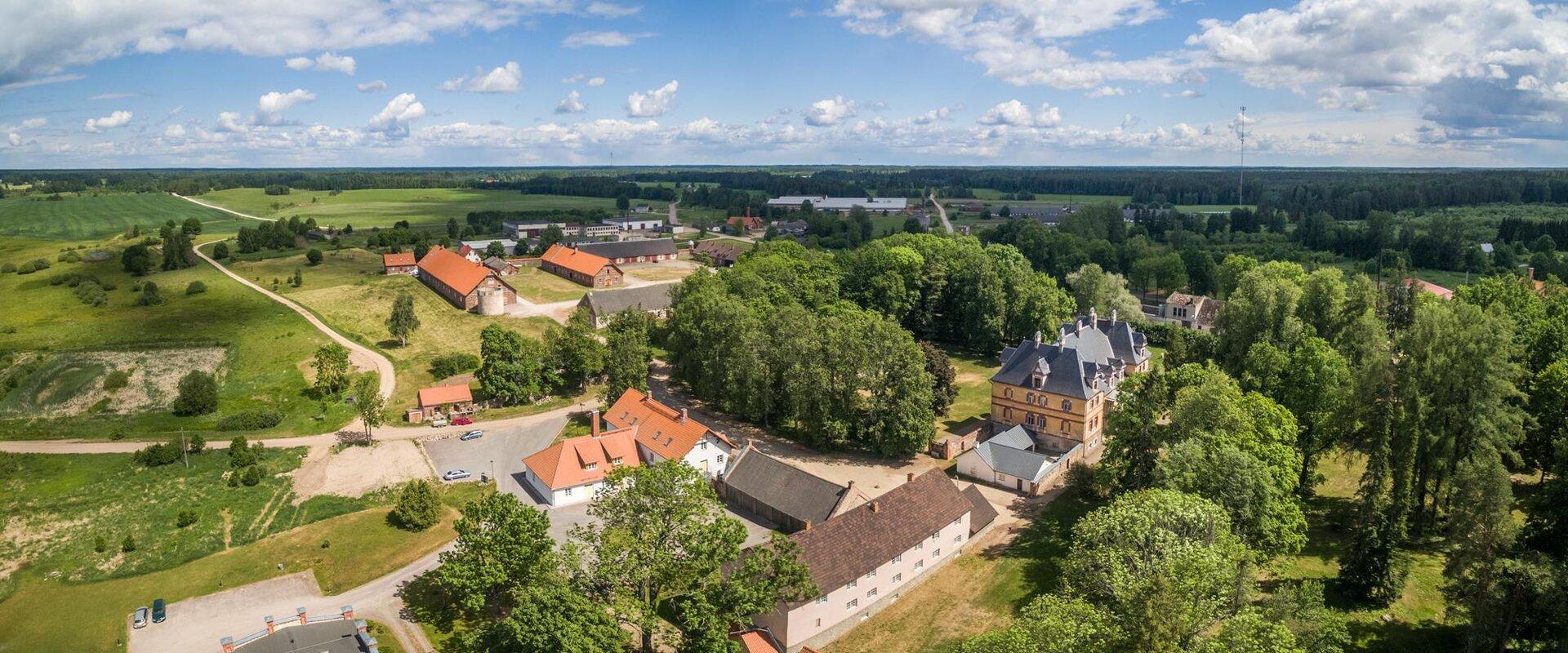
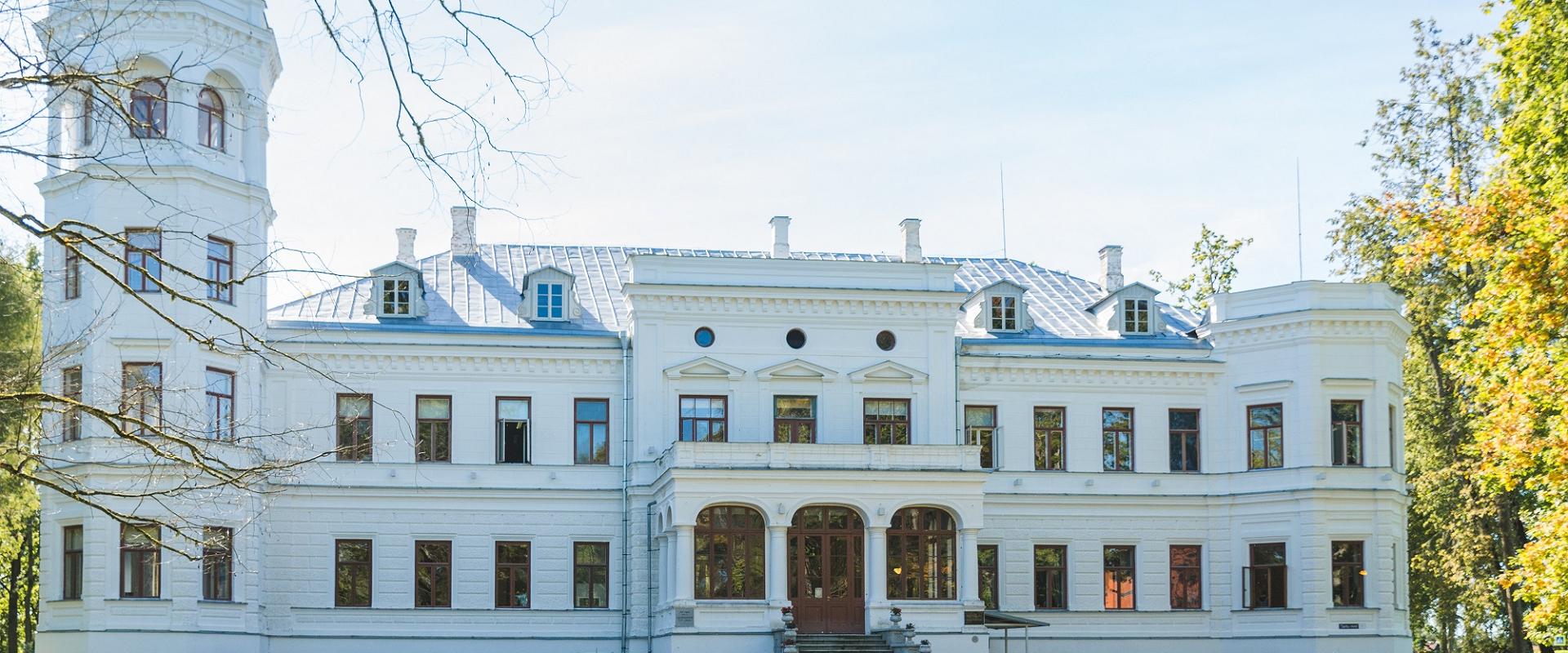
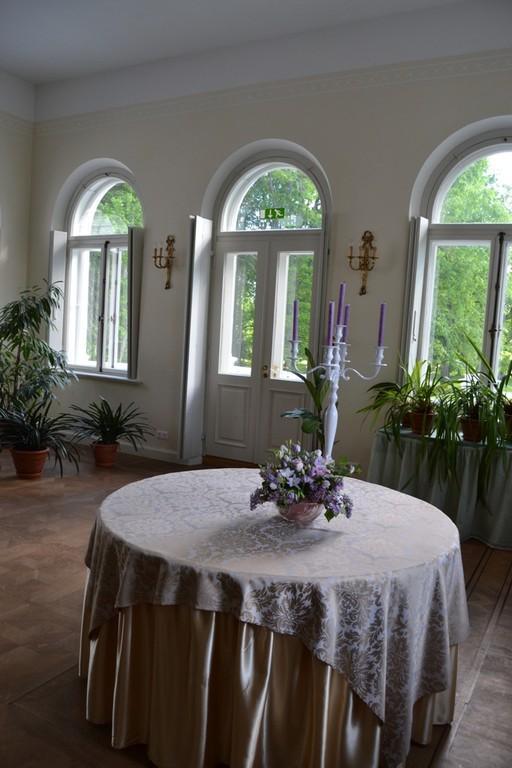
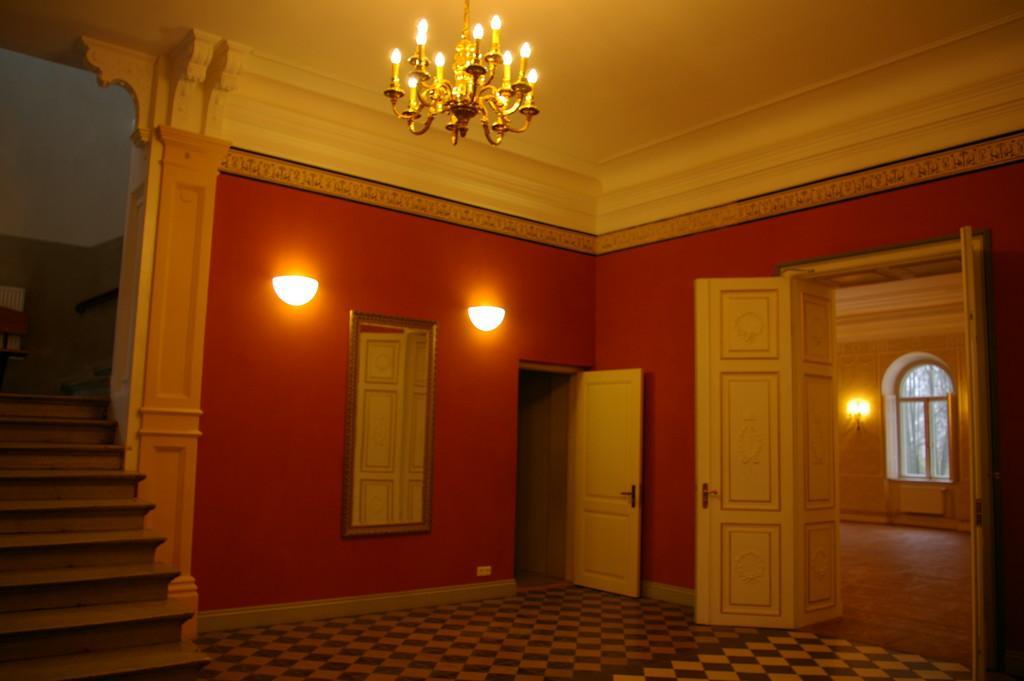
The magnificent Neo-Renaissance style manor with a white main building was built during the time of G. J. Mannteuffel in 1860. In 1918, Julius Kuperjanov established a partisan battalion in Puurmani castle.At present, the castle houses the Puurmani Upper Secondary School.You can visit Puurmani castle and learn about its history in the course of the Forgotten Manors program during the visiting days in the summer. You can also order a tour of the manor house, manor park and the entire Jõgeva County. In the manor, we will look around different floors where you can see the countess’s boudoir, a secret door leading to the tower, as well as the count’s study and treasury. You can also order a night tour and catering.
Amenities

  • Information boards
  • WiFi
  • Free parking

Open times

Throughout the Year

Eeltellimsel

Contact

  • +372 521 8565
  • liia@puurmani.edu.ee

Links

See more

  • Manors

Ülenurme Manor

The well-preserved Ülenurme Knight's Manor (Üllenorm) in Ülenurme is first mentioned in writing in 1646, when a military man called Bernhard Bousselberg received the manor from the Kingdom of Sweden in exchange for a stone building in Tartu.The park and the main building were probably created by Count Cancrin who was the owner of Ülenurme manor between 1856 and 1883.The manor has been passed from owner to owner, and the main source of its income was grain farming.At the beginning of 1970, the complex of numerous stone buildings of the former Ülenurme Manor's centre was allocated to the Estonian Agricultural Museum that opened its doors to visitors in 1981.You have to buy a ticket in order to visit the museum. The complex has a gazebo, a village swing, and stables.

  • Guided tours
  • Workshops
  • Manors

Luke Manor

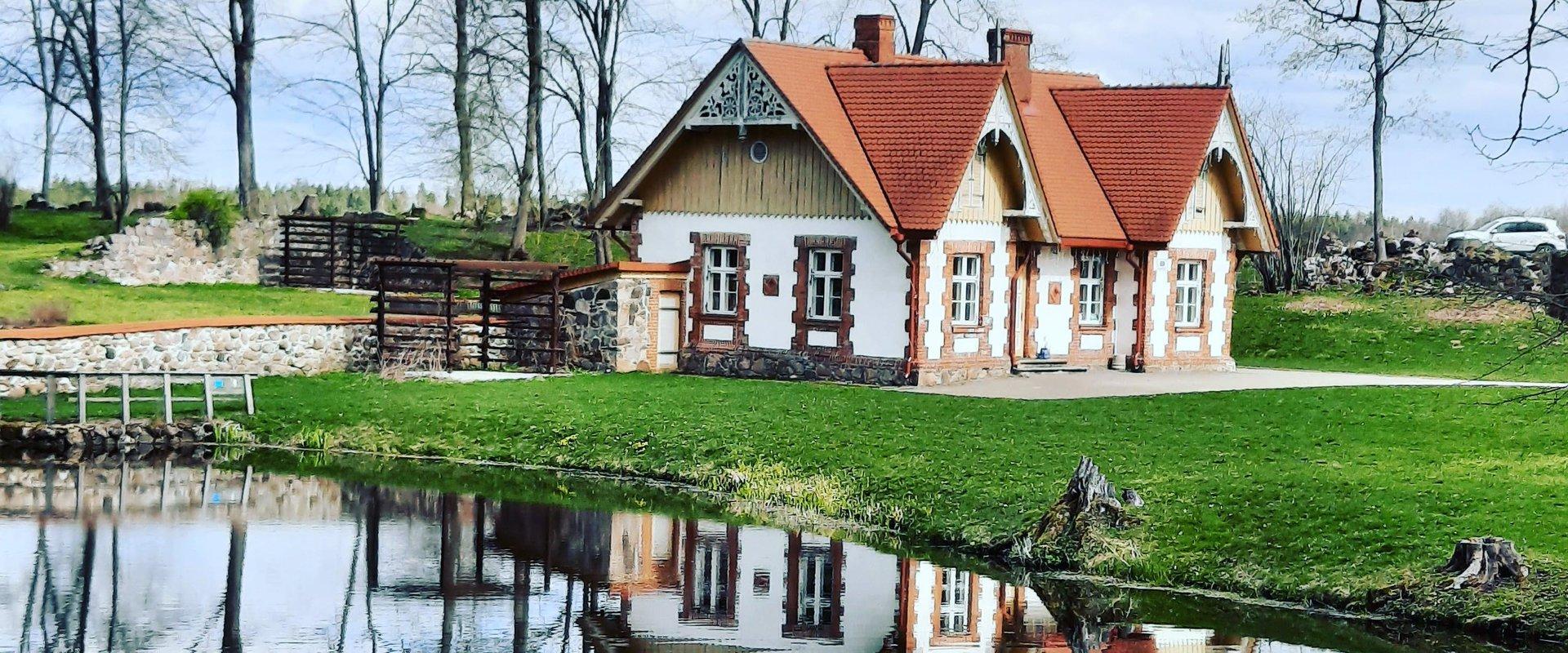
Luke Manor invites you to discover the historical architecture of its former knight's manor and the enchanting park, where you can find the stylish dollhouse-like Kärnerimaja, which has an information point, an exhibition introducing the manor, and a café in the summer. The restored Governor's House adds historical depth to the manor complex. The water fountain and the pavilion's view of the ponds invite you to immerse yourself in the romance of the manor era. The manor's terraces, an alley of uniquely shaped trees, and the concrete lion statues on the stairs (a favorite with the youngest visitors) create a unique and majestic atmosphere. At Luke Manor, you can organize a seminar, take a tour, attend a concert, or tinker in the craft workshop!

  • Manors

Ahja Manor

Ahja Manor dates back to the Middle Ages (from 1553). The two-storey main building of the baroque Ahja Manor with a half-hipped roof, completed in the late 1740s, was one of the most luxurious in Southern Estonia at that time. In the years 1929–1997, a school operated in the manor house.In 2007, there was a fire in the building and only the walls remained. Several smaller buildings have been preserved from the manor, although most of them have been rebuilt. There is also a beautiful park with a pond which is under nature and heritage protection.The manor with the park is known to many thanks to the book Little Illimar based on the childhood memories of the folk writer Friedebert Tuglas from Ahja.

  • Manors

Rogosi Castle Manor in Ruusmäe

Stanislaw Rogosinsky, a native of Poland, established the Rogosi Manor. From 1629 to 1776 the manor belonged to Herman von Liebsdorff and was later given to the von Glasenapp family as Herman's daughter's dowry. From 1934, after the Glasenapp family was dispossessed of the manor, a school operates in the manor. When place names were translated into Estonian in 1939, the village was named Ruusmäe, but the manor is still known as Rogosi. In summer 1990, Otto von Glasenapp, son of the owner of the manor visited his old home.Useful information: There is a museum of local lore in the barbican, which is open in summer. Watercolors of Joh. Chr. Brotze have been preserved as sources of the manor's history.

  • Manors

Palupera Manor Complex and the Yellow Window of National Geographic

The earliest records of the Palupera Knight Manor date back to 1582. In the sixteenth and seventeenth century, the manor belonged to the von Dückers, Bronskies, and von Fersens. The manor remained the property of the von Bruiningks for a longer time, so their family cemetery is located near the heart of the manor. Several buildings have been preserved from the complex, which have been preserved under heritage protection.On 28 September 2019, the first Yellow Window of National Geographic in Elva rural municipality was opened at the Palupera Manor. Palupera’s yellow window is innovative in that it is the first window to have a special visitor counter installed to it.

  • Guided tours
  • Castles
  • Manors

Guided day trip to the Onion Route along Lake Peipsi

Spend an exciting day trip exploring the culture of the Onion Route, which will introduce you to the following: Baltic German culture at Alatskivi Castle Estonian peasant culture and the Kodavere parish at the Juhan Liiv Museum or the Kodavere Heritage Centre Russian Old Believer culture at the Peipsimaa Heritage Centre or the Kolkja Old Believer Museum Local onion farming at Kostja Onion Farm (with delicious onion pies and samovar tea) At each location, a local guide awaits the group to share many stories about local life. If desired, it is possible to arrange transport from a suitable starting point, accommodation, and catering. The price depends on the number of participants. Additionally, you can order transportation (to pick you up at a location that suits you best), accommodation, and catering.

  • Manors

Järvere Manor

Järvere Manor was built on the shore of Lake Vagula in 1766 as a support manor of Sõmerpalu Manor. The manor was built by the owner of Sõmerpalu manor, Friedrich Alexander von Möller, Doctor of Philosophy. He had the Järvere Manor made for his mother and it was thus called the Old Lady's House.A park, established in 1830, separated Sõmerpalu and Järvere Manors and there were about 200 different tree and bush species already at that time.The Võru Forest Management Centre operated at the manor during Soviet time. Outbuildings were put in order and rebuilt in 1993.The manor is protected as a cultural monument and is private property today.

  • Guided tours
  • Manors

Mooste Manor

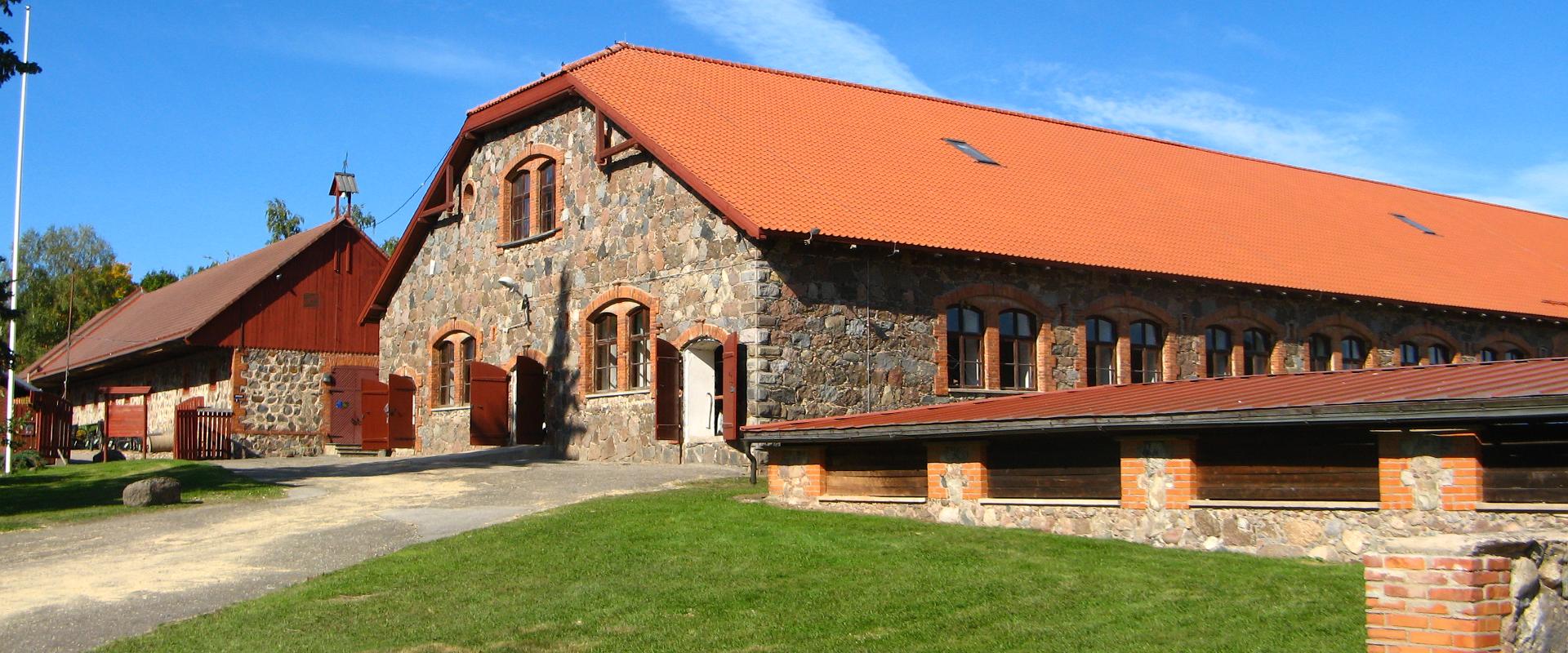
Mooste Manor, established at the time when the Nolcken family ruled the area, lies on the shore of Lake Mooste. Beside the beautiful manor house you will find the pride of Mooste Manor, one of the most impressive auxiliary building ensembles built in the historicist style. Most of the buildings are constructed from stones and decorated with brick. An English-style park adds to the appearance of the manor. The manor house accommodates a school, and the former woodworking workshop has been renovated into the Mooste Manor Guest House. A restorer’s workshop operates in the old workhorse stable, and the Centre for Arts and Social Practice occupies the steward’s house, while the former barn has been transformed into a 500-seat concert hall.

  • Collaboration
  • News
  • Contacts
  • Privacy Policy
Join our mailing list!

"*" indicates required fields

This field is for validation purposes and should be left unchanged.
I authorise marketing

South Estonia Tourism Cluster

info@visitsouthestonia.com