• Открой
    • Еда
    • Природа
    • Культура
    • Семья
    • Спорт
    • Сообщество
    • Блог
    У Вас появились свободные выходные, чтобы провести с детьми? Здесь собраны лучшие места в Южной Эстонии для семейного отдыха
  • Планируй
    • Размещение
    • Информация
    • Varamu
    Sustainability
RUS
  • РусскийRUS
  • EestiEST
  • EnglishENG
  • LatviešuLAT
  • SuomiFIN
RUS
  • РусскийRUS
  • EestiEST
  • EnglishENG
  • LatviešuLAT
  • SuomiFIN
Populaarsed otsingud:
Näita kõiki tulemusi
  • History & Culture
  • Architecture and history
  • Manors

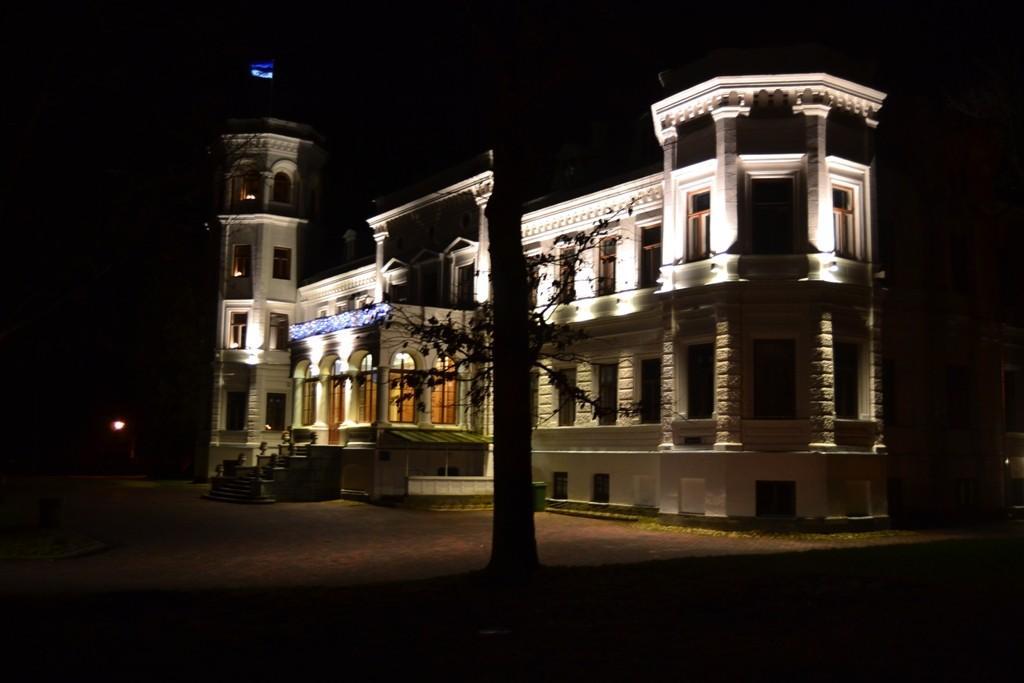
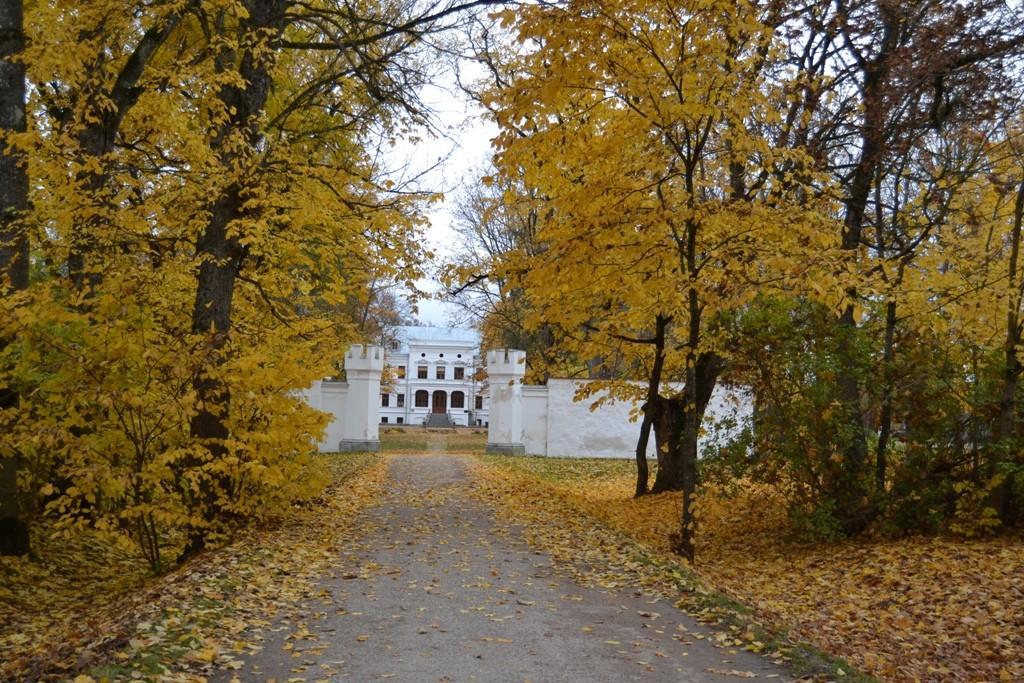
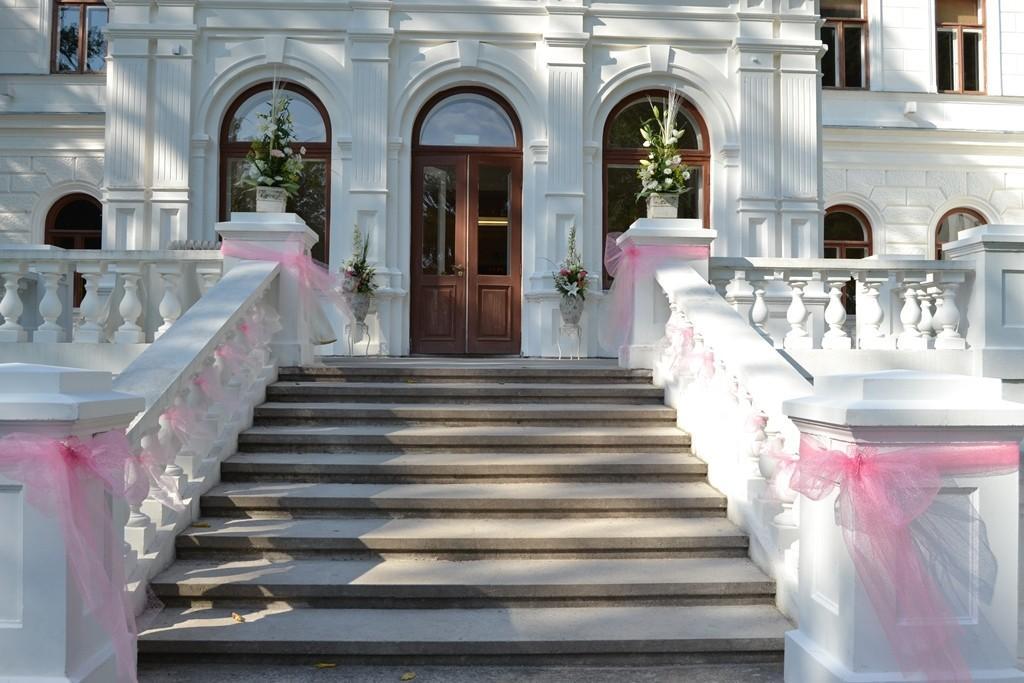
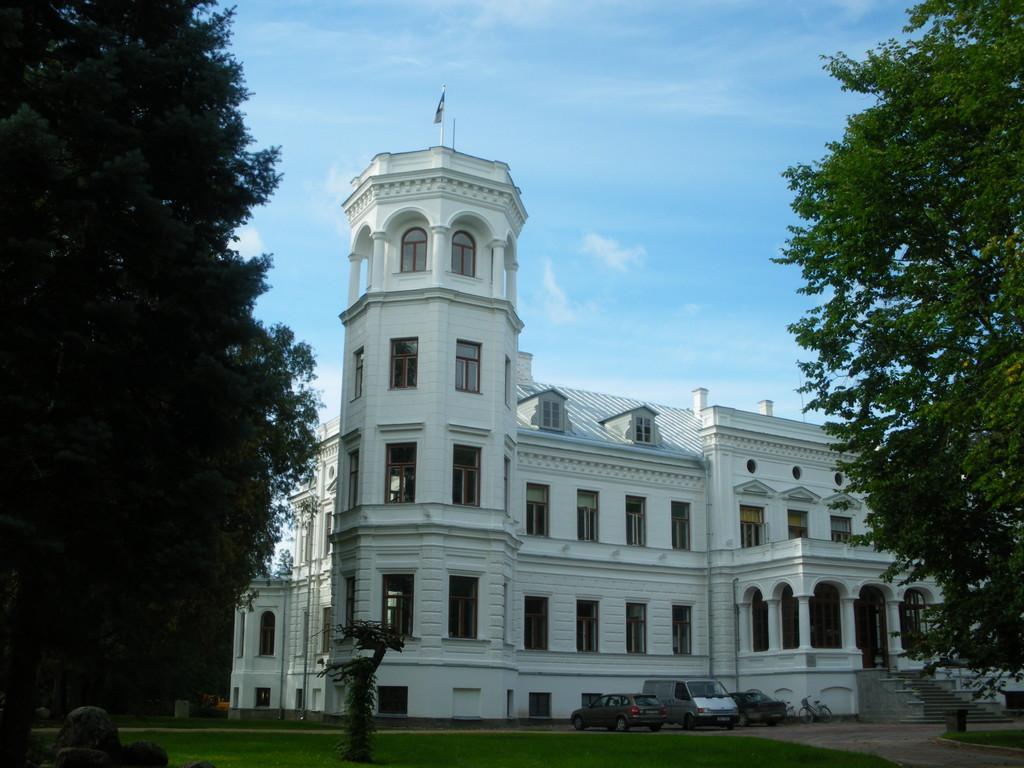
Puurmani Manor

Tartu mnt 1, Puurmani mõisa park, Põltsamaa vald, Jõgeva maakond, 49014

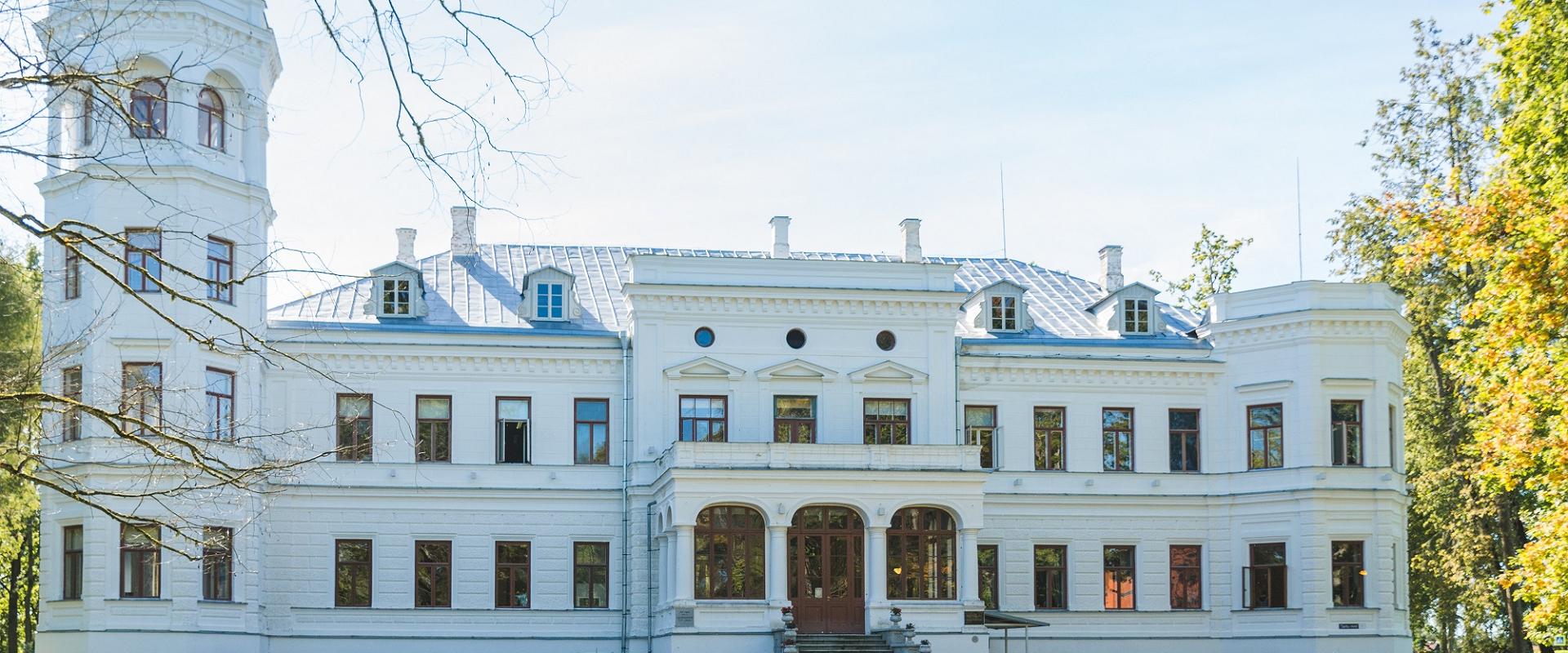
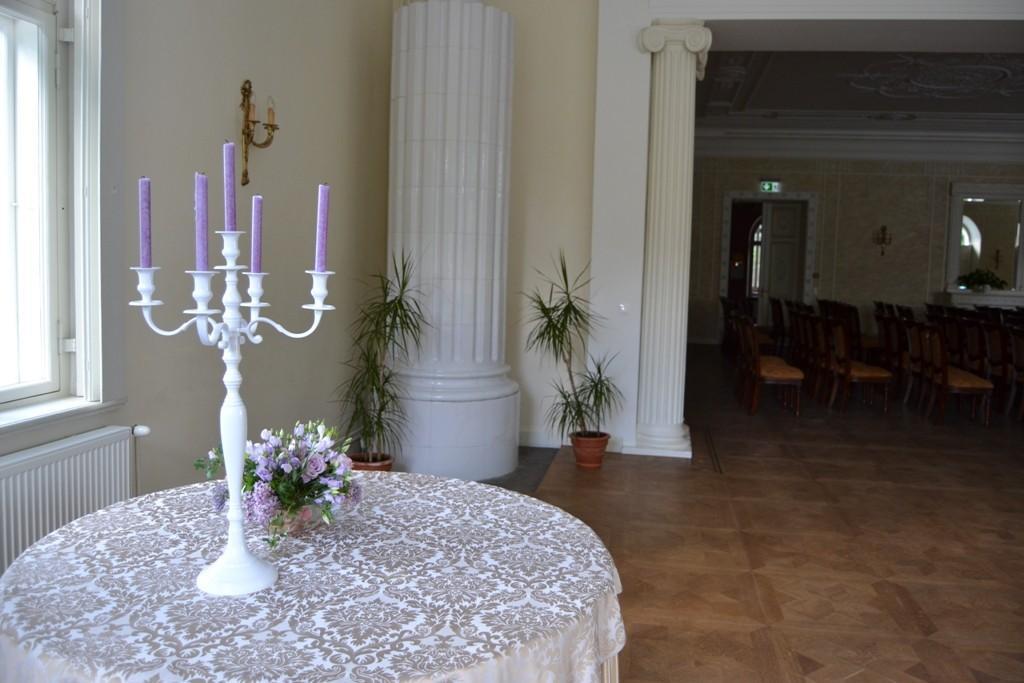
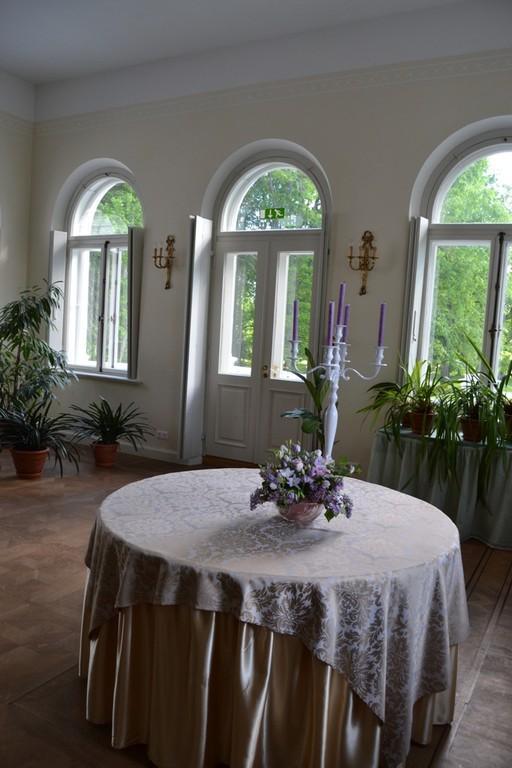
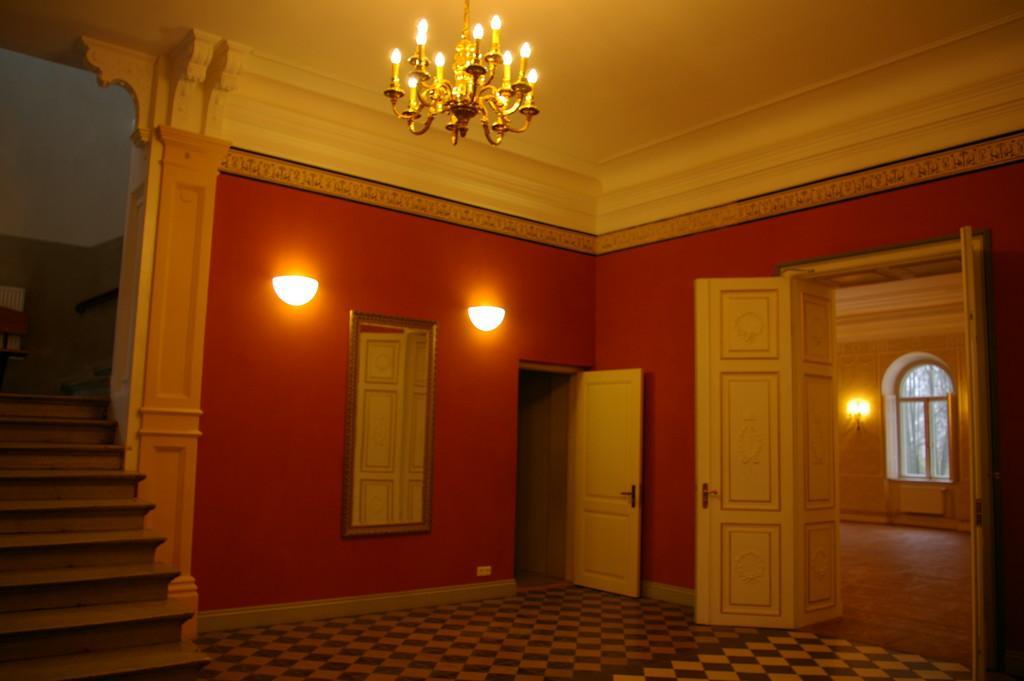
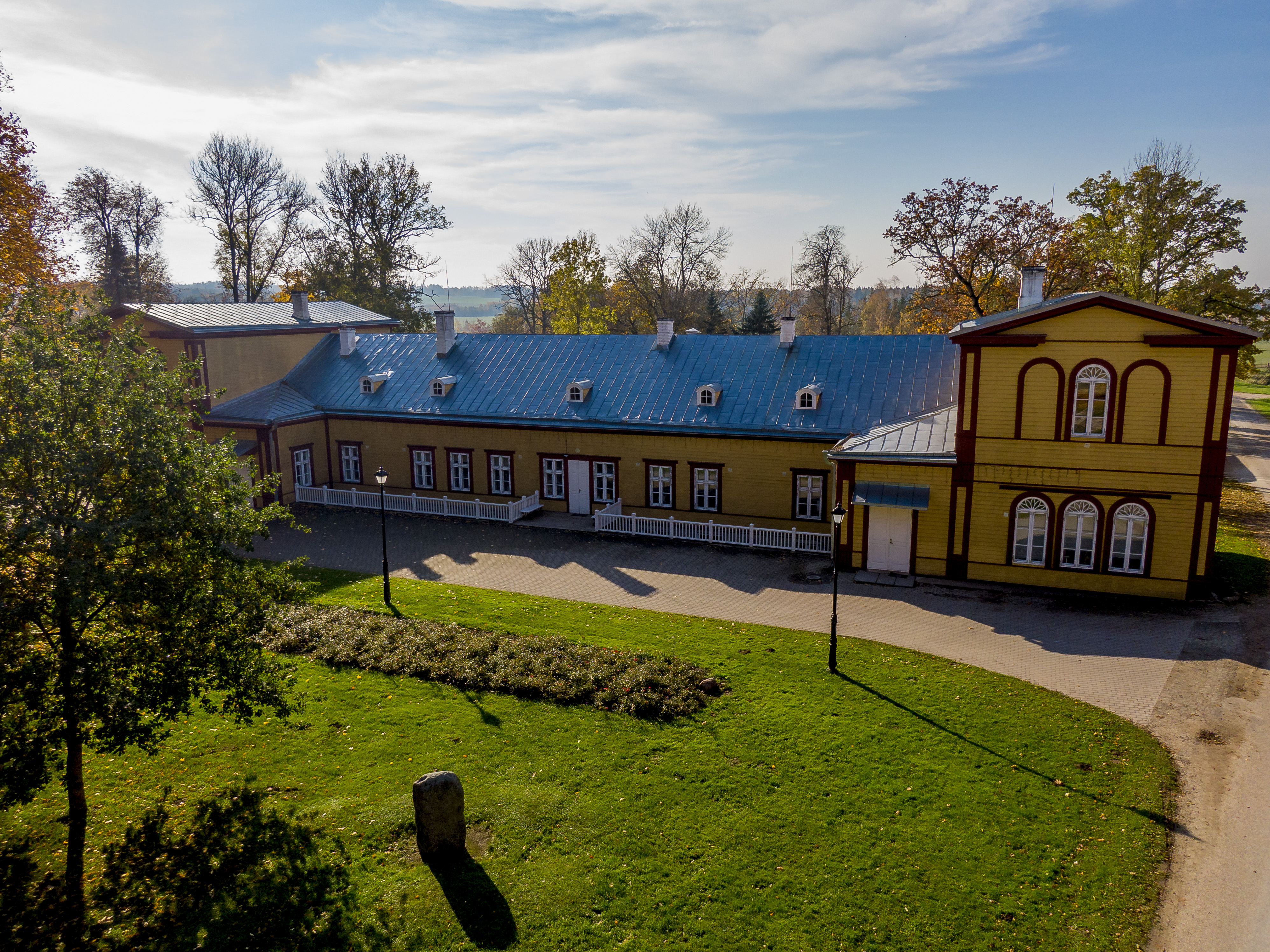
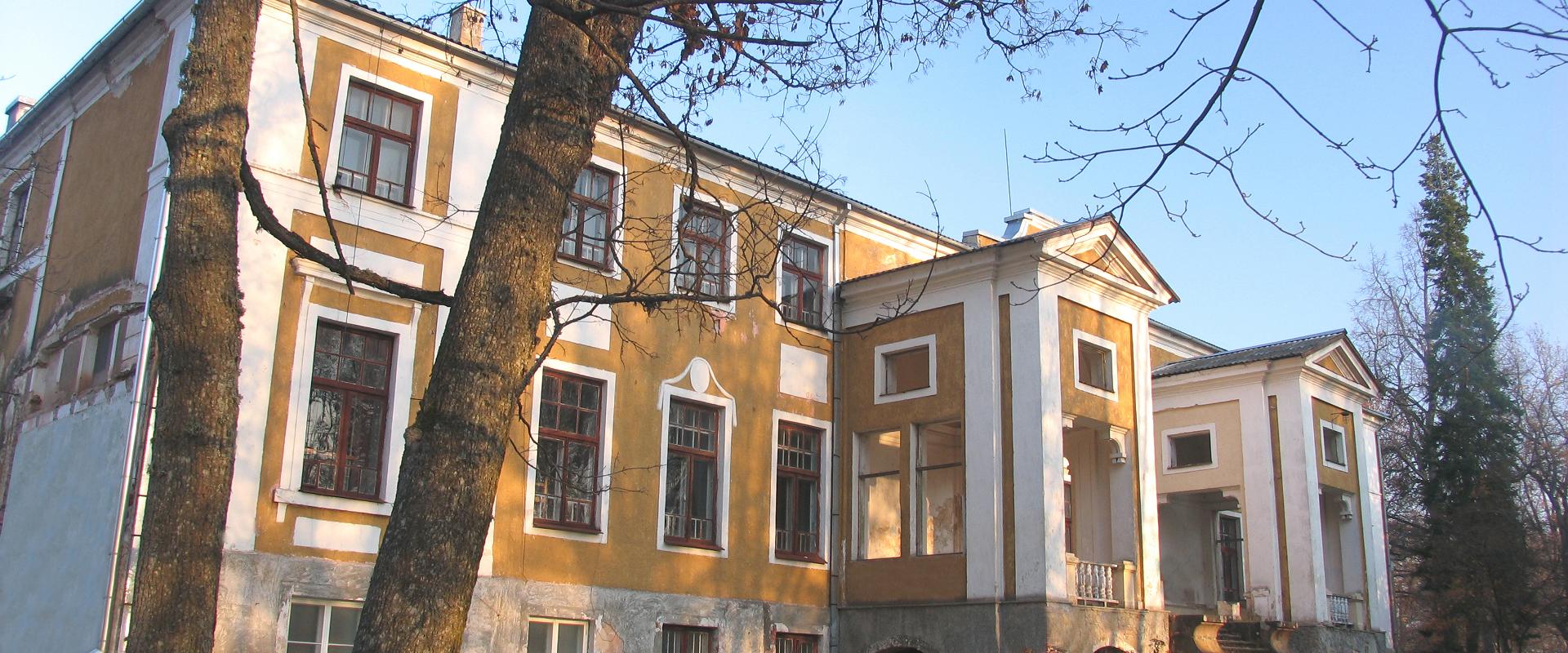
The magnificent Neo-Renaissance style manor with a white main building was built during the time of G. J. Mannteuffel in 1860. In 1918, Julius Kuperjanov established a partisan battalion in Puurmani castle.At present, the castle houses the Puurmani Upper Secondary School.You can visit Puurmani castle and learn about its history in the course of the Forgotten Manors program during the visiting days in the summer. You can also order a tour of the manor house, manor park and the entire Jõgeva County. In the manor, we will look around different floors where you can see the countess’s boudoir, a secret door leading to the tower, as well as the count’s study and treasury. You can also order a night tour and catering.
Mugavused

  • Information boards
  • WiFi
  • Free parking

Часы работы

Круглый год

По предварительному заказу

Контакты

  • +372 521 8565
  • liia@puurmani.edu.ee

Ссылки

Подробнее

  • Manors

Palupera Manor Complex and the Yellow Window of National Geographic

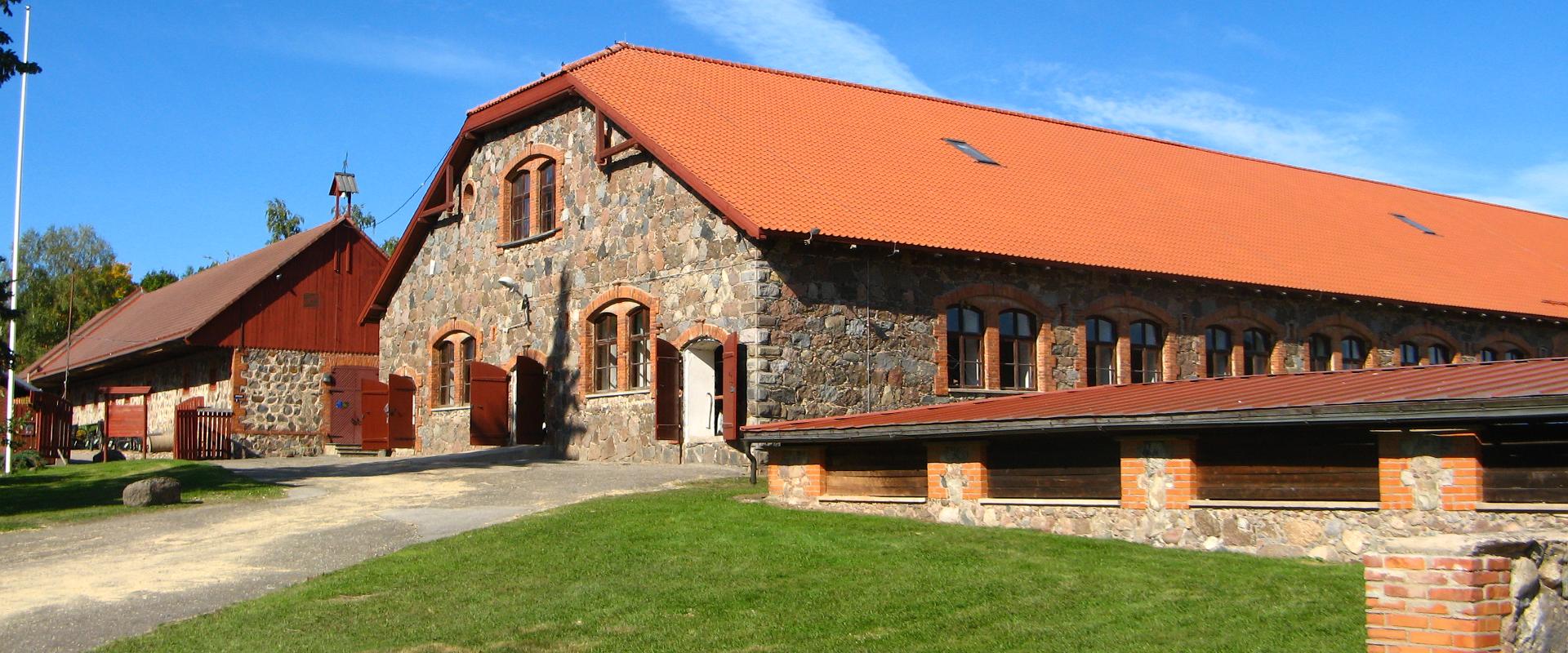
The earliest records of the Palupera Knight Manor date back to 1582. In the sixteenth and seventeenth century, the manor belonged to the von Dückers, Bronskies, and von Fersens. The manor remained the property of the von Bruiningks for a longer time, so their family cemetery is located near the heart of the manor. Several buildings have been preserved from the complex, which have been preserved under heritage protection.On 28 September 2019, the first Yellow Window of National Geographic in Elva rural municipality was opened at the Palupera Manor. Palupera’s yellow window is innovative in that it is the first window to have a special visitor counter installed to it.

  • Manors

Väimela Manor and Park

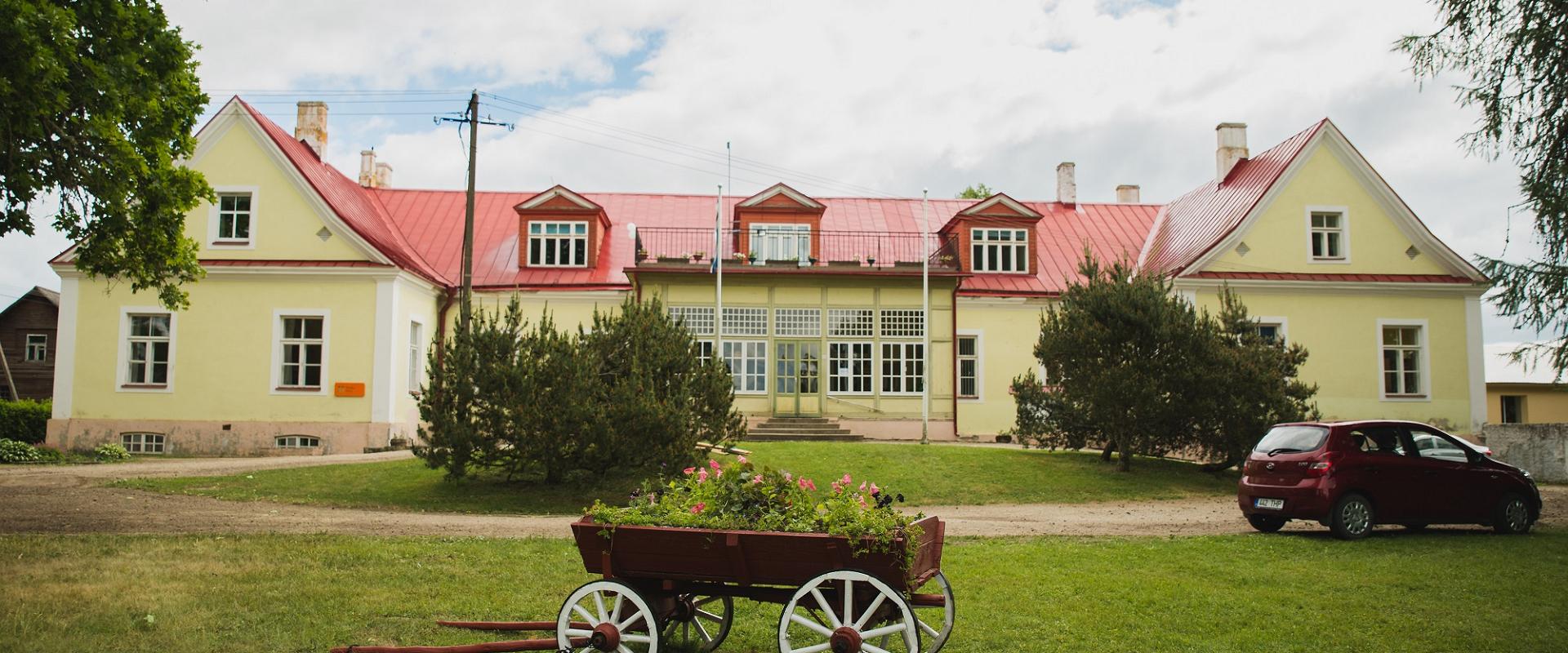
Väimela Manor was first mentioned already in 1590, but the current main building is from 1952.The threshing building, distillery, farmhands' barn, farmhand's house, milking parlor, woodworking shop, granary and grain dryer, hay barn, barn and dairy have been preserved. Bernhard von Loewen was the last squire.Today, the manor is managed by the Võru County Vocational Training Centre. The manor park was established in the 18th century and there are mostly lindens, maples and oaks.Lakes Alajärv and Mäejärv in Väimela are connected with a stream. South of Lake Alajärv, in Matussaare, is the burial ground of squires of Väimela and the ruins of a chapel, that was built in 1885.You can only see the manor from outside.

  • Manors

Tähtvere Mansion

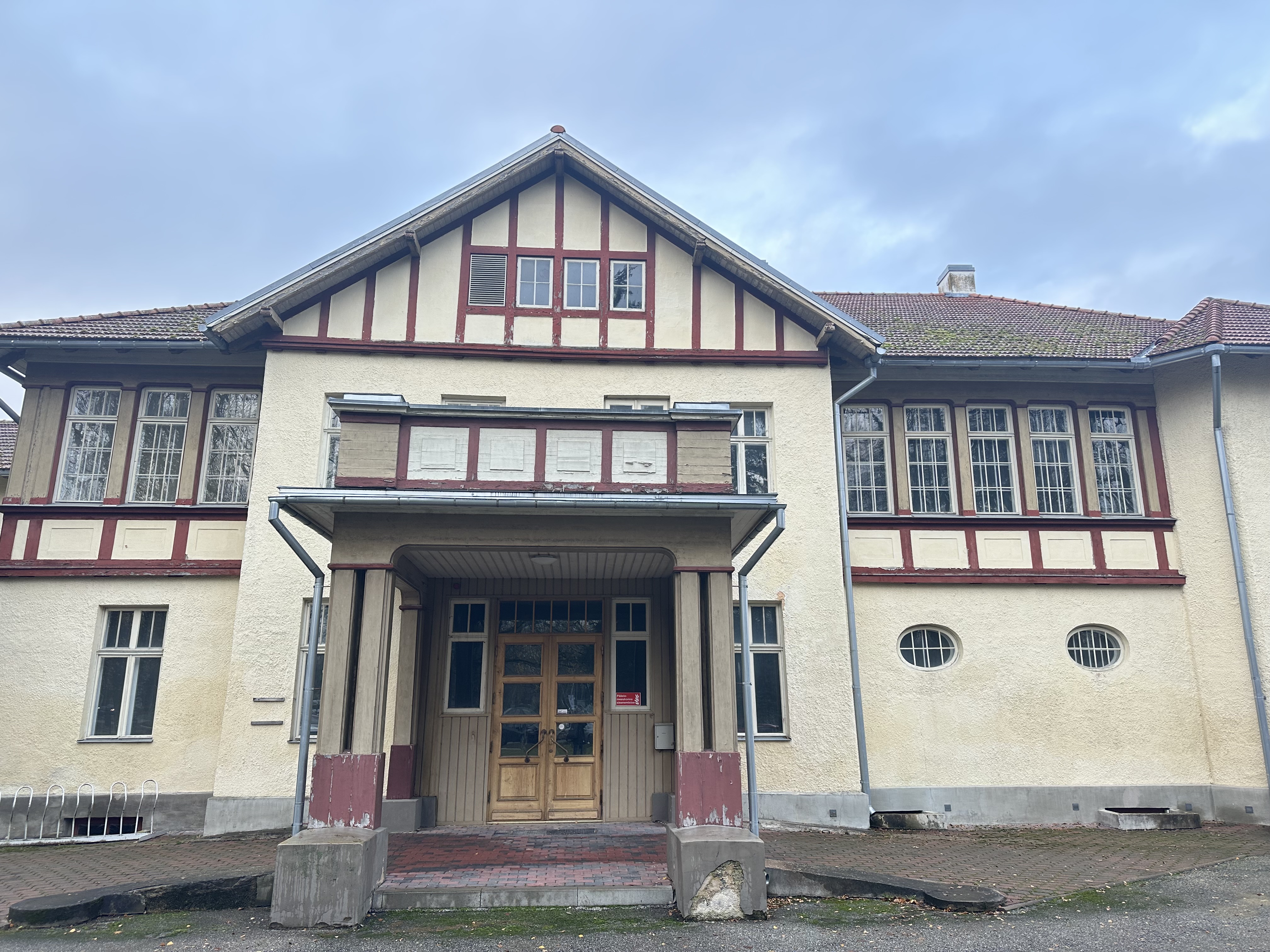
Tähtvere Mansion was first mentioned in 1515 and belonged to the Bishop of Tartu in the Middle Ages. In 1919, part of the lands of Tähtvere Mansion were sold as the first building plots of Tähtvere District. The main building of the mansion (built in 1910 in the heimat style) has been preserved and is used as one of the study buildings of the Estonian University of Life Sciences (an extension has been added to it).The surviving outbuildings of the mansion are a small animal barn, a maid's house, a barn/grain dryer, a cattle barn, a farmhand's house, and a smithy.The Mansion can only be seen from the outside and it can also be seen for example in the guided bicycle tour "Tartu City Mansions".

  • Manors

Rannu Park and Manor Buildings

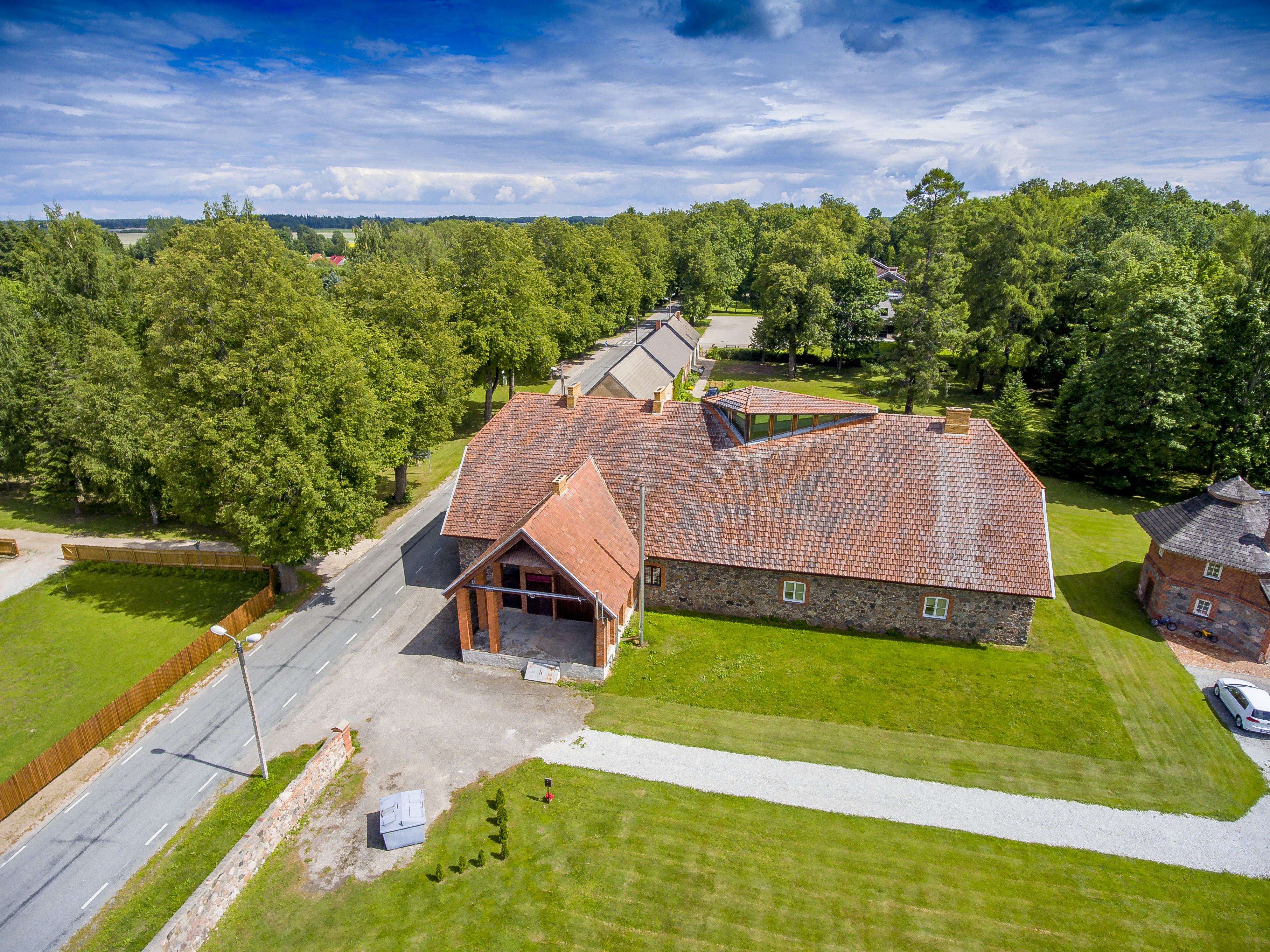
Rannu Park is a manor-era park partly bordered by a stone wall, surrounded by former manor farm buildings and a pond that once surrounded the vassal stronghold. The main building of the manor located in the park was demolished in the 1970s. There is still a gardener's house, a manor granary, a coach house, and some other buildings. A community centre has been built instead of the manor house. The park is for leisure, walking with children, and sports (volleyball, basketball).Here, you can still perceive the wealth of the owners of the manor and admire the magnificent landscaping. In the autumn of 2006, a memorial stone to the Battle of Rannu was erected in the park. In 2016, a bench was dedicated for writer Mats Traat.

  • Manors

Võisiku manor

Võisiku manor was first mentioned in 1558. It was one of the biggest manors in Livonia in the 18th and 19th centuries, stretching from Põltsamaa to Lake Võrtsjärv. There were 52 buildings on the manor originally, some of which we can still see today, and a further 67 in outlying parts of the manor and its mirror factory. Lord of the manor Timotheus Eberhard von Bock, who drew up Russia's first constitution for Emperor Alexander I and was sent to the Schlüsselburg fortress for 9 years for doing so, is the central character in Estonian author Jaan Kross' novel "The Emperor's Madman". Did you know...? *Today the main building houses Võisiku Nursing Home and can only be viewed from the exterior

  • Manors

Ülenurme Manor

The well-preserved Ülenurme Knight's Manor (Üllenorm) in Ülenurme is first mentioned in writing in 1646, when a military man called Bernhard Bousselberg received the manor from the Kingdom of Sweden in exchange for a stone building in Tartu.The park and the main building were probably created by Count Cancrin who was the owner of Ülenurme manor between 1856 and 1883.The manor has been passed from owner to owner, and the main source of its income was grain farming.At the beginning of 1970, the complex of numerous stone buildings of the former Ülenurme Manor's centre was allocated to the Estonian Agricultural Museum that opened its doors to visitors in 1981.You have to buy a ticket in order to visit the museum. The complex has a gazebo, a village swing, and stables.

  • Family friendly
  • Castles
  • Manors

Cantervilla Castle (Pikajärve manor)

Pikajärve manor, which is also known as the Cantervilla Castle, is probably one of the cosiest manors in Estonia. The main building (built in 1908) and the vivid quarry stone outbuildings are on a landscape filled with beautiful dome-shaped hillocks, high up on the shore of a lake. The walls of the halls of the eye-catching main building are decorated with landscape paintings and portraits, antique furniture and the light from the chandeliers add festivity and romance. The manor is private property at the moment and operates as an establishment for holding different events and offers accommodation.

  • Castles
  • Manors

Sangaste Castle

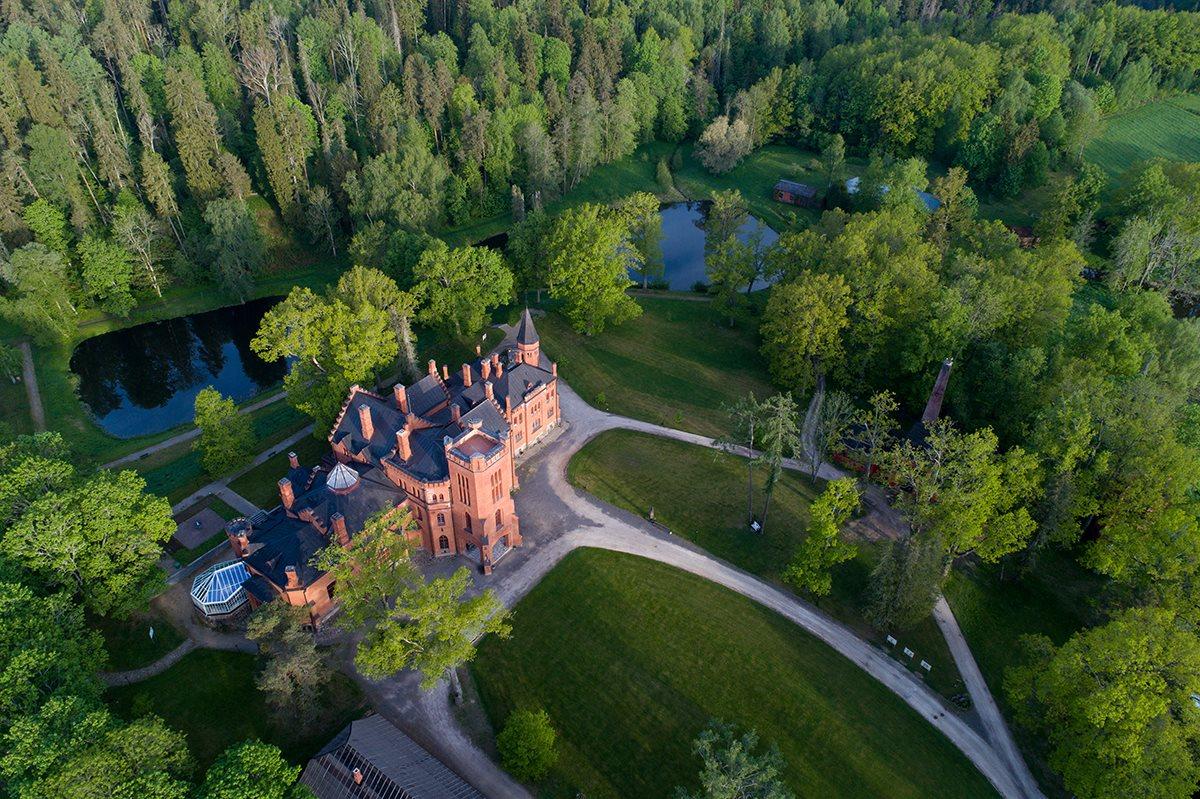
Sangaste Castle is one of the Southern Estonian places worth discovering that are marked with a yellow window. If you are interested in culture and history, it is definitely worth a visit. Sangaste castle and park were fashioned after the famous Windsor castle in England. The magnificent halls, architecture and history of the castle make this a good place for a big wedding, get-togethers or spending the night in a genuine castle. The castle restaurant serves local food and real rye vodka made from Sangaste rye. In addition to the castle, the stables, dairy, barn, water tower and arboretum are also open for visitors.

  • Privacy Policy

"*"обозначает обязательные поля

Это поле используется для проверочных целей, его следует оставить без изменений.
Я разрешаю маркетинг