• Открой
    • Еда
    • Природа
    • Культура
    • Семья
    • Спорт
    • Сообщество
    • Блог
    У Вас появились свободные выходные, чтобы провести с детьми? Здесь собраны лучшие места в Южной Эстонии для семейного отдыха
  • Планируй
    • Размещение
    • Информация
    • Varamu
    Sustainability
RUS
  • РусскийRUS
  • EestiEST
  • EnglishENG
  • LatviešuLAT
  • SuomiFIN
RUS
  • РусскийRUS
  • EestiEST
  • EnglishENG
  • LatviešuLAT
  • SuomiFIN
Populaarsed otsingud:
Näita kõiki tulemusi
  • History & Culture
  • Architecture and history
  • Family friendly
  • Castles
  • Manors

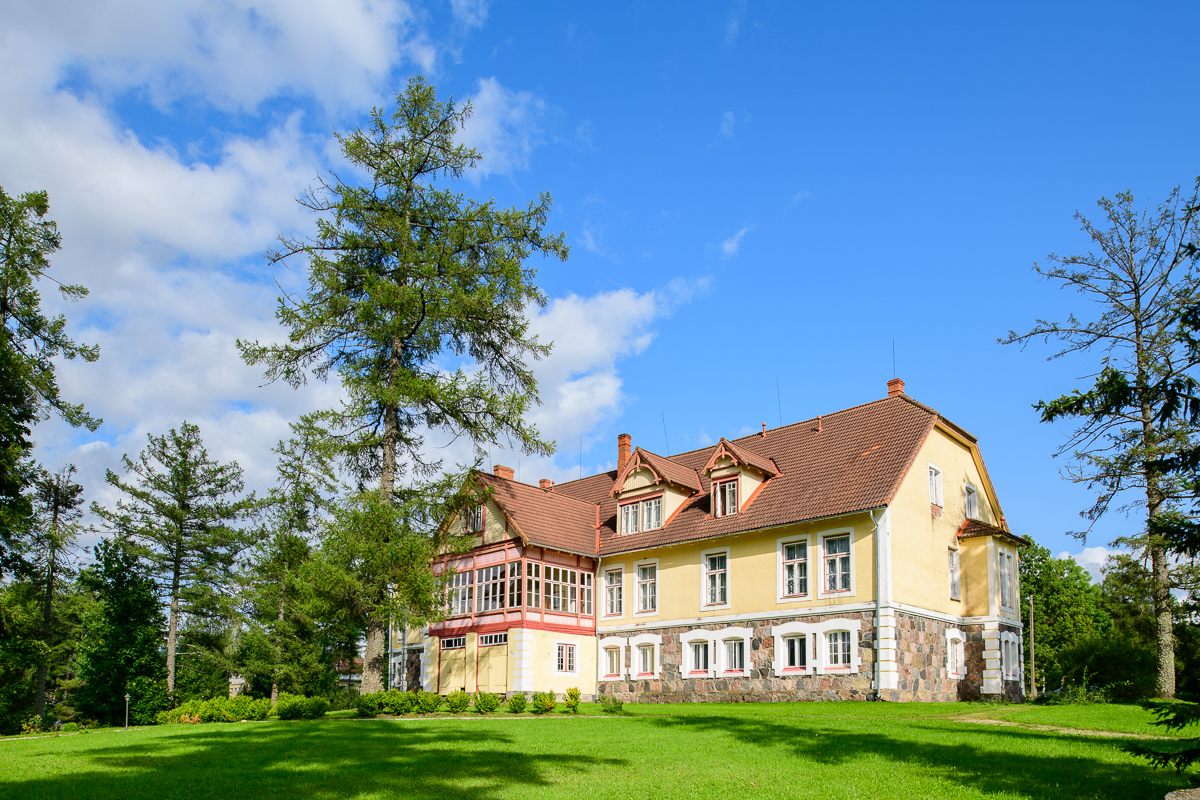
Cantervilla Castle (Pikajärve manor)

Kanepi vald, Põlva maakond, 63410

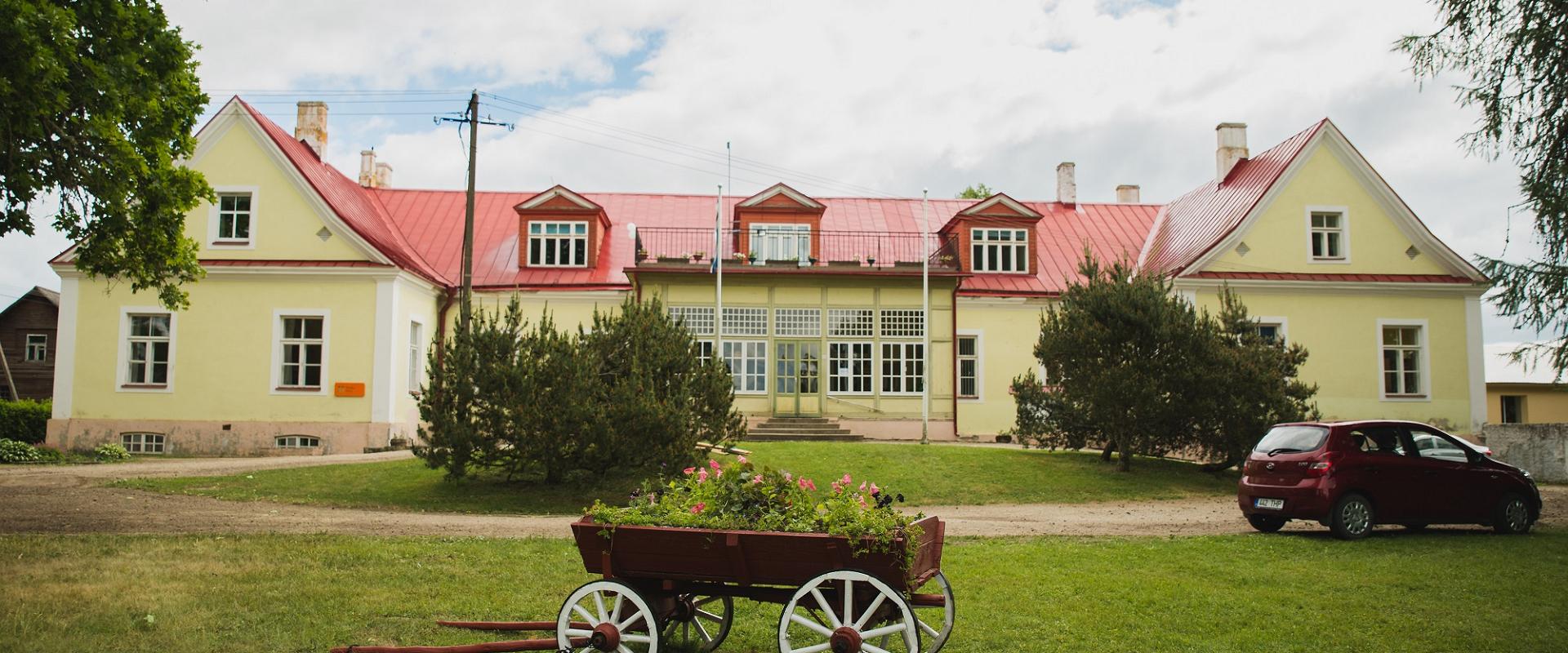
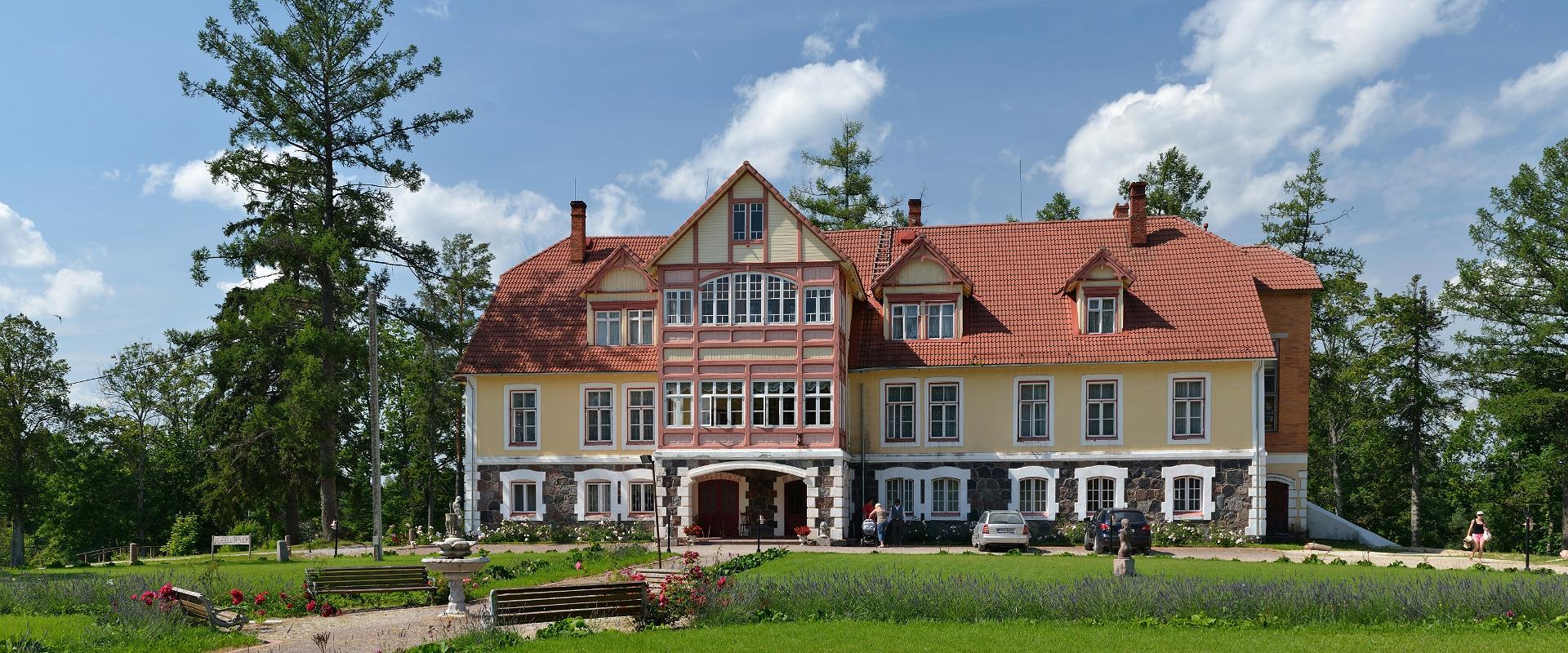
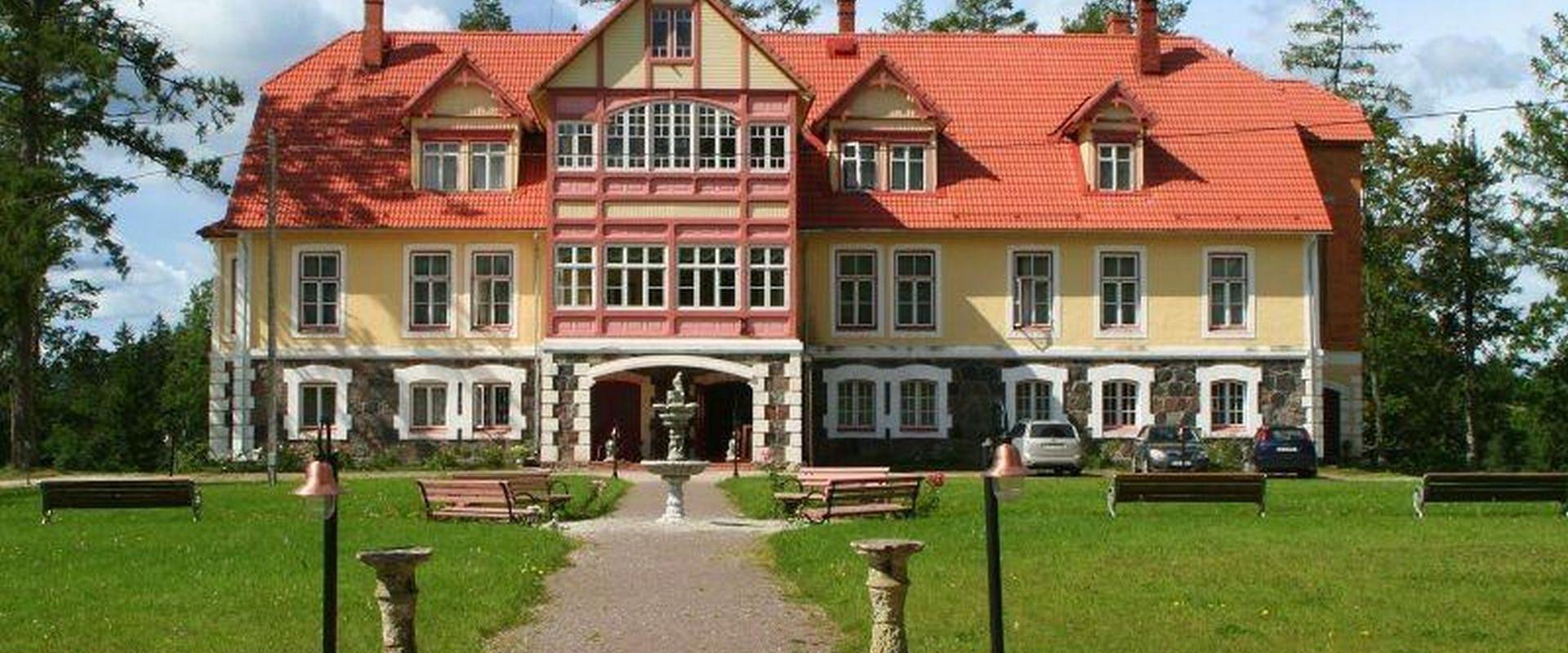
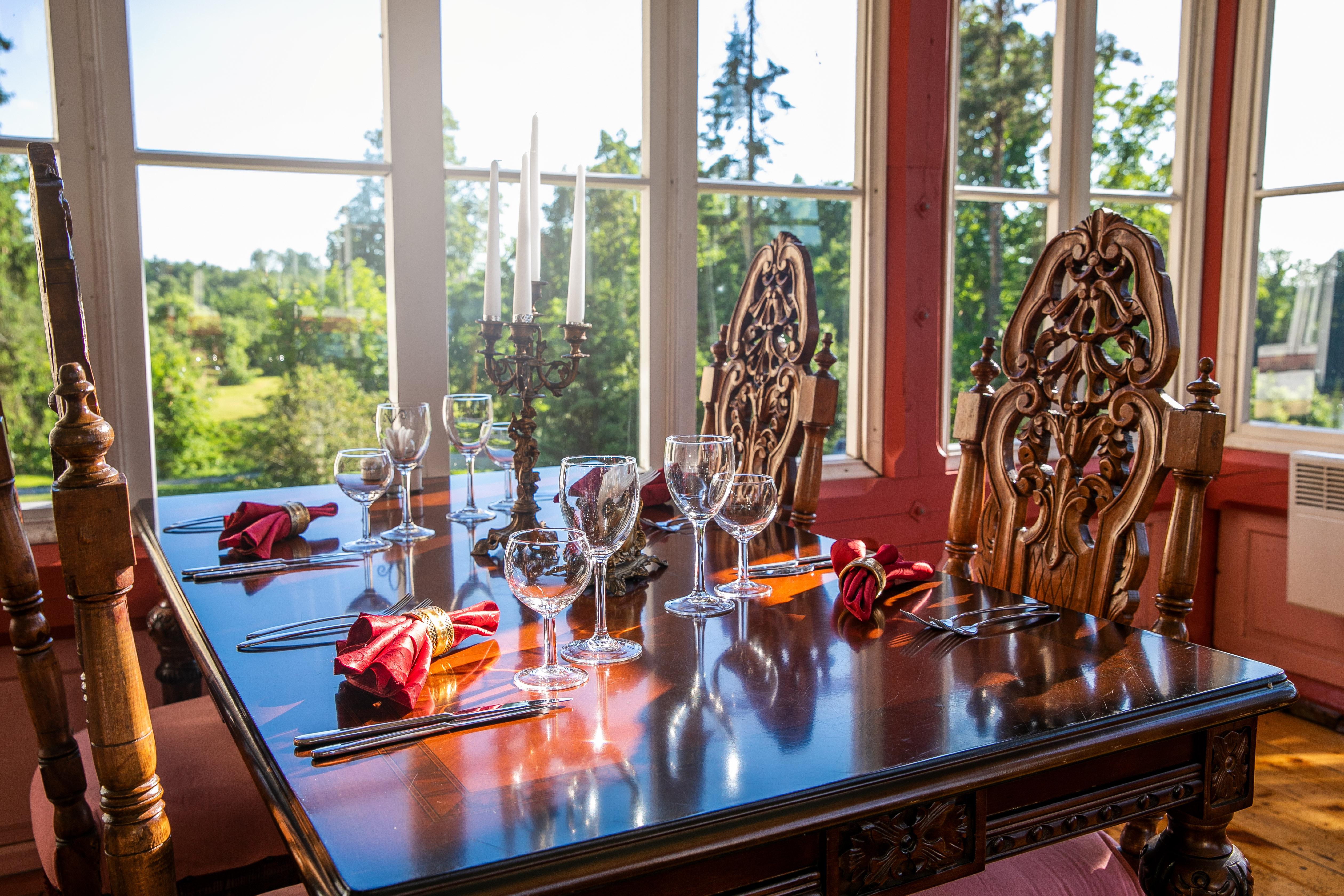
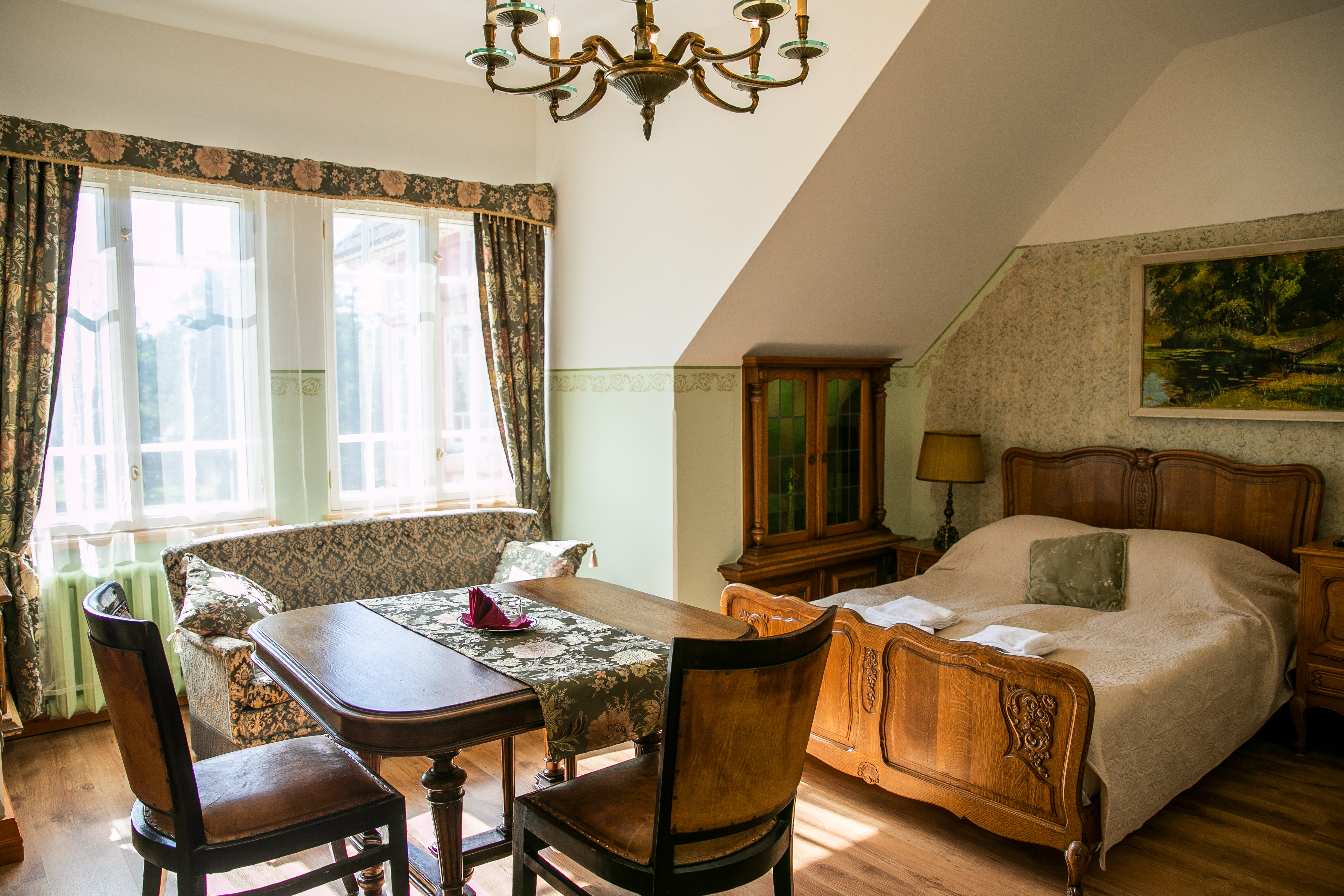
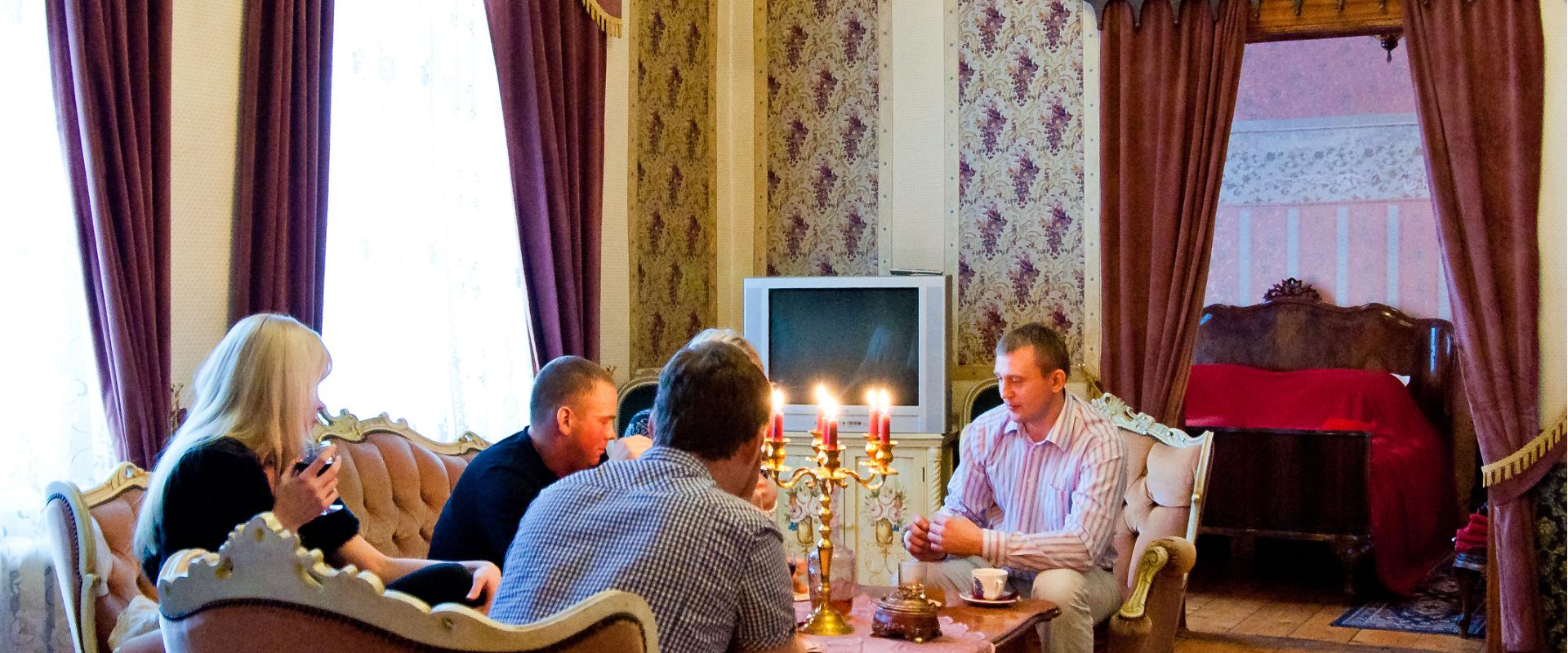
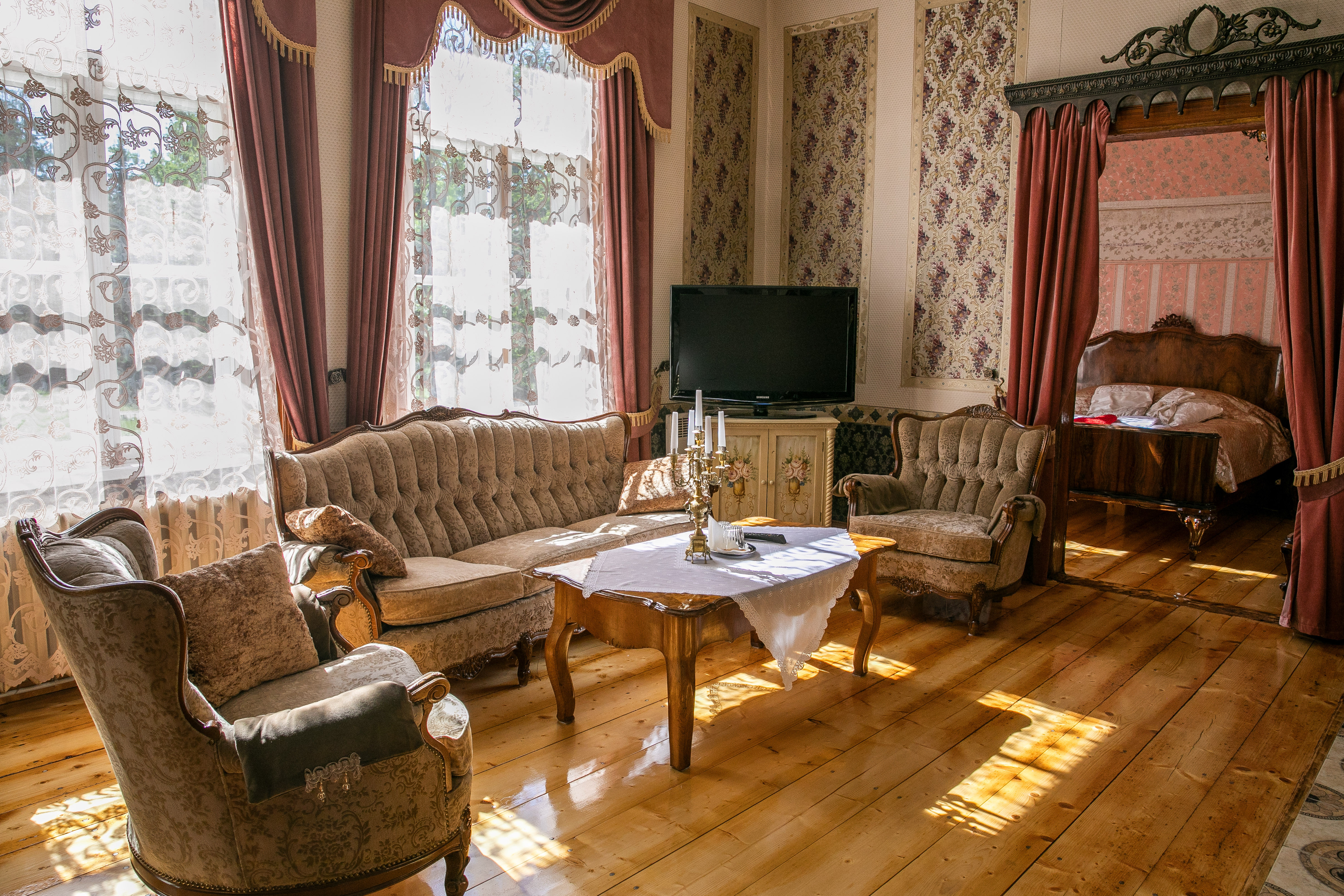
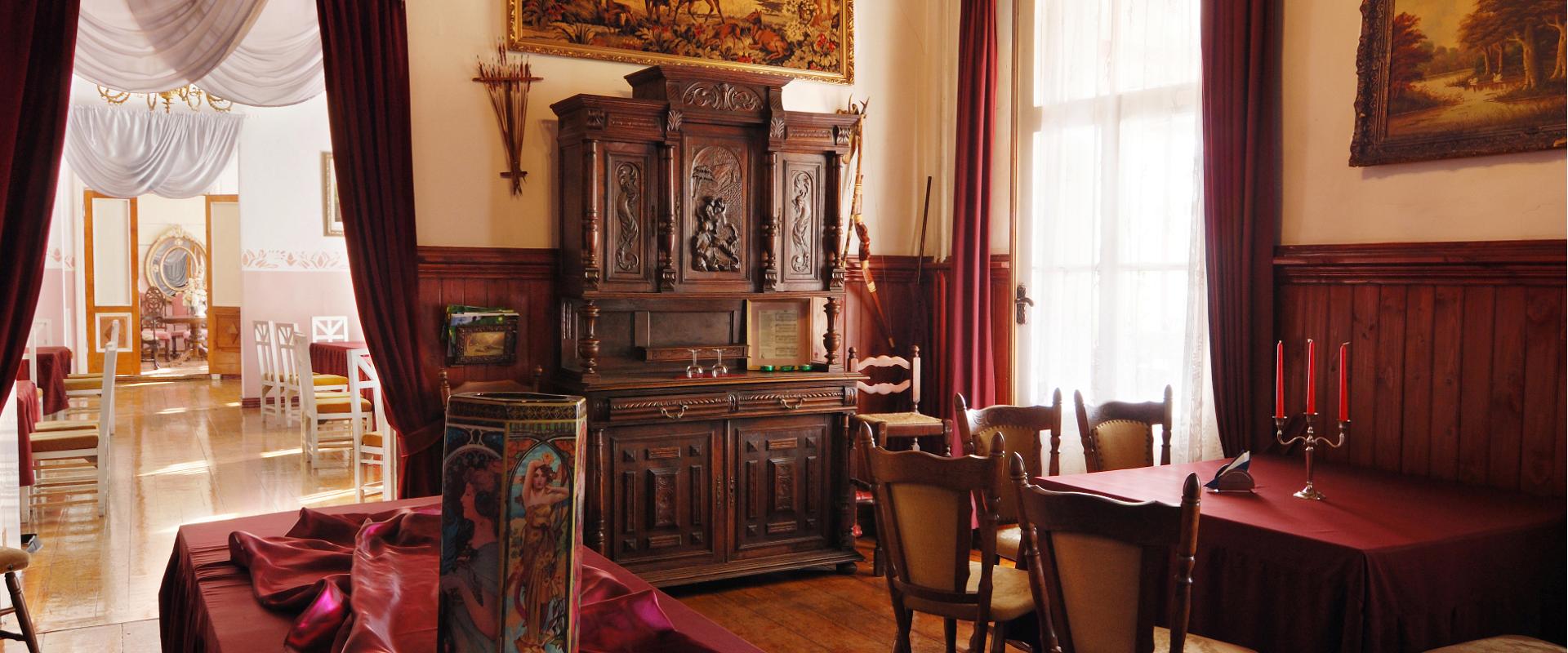
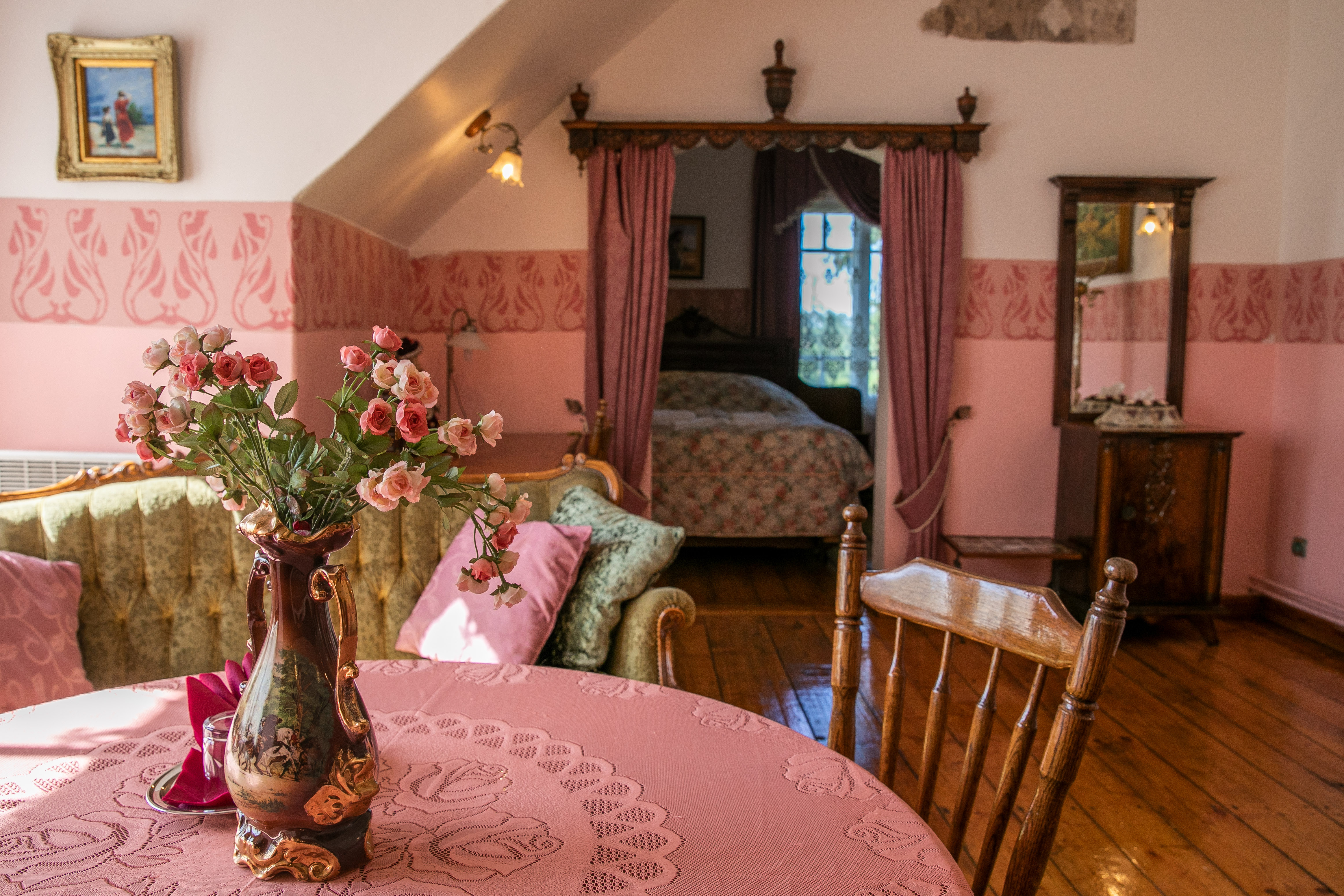
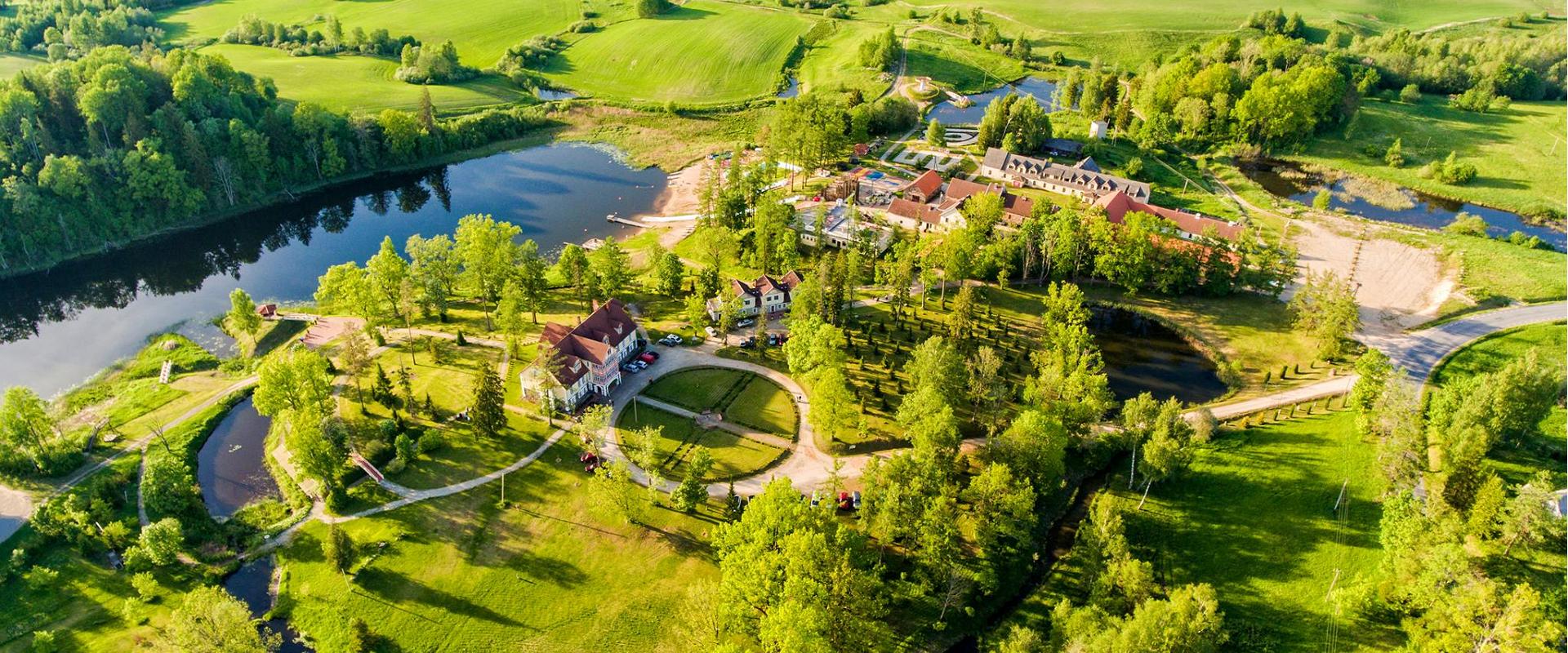
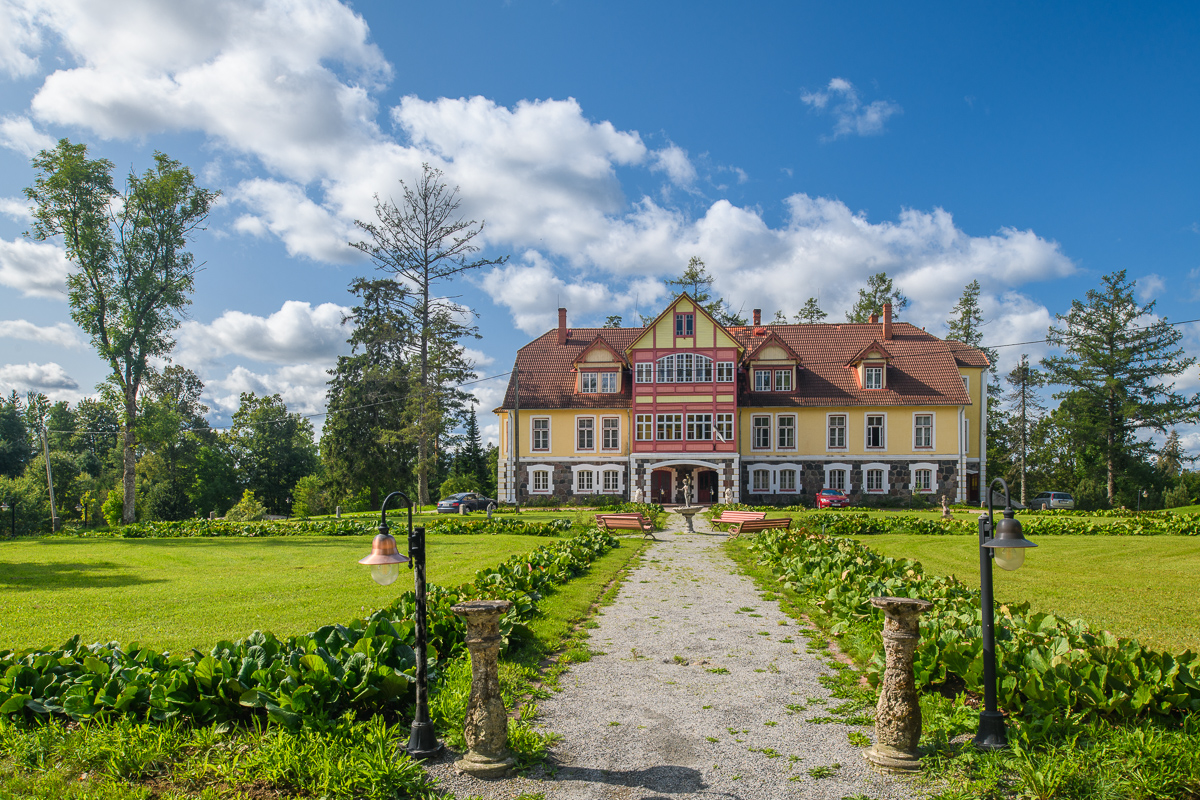
Pikajärve manor, which is also known as the Cantervilla Castle, is probably one of the cosiest manors in Estonia. The main building (built in 1908) and the vivid quarry stone outbuildings are on a landscape filled with beautiful dome-shaped hillocks, high up on the shore of a lake. The walls of the halls of the eye-catching main building are decorated with landscape paintings and portraits, antique furniture and the light from the chandeliers add festivity and romance.
The manor is private property at the moment and operates as an establishment for holding different events and offers accommodation.
Mugavused

  • Free parking
  • Recreation area/picnic ground
  • Catering

Часы работы

Круглый год

12:00 - 21:00

Контакты

  • +372 5340 3523
  • info@cantervilla.ee

Ссылки

cantervilla.ee

Подробнее

  • Guided tours
  • Workshops
  • Castles

Alatskivi Castle

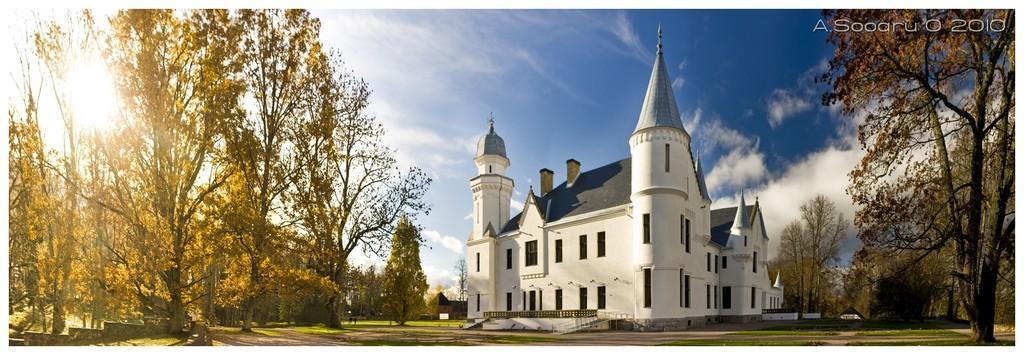
Fairytale Alatskivi Castle awaits visitors in South Estonia, about 40 km from Tartu. In the castle, you travel back in time to the 19th century, get acquainted with the life of a noble family and the manor's daily routine, and meet the servants who worked here a hundred years ago, brought to life with wax figures in the basement. Castle guides share captivating stories, and visitors can create a personal souvenir in the ceramic workshop. Allocate at least 1.5 hours to explore the exhibition, which spans three floors. On the castle's third floor is the museum of composer Eduard Tubin, which presents the life and works of one of Estonia's most famous musicians. The former carriage-horse stable next to the castle offers insight into the manor's management and daily operations. Alatskivi Castle is part of the Onion Route, which can also be explored through the bright yellow National Geographic windows. Stroll in the castle park, enjoy nature on the Alatskivi hiking trail, stay in romantic castle suites, and taste local dishes at the castle restaurant.

  • Family friendly
  • Guided tours

Estonian Road Museum

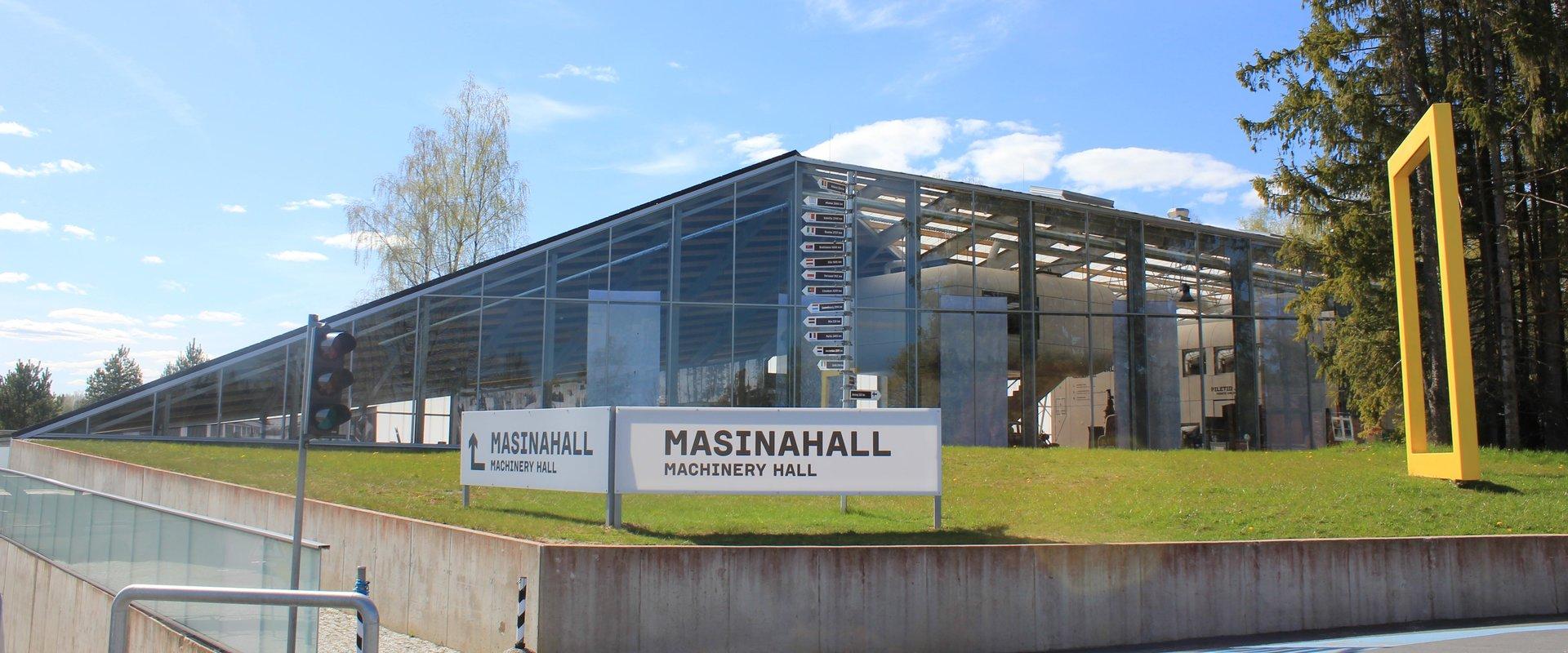
The Estonian Road Museum showcases the development of roads and traffic in Estonia, from the horse era to the present day. Exciting thematic events are organized here, educational guided tours are offered, and rooms are rented for seminars and celebrations. The heart of the museum is the historic Varbuse horse post station, which, together with the outdoor exhibition environment Teeaeg, forms a unique look at history. The Machine Hall is the museum's technical park and interactive traffic education center. It also houses a rotating car and the Estonian Road Museum's traffic safety simulator, which offers an immersive experience and a clear understanding of how seat belts save lives. The standout features of the outdoor areas are the historic road room, where you can seemingly travel back in time, and the recreation area with a traffic city, which offers activities for the whole family, especially during the summer season. Temporary exhibitions are held in the main building of the post station, and the second floor houses a children's museum created specifically for younger visitors.

  • Family friendly

Upside Down House

Are you looking for a unique experience and funny photos in Tartu? The Upside Down House is an exciting but dizzying experience where anything is possible. All the furniture, the refrigerator, and everything else, usually on the floor, is instead on the ceiling. Actually, they are on the floor — but is the ceiling the floor, or are you upside down? The house is also slightly inclined, challenging your sense of balance. It may be confusing, but it's laugh-out-loud funny. A visit takes about 30 minutes; you are guaranteed a great experience and cool photos!

  • Manors

Järvere Manor

Järvere Manor was built on the shore of Lake Vagula in 1766 as a support manor of Sõmerpalu Manor. The manor was built by the owner of Sõmerpalu manor, Friedrich Alexander von Möller, Doctor of Philosophy. He had the Järvere Manor made for his mother and it was thus called the Old Lady's House.A park, established in 1830, separated Sõmerpalu and Järvere Manors and there were about 200 different tree and bush species already at that time.The Võru Forest Management Centre operated at the manor during Soviet time. Outbuildings were put in order and rebuilt in 1993.The manor is protected as a cultural monument and is private property today.

  • Manors

Adavere manor

Adavere manor was first mentioned in records in the second half of the 17th century. In the 16th and 17th centuries, Adavere was under the rule of Põltsamaa castle, which governed all of the surrounding land and villages as the most important town in Central Estonia.Its massive slate main building was constructed between 1892 and 1893. The complex also includes outbuildings erected in the late 19th century – a workers' cottage and a barn with a drying shed. Manor park (dating from the 1740s) was one of the grandest in Estonia in its day, although little remains of its glory today. Good to know:* Today, the building is home to Adavere Basic School. During winter, you can go skating in the skating rink on the school stadium.* The manor can only be viewed from the outside.

  • Family friendly
  • Guided tours

Tartu City Museum

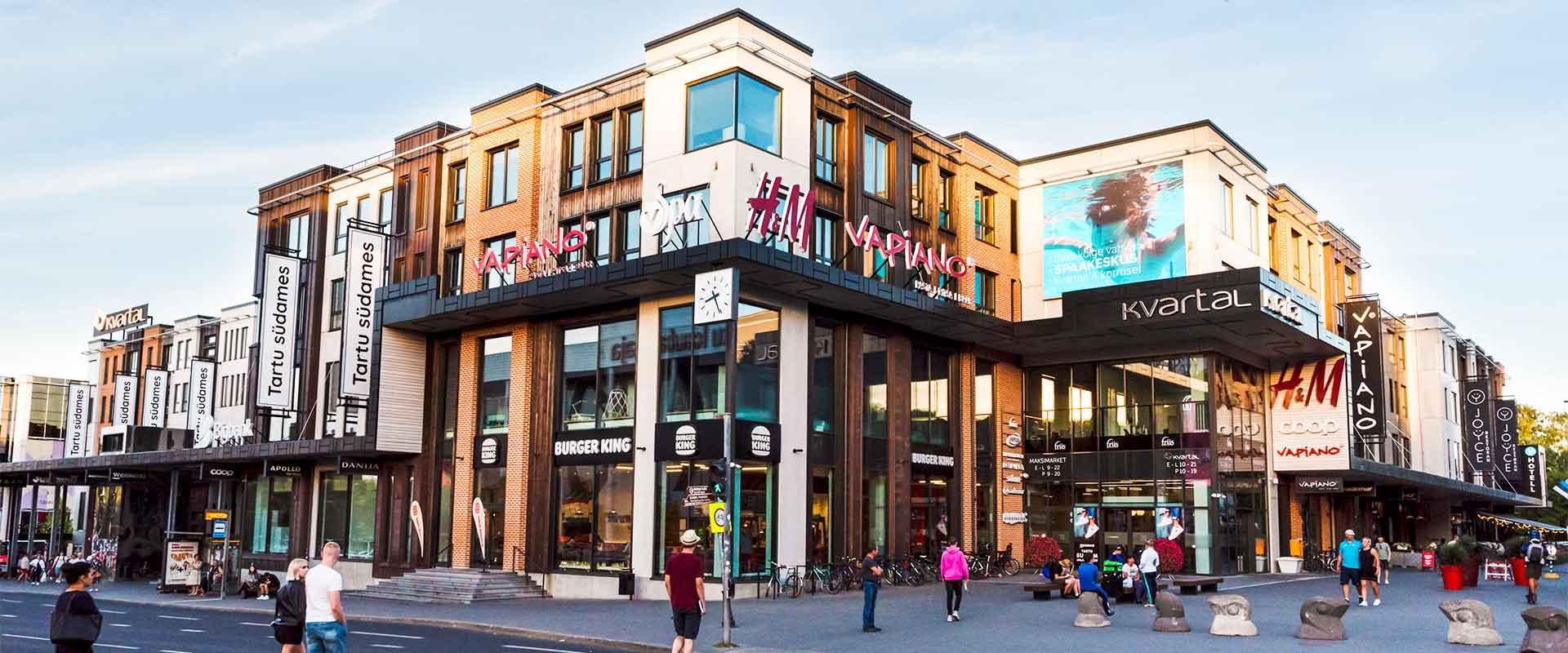
Tartu City Museum invites you to explore the city's diverse history and cultural heritage. The permanent exhibition, "Our Tartu," introduces the districts of Tartu, telling stories about the people of Tartu, their lives, and everyday habits. The exhibition provides insight into what makes each district in Tartu special, as each district has its own personality, as shared by local people. Visitors can also enjoy temporary exhibitions that introduce new topics and artistic perspectives. These exhibitions reveal different facets of Tartu, ranging from the city's architecture and social life to contemporary cultural phenomena. The museum offers guided tours and city tours, during which guides take participants on exciting journeys through Tartu's districts. These excursions are suitable for both local enthusiasts and visitors who wish to learn more about Tartu. The museum's premises can also be rented for various events. Come experience the story of Tartu through its people, places, and memories.

  • Manors

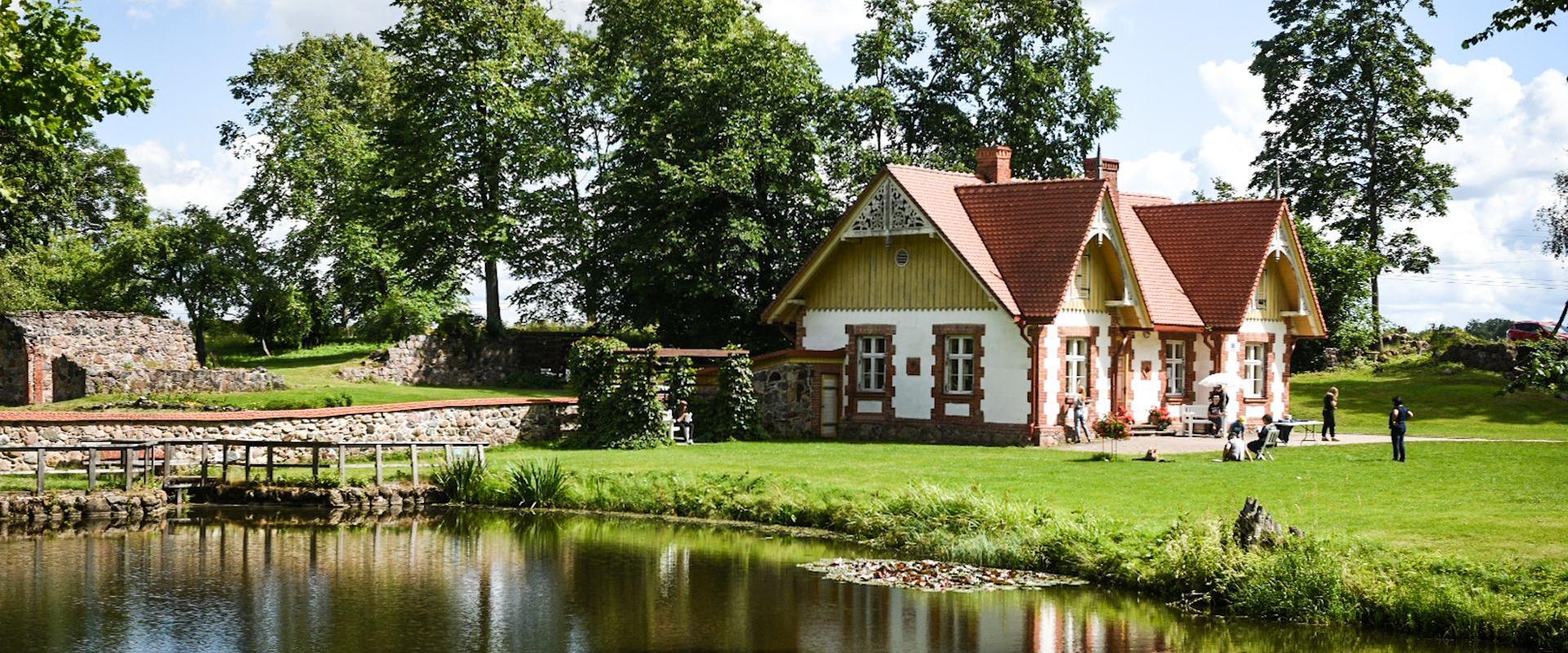
Rannu Park and Manor Buildings

Rannu Park is a manor-era park partly bordered by a stone wall, surrounded by former manor farm buildings and a pond that once surrounded the vassal stronghold. The main building of the manor located in the park was demolished in the 1970s. There is still a gardener's house, a manor granary, a coach house, and some other buildings. A community centre has been built instead of the manor house. The park is for leisure, walking with children, and sports (volleyball, basketball).Here, you can still perceive the wealth of the owners of the manor and admire the magnificent landscaping. In the autumn of 2006, a memorial stone to the Battle of Rannu was erected in the park. In 2016, a bench was dedicated for writer Mats Traat.

  • Manors

Ülenurme Manor

The well-preserved Ülenurme Knight's Manor (Üllenorm) in Ülenurme is first mentioned in writing in 1646, when a military man called Bernhard Bousselberg received the manor from the Kingdom of Sweden in exchange for a stone building in Tartu.The park and the main building were probably created by Count Cancrin who was the owner of Ülenurme manor between 1856 and 1883.The manor has been passed from owner to owner, and the main source of its income was grain farming.At the beginning of 1970, the complex of numerous stone buildings of the former Ülenurme Manor's centre was allocated to the Estonian Agricultural Museum that opened its doors to visitors in 1981.You have to buy a ticket in order to visit the museum. The complex has a gazebo, a village swing, and stables.

  • Privacy Policy

"*"обозначает обязательные поля

Это поле используется для проверочных целей, его следует оставить без изменений.
Я разрешаю маркетинг