• Explore
    • Nature
    • Culture
    • Food
    • Family
    • Activity
    • Blog
    Smoke sauna
    Weather and seasons
  • Plan
    • Accommodation
    • How to get here
    • Weather and seasons
    • Sustainability
    • Tourist info
    Discover South Estonia’s Most Beautiful Manors and Castles
    Top 20 Sights in South Estonia
  • For professionals
    • For professionals
    • Collaboration
    • News
    • Projects
    • Training
    • Repository
    • Community (opens in new tab)
    • Contacts
ENG
  • EnglishENG
  • EestiEST
  • LatviešuLAT
  • РусскийRUS
  • SuomiFIN
ENG
  • EnglishENG
  • EestiEST
  • LatviešuLAT
  • РусскийRUS
  • SuomiFIN
Popular searches:
Show all
  • History & Culture
  • Art & design
  • Sculptures

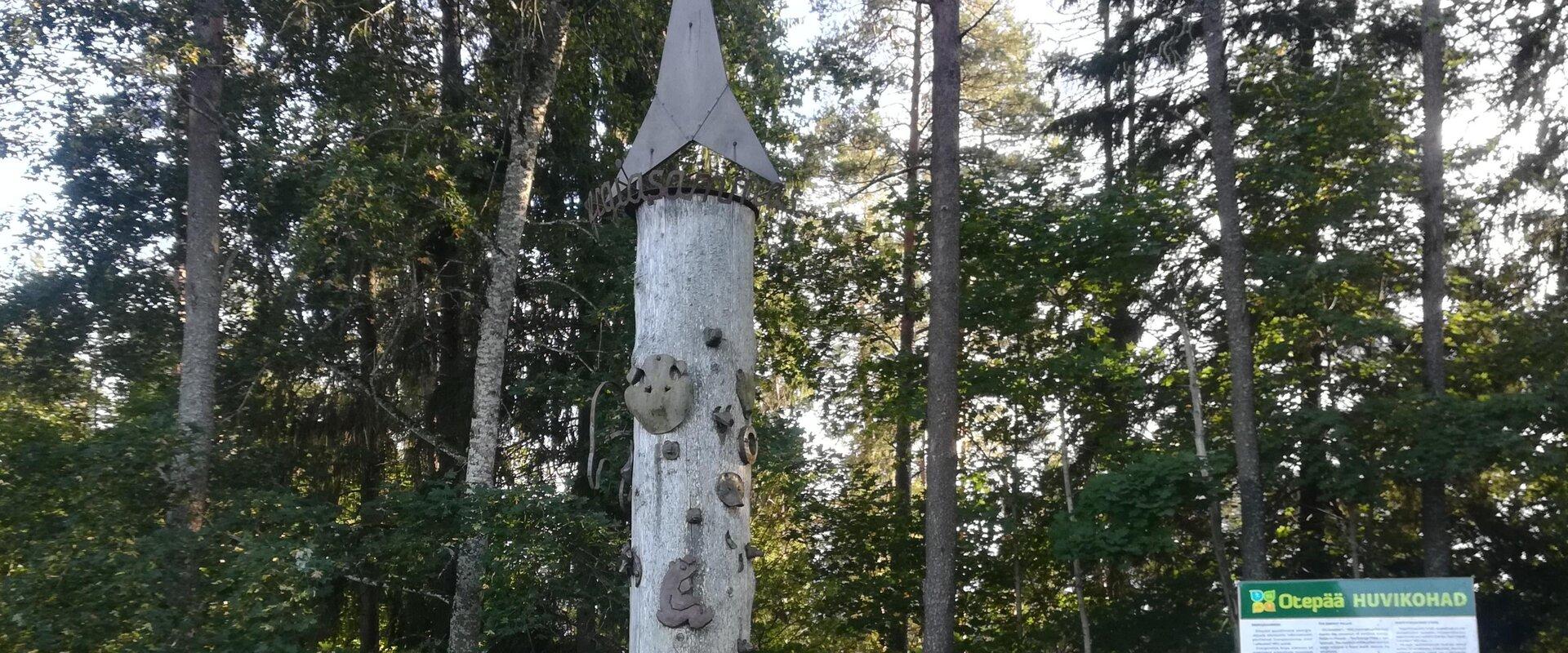
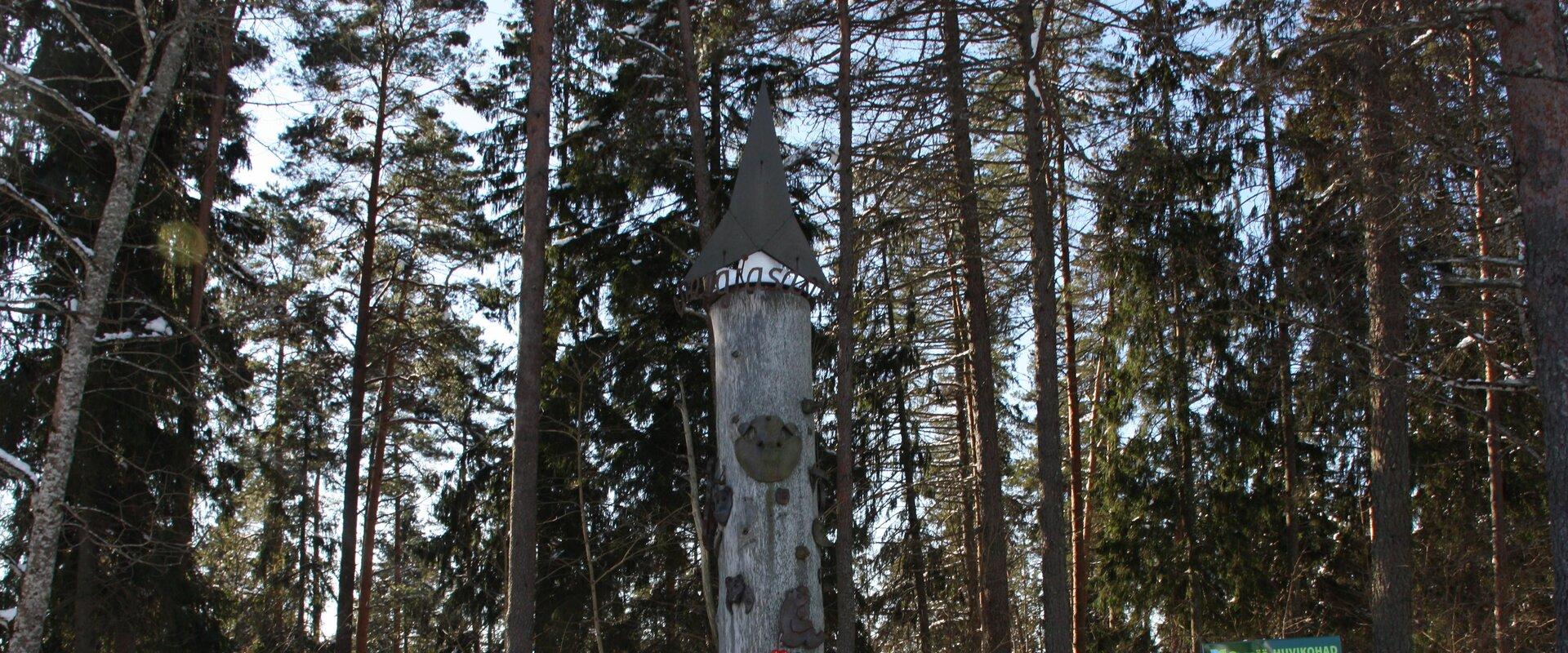
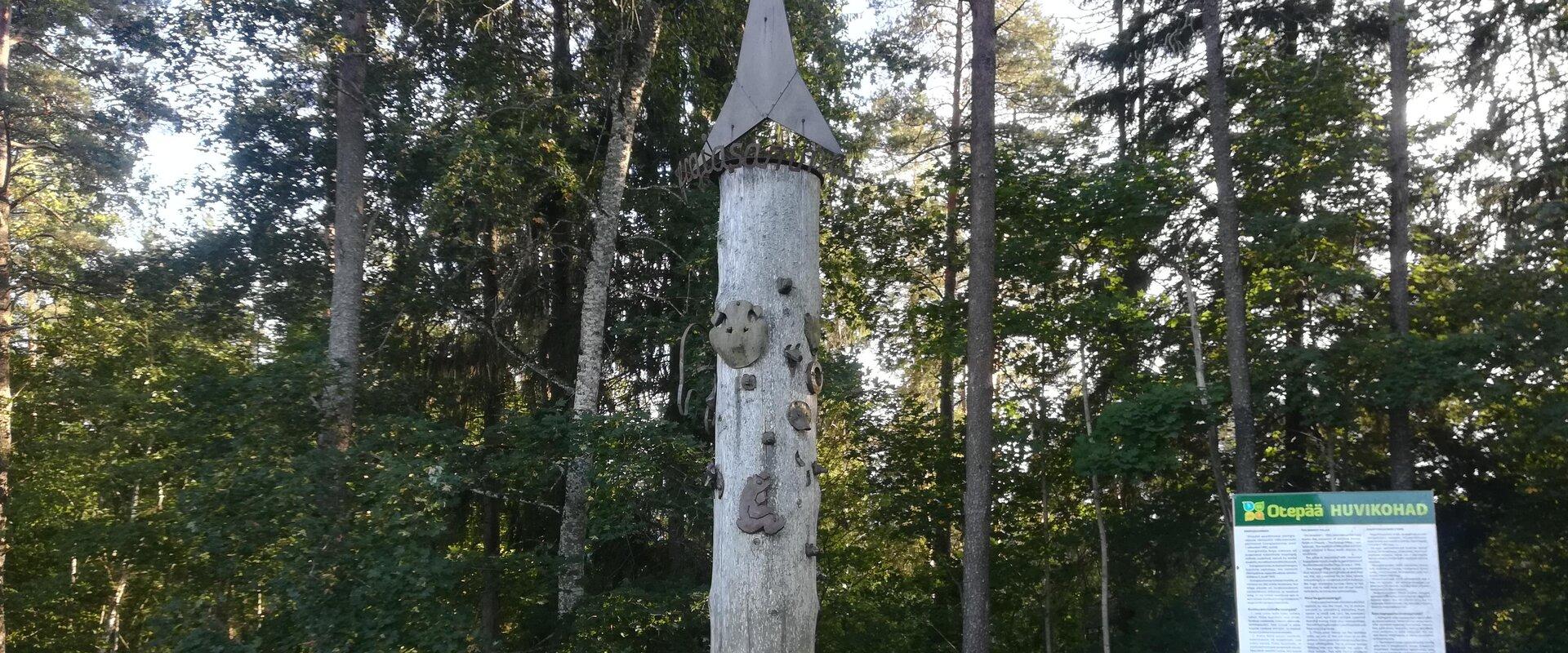
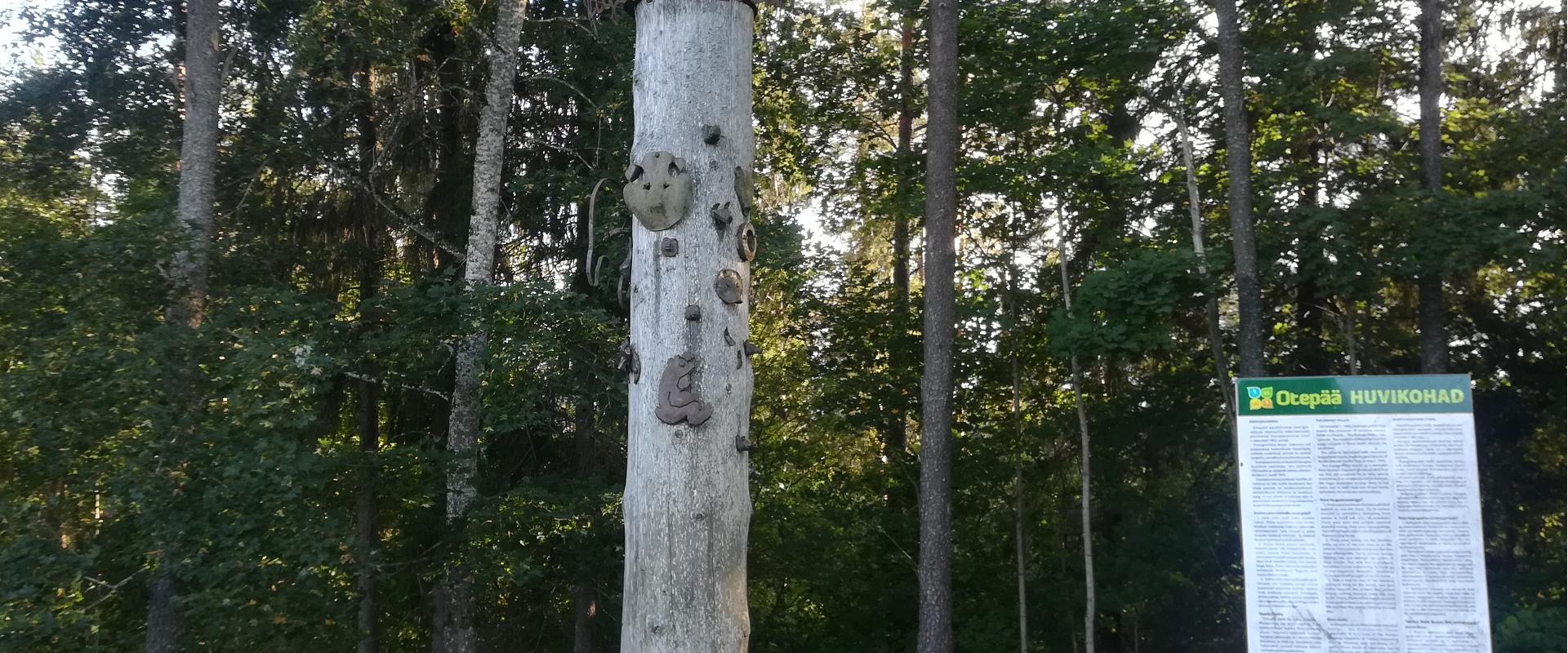
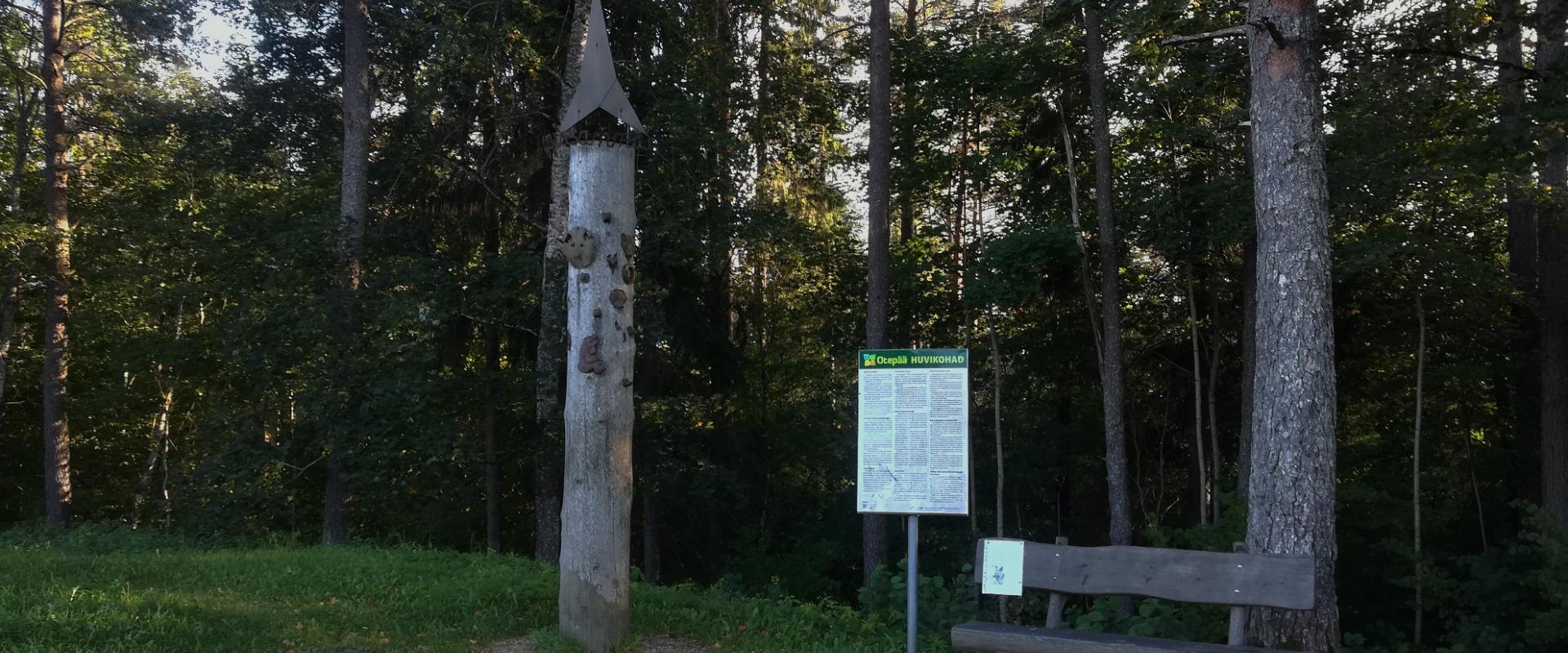
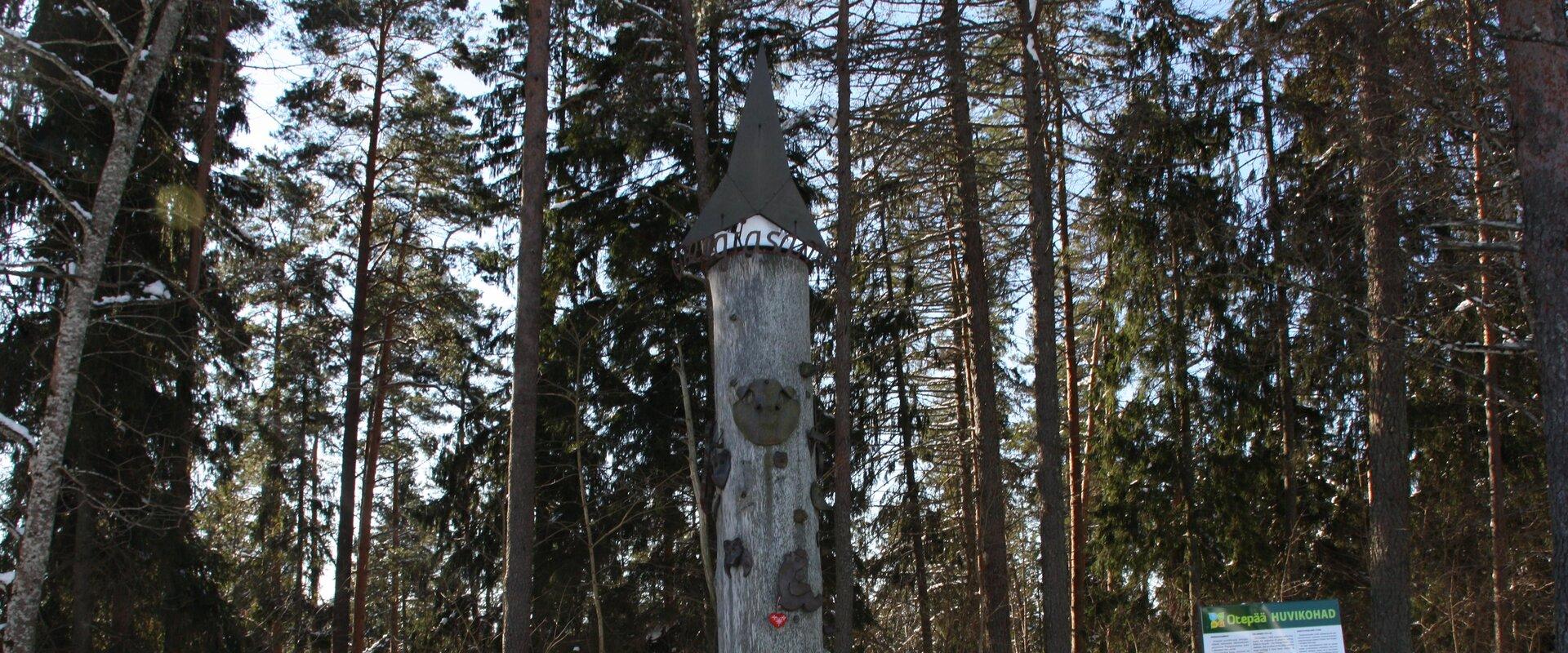
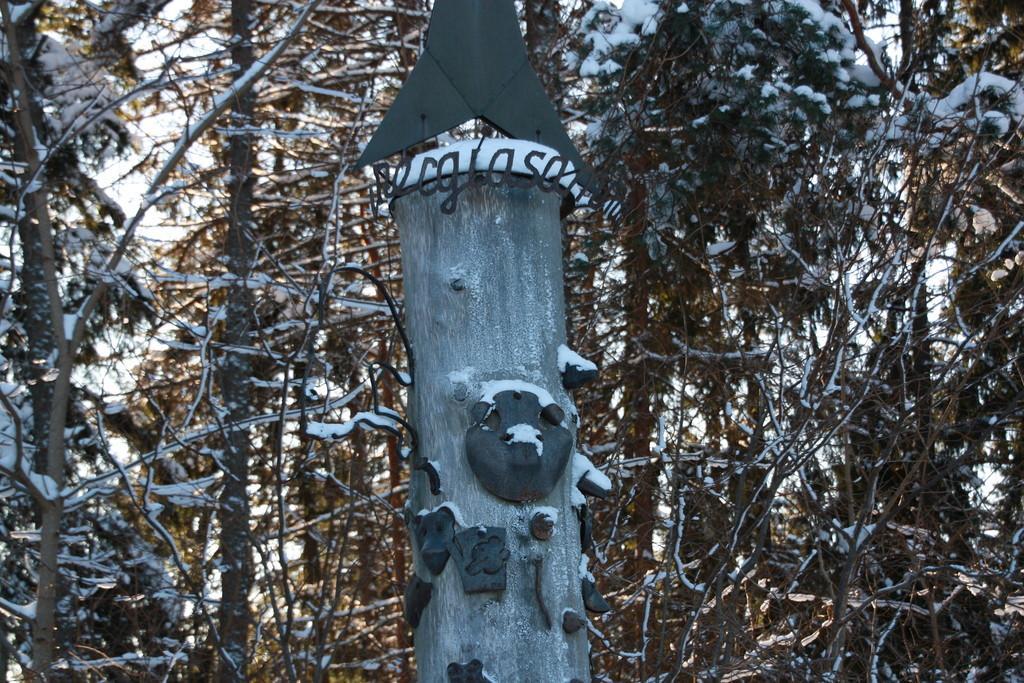
Otepää Energy Column

Mäe tänav, Otepää vald, Valga maakond, 67403

Otepää irradiates good energy! The monument that celebrates the existence of positive energy fields was opened in Mäe Street on 1 October 1992.The entire field is surrounded by benches and the location of these as well as the column itself was selected by psychics. The energy column is the symbol which reminds us that in this rapidly changing world, humans are a part of nature and everything is based on the rules of nature that rely on balance and co-dependency.
Amenities

  • Free parking

Open times

Throughout the Year

Around the Clock

Links

See more

  • Sculptures

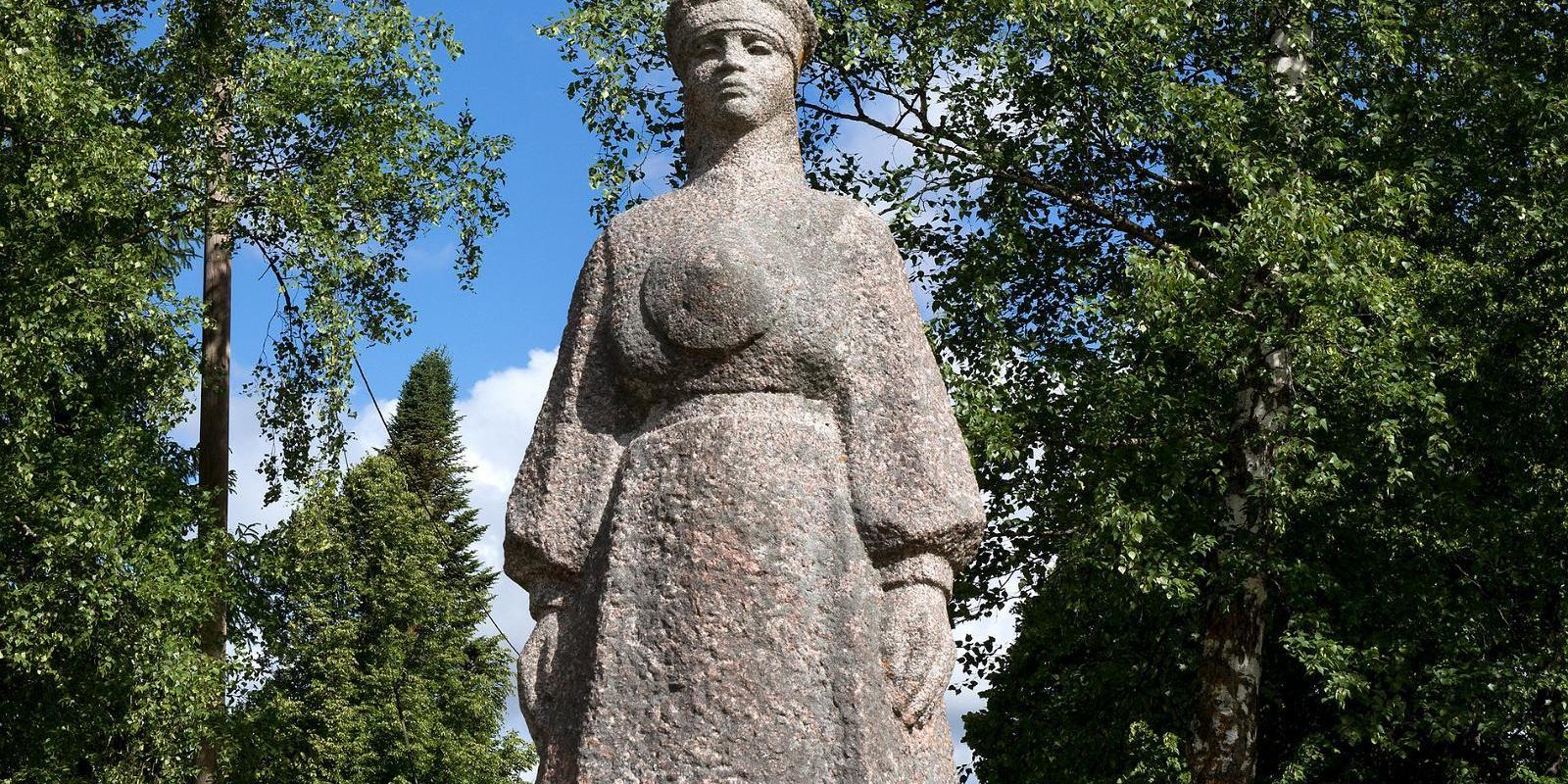
Singing Mother Monument

On the vista overlooking Obinitsa Lake stands the stone Singing Mother Monument. It's a memorial to all the "singing mothers" (Estonian: lauluemad) of Setomaa. The statue was erected in 1986. Around its base are many stones for local singers. The area around the monument offers a good view of Obinitsa Lake and the older part of the village. This is also a good place for a group picture. To the left of the Singing Mother Monument is Obinitsa's old school-church (1904).

  • Sculptures

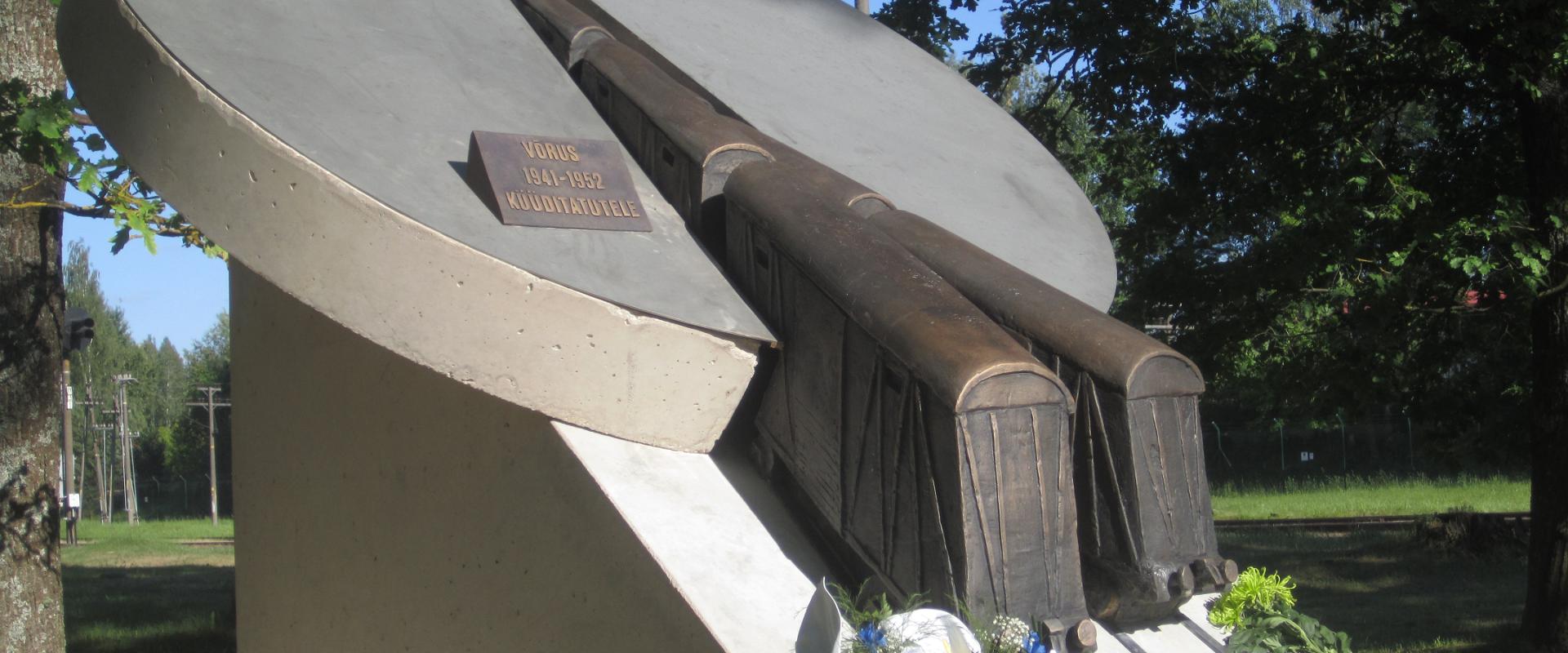
Memorial to deportees at the Võru railway station

The emotional and powerful memorial (2016) was erected to honour the harsh fate of the people deported from Võru and Võru County from 1941 to 1952. The sculptor is Jaak Soans.The memorial depicts two rows of bronze animal wagons placed on a concrete block 1.6 metres high, with human figures visible between them. A ramp made of original railway sleepers and dolomite gravel, which is 4 metres wide and 16 metres long, takes to the memorial. The total length of the memorial complex is almost 24 meters.

  • Sculptures

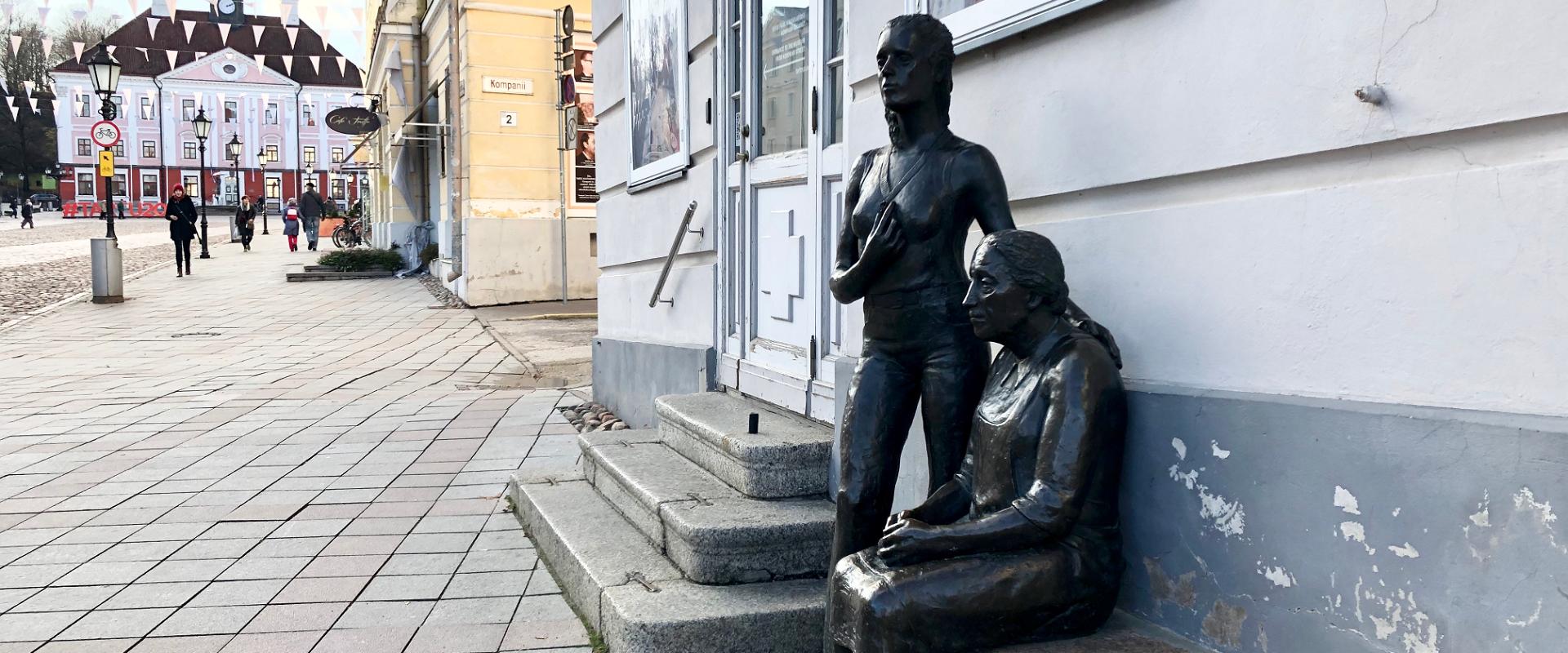
Sculpture ‘Countrywomen’ (Maanaised)

‘Countrywomen’ is a group of sculptures by sculptor Mare Mikofi, completed in 1974, which has been on display at the Town Hall Square in front of the Tartu Art Museum since 2013.It depicts two women, the older one sitting and being content and exhausted, and the other, the younger, standing beside her, empathetically holding her arm around the older woman’s shoulder. The difference between the generations is strongly reflected in their clothing – the younger is wearing trousers, a light vest and platform shoes, and the older one is wearing a dress and an apron, leaving her feet bare.The installation of ‘Countrywomen’ celebrated the 25th anniversary of the Tartu Art Museum in the Leaning House.

  • Sculptures

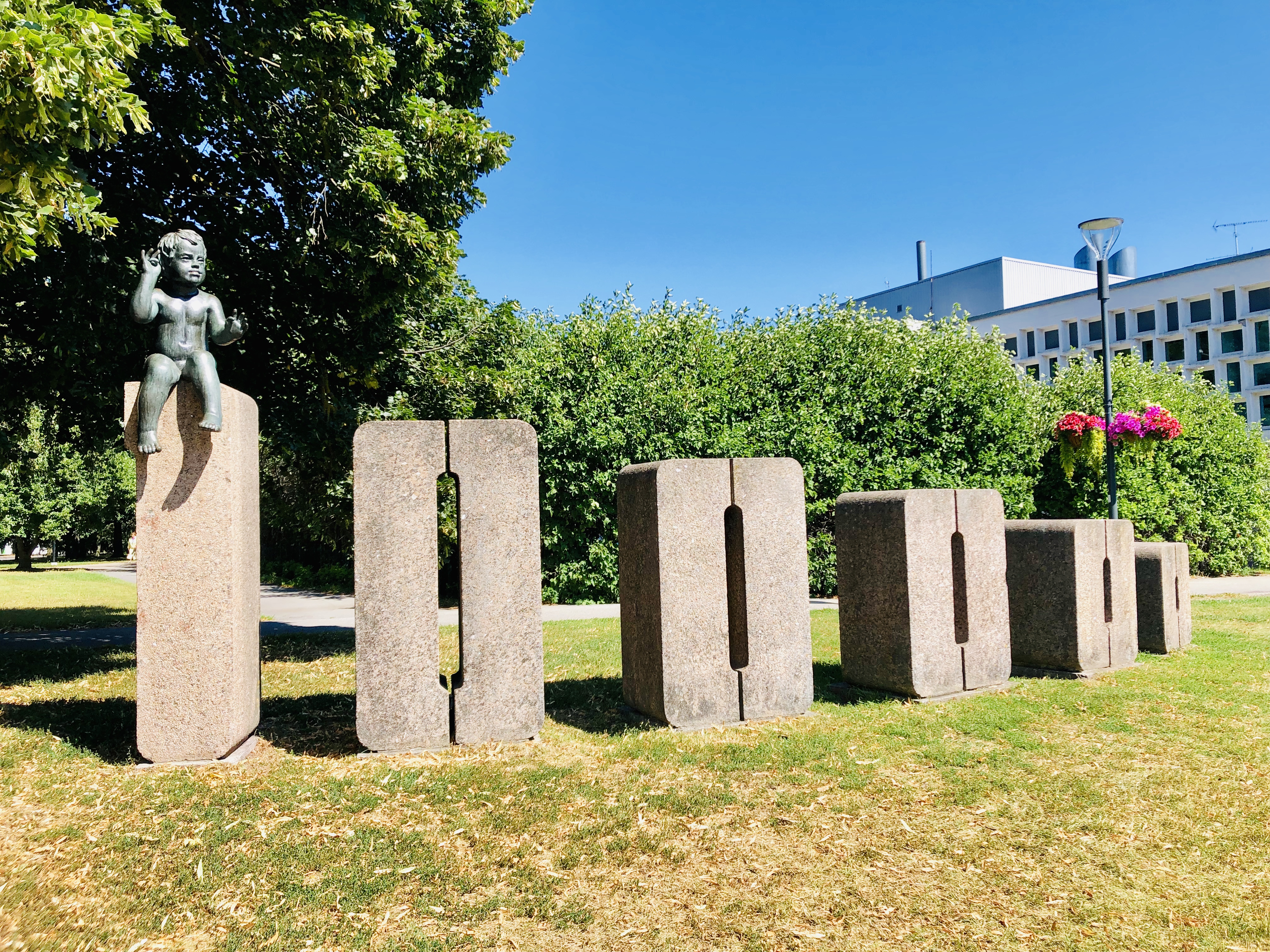
Group of sculptures to celebrate the birth of the 100,000th resident of Tartu

The monument consists of the number 100,000 carved of granite with the bronze sculpture of a child sitting on number 1. The monument celebrating the birth of the 100,000th Tartu resident was initially located in the green area between the former Restaurant Kaunas and the Võidu Bridge. The monument was moved onto the banks of the Emajõgi River between Atlantis and Kaarsild.

  • Sculptures

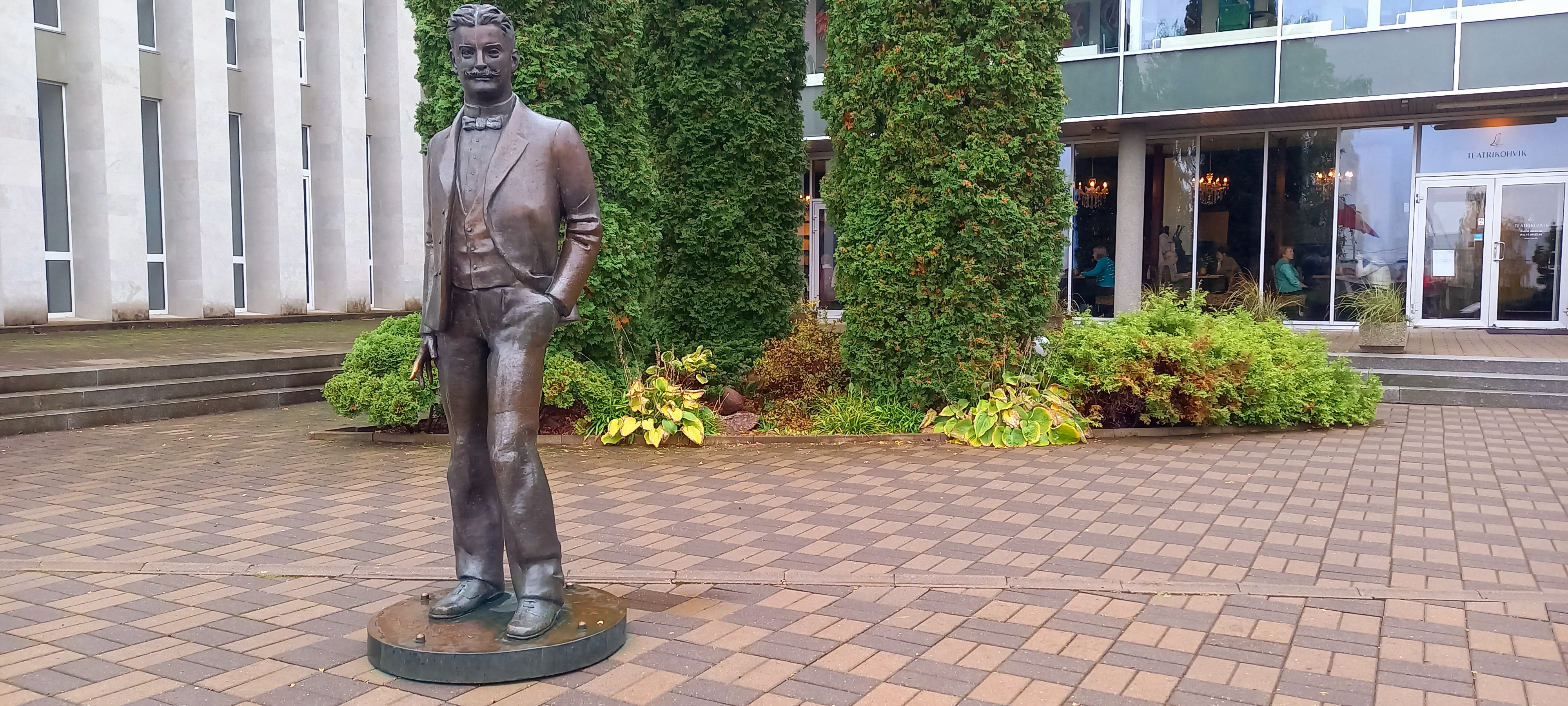
Sculpture of Karl Menning

Karl Menning was the founder of professional theatre in Estonia and the first professional theatre and stage director in the country. He was the director of the Vanemuine Theatre from 1906 to 1914. His sculpture was created by Mare Mikoff and is unique for the fact that it can be turned on the spot.

  • Sculptures

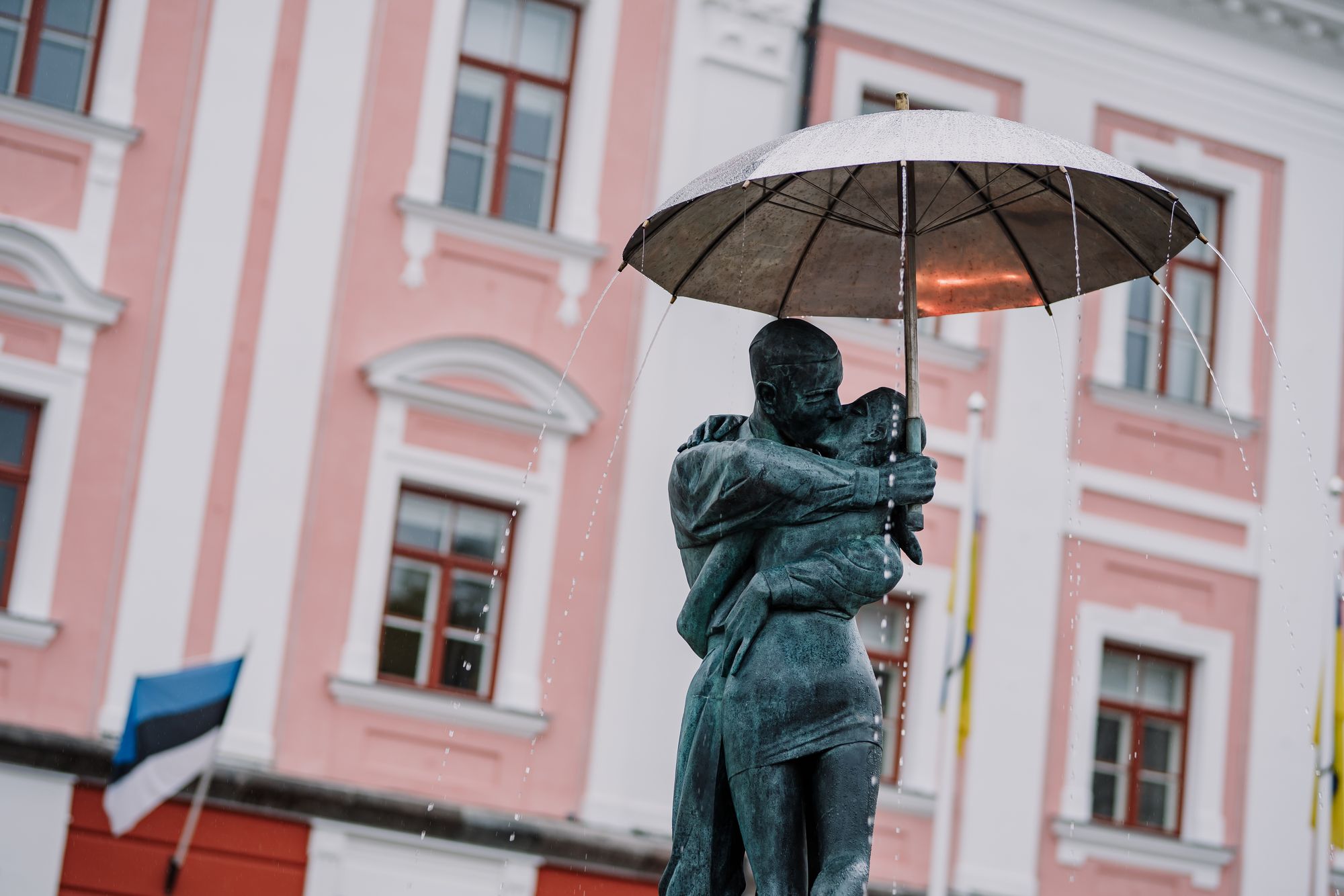
‘The Kissing Students’ sculpture and fountain

'The Kissing Students' sculpture and fountain is one of the most recognised symbols of Tartu. The fountain has stood in the same place since 1948, when newlyweds and their guests would visit it for luck, and people would also take a dip in it. The sculpture was created by Mati Karmin and completed in 1998. Since 2006 the fountain has been surrounded by tiles bearing the names of Tartu's sister cities – Bærum, Deventer, Ferrara, Fredriksberg, Hafnarfjörður, Hämeenlinna, Kaunas, Lüneburg, Pihkva, Riia, Salisbury, Tampere, Turu, Uppsala, Veszprem and Zutphen. Each of these is situated in the direction that the cities lie from Tartu, with the distances marked.

  • Sculptures

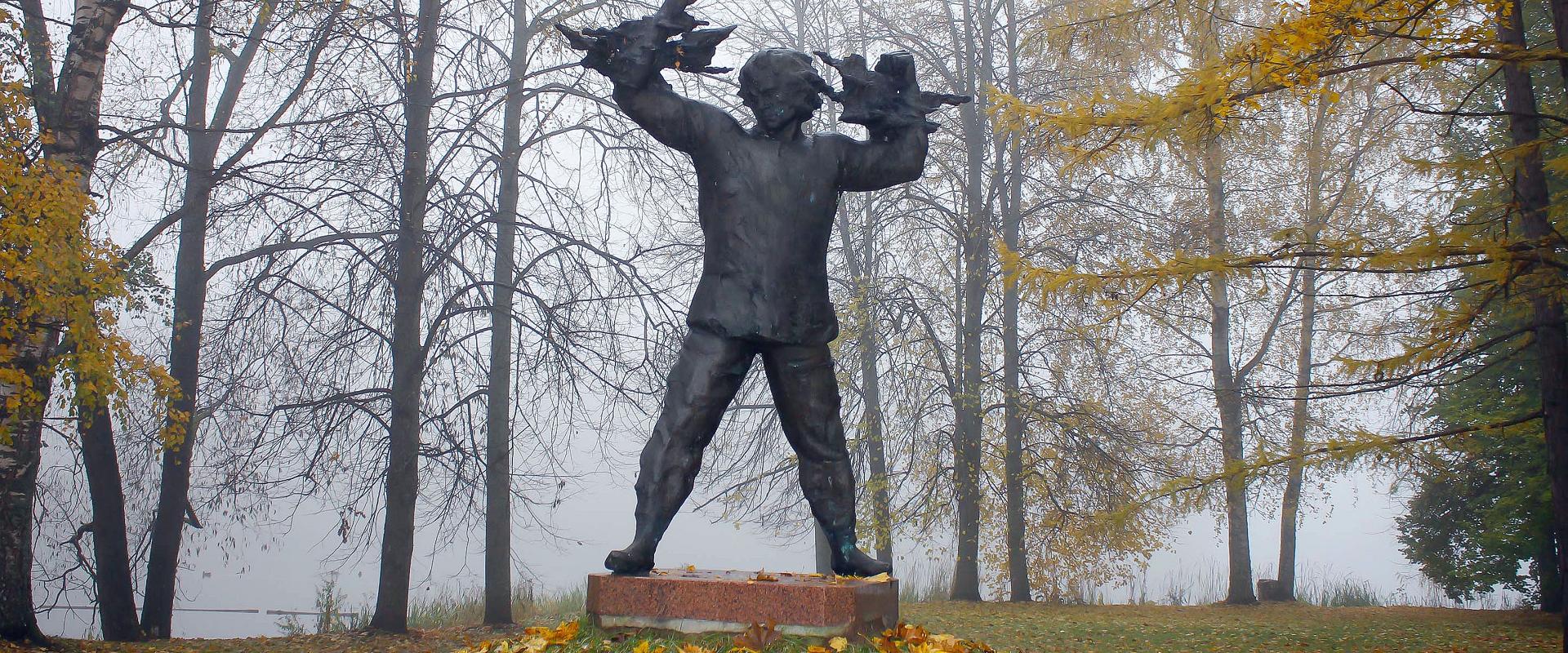
The Tree Garden Warrior

Standing in the landcaped area opposite the former main entrance of the Räpina Paper Factory is the Tree Garden Warrior, a monument to the historical Tree Garden War designed by Riho Kuld in 1984. The locals refer to the warrior as the Iron Man.In 1784 a peasant uprising took place in Räpina following the levying of a bounty tax. In the tree garden of the local manor a battle erupted between the soldiers and the local farmhands, who were armed with poles - ending in the deaths of five local men.

  • Sculptures

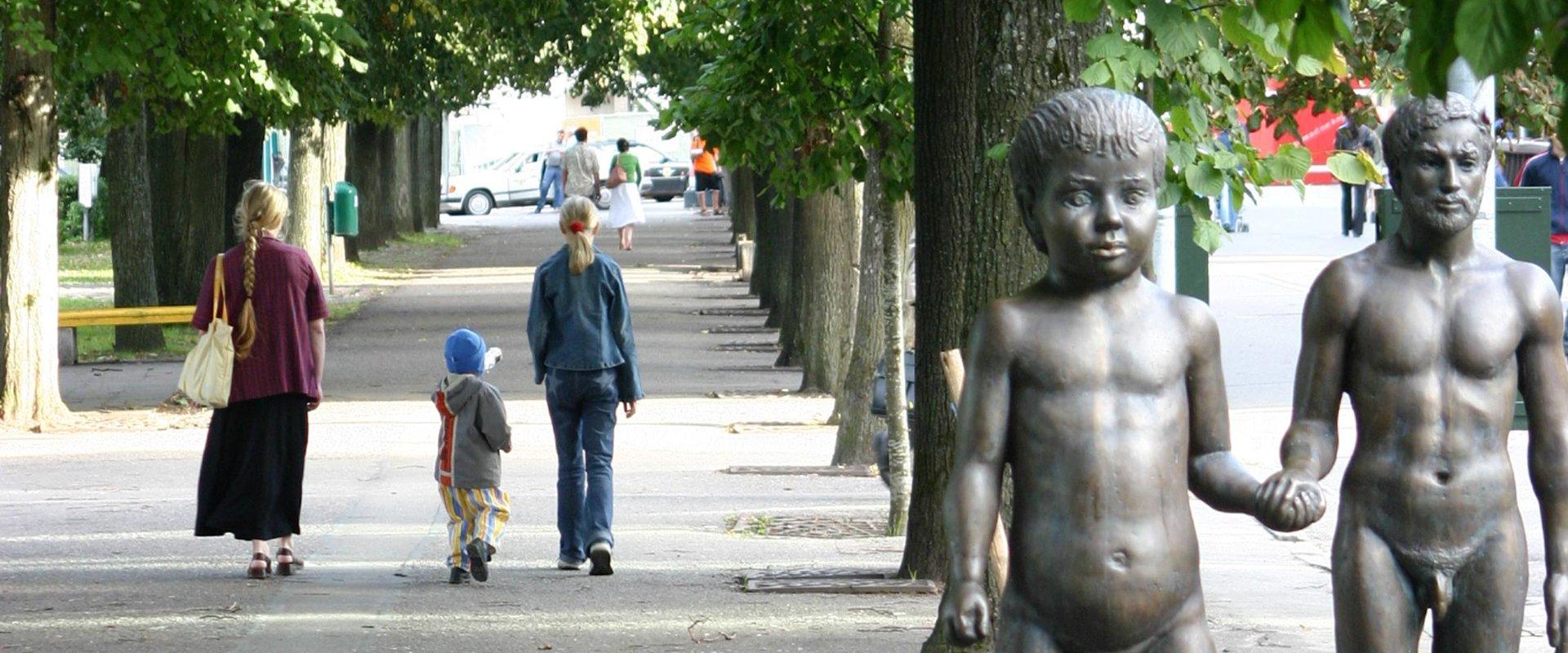
‘Father and Son’ sculpture

The sculpture "Father and Son" is a symbol of the relationship between different generations, where children are increasingly growing apart from their parents. The bronze work by sculptor Ülo Õun (1944-1988) was unveiled on Children's Day, June 1, 2004, on Küüni Street. The work represents the sculptor himself and his son Kristjan when the son was one and a half years old.

  • Collaboration
  • News
  • Contacts
  • Privacy Policy
Join our mailing list!

"*" indicates required fields

This field is for validation purposes and should be left unchanged.
I authorise marketing

South Estonia Tourism Cluster

info@visitsouthestonia.com