• Explore
    • Nature
    • Culture
    • Food
    • Family
    • Activity
    • Blog
    Smoke sauna
    Weather and seasons
  • Plan
    • Accommodation
    • How to get here
    • Weather and seasons
    • Sustainability
    • Tourist info
    Discover South Estonia’s Most Beautiful Manors and Castles
    Top 20 Sights in South Estonia
  • For professionals
    • For professionals
    • Collaboration
    • News
    • Projects
    • Training
    • Repository
    • Community (opens in new tab)
    • Contacts
ENG
  • EnglishENG
  • EestiEST
  • LatviešuLAT
  • РусскийRUS
  • SuomiFIN
ENG
  • EnglishENG
  • EestiEST
  • LatviešuLAT
  • РусскийRUS
  • SuomiFIN
Popular searches:
Show all
  • History & Culture
  • Architecture and history

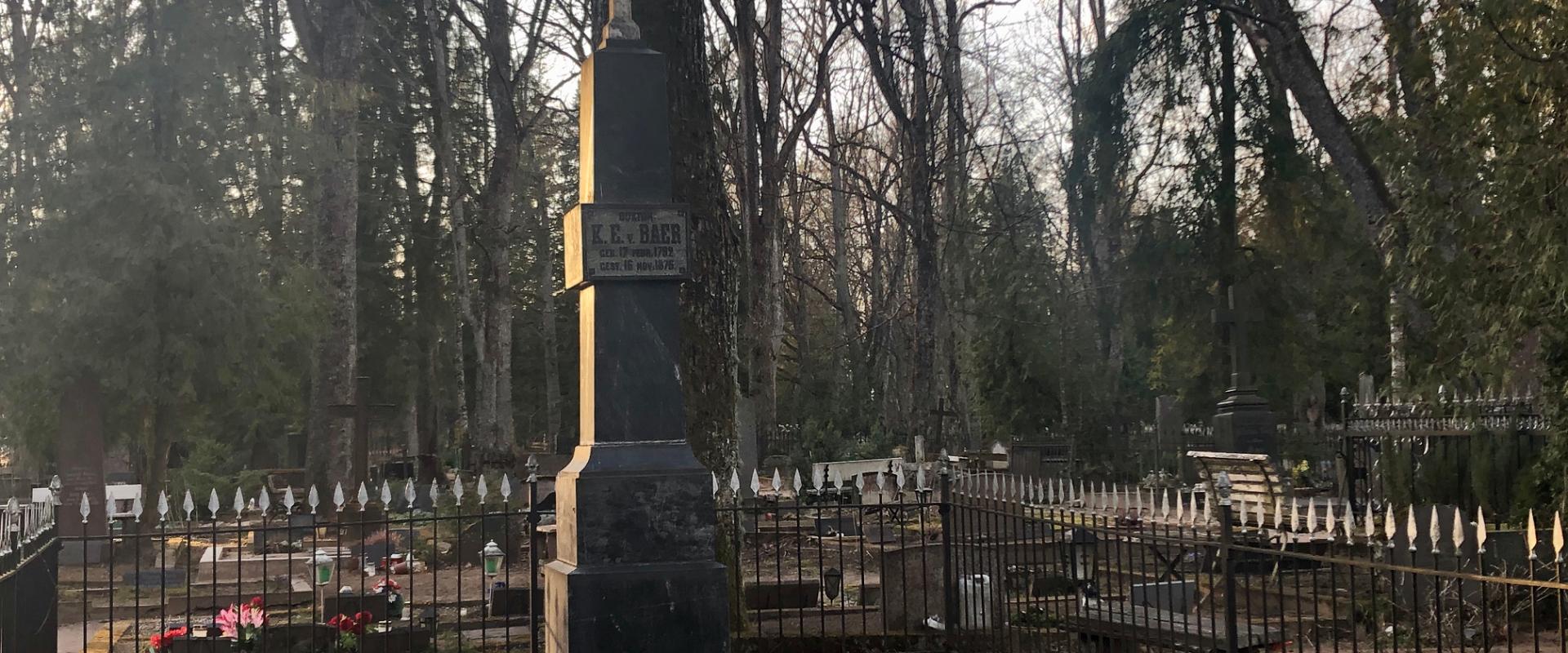
Raadi Cemetery

Kalmistu tn 22, Tartu linn, Tartu maakond, 50303

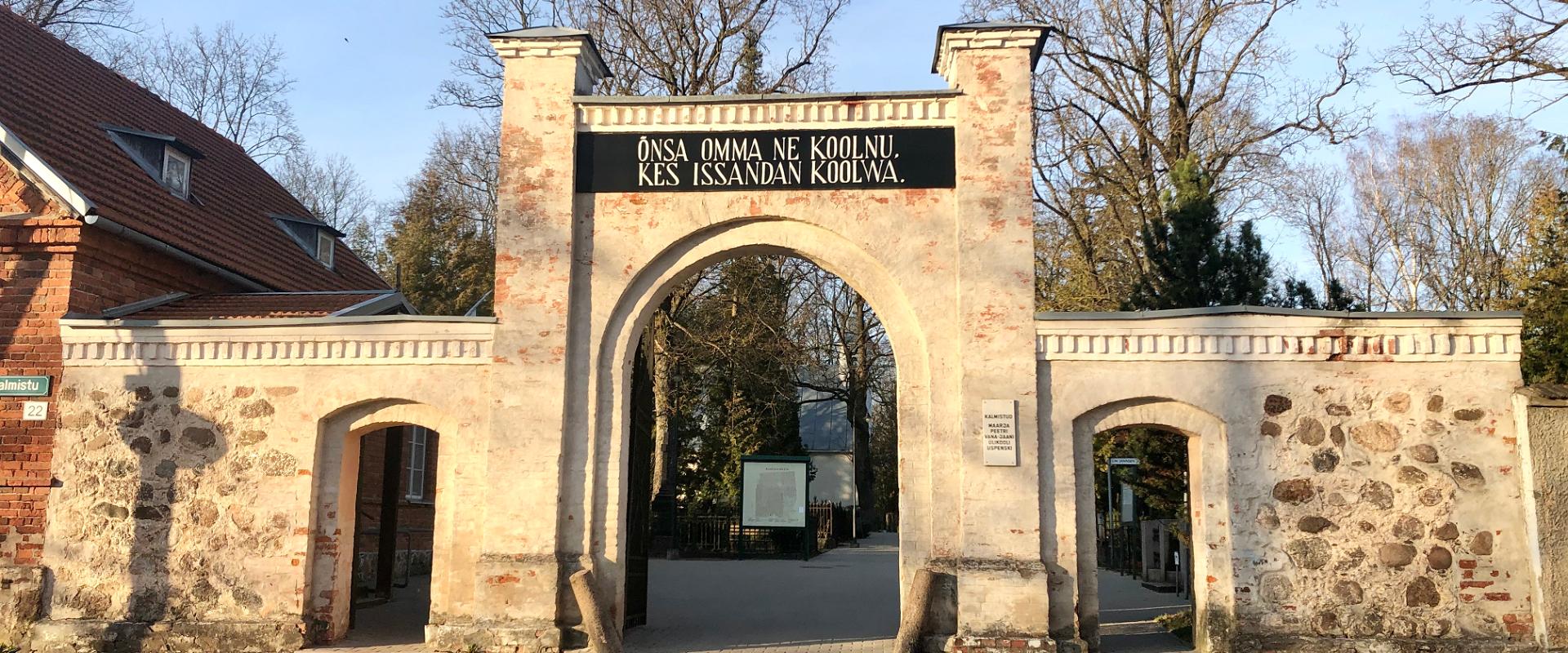
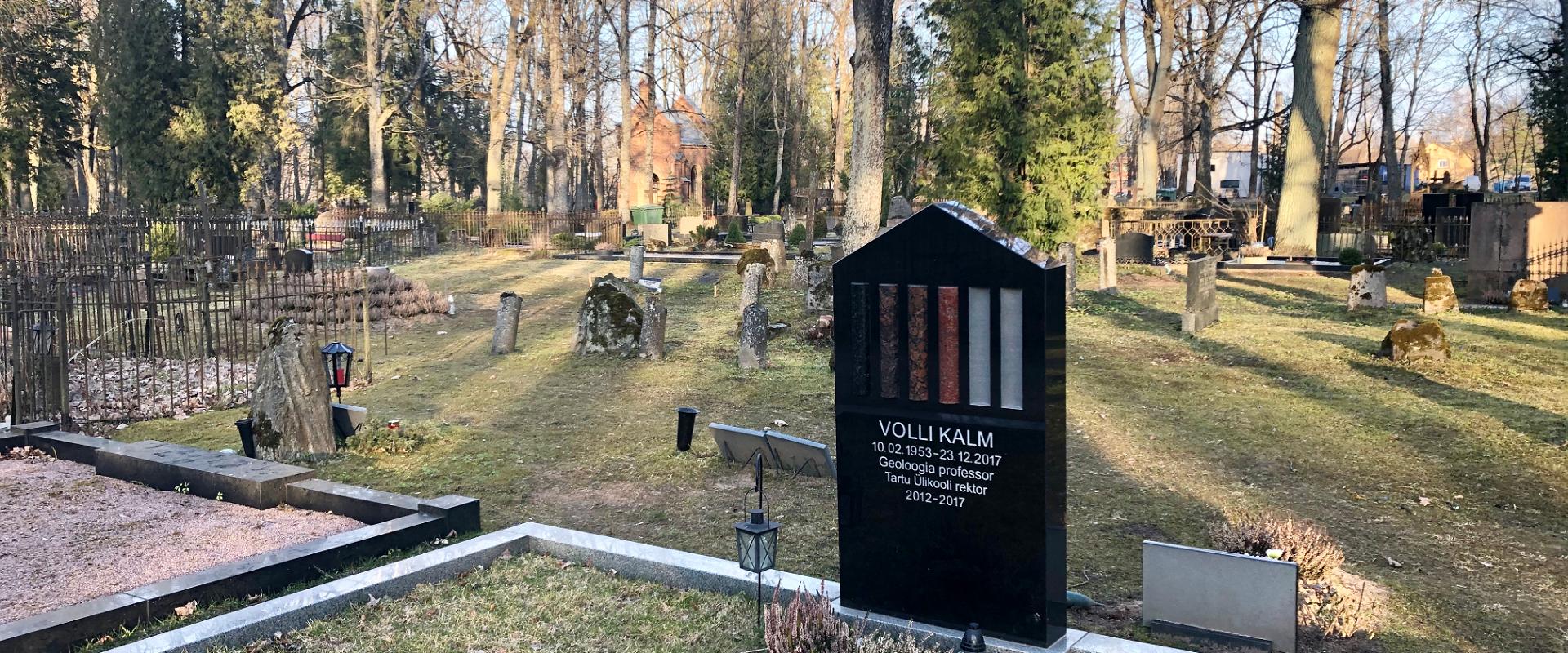
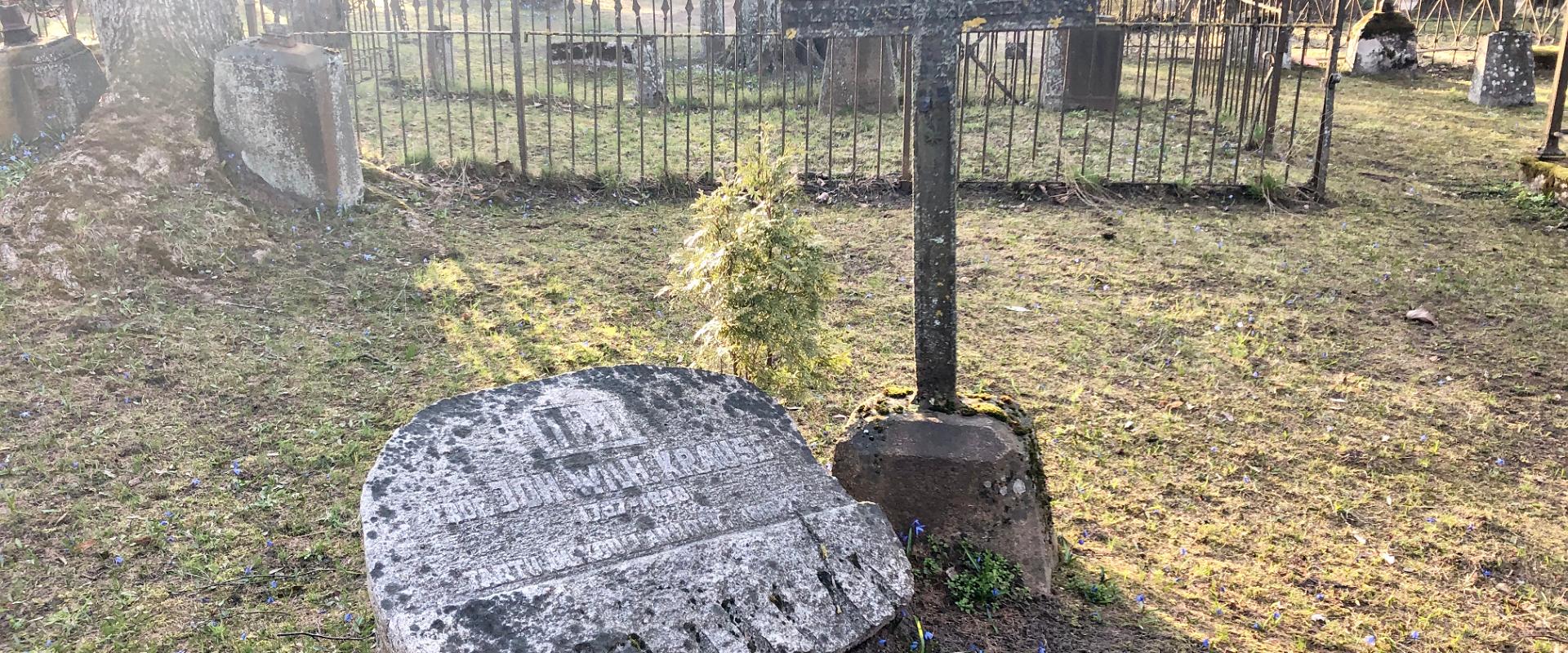
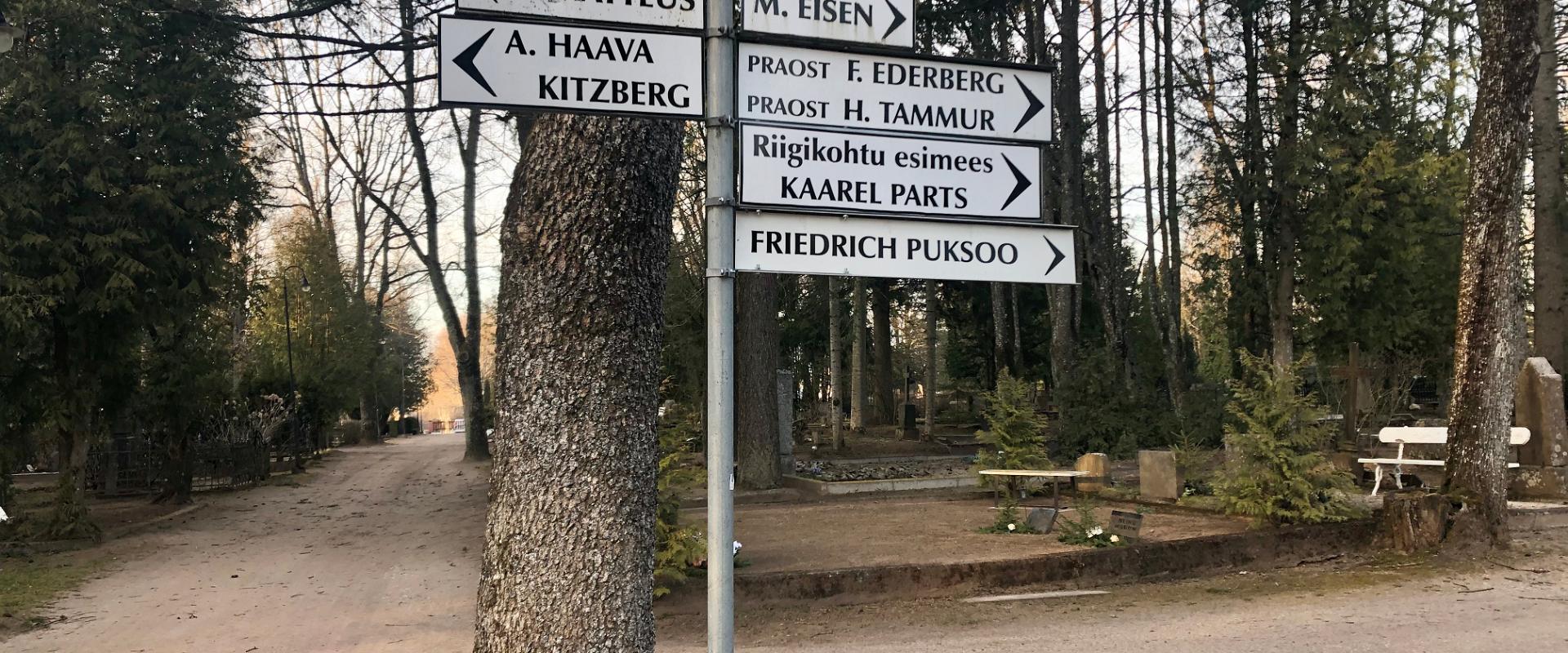
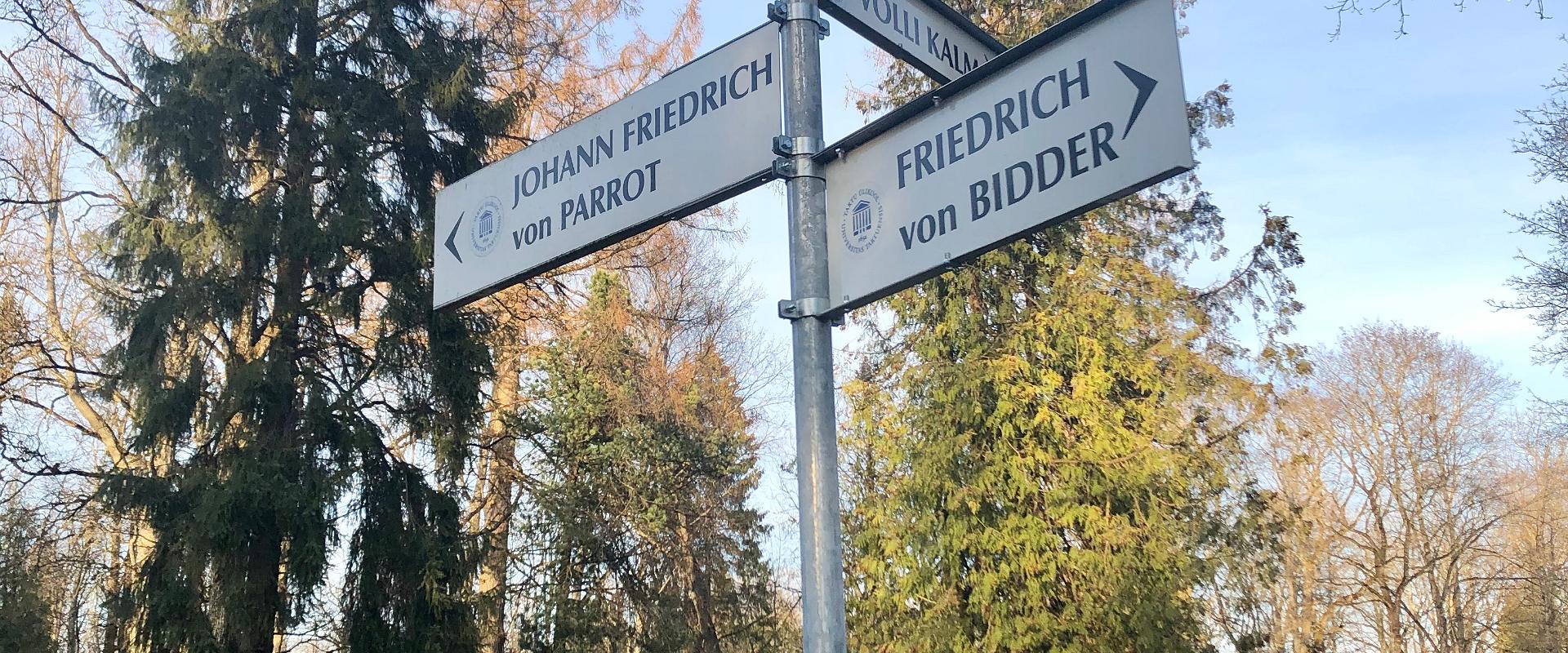
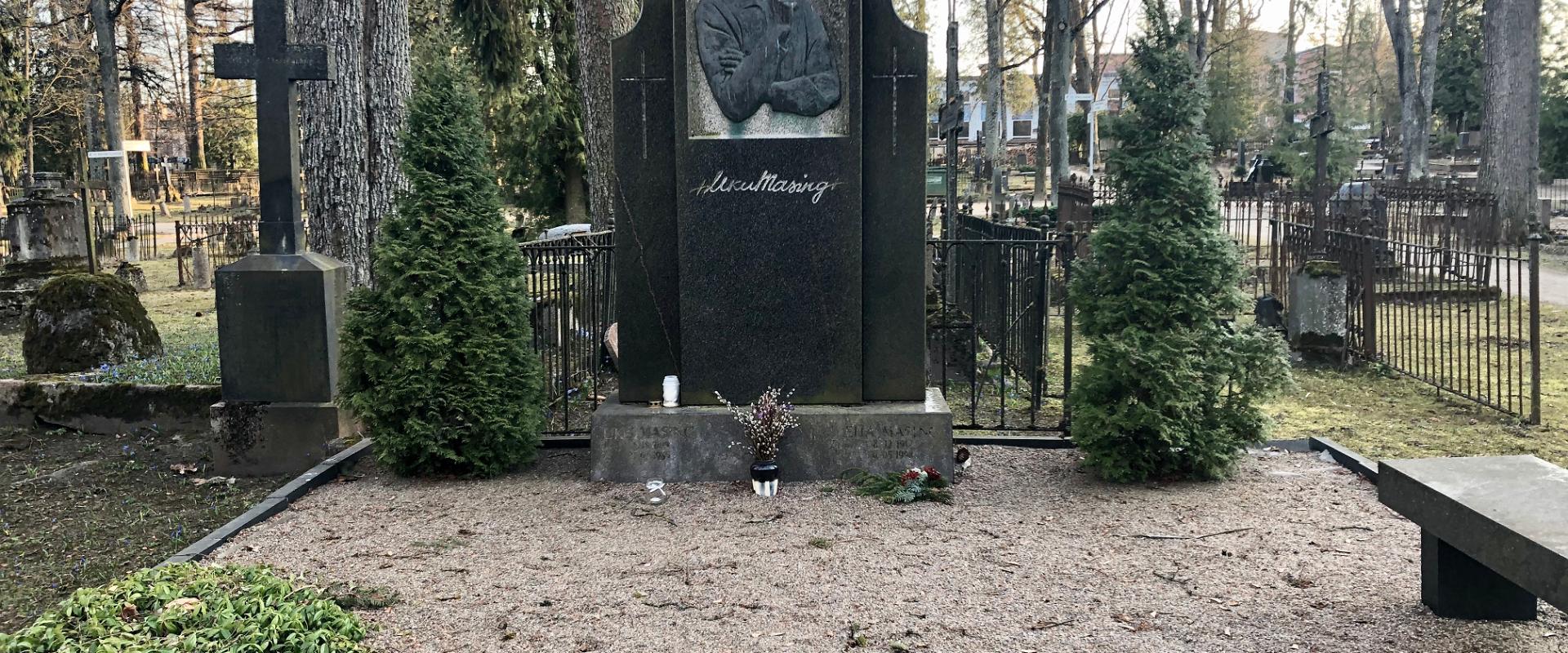
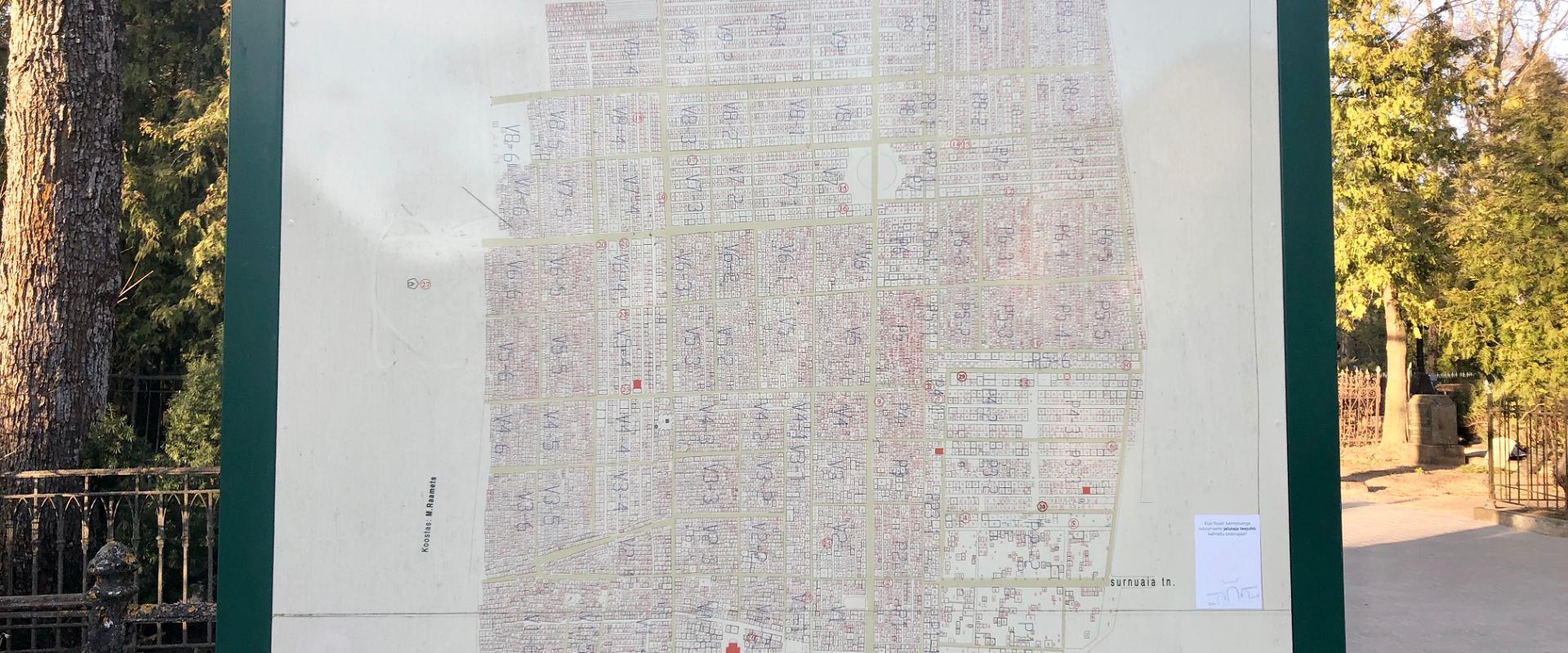
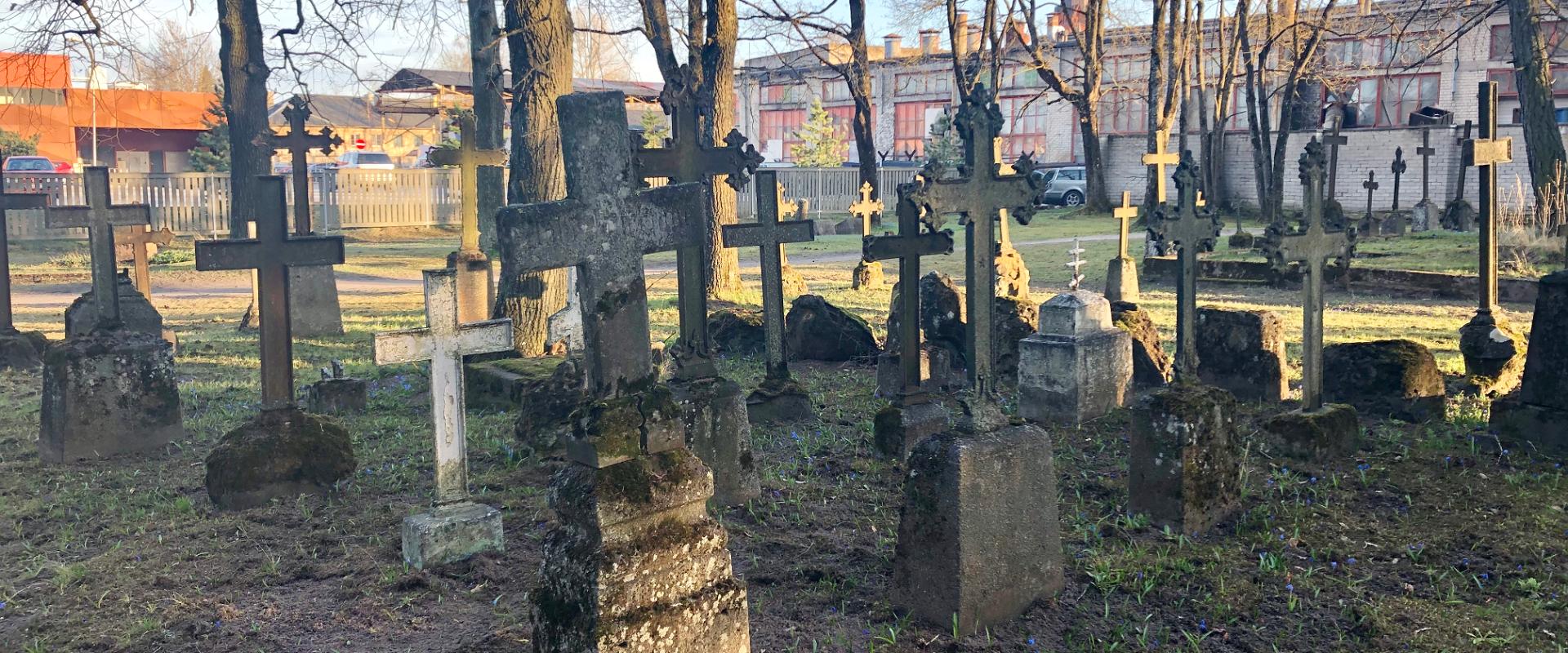
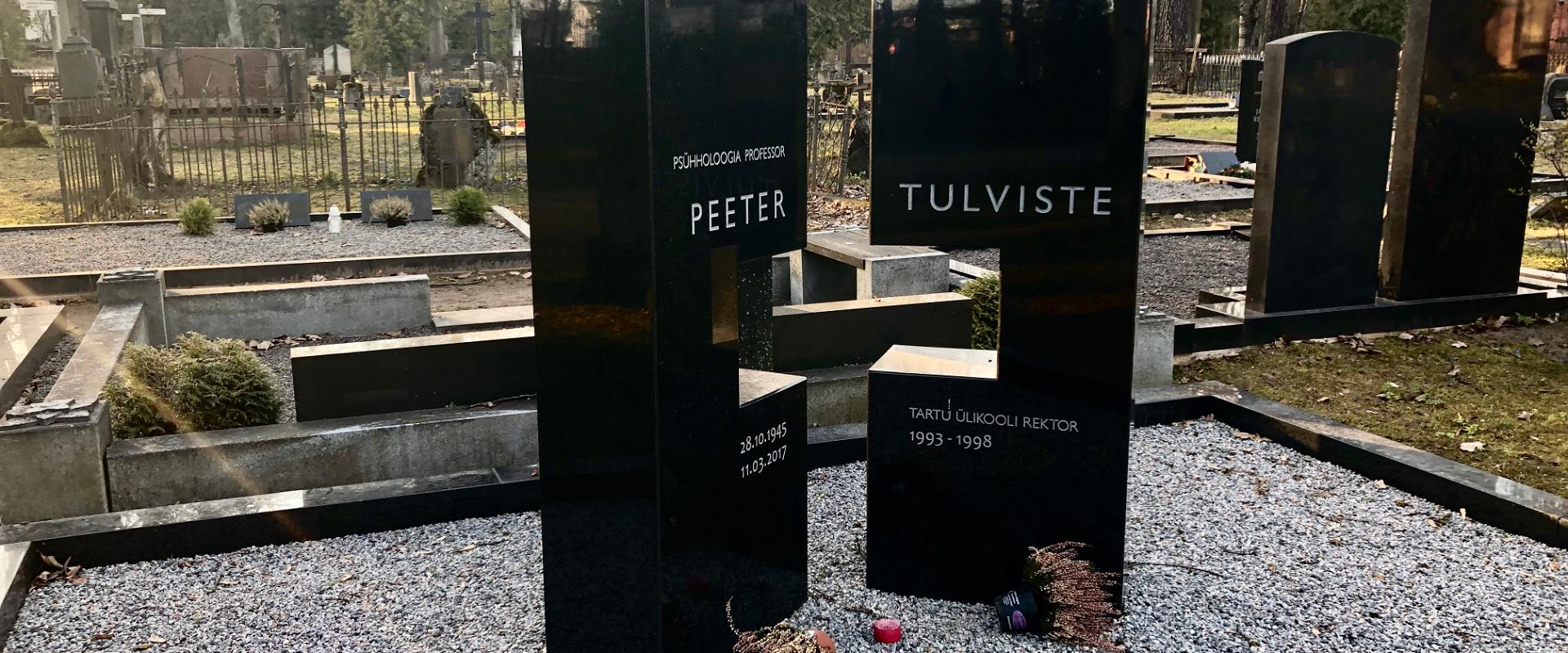
Raadi Cemetery is the largest cemetery in Tartu, consisting of cemeteries of several different congregations which were merged as late as in 1961. The congregations of Mary and Peter make up the largest part of the cemetery. There are many graves of cultural figures and researchers in the Vana-Jaani cemetery, as well as in the newer part of the University cemetery.Above the main gate of the cemetery is the inscription in the local Tartu language ‘Õnsa omma ne koolnu, kes Issandan koolwa.’ The Douglas fir alley in the military cemetery is under nature protection.Previously, the Vana-Jaani cemetery had a Jewish cemetery on the side of Narva maantee and an Islamic cemetery on its side.
Amenities

  • Information boards
  • Free parking

Open times

Throughout the Year

Around the Clock

Links

See more

  • Workshops

Obinitsa Museum

At the Obinitsa museum, one can explore the unique culture and history of Setomaa, participate in various workshops and events. Most of the museum collection items are sourced from surrounding villages. Special value is placed on the fine handicrafts of Seto women. The museum is located in the heart of Setomaa and offers an overview of the area's life, traditions, and folk costumes. The permanent exhibition displays authentic farm tools, clothing sets, and photos that reveal different aspects of Seto culture. The museum's most popular program is called "Rõivile!". Dressing up means putting Seto clothes on a woman and doing her hair. During the dressing process, the historical context of the items is introduced. It is possible to order a handicraft workshop at the museum, where traditional Seto belts and ribbons are made. Seasonally, other activities are offered, such as embroidery and wool work introductions and guided village tours.

Võru Bank Building

Võru Bank Building is undoubtedly one of the most stylish stone buildings in Võru. The traditional building was completed in 1938 around the then main square marketplace. The style is characterised by a high roof, symmetrical facade with stylised pillar motifs, including national ornamentation. The architects were Edgar Johan Kuusik and Anton Soans, the bas-reliefs were made by Aleksander Kaasik.Currently, the building houses an SEB branch office, the souvenir and gift shop Must Kass, and the editorial office of LõunaLeht.

  • Churches

St. Mary’s Church in Rõuge

The first stone church was constructed in Rõuge in the 16th century. In 1730, the original church, which was destroyed in the Great Northern War, was replaced with one which had an imposing square tower. The church was blessed in the name of St. Mary. The altar-piece "Christ on the cross" by R. von Mühlen is from 1854. In 1860 the walls were made higher and a mirrored arch was installed. In 1930 the church got a 31-register organ built by the Kriisa brothers. The first Estonian pastor in Rõuge was Rudolf Gottfried Kallas.Useful information! You can attend mass at the church every Sunday at 11:00 and in summer, the church is used as a wayfarers' church. Entrance to the tower is for a fee (grown ups 1.50, children 1 and family ticket 3 euros).

Karlova — a meeting place for architecture enthusiasts and bohemians

Karlova is a neighborhood in Tartu that captivates visitors with its bohemian atmosphere. In Tartu's Karlova district, there are historical wooden houses, secret courtyards worth discovering, unique cafés loved by locals, greenery, and plenty of street art. In the heart of Karlova are several important community places – the cozy Karlova Kohv, the popular meeting spot Barlova Bar, and the Karlova Harbor area by the Emajõgi River, suitable for more peaceful leisure. The neighborhood dates back to the houses built on the lands of Karlova Manor in the 19th–20th centuries, which have developed into today's unique living environment. The oldest settlement, at the beginning of Kalevi Street, dates back to the 18th century and architecturally differs from the rest of the area. In spring, Karlova Days take place, where you can get to know the neighborhood even better through various events and open courtyards. Exploring the neighborhood with a guide will show you Karlova's hidden side and the historical charm of its bohemian wooden houses. More information can be found on the Tartu Guides website.

  • Family friendly

Kalevipoeg’s Home

The Kalevipoja Chamber located in Jõgeva County, Kääpa includes the Kalevipoja Museum, the Kalevipoja Adventure Park, the Kalevipoja Playground and the Saare community center. In the Kalevipoja museum, you can get an excellent overview of the Estonian national epic "Kalevipoeg" and have the opportunity to familiarize yourself with the most important events in a playful way. Anyone who wishes can listen to the epic as an audiobook or sit in the "Plane" and watch a short film about places in Estonia related to Kalevipoja. In the Kalevipoja Adventure Park, you can test yourself between the earth and the sky by choosing either a higher or a lower path. Those who wish can also play disc golf. In Kalevipoja's playground, unique Kalevipoja-sized tools or his furniture are placed. And the best thing - all these items have turned into a kind of attraction in the playground, where you can spin, swing or just enjoy the beautiful surroundings... You can also hold birthdays and seminars here. Various events can be organized in the public house. The large hall can hold approx. 100 people, the small one 30.

  • Guided tours

Babelhouse’s literary walk in Tartu

Tartu is one of Estonia's most important literary cities! Have you ever wondered which streets and places have inspired writers and where famous stories were born? On this literary walk, you will discover Tartu through literature and stories. You will visit places associated with various authors and their work, and learn more about the city's rich literary history. The walk takes you through Tartu's Old Town to Aparaaditehas, where you meet familiar characters and authors. The guide tells stories of writers who have lived, studied, or found inspiration here. Real places and literary stories intertwine, revealing the city from a completely new angle. This tour is suitable for everyone who wants to view Tartu through a literary lens. Babelhouse's guided tours are flexible and tailored according to the group's wishes and time constraints.

‘Traveller’ statue

The Postal Road is a trading and military route with a fascinating history which has connected Tartu to Vastseliina and Russia for centuries. From the mid-19th century it became a postal route, which led to the development of a network of post stations. That's where the road gets its name from today.The 'Traveller' statue on the Postal Road is the first sculpture in Estonia to be dedicated to roads and travelling. It depicts a man with a postal bag over his shoulder and a walking stick in his hand. The three-metre-tall statue is made of metal plates measuring 3-5 mm thick which are welded onto the form. It was designed by Mati Karmin.

  • Family friendly
  • Guided tours

Piusa visitor centre

Tunnels dug in the bright sandstone of Piusa's caves are undoubtedly one of the best-known tourist attractions in ancient Võromaa. For several years now, a fun bat-shaped visitor centre has been waiting here for visitors. The Piusa visitor centre has a cafe, seminar room, craft room, cinema hall and numerous exhibits. Guests can watch a movie about bats, the most important inhabitants of caves, in the cinema hall, and then head along with a guide to the museum cave viewing platform. There are no bats in the caves in the summer because they only come here to winter. Right behind the museum cave is Piusa sand quarry, Estonia's largest sandbox. The Piusa visitor centre and the picturesque sandy hills offer a unique experience where nature and history intertwine – the mysterious caves of former glass sand mines can be discovered here and the most beautiful views of the sand quarry in Estonia can be enjoyed. With its steep slopes and sandstone outcrops, the Piusa sandy hills are like a natural adventure park that captivates both hiking enthusiasts and photographers.

  • Collaboration
  • News
  • Contacts
  • Privacy Policy
Join our mailing list!

"*" indicates required fields

This field is for validation purposes and should be left unchanged.
I authorise marketing

South Estonia Tourism Cluster

info@visitsouthestonia.com