• Avasta
    • Еда
    • Природа
    • Культура
    • Семья
    • Спорт
    • Сообщество
    • Блог
  • Planeeri
    • Размещение
    • Информация
    • Varamu
RUS
  • РусскийRUS
  • EestiEST
  • EnglishENG
  • LatviešuLAT
  • SuomiFIN
RUS
  • РусскийRUS
  • EestiEST
  • EnglishENG
  • LatviešuLAT
  • SuomiFIN
Populaarsed otsingud:
Näita kõiki tulemusi
  • History & Culture
  • Architecture and history

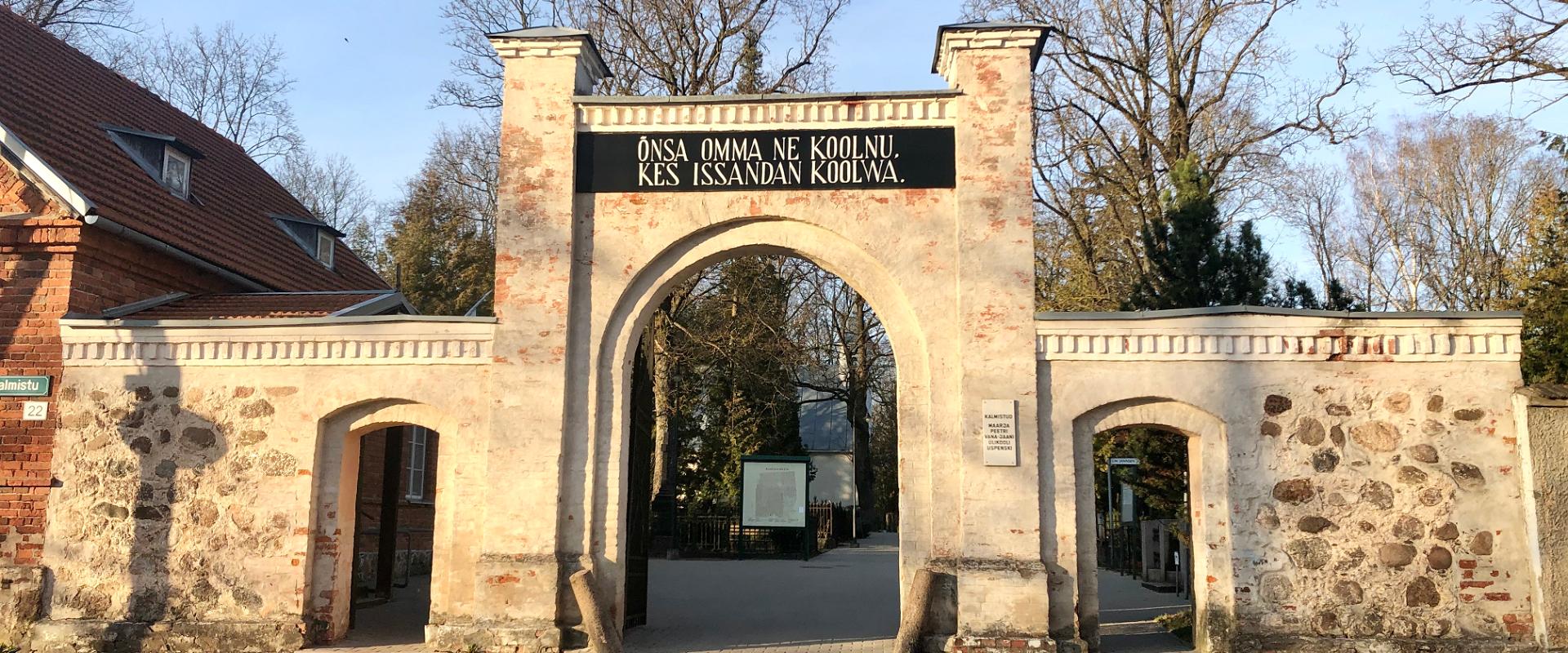
Raadi Cemetery

Kalmistu tn 22, Tartu linn, Tartu maakond, 50303

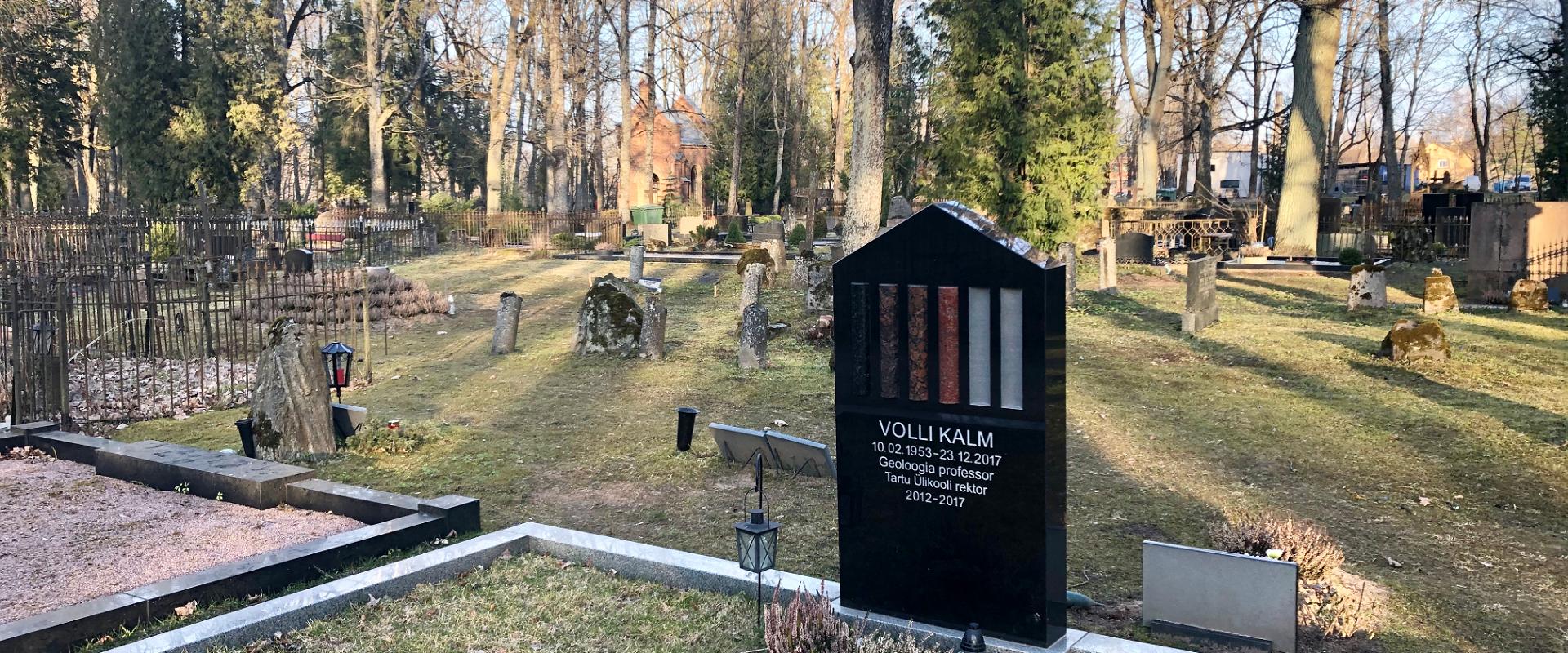
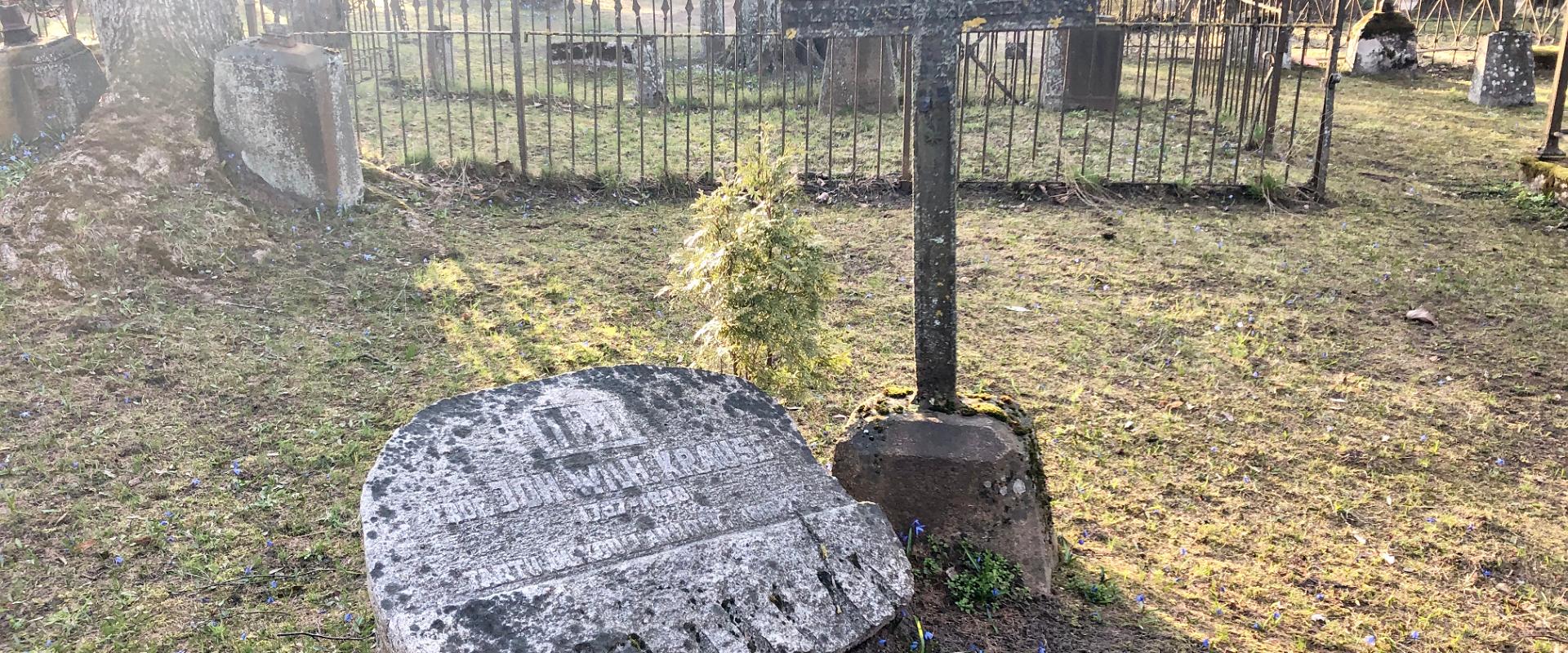
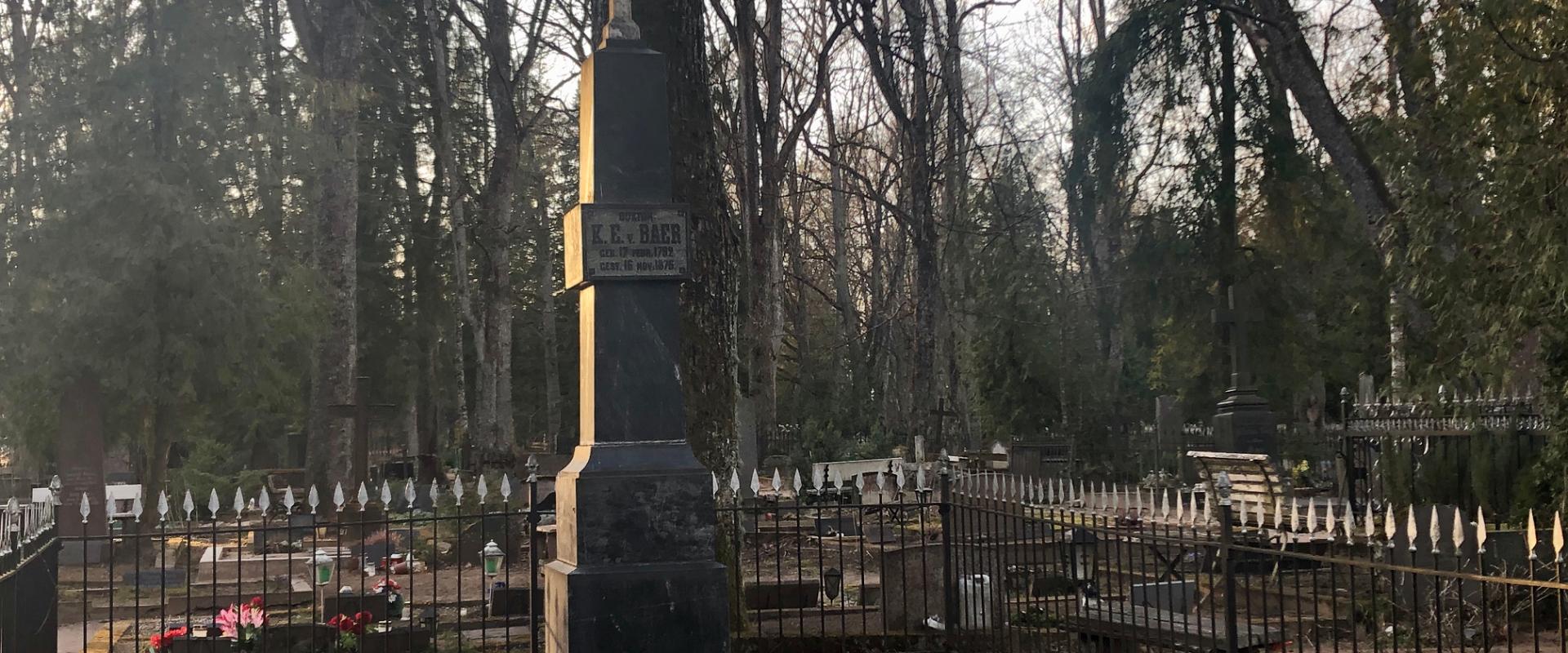
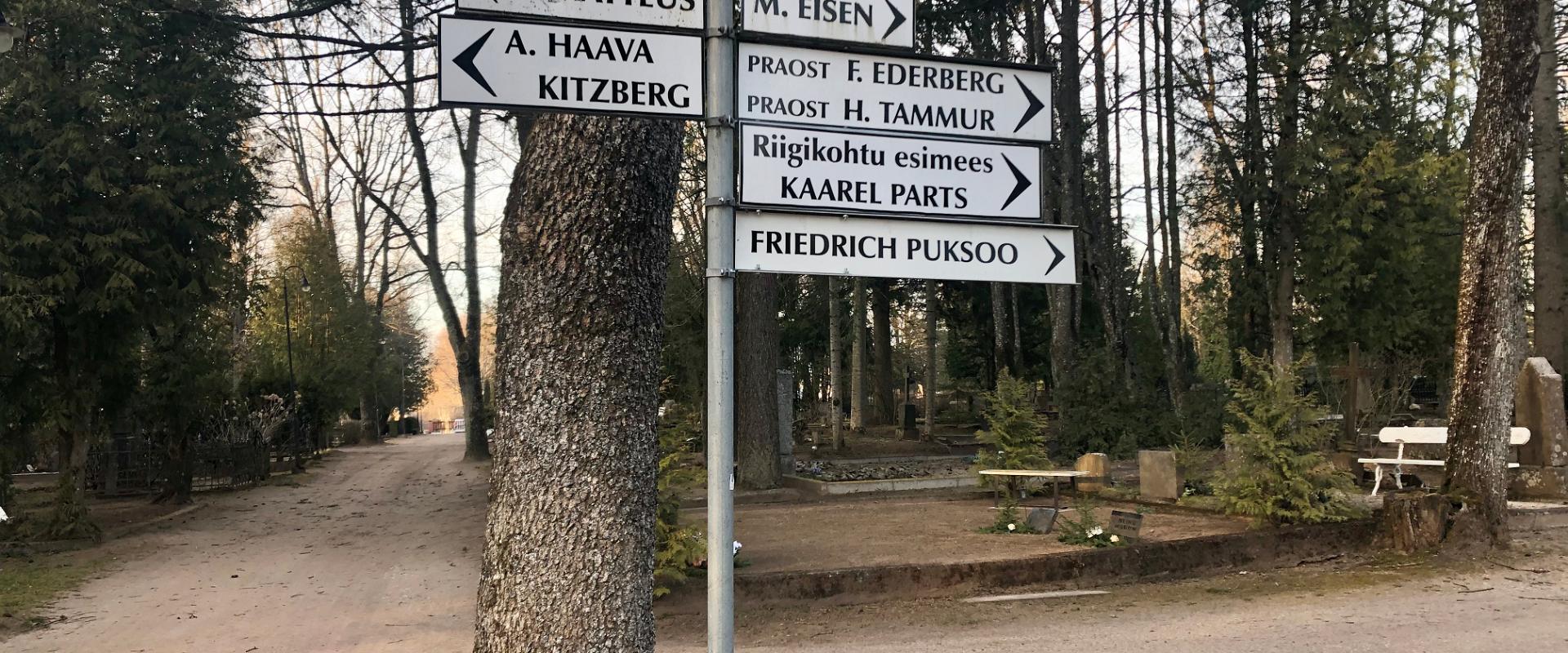
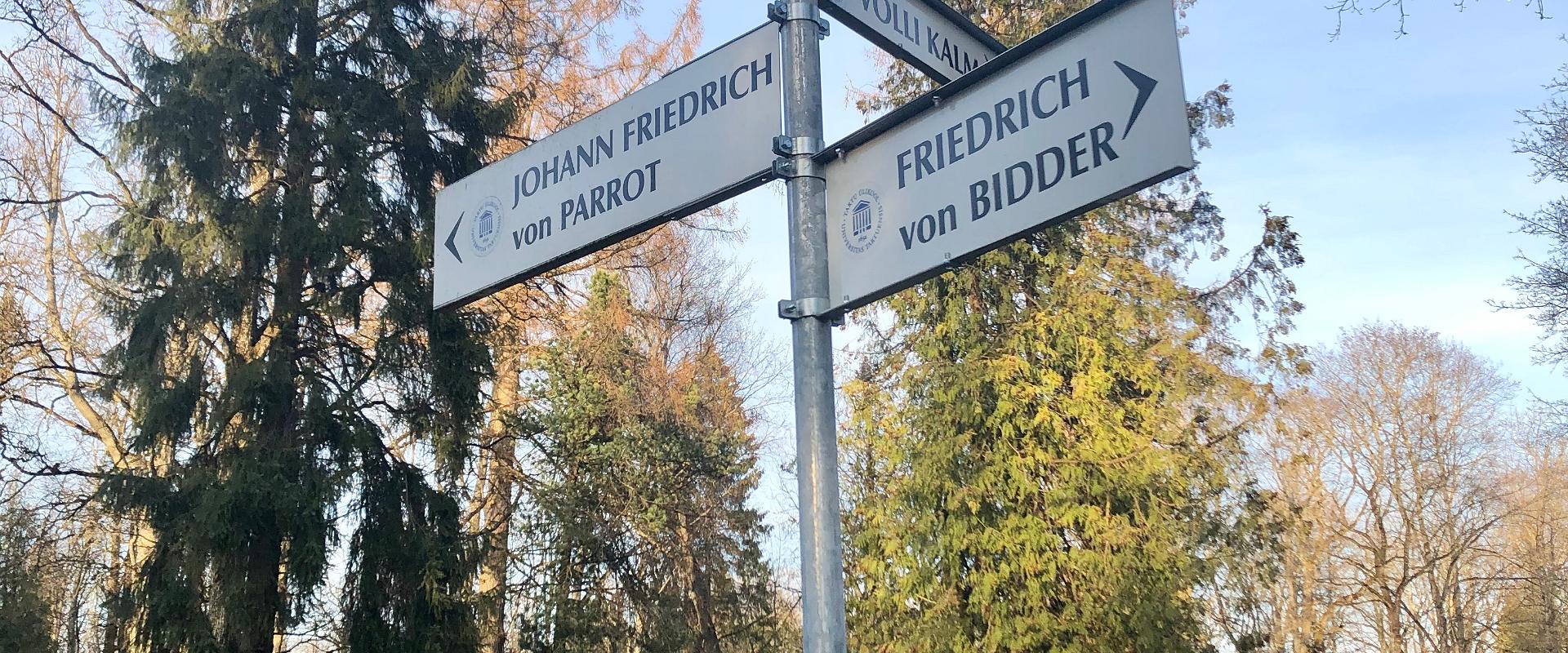
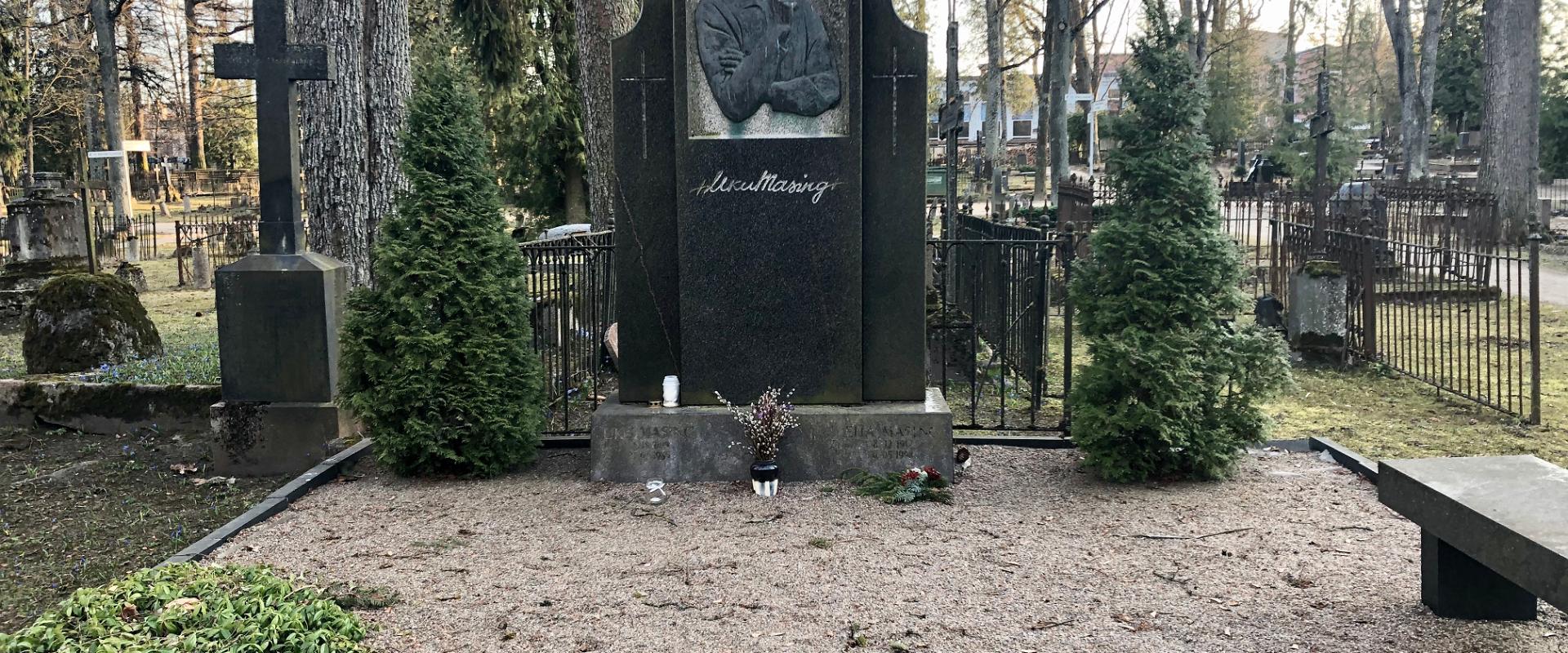
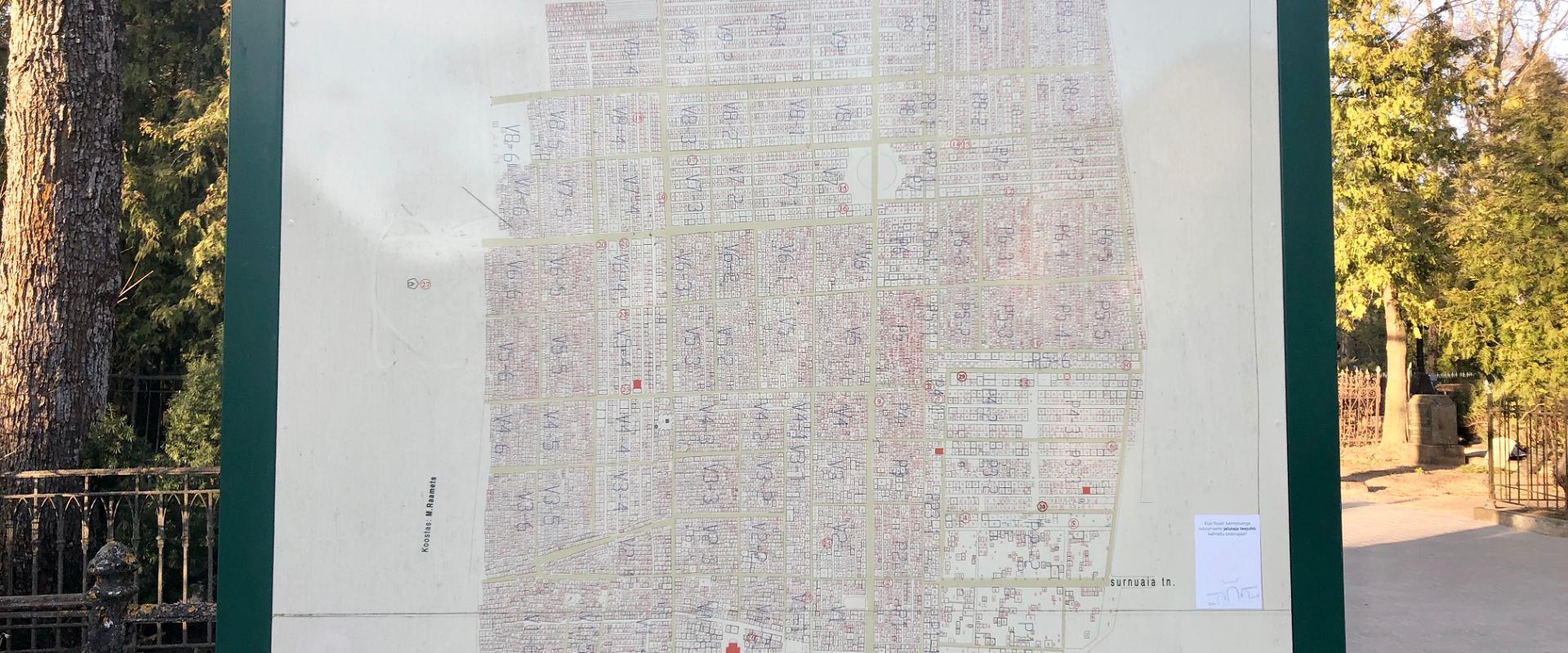
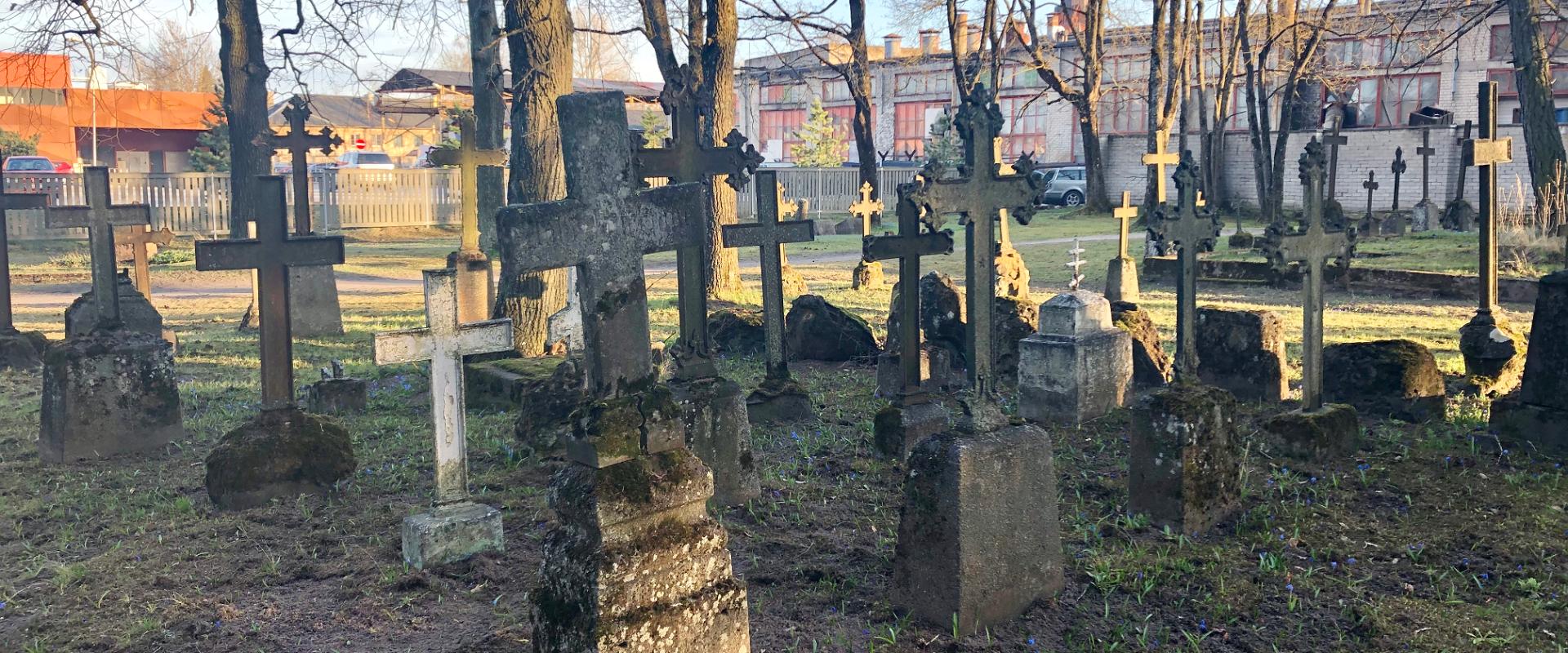
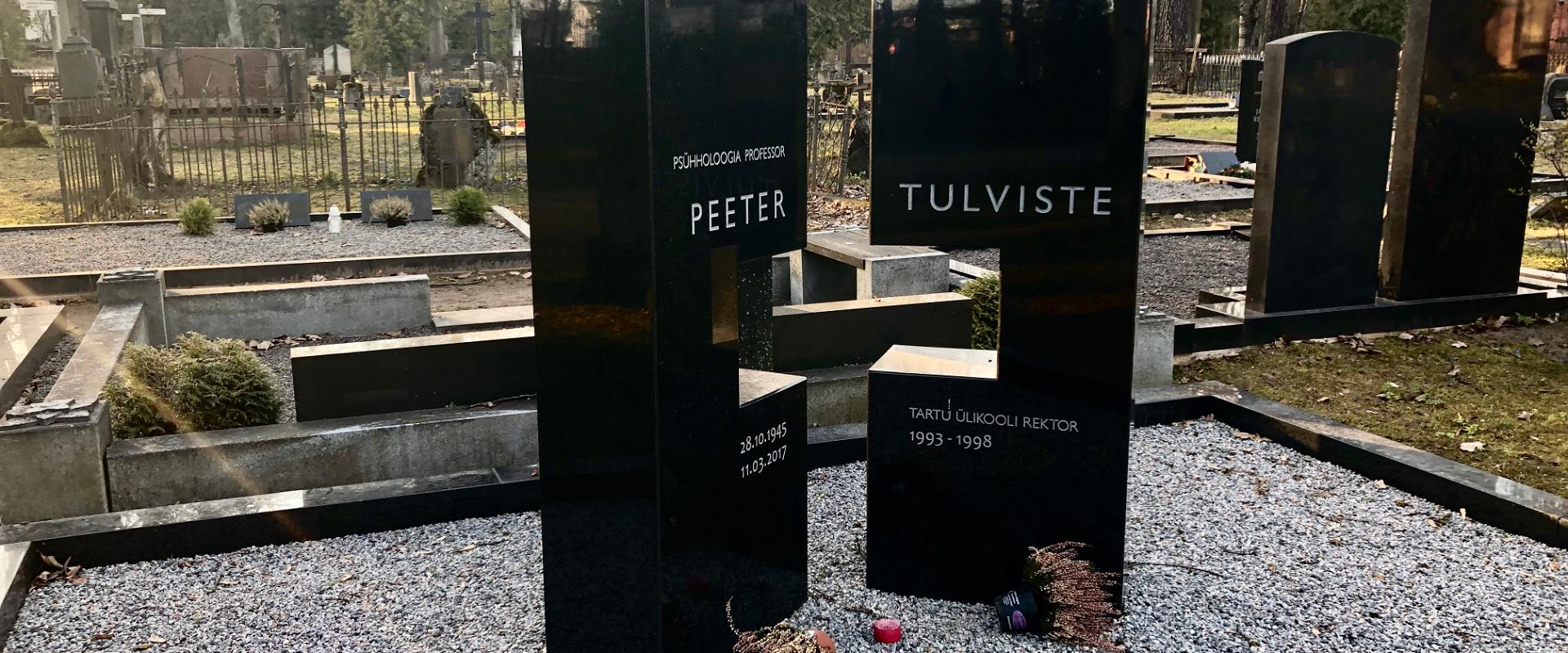
Raadi Cemetery is the largest cemetery in Tartu, consisting of cemeteries of several different congregations which were merged as late as in 1961. The congregations of Mary and Peter make up the largest part of the cemetery. There are many graves of cultural figures and researchers in the Vana-Jaani cemetery, as well as in the newer part of the University cemetery.Above the main gate of the cemetery is the inscription in the local Tartu language ‘Õnsa omma ne koolnu, kes Issandan koolwa.’ The Douglas fir alley in the military cemetery is under nature protection.Previously, the Vana-Jaani cemetery had a Jewish cemetery on the side of Narva maantee and an Islamic cemetery on its side.
Mugavused

  • Information boards
  • Free parking

Lahtiolekuajad

Aastaringselt

Ööpäevaringselt

Lingid

Vaata lisaks

Forest megaphones in Võru County

Would you like to listen to the sounds of the forest or hear your own thoughts better in silence? Then come to Võru County to a fir forest by the RMK Pähni Nature Centre where you'll find forest megaphones – three gigantic wooden megaphones with a diameter of three metres, each named Ruup.Ruup invites you to read forest sounds and offers hikers a possibility to rest their feet and their minds. Here, you can sit, sleep, think and listen. You can select between a small and a large view, depending on which direction you look in the Ruup. Ruup is an open library with only one book – the nature.

  • Churches

Saint Isidore’s Main Church in Valga

This historicist-style church is built from red and yellow bricks and has five domes and a bell tower. It is one of the four representative churches of the Apostolic Orthodox Church in Estonia. The church is named after the priest martyr Isidore of Tartu. The church was built in 1897–1898 and was consecrated in 1898. The architect of the building is Vladimir Lunski.The church was built in 1896 for the congregation of Orthodox Russians and Latvians.

Tartu Railway Station

Tartu Railway Station was built in 1876 outside of the city’s borders. It could be reached by Maarjamõisa tänav, which was lined with trees. The main building of the station consists of three parts and has a standard façade and a transverse gabled roof. Warehouses, platforms, a depot, a water tower, and two houses for railway workers were located next to the main building. In the 2000s, the building was restored under the architect Aivar Roosaar. In 2012, the building was reopened for passengers. Café Wedur is now operating in the station building. In front of the station are bike parking, and Tartu Smart Bike rental docks.

  • Sports centres

Tähtvere Sports Park health trails

Tähtvere Sports Park offers opportunities for sports and leisure for the whole family. In summer, you can run on a paved or soft wood chip track. There are health and hiking trails in the greenery of the arboretum. There is a disc golf park in the middle of the area. In winter, the Sports Park has artificial snow ski trails and sports equipment, including skis, that can be rented during the opening hours under the Song Festival Stage arch. In the Sports Park, you can train in the outdoor gym, use the playground, and test yourself on the BMX cross-country track, mountain bike skill trails, slackline, or climbing wall. Come to Tähtvere Sports Park to spend your leisure time actively!

  • Monuments

Monument to Friedrich Reinhold Kreutzwald

The monument to Friedrich Reinhold Kreutzwald (1803-1882), founder of the Estonian national literature, was built in 1952. The authors of the monument were sculptors Johannes Hirv and Martin Saks, and architects Heiki Karro, Ants Mellik, and Mart Port.

GameGround Escape Room ‘Legacy of the Madman’

In the escape room 'Legacy of the Madman', you will find yourself as prisoners of extra-terrestrial powers. Can you escape in time?An escape room is a team game where players have to find an exit from one or more rooms within a given time (60 min). By working together, you have to solve various puzzles and problems to escape the room.

  • Galleries

Pallas Gallery

The Pallas Gallery is a contemporary, ever-evolving art space where you can experience fresh Estonian art and ideas from young creators. Exhibitions change approximately every five weeks, offering new experiences each time. The exhibitions feature works by students, lecturers, and alumni of the Pallas University of Applied Sciences, providing a good overview of contemporary Estonian art. The gallery's aim is to introduce and popularize contemporary art in Tartu, bringing the creations of both young authors and collaborative partners to visitors. The spacious main hall is located in the center of Tartu, offering an inspiring setting for enjoying art. In addition, various cultural and educational events are held in the gallery, making the visit more diverse. The gallery is free for everyone to visit, making it an especially good opportunity to get acquainted with contemporary art in Tartu. Come and be inspired at the Pallas Gallery!

  • Guided tours
  • Workshops

Hellenurme Watermill Museum’s workshop «From Water to Bread»

Between Hellenurme, Elva, and Otepää, there is a unique opportunity to see Estonia's last historical water-powered flour and grist mill in operation – the Hellenurme Water Mill. Upon arrival, we explore the mill building and views over the mill pond to Hellenurme Manor, then we open the turbine, and the mill begins to work, powered by water. Through the mill's four floors, you can see, touch, and feel the power of the mill, and soon fresh flour and grist fall into the bag as in the old days. In the bread house, you can try breadmaking under the guidance of the Mill Mistress, honoring traditions and telling stories about bread and the wisdom of ancestors. In the bread trough, dough is kneaded from sourdough. Each guest molds their own little loaf from a dough ball, which the Mill Mistress throws into the large bread oven with an old bread peel. Soon, the bread house fills with the smell of bread, and each guest can take their loaf from the oven, which tastes warm and buttery like an unforgettable dessert! As writer Juhan Liiv wrote: "... warm bread – imagine!"

  • Privacy Policy

"*"обозначает обязательные поля

Это поле используется для проверочных целей, его следует оставить без изменений.
Я разрешаю маркетинг