• Открой
    • Еда
    • Природа
    • Культура
    • Семья
    • Спорт
    • Сообщество
    • Блог
    У Вас появились свободные выходные, чтобы провести с детьми? Здесь собраны лучшие места в Южной Эстонии для семейного отдыха
  • Планируй
    • Размещение
    • Информация
    Устойчивый туризм
RUS
  • РусскийRUS
  • EestiEST
  • LatviešuLAT
  • SuomiFIN
RUS
  • РусскийRUS
  • EestiEST
  • LatviešuLAT
  • SuomiFIN
Популярные запросы:
Показать все результаты
  • History & Culture
  • Architecture and history

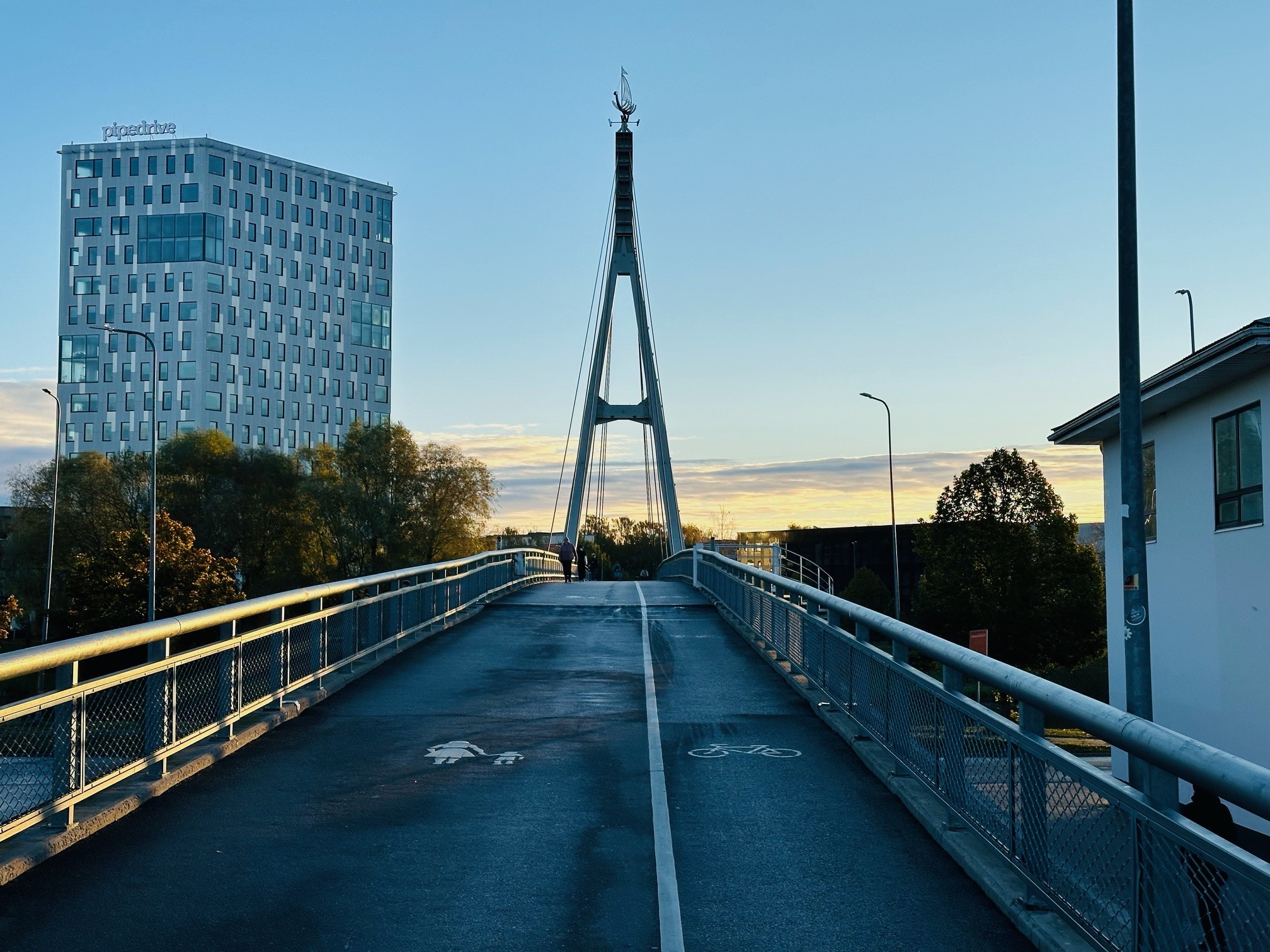
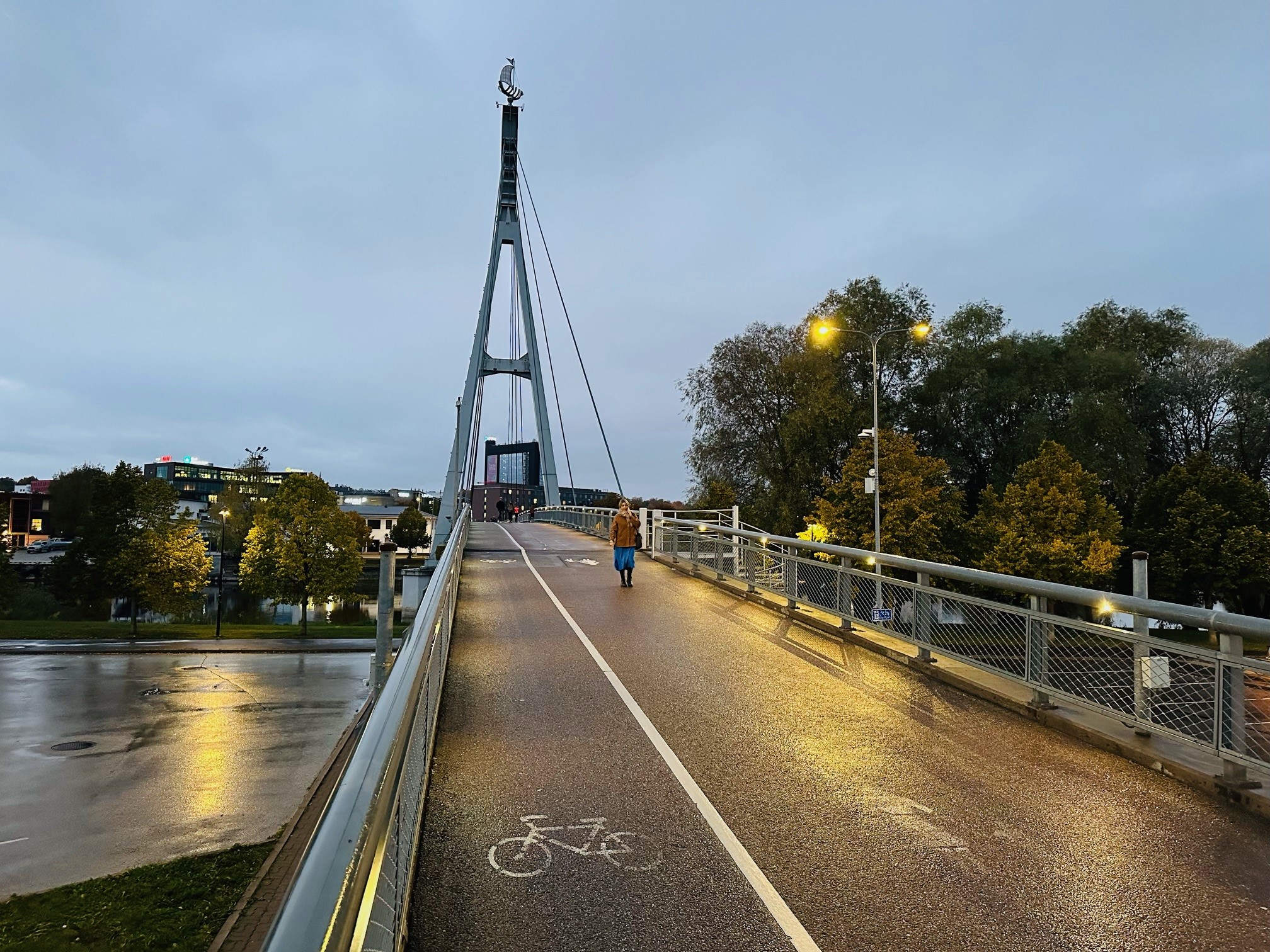
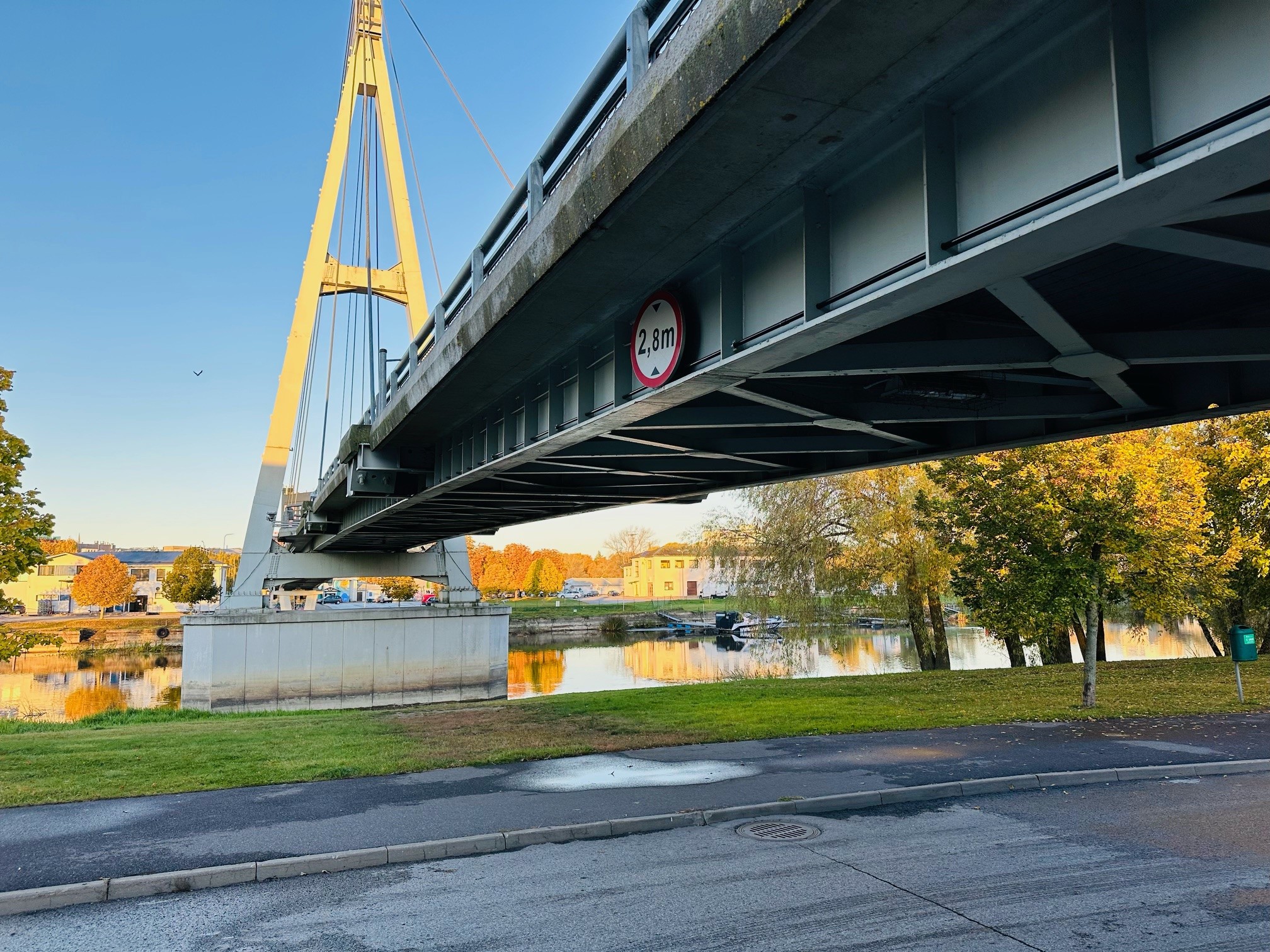
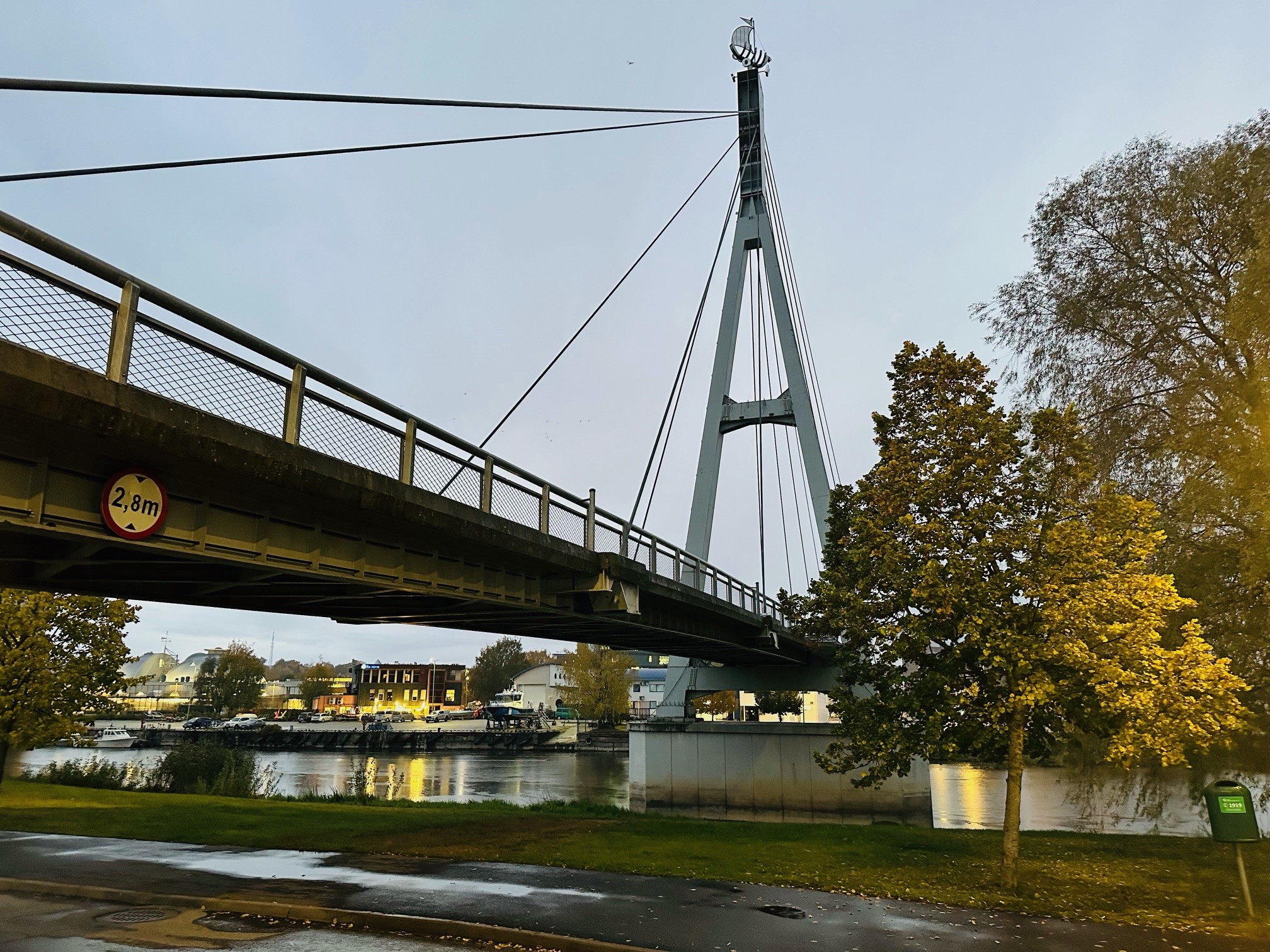
Turusild Bridge

Tartu linn, Tartu maakond, 50603

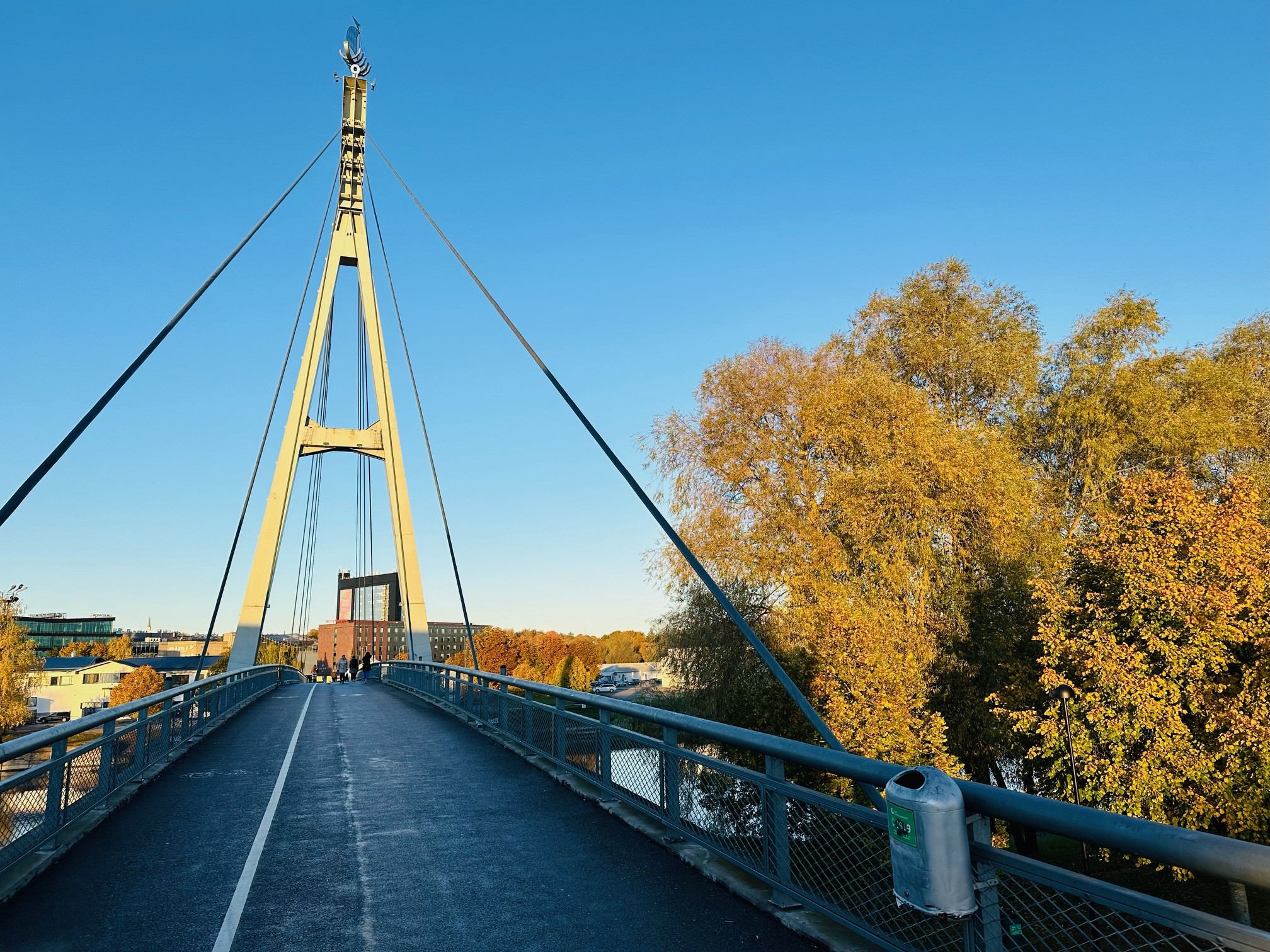
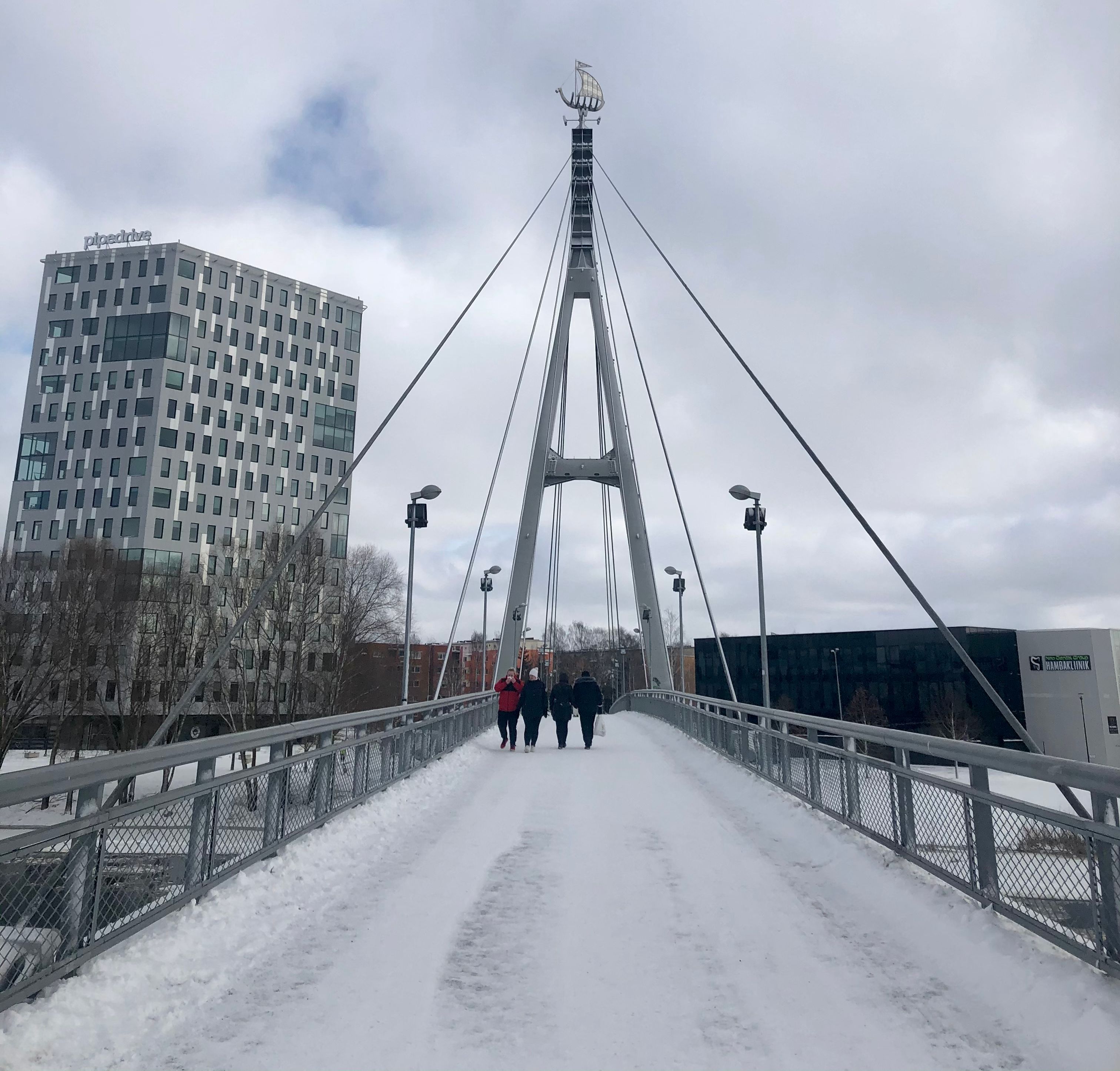
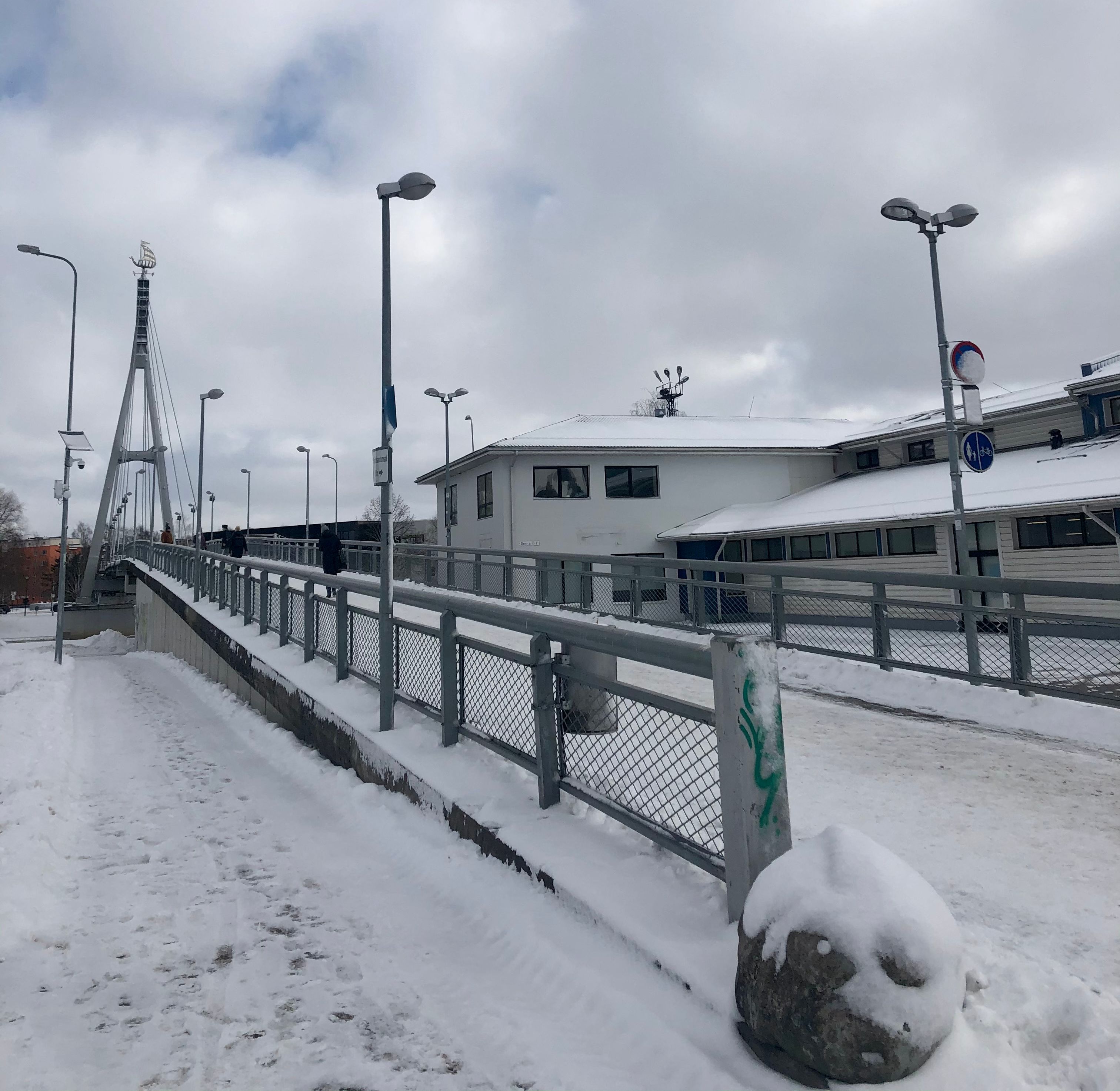
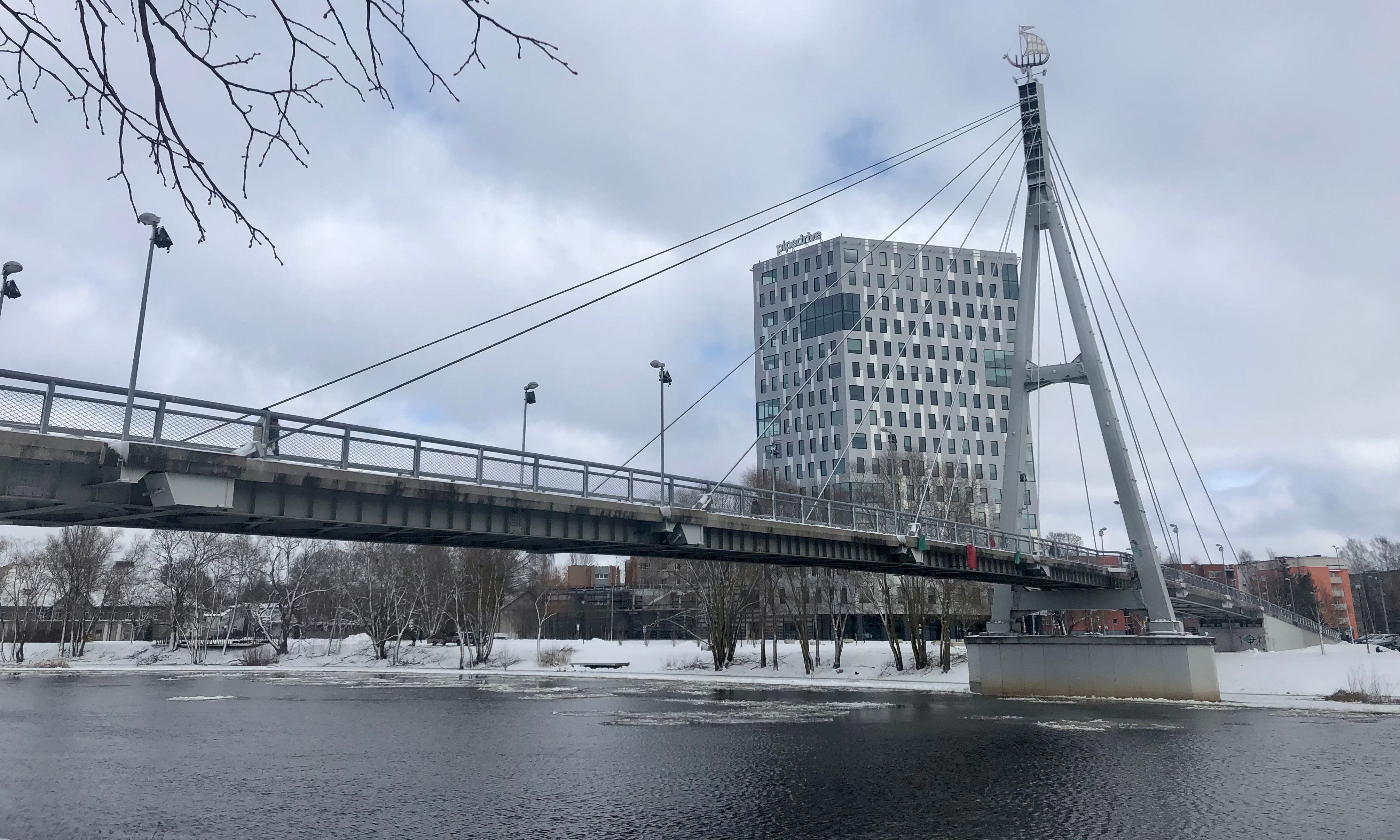
The Turusild bridge connecting Tartu’s outdoor market and Annelinn district was completed in 2003 and is meant only for pedestrians. You can also ride a bicycle or a small moped on the separated section. The length of the bridge is 251.5 metres and the hanging part is carried by seven pairs of stay wires. The height of the bridge from the water surface of the Emajõgi River is 7.5 metres.At the top of the bridge there is a 3.5 m high weather vane – a cog called Lennuk (Plane). The author of the weather vane is blacksmith Ivar Feldmann.The bridge was designed by OÜ Tartu Arhitektuuribüroo and K-Most, built by K-Most.In 2003, the bridge was awarded the title of the Deed of the Year by the citizens of the city of Tartu.
Удобства

  • Free parking
  • Paid parking

Часы работы

Круглый год

Ööpäevaringselt

Ссылки

Подробнее

  • Galleries

Võru Town Gallery

Võru Town Gallery focuses on promoting art and cultural activities in Võru, on introducing professional art and organising exhibitions and exhibition-sales.For expositions the gallery mostly uses the balcony lobby on the 1st floor of the Võru Community Centre, called Kannel, and the room in front of the small hall. There are also exhibitions in the lobby of the ground floor. All rooms are equipped with modern spotlights that move along buses.

Blind embossing at TYPA Printing and Paper Art Center

Come and discover the magic of blind embossing! Create your own embossed artwork in a unique printmaking workshop. Cut an image into a linoleum sheet and see how the play of shadow and light remains on the paper. Blind embossing is a printing technique where a linoleum block is printed without color, leaving only a relief mark on the paper. In the workshop, each participant will make a linoleum block (10x15 cm) according to their own design. To prepare, it is a good idea to think through your design in advance or search for an image online for inspiration. Check out more exciting print and paper art workshops on our website!

  • Monuments

War of Independence Memorial in Rõuge

In 1926, on the initiative of pastor Valter Viks, a memorial to the 200 citizens of Rõuge who were killed in the War of Independence, designed by artist Voldermar Mellik, was erected near the Rõuge Church. The Estonian text engraved in the stone on the front of the memorial reads "1918-1920. Honour the Fallen! Your thankful Rõuge parish". In 1945, the Bolsheviks blew up the memorial, and the bronze soldier and its foundation stones were buried in the ground near the monument. A local artist Aksel Ollmann dug the bronze statue out under the cover of night and hid it on his farm. In 1988, the statue was dug up from its hiding place. The memorial was re-inaugurated on 30 October 1988. The statue was restored by Ars Monumentaal.

Memorial stone to the first Estonian Song Festival

The memorial stone to the first Estonian song festival was unveiled on the 125th anniversary of the festival in 1994. It was designed by Mati Karmin.Between the two millstones (czarist power and hard work and austerity), the heads are like grains that are being ground. They sing despite the pressure (Mati Karmin XL, 2019).The first song festival was held in Tartu from 18–20 June 1869. It was opened in Toomeoru but mainly took place in the gardens of the Ressourc society opposite St Peter’s Church, which enjoyed beautiful views over the town and the Emajõgi River. The festival was attended by 46 choirs, involving almost 800 male singers and four brass bands. Almost 15,000 people attended the festival.

  • Guided tours

Eduard Tubin Museum

The museum is located on the first floor of Alatskivi Castle and provides an overview of the life and work of one of Estonia's most famous composers – Eduard Tubin. The exhibition introduces other well-known musicians who studied with Tubin in Tartu under the guidance of Heino Eller – the so-called School of Tartu. At the museum, you can see and hear Tubin's manuscripts, recordings, and books. In addition, you are introduced to those who have interpreted his music and displayed musical instruments, records, and theatre programmes connected to Tubin. You can also look at and watch photos and films created by the composer.You can enter the museum with a ticket to Alatskivi Castle, and it is also possible to order a guide as an additional service.

  • Estonian handicraft
  • Estonian design

Avinurme Woodworking Centre

Avinurme Woodworking Centre is a tourism centre which is home to local craftsmen. It offers the widest selection of woodwork products in Estonia, including dozens of sauna and household items. You can even put your own skills to the test! The centre organises a variety of workshops, from basket-weaving and felting to bread-making, candle-making, painting and more. The cosy coffee shop offers home-made cakes and pastries, fresh bread and other treats. Arranged in advance, it can provide catering for groups of up to 80 people.

Linocut workshop in TYPA

Linocut is one of the simplest classic graphic techniques where the printing form is cut out of linoleum by hand. In the workshop, each participant prepares a printing plate in linocut technique based on their own design. You can use the finished printing plate repeatedly and print greeting cards, notebook covers, and beautiful pictures. You can get all the materials from us, but we recommend thinking about your design or searching the Internet for inspiration beforehand. The image should have strong contrasts and clear lines, such as black and white, because linocutting cannot be used for smooth colour transitions.

  • Family friendly

Sangaste Manor Stable Visitor Centre

The stable is one of the buildings of the Sangaste Manor which has been renovated into a visitor centre and today houses the exhibition Rukkikrahv ja Ilmaimed (The Rye Count and Wonders of the World).The exhibits at the centre tell the story of the scientific wonders of the 19th century and Count Berg, the owner of Sangaste Castle. It will take the visitors back in time for a hundred years and more. Visitors can also try out exercise devices and other equipment from that time. Children can have fun in the hall of technical wonders as well as at the ‘grandmother’s place’. Come discover and marvel!

  • Privacy Policy

"*"обозначает обязательные поля

Это поле используется для проверочных целей, его следует оставить без изменений.
Я разрешаю маркетинг