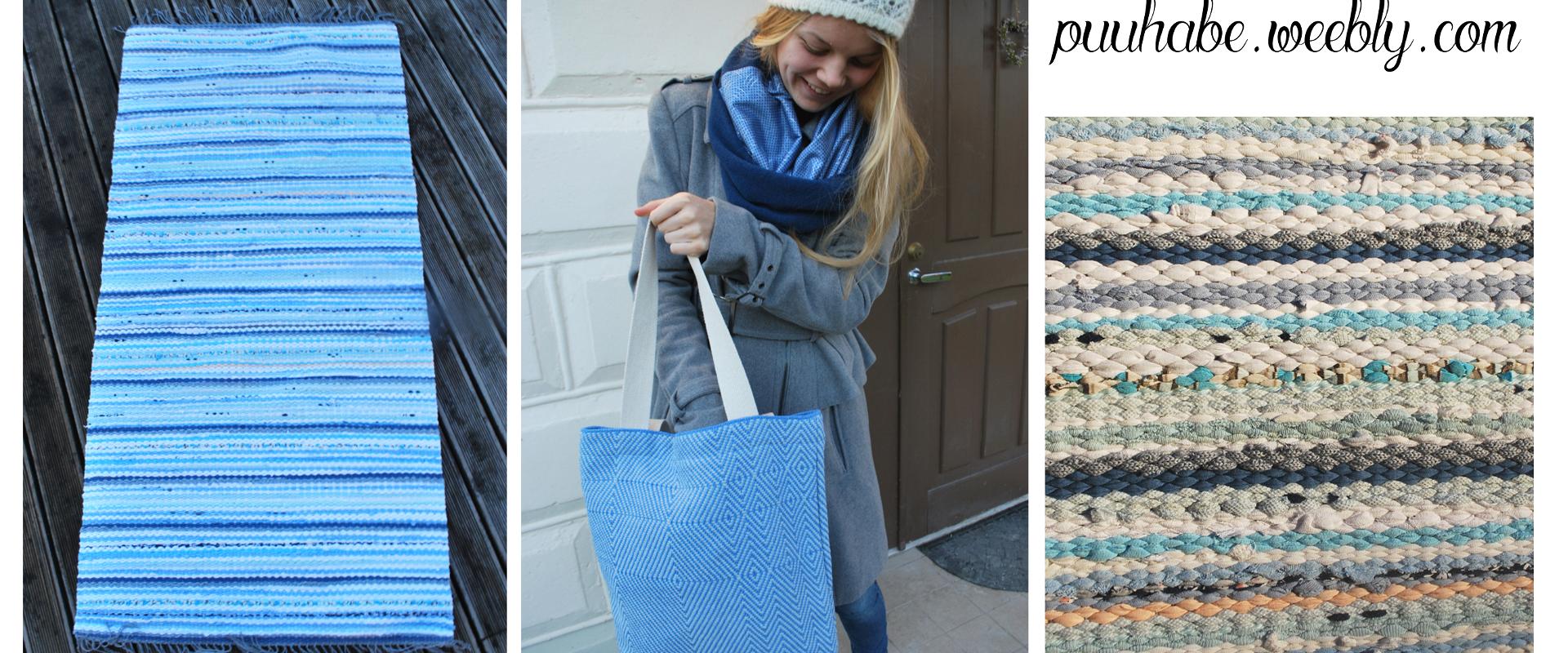
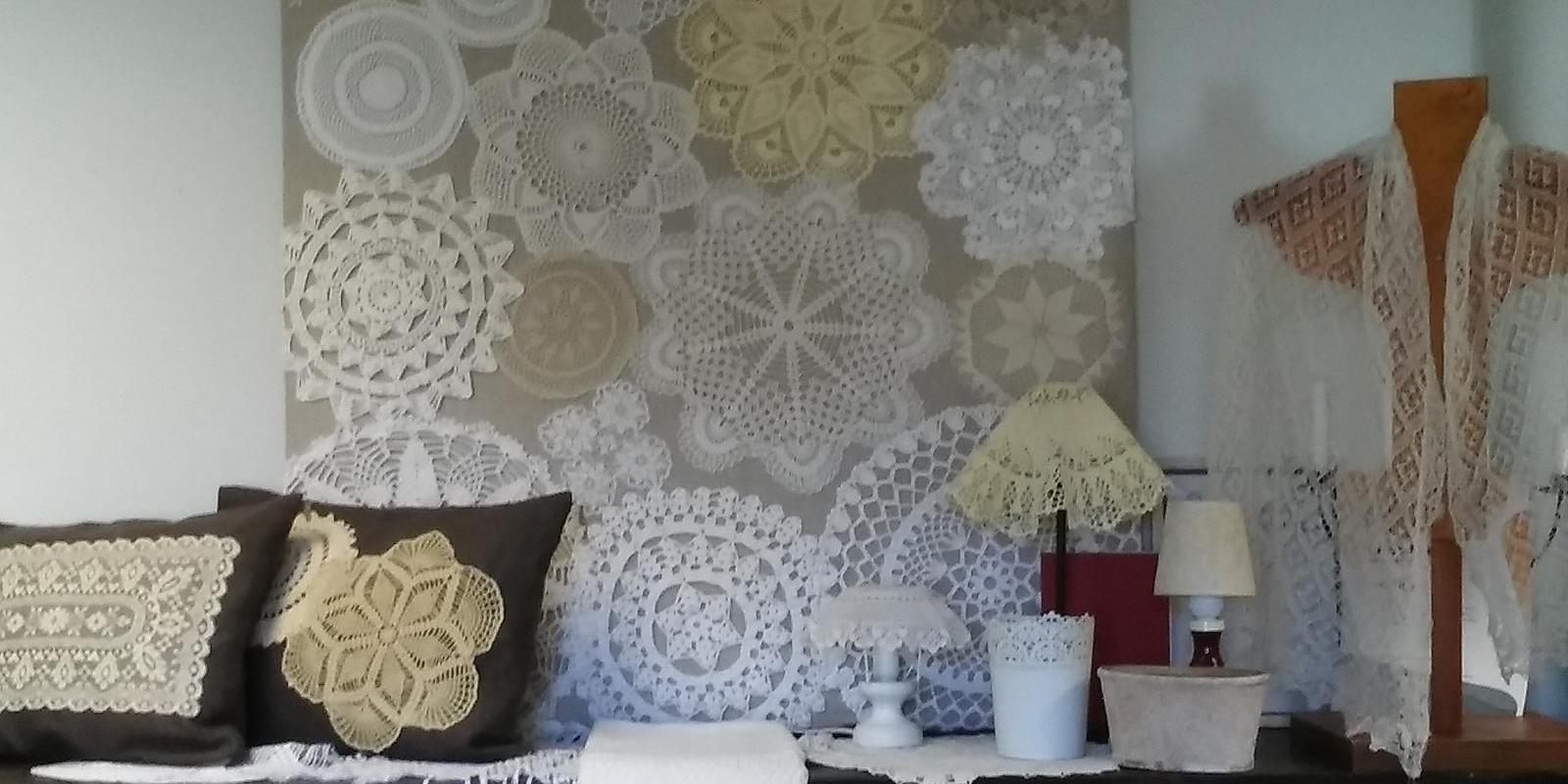
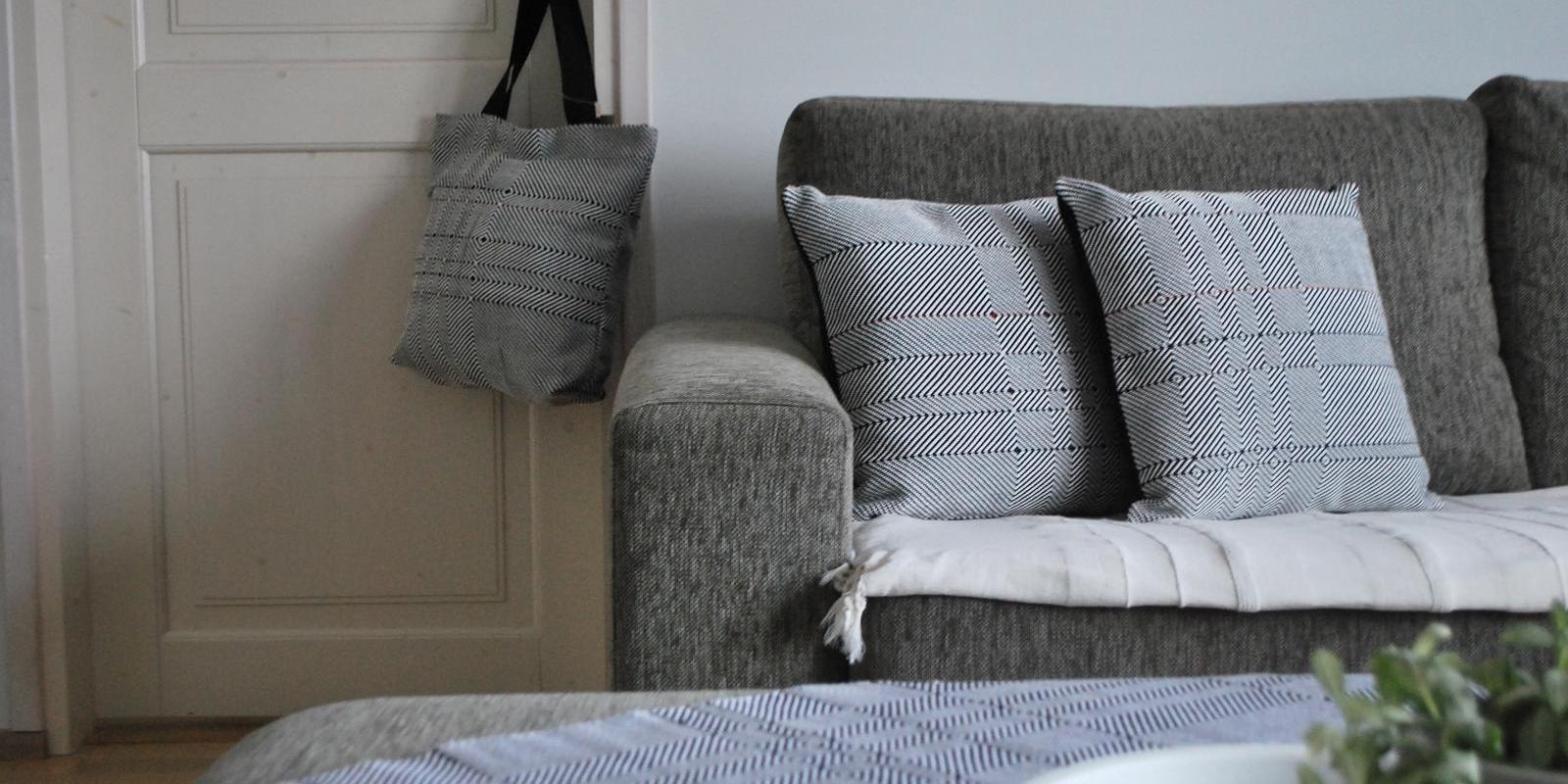
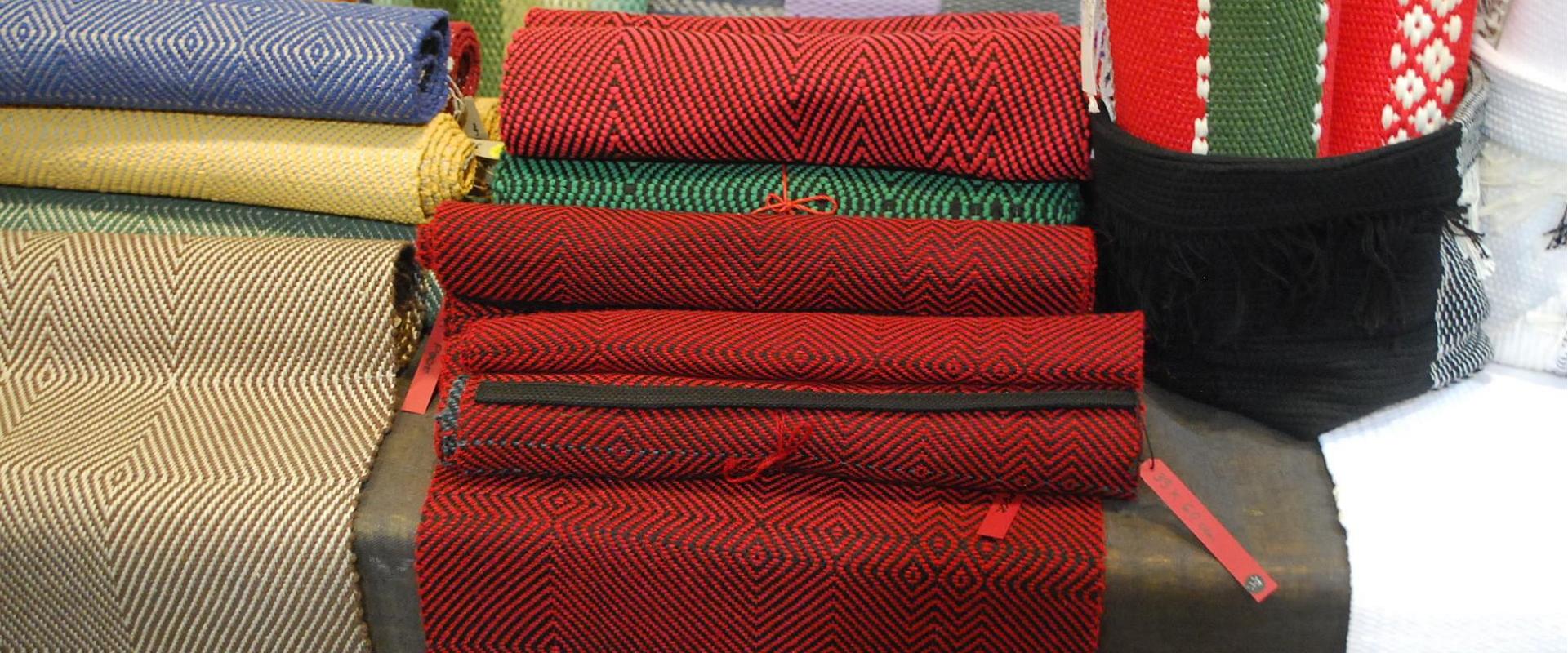
We offer handicraft admirers items that we have made ourselves as well as those made by other craftsmen. We also sell a wide range of handicraft supplies, materials and tools. We love what we do and pass that love on to you!
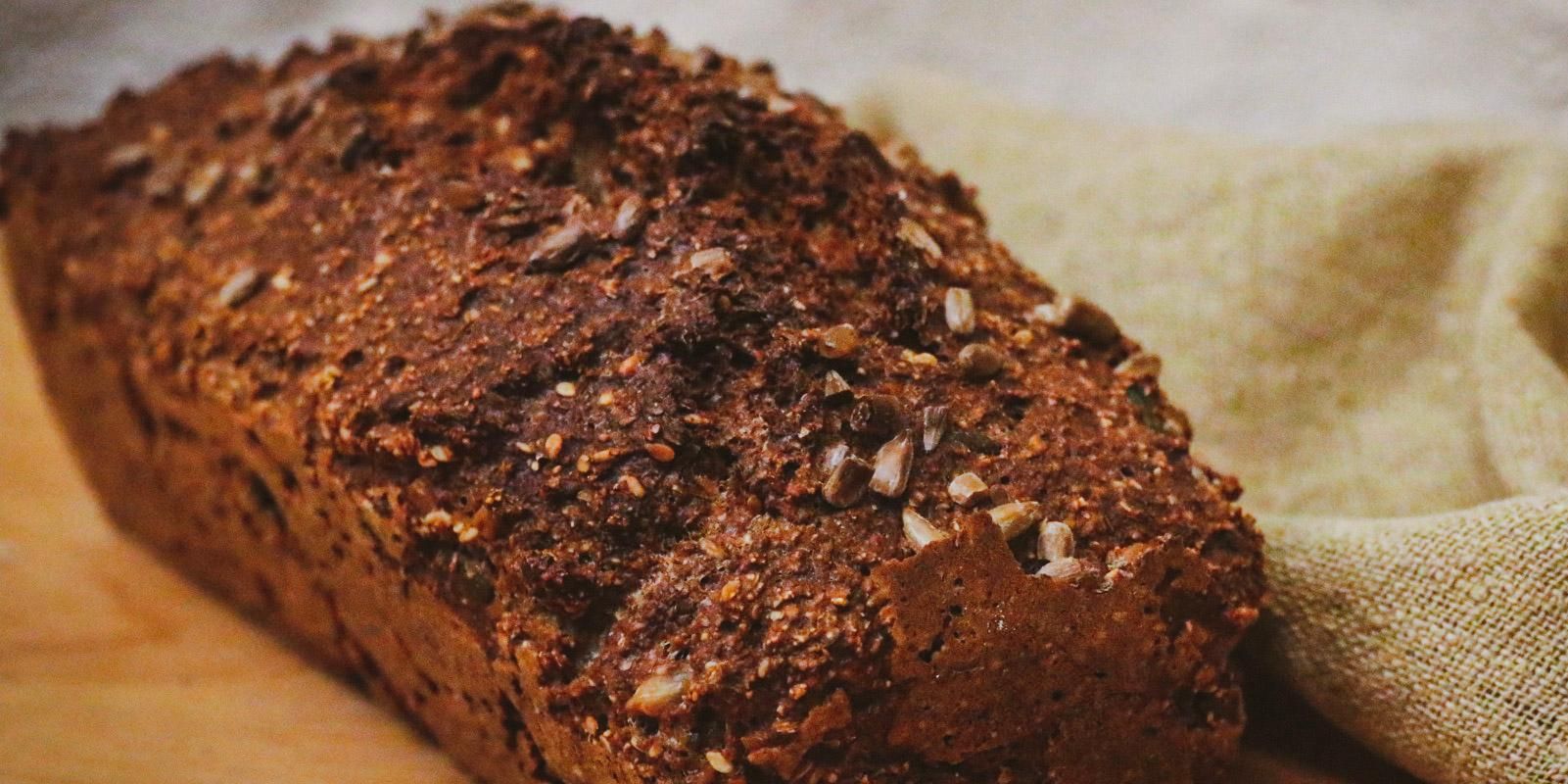
Rosiine Leivad is a bakery located in the Old Town of Tartu, where all products are made on-site. There are more than 15 different breads, both savoury and sweet. Wheat flour, sugar, and yeast have not been added to the breads made from whole rye flour with apple juice and fermentation starter. The bakery also makes soda bread, snacks, and cookies. We also sell nostalgic products such as honey bread, pumpernickels, and Tallinn breads. No preservatives have been added to any of the products.Rosiine Leivad is named after our grandmother Linda Rosiine who taught us to bake genuine rye bread.Bread made with love – healthy and delicious!
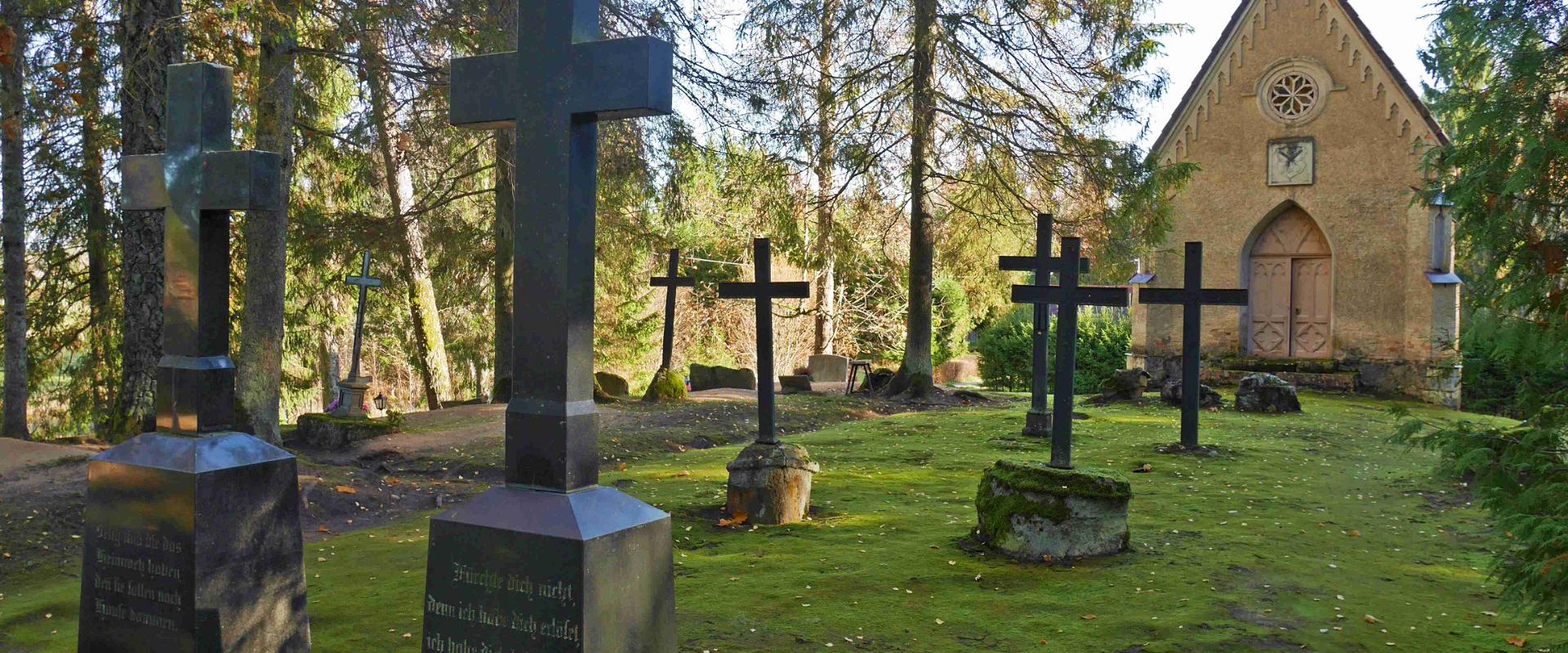
The Kütimäe cemetery was founded in 1872 by the owners of Rutikvere Manor, the Pistohlkorses. As the German cemetery in Põltsamaa lacked enough space, the landlords had to establish a private cemetery. To build it, the farmers had to make an artificial mound in Kütimäe. According to legend, this hill was built for two years and the soil was transported by horses.In 1873, a cemetery wall, a three-part gate, and a neo-Gothic chapel were also built. The chapel is decorated with the arms of the Pistohlkorses.The exact number of people buried in the cemetery is unknown. The cemetery is still operating today and is maintained by the Põltsamaa Municipality.
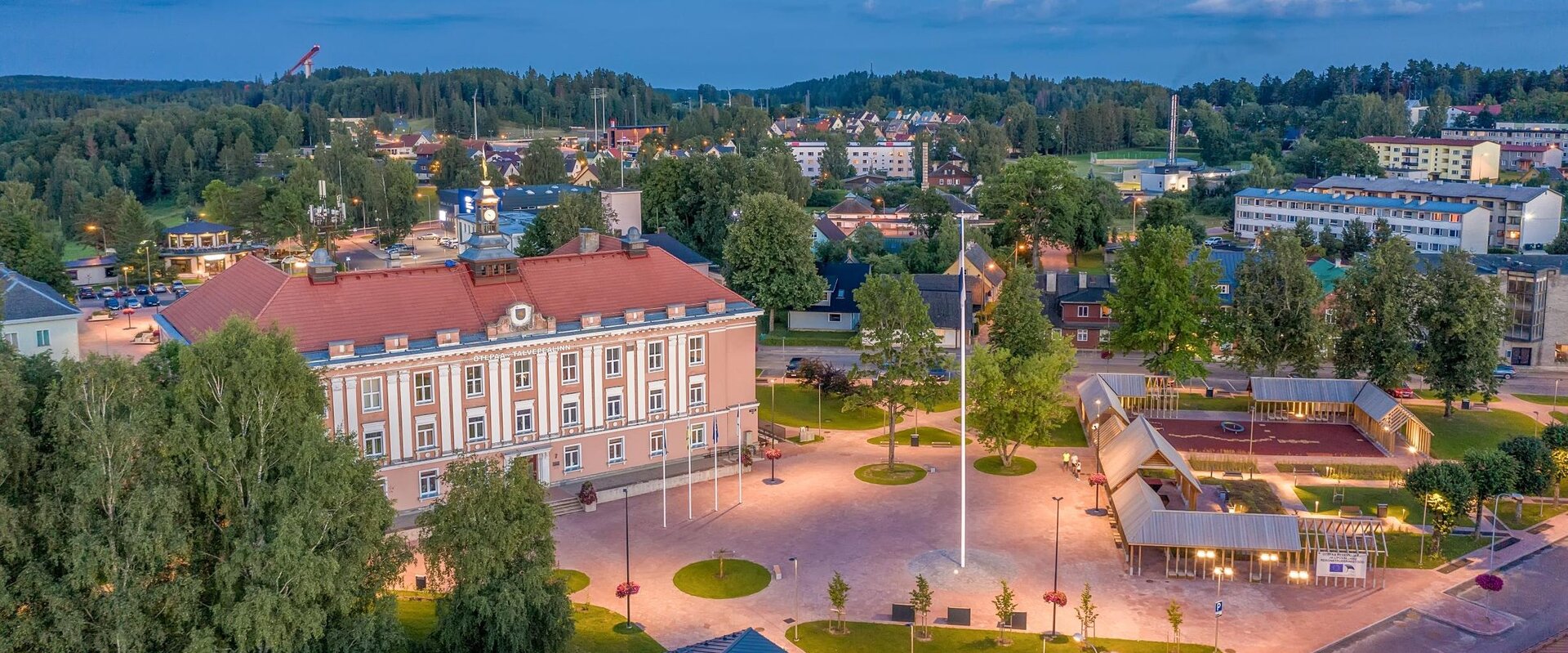
In the summer of 2020, the Otepää Central Square and Flag Square dedicated to the Estonian tricolour got a new look. The Central Square is illustrated by Bruno Kadak's bronze sculpture – the fountain 'Fun Ott'.There is a well-known belief around the world that throwing a coin in a fountain brings happiness, but when coming to the Otepää fountain, you have to scratch the bear's rear paw.The Flag Square has one of the highest flagpoles in Estonia. Next to the Estonian flagstaff are pavilions and information stands telling the story of the flag. The community garden with a children's playground offers leisure opportunities for both adults and children.Come to Otepää!
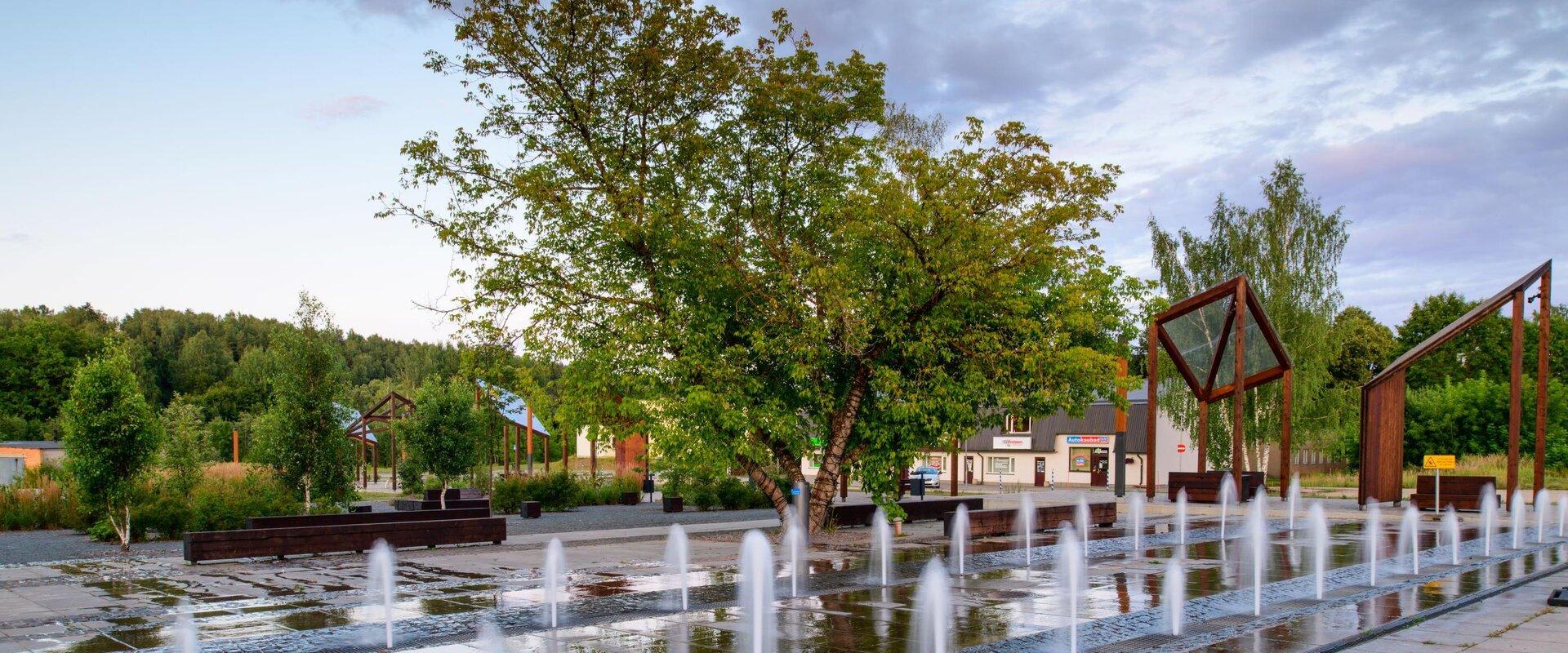
The central square of Põlva is like a living room in the open air. It is a nice meeting place in the city centre that attracts people of all ages. Children can play in the sandbox, on the small slide, and near the fountain. They can also play table tennis. There are long benches for sitting, single stools surrounded by grasses, swings with a backrest, wide stands for lying down, and large blocks for climbing. The traditional market is also open here.The square, completed within the EV100 Spatial Programme, was opened in the summer of 2018. The designers were H. Rebane, E. Metusala, and K. Kuldkepp.Nearby is the Lutheran Church of Blessed Virgin Mary, Lake Põlva, and Põlva Department Store.
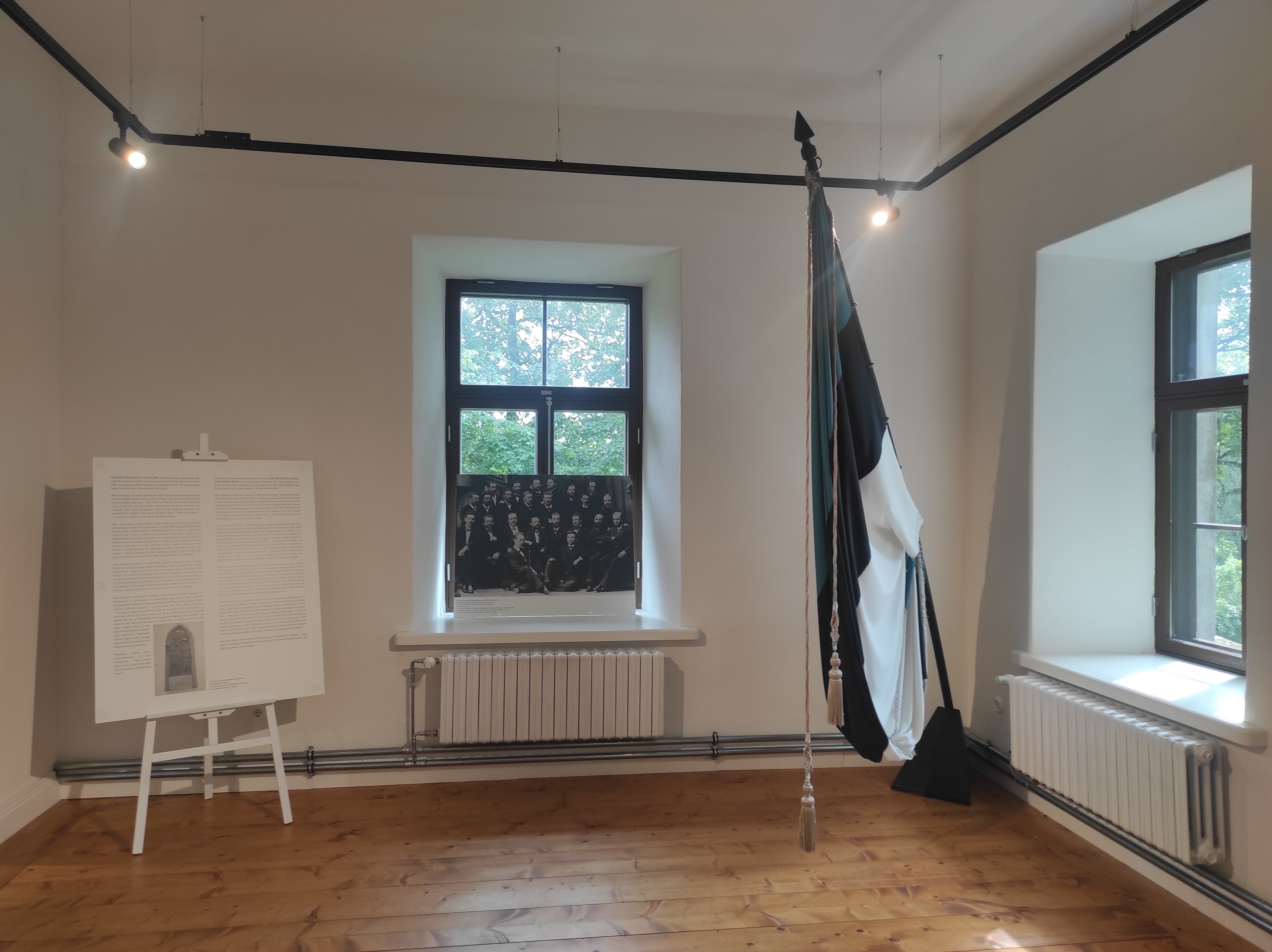
Otepää is like the cradle of the blue, black and white flag of Estonia – the current national flag of Estonia was consecrated and blessed here on 4 June 1884. First of all, the flag was used by Estonian students, then it became the national flag of Estonia and when the Republic of Estonia was created, the colours blue, black and white were declared the national colours. The concept of the museum came from Pastor of the Otepää Maarja (St Mary’s) Congregation of the Estonian Evangelical Lutheran Church Jüri Stepanov (02.03.1952-17.06.2008), who was also in charge of its establishment. The Estonian Flag Room was opened in the Otepää Rectory on 23 December 1996 to illustrate the story of the black, blue and white flag that is so important for Estonians.
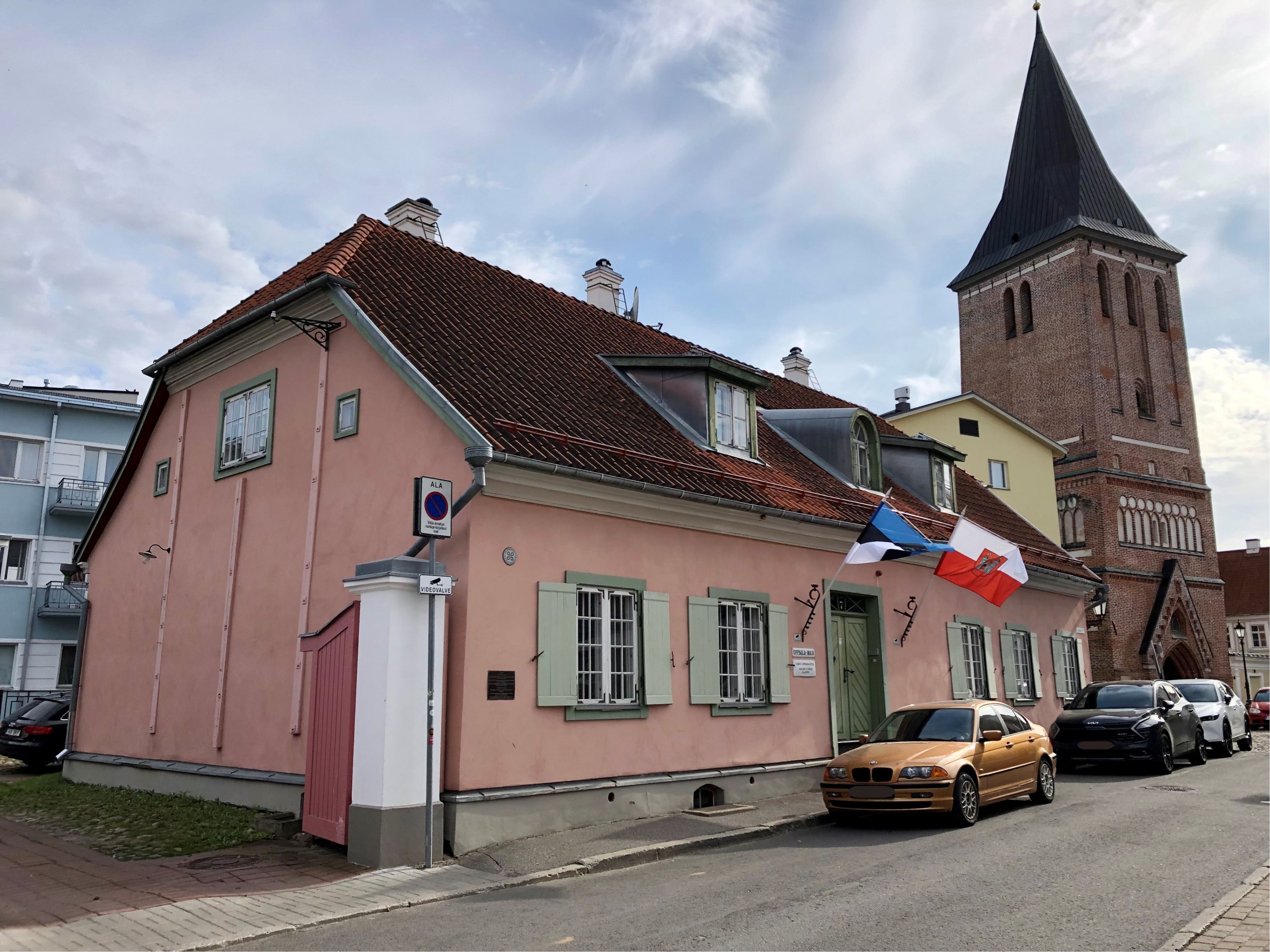
Uppsala House is a typical 18th century citizen’s home – a one-storey building with a mansard roof. In 1993, the cities of Uppsala and Tartu entered into a cooperation project 'Restoration of Old Buildings'. This led to the restoration of Uppsala House, which currently belongs to Tartu City Government.Did you know...? The families of a secretary of the highest Livonian court, a saddle maker, tailors and representatives of many other interesting professions have lived in the building at different times. There were rental flats for students in the building in the beginning of the 19th century.Only the exterior of the Uppsala House can be enjoyed by the visitors!The building is listed in the Estonian National Register of Cultural Monuments.
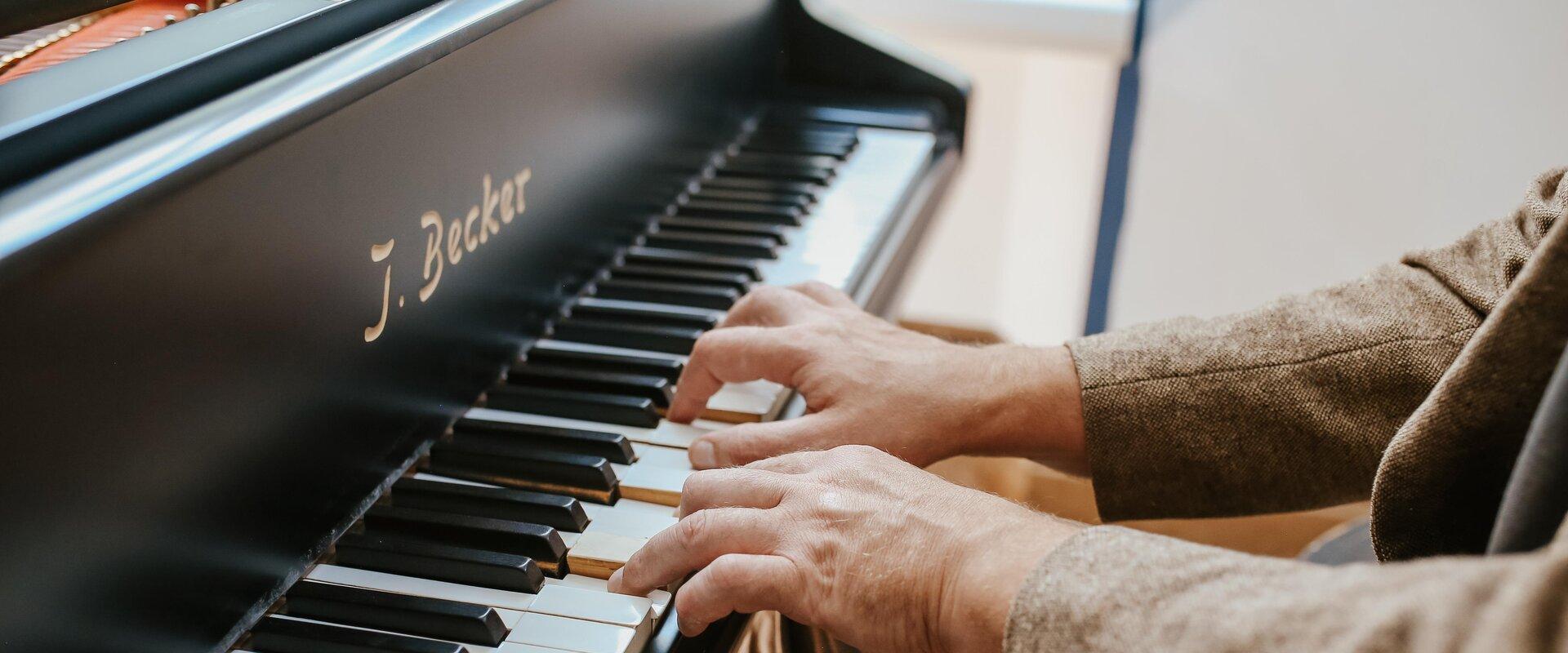
The National Piano Museum is located in a special building - the historic Holdre Manor.The Art Nouveau-style main building, with its Heimat-style influences, was erected around 1910 during the time of Woldemar von Ditmar. Previously, the manor centre had not been built in a representative style. The architect of the building was Otto Wildau, who also designed the nearby Taagepera and Karksi manor buildings. The aim of the National Piano Museum is to collect as complete a collection of Estonian pianos as possible.By prior arrangement, we offer a musical guided tour with Alo Põldmäe, a composer, singer and music educator who is in charge of the Piano Museum.
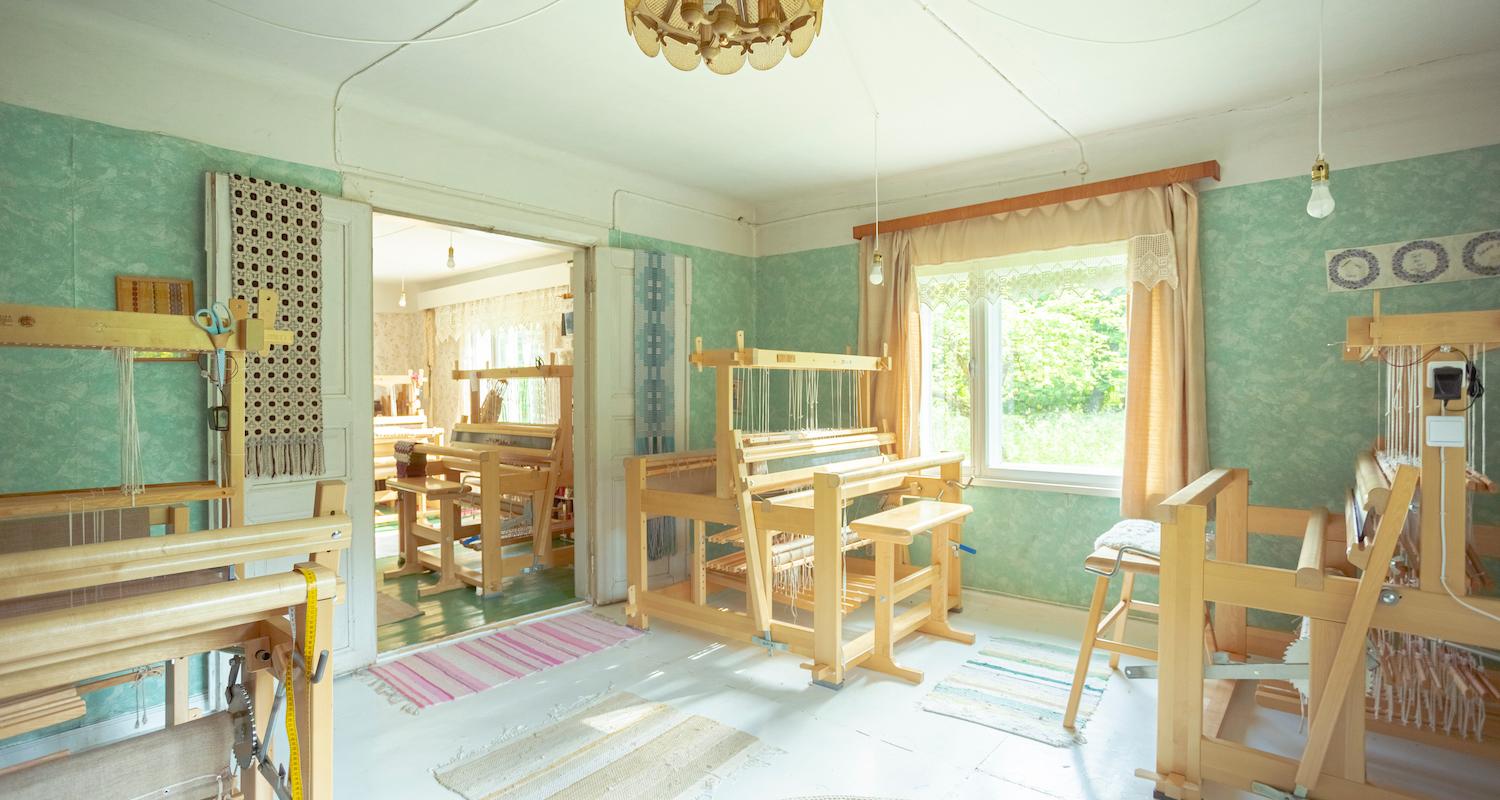
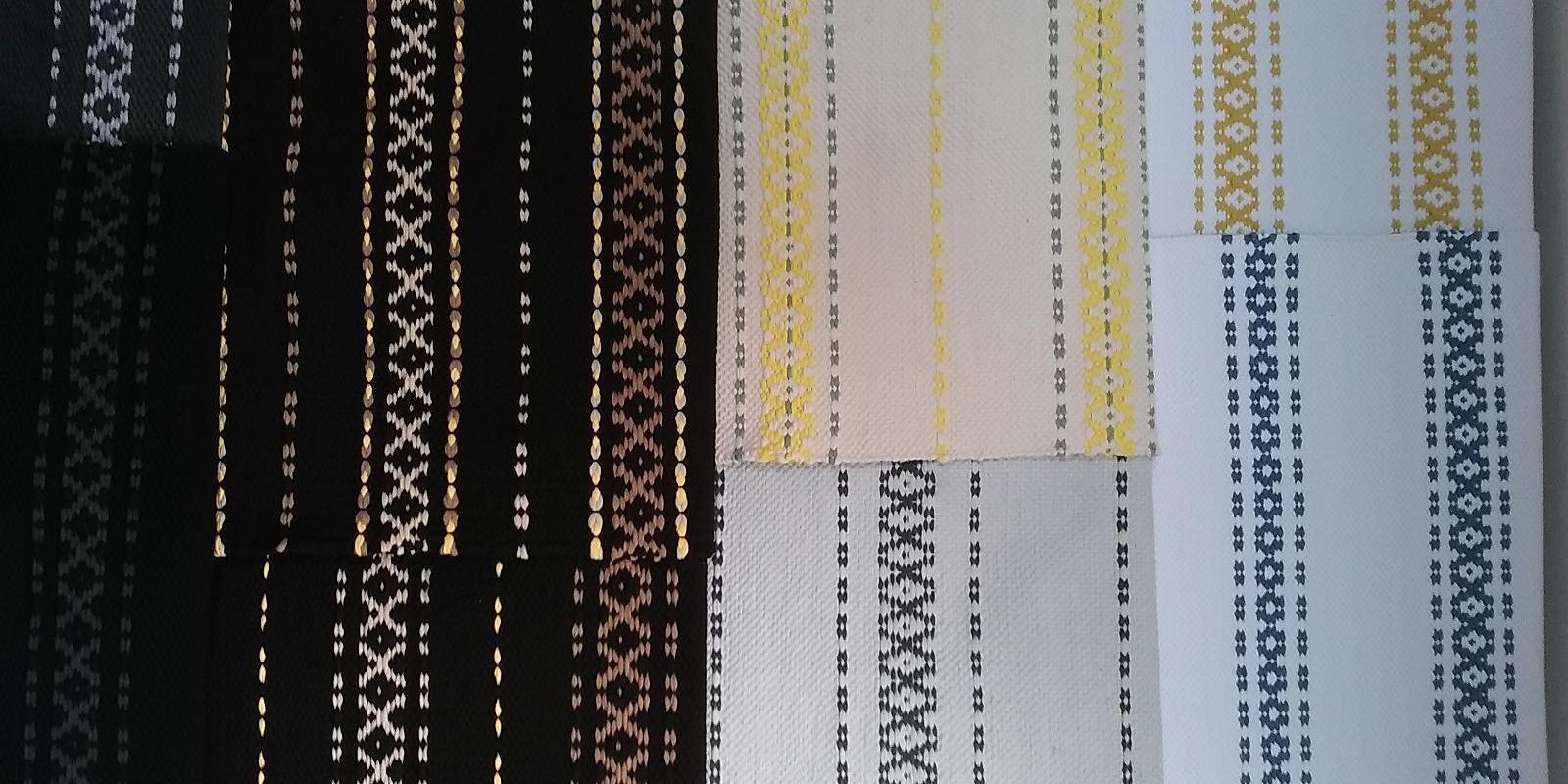
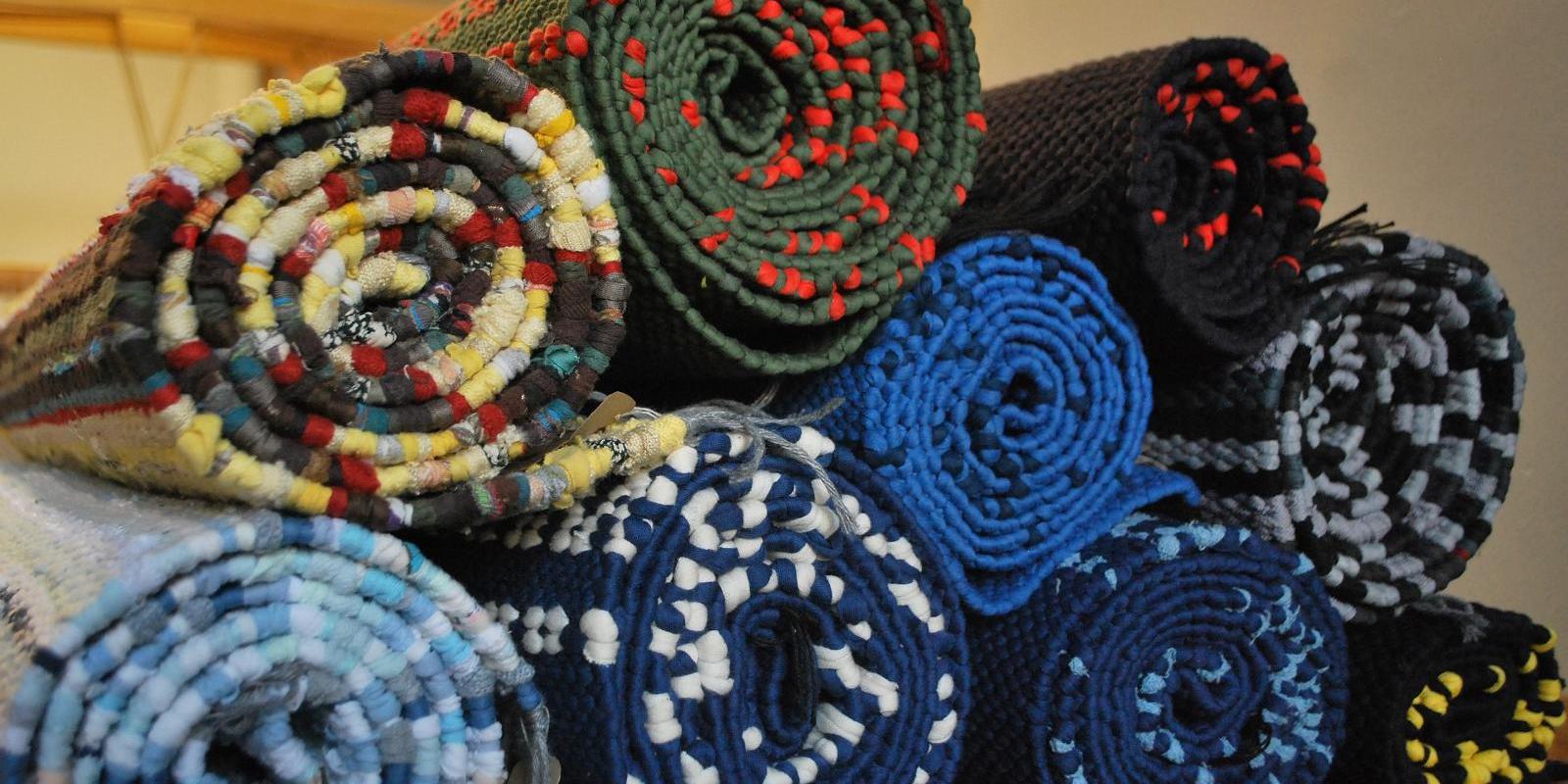
Turgi Handicraft Farm offers a creative holiday by weaving on looms.The selection includes various several-day courses, because the hostess Veinika Västrik introduces the basics of weaving to the beginners and more complex weaving techniques to the more experienced participants. Delicious and healthy meals are offered to the participants three times a day by the host Ergo.See the course dates at the homepage. If you wish, you are welcome to visit us with your group of friends (up to 8 people) and we will find a suitable time for both of us! The price of the 3-day course includes accommodation, catering, weaving materials and the design.You are welcome to weave with us!