• Explore
    • Nature
    • Culture
    • Food
    • Family
    • Activity
    • Blog
    Smoke sauna
    Weather and seasons
  • Plan
    • Accommodation
    • How to get here
    • Weather and seasons
    • Sustainability
    • Tourist info
    Discover South Estonia’s Most Beautiful Manors and Castles
    Top 20 Sights in South Estonia
  • For professionals
    • For professionals
    • Collaboration
    • News
    • Projects
    • Training
    • Repository
    • Community (opens in new tab)
    • Contacts
ENG
  • EnglishENG
  • EestiEST
  • LatviešuLAT
  • РусскийRUS
  • SuomiFIN
ENG
  • EnglishENG
  • EestiEST
  • LatviešuLAT
  • РусскийRUS
  • SuomiFIN
Popular searches:
Show all
  • Architecture and history
  • History & Culture

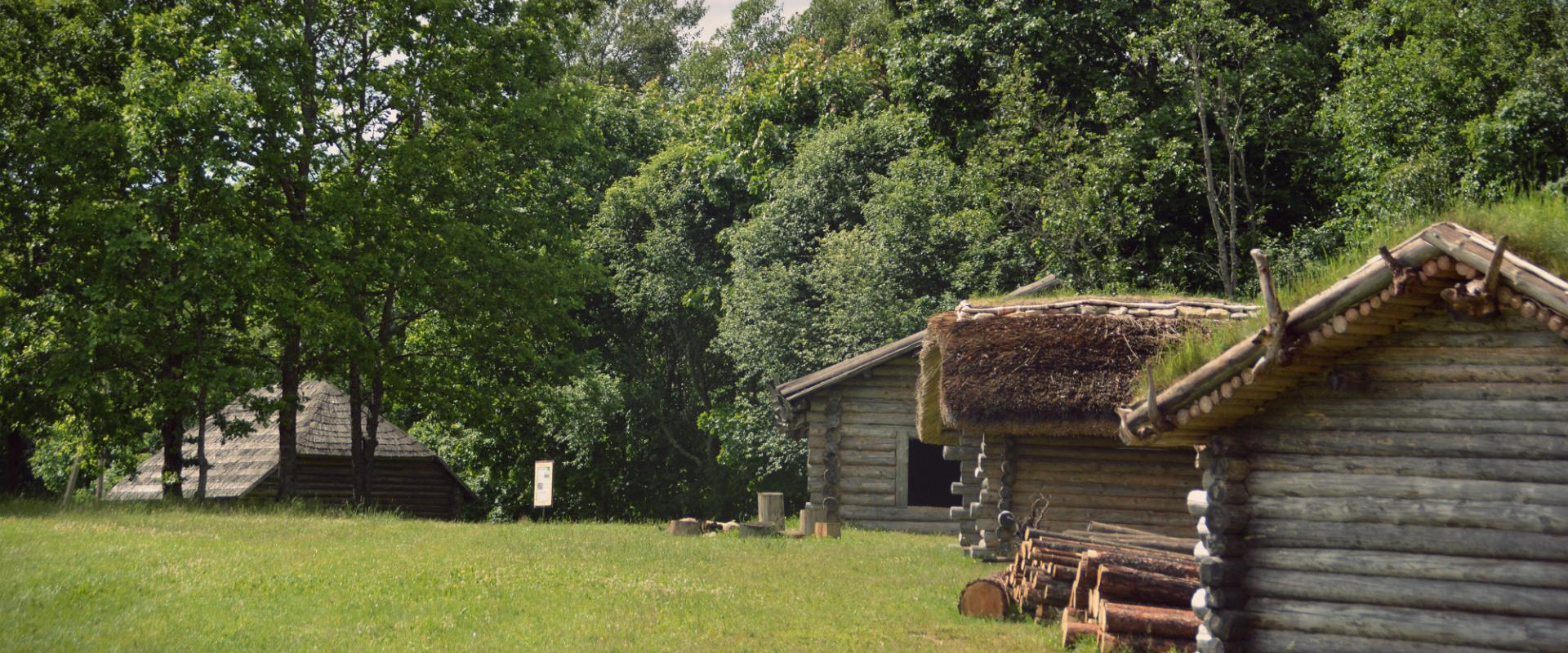
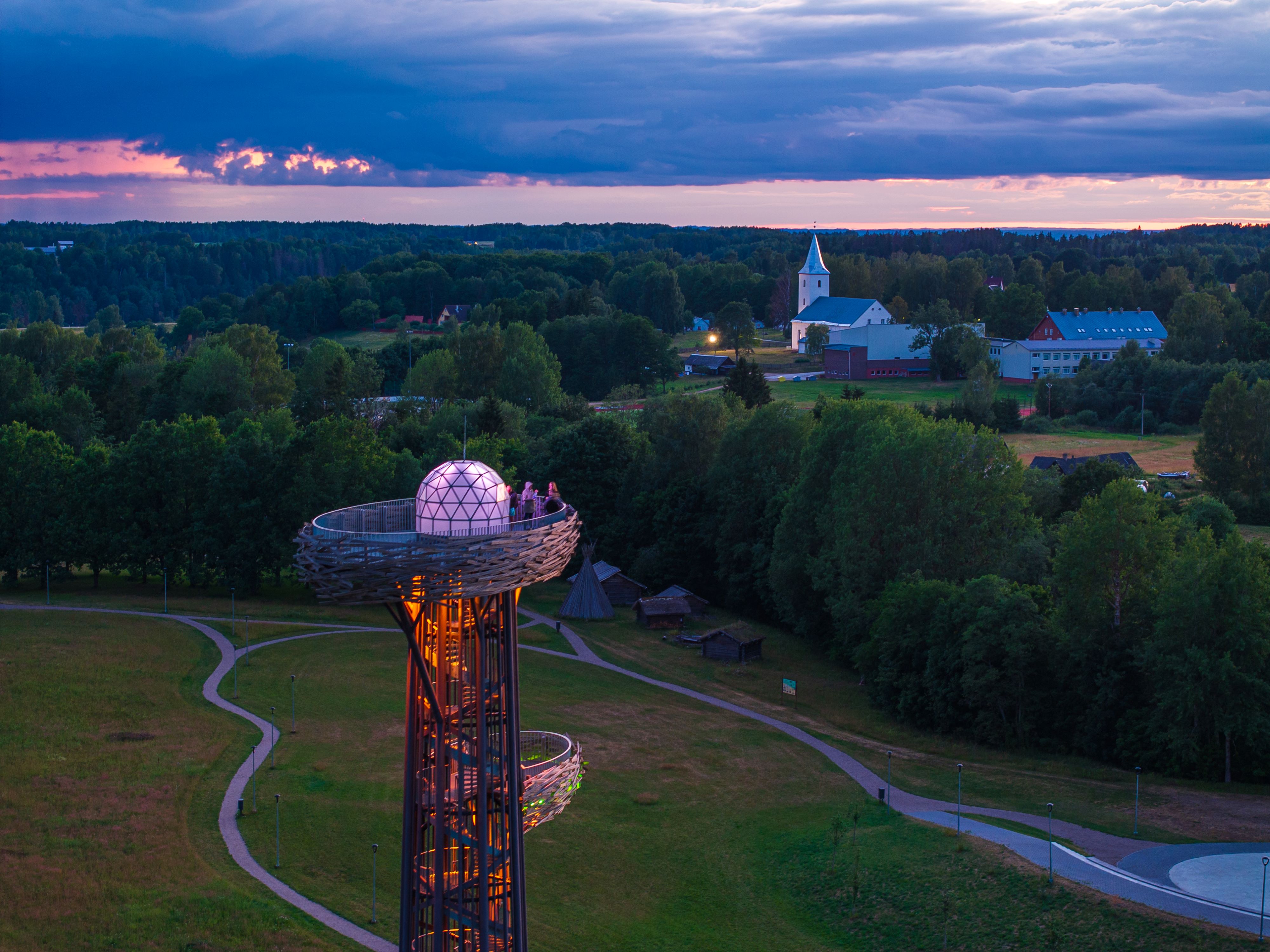
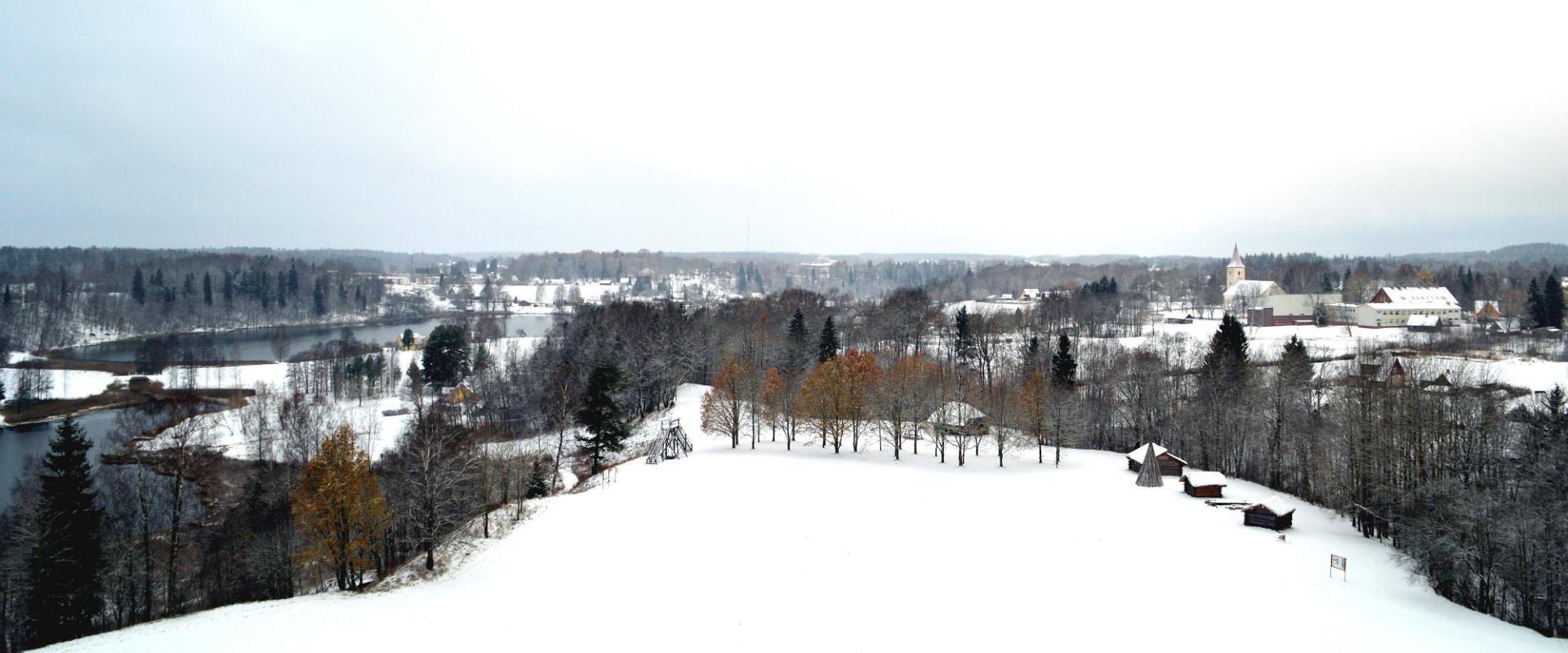
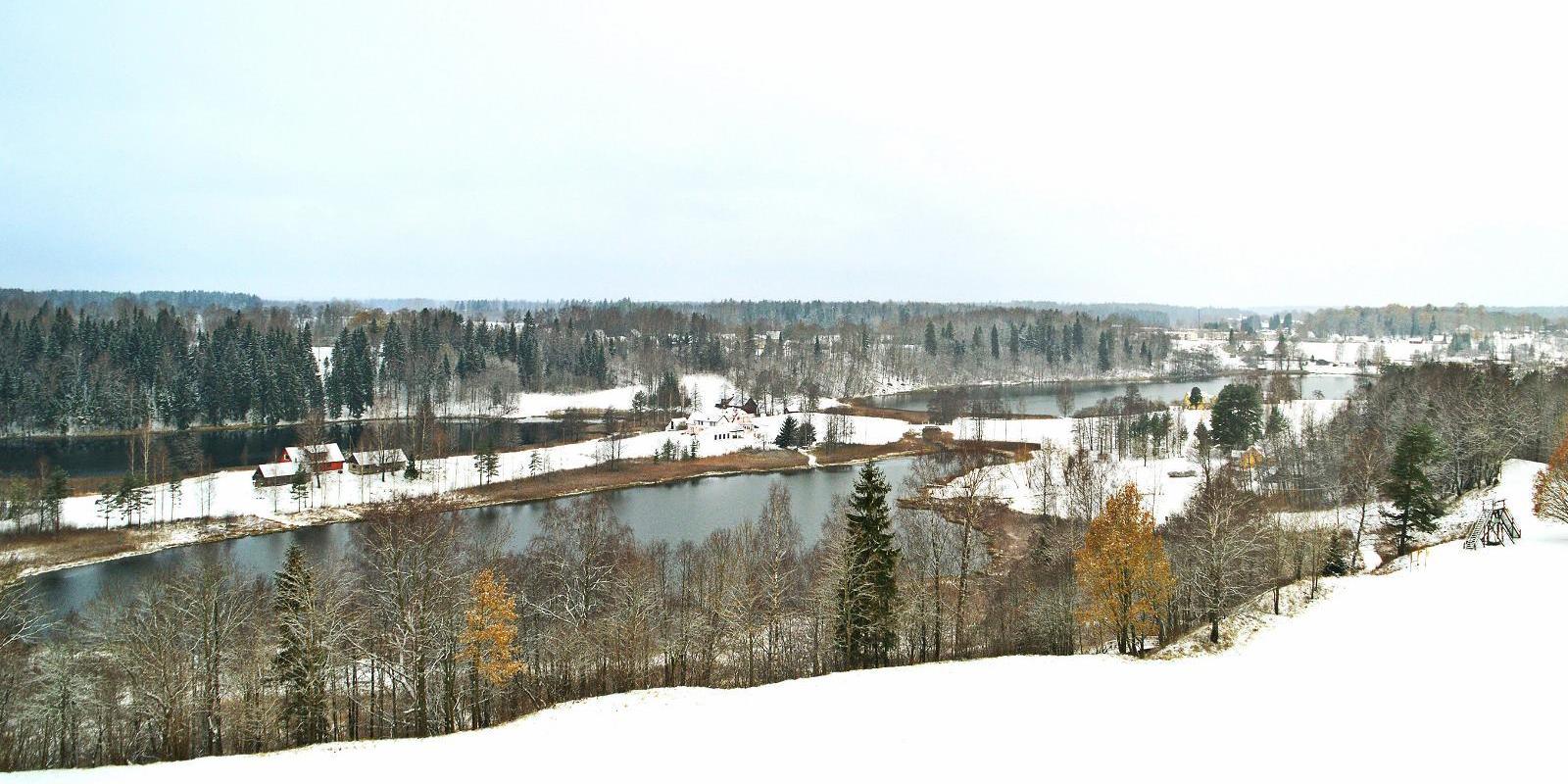
Rõuge hill fort and prehistoric settlement

Rõuge vald, Võru maakond, 66298

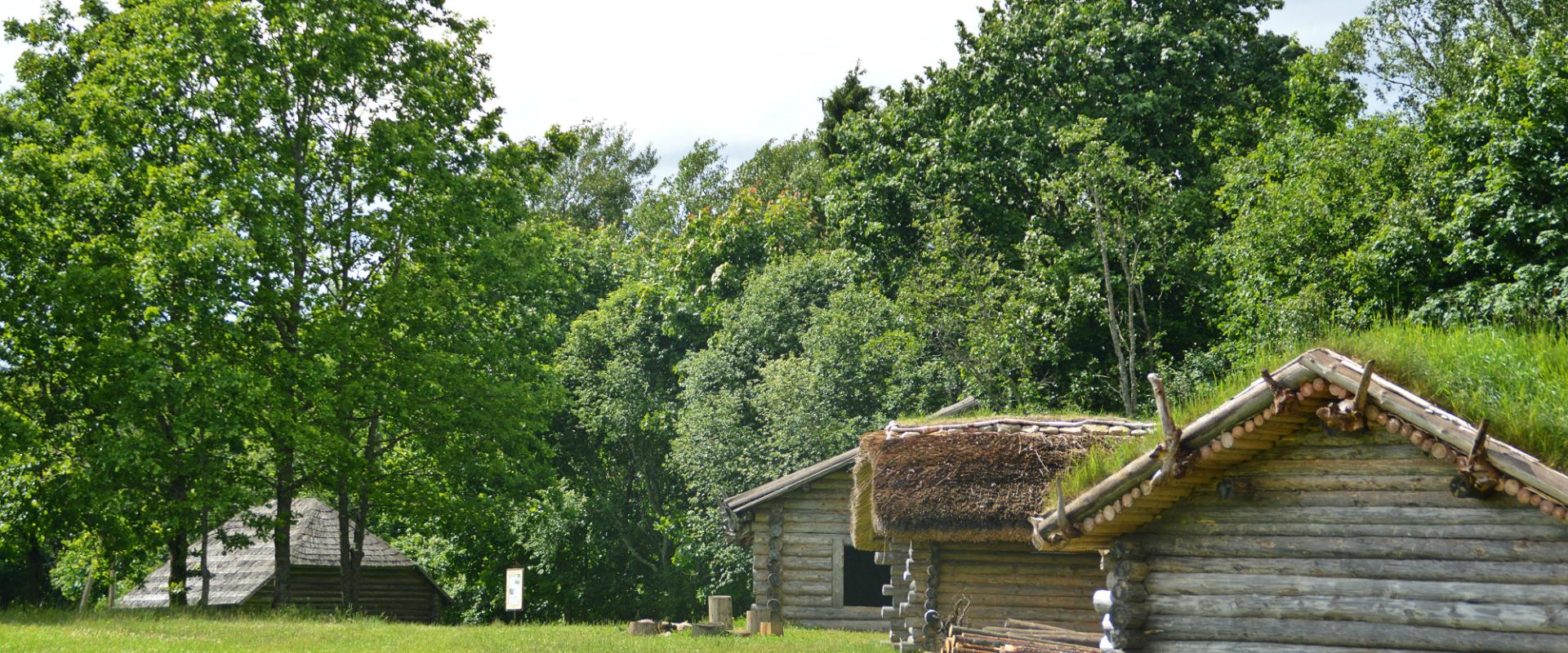
The cultural layer of Rõuge settlement hid several ruins of residential buildings and a number of findings of household items. Subsequent to the settlement is a fortress that is situated on the western part of the natural small cape and where the residential buildings were located, but today, only the end ramparts of the fortress with ditches in front of them can be seen. During Middle Iron Age, people mainly subsisted on slash-and-burn clearance, cattle-breeding was less developed. Some examples of tools of local craftsmen were found among the finds from Rõuge; the finds can be seen in Võrumaa Regional Museum.In 1613, Rõuge is mentioned as a parish for the first time. The modern-day small town came into being in the 19th century.
Amenities

  • Information boards
  • Free parking

Open times

Throughout the Year

Around the Clock

Contact

  • +372 528 2989
  • info@visitrouge.com

Links

See more

  • Ruins

Ruins of the Uue-Saaluse manor

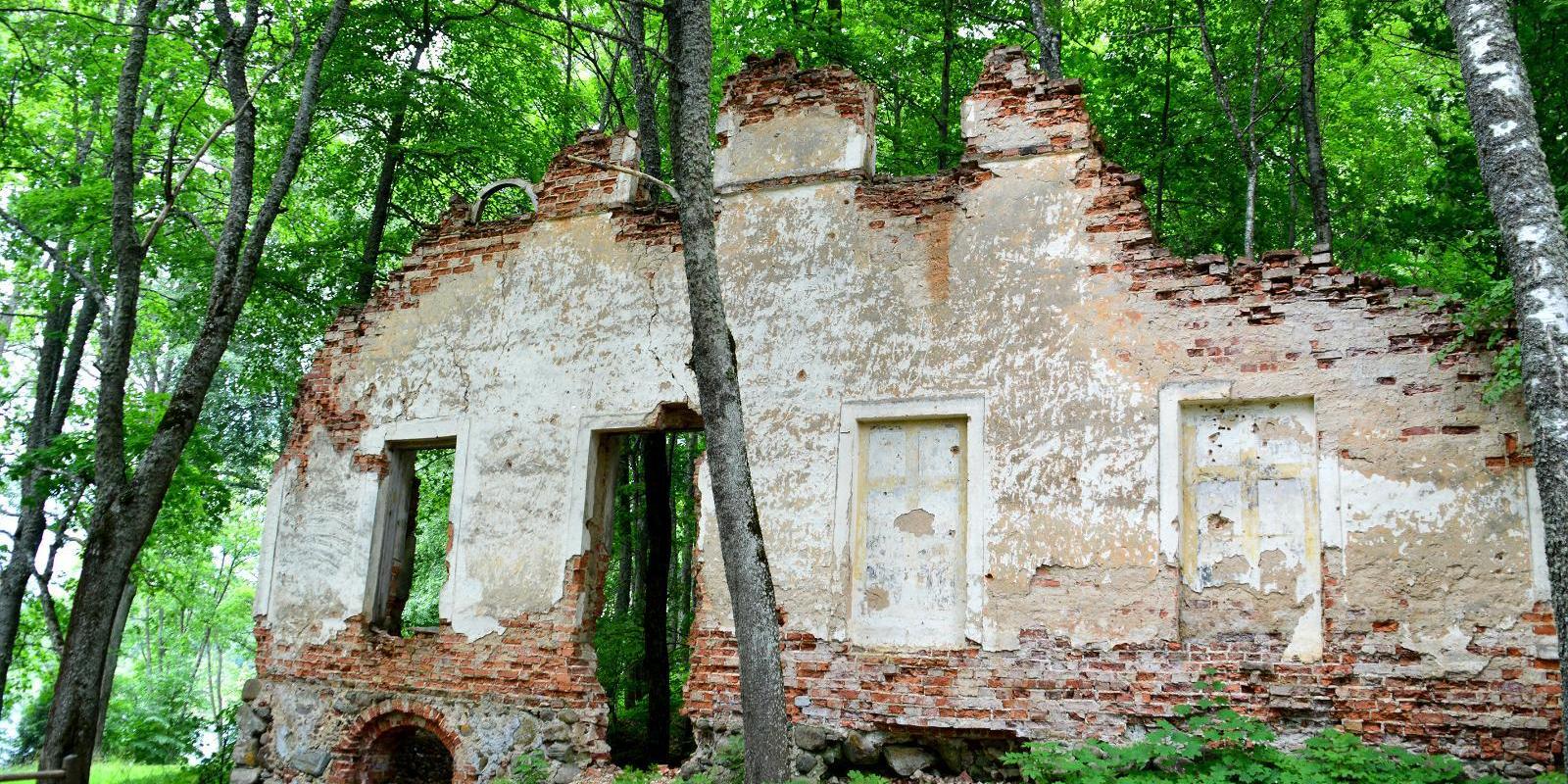
The Uue-Saaluse manor, that was built in 1540, has had many owners, the first one being Reinhold Salis, after whom the manor is also named.The heart of the manor is in a beautiful place on a hill on the eastern shore of Lake Kavadi. The manor belonged to the von Maydell family from 1843 to 1919, when it was dispossessed.The Saaluse manor was nationalised after that, land was divided among those, who participated in the War of Independence, and the manor staff, until their own houses were built. Later the building was used for public festivals, as a school for two years and then as a community centre, which also housed a shop.Only ruins remain of the manor.

Site of the Tamula Ancient Settlement on Roosisaare

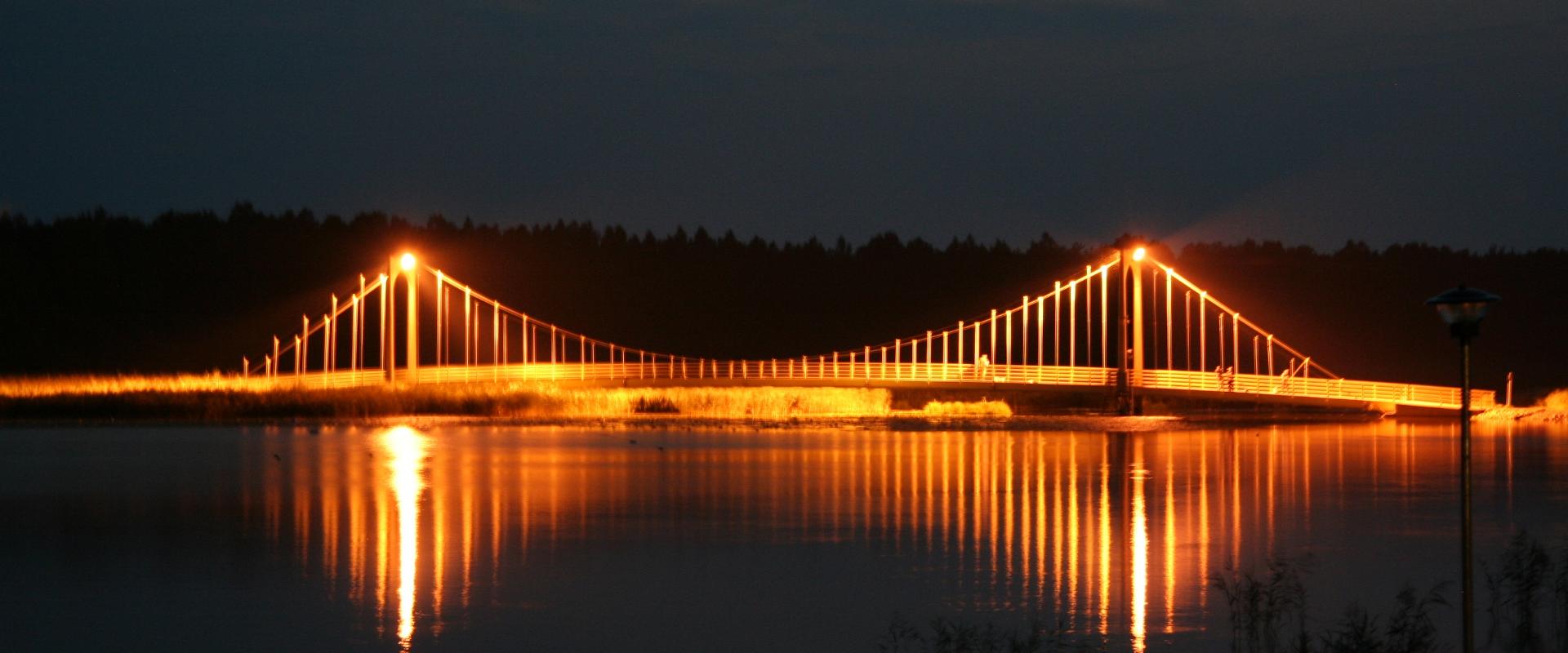
The horns of ancient cattle, animal bones and other objects found in the lake by Ida Kepnik and Richard Indreko indicated that a stone age settlement was once located here. In 1958, horns together with parts of the skull, ceramics and numerous other objects were found in the course of deepening the Võhandu River and bridge construction. In the summer of 1959, a joint expedition by the Institute of History and the Valga Interregional Local History Museum identified the exact location of the settlement. Using the radiometric dating method, it is estimated that the Tamula settlement is 4500 years old. The connection to Roosisaare peninsula was improved in 1998 when a new suspension bridge was opened for pedestrians. There is a great view of Lake Tamula and the town of Võru from the bridge.

  • Churches

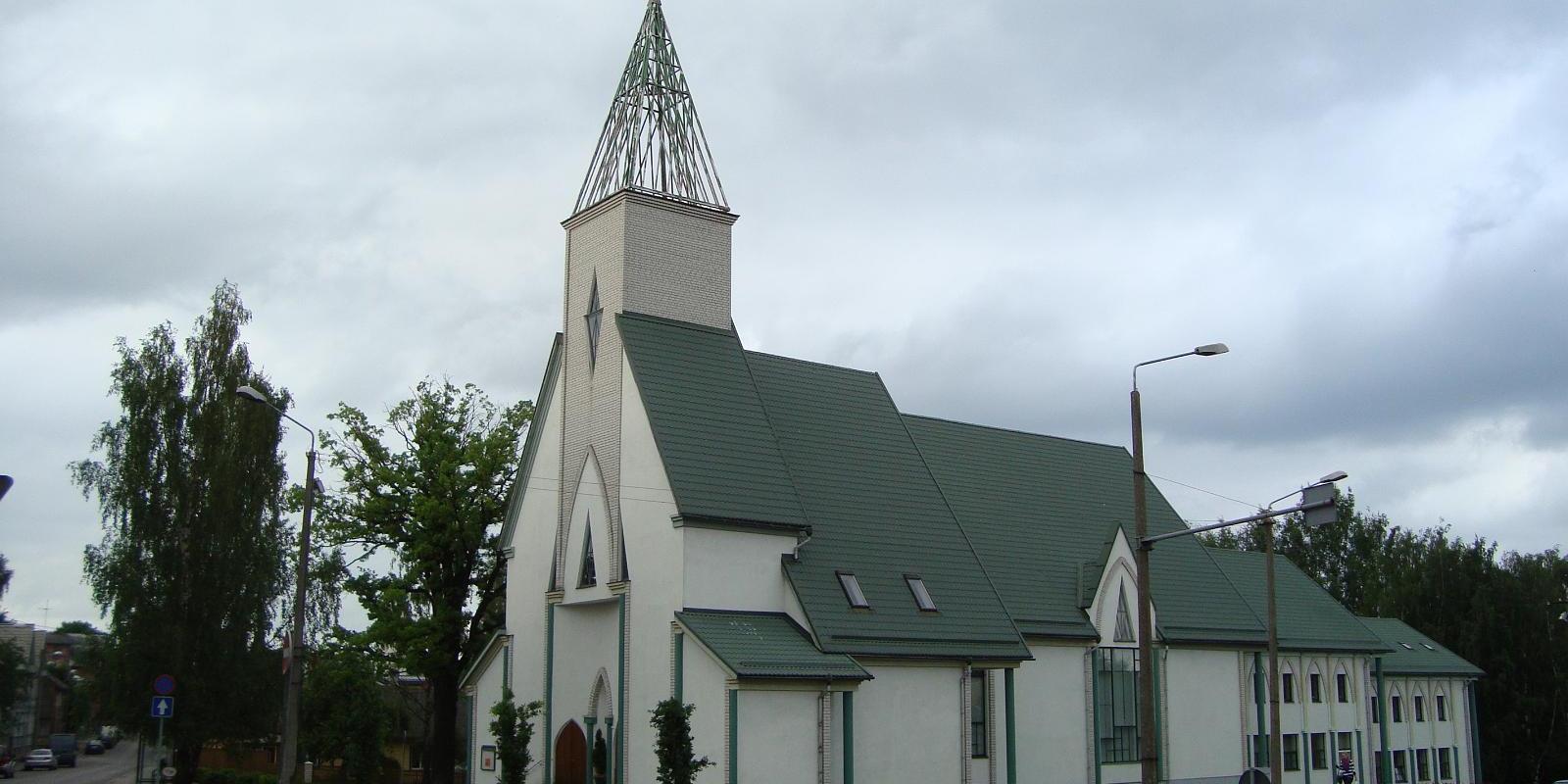
Tartu Salem Baptist Church of the Alliance of Estonian Evangelical Christian Baptist Congregations

Come and take look at the modern and spacious church of the Tartu Salem Baptist Congregation (architect Maarja Nummert). The church was opened on 28 June 1988 with a concert and thanksgiving service. You are welcome to enjoy concerts in the church hall that has great acoustics and space for almost 400 people. Interesting facts: - the only baroque organ in Tartu is in the Tartu Salem Baptist Church; - the church offers accommodation to travellers.

  • Virtual reality (VR)
  • Family friendly

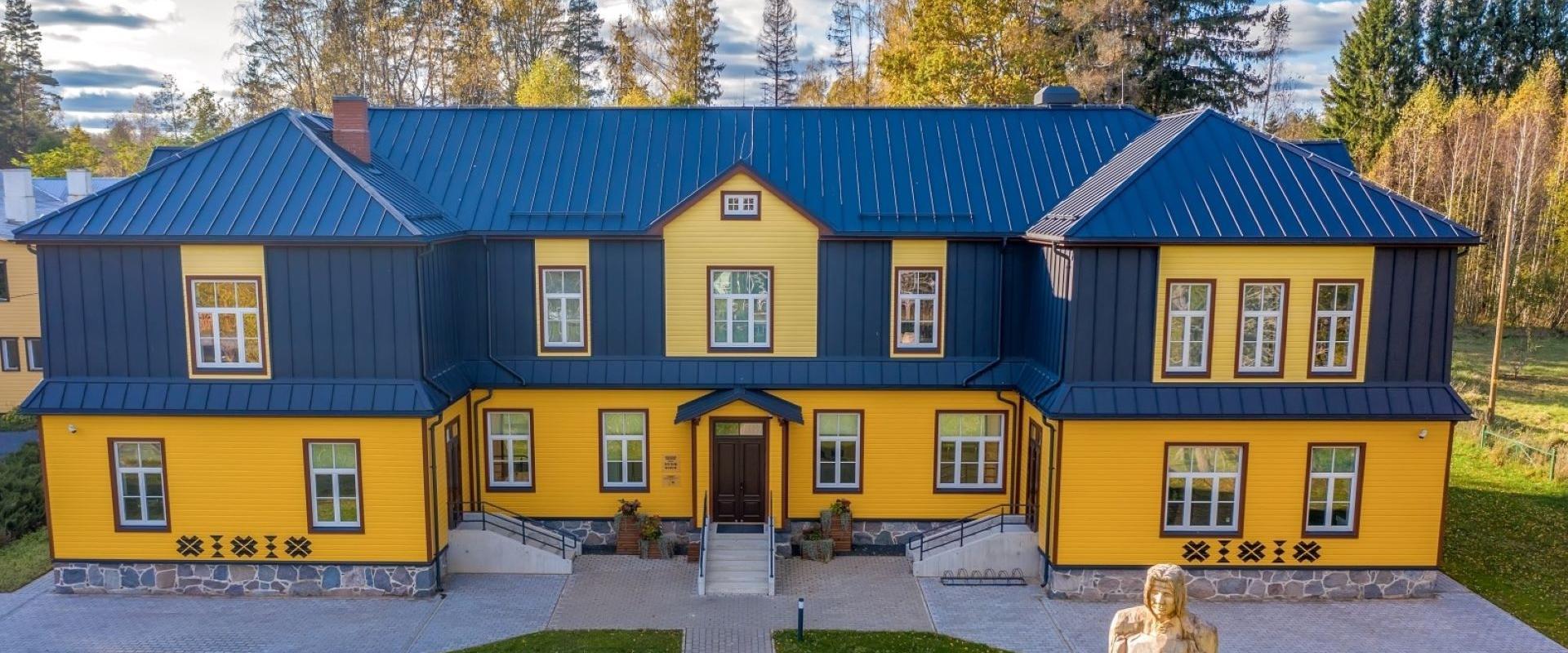
Kalevipoeg Museum

The Kalevipoja Museum, located in Jõgeva County, Kääpa, is named after the Estonian national epic "Kalevipoeg". In the nearby river lies the sword of Kalevipoja, and around it lie the resting places, stones, springs and furrows of the ancient sangari. This is where you can start a real journey into the world of the Estonian national epic! The museum's permanent exhibition gives an overview of the epic, and you can learn about the most important events in a playful way. Anyone who wishes can listen to the epic as an audiobook or sit in the "Plane" and watch a short film about places in Estonia related to Kalevipoja. Do you dare to try what it feels like to be Kalevipoeg yourself? In a virtual reality adventure, you can pick up your sword and fight Sarviktaat! Families, groups of friends and groups are welcome! In addition, you can organize seminars and team events with us, which combine knowledge, creativity and adventure. Adrenaline and fun activities are offered in our adventure park with both high and low trails - the perfect way to spend active time with family, friends or colleagues.

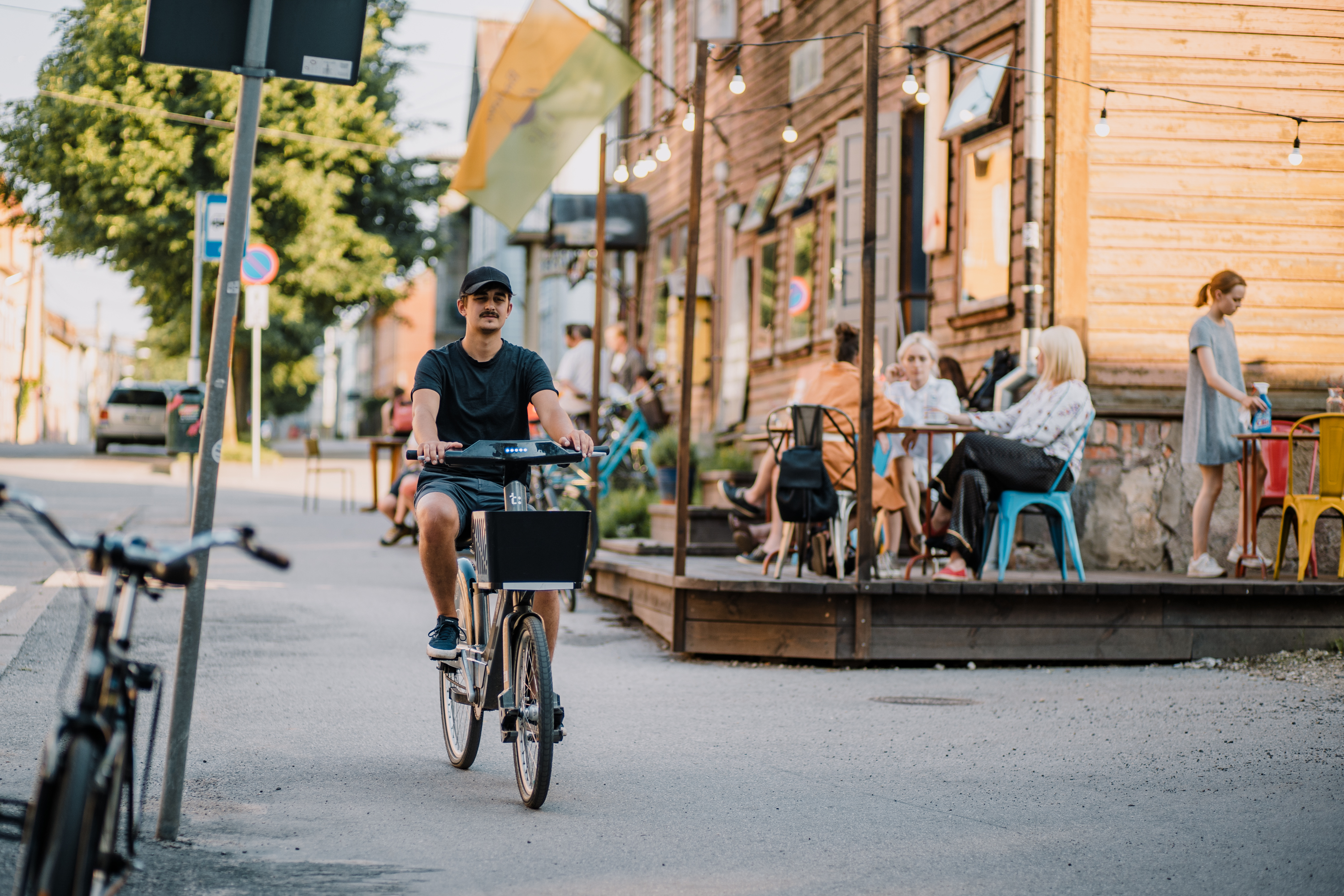
Karlova — a meeting place for architecture enthusiasts and bohemians

Karlova is a neighborhood in Tartu that captivates visitors with its bohemian atmosphere. In Tartu's Karlova district, there are historical wooden houses, secret courtyards worth discovering, unique cafés loved by locals, greenery, and plenty of street art. In the heart of Karlova are several important community places – the cozy Karlova Kohv, the popular meeting spot Barlova Bar, and the Karlova Harbor area by the Emajõgi River, suitable for more peaceful leisure. The neighborhood dates back to the houses built on the lands of Karlova Manor in the 19th–20th centuries, which have developed into today's unique living environment. The oldest settlement, at the beginning of Kalevi Street, dates back to the 18th century and architecturally differs from the rest of the area. In spring, Karlova Days take place, where you can get to know the neighborhood even better through various events and open courtyards. Exploring the neighborhood with a guide will show you Karlova's hidden side and the historical charm of its bohemian wooden houses. More information can be found on the Tartu Guides website.

  • Churches

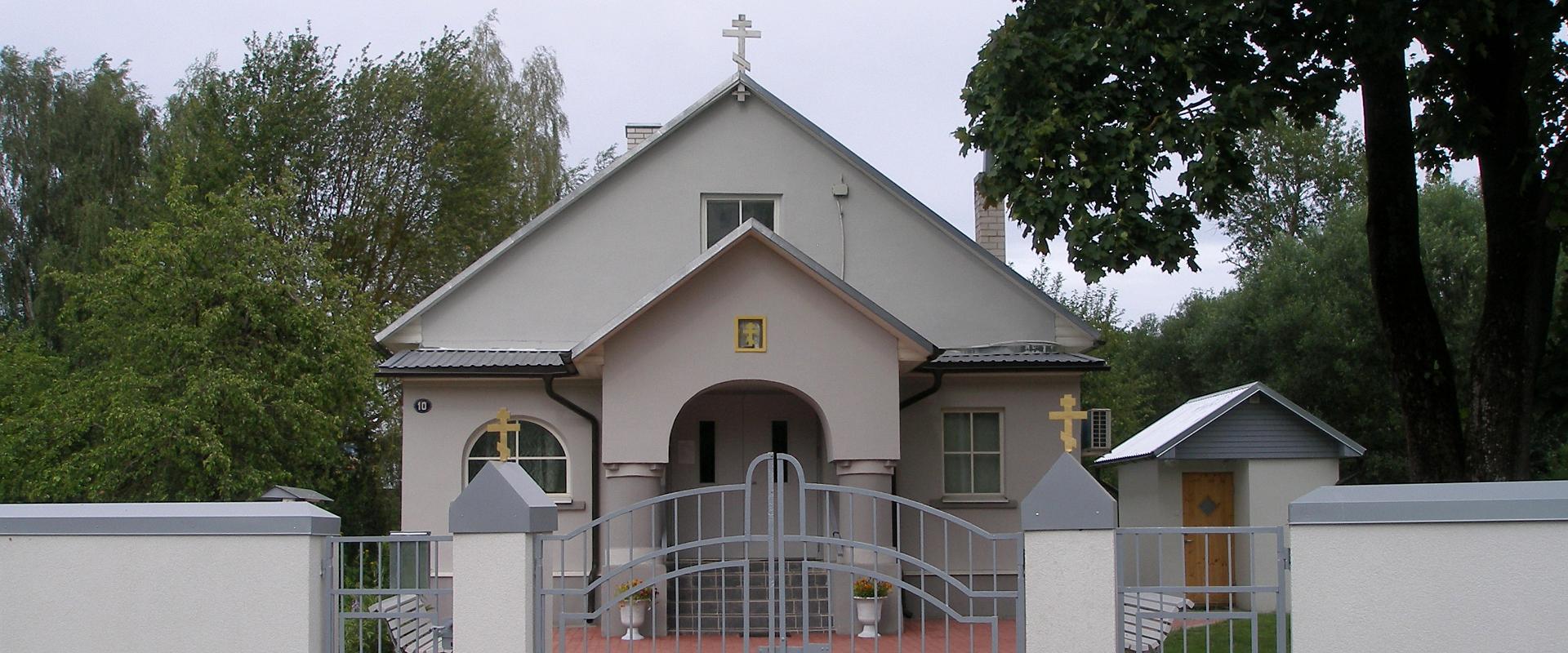
Tartu Old Believers Prayer House of the Estonian Association of Old Believers Congregations

Tartu Old Believers Prayer House is a small and cosy house of God in the hall under the tower of a large and impressive prayer house destroyed by bombing during the war. This is the only part of the house the congregation has managed to restore by today. You can also see icons from the 19th century and the works of local 20th century icon painters in the Tartu Old Believers Prayer House.Service in Russian takes place at 10 a.m. on Sundays.

  • Workshops
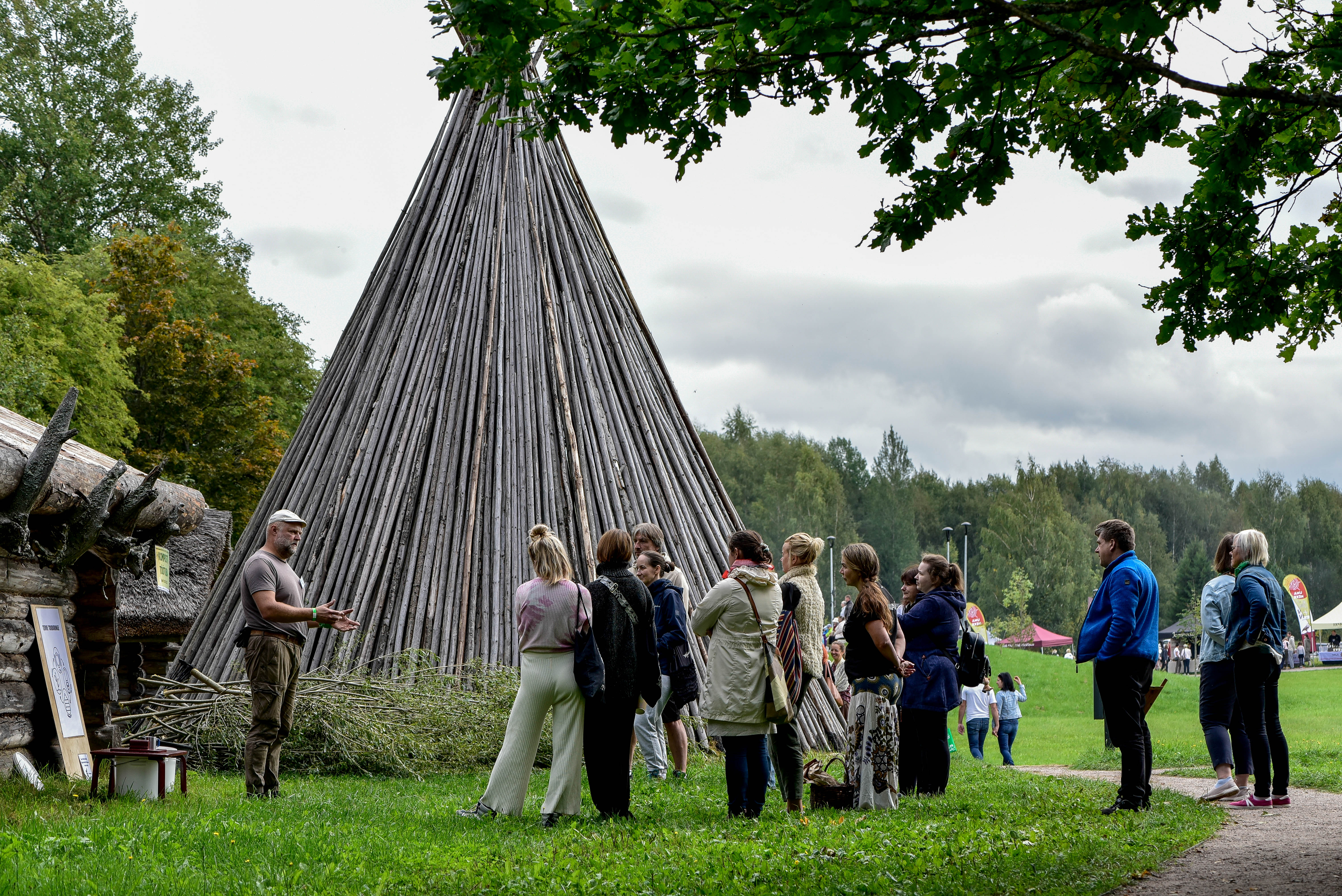
  • Guided tours

Hellenurme Mill Museum

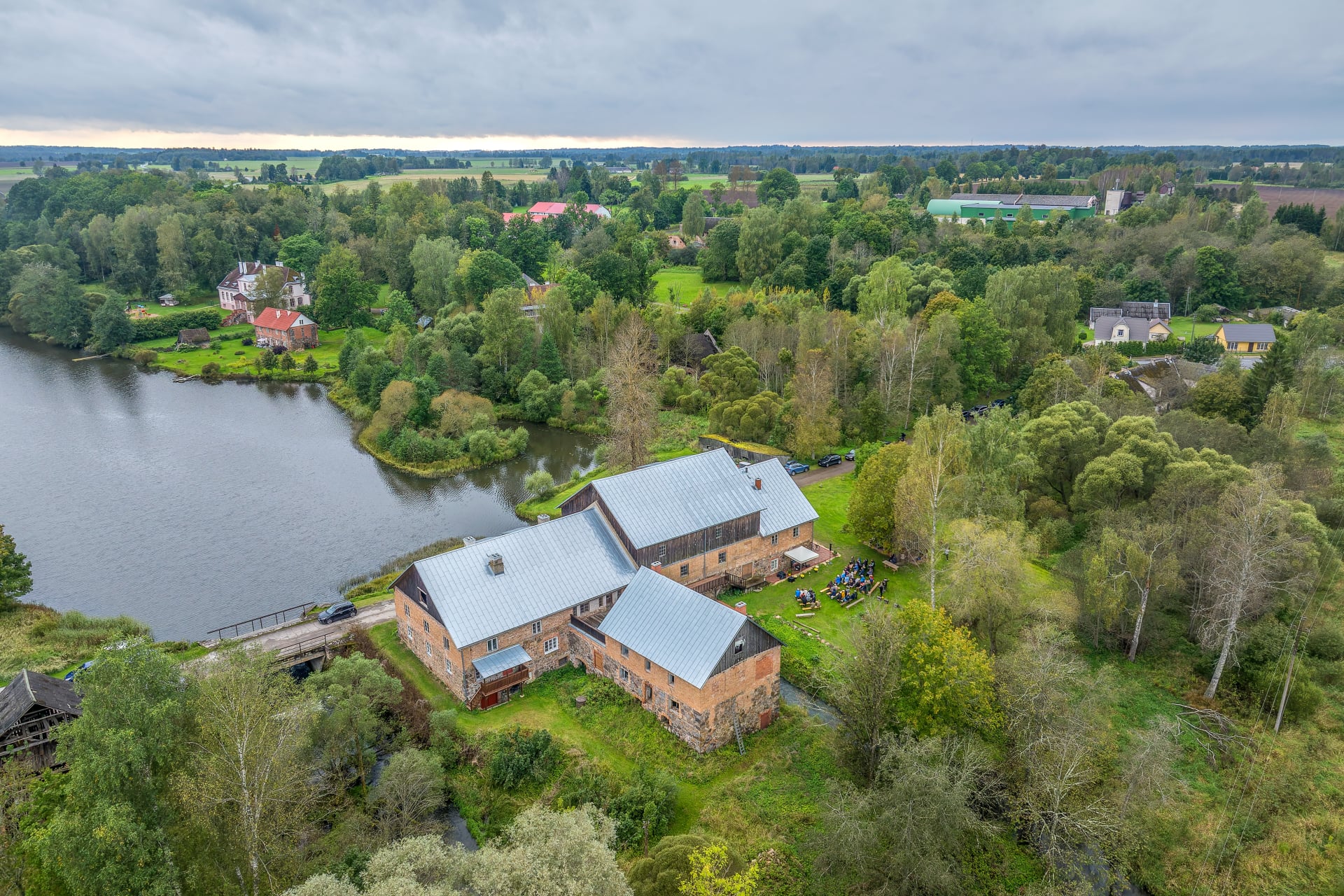
Hellenurme Mill Museum in Southern Estonia is the last operational historical watermill in Estonia and one of the few examples of a water-powered mill as industrial heritage in the Nordic countries. Visiting the mill feels like a trip back in time. Visitors can see century-old equipment across four floors of the mill, from the turbine to the milling machines and millstones, which still grind rye into bread flour. In the bread house, the mill hostess offers guests traditional Estonian rye bread made on-site and shares stories that bring the everyday life of centuries past to life. The large mill building of Hellenurme Manor, built in 1880 in Tartu County, hides surprises at every step. In addition to the working mill, guests can enjoy workshops and meals in the bread house. It is possible to stay overnight in the freshly renovated mill chambers, which offer views of the river and lake. Visitors can admire the lake's beauty and the surrounding nature.Here, you can also enjoy cultural events and celebrate festive moments with friends, family, or colleagues.

  • Churches

Tõrva Church – Chamber Hall

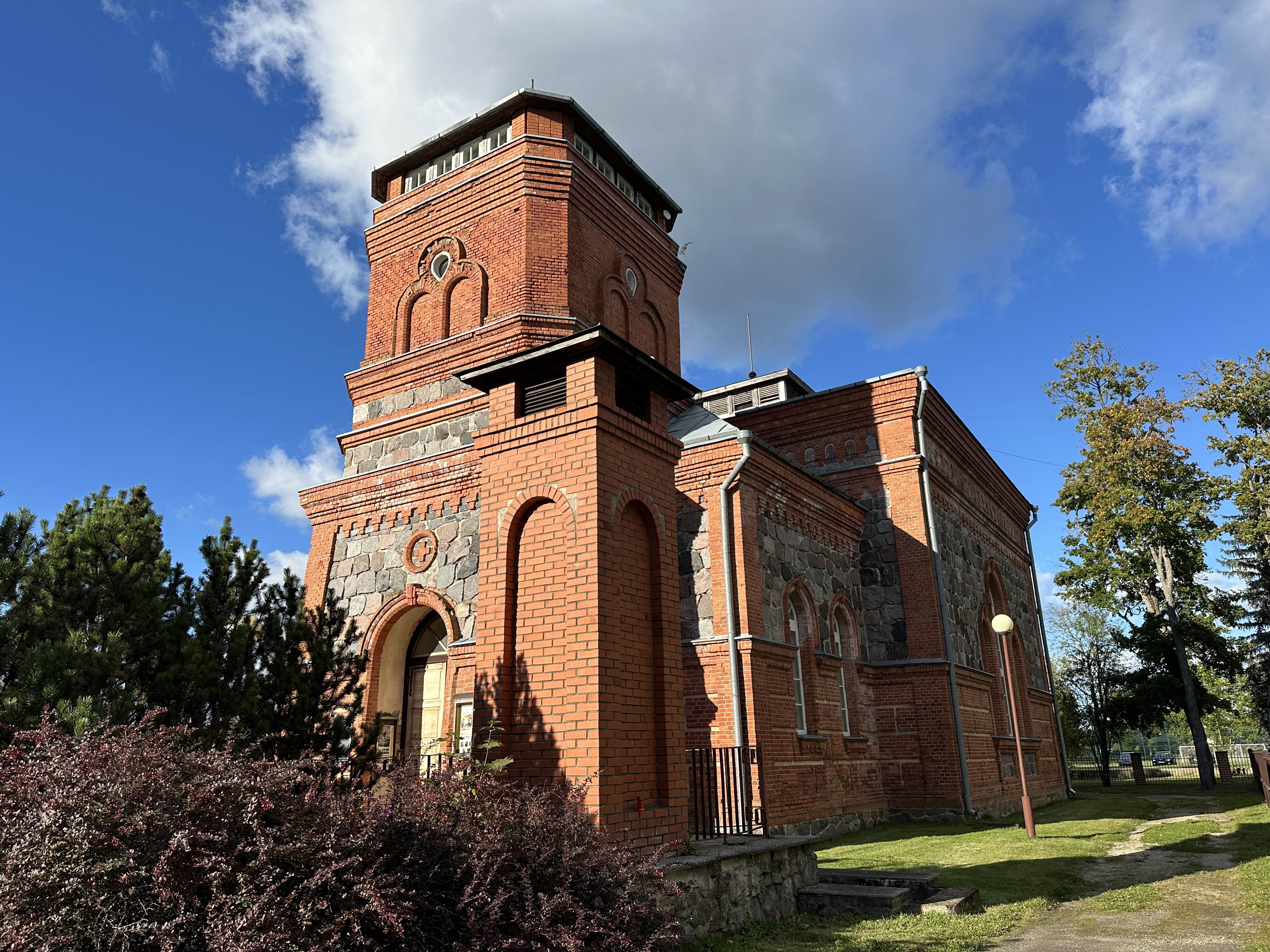
The Helme-Tõrva Apostolic Orthodox Church of the Birth of Christ was built in Valga Street in the years 1903 to 1904. Karl Shurin was in charge of the building work. The two domes and bell tower made the church one of the most imposing churches in the Viljandi Apostolic Orthodox Deanery. The church was seriously damaged during the fierce battles fought in September 1944 and it was only restored in 1990 as a chamber hall.Interesting facts: * the church was also used for salt and cement storage during the Soviet times; * the church-chamber hall currently belongs to the Lutheran church.

  • Collaboration
  • News
  • Contacts
  • Privacy Policy
Join our mailing list!

"*" indicates required fields

This field is for validation purposes and should be left unchanged.
I authorise marketing

South Estonia Tourism Cluster

info@visitsouthestonia.com