• Explore
    • Nature
    • Culture
    • Food
    • Family
    • Activity
    • Blog
    Smoke sauna
    Weather and seasons
  • Plan
    • Accommodation
    • How to get here
    • Weather and seasons
    • Sustainability
    • Tourist info
    Discover South Estonia’s Most Beautiful Manors and Castles
    Top 20 Sights in South Estonia
  • For professionals
    • For professionals
    • Collaboration
    • News
    • Projects
    • Training
    • Repository
    • Community (opens in new tab)
    • Contacts
ENG
  • EnglishENG
  • EestiEST
  • LatviešuLAT
  • РусскийRUS
  • SuomiFIN
ENG
  • EnglishENG
  • EestiEST
  • LatviešuLAT
  • РусскийRUS
  • SuomiFIN
Popular searches:
Show all
  • History & Culture
  • Architecture and history
  • Churches

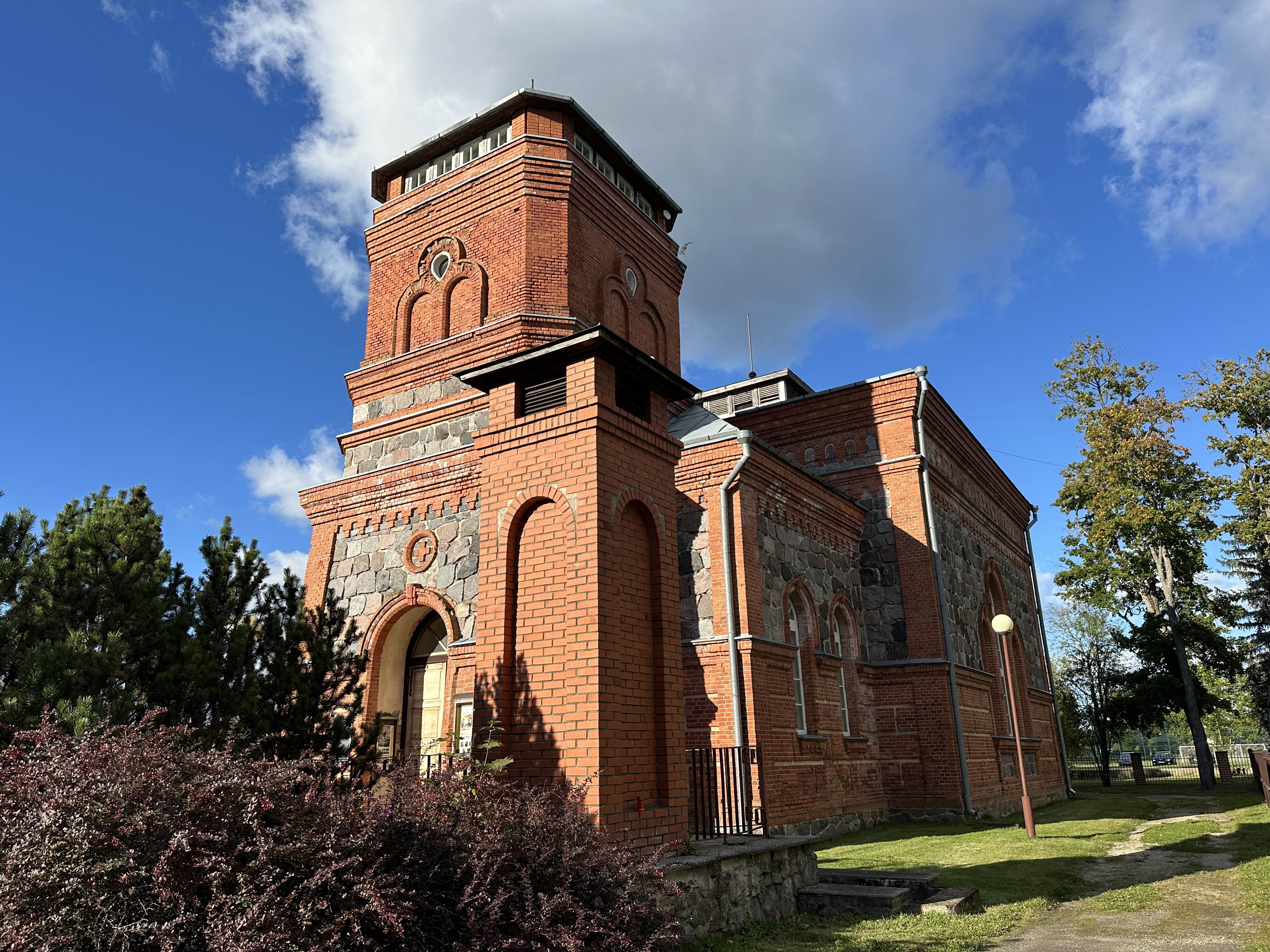
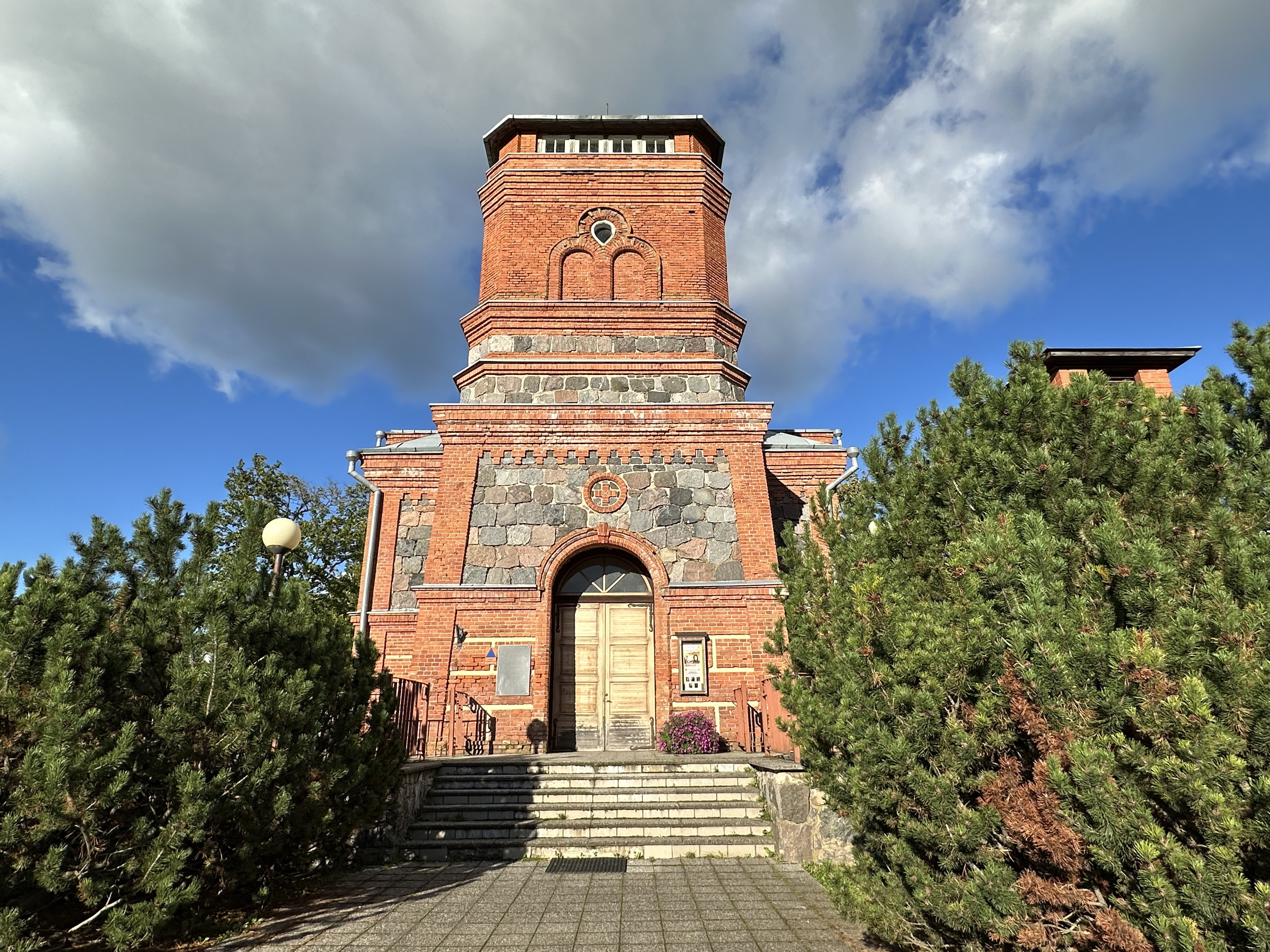
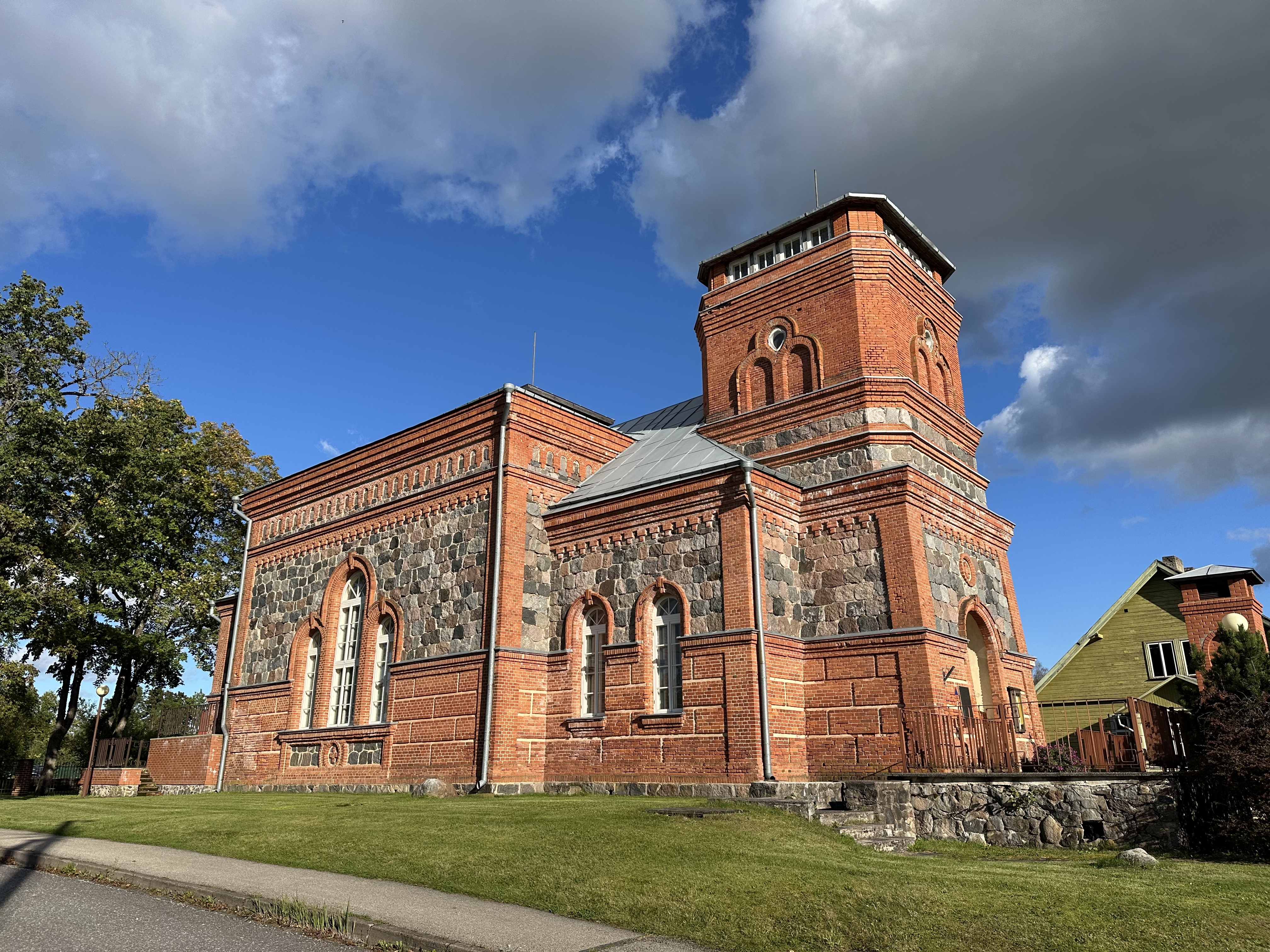
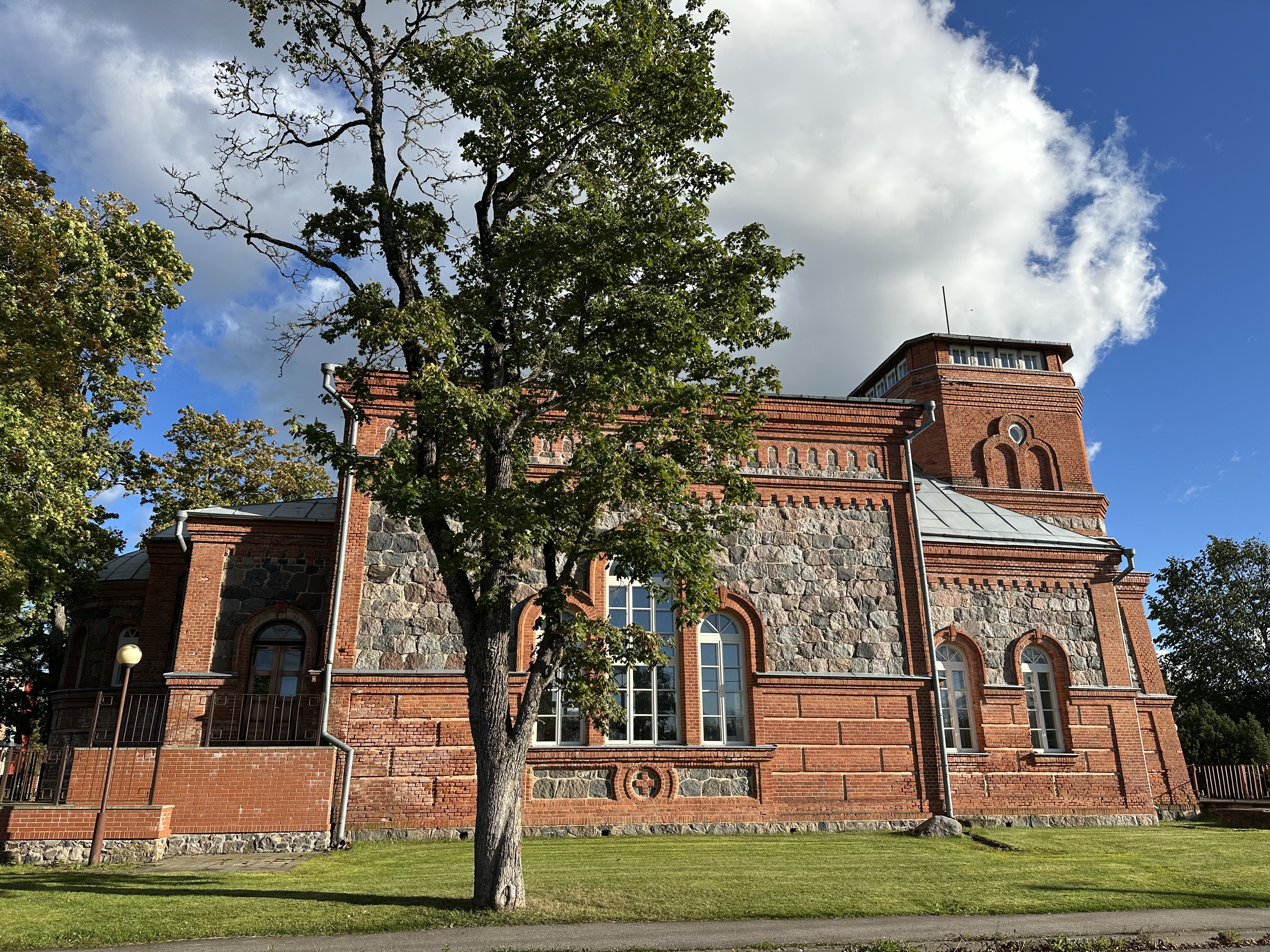
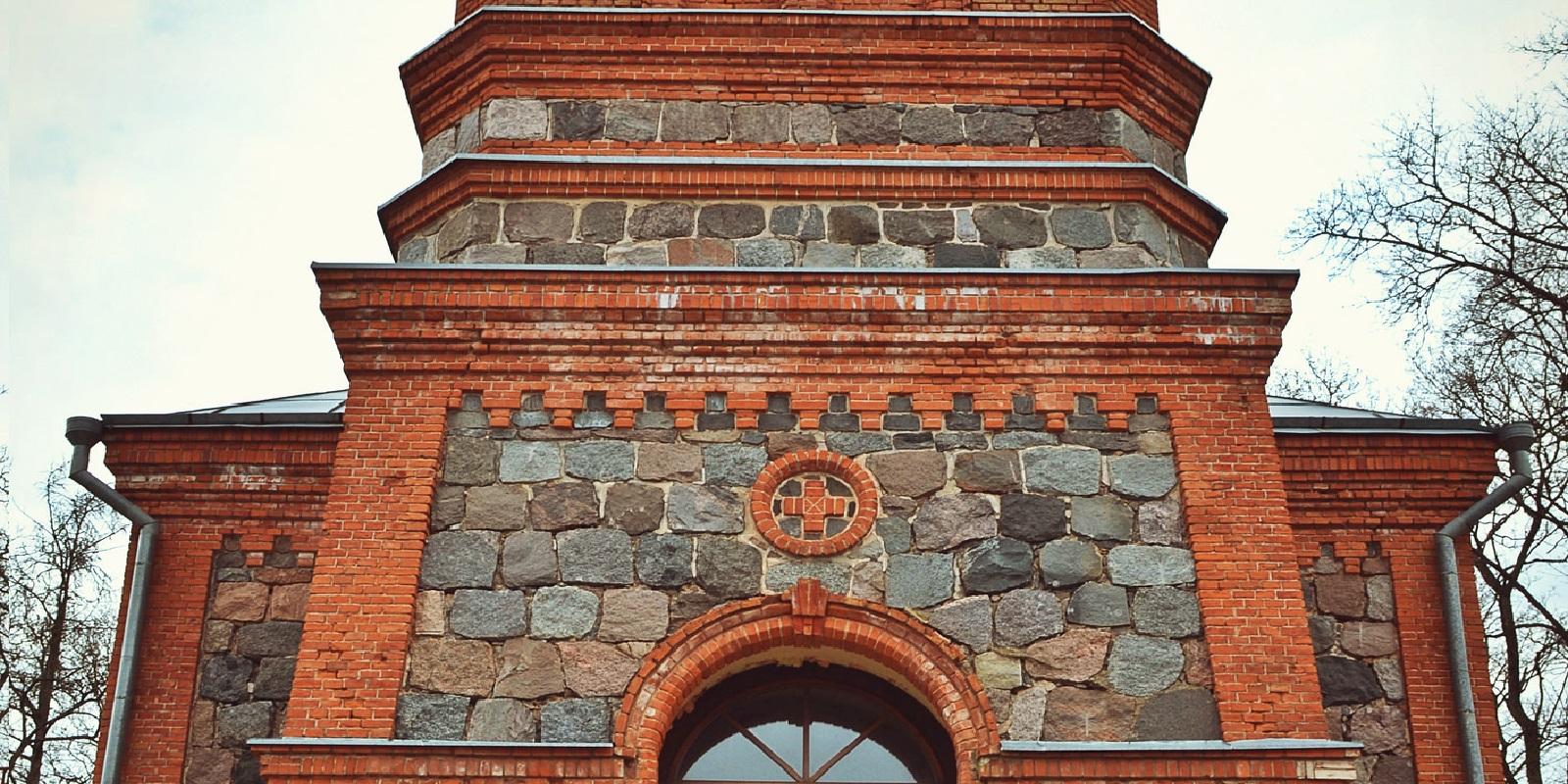
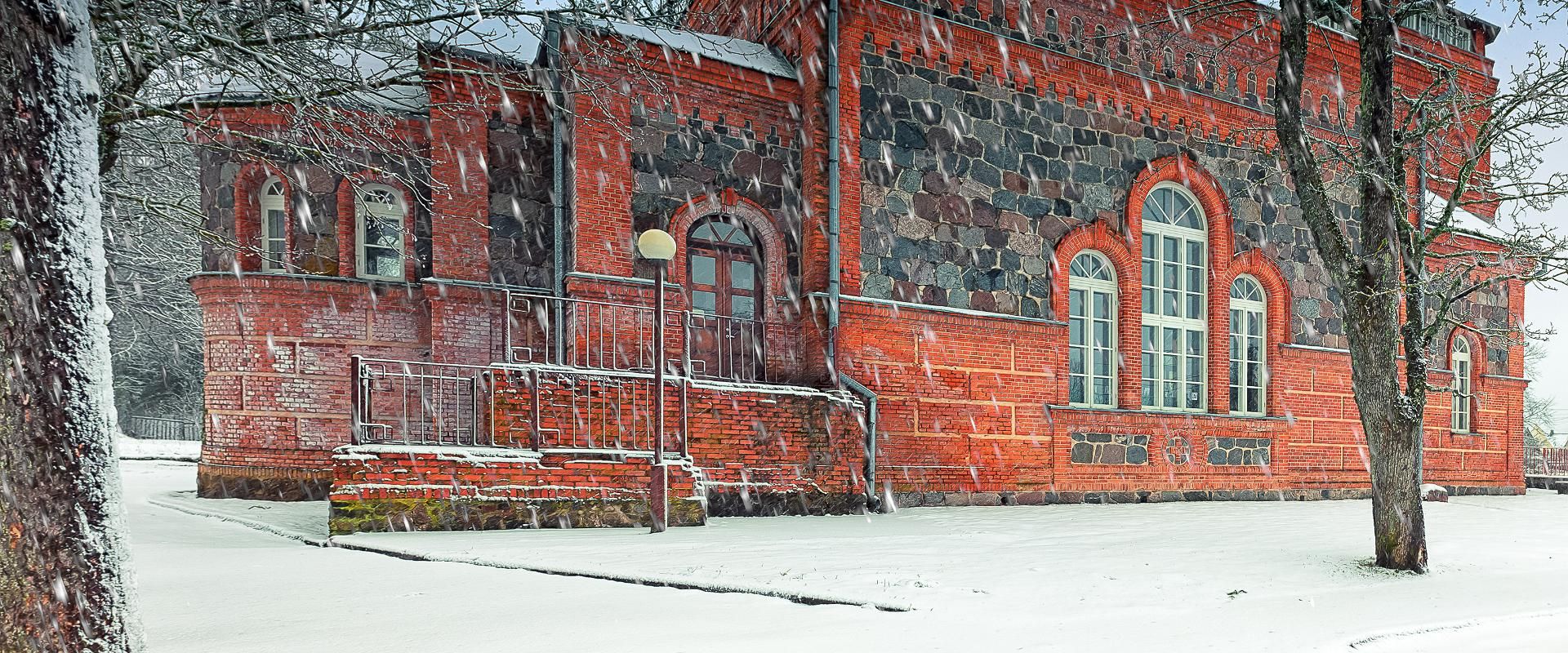
Tõrva Church – Chamber Hall

Valga tn 42a, Tõrva vald, Valga maakond, 68606

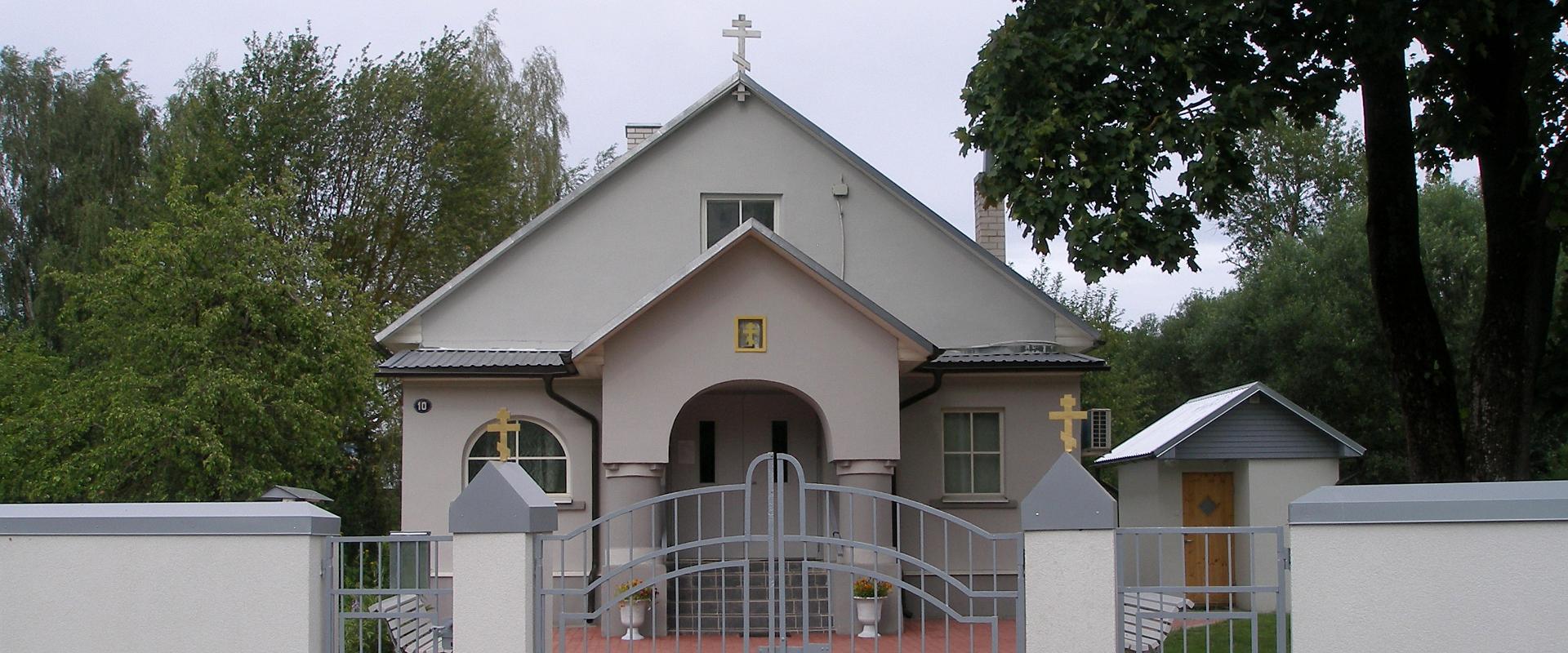
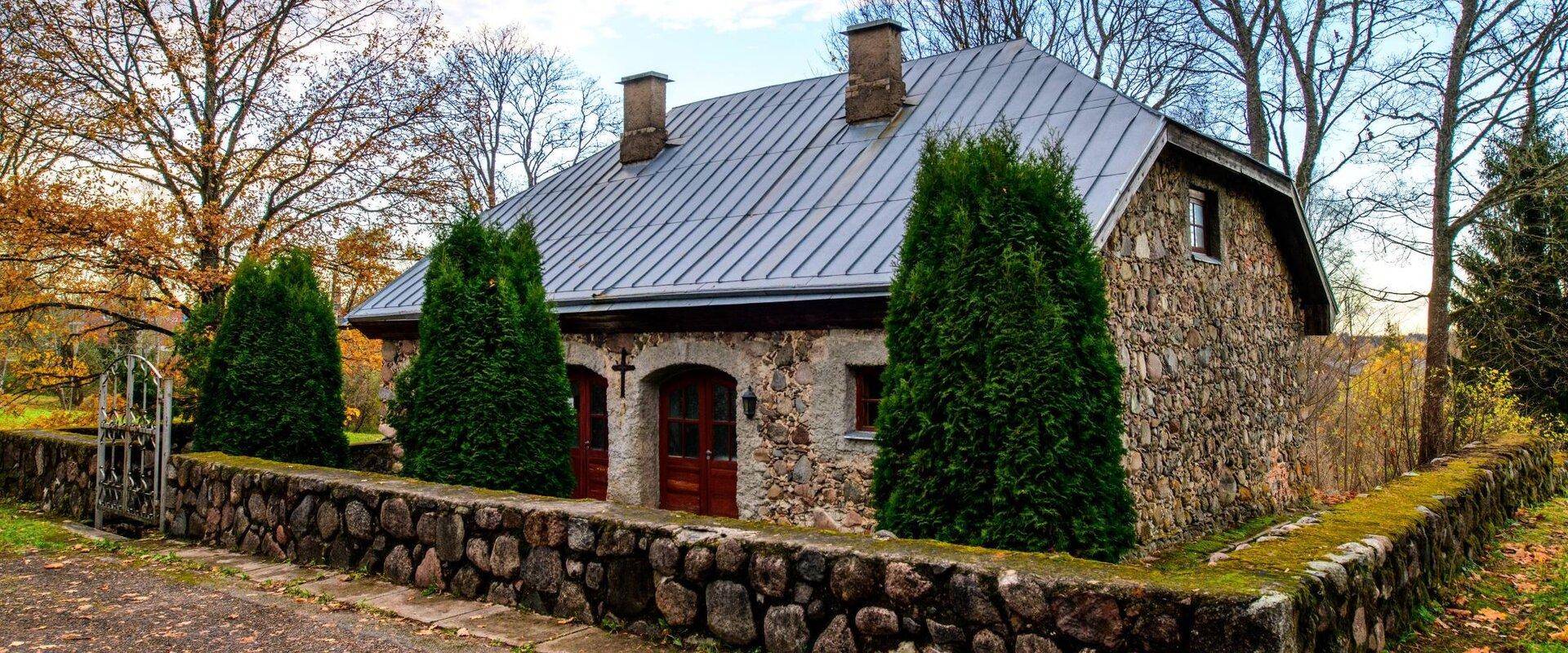
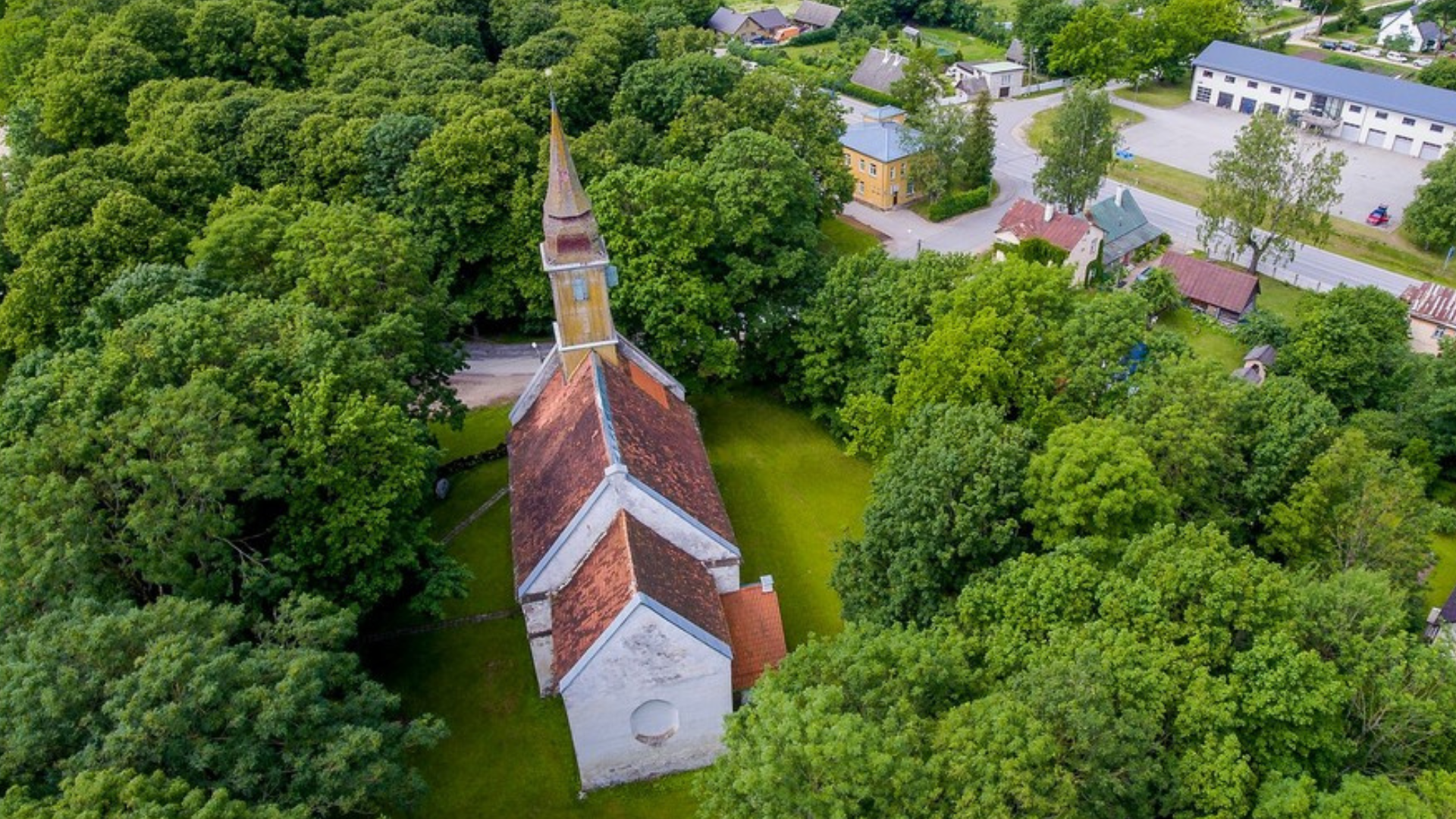
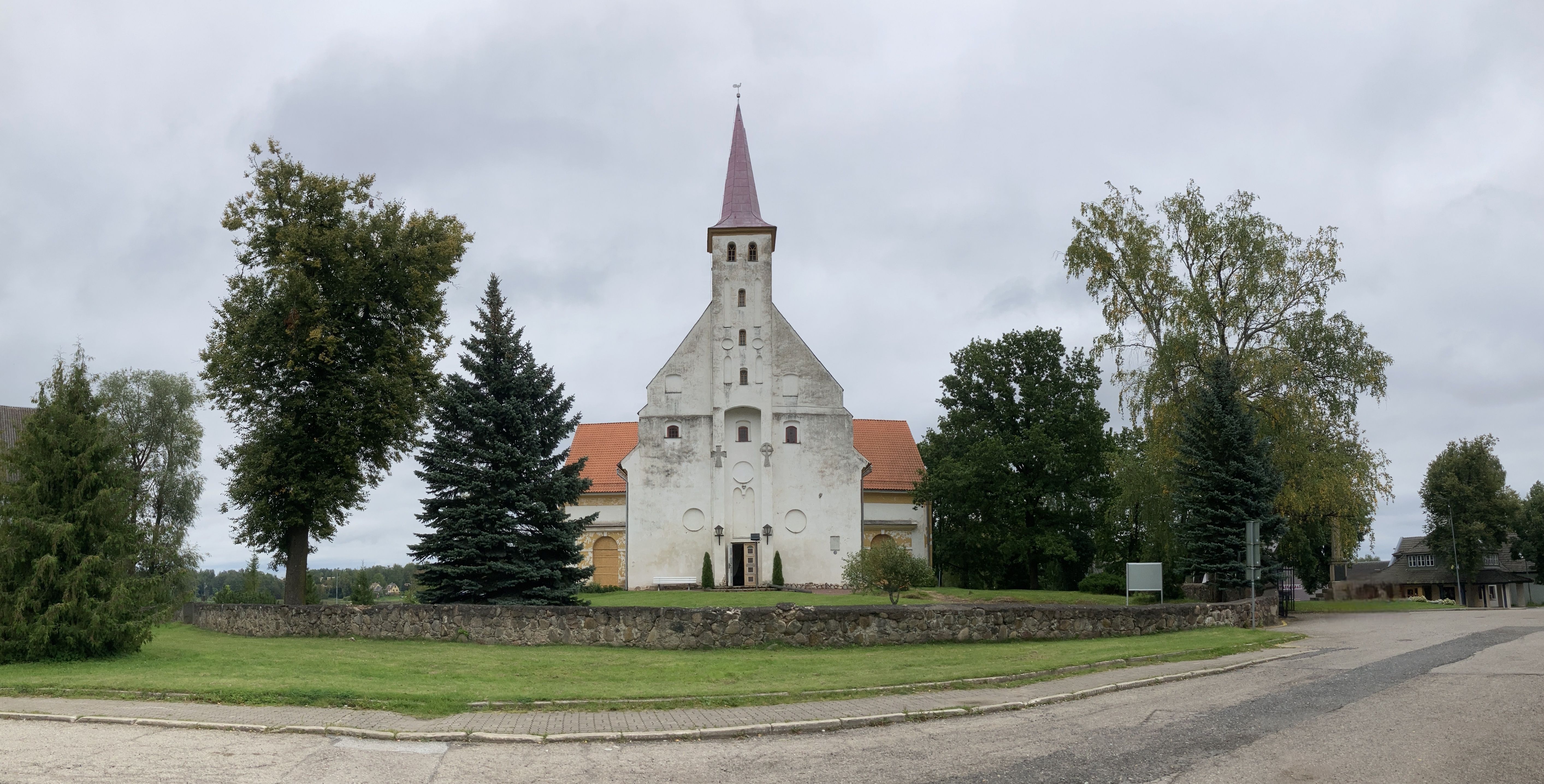
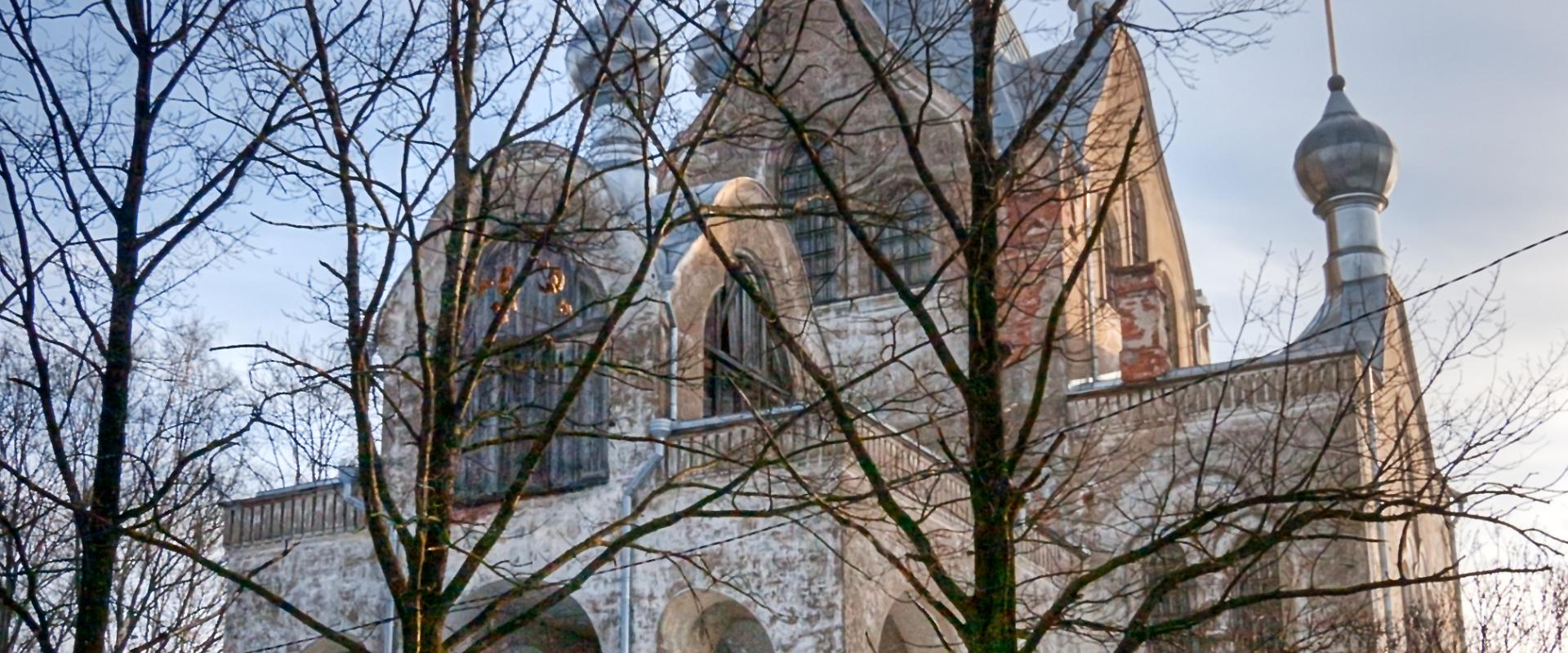
The Helme-Tõrva Apostolic Orthodox Church of the Birth of Christ was built in Valga Street in the years 1903 to 1904. Karl Shurin was in charge of the building work. The two domes and bell tower made the church one of the most imposing churches in the Viljandi Apostolic Orthodox Deanery. The church was seriously damaged during the fierce battles fought in September 1944 and it was only restored in 1990 as a chamber hall.Interesting facts:
* the church was also used for salt and cement storage during the Soviet times;
* the church-chamber hall currently belongs to the Lutheran church.
Amenities

  • Free parking

Open times

Throughout the Year

Eeltellimsel

Contact

  • +372 5348 4900
  • ilmar.koverik@gmail.com

Links

See more

  • Churches

Tartu St Alexander’s Church of the Estonian Apostolic Orthodox Church

Come and take a look at the two-storey St Alexander’s Church in Tartu with its onion domes inspired by old Russian church architecture (architect Vladimir Lunski). Construction of the church started in 1914 and it was re-consecrated in 2003. Interesting facts: - a zinc box with the remains of a saint and a copper plate with a letter have been placed in the cornerstone of Tartu Alexander’s Church. The cornerstone was put in place by Archbishop Ioann during the reign of Emperor Nicholas II on 27 May 1914; - the church was nationalised in 1940 and it was used as a storage building by the University of Tartu and the Estonian National Museum.

  • Churches

Catherine’s Church in Võru

28,000 silver roubles were donated towards the construction of this Lutheran church by Russian empress Catherine II. It was blessed on 24 July 1793, when it received the name 'Catherine'. It is thought that the church - which was designed in early classicist style with baroque roots and which boasts stunning arched windows - was designed by the architect Christoph Haberlandt from Riga. Renovations in 1879 saw its tower receive a new dome, and a four-faced clock was also installed. The church has an organ built by the Kriisa brothers in 1913. You can visit the church on Sundays during mass times.

  • Churches

Tartu Old Believers Prayer House of the Estonian Association of Old Believers Congregations

Tartu Old Believers Prayer House is a small and cosy house of God in the hall under the tower of a large and impressive prayer house destroyed by bombing during the war. This is the only part of the house the congregation has managed to restore by today. You can also see icons from the 19th century and the works of local 20th century icon painters in the Tartu Old Believers Prayer House.Service in Russian takes place at 10 a.m. on Sundays.

  • Churches

Otepää Winter Church

The Winter Church is located in a converted auxiliary building of the old church manor and is used mostly in the winter period. It is a small and cosy church that was built largely with the money donated from Finland. The church was consecrated on 6 December 1992 – the Independence Day of Finland. The consecrated name of the winter church is the Widow and Orphan Chapel. It is dedicated to widows because they were the ones who kept the church alive with their small salaries in the Soviet times. The blue, black and white flag of the Estonian Student Union, which later became the national flag and in 1991 the official flag of the state of Estonia, was consecrated in the rectory of the church next to it

  • Churches

Puhja St Dionysus Church of the Estonian Evangelical Lutheran Church

The medieval Gothic church is located on the ancient Pirita–Vastseliina pilgrim route. The white walls of the sanctuary are characterised by narrow and high round arched windows and beautiful relief motifs on the western façade.The organ used in Puhja Church is a rarity throughout Europe. It is estimated that only 10 other similar organs have survived. Those who wish can also go to see the spire or visit the church museum of Puhja parsonage.Good to know:The church participates in the Wayfarers Churches and the Night of Churches programmes.Worship every Sunday at 11 a.m. The church can also be visited by prior arrangement.

  • Churches

Lutheran Church of Blessed Virgin Mary in Põlva

The Church of Blessed Virgin Mary in Põlva is one of the oldest churches in historical Võrumaa. The rarities of the church are the old altar painting The Last Supper (1650) and the altar panels (1647). There is an altar painting The Resurrection (Friedrich Ludwig von Maydell, 1845). The church was originally a square-shaped hall church with three naves. Today it has preserved from it a high tower with a deep niche and a Western façade. Interesting to know: According to a legend, the key of the church is held by a kneeling girl called Mary who is walled in. Allegedly that is also the origin of the name of the church and Põlva (‘knee’ for the Estonian ‘põlv’).

  • Churches

Otepää St Mary’s Lutheran Church

Otepää St Mary's Lutheran Church is one of the 21 places in Southern Estonia worth discovering, all those interested in culture and history should definitely pay a visit. Otepää St Mary's Lutheran Church is historically connected to the national flag of Estonia. The blue, black and white flag of the Estonian Student Union, which later became the national flag and in 1991 the official flag of the state of Estonia, was consecrated in the rectory of the church on 4 June, 1884. The church has a neo-gothic altarpiece "Christ on the Cross" which dates from 1880, and a Kessler organ from 1853. In summer, the doors of the church are open to everyone.

  • Churches

Miikse Church

The Miikse St. John the Baptist Church is a small wooden Orthodox church located in the southeastern corner of Estonia in Setomaa. What makes this church special is its story. It was built in 1953, during the Soviet era, when religion and church construction were not encouraged. However, the local people took a bold step and built the church themselves, often working in the evenings and at night to avoid the authorities' attention. Today, Miikse Church is once again a symbol of the strength and perseverance of the Seto community, where the local community restored the dilapidated sanctuary into a new and striking Seto church. The altar and icons were preserved, but the new facade features a lace-like pattern using Seto colors (red, blue, and sheep's wool white) and Seto belt patterns. The church's surroundings also include an old cemetery and sacred stones, which lend the place a special historical and spiritual atmosphere. The church is open once a month during service, and at other times, access can be arranged by agreement with the church elder (who communicates in Estonian and Russian). For a foreign-language tour of Setomaa, we recommend booking a local guide.

  • Collaboration
  • News
  • Contacts
  • Privacy Policy
Join our mailing list!

"*" indicates required fields

This field is for validation purposes and should be left unchanged.
I authorise marketing

South Estonia Tourism Cluster

info@visitsouthestonia.com