• Explore
    • Nature
    • Culture
    • Food
    • Family
    • Activity
    • Blog
    Smoke sauna
    Weather and seasons
  • Plan
    • Accommodation
    • How to get here
    • Weather and seasons
    • Sustainability
    • Tourist info
    Discover South Estonia’s Most Beautiful Manors and Castles
    Top 20 Sights in South Estonia
  • For professionals
    • For professionals
    • Collaboration
    • News
    • Projects
    • Training
    • Repository
    • Community (opens in new tab)
    • Contacts
ENG
  • EnglishENG
  • EestiEST
  • LatviešuLAT
  • РусскийRUS
  • SuomiFIN
ENG
  • EnglishENG
  • EestiEST
  • LatviešuLAT
  • РусскийRUS
  • SuomiFIN
Popular searches:
Show all
  • History & Culture
  • Architecture and history
  • Churches

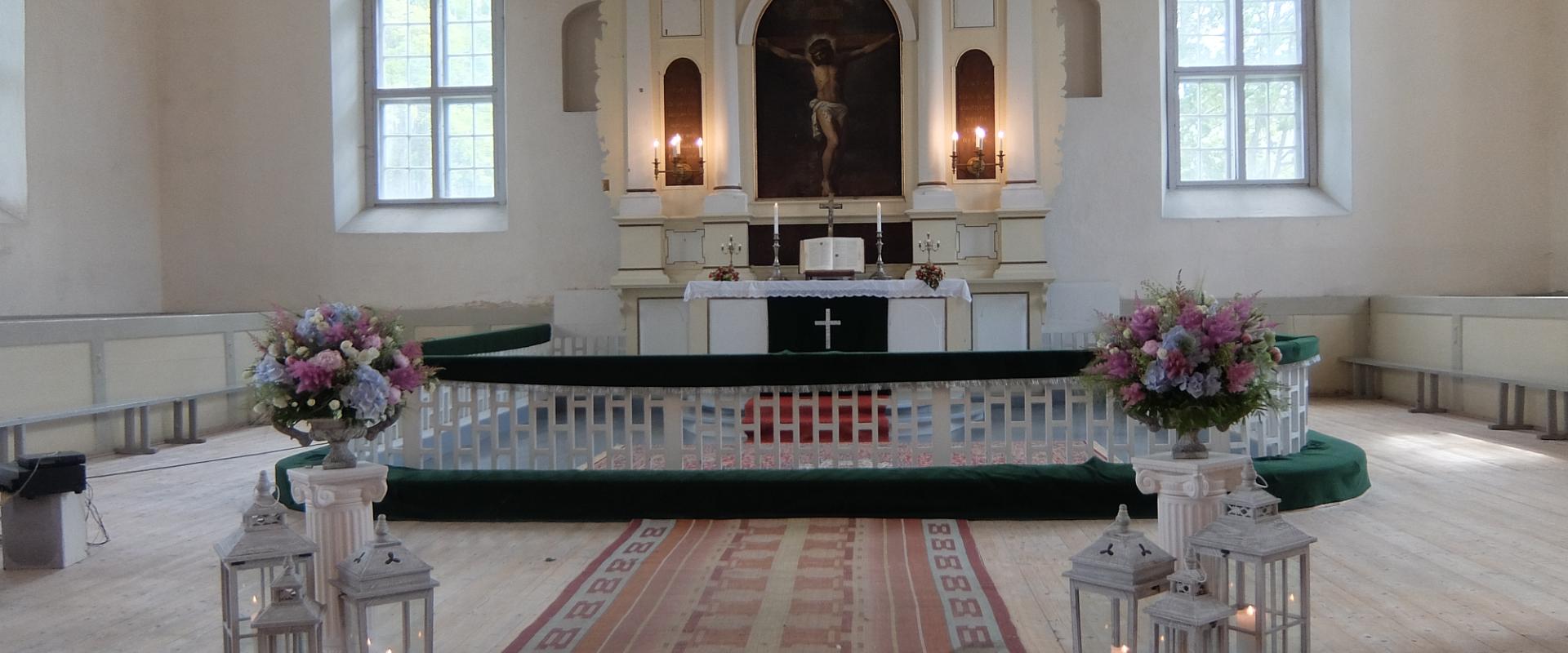
Otepää Winter Church

Otepää vald, Valga maakond, 67403

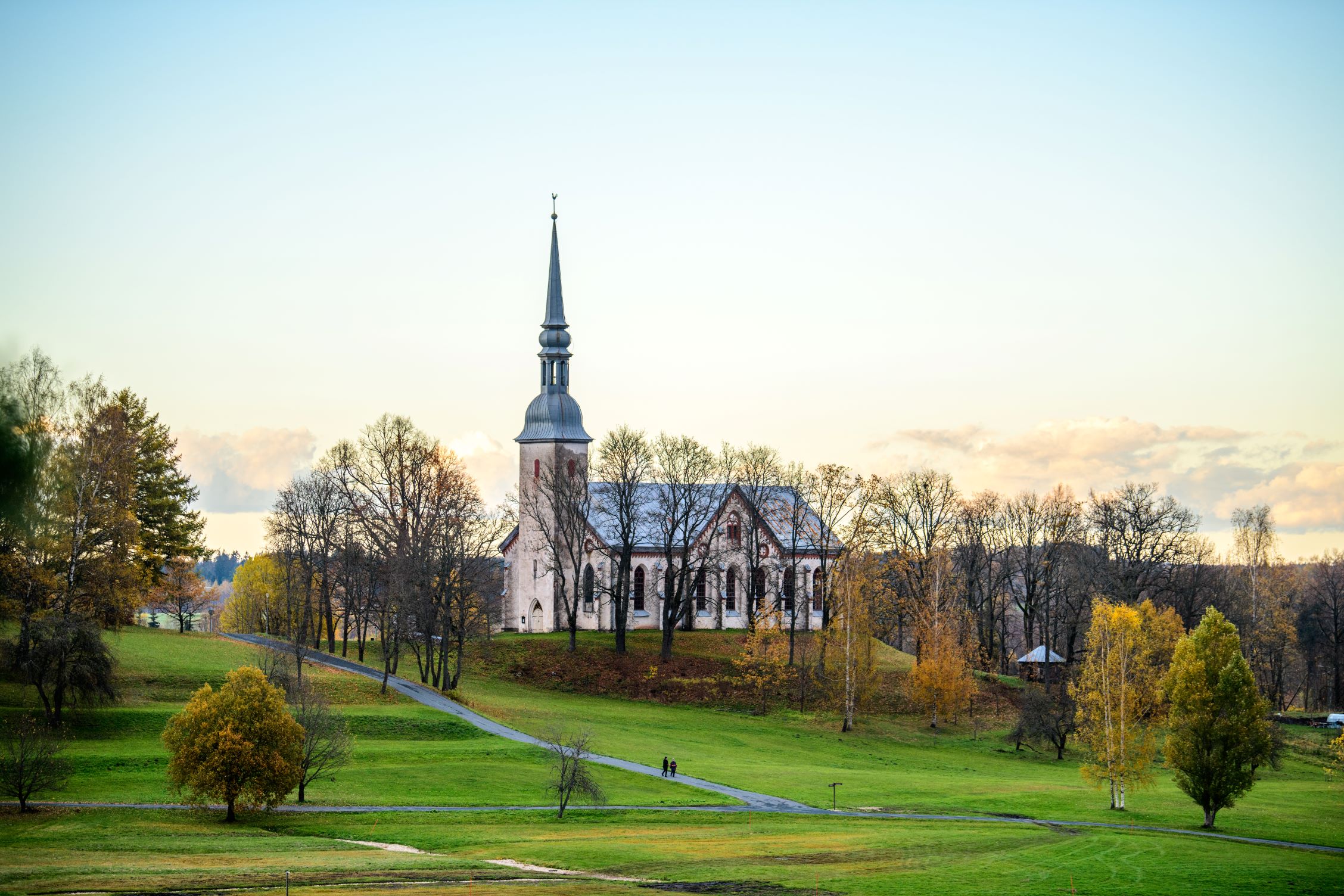
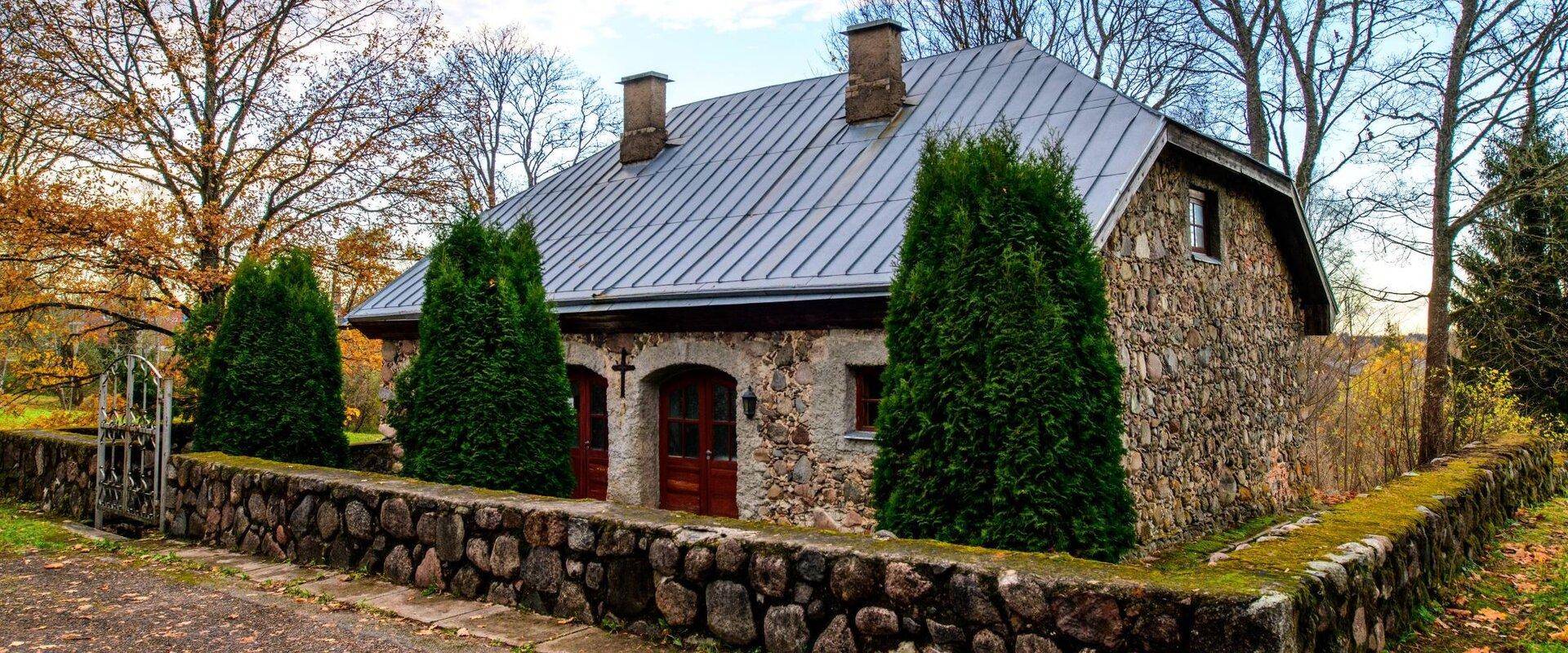
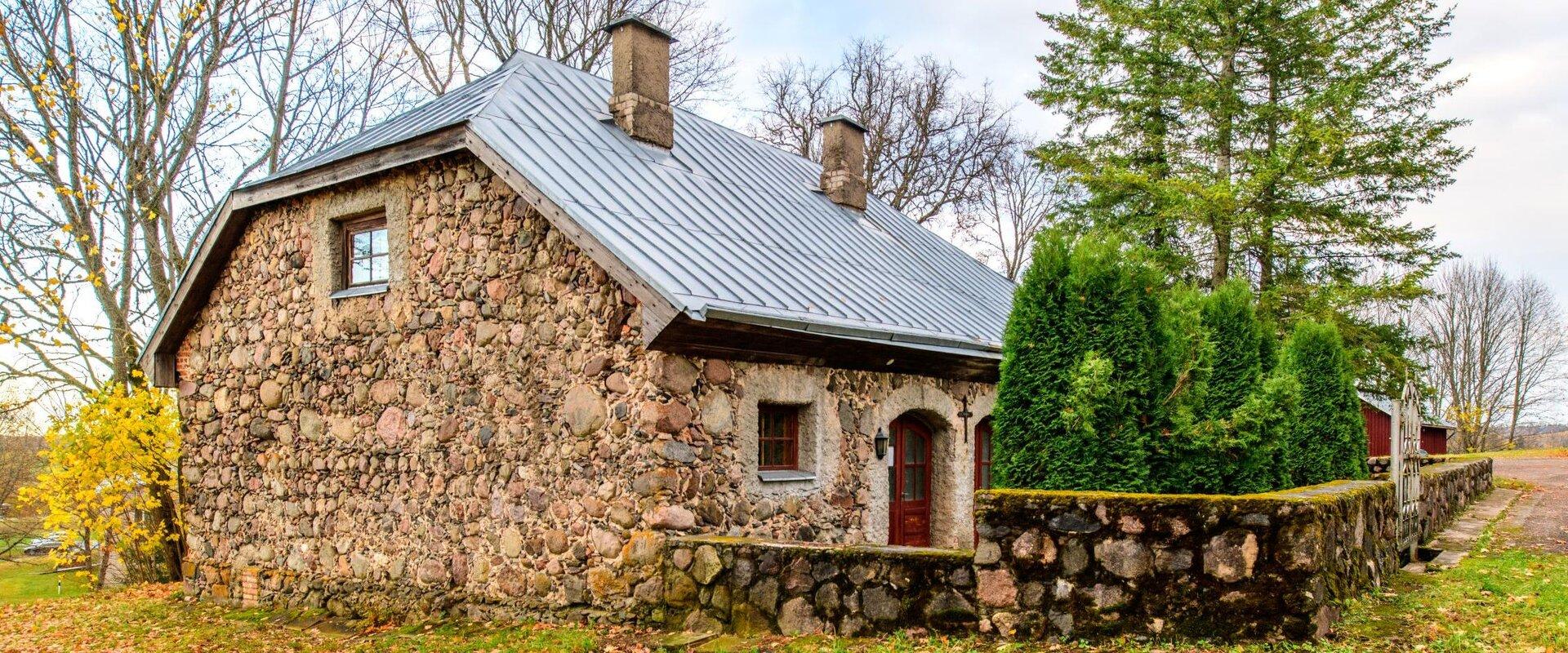
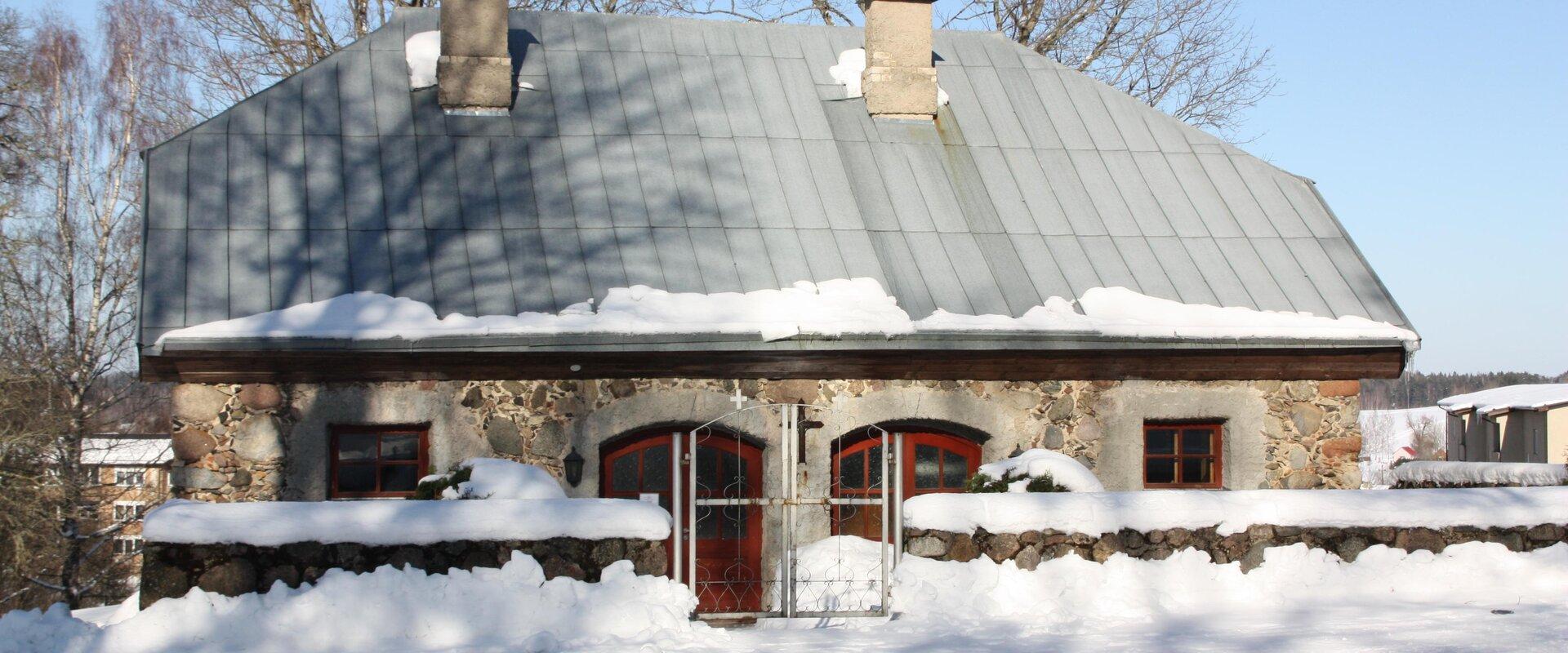
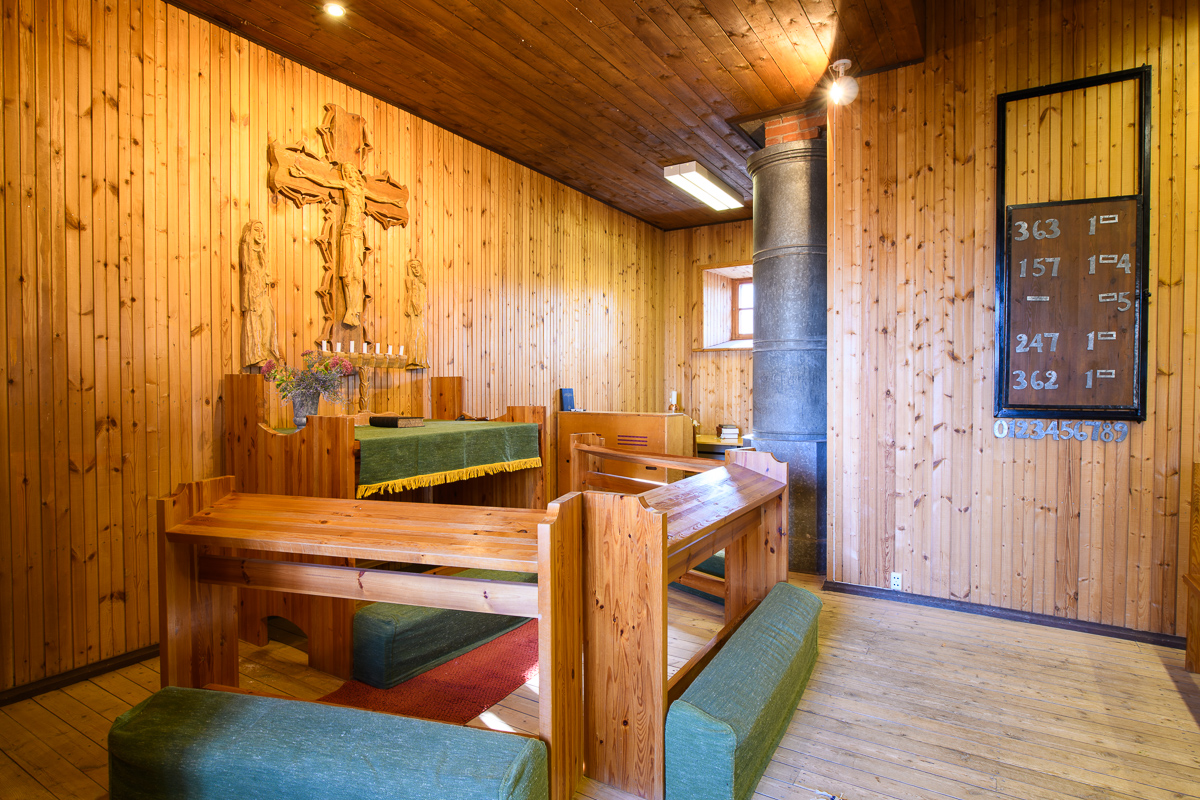
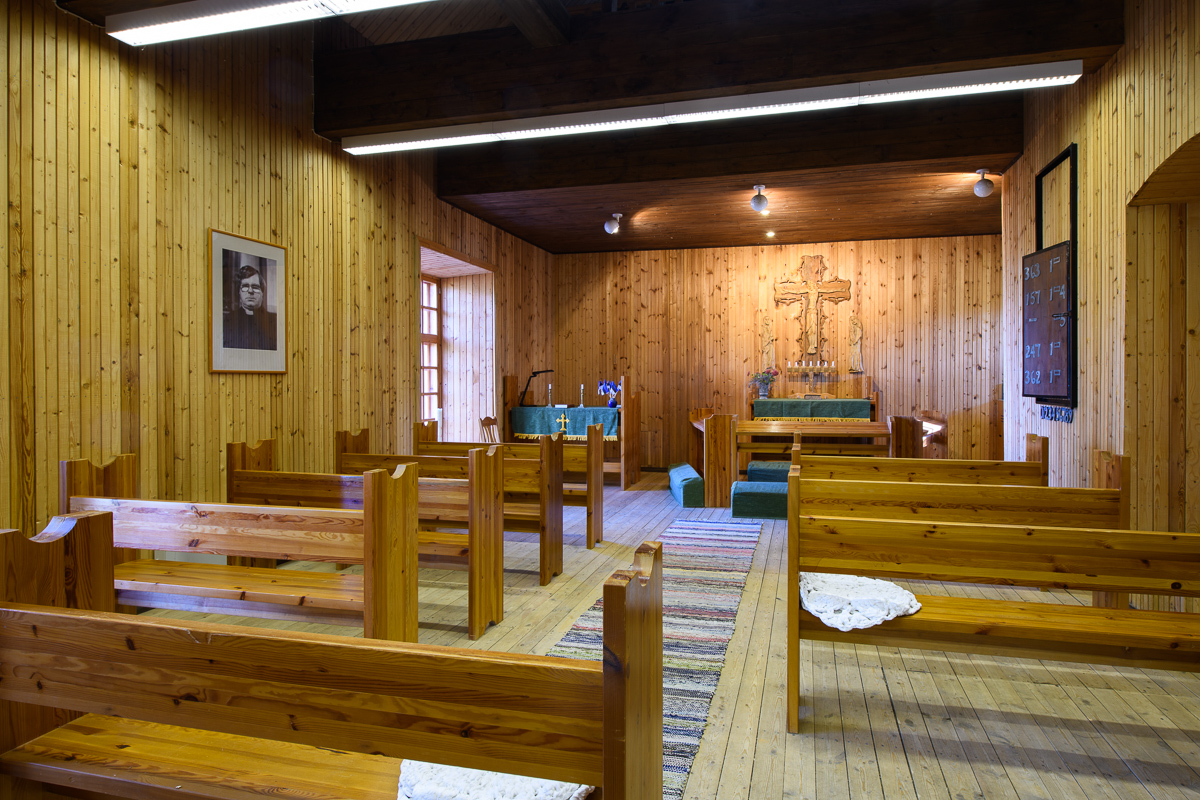
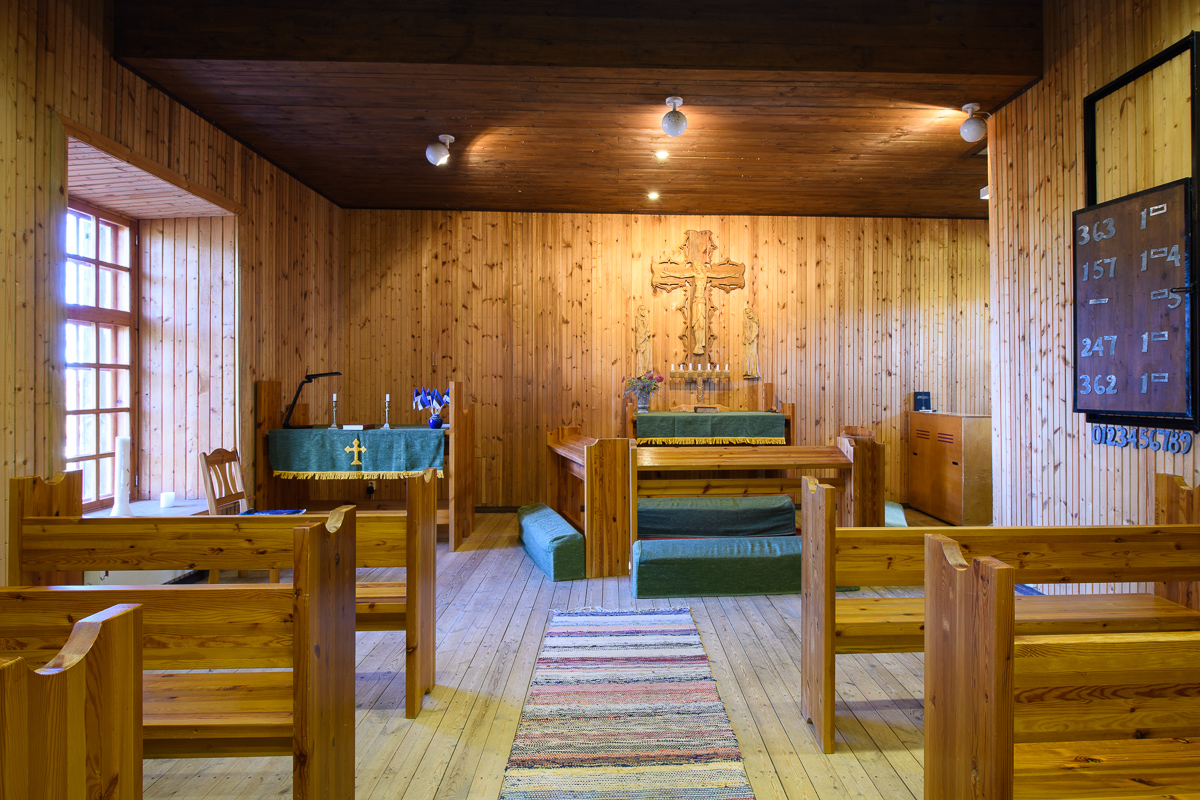
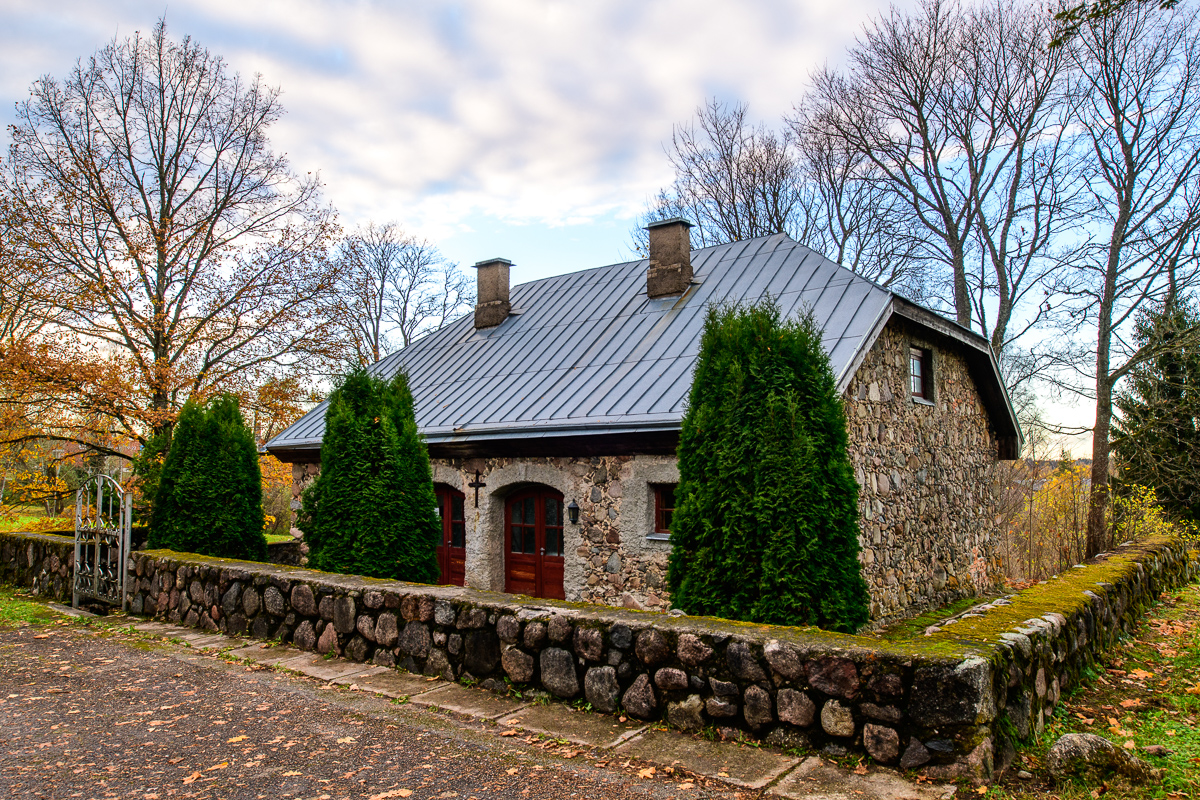
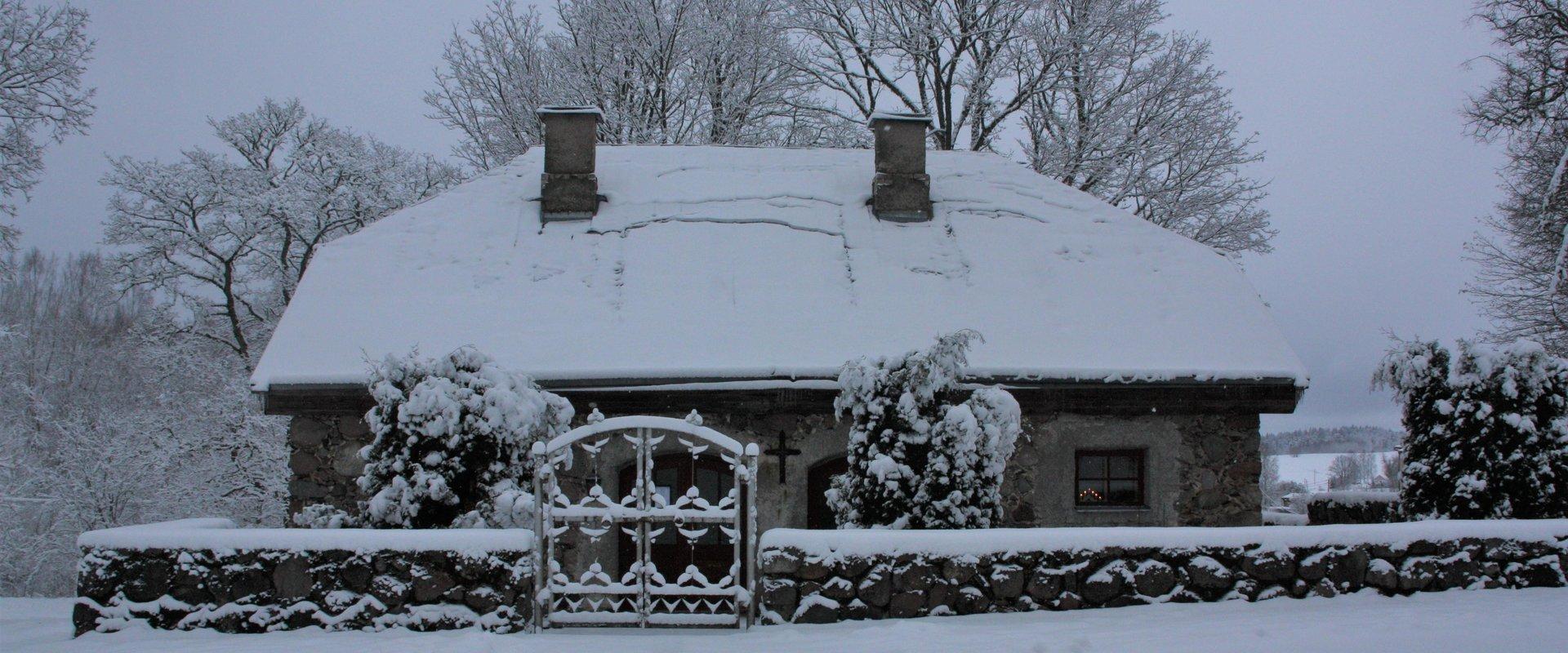
The Winter Church is located in a converted auxiliary building of the old church manor and is used mostly in the winter period. It is a small and cosy church that was built largely with the money donated from Finland.
The church was consecrated on 6 December 1992 – the Independence Day of Finland. The consecrated name of the winter church is the Widow and Orphan Chapel. It is dedicated to widows because they were the ones who kept the church alive with their small salaries in the Soviet times. 
The blue, black and white flag of the Estonian Student Union, which later became the national flag and in 1991 the official flag of the state of Estonia, was consecrated in the rectory of the church next to it
Amenities

  • Free parking

Open times

Throughout the Year

Eeltellimsel

Contact

  • +372 522 1955
  • otepaa@eelk.ee

Links

See more

  • Churches

Tartu St Luke’s Church of the Estonian Methodist Church

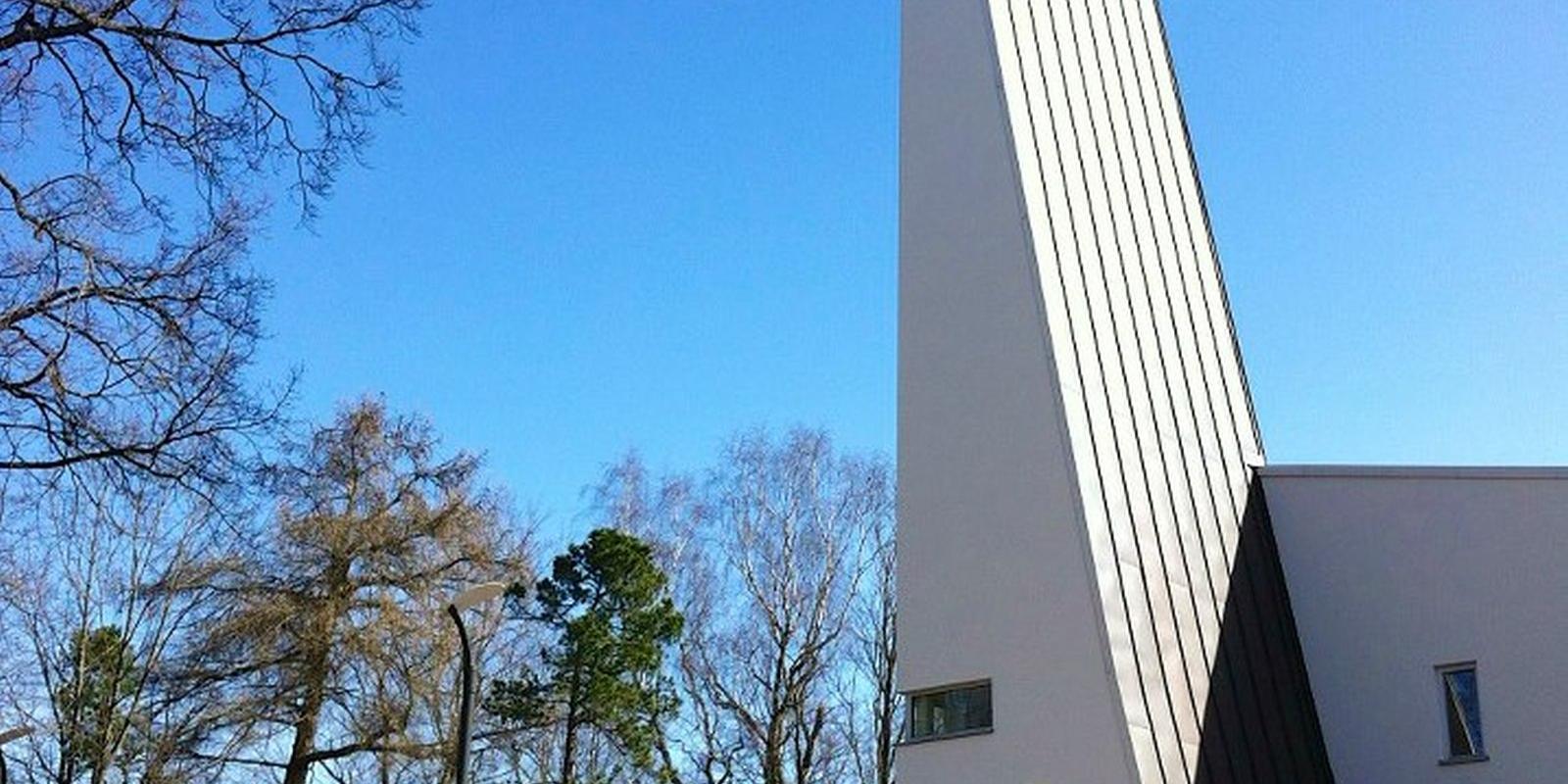
Tartu St Luke’s Church is a modern sacral building (architect Indrek Allmann), which is located in the Toomemägi area. Interesting facts: - Tartu St Luke’s Church was declared the best new building in Tartu in 2002; - the church is located on the site that used to belong to the famous professor of surgery Zoege von Manteuffel.

  • Churches

St Bartholomew’s Church in Palamuse

Palamuse Church is one of the oldest medieval churches in northern Tartu County. The church was first mentioned in documents in 1234. As a fortress church, it provided protection from invaders during wars. There is a burial ground around the church, which has two preserved headstones. The unique wooden sculptures on the altar and pulpit date back to 1696. There is a dry-stone painting on the eastern outer wall. Services are held in the church every Sunday at 11 a.m. The church also organises concerts and plays.

  • Churches

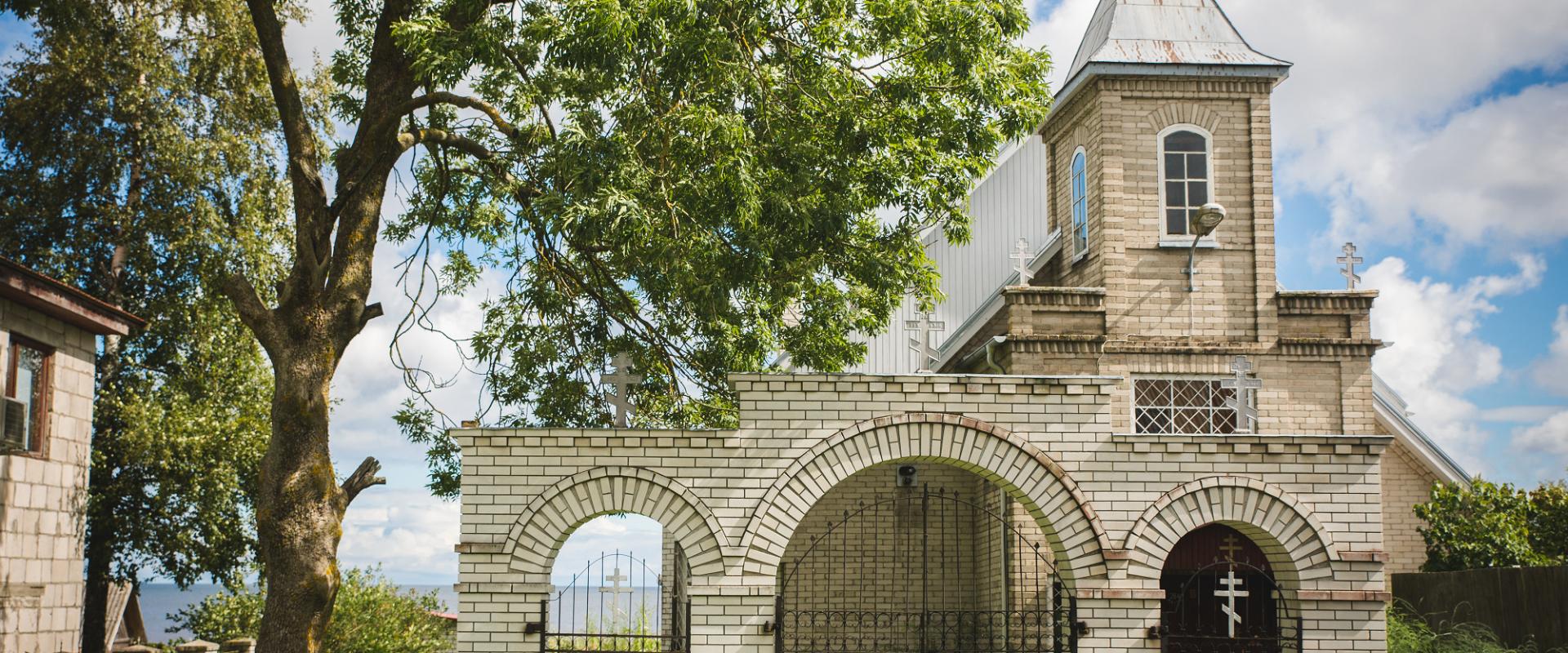
Kükita Old Believers Prayer House of the Estonian Association of Old Believers Congregations

The first prayer house of Old Believers in Estonia is located in Kükita. The Kükita Prayer House was consecrated on September 14, 1740. During the war of 1812, the Cossack Old Believers donated a chandelier to the Prayer House. There were a total of 397 Old Believers in the list of parishioners of the Kükita congregation by 1833. The current Prayer House was built in 1948 in place of the one destroyed in World War II.Old Believers have services every Sunday and on all holidays (Christmas, Pascha and Epiphany).

  • Churches

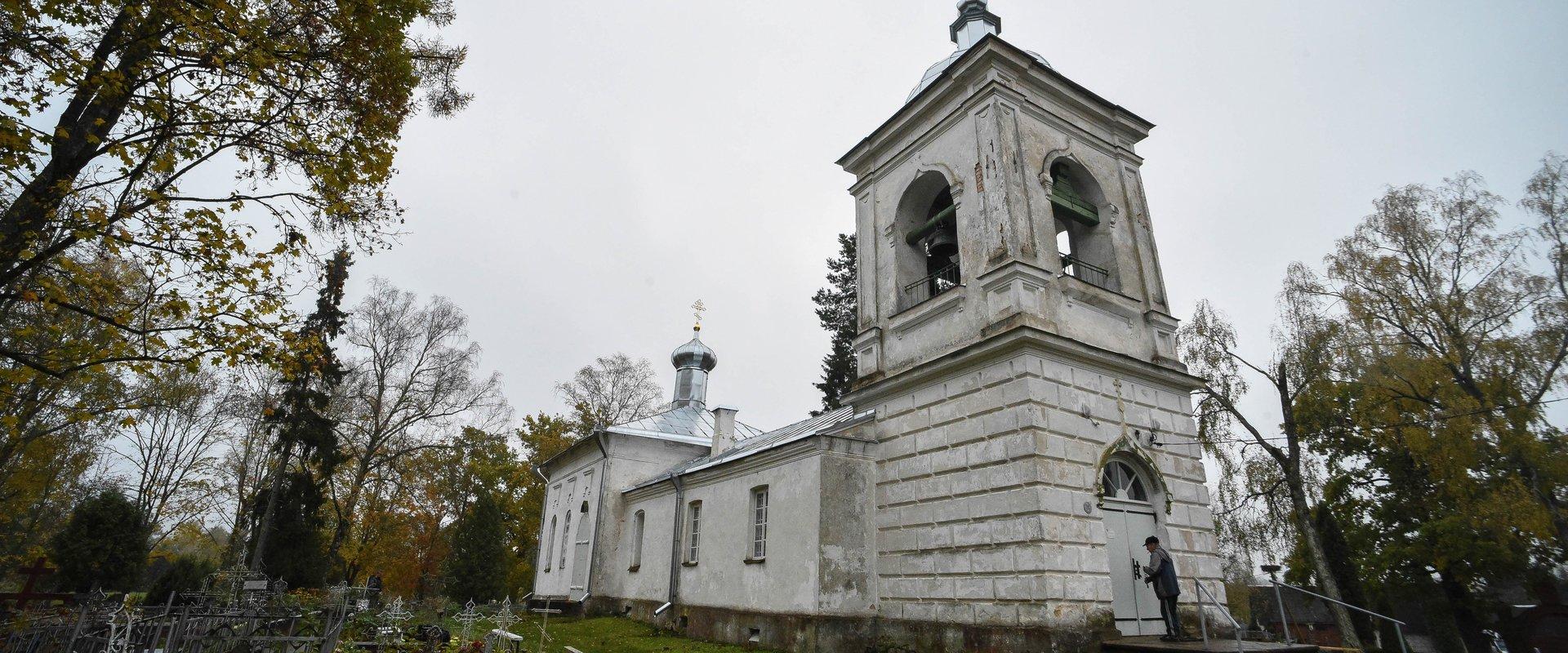
Saatse Church

Saatse Church was completed in 1801. This congregation has been a mixed congregation of Setos and Russians. Saatse's biggest holiday is St. Paraskeva's Day (the last Friday in July.). Paraskeva means "Friday" in Greek. The church has "royal gates" from the old wooden church, and a 15th century stone cross. The only saint of Seto background is associated with the church: St. Stefanus, a former parish priest, who is depicted in icons in Seto folk costume. In 1919, Stefanus was shot along with Father Vassili, who was also declared a saint.

  • Churches

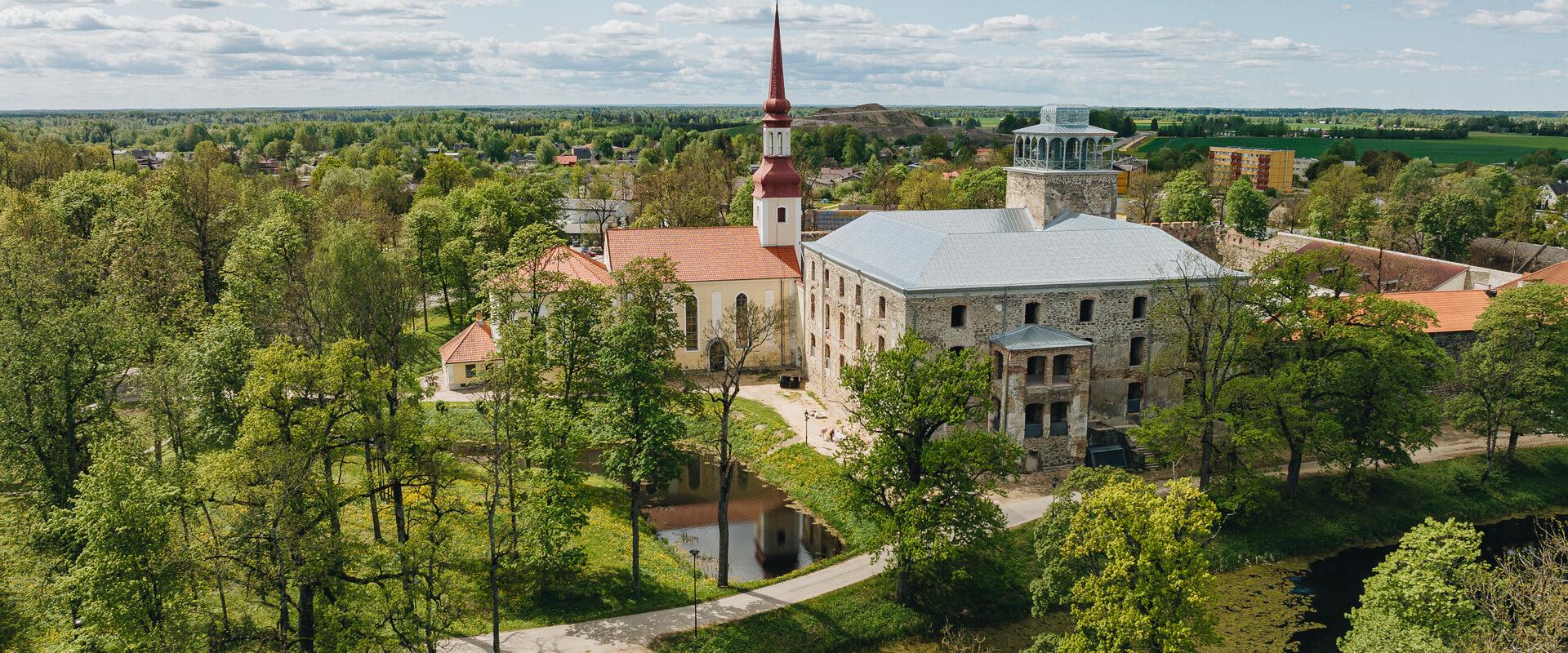
St. Nicholas’ church, Põltsamaa

This Lutheran church, originally constructed on a bastion and the town's walls, was restored from its war-time ruins 50 years ago. Its altar, pulpit, lights and tower bells (XIX) are from the now defunct University of Tartu church.

  • Churches

St. Mary’s Church in Rõuge

The first stone church was constructed in Rõuge in the 16th century. In 1730, the original church, which was destroyed in the Great Northern War, was replaced with one which had an imposing square tower. The church was blessed in the name of St. Mary. The altar-piece "Christ on the cross" by R. von Mühlen is from 1854. In 1860 the walls were made higher and a mirrored arch was installed. In 1930 the church got a 31-register organ built by the Kriisa brothers. The first Estonian pastor in Rõuge was Rudolf Gottfried Kallas.Useful information! You can attend mass at the church every Sunday at 11:00 and in summer, the church is used as a wayfarers' church. Entrance to the tower is for a fee (grown ups 1.50, children 1 and family ticket 3 euros).

  • Churches

Memorial Tablet of the Northern Sons of Finland

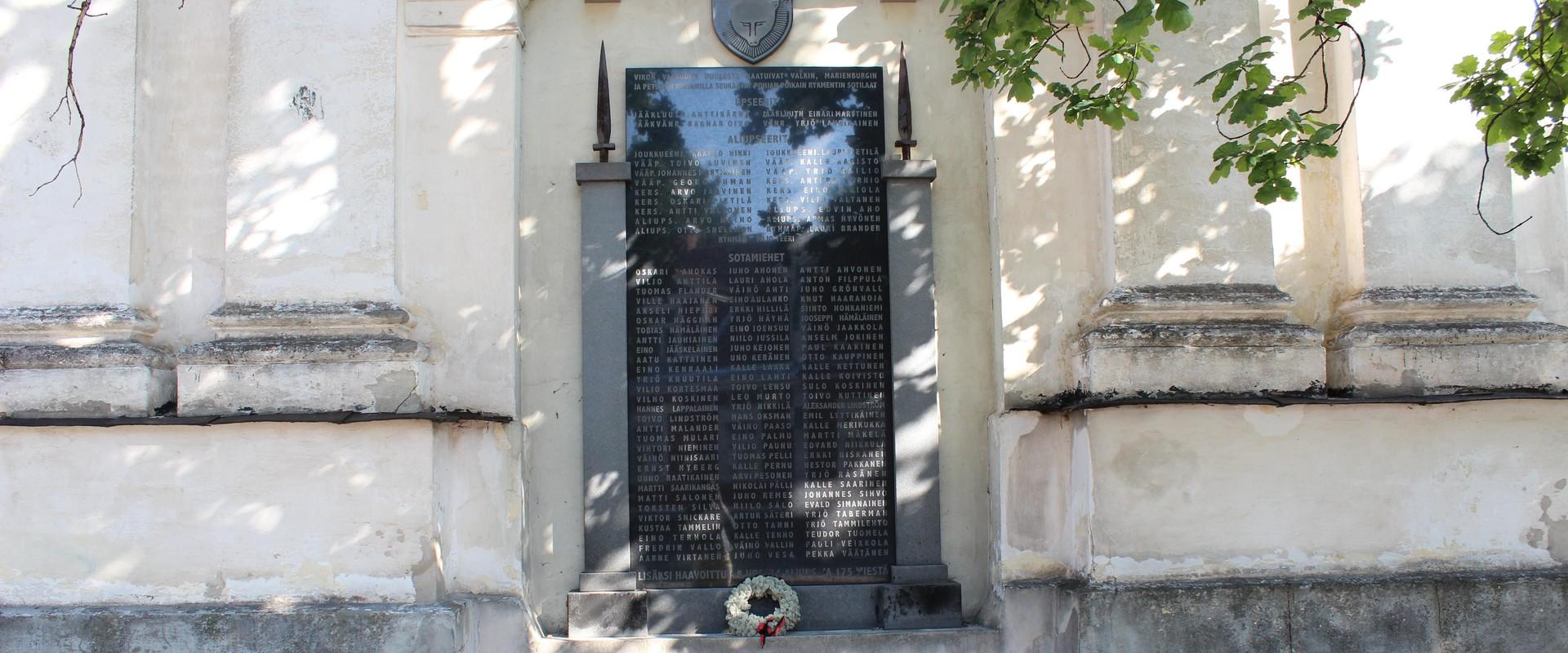
A black granite memorial tablet bearing almost 200 names was installed on the wall of the Valga Jaani (St John’s) Church in 1934 in remembrance of the Finnish volunteers who fell in the Paju Battle of the War of Independence. The polar bear sign of the Northern Sons Regiment is shown on the shield above the stone. In 1940 the memorial tablet was demolished with pickaxes by the order of communists. The memorial tablet was reopened on the 80th anniversary of the Paju Battle in 1999.Interesting facts: * the memorial tablet was opened in 1934 by President Konstantin Päts; * the first table was made in Finland and the second one in Tartu; * donations for the second tablet were collected by Ylistaro Rural Municipality (Finland) at the initiative of Ossi Salo.

  • Churches

Otepää St Mary’s Lutheran Church

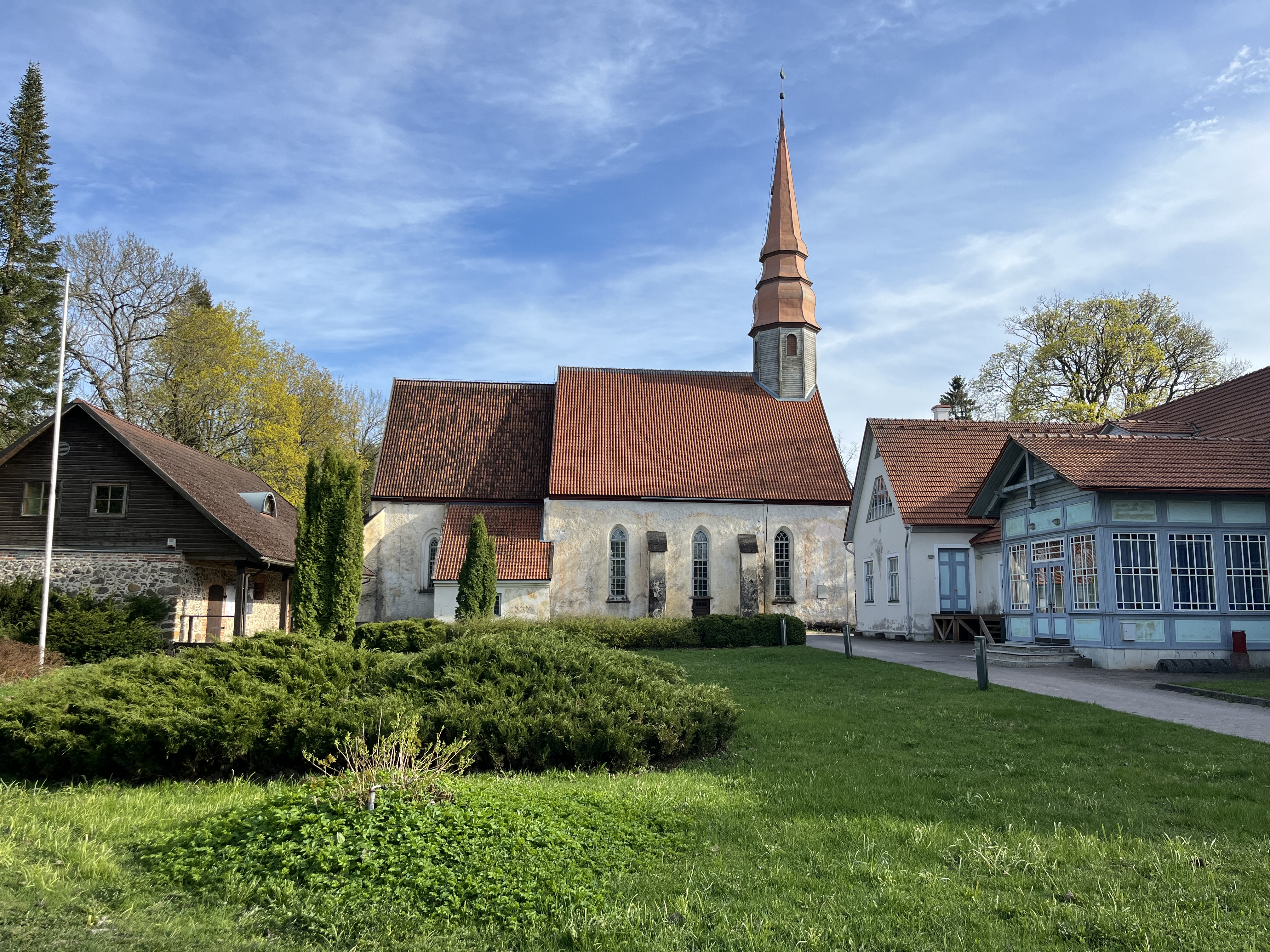
Otepää St Mary's Lutheran Church is one of the 21 places in Southern Estonia worth discovering, all those interested in culture and history should definitely pay a visit. Otepää St Mary's Lutheran Church is historically connected to the national flag of Estonia. The blue, black and white flag of the Estonian Student Union, which later became the national flag and in 1991 the official flag of the state of Estonia, was consecrated in the rectory of the church on 4 June, 1884. The church has a neo-gothic altarpiece "Christ on the Cross" which dates from 1880, and a Kessler organ from 1853. In summer, the doors of the church are open to everyone.

  • Collaboration
  • News
  • Contacts
  • Privacy Policy
Join our mailing list!

"*" indicates required fields

This field is for validation purposes and should be left unchanged.
I authorise marketing

South Estonia Tourism Cluster

info@visitsouthestonia.com