• Explore
    • Nature
    • Culture
    • Food
    • Family
    • Activity
    • Blog
    Smoke sauna
    Weather and seasons
  • Plan
    • Accommodation
    • How to get here
    • Weather and seasons
    • Sustainability
    • Tourist info
    Discover South Estonia’s Most Beautiful Manors and Castles
    Top 20 Sights in South Estonia
  • For professionals
    • For professionals
    • Collaboration
    • News
    • Projects
    • Training
    • Repository
    • Community (opens in new tab)
    • Contacts
ENG
  • EnglishENG
  • EestiEST
  • LatviešuLAT
  • РусскийRUS
  • SuomiFIN
ENG
  • EnglishENG
  • EestiEST
  • LatviešuLAT
  • РусскийRUS
  • SuomiFIN
Popular searches:
Show all
  • Architecture and history
  • History & Culture
  • Churches

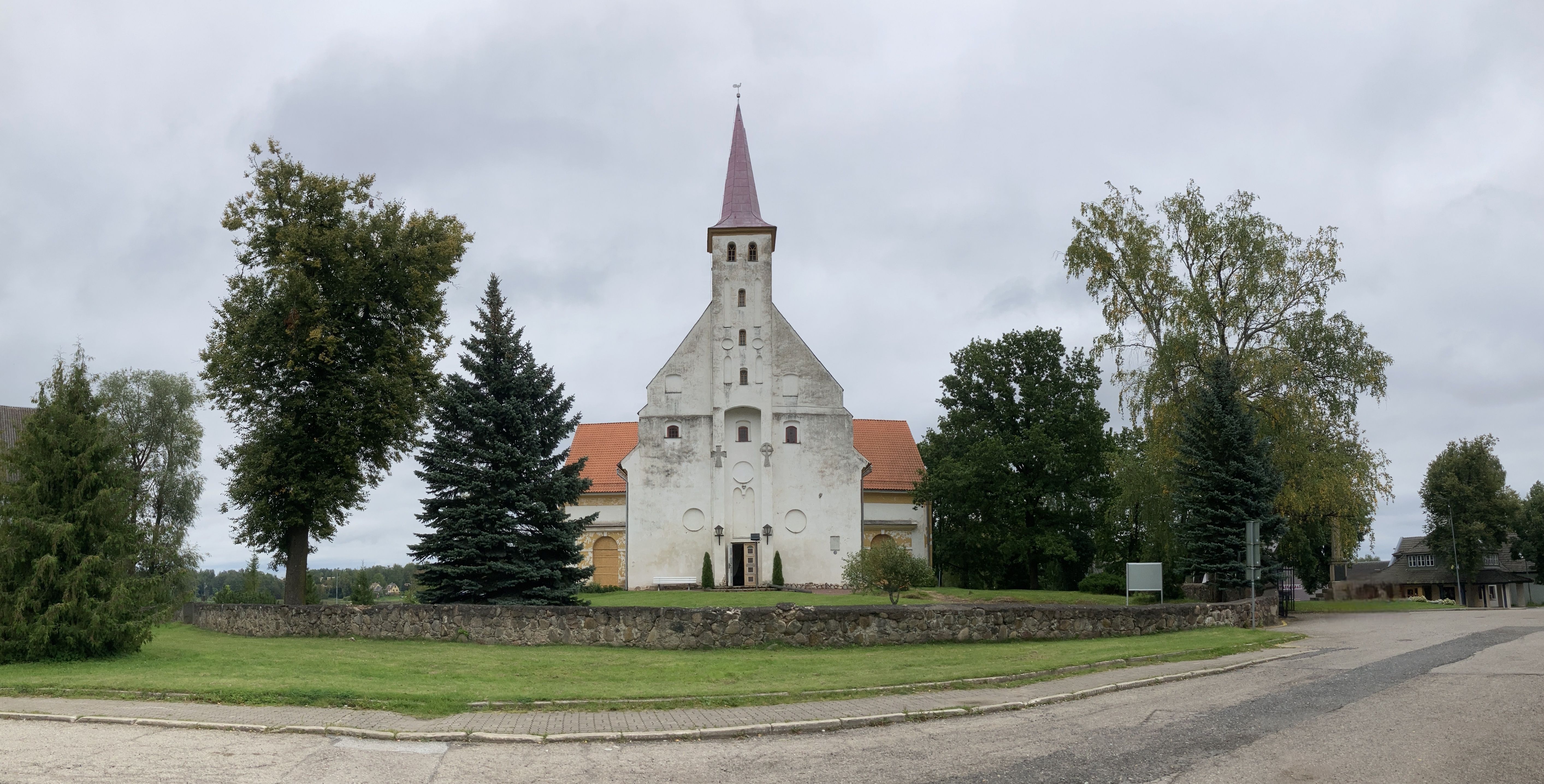
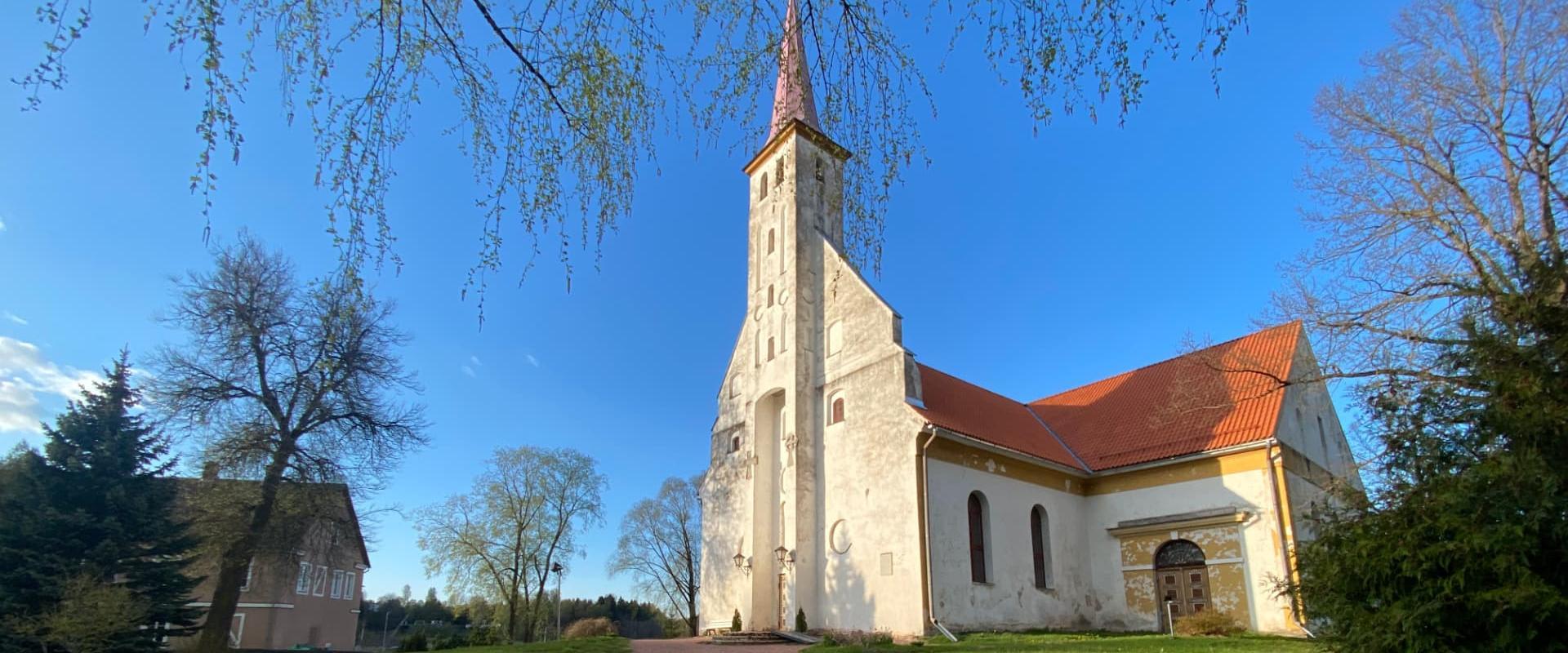
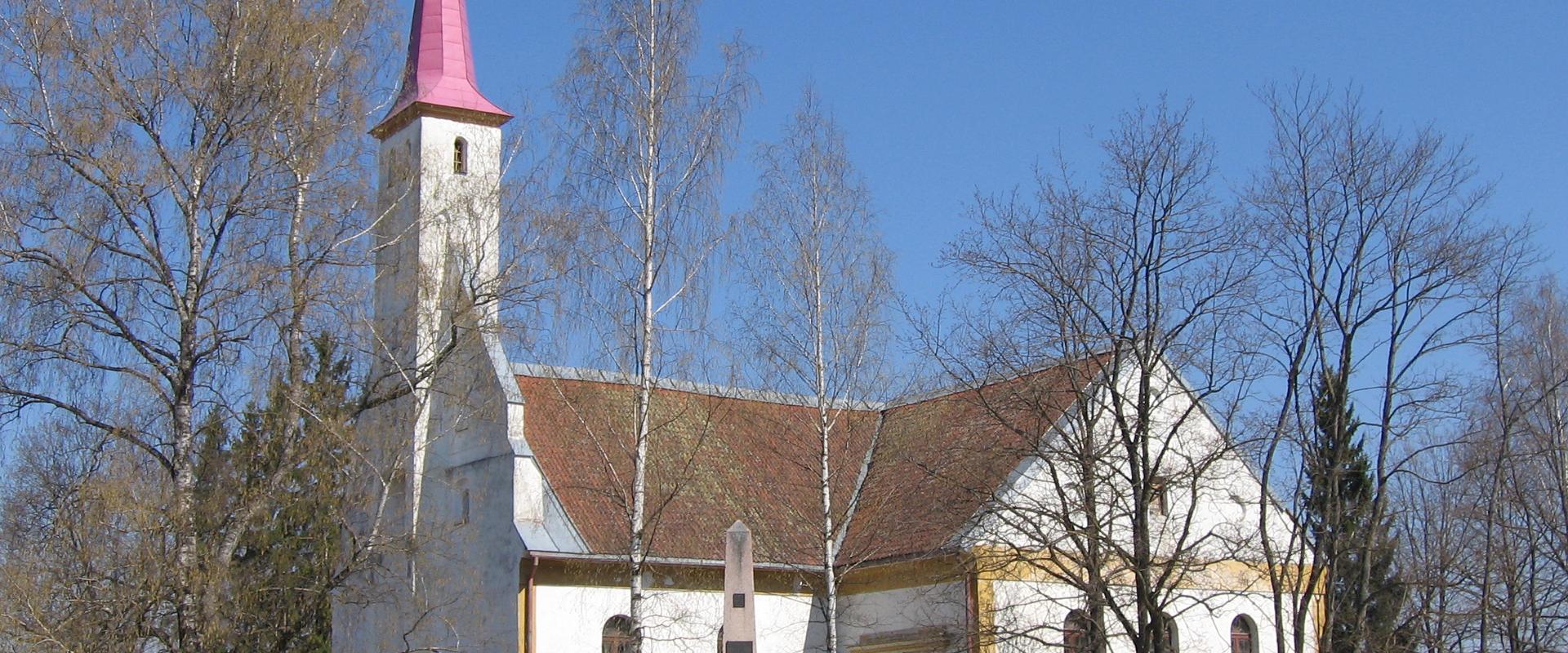
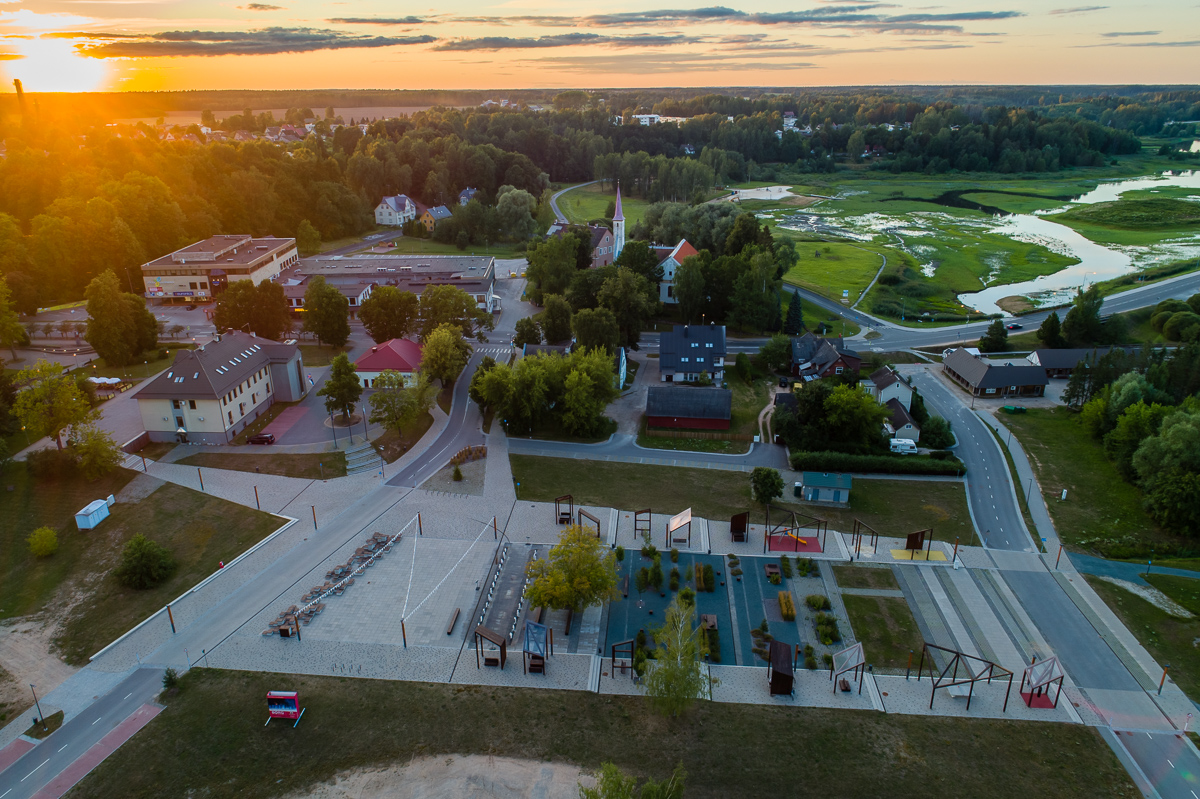
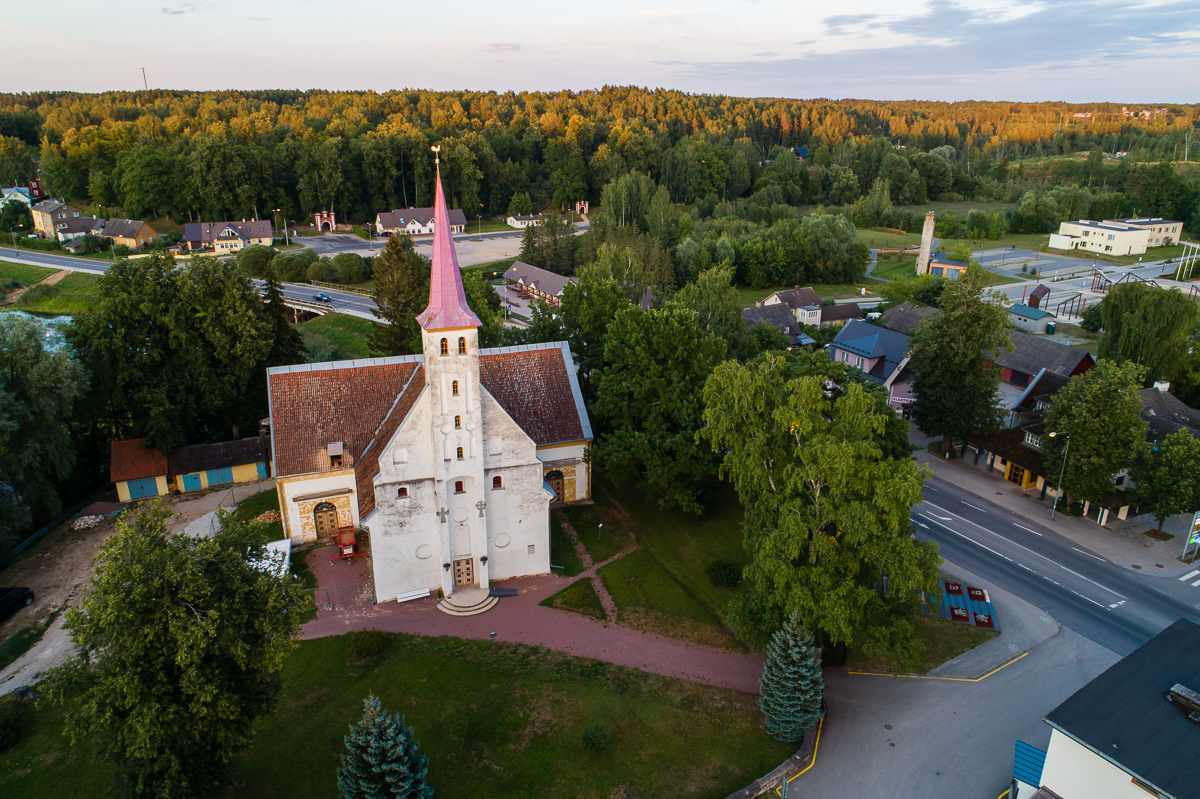
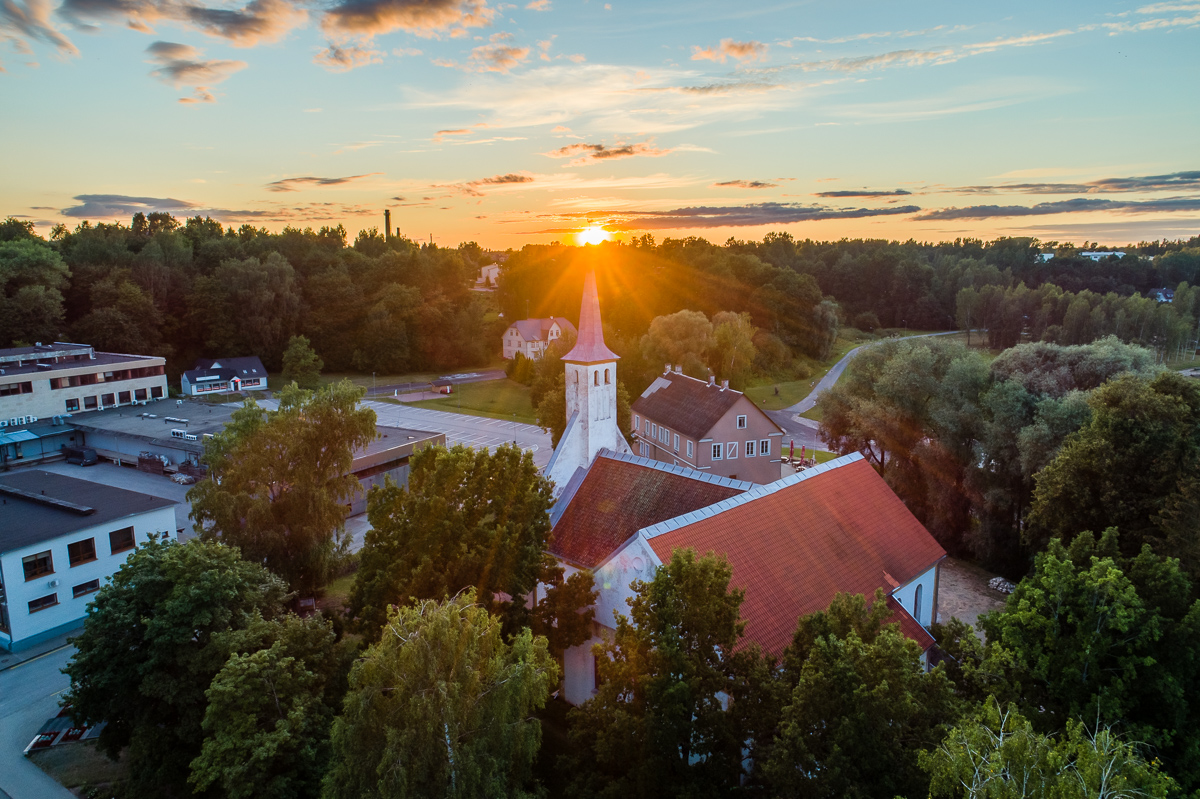
Lutheran Church of Blessed Virgin Mary in Põlva

Kesk tn 2, Põlva vald, Põlva maakond, 63307

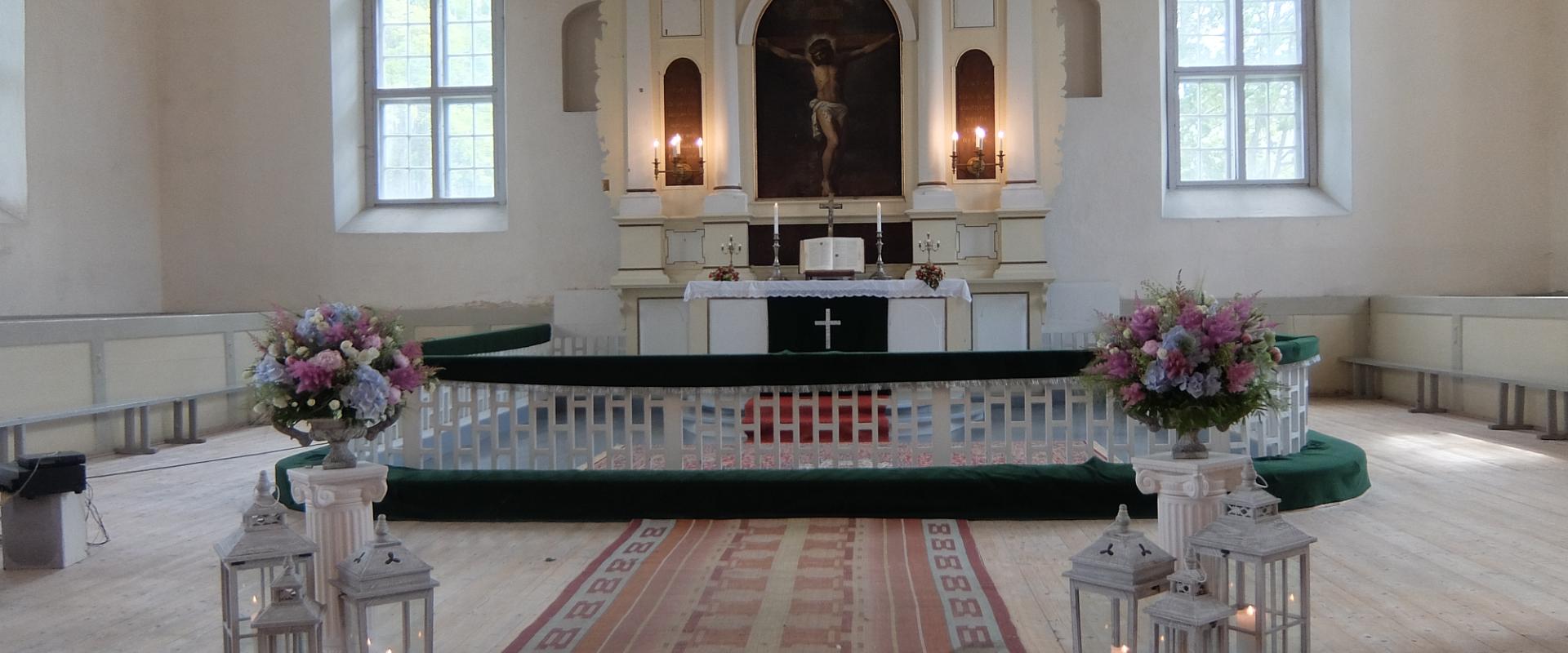
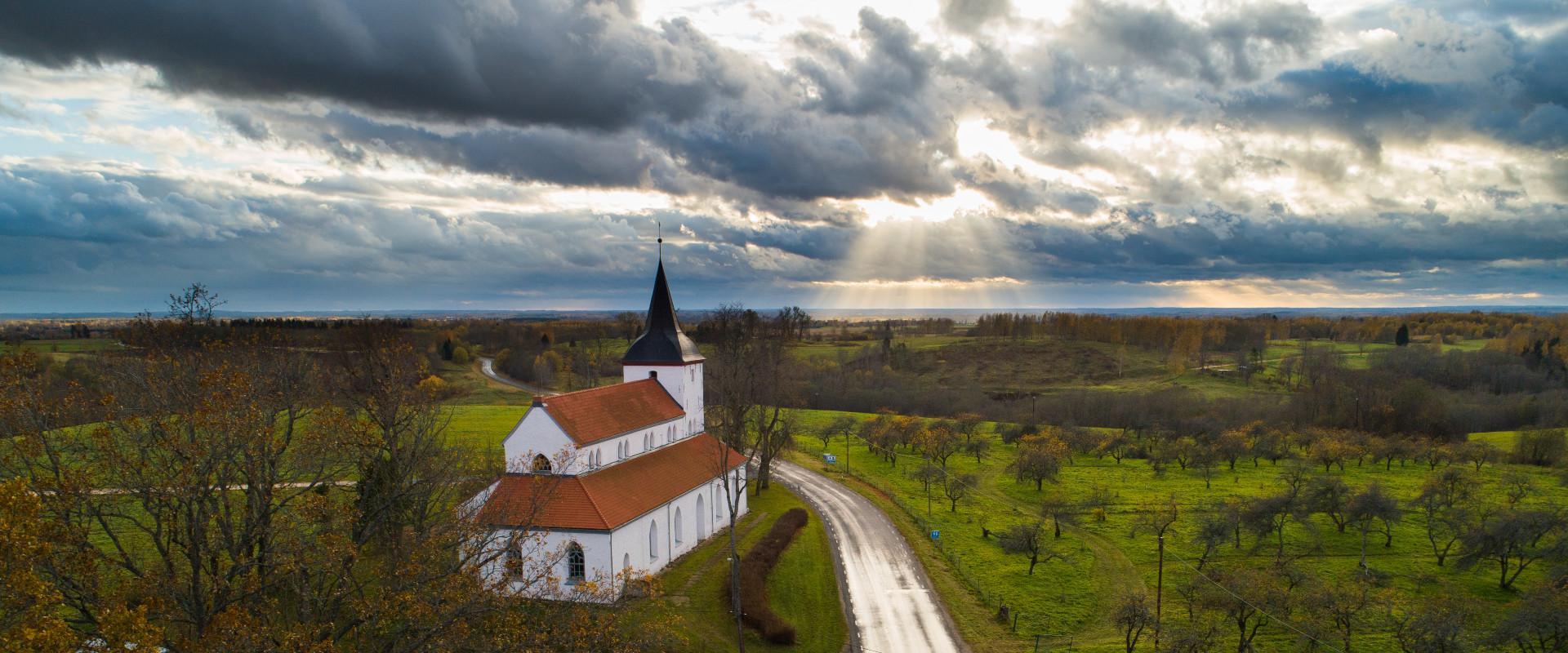
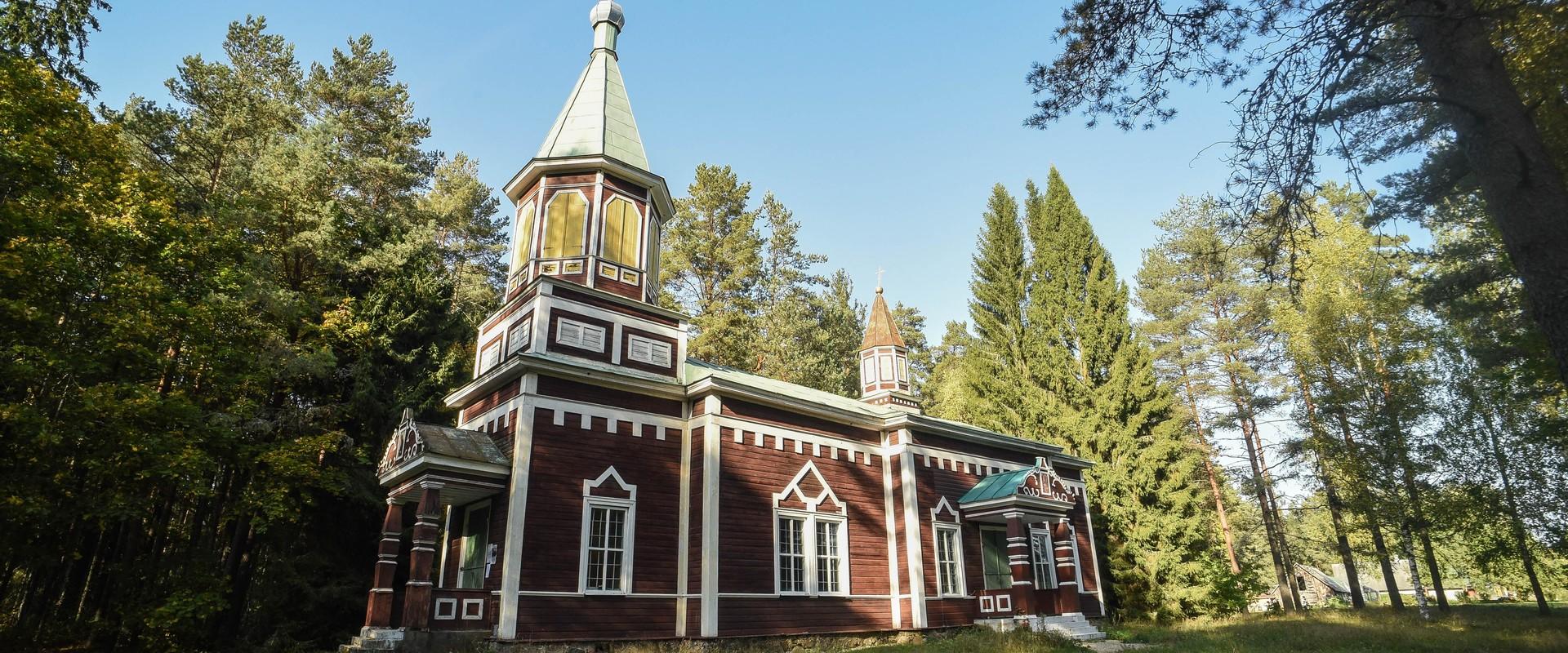
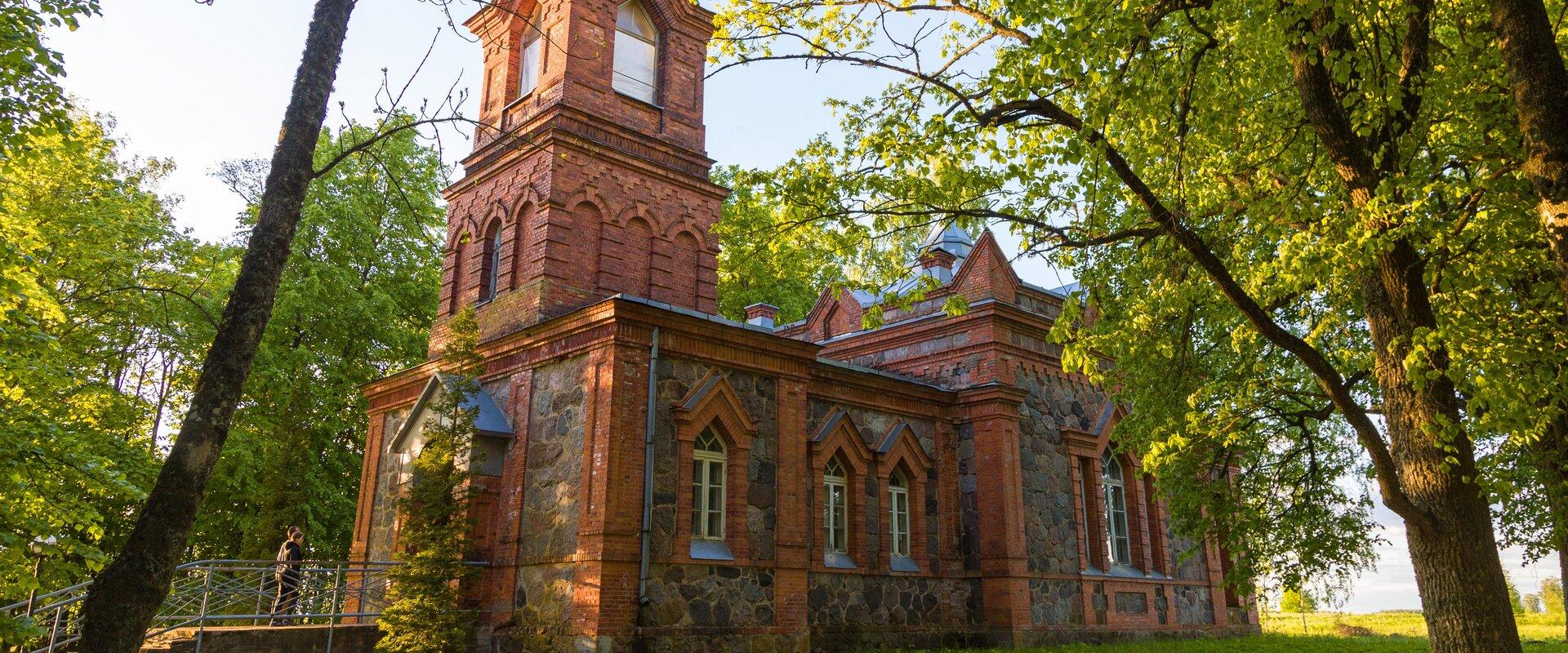
The Church of Blessed Virgin Mary in Põlva is one of the oldest churches in historical Võrumaa. The rarities of the church are the old altar painting The Last Supper (1650) and the altar panels (1647). There is an altar painting The Resurrection (Friedrich Ludwig von Maydell, 1845). The church was originally a square-shaped hall church with three naves. Today it has preserved from it a high tower with a deep niche and a Western façade.
Interesting to know:

According to a legend, the key of the church is held by a kneeling girl called Mary who is walled in. Allegedly that is also the origin of the name of the church and Põlva (‘knee’ for the Estonian ‘põlv’).
Amenities

  • Information boards
  • Free parking

Open times

1. sept - 26. mai

E-R09:00 - 13:00
P10:00 - 12:30

27. mai - 31. aug

E-R09:00 - 13:00
L10:00 - 14:00
P10:00 - 12:30

Contact

  • +372 5911 0105
  • polva@eelk.ee

Links

See more

  • Churches

Ritsiku church in Mõniste

Of the Orthodox churches in Võru County, Ritsiku church in Mõniste is the second oldest (dating back to 1855). The oldest is St Catherine's Church in Võru itself.The church in Ritsiku was consecrated in the name of the prophet John the Baptist. Its name day is celebrated by the congregation every year on 24 June.The congregation was established in 1837. The church was constructed from timber and has a tin roof. It was originally known as Mõniste church, since it was located on the lands of the Mõniste estate. But since it was not in Mõniste itself, it was renamed Ritsiku church in Mõniste.The sacristan and parson did a lot of work in educating the local community. Until 1931 the congregation had its own parish school and three smaller schools.

  • Churches

Rannu Apostolic Orthodox Church

The Apostolic Orthodox Church in Rannu (Rannu Orthodox Church) was built during 1899-1901 and consecrated on 5 May 1905 to celebrate Jesus going to Jerusalem. Therefore the church is also called the Rannu Church of the Lord Going to Jerusalem.The activities of the Orthodox congregation were terminated in 1961 and the church was used as the warehouse of the Rannu collective farm. In the 1980s, Rannu State Farm decided to make amends for the injustice and restored the church. The church has been previously used as a concert venue due to its excellent acoustics.Currently the church is not used for services.

  • Churches

St. Mary’s Church in Rõuge

The first stone church was constructed in Rõuge in the 16th century. In 1730, the original church, which was destroyed in the Great Northern War, was replaced with one which had an imposing square tower. The church was blessed in the name of St. Mary. The altar-piece "Christ on the cross" by R. von Mühlen is from 1854. In 1860 the walls were made higher and a mirrored arch was installed. In 1930 the church got a 31-register organ built by the Kriisa brothers. The first Estonian pastor in Rõuge was Rudolf Gottfried Kallas.Useful information! You can attend mass at the church every Sunday at 11:00 and in summer, the church is used as a wayfarers' church. Entrance to the tower is for a fee (grown ups 1.50, children 1 and family ticket 3 euros).

  • Churches

Urvaste church and cemetery on the shores of Lake Uhtjärv

The EELC St. Urbanus' Church in Urvaste, Võru County is one of the oldest and most unique country churches. The earliest written records date back to 1413, which means that 600 years have passed since the church was first mentioned.The church we see today – a three-naved Gothic basilica – was consecrated on 5 September 1889. The entire interior of the church also dates back to this time. In 1938, The organ was built by the Kriisa brothers in 1938, while the church bells date back to 1832.From the yellow National Geographic window on the shores of Lake Uhtjärv, you can enjoy a breathtaking view over the Urvaste church and the primeval valley of Lake Uhtjärv. The window marks one of the 21 places worthy of discovery in South-Estonia.

  • Churches

Memorial Tablet of the Northern Sons of Finland

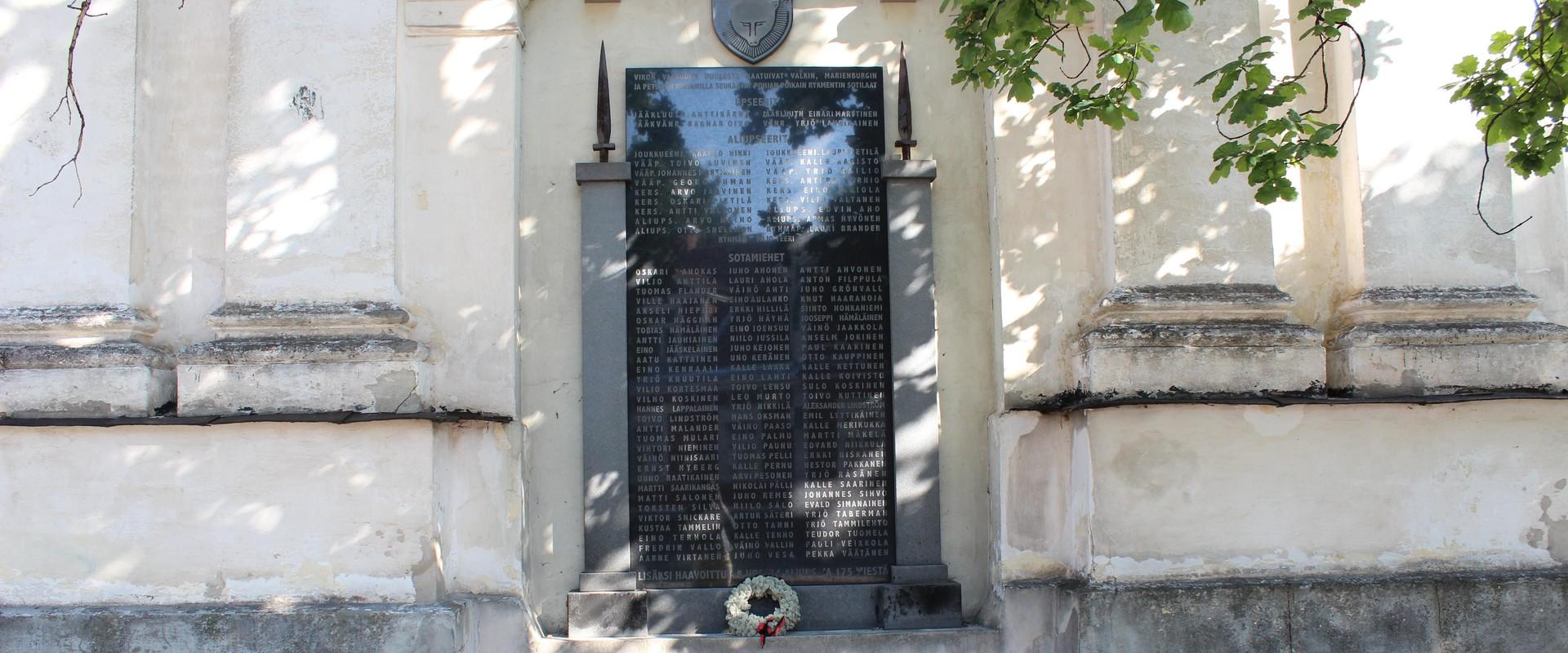
A black granite memorial tablet bearing almost 200 names was installed on the wall of the Valga Jaani (St John’s) Church in 1934 in remembrance of the Finnish volunteers who fell in the Paju Battle of the War of Independence. The polar bear sign of the Northern Sons Regiment is shown on the shield above the stone. In 1940 the memorial tablet was demolished with pickaxes by the order of communists. The memorial tablet was reopened on the 80th anniversary of the Paju Battle in 1999.Interesting facts: * the memorial tablet was opened in 1934 by President Konstantin Päts; * the first table was made in Finland and the second one in Tartu; * donations for the second tablet were collected by Ylistaro Rural Municipality (Finland) at the initiative of Ossi Salo.

  • Churches

Saint Isidore’s Main Church in Valga

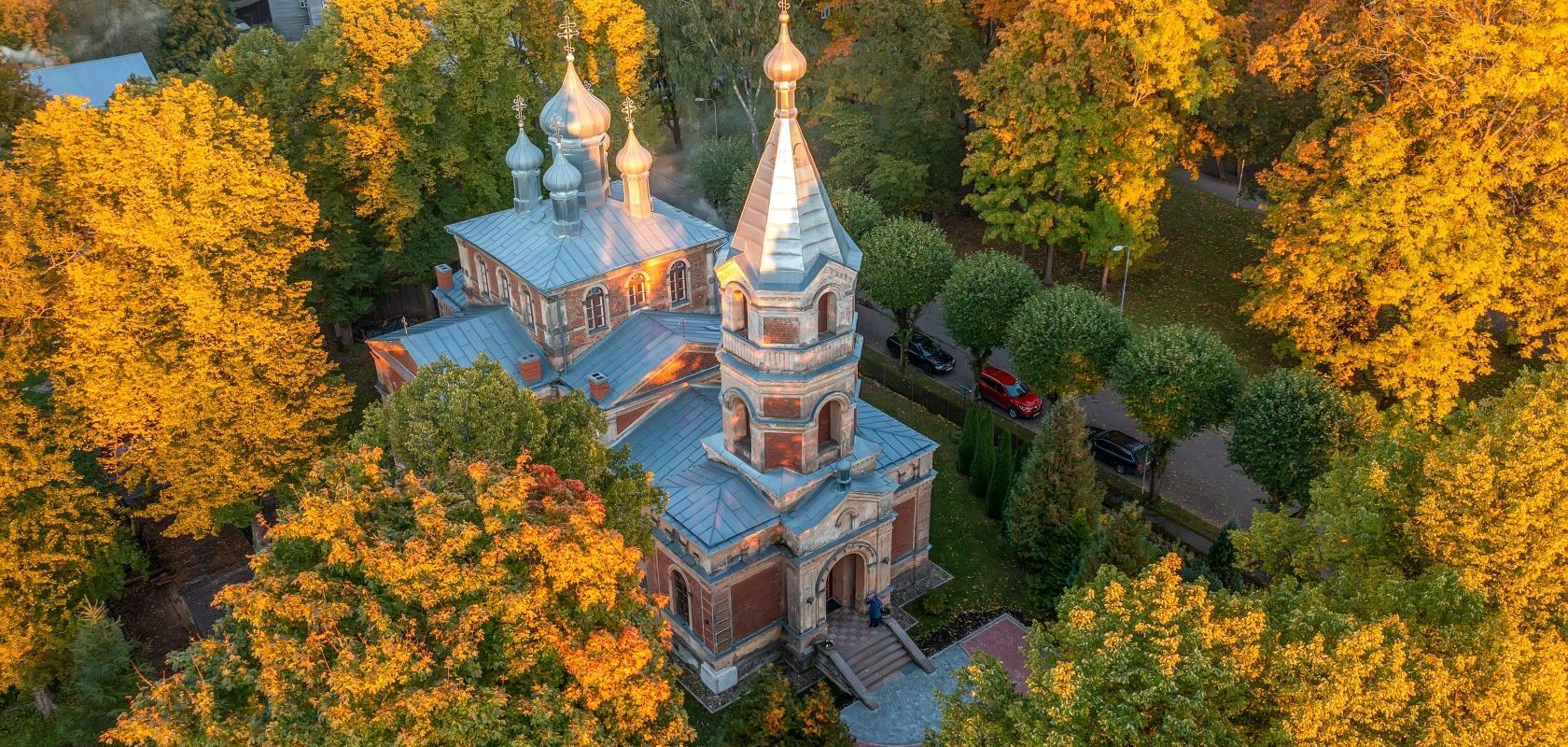
This historicist-style church is built from red and yellow bricks and has five domes and a bell tower. It is one of the four representative churches of the Apostolic Orthodox Church in Estonia. The church is named after the priest martyr Isidore of Tartu. The church was built in 1897–1898 and was consecrated in 1898. The architect of the building is Vladimir Lunski.The church was built in 1896 for the congregation of Orthodox Russians and Latvians.

  • Churches

Värska Church

The patron saint of the Värska Orthodox Church is St. George. The most important church holiday is St. George's Day, which is celebrated in Setomaa on May 6 and culminates with the afternoon kirmaski, or village party. The church was built with money from the community, and the original iconostasis from the beginning of the 20th century has been preserved, part of which is an icon of St. George painted on a tree in the 17th century. The church also has several handmade holy shawls. Värska cemetery is next to the church, and several important Seto cultural figures are buried there.

  • Churches
  • Guided tours

Varnja Old Believers Prayer House of the Estonian Association of Old Believers Congregations

The big beautiful prayer house in Varnja Village on the shores of Lake Peipus was funded and built by the congregation itself. Most of the many icons of the prayer house date back to the start of the 20th century.Visitors can only enter the church with a reservation.The cost of a single visit for a group starts from 50 euros. Visitors get an interesting overview of the life and history of the Old Believers from a local guide who is also an Old Believer. The excursion may last for about an hour - the visit and a warm experience are worth it!Reminder: Women are asked to enter the prayer house with a covered head.We ask you not to take photos or videos in the prayer house.

  • Collaboration
  • News
  • Contacts
  • Privacy Policy
Join our mailing list!

"*" indicates required fields

This field is for validation purposes and should be left unchanged.
I authorise marketing

South Estonia Tourism Cluster

info@visitsouthestonia.com