• Explore
    • Nature
    • Culture
    • Food
    • Family
    • Activity
    • Blog
    Smoke sauna
    Weather and seasons
  • Plan
    • Accommodation
    • How to get here
    • Weather and seasons
    • Sustainability
    • Tourist info
    Discover South Estonia’s Most Beautiful Manors and Castles
    Top 20 Sights in South Estonia
  • For professionals
    • For professionals
    • Collaboration
    • News
    • Projects
    • Training
    • Repository
    • Community (opens in new tab)
    • Contacts
ENG
  • EnglishENG
  • EestiEST
  • LatviešuLAT
  • РусскийRUS
  • SuomiFIN
ENG
  • EnglishENG
  • EestiEST
  • LatviešuLAT
  • РусскийRUS
  • SuomiFIN
Popular searches:
Show all
  • History & Culture
  • Architecture and history
  • Churches

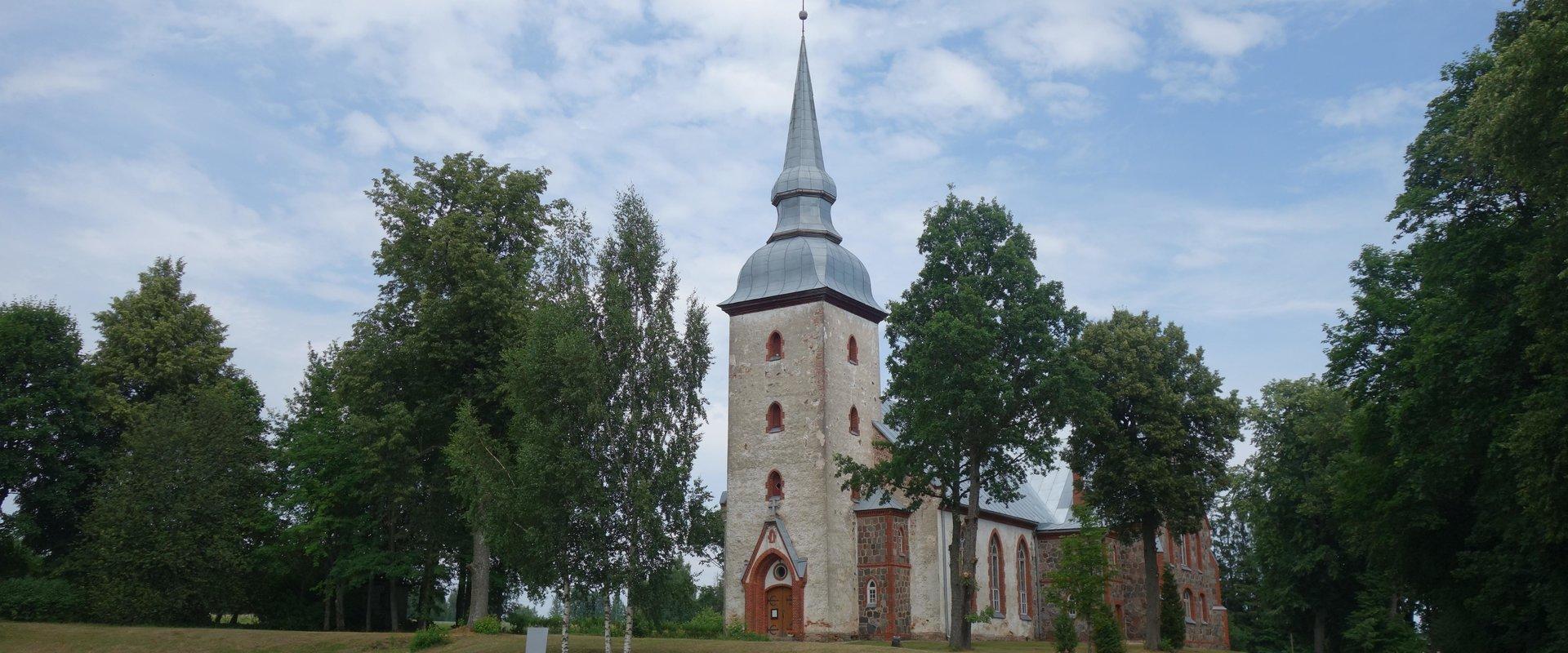
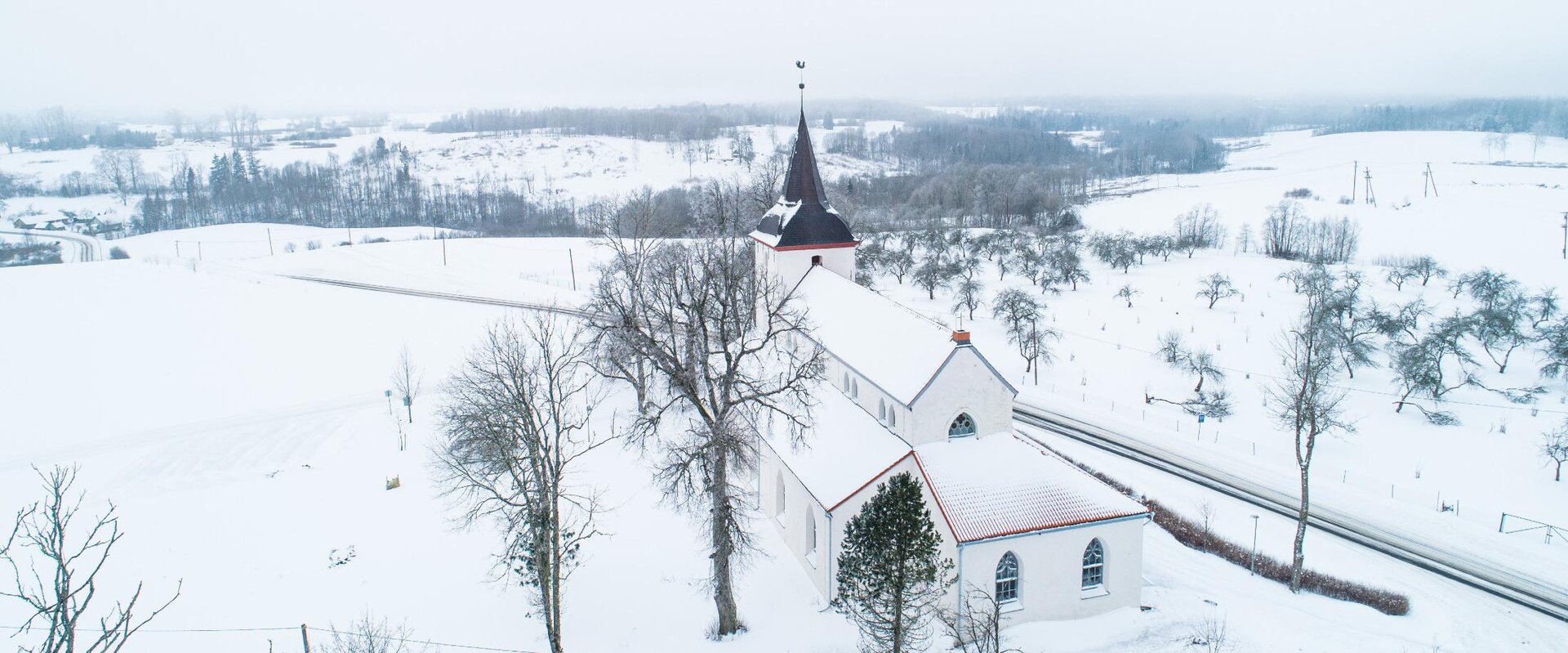
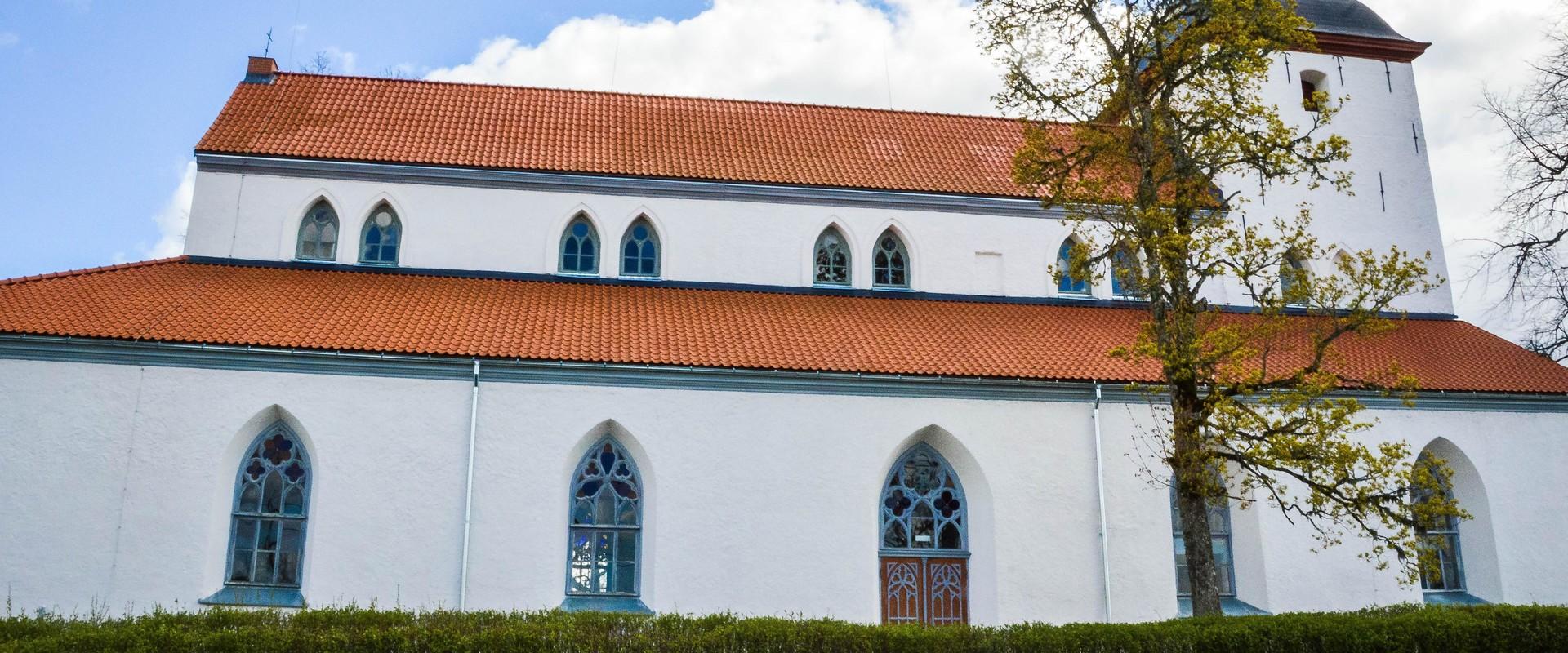
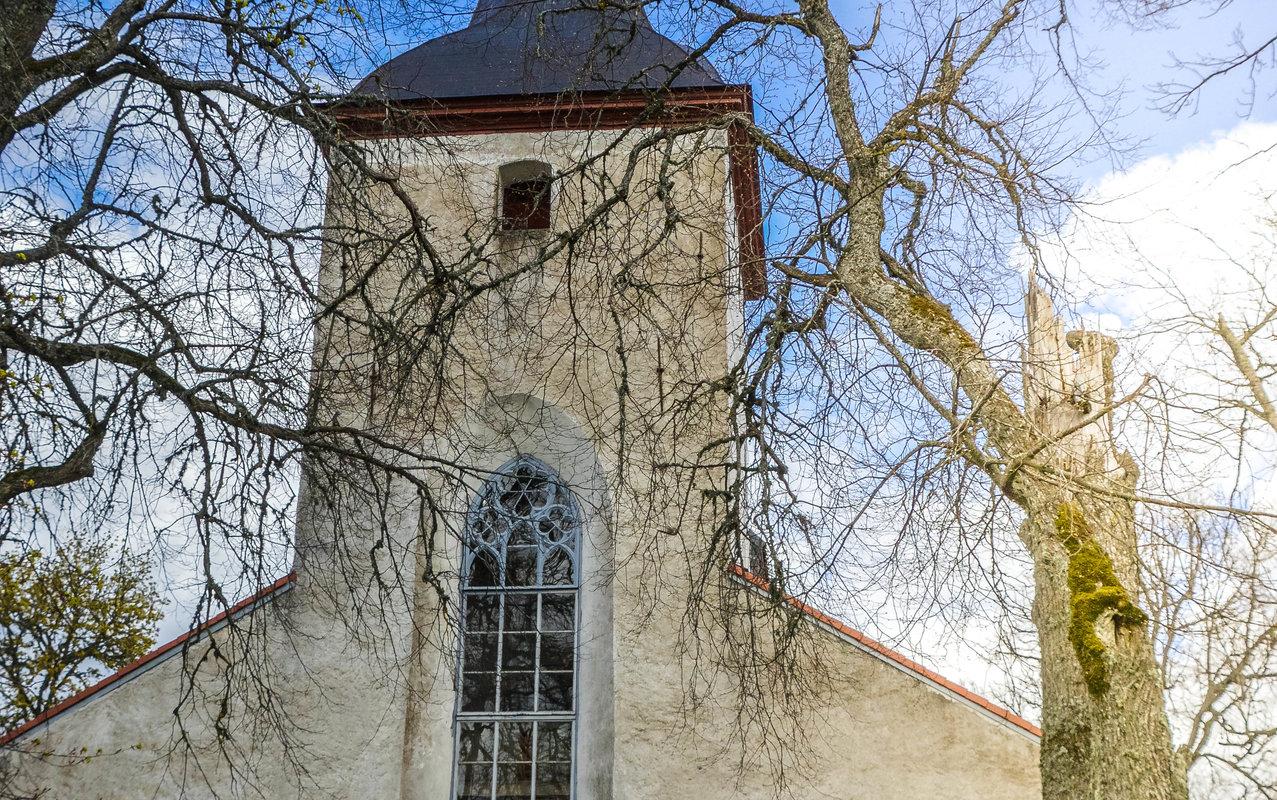
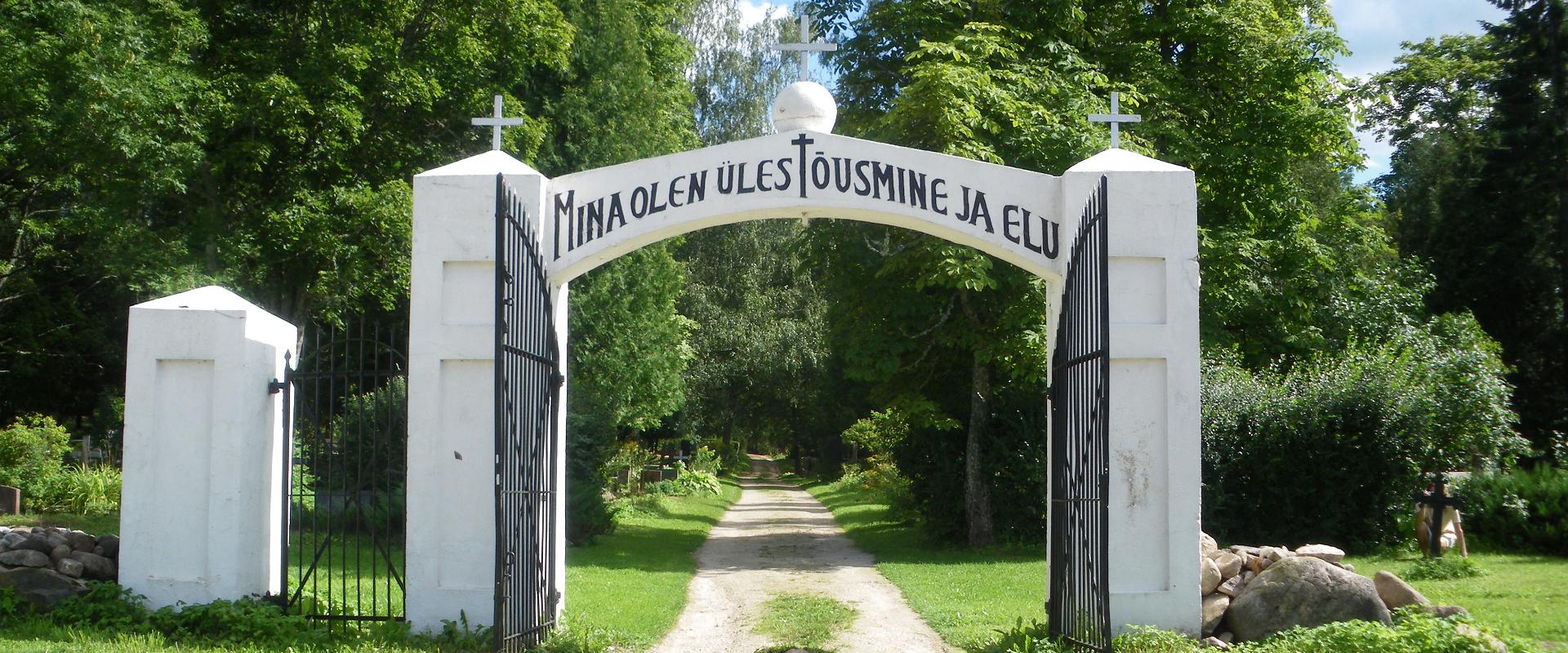
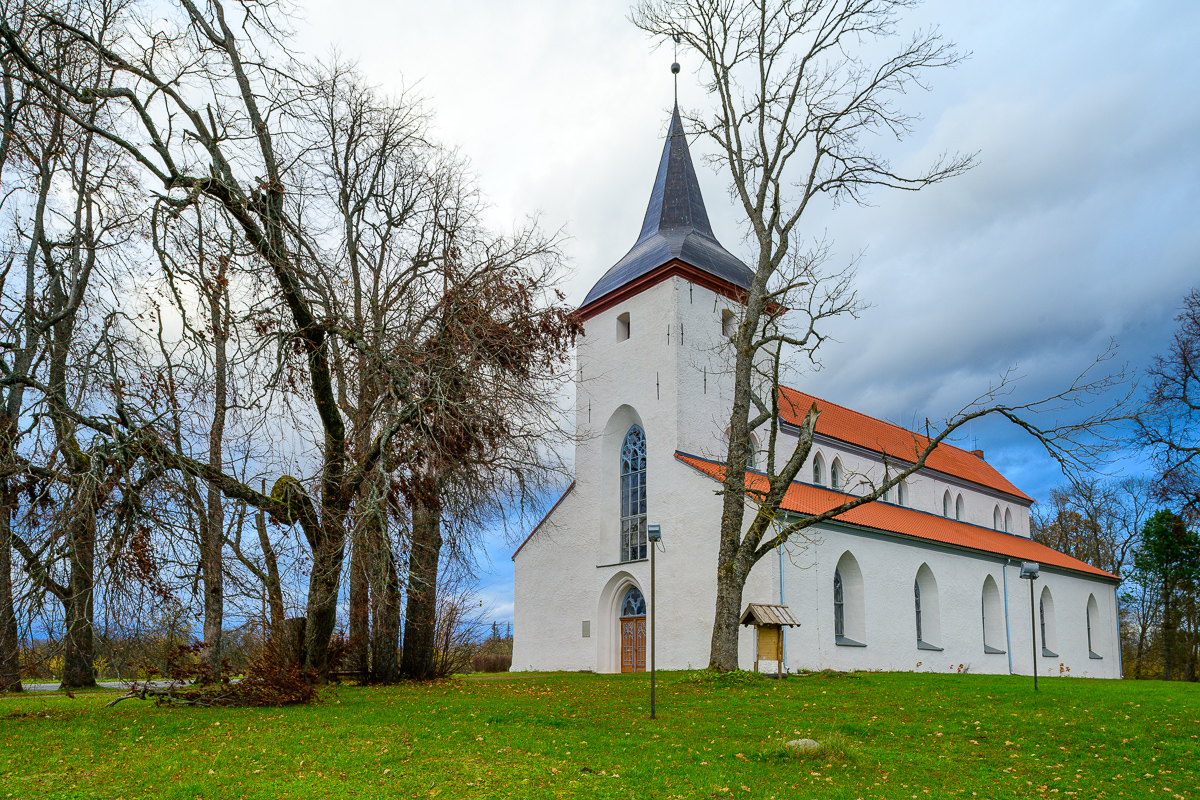
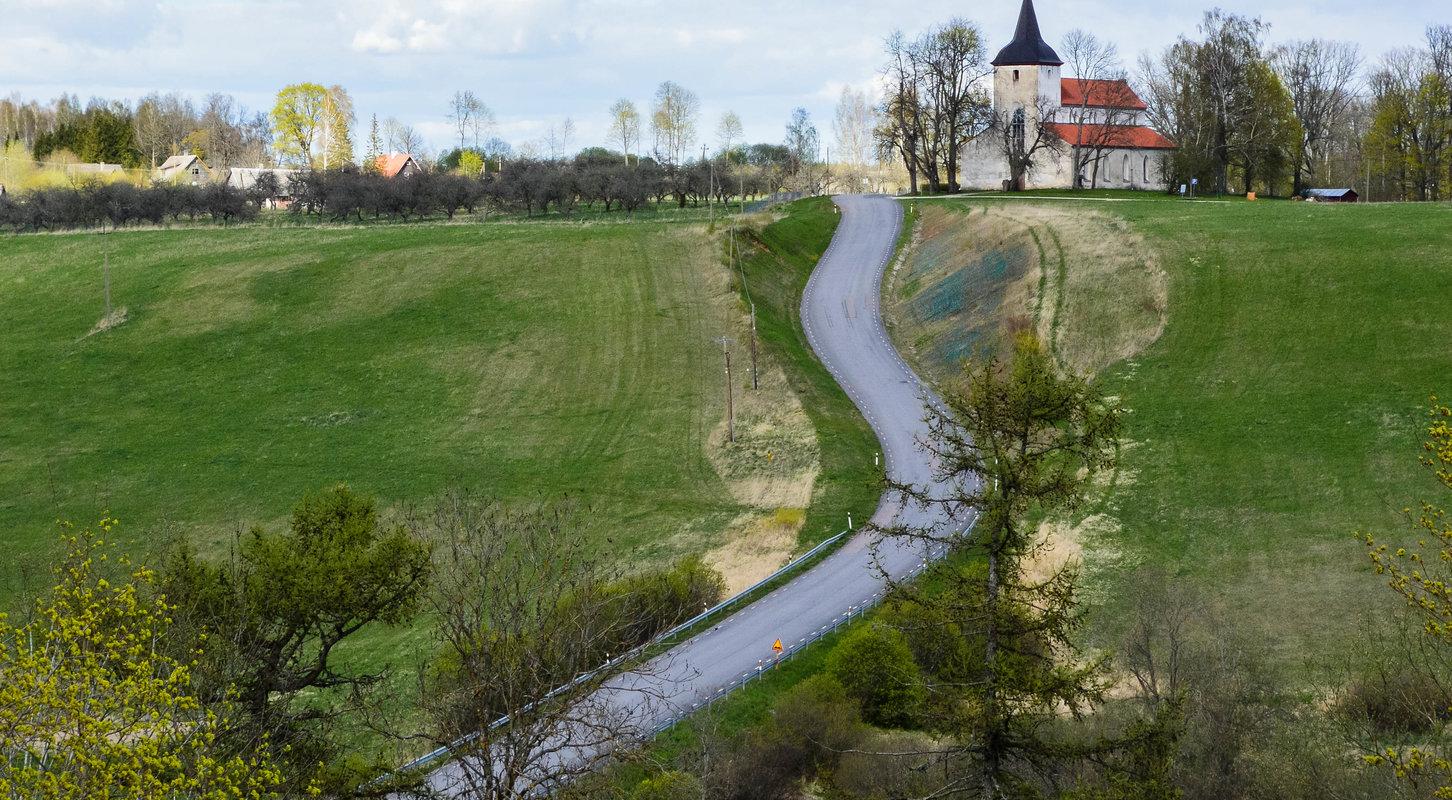
Urvaste church and cemetery on the shores of Lake Uhtjärv

Antsla vald, Võru maakond, 66512

The EELC St. Urbanus’ Church in Urvaste, Võru County is one of the oldest and most unique country churches. The earliest written records date back to 1413, which means that 600 years have passed since the church was first mentioned.The church we see today – a three-naved Gothic basilica – was consecrated on 5 September 1889. The entire interior of the church also dates back to this time. In 1938, The organ was built by the Kriisa brothers in 1938, while the church bells date back to 1832.From the yellow National Geographic window on the shores of Lake Uhtjärv, you can enjoy a breathtaking view over the Urvaste church and the primeval valley of Lake Uhtjärv. The window marks one of the 21 places worthy of discovery in South-Estonia. 
Amenities

  • Free parking

Open times

1. jaan - 31. dets

P10:00 - 12:00

Contact

  • +372 511 8271
  • ullar.salumets@eelk.ee

Links

See more

  • Churches

Nõo Holy Trinity Church of the Estonian Apostolic Orthodox Church

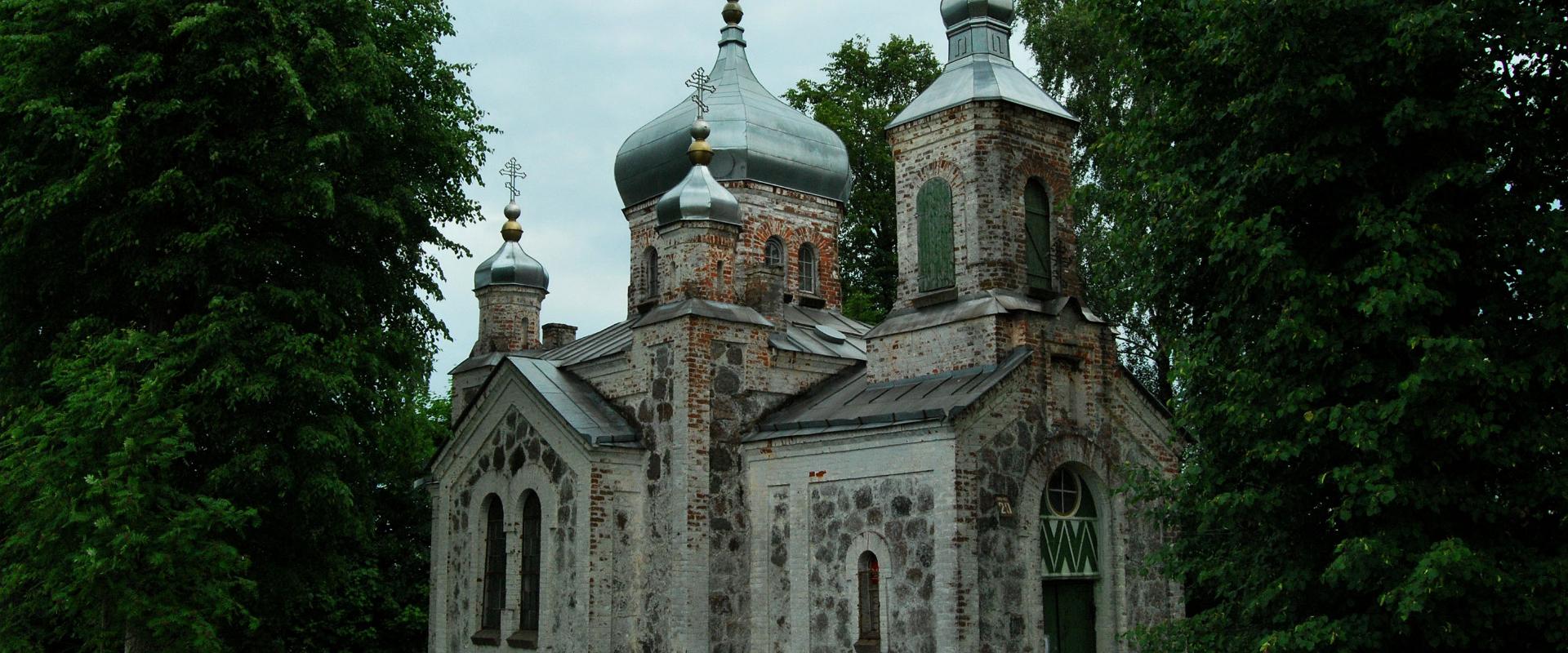
There is a remarkable historicist Orthodox church with quarrystone and brick walls and five onion-cupolas in Nõo small borough.The Nõo Congregation was founded in 1852 for Estonian Orthodox Christians who previously belonged to the Tartu Georgi congregation. The architecturally remarkable church is made of quarrystone and red bricks and has a bell-tower in the western side. It was completed in 1873. The interior architecture of the church is simple and the iconostasis dates back to the late 19th century.Services are held in the Holy Trinity Church in Nõo on the second Saturday of each month.

  • Churches

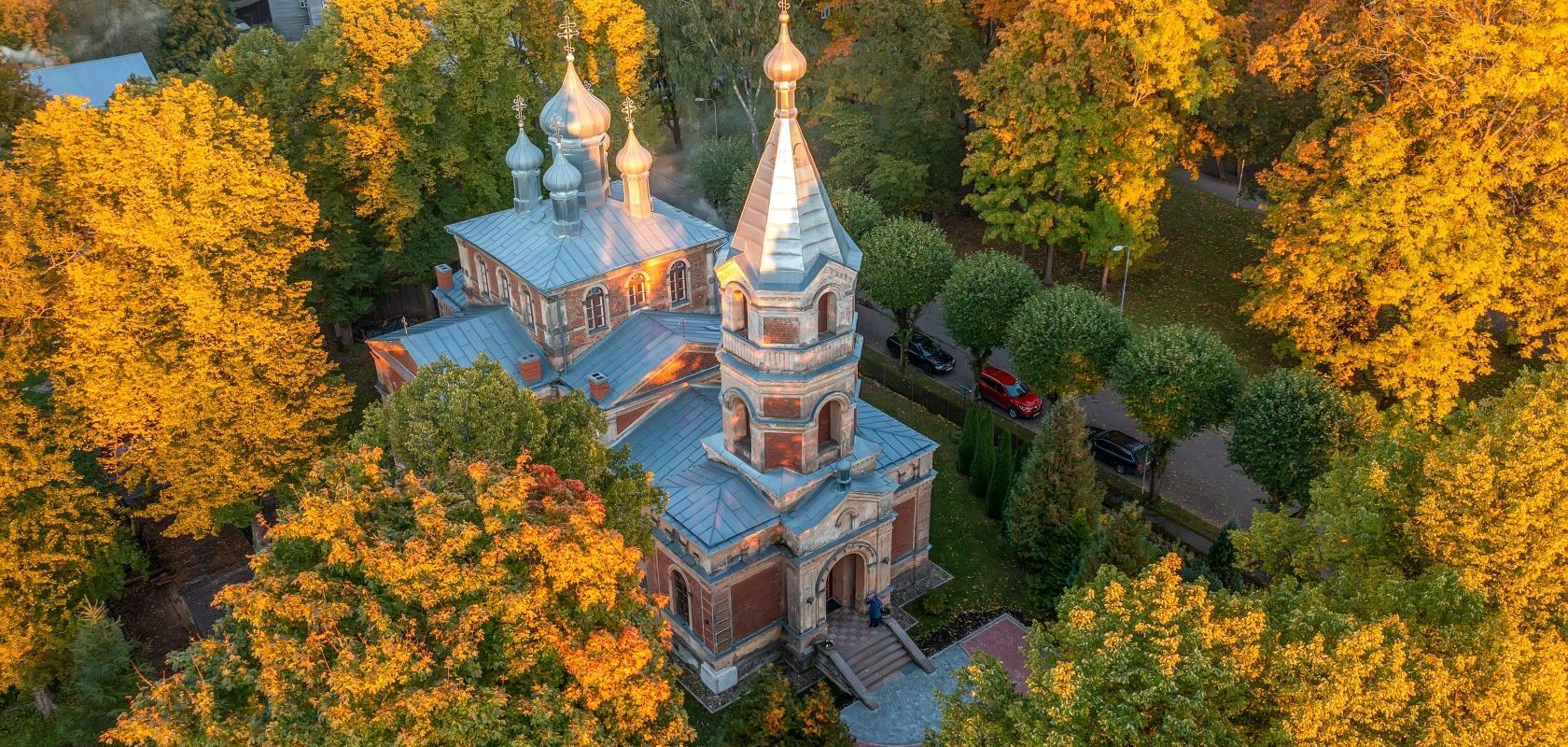
Saint Isidore’s Main Church in Valga

This historicist-style church is built from red and yellow bricks and has five domes and a bell tower. It is one of the four representative churches of the Apostolic Orthodox Church in Estonia. The church is named after the priest martyr Isidore of Tartu. The church was built in 1897–1898 and was consecrated in 1898. The architect of the building is Vladimir Lunski.The church was built in 1896 for the congregation of Orthodox Russians and Latvians.

  • Churches

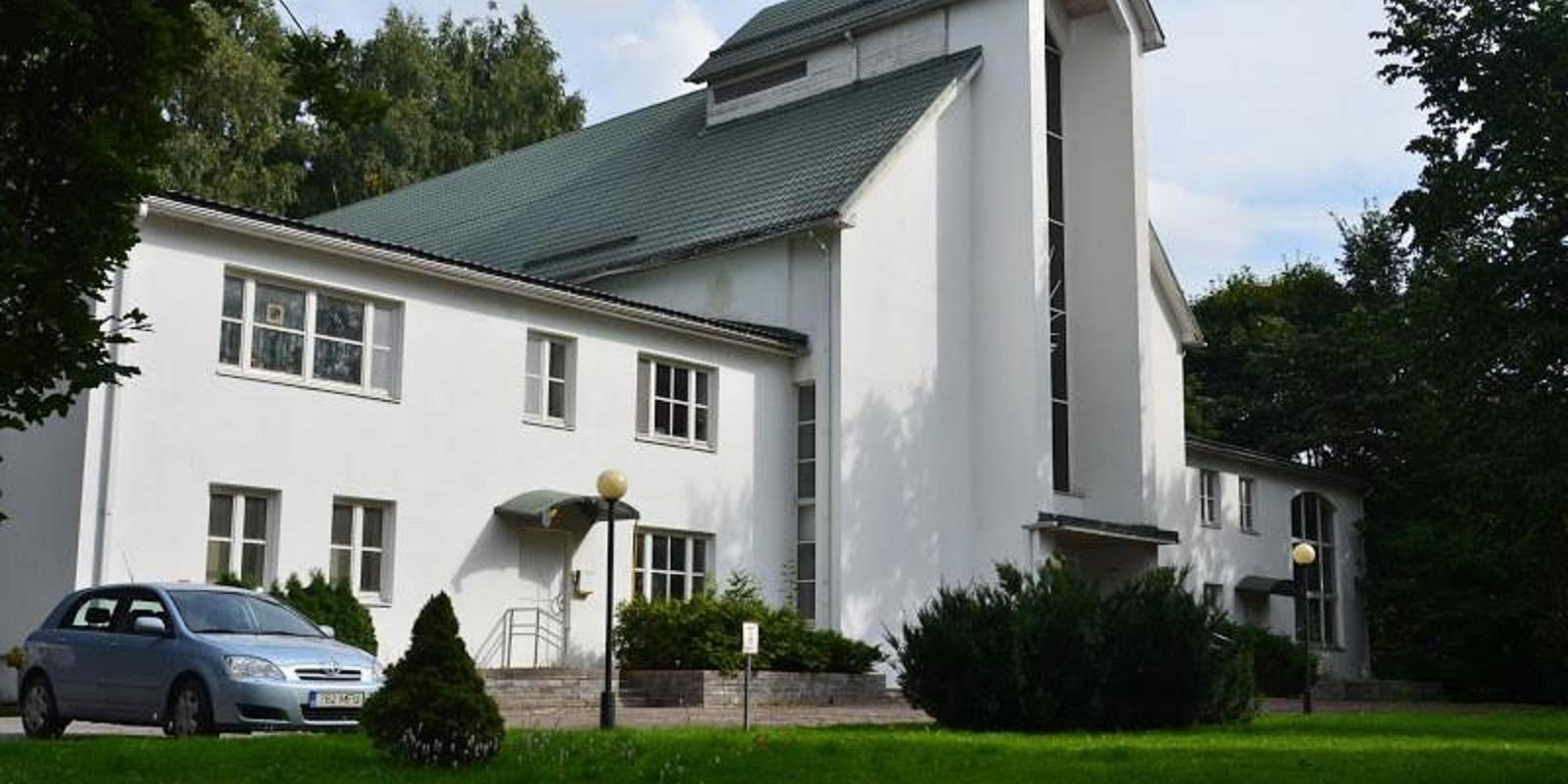
Tartu Kolgata Baptist Church

After the Second World War, the Baptist congregations in Tartu joined the only remaining Baptist church: the Kolgata congregation, whose chapel was opened in 1931.In 2013, the congregation moved from the old prayer house located in Karlova district to a modern church building (completed in 1995) at the edge of the centre of the city due to lack of space. The first service in the building on Veski Street took place on 10 November 2013, when the Kolgata congregation celebrated its 112th anniversary.The congregation belongs to the Union of Evangelical Christian and Baptist Churches of Estonia. Services in Estonian are held on Sundays at 11 a.m. and in Russian at 1 p.m.

  • Churches

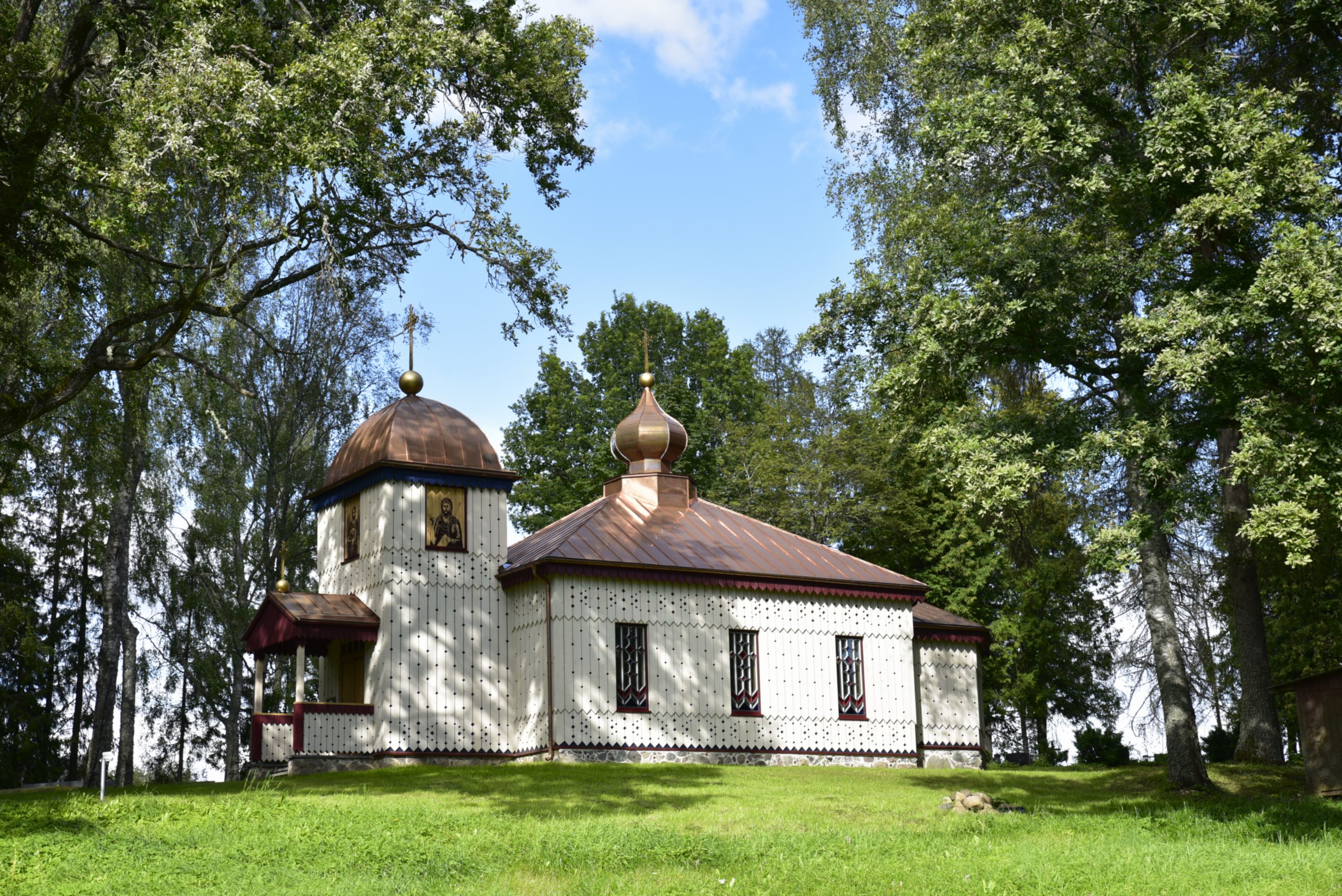
Miikse Church

The Miikse St. John the Baptist Church is a small wooden Orthodox church located in the southeastern corner of Estonia in Setomaa. What makes this church special is its story. It was built in 1953, during the Soviet era, when religion and church construction were not encouraged. However, the local people took a bold step and built the church themselves, often working in the evenings and at night to avoid the authorities' attention. Today, Miikse Church is once again a symbol of the strength and perseverance of the Seto community, where the local community restored the dilapidated sanctuary into a new and striking Seto church. The altar and icons were preserved, but the new facade features a lace-like pattern using Seto colors (red, blue, and sheep's wool white) and Seto belt patterns. The church's surroundings also include an old cemetery and sacred stones, which lend the place a special historical and spiritual atmosphere. The church is open once a month during service, and at other times, access can be arranged by agreement with the church elder (who communicates in Estonian and Russian). For a foreign-language tour of Setomaa, we recommend booking a local guide.

  • Churches

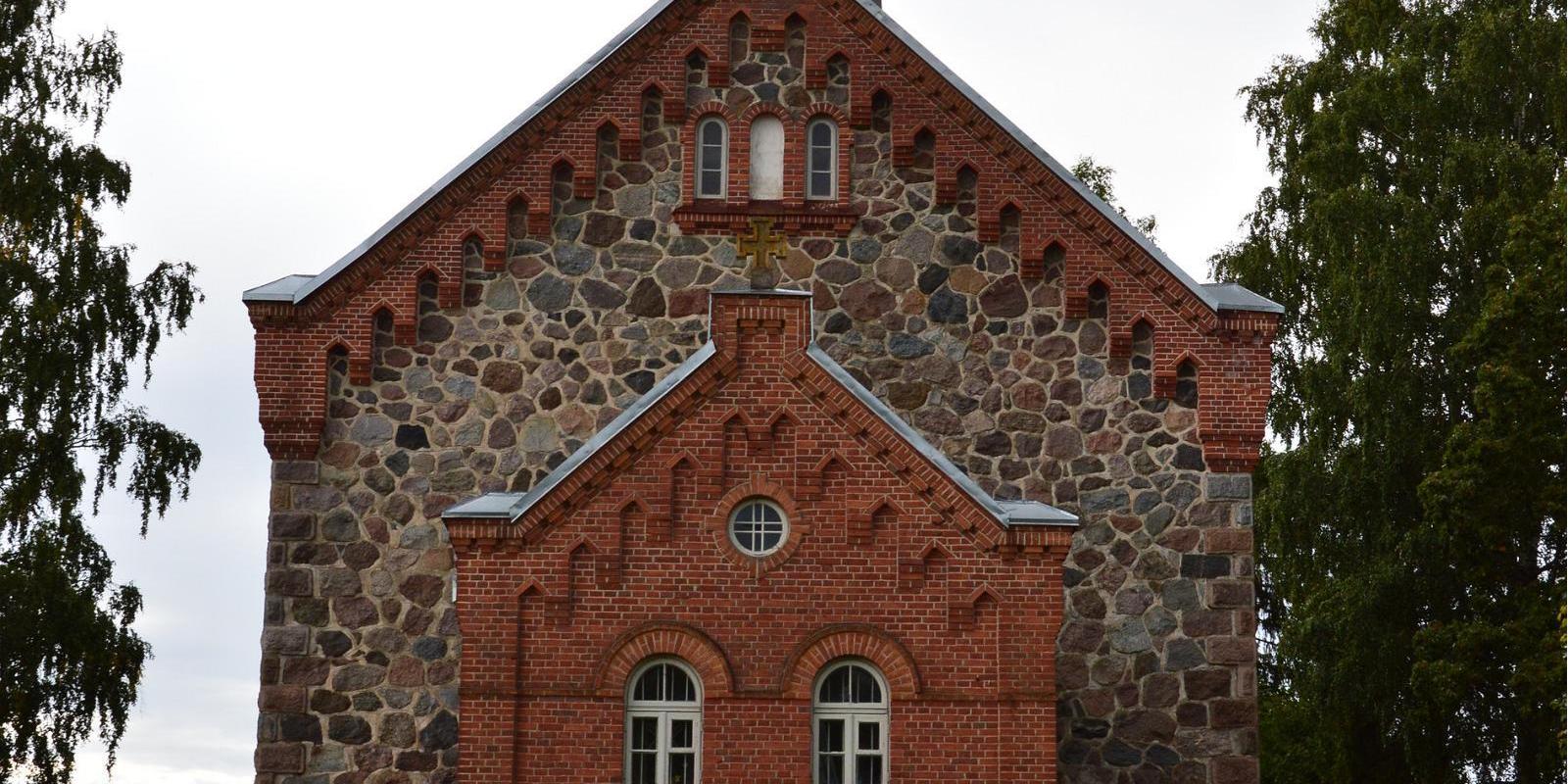
EELC Roosa Jacob’s Church

The legend speaks about the owner of Roosa manor, who had promised to build a church if he is saved from a shipwreck. When he had happily escaped the sea, he fulfilled his promise and the first church was built in Roosa in 1735.The current church is the third one in Roosa, built in 1893.The massive quarrystone walls have round-headed windows and brick ornaments, the tower has four sides and triangular gables. The altar-piece is a copy of the ″Christ on the Cross” from the St. Mary's Church in Rõuge and the organ is the first church organ the Kriisa brothers built in 1900.

  • Churches

Elva Church of the Estonian Evangelical Lutheran Church

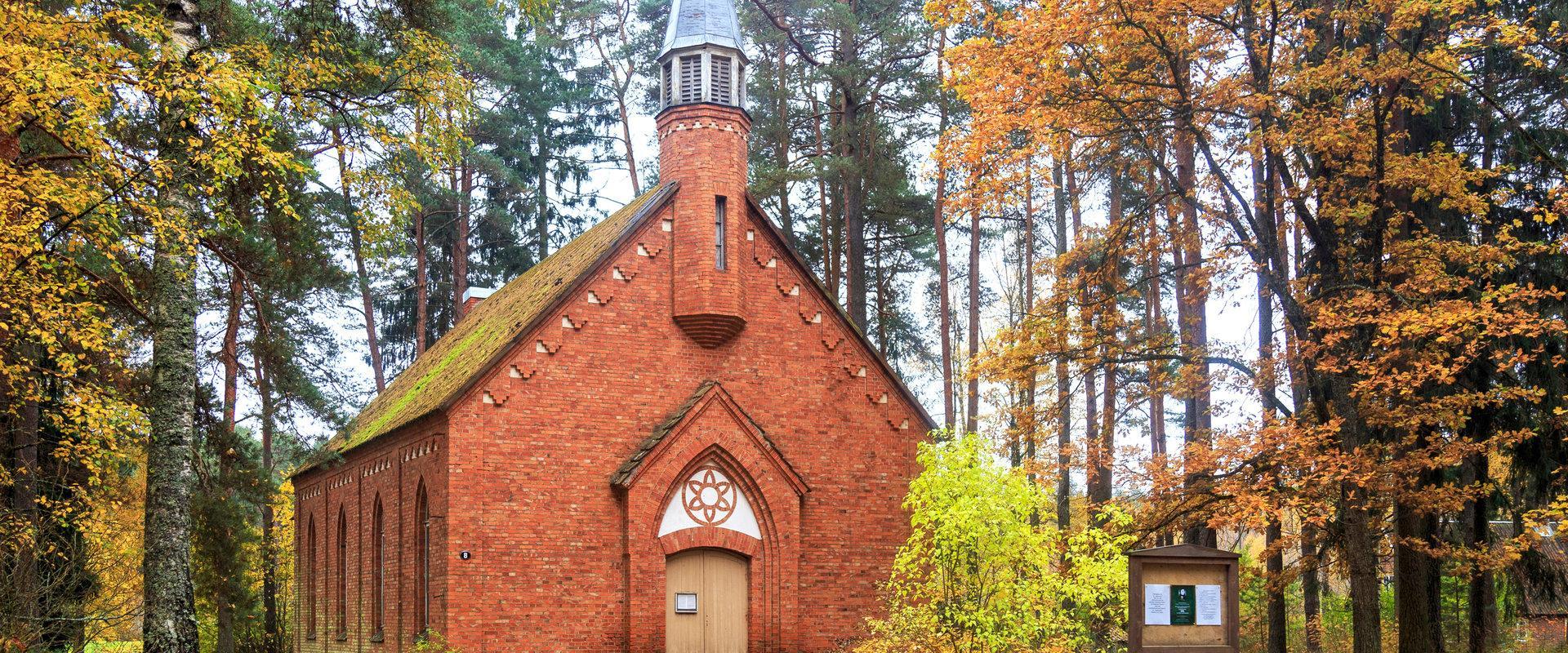
You will find this historicist red-brick church (architect Arved Eichorn), which is the first new church built in the Republic of Estonia, in the peaceful little town Elva. Tartu St John’s Congregation used to operate in Elva for some time. This is why some details of the Elva Church remind of Tartu St John’s Church – the rarely used plaster and brick imitation of a rose window on the western wall of the church refers to the medieval rose window that can be found in Tartu St John’s Church.

  • Churches

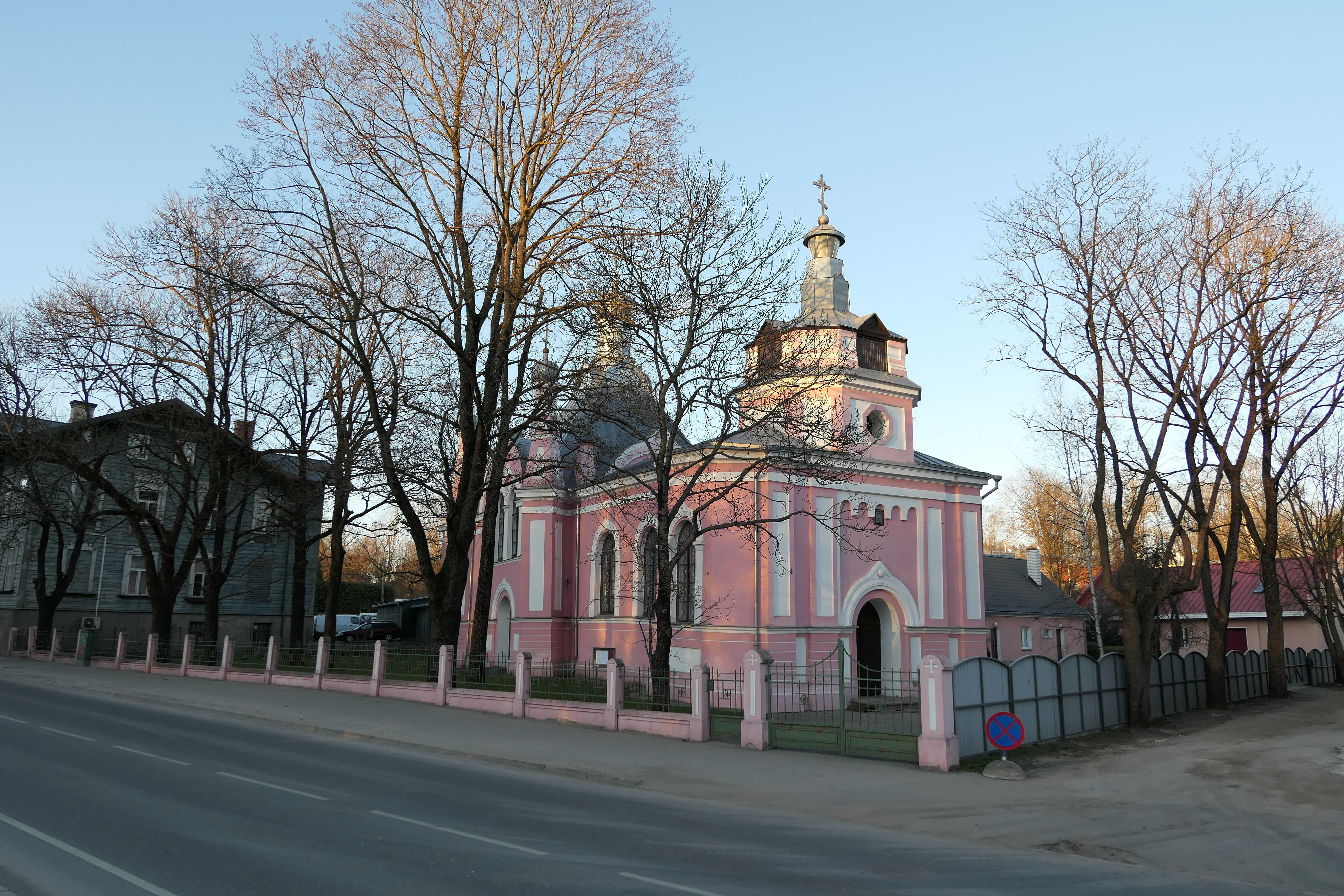
Tartu Saint George the Martyr Church of the Russian Apostolic Orthodox Church

An orthodox congregation was established in Tartu in 1845 and Priest Joosep Shestakovski (1856–1888) initiated the building of an orthodox church. Tartu Saint George the Martyr Church was built using donations from the congregation and it was consecrated in honour of Saint George by Bishop of Riga and Mitav Benjamin in 1870.

  • Churches

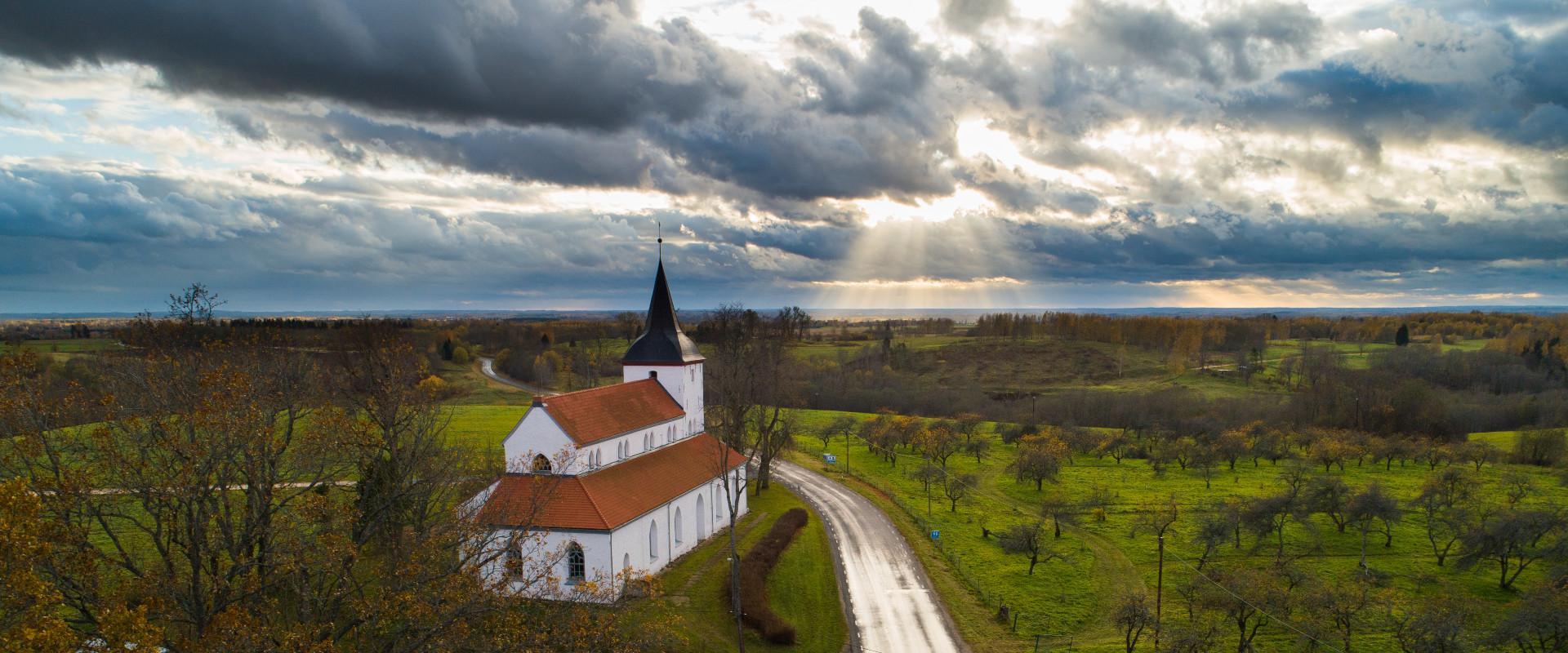
Vastseliina Church

Vastseliina Castle was built in 1342. The Swedish Army gave the order to build another church outside the walls of the castle as an addition to the Vastseliina Castle Chapel. The new church was consecrated as St. Catherine's Church. The church was destroyed together with the Vastseliina Castle by Russian cannon fire. Another church was built, and construction began on a stone church. Von Liphardt donated an organ made by Kessler and an alter painting by Baron Maydell to the church. Vastseliina Church was reconstructed according to the plans of the architect Pohlmann. In 1911 the church obtained a new organ built by the brothers Kriisa. Church service is held on Sunday.

  • Collaboration
  • News
  • Contacts
  • Privacy Policy
Join our mailing list!

"*" indicates required fields

This field is for validation purposes and should be left unchanged.
I authorise marketing

South Estonia Tourism Cluster

info@visitsouthestonia.com