• Explore
    • Nature
    • Culture
    • Food
    • Family
    • Activity
    • Blog
    Smoke sauna
    Weather and seasons
  • Plan
    • Accommodation
    • How to get here
    • Weather and seasons
    • Sustainability
    • Tourist info
    Discover South Estonia’s Most Beautiful Manors and Castles
    Top 20 Sights in South Estonia
  • For professionals
    • For professionals
    • Collaboration
    • News
    • Projects
    • Training
    • Repository
    • Community (opens in new tab)
    • Contacts
ENG
  • EnglishENG
  • EestiEST
  • LatviešuLAT
  • РусскийRUS
  • SuomiFIN
ENG
  • EnglishENG
  • EestiEST
  • LatviešuLAT
  • РусскийRUS
  • SuomiFIN
Popular searches:
Show all
  • History & Culture
  • Architecture and history
  • Churches

EELC Roosa Jacob’s Church

Rõuge vald, Võru maakond, 66109

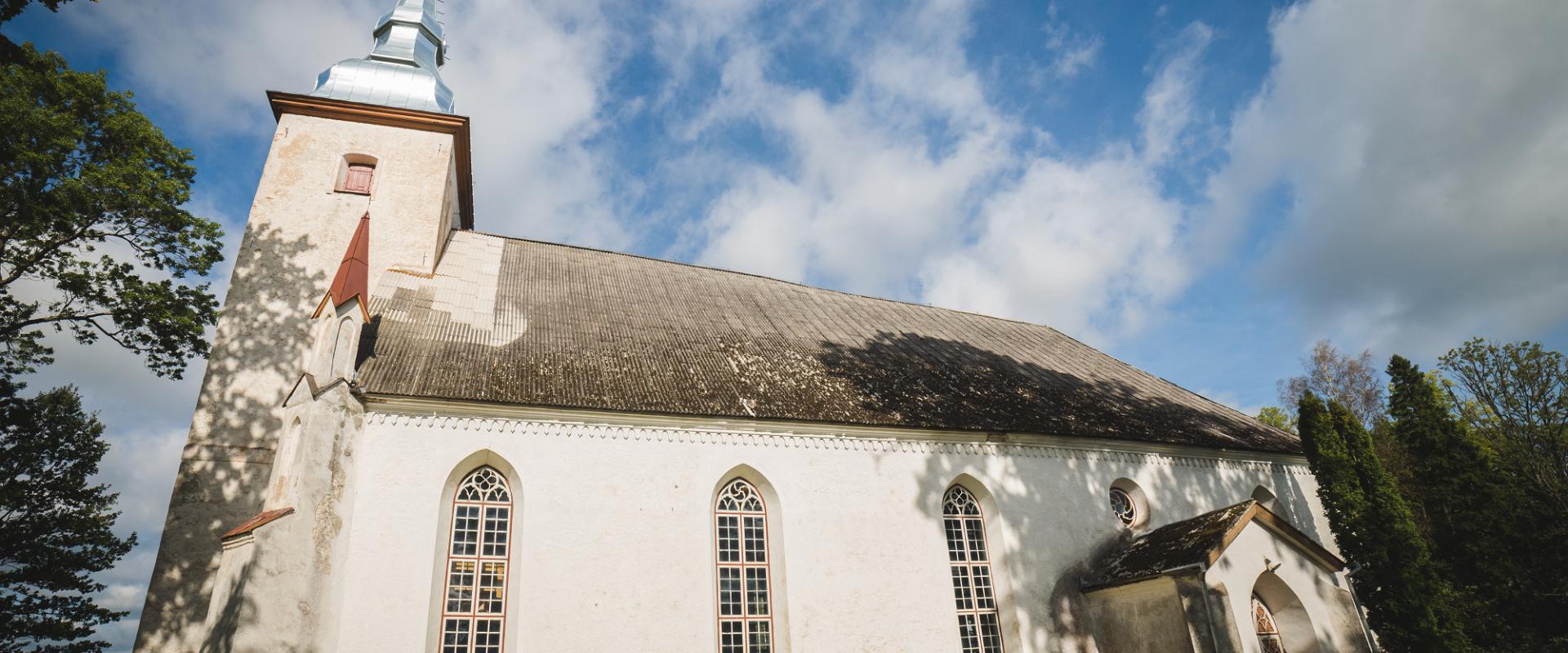
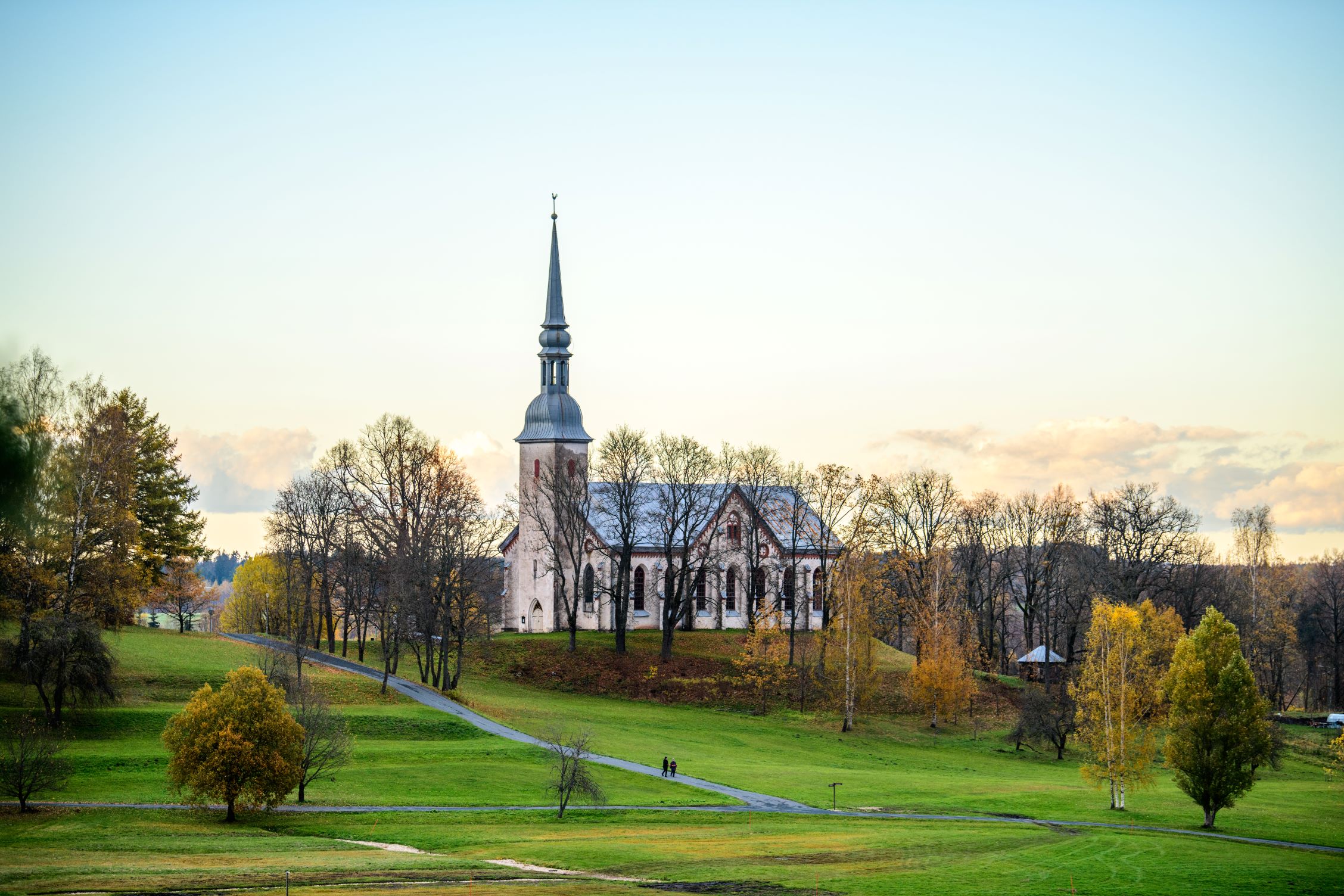
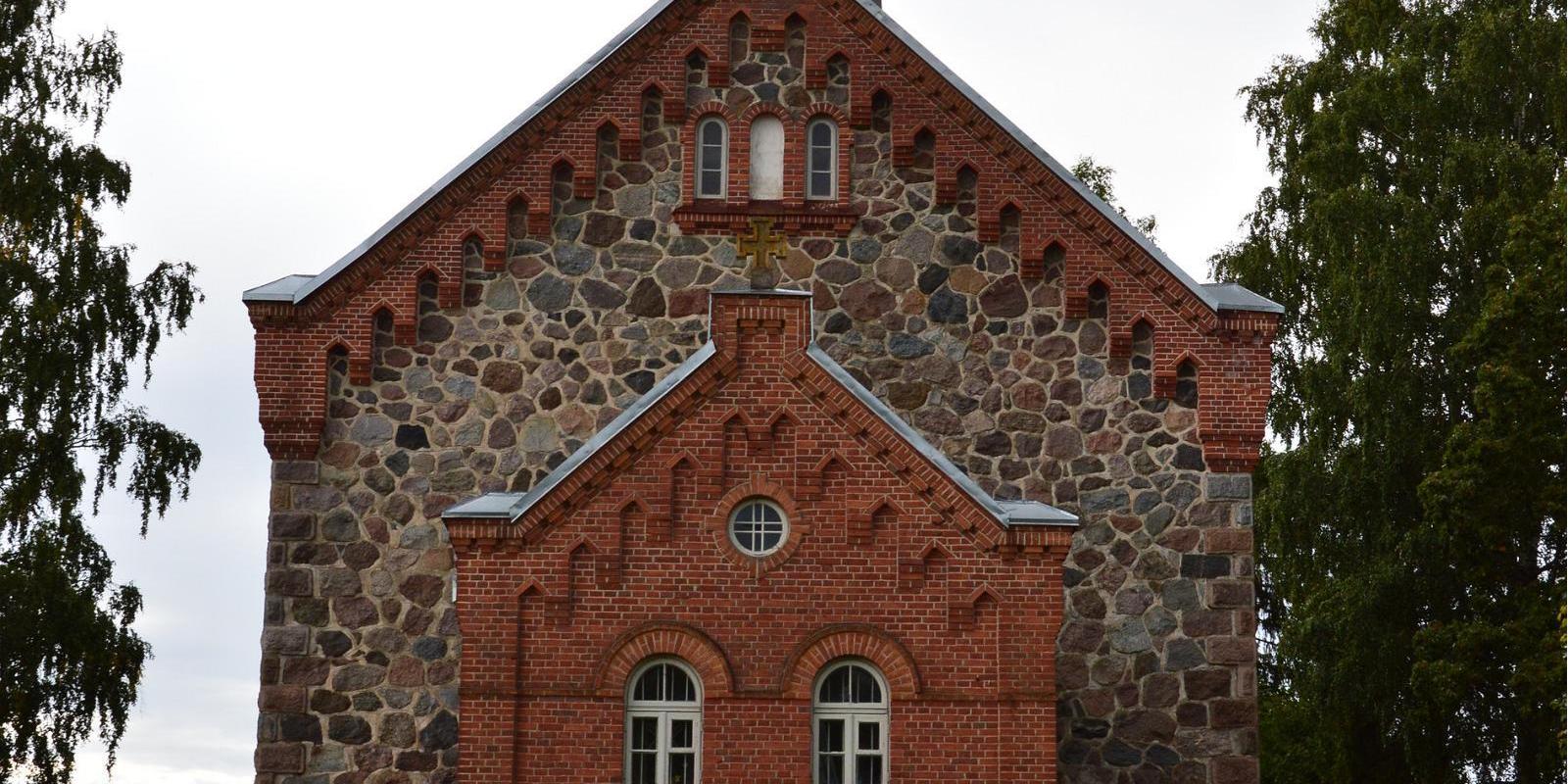
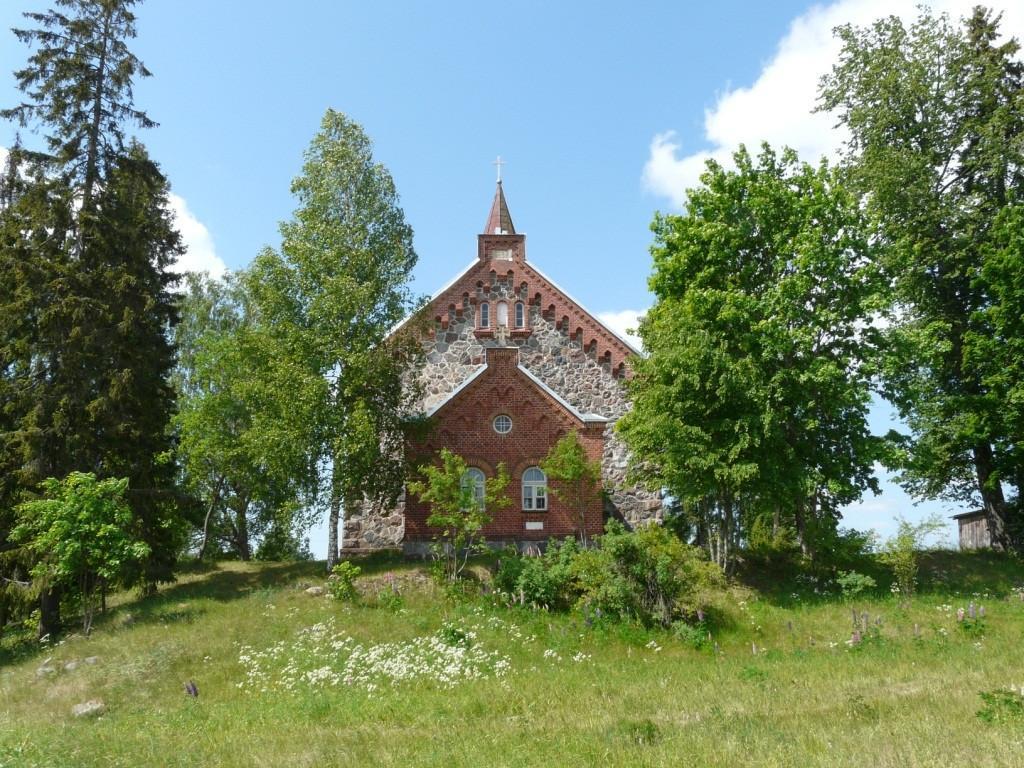
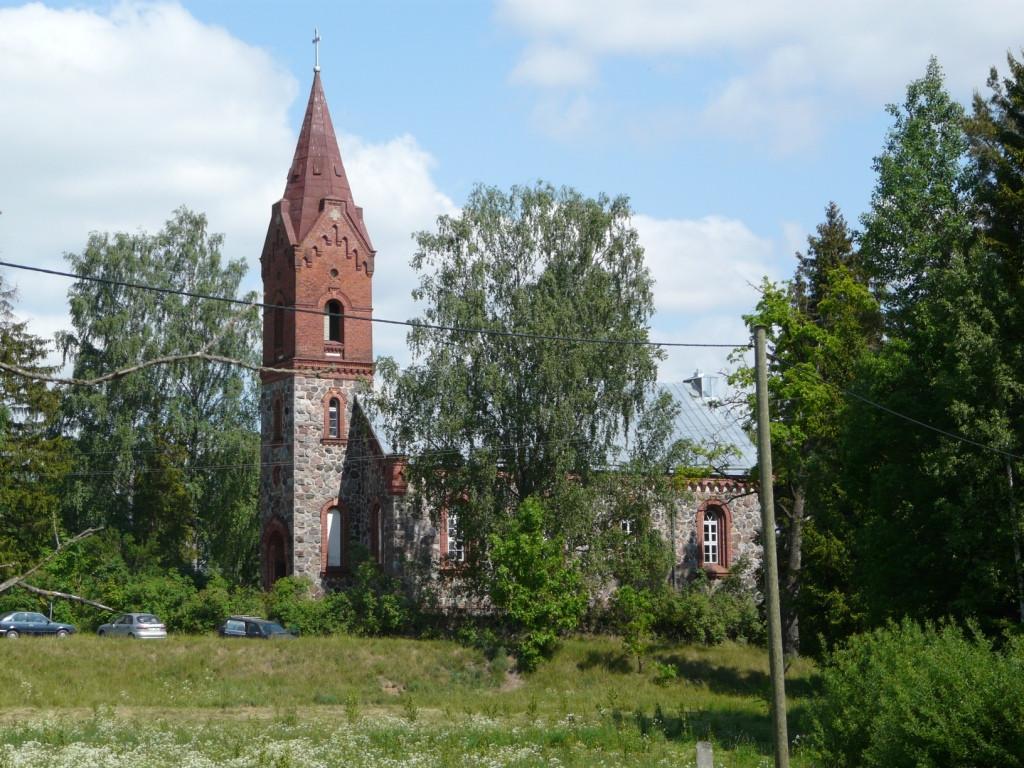
The legend speaks about the owner of Roosa manor, who had promised to build a church if he is saved from a shipwreck. When he had happily escaped the sea, he fulfilled his promise and the first church was built in Roosa in 1735.The current church is the third one in Roosa, built in 1893.The massive quarrystone walls have round-headed windows and brick ornaments, the tower has four sides and triangular gables. The altar-piece is a copy of the ″Christ on the Cross” from the St. Mary’s Church in Rõuge and the organ is the first church organ the Kriisa brothers built in 1900. 
Amenities

  • Free parking

Open times

Throughout the Year

Eemalt vaadeldav

Contact

  • +372 526 4037
  • roosa@eelk.ee

Links

See more

  • Churches

Tartu Saint George the Martyr Church of the Russian Apostolic Orthodox Church

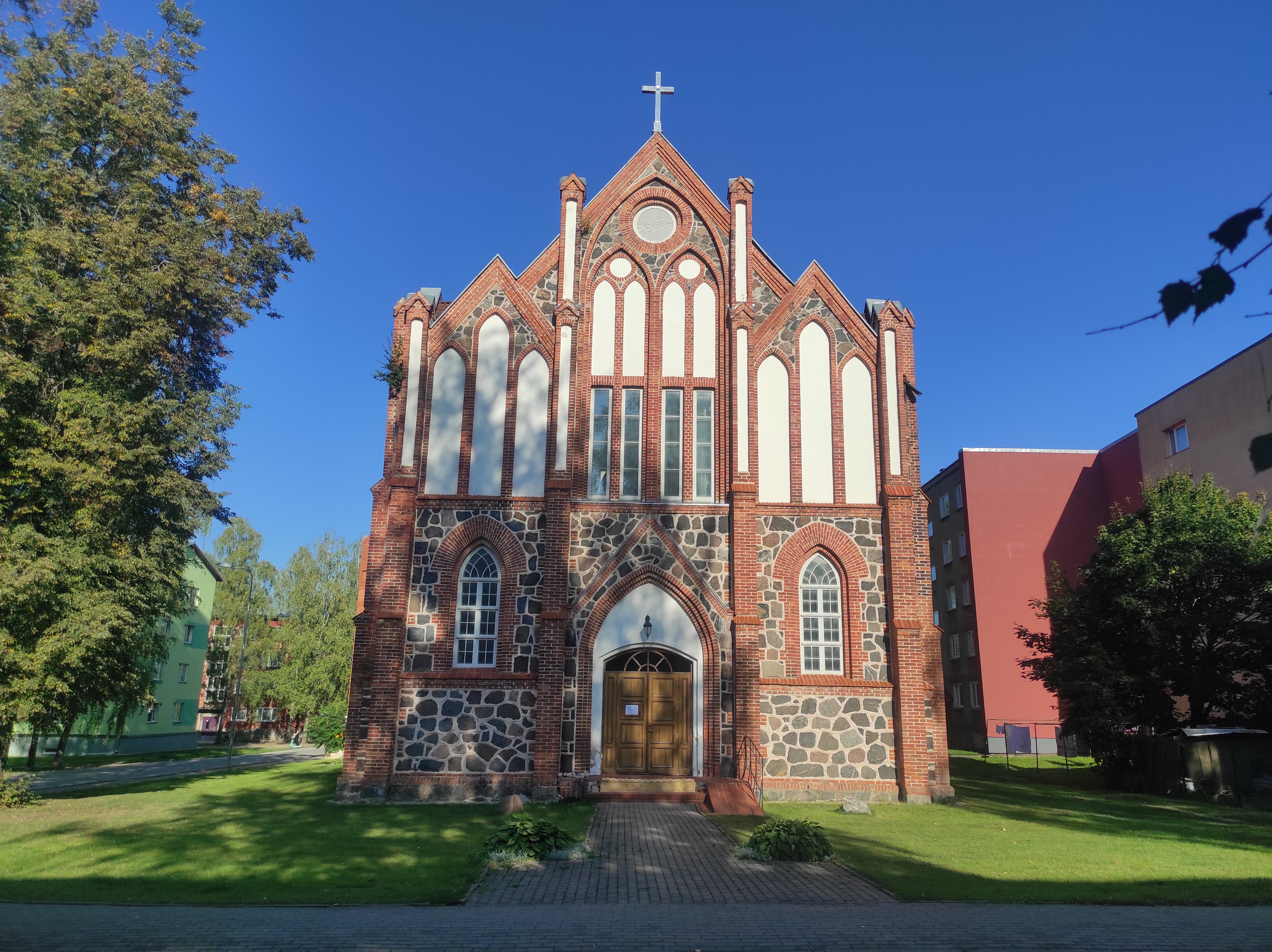
An orthodox congregation was established in Tartu in 1845 and Priest Joosep Shestakovski (1856–1888) initiated the building of an orthodox church. Tartu Saint George the Martyr Church was built using donations from the congregation and it was consecrated in honour of Saint George by Bishop of Riga and Mitav Benjamin in 1870.

  • Churches

Church of St Catherine in Võru

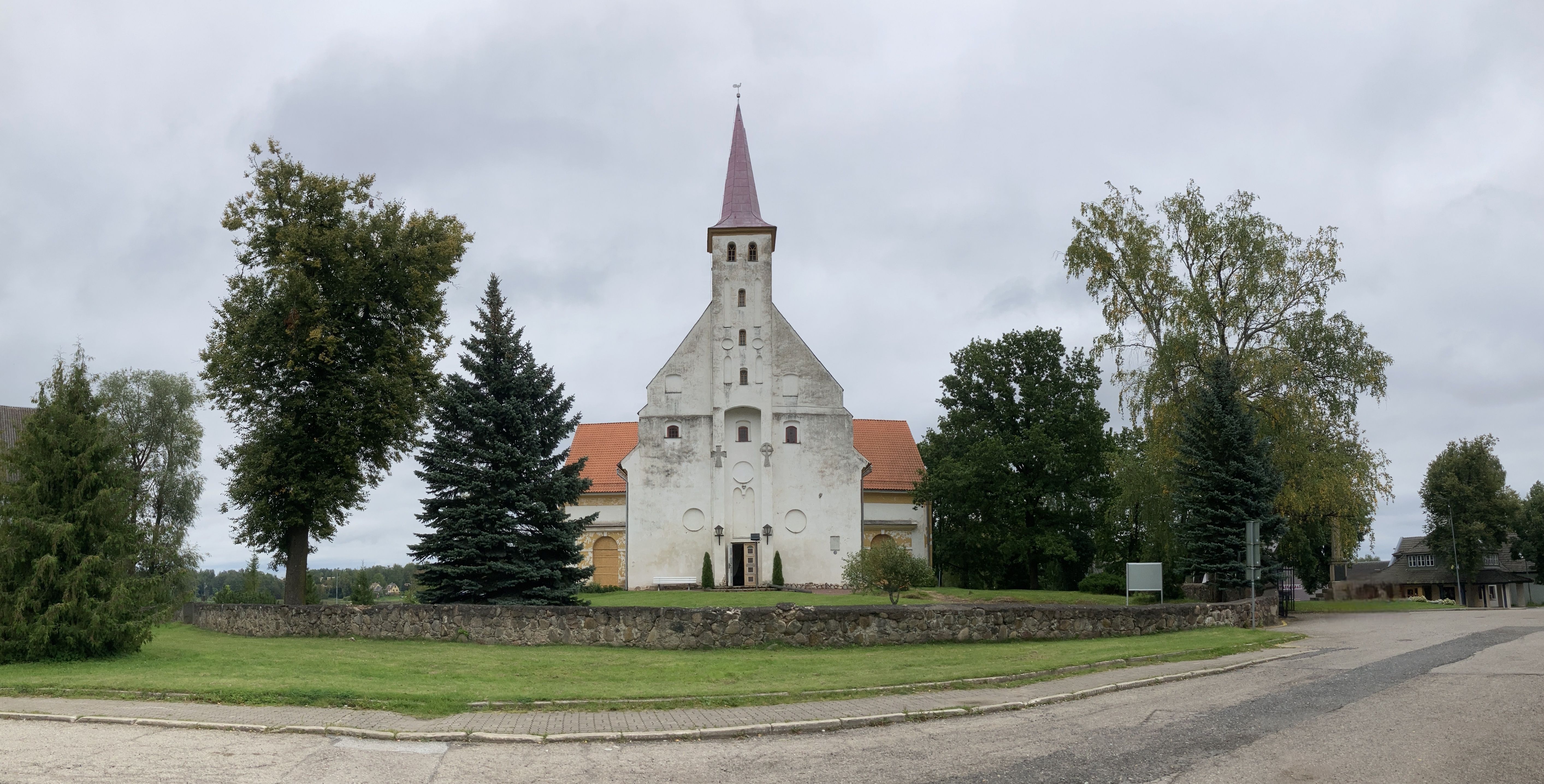
Construction of the Church of St Catherine in Võru commenced in 1793 during the reign of Empress Catherine II. It is thought to have been designed by the Livonian architect Schons, while the man responsible for the building of the church was Võru's own Johann Karl Otto. The church was surrounded with a formidable fence. It is famous for its cross-shaped floor plan, substantial bell tower, high dome-like secondary tower and arched windows. Designed in classicist style, it was completed in 1804 in honour of St Catherine. The grounds around the church were restored in 2008 and are now home to an open air exhibition of religious text-themed illustrations by artist Marje Ernits.

  • Churches

Memorial Tablet of the Northern Sons of Finland

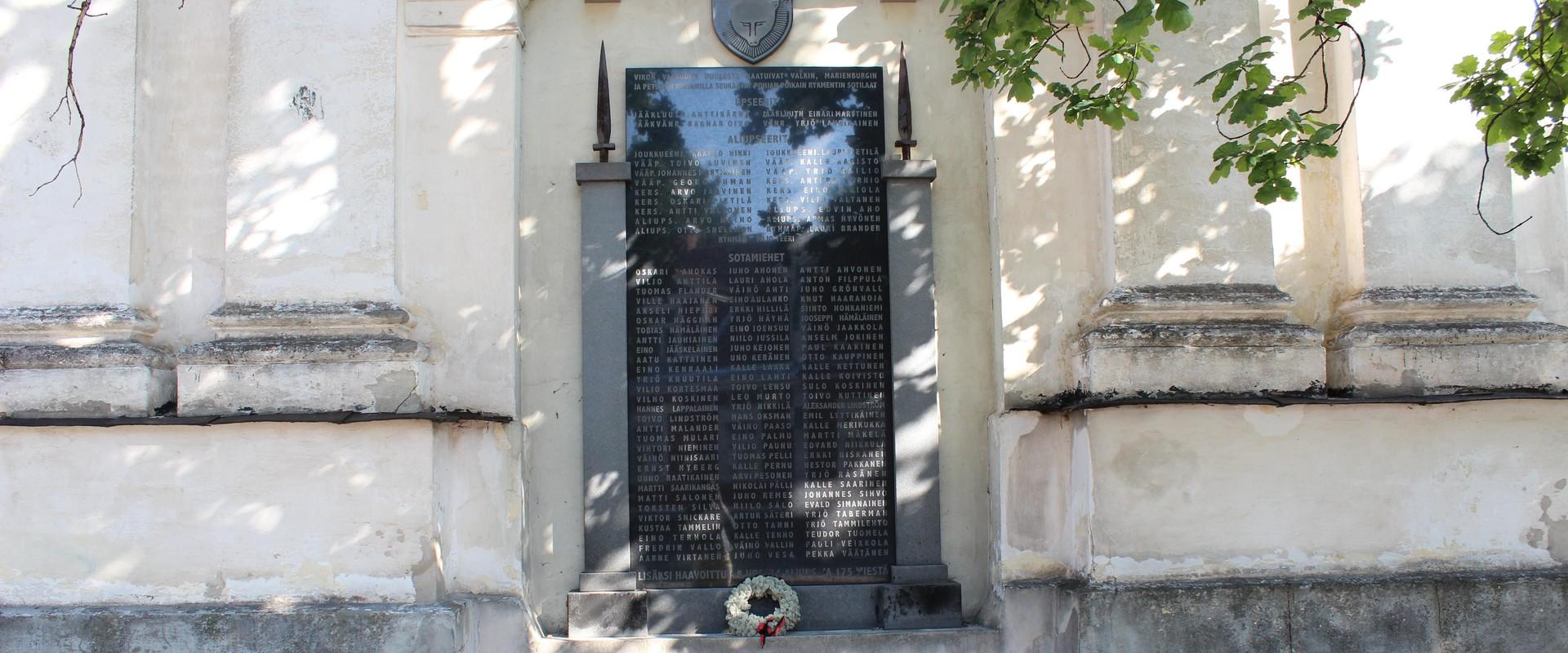
A black granite memorial tablet bearing almost 200 names was installed on the wall of the Valga Jaani (St John’s) Church in 1934 in remembrance of the Finnish volunteers who fell in the Paju Battle of the War of Independence. The polar bear sign of the Northern Sons Regiment is shown on the shield above the stone. In 1940 the memorial tablet was demolished with pickaxes by the order of communists. The memorial tablet was reopened on the 80th anniversary of the Paju Battle in 1999.Interesting facts: * the memorial tablet was opened in 1934 by President Konstantin Päts; * the first table was made in Finland and the second one in Tartu; * donations for the second tablet were collected by Ylistaro Rural Municipality (Finland) at the initiative of Ossi Salo.

  • Lookout towers
  • Churches

St. John’s Church in Tartu

Tartu's Gothic-style St. John's Church dates back to the 14th century, making it one of the oldest churches in Estonia. It is known for its unique terracotta sculptures, which are considered rare in all of Europe. The church once had over 1,000 handmade terracotta statues; about 200 have survived. Each sculpture is different, which has led to speculation that they may depict Tartu's former inhabitants or other important people. The tower of St. John's Church offers a wonderful view of the entire historic old town of Tartu. It houses two bronze bells, called Peter and Paul. On the last Sunday of every month, the church holds a service in English!

  • Churches

Miikse Church

The Miikse St. John the Baptist Church is a small wooden Orthodox church located in the southeastern corner of Estonia in Setomaa. What makes this church special is its story. It was built in 1953, during the Soviet era, when religion and church construction were not encouraged. However, the local people took a bold step and built the church themselves, often working in the evenings and at night to avoid the authorities' attention. Today, Miikse Church is once again a symbol of the strength and perseverance of the Seto community, where the local community restored the dilapidated sanctuary into a new and striking Seto church. The altar and icons were preserved, but the new facade features a lace-like pattern using Seto colors (red, blue, and sheep's wool white) and Seto belt patterns. The church's surroundings also include an old cemetery and sacred stones, which lend the place a special historical and spiritual atmosphere. The church is open once a month during service, and at other times, access can be arranged by agreement with the church elder (who communicates in Estonian and Russian). For a foreign-language tour of Setomaa, we recommend booking a local guide.

  • Churches

Tartu Uspenski Cathedral of the Estonian Apostolic Orthodox Church

Construction of the Tartu Uspenski Cathedral started by the order of Peter I after the Northern War and it was consecrated in 1783. The church was established on the foundation of the Dominican Convent Church. It was initially built in the shape of a cross and was given its quadrangular shape in 1840. Interesting facts: - a chapel to St Isidor, who died as a martyr, was established in the church in the course of its extension; ‑ the Bolsheviks killed 19 innocent people in the cellar of Krediidikassa 80 years ago. Their victims, archpriests Bleive and Berzhanitski, are buried in Uspenski Church.

  • Churches

Rannu St Martin’s Church of the Estonian Evangelical Lutheran Church

The church dedicated to St. Martin is located on the Estonian Pilgrim Route, which starts from Pirita Monastery and ends at the Vana-Vastseliina Episcopal Castle. There is also a prayer bench in the churchyard.Come and see one of the oldest parish churches in Estonia. You can also can go to the spire, which offers a unique view of the beautiful Lake Võrtsjärv and the surroundings.Good to know:• The Church participates in the Wayfarers Churches and the Night of Churches projects.• The night battle from the feature film Names on a Marble Slab (2002) was filmed in Rannu Church garden.You can visit the church on Sundays during the service or by prior arrangement.

  • Churches

Kükita Old Believers Prayer House of the Estonian Association of Old Believers Congregations

The first prayer house of Old Believers in Estonia is located in Kükita. The Kükita Prayer House was consecrated on September 14, 1740. During the war of 1812, the Cossack Old Believers donated a chandelier to the Prayer House. There were a total of 397 Old Believers in the list of parishioners of the Kükita congregation by 1833. The current Prayer House was built in 1948 in place of the one destroyed in World War II.Old Believers have services every Sunday and on all holidays (Christmas, Pascha and Epiphany).

  • Collaboration
  • News
  • Contacts
  • Privacy Policy
Join our mailing list!

"*" indicates required fields

This field is for validation purposes and should be left unchanged.
I authorise marketing

South Estonia Tourism Cluster

info@visitsouthestonia.com