• Открой
    • Еда
    • Природа
    • Культура
    • Семья
    • Спорт
    • Сообщество
    • Блог
    У Вас появились свободные выходные, чтобы провести с детьми? Здесь собраны лучшие места в Южной Эстонии для семейного отдыха
  • Планируй
    • Размещение
    • Информация
    • Varamu
    Sustainability
RUS
  • РусскийRUS
  • EestiEST
  • EnglishENG
  • LatviešuLAT
  • SuomiFIN
RUS
  • РусскийRUS
  • EestiEST
  • EnglishENG
  • LatviešuLAT
  • SuomiFIN
Populaarsed otsingud:
Näita kõiki tulemusi
  • History & Culture
  • Architecture and history

Rõuge hill fort and prehistoric settlement

Rõuge vald, Võru maakond, 66298

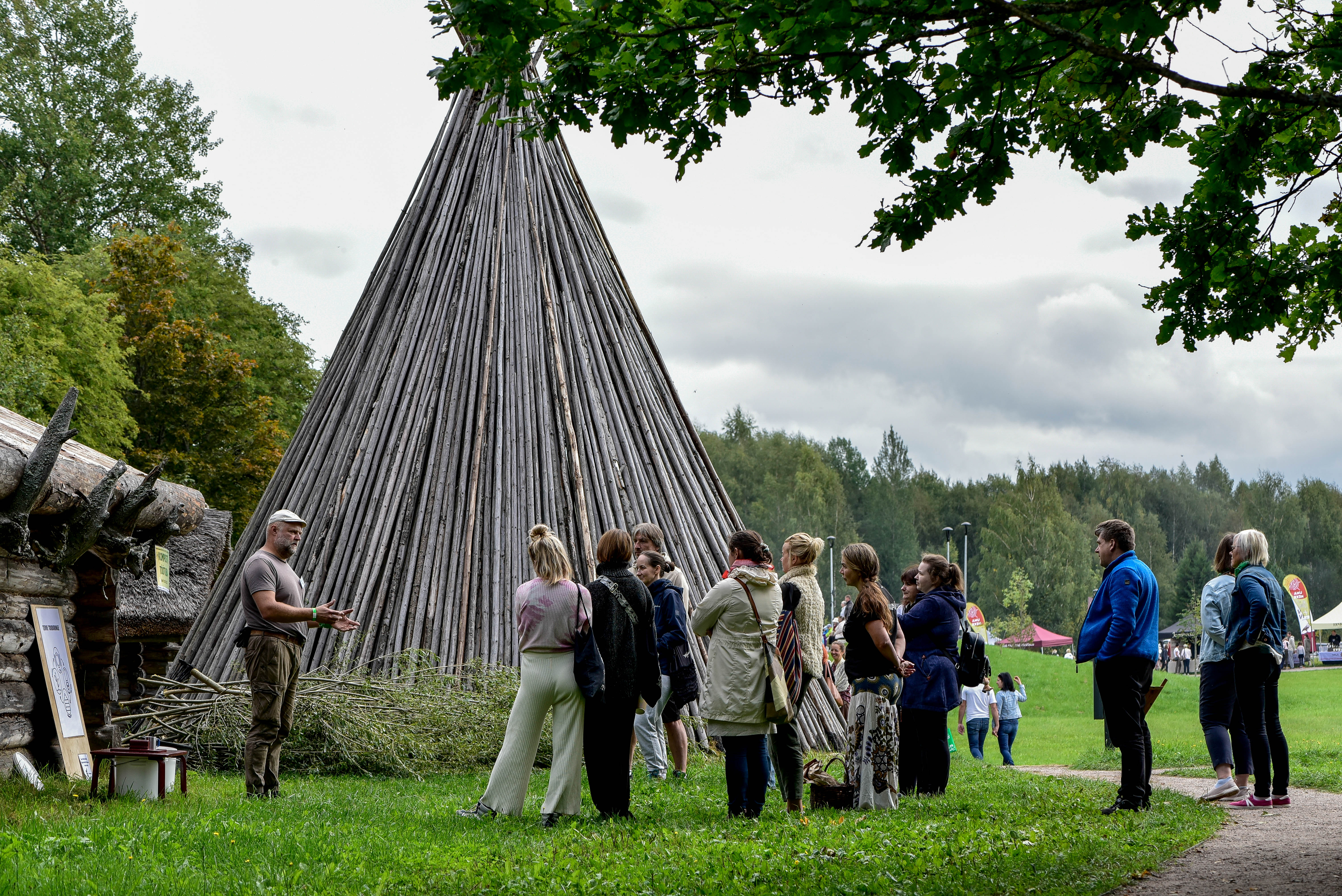
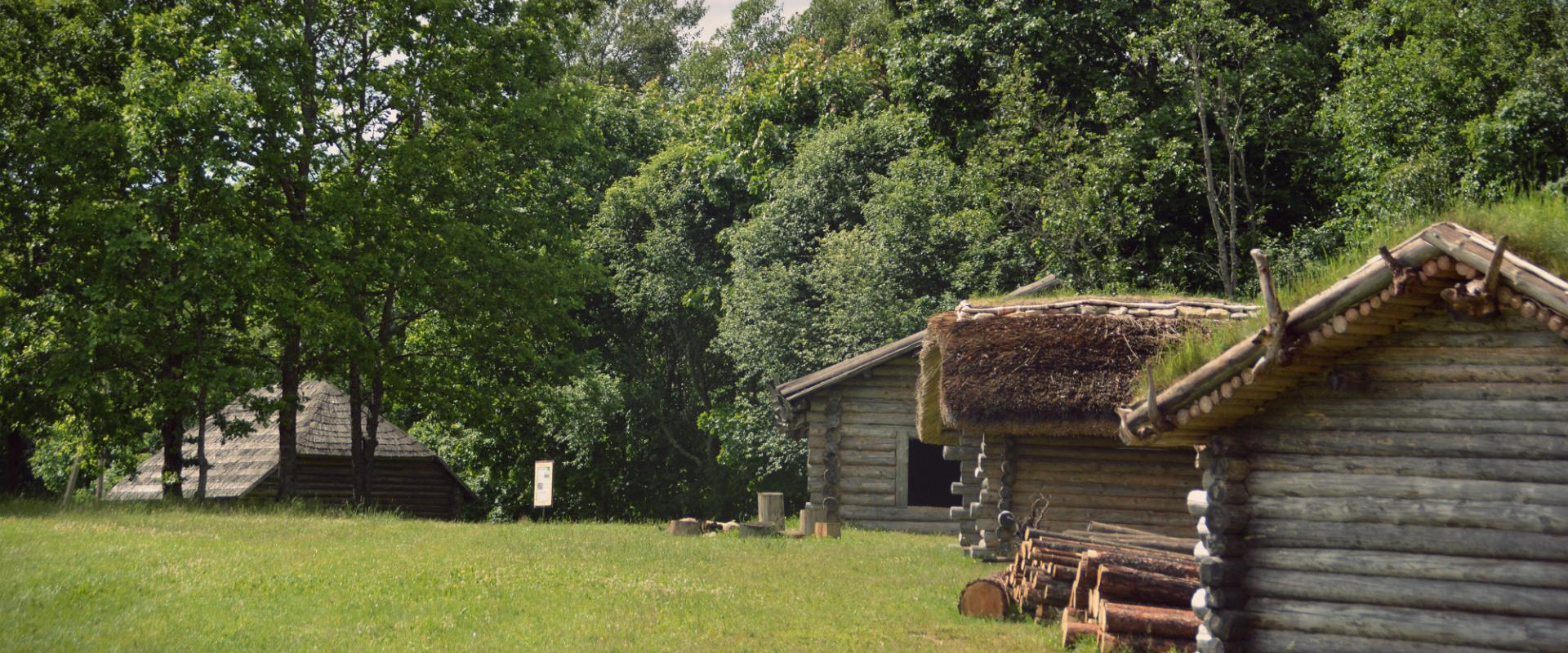
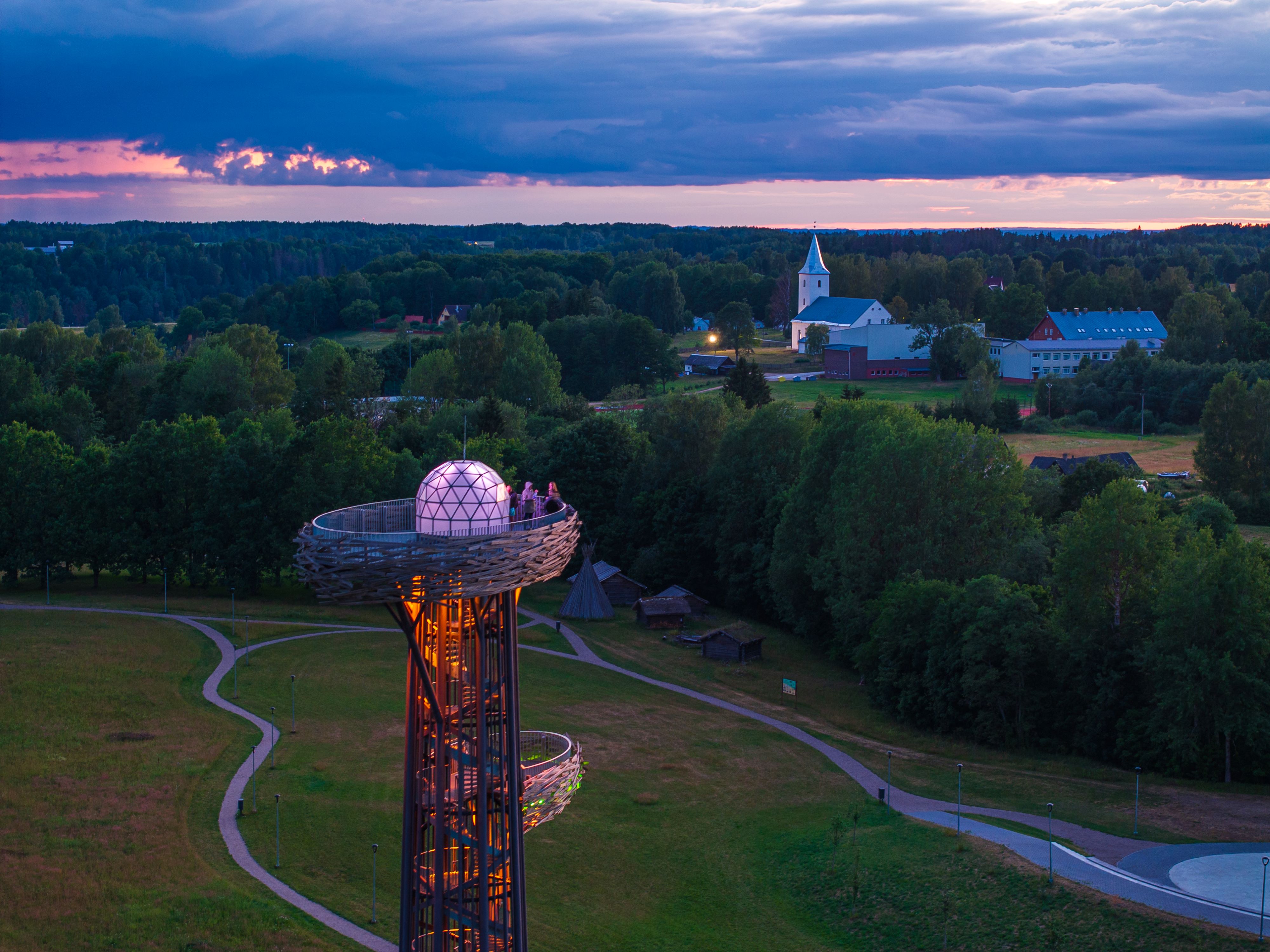
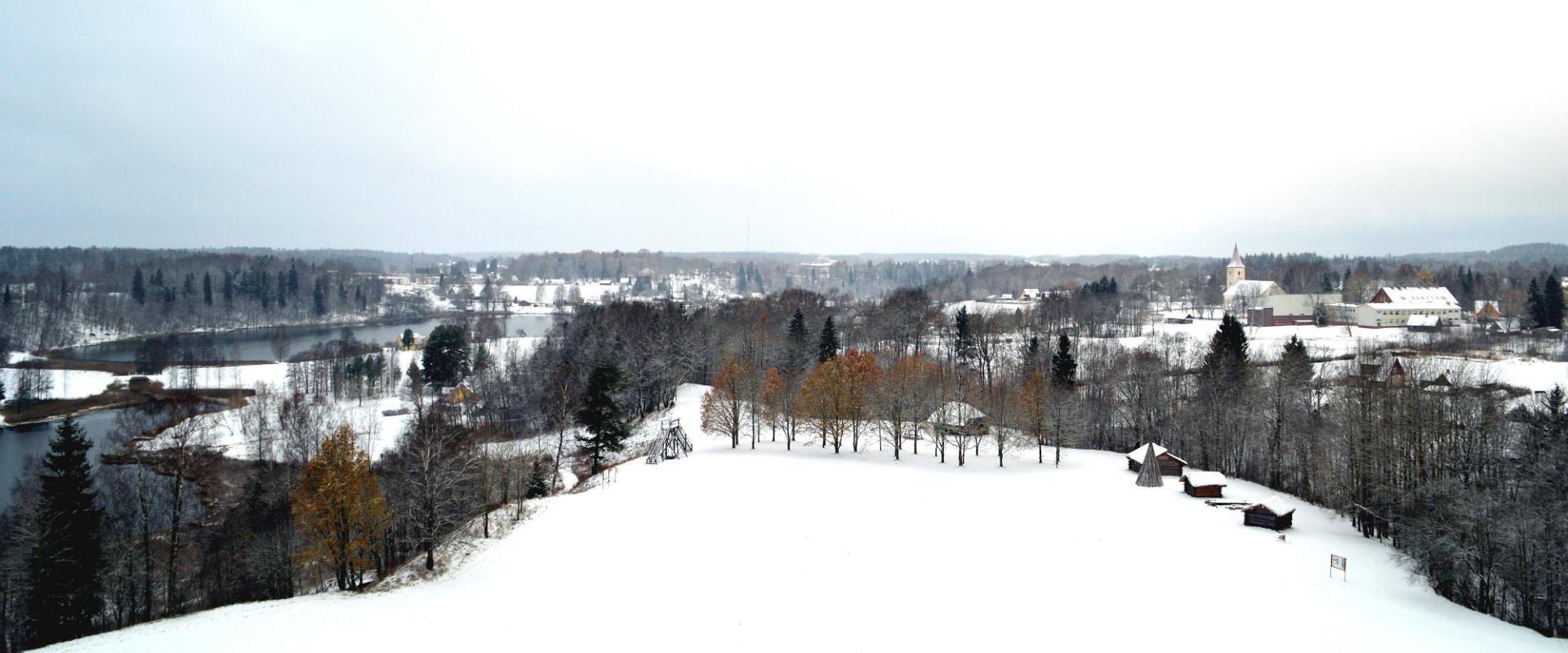
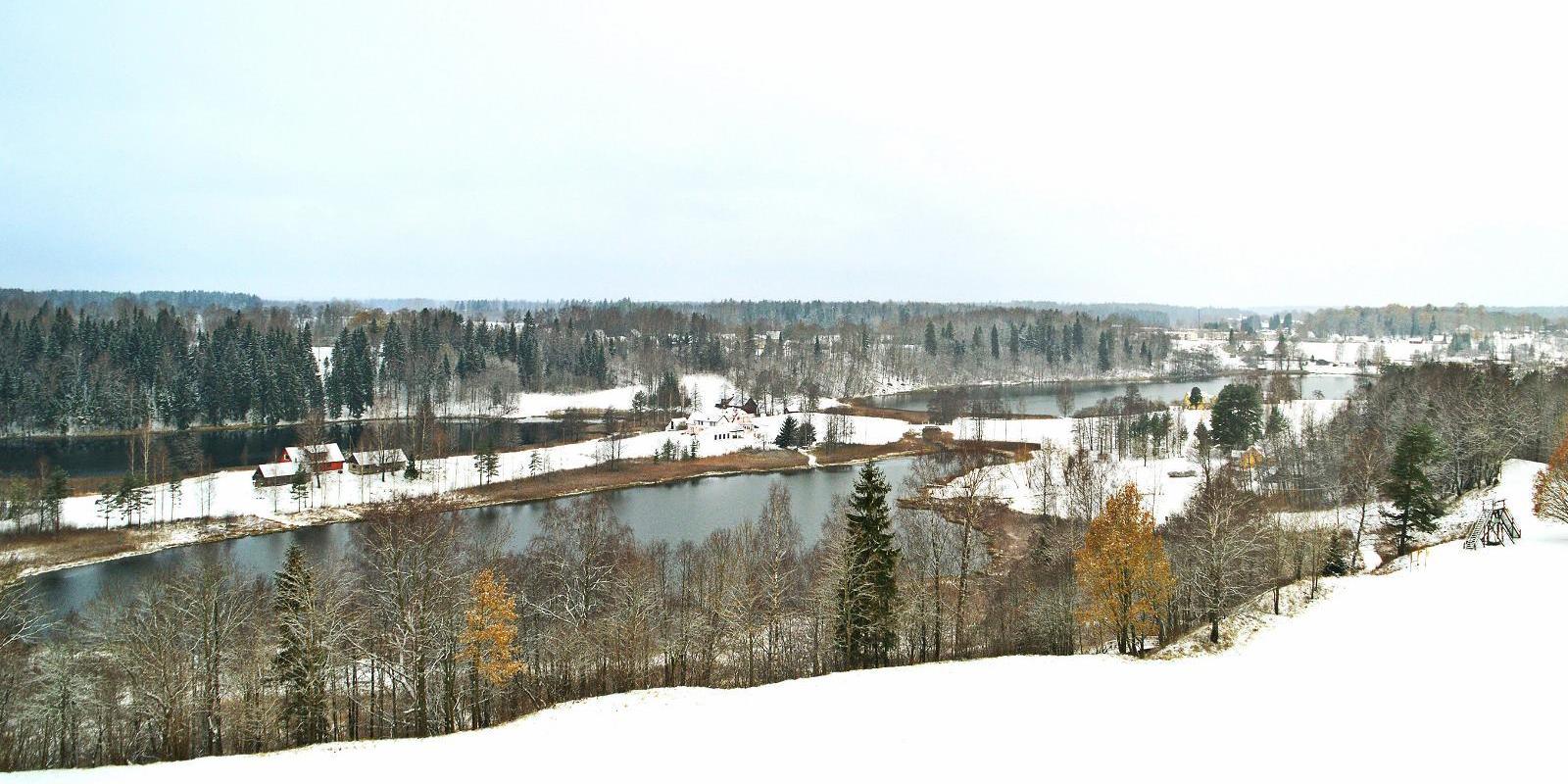
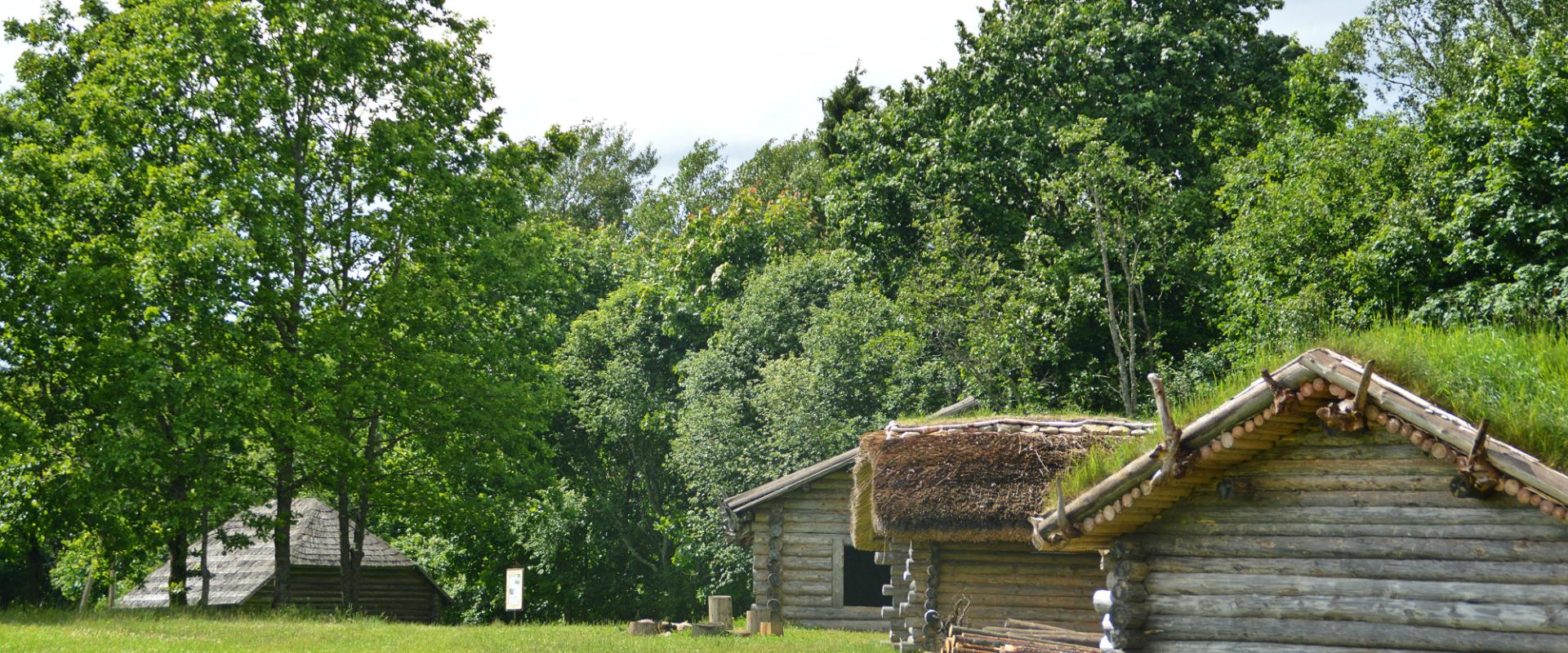
The cultural layer of Rõuge settlement hid several ruins of residential buildings and a number of findings of household items. Subsequent to the settlement is a fortress that is situated on the western part of the natural small cape and where the residential buildings were located, but today, only the end ramparts of the fortress with ditches in front of them can be seen. During Middle Iron Age, people mainly subsisted on slash-and-burn clearance, cattle-breeding was less developed. Some examples of tools of local craftsmen were found among the finds from Rõuge; the finds can be seen in Võrumaa Regional Museum.In 1613, Rõuge is mentioned as a parish for the first time. The modern-day small town came into being in the 19th century.
Mugavused

  • Information boards
  • Free parking

Часы работы

Круглый год

Ööpäevaringselt

Контакты

  • +372 528 2989
  • info@visitrouge.com

Ссылки

Подробнее

  • Castles

Sillapää Castle

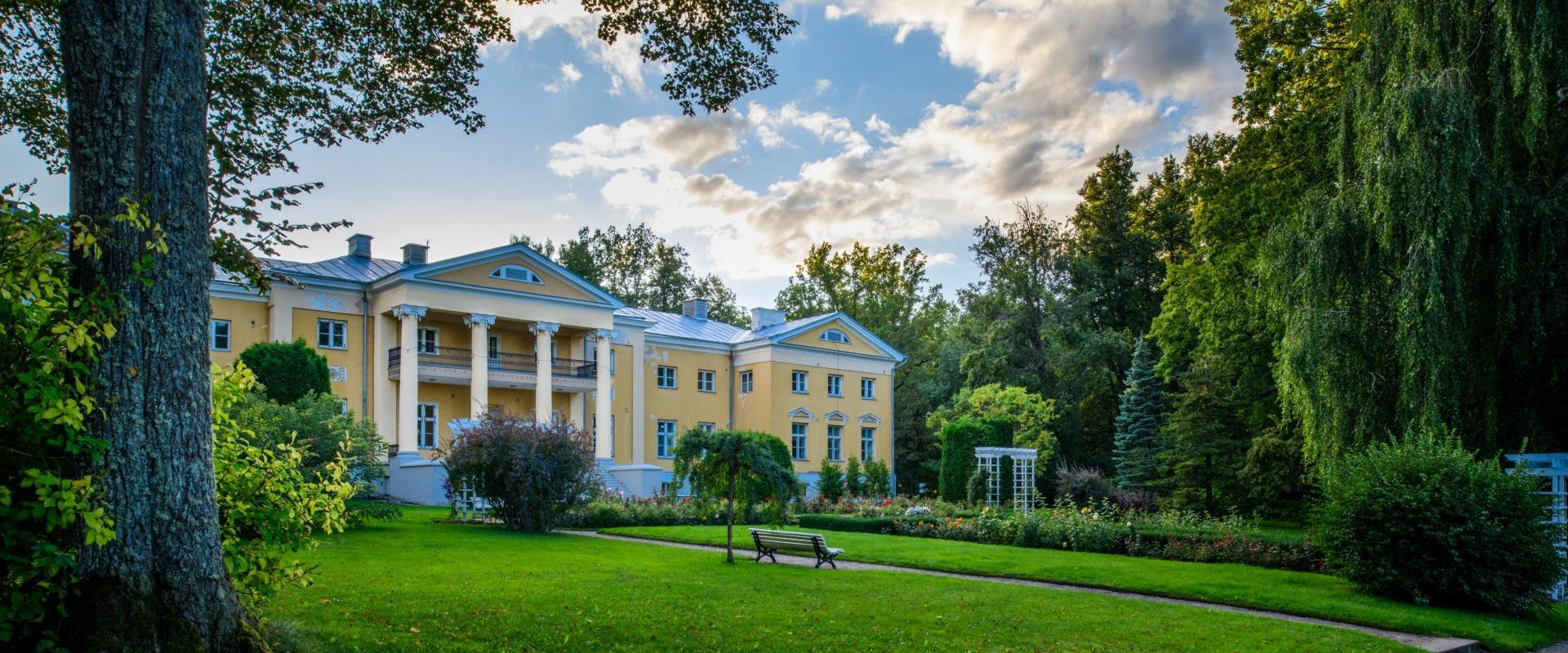
Räpina Mäemõisa Manor House, also known as Sillapää Castle representing the Late Classical style was built in the middle of the 19th century. The centre and annexes of the original building had two storeys which were connected with one-storey galleries. The rear of the building is decorated by four Ionic columns with triangular pediment portico. In 1924 the predecessor of the gardening school started its activities in the building. During 1937-1938 the castle was reconstructed as a fully two-storey building. Today the Manor House accommodates the Räpina Local Lore and Gardening Museum, the Räpina Music School and the Räpina Folk School.

  • Churches

Kursi’s Sts. Mary and Elisabeth Church of the Estonian Evangelical Lutheran Church

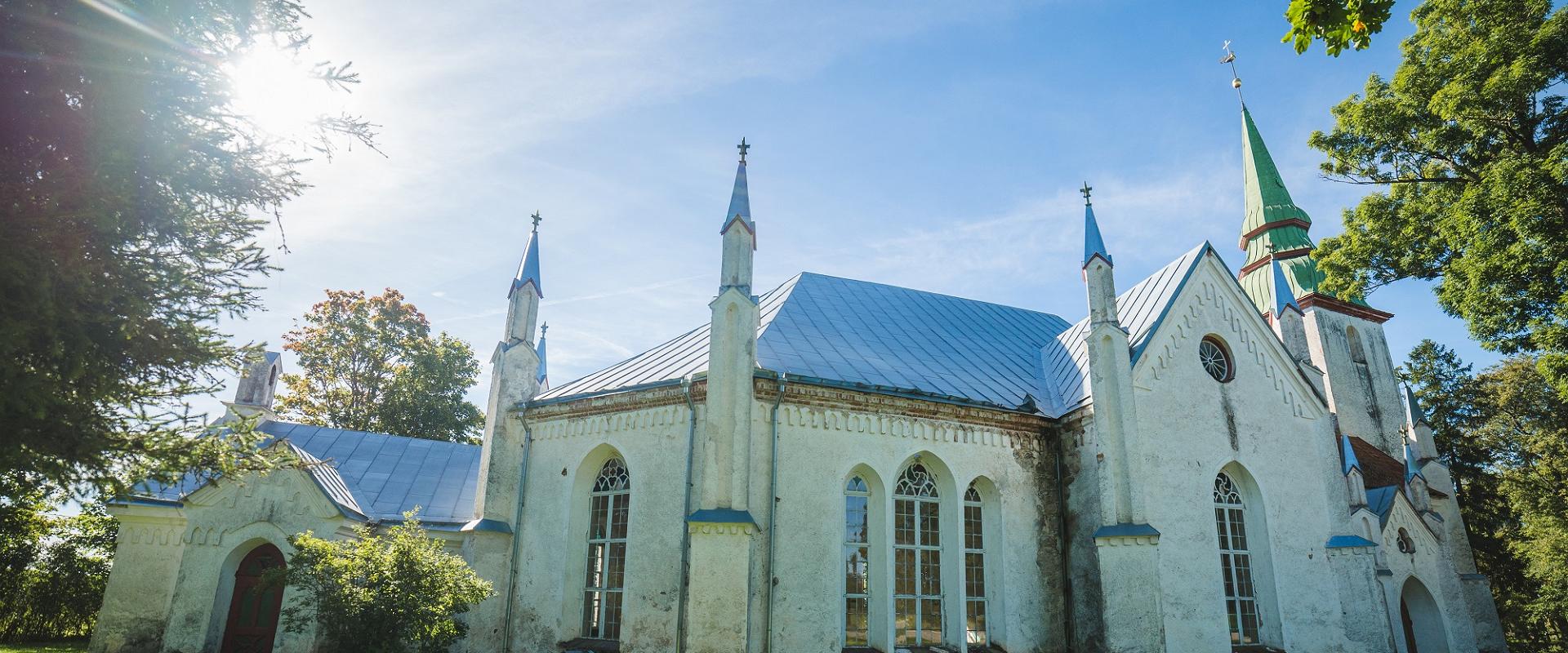
Baroque architecture in concordance with pseudo Gothic architecture (alteration by Johann Gottfired Mühlhausen). Twelve small spiring pinnacles symbolise the twelve apostles of Jesus. The church manor is a historical parochial centre; there is a museum in the vicarage (built in 1817).

  • Workshops

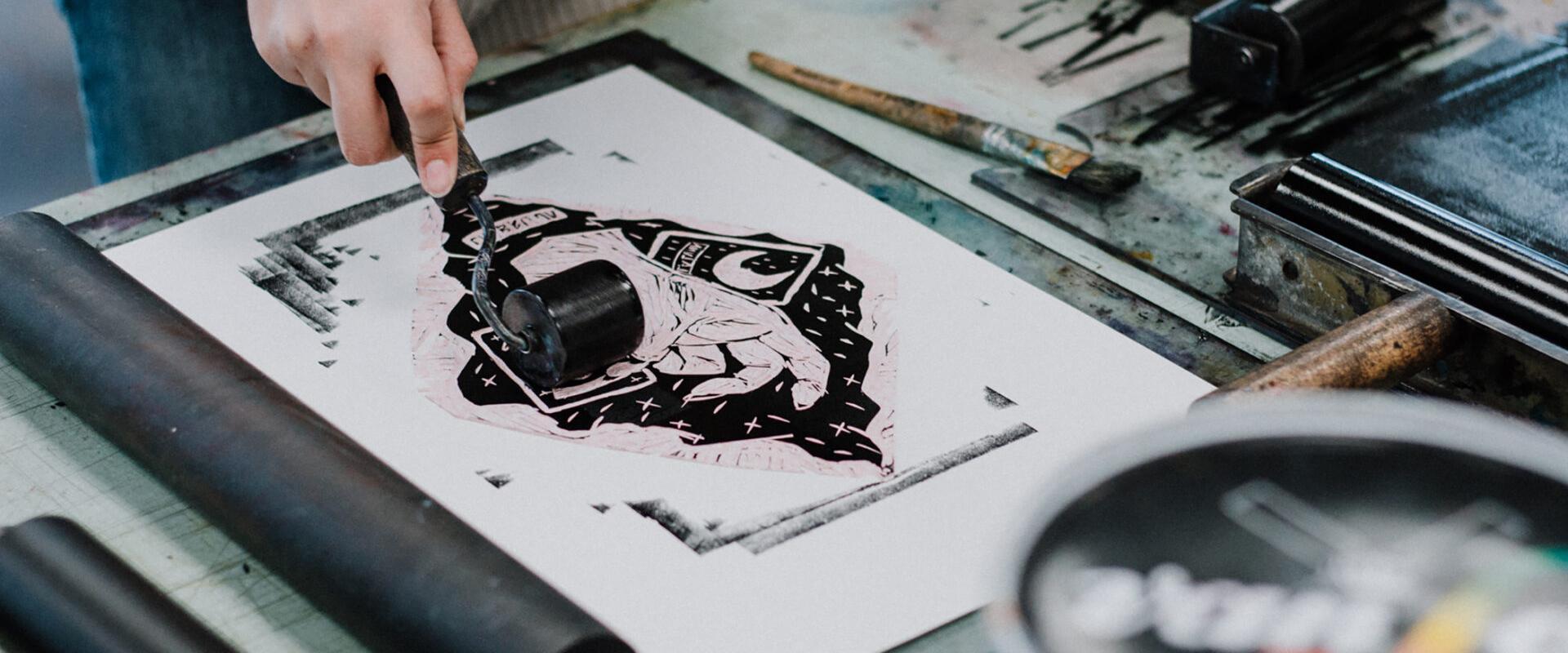
Linocut with blind embossing and ink printing in TYPA

Linocut — where the printing form is cut out of linoleum by hand — is one of the simplest graphic arts techniques. In the workshop, each participant will make a linocut printing plate (10x15 cm) according to their own design, with which they will first print a clean, blind-embossed image and then color images. Prepare for the workshop by thinking of a design in advance or searching the Internet for an image to inspire you. Tip: The image should have strong contrasts and clear lines, like a black and white image, because smooth color transitions cannot be printed with linocut.

Raadi Cemetery

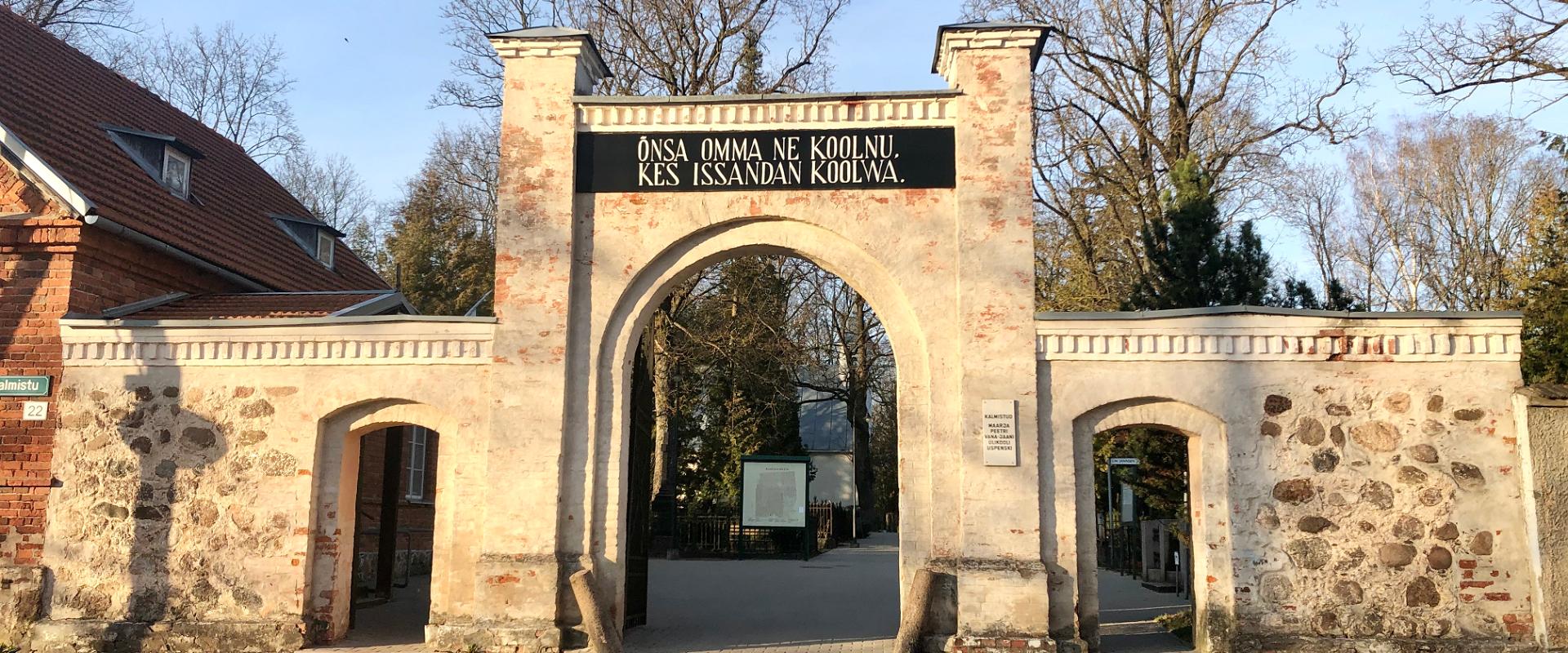
Raadi Cemetery is the largest cemetery in Tartu, consisting of cemeteries of several different congregations which were merged as late as in 1961. The congregations of Mary and Peter make up the largest part of the cemetery. There are many graves of cultural figures and researchers in the Vana-Jaani cemetery, as well as in the newer part of the University cemetery.Above the main gate of the cemetery is the inscription in the local Tartu language 'Õnsa omma ne koolnu, kes Issandan koolwa.' The Douglas fir alley in the military cemetery is under nature protection.Previously, the Vana-Jaani cemetery had a Jewish cemetery on the side of Narva maantee and an Islamic cemetery on its side.

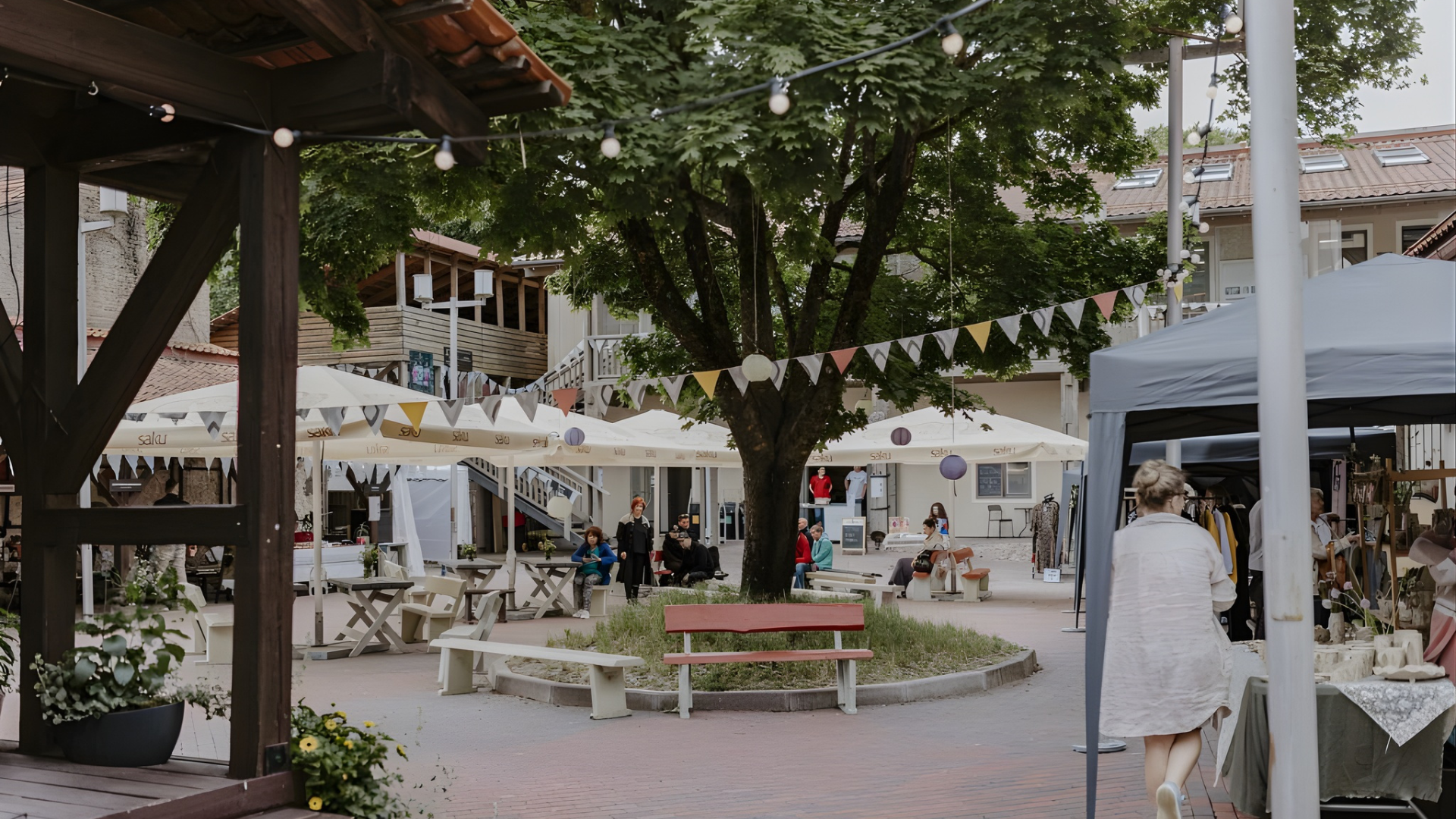
Antonius Courtyard

Antonius Courtyard is a historical site in the heart of Tartu's Old Town, where history meets contemporary creativity. This special courtyard, with centuries-old craftsmanship and artistic heritage, offers the opportunity to experience a vibrant cultural space in an authentic environment. Historically, this place is associated with the craft guild known as the St. Anthony's Guild, whose roots go back to the Middle Ages. Guilds played an important role in the economic and social life of cities, bringing together masters and regulating crafts and trade. The area was located near St. John's Church and was part of the medieval city structure where craftsmen lived and worked. Today, Antonius Courtyard is an inspiring creative center where designers, artists, and craftsmen work. It is a popular venue for events — concerts, performances, and other cultural events are held here year-round, bringing together designers, creative entrepreneurs, and visitors. During opening hours, you can explore the history exhibition about the Tartu County Creative Path and Tartu Small Guild.

  • Guided tours

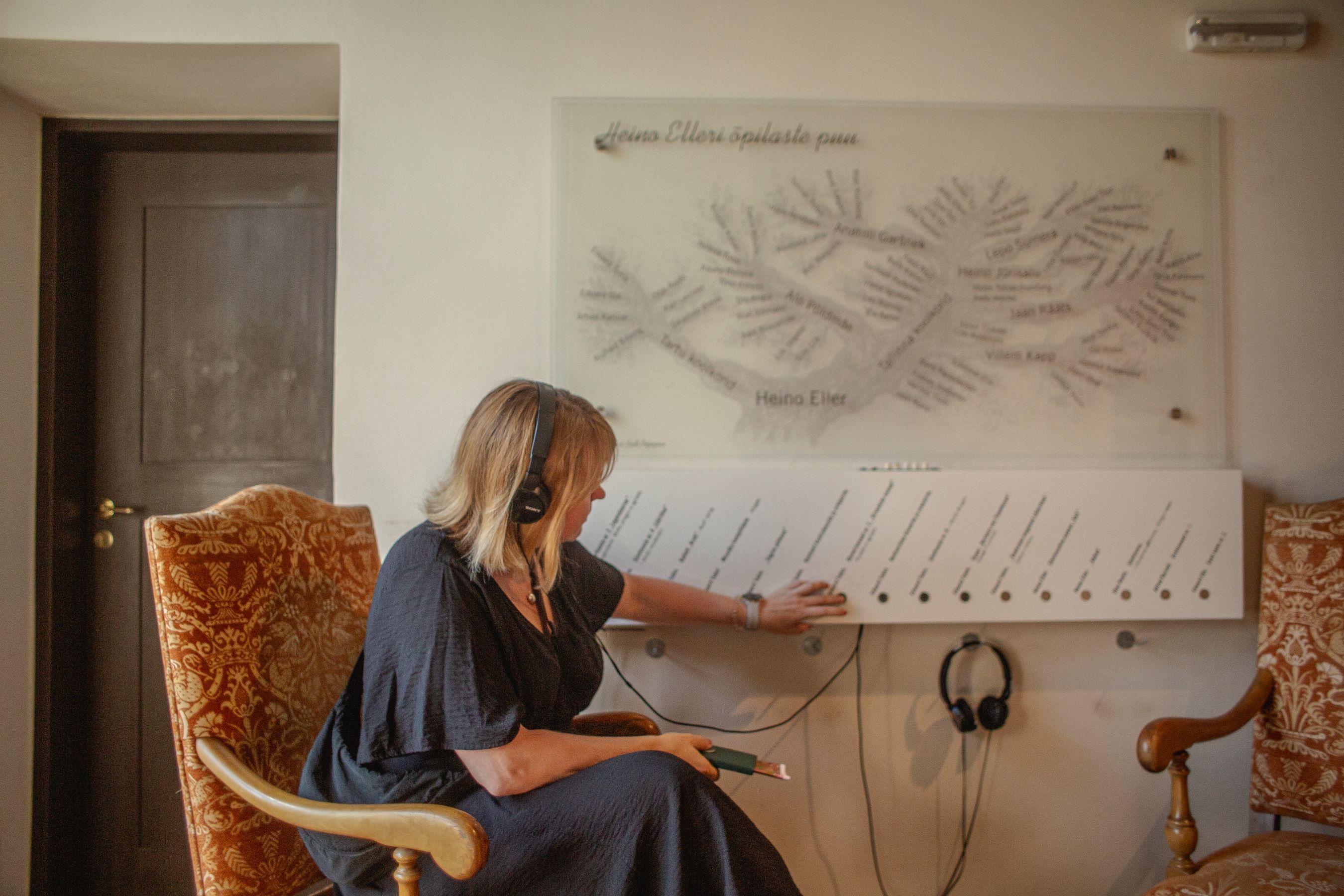
Eduard Tubin Museum

The museum is located on the first floor of Alatskivi Castle and provides an overview of the life and work of one of Estonia's most famous composers – Eduard Tubin. The exhibition introduces other well-known musicians who studied with Tubin in Tartu under the guidance of Heino Eller – the so-called School of Tartu. At the museum, you can see and hear Tubin's manuscripts, recordings, and books. In addition, you are introduced to those who have interpreted his music and displayed musical instruments, records, and theatre programmes connected to Tubin. You can also look at and watch photos and films created by the composer.You can enter the museum with a ticket to Alatskivi Castle, and it is also possible to order a guide as an additional service.

  • Churches

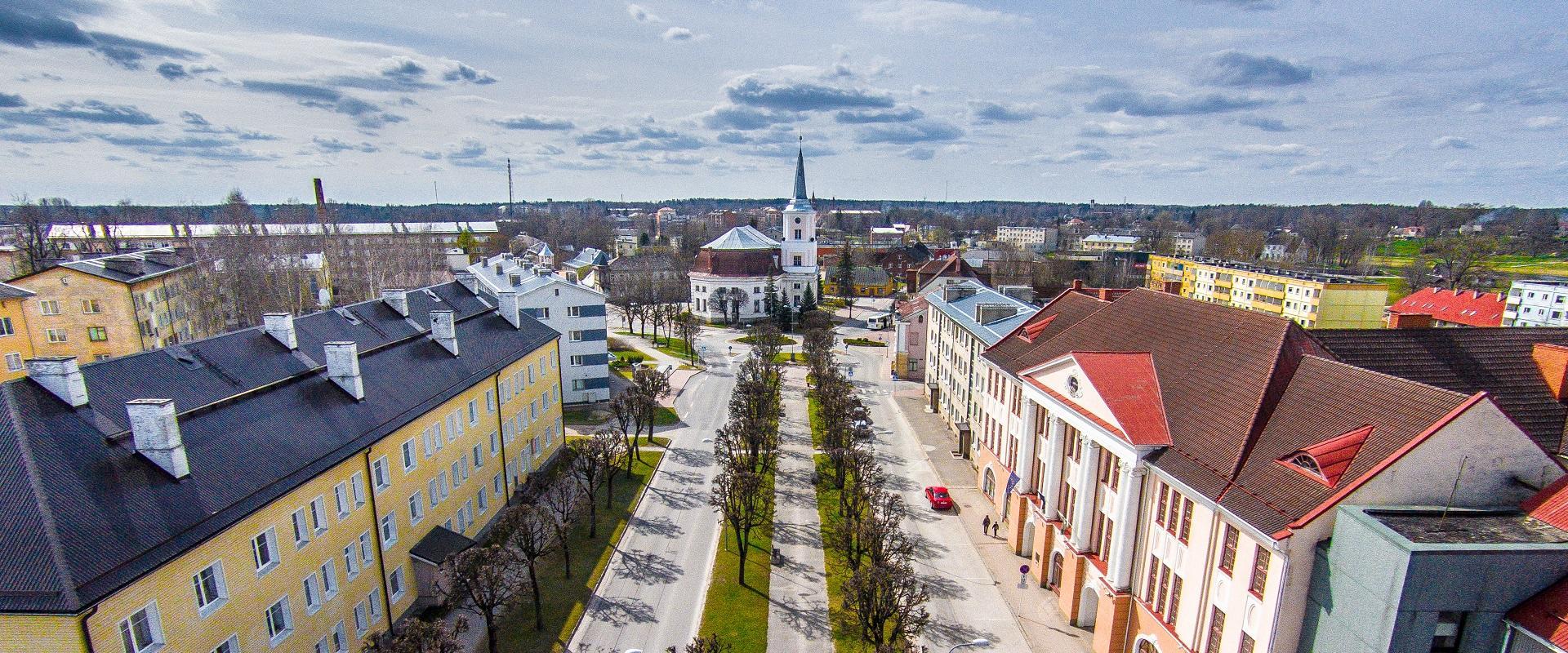
Valga Jaani (St John’s) Church

Jaani Church, located right in the heart of the city, was built in 1816 according to the design of architect Christoph Haberland and it is the only church in Estonia with an oval ground plan. The unique organ has been preserved in its original shape and it is the only instrument built by Friedrich Ladegast still left in Estonia.Interesting facts: * the organ is one of the 200 best organs in Europe; * music can be heard from the church’s bell tower at midday and midnight.

  • Churches

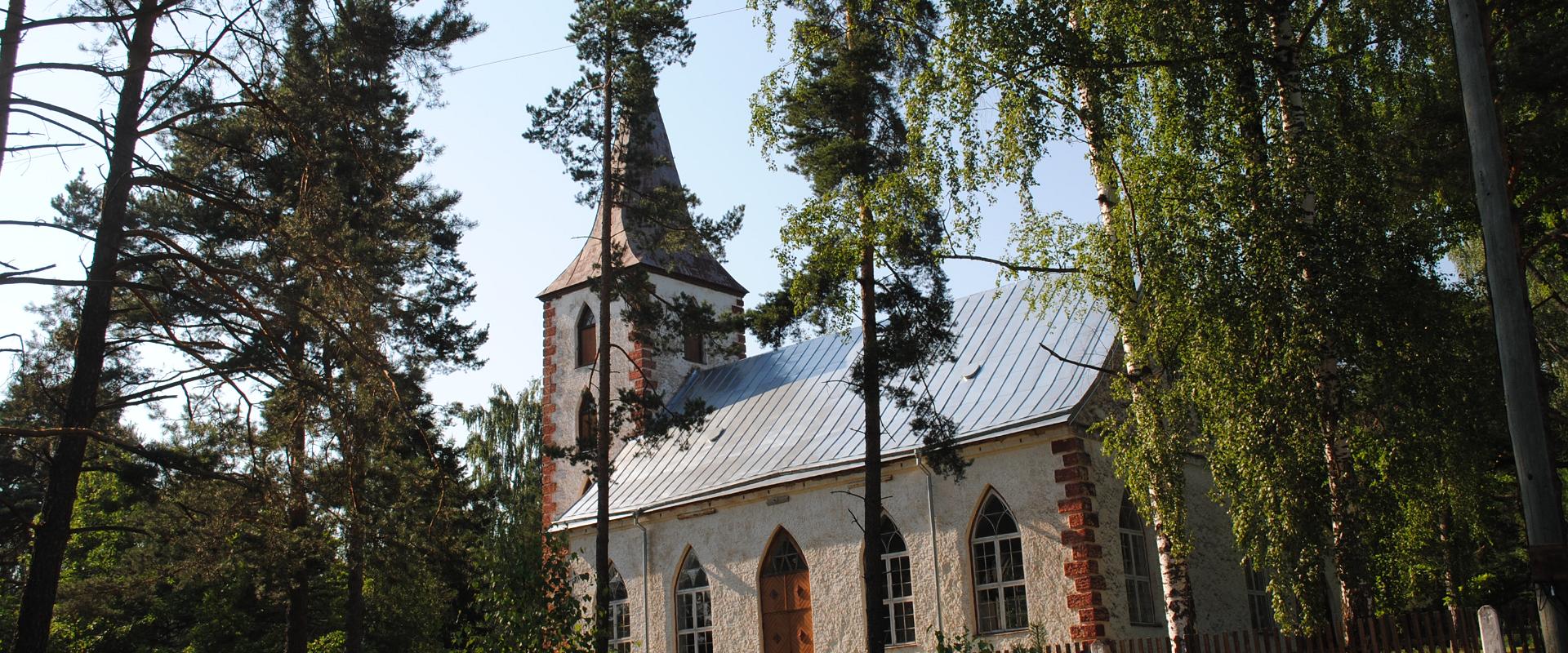
Pindi church in Lasva

Pindi Jaani (St. John's) church was built according to the plan by architect J. G. Mühlhausen. The church was consecrated in 1881. A massive tower stands In the western part of the rectangular church, the vestry is in the north-eastern part. The altarpiece is a copy of the one in Rõuge church, "Jesus on the cross" by Rudolf von zur Mühlen. The new organ built by the brothers Kriisa was consecrated in 1903.The grave and monument of Captain Friedrich Vreeman (1894–1919), who was killed in the Estonian War of Independence, are in the church cemetery. Service is held Sundays at 10.30.Useful information: Laine Villenthal, who was the first woman ordained as a minister in Estonia, served in Pindi church until 2004.

  • Privacy Policy

"*"обозначает обязательные поля

Это поле используется для проверочных целей, его следует оставить без изменений.
Я разрешаю маркетинг