• Avasta
    • Еда
    • Природа
    • Культура
    • Семья
    • Спорт
    • Сообщество
    • Блог
  • Planeeri
    • Размещение
    • Информация
    • Varamu
RUS
  • РусскийRUS
  • EestiEST
  • EnglishENG
  • LatviešuLAT
  • SuomiFIN
RUS
  • РусскийRUS
  • EestiEST
  • EnglishENG
  • LatviešuLAT
  • SuomiFIN
Populaarsed otsingud:
Näita kõiki tulemusi
  • History & Culture
  • Architecture and history
  • Churches

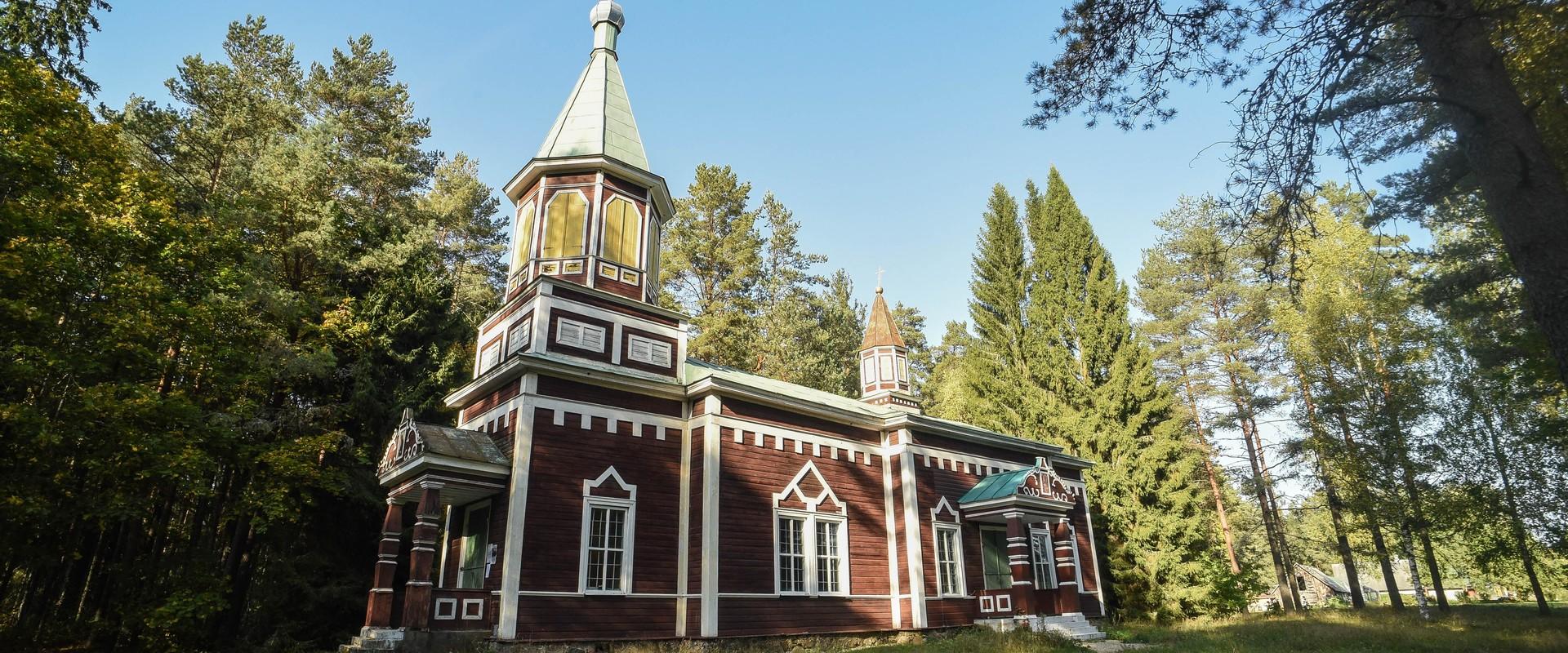
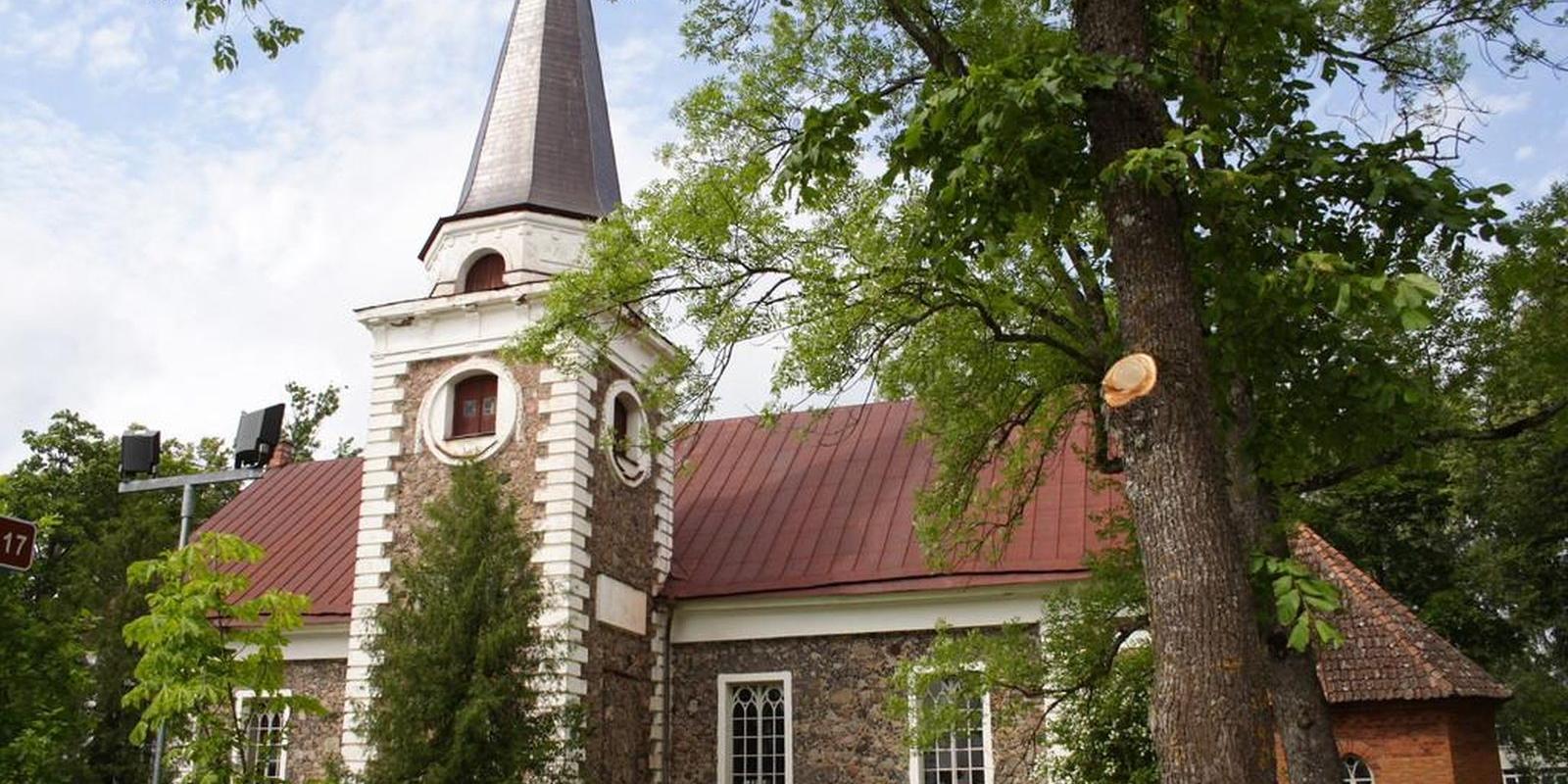
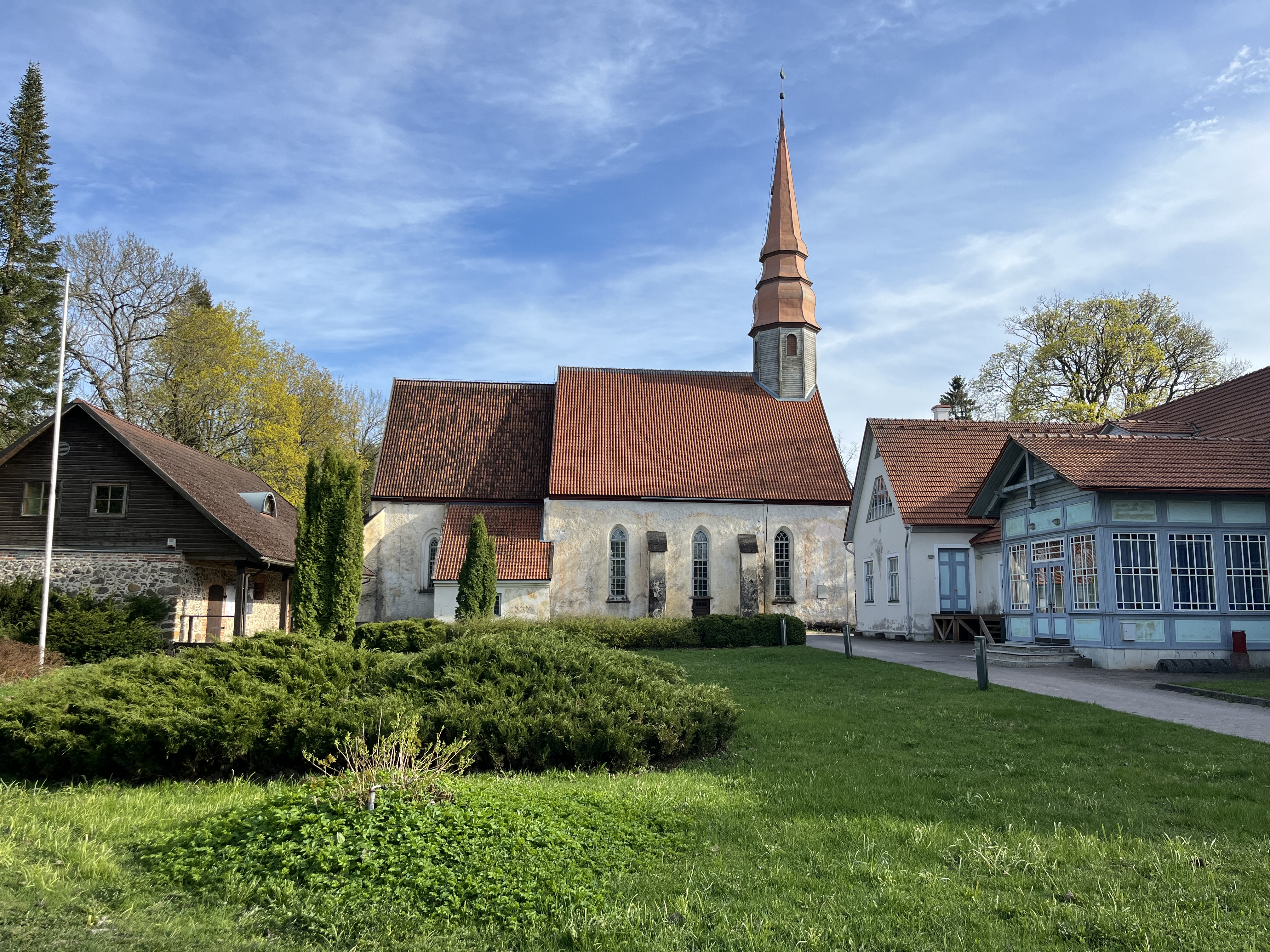
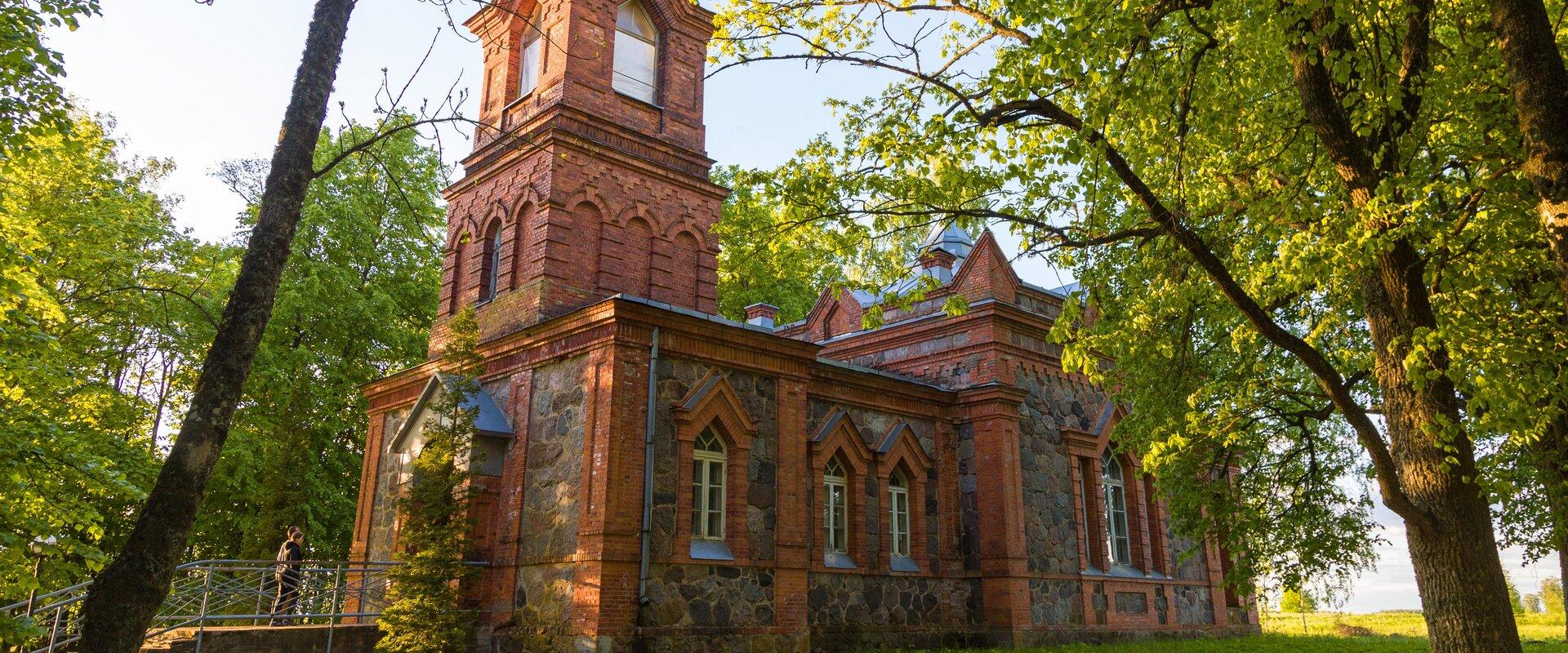
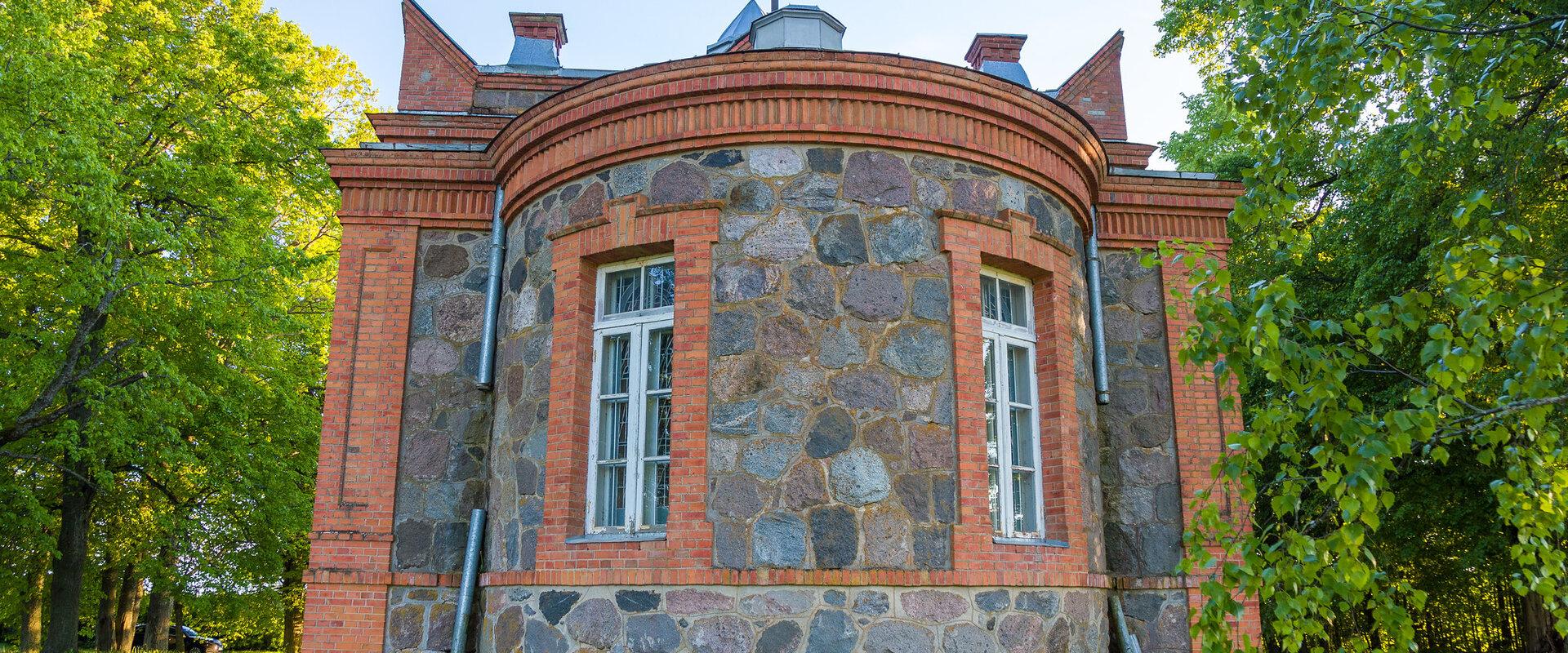
Rannu Apostolic Orthodox Church

Elva vald, Tartu maakond, 61110

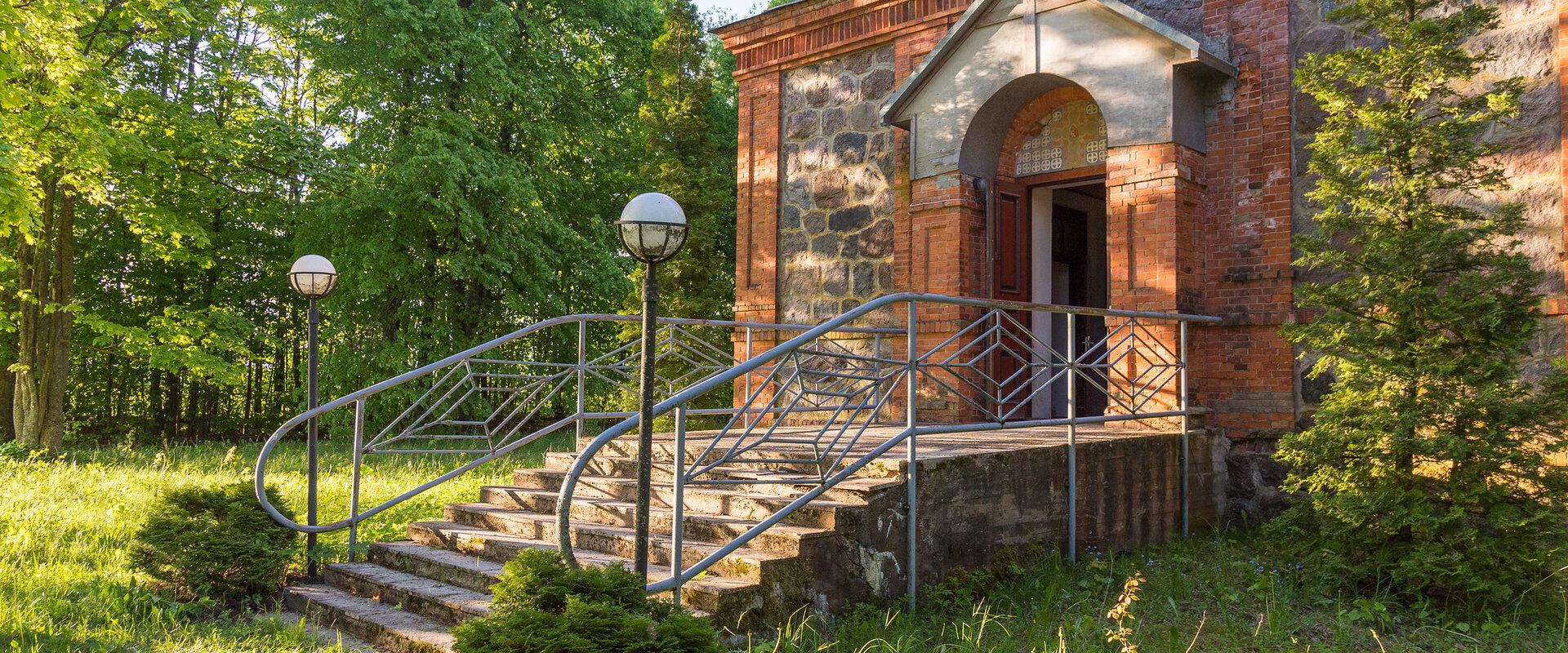
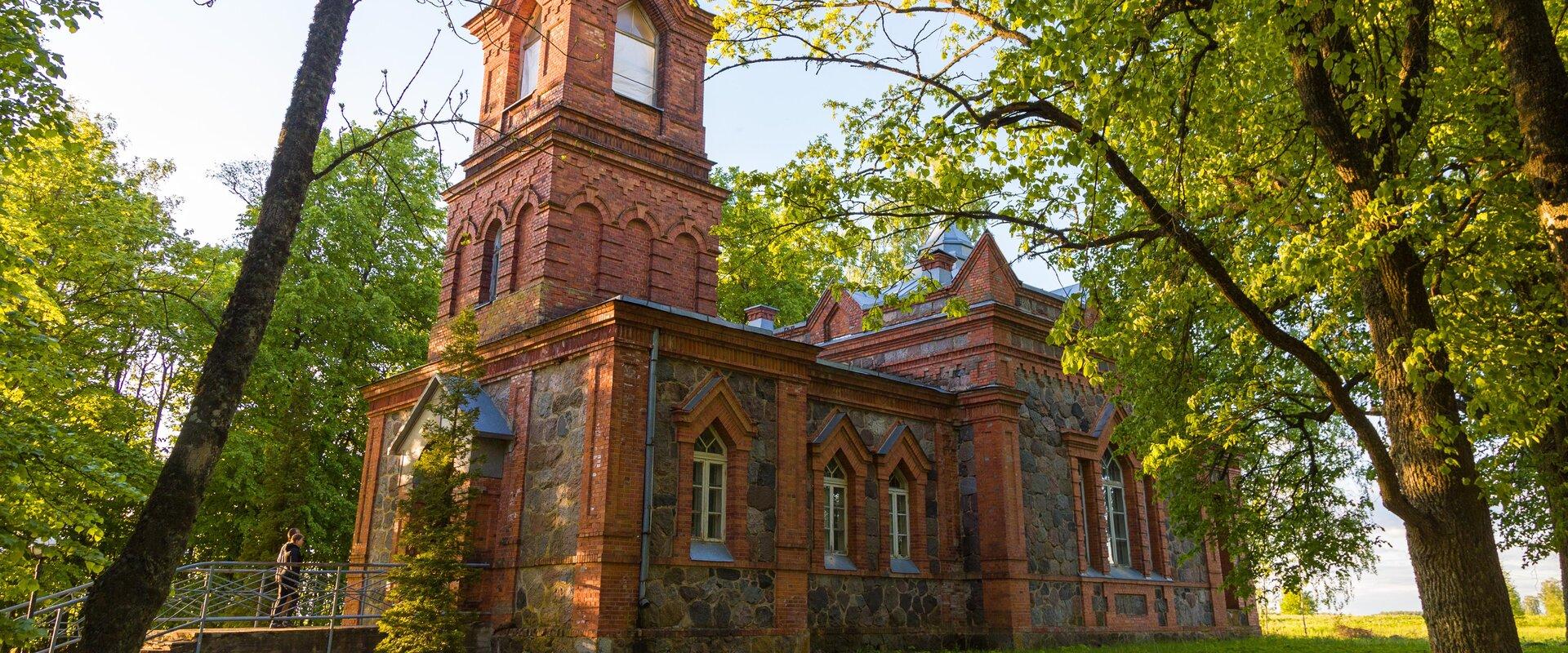
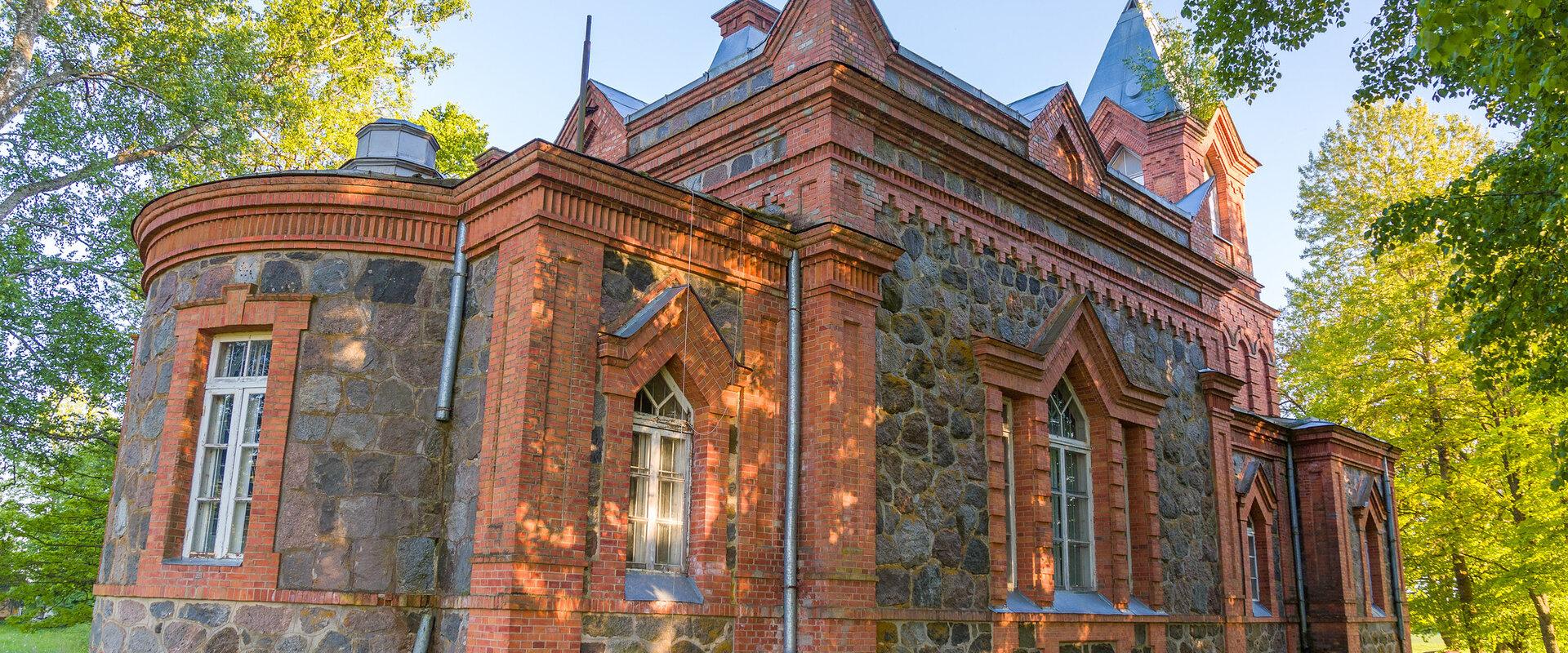
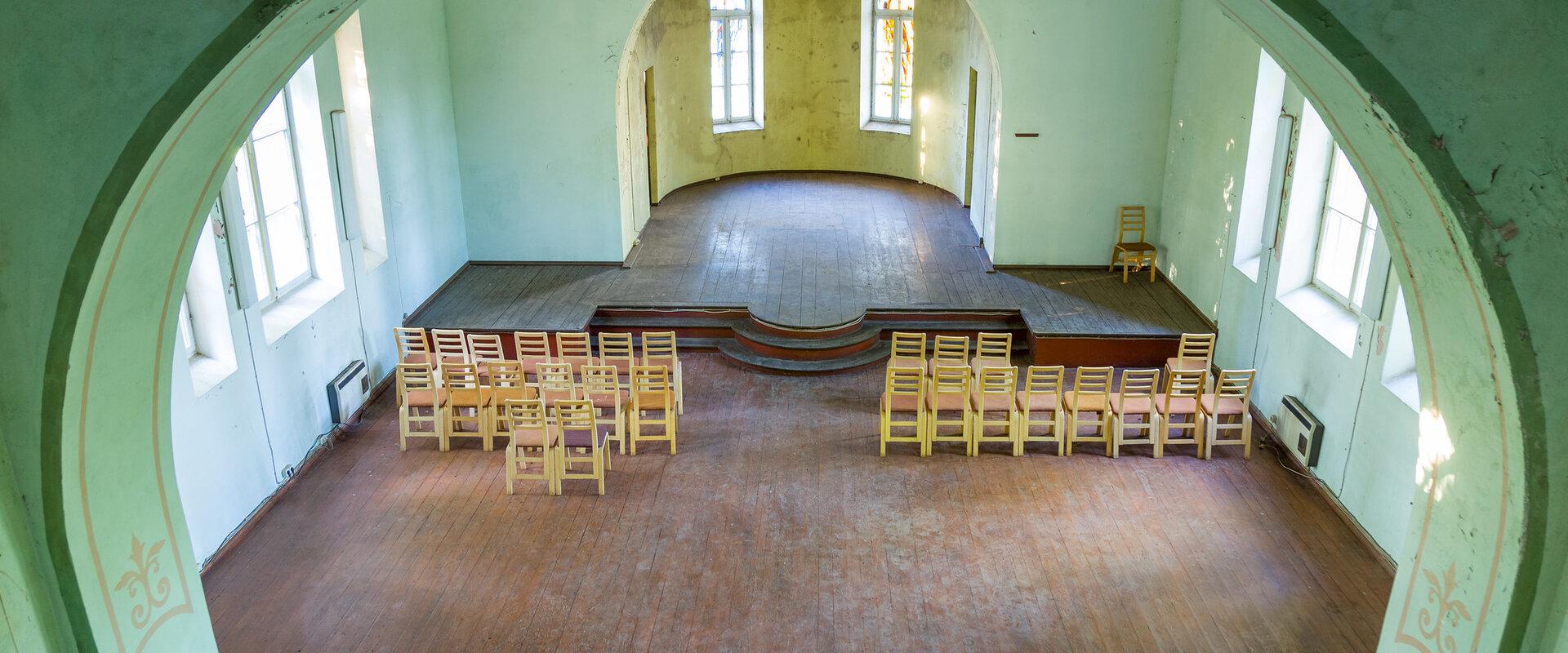
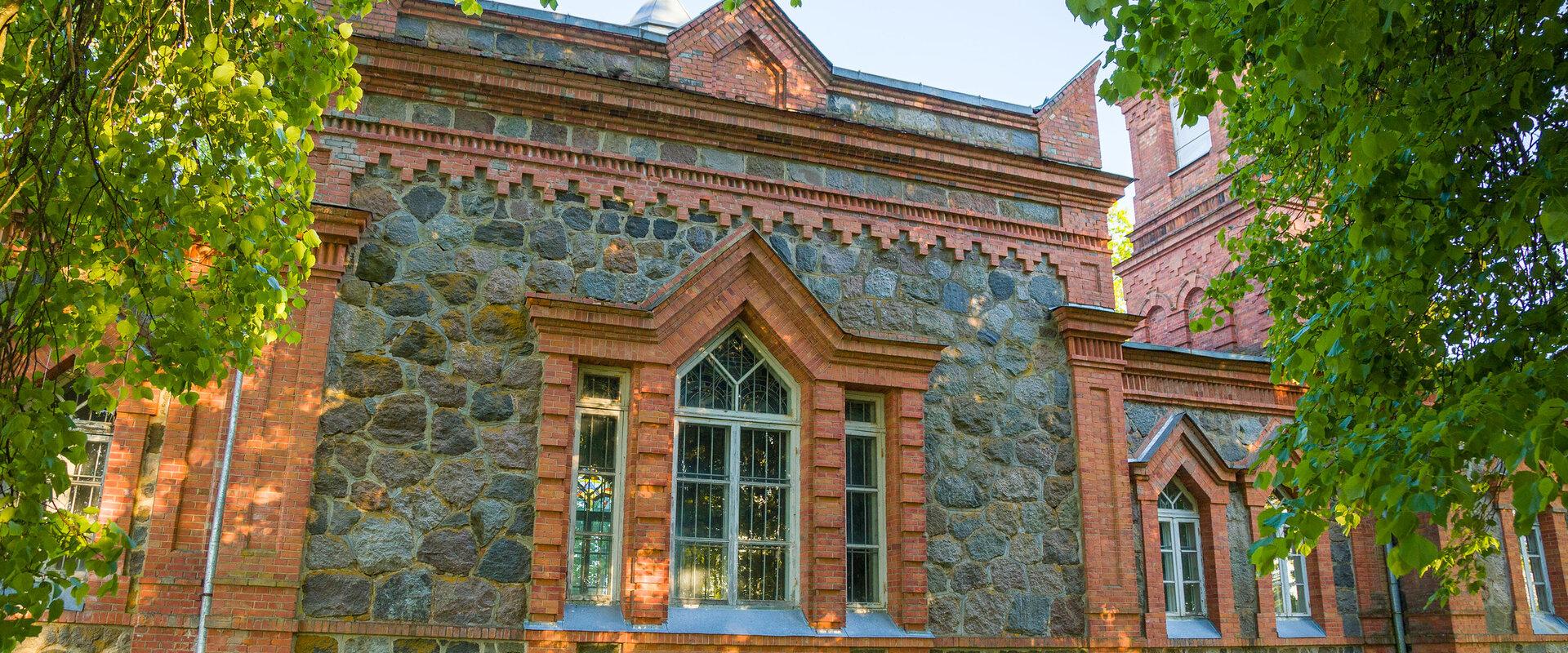
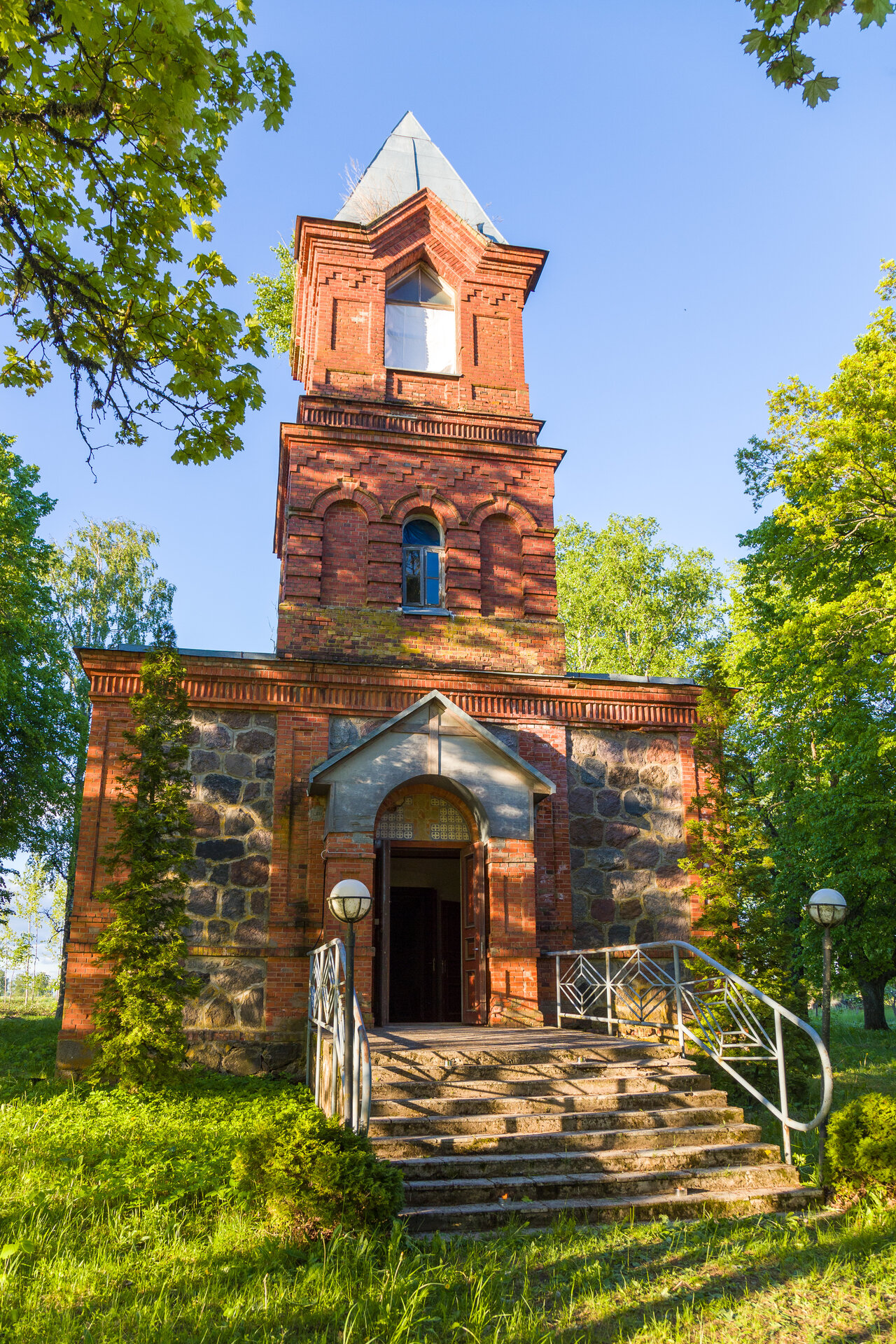
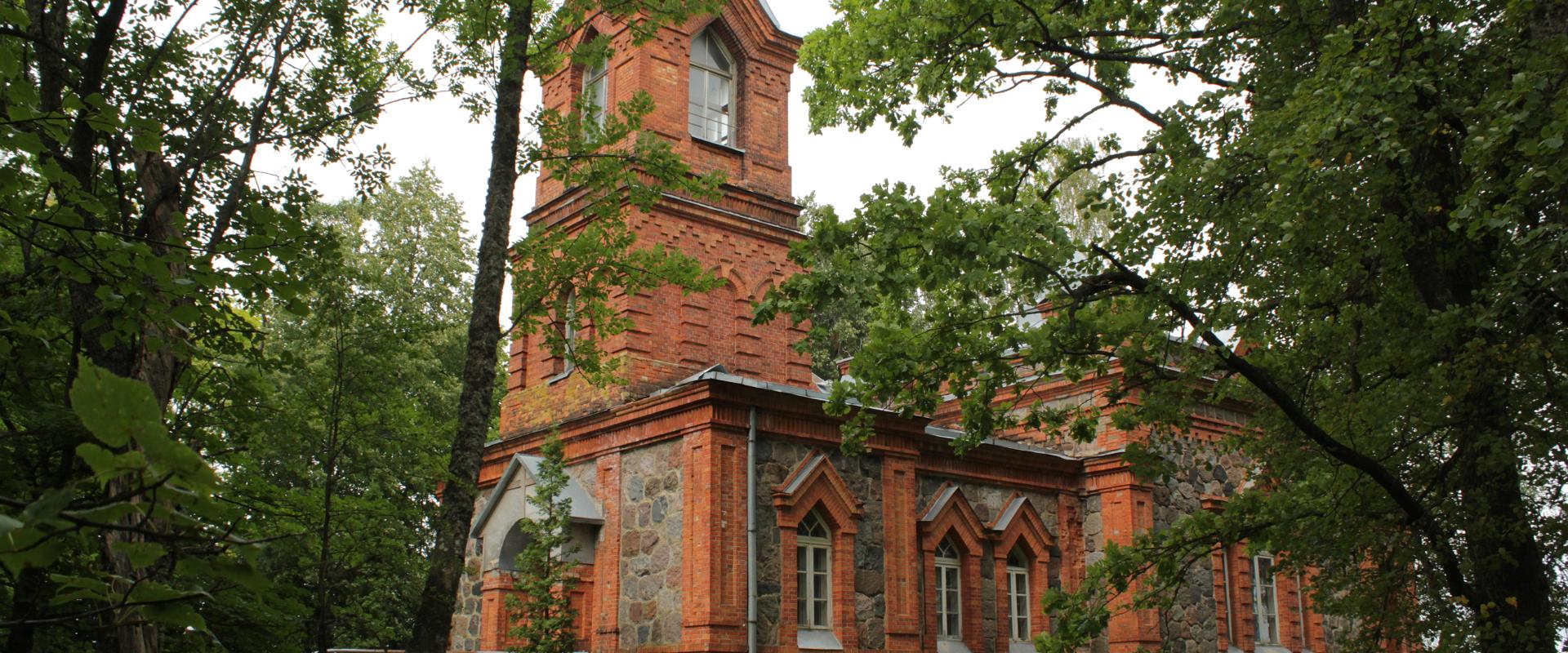
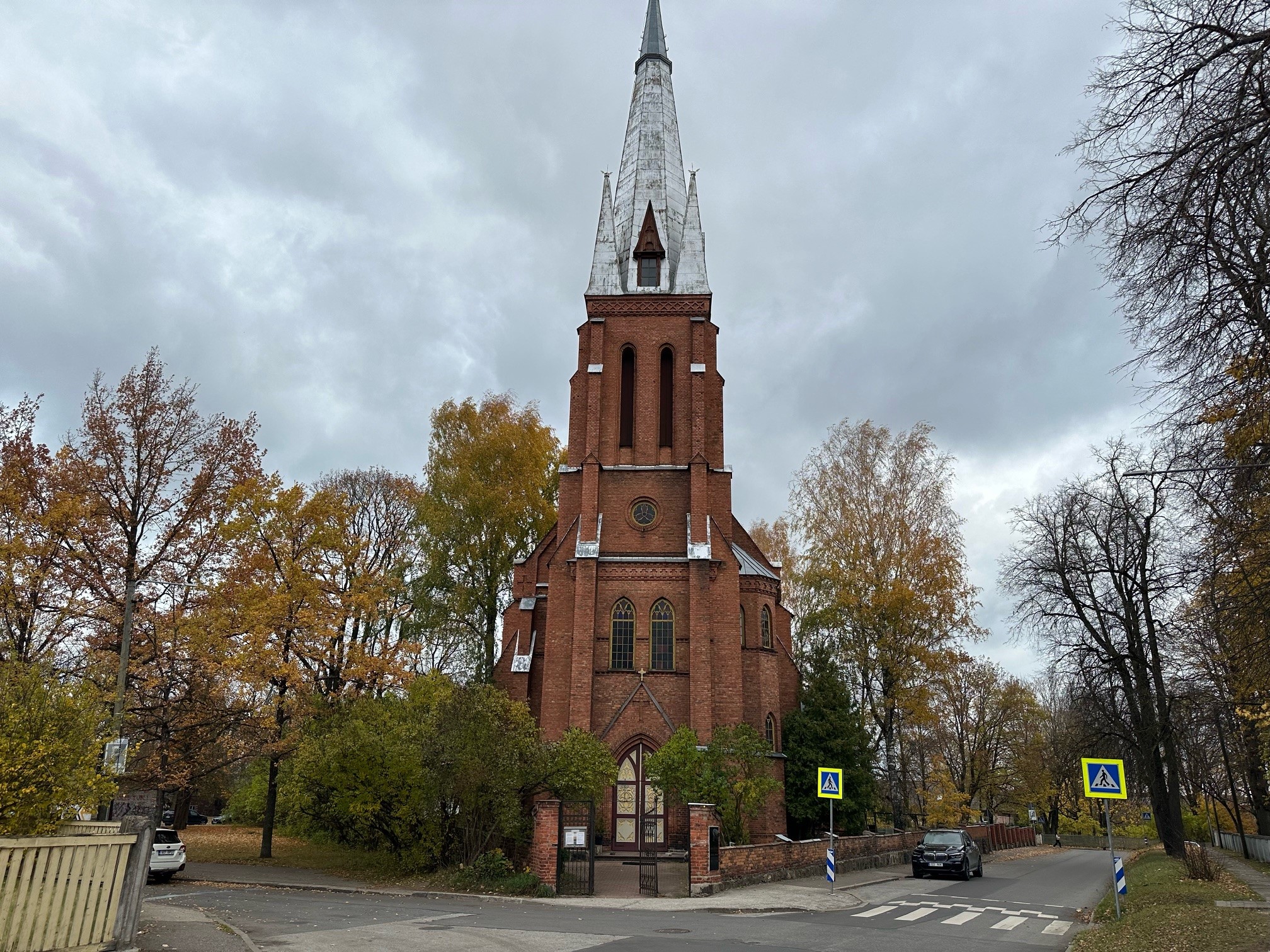
The Apostolic Orthodox Church in Rannu (Rannu Orthodox Church) was built during 1899-1901 and consecrated on 5 May 1905 to celebrate Jesus going to Jerusalem. Therefore the church is also called the Rannu Church of the Lord Going to Jerusalem.The activities of the Orthodox congregation were terminated in 1961 and the church was used as the warehouse of the Rannu collective farm. In the 1980s, Rannu State Farm decided to make amends for the injustice and restored the church. The church has been previously used as a concert venue due to its excellent acoustics.Currently the church is not used for services.
Mugavused

  • Free parking

Lahtiolekuajad

Aastaringselt

Eemalt vaadeldav

Kontakt

  • +372 506 9785
  • turism@elva.ee

Lingid

Vaata lisaks

  • Churches

Roman Catholic Church of Immaculate Conception of the Blessed Virgin Mary

You are welcome to admire the Gothic red brick house of God (architect Wilhelm Schilling). The Church of Immaculate Conception of the Blessed Virgin Mary is the only Roman Catholic church in Tartu. The cornerstone was placed in 1862 and the church was consecrated in 1899. You will find the painting "Virgin Mary with Jesus" (1905) by Ernst Friedrich von Liphardt and a large crucifix carved of lime tree (1935) in the high-vaulted church.Interesting facts: - even Tsar Nicholas II donated 3000 roubles for the construction of the church in 1894 when Priest Friedrich Zhyskar started raising funds for building the church.

  • Churches

Catherine’s Church in Võru

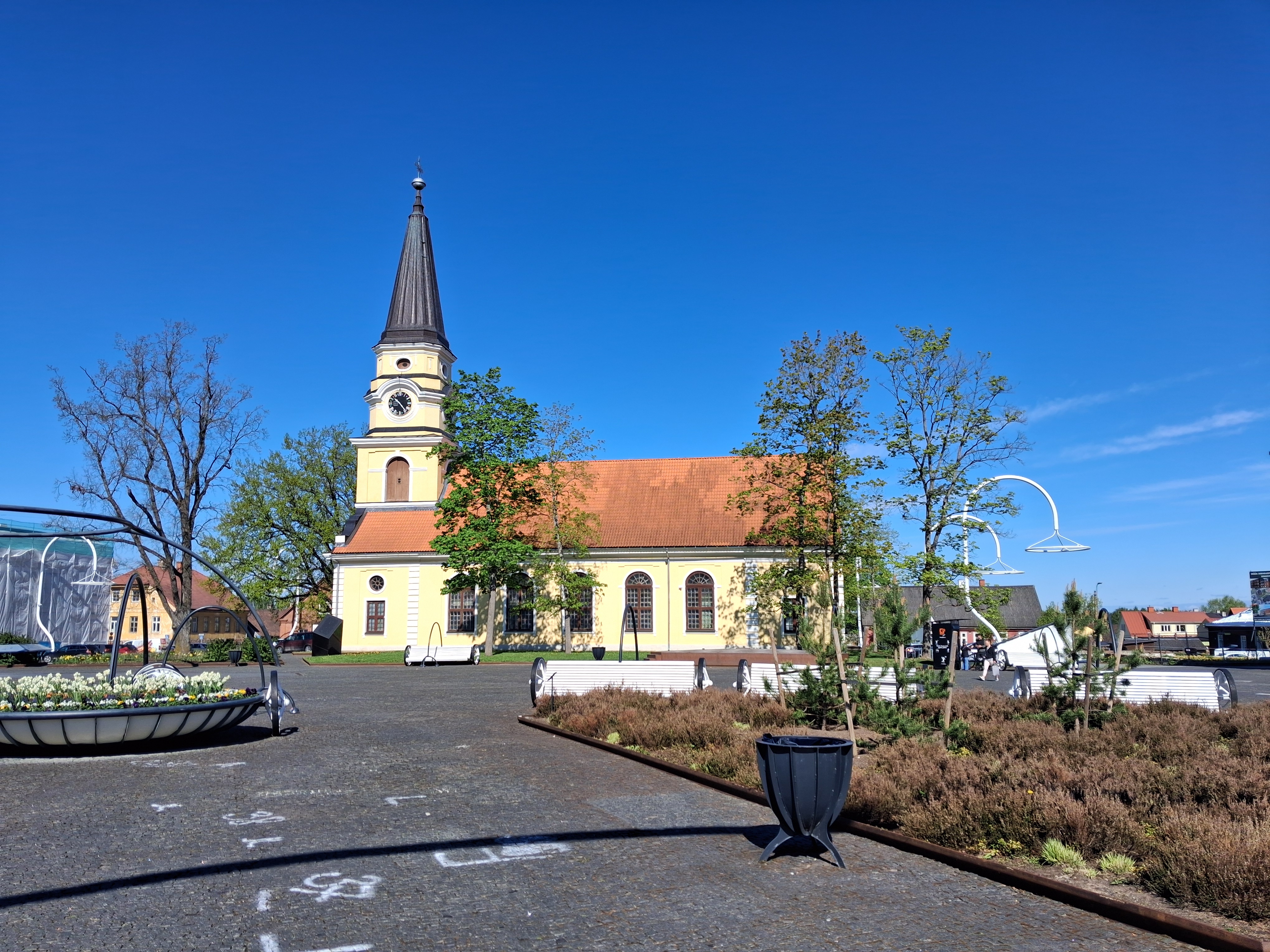
28,000 silver roubles were donated towards the construction of this Lutheran church by Russian empress Catherine II. It was blessed on 24 July 1793, when it received the name 'Catherine'. It is thought that the church - which was designed in early classicist style with baroque roots and which boasts stunning arched windows - was designed by the architect Christoph Haberlandt from Riga. Renovations in 1879 saw its tower receive a new dome, and a four-faced clock was also installed. The church has an organ built by the Kriisa brothers in 1913. You can visit the church on Sundays during mass times.

  • Churches

Ritsiku church in Mõniste

Of the Orthodox churches in Võru County, Ritsiku church in Mõniste is the second oldest (dating back to 1855). The oldest is St Catherine's Church in Võru itself.The church in Ritsiku was consecrated in the name of the prophet John the Baptist. Its name day is celebrated by the congregation every year on 24 June.The congregation was established in 1837. The church was constructed from timber and has a tin roof. It was originally known as Mõniste church, since it was located on the lands of the Mõniste estate. But since it was not in Mõniste itself, it was renamed Ritsiku church in Mõniste.The sacristan and parson did a lot of work in educating the local community. Until 1931 the congregation had its own parish school and three smaller schools.

  • Churches

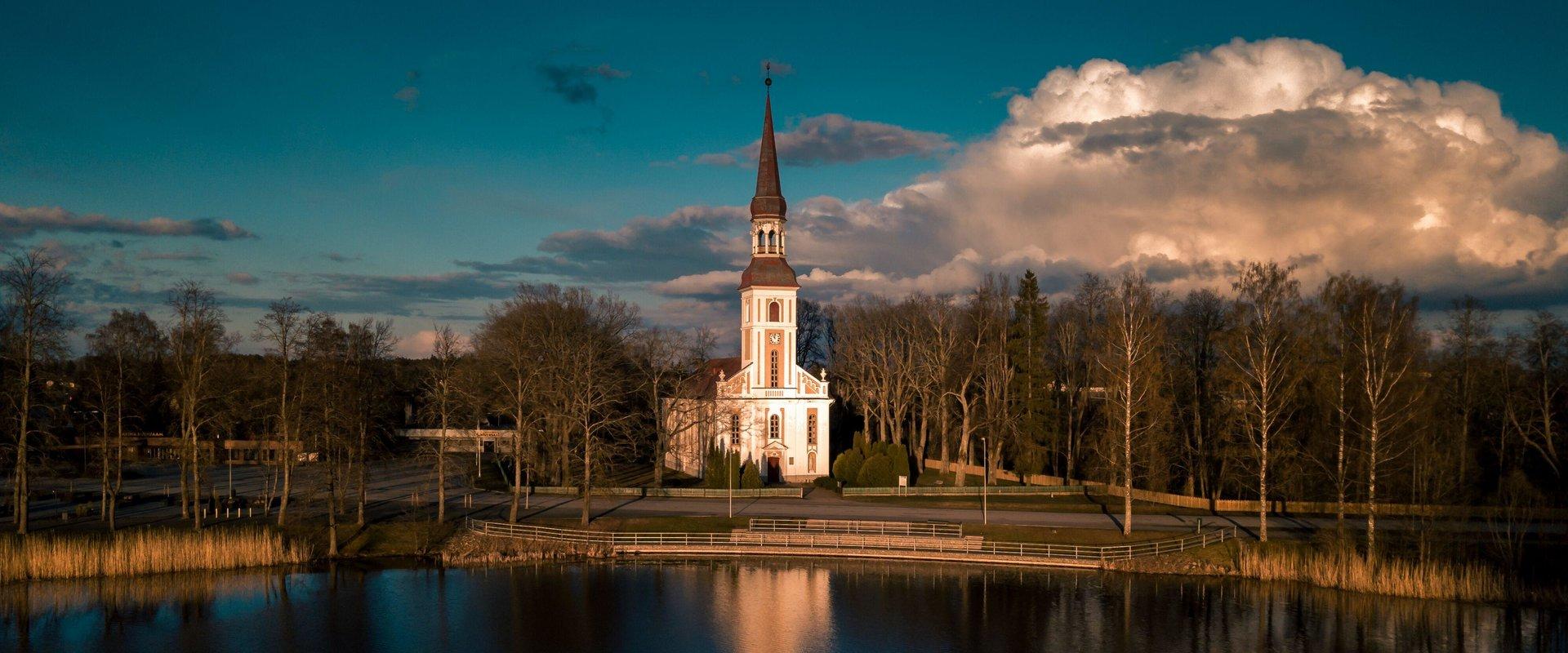
St Michael’s Lutheran Church in Räpina

This church, dedicated to the archangel Michael, was completed in 1785. It stands on the shores of a man-made lake in Räpina and enjoys beautiful views over Sillapää castle and park. The walls of the church, which was constructed in Late Baroque style, are made from rendered natural stone. The front of the church is adorned with sculptures dating from the time of its construction, which symbolise Hope and Love.One of the church's most valuable assets, the two-part altar painting entitled 'The Appearance of the Risen Jesus to Mary Magdalene' and 'The Burial of Jesus', was painted by Carl Antropoff in 1871.

  • Churches

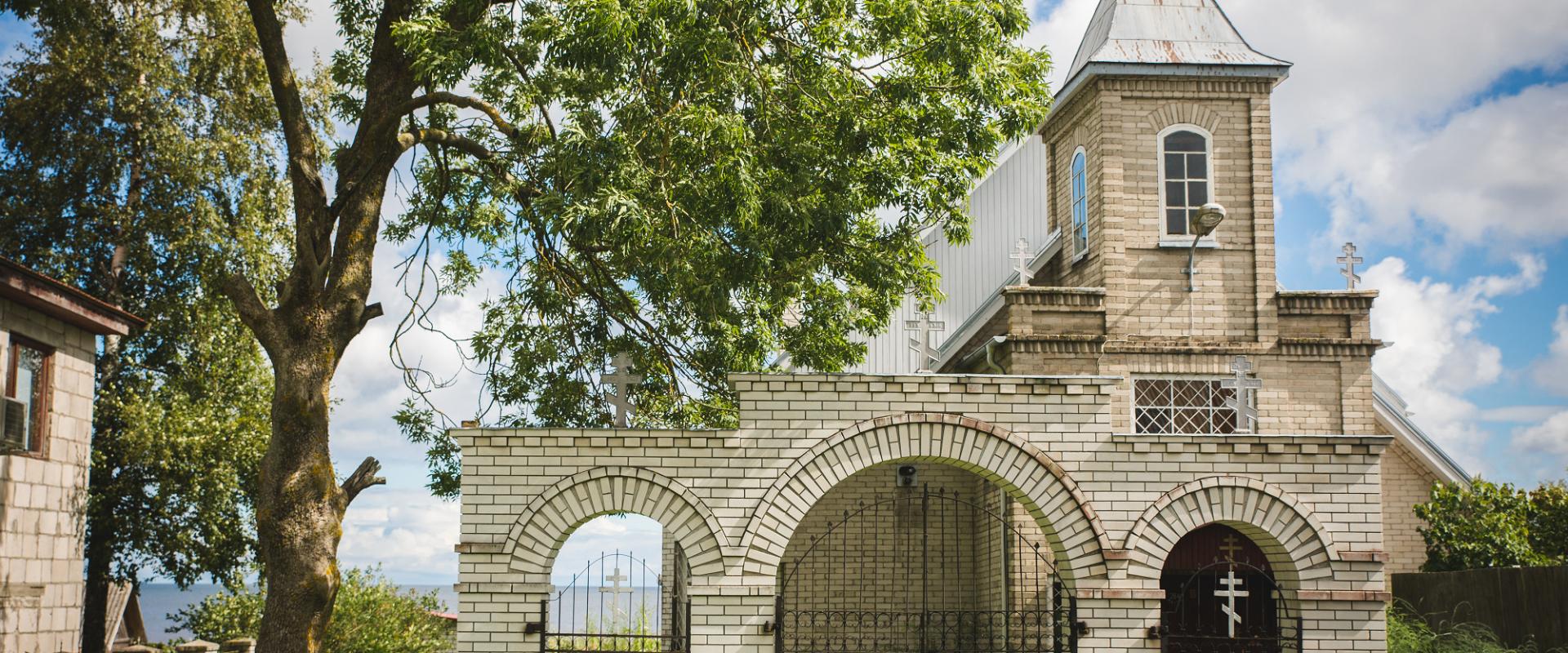
Kükita Old Believers Prayer House of the Estonian Association of Old Believers Congregations

The first prayer house of Old Believers in Estonia is located in Kükita. The Kükita Prayer House was consecrated on September 14, 1740. During the war of 1812, the Cossack Old Believers donated a chandelier to the Prayer House. There were a total of 397 Old Believers in the list of parishioners of the Kükita congregation by 1833. The current Prayer House was built in 1948 in place of the one destroyed in World War II.Old Believers have services every Sunday and on all holidays (Christmas, Pascha and Epiphany).

  • Churches

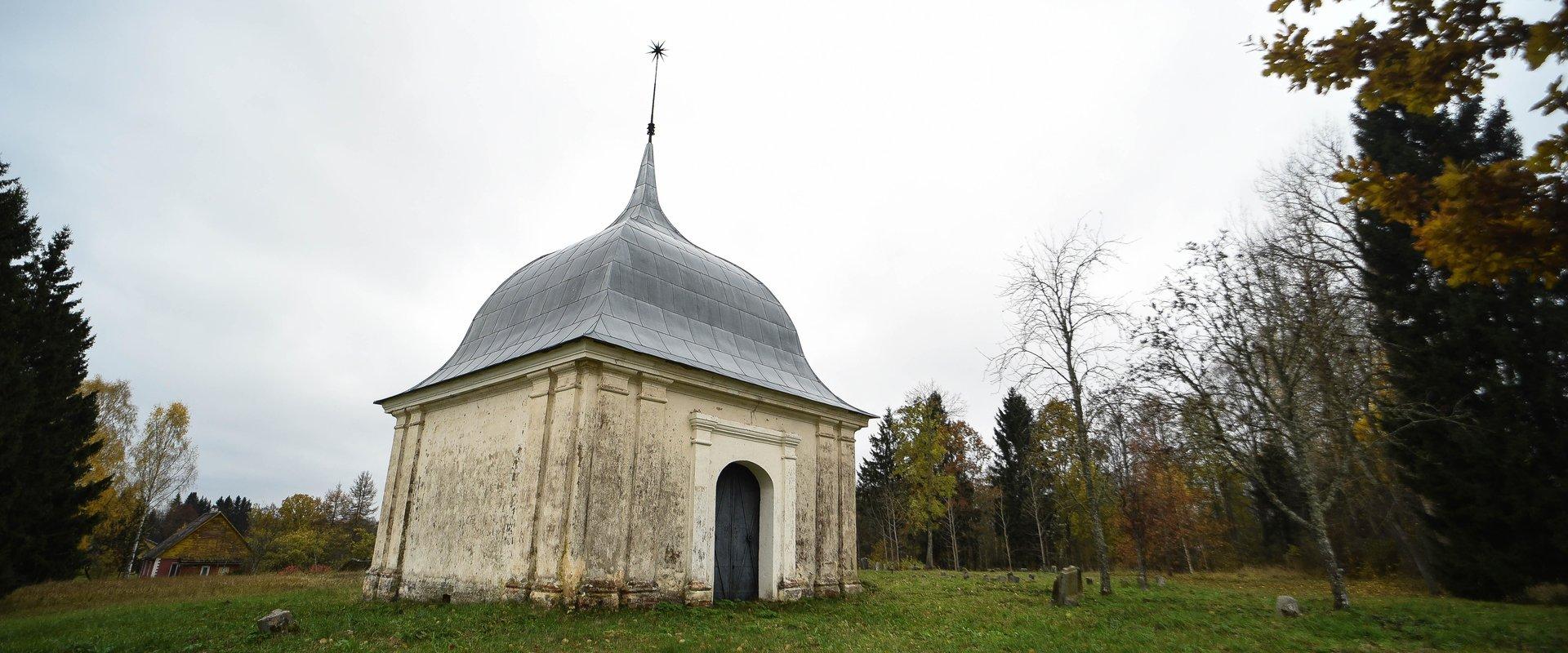
The Liphardt tomb chapel

The Vastseliina manor chapel, popularly called the Liphardt tomb chapel, is situated in the old cemetery of Vastseliina (also known as the German cemetery). The chapel was completed in the same year as the current Vastseliina church, in 1772.The Liphardts, one of the wealthiest noble families of Livonia, governed the entire Vastseliina parish from Misso to Orava and ruled Vastseliina for seven generations. In addition to Vastseliina, the family also owned several other manors, including the Raadi manor.The Vastseliina manor chapel is one of the most remarkable examples of early classicist rural chapels.Visitors are welcome to see the exterior of the chapel only.

  • Churches

St John’s Lutheran Church in Kanepi

St John’s Church is an eye-catching building; its architect was Friedrich Siegel. There is an altar painting Christ on the Cross (A. Bauer, 1857) and a pseudo-Gothic altar, and two nationally protected wooden candlesticks (1810) and an armchair from the birch wood dating from the 18th century. On top of the spire there is a morning star. Interesting to know: St John’s Church in Kanepi was built in 1804-1810 to replace the old wooden church. In 1831 the church was set on fire by lightning. The church in Kanepi has been in its current state since the year 1877.

  • Churches

St Bartholomew’s Church in Palamuse

Palamuse Church is one of the oldest medieval churches in northern Tartu County. The church was first mentioned in documents in 1234. As a fortress church, it provided protection from invaders during wars. There is a burial ground around the church, which has two preserved headstones. The unique wooden sculptures on the altar and pulpit date back to 1696. There is a dry-stone painting on the eastern outer wall. Services are held in the church every Sunday at 11 a.m. The church also organises concerts and plays.

  • Privacy Policy

"*"обозначает обязательные поля

Это поле используется для проверочных целей, его следует оставить без изменений.
Я разрешаю маркетинг