• Avasta
    • Еда
    • Природа
    • Культура
    • Семья
    • Спорт
    • Сообщество
    • Блог
  • Planeeri
    • Размещение
    • Информация
    • Varamu
RUS
  • РусскийRUS
  • EestiEST
  • EnglishENG
  • LatviešuLAT
  • SuomiFIN
RUS
  • РусскийRUS
  • EestiEST
  • EnglishENG
  • LatviešuLAT
  • SuomiFIN
Populaarsed otsingud:
Näita kõiki tulemusi
  • History & Culture
  • Architecture and history
  • Churches

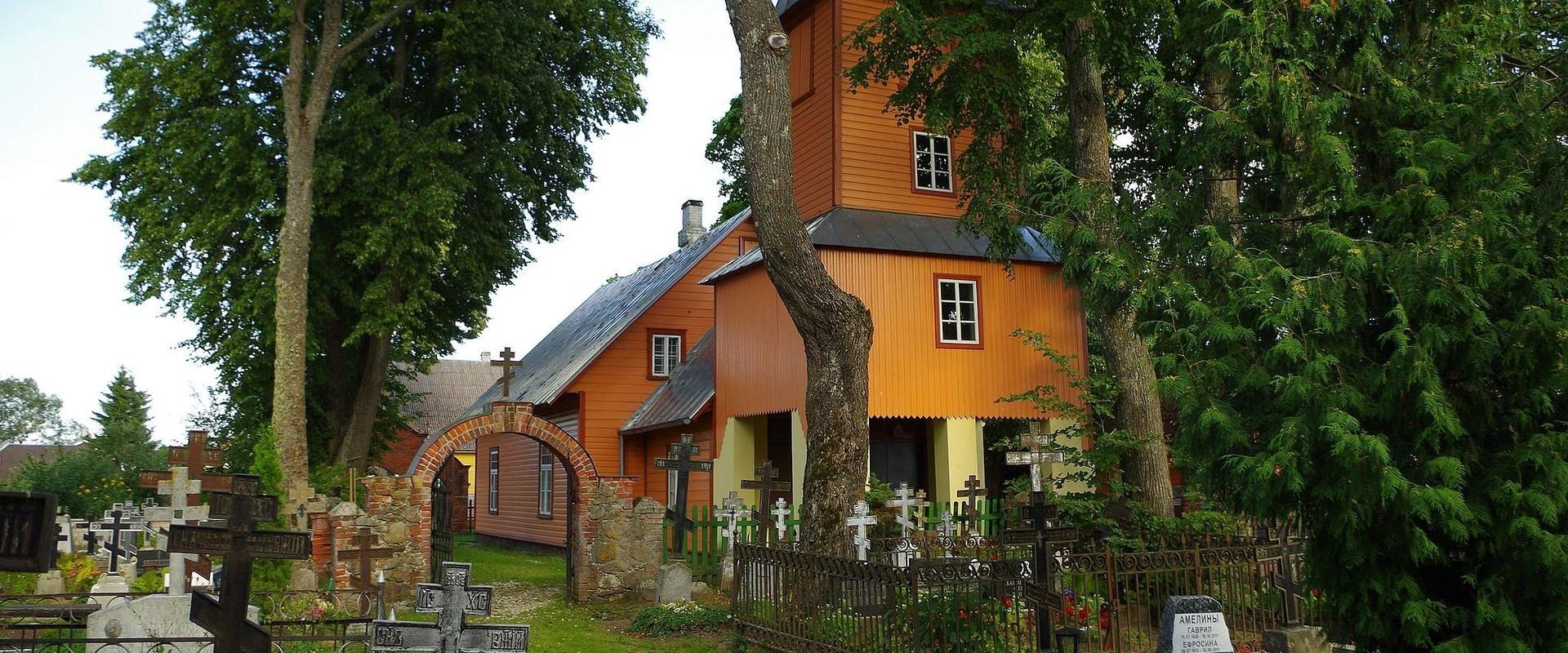
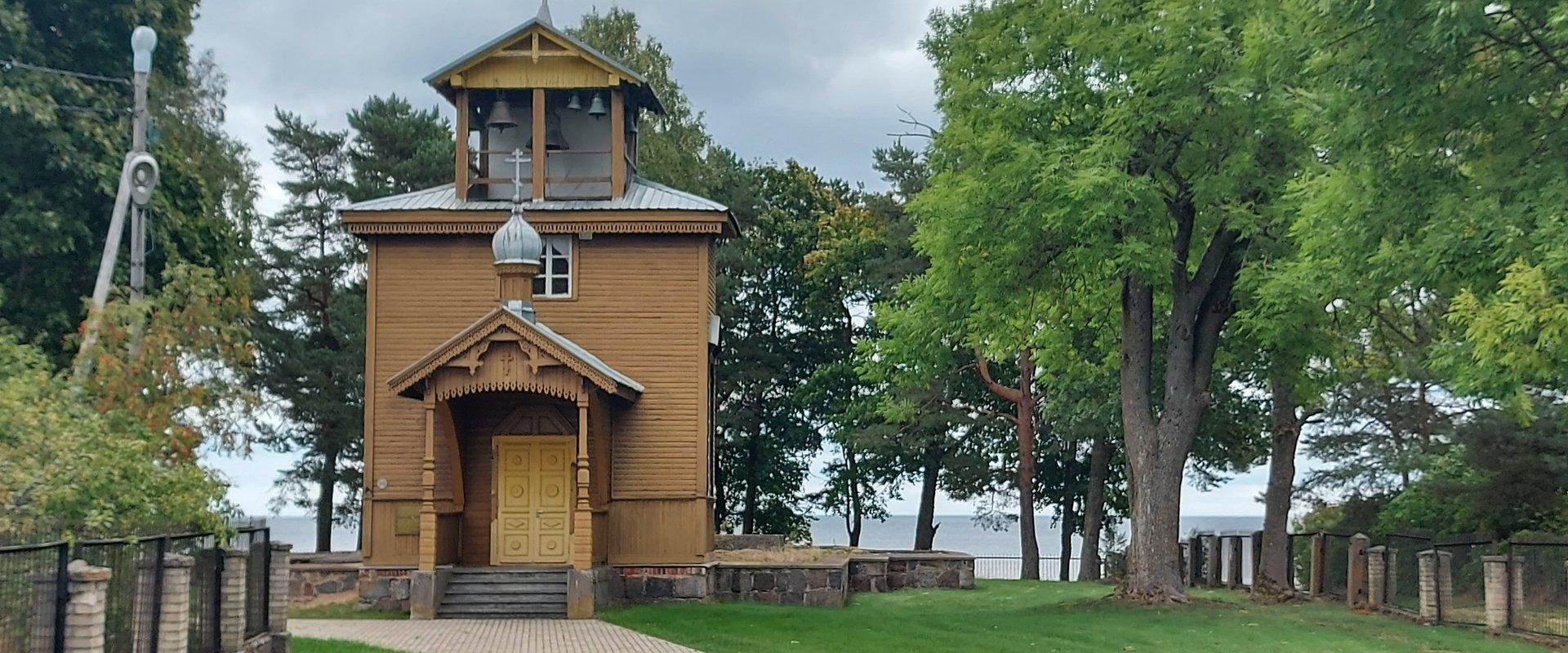
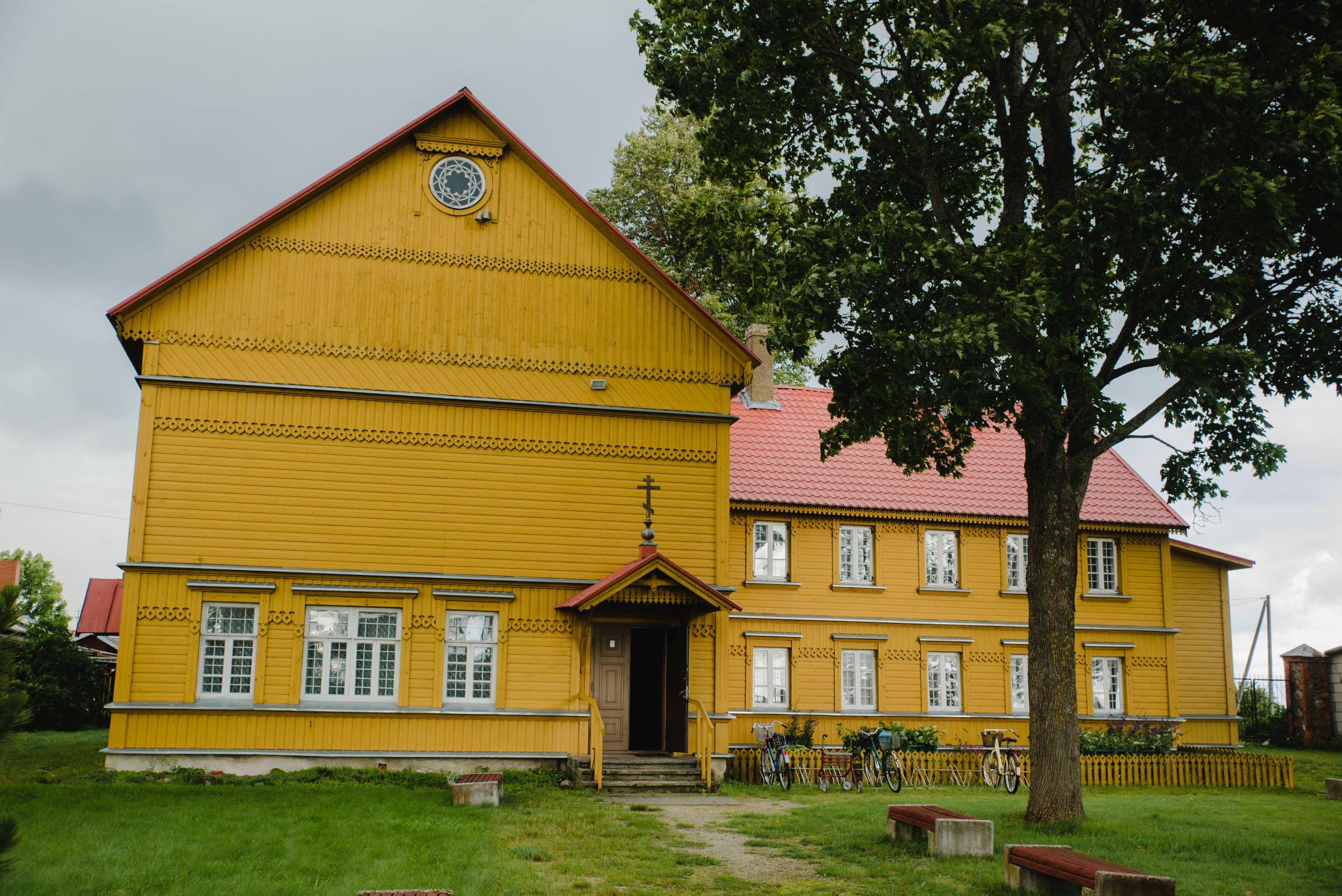
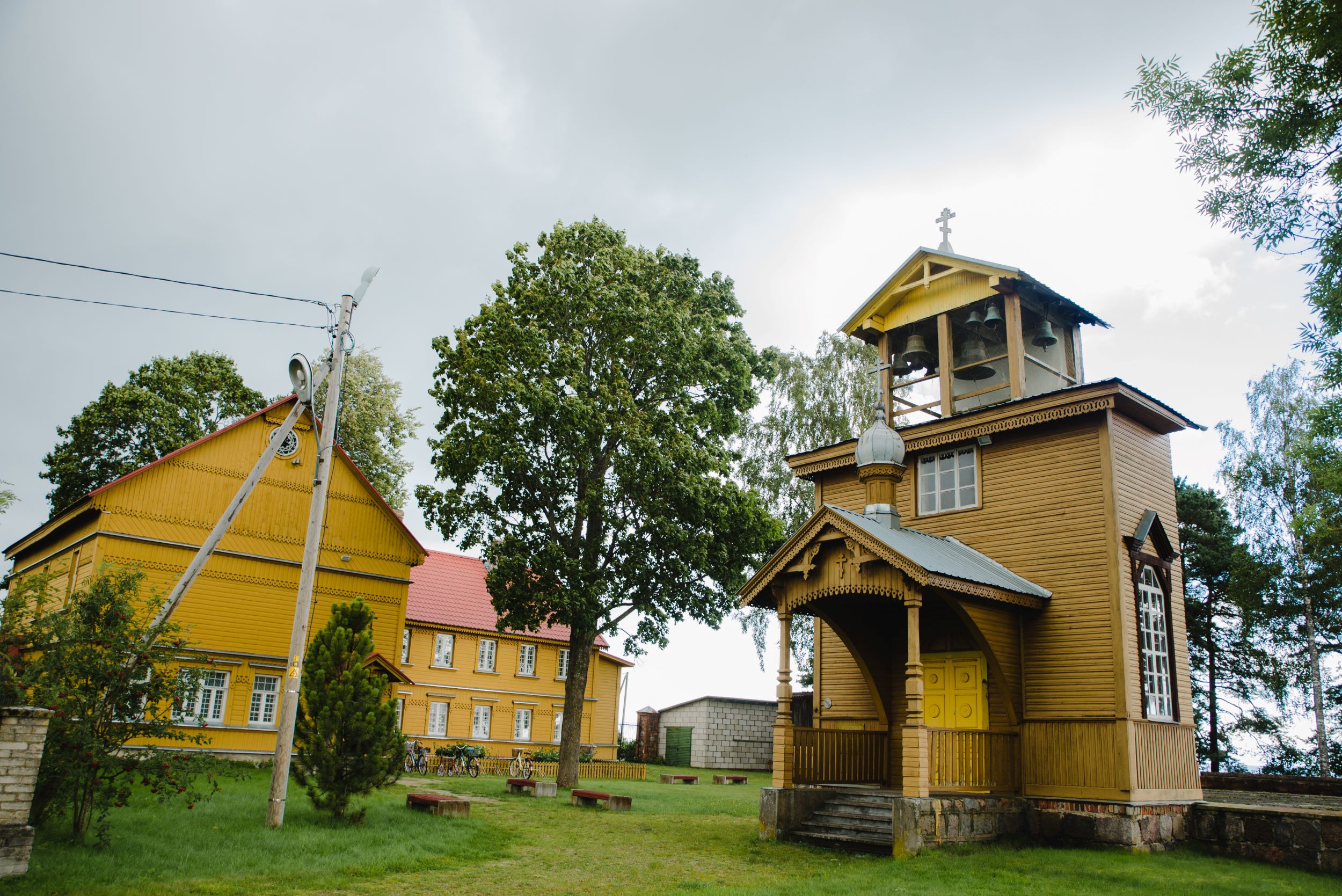
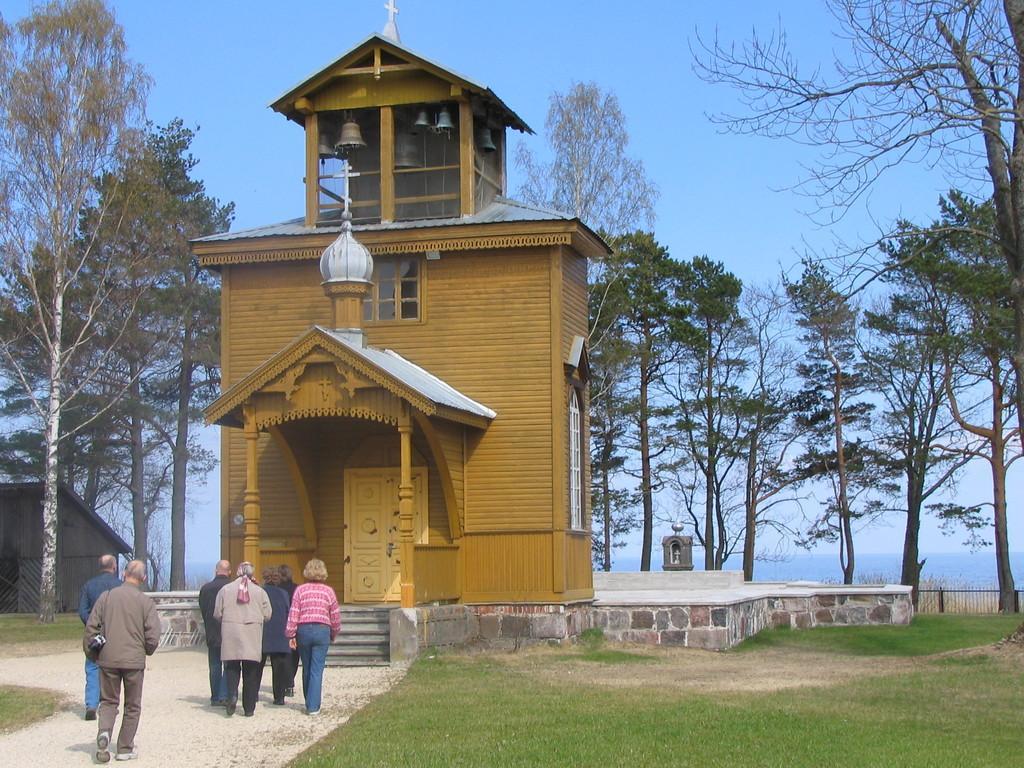
Rajaküla Old Believers’ Worship House

Kalda tn 108, Mustvee vald, Jõgeva maakond, 49509

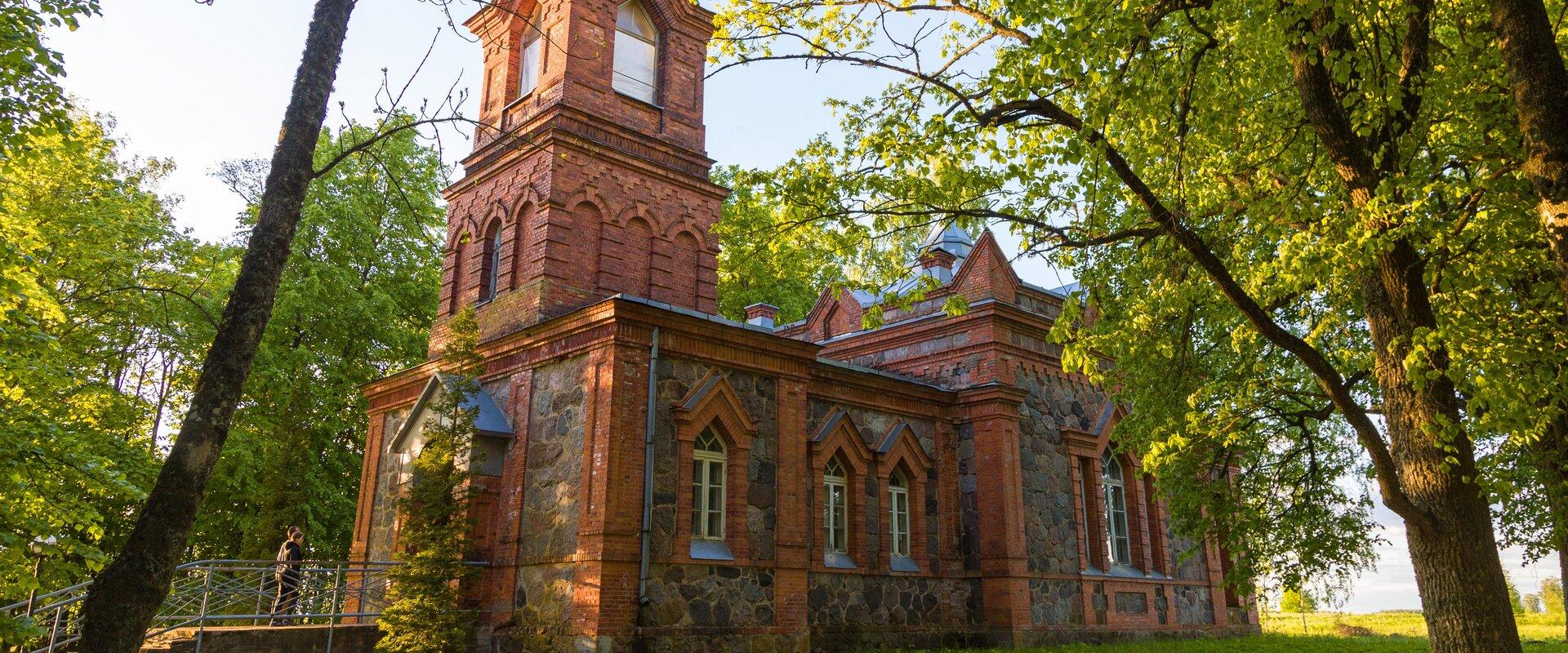
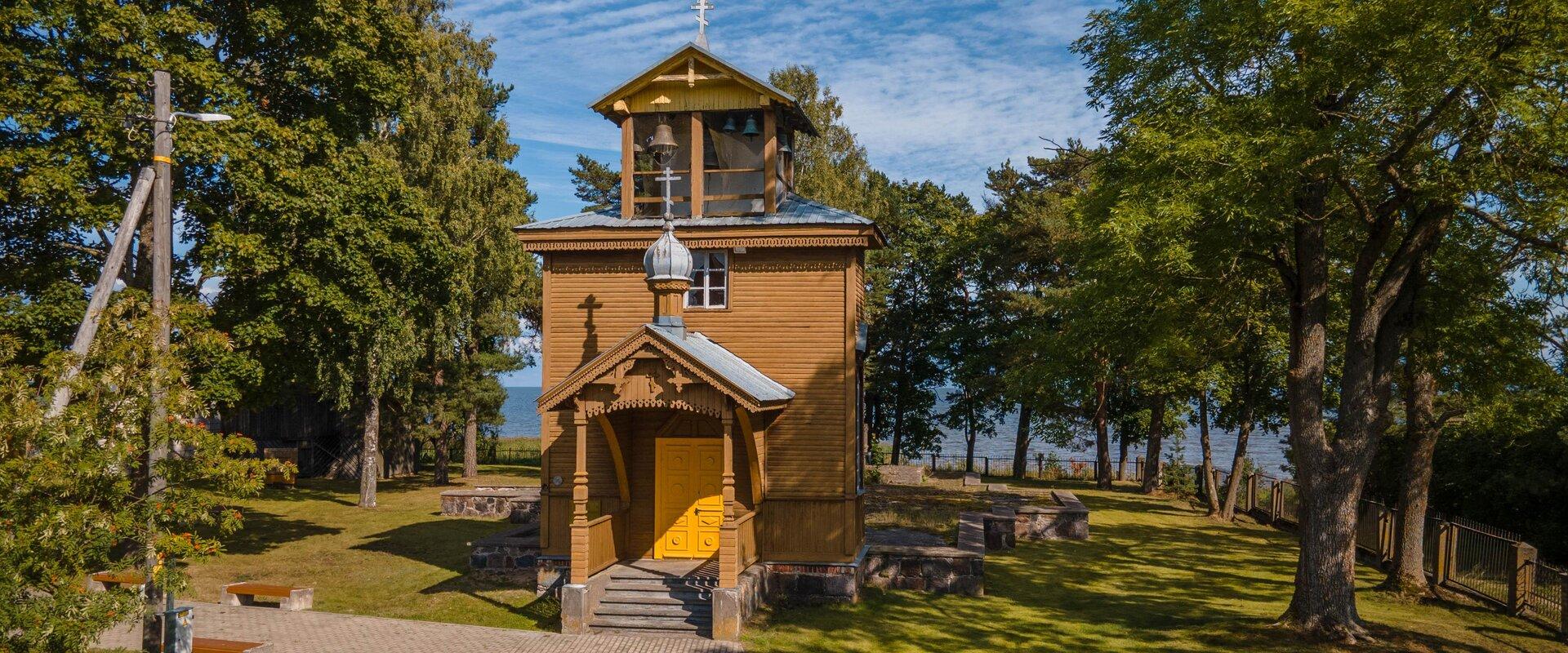
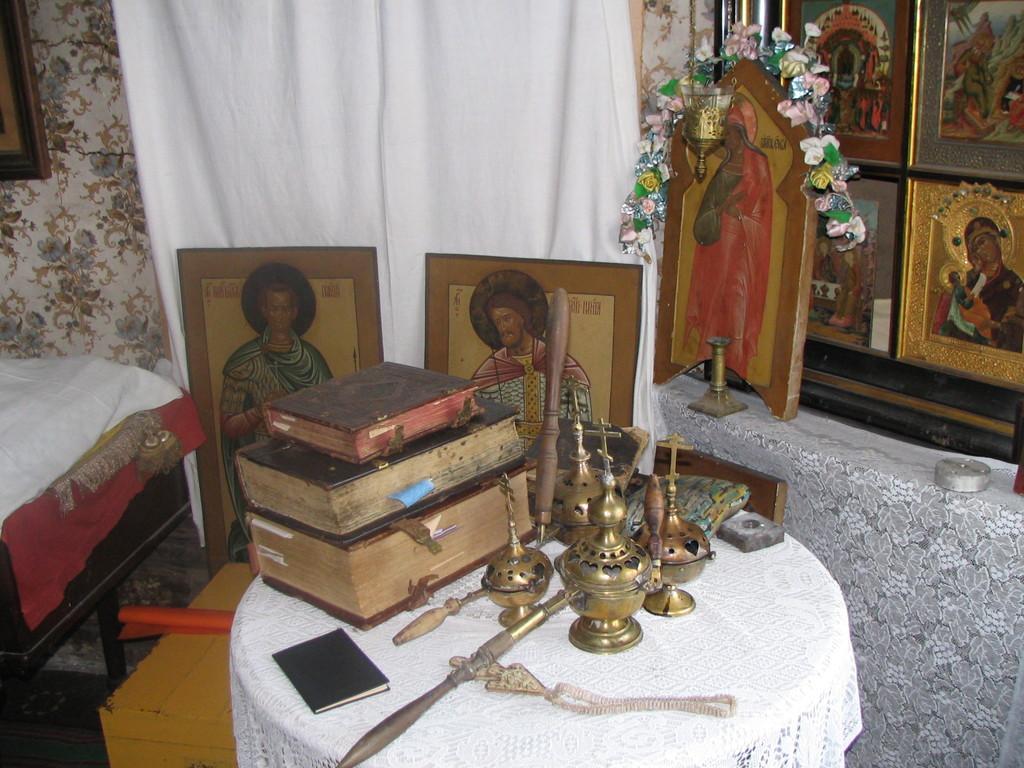
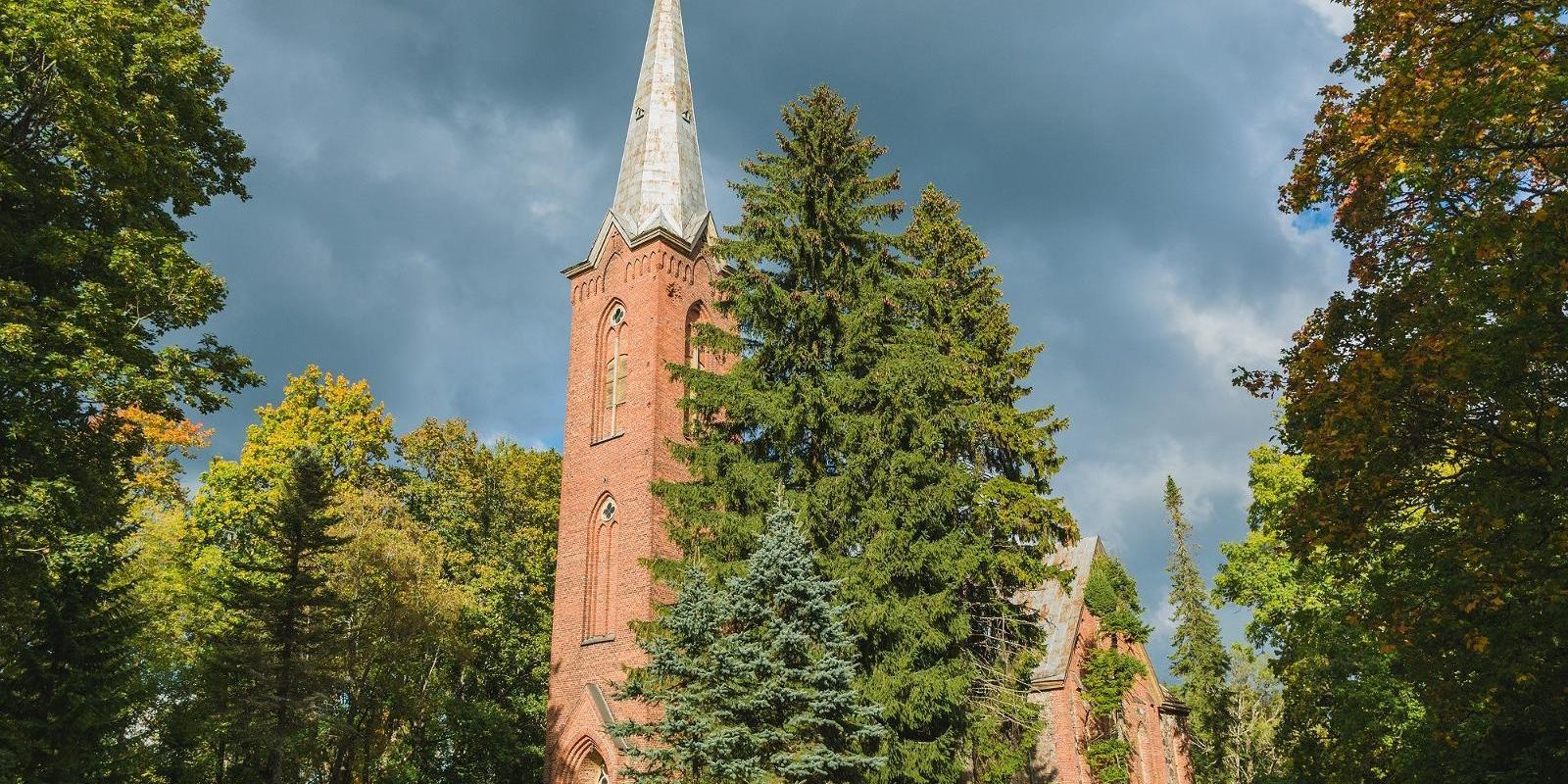
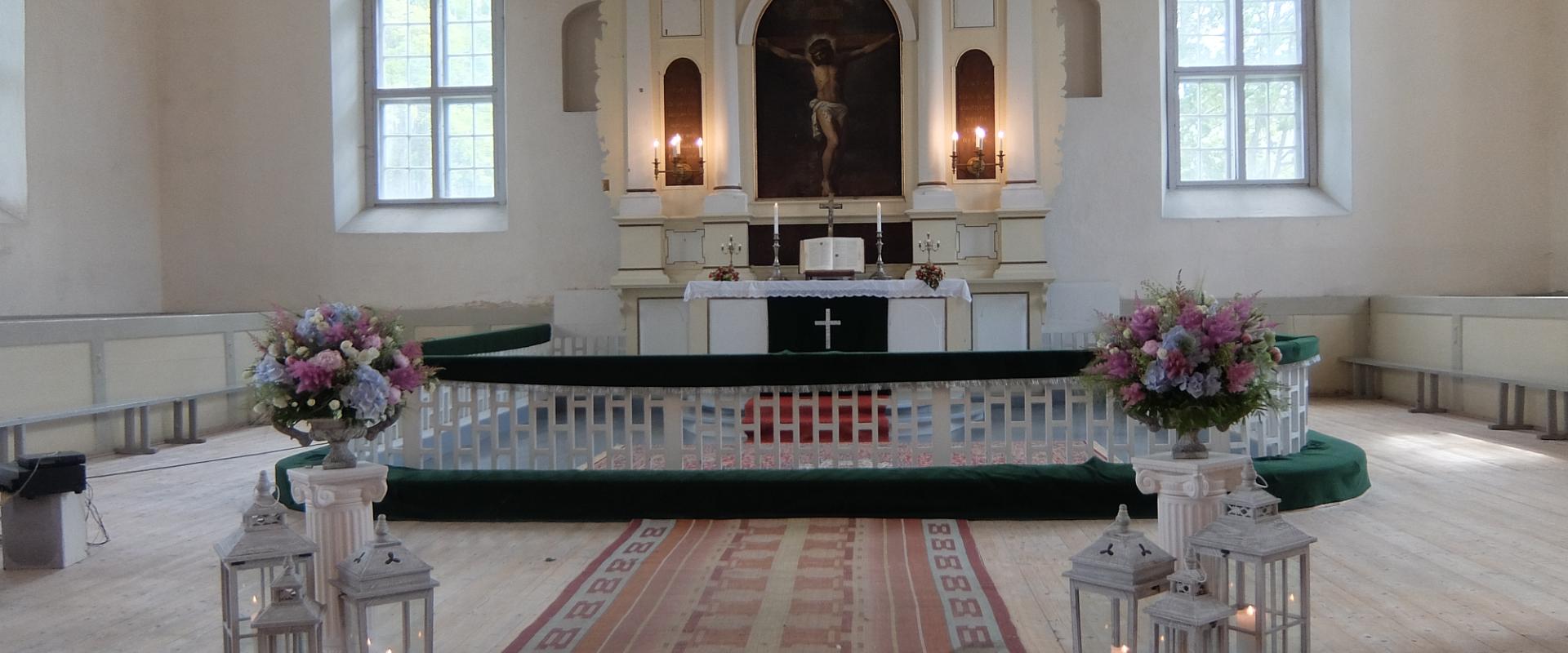
It is believed that the Raja congregation of Old Believers was established in the first quarter of the 18th century. The congregation was given permission to build its own church only in 1879. The church was destroyed during the Second World War – the only thing left is the belfry. The present worship house has 11 rooms. In 1854–1930 Gavriil Frolov lived in the worship house. He taught children icon-writing, reading and writing in Old-Slavic, also singing based on old musical notation.
Mugavused

  • Free parking

Lahtiolekuajad

Aastaringselt

Eeltellimsel

Kontakt

  • +372 55568256

Lingid

Vaata lisaks

  • Churches

Äksi St. Andrew’s Church of the Estonian Evangelical Lutheran Church

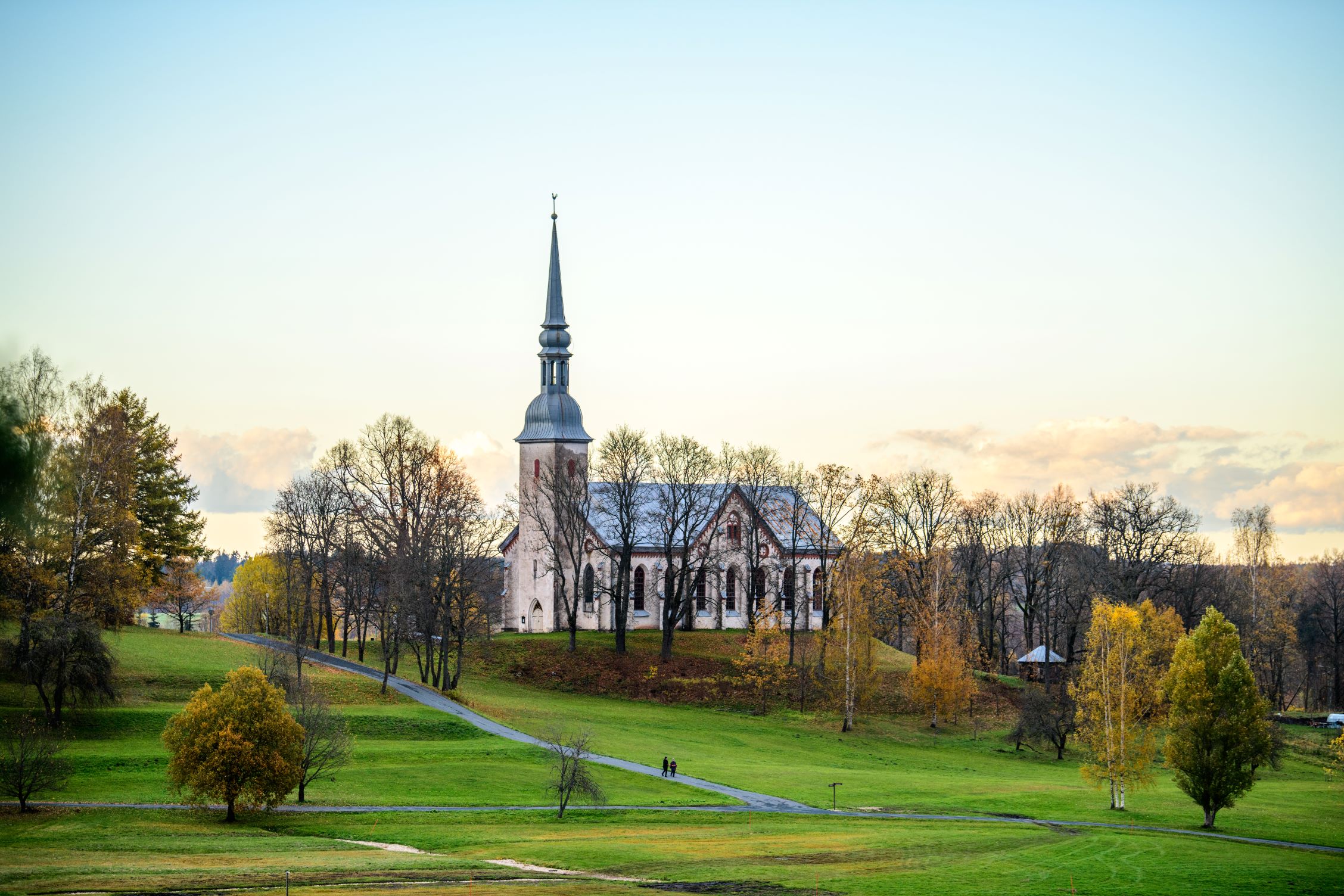
This neo-Gothic church with its tall and slender tower is an integral part of the beautiful landscape of Vooremaa. The church has a spacious and stylish Historicist interior. The church is thought to have been built in 1770 and was reconstructed in 1889. A monument to the pastor and renowned linguist Otto Wilhelm Masing can be found in the Church Manor (1989).

  • Churches

St. Mary’s Church in Rõuge

The first stone church was constructed in Rõuge in the 16th century. In 1730, the original church, which was destroyed in the Great Northern War, was replaced with one which had an imposing square tower. The church was blessed in the name of St. Mary. The altar-piece "Christ on the cross" by R. von Mühlen is from 1854. In 1860 the walls were made higher and a mirrored arch was installed. In 1930 the church got a 31-register organ built by the Kriisa brothers. The first Estonian pastor in Rõuge was Rudolf Gottfried Kallas.Useful information! You can attend mass at the church every Sunday at 11:00 and in summer, the church is used as a wayfarers' church. Entrance to the tower is for a fee (grown ups 1.50, children 1 and family ticket 3 euros).

  • Churches

Otepää St Mary’s Lutheran Church

Otepää St Mary's Lutheran Church is one of the 21 places in Southern Estonia worth discovering, all those interested in culture and history should definitely pay a visit. Otepää St Mary's Lutheran Church is historically connected to the national flag of Estonia. The blue, black and white flag of the Estonian Student Union, which later became the national flag and in 1991 the official flag of the state of Estonia, was consecrated in the rectory of the church on 4 June, 1884. The church has a neo-gothic altarpiece "Christ on the Cross" which dates from 1880, and a Kessler organ from 1853. In summer, the doors of the church are open to everyone.

  • Churches

The Liphardt tomb chapel

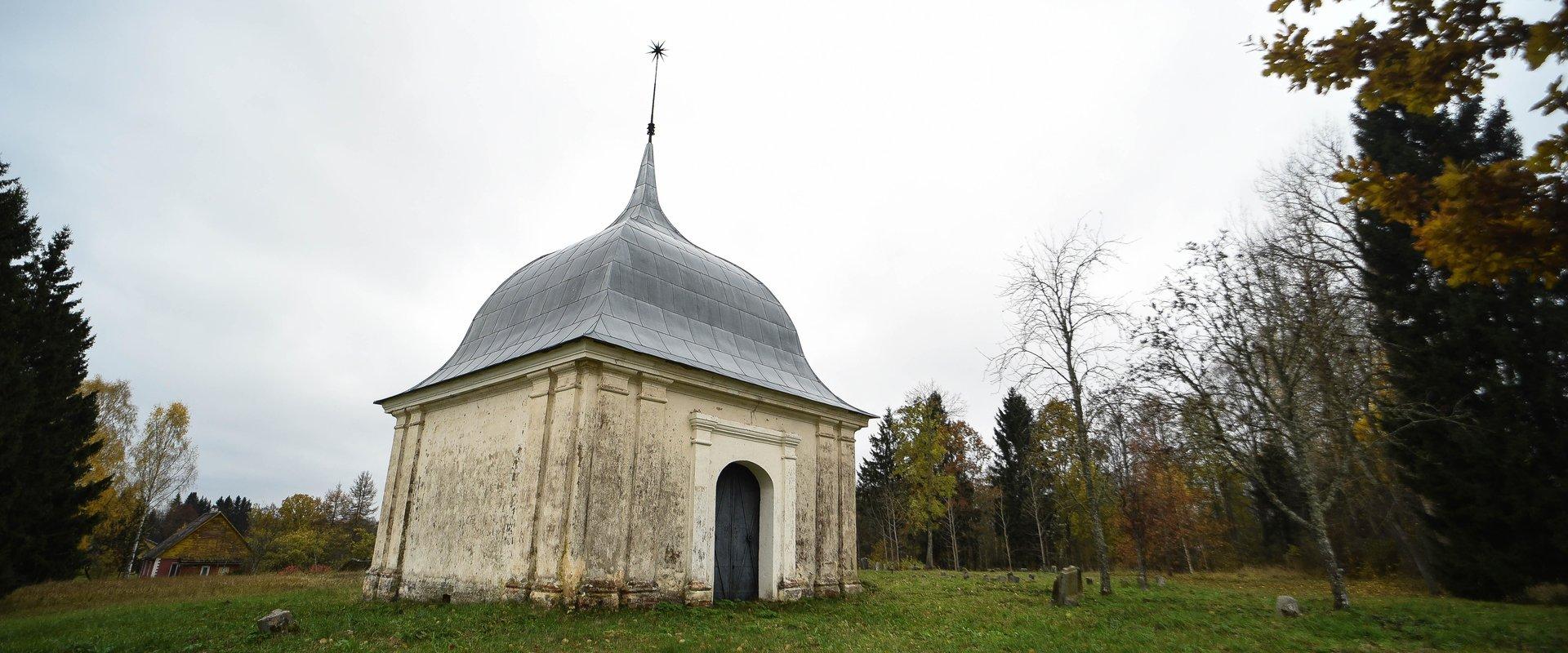
The Vastseliina manor chapel, popularly called the Liphardt tomb chapel, is situated in the old cemetery of Vastseliina (also known as the German cemetery). The chapel was completed in the same year as the current Vastseliina church, in 1772.The Liphardts, one of the wealthiest noble families of Livonia, governed the entire Vastseliina parish from Misso to Orava and ruled Vastseliina for seven generations. In addition to Vastseliina, the family also owned several other manors, including the Raadi manor.The Vastseliina manor chapel is one of the most remarkable examples of early classicist rural chapels.Visitors are welcome to see the exterior of the chapel only.

  • Churches

Catherine’s Church in Võru

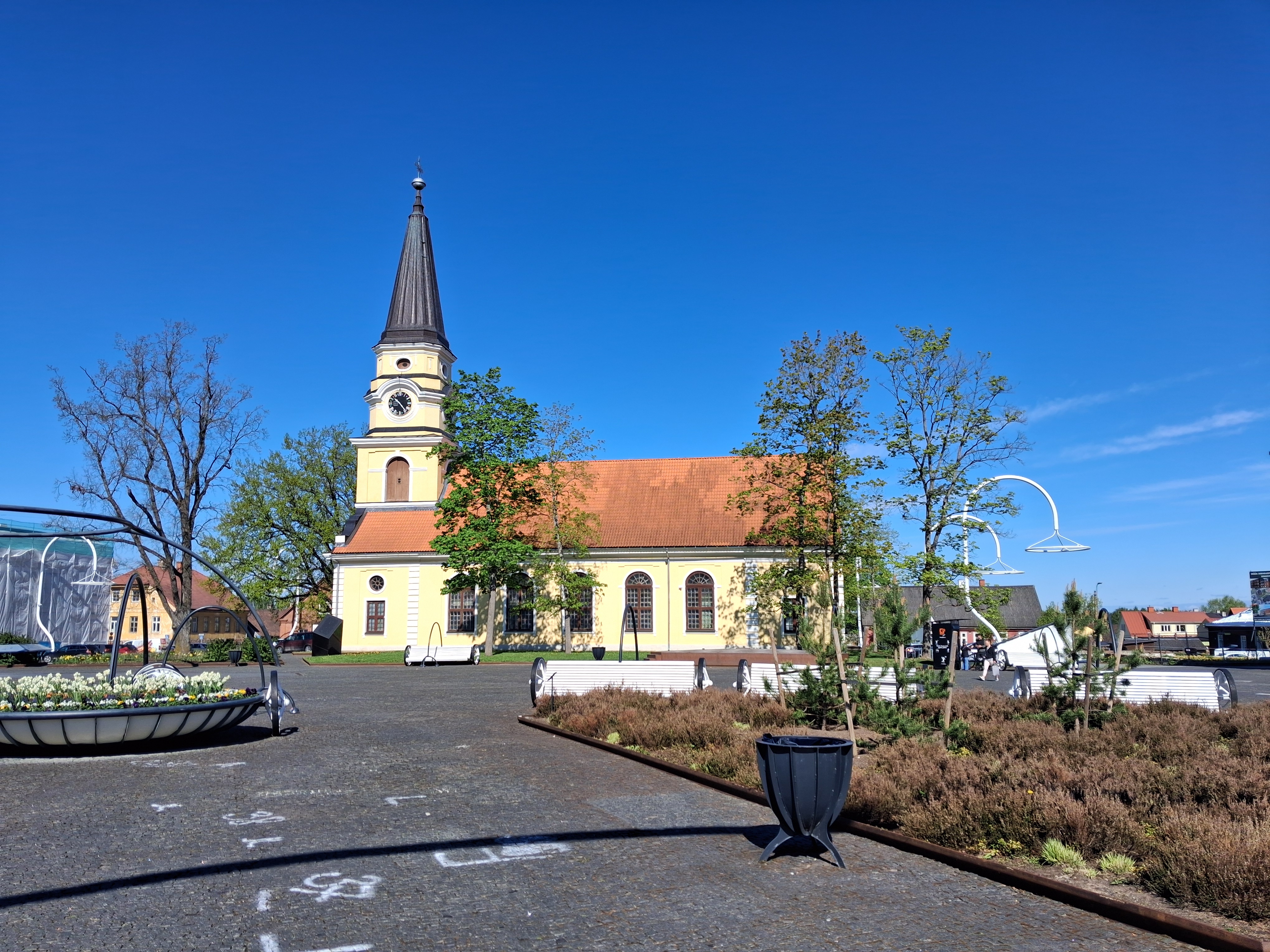
28,000 silver roubles were donated towards the construction of this Lutheran church by Russian empress Catherine II. It was blessed on 24 July 1793, when it received the name 'Catherine'. It is thought that the church - which was designed in early classicist style with baroque roots and which boasts stunning arched windows - was designed by the architect Christoph Haberlandt from Riga. Renovations in 1879 saw its tower receive a new dome, and a four-faced clock was also installed. The church has an organ built by the Kriisa brothers in 1913. You can visit the church on Sundays during mass times.

  • Churches

Kasepää Old Believers’ Prayer House of the Estonian Association of Old Believers Congregations

When in Kasepää Village near Lake Peipus, go and visit the prayer house of Russian Old Believers, which has been operating without interruption since the 18th century.The current prayer house was built at the beginning of the 20th century. It was designed by the governorate architect Wilhelm Schilling in 1902. The Florov school masters renewed the icons of the iconostasis in the prayer house before the Second World War. Some of the icons in the chapel date back as far as to the 17th century.Prayers are held in the chapel in Russian on Sundays at 10 a.m.

  • Churches

Rannu Apostolic Orthodox Church

The Apostolic Orthodox Church in Rannu (Rannu Orthodox Church) was built during 1899-1901 and consecrated on 5 May 1905 to celebrate Jesus going to Jerusalem. Therefore the church is also called the Rannu Church of the Lord Going to Jerusalem.The activities of the Orthodox congregation were terminated in 1961 and the church was used as the warehouse of the Rannu collective farm. In the 1980s, Rannu State Farm decided to make amends for the injustice and restored the church. The church has been previously used as a concert venue due to its excellent acoustics.Currently the church is not used for services.

  • Churches

Rannu St Martin’s Church of the Estonian Evangelical Lutheran Church

The church dedicated to St. Martin is located on the Estonian Pilgrim Route, which starts from Pirita Monastery and ends at the Vana-Vastseliina Episcopal Castle. There is also a prayer bench in the churchyard.Come and see one of the oldest parish churches in Estonia. You can also can go to the spire, which offers a unique view of the beautiful Lake Võrtsjärv and the surroundings.Good to know:• The Church participates in the Wayfarers Churches and the Night of Churches projects.• The night battle from the feature film Names on a Marble Slab (2002) was filmed in Rannu Church garden.You can visit the church on Sundays during the service or by prior arrangement.

  • Privacy Policy

"*"обозначает обязательные поля

Это поле используется для проверочных целей, его следует оставить без изменений.
Я разрешаю маркетинг