• Avasta
    • Еда
    • Природа
    • Культура
    • Семья
    • Спорт
    • Сообщество
    • Блог
  • Planeeri
    • Размещение
    • Информация
    • Varamu
RUS
  • РусскийRUS
  • EestiEST
  • EnglishENG
  • LatviešuLAT
  • SuomiFIN
RUS
  • РусскийRUS
  • EestiEST
  • EnglishENG
  • LatviešuLAT
  • SuomiFIN
Populaarsed otsingud:
Näita kõiki tulemusi
  • History & Culture
  • Architecture and history
  • Churches

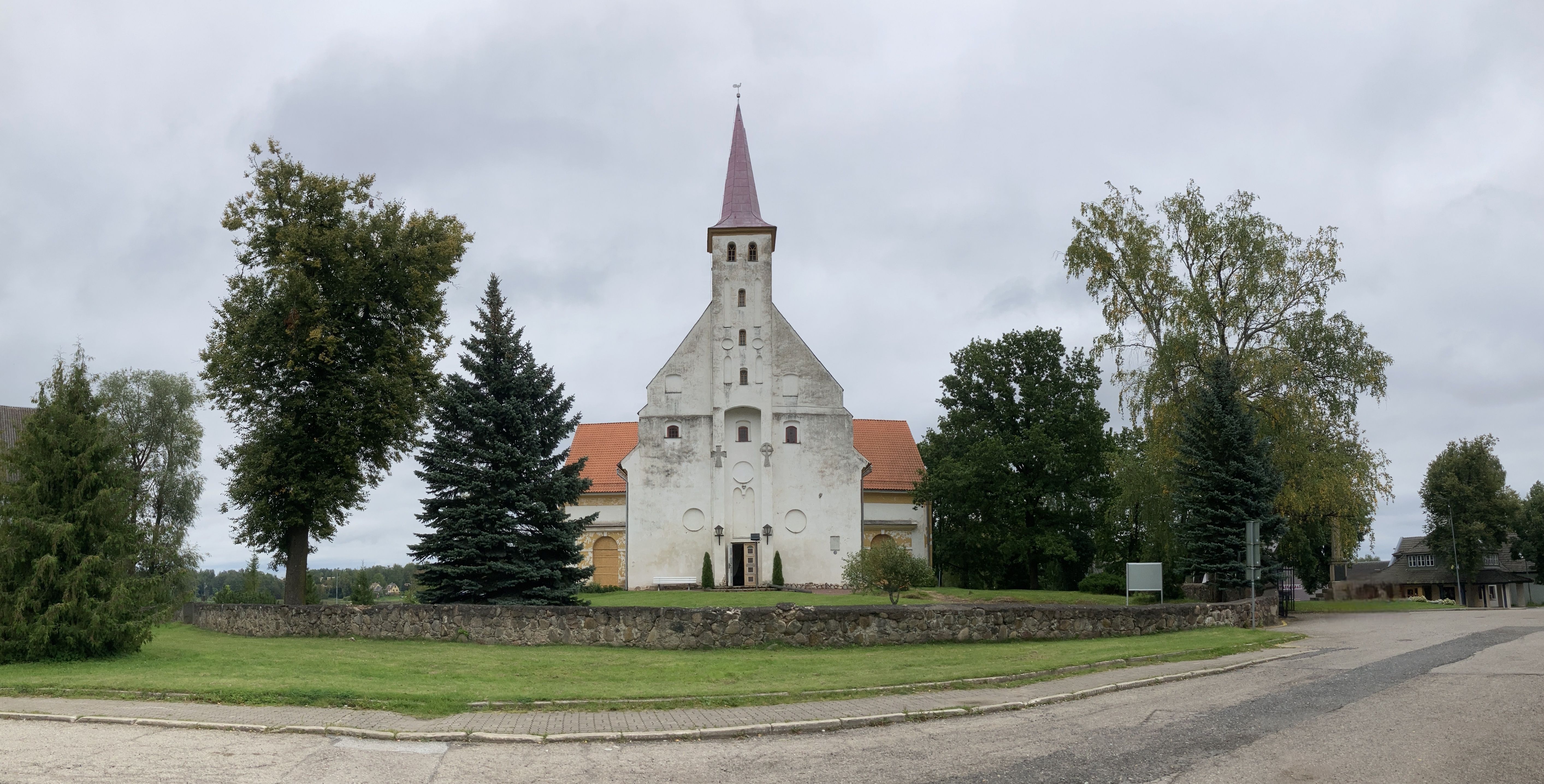
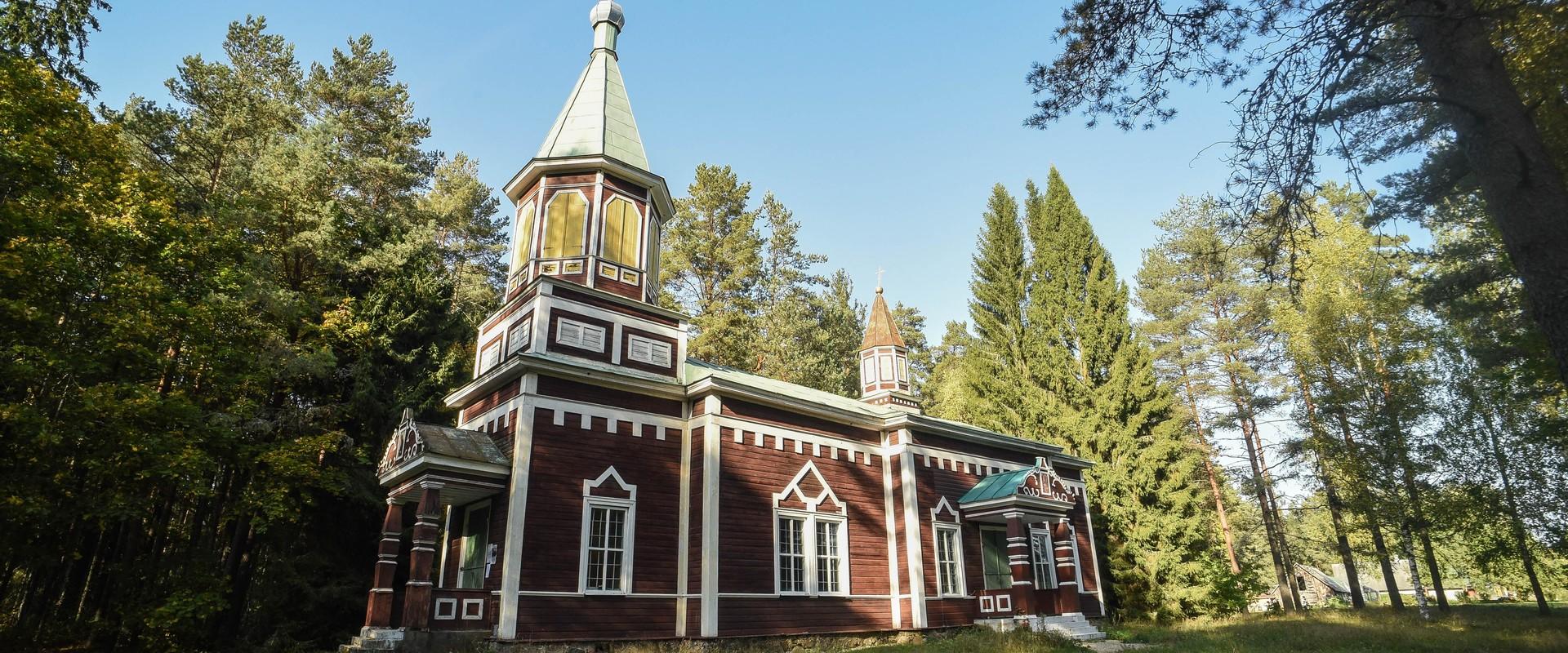
Saatse Church

Setomaa vald, Võru maakond, 64037

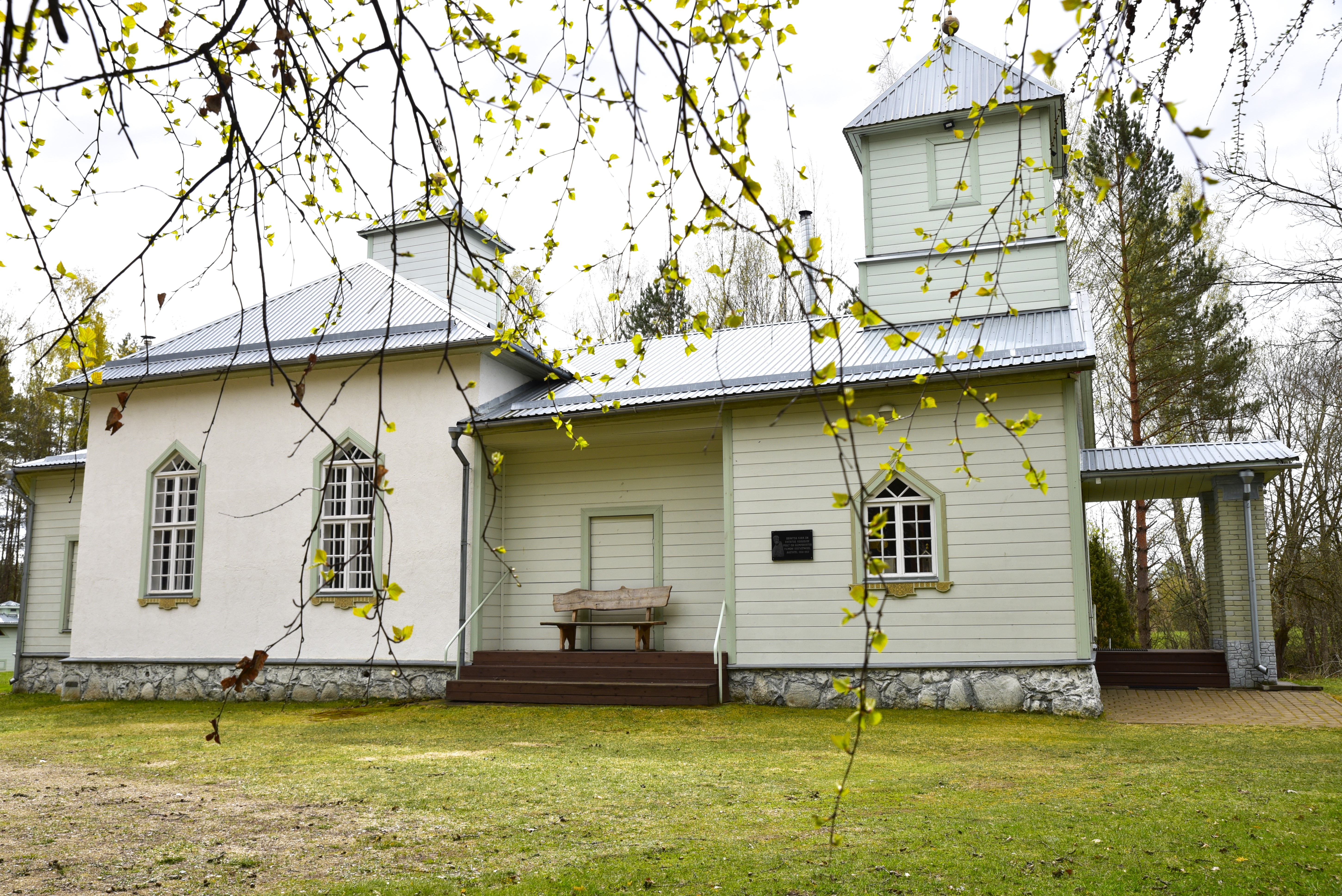
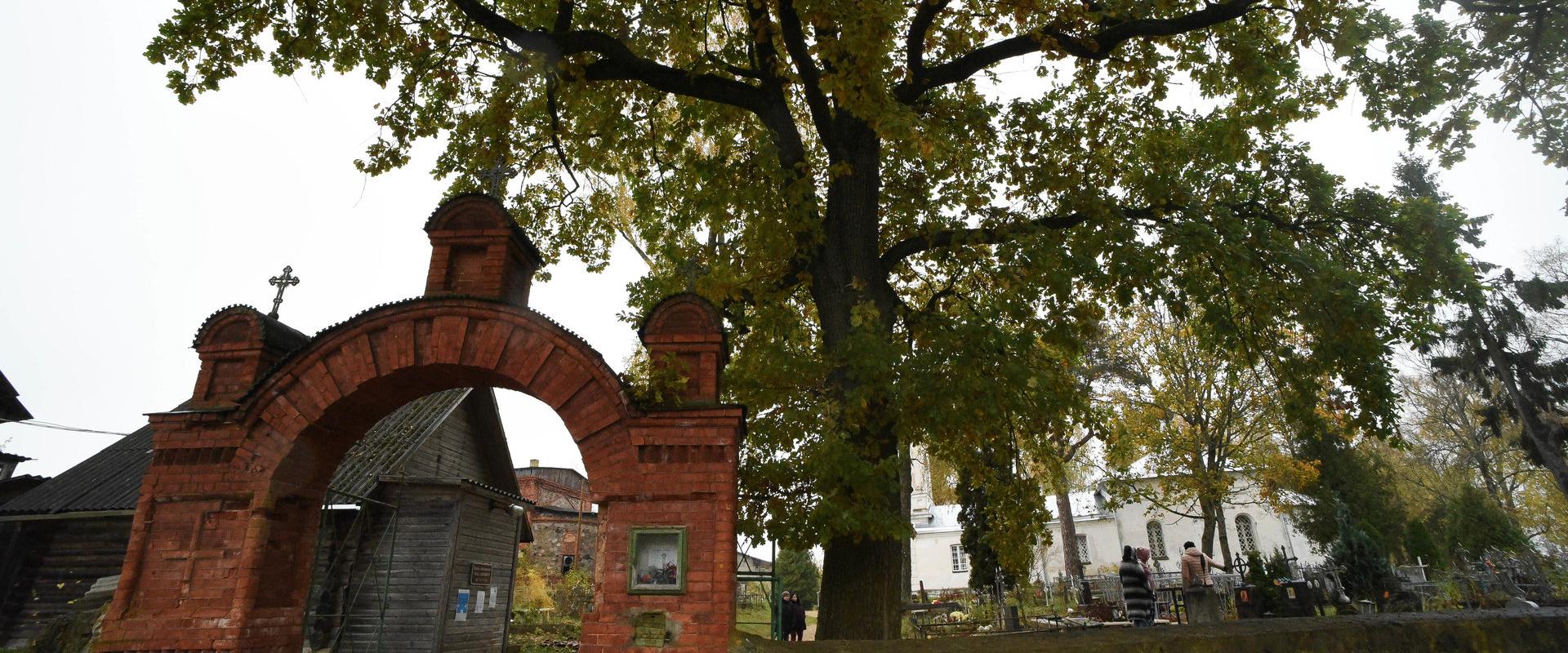
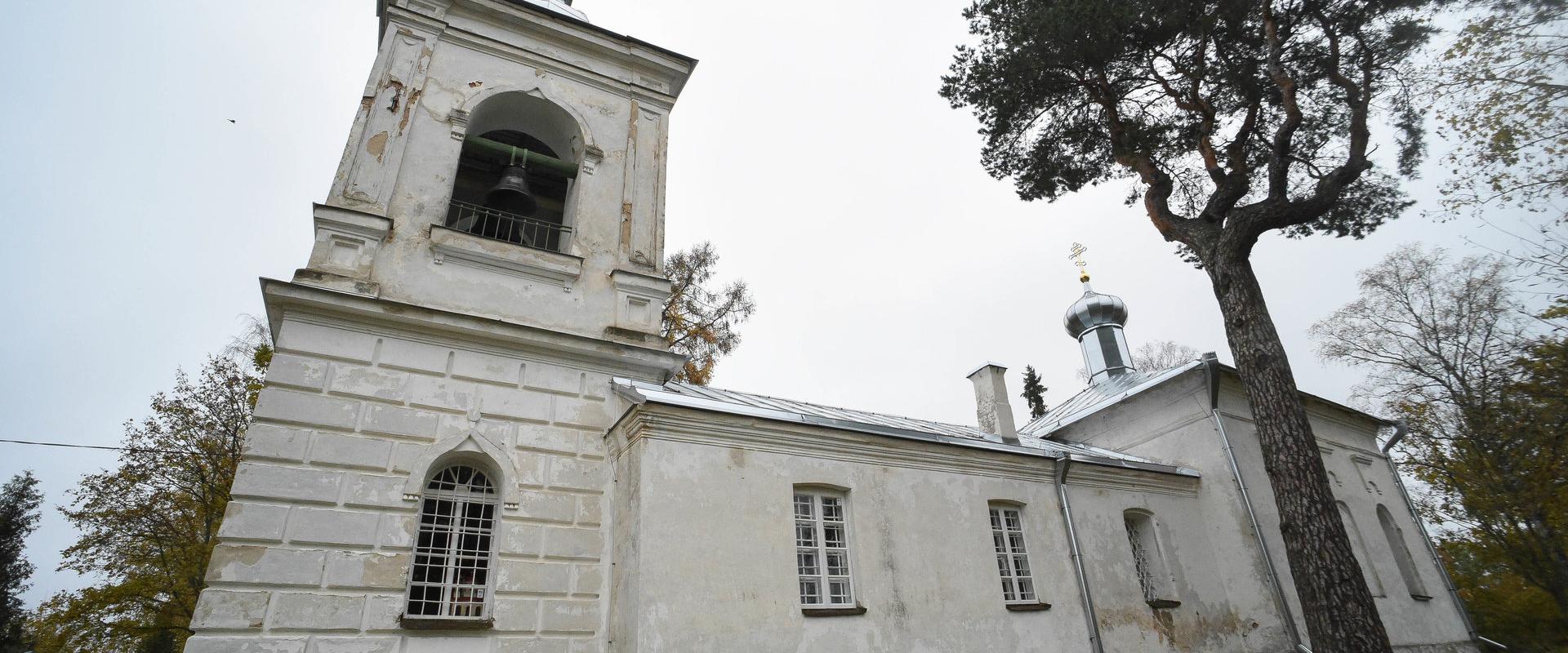
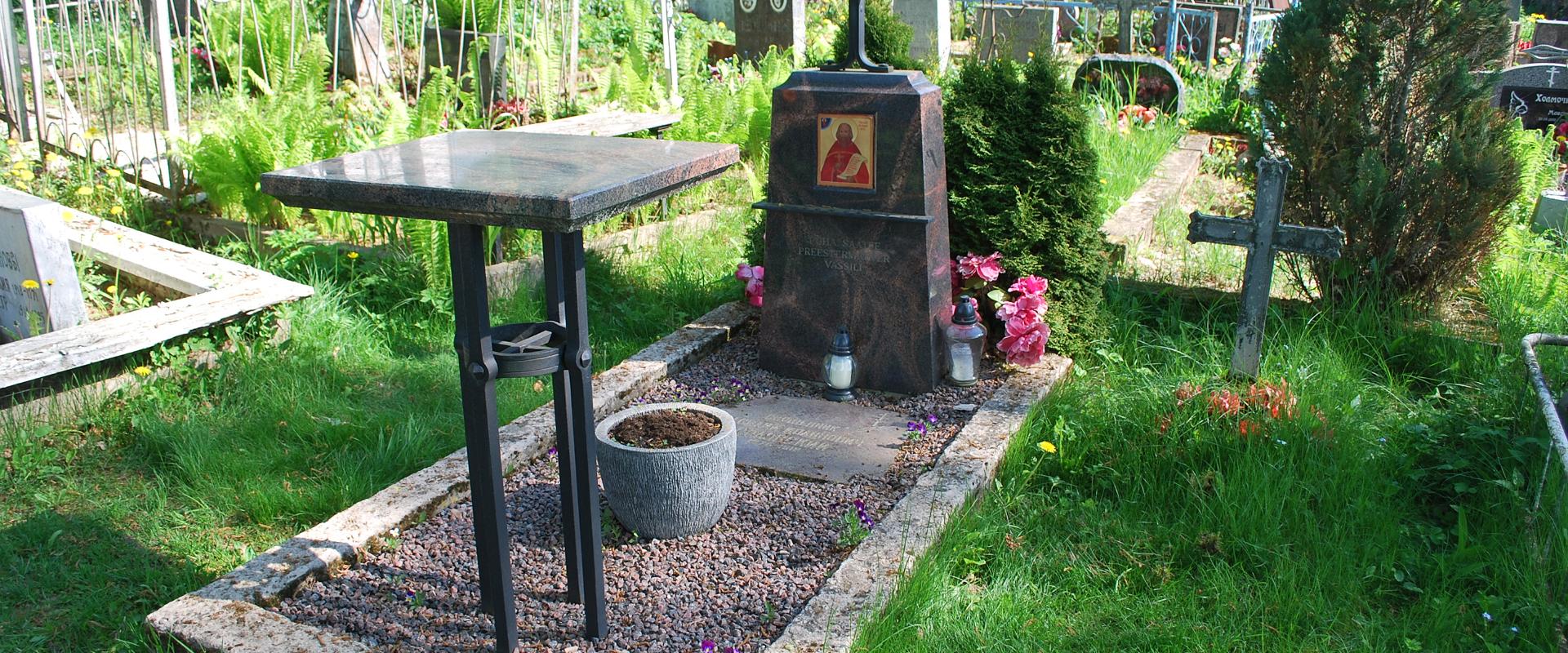
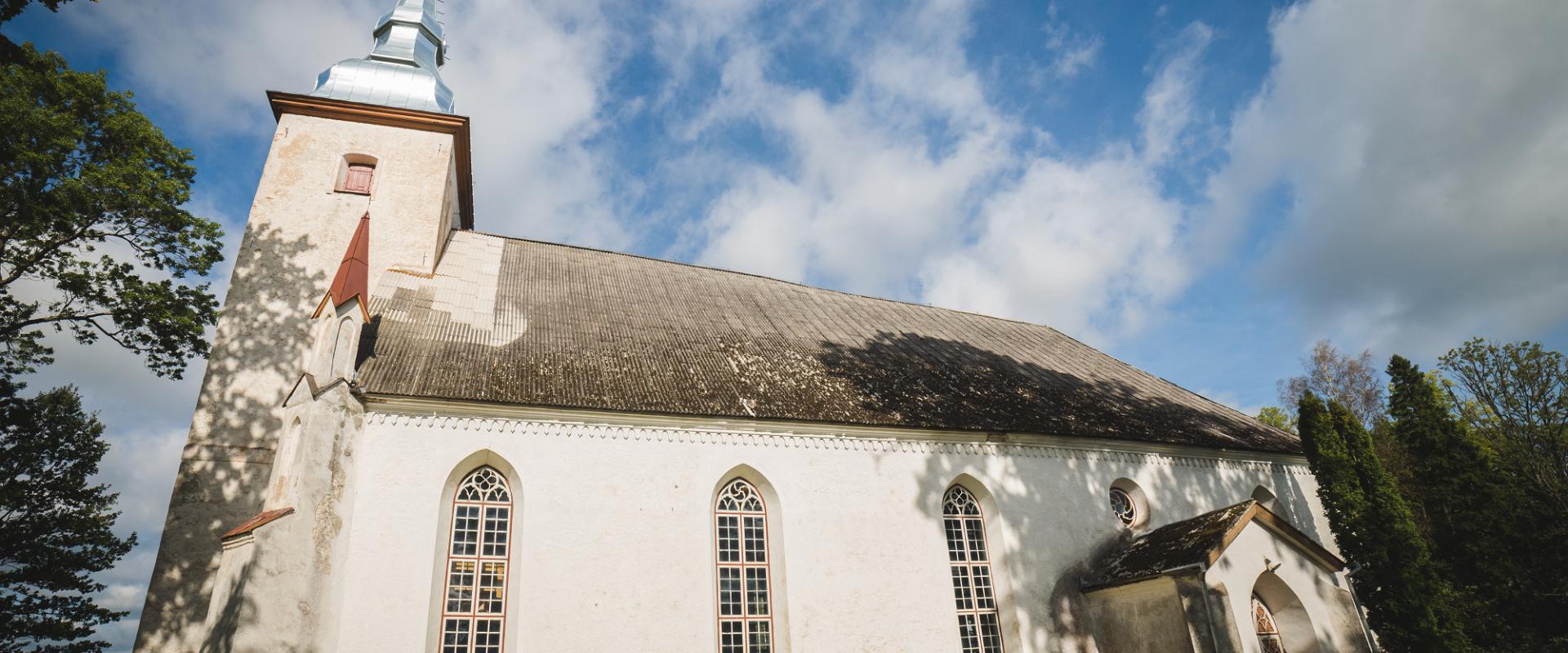
Saatse Church was completed in 1801. This congregation has been a mixed congregation of Setos and Russians. Saatse’s biggest holiday is St. Paraskeva’s Day (the last Friday in July.). Paraskeva means «Friday» in Greek. The church has «royal gates» from the old wooden church, and a 15th century stone cross. The only saint of Seto background is associated with the church: St. Stefanus, a former parish priest, who is depicted in icons in Seto folk costume. In 1919, Stefanus was shot along with Father Vassili, who was also declared a saint. 
Mugavused

  • Paid parking

Lahtiolekuajad

Aastaringselt

Eeltellimsel

Kontakt

  • +372 5660 6703
  • andreas@eoc.ee

Lingid

Vaata lisaks

  • Churches

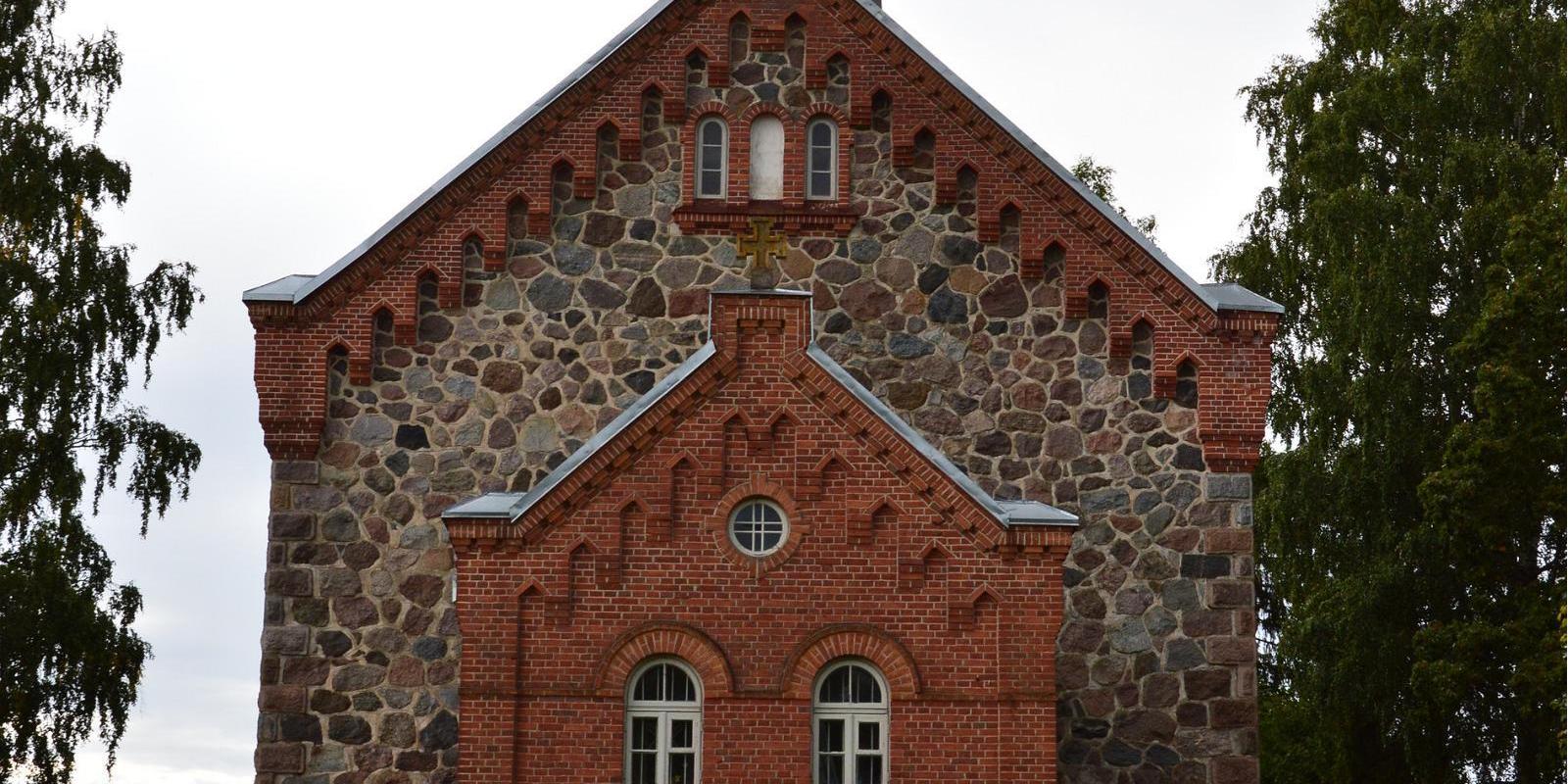
Lutheran Church of Blessed Virgin Mary in Põlva

The Church of Blessed Virgin Mary in Põlva is one of the oldest churches in historical Võrumaa. The rarities of the church are the old altar painting The Last Supper (1650) and the altar panels (1647). There is an altar painting The Resurrection (Friedrich Ludwig von Maydell, 1845). The church was originally a square-shaped hall church with three naves. Today it has preserved from it a high tower with a deep niche and a Western façade. Interesting to know: According to a legend, the key of the church is held by a kneeling girl called Mary who is walled in. Allegedly that is also the origin of the name of the church and Põlva (‘knee’ for the Estonian ‘põlv’).

  • Churches

Elva Church of the Estonian Evangelical Lutheran Church

You will find this historicist red-brick church (architect Arved Eichorn), which is the first new church built in the Republic of Estonia, in the peaceful little town Elva. Tartu St John’s Congregation used to operate in Elva for some time. This is why some details of the Elva Church remind of Tartu St John’s Church – the rarely used plaster and brick imitation of a rose window on the western wall of the church refers to the medieval rose window that can be found in Tartu St John’s Church.

  • Churches

Obinitsa Church and Cemetery

Obinitsa Church was built deep in the Soviet era: 1952, when the country was led by Comrade Stalin. The people's desire for a new sanctuary (the old church was given to the school) was so great, that it bypassed the politics of the day. The Obinitsa Church's main holiday is 19 August - The Feast of the Transfiguration - and thousands of people visit the church that day to remember their ancestors and spend time with a relatives. People have been buried in Obinitsa Cemetery for at least 1,500 years. The oldest burials are marked by small stones located in the western part of the cemetery. The well-known Seto singer Hilana Taarka and the creator of the Obinitsa Museum, Lidia Sillaots, are buried in this park-like cemetery.

  • Churches

Pindi church in Lasva

Pindi Jaani (St. John's) church was built according to the plan by architect J. G. Mühlhausen. The church was consecrated in 1881. A massive tower stands In the western part of the rectangular church, the vestry is in the north-eastern part. The altarpiece is a copy of the one in Rõuge church, "Jesus on the cross" by Rudolf von zur Mühlen. The new organ built by the brothers Kriisa was consecrated in 1903.The grave and monument of Captain Friedrich Vreeman (1894–1919), who was killed in the Estonian War of Independence, are in the church cemetery. Service is held Sundays at 10.30.Useful information: Laine Villenthal, who was the first woman ordained as a minister in Estonia, served in Pindi church until 2004.

  • Churches

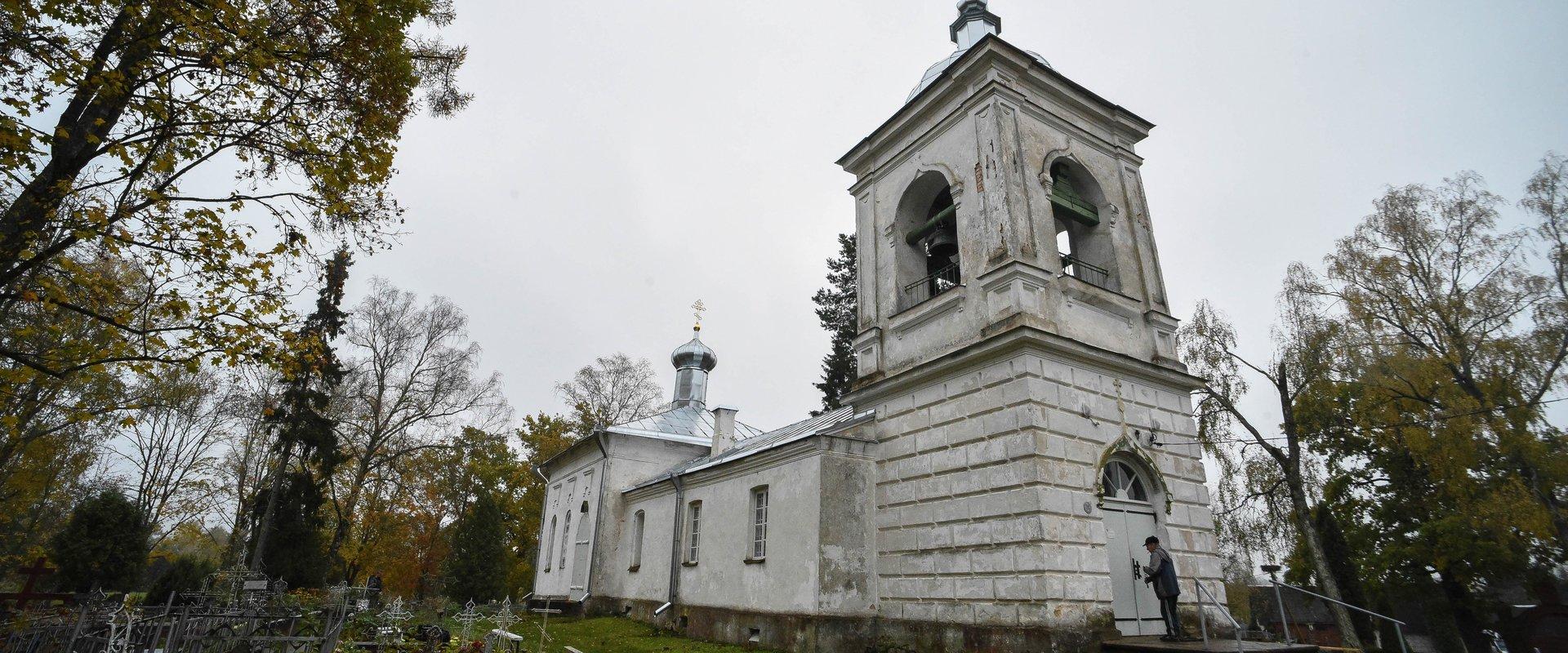
Rajaküla Old Believers’ Worship House

It is believed that the Raja congregation of Old Believers was established in the first quarter of the 18th century. The congregation was given permission to build its own church only in 1879. The church was destroyed during the Second World War – the only thing left is the belfry. The present worship house has 11 rooms. In 1854–1930 Gavriil Frolov lived in the worship house. He taught children icon-writing, reading and writing in Old-Slavic, also singing based on old musical notation.

  • Churches

Kursi’s Sts. Mary and Elisabeth Church of the Estonian Evangelical Lutheran Church

Baroque architecture in concordance with pseudo Gothic architecture (alteration by Johann Gottfired Mühlhausen). Twelve small spiring pinnacles symbolise the twelve apostles of Jesus. The church manor is a historical parochial centre; there is a museum in the vicarage (built in 1817).

  • Churches

Memorial Tablet of the Northern Sons of Finland

A black granite memorial tablet bearing almost 200 names was installed on the wall of the Valga Jaani (St John’s) Church in 1934 in remembrance of the Finnish volunteers who fell in the Paju Battle of the War of Independence. The polar bear sign of the Northern Sons Regiment is shown on the shield above the stone. In 1940 the memorial tablet was demolished with pickaxes by the order of communists. The memorial tablet was reopened on the 80th anniversary of the Paju Battle in 1999.Interesting facts: * the memorial tablet was opened in 1934 by President Konstantin Päts; * the first table was made in Finland and the second one in Tartu; * donations for the second tablet were collected by Ylistaro Rural Municipality (Finland) at the initiative of Ossi Salo.

  • Churches

St. Mary’s Church in Rõuge

The first stone church was constructed in Rõuge in the 16th century. In 1730, the original church, which was destroyed in the Great Northern War, was replaced with one which had an imposing square tower. The church was blessed in the name of St. Mary. The altar-piece "Christ on the cross" by R. von Mühlen is from 1854. In 1860 the walls were made higher and a mirrored arch was installed. In 1930 the church got a 31-register organ built by the Kriisa brothers. The first Estonian pastor in Rõuge was Rudolf Gottfried Kallas.Useful information! You can attend mass at the church every Sunday at 11:00 and in summer, the church is used as a wayfarers' church. Entrance to the tower is for a fee (grown ups 1.50, children 1 and family ticket 3 euros).

  • Privacy Policy

"*"обозначает обязательные поля

Это поле используется для проверочных целей, его следует оставить без изменений.
Я разрешаю маркетинг