• Avasta
    • Еда
    • Природа
    • Культура
    • Семья
    • Спорт
    • Сообщество
    • Блог
  • Planeeri
    • Размещение
    • Информация
    • Varamu
RUS
  • РусскийRUS
  • EestiEST
  • EnglishENG
  • LatviešuLAT
  • SuomiFIN
RUS
  • РусскийRUS
  • EestiEST
  • EnglishENG
  • LatviešuLAT
  • SuomiFIN
Populaarsed otsingud:
Näita kõiki tulemusi
  • Architecture and history
  • History & Culture
  • Churches

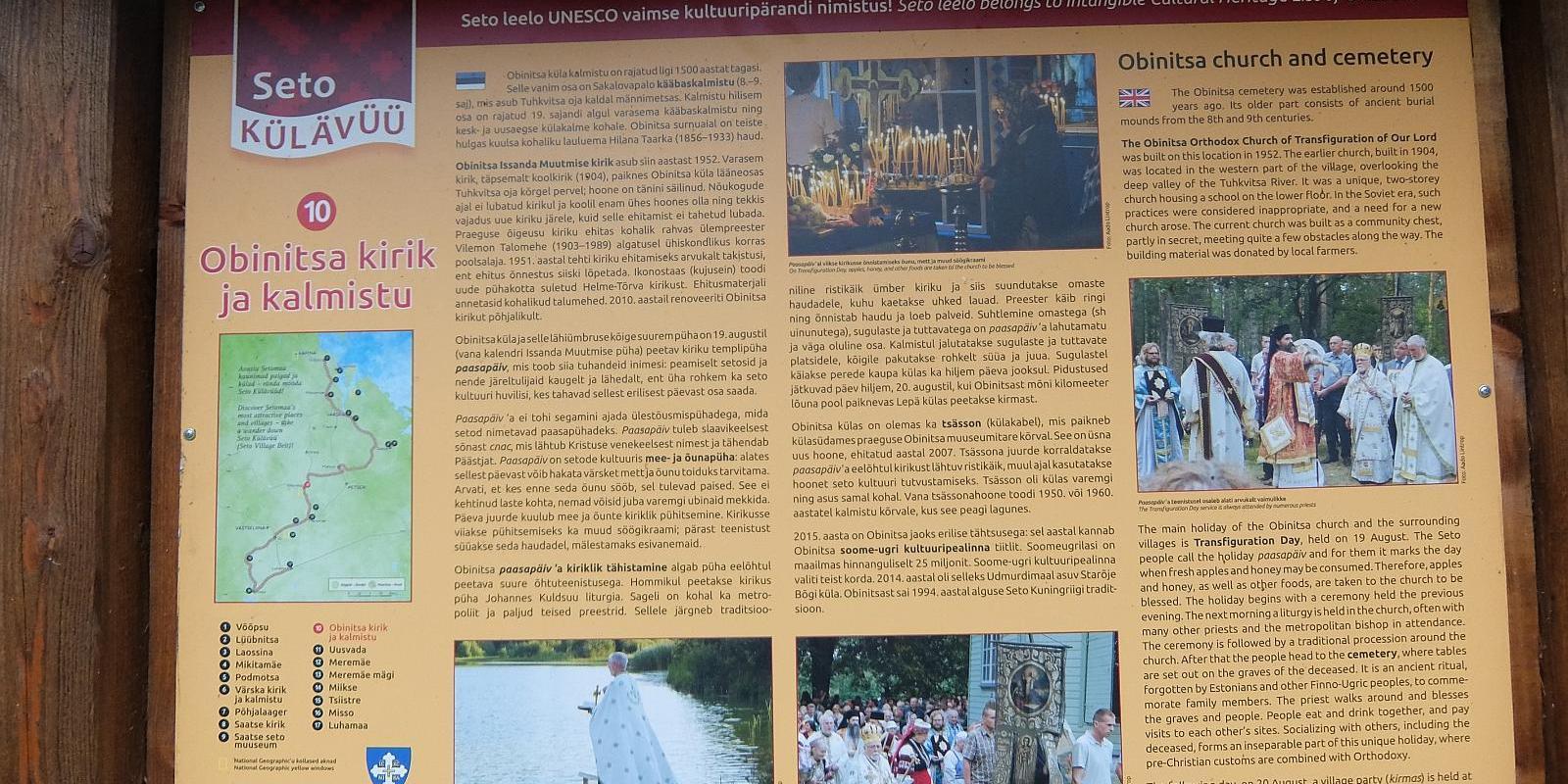
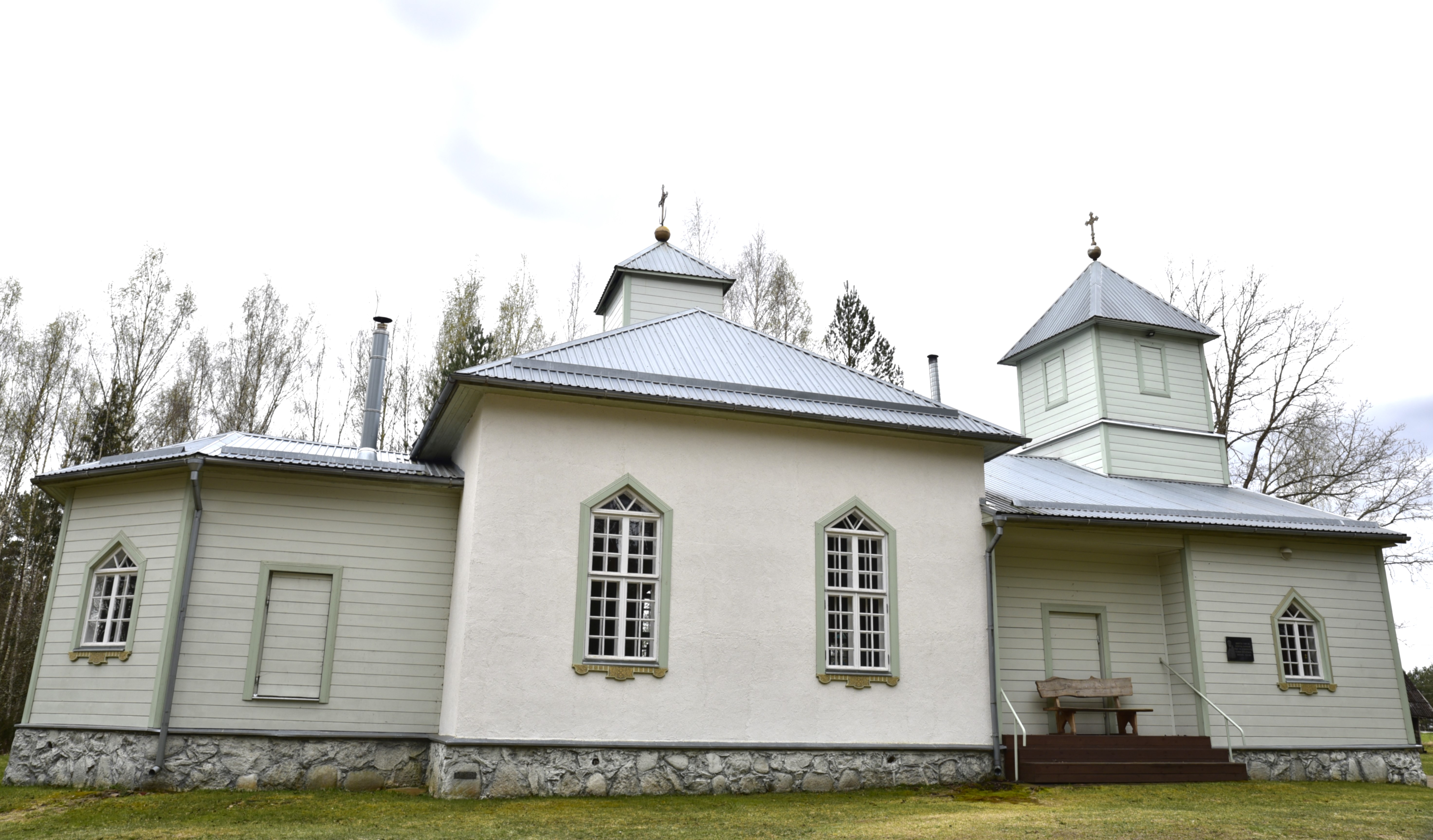
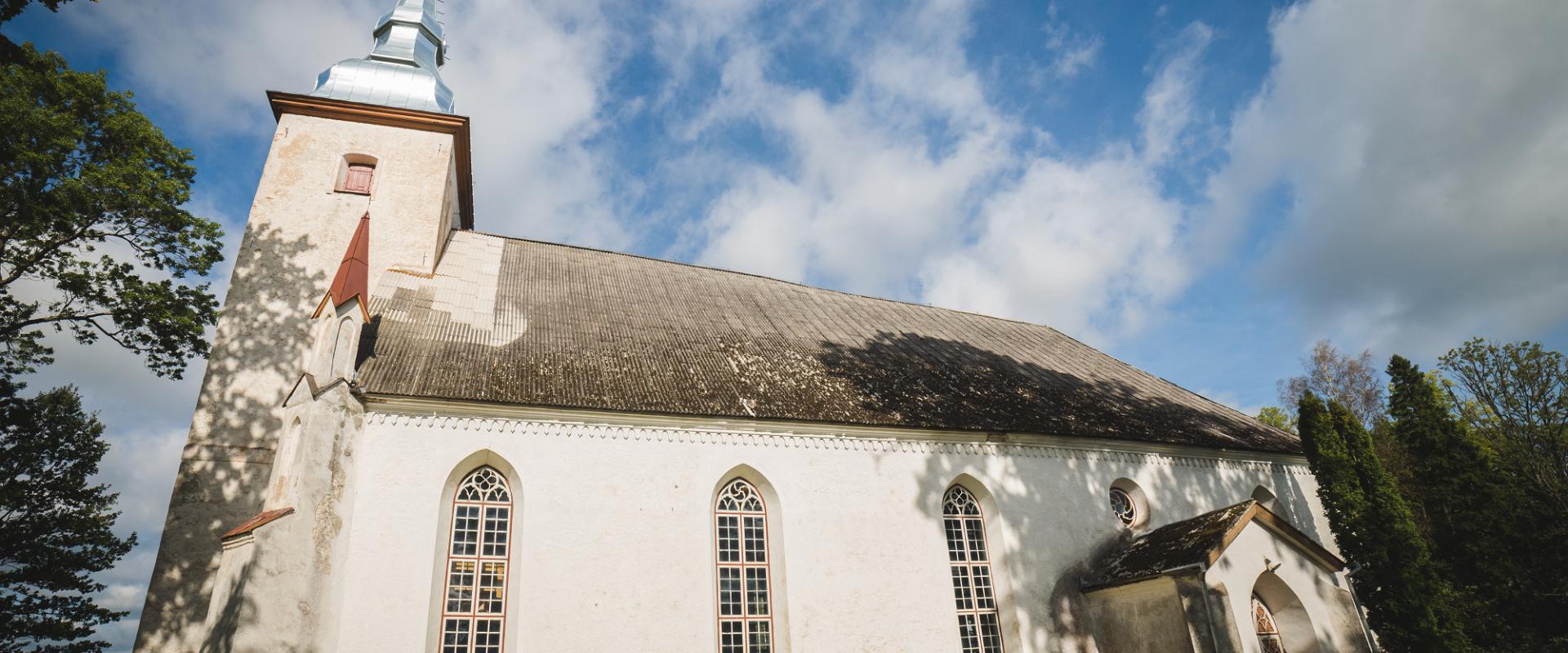
Obinitsa Church and Cemetery

Kesktänav 40, Setomaa vald, Võru maakond, 65301

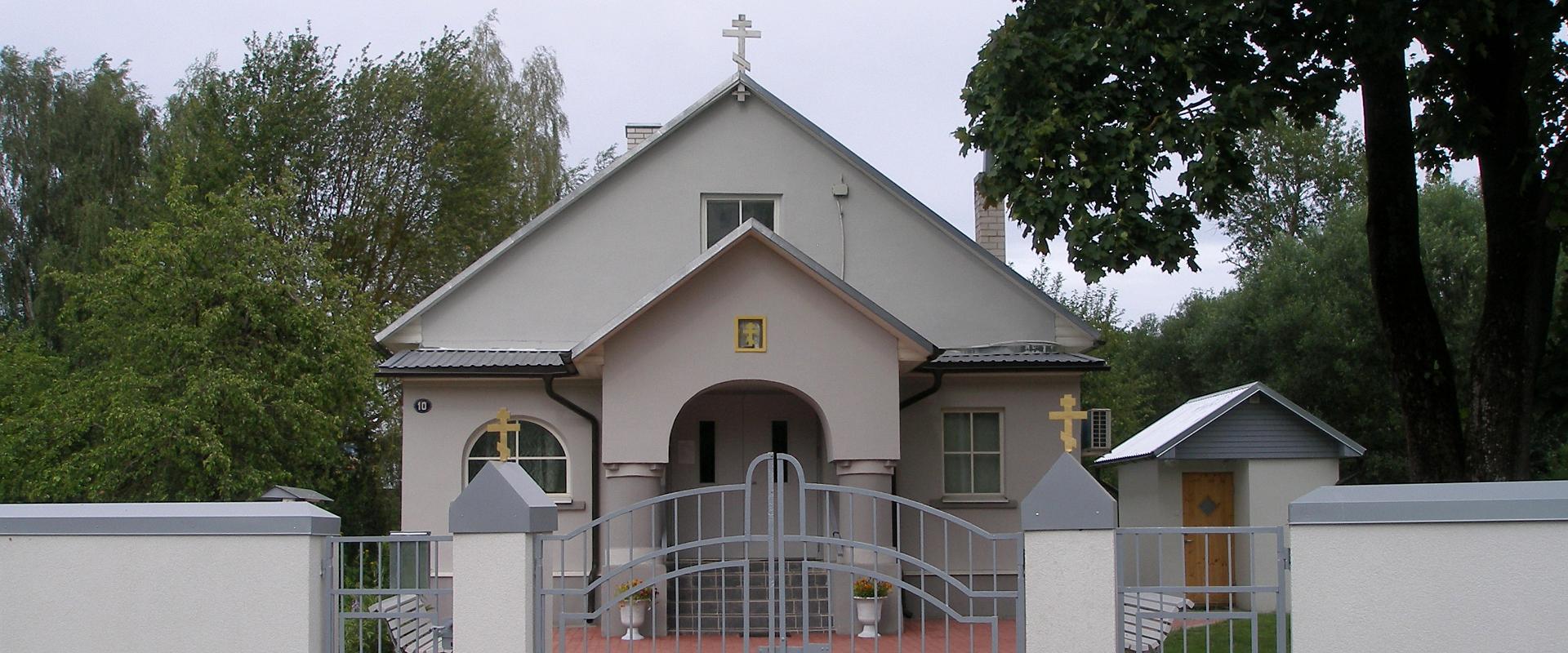
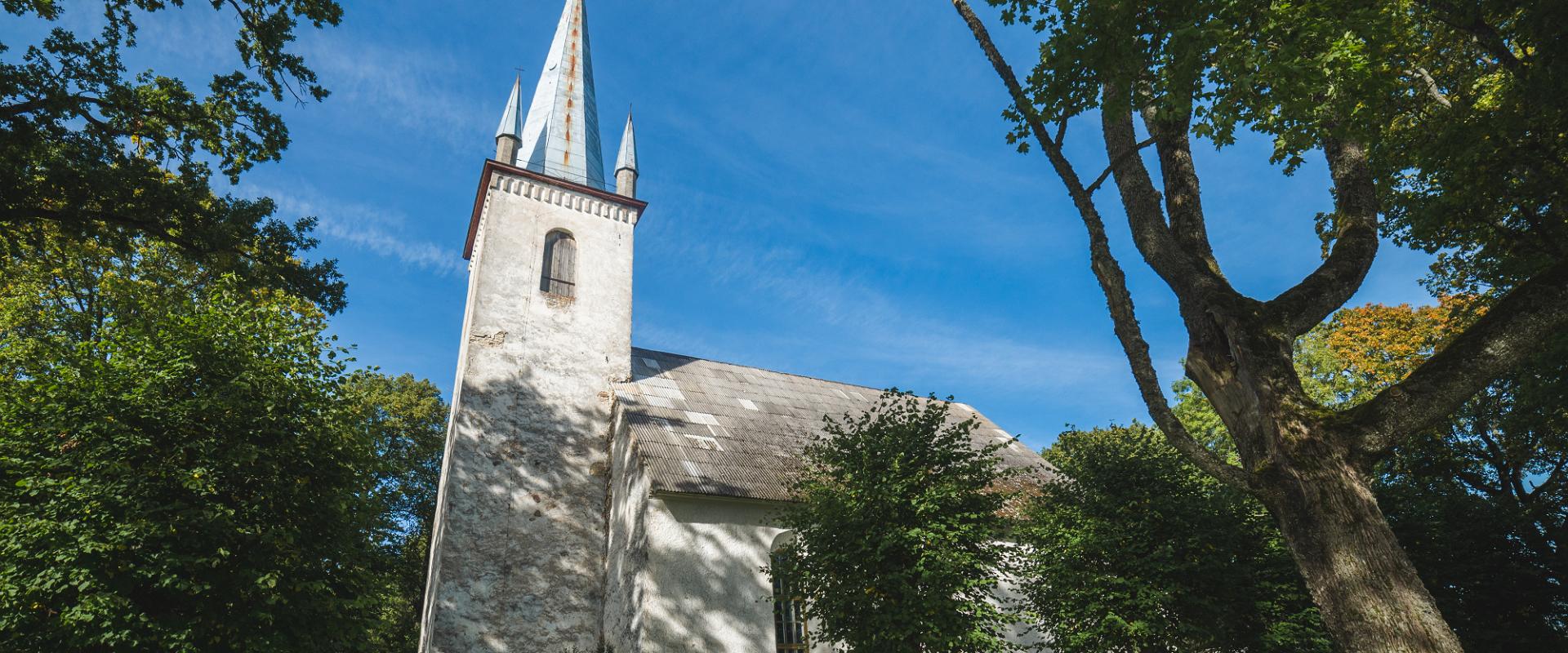
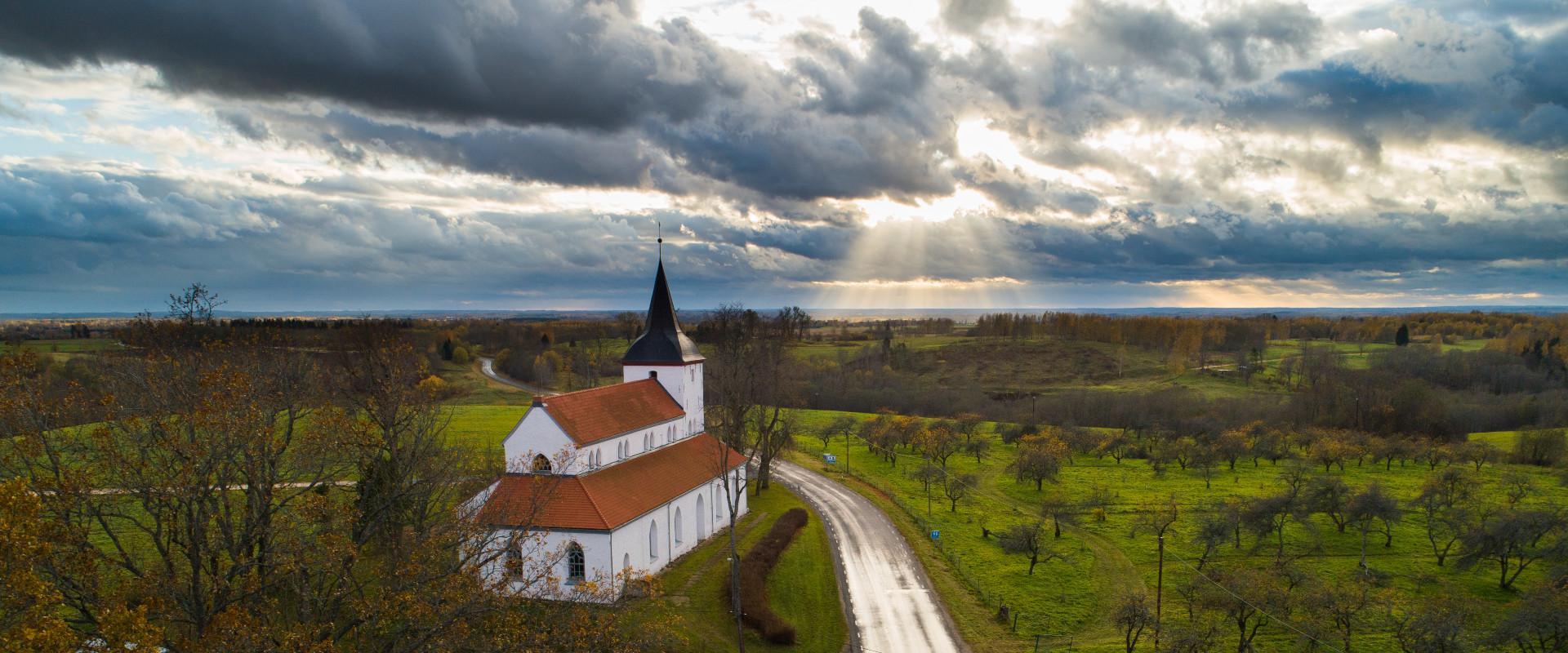
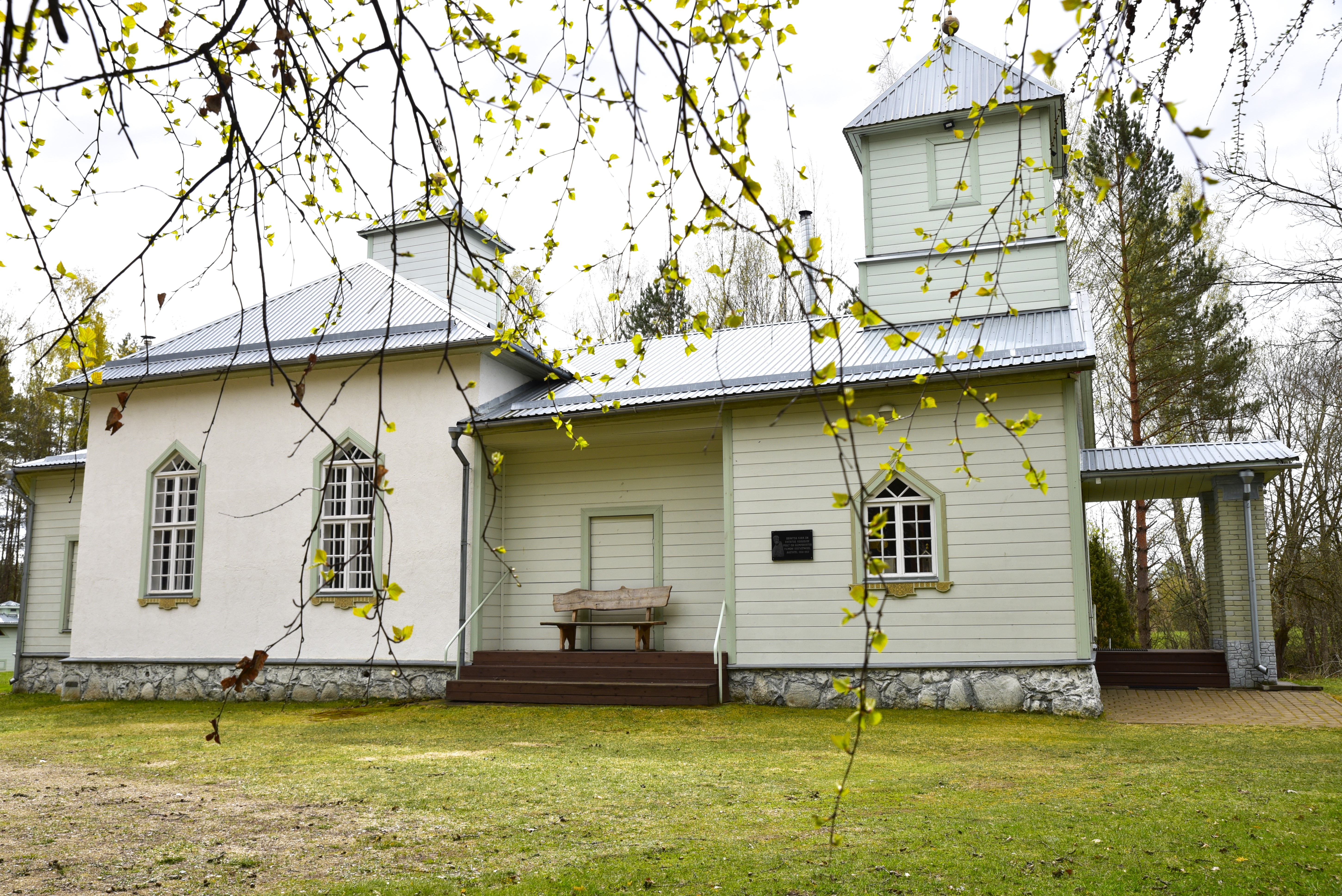
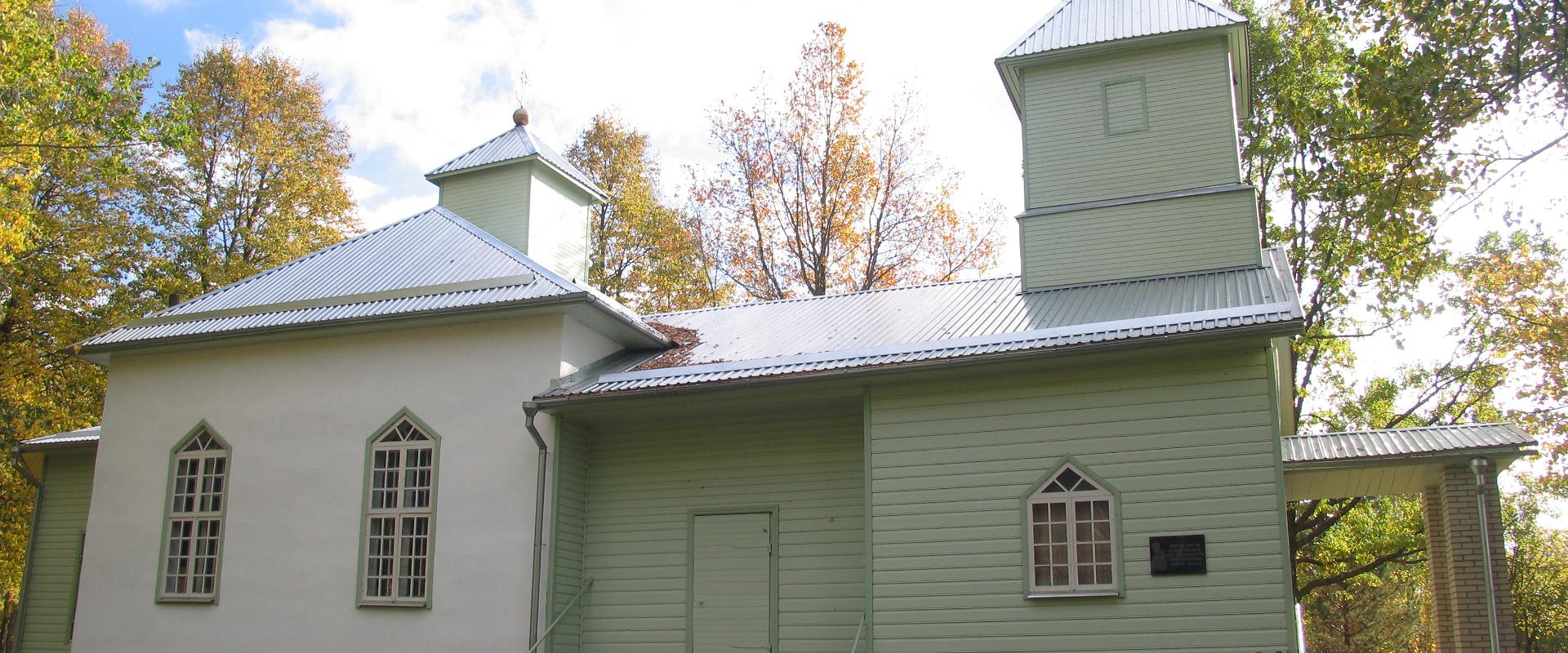
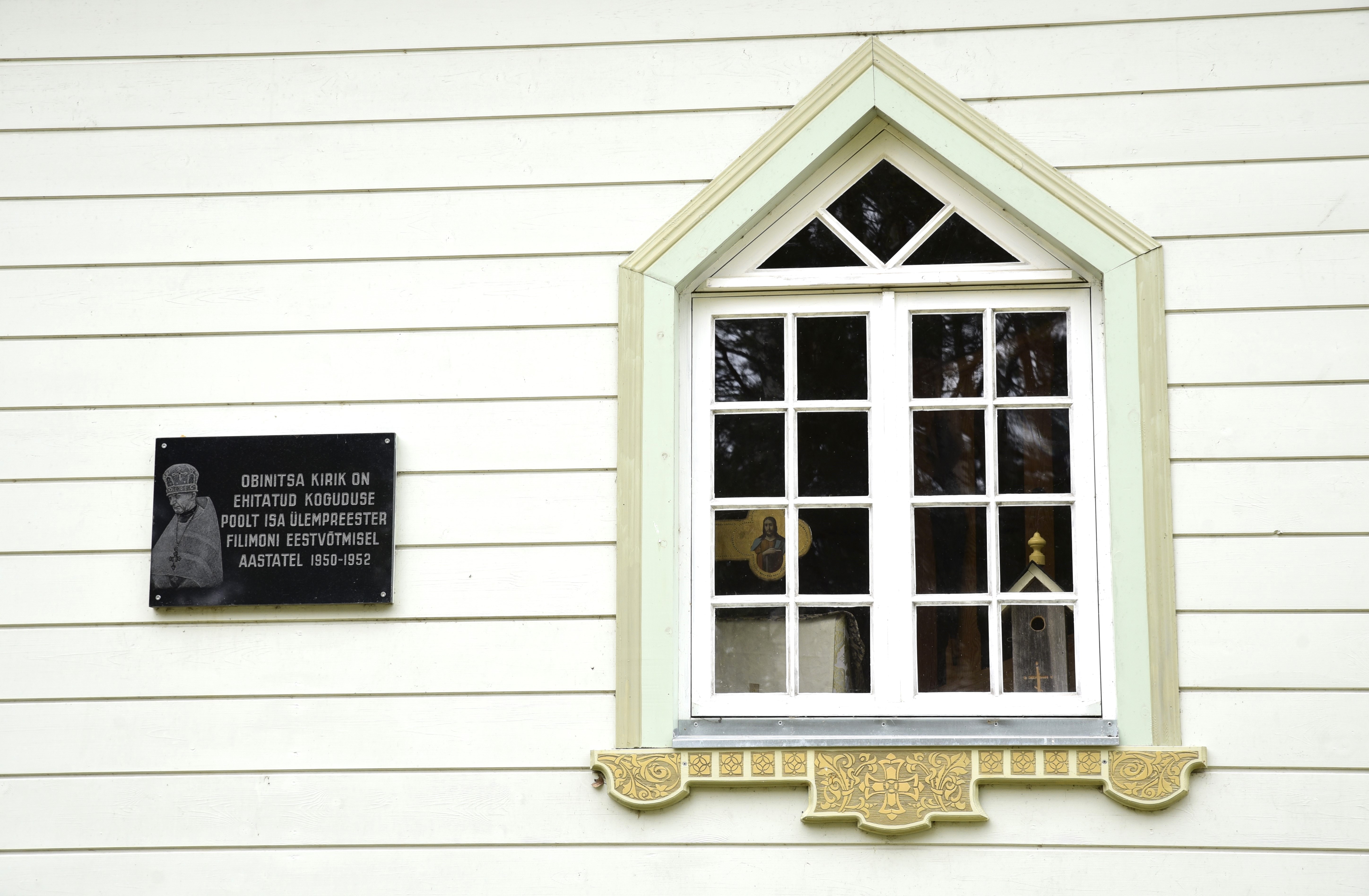
Obinitsa Church was built deep in the Soviet era: 1952, when the country was led by Comrade Stalin. The people’s desire for a new sanctuary (the old church was given to the school) was so great, that it bypassed the politics of the day. The Obinitsa Church’s main holiday is 19 August  — The Feast of the Transfiguration — and thousands of people visit the church that day to remember their ancestors and spend time with a relatives. People have been buried in Obinitsa Cemetery for at least 1,500 years. The oldest burials are marked by small stones located in the western part of the cemetery. The well-known Seto singer Hilana Taarka and the creator of the Obinitsa Museum, Lidia Sillaots, are buried in this park-like cemetery.
Mugavused

  • Free parking

Lahtiolekuajad

Aastaringselt

Eeltellimsel

Kontakt

  • +372 5326 7546
  • turism@setomaa.ee

Lingid

Vaata lisaks

  • Churches

Rõngu St Michael’s Church of the Estonian Evangelical Lutheran Church

The medieval Rõngu St Michael's Church is dedicated to the Archangel Michael. The church is also known as the oldest building in Rõngu.The church has suffered major damage in several wars, and over time, the original architecture has been partially altered during the restorations. The current shape of the church dates from the last reconstruction in 1901.Today, the most significant parts of the church are the altarpiece (1901, the work of a Dresden artist), the organ (V. Müllverstedt, 1874), and the stained-glass windows (1900, the work of Riga artists).The church participates in both the 'Wayfarers' Churches' and the 'Night of Churches' programme.The church can be visited on Sundays during the service or by prior arrangement.

  • Churches

Nõo Holy Trinity Church of the Estonian Apostolic Orthodox Church

There is a remarkable historicist Orthodox church with quarrystone and brick walls and five onion-cupolas in Nõo small borough.The Nõo Congregation was founded in 1852 for Estonian Orthodox Christians who previously belonged to the Tartu Georgi congregation. The architecturally remarkable church is made of quarrystone and red bricks and has a bell-tower in the western side. It was completed in 1873. The interior architecture of the church is simple and the iconostasis dates back to the late 19th century.Services are held in the Holy Trinity Church in Nõo on the second Saturday of each month.

  • Churches

St Michael’s Lutheran Church in Räpina

This church, dedicated to the archangel Michael, was completed in 1785. It stands on the shores of a man-made lake in Räpina and enjoys beautiful views over Sillapää castle and park. The walls of the church, which was constructed in Late Baroque style, are made from rendered natural stone. The front of the church is adorned with sculptures dating from the time of its construction, which symbolise Hope and Love.One of the church's most valuable assets, the two-part altar painting entitled 'The Appearance of the Risen Jesus to Mary Magdalene' and 'The Burial of Jesus', was painted by Carl Antropoff in 1871.

  • Churches

Valga Roman Catholic Church of the Holy Spirit

The church was built of natural stone and bricks in 1907. Lithuanian and Polish railway workers were actively involved in building the church. The church operated until 1940 and from 1945, the building was used as a warehouse and later as a gym.The extension of the church was built in 1995 and the church was renovated. Interesting facts: * the church does not have a tower as the imperial government of Russia refused to give permission to build one.

  • Churches

Tartu St Luke’s Church of the Estonian Methodist Church

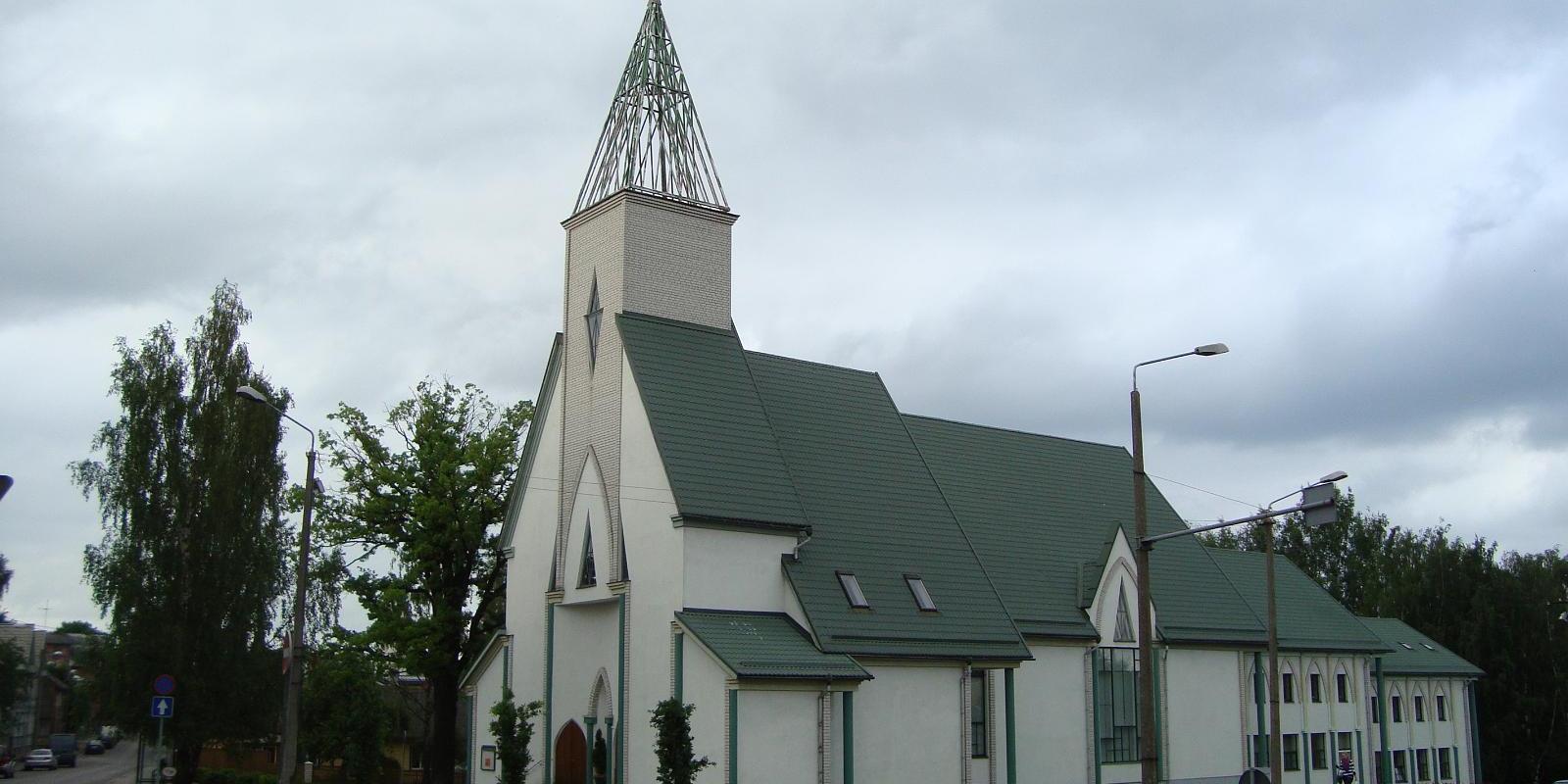
Tartu St Luke’s Church is a modern sacral building (architect Indrek Allmann), which is located in the Toomemägi area. Interesting facts: - Tartu St Luke’s Church was declared the best new building in Tartu in 2002; - the church is located on the site that used to belong to the famous professor of surgery Zoege von Manteuffel.

  • Churches

St. Mary’s Church in Rõuge

The first stone church was constructed in Rõuge in the 16th century. In 1730, the original church, which was destroyed in the Great Northern War, was replaced with one which had an imposing square tower. The church was blessed in the name of St. Mary. The altar-piece "Christ on the cross" by R. von Mühlen is from 1854. In 1860 the walls were made higher and a mirrored arch was installed. In 1930 the church got a 31-register organ built by the Kriisa brothers. The first Estonian pastor in Rõuge was Rudolf Gottfried Kallas.Useful information! You can attend mass at the church every Sunday at 11:00 and in summer, the church is used as a wayfarers' church. Entrance to the tower is for a fee (grown ups 1.50, children 1 and family ticket 3 euros).

  • Churches

Saatse Church

Saatse Church was completed in 1801. This congregation has been a mixed congregation of Setos and Russians. Saatse's biggest holiday is St. Paraskeva's Day (the last Friday in July.). Paraskeva means "Friday" in Greek. The church has "royal gates" from the old wooden church, and a 15th century stone cross. The only saint of Seto background is associated with the church: St. Stefanus, a former parish priest, who is depicted in icons in Seto folk costume. In 1919, Stefanus was shot along with Father Vassili, who was also declared a saint.

  • Churches

Otepää Winter Church

The Winter Church is located in a converted auxiliary building of the old church manor and is used mostly in the winter period. It is a small and cosy church that was built largely with the money donated from Finland. The church was consecrated on 6 December 1992 – the Independence Day of Finland. The consecrated name of the winter church is the Widow and Orphan Chapel. It is dedicated to widows because they were the ones who kept the church alive with their small salaries in the Soviet times. The blue, black and white flag of the Estonian Student Union, which later became the national flag and in 1991 the official flag of the state of Estonia, was consecrated in the rectory of the church next to it

  • Privacy Policy

"*"обозначает обязательные поля

Это поле используется для проверочных целей, его следует оставить без изменений.
Я разрешаю маркетинг